Precision-crafted mechanical brain teasers that challenge your spatial reasoning and patience. From sequential lock mechanisms to interlocking disentanglement puzzles—discover the perfect challenge for every skill level, whether you're seeking a mindful desk companion or the ultimate gift for puzzle enthusiasts.
Each puzzle selected for its mechanical ingenuity and satisfying solve experience. From elegant simplicity to mind-bending complexity.
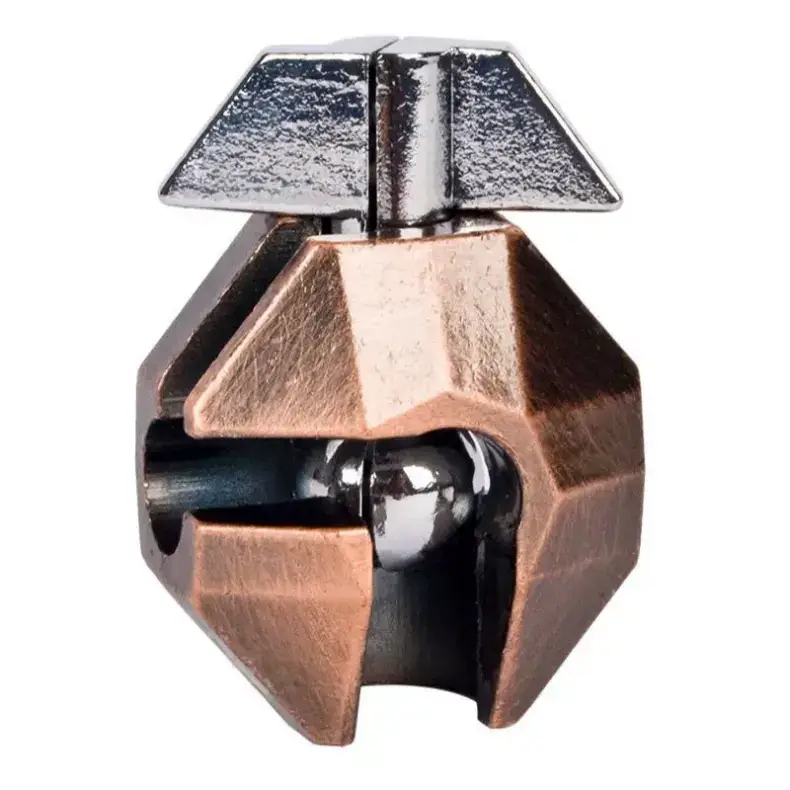
Premium cast metal puzzle with authentic grenade-like design. Requires observation, logical reasoning, and precise manipulation to unlock.
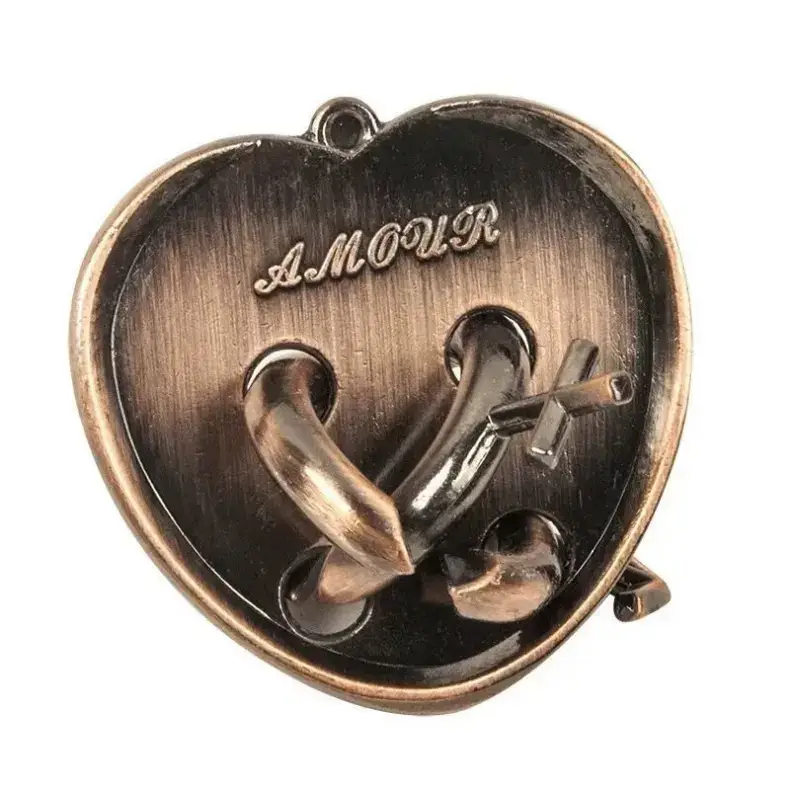
Love-inspired brain teaser with heart core, arrow ring, and cross ring. Press, rotate, and align strategically to unlock.
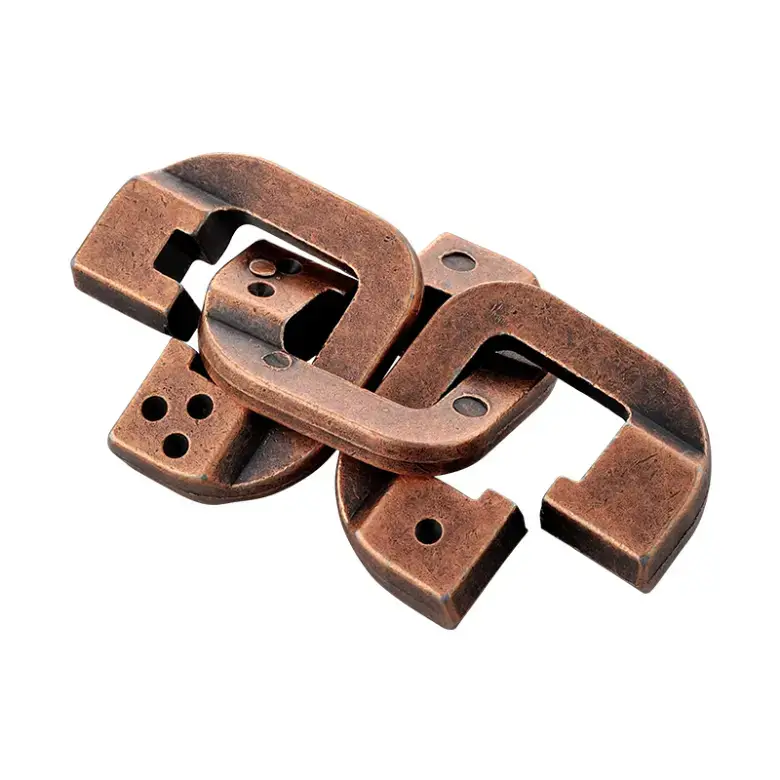
Compact metal lock puzzle—perfect desk break, tricky enough to clear your mind between tasks without overwhelming.
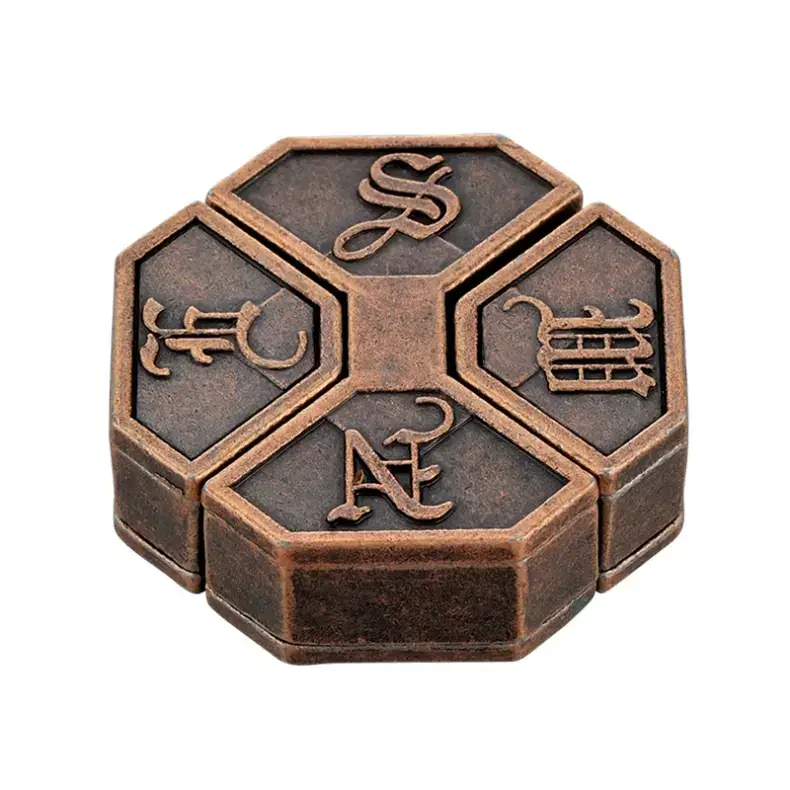
Eight-trigram design inspired by ancient Chinese philosophy—elegant fusion of art, culture, and sequential logic.
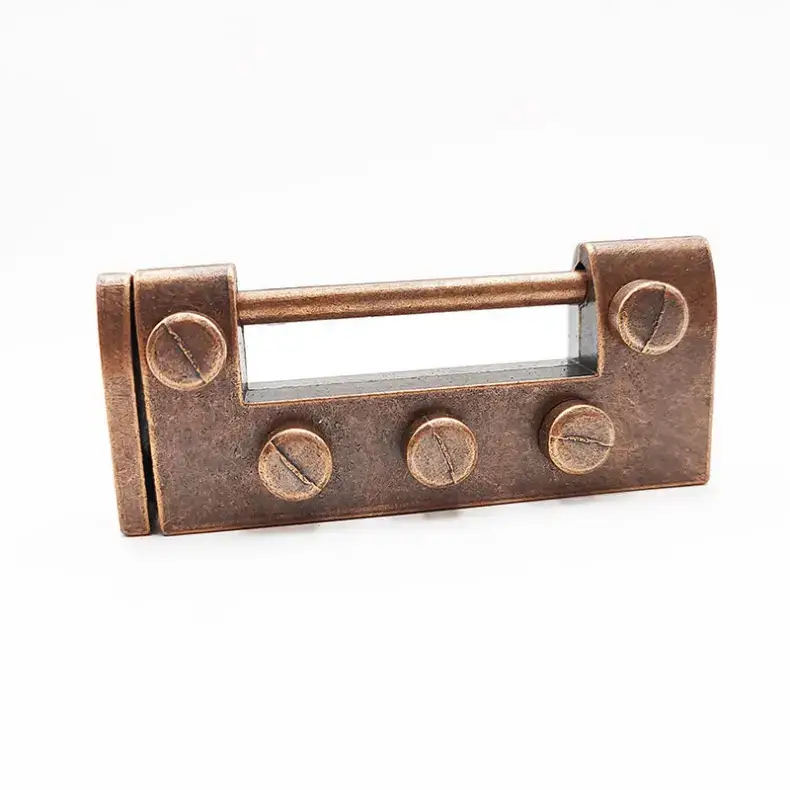
Aged brass aesthetic meets clever internal mechanism—display piece and brain teaser combined for serious collectors.
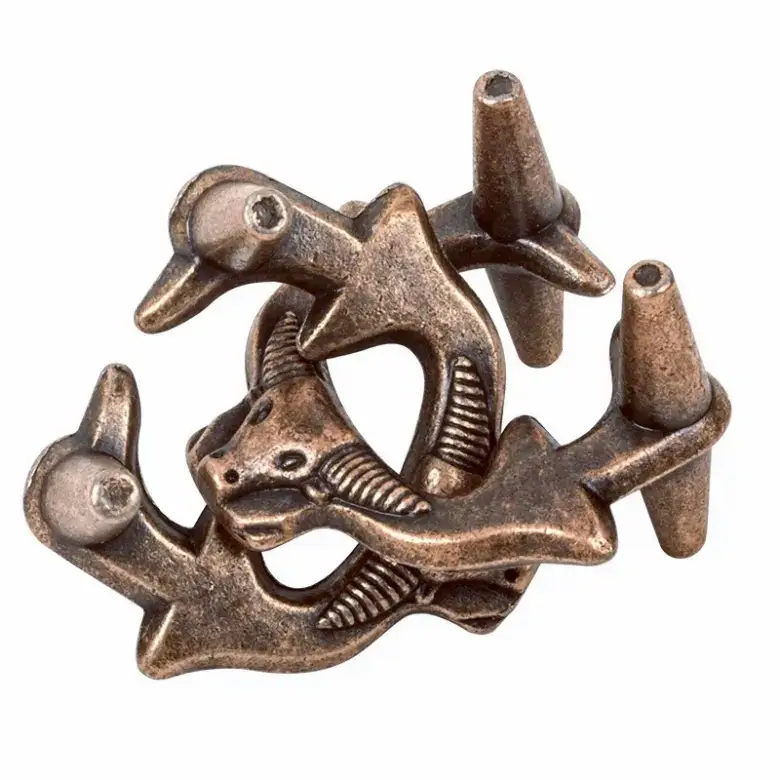
Ornate bull head design conceals disentanglement challenge—strength symbolism meets precision puzzle craft.
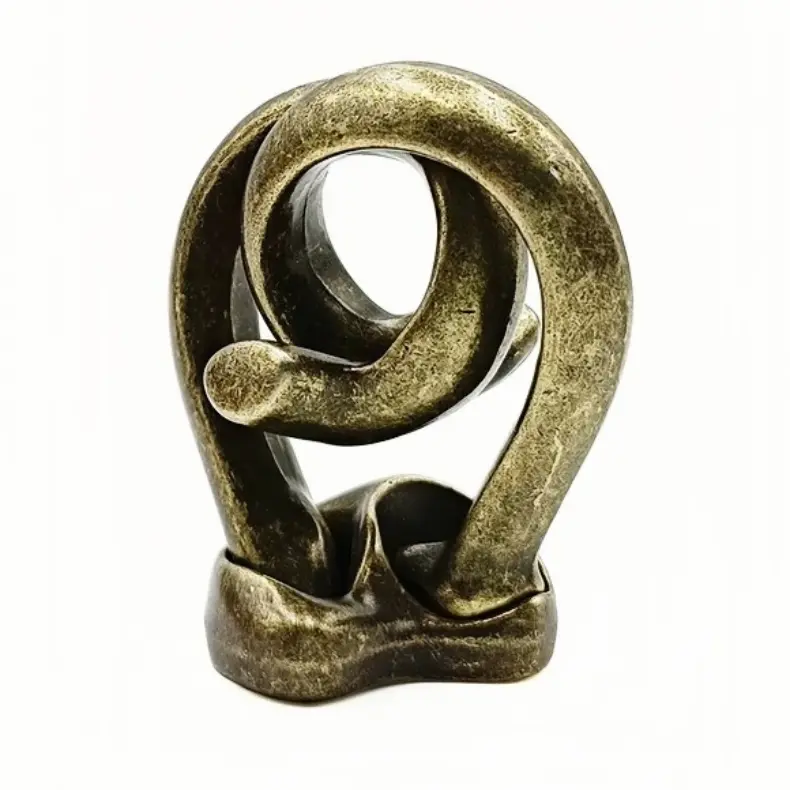
Three interlocked metal components challenge spatial reasoning. Elegant columns defy conventional separation methods.
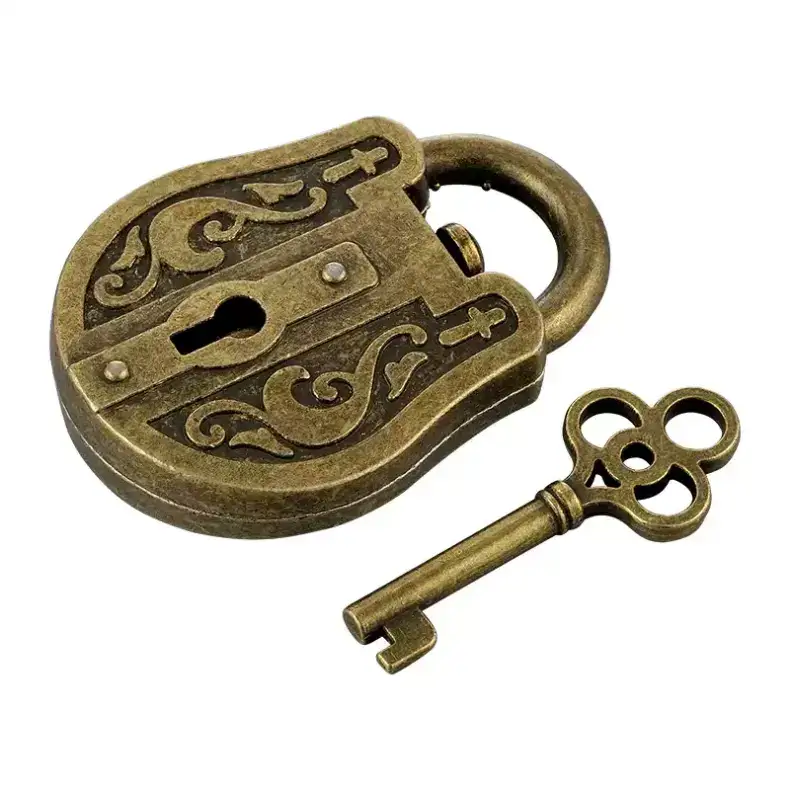
Rotating center column, dynamic lock handle, and deceptive key trap challenge logical thinking and spatial awareness.
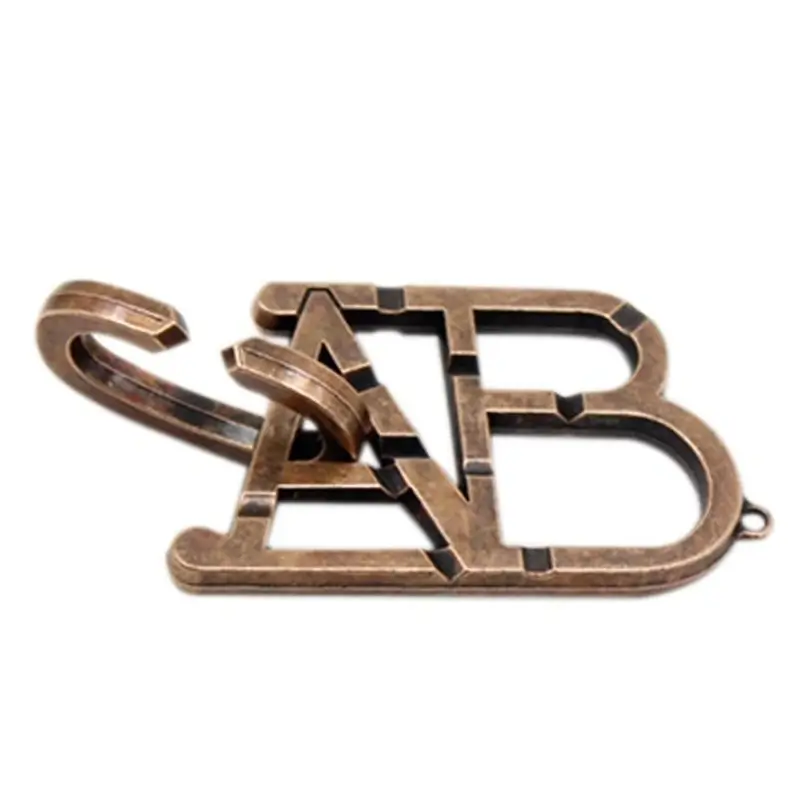
Navigate internal maze pathways to unlock—great introduction to sequential lock puzzle mechanics for newcomers.
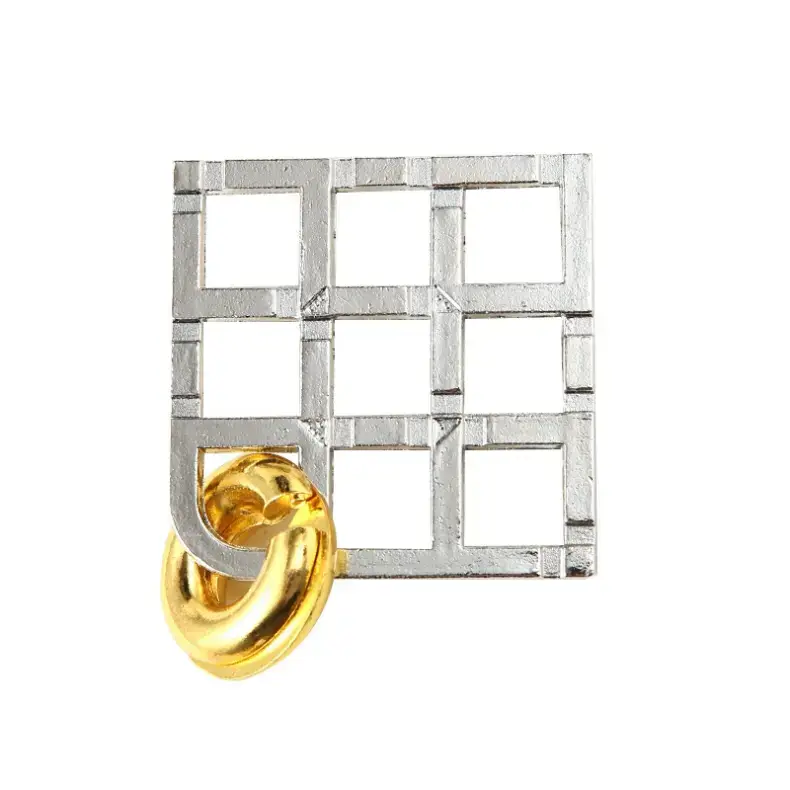
Two golden metal rings and central '田' character offer complex engagement with traditional Chinese design elements.
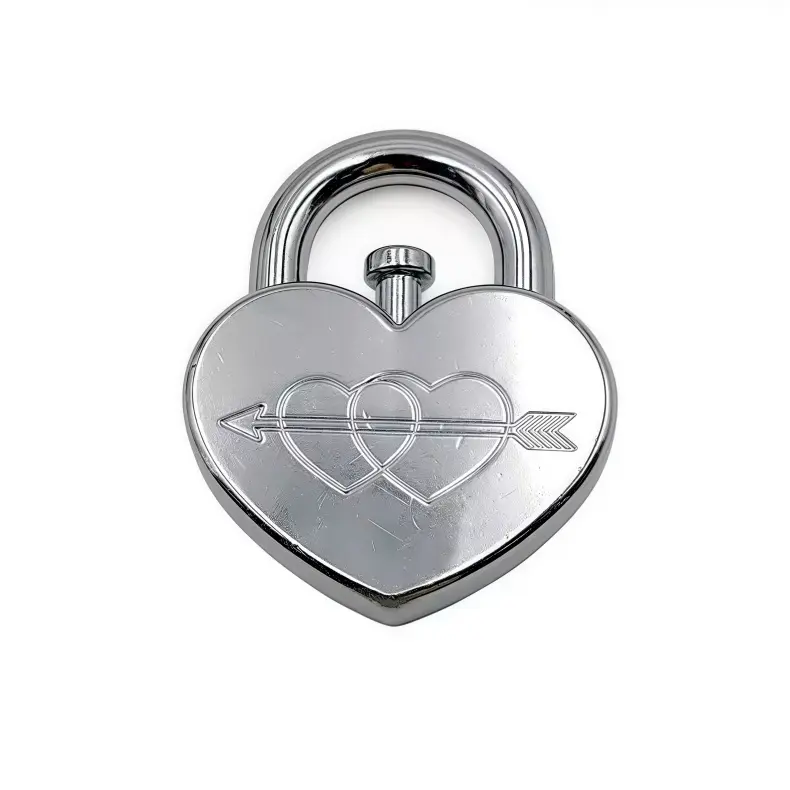
Elegant heart-shaped silver-plated puzzle symbolizing love. Clever interlocking mechanism requires logic and patience.
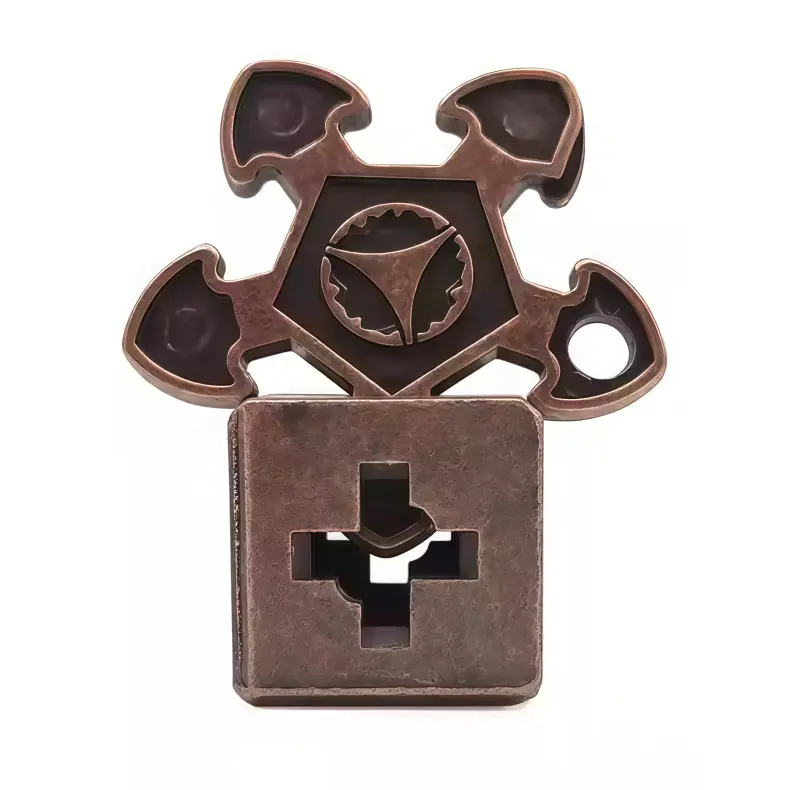
Ninja-inspired precision-cast metal puzzle. Exact rotations required—no force—to free the dart from its casing.
Research suggests that hands-on puzzle solving engages multiple cognitive pathways simultaneously, potentially supporting cognitive health as we age.
Brain teaser games may improve attention and frontal lobe function. Studies show continuous attention increases significantly after puzzle engagement, supporting focus and concentration skills.
Jigsaw puzzling recruits multiple visuospatial cognitive abilities and may serve as a potential protective factor for visuospatial cognitive aging, supporting long-term brain health.
Practicing specific cognitive skills like pattern recognition and spatial reasoning can transfer to other activities using similar skills—puzzles train your brain for real-world challenges.
— Case Western Reserve: Mind Games & Cognitive Impact (2025)
The tactile experience of manipulating physical puzzle pieces adds a dimension that digital puzzles lack, strengthening hand-brain coordination and spatial awareness through direct engagement.
Explore more about mechanical puzzles, solving techniques, and gift ideas.
Explore our complete collection of precision-crafted wooden lock puzzles and interlocking brain teasers for every skill level.
A tactile, screen-free edit of Tea-sip's most satisfying wooden brain teasers—Luban locks, cube challenges, and more.
Carefully curated puzzle gifts that blend ancient wisdom with modern design for meaningful, brain-boosting presents.
Comprehensive guide to interlocking puzzles, burr puzzles, and solving strategies from puzzle experts.
Understanding difficulty levels and how to progress from beginner to expert puzzle solver.
Common questions about hexanut and lock puzzles, based on community feedback and solving experiences.
Hexanut and lock puzzles feature sequential mechanical mechanisms that require precise manipulation to unlock. Unlike simple disentanglement puzzles, these often involve multiple steps, hidden catches, and intricate internal structures that mimic real locking mechanisms. The challenge lies in discovering the correct sequence of moves—sometimes hundreds—rather than just finding a single solution. This creates a more immersive, escape-room-like experience that engages both logical reasoning and tactile problem-solving skills.
For beginners, start with puzzles rated Level 1-2 that take 30-60 minutes to solve—like the ABC Maze Lock or Silver Heart Lock. Intermediate puzzlers should look for Level 3 puzzles requiring 1-3 hours, such as the Three Brothers Lock or Bagua Lock. Expert puzzlers can tackle Level 4-5 puzzles like the Antique Lock or Shuriken Dart that may take days. Consider the recipient's patience and prior puzzle experience—some people prefer quick wins while others enjoy extended challenges that unfold over multiple sessions.
First, never force the mechanism—this can damage internal components. Try gently wiggling pieces while applying light pressure in different directions. If stuck, set the puzzle down and return with fresh eyes after a break—many solvers report breakthroughs after stepping away. Some puzzles benefit from a small amount of dry lubricant like graphite powder for metal mechanisms. If you've been trying the same approach repeatedly without success, step back and systematically explore alternative angles or look for hidden mechanisms you may have overlooked. Online communities can offer hints without spoiling the full solution.
Both materials offer unique advantages. Metal puzzles provide satisfying weight, exceptional durability, and precision mechanisms that click smoothly into place. They're ideal for desk displays and repeated solving without wear. Wooden puzzles offer warmth, traditional craftsmanship, and often incorporate cultural designs like Chinese Luban locks with mortise-and-tenon joinery. Many collectors enjoy both types for different moods and settings—metal for precision challenges, wood for mindful, meditative solving sessions.
Research suggests that mechanical puzzle solving engages multiple cognitive pathways including spatial reasoning, sequential thinking, and problem-solving. Studies indicate that hands-on puzzles may support cognitive health by activating various brain regions simultaneously and encouraging neuroplasticity—the brain's ability to form new neural connections. The tactile experience also strengthens hand-brain coordination in ways digital puzzles cannot replicate. While puzzles alone won't prevent cognitive decline, they offer an enjoyable way to keep your mind active and challenged.
Store puzzles in a dry environment away from direct sunlight to prevent warping (wood) or tarnishing (metal). Avoid humid areas which can cause wooden puzzles to swell and stick. For metal puzzles, occasional light oiling of moving parts with a dry lubricant can maintain smooth operation. Keep puzzles in their solved state when storing long-term to reduce stress on internal mechanisms. Displaying puzzles on a desk or shelf not only showcases their aesthetic appeal but also encourages regular engagement.
Absolutely—lock puzzles make excellent gateway gifts for introducing someone to mechanical puzzles. Choose beginner-friendly options with attractive designs like the Cupid's Arrow Heart Lock or Silver Heart Lock for romantic occasions, or the Metal Grenade Lock for someone who appreciates unique desk accessories. The key is matching the difficulty to their patience level and providing encouragement. Many people who never considered themselves "puzzle people" discover a new hobby through a well-chosen lock puzzle gift.
Quality metal and wooden lock puzzles can last decades with proper care. Metal puzzles are particularly durable and resistant to wear from repeated solving. Wooden puzzles may develop a beautiful patina over time and can be occasionally treated with food-safe mineral oil to maintain their luster. The mechanisms in well-crafted puzzles are designed for thousands of solve cycles. Many enthusiasts pass down favorite puzzles to family members, making them heirloom-quality items that carry memories along with their mechanical challenge.