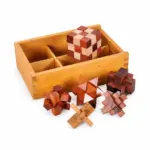
6 in 1 Wooden Brain Teaser Set
Six palm-sized wooden puzzles for hands-on focus breaks.
If you love that “wait… how is this even connected?” feeling, you’re in the right place. This page helps you pick the right locking puzzle (keys or keyless sequences) and the right wooden brain teaser (snug joins, clean resets, zero rage).
Product details below are pulled from Tea-sip product pages. If a field isn’t available on-page, it shows as N/A.
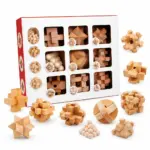
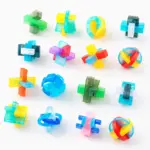
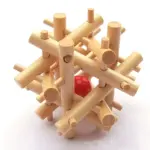
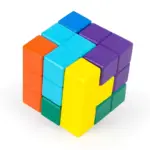
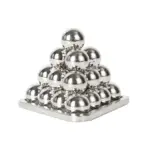
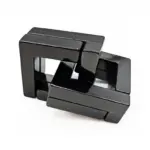
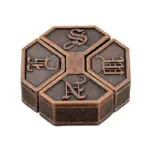
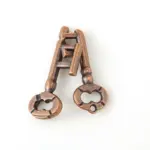
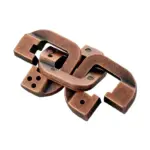
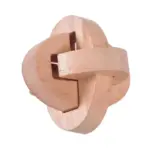
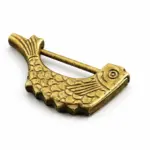
Mechanical puzzles can be associated with attention, executive function practice, and rich visuospatial problem-solving—especially when they keep you engaged. Evidence varies by study design and population, so treat this as “may help,” not a guarantee.
Some studies report attention-related measures improving after structured “brain teaser” gameplay. See: PMC: brain teaser games & attention.
Research on puzzle-style training suggests potential improvements in executive functions and processing speed—often with caveats about transfer and replication. See: PMC: executive functions & brain training.
Puzzle activities can strongly engage multiple cognitive abilities, particularly visuospatial reasoning. See: PMC: jigsaw puzzling & cognition.
Common pain points: sticky sliding surfaces, using the wrong wax, humidity-tightened wood, and “one extra millimeter” alignment issues. Examples: sticky movement thread, wax on sliding surfaces, cleaning/adhesive care.
Pro tip: If a “locking puzzle” requires force, it’s probably not the solution—it’s the trap. Reset, re-check alignment, and let the mechanism teach you.
Look for a clean reset and predictable motion. For first-timers, pick designs with obvious “states” (open/closed/halfway) and fewer hidden steps. If you’re gifting, a set is safest—one puzzle will click for them fast, which builds confidence for the harder ones.
First: stop forcing it. Reset to the last smooth position, then check alignment (one corner slightly off can lock everything). If it’s still sticky, many makers talk about very light wax on sliding surfaces—applied sparingly. Community examples: sticky movement thread.
It can. Wood may swell slightly in humid air, tightening tolerances. If a puzzle suddenly feels “wrong,” let it rest in a drier room and try again later. Store wood puzzles away from bathrooms, kitchens, and direct sun.
Treating the puzzle like it’s a strength test. Most lock puzzles are precision/sequence problems. If it requires force, it’s usually not the step. Reset, observe, and try a different angle or order.
Wood reads warm, handmade, and desk-friendly (great for families and coworkers). Metal reads collectible and “serious challenge” (great for puzzle nerds and people who like a heavier feel). If you don’t know their taste: pick a mixed set or a well-rated mid-price metal lock.
Choose functional lock-and-key styles if you want real use (journals, small boxes, decorative closures). If you want the “locked” feeling without keys, choose interlocking mechanism puzzles that release only after the right sequence.
Keep them dry and dust-free. For surfaces, wipe gently with a soft cloth. For adhesive residue on puzzle boxes or packaging, people often recommend careful, minimal cleaning to avoid damage (see: care discussion).
Note: External links above use rel="nofollow noopener noreferrer" as required.