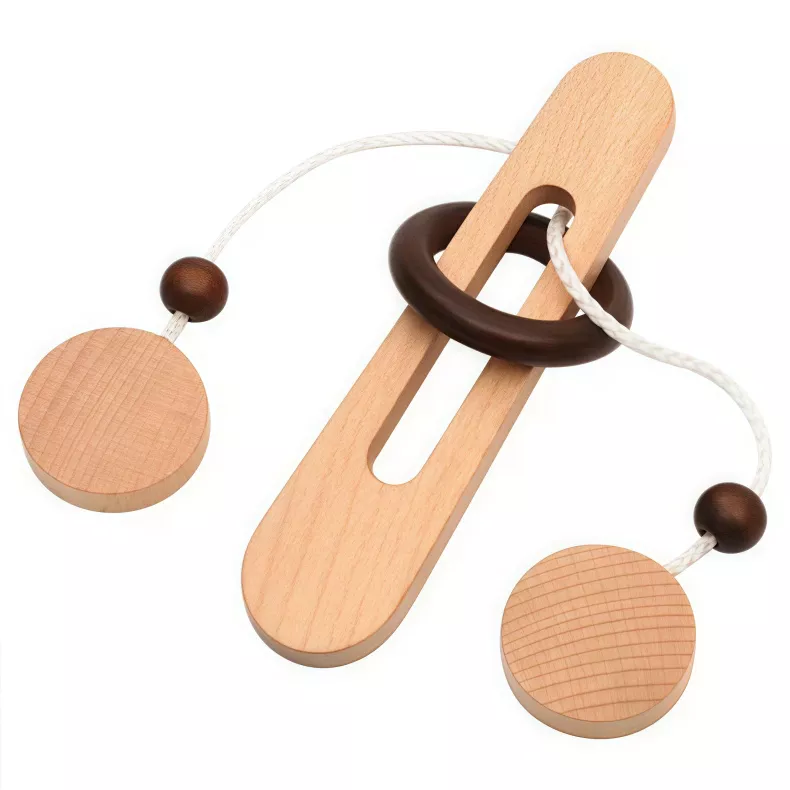
Puzzle Board Picks for Calm Focus & Satisfying “Clicks”
Looking for a puzzle board that fits real life—small desks, busy brains, and “I want a break that doesn’t turn into doomscrolling” energy?
Below is a curated mix of board-style tabletop puzzles and buildable wooden kits: quick resets, deeper challenges, and giftable showpieces.
Most picks work in 5–90 minute blocks (pause any time).
🧩 6 curated picks
Balanced across beginner, intermediate, and “okay, wow” modes.
🎁 Giftable range
From pocket puzzles to display-worthy builds.
Tip: If you meant “puzzle board” as a jigsaw puzzle surface (portable board, cover, storage),
jump to the community tips in Research / Science
and the storage FAQs below.
Featured Puzzle Board Picks
These are “puzzle board” picks for people who want a clean tabletop experience:
compact enough for daily use, tactile enough to feel real, and varied enough to match different brains.
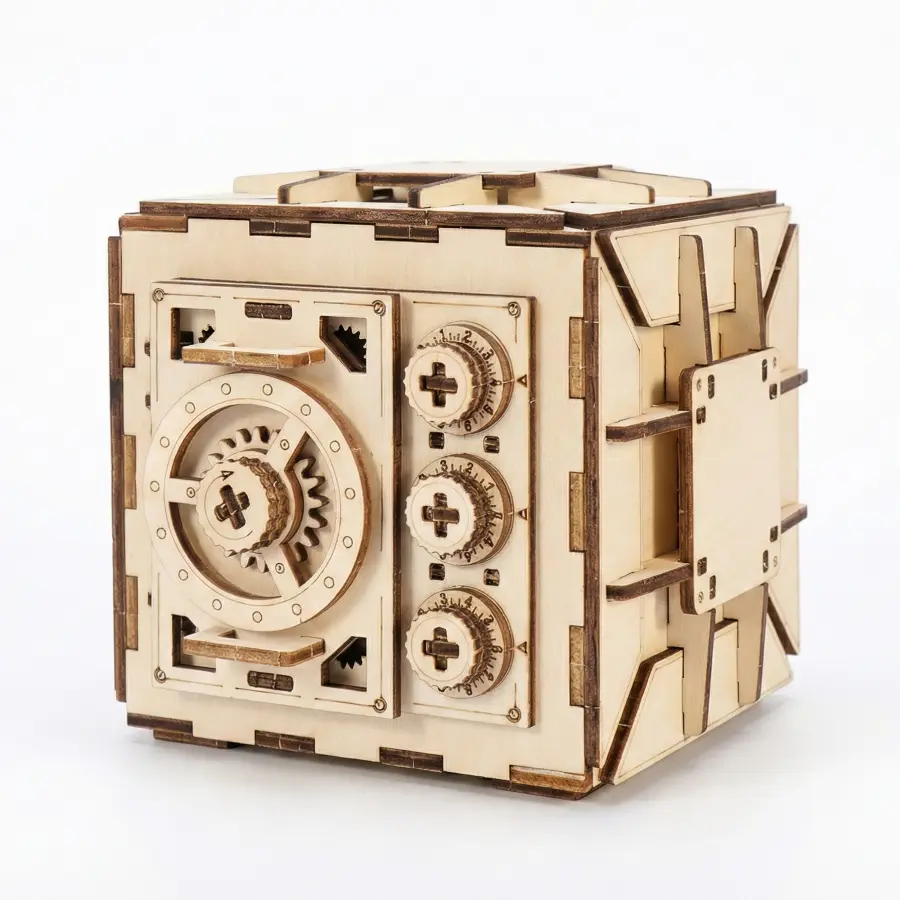
A mini safe you assemble and then actually use: 111 pieces, a working 3-digit lock, and no glue.
Great if you like puzzles that become functional desk objects.
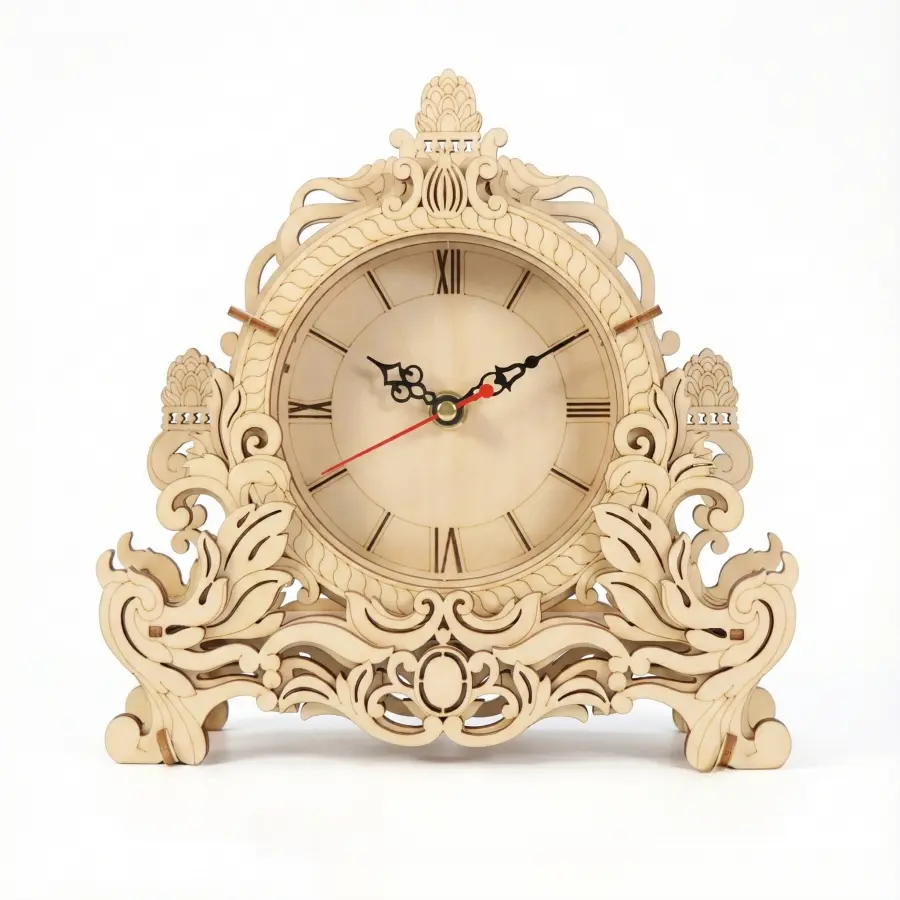
A baroque-style clock build that stays friendly: 28 pieces, no glue, and a working movement.
Ideal for beginners who want a clean “start → finish” session.
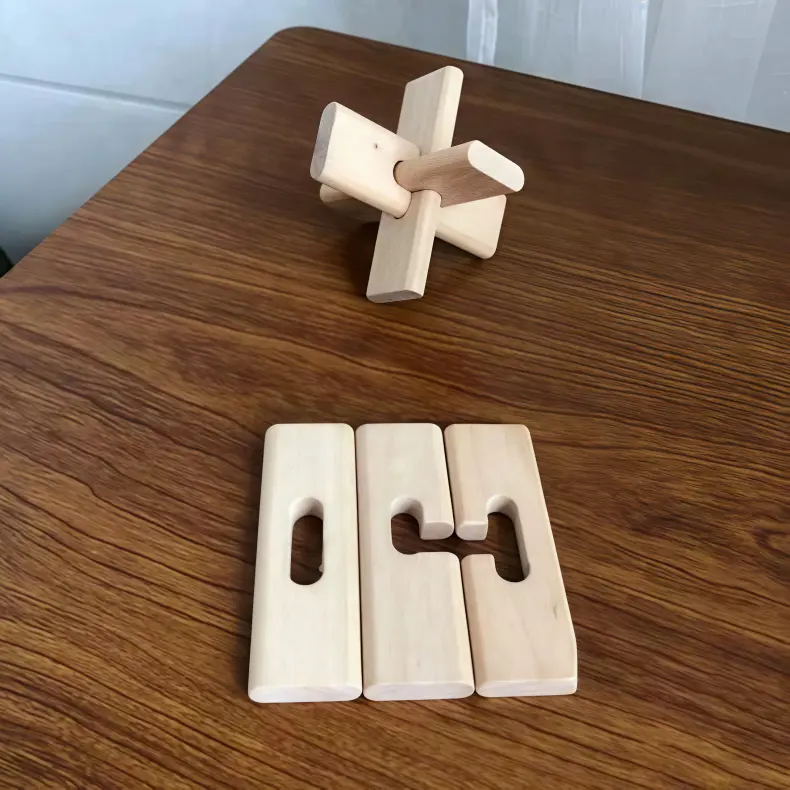
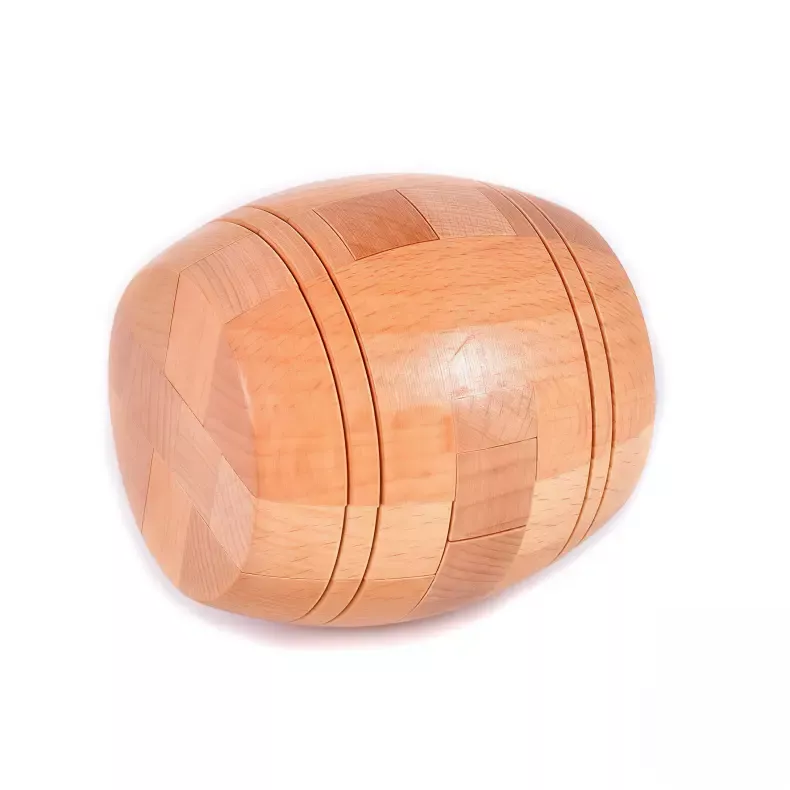
A barrel-shaped Lu Ban lock built with traditional joinery vibes:
mortise-and-tenon, no nails, no glue—just tactile logic and alignment.
Hard modeCraft feel
$19.77
No reviews yet
Want more options? Browse the full shop at Tea-sip Shop.
Research / Science (careful, non-medical)
Puzzle “board time” can be a surprisingly effective reset. The key is to keep the claims realistic:
studies often report associations with attention, well-being, and learning—not guaranteed outcomes.
1) Focus & cognitive reserve (jigsaw puzzling)
Research on jigsaw puzzle engagement suggests it can be associated with cognitive performance and “cognitive reserve” markers.
Read the study overview on PubMed Central.
Translation to real life: pick a puzzle you’ll repeat (not one you’ll dread). Consistency beats difficulty.
2) Attention under “good stress” (brain teasers)
A paper on brain teaser gameplay discusses how certain challenge stresses may be linked with attention measures.
See the open-access paper on PubMed Central.
Practical takeaway: choose a puzzle that’s “just hard enough” — frustration should be occasional, not constant.
3) Well-being signals (online jigsaw pilot)
A pilot study explored whether regular online jigsaw puzzling is feasible and how it relates to mental well-being measures.
See the article at Wiley Online Library.
If you want the “calm” part: keep the setup friction low—store your puzzle where you’ll actually use it.
4) Learning & recall (puzzle-based teaching)
Puzzle-solving has also been studied as an active learning strategy in formal education contexts.
Example discussion: a jigsaw-based teaching paper (PMC).
Real-world angle: puzzles are “practice reps” for structured thinking—especially when you narrate your steps.
What puzzle hobbyists often mention (de-branded)
In popular puzzle communities, people repeatedly point to the same “this saved my sanity” upgrades:
a stable surface, a dust cover, enough room to sort, and a storage plan for work-in-progress.
Size truth: “Fits 1000 pieces” usually means the finished puzzle fits—sorting space is separate.
(See: community discussion)
Storage hacks: board-sandwich setups, lightweight boards, and covers to protect from dust/pets.
(See: portable board thread)
Gift picking: drawers/trays can help, but footprint and portability matter more in small homes.
(See: gift advice thread)
Important: We link discussions for context only. We avoid repeating brand/seller names from threads inside this page.
Further Reading
Keep learning (and keep it fun). Start with Tea-sip guides, then dive into deeper research.
A readable overview with setup advice: lighting, starting strategies, and frustration management.
Setup tipsMindful routine
FAQ
Common “puzzle board” questions (from search intent + community patterns), answered in a way you can actually use.
How do I choose a puzzle board for a small apartment?
Prioritize portability and protection. For jigsaws, look for a board/case that can be covered and slid under a bed/couch.
For tabletop puzzles, choose compact pieces that reset fast (like an interlock or ring puzzle) and keep them in a small tray so setup is instant.
What’s the #1 mistake when buying a jigsaw puzzle board?
Buying a board that “fits 1000 pieces” without checking the finished puzzle dimensions and your need for sorting space.
A board can fit the final rectangle yet leave you nowhere to stage colors and edge pieces.
Rotating board vs fixed board—what should I prioritize?
Rotation helps when you’re working large jigsaws (less reaching and neck strain). But for most people, the bigger wins are:
a non-slip surface, comfortable lighting, and a reliable cover/storage plan. Rotation is a bonus, not the foundation.
How do I avoid getting stuck (especially on “hard mode” wooden puzzles)?
Use a three-step rule: observe → test gently → reset. Observe contact points and symmetry, test one change at a time (no forcing),
then reset if progress becomes random. If you want guided progress, start with a short build kit like the
3D Wooden Puzzle Clock.
Which of these picks is best for a first-time gift?
Many people report they do, and research discusses associations between puzzle engagement and measures related to attention or well-being.
Keep expectations honest: this isn’t a medical treatment. Treat it like a structured break—a few minutes of focused, tactile problem-solving
that can help you exit “scroll mode” and return to work calmer.
How do I care for wooden puzzles and keep them smooth?
Store them dry, avoid humidity swings, and don’t force tight joints. If a fit feels rough, pause and re-check alignment.
For builds and locks, keeping pieces clean (dust-free) helps the mechanism feel “snappy” instead of gritty.
Ready to pick your puzzle board?
Browse the curated list above, or jump straight into the shop.
If you need help mid-puzzle, visit Customer Help.