Mistake: Forcing blocked movement
Correction: Stop at resistance, reverse one step, and check orientation before trying a new branch.

This treasure box guide helps you choose the right model by budget, difficulty, and real-life use case. You get verified product links, practical buying criteria, skill-level progression, and a repeatable plan you can use at home.
A treasure box puzzle is a mechanism-first challenge where the opening path is hidden in movement order, alignment, and state control. Compared with standard shape-matching puzzles, treasure box play relies more on reversible actions and careful sequencing. Compared with speed-focused puzzles, it rewards slower observation, cleaner notes, and stable hand control.
These models are useful for beginners, gift buyers, collectors, and desk workers who want short screen-free focus sessions. A good treasure box routine improves patience, spatial reasoning, and confidence in structured problem solving.
Use budget, difficulty, and usage scenario together before you buy.
| Tier | Typical Budget | Best Use Case | What to Look For | Examples in This Guide |
|---|---|---|---|---|
| Entry | $12 - $15 | Short daily treasure box practice | Durable materials, clear grip points, easy reset path | Four-Square Lock Puzzle, Metal Starfish Puzzle Ring, Antique Bronze Metal Keyring Puzzle |
| Mid | $16 - $20 | Skill building and repeat solves | Multi-state mechanisms, stronger sequencing, meaningful rollback | The Mystic Orb Lock, Treasure in a Cage, Interlock Puzzle Sphere |
| Advanced | $25+ | Collector display and long-form challenge | Assembly depth, precision parts, multi-step unlocking logic | 3D Wooden Puzzle Safe, 3D Wooden Puzzle Treasure Box, Steampunk Airship 3D Wooden Puzzle |
Correction: Stop at resistance, reverse one step, and check orientation before trying a new branch.
Correction: Write one sentence per failed path so each new attempt removes one wrong option.
Correction: Reassemble immediately and complete one clean repeat to lock in memory.
Correction: Finish two reliable intermediate solves before moving to heavy mechanical builds.
Every product below uses a real Tea-Sip URL and a fresh description written for this treasure box page. Build a balanced set with one beginner, one intermediate, and one advanced model for steady weekly progress.
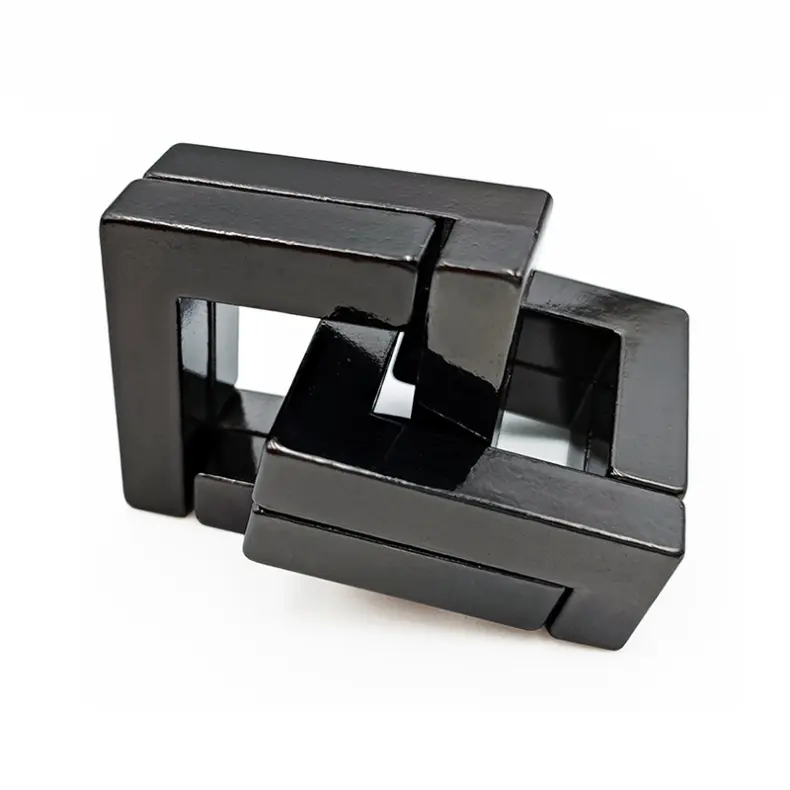
Four-Square Lock Puzzle is a clean starting point for anyone who wants a treasure box challenge without overwhelming complexity. The lock geometry teaches you to pause, align, and test one motion at a time. It suits short evening sessions, student desks, and gift bundles. After your first solve, run the sequence backward to build muscle memory and faster second-round confidence.
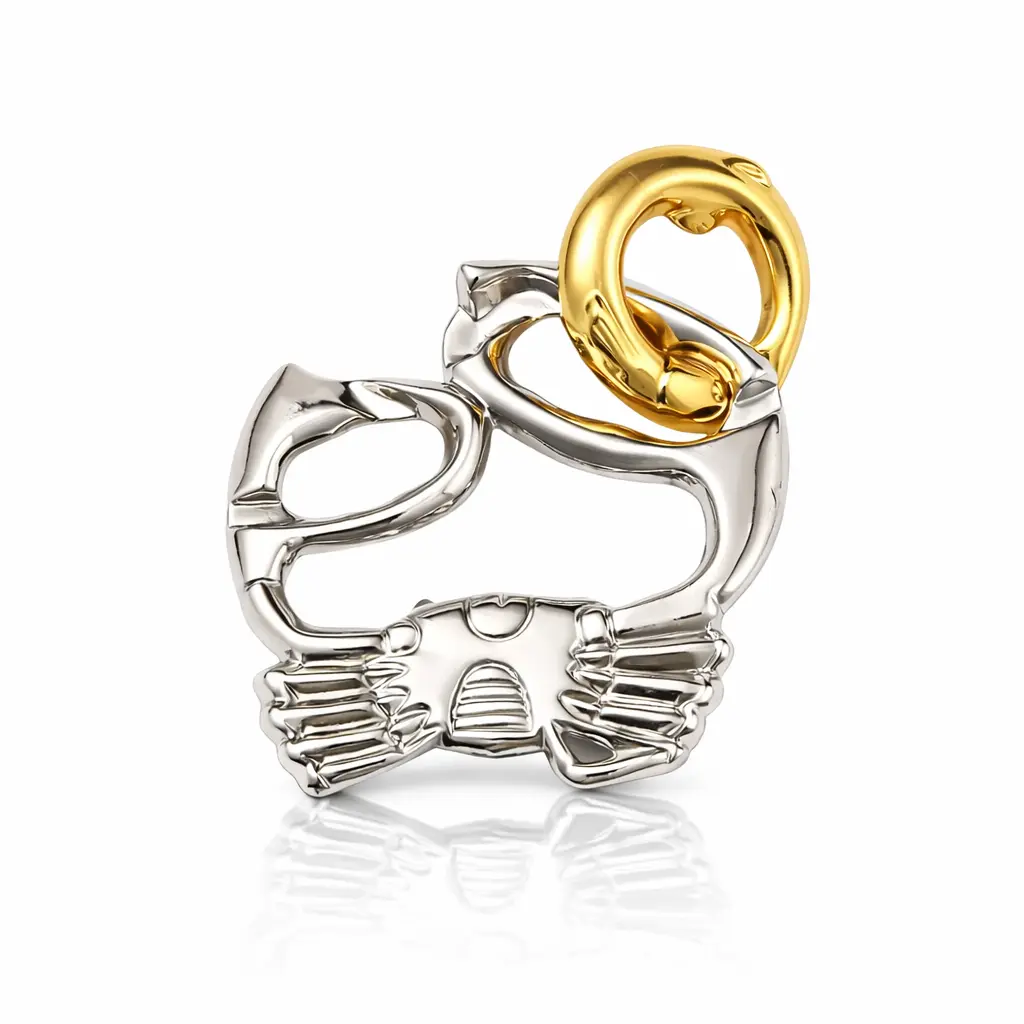
Metal Crab Puzzle Cast Brain Teaser with Gold Ring adds tactile weight to a compact treasure box experience. Its metal curves make wrong moves obvious, which helps beginners learn controlled pressure and path tracking. If you enjoy puzzles during coffee breaks, this model stays engaging without taking much space. Log your attempts in three-step notes and your solve path becomes easier to repeat.
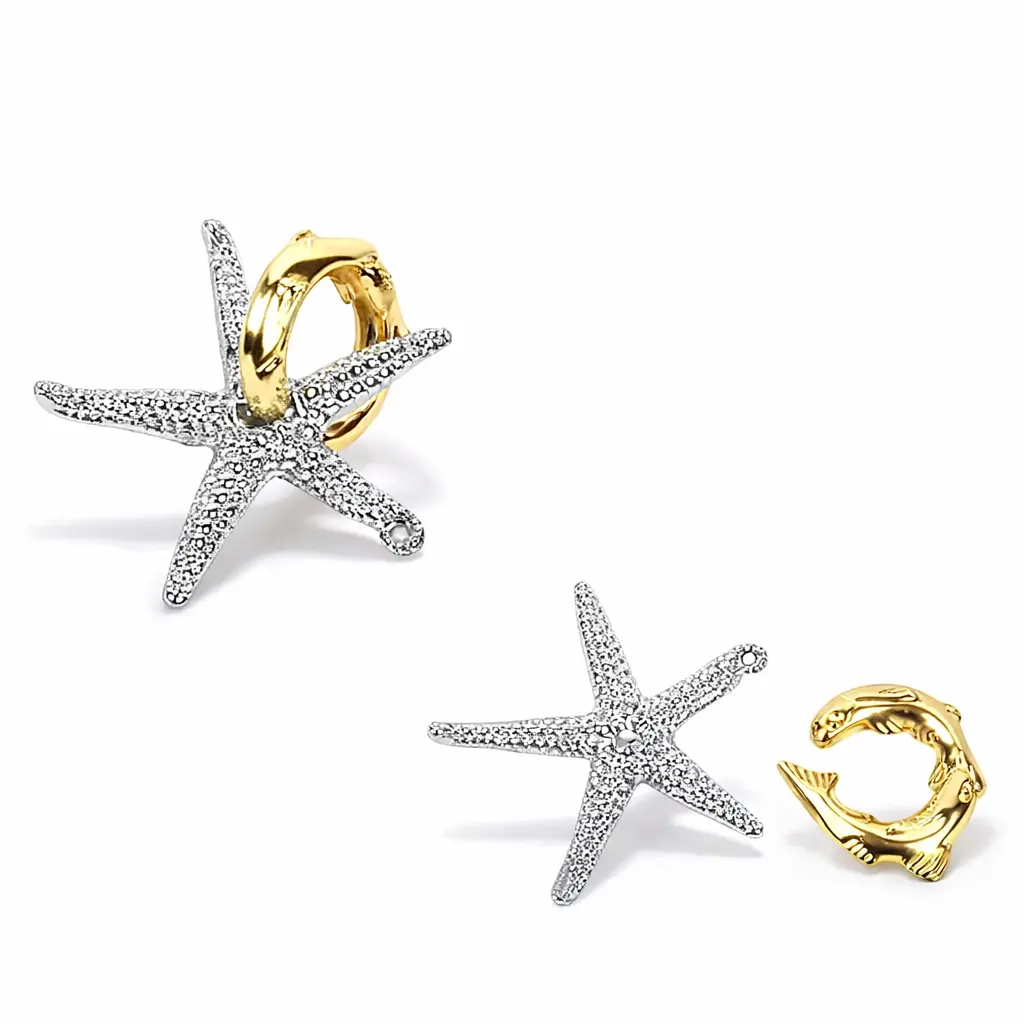
Metal Starfish Puzzle Ring feels simple at first, then reveals a layered treasure box rhythm based on orientation. The design rewards steady hands, patient turning, and careful reassembly rather than brute force. It works well for gift-givers because it looks elegant while still offering meaningful challenge. Practice two complete resets in one sitting, and you will notice smoother motion and cleaner decisions.
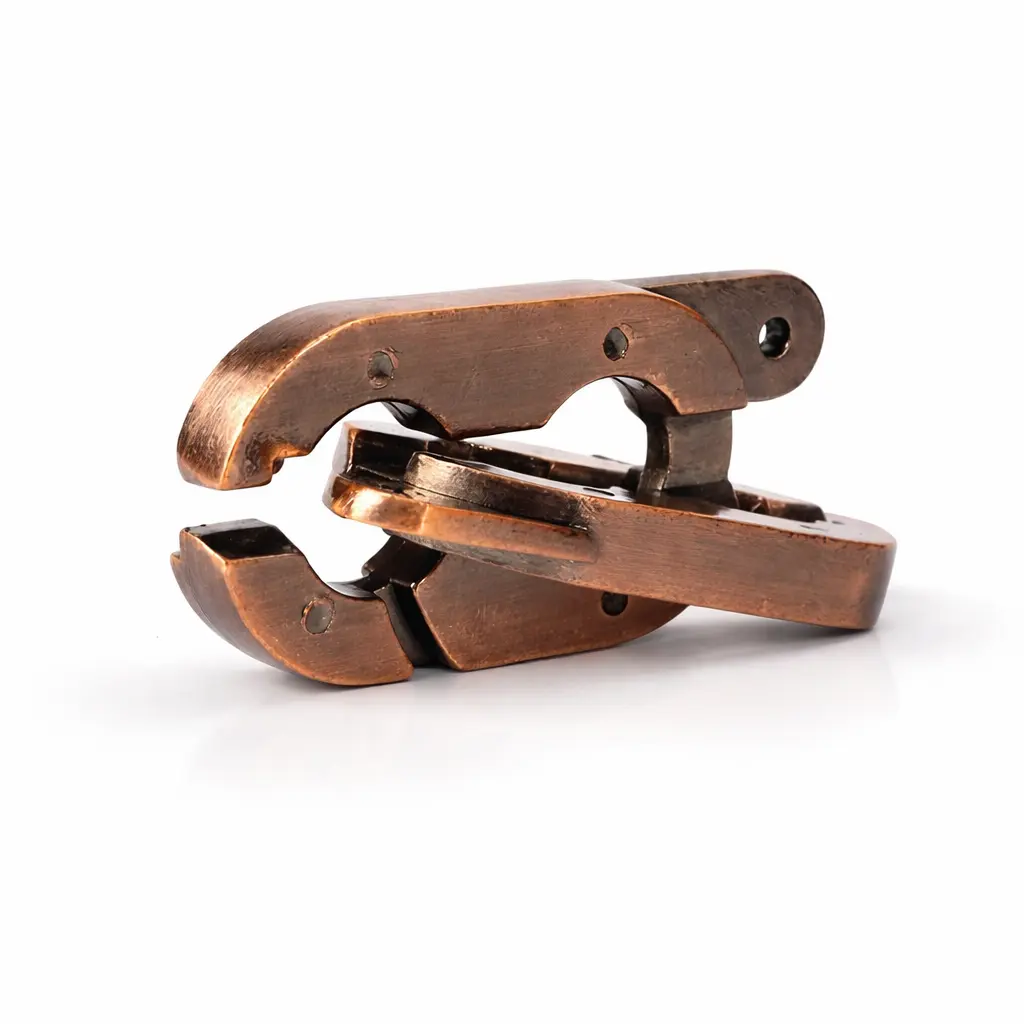
Antique Bronze Metal Keyring Puzzle gives you a vintage-style treasure box puzzle that is portable enough for daily carry. The ring structure trains sequence discipline: one premature pull can reset the whole attempt. That makes it perfect for improving focus in five-minute sessions between tasks. Use a soft cloth and consistent grip points to keep movement precise and reduce unnecessary retries.
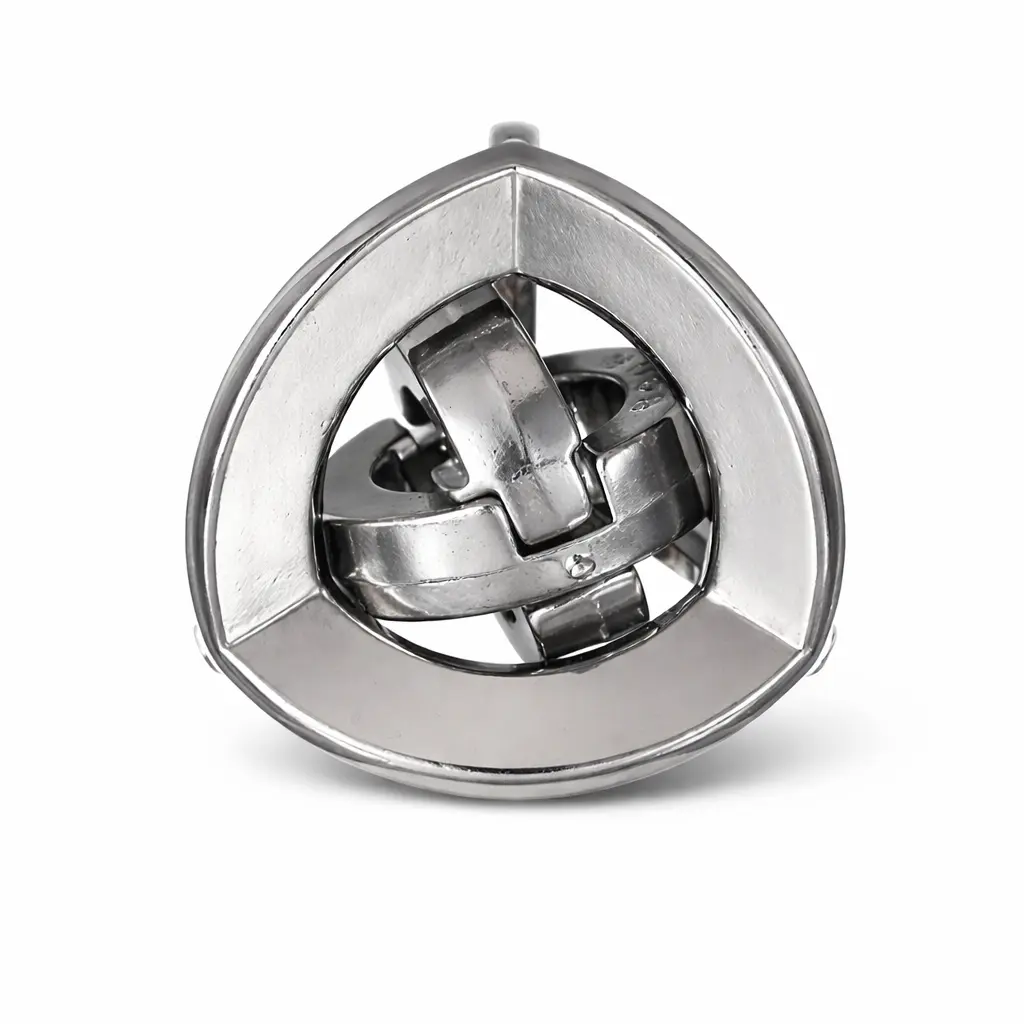
Metal Orbit Ring Cast Puzzle introduces an intermediate treasure box route where tiny angle changes control progress. You are rewarded for reading spatial relationships before moving, which makes each successful step satisfying and teachable. This is a strong pick for solvers graduating from beginner locks. Set a timer for ten focused minutes, then review what state changed after each move to accelerate learning.
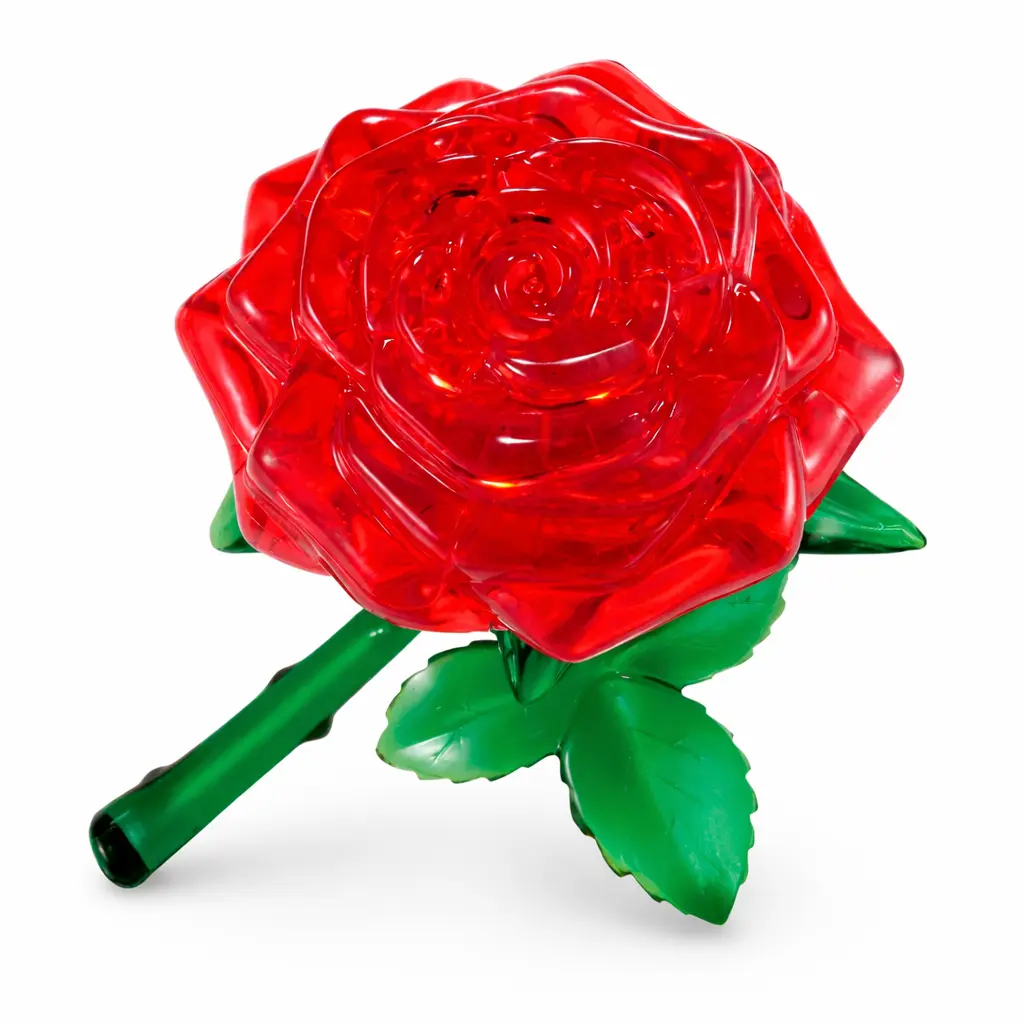
3D Crystal Rose Puzzle brings color and display value to the treasure box category while still challenging sequencing skills. The transparent pieces reveal alignment errors quickly, so you can self-correct without frustration. It is especially useful for family puzzle nights where visual feedback matters. Build once for discovery, then rebuild from memory to strengthen planning, attention control, and hand-eye coordination.
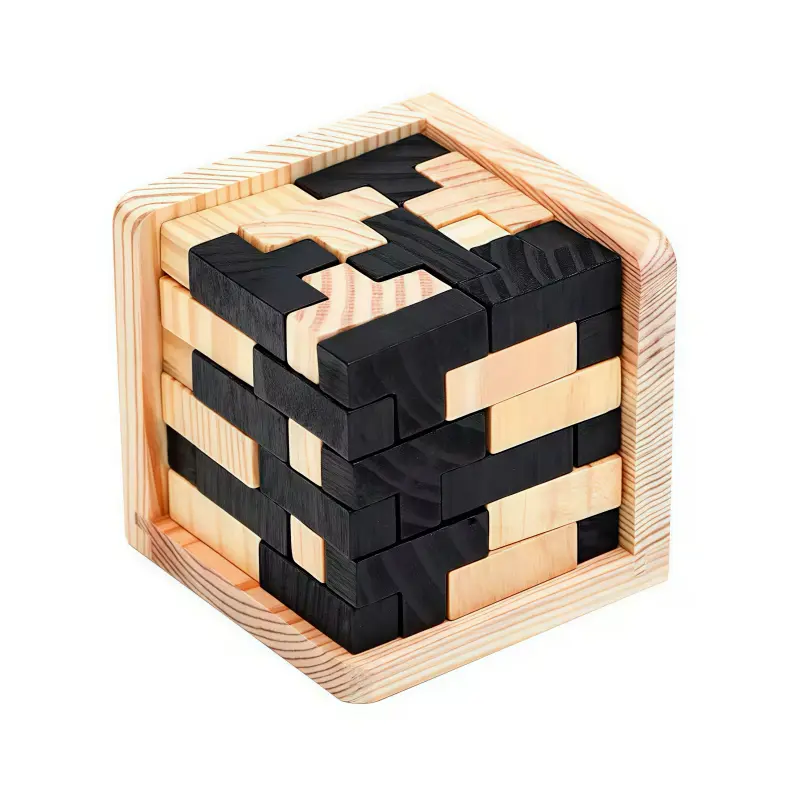
54-T Cube Puzzle offers a geometric treasure box feel with repeatable logic patterns that reward deliberate planning. As complexity increases, you learn to break large problems into manageable sub-steps instead of guessing randomly. It suits beginners ready to level up into structured problem solving. Keep a short record of successful micro-sequences, and you can recover from dead ends much faster.
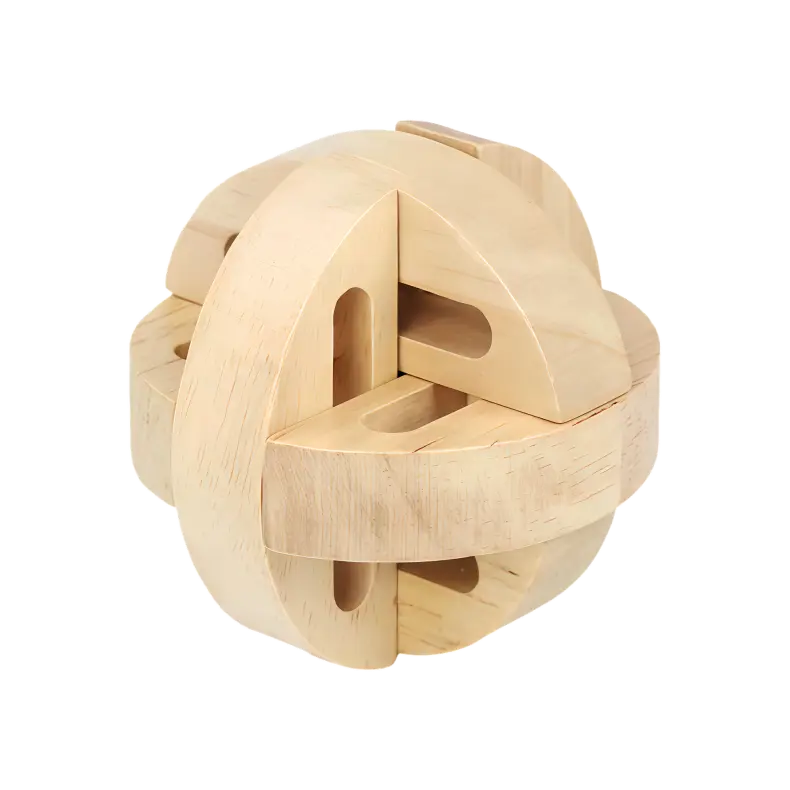
The Mystic Orb Lock delivers a satisfying treasure box mechanism built around hidden transitions and reversible actions. Its rounded form encourages careful rotation and position checking before each attempt. Intermediate players who enjoy pattern discovery will appreciate the balance between mystery and control. Solve it once, then teach the method to a friend; explaining the sequence reinforces your own understanding.
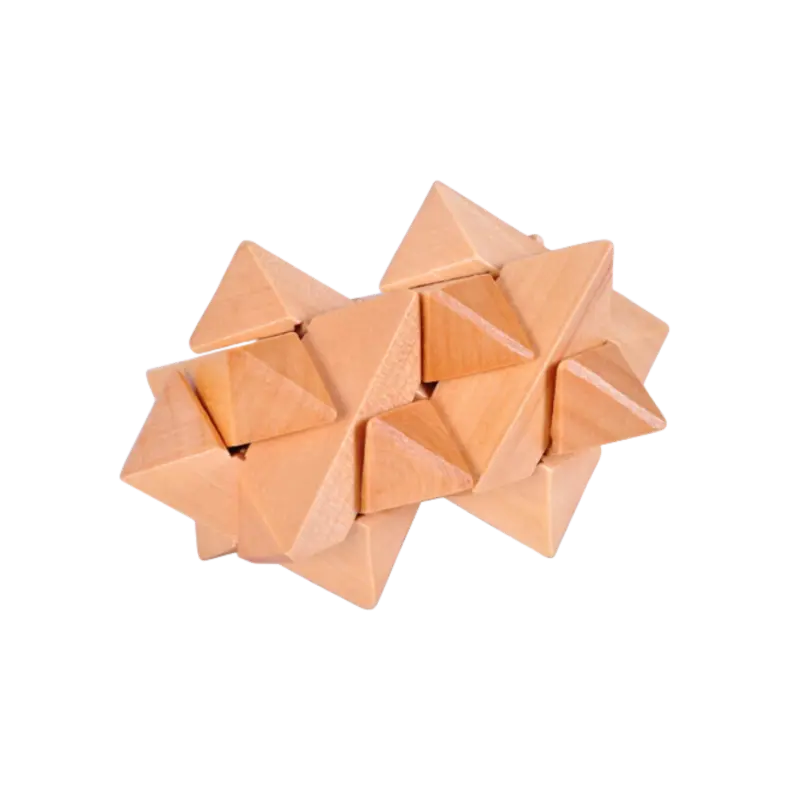
The Twin Star Puzzle is a thoughtful treasure box challenge for people who like elegant symmetry and deliberate pacing. Dual-piece interactions force you to track both orientation and timing, which sharpens spatial reasoning over repeated sessions. It fits desks, classrooms, and gift boxes without feeling disposable. If progress stalls, back up two steps, restore alignment, and continue with a calmer tempo.
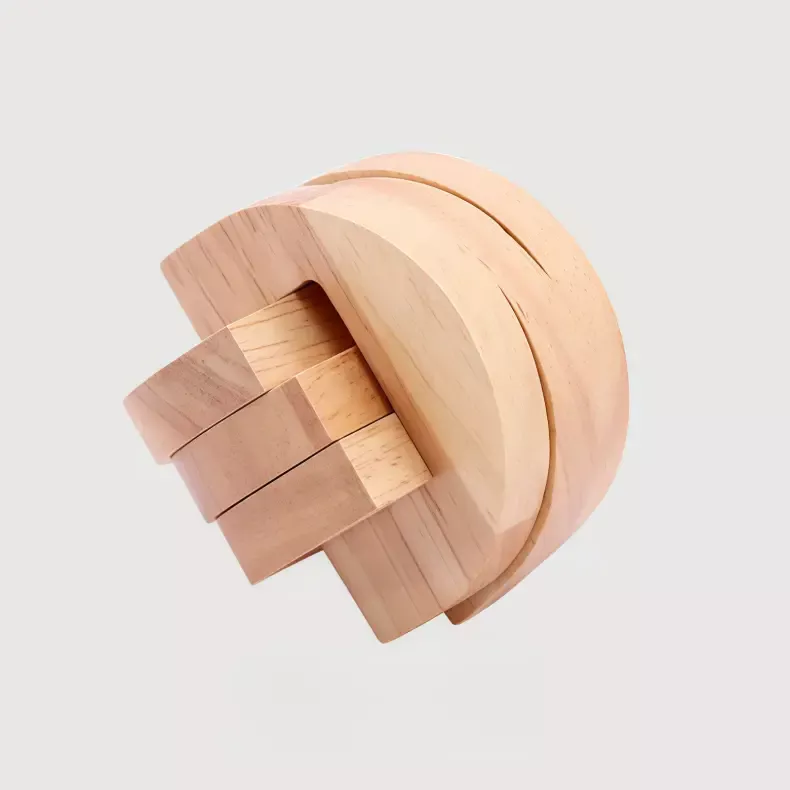
Interlock Puzzle Sphere turns the treasure box idea into a rounded mechanism that tests sequencing under mild pressure. Each move affects the next, so random force usually fails while careful observation succeeds. It is ideal for intermediate hobbyists who want a durable daily trainer. Run one no-rush solve per day for a week, and your consistency and confidence improve noticeably.
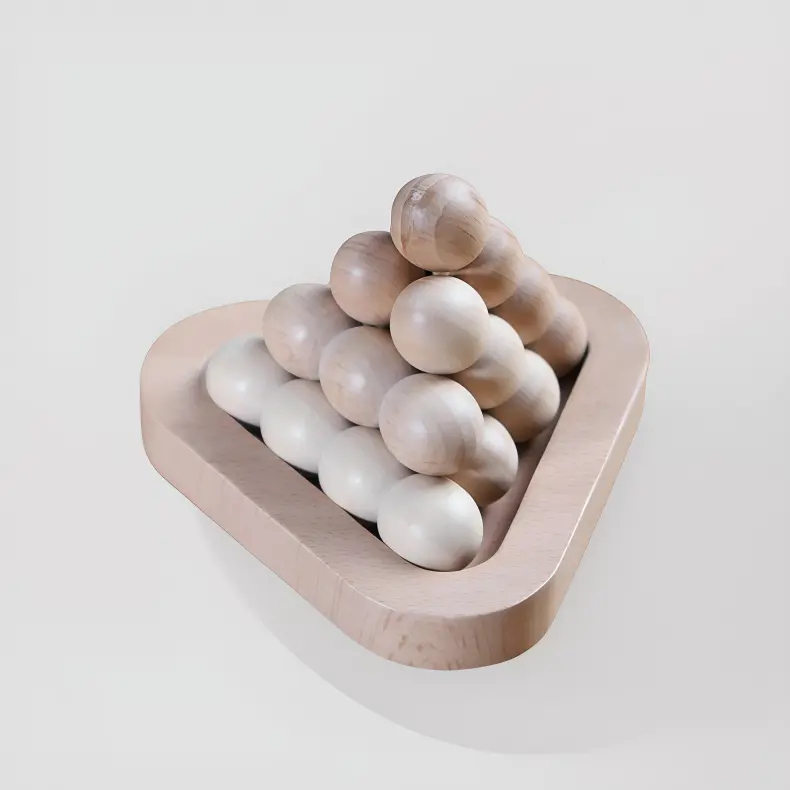
Wooden Bead Pyramid Puzzle combines tactile wood textures with a treasure box style progression that rewards methodical experimentation. The layered structure helps you see how local changes influence global stability, a useful skill for harder locks later. This model works for both solo practice and parent-child sessions. Keep your wrist relaxed, apply light pressure, and prioritize reversible moves to reduce error loops.
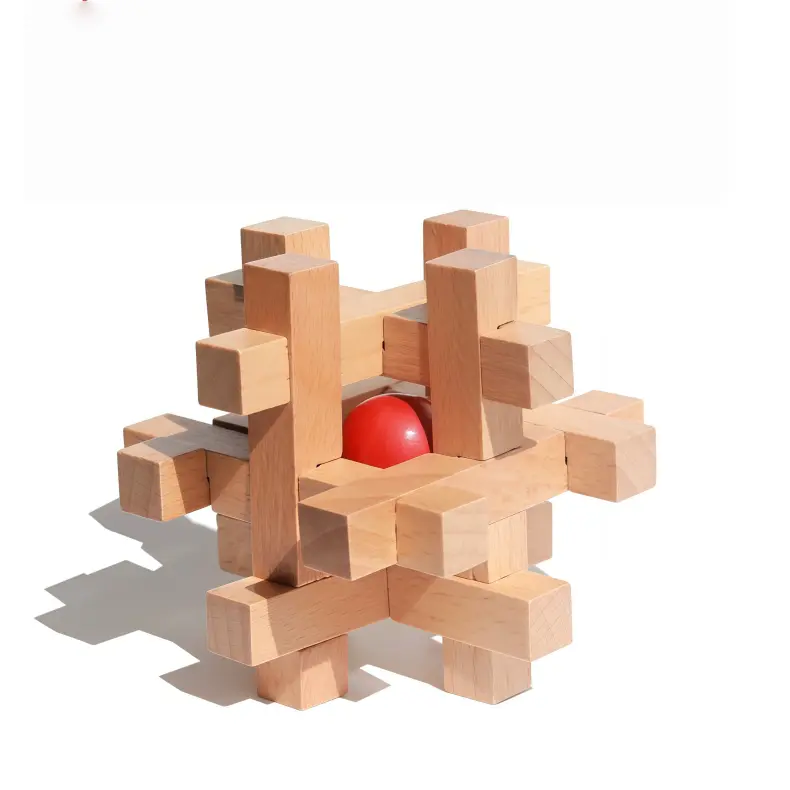
Cage of Doom Puzzle feels dramatic, but its treasure box logic becomes approachable when you split the challenge into checkpoints. The cage format trains patience because visual clutter can hide the right route. Intermediate solvers who enjoy story-like themes will find this model memorable and gift-worthy. Use checkpoint notes after each breakthrough so future solves become faster and less stressful.
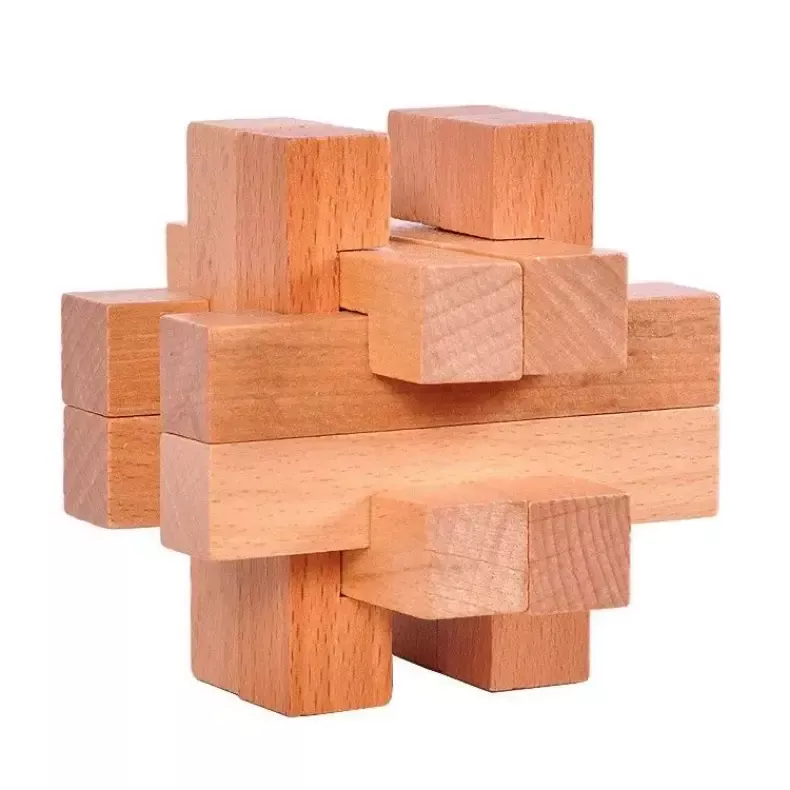
Treasure in a Cage is one of the most on-theme treasure box picks in this guide, pairing mystery styling with practical solve depth. You must coordinate orientation, spacing, and timing, which creates a rewarding path from confusion to clarity. It is great for collectors who want display appeal plus repeatable play. Rebuild immediately after success to lock the sequence into long-term memory.
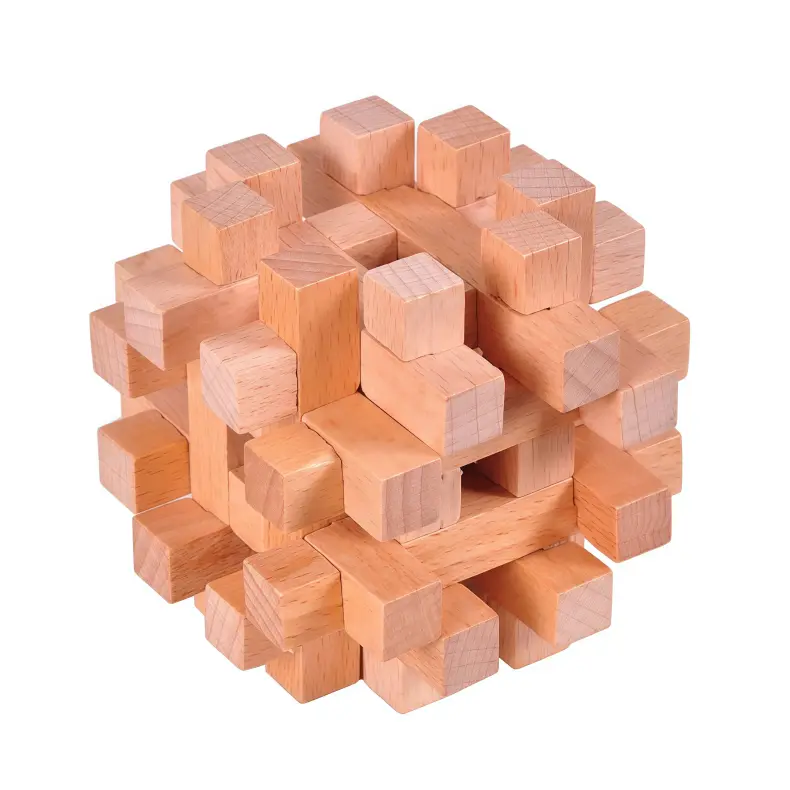
Double Cross Cage Puzzle gives you a treasure box scenario where crossing paths must be managed in the right order. The mechanism rewards disciplined rollback habits, making it excellent for strengthening error recovery skills. It is a solid midpoint before moving to advanced mechanical boxes. During practice, pause whenever resistance spikes, reverse one step, and verify alignment before continuing.
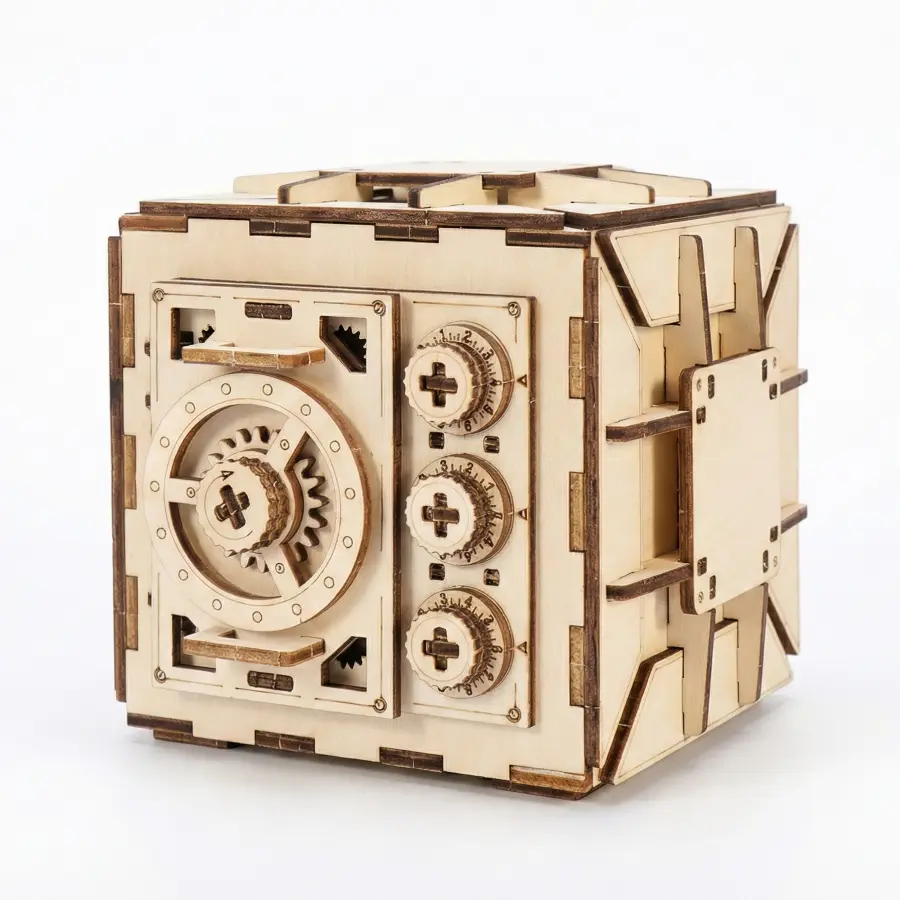
3D Wooden Puzzle Safe with Combination Lock is an advanced treasure box option that blends assembly, mechanism understanding, and secure-style opening logic. You build confidence through construction, then apply that knowledge during solving. This model suits makers, engineering-minded learners, and high-impact gift occasions. Reserve longer sessions, keep parts organized, and document your unlocking routine for dependable repeat success.
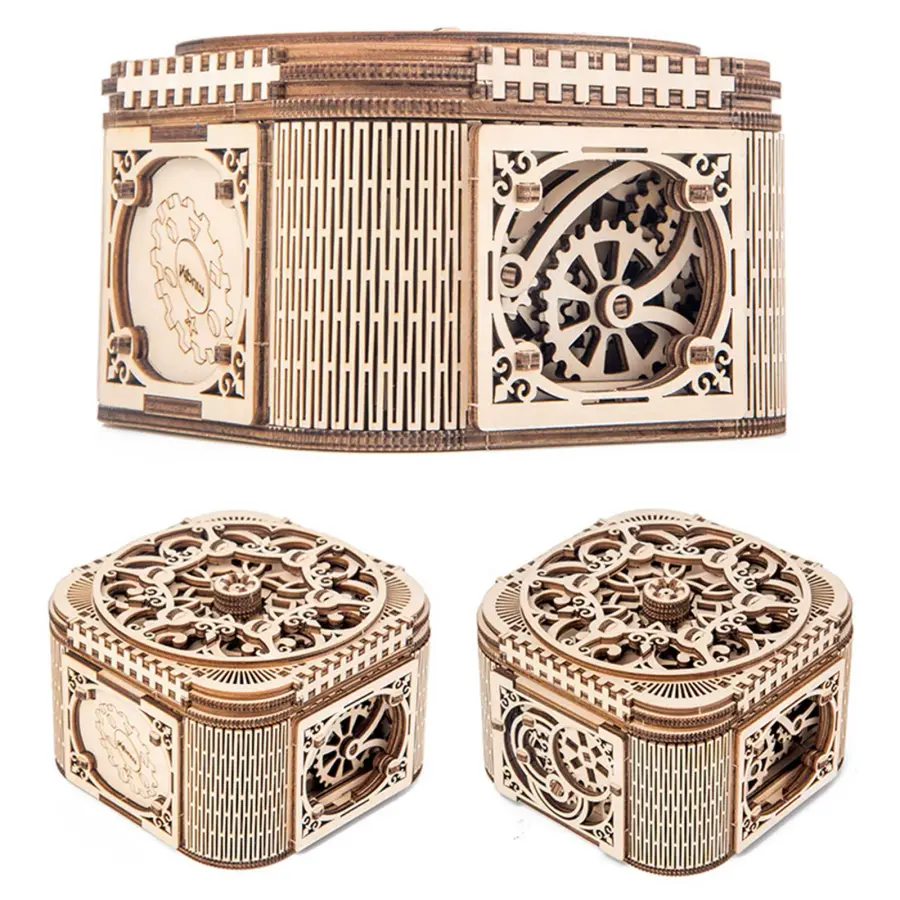
3D Wooden Puzzle Treasure Box - Mechanical Jewelry Storage Gift is the signature treasure box centerpiece for this topic page. It combines decorative craftsmanship with multi-step unlocking, so the experience feels both practical and theatrical. Advanced users will enjoy tuning alignment and sequence control over multiple rounds. Treat it as a weekly project: assemble carefully, solve slowly, then teach someone else.

Mechanical 3D Wooden Globe Puzzle adds motion and structure to the treasure box journey, especially for users who enjoy complex build mechanics. While not a classic lock chest, it trains the same precision habits: sequence planning, gentle force, and consistent reset routines. It is ideal for experienced hobbyists and design-focused gift buyers. Track assembly milestones and solving observations to prevent repeated mistakes.
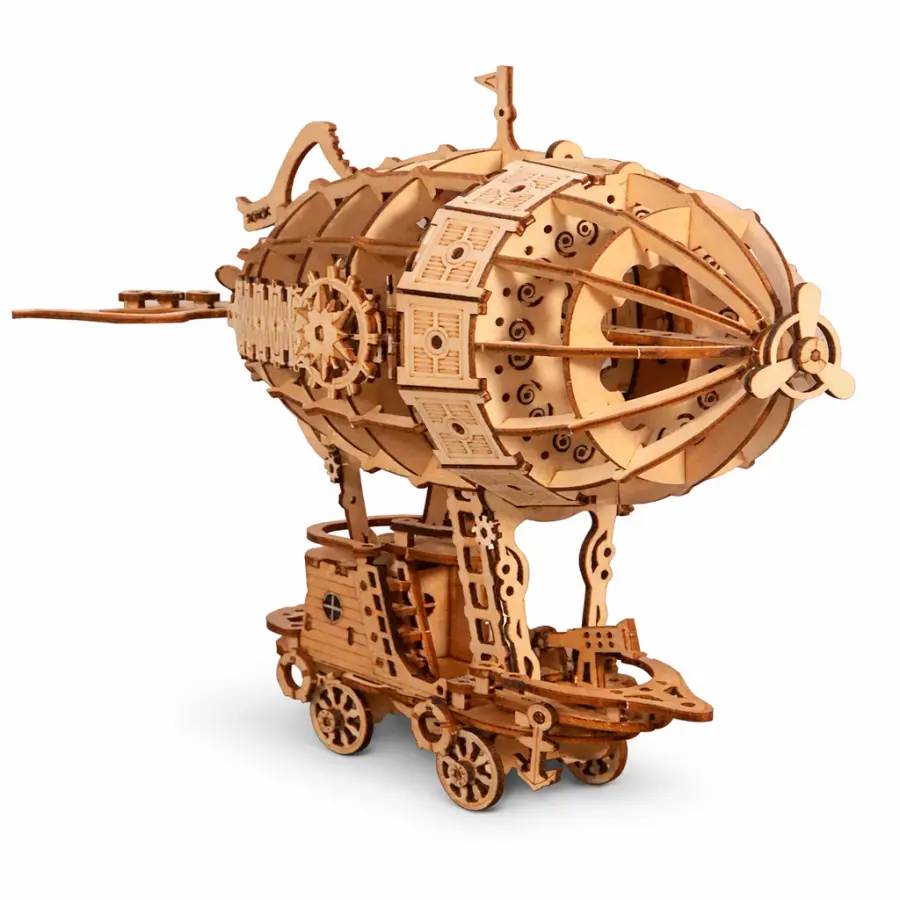
Steampunk Airship 3D Wooden Puzzle offers an imaginative treasure box adjacent challenge with advanced part sequencing and satisfying final presentation. The steampunk theme keeps motivation high during longer sessions, while the mechanism teaches patience and precision. It fits collectors who value display quality as much as puzzle depth. Plan your workflow in stages, and celebrate each completed subsystem before final integration.
Hands-on puzzle practice can support attention control, spatial reasoning, and deliberate problem solving when sessions are structured and repeated. The treasure box method in this page uses short cycles, reversible steps, and reflection notes to turn trial-and-error into measurable improvement.
Use this page as practical guidance, then adjust challenge level based on your own comfort and consistency.
Source: post-sitemap1.xml. A focused breakdown of cast metal handling and solve strategy.
Source: post-sitemap1.xml. Practical tips for sequence reading and reset quality.
Source: topic-sitemap.xml. Related topic coverage for users exploring adjacent mechanism styles.
External reference for puzzle taxonomy and historical framing.
A treasure box puzzle usually hides progress behind sequence and mechanism states. You are not just solving one shape; you are discovering an opening path. That makes careful rollback and orientation tracking more important than speed alone.
Start with Four-Square Lock Puzzle, Metal Starfish Puzzle Ring, or 3D Crystal Rose Puzzle. They provide clear feedback when moves are wrong, so you can learn clean technique before stepping into deeper, multi-stage lock designs.
Entry products around $13 to $15 are enough for daily practice. Mid-range options around $16 to $20 add richer mechanisms. Advanced models above $25 are best when you want a centerpiece build-and-solve project.
Treat resistance as a signal, not a challenge to overpower. Pause, reverse one move, then check orientation and spacing. Light, consistent force protects joints and helps you build a repeatable solve method faster.
Yes. They combine display appeal with interactive value, which makes them memorable gifts for teens and adults. For broad appeal, choose a beginner or intermediate model and include a short note encouraging calm, step-by-step solving.
Run an immediate reverse solve, then complete one full second solve without guessing. Write down two key transitions you used. Repeating this cycle over three sessions creates reliable recall and smoother hand control.
Prior experience helps but is not required. Start slowly, organize parts by stage, and verify fit before tightening each segment. The same discipline used in assembly directly improves your unlocking consistency later.