Mistake: Forcing blocked movement
Correction: Stop, reverse one step, and check alignment before trying a new path.

This wooden box puzzle guide helps you choose with confidence using verified products, practical buying filters, and a clear learning path. You get real Tea-Sip links, difficulty tiers, mistake fixes, and repeatable practice steps that work on daily schedules.
A wooden box puzzle is a mechanism-first challenge where progress depends on order, alignment, and state changes. Compared with ordinary shape puzzles, puzzle box solving usually involves hidden transitions and reversible moves. Compared with speed puzzles, it rewards calm observation, steady grip control, and repeatable routines.
These puzzles suit beginners, gift buyers, collectors, and desk workers who want focused screen-free sessions. When practiced consistently, a wooden lock puzzle routine can improve patience, spatial reasoning, and structured decision-making.
Use budget, difficulty, and scenario together before you buy.
| Tier | Typical Budget | Best Use Case | What to Look For | Examples in This Guide |
|---|---|---|---|---|
| Entry | $15 - $20 | Daily practice and gift-ready picks | Clear mechanism feedback, easy reset, durable wood finish | Plum Blossom Lock, Yin-Yang Taiji Lock, Wood Knot Puzzle, Wooden Bead Pyramid Puzzle |
| Mid | $20 - $35 | Skill building and repeated solves | Multi-step sequencing, reliable joints, meaningful rollback path | The Mystic Orb Lock, Double Cross Cage Puzzle, DIY Castle Music Box Kit |
| Advanced | $35+ | Collector display and long-form projects | Precise parts, layered assemblies, complex mechanism behavior | 3D Wooden Puzzle Safe, Treasure Box, Wooden Ferris Wheel Kit, Owl Clock Puzzle |
Correction: Stop, reverse one step, and check alignment before trying a new path.
Correction: Stage components by step and keep one active zone on your table.
Correction: Always run one full repeat solve to lock sequence memory.
Correction: Complete two reliable mid-tier solves before moving up.
This page is built for real users who solve, gift, and collect hands-on puzzle products, not for abstract theory alone.
Recommendations are organized by mechanism complexity, budget tiers, and practical solve behavior so you can choose by context.
Product links come from verified Tea-Sip URLs and the research section points to recognized external references for further study.
When price or ratings are unavailable, they are marked transparently as N/A instead of being guessed or filled with placeholders.
Every card below uses a real Tea-Sip product URL and an original description tailored for wooden box puzzle shoppers. For best results, combine one beginner item, one intermediate item, and one advanced build for weekly progression.
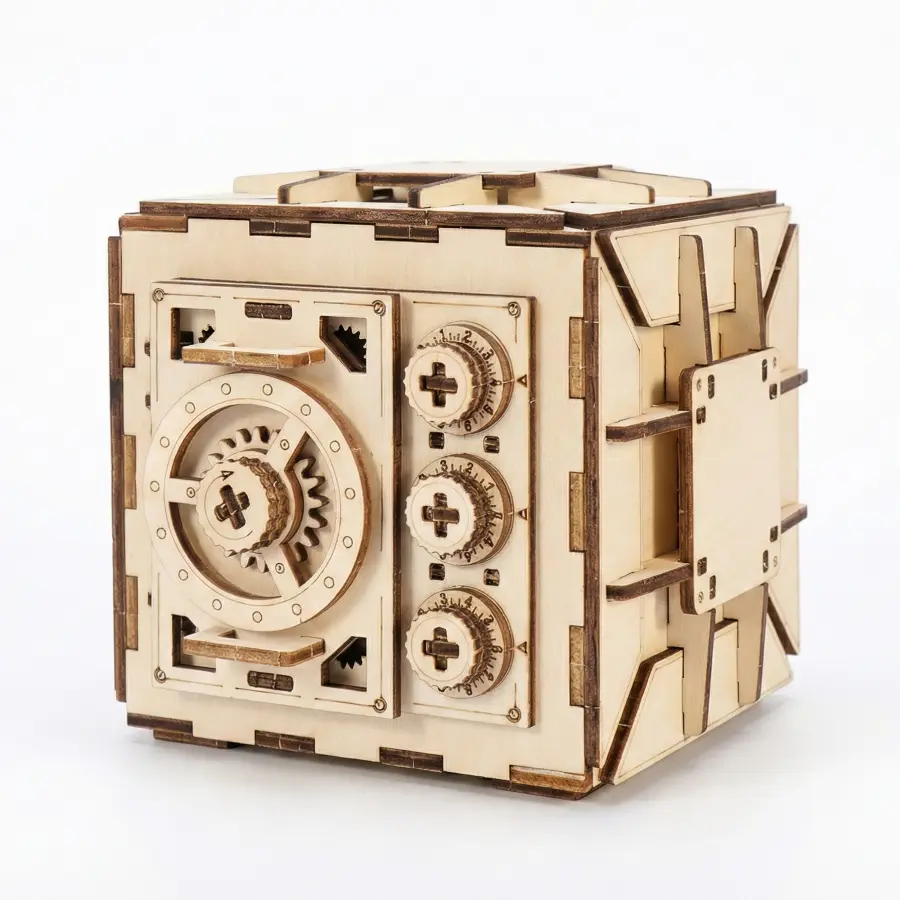
If you want a true wooden box puzzle experience, this build-and-unlock safe is a strong anchor piece. You assemble gears, set the combination, then practice opening without forcing parts. It suits patient adults and teens who enjoy mechanical logic. Use it for weekend sessions, gift reveals, or desk display. Repeating the lock cycle builds reliable sequencing and smoother hand control.
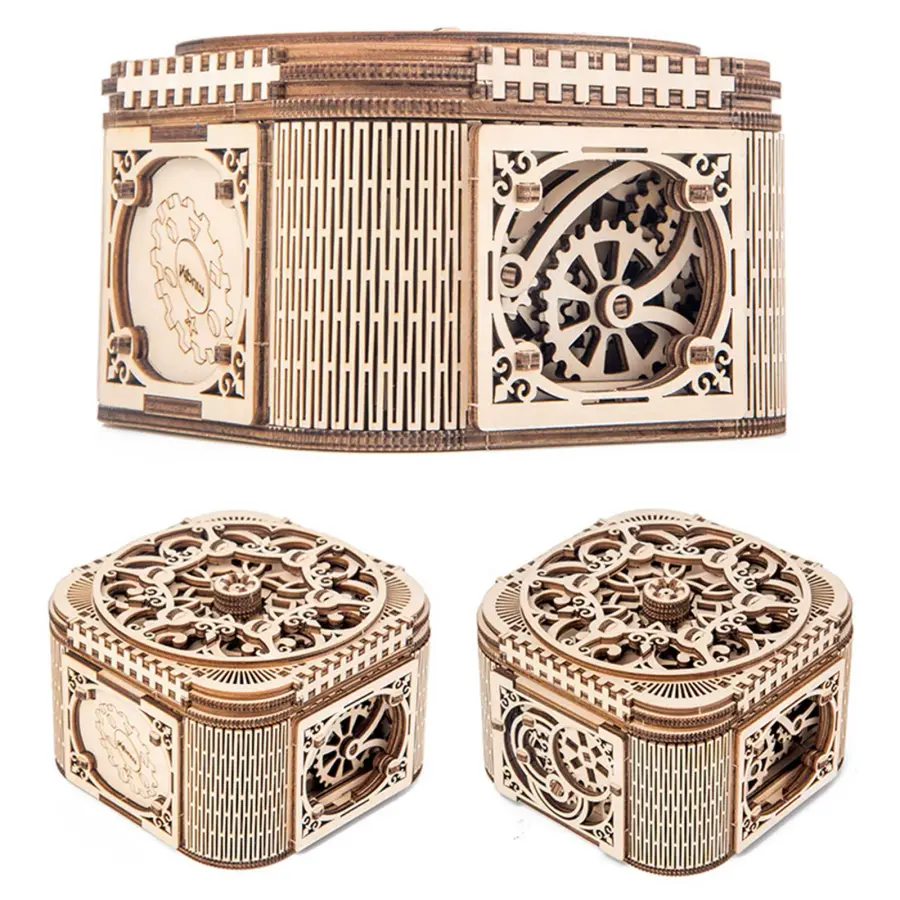
This model is the clearest puzzle box choice for users who want both function and challenge. The finished chest stores small items, but the value comes from learning each mechanism stage. A slow, step-by-step approach prevents misalignment and keeps the wooden parts in good shape. It works well for thoughtful gifts and long evening builds where you want a rewarding wooden box puzzle routine.
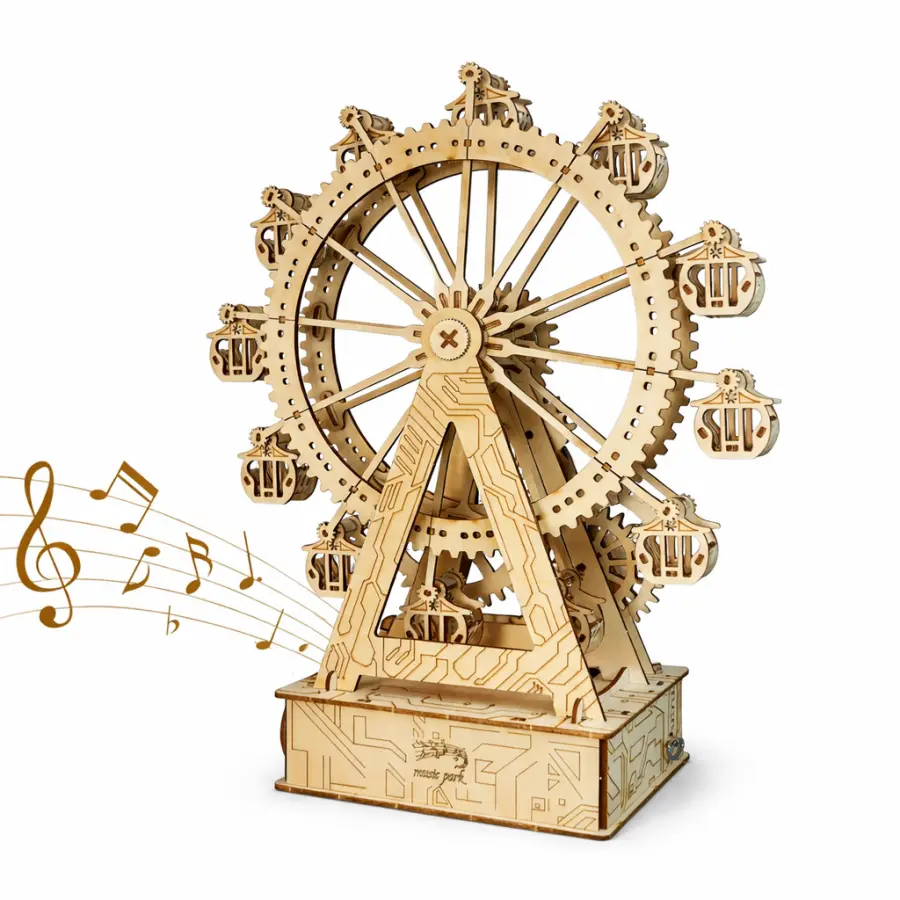
This kit is not a classic lock chest, but it trains the same habits used in a wooden box puzzle: sequencing, precision, and patient resets. The dual-motion build gives clear mechanical feedback, which helps you spot mistakes early. Choose it if you like decorative outcomes plus hands-on learning. It is especially good for collectors who want a display piece that still feels like an active puzzle project.
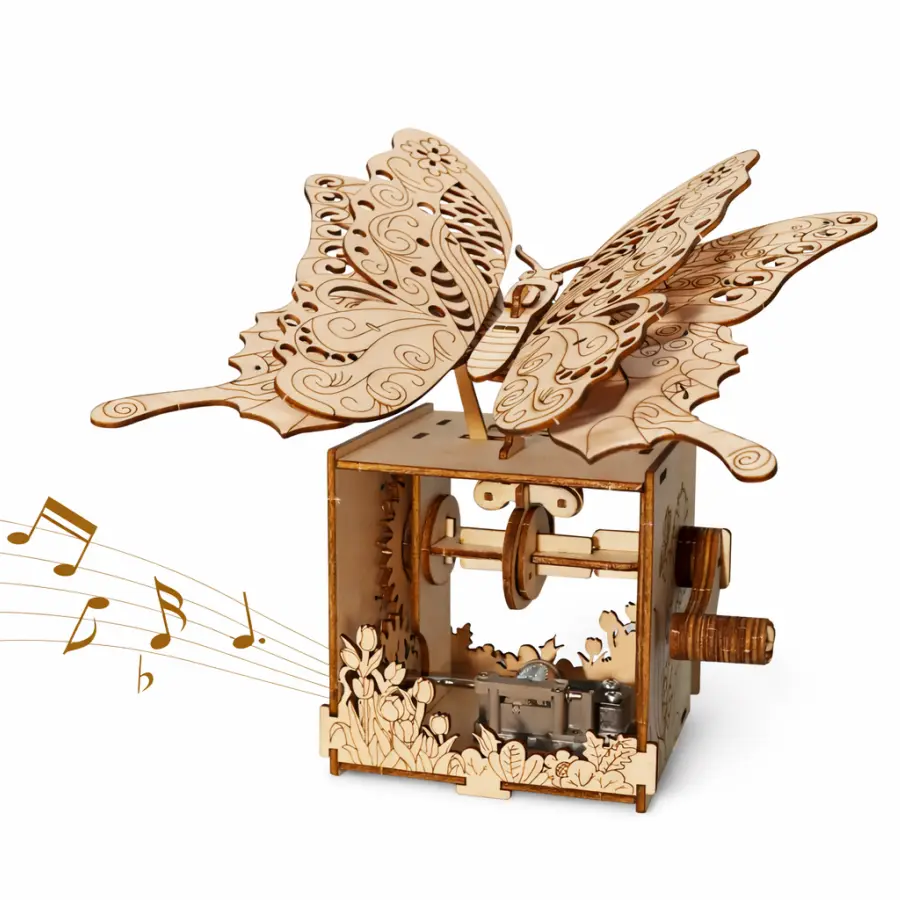
The butterfly build offers a compact puzzle box style project with gentle complexity. You work through layered assembly, then test movement and sound while checking fit and alignment. It is a good bridge between beginner wooden lock puzzle models and larger mechanical kits. If you prefer short sessions, this piece delivers satisfying progress in small steps without requiring a full afternoon.
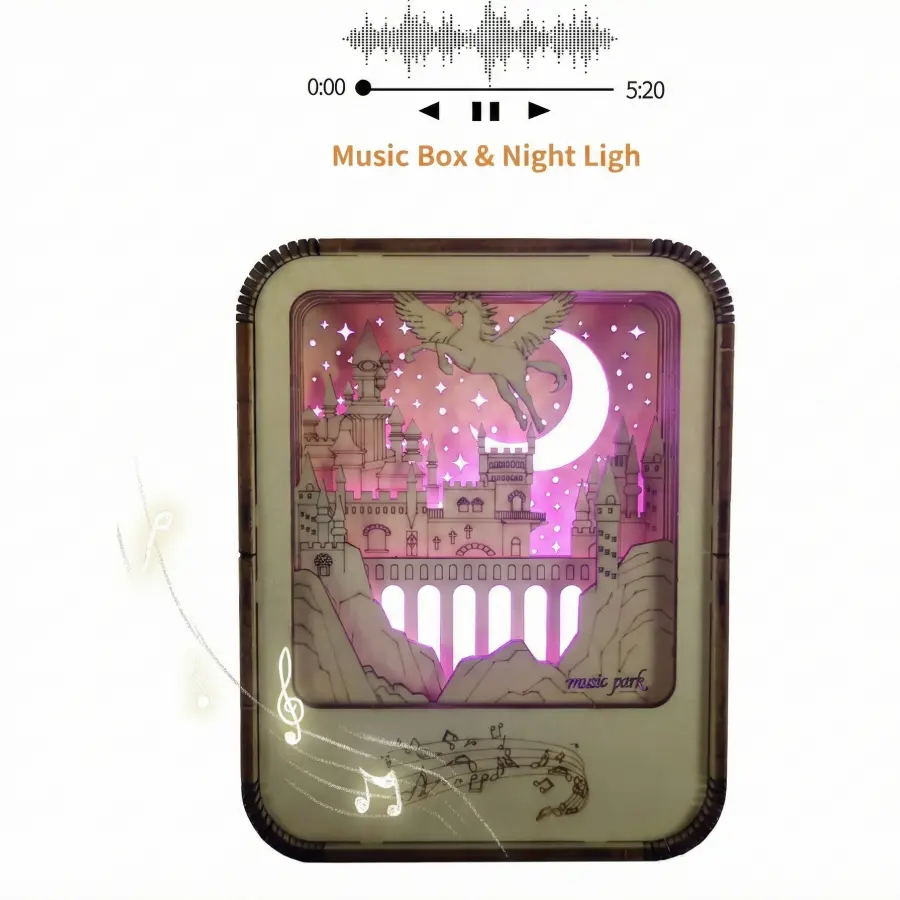
This shadow-box design blends decorative craft with practical puzzle sequencing. While it behaves differently from a traditional wooden box puzzle, it still teaches order, tolerance checking, and controlled handling. The illuminated finish makes it useful for gifts or shelf display after assembly. Build in stages, sort parts before each step, and verify moving sections early to avoid rework later.
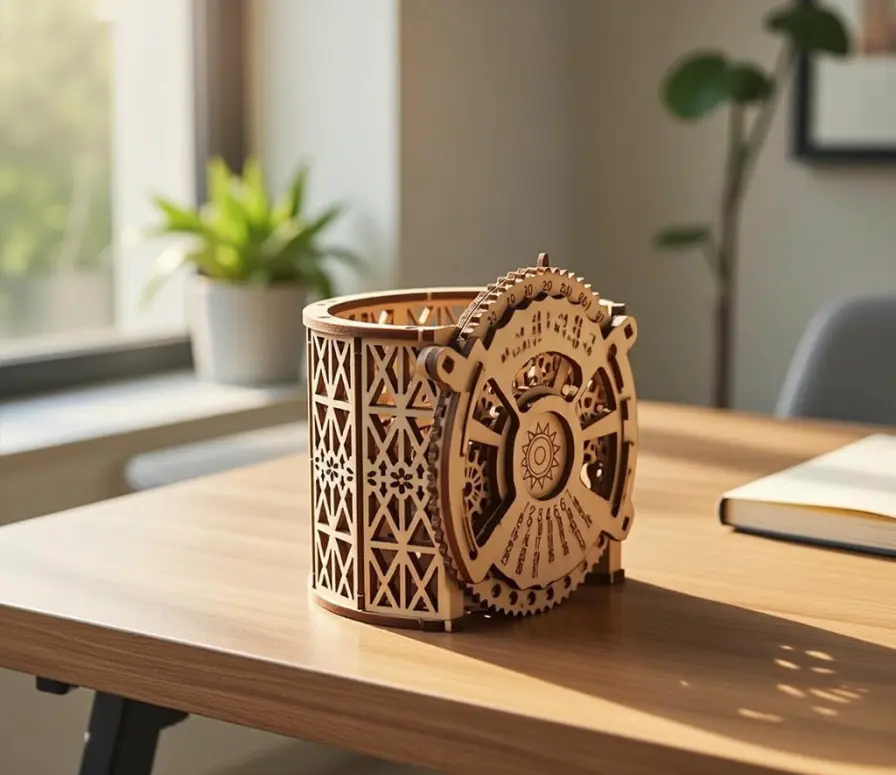
This desk organizer is a functional puzzle box alternative for daily use. You assemble structure, calibrate the perpetual calendar, and keep a small mechanical routine on your work surface. It suits office users who want light wooden lock puzzle practice between tasks. Because it stays visible, it naturally encourages short repeat interactions that reinforce memory and gentle problem-solving habits.
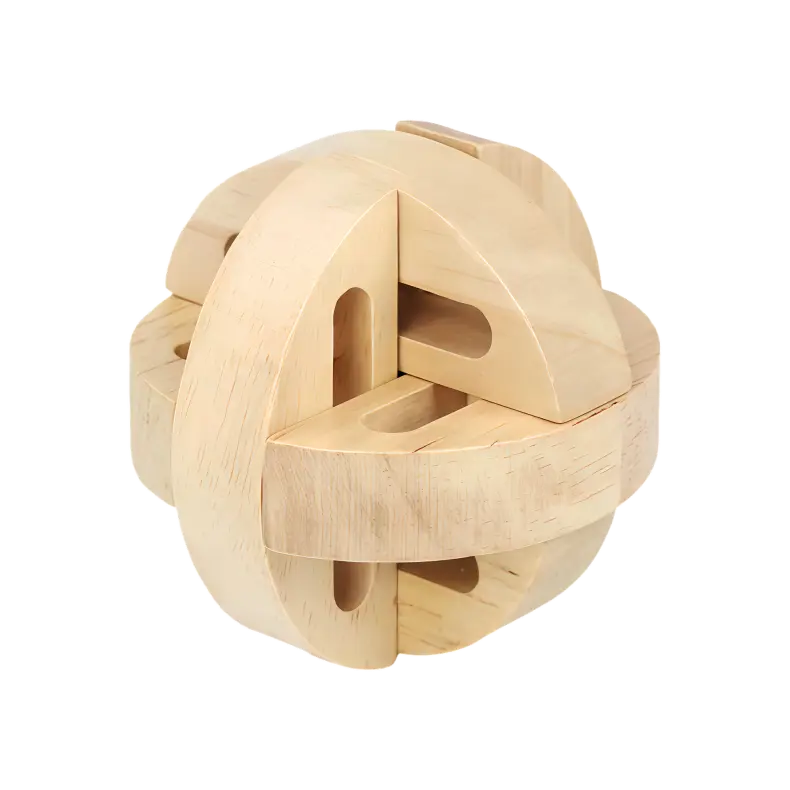
The Mystic Orb Lock feels like a compact wooden lock puzzle with enough depth for repeat solves. Its rounded shape forces careful orientation checks, so random force quickly fails. That makes it excellent for building disciplined movement and rollback habits. Add it to a wooden box puzzle set when you want a mid-tier challenge that fits easily in a drawer or gift bundle.
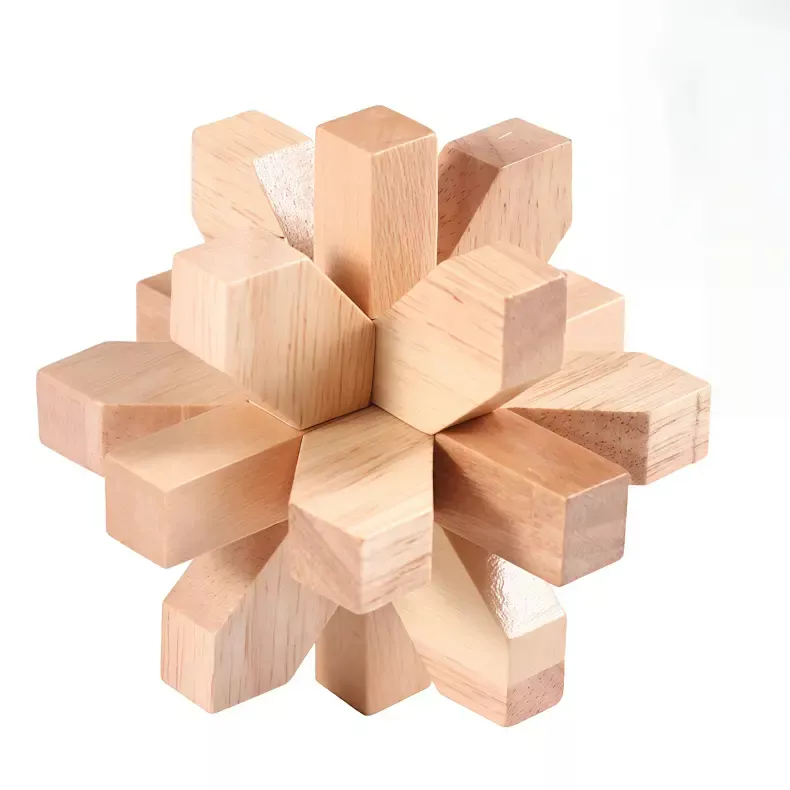
Plum Blossom Lock is a beginner-friendly wooden lock puzzle that rewards observation over strength. The key piece hides in plain sight, creating a clear aha moment once you read the geometry correctly. It is ideal for first-time solvers building confidence before larger puzzle box projects. Run two complete reassembly cycles after each solve to strengthen sequence recall and reduce trial-and-error.
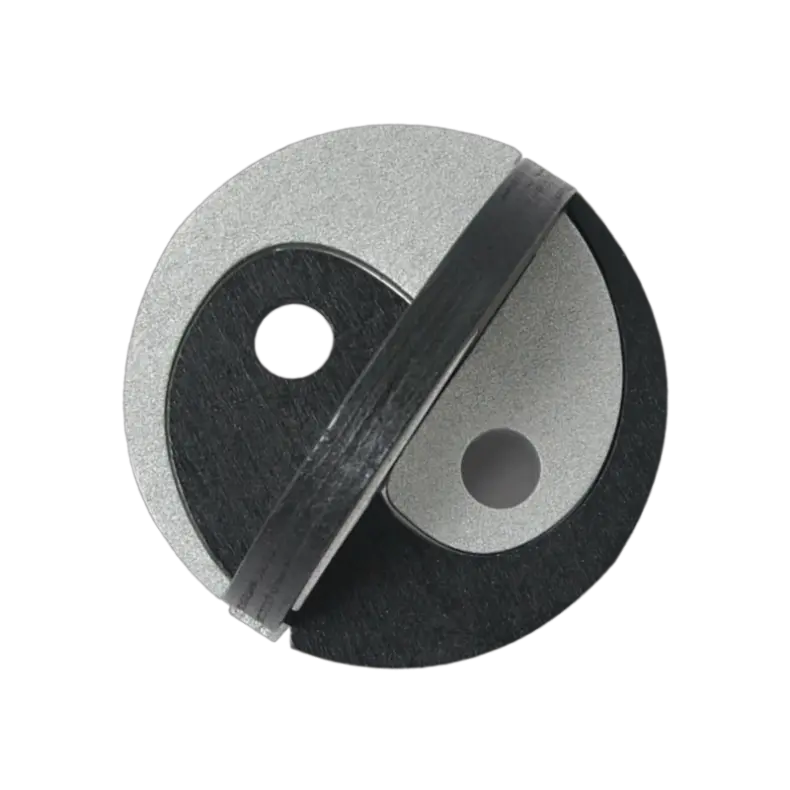
Yin-Yang Taiji Lock adds symbolic design to practical wooden box puzzle training. The two-state logic encourages balance: move too fast and you lose alignment, move carefully and the path opens cleanly. It works for teens, adults, and gift buyers who want replay value in a compact format. Use it as a warm-up piece before advanced puzzle box builds with longer solve paths.
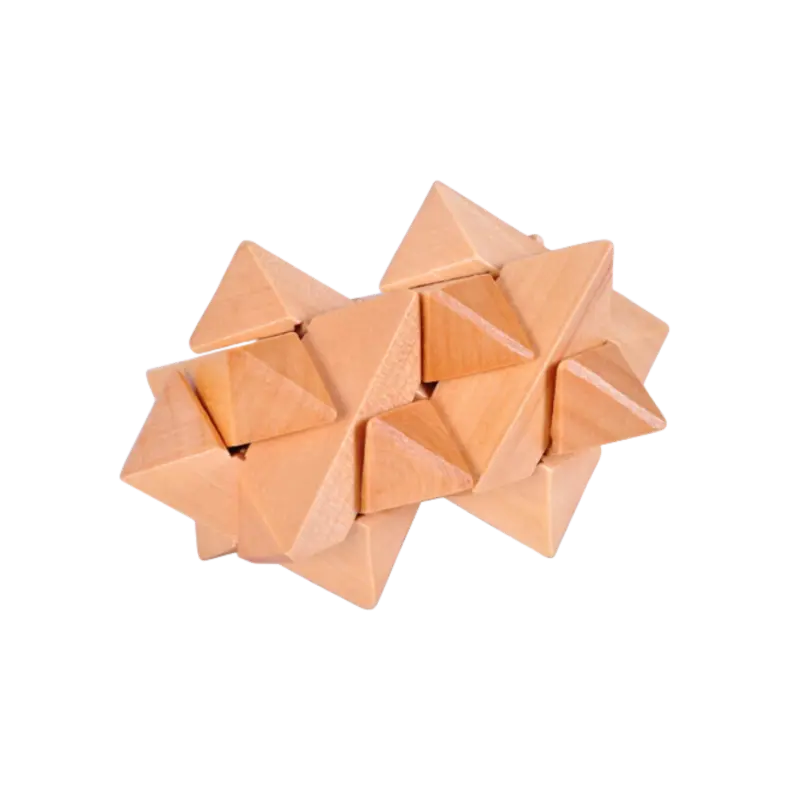
The Twin Star Puzzle is a structured wooden lock puzzle with symmetric interactions that test timing and orientation together. It fits solvers who enjoy methodical thinking more than speed. In a wooden box puzzle collection, this piece works as an intermediate step between simple disentanglement models and fully mechanical chests. Track one successful sequence in notes and your second solve becomes much faster.
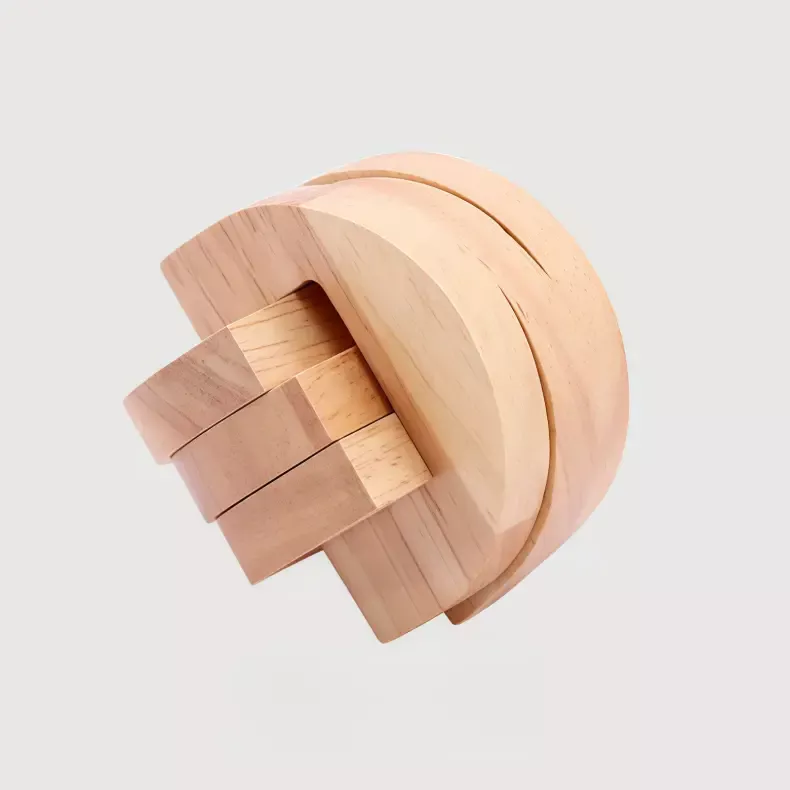
Interlock Puzzle Sphere delivers a wooden box puzzle style challenge in a rounded format. Each move changes your next options, so careful planning matters more than force. It is a dependable everyday trainer for users who want 10- to 20-minute focus breaks. Keep pressure light and verify position before each rotation; that single habit improves consistency and protects the puzzle from unnecessary wear.
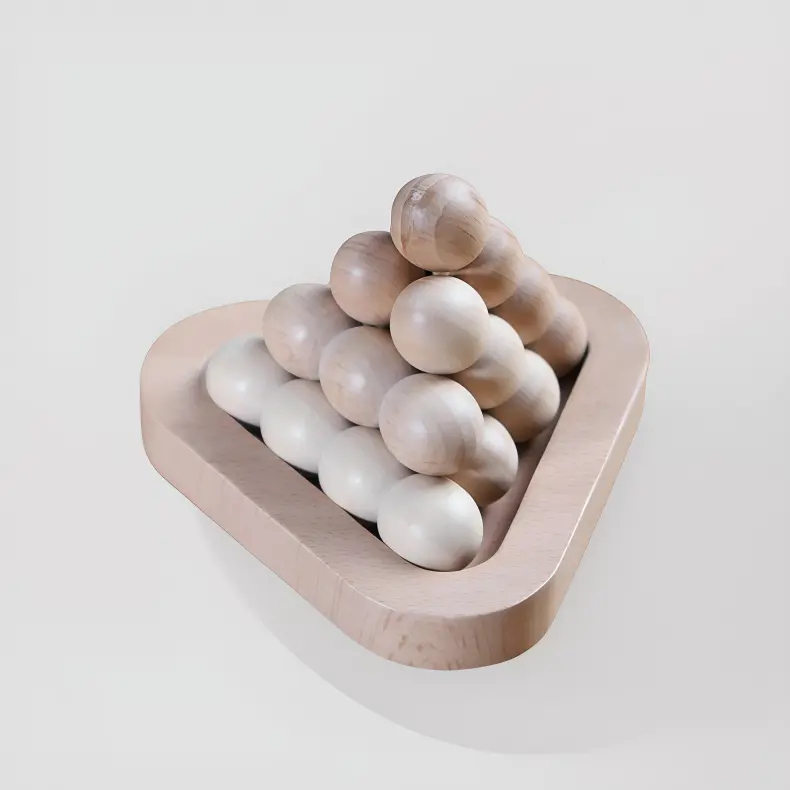
Wooden Bead Pyramid Puzzle is a tactile wooden lock puzzle that teaches spatial awareness in a clear, hands-on way. The layered structure helps beginners understand how local moves affect overall stability. It is useful for family sessions, classroom demos, or solo practice before trying complex puzzle box builds. Focus on reversible moves first, then speed up only after you can reset it confidently.
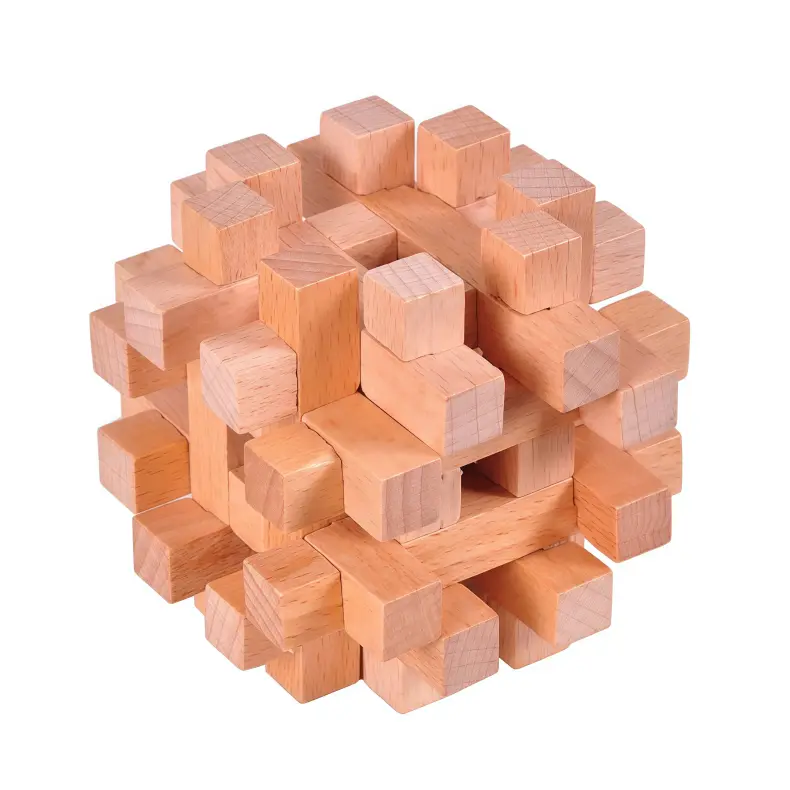
Double Cross Cage Puzzle is a classic wooden lock puzzle for users ready to manage crossing paths and staged reversals. It rewards calm testing and punishes rushed movement, which makes it great for skill growth. In a wooden box puzzle lineup, it occupies the middle tier with strong replay value. If you get stuck, backtrack one step and re-check orientation before trying a new route.
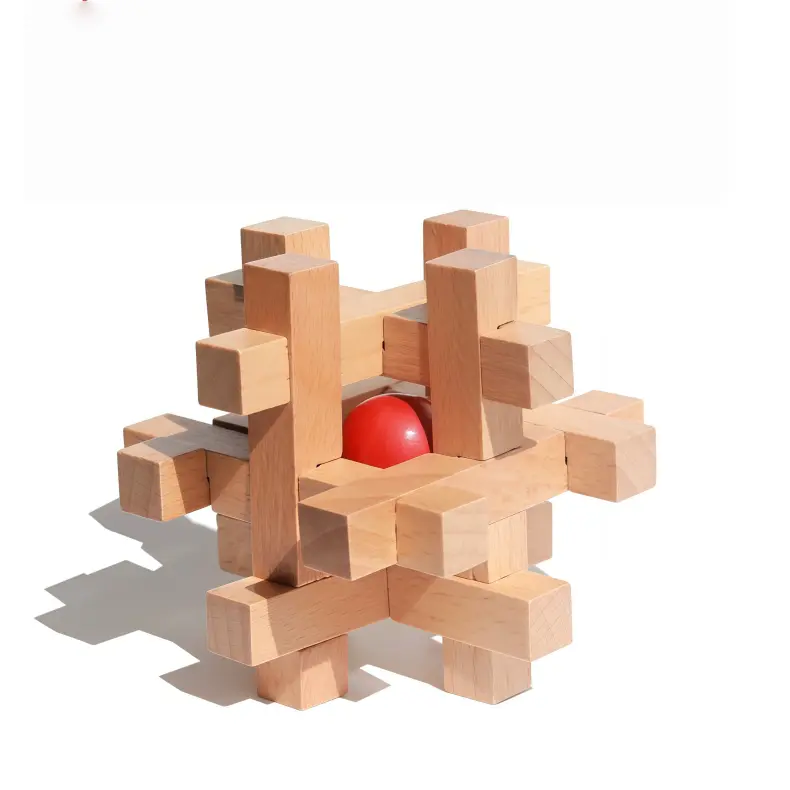
Cage of Doom Puzzle brings story-driven style to wooden box puzzle practice. The structure looks intimidating, but progress becomes clear when you break the solve into checkpoints. It suits intermediate users and gift recipients who like dramatic designs with real depth. Take brief notes after each breakthrough and you will turn scattered attempts into a repeatable method you can teach to others.
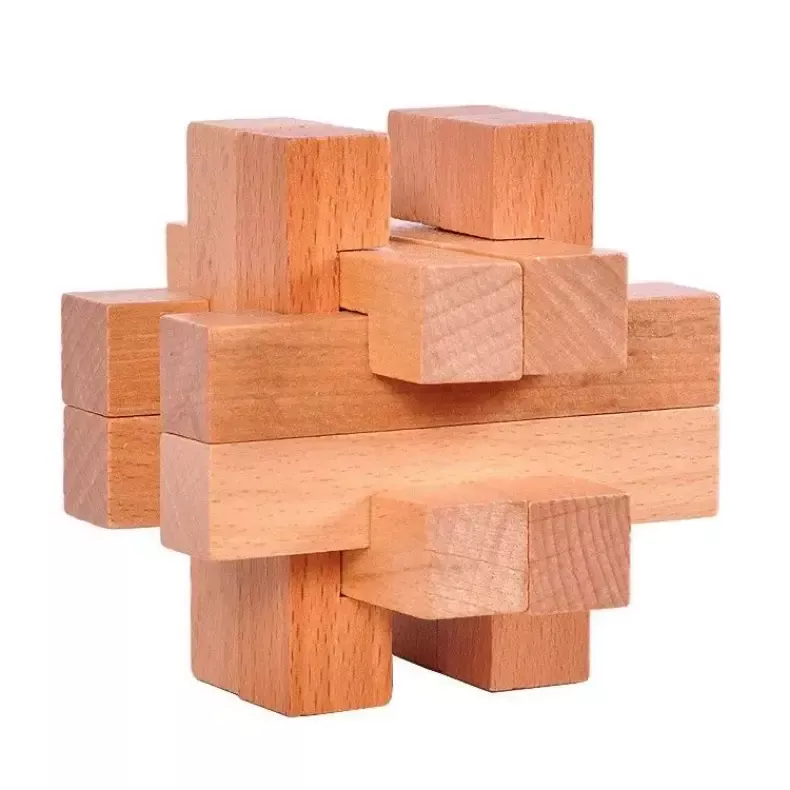
Treasure in a Cage is one of the most on-theme picks for a wooden box puzzle page. It combines mystery aesthetics with practical mechanism depth, making each successful solve feel earned. This model fits collectors, hobbyists, and anyone who enjoys analog focus sessions. Reassemble immediately after solving and complete one clean repeat; that routine locks in memory and improves confidence quickly.
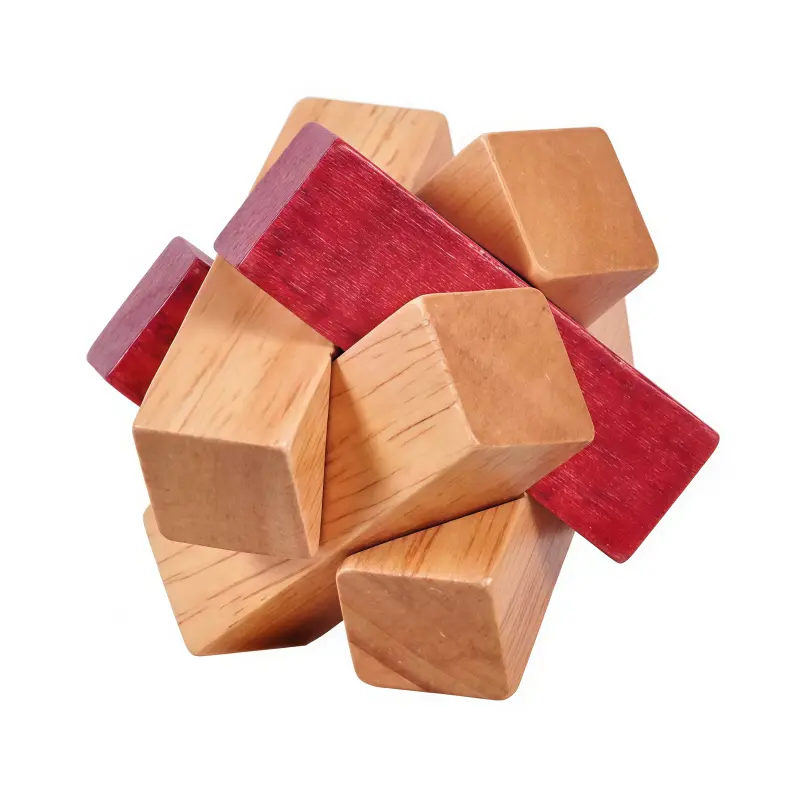
Wood Knot Puzzle is a compact wooden lock puzzle that teaches patience, grip control, and sequence discipline. Its knot-like structure hides progress until alignment is precise, so careful observation matters. It works well as a carry-friendly companion for short practice windows. In a broader puzzle box collection, this piece is a reliable fundamentals trainer that prepares you for harder mechanical models.
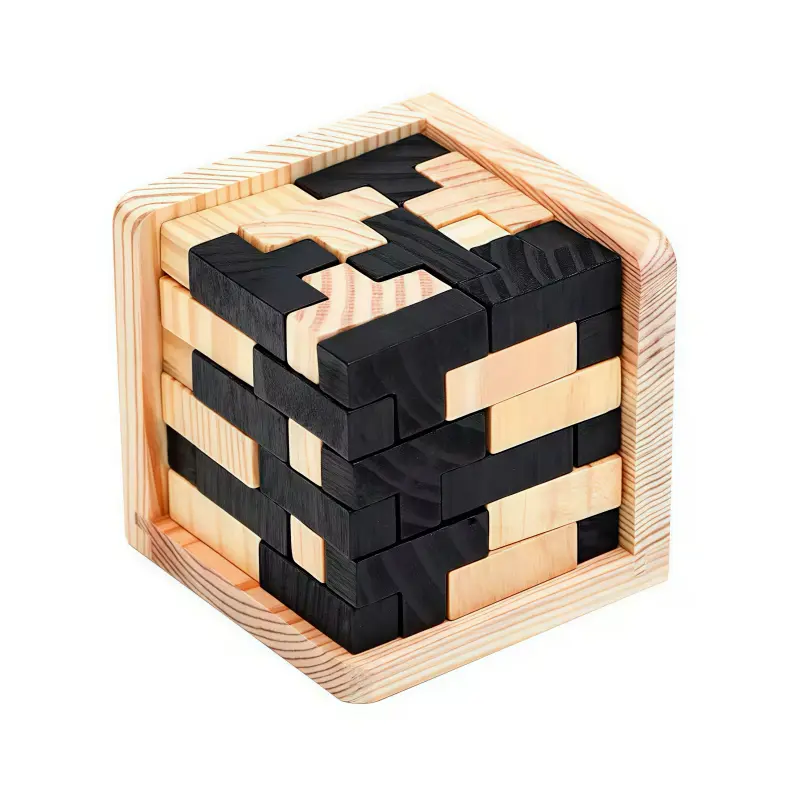
54-T Cube Puzzle is a geometric wooden box puzzle alternative for solvers who want planning depth and repeatable practice. Instead of opening a chamber, you build one stable form from many precise placements, which trains the same logic used in advanced puzzle box work. It is ideal for learners who like structured progression, error recovery, and measurable improvement over multiple sessions.

Mechanical 3D Wooden Globe Puzzle adds build complexity and motion to your wooden box puzzle roadmap. It is less about hidden locks and more about precision assembly, but the discipline transfers directly to puzzle box success. Choose it when you want a longer project with display quality at the end. Organize parts by stage and test movement early to avoid difficult late-stage corrections.
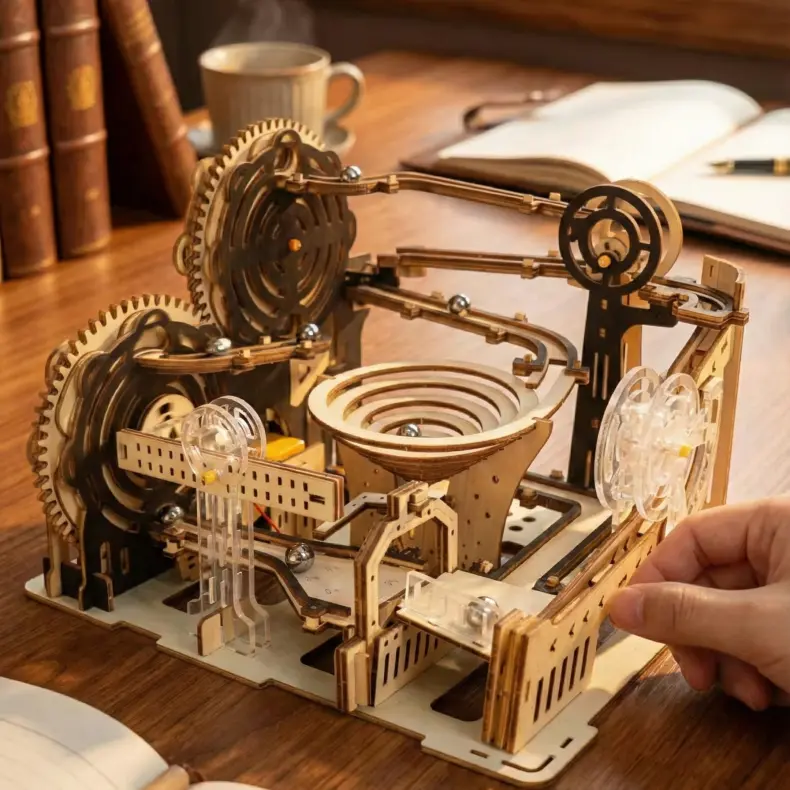
This electric marble run is a high-energy wooden box puzzle adjacent project for makers who enjoy moving mechanisms. It trains sequencing, calibration, and troubleshooting under real feedback as the run cycles repeatedly. Although it is not a lock chest, the same skills apply: patient setup, controlled adjustments, and structured testing. It is a strong advanced pick for weekend builds and STEM-oriented gifts.
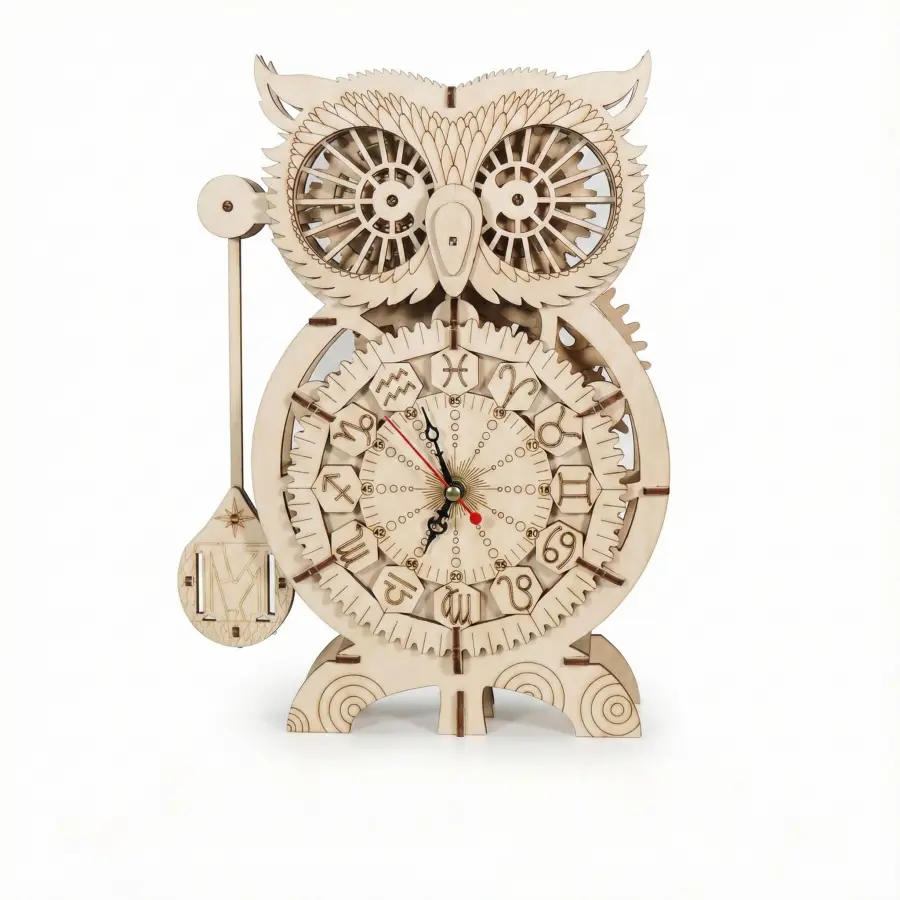
The owl clock kit gives you an advanced puzzle box style workflow focused on timing parts, gears, and precise fit. It combines decorative appeal with meaningful mechanical reasoning, so every assembly step teaches something useful. Add it when your wooden box puzzle practice needs a deeper project with a finished display payoff. Work in clean stages and verify each mechanism before moving forward.
Structured puzzle practice can support attention control, spatial reasoning, and deliberate problem solving when done consistently. The method used in this guide emphasizes short cycles, reversible steps, and reflection notes for measurable improvement.
Use this guide as practical direction, then adjust difficulty and session length to your own pace.
Source: post-sitemap1.xml. Background context for mechanical wooden puzzle design.
Source: post-sitemap1.xml. Useful for understanding craftsmanship and mechanism lineage.
Source: topic-sitemap.xml. Related topic page with adjacent puzzle box picks.
Source: game-sitemap.xml. Optional warm-up game for logic pattern awareness.
General reference for puzzle taxonomy and terminology.
Research portal for deeper reading on cognition and problem-solving studies.
A wooden box puzzle is a hands-on challenge where progress depends on sequence, alignment, and mechanism state. Unlike simple shape puzzles, you usually need to discover an opening path or functional order before the puzzle fully resolves.
Start with Plum Blossom Lock, Yin-Yang Taiji Lock, Wooden Bead Pyramid Puzzle, and Wood Knot Puzzle. They offer clear feedback and shorter solve paths, so you can build confidence before moving into advanced mechanical box builds.
Entry-level picks in this list are around $15 to $19. Mid-range options around $20 to $35 add richer mechanisms. Advanced build-and-display kits typically start near $40 and can reach around $60 depending on complexity.
Treat resistance as information, not a signal to apply force. Pause, reverse one step, and re-check orientation. Keeping hands dry, movements light, and parts organized will protect joints and improve your long-term solve consistency.
Yes. They combine display value and interactive challenge, which makes them memorable gifts for adults who like craftsmanship, logic play, or screen-free focus activities. Match difficulty to the recipient to keep the first experience rewarding.
Do one immediate reverse solve, then complete one full repeat without guessing. Write down the two most important transitions. This simple cycle strengthens recall, reduces random retries, and makes your second session much smoother.
No, but it helps to work slowly and stage parts before each step. Advanced kits are manageable when you follow instructions closely, test movement early, and avoid skipping alignment checks during assembly.