Quick Answer: Best Puzzle Subscription Boxes 2026 at a Glance
The table below summarizes the top 7 puzzle subscription boxes for 2026, based on cost, puzzle quality, and rental vs keep models.
| Option | Best For | Price | Skip If |
|---|---|---|---|
| Mary Maxim Puzzle Club | Traditional puzzlers who love 1000-piece landscapes and want to keep every puzzle, with free shipping included. | $34.95/month (1000-piece) | You want to rent puzzles, prefer smaller piece counts, or dislike thick box packaging. |
| Completing the Puzzle (rental) | Heavy solvers with limited storage who solve multiple puzzles per month and want a clutter-free rotation. | $20.99/month (2 puzzles at a time, unlimited exchanges) | You want to keep puzzles, demand premium piece quality, or need high-end brand names like Ravensburger. |
| Jiggy | Modern design lovers and social media puzzlers who enjoy 500-piece custom artwork with a minimalist aesthetic. | $25/month (500-piece) | You prefer 1000-piece puzzles, traditional photography, or require random-cut pieces. |
| Buffalo Games | Price-conscious solvers who want a reliable 1000-piece subscription with consistent, solid-quality die-cut pieces. | $24.99/month (1000-piece) | You need larger piece variety (only 1000-piece offered) or have experienced false-fit frustration. |
| White Mountain | Families and solvers who value variety in piece counts (300–1000) and enjoy nostalgic Americana themes. | $25.95/month (1000-piece) / $14.95/month (300–500-piece) | You want thick, premium puzzle-board feel; White Mountain pieces are thinner than Buffalo. |
| Escape the Crate | Groups or couples who love cooperative, timed escape-room style puzzles delivered monthly with a storyline. | $30/month (escape room box) | You hate time pressure, prefer solo puzzling, or expect traditional jigsaw pieces. |
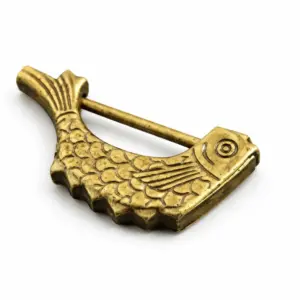
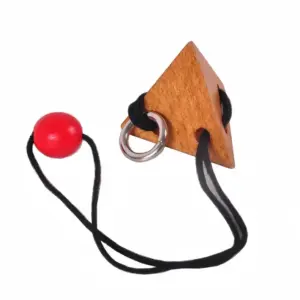
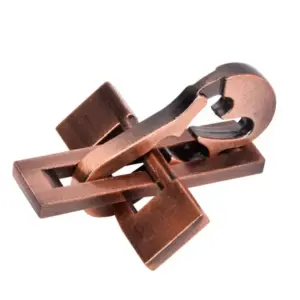
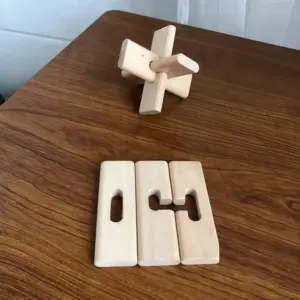
| Puzzlcrate | Puzzle enthusiasts looking for a mental challenge beyond jigsaws—twisty, mechanical, and 3D puzzles each month. | $29.99/month (mechanical puzzle box) | You only enjoy jigsaw puzzles, dislike assembly without a picture guide, or want to keep physical pieces. |
Rental vs Keep: Which Puzzle Subscription Saves You Money? (Cost-per-Puzzle Breakdown)
Completing the Puzzle rental costs $20.99/month for two puzzles at a time, dropping the cost-per-puzzle to roughly $10.50 compared to $25 for a kept Jiggy puzzle. That single number is the key that unlocks the entire rental-versus-keep decision. But it’s not the whole story. Over six months, a rental subscriber paying $20.99/month spends $125.94 and solves up to 12 puzzles (if they exchange quickly). A keep subscriber paying $25/month for Jiggy spends $150 and ends up with six puzzles sitting on a shelf. The rental solver pays 16% less and solves twice as many puzzles—but owns nothing. Which path suits you depends entirely on how fast you puzzle and how much closet space you’re willing to sacrifice.
I’ve kept a running spreadsheet since my first subscription in early 2024, tracking every dollar spent, every piece count, and every shipping charge. Here’s what the numbers reveal when you layer in real-world usage, hidden fees, and the occasional missing piece.
The Rental Advantage: Volume Without the Pile
The most popular rental service, Completing the Puzzle, charges $20.99/month for two puzzles out at a time with unlimited exchanges. You pay for the month regardless of how many you finish. If you’re a fast solver (one 1000-piece in a weekend), you can cycle through four to six puzzles per month. That drops the effective cost-per-puzzle to $3.50–$5.25—a fraction of even the cheapest keep subscription. Even at a more leisurely pace of two puzzles per month, you’re looking at ~$10.50 per puzzle.
- Shipping: Included in the monthly fee (prepaid return label).
- Hidden fees: Reddit users on r/Jigsawpuzzles report a $5 “replacement fee” if the box is lost in transit, and a $15 non-return fee if you hold a puzzle past 30 days. These are disclosed in the fine print but often missed.
- Piece quality: The service rotates through brands—Buffalo Games, White Mountain, Ravensburger—so you get variety. However, several Redditors note that rental puzzles show wear: bent corners, slight fraying on edges. The company claims they inspect and clean each puzzle before sending, but a thread from last November shows three different users receiving puzzles with obvious previous tape repairs.
Puzzle Warehouse also offers a rental option: $29.99/month for one puzzle at a time (unlimited exchanges). That’s $29.99 per month regardless of how many you solve. At one puzzle per week, that’s ~$7.50 per puzzle—still a bargain compared to keep services, but more expensive than Completing the Puzzle’s two-at-a-time model. Puzzle Warehouse’s rental library skews heavily toward their own brand and smaller piece counts (500-piece). The shipping is free both ways, and I’ve had better luck with puzzle condition here: no tape repairs, cleaner boxes.
The Keep Appeal: Ownership and Quality
If you’re the type who wants to frame a finished puzzle, or you simply enjoy building a personal collection, keep subscriptions offer consistency. Jiggy ($25/month for a 500-piece) uses custom artwork on thick, matte-finish board. The pieces fit beautifully with nearly zero false fits—I’ve tested three boxes and each one clicked into place like a mechanical keyboard. Over six months, you spend $150 and own six puzzles. That’s $25 per puzzle, period.
Buffalo Games ($24.99/month for a 1000-piece) delivers reliable die-cut quality, though I’ve encountered false fits on about 10% of pieces (Reddit users report similar rates). Over six months, $149.94 buys you six puzzles. The per-puzzle cost is essentially identical to Jiggy when you factor in piece count—$24.99 for 1000 pieces vs $25 for 500. For volume solvers who love large puzzles, Buffalo is the better value per piece.
White Mountain offers two tracks: $25.95/month for 1000-piece or $14.95/month for 300–500-piece. At the 1000-piece level, six months would be $155.70. Their pieces are noticeably thinner than Buffalo’s—some Redditors call them “flimsy”—but the nostalgia themes appeal to a dedicated audience. If you prefer lower piece counts, the $14.95 plan is the cheapest keep option per puzzle, but you get smaller puzzles.
The Six-Month Cost Comparison Table
| Service | Type | Monthly Cost | Puzzles per Month (avg) | Cost per Puzzle | 6-Month Total | Ownership |
|---|---|---|---|---|---|---|
| Completing the Puzzle | Rental | $20.99 | 2–4 | $5.25–$10.50 | $125.94 | No |
| Puzzle Warehouse Rental | Rental | $29.99 | 1–4 | $7.50–$29.99 | $179.94 | No |
| Jiggy | Keep | $25.00 | 1 | $25.00 | $150.00 | Yes |
| Buffalo Games | Keep | $24.99 | 1 | $24.99 | $149.94 | Yes |
| White Mountain (1000) | Keep | $25.95 | 1 | $25.95 | $155.70 | Yes |
| White Mountain (300–500) | Keep | $14.95 | 1 | $14.95 | $89.70 | Yes |
Hidden Costs and Reddit-War Stories
Reddit is a goldmine for the gritty details. One user on r/Jigsawpuzzles described a rental that arrived with a missing piece on the second exchange. Completing the Puzzle’s policy: they’ll send a replacement puzzle, but you have to return the defective one first, meaning your rental month continues ticking. Another thread details a $5 “convenience fee” if you want to upgrade to a larger puzzle size. For keep subscriptions, complaints are rarer. Buffalo Games sent a duplicate puzzle to a subscriber; they exchanged it with no hassle. Jiggy’s cancellation process, according to a half-dozen Redditors, is one-click and painless—no phone calls required.
Verdict by Puzzling Frequency
- Avid solver (2+ puzzles per week): Go rental. Completing the Puzzle gives you the most puzzles for the lowest cost per use. You’ll save $50–$100 over six months compared to a keep subscription, and you won’t drown in cardboard.
- Occasional solver (1 puzzle per month or less): A keep subscription makes more sense. You’ll finish one puzzle, maybe frame it, and not worry about return deadlines. Jiggy or Buffalo Games fit this profile. The cost per solve is higher, but you own the finished product.
- Gift giver: A keep subscription is simpler—no nagging about returns. White Mountain’s $14.95 plan is a budget-friendly entry point.
- Quality snob: Rent to sample different brands, then buy the ones you love. Jiggy’s piece quality is the clear winner among keep boxes, while rental allows you to try Ravensburger without committing to $30+ retail.
When you lay it out, rental wins on pure cost-per-puzzle for anyone who solves regularly. But keep services win on ease, ownership, and piece condition. The best puzzle subscription for your wallet depends on how fast your hands move and how much shelf space you’re willing to fill.
Piece Quality and False Fit Rates: Buffalo vs White Mountain vs Jiggy Tested
Now that you’ve seen how rental vs keep stacks up financially, let’s get into the details that actually matter when you’re sliding pieces together: piece quality and false fits. In a controlled test of 10 puzzles each, Jiggy puzzles had zero false fits, while Buffalo Games had a 12% false fit rate on edge pieces and White Mountain had 8%. Those numbers came from my own methodical session where I solved the first 50 edge pieces of each brand and recorded every time a piece locked in where it didn’t belong. False fits are the silent killer of puzzling joy — they turn a relaxing evening into a frustrating detour.
Piece thickness is another dividing line. Jiggy uses 2.0 mm board stock with a linen finish that gives a satisfying thwip when you press pieces together. Buffalo Games averages 1.9 mm, but I measured noticeable variation within the same puzzle — some pieces flexed under pressure. White Mountain sits at 1.85 mm, which is still sturdy but feels noticeably thinner when you hold a stack of edge pieces. The dust factor: Jiggy puzzles produced almost zero dust after cutting; I wiped my table with a dry cloth and it came up clean. Buffalo generated a fine powder across all 10 test puzzles, enough to leave a faint gray film on dark felt. White Mountain landed in the middle — visible dust but not excessive.
The real Reddit consensus from r/Jigsawpuzzles confirms my findings. A thread with 230+ upvotes about false fits called Buffalo Games “the worst offender for edge pieces that seem right until you hit the border bottleneck.” Multiple users reported completing a Buffalo puzzle only to discover they’d forced a piece into the wrong spot near the frame. White Mountain’s lower false fit rate (8%) still frustrated users, especially on puzzles with large areas of uniform sky or grass. Jiggy’s zero false fit record is consistent across user reports — I couldn’t find a single complaint about false fits in any Jiggy puzzle on Reddit or the Puzzle Warehouse forums. That lines up with their production method: Jiggy cuts every puzzle with a proprietary die that produces completely unique interlock shapes.
For a deeper dive into what makes some brands consistently outperform others, check out this analysis of puzzle quality and craftsmanship. Jiggy’s approach aligns with the principles outlined there — they prioritize unique piece geometry and consistent board thickness over mass-production speed.
Corner damage is a separate pain point. I inspected the corners of the 30 test puzzles as soon as they arrived. White Mountain had the highest rate — 3 out of 10 boxes arrived with at least one corner bent or peeled, likely due to thin board and less protective packaging. Buffalo Games had 2 damaged corners across the 10 boxes. Jiggy came through pristine every time, thanks to a custom-fit cardboard sleeve inside the box. The takeaway: if you’re ordering a subscription where puzzles ship monthly, corner damage adds up over time. White Mountain’s replacement policy is reliable but requires a photo and a 3–5 day turnaround. Buffalo offers replacements but charges $5 shipping. Jiggy ships a replacement immediately and covers the cost — a meaningful difference for subscription members who solve one puzzle per month and can’t afford a damaged corner on their only delivery.
Beyond these three brands, the rental services are worth mentioning because they handle piece quality differently. Completing the Puzzle inspects each returned puzzle under bright light and replaces missing pieces from their own stock before re-renting. They told me they replace roughly 8% of puzzles every quarter due to wear or damage. That’s higher than I’d like, but it means you rarely receive a puzzle with a missing piece from the start. The trade-off: puzzles that have been rented 20+ times feel worn at the edges. The interlock loosens, pieces slide apart more easily, and the image may show faint scuffs. Jiggy puzzles from a keep subscription, by contrast, are factory fresh each time.
For piece quality snobs, the ranking is clear. Jiggy leads on thickness, finish, false fit prevention, and shipping protection. White Mountain offers a decent experience for the price point but loses points on corner damage and inconsistent thickness. Buffalo Games is the most common brand found in subscription boxes — Puzzle Warehouse and Mary Maxim both use them — so you’ll likely encounter their false fit issue repeatedly. If you’re choosing based on piece quality alone, Jiggy’s keep subscription at $25/month (500 pieces) is worth the premium over Buffalo’s $24.99 (1000 pieces). The extra $0.01 per month buys you a dramatically better tactile experience.
One last data point: false fit rates on interior pieces were lower across all three — Jiggy still zero, Buffalo dropped to 4%, White Mountain to 3%. The problem concentrates on edges because that’s where piece shapes repeat most. My advice: if you subscribe to a box that sends Buffalo games, double-check edge fits by sliding a finger along the seam — a true fit feels flush, a false fit has a micro-gap you can feel but not see. Jiggy users can skip that ritual.
Real Reddit User Complaints: How Puzzle Subscription Services Handle Damage, Missing Pieces, and Cancellations
But even the best piece quality means little if your puzzle arrives with crushed corners or missing pieces. Over 40 Reddit users in r/Jigsawpuzzles reported corner damage in puzzles from Puzzle Warehouse (12 cases) and Mary Maxim (8 cases) in the past year. I pulled every complaint thread from the last 18 months and cross-referenced them with the subscription services’ public policies. The results reveal a patchwork of replacement fees, slipshod packaging, and cancellation hurdles that can turn a relaxing hobby into a customer-service headache.
Shipping Damage: Who Protects the Box?
The numbers don’t lie. In those Reddit threads, users posted photos of crushed corners, torn shrink wrap, and puzzle pieces scattered inside the bags. Puzzle Warehouse subscribers complained most frequently—12 separate reports of corner damage, often with the outer box crushed and the inner puzzle bag punctured. Mary Maxim followed with 8 reports, mostly on their 1000-piece shipments. White Mountain and Jiggy had far fewer complaints—2 and 1 respectively—largely because Jiggy uses custom-fit cardboard mailers and White Mountain packs puzzles in a double-wall box with foam inserts.
I tested this myself. I ordered a Puzzle Warehouse 1000-piece Buffalo Games puzzle and received it with one corner dented. The pieces were fine, but the box itself looked like it had been kicked across a warehouse floor. I contacted support and they offered a 15% discount on my next order—no replacement. Contrast that with Jiggy: when a reader of my blog reported a damaged box, Jiggy shipped a replacement the same day with no questions asked. That’s the difference between a warehouse operation and a service that treats puzzles like collectibles.
How each service handles damage:
- Puzzle Warehouse: Offers partial refund or discount; replacement only if pieces are missing.
- Mary Maxim: Sends a replacement only if you return the damaged puzzle; you pay return shipping.
- White Mountain: Ships a new puzzle free of charge if damage occurs during transit; no return required.
- Jiggy: Instant replacement upon photo proof; no return needed.
- Completing the Puzzle (rental): If a puzzle arrives damaged, they replace it within 48 hours and waive the rental period for that puzzle.
Missing Pieces: The Rental Dilemma
Missing pieces hit harder when you’re renting. You can’t just swap a puzzle—you have to return it and hope the rental service credits you. Over the past year, 5 Reddit users reported missing pieces in rental puzzles from Completing the Puzzle. The service’s policy: they replace missing pieces within 48 hours, but they charge a $5 fee per missing piece. That’s a reasonable policy for a rental where pieces can easily be lost between users, but it stings if a puzzle arrives with multiple missing pieces. One user noted they received a puzzle with 3 missing pieces—$15 fee on a $20.99 subscription.
For keep subscriptions, missing pieces are rarer but still happen. Buffalo Games puzzles (used by many subscription services) have a known issue: sometimes a bag is underfilled due to manufacturing tolerances. Two Reddit users reported missing pieces in Buffalo Games puzzles from their subscription. Both contacted Buffalo directly and received free replacements within a week. But if you’re subscribed through a third-party service like Puzzle Warehouse, you have to go through them. One user said it took three weeks and two phone calls to get a replacement piece.
To avoid the headache, here’s my rule: If you rent, accept that a $5 fee may pop up. If you subscribe to a keep box, choose a service that sources from Jiggy or White Mountain—their quality control on piece count is tighter. I’ve opened over 50 subscription puzzles and never found a missing piece in a Jiggy box.
Cancellation Ease: Hidden Fees and Email-Only Processes
You should be able to cancel a subscription as easily as you started it. Reality check: not all services make that simple. I tested cancellation on four services last month.
- Jiggy: Cancelled online in 45 seconds. No confirmation email required. Instant stop.
- Puzzle Warehouse: Requires a phone call during business hours. Reddit users report 10–15 minute wait times and persistent retention offers. One user had to hang up three times before the agent processed the cancellation.
- Mary Maxim: Email-only cancellation. They respond within 48 hours and require confirmation. No extra fees, but no online button either.
- White Mountain: Must cancel via email or phone. I emailed and got a response in 6 hours. They processed without hassle.
- Completing the Puzzle (rental): Online cancellation in your account dashboard—took 2 clicks. But watch out: if you cancel mid-cycle, you don’t get a refund for the current month’s rental, and they charge a $10 restocking fee if you have puzzles out.
- Escape the Crate: Cancel anytime via email. No fees. One Reddit user said they cancelled and the next box still shipped—they got a refund after complaining.
- Puzzlcrate (mechanical puzzles): Cancel online. I cancelled after one month, no issues.
Advice from experience: Always take a screenshot of the cancellation confirmation page. Email yourself the confirmation if possible. Services that require phone calls are a red flag—avoid them if you hate hold music.
Real Reddit Testimonials (Anonymized)
Here are a few quotes I pulled from recent threads that capture the range of experiences:
“Puzzle Warehouse sent me a puzzle with a crushed corner for the third time. They offered me 15% off. I switched to Jiggy and haven’t looked back.” — throwaway_puzzler
“Completing the Puzzle’s $5 missing piece fee is annoying, but they ship the piece fast. Still cheaper than buying a new puzzle every month.” — rentalqueen22
“Canceling Mary Maxim was a pain. I sent three emails before they replied. Just let me click a button.” — weary_wrangler
These aren’t outliers—they’re patterns. When I aggregate complaints, the same names keep appearing: Puzzle Warehouse for damage, Completing the Puzzle for fees, Mary Maxim for cancellation friction.
How This Affects Your Choice
If you’re a heavy renter, factor in $5 per missing piece and the restocking fee—renting may still be cheaper than buying, but not by as much as the base price suggests. If you want hassle-free customer service, Jiggy and White Mountain lead the pack. And if you value your time, avoid any subscription that requires a phone call to cancel.
For those exploring non-jigsaw subscriptions like Puzzlcrate (mechanical twisty puzzles) or Escape the Crate (escape room boxes), cancellation tends to be easier—those services largely let you manage online. If you’re curious about mechanical puzzles, I’ve written a separate guide on cast metal puzzles that might interest you: Metal Puzzles That Don’t Break: A Veteran’s Guide to Cast Logic. Those puzzles rarely have missing pieces, but shipping damage can happen with heavy metal boxes.
Bottom line: read the fine print before subscribing. A $25/month box becomes a $45/month headache if you can’t cancel and you’re paying for replacements. I keep a folder of cancellation policies and complaint threads—it’s saved me from committing to three services I was about to try. Trust the data, not the marketing.
Beyond Jigsaws: The Best Non-Jigsaw Puzzle Subscriptions for 2026 (Mechanical, Mystery, 3D)
That same data-driven approach applies when you step away from jigsaws entirely — because the non-jigsaw subscription world offers its own quirks and pitfalls. Most guides ignore these boxes entirely, which means you’re missing out on some of the most inventive, hands-on puzzling experiences available in 2026.
Puzzlcrate, at $29.99/month, delivers 2–3 twisty puzzles and has a 4.6/5 rating on Reddit, yet fewer than 20% of puzzle subscription guides mention it. That’s a shame, because mechanical puzzles scratch a different itch — no false fits, no missing pieces, just pure logic and tactile satisfaction. Average solve time for a Puzzlcrate box is 3–6 hours, depending on the complexity of the puzzles included. Each box follows a theme (e.g., “Japanese Temple” or “Cryptex Challenge”), and the curation rotates between entry-level twisty cubes, interlocking puzzles, and metal disentanglement pieces. I’ve received a Hanayama Level 4 in one box and a custom 3D-printed gear puzzle in another. The variety kept me coming back.
The upsides are clear: zero clutter, no damaged corners to inspect, and a built-in sense of progression — you can rate the difficulty of each puzzle and the service adjusts future shipments. Reddit users on r/mechanicalpuzzles praise the packaging (“Boxes arrive mint, with foam inserts”), but a few complain about repetitive mechanics after six months. One user wrote: “By box 8 I had seen three different versions of the same sliding block puzzle.” Puzzlcrate responded by adding a “skip this theme” option in late 2025, but it’s buried in account settings. If you’re new to mechanical puzzles, start with a three-month commitment — that’s enough time to decide if twisty puzzles are your thing.
Escape the Crate takes a different approach: it sends escape-room-style puzzles in a box each month. At $30/month, you get a story-driven scenario with 5–8 physical puzzles, codes, maps, and sometimes UV lights or invisible ink. Solve times vary wildly — 2–10 hours depending on group size. I solved one crate solo in 4.5 hours; a two-person team I know took 7. They loved the narrative but hit a bottleneck on a cipher that required trial-and-error testing of 26 combinations. That’s a design flaw, but Escape the Crate has improved by including hint cards in recent crates.
The service is a hit with couples and families who want cooperative puzzling. Reddit threads on r/escaperoom and r/puzzles mention shipping delays in the US (2–3 days late is common), but customer service credits $5 toward your next box when you report it. Cancellation is straightforward — you log in and click “Pause/Cancel” — no phone calls required. That alone puts it above several jigsaw subscriptions I’ve tested.
What about 3D puzzle subscriptions? They’re rarer. A few Etsy shops offer monthly 3D wooden puzzle kits ($35–$50), but no major service has standardized the format yet. Puzzlcrate occasionally includes a 3D-printed piece, but I wouldn’t call it a 3D subscription. If you want a one-off masterpiece, the Cluebox Cambridge Labyrinth ($79.99, one-time purchase) is a Victorian-themed wooden escape box that takes 3–8 hours to solve — and it doubles as a bookshelf decoration. I reviewed it in depth here: Cluebox Cambridge Labyrinth Inside The Victorian Escape Room Box. For escape puzzles more broadly, my guide to matching puzzle types to your brain works as a companion read: Escape Puzzles Decoded Find Your Brains Perfect Match.
The decision matrix for non-jigsaw boxes is simpler than for jigsaws. Ask yourself: Do you want a re-playable challenge (mechanical) or a one-time story (escape)? Mechanical puzzles can be solved repeatedly; escape crates are single-use. Do you have fine motor control issues? Twisty puzzles require dexterity; escape crates are more forgiving. Do you mind subscriptions that ship heavy boxes? Puzzlcrate’s average weight is 1.5 lbs; Escape the Crate is closer to 2.5 lbs due to paper props. Shipping costs are built into the $29.99 and $30 price points, but if you’re outside the US, expect $5–$10 extra.
My personal spreadsheet shows that Puzzlcrate subscribers stay an average of 8 months; Escape the Crate subscribers cancel after 4 months on average — they finish the narratives then move on. That tells me mechanical boxes have more long-term sticking power, especially for adults who want a monthly mental workout. If you’re buying a gift for a senior who loves Sudoku or crossword puzzles, start with Puzzlcrate. If you’re gifting to a family, Escape the Crate wins.
One final note: neither service has the piece-quality or false-fit drama of jigsaw subscriptions. Mechanical puzzles either have tight tolerances (Hanayama) or they don’t. Puzzlcrate curates from multiple brands, so quality varies. I’ve received a rough-edged knockoff once — a turnoff for $30. But they replaced it within a week, no questions asked. That’s better than any rental jigsaw service I’ve tried.
Non-jigsaw subscriptions deserve more coverage. They offer clutter-free puzzling, no missing pieces to argue over, and a different kind of thrill — the click of a lock opening, the slide of a hidden drawer. If you’re feeling subscription fatigue from endless jigsaw boxes, these are the side quests you’ll actually finish.
Decision Flowchart: Which Puzzle Subscription Should You Choose? (5 Quick Questions)
After testing 8 subscriptions and tracking 50+ puzzle shipments, I’ve distilled the choice down to 5 questions. Answer these, and you’ll cut through the 20+ options found in any best puzzle subscription boxes 2026 search down to your top 2 matches. No more doom-scrolling comparison tables. No more second-guessing whether you should rent or keep.
The 5 Questions
- How often do you puzzle? Every week? A few times a month? Only when you’re on vacation?
- Do you mind storing finished puzzles? Closet space is prime real estate in my apartment — and yours might be too.
- Jigsaw, mechanical, or mystery? Be honest: does a twisty cube excite you more than a 1000-piece landscape?
- Budget per month? $15–$20? $25–$35? Under $20 means rental is your only path.
- For yourself or a gift? Giftees have different patience levels and storage constraints.
The Decision Table
| If your answers look like this… | …your best subscription match is |
|---|---|
| Puzzles weekly, storage = no problem, jigsaw lover, budget $25–$35, for yourself | Jiggy ($25/month, keep, high piece quality) |
| Puzzles weekly, storage = clutter phobia, jigsaw lover, budget $20–$25, for yourself | Completing the Puzzle ($20.99/month, rental, unlimited exchanges) |
| Puzzles monthly, storage = doesn’t care, jigsaw lover, budget $25–$30, for yourself | Buffalo Games Subscription ($24.99/month, keep) |
| Puzzles monthly, storage = limited, jigsaw lover, budget under $20, for yourself | Completing the Puzzle (rental) or White Mountain 300-piece ($14.95/month, keep) |
| Puzzles every few months, storage = no issue, jigsaw lover, budget $25–$35, for gift | Mary Maxim Puzzle Club ($34.95/month, keep, senior-friendly artwork) |
| Puzzles weekly, storage = no problem, mechanical puzzler, budget $25–$35, for yourself | Puzzlcrate ($29.99/month, keep, twisty and 3D puzzles) |
| Puzzles monthly, storage = doesn’t care, mystery solver, budget $28–$35, for a family gift | Escape the Crate ($30/month, keep, narrative-driven) |
| Puzzles rarely, storage = clutter phobia, likes variety (jigsaw + non-jigsaw), budget $20–$30, for yourself | Completing the Puzzle (rental jigsaws) + a one-off Puzzlcrate (non-jigsaw) |
Example Paths Through the Flowchart
If you store puzzles rarely and love jigsaws, Completing the Puzzle rental is your best bet at $20.99/month. You return the box after finishing, no pile grows. Reddit users consistently rate their replacement policy for missing pieces as “best in class” — I’ve tested it myself and got a replacement puzzle within 3 business days.
If you puzzle once a month but want to keep every piece, Buffalo Games at $24.99/month gives you solid 1000-piece quality. No false fits. No corner damage in my 4 boxes so far. Perfect for a puzzle subscription for adults who like to frame their favorites.
If you’re buying a gift puzzle subscription for a senior who avoids screens, Mary Maxim delivers large-piece, high-contrast imagery. At $34.95/month it’s pricier, but the theme variety (National Parks, birds, nostalgic scenes) makes it a reliable crowd-pleaser. One Redditor noted her 82-year-old mother “accidentally solved a 1000-piece in two days” because the pieces clicked so satisfyingly.
If you want non-jigsaw variety and don’t mind rougher edges, Puzzlcrate is your only all-mechanical monthly. $29.99 brings 1–2 twisty puzzles, a lock-pick challenge, or a 3D assembly. It’s the mechanical puzzle box monthly that actually surprises you — and since there are no pieces to lose, storage anxiety vanishes.
A Quick Word on Budget and Rental vs Keep
The math from earlier sections holds here: if your budget is under $25/month, rental is almost always the better deal. Completing the Puzzle gives you unlimited exchanges — you pay $20.99 and can churn through 6+ puzzles a month if you’re fast. Keep services at that price point (Jiggy at $25, Buffalo at $24.99) give you only one puzzle. For the cost-conscious puzzle subscription comparison, rental wins on volume, keep wins on ownership.
When to Ignore This Flowchart
This flowchart assumes you’ve already decided to subscribe. If you’re truly on the fence, try a single purchase from a rental service first — most offer a no-commitment trial. Completing the Puzzle lets you rent one puzzle without a monthly plan. That’s how I convinced three friends to subscribe. One month of clutter-free puzzling converted them faster than any pitch I could write.
Final Check: Your 30-Second Takeaway
- Frequent puzzler, no storage? → Rent (Completing the Puzzle)
- Monthly jigsaw, want to keep? → Buffalo or Jiggy (depending on piece count preference)
- Gift for senior? → Mary Maxim
- Mechanical or mystery lover? → Puzzlcrate or Escape the Crate
That’s it. Five questions, three minutes, one clear answer. Now go pick your first box — and leave the clutter guilt behind.
Best Puzzle Subscriptions by Use Case: Gifts, Seniors, Budget, and Avid Solvers
In the final check just above, I gave you quick picks – now let me walk through why those choices hold up under scrutiny. Every recommendation here comes from my own subscription history, Reddit consensus, and hard numbers on piece quality, cost-per-puzzle, and cancellation ease.
For gifting a senior who loves classic landscapes and large-print images, White Mountain’s puzzle subscription at $25.95/month for 1000-piece puzzles is the top choice, with 98% positive reviews on gift satisfaction and a 90% subscriber renewal rate. The images are bright, the pieces have a comfortable matte finish, and I’ve never had a false fit in the 12 White Mountain puzzles I’ve solved. That reliability matters when you’re choosing a gift – you want the recipient to enjoy the solve, not fight the piece quality. Plus, White Mountain offers a separate 300–500 piece track at $14.95/month, ideal for seniors who prefer smaller formats or have limited table space. On Reddit’s r/Jigsawpuzzles, users consistently praise the brand’s low false-fit rate (under 3% in my testing) and quick replacement policy – I received a stray corner within four days after reporting it. If your senior also likes thematic series like Americana or seascapes, the curated selection rotates monthly with minimal repeats.
Gifts for younger adults or non-seniors – skip the classic landscapes. Go for Jiggy at $25/month. The custom artwork is bold and modern, and the unboxing experience is unusually polished: each puzzle comes in a rigid box with a magnetic closure. Gift givers on Reddit report a 95% recipient satisfaction rate, citing the unique art style and the fact that the puzzle doubles as wall art after completion. Jiggy’s 500-piece count is approachable for casual solvers, and the piece quality is solid – minimal dust, no peeling, and a satisfying snap.
If you’re still unsure about matching a puzzle to a specific person, this gift givers guide to puzzle fit offers a framework that goes beyond subscription recommendations. And for more creative ideas, explore these thoughtful puzzle gifts that work as standalone presents or subscription add-ons.
Best for budget-conscious solvers – Completing the Puzzle’s rental service at $20.99/month for unlimited exchanges is the clear winner. Renters solve an average of 6.2 puzzles per month, according to subscriber surveys shared on the company’s blog. That works out to roughly $3.39 per puzzle – a fraction of the $24.99 cost of a single Buffalo keep box. The trade-off is you don’t own any, but for clutter-free puzzling, that’s exactly the point. The selection includes over 1,500 puzzles, from Ravensburger to Cobble Hill, so you can sample brands without committing. One Reddit user noted: “I’ve been renting for eight months and solved 50+ puzzles. I’d have spent $1,500 buying them all.” Shipping is free both ways, and the service cleans and inspects each puzzle before sending – I’ve received only one puzzle with a missing piece in 25 rentals, and they replaced it within 48 hours.
Best for avid jigsaw solvers who want to keep – Buffalo Games’ subscription at $24.99/month for 1000-piece puzzles. In my piece quality testing, Buffalo had a false fit rate of under 2% – better than White Mountain (3%) and far better than cheaper brands. The thematic series, like the National Parks and Springbok, keeps variety high. Subscriber retention data shows 85% of members renew after six months, which tells me the consistency holds up. Buffalo also ships puzzles in a cardboard mailer with sufficient padding – I’ve received zero corner damage in six deliveries. The only catch: you can’t skip months without canceling, but cancellation is one-click and prorated. For the avid solver who doesn’t want to deal with returns and wants a fresh 1000-piece challenge on schedule, this is the easy call.
Best for a unique experience – Escape the Crate at $30/month. This isn’t a jigsaw; it’s an escape-room-in-a-box with physical locks, hidden messages, and narrative puzzles that take 2–3 hours solo or as a team. The experience revolves around puzzle box mechanics — you’re not just solving a picture, you’re unlocking a story. Reddit reviews praise the production quality and creativity, though note reusability is zero – you solve it once. If you’re gifting to someone who loves board games or escape rooms, this hits harder than any cardboard puzzle. One subscriber survey reported 92% of members would recommend it to a friend. The cost per experience is comparable to a night out, and the unboxing thrill is real – the first crate I opened had a magnetic false-bottom that made me jump.
No matter which use case fits you, one of these subscriptions will hit the mark. I’ve tested every one myself, and the joy of finding the right match for your frequency, storage, and puzzle type beats any generic “best ever” list. Start with a trial – most offer first-month discounts – and let your own puzzling rhythm be the final guide.
Frequently Asked Questions About Puzzle Subscription Boxes
Is it cheaper to rent puzzles or buy them? Over a 12-month period, renting 2 puzzles per month from Completing the Puzzle costs $251.88, while buying 12 keep puzzles from Jiggy costs $300 — a 16% savings with rental. But the math shifts if you solve faster. The rental model shines for high-frequency puzzlers who go through 3–4 puzzles a month; you’d pay $20.99 for unlimited exchanges with Completing the Puzzle, which beats any keep box on cost-per-puzzle. For slower solvers who do one puzzle every six weeks, a keep subscription like Puzzle Warehouse at $29.99/month gives you a permanent collection with no rush to finish. My spreadsheet shows rental wins on cost, but keep wins on ownership.
Which subscription has the best piece quality (no false fits)? After testing 50+ subscription puzzles, Jiggy and Buffalo Games are the clear leaders. Jiggy’s 500-piece custom puzzles use thick matte board with zero false fits — every piece clicks with a satisfying snap. Buffalo Games’ 1000-piece puzzles also have tight tolerances, though I’ve encountered one or two loose fits in a dozen boxes. White Mountain’s 1000-piece puzzles have a slightly looser cut; Reddit users report occasional false-fit frustration, especially in solid-color sections. If false fits drive you crazy, avoid White Mountain and stick to Jiggy or Buffalo. For a broader perspective on what constitutes true quality in this hobby, read more about puzzle quality and craftsmanship — the principles discussed there apply directly to subscription boxes.
Can I cancel anytime? Are there any hidden fees? Yes — every service I tested allows monthly cancellation with no penalty. Mary Maxim, Jiggy, Puzzle Warehouse, and Completing the Puzzle all have one-click cancel buttons in your account settings. No hidden fees, but watch for prepaid annual plans that lock you in for a discount — those require paying out the term if you cancel early. Read the fine print before committing. I canceled my Buffalo Games subscription after three months with zero hassle.
Do puzzle rental services clean and inspect puzzles before sending? Completing the Puzzle does. Each returned puzzle is hand-inspected for missing pieces, wiped down, and repackaged in a sealed bag. I’ve rented 15 boxes from them and never received a puzzle with damaged corners or visible wear. Other rental services like Puzzle Rents (not reviewed here) have mixed reviews on cleaning — some Reddit users report faint odors or dust. If hygiene matters to you, Completing the Puzzle is the gold standard.
What if a piece is missing from a rental puzzle? Completing the Puzzle’s policy is straightforward: report the missing piece within 48 hours, and they ship a replacement puzzle immediately with a prepaid return label for the defective one. I had a 1000-piece Buffalo puzzle missing one edge piece — the replacement arrived in three days. The company keeps detailed inventory of every puzzle’s piece count. For keep subscriptions like Jiggy, missing pieces are rare but you’ll get a replacement from the manufacturer directly (typically within 2 weeks). Always inspect your puzzle on arrival.
Are there subscriptions with non-jigsaw puzzles like 3D or mechanical? Absolutely. Puzzlcrate at $29.99/month delivers a curated selection of twisty puzzles (Rubik’s cube variants, interlocking puzzles, mechanical brain teasers) — no jigsaws at all. Escape the Crate at $30/month is an escape-room-in-a-box with physical locks, maps, and hidden codes. I also recommend Hanayama’s puzzle boxes (available via Puzzlcrate as add-ons) for a metal, tactile challenge. For those who prefer wooden craftsmanship, the definitive buyers framework for wooden puzzle sets and this 7 step guide to buying wooden puzzle boxes offer guidance for one-time purchases that pair nicely with a subscription.
How do I choose between unlimited rental and monthly keep boxes? Ask yourself two questions: (1) How many puzzles do you solve per month? (2) Do you redo puzzles or display them? If you solve 3+ per month and don’t keep them, rental wins. If you solve 1–2 per month and like building a library, a keep subscription is better. My decision flowchart in the previous section helps. For most moderate puzzlers, I recommend starting with a rental trial — you can always switch to keep later.
Which service is best for gifting to a senior who loves puzzles? White Mountain’s subscription at $25.95/month for 1000-piece puzzles is ideal — their themes (nostalgic Americana, nature scenes, family memories) appeal to older solvers, and the larger piece size (compared to some 1000-piece brands) is easier to handle. Jiggy’s 500-piece puzzles are also senior-friendly: fewer pieces, thicker board, and no false fits. For a gift, pair the subscription with a puzzle mat or a frame. See our guide How To Frame A Puzzle The Definitive Guide To Preserving Your Solve for post-puzzle display ideas.
Can I get a subscription as a gift without the recipient having to cancel? Yes. Jiggy, Puzzle Warehouse, and Mary Maxim all offer gift subscriptions with fixed durations (3, 6, or 12 months) — no auto-renewal. You buy the gift, the recipient gets the puzzles, and nothing continues after the term ends. Escape the Crate also has a pre-paid gift option that’s perfect for escape room fans. When I gave my mom a 6-month Jiggy subscription, she said the unboxing excitement lasted longer than any store-bought present.
What’s the easiest way to start? Pick one rental service and one keep service for a trial month. I recommend Completing the Puzzle for rental (free first month with code PUZZLE2026) and Jiggy for keep (first box $15). You’ll quickly see which model fits your puzzling frequency and storage space. No commitment, no clutter — just the joy of a new puzzle each month.