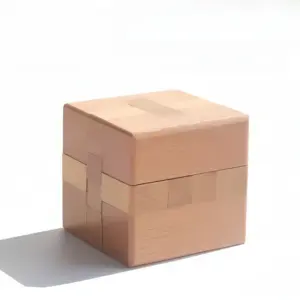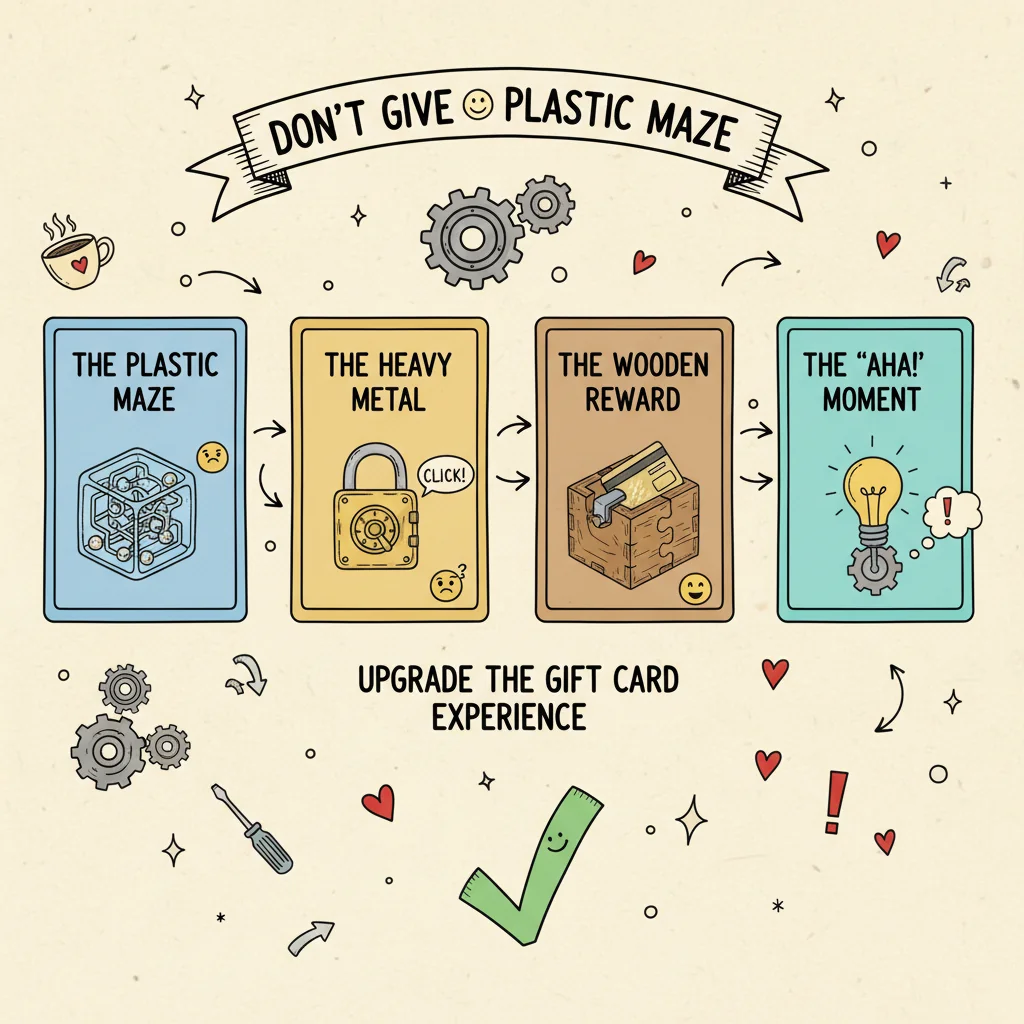
The third time the brass pin slipped past my thumb, I set the box down and made coffee. It wasn’t that I was stuck; it was that the mechanism was lying to me. It felt “mushy,” a cardinal sin in the world of mechanical puzzles. When you’re giving a gift card—essentially a plastic slab of potential—the vessel you put it in shouldn’t feel like a disposable plastic maze from a dollar store. It should feel like an event.
Most “gift card puzzle boxes for adults” you find on big-box sites are, frankly, insulting. They rely on cheap plastic tracks or loose tolerances that can be bypassed with a firm shake. A real adult puzzle box should be a contract: the giver provides a challenge, and the recipient earns the reward through observation, patience, and a bit of tactile detective work. My thesis after testing over 200 of these objects is simple: the best gift card puzzles punish impatience and reward the “aha!” moment with mechanical precision.
The Problem with the “Plastic Maze” Standard
We’ve all seen them: the clear plastic cubes where you roll a ball through a maze to unlock a drawer. They’re fine for a ten-year-old’s birthday, but for a 35-year-old software engineer or a 50-year-old hobbyist, they’re a chore, not a challenge. They lack what I call “mechanical soul.”
When we talk about mechanical puzzles, we’re talking about a tradition that dates back centuries, from Victorian “trick” locks to Japanese Himitsu-Bako boxes. An adult recipient wants to feel the weight of the material. They want to hear a satisfying click that sounds like a safe door closing, not the rattle of cheap polystyrene.
If you’re looking for tools that sharpen focus and memory, you have to move away from the “toy” aisle and into the “object” category. A good puzzle box is something you leave on a coffee table long after the gift card has been spent at Starbucks or Amazon. It becomes a conversation piece, a fidget tool, and a small monument to the time you actually had to use your brain to get paid.
Metal vs. Wood: Choosing Your Friction
In my collection, the divide is clear. Metal puzzles offer “hard” logic—everything fits or it doesn’t. There’s no room for error. Wood, on the other hand, offers a sensory experience. There’s a warmth to it, a slight “give” that can actually make a puzzle harder because you’re never quite sure if a piece is stuck or if it’s just the humidity.
The Tactile Precision of Cast Metal
Metal puzzles are often about “disentanglement” or “sequential discovery.” They feel industrial. When you hold a well-cast piece, you’re interacting with the designer’s tolerances. I’ve spent hours with pieces that had a gap of maybe 0.1mm—just enough to let a piece slide through if you have it at the exact right angle.
Gold Fish & Silver Coral Reef Cast
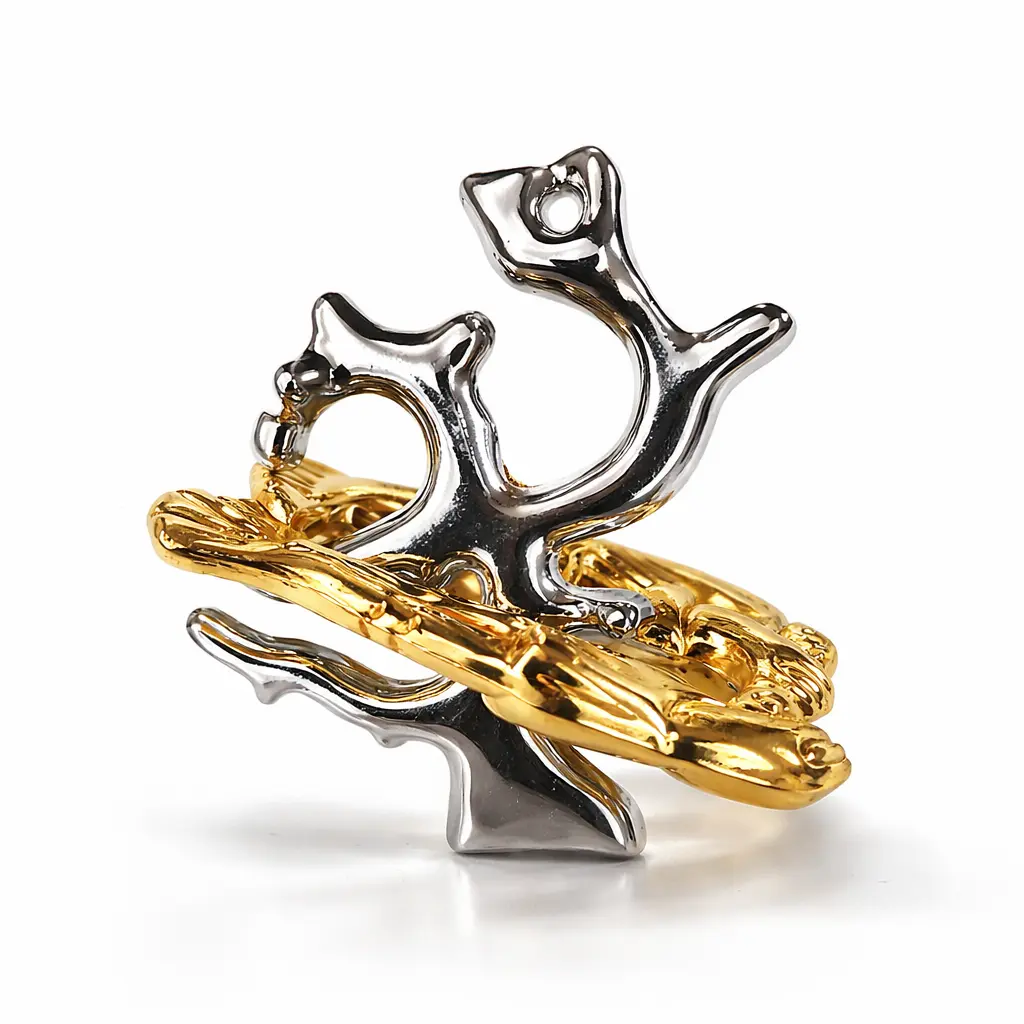
The Gold Fish & Silver Coral Reef Cast ($13.99) is a prime example of why metal beats plastic for desk-side gifting. At first glance, it looks like a desk sculpture. The two-tone finish—gold for the fish, silver for the reef—gives it a weight that belies its $13.99 price point.
When I first picked this up, I tried to force the fish through the widest gap. Big mistake. This puzzle is a lesson in “path-finding.” You have to rotate the fish through a series of orientations that feel counter-intuitive. It’s small (about 51mm), so it fits in the palm, making it a perfect “fidget” while you’re on a Zoom call. If you’re attaching this to a gift card, you’re essentially saying, “I know you like to fiddle with things until they make sense.” It doesn’t hold the card inside, but it makes for a fantastic “key” to the gift.
Dual Seahorse Gold & Silver Brain Teaser
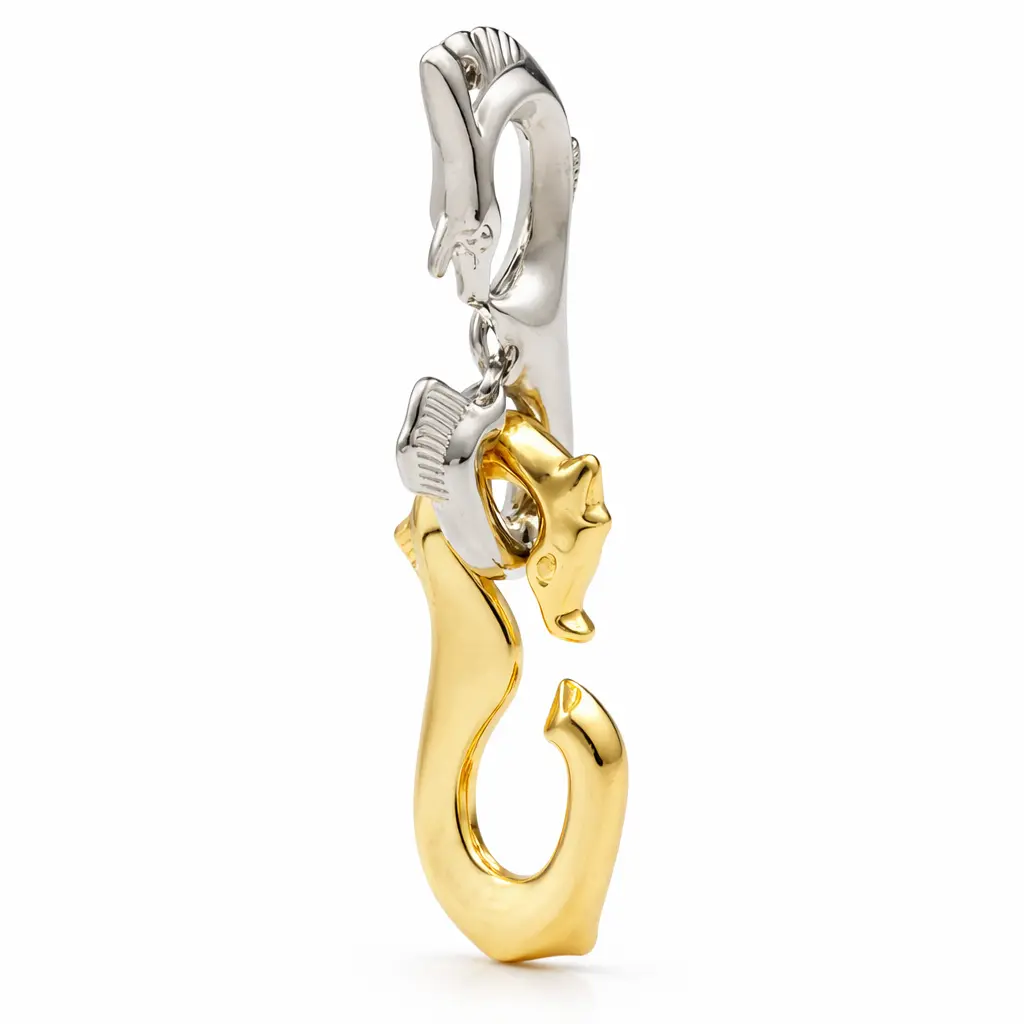
If the fish is about path-finding, the Dual Seahorse Gold & Silver Brain Teaser ($14.99) is about hidden mechanics. Most people see the two seahorses and try to pull them apart. They won’t budge. The secret is a threaded mechanism that requires a specific twisting motion.
I’ve had this on my desk for three weeks, and even though I know the solution, the “mirror-polished” finish makes it satisfying to just hold. At just under fifteen dollars, it’s an affordable add-on that feels much more expensive. It’s the kind of thing that rewards the person who doesn’t read the instructions—the person who just knows there’s a screw somewhere they can’t see.
The “Build-Your-Own” Reward: 3D Wooden Puzzles
There is a subset of the puzzle world that I call “The Long Game.” These aren’t boxes you solve in five minutes; they are boxes you build for three hours so you can appreciate the internal clockwork. This is where the cognitive benefits of mechanical assembly really shine.
3D Wooden Puzzle Treasure Box
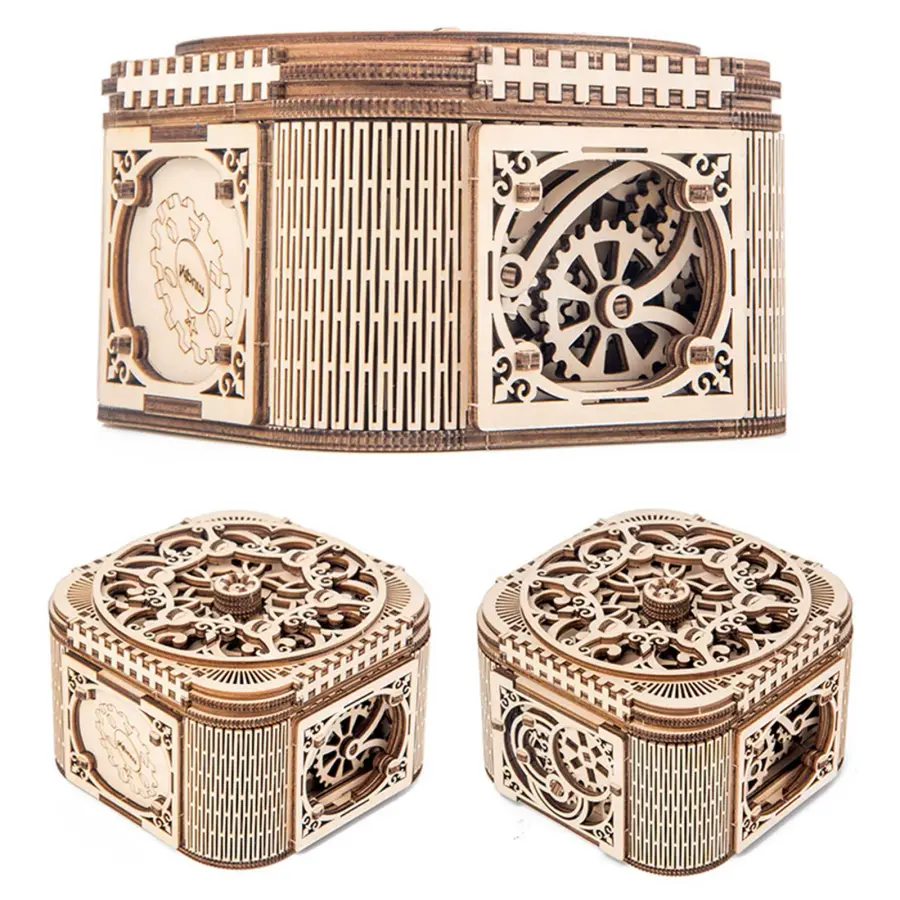
The 3D Wooden Puzzle Treasure Box ($29.99) is the gold standard for a gift-within-a-gift. It’s not just a box; it’s a functional piece of machinery with 150-200 laser-cut pieces. What I love about this—and what makes it better than a pre-made box—is that the gears are visible.
When you turn the key, you see the teeth engaging. It’s a “sequential discovery” box in the truest sense. I spent about two and a half hours putting this together, and I didn’t need a single drop of glue. The tolerances are tight enough that the wood snaps together with a click that is, frankly, more satisfying than most Lego sets. If you want to give a gift card in a way that feels like a “heist,” this is it. You hide the card inside the jewelry compartment, and the recipient has to understand the gear ratios to get it out.
Mechanical 3D Wooden Globe Puzzle

For the person who values aesthetics over pure “trickery,” the Mechanical 3D Wooden Globe Puzzle ($28.88) offers a different kind of satisfaction. It’s an intermediate build, but once it’s done, it actually rotates using a gear-drive system.
I’ll be honest: if you’re looking for a “hard” puzzle to solve, this isn’t it. It’s a construction project. But as a way to present a travel-related gift card (like Airbnb or an airline)? It’s unbeatable. I’ve seen people use the internal structure to tuck a rolled-up “boarding pass” or card. It’s priced in the high twenties, which is a steal for something that looks like a vintage piece of cartography once finished.
Why Impatience is the Enemy of the Solve
The best puzzles are designed to exploit our tendency to rush. We see a lock, we pull. We see a slide, we push. A well-designed puzzle box uses these “obvious” moves as decoys.
Chinese Old Style fú Lock with Key
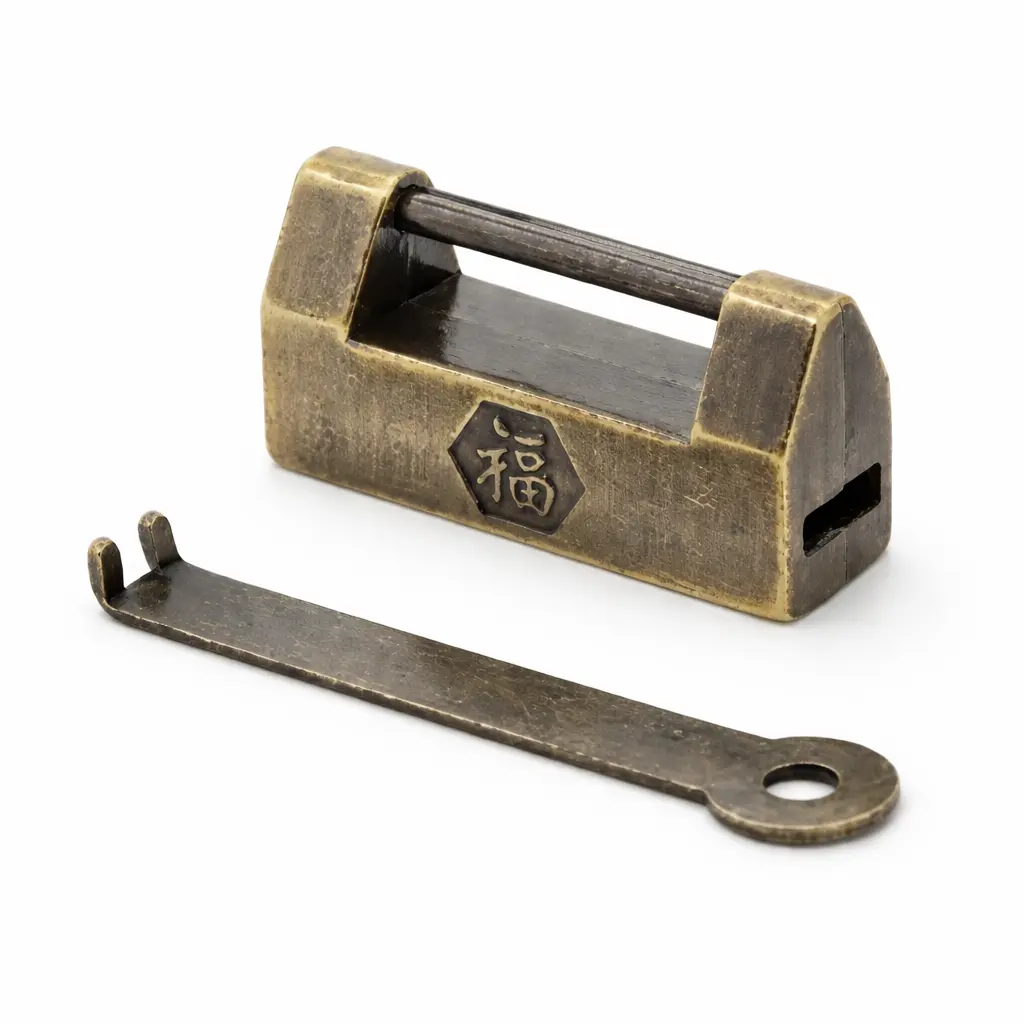
Take the Chinese Old Style fú Lock with Key ($19.99). It’s tiny—about 30mm. It looks like something you’d find in an antique shop in Shanghai. It comes with a traditional rod-key.
You’d think you just put the key in and turn, right? Not quite. The “fú” (fortune) character embossed on the bronze finish isn’t just decoration; it’s part of the tactile experience. You have to find the exact pressure point for the rod-key to engage the internal spring. I’ve seen friends struggle with this for ten minutes because they were being too aggressive. It requires a “soft touch,” which is exactly what a veteran solver looks for. For twenty dollars, it’s a brilliant way to “lock” a gift card envelope.
6 Piece Wooden Puzzle Key
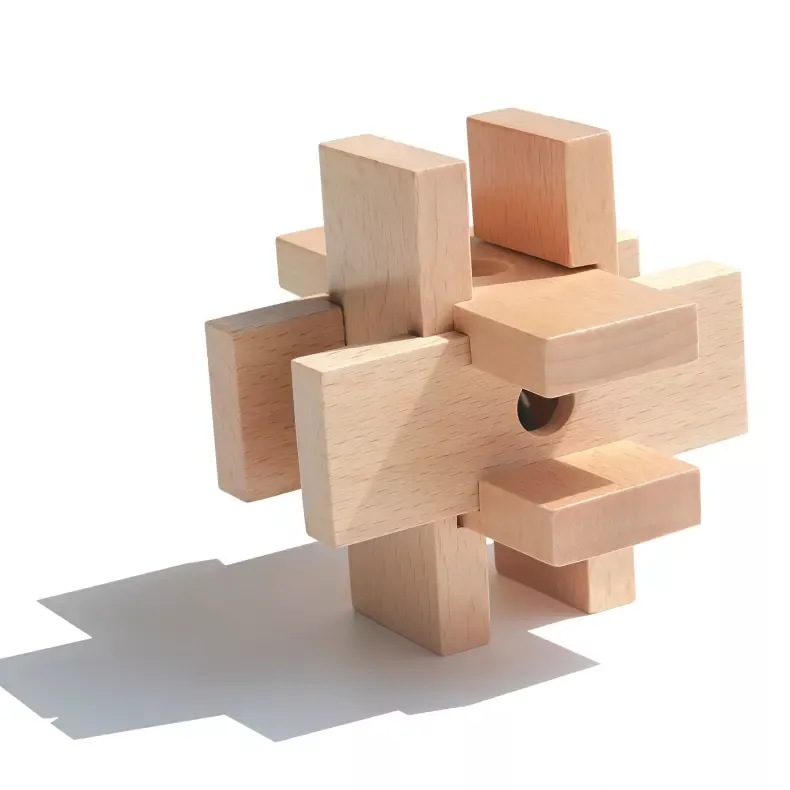
Then there’s the 6 Piece Wooden Puzzle Key ($12.99). This is the “Wu Wei” of puzzles—the art of effortless action. It’s six pieces of hardwood that look like they should just fall apart, but they are interlocked in a way that defies gravity.
This is a classic “Burr” puzzle. If you try to pull it apart, it tightens. You have to find the one “key” piece that slides out first. I’ve solved this one dozens of times, and I still find the geometry impressive. It’s the cheapest item on this list, but it’s the one I find myself picking up the most when I’m thinking. It’s a great “intro” puzzle for someone who hasn’t explored manuals on trick box mechanics before.
When the Presentation is the Puzzle
Sometimes, the goal isn’t to frustrate the recipient, but to delight them. This is where “3D Crystal” or “Sculptural” puzzles come in. They are less about “hidden compartments” and more about the “process of creation.”
3D Crystal Rose Puzzle
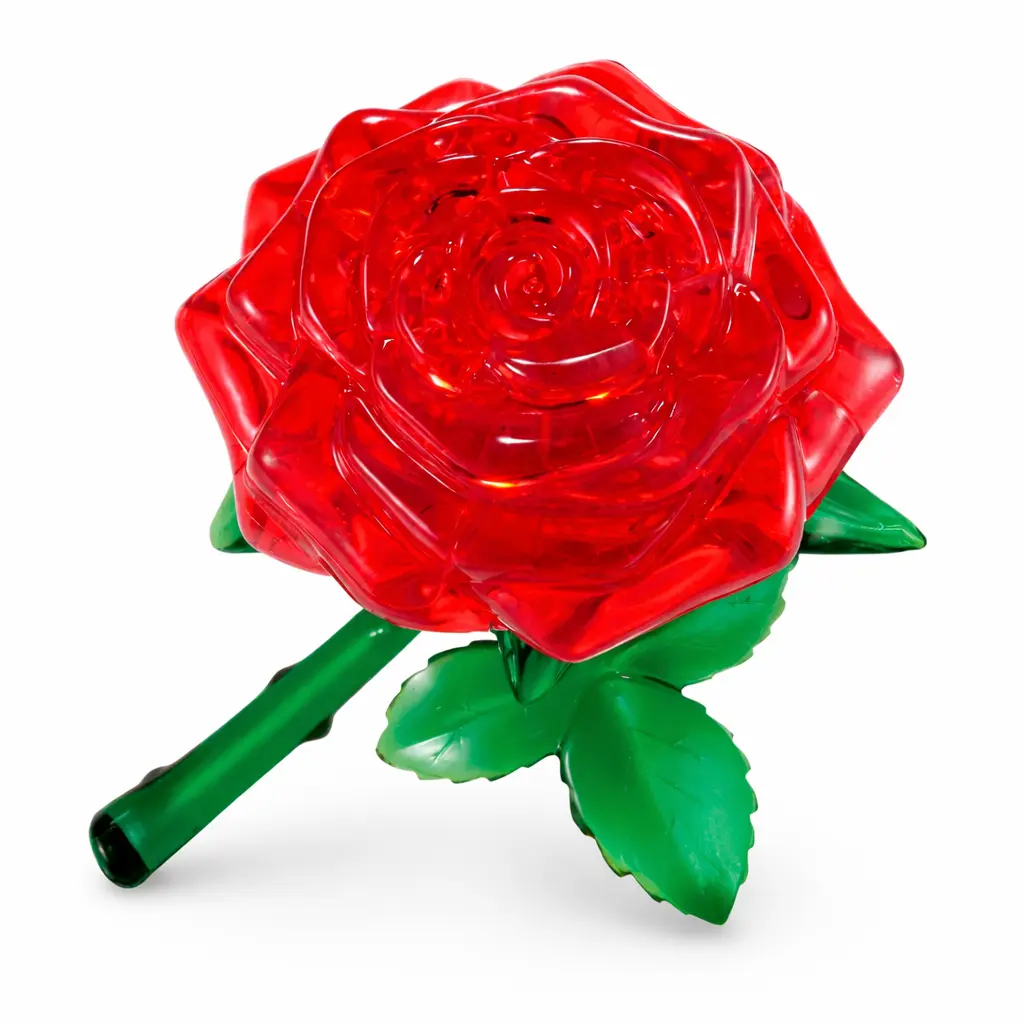
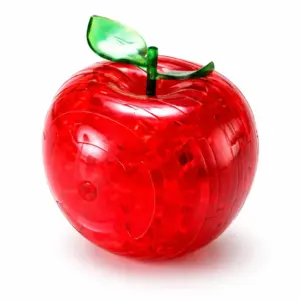
I was skeptical of the 3D Crystal Rose Puzzle ($19.99) at first. I usually prefer wood or metal. But the translucent red plastic catches light in a way that is surprisingly elegant.
It’s 44 pieces, and it’s harder than it looks. Because the pieces are translucent, your depth perception gets a bit wonky. It took me about an hour to finish. It’s a “one-and-done” build—you likely won’t take it apart once it’s done—but as a gift presentation for a partner, it’s a “rose that never wilts.” If you’re giving a gift card for a spa day or a dinner, this is a much better “envelope” than a piece of paper.
Cast Coil Triangle Puzzle
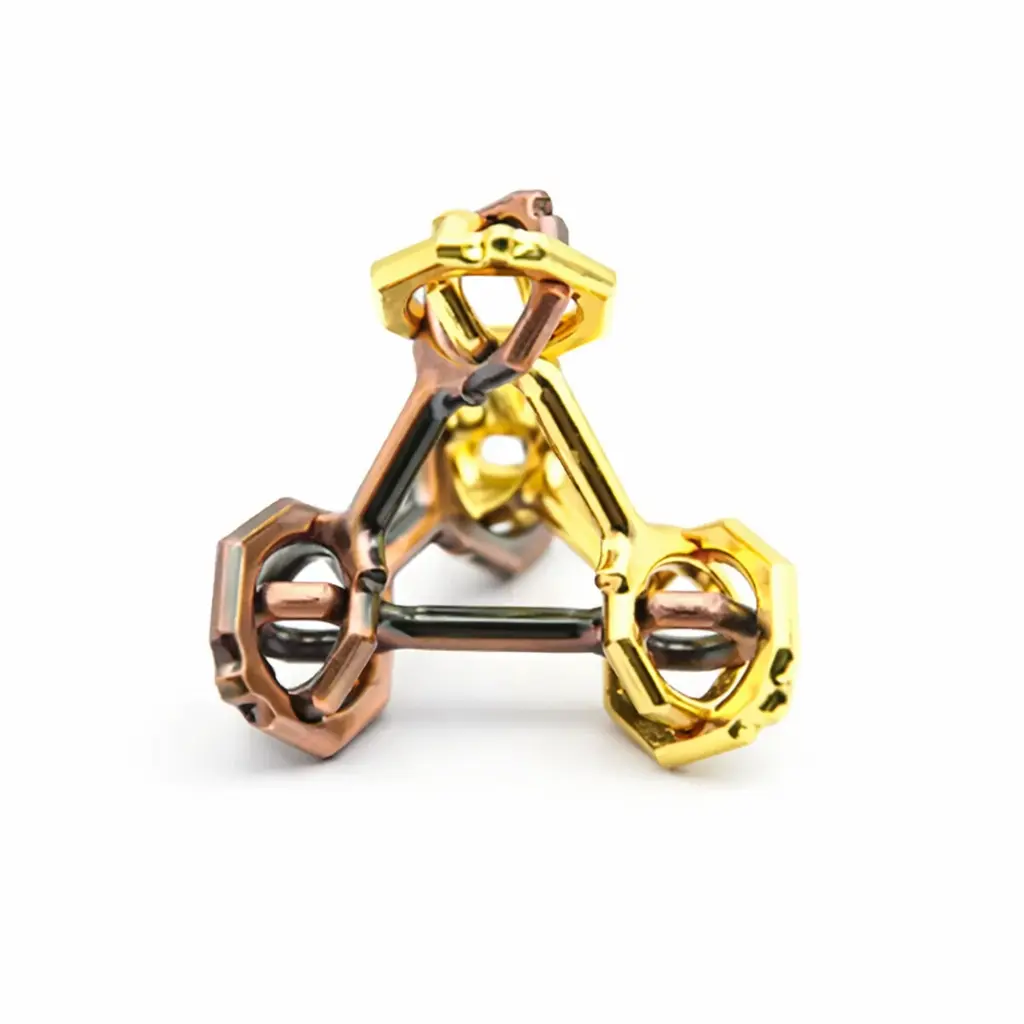
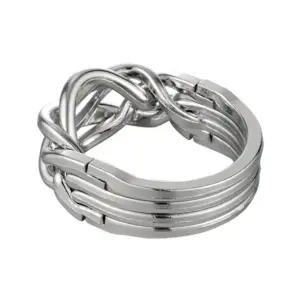
For the desk-bound professional, the Cast Coil Triangle Puzzle ($25.99) is my top recommendation. It looks like a piece of industrial machinery—brass and bronze, chunky, and precisely machined.
It’s three interlocking rings. The “trick” is in the way the coils overlap. It’s a high-level fidget toy. I’ve had colleagues pick this up off my desk during meetings and not put it down for twenty minutes. It has that “mechanical gemstone” quality. If you’re giving a gift card to a software engineer or a designer, this is the one. It speaks their language of precision and geometry.
The “Age of Exploration” on Your Desk
If you want to go big—if the gift card is just a small part of a larger “thank you”—the wooden model kits are the way to go. These are for the person who actually enjoys the process of building something from scratch.
Galleon Ship 3D Wooden Puzzle Model Kit
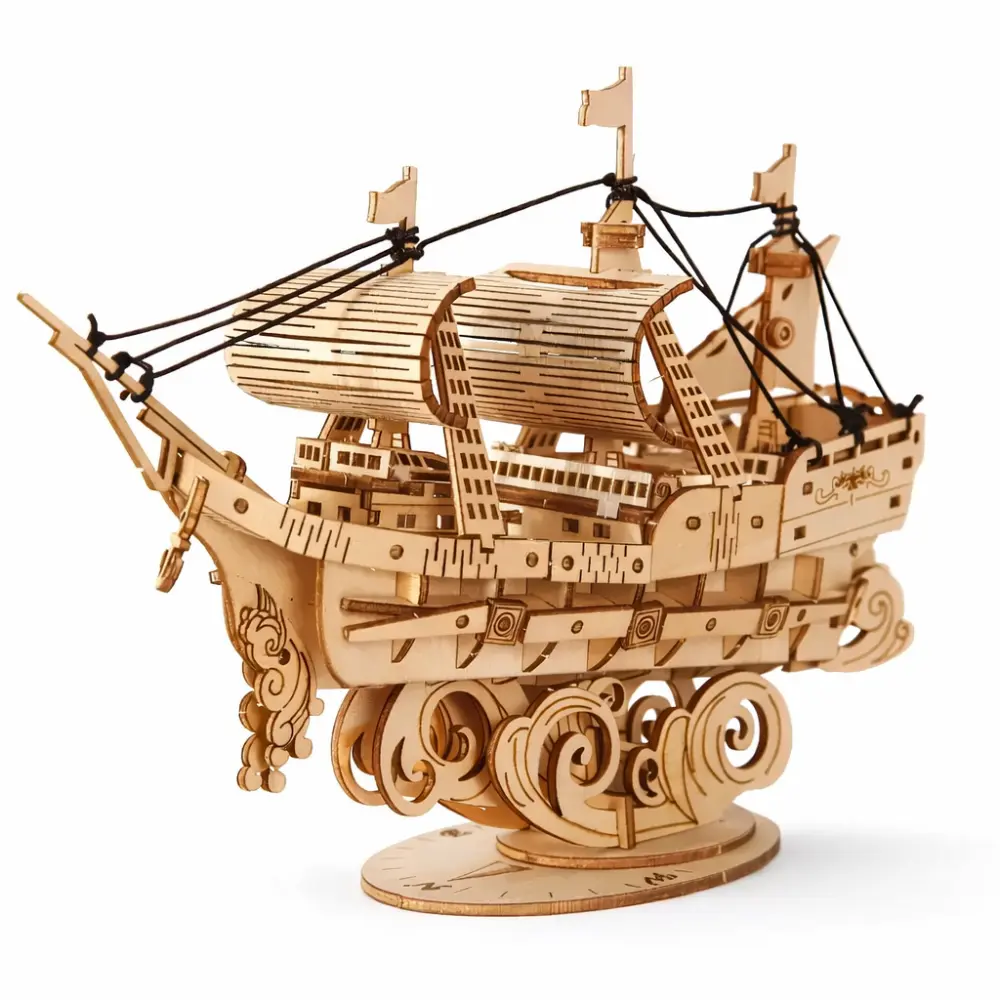
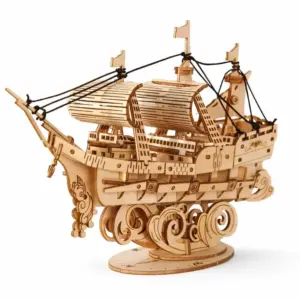
The Galleon Ship 3D Wooden Puzzle Model Kit (check current pricing) is a massive step up from a simple box. This is a replica of a 16th-century vessel. The rigging, the masts, the elongated hull—it’s all there in laser-cut plywood.
This is not a “quick” gift. This is a “weekend project.” But if you’re looking for a curated selection of vintage-style locks and mechanical models, this ship is a centerpiece. You can easily hide a gift card in the “hold” of the ship before snapping the final deck pieces into place. It turns a simple gift into a 5-hour experience.
Royal Carriage 3D Wooden Puzzle
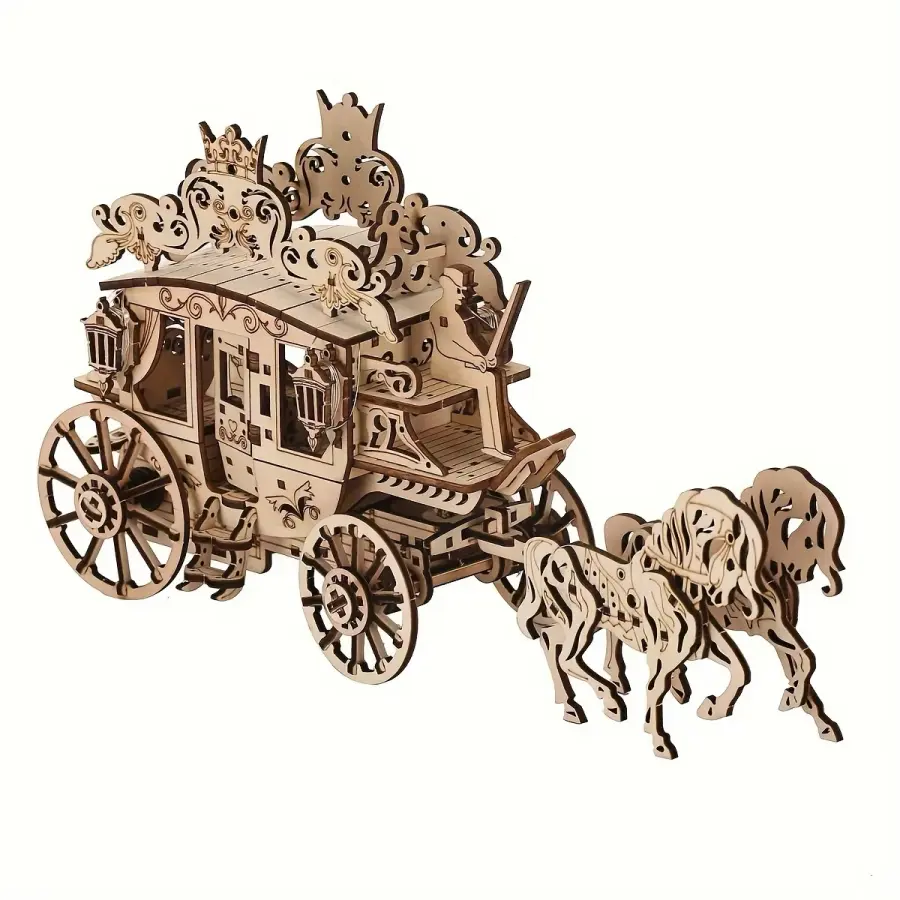
Finally, the Royal Carriage 3D Wooden Puzzle ($25.99) offers a bit of “fairytale” engineering. It features two galloping horses and a highly detailed coach.
What’s impressive here is the “no glue” requirement. The pieces are designed to hold each other in place through tension and friction. It’s an intermediate build (3-5 hours), and it results in a model that’s nearly a foot long. It’s a “stately” way to give a gift. If you’re giving a gift card for a wedding or an anniversary, this carriage provides the “vibe” that a plain envelope lacks.
Comparing the Top Contenders
| Product | Price | Material | Vibe | Time to Solve/Build |
|---|---|---|---|---|
| Gold Fish Cast | $13.99 | Metal | Fidget/Sculpture | 10-20 mins |
| Treasure Box | $29.99 | Wood | Mechanical Marvel | 2-3 hours |
| Fu Lock | $19.99 | Bronze | Antique/Historical | 5-10 mins |
| Coil Triangle | $25.99 | Metal | Industrial/Desktop | 15-30 mins |
| Crystal Rose | $19.99 | Acrylic | Romantic/Visual | 1 hour |
Why Your First Solve Will Be an Accident (and Why That’s Okay)
One of the most interesting things about adult puzzles is that the first time you solve one, you often don’t know how you did it. You’re twisting, sliding, and suddenly—clack—it’s open.
This is part of the learning curve. In the puzzle community, we call this “fumbling toward enlightenment.” The real challenge isn’t opening the box; it’s being able to open it again on purpose. This is why I always suggest that if you’re giving a gift card in a puzzle box, you solve it yourself first.
Not only does it ensure the mechanism isn’t faulty (rare, but it happens), but it allows you to give the recipient a “hint” if they get truly frustrated. Just don’t give it away too soon. There is a specific kind of dopamine hit that comes from solving a sequential discovery box that you shouldn’t steal from them.
The Ethics of Gifting Frustration
Is it mean to make someone work for their gift?
I’ve debated this with fellow collectors. My take: it depends on the person. If you’re giving a gift card to someone who is currently stressed out, maybe skip the 300-piece wooden ship. But for most people, a puzzle box is a compliment. It says, “I think you’re smart enough to figure this out.”
It’s a break from the digital world. No screens, no batteries, just physics. If they need a break from the mental load of a complex build, I usually suggest they take five minutes to play a quick game like Snake or Balance Chess to reset their brain. Sometimes, stepping away from the physical object is the only way to see the solution.
FAQ: Everything You’re Wondering Before You Buy
1. How do I actually get the gift card inside?
For the wooden kits like the Treasure Box, you usually place the card inside during the final steps of assembly. For the metal puzzles, they don’t typically “hold” the card inside the metal itself (they’re too small). Instead, you use the puzzle as the “key.” Tie the gift card envelope to the puzzle with a ribbon, and tell the recipient they can’t open the envelope until the puzzle is solved.
2. Are these puzzles too hard for beginners?
The ones I’ve selected here range from “Easy-ish” (Gold Fish) to “Intermediate” (Treasure Box). None of these are “Level 10” impossible puzzles that will take weeks. Most adults can solve the metal ones in under 30 minutes and build the wooden ones in an afternoon.
3. Will the recipient break it if they get frustrated?
Metal puzzles like the Seahorse or the Coil Triangle are nearly indestructible. You’d need a hacksaw to break them. The wooden puzzles are more delicate. If someone tries to “brute force” a wooden gear, it can snap. Always include a note that says “Patience over force.”
4. Can the boxes be reused?
Absolutely. That’s the beauty of a high-quality gift card puzzle box for adults. Once they’ve solved it, they can put their own gift inside and pass it on to the next person, or keep it on their desk as a fidget toy.
5. What if I lose the instructions?
Most of these are intuitive enough that you don’t need them, but for the wooden kits, the instructions are vital. I usually recommend taking a photo of the instruction booklet and emailing it to yourself just in case.
6. Are these “one-time use” puzzles?
The 3D Crystal Rose is usually a one-time build because the plastic tabs can wear down if you take it apart repeatedly. However, the metal puzzles and the mechanical wooden boxes are designed to be solved and re-solved hundreds of times.
7. Do I need any tools?
For the wooden kits, everything is usually included. You might want a small pair of tweezers for the Galleon Ship’s rigging, but for the Treasure Box or the Globe, your hands are all you need. No glue is required for most modern laser-cut kits.
8. What’s the best material for a “premium” feel?
If you want “heft,” go with the Cast Coil Triangle or the Gold Fish. If you want “complexity” and “craftsmanship,” go with the 3D Wooden Treasure Box.
9. Is there an age limit?
While these are marketed for adults, most are suitable for ages 14 and up. The main “adult” factor is the patience required. A 10-year-old might get frustrated and try to pull the seahorses apart, whereas an adult will (hopefully) look for the hidden screw.
10. How do I know if the gift card will fit?
Standard gift cards are 85.60 mm × 53.98 mm. The 3D Wooden Treasure Box is specifically designed to hold items of this size. For smaller puzzles, as mentioned, the “puzzle-as-a-key” method is the standard.
11. Are there any cognitive benefits?
Yes. Research suggests that puzzle-solving enhances visuospatial cognitive abilities and can help with focus. It’s essentially a workout for your prefrontal cortex.
12. Why are some puzzles “two-tone”?
In the case of the Gold Fish or the Seahorses, the two colors (gold and silver) aren’t just for looks. They help you track the orientation of the pieces. If you’re stuck, you can say, “Okay, the gold head needs to pass the silver fin,” which makes the logic easier to follow.
13. What if the recipient is a “pro” solver?
If they already have a collection of 50+ puzzles, go for the Cast Coil Triangle. It has a unique geometry that trips up even experienced solvers because the “path” isn’t linear.
14. Is it worth spending $30 on a box for a $25 gift card?
I get this question a lot. Look at it this way: you’re not just giving them $25. You’re giving them an afternoon of entertainment and a permanent piece of desk decor. The “value” is in the experience, not just the balance on the card.
15. Where can I find more advanced options?
If you graduate from these, you can look into advanced trick box challenges that involve magnets, centrifugal force, or hidden tools.
The Final Verdict: Which One Should You Buy?
After years of fiddling with these things, my recommendation depends on who you’re buying for.
If you want the most “satisfying” mechanical experience, get the 3D Wooden Puzzle Treasure Box. It is a legitimate feat of engineering that happens to be made of wood. If you want something that will live on a desk forever, get the Cast Coil Triangle Puzzle. And if you’re on a budget but want something that feels “classy,” the Gold Fish & Silver Coral Reef Cast is unbeatable for $13.99.
The next time you’re about to hand over a plain paper envelope, stop. Put it in a box. Make them work for it. They’ll thank you for the challenge long after the money is gone. Just remember: patience over force, every single time.