The Sunday Night Stare-Down: My Love-Hate Affair with the Treasure Box
The empty shoebox sat on my kitchen table. Sunday night. Again.
Inside were a few sad, forgotten items: a broken pencil topper, a rubber band, a sticker that had lost its stick. My weekly ritual. My weekly dread. Refill day. Across the country, I knew other teachers were doing the same—staring into the void of their own treasure chests, wondering what cheap trinkets could possibly motivate twenty-five eight-year-olds for another five days.
It’s a headache.
For a decade in a third-grade classroom, my treasure box was a cornerstone of my classroom reward system. It was a physical promise, a tangible “well done.” I’ve seen a child’s face light up, finally earning that little plastic dinosaur after a week of focused effort. I’ve also seen the cold calculus in their eyes: “Is this prize worth my cooperation?” I’ve spent hundreds of my own dollars on bulk assortments of erasers and bracelets from teacher supply catalogs. I’ve managed the tears when the “good” prize was gone, the bargaining, the sheer logistical weight of tracking who earned what.
My credibility on this isn’t from theory. It’s from the trenches. It’s from the moment I realized I was running a miniature token economy, and I was its exhausted, underfunded central bank.
The treasure box created a culture in my room. Sometimes it was a culture of celebration. Often, it was a culture of transaction. That’s the heart of the treasure box culture debate you’ll find raging in teacher forums today. Is this motivational tool building a positive environment, as the commercial guides promise? Or is it teaching kids that kindness, diligence, and curiosity have a price tag—paid weekly in plastic from a wooden treasure box?
I have a love-hate relationship with the entire concept. I loved the immediate leverage. I hated the long-term implications. I loved the clear structure. I hated the Sunday night stare-down.
So, let’s ask the real question together, the one that brought you here past all the shiny “Top 10 Prizes!” lists: Is the classroom treasure box a powerful tool for building positive behavior, or is it just another chore for you and a lesson in transactional relationships for them?
The answer, I’ve learned, isn’t a simple yes or no. It’s a “yes, but…” and a “no, unless…”. It depends entirely on how you use it. Over years of trial, error, and deep dives into child psychology and those brutally honest Reddit threads, I moved from frustration to a more empowered, intentional approach. I stopped asking just “what to put in a treasure box” and started asking “why am I using this box, and what is it really teaching?”
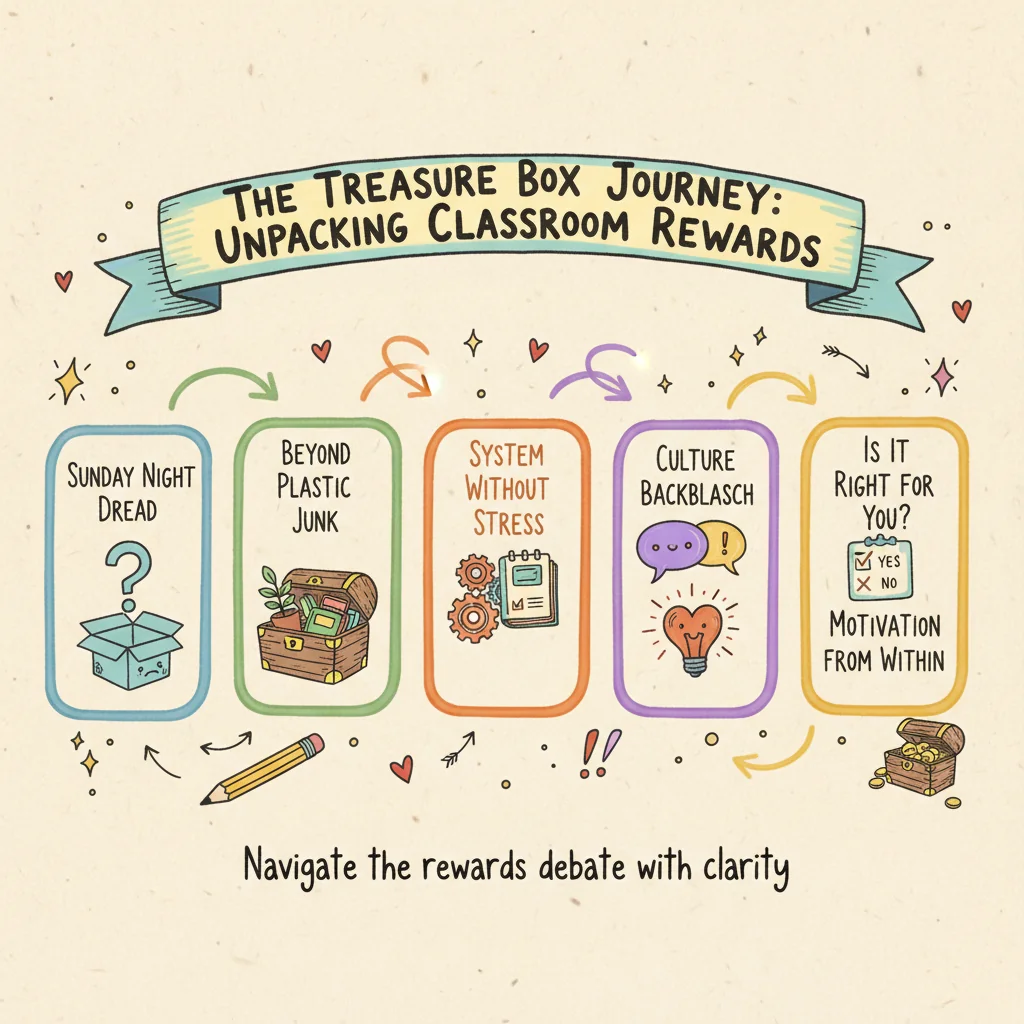
This guide is that journey. We’ll start with the real, raw problem—the burnout, the cost, the mixed results. Then we’ll move past it. We’ll talk strategy, affordable prizes that aren’t junk, and the brilliant non-tangible alternatives teachers are quietly using with great success. We’ll dissect the criticism head-on.
First, though, let’s acknowledge the stare-down. If you’ve ever felt it, you’re not doing it wrong. You’re asking the right questions. Let’s find some better answers.
Redefining ‘Treasure’: What Goes In the Box (That Isn’t More Plastic Junk)
So you’ve decided to give the treasure box a try, or you’re determined to reform the one you’ve got. The first hurdle—the one that fuels the Sunday night dread—is the contents. What do you put in there that doesn’t break your budget, end up as trash on the floor by Tuesday, or make you cringe from the sheer waste of it all?
Let’s split this challenge in two. The treasure in your box doesn’t have to be—and arguably shouldn’t always be—a tangible thing. A truly effective classroom reward system offers a mix: some physical tokens for immediate gratification and a menu of experiential rewards that build community and choice. This balance is what moves you away from what critics call “Treasure Box Culture” and toward a more sustainable, less transactional system.
Part 1: Tangible Prizes That Don’t Feel Like Junk
When you do buy physical items, the goal is to maximize appeal and durability while minimizing cost and clutter. Forget the cellophane bags of brittle plastic trinkets that disintegrate in a backpack. Think small, functional, or engaging.
For younger students (Preschool-2nd Grade), SLP treasure chest ideas and preschool treasure chest ideas often overlap: think consumable, sensory, or usable.
* Mini Play-Doh cans or silly putty: Endlessly reusable, great for fine motor skills.
* Decorative pencils or twistable crayons: They get used, not wasted.
* Funny erasers (that actually erase): A tool, not just a toy.
* Bubbles or mini sidewalk chalk: Perfect for an instant recess reward.
* Character band-aids: Shockingly high currency for the kindergarten set.
For older elementary students (3rd-5th Grade), the “cute” factor fades. They want stuff that feels mature, cool, or useful.
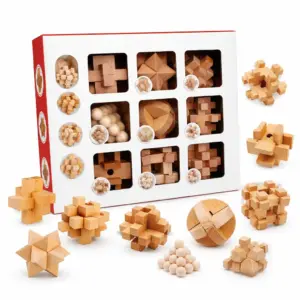
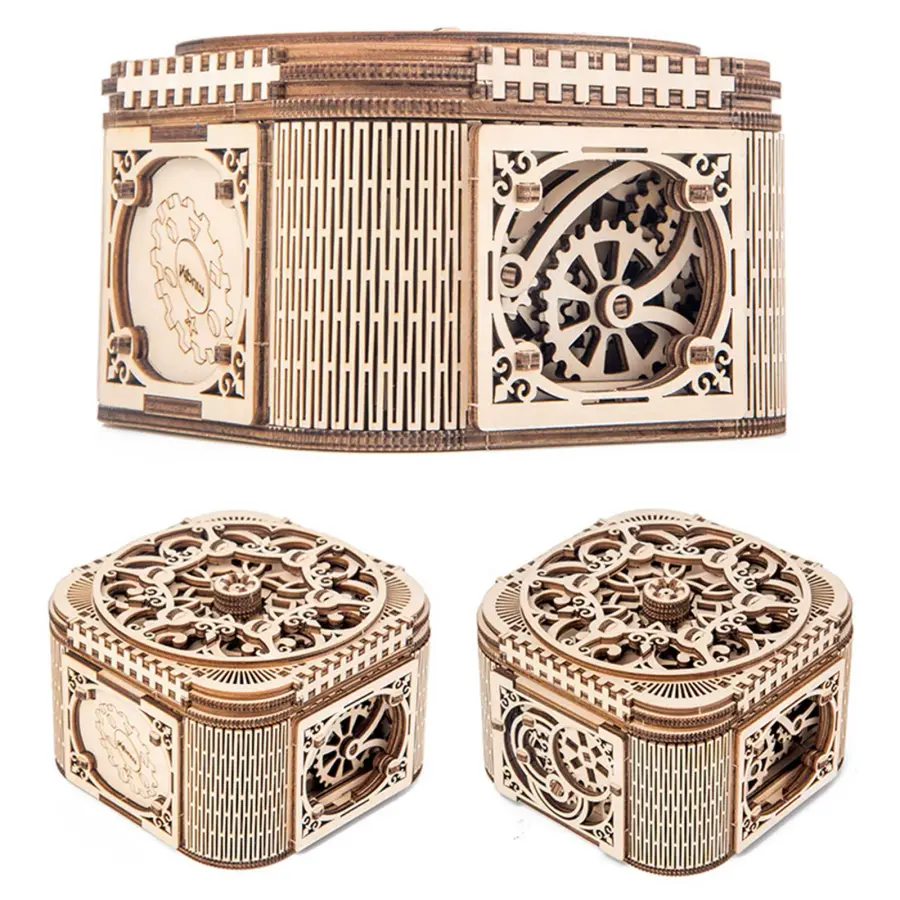
* Decorative wooden box kits or small puzzle boxes can be a huge hit for the patient, puzzle-loving kid. They offer a challenge and a keepsake. For instance, a 3D wooden puzzle treasure box isn’t just a prize; it’s a hands-on project that functions as keepsake storage, merging reward with cognitive engagement. You can learn more about this approach in this detailed guide to the 3D Wooden Puzzle Treasure Box.
* Mechanical pencils or gel pens: The good ones from the office supply aisle.
* Keychains or locker decor: Personalization matters.
* DIY craft kits: Think friendship bracelet threads or origami paper.
* “Coupon” for a download: A code for a cheap, school-appropriate mobile game or app.
This is where bulk assortments from retailers like Oriental Trading, Really Good Stuff, or Amazon can be a lifesaver, but you must be selective. Look for customer reviews that mention durability. A cost-per-item analysis is crucial; sometimes a pack of 24 cool pens for $12 ($0.50 each) is a far better affordable price than a bag of 100 mysterious plastic toys for $15 that will break. Quality over quantity always wins.
For a truly special, durable prize—perhaps for a semester-long goal or a class-wide achievement—a wooden treasure box itself can be the treasure. Not a flimsy pirate party supplies chest, but something that feels like a real keepsake storage item. I’ve seen older students work for weeks to earn a beautifully crafted box to hold their own special items. It teaches value beyond the immediate. For a deeper look at why this treasure box makes a brain-boosting gift, the principles translate perfectly to a classroom reward.
Part 2: The “Experiential Pass” Revolution (Your Budget’s Best Friend)
Here’s the secret I wish I’d learned year one: the most powerful, least costly rewards aren’t things at all. In Reddit threads, teachers constantly share their brilliant non-tangible rewards for students. These experiential rewards build positive classroom culture, cost you nothing, and kids work hard for them. They answer the “what for older students?” question perfectly.
Print these as “privilege passes” and let students cash them in. Curate your own list from these teacher-sourced ideas:
- Choose Your Seat for a Day: The ultimate power for a 5th grader.
- Lunch with the Teacher (and a friend): It sounds simple, but the social capital is huge.
- No Shoes Day (or Slipper Pass): A cozy, novel privilege.
- Choose the Brain Break: Let them pick the 3-minute dance video or yoga routine.
- “Gum Day” Pass: A controlled, thrilling rebellion.
- Homework Pass: Use sparingly, but it’s gold.
- Tech Time: Extra minutes on the classroom computer or tablet.
- Line Leader / Teacher’s Assistant for the Day: For the kid who craves responsibility.
- Read to a Younger Class: Makes them feel like a rockstar.
- Bring a Stuffed Animal to School: Works across more grade levels than you’d think.
The beauty of these passes is their flexibility. A preschool treasure chest might offer “Be the Bell Ringer” or “Pick the Story.” An SLP treasure box could include “Choose the Game” or “Bring a Toy to Speech.” For older kids, passes like “Silent Reading in the Hall” or “First Pick of Gym Equipment” hit the mark.
These rewards shift the focus from “What do I get?” to “What cool experience can I have?” They’re sustainable, personal, and, as the forums show, incredibly effective. They also solve the logistical nightmare of tracking and storing hundreds of little toys. A file folder of printed passes takes up zero shelf space.
And for the student who loves a tangible challenge, small, affordable mechanical puzzles can bridge the gap between a trinket and an experience. They offer the reward of focused engagement and the satisfaction of solving something tricky. If durability is a concern, look for a guide to durable metal puzzles that won’t break to inform your selections.
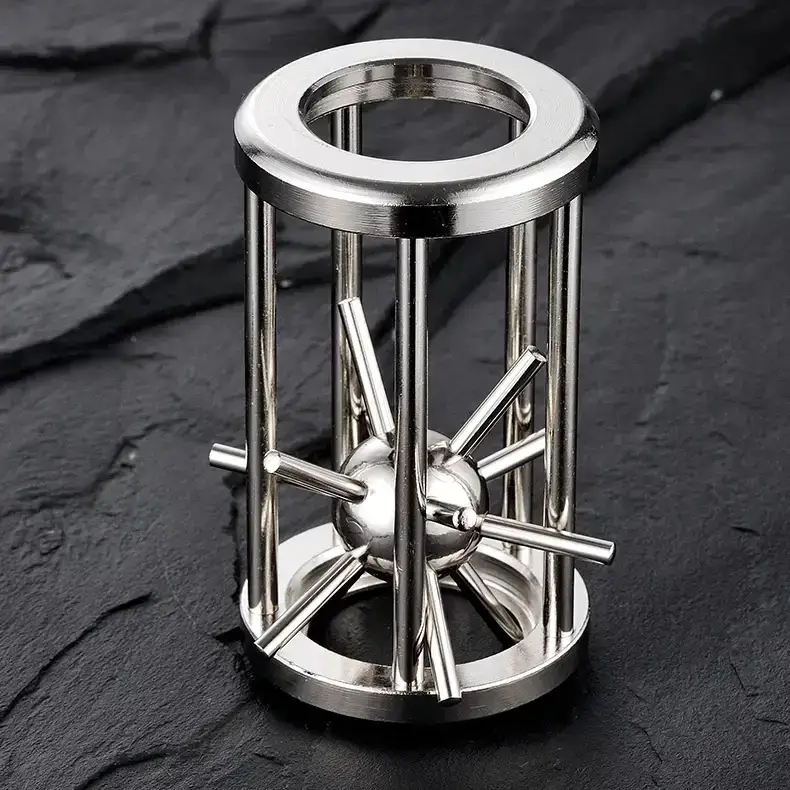
The point is this: redefining your treasure box starts with redefining “treasure.” It can be a moment of pride, a bit of fun responsibility, or a quiet challenge. When you mix a few thoughtful tangible items with a rich menu of experiences, you stock a box that’s easier on your wallet, your conscience, and your Sunday nights.
The Strategy Playbook: How to Run the System Without It Running You
So, you’ve got your box—whether it’s a simple decorative wooden box or a colorful bin—and you’ve curated your mix of low-cost prizes and experiential passes. But how do you actually run the thing without it taking over your life? This is where the classroom reward system either becomes a sustainable tool or collapses under the weight of its own logistics. The goal isn’t to create more work; it’s to build a positive reinforcement treasure box system that operates on autopilot as much as possible.
Let’s break down the three core operational pillars: the Philosophy, the Paperwork, and the Pacing.
Philosophy First: What Are You Actually Rewarding?
This is the non-negotiable starting point. Your entire behavior incentive structure hinges on clarity. Vague goals like “being good” are a recipe for confusion, perceived unfairness, and constant student questions. You need criteria as clear as a math problem.
- Target Specific Behaviors: Instead of “good listening,” try “following the first direction given.” Instead of “being kind,” try “using a peer’s idea during group work.” This gives kids a concrete action to replicate.
- Align with Class Values: Tie rewards to the social-emotional or procedural goals you’re already teaching. Is it perseverance during independent work? Is it transitioning quietly? Reward that.
- Make it Attainable: The criteria should be challenging but within reach for most students, most days. If it’s too hard, they’ll disengage. If it’s too easy, you’ll be at the box every five minutes.
The Paperwork: Simple, Silent Tracking Systems
This is the antidote to the “logistical nightmare.” You do not need a complex spreadsheet. The best systems are visual, low-maintenance, and managed largely by the students.
- The Token Economy: This is a classic for a reason. Each student has a small envelope or baggie. They earn physical tokens (poker chips, laminated cards, mini-erasers) for demonstrating target behaviors. Ten tokens = one trip to the treasure chest. The beauty is in the silent exchange—you can simply place a token on a desk without interrupting a lesson, and the student manages their own count.
- The Class-wide Goal Chart: For building collective responsibility. Draw a simple path or thermometer on a poster. The class earns a collective marker (a sticker, a stamp) for things like a perfect hallway transition or a compliment from another teacher. When the path is filled, everyone gets a pick. This builds community and peer encouragement.
- The Sticky Note Secret: Keep a pad of sticky notes on your desk. When you catch a student going above and beyond, write their name on a note and stick it to the side of the teacher treasure box. On refill day (or reward day), those names get to pick. It’s immediate, visual, and requires zero prep.
The Pacing: How Often is “Often Enough”?
Frequency is the silent killer of treasure boxes. Too frequent, and prizes lose all value while draining your supply and sanity. Too infrequent, and students lose the connection between their effort and the reward.
- The Milestone System (My Personal Favorite): This isn’t tied to the calendar, but to skill mastery or project completion. Finish your first chapter book? Pick a prize. Successfully present your science project? Pick a prize. This ties the reward directly to academic effort and makes the treasure box prizes feel earned, not just expected every Friday.
- The Weekly “Drawing”: To manage cost and demand, only allow picks one day a week (e.g., Friday afternoon). Students who met the core criteria for the week enter their name in a jar for a set number of draws (say, 5-7 names). This maintains excitement and keeps your bulk assortments from vanishing in a single day.
- The “Anytime, But Earned” Rule: For older students, this can work well. They can cash in their tokens or points whenever they wish, but they must have enough. This teaches delayed gratification and personal budgeting within your classroom reward system.
The Golden Rule of Sustainability: Protect Your Time
Your system must serve you, not enslave you.
- Schedule Your Refill: Don’t leave it for the Sunday night stare-down. Block 20 minutes on your planning calendar every other Thursday to restock. Treat it like grading—a non-negotiable, bounded task.
- Delegate: Appoint a “Treasure Box Manager” student helper for the week to hand out tokens, update the class chart, or even help organize the box. It’s a reward in itself.
- Know When to Pivot: If the tracking is eating into instructional time, or the begging has increased, the system is broken, not the kids. Simplify it immediately. Maybe you shift to only non-tangible experiential rewards for a month. Maybe you ditch individual rewards and focus solely on the class goal chart. A positive reinforcement treasure box is a tool, not a doctrine. The moment it stops working for you, you have full permission to change it.
The strategy isn’t about control, but about creating clear, consistent channels for recognition. When the “how” is seamless, the “why”—motivating positive behavior and celebrating effort—gets to take center stage.
The Teacher Forum Debate: Unpacking the ‘Treasure Box Culture’ Backlash
So you’ve streamlined your classroom reward system and curated a mix of trinkets and passes. It feels sustainable. But then, in a quiet moment, the nagging question from our opening scene returns: Are we building a community of learners or a mini-marketplace? To ignore this is to miss the heart of the modern conversation among educators. If you’ve ever scrolled teacher forums feeling guilty for your wooden treasure box, you’re not alone. Let’s wade into the debate, using the raw, unfiltered voices from places like r/Teachers and r/slp as our guide.
On one side, you have the Pro-Treasure Box camp. Their arguments are pragmatic, often born from the daily grind of managing 25 diverse needs.
- “It’s a concrete system that works for the kids who need it most.” For some students—particularly those developing social skills, those with specific learning plans, or young learners in preschool treasure chest scenarios—the immediate, tangible reward is a language they understand. It bridges the gap until intrinsic motivation can be built.
- “It provides clear, consistent expectations.” In a chaotic world, a predictable token economy can be a comfort. Kids know exactly what behavior leads to a prize, which reduces anxiety and power struggles.
- “I use it strategically, not ubiquitously.” Many teachers argue the problem isn’t the treasure chest itself, but its blanket application. They reserve it for specific, targeted goals (e.g., completing homework for a week, demonstrating exceptional kindness) rather than for every minor task.
Then, there’s the Anti-Treasure Box faction. This is where the term “Treasure Box Culture” is wielded with critique. Their concerns are philosophical and logistical.
- “It teaches kids to work only for a reward.” This is the core of the backlash. The fear is that we’re fostering transactional relationships, where the question becomes “What do I get?” instead of “What did I learn?” or “How does it feel to help?”
- “It’s unsustainable and creates a begging economy.” The critique here is that the demand only grows. “They get bored of trinkets, so you need bigger, better prizes. It’s a headache and a budget drain,” echoes a common forum sentiment.
- “It inherently inequitable.” Critics point out that systems based on “good behavior” often punish students facing unseen challenges (ADHD, trauma, home instability). The kid who struggles to sit still but is trying their hardest may never access the box, feeling perpetually less-than.
See yourself in those quotes? Most of us do. That’s the point. The debate isn’t about good teachers vs. bad teachers; it’s about a tool and its implications.
So, do treasure boxes teach transactional behavior? The honest answer is: they can. When used as the sole source of motivation, with a focus solely on the low-cost prizes, yes, they risk creating a “what’s in it for me?” mindset. Child psychology tells us that extrinsic rewards can diminish intrinsic drive for tasks kids already find interesting.
But context is everything. The backlash isn’t a mandate to burn your decorative wooden box. It’s a crucial invitation to be intentional. A sticker for a child who finally sounded out a word after weeks of fear isn’t creating transactionalism; it’s providing celebratory feedback. The experiential reward of eating lunch with the teacher isn’t a bribe; it’s building connection.
The real pitfall of “Treasure Box Culture” is mindless implementation—the autopilot refill of bulk assortments week after week without tying it to clear learning or community values. It’s the lack of pairing the external reward with the internal narrative: “You earned this prize because you showed perseverance. Didn’t it feel great to stick with that hard math problem?”
This critical awareness leads us to the most important question: what are the treasure box alternatives that address these critiques? That’s where the forum wisdom truly shines, moving us from debate to solutions.
When the Box Isn’t the Answer: Smart Alternatives for Intrinsic Motivation
So, after hearing those critiques, you might be staring at your decorative wooden box and thinking, “Okay, but now what?” If the logistical drain and the potential for fostering a transactional mindset have you ready to ditch the whole system, you’re in good company. The good news is, the end of a treasure box isn’t the end of positive reinforcement. It’s an opening for something often more powerful and far less stressful to manage.
Let’s be clear: moving away from a token economy doesn’t mean moving away from recognition or celebration. It means shifting the focus from what they get to why they’re being celebrated. The goal is to build internal motivation—the kind that lasts long after the last low-cost prize from the bulk assortment has been lost under a desk.
Here are the treasure box alternatives that saved my sanity and, more importantly, helped my students grow.
1. Class-Wide Goal Systems
This is about collective effort. Instead of individual rewards, the whole class works toward a shared, experiential goal. Think: an extra recess, a popcorn-and-movie afternoon, or a “stuffie day” where everyone brings a plush friend. The “currency” can be marbles in a jar, links in a paper chain, or points on a board earned for smooth transitions, exceptional hallway behavior, or every time you catch the group demonstrating kindness.
The magic here is peer accountability and collaboration. Students encourage each other because they all want the reward. It builds community and makes your praise public and focused on teamwork. It’s also one thing for you to track, not twenty-five individual punch cards.
2. The Privilege Economy
Remember those experiential passes from the Reddit threads? This system makes them the core currency. Create a menu of privileges that cost you little to nothing but feel like gold to a kid. These are the ultimate non-tangible rewards for students.
- Job Captain: Be the line leader, light monitor, or tech helper for the day.
- Choice Pass: Choose the read-aloud book, the brain break activity, or the morning greeting.
- Comfort Pass: Wear slippers in class, use a special cushion, or work in the cozy corner.
- Connection Pass: Eat lunch with the teacher (or a friend from another class), have the first share time in circle.
The beauty is in the customization. For older elementary students, a “homework pardon” or “switch seats day” can be hugely motivating. This system teaches that responsibility and good choices earn trust and expanded freedoms, a far more life-ready lesson than “do good, get trinket.”
3. Recognition & Descriptive Praise Systems
Sometimes, the most powerful motivational tool is simply being seen. This alternative focuses entirely on acknowledging the behavior you want to see more of, explicitly and publicly.
- Shout-Out Board: Dedicate a space in the room for sticky notes where you (and eventually, students) can post public praise. “I saw Maya help Leo clean up his spill without being asked.” This makes the positive action the reward.
- Compliment Chain: When you hear a student give a genuine compliment to a classmate, add a link to a paper chain hanging from the ceiling. Watch it grow as a visual testament to a positive classroom culture.
- Positive Notes Home: A quick, specific note or email to parents (“Just wanted to tell you how patiently Sam worked through a tough math problem today”) is a heavyweight champion of rewards. It connects school and home with positivity and often means more to a student than any toy.
These systems require zero storage box for prizes and zero budget. They require only your observational eye and a commitment to vocalizing the good. They directly combat the “Treasure Box Culture” critique by making the reward about social-emotional recognition and intrinsic pride.
4. The Strategic “Sometimes Box”
Maybe you’re not ready for a full divorce from the treasure chest. That’s fair. Consider demoting it from the main event to a special occasional tool. Keep a small wooden treasure box filled not with cheap toys, but with intriguing items that spark curiosity and effortful engagement—perfect for a classroom reward system that values process.
Think puzzles, unique art supplies, or building challenges. These items reward with an activity, not just ownership. For instance, a student who shows exceptional perseverance might earn the chance to work on a fascinating mechanical puzzle, a type of puzzle box that requires logic to open. These are classic mechanical puzzles that reward patience and critical thinking.
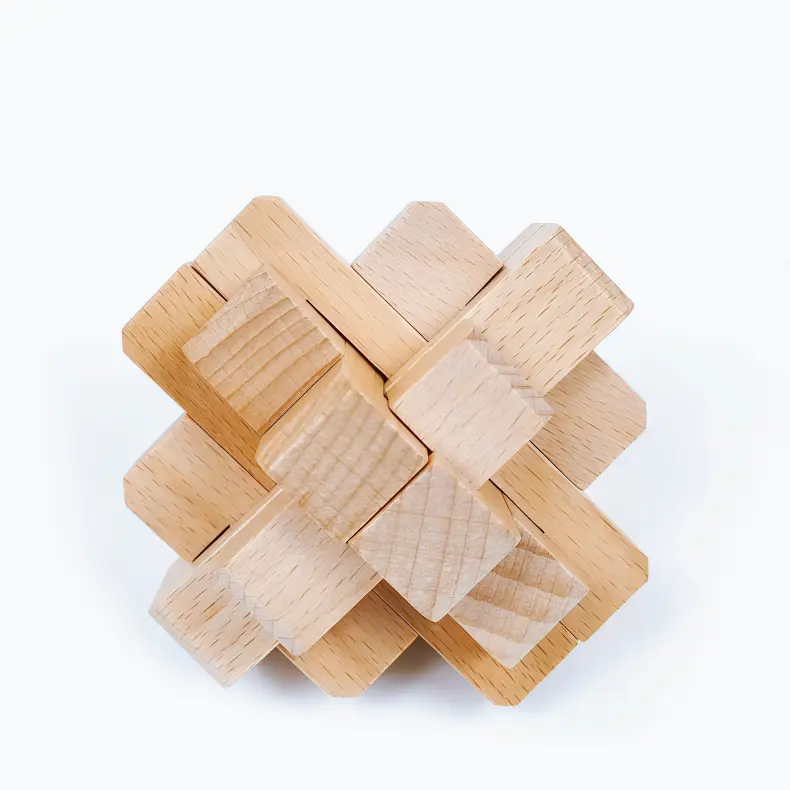
Blockade Puzzle — $16.99
A puzzle like this isn’t a consumable trinket. It’s a keepsake storage for cognitive effort. The reward is the satisfying click of a solution, the kind of deep focus discussed in guides on how to stop forcing and start seeing solutions. It shifts the prize from “here’s a thing” to “here’s a challenge you’ve earned the right to enjoy.” This approach taps into what makes wooden brain teasers so compelling for focused minds.
Making the Shift
Transitioning away from a well-established treasure box requires a conversation. Explain the “why” to your students: “We’re going to try celebrating our hard work and kindness in new ways that help us feel proud as a team.” Involve them in brainstorming the class goals or the privilege menu.
Does this mean you’ll never again hand out a cool eraser? Of course not. But it won’t be the engine of your classroom management. It will be a spontaneous celebration, a “look what I found and thought you’d like” moment—which, ironically, often feels more special than a transaction ever could.
The ultimate behavior incentive idea isn’t found in a catalog of pirate party supplies. It’s found in a classroom where students feel seen, capable, and part of a community that values their effort and character. Your reward is a quieter Sunday night, and theirs is something no toy chest can ever hold.
The Value-Conscious Buyer’s Guide: Sourcing Without Breaking the Bank
So, you’ve weighed the debate and explored the alternatives, but you’ve decided a physical treasure box still has a place in your plan—or maybe you’re a parent setting up a simple home system. The challenge shifts from “should I?” to “how do I afford this?” Let’s be real. The ongoing cost and the hunt for non-junky items are the twin dragons guarding this particular storage box. This is where strategy meets the shopping cart.
First, let’s talk bulk assortments. Retailers like Oriental Trading, Really Good Stuff, and Amazon are the usual suspects. Prices typically range from $2 to $10 for a pack of items, but the crucial math is the cost-per-item. A bag of 100 mini-erasers for $8.99 feels cheap until you realize you’re burning through it in two weeks with a class of 25. The real value isn’t in the lowest sticker price, but in durability and appeal-per-dollar.
Customer reviews for these assortments are often mixed reviews, highlighting two major pain points: quality and shipping. You’ll see phrases like “broke immediately” or “much smaller than pictured.” The lesson? Read reviews with a teacher’s eye. Look for mentions of sturdiness and size. Sometimes, paying a few cents more per item from a known educational supplier saves you from a drawer full of broken trinkets and disappointed kids.
Here’s a shift in mindset: instead of filling a toy chest with 50 identical plastic baubles, allocate your budget for fewer, higher-quality items that feel like real treasure box prizes. Think low-cost prizes that aren’t cheap. Small notebooks, decent pencils, or unique bookmarks can feel more special than a fistful of figurines. This is where blending tangible items with your experiential “passes” saves money and increases perceived value. For a broader view of engaging options, consider looking at a list of the top brain-teaser puzzles for all ages to consider for inspiration.
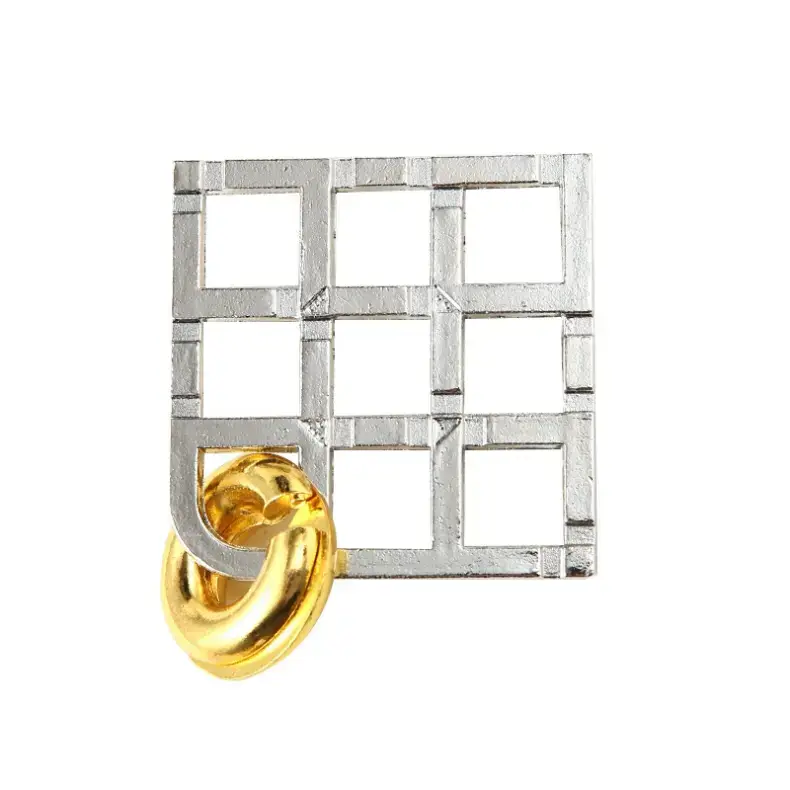
Tian Zi Grid Lock Puzzle — $11.98
Consider items like the Tian Zi Grid Lock Puzzle above. It’s a single, engaging mechanical puzzle that costs less than a large bag of disposable toys. For older students, such a prize is a coveted challenge. This aligns with the idea of sourcing durable items that promote focus, similar to the ancient Chinese puzzle locks or unique metal brain teasers that offer lasting value. It reframes the prize from consumable to experiential. For more budget-friendly, engaging finds, lists of top brain-boosting puzzles under $20 or affordable wooden brain teasers for all ages can be goldmines for ideas.
Now, what about the box itself? You don’t need a decorative wooden box from a pirate party supplies site. Your DIY treasure chest for kids can be a repurposed plastic bin, a decorated shoebox, or a thrift-store find. The mystery comes from what’s inside, not the container. If you do want a classic wooden treasure box, craft stores often have unfinished ones you can decorate with your class, turning it into a community project.
Finally, think beyond the “teacher treasure box” aisle. Dollar stores can be a source for stickers, playing cards, or craft kits. But remember the core principle: every item you source should pass the “Is this worth the effort?” test. If it’s flimsy, irrelevant to your kids, or will end up as scrap on your floor in minutes, it’s not an affordable price—it’s a waste of your limited funds and a contributor to the very “culture” we’re trying to manage.
Sourcing smartly means your classroom reward system becomes sustainable. It moves the conversation away from constant refills and toward meaningful recognition, even when that recognition is, occasionally, a cool little puzzle box to solve.
Your Decision Matrix: Is a Treasure Box Right for Your Classroom (or Home)?
So, you’ve weighed the debates, sourced the supplies, and considered the alternatives. You’re armed with knowledge, but still face that final, practical question: is this system going to be a sustainable tool or just another source of Sunday night dread? The answer isn’t universal. It’s personal. Let’s move from analysis to action.
Forget finding a perfect solution. Instead, ask yourself these questions. Your honest answers will point you toward a choice: Adopt, Adapt, or Abandon.
First, consider your context.
* Age Group: Are your students preschool or early elementary? A physical treasure chest filled with tactile trinkets often has more magic here. For older students (grades 4+), does your proposed prize list feel juvenile? If so, you’re already in “Adapt” territory—think experiential passes or brain-teaser rewards.
* Class Size & Management Style: Do you have 15 kids or 35? A large class with a frequent reward system can turn prize distribution into a logistical black hole. Be ruthless about your tracking capacity. If the thought of managing a classroom reward system for dozens makes you tired, a whole-class or team-based alternative might be a better fit.
* Personal Philosophy: Did reading the “Treasure Box Culture” criticisms make you nod vigorously? If your gut says extrinsic rewards undermine your teaching goals, listen to it. You can’t implement a system you don’t believe in.
Next, audit your resources.
* Budget & Time: Is sourcing low-cost prizes a fun challenge or a financial stress? Can you commit to a monthly refill without resentment? Remember, affordable prices only matter if the items have perceived value. If your only option is dollar-store junk that becomes scrap in a day, the system’s credibility crashes.
* Your Endurance: Will you maintain consistency? An inconsistent teacher treasure box is worse than none at all.
Here’s your simple checklist. Answer YES or NO.
- [ ] My students’ age makes tangible rewards developmentally appropriate.
- [ ] I have a simple, sustainable tracking method I will actually use.
- [ ] I can source or create prizes that feel special without breaking my budget or moral code (e.g., avoiding pure junk).
- [ ] The system aligns with my broader classroom management philosophy.
- [ ] I see this as a bridge to intrinsic motivation, not a permanent fixture.
Your Results:
- Mostly YES? ADOPT. Go for it. Use the strategies from the playbook. Start small, maybe with a modest wooden treasure box or a simple bin. You have a green light.
- A Mix? ADAPT. This is where most of us land. Maybe you use the box, but only monthly, or only for specific challenges. Perhaps you ditch the bulk assortments of toys entirely for a “Mystery Experience” envelope system. Your system is hybrid.
- Mostly NO? ABANDON. This is a valid, professional choice. It doesn’t mean you’ve given up on positive reinforcement. It means you’re choosing a different path—perhaps focused entirely on non-tangible rewards, relationship-building, or collaborative class goals. This decision comes from strength, not failure.
So, is it more trouble than it’s worth? Only you can calculate that equation. But now, you’re not calculating in the dark, staring at an empty shoebox. You’re making an informed choice, one that respects your time, your values, and what your students truly need. That’s the real treasure.
Reader Friction and Quick Answer
So you’ve reached a verdict: Adopt, Adapt, or Abandon. But I know that nagging teacher-friction doesn’t just vanish. You’re left with the practical “but how?” and the lingering “but what if?” Let’s tackle those head-on.
Quick Answer: It’s a tool, not a philosophy. The friction comes from conflating the two. A wooden treasure box filled with low-cost prizes is just a container. Your strategy is the system. If your system feels transactional, the box will too. If your system is a bridge to community and intrinsic pride, the box is merely a occasional stop on that journey.
But the logistics! The #1 friction point is tracking. The quick fix? Ditch complex point charts. For a class of 25+, use a simple class-wide marble jar for group goals, leading to a single, celebratory prize draw from the chest on Friday. For individual rewards, a sticky note with a student’s name tossed into a dedicated cup (the “Ready-to-Pick” cup) eliminates daily management. They pull from the cup when they earn it; you refill the cup from the box every other week. Done.
But the cost! The friction is real. The quick answer is to never pay retail. Your sourcing guide to bulk assortments is key, but also: run it quarterly, not weekly. Combine forces with a grade-level team to split larger packs. And remember, your most powerful “prizes” (those experiential passes) cost you nothing but a bit of flexibility.
But what about the criticism? The friction is valid. The quick answer is to audit your own classroom reward system monthly. Ask: “Are they working for the prize, or for the pride?” If it’s always the former, you’ve slid into “Treasure Box Culture.” Pivot. Hide the box for a month. Focus on specific, verbal praise and class community goals. The box can come back later, reset as a rare surprise, not the engine of your room.
Your final, actionable step? Commit to a 6-week trial. Start next Monday. Use one strategy from the playbook, source one pack of affordable supplies, and set a calendar reminder for 6 weeks out to evaluate. No more eternal, draining debate. Run the experiment. The data—from your own classroom—will tell you everything you need to know. Now, close this tab and go enjoy your Sunday night. The box can wait.