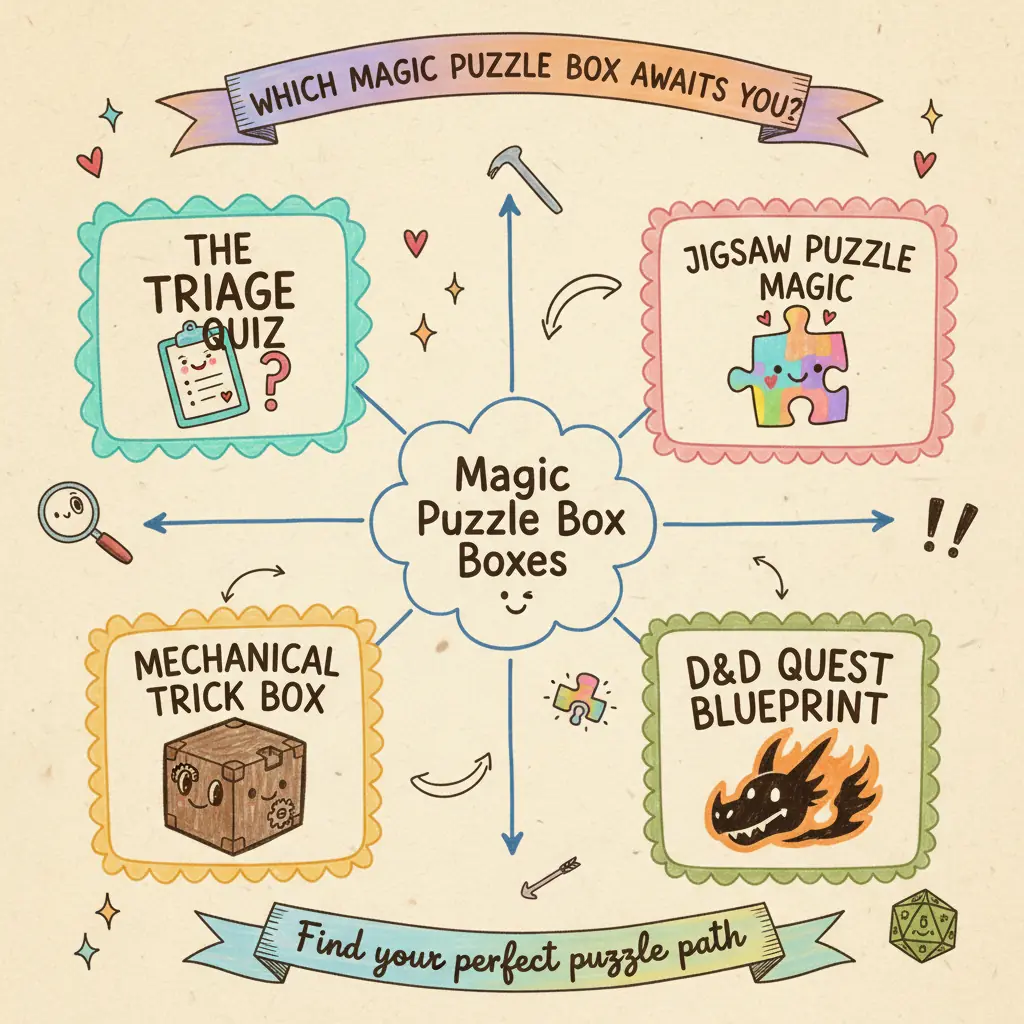
The Two Boxes in Your Hands: A Quick Triage Quiz
Hold out your hands. In your left, imagine a brightly illustrated cardboard box, bursting with color and cartoonish charm. This is the Magic Puzzle Company’s jigsaw puzzle. In your right, picture a stark, unadorned cube of dark wood, seams faintly visible, silent and weighty. This is the mechanical secret puzzle box. Both are sold under the same search term. Buying the wrong one doesn’t just lead to disappointment—it leads to a fundamentally different kind of frustration. One leaves you staring at a completed picture, wondering where the promised ‘magic’ is. The other leaves you holding a sealed wooden cube, wondering if you’ll need a crowbar.
Your search results are a collision of three distinct worlds. Let’s diagnose which one you actually inhabit. Take this quick triage:
1. The Visual Cue.
Are you looking at search results filled with vibrant, art-forward jigsaw puzzles? Or are you looking at images of minimalist wooden cubes, hexagonal chests, or intricate Moroccan boxes inlaid with Thuya wood?
2. The End Goal.
Is your aim a delightful evening of assembly with a surprise twist at the end? Or is it the tactile hunt for a hidden catch, the urge to find something stashed inside a trick box? Or perhaps your goal isn’t physical at all—you need a compelling D&D quest idea, a secret chest to hide an evil artefact for your players.
3. The Desired Experience.
Do you crave the quiet, table-spreading ritual of a jigsaw? Or the fidgety, hands-on exploration of a mechanical puzzle, feeling for subtle shifts and slides? Or the creative spark of designing a trap for a fictional party of adventurers?
Your answers place you in one of three lanes. Lane One: The Jigsaw Puzzle with a Narrative Trick. Lane Two: The Physical Trick Box with Hidden Drawer. Lane Three: The Conceptual D&D Magical Puzzle Box.
Don’t worry. We’re going to walk all three paths. But first, let’s get the right box in your hands.
Lane 1: The Illusionist’s Canvas – Demystifying The Magic Puzzle Company
If your triage pointed you toward vibrant, sprawling artwork and the quiet ritual of piece-sorting, you’ve chosen the path of the illusionist. This lane is not about locks or hidden catches; it’s about a narrative sleight-of-hand performed with cardboard and original art. The Magic Puzzle Company has built its reputation on a single, brilliant gimmick: a jigsaw puzzle that isn’t quite finished when you think it is. The ‘magic’ is a last-act twist.
Here’s how the trick works. You assemble what appears to be a complete, beautiful scene—a mystical forest, a bustling pirate cove, a tranquil witch’s cottage. The final piece is a shape-shifting box of connected pieces called the “whimsy pieces,” designed to look like a cloud, a creature, or a key element of the art. Placing this last cluster doesn’t just fill a gap; it triggers a literal rearrangement. You slide entire sections of the puzzle along cleverly concealed cuts, transforming the final image. The peaceful cottage reveals a hidden party inside; the forest canopy opens to show creatures watching from above. It’s a moment of pure magic trick for the eyes, a reward not for brute-force solving but for dedicated assembly.
Now, about that quality change murmuring on Reddit. With over 20,000 five-star reviews, the hype is real. But the puzzle hobbyist forums tell a more nuanced tale. The primary critique centers on tactile feedback. These pieces have a very specific, clicky fit. They don’t lay loosely; they snap into place with definite pressure. (This is by design, to facilitate the final sliding transformation without the whole puzzle crumbling.) For some, this is satisfyingly precise. For others, especially those used to the softer feel of a Springbok or Ravensburger, it’s frustrating—like forcing a stubborn latch. The other common note is the packaging: each puzzle comes in a single-use plastic bag inside the box, and some report a bit of puzzle dust—points of contention for the environmentally mindful and those who prize immaculate components.
So, is it worth the hype? It depends on what you’re hyped for. Skip this if you prize silky-smooth piece fit above all else. Skip this if you solve a puzzle once, frame it, and never touch it again—the magic is profoundly a one-time spectacle. But buy this if you are a jigsaw enthusiast bored of static landscapes, or a gift-giver looking for an experience, not just an activity. The whimsy pieces and the transformative reveal are crafted for shared “aha!” moments.
The company has released several series, each with three puzzles that share thematic DNA. Series 1 established the formula with “The Mystic Maze,” “The Happy Isles,” and “The Sunny City.” Series 3, which includes the brilliant “The Forest Feast,” is often cited as the peak of their art-mechanics balance. The latest, Magic Puzzle Series 5, continues to experiment with perspective and hidden narratives. As a former store owner, I watched customers who bought one almost always come back for another from a different series—the specific trick changes enough to keep the surprise fresh.
Ultimately, the Magic Puzzle Company product is a brain teaser for your sense of completion, not for your logical deduction. It’s an illusionist’s canvas. The box is just a container for the pieces; the real secret chest is the completed image, and the real treasure is the moment you discover it has a false bottom. It’s a delightful, one-time wonder.
But if your fingers are itching for a literal latch, a mechanism to probe and a compartment to discover, then you didn’t pick the jigsaw lane. You’re looking for something hewn from Thuya wood or oak, with secrets you can feel. Your lane is next.
Lane 2: The Artisan’s Labyrinth – A Buyer’s Guide to Physical Trick Boxes
So, your interest wasn’t in a flat image with a clever twist, but in a solid object that whispers something’s inside. You’re in the right lane. This is the world of the mechanical puzzle box—a wooden box or metal contraption where the puzzle is the container, and the goal is a visceral, satisfying click that reveals a hidden compartment. This isn’t about whimsy pieces; it’s about weight, seams, and the patient, probing search for a hidden catch.
These objects live at the intersection of brain teaser, secret chest, and functional art. To buy one without frustration, you need to understand their language: their mechanisms, their intended use, and the craftsmanship that separates a satisfying heirloom from a flimsy gag.
The Mechanisms: How Secrets Are Kept
Every trick box operates on misdirection. Your eyes and assumptions are the first lock you must pick. Here are the common physical principles you’ll encounter:
- Sliding Panels & Sequential Discovery: The classic. The box appears seamless, but applying pressure in the right spot—or sliding a panel in a non-intuitive direction—unlocks the first movement. This often begins a chain reaction: a slide releases a pin, which frees a lid, which reveals a key that unlocks another panel. This sequential discovery process is the pinnacle of the craft, telling a tactile story.
- Magnetic Locks: The modern magician’s tool. A magic cube or small box might appear solid, but a hidden Magne Tic lock holds it shut. The solution often involves placing the box on a specific corner or sliding a concealed external magnet along a seam. The feedback is subtle, a gentle release you feel more than hear.
- Geometric Misalignment: Think Moroccan puzzle boxes. These beautifully inlaid Thuya wood creations often rely on precise, counter-intuitive sliding motions. The trick is that the decorative pattern is a lie; the seams you see aren’t the openings. You must find the one true seam hidden in the visual noise.
- The “Impossible” Box: A category defined by psychological resistance. The mechanism is often simple—a panel slides after you remove a pin you didn’t know was there—but the box is designed so every obvious action (prying, shaking, pushing) feels like it will break it. The solution requires ignoring every instinct you have about wooden objects. (This is where many give up and search for a how to open guide).
Your Buying Criteria: Beyond the “Aha!” Moment
Choosing the right physical trick box isn’t just about difficulty. It’s about matching the object to its purpose in your life. Use this framework.
1. Craftsmanship & Material: The Touch Test.
This is where price tells a story. A $15 box from a big-box store is often laser-cut plywood with a loose fit and visible glue. It solves a puzzle once, then feels like a souvenir. For a lasting object, look for solid wood construction. Thuya wood from Morocco is aromatic and finely grained, a hallmark of artisan boxes. Good craftsmanship means precise tolerances—parts move smoothly without wobble, and the final closed state is snug and seamless. Run your fingers over it. If you can immediately feel catches and gaps, the secrets inside won’t feel precious. For a curated look at what true craftsmanship delivers, see our guide to the best wooden box puzzles that actually deliver.
2. The Difficulty Spectrum: From “Fun Friday” to “Year-Long Ordeal.”
* Beginner (10 mins – 1 hour): Boxes with a single, clever mechanism. A magnetic latch, one sliding panel disguised by a pattern. Ideal for gifting or a low-stress introduction. The goal is a rewarding “aha!” not a test of endurance.
* Intermediate (1 hour – Several sessions): Multiple steps, some sequential discovery. Might require you to find a tool hidden within the box to proceed. This is the sweet spot for enthusiasts who want to think with their hands.
* “Impossible” / Expert (Days to… forever): Designed to defy logic and patience. Steps are non-linear, mechanisms are deeply concealed, and the solution often feels like a violation of physics. Skip this if you value your sanity or want to actually use the compartment. These are pure brain teaser trophies.
3. The Intended Use: Brain Teaser, Stash Box, or Prop?
This is the most critical question. Are you buying this to solve, or to use?
* The Pure Puzzle: You care only about the solving journey. Look for intricate sequential discovery boxes from specialty craftsmen (like those found at Art of Play). The compartment is a bonus, not the point.
* The Functional Stash Box: You want to hide a gift card, some cash, or a piece of jewelry. Security matters. A simple magnetic cube is too easily stumbled open. Instead, look for a box with a non-obvious opening sequence—something with at least 3-4 steps. A well-made wooden lock box puzzle with a discrete mechanism keeps contents safe from casual curiosity but can be reliably opened by you every time. It becomes a personal money box or jewelry box.
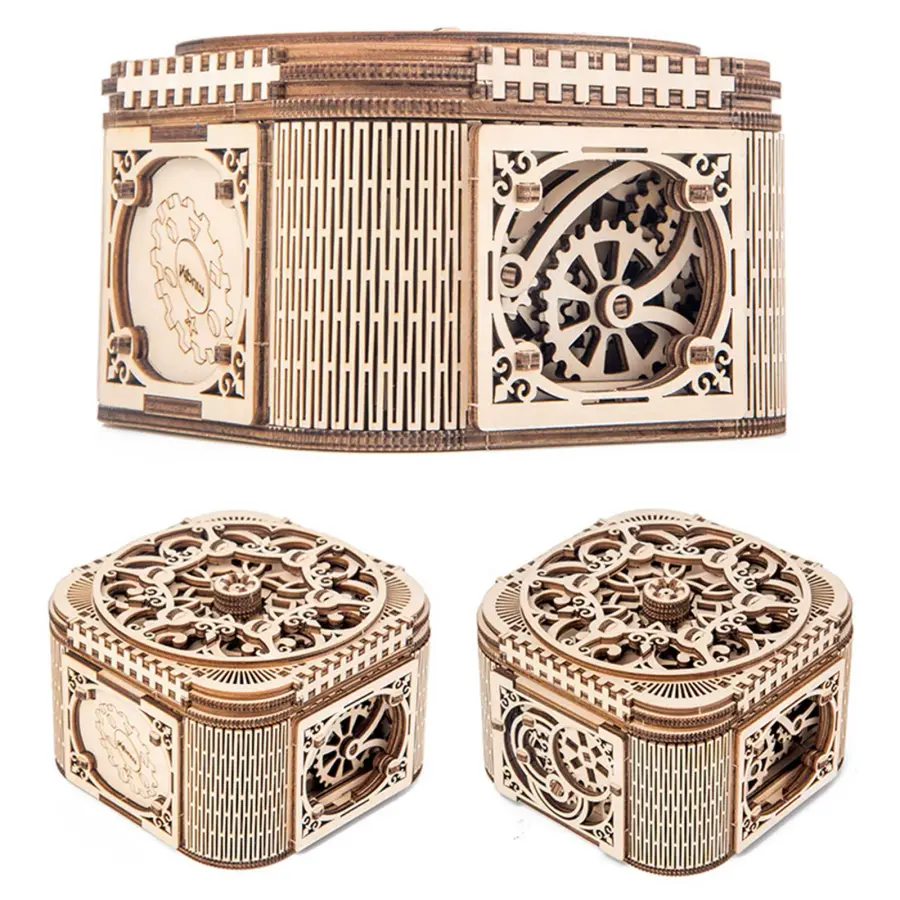
- The D&D Prop (The Preview): Here, the physical box is inspiration. You’re studying its mechanism to translate into game lore. A box that opens only when a specific carved rune is pressed under moonlight, or a shape-shifting box that must be assembled from scattered pieces to access the evil artefact within. (We’ll build full encounters from these in the next lane).
Recommendations: Matching the Box to the Goal
- For the Beginner & the Gift-Giver: Start with a Moroccan puzzle box of simple to intermediate difficulty. The Thuya wood is beautiful, the mechanism is purely mechanical and satisfying, and the price point (~$25-$40) is accessible. It feels substantial and exotic, making a memorable cash gift container.
- For the Secure Stash: You need reliability. A box like the 3D Wooden Puzzle Safe with Combination Lock offers a blend of puzzle and consistent access. Once you know the combination maneuver, it becomes a functional secret chest on your desk, perfect for rings or spare keys. It provides more deliberate security than a single-magnet box.
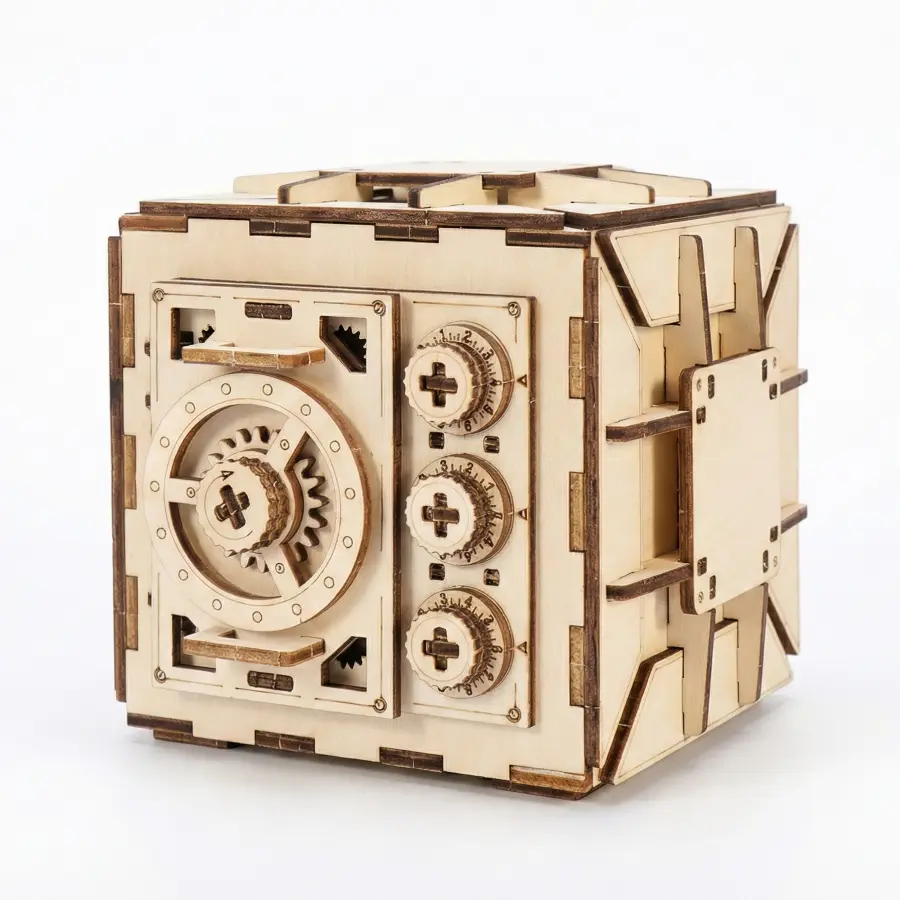
- For the Puzzle Purist: Invest in a sequential discovery box from a dedicated craftsperson. These are the novels of the puzzle box world, with chapters and climaxes built into wood and metal. They offer no practical storage, only the profound satisfaction of a journey completed by your own wit and fingertips. For a selection that emphasizes this deep, rewarding engagement, browse our list of puzzle boxes for adults that reward patience.
A final, crucial tip: If you get stuck, true frustration comes from forcing it. These are precision objects. Walk away, let your subconscious work, and come back with fresh hands. And if you truly need guidance, seek out a thoughtful guide that teaches you how to think about the puzzle, rather than just spoiling the solution—like our own How To Open A Puzzle Box: A Complete Guide From Frustration To Mastery, which focuses on the problem-solving mindset.
You now hold the criteria to choose a box that won’t disappoint. But if your mind is already weaving these mechanisms into tales of trapped phylacteries and elven lock-lore, then your true destination isn’t a product shelf. It’s the drafting table. Your final lane awaits.
The ‘Magic’ Showdown: A Side-by-Side Comparison of Two Different Tricks
So, you’ve just navigated the satisfying, tactile world of the artisan’s labyrinth. You understand the whisper of a sliding panel, the subtle give of a magnetic lock. Hold that feeling. Now, let’s talk about a completely different kind of enchantment.
If you were to set a Magic Puzzle Company jigsaw box and a wooden secret chest side-by-side, you’d be looking at two master illusionists employing utterly different arts. One is a stage magician, dazzling you with a grand, visual finale. The other is a master locksmith, whose entire craft is in the hidden catch you never saw coming. Buying one while expecting the other is the fastest route to disappointment.
Let’s dissect the trick.
The Magic Puzzle Company’s “Magic”: The Narrative Reveal
Here, the “box” is merely a container. The magic is a scripted event that unfolds on the flat plane of the completed image. You follow the numbered bags, build the world, and then—the final piece clicks. The image shifts. A hidden character is revealed, a story path opens, a secret door in the artwork becomes clear. The magic trick is visual and narrative, a surprise ending written in cardboard and ink. The Whimsy pieces are the foreshadowing, the playful clues embedded in the art itself. The payoff is a “Wow!” moment you see. (This is why debates about piece fit on Reddit are so heated; if the mechanical puzzle of assembly is frustrating, it undermines the payoff of the visual one.)
The Physical Trick Box’s “Magic”: Concealed Mechanics
The magic here is not in a story told, but in a secret discovered. The box itself is the artifact. Its hidden compartments are earned, not given. The “trick” is a series of deliberate, often non-intuitive physical interactions: a slide you must discover by feel, a panel that only moves after a disguised button is pressed, a sequence that defies the obvious seams. This is a brain teaser for your hands and spatial reasoning. The “Wow!” is internal, a quiet, profound satisfaction of having out-thought the craftsman. You don’t just see the magic; you perform it through sequential discovery. It’s a form of mechanical puzzle that has captivated people for centuries.
Think of it this way: Solving a wooden puzzle box is like finding a hidden room in your own house. Solving a Magic Puzzle Company puzzle is like watching a stunning plot twist in a film. One makes you the active protagonist of a mechanical puzzle; the other seats you as an admiring audience to an original art spectacle.
Choose the stage magician for a shared, spectacular finale. Choose the locksmith for a private, personal conversation between your mind and the maker. Getting this distinction right is the real first step to unlocking the right kind of satisfaction.
Lane 3: The Dungeon Master’s Forge – From Mechanism to Campaign Lore
So, you’ve held the spectator’s illusion and the locksmith’s artifact. Now we forge the third, conceptual puzzle box—the one that doesn’t exist, except in the shared imagination of your gaming table. This is where our journey pivots from being a consumer to becoming a creator. As a DM, you are no longer solving a box; you are designing the secret chest that holds the evil artefact. The good news? You don’t need a woodshop. The best mechanisms have already been invented by centuries of mechanical puzzle craftsmen. Your job is to skin them with fantasy.
Think of every physical trick box as a solved case study. Your campaign is a new crime scene. Steal the method, change the motive.
Let’s translate five real-world puzzle mechanisms into usable D&D encounters. I’m not giving you bland “a box with a lock.” I’m giving you the hidden catch, the sequential discovery, and the lore to make it feel magical, not just mechanical.
1. The Magnetic Lock → The Sympathetic Seal
Real Mechanism: A hidden compartment unlocks only when a specific, often innocuous metal object is brought near a disguised magnetic latch.
The Translation: The Coffer of Twin Hearts. This ornate box, carved from petrified dragonwood, holds a knight’s betrayed oath. It has no keyhole, hinge, or visible seam. The solution lies in the knight’s story—he and his sworn brother carried matching ironheart pendants. Only when one pendant is placed upon the coffer’s central rose does an internal latch (a lodestone enchanted with sympathy) release. The trick? The companion pendant was lost decades ago in a bog, now possibly corroded or in a goblin’s trinket pile.
DM Toolbox: Perception DC 15 to notice faint, almost imperceptible scratches on the rose carving from long-ago use. History DC 17 to recall the legend of the twin knights. A clever detect magic reveals faint abjuration magic, but no school specifics. The consequence for brute force? The lodestone shatters, magically bonding the box shut forever and triggering a glyph of warding (blight).
2. Sequential Sliding Panels → The Elemental Chant
Real Mechanism: Panels must be slid in a precise, non-intuitive order, often ignoring obvious seams. Each movement unlocks the next.
The Translation: The Elementum Canticum, a stone cube recovered from a ruined temple of a primordial cult. Its six faces are inlaid with shifting tiles of elemental bas-relief (fire, water, earth, air, positive, negative). The correct sequence is not written, but sung in an old hymn to the elements found elsewhere in the dungeon. The panels slide with satisfying tactile feedback, but only when the verse’s order is followed (“First, the consuming flame; last, the silent void…”). A wrong reset locks the cube for an hour.
DM Toolbox: Investigation DC 20 to find the nearly-eroded hymn on a mosaic. Arcana DC 18 to understand the resonant magical theory. Each incorrect slide triggers a minor thematic effect—a puff of steam, a jolt of static, a shower of dust. This is a perfect campaign prop; its sequential nature forces collaboration and note-taking.
3. False Seams & Hidden Buttons → The Feys’ Caprice
Real Mechanism: Visible seams are decoys. The true release is a disguised button or panel that must be pressed through a seemingly solid piece, often requiring a specific tool or angle.
The Translation: A Capricious Husk gifted by a spriggan. The box appears to be a simple, knotted burl. It mocks the party. Every obvious latch is a fake. The real mechanism is a specific knot that must be depressed not with a finger, but with a fresh acorn, a copper coin (a fey’s concept of a “leaf”), or a drop of dew. The brain teaser is in realizing the solution isn’t force, but fulfilling a whimsical, unfair condition.
DM Toolbox: Insight DC 16 to sense the box is “laughing at you.” Nature or Survival DC 14 to identify the specific type of tree (an ancient fey-oak) and what its seed looks like. Frustration is the point; lean into the fey’s mischievous nature. Forcing it open causes the contents to be replaced with leaves and a mocking note.
4. Heat-Sensitive Panels → The Dragon’s Breath Lock
Real Mechanism: A panel, often disguised with a veneer, reacts to body heat or an external flame, warping slightly to reveal a catch.
The Translation: A Drakeblood Coffer, forged in a red dragon’s volcanic lair. A majestic dragon is embossed on the lid. Applying direct flame to the dragon’s mouth causes the entire embossing to glow, and a small, heat-reactive panel on the beast’s belly contracts, revealing a keyhole. But the key was melted long ago. The true solution? A firebolt cantrip of sufficient strength, or a potion of fire breath poured over it. It’s a lock that recognizes its own kind of magic.
DM Toolbox: Investigation DC 18 to notice the belly scales have a slightly different metallic sheen. Arcana DC 19 to discern the residual transmutation magic keyed to intense heat. A great reward for a pyromancer sorcerer or a dragonborn.
5. Weighted Triggers → The Sinner’s Balance
Real Mechanism: The box must be tilted to a specific angle, or a heavy object placed inside, to shift an internal weight that releases a latch.
The Translation: The Confessional of Maal, a heavy lead-lined box from a temple of justice. Inscribed: “Only the weight of truth opens me.” It cannot be magically opened (arcane lock). The party must place inside an object of personal, significant moral weight equal to or greater than the sin used to seal it. This isn’t measured in pounds, but in story value. The stolen crown jewel? The signed pardon of a hated enemy? A paladin’s holy symbol as they vow atonement? When the correct emotional/moral weight is placed inside, a loud click echoes.
DM Toolbox: This is pure roleplay. Religion DC 15 to know the god Maal valued symbolic justice. The box is a DM tool for a character’s personal quest. The consequence for cheating with just a heavy rock? The box seals permanently and curses the opener with bane.

Snake Mouth Escape Puzzle — $13.99
A puzzle like the Snake Mouth Escape is pure inspiration. It’s a sequential discovery object where parts move and interact in non-obvious ways. In your game, that snake’s jaw could be the gate to a yuan-ti tomb, requiring the fangs to be manipulated in a ritual order while a pressure plate is stood upon. For more on the fascinating history of these objects, the puzzle box has roots in many cultures.
Your takeaway? Don’t just describe a box. Describe the solution. The faint smear of oil where a panel has been touched for centuries. The almost-silent scrape of a hidden slide. The sudden, chilling tactile feedback of a mechanism yielding. Let your players feel the phantom mechanics. (And if you ever want to craft a physical version as a table prop, start with a guide like how to build a puzzle box for your campaign—the ultimate DM tool for a legendary quest item.)
The final secret? The best magical puzzle boxes in D&D aren’t about keeping players out. They’re about making them feel brilliant for getting in. Use these mechanisms as your hidden blueprints. The lore you wrap them in is the real magic.
The Hands-On Test: What No Product Page Tells You About Solving
Translating those D&D mechanisms back into the real world reveals the core truth: solving a physical puzzle box is less about brute force and more about learning a new language of touch, sound, and inference. Product pages sell the idea of a secret, but they skip the crucial tutorial on the solver’s mindset. The first lesson is this: your intuition is your enemy. That visible seam isn’t a lid. That decorative knot isn’t just decoration. You must ignore what your eyes insist is the logical path and listen with your fingertips.
This is why some boxes earn the label ‘impossible’ puzzle box. It’s not that they can’t be solved; it’s that their solution path deliberately violates everyday assumptions about how objects should work. A panel might need to slide up when gravity says it should go down. A secret chest might require you to solve it while it’s upside-down. The difficulty isn’t in complexity, but in cognitive shift. For a 10-year-old? It depends entirely on their temperament. A patient, curious child who enjoys experimenting will often out-solve a frustrated adult. The best brain teaser for a beginner isn’t the simplest-looking box, but one with clear, distinct tactile feedback—a definitive click, a smooth slide—that rewards exploration.
So, how do you open a puzzle box without breaking it? Start with reverence, not force. Perform a full inspection in good light, running your nails gently along every edge. Apply equal pressure to every side, feeling for give. Listen for a faint click or a subtle shift in weight. Warm the wood in your hands; some Moroccan puzzle box mechanisms with Thuya wood panels respond to slight expansion. If you’re stuck, put it down. Walk away. The solution often arrives when you’re not staring directly at the hidden compartments. A systematic step-by-step guide to opening a wooden puzzle box can help reorient your approach when you’re truly lost.
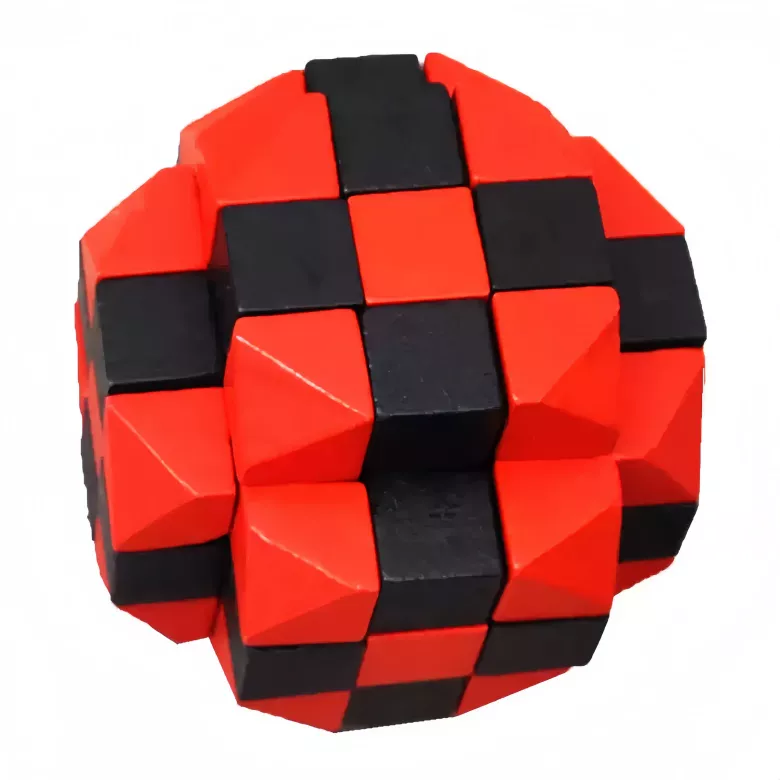
Landmine Lock Puzzle — $18.99
A puzzle like the Landmine Lock embodies this philosophy. It’s a mechanical puzzle that teaches sequential discovery through consequence and feedback. (My full method is in the guide How To Solve A Puzzle Box Without Losing Your Mind, but the cardinal rule is: if you’re applying enough force to whiten your knuckles, you’ve missed a clue.)
This leads to the critical question of gifting. A puzzle box for money gift is a brilliant tradition, but it requires managing expectations. Never gift one with time pressure. The recipient should have days, not minutes, to explore. If you’re hiding cash or a gift card inside, explicitly tell them it’s there! Otherwise, the fear of breaking a gift can paralyze the fun. The charm is in the journey to the cash gift, not in surprising them with its existence. Choose a box with a difficulty that matches the recipient’s patience, not your own solving skill. A box that’s too impossible becomes a source of anxiety, not delight. For more on this art, see our thoughts on the money puzzle box for gifting.
Finally, understand the lifespan. A solved trick box is not a spent firework. The real magic for many enthusiasts is in the resetting—in feeling the mechanism snick back into place, restoring the secret. That’s when a stash box earns its name, becoming a functional heirloom. You’re not just buying a wooden box; you’re buying a conversation piece with a hidden heartbeat. Give it, and the solution, the room to breathe.
The Decision Matrix: Match Your Profile to the Perfect Box or Blueprint
So, you’ve felt the tactile feedback of a sliding panel and understood that a solved box is merely a waiting secret. Now, which secret is yours? The internet’s clutter of puzzle boxes becomes clear when you start with the simplest question: What is your intent? Forget browsing; diagnose first. This is your translation key, turning confusion into a direct path.
If you are The Jigsaw Purist:
You seek a surprising, communal table experience. Your magic is in the reveal, not the mechanism. Skip this if you despise a tight, clicky fit or value traditional piece shapes above all. Your move is a Magic Puzzle Company set. Choose Series 1 for the purest original art and that first-trick wow. Accept the puzzle dust and the unique whimsy pieces as part of the charm. The magic trick finale is the payoff, making it a brilliant, shareable one-and-done event. (For the deep-dive on fit and finish, re-read the Magic Puzzle Company review notes in Lane 1.)
If you are The Gift-Giver:
Your goal is delight, not frustration. You need a vessel that feels special and unfolds with intuition, not force. Avoid the so-called impossible puzzle box. Instead, aim for a beautiful, mid-difficulty wooden box with a clear hidden compartment for a cash gift or ring. A classic Moroccan puzzle box in Thuya wood is a stellar choice—its geometric pattern hints at the solution, and the reveal feels ceremonious. Remember the rule: Tell them the treasure is inside. The joy is in the dignified hunt. For more guidance on selection, check out how to choose the right wooden puzzle.
If you are The Treasure Hider:
You want a functional secret chest, a stash box with a plausible deniability. You need a mechanism that resists casual fidgeting but becomes second nature to you. Look for sequential discovery boxes or trick boxes with hidden drawers that require a non-obvious step, like a magnetic slide or a disguised button. The 3D puzzle lock box is a modern classic for this. Its mechanism is satisfyingly precise, turning the act of concealing a spare key into a tiny, private ritual.
If you are The World-Building DM:
You’re not shopping for a product, but for a blueprint. Your D&D magical puzzle box ideas spring from the real mechanisms in Lane 2. Don’t just describe a “magic lock”; steal a real one. That mechanical puzzle with the sliding panels? In your game, the panels are phases of the moon that must be aligned. The shape shifting box that seems solid? That’s your evil artefact containing a fragment of Vecna’s soul, which only reveals its seam when bathed in a cleric’s moonlight. Your purchase isn’t a box, but inspiration—sometimes, buying a simple $20 brain teaser to feel its moves is the best DM tool you can own. Then, you translate its physical grammar into a quest your players will remember.
Reader Friction and Quick Answer
So, after that tour of the three distinct lanes, you might feel the friction returning. The decision matrix points you in a direction, but a final, practical hesitation often lingers: “Okay, I know which type I want… but where do I actually start without getting it wrong?”
Let’s cut to the quick answer.
If you’re hesitating between a physical puzzle box and a D&D concept: Buy the physical box first. The tactile feedback of a real brain teaser—feeling the resistance of a slide, the click of a hidden catch—is the fastest way to build a library of ideas you can translate into your game. A simple wooden box with a sliding panel isn’t just a stash box; it’s a DM tool. Its mechanism becomes the core of your next quest.
If you’re worried about difficulty (“Will I just break it?”): The fear of forcing a secret chest is real. The universal rule for how to open a puzzle box is this: If you’re using force, you are the brute in the story, and you will lose. The solution always lies in a non-destructive, often non-intuitive action—a push, a slide, a turn you didn’t see. Start with a box labeled for beginners. Its mechanism will teach you the grammar of solving.
If the Reddit debates about quality change have you second-guessing a purchase: This is the curse of viral success. For the Magic Puzzle Company, the tight, ‘clicky’ fit is a design choice to hold their complex, interlocking Whimsy pieces together during the final reveal. It’s not a defect, but it is a specific sensation. If you prize smooth, silent assembly, it will grate on you. The ‘magic trick’ is a one-time experience. Decide which you value more: the enduring feel of the build, or the shock of the reveal.
Your next step isn’t a broad search. It’s a specific action.
Go find a small, well-reviewed trick box or a single-series magic puzzle. Hold it. Solve it. Let your hands learn what your mind needs to design or enjoy. The confidence you’re looking for doesn’t come from reading one more review—it comes from the silent, satisfying shift of a panel finally moving, unlocked not by a key, but by understanding.