The Endless Scroll: Why Amazon Fails the Cast Puzzle Enthusiast
You search “metal brain teaser” on Amazon. The page populates with hundreds of nearly identical listings: shiny, generic cylinders and knots with titles stuffed with keywords like “adult genius level.” Buried among them are the familiar silhouettes of Hanayama’s Cast Puzzles. This is the dominant experience, where the platform’s best-seller algorithm in the “Assembly & Disentanglement Puzzles” category prioritizes volume over curation. The result is a paradox of choice that feels like no choice at all, dominated by off-brand clones and a frustrating hunt for authentic pieces. For the enthusiast, Amazon’s model sacrifices discovery and authenticity for sheer convenience.
The core issue is curation, or the utter lack of it. Amazon is a warehouse, not a hobbyist shop. Its search rewards sellers who game the system with vague, keyword-stuffed titles (“Great Gift for Men Women Teens!”) rather than those who provide meaningful details like designer name or machined finish. You’ll see the same Hanayama Cast Marble listed six times by different third-party sellers, often with stock photos so compressed you can’t judge the heft. Next to them, blatant copies with suspiciously low prices and nearly identical product images. This isn’t a marketplace built for discernment.
This environment breeds a specific, well-documented problem: the commingling of real and fake inventory. Reddit threads on r/mechanicalpuzzles and r/Hanayama are filled with users comparing notes. Someone buys a Cast Elk, and the tolerances are sloppy. The satisfying tick of precision parts sliding together is replaced by a dull, grating scrape. The iconic ‘H’ logo might be poorly stamped. Because Amazon often bins products from different sellers under the same ASIN, a genuine puzzle and a low-quality clone can be shipped from the same shelf. You’re playing logistics roulette with your $15. (This ties directly into a foundational principle of craftsmanship, explored in depth in a skeptic’s guide to cast iron logic and quality.)
Then there’s the discovery ceiling. Amazon’s algorithm shows you what sells fastest, which is often entry-level puzzles or those fad-driven “brain teasers.” It has no incentive to surface the deeper catalog—the older, discontinued Hanayama grades, or the sophisticated works from independent makers. Your search stalls at page three, showing you slight variations of the same ten products. The hunt, which is half the joy for a collector, is over almost before it begins.
Convenience has a hidden cost. Yes, Prime shipping is fast. But you’re paying for it in other ways: the mental labor of sifting through repetitive listings, the risk of a subpar clone, and the total absence of a curated pathway to more complex challenges. You get a product in a bag, sometimes without the manufacturer’s solution booklet (another common complaint). There’s no sense of community, no expert guidance on progression, and no connection to the craft itself.
This is the frustration point. You know the object you want—a well-machined, fidget-friendly piece of tactile logic—but the primary marketplace feels designed to obscure it. The experience is transactional, not enthusiast-driven. It treats puzzles as generic commodities, not as hobbyist-grade mechanical art with nuance in their design and solve. (As covered in our veteran’s guide to why some metal puzzles break and others don’t, that nuance is everything.)
So where does that leave you? It leaves you looking for the signal in the noise. It pushes you past the monolithic first page of search results and into the dedicated corners of the internet where the difference between a 3/6 and a 4/6 on Hanayama’s difficulty scale actually matters, and where the sound a puzzle makes is a valid quality metric. The good news is, those places exist. They’re run by people who can name the designer of the Cast Vortex without looking it up, and who package your order with care, not just speed. The journey out of the endless scroll begins with a simple realization: the best cast puzzle Amazon alternative isn’t a single store, but an entire ecosystem waiting to be mapped.
Beyond the Algorithm: Your Buyer’s Atlas for Cast Puzzles
The landscape of where to buy quality cast puzzles breaks down into four distinct pathways: curated specialty retailers, direct-from-maker stores, community secondary markets, and international shops. Each offers a unique value—superior curation, exclusive designs, rare finds, or broader selection—effectively moving you from a generic supermarket aisle to a specialist’s workshop. For example, while Amazon might list a dozen Hanayama puzzles, a dedicated site like Puzzle Master stocks over 50, plus hundreds from other brands. This shift is what defines a true mechanical puzzle hobby.
Curated Specialty Retailers: The Hobbyist’s Superstore
This is your first and most reliable port of call after leaving Amazon. Think of these as the puzzle equivalent of a specialty camera or audio store. They carry a deep, curated selection that goes far beyond Hanayama to include brands like CubicDissection, PuzzleForge, and recent Puzzle Design Competition winners. The primary draw isn’t just volume, but intelligent categorization—you can filter by designer, difficulty (using the proper Hanayama 1-6 scale), or puzzle type. The biggest player here is Puzzle Master (puzzlemaster.ca), a Canadian site that puzzle geeks swear by. Their inventory is vast, they often include solution booklets that Amazon sellers omit, and their packaging is secure and professional. The trade-off? International shipping to the US can add $10-$20 and take longer than Prime. You’re paying not just for the puzzle, but for the certainty of authenticity and a catalog built by enthusiasts.
Direct-from-Maker Stores: The Artisan’s Bench
When your collection has outgrown mass-produced designs, this is where you go. On platforms like Etsy and independent storefronts, machinists and designers sell their own creations. Here, you’re buying a machined finish and mechanical complexity that often surpasses mainstream offerings. These are the independent cast puzzle makers, crafting unique, limited-run pieces that can become collector’s items. Prices reflect this, ranging from $30 to well over $100. Why buy direct? The transaction feels completely different. You might get a handwritten note, insights into the design process, or direct customer support from the person who filed the burrs off your puzzle. The heft and action are typically superior; these puzzles are built for the connoisseur who values the crisp ‘tick’ of precision tolerances over a low price point.
Community & Secondary Markets: The Treasure Hunt
For the discontinued, the rare, or the simply weird, you dive into the forums and auction sites. This includes the Trading Post on Puzzle Place, listings on eBay, or the secondary market on Reddit’s r/mechanicalpuzzles. This is how you snag a discontinued Hanayama Cast News or an out-of-print puzzle from Nob Yoshigahara. It’s a hunter’s game. Prices fluctuate based on scarcity and demand, and condition is paramount. The Reddit thread where users exposed the quality difference between branded and clone puzzles originated in these communities—they’re fiercely protective of craftsmanship. Patience is key, but the reward is a piece that hasn’t been available new for years.
International Retailers: The Global Scout
Sometimes, the puzzle you want simply isn’t distributed in your region. European and Japanese retailers often carry exclusive designs or editions not available in North America. Sites like Plaza Japan or Sloyd.fi offer a window into different puzzle cultures and early access to new Hanayama releases. The value is in selection, pure and simple. The challenge is navigating shipping costs and longer delivery times. This route is for the advanced collector looking to complete a set or find a geographic exclusive, accepting that the premium for shipping is the ticket to a truly global collection.
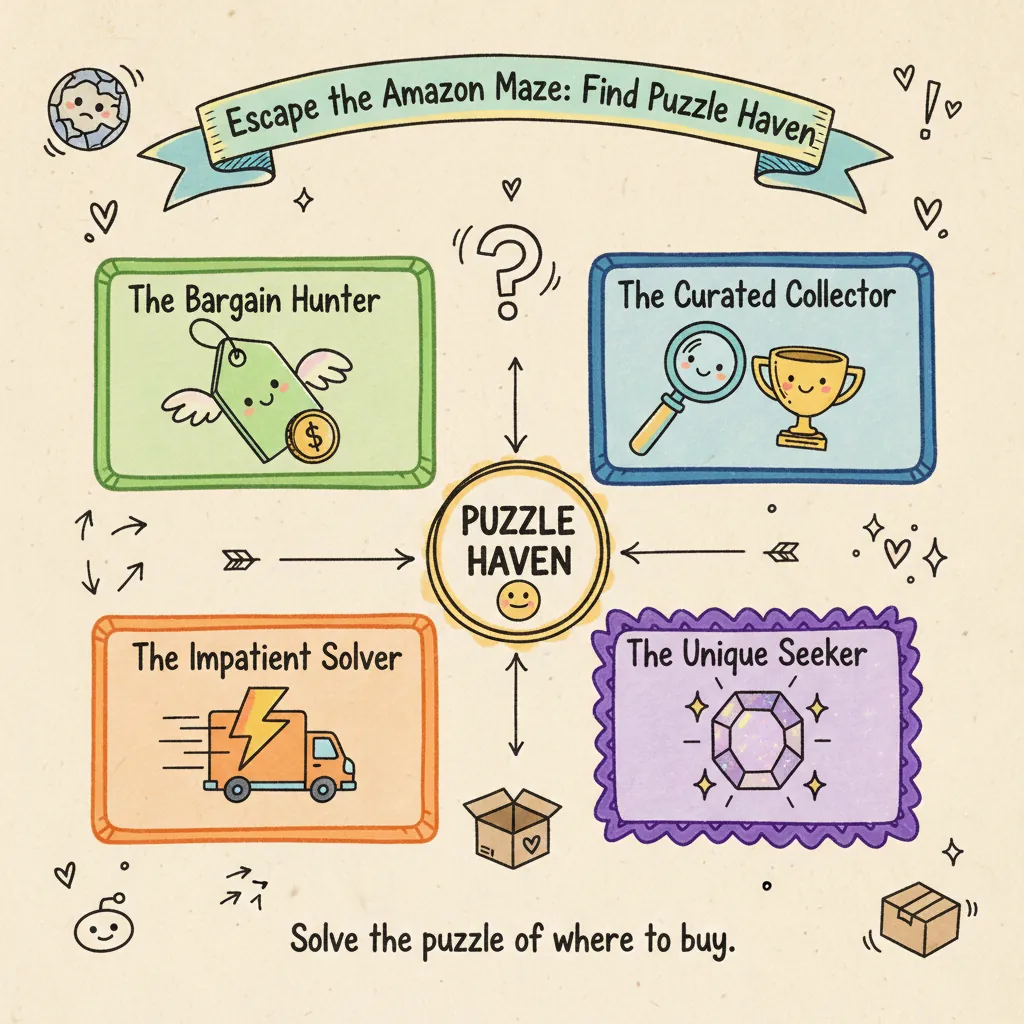
This atlas isn’t about finding a single best website for metal puzzles; it’s about matching the source to your need. Want a guaranteed, broad-stroke experience? Hit the specialty retailer. Seek uniqueness and artisan quality? Go direct. Hunting a grail? Brave the secondary market. Completing a global collection? Look overseas. The frustration of the algorithmic scroll gives way to the targeted curiosity of a true hobbyist. You’re no longer just buying a product; you’re engaging with an ecosystem.
Deep Dive: Puzzle Master vs. The Amazon Monolith
If scouting international retailers is a niche expedition, comparing Puzzle Master to Amazon is the core strategic analysis any puzzle buyer needs. In a direct head-to-head, Puzzle Master (puzzlemaster.ca) wins on curation, solution support, and guaranteed authenticity but often loses on shipping speed and final price for single items. My week-long test order—a Hanayama Infinity from both retailers—revealed a clear distinction: Amazon delivered in two days but in a battered envelope with a puzzle that had a faint casting seam; Puzzle Master’s arrived in a week via Canada Post, encased in a small box with foam, the puzzle’s finish flawless and accompanied by a printed solution booklet.
The Selection: Broad Spectrum vs. Best-Seller Tunnel Vision
Amazon’s mechanical puzzle category is a sea of repetition. You’ll find the core Hanayama line (Cyclone, Quartet, etc.), but it’s flanked by an overwhelming number of visually similar off-brand clones. The algorithm pushes best-sellers, making discovery of lesser-known brands nearly impossible. Puzzle Master operates on the opposite principle. Beyond the full Hanayama catalog, you’ll find hundreds of other cast metal and disentanglement puzzles (a classic category defined here) from brands like Eureka, Puzzle By Dog, and recent IP like Labyrinth. This is a curated selection built by hobbyists, for hobbyists. The value isn’t just in finding a puzzle; it’s in finding your next puzzle.
The Cost & Shipping Equation: The Hidden Trade-Off
At first glance, Amazon often wins on sticker price. A Hanayama Cast Vortex might list for $14.99 with free Prime shipping. The same puzzle on Puzzle Master could be $13.95 CAD (roughly $10.25 USD). Here’s the critical pivot: shipping to the US starts at around $9 CAD (~$6.60 USD) and scales up reasonably. This flips the math. Buying a single puzzle, Amazon is cheaper and faster. But Puzzle Master’s model is built for the enthusiast buying multiple items. My test order of three puzzles had a total shipping cost of $14 CAD—amortized over the order, each puzzle became significantly cheaper than Amazon’s price, and they included solution booklets. The hidden cost of Amazon Prime might be subsidized by the commingled inventory that leads to quality issues.
The Unboxing & Authenticity: Thud vs. Tick
This is where the hobbyist-grade experience diverges radically. My Amazon-sourced Hanayama Infinity had a slightly gritty feel on the first twist—the telltale sign of a less refined machined finish. The ‘click’ upon solving was a dull thud. The Puzzle Master version moved with buttery precision, culminating in that satisfying, crisp tick I chase. Reddit’s r/mechanicalpuzzles is full of similar anecdotes, with users dissecting slight differences in finish and weight that suggest counterfeit or lower-quality OEM units in Amazon’s supply chain. Puzzle Master, sourcing directly from distributors, eliminates this gamble. Their packaging also protects the heft and feel of the puzzle; it arrives as an object of interest, not just a commodity. This entire experience is a masterclass in judging a puzzle’s quality by feel and sound.
Customer Service & The Solution Booklet
This is a decisive win for the specialist. Got a defective puzzle from Amazon? You’re navigating a generic return portal. With Puzzle Master, a quick email to their customer service (renowned in the community) gets you a direct response, often with troubleshooting tips or an immediate replacement sent. Furthermore, the inclusion of a physical solution booklet (or a PDF download for non-Hanayama puzzles) is standard. Amazon listings frequently omit this, forcing you to search for shaky YouTube tutorials. For the buyer, this support transforms the post-purchase experience from frustrating to assisted.
The Verdict: Who Wins This Face-Off?
Skip Amazon for single, common Hanayama puzzles if you need it tomorrow. For everything else—building a collection, guaranteeing authenticity, seeking variety, or valuing the unboxing ritual—Puzzle Master is the objective upgrade. It is the Canadian site that puzzle geeks swear by because it respects the product and the buyer’s intelligence. The calculus is simple: if you view these puzzles as disposable fidget toys, Amazon’s convenience rules. If you appreciate them as precise, fidget-friendly mechanical artifacts, the modest extra wait and shipping cost from Puzzle Master are not an expense, but an investment in the correct experience.
The Craftsmans’ Forge: Where to Buy Cast Puzzles Direct from Makers
Once you’ve experienced the vast, reliable selection of a specialist retailer, the next logical step is to go straight to the source. For truly unique designs and hobbyist-grade complexity, you must explore the world of independent machinists on Etsy and dedicated web shops. Here, puzzles are not merely selected, but created, often in small batches at price points from $30 to $100. This avenue directly answers the enthusiast’s search for puzzles that are “harder/more unique than Hanayama,” offering a tangible connection to the craft that no retail box can match.
Think of it this way: Hanayama is the expertly curated museum shop, but these makers are the artists in their studios. Their work differs in fundamental ways. While Hanayama puzzles are famous for their elegant, often symbolic simplicity, independent creations frequently embrace pure mechanical complexity. You’ll find puzzles with more moving parts, interlocking mechanisms that defy visual inspection, and a machined finish that prioritizes precise tolerances over a polished aesthetic. The heft is different, too—often denser, with a satisfyingly solid feel that comes from a maker choosing their own alloy. (My personal test: a well-machined part doesn’t just slide; it glides with silent, oil-smooth authority, producing that crisp ‘tick’ on engagement.)
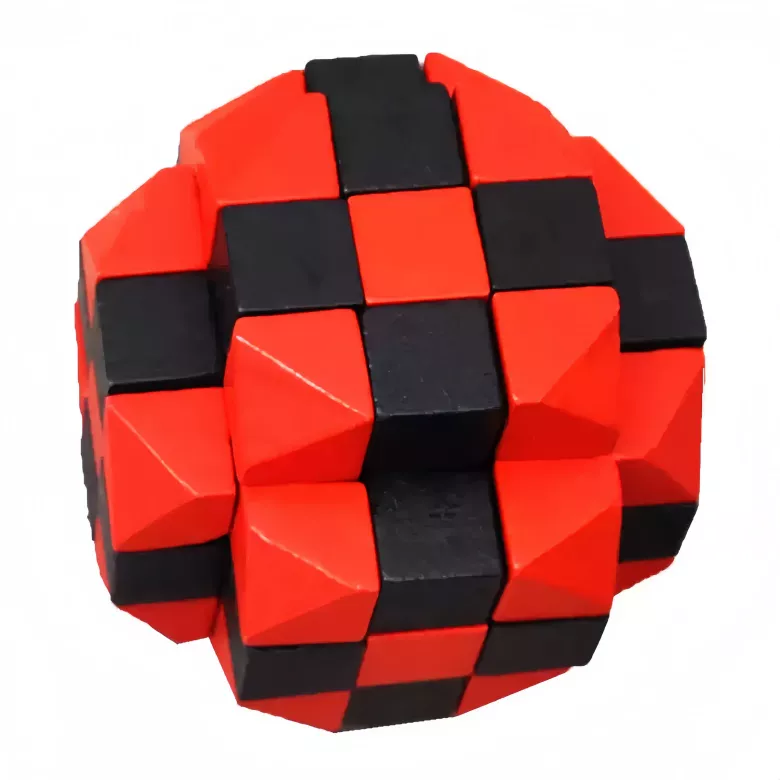
This is where the content hook becomes real: why buying direct from a small maker costs the same as Amazon but feels completely different. On Amazon, you’re a data point in a logistics chain. Buying from a maker like the one behind the Landmine Lock above, you’re a patron. The transaction carries a conversation—sometimes literally. I’ve had makers include handwritten notes, respond to emails about solution paths, and even explain design choices. The packaging is rarely generic; the puzzle arrives as a presentation, not just a product. This experience is intrinsic to the value, transforming a purchase into participation in a niche craft.
Etsy cast puzzles are the most accessible entry point. Search for “mechanical puzzle” or “disentanglement puzzle” and filter by “handmade.” You’ll find creators like Wil Strijbos (a legend, if you can find his work in stock), PuzzleMaster’s own in-house designs, and brilliant independents worldwide. The key is to read shop reviews meticulously. Look for comments on machining quality and seller communication. A good maker’s page will often show work-in-progress photos of their CNC or casting setup—a sign of transparency and pride. For a broader look at the landscape, our detailed Hanayama puzzle guides and reviews offer a solid foundation before venturing into artisan territory.
The trade-offs are clear. Price: You will pay more for raw material and skilled labor. A $65 puzzle from a solo machinist isn’t overpriced; it’s the real cost of small-batch manufacturing. Speed: These are not Prime items. Many operate on made-to-order cycles. Wait two to four weeks. It’s worth it. Selection: You’re not browsing a catalog, but commissioning a piece of functional art. The reward is owning something with a story, a puzzle that likely exists in only a few hundred hands worldwide.
So, is it worth it? For the collector seeking the frontier of the craft, absolutely. It’s the only way to acquire puzzles that push beyond Hanayama’s standardized difficulty scale. For the beginner, it might be a steep second step—master a few Level 4-6 Hanayama puzzles first. But for anyone who has felt the hollow frustration of an off-brand clone, the solid click of a direct-from-maker puzzle is the sound of satisfaction. You’re not just solving a puzzle; you’re holding the proof that the enthusiast’s market is alive, well, and forging incredible things beyond Amazon’s reach.
The Reddit-Vetted Secret: Where Enthusiasts Actually Shop & Swap
The direct-from-maker route is the pinnacle of curation, but what about finding rare, out-of-production, or vintage cast puzzles? For that, you graduate from retailers to the community’s own bustling secondary market. The most valuable secret isn’t a storefront—it’s a series of forums and groups where 40,000+ enthusiasts gather to trade, sell, and geek out over machined finish and heft.
Start with r/mechanicalpuzzles on Reddit. This is ground zero. Beyond solution tips, the sub’s monthly “Buy/Sell/Trade” thread is a treasure trove. It’s where I snagged a discontinued Hanayama Padlock (discontinued circa 2018) for $22—barely above its original retail. The key is patience and notifications. More critically, this is where the community’s collective wisdom becomes your quality control. Remember the content hook about the exposed quality difference? It originated here. A now-legendary thread featured side-by-side photos and caliper measurements of an official Hanayama Cast News versus an Amazon-sold clone. The differences were stark: softer edges, inconsistent plating, and a tell-tale dull thud instead of a crisp tick when assembled. The consensus? Amazon’s commingled inventory is a genuine risk for fakes. Enthusiasts vet sellers ruthlessly here, so a puzzle with a “WTB” (Want to Buy) post that gets no replies is a red flag.
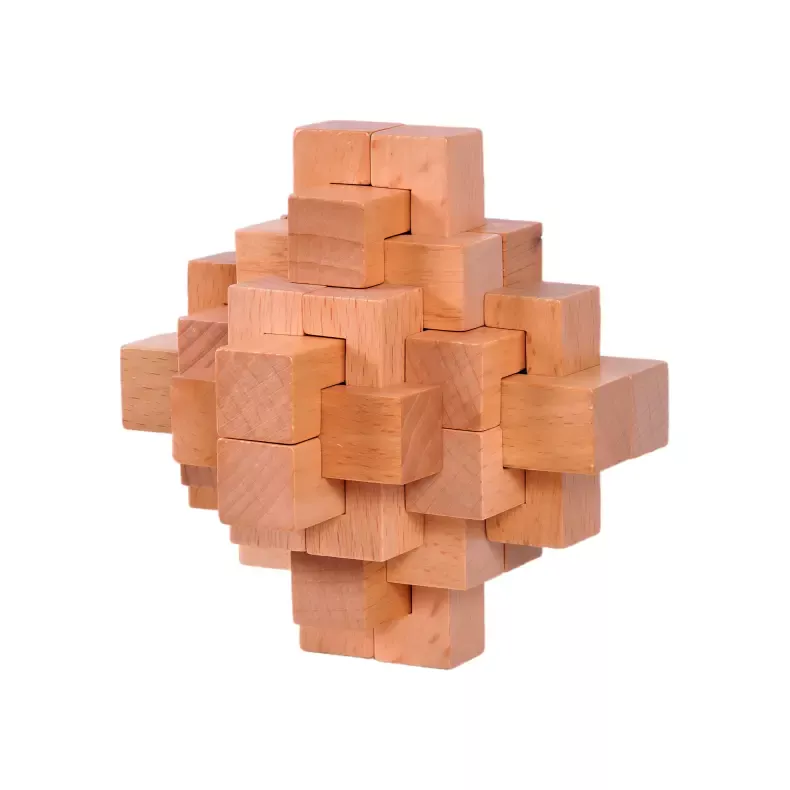
For structured auctions, dedicated hobbyist sites like Puzzle Paradise are essential. Think of it as eBay, but only for puzzles. Sellers are overwhelmingly collectors, not liquidators. The listings for rare Hanayama puzzles for sale here are often the “graded” ones—puzzles kept in pristine, unsolved condition. You’ll pay a premium for that, but you’re guaranteed authenticity. It’s also the best place to find puzzles from defunct brands or early Hanayama releases that haven’t been in production for a decade. The search filters are built for us, with categories for “Casting Puzzles” and “Disentanglement.” (For more on the mindset needed for these puzzles, our guide on the real way to solve metal puzzles without forcing them is essential reading.)
Don’t sleep on Facebook Groups. Search for “Mechanical Puzzle Buy/Sell/Trade.” The atmosphere is more immediate and deal-focused. Transactions often happen via PayPal Goods & Services (always use this for protection), and shipping is typically fast because everyone’s just trying to clear shelf space for their next obsession. It’s a fantastic place to find lots or “beginner bundles” where a collector offloads 5-10 common Hanayama puzzles at once for a great per-unit price.
The protocol in all these spaces is the same: communication is king. Post a “WTB” with your specific target. Check a user’s post history or feedback thread before dealing. And be ready to move quickly—the good stuff lasts minutes, not days. The reward is bypassing retail entirely, finding puzzles with history, and connecting with the person who last struggled with it. You’re not just buying a puzzle; you’re acquiring a piece of the community. For a practical example of the satisfaction that comes from mastering a community-favorite puzzle, see our breakdown on how to solve a challenging lock puzzle. Skip the algorithmic doom-scroll. This is where the real hunt—and the real satisfaction—begins.
Your Decision Matrix: Price, Curation, Speed, or Uniqueness?
Choosing your source isn’t about finding a single “best” store, but matching a retailer’s strengths to your priorities as a buyer. Your ideal store shifts based on whether you’re a beginner seeking value, a collector hunting rarities, or a gift-giver needing perfect presentation. For a detailed look at one excellent, well-rounded starting point, explore our guide to metal puzzles for the over-thinker. Let’s break down the four primary channels—Amazon, Specialty Retailers, Direct Makers, and Community Markets—across the axes that matter.
The Quick-Reference Matrix
| Axis | Amazon & Big Box | Specialty Retailer (e.g., Puzzle Master) | Direct from Maker (Etsy/Indie) | Community Market (Reddit, eBay) |
|---|---|---|---|---|
| Price | Often lowest MSRP. Prime shipping “free”. | Competitive MSRP, but +$10-$20 shipping to US. | Premium ($30-$100+). You pay for artisanal scale. | Highly variable. Can find steals on bundles or rare marks. |
| Selection Breadth | Narrow. Dominated by bestsellers & clones. | Vast. Hundreds of brands & difficulty levels. | Very narrow. One maker’s unique catalog. | Unpredictable. A firehose of random, retired, and common. |
| Selection Curation | None. Algorithm-driven chaos. | Expert. Filter by brand, type, difficulty (1-6 scale). | Total. The maker’s vision is the curation. | Crowd-vetted. The community’s trades define the market. |
| Shipping Speed | 1-2 days (Prime). The benchmark. | 5-10 business days to US (from Canada). | 1-3 weeks. Made/shipped in small batches. | 3-7 days. Depends on the seller’s hustle. |
| Uniqueness/Rarity | Low. Mass-produced inventory. | High for retail. Discontinued & imported finds. | Highest. One-of-a-kind or small-batch designs. | Peak randomness. The only source for out-of-production gems. |
| Packaging/Giftability | Flimsy bag in a box. Often damaged. | Good. Secure, often with solution booklets included. | Excellent. Part of the experience—thoughtful presentation. | Poor. Used puzzles in bubble mailers. |
| Best For | The impatient beginner wanting a quick, cheap taste. | The dedicated hobbyist building a diverse collection. | The connoisseur valuing craftsmanship and novel mechanics. | The seasoned collector hunting deals and discontinued pieces. |
Decoding the Trade-Offs
Is it worth paying more to buy from a specialty shop? For anyone beyond a casual first-timer, absolutely. The extra $5-$10 over an Amazon price (when you factor in their shipping) buys you three crucial things: authenticity guarantee (no commingled fakes), a curated selection that saves you hours of sifting, and access to hobbyist-grade brands you’ll never find on Amazon. You’re paying for a filter, not just a product. This is the core value of disentanglement puzzle retailers.
Which retailers have the best customer service? Here, the small players win. A defective puzzle from Amazon means a robotic return process. A defective piece from a specialty retailer or a direct maker typically gets a personal, apologetic email and a replacement part shipped immediately. They have a reputation to uphold within a niche community. (The community markets are caveat emptor—ask for a function video before buying.)
Finding “affordable cast puzzles online” depends on your definition. For lowest upfront cost, Amazon wins. For lowest cost per quality verified puzzle, a “beginner bundle” from the secondary market is unbeatable. For a balanced mix of affordability and reliable quality, the specialty retailers’ sales sections are your best bet.
Your Profile, Your Source
- The Beginner / Casual Buyer: Your priority is low risk and speed. Start with a Puzzle Master order for one or two well-regarded Hanayama (Level 2-3) puzzles to experience correct quality and packaging. Use Amazon only if you must have it tomorrow and can vet the seller and reviews meticulously. Skip direct makers and community markets for now—overwhelm is the enemy of a new hobby.
- The Collector / Enthusiast: Your priority is curation and discovery. Specialty retailers are your reliable home base. Bookmark your favorite Etsy makers for biannual “treat yourself” acquisitions. Live in the community markets to fill gaps in your collection. You’ve graduated from Amazon entirely.
- The Gift-Giver: Your priority is presentation and guaranteed satisfaction. Avoid Amazon. The risk of a flimsy clone in a crushed box is too high. Either go with a specialty retailer (their packaging is gift-ready, often with included solutions) or commission a stunning piece direct from a maker. The unboxing becomes part of the gift.
The matrix isn’t a ranking; it’s a compass. Match the column to your mission, and you’ll not only get a better puzzle—you’ll get a better experience. That’s the real solution. To truly master that experience, you need to understand what puzzle masters won’t tell you about solving.
Pro-Tips for the Hunt: Shipping, Knockoffs, and the Perfect ‘Tick’
Your decision matrix gave you a strategy; now, apply it wisely. The final hurdle is navigating logistics and quality control—where most casual buyers get tripped up. Expect to add $10-$20 for international puzzle shipping from specialist retailers, a trade-off for accessing curated stock unavailable domestically. This is the calculated cost of moving beyond the algorithm.
Let’s start with the unspoken risk: off-brand clones. The Reddit thread where users exposed the quality difference between branded and clone puzzles is a masterclass in due diligence. On Amazon, fakes thrive because inventory from different sellers is often commingled in the same bin. A legit Hanayama and a cheap copy get shipped out interchangeably based on proximity, not authenticity. How to spot them? Scrutinize seller history (is it a random 12-letter storefront?), check reviews for mentions of “lightweight” or “rough edges,” and be wary of prices significantly lower than MSRP. Skip the clones. They lack the precise machined finish and satisfying heft; they feel like toys, not hobbyist-grade puzzles.
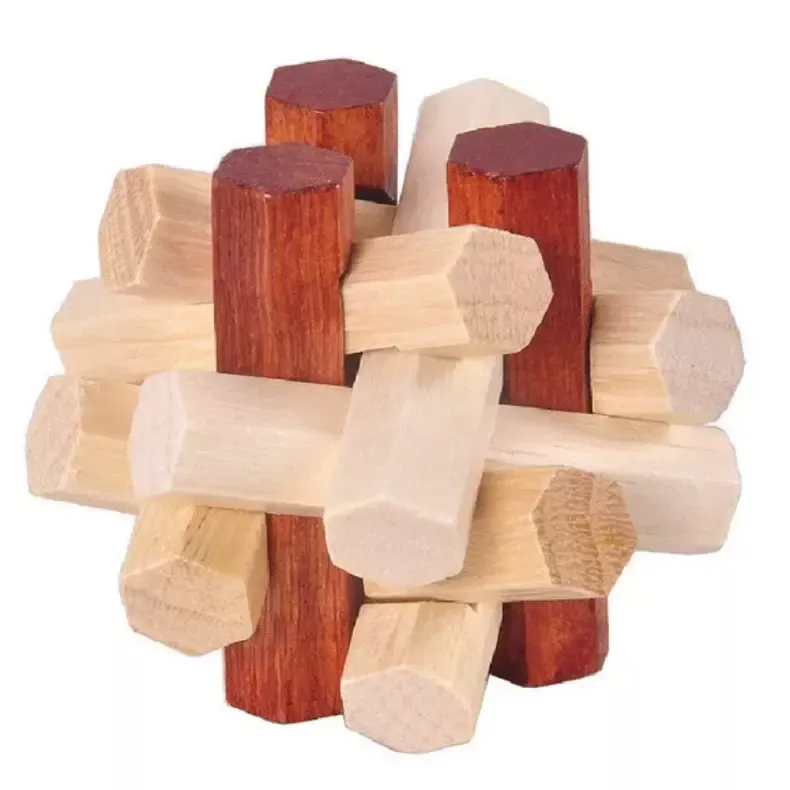
Six-Angle Twelve Sisters — $14.99
Which brings me to my personal quirk: the sound test. A quality cast puzzle doesn’t just look good—it sounds right. When parts slide or lock together, listen. A dull, gritty thud suggests poor tolerances and cheap alloy. A crisp, clean ‘tick’ indicates precise machining. It’s the auditory signature of a puzzle worth your time. This is the hidden cost of Amazon Prime: you might get speed, but you’re paying for it in uncertain quality control and the high chance of that unsatisfying thud.
Packaging matters, especially for gifts. While Amazon ships puzzles in flimsy mailers, specialty retailers typically use boxes with internal padding. Some even include a printed solution booklet or branded pouch. For defective puzzles, customer service is night and day. A specialty shop or direct maker will often resolve issues personally and immediately; with Amazon or a third-party marketplace, you’re navigating automated returns. (If you ever get truly stuck, a solid step-by-step solution for a classic cast puzzle can be a lifesaver).
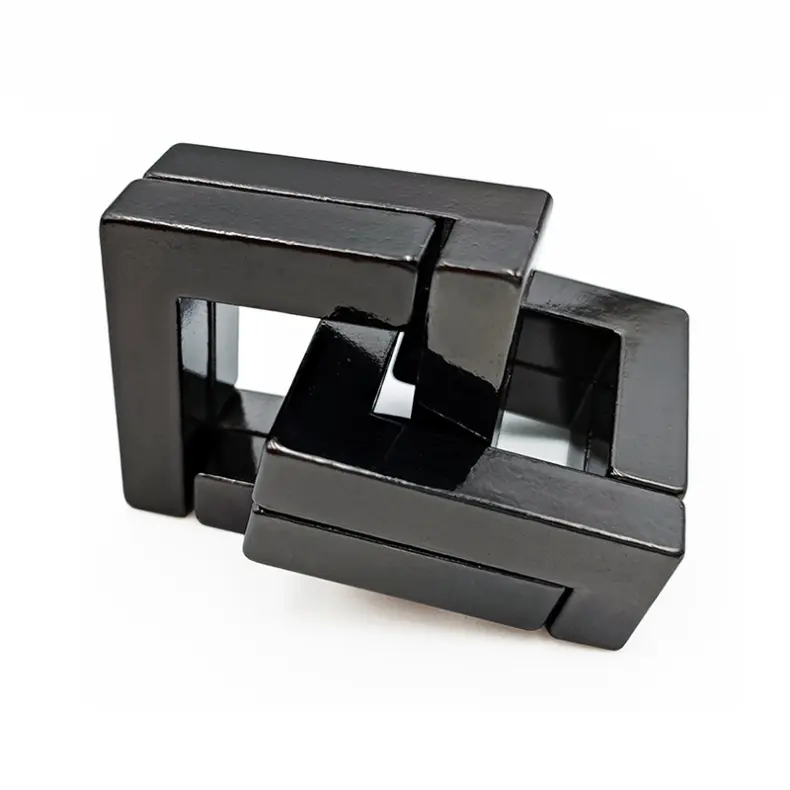
Four-Square Lock Puzzle — $12.98
On subscriptions: dedicated cast puzzle boxes are rare, but some general brain-teaser clubs include them. Your money is better spent building a relationship with a single high quality puzzle brands like Hanayama retailer or maker for a steady drip of curated picks.
Final advice? If you value uniqueness and craftsmanship, pay the shipping. If you need a last-minute gift, choose a specialist for their packaging. If you’re buying your first Hanayama, buy from a known specialty site to guarantee a genuine, ‘tick’-worthy introduction. The hunt is part of the puzzle, and these tips are your final piece of the solution.
The Final Assembly: Your Best Alternative, Sorted by Buyer Type
The best alternative to Amazon isn’t a single store—it’s a strategy tailored to why you’re buying. Based on the trade-offs of price, curation, speed, and uniqueness outlined in our decision matrix, your ideal starting point is defined by whether you’re a beginner, a collector, or a gift-giver. For the Curious Beginner, Puzzle Master is the unequivocal best first step due to its vast, legitimate selection and beginner-friendly curation.
For the Curious Beginner: Start with the Specialists
You’re new to cast puzzles, perhaps intrigued by a Hanayama’s heft but wary of wasting money on a dud. Your priority is a guaranteed, quality introduction without analysis paralysis. The winner here is Puzzle Master (puzzlemaster.ca). You get their entire Hanayama lineup, complete with official difficulty ratings and solution booklets—something Amazon often omits. Yes, shipping to the US adds $10-$15, but that fee buys you assurance against off-brand clones and access to a curated selection of similar high quality puzzle brands like Hanayama. It’s the most direct path from curiosity to a satisfying, authentic first solve.
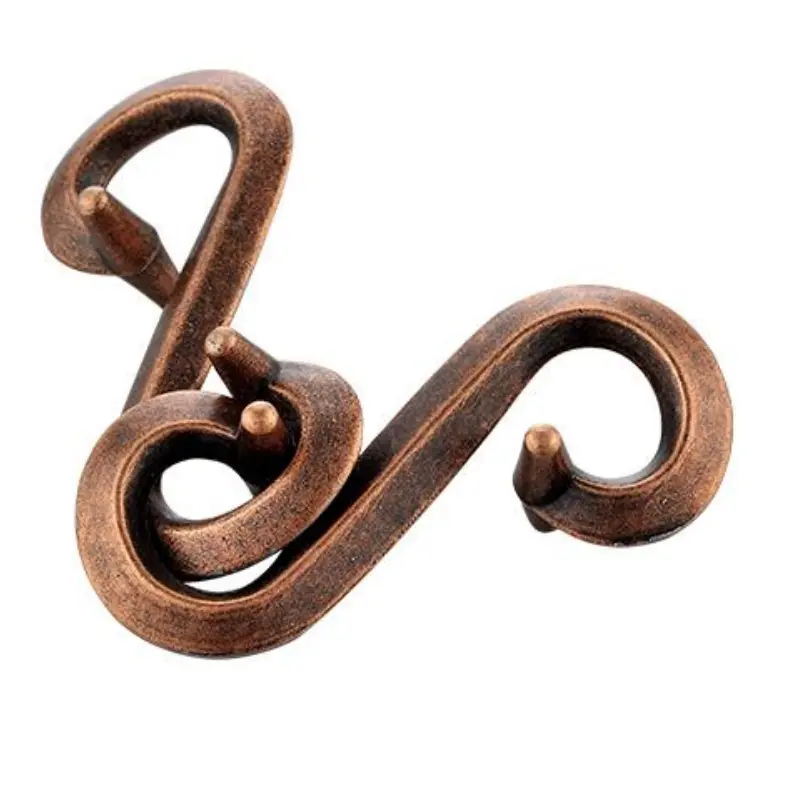
Alloy S Lock Puzzle — $10.99
For the Discerning Collector: Go Direct or Dig Deep
You have a drawer of puzzles and seek the unique, the complex, the conversation piece. Your hunt is for independent cast puzzle makers and the secondary market. Your primary source should be Etsy and the studios of machinists you discover there. This is where you find pieces with novel mechanisms, superior machined finishes, and stories. For completing a Hanayama set, pivot to the Reddit-vetted secret of eBay and dedicated puzzle auction sites. The community polices these spaces, making them surprisingly reliable for snagging a discontinued Hanayama puzzle for a reasonable price. Speed and price lose to uniqueness every time.
For the Last-Minute Gift-Giver: Prioritize Packaging & Curation
You need a present that feels considered, arrives quickly, and doesn’t look like it was dumped in a poly mailer. The best website for metal puzzles in this case is a mechanical puzzle specialty store with a physical presence or exceptional packaging—think Puzzle Master or a well-reviewed Etsy shop. They often wrap puzzles in branded tissue or boxes, elevating a simple object into an experience. This solves the “hidden cost of Amazon Prime” problem—you’re not just paying for speed, but for presentation that shows you didn’t just click the top search result.
So, we close the loop. That initial frustration with the endless, repetitive scroll—it’s replaced with a map. You’re no longer a passive shopper sifting through algorithm-driven noise. You’re an active participant in a niche hobby, equipped to support the retailers and makers who sustain it. The chore of shopping transforms into the first part of the puzzle: finding the right source. Now, pick one alternative from this guide—just one—and place an order. That’s the final, satisfying click into place. For a deeper dive into why this tactile hobby resonates, consider the insights in our piece on why professionals can’t stop unwinding with metal puzzles. Your next puzzle, and a better way to buy it, is waiting.