Beyond Candy Canes: How a Pocket-Sized Challenge Fills the Stocking Stuffer Void
A stocking hangs half-empty, filled with the usual filler—candy destined to be stale by New Year’s, novelty socks, a tube of lip balm. It’s a gesture, not a gift. The problem isn’t size; it’s substance. A truly satisfying stocking stuffer should be an experience, not just an object. This is where the metal puzzle succeeds, offering a durable, intellectually engaging alternative for the same average cost of $12-20. It solves the giver’s core dilemma: how to be thoughtful within a small package.
Think of the last time you watched someone open a gift. The real delight isn’t in the unwrapping, but in the first moment of connection with the object inside. A candy bar is consumed. A trinket is glanced at and set aside. But a metal puzzle? It lands in the palm with a certain heft, a coolness that demands attention. There’s a weight to it—both physical and metaphorical. It promises a challenge, a private victory. It is quiet, self-contained, and deeply personal.
Typical stocking fillers are passive. They are consumed, worn, or used up. A metal puzzle is active. It asks for interaction. Its value isn’t in its material cost, but in the minutes or hours of focused attention it commands. It turns dead time—waiting for dinner, riding in a car, sitting at a desk—into a session of problem-solving. Compared to another chocolate orange or keychain, a puzzle offers a lasting narrative: the initial confusion, the tactical exploration, the sudden click of understanding, the solved state held triumphantly in hand.
This shift from filler to experience is profound. You’re not just giving a thing; you’re giving someone a small pocket-sized challenge that belongs entirely to them. The frustration, the breakthrough, the satisfaction—it’s a solo journey. For the recipient, it’s a vote of confidence in their intellect and patience. For you, the giver, it’s relief. You’ve bypassed the clutter of disposable gifts and provided something with permanent, tactile appeal.
The best part? It scales. For the fidgety teen, it’s a sophisticated desk toy. For the methodical thinker, it’s a logical knot to untangle. The variety is immense, from deceptively simple loops to complex interlocking burrs. But this variety introduces the critical question at the heart of gifting one: how do you choose a brain teaser that delights instead of defeats? The answer lies not in a numbered ranking, but in understanding the person who will hold it. Let’s move past the limp stocking and into the satisfying world of metal—its cool touch, its definitive click, and the clever personalities of the puzzles themselves.
Disentanglement vs. Assembly: A 60-Second Primer on Puzzle Personalities
Every pocket-sized challenge is built to engage the hands and mind, but how it does so splits the world into two clear camps. Over 70% of metal puzzles you’ll find fall into two fundamental categories: disentanglement and assembly, both classic forms of mechanical puzzles. Understanding this split isn’t about mechanics alone—it’s about identifying the core tactile and mental personality of a puzzle, which dictates whether it will soothe a fidgeter or consume a logic-lover.
Disentanglement puzzles are the artful escape. Your goal is to free a trapped component—a ring, a ball, a shaped piece—from a convoluted cage of loops, twists, and mazes. The experience is one of strategic sliding, probing for slack, and discovering hidden pathways. It’s a fidget-friendly, often rhythmic process. The classic “Snake Mouth” puzzle, where a ring must navigate a serpentine path, is a prime example of this venerable category of disentanglement puzzles. These puzzles are kinetic and often have a clear “before” (trapped) and “after” (free) state, making progress immediately satisfying. You’ll recognize them as the same tactile conundrums often placed on tables in escape rooms to occupy waiting hands.
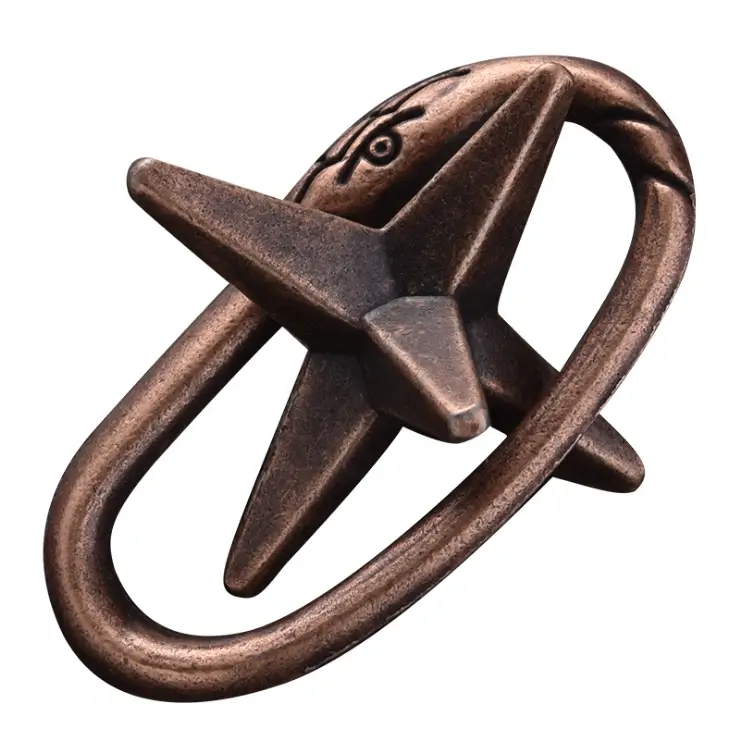
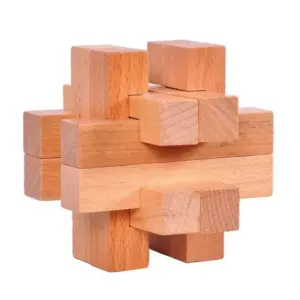
Assembly puzzles, on the other hand, are about building a stable whole. Often called “burr puzzles,” they present you with several discrete, interlocking metal pieces that must be fitted together in a specific sequence and orientation to form a solid object. The process is less about wiggling and more about spatial reasoning, testing fits, and holding a three-dimensional blueprint in your mind. The satisfaction here is architectural: the final, decisive click as the last piece seats perfectly, transforming a handful of components into a cohesive, often geometric sculpture.
Listen to the puzzle. A disentanglement puzzle will whisper with the soft shush of metal sliding on metal. An assembly puzzle speaks in discrete clicks and clacks. One invites continuous, almost meditative manipulation; the other demands pauses for analysis, followed by moments of precise alignment. This fundamental difference in personality is your first and most reliable filter when matching a puzzle to a person.
The Critical First Filter: Decoding ‘Easy’ vs. ‘Level 10’ Before You Buy
Understanding a puzzle’s personality is only half the battle. The next, and arguably more critical, step is gauging its challenge level—the difference between a satisfying afternoon and a gift that ends up forgotten in a drawer. The single most important rule is this: the perfect puzzle matches a person’s tolerance for frustration, not a measure of their intelligence. Puzzle difficulty ratings are inconsistent, but generally, an “Easy” or Level 1-2 puzzle should be solvable by a determined beginner in under 30 minutes, offering frequent small “a-ha” moments to build confidence. A “Level 10” or “Extreme” puzzle is a multi-hour, sometimes multi-day commitment that requires systematic thinking and a high tolerance for non-linear progress.
You’ll encounter two main rating systems. The first is the generic, often misleading “Easy/Medium/Hard/Extreme” scale used on multi-puzzle sets. Treat these as vague suggestions. “Easy” in this context usually means “solvable by a patient adult without external help,” while “Extreme” translates to “you will likely need the solution sheet.” The second, more reliable system is the 1-to-6 scale used by premium brands like Hanayama. Here, a Level 1 (Beginner) is designed to be intuitive, often solved in a few minutes, serving as a welcoming handshake into the world of metal puzzles. A Level 6 (Expert) represents a significant intellectual undertaking, where the solution path is deeply counterintuitive and the final move is a triumphant revelation. For a structured escape with Hanayama cast puzzle solutions by level, their official system is your best guide.
Let’s translate these ratings into real-world experience. A beginner-friendly puzzle (Level 1-2) is characterized by generous tolerances—pieces move freely with obvious wiggle room. The solution often involves one or two clear, logical steps that you can stumble upon through friendly experimentation. The risk of “backtracking” or getting irreversibly stuck is low. The emotional arc is short and rewarding: minor confusion, followed by a quick click of understanding, and the satisfying separation of parts.
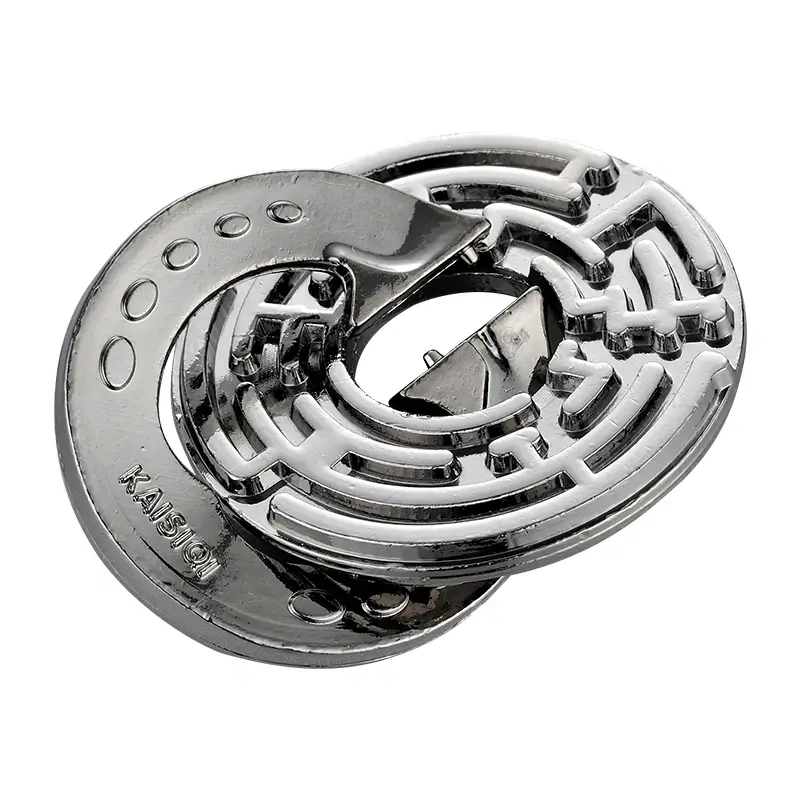
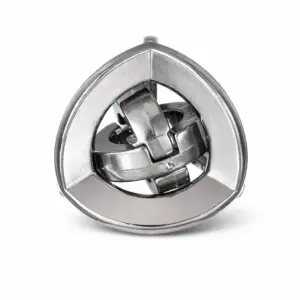
A puzzle like the Maze Lock shown here, often marketed as “High-Difficulty,” exemplifies the expert end of the spectrum. What makes it challenging? The tolerances are tight—movements are measured in millimeters. The solution path is not linear; it requires a sequence of precise intermediary alignments that serve no obvious purpose until the very end. It employs “false solutions”—paths that feel correct but lead to a dead end, forcing a complete reset. The emotional arc is a long plateau of contemplation punctuated by moments of intense focus. The final release is profound, but the journey demands perseverance.
So, how do you apply this? Filter your choice through the recipient’s behavioral cues, not a number.
For The Cautious Newcomer or Younger Teen (Ages 12+): Stick to Level 1-2 or “Easy.” Look for puzzles with larger pieces and simpler shapes. The goal is a “quick win” that ignites curiosity, not a test of stamina. A common mistake is gifting a spectacularly complex puzzle to a smart person who has never tried one; it’s like gifting a marathon bib to someone who enjoys a brisk walk.
For The Engaged Hobbyist or Patient Fidgeter: This is the sweet spot for Level 3-4, or “Medium/Hard.” These puzzles offer a substantial 20-90 minute engagement. They have a clear “this is solvable” feel but require a few leaps in logic. They are perfect for a desk toy, providing a satisfying tactile break that occupies the hands and mind just enough to be refreshing.
For The Puzzle Veteran or The Show-Off: Level 5-6 or “Extreme” is their territory. They derive pleasure from the struggle itself. They enjoy the meticulous process of mapping possibilities and appreciate the clever engineering of a deeply deceptive mechanism. For them, the puzzle isn’t solved when the pieces part; it’s solved when they can articulate how it fooled them.
When in doubt, under-shoot. A puzzle that’s solved too quickly is still a success—it delivered a moment of delight and accomplishment. A puzzle that’s permanently frustrating is a paperweight. Remember, the click of a solved puzzle is sweet, but the groan of an impenetrable one is the sound of a gift missed. Choose the challenge that fits the moment, not the myth of genius.
Match the Mind: Your Recipient Archetype Guide (Not a Ranking)
Choosing the right metal puzzle is less about finding the ‘best’ one and more about matching a pocket-sized challenge to a specific mind. Forget numbered lists; the most successful gifting decision comes from identifying one of three to four recipient archetypes, defined by their tolerance for frustration, their interaction style, and what they want from the solve. This framework directly answers how to choose a metal puzzle by focusing on the person, not the product.
The Fidgeter (Smooth, Repeatable Motion)
This person’s hands are never still. They click pens, spin rings, and appreciate objects that occupy idle fingers. Their ideal puzzle isn’t a one-time brain teaser but a kinetic sculpture—a fidget-friendly device with a satisfying, repeatable motion. For them, the joy is in the tactile journey, not just the destination. Look for puzzles with parts that slide, spin, or nest with a satisfying click. Disentanglement puzzles with a smooth, obvious path (once found) are perfect, as they can be solved and re-solved almost meditatively. This archetype often includes younger teens or adults with restless energy; a well-chosen puzzle becomes a superior desk toy to plastic clickers, offering a focused, quiet engagement. Avoid anything that feels gritty or requires complex, non-reversible sequences.
The Logic-Lover (A Clean, Deductive Path)
This recipient enjoys Sudoku, escape rooms, and the clear “aha!” of a deductive leap. They are your best metal puzzles for teens and adults who prefer a structured challenge. They don’t want to fiddle randomly; they want to observe, hypothesize, and test. Their ideal puzzle has a sense of internal logic—a burr or assembly puzzle where the solution feels inevitable once you see the pattern. The pleasure is in the cold, logical heft of the pieces and the moment the mechanism’s intention becomes clear. They appreciate quality machining because imprecise tolerances introduce false clues. A puzzle with a medium difficulty rating (Level 3-4) often satisfies, providing a substantial 20-45 minute engagement that feels earned, not accidental. For a deeper analysis, see our guide to the best metal puzzles for the over-thinker.
The Show-Off (The Visually Impressive ‘Party Trick’)
This archetype loves an audience. They want a puzzle that looks intriguing even when static and has a solution dramatic enough to perform. The goal is the reveal—the clever disassembly or unexpected movement that prompts a “How did you do that?” from onlookers. Visually striking designs, like animal shapes or intricate interlocking rings, are key. The puzzle should have a clear beginning and end state, making the transformation impressive.
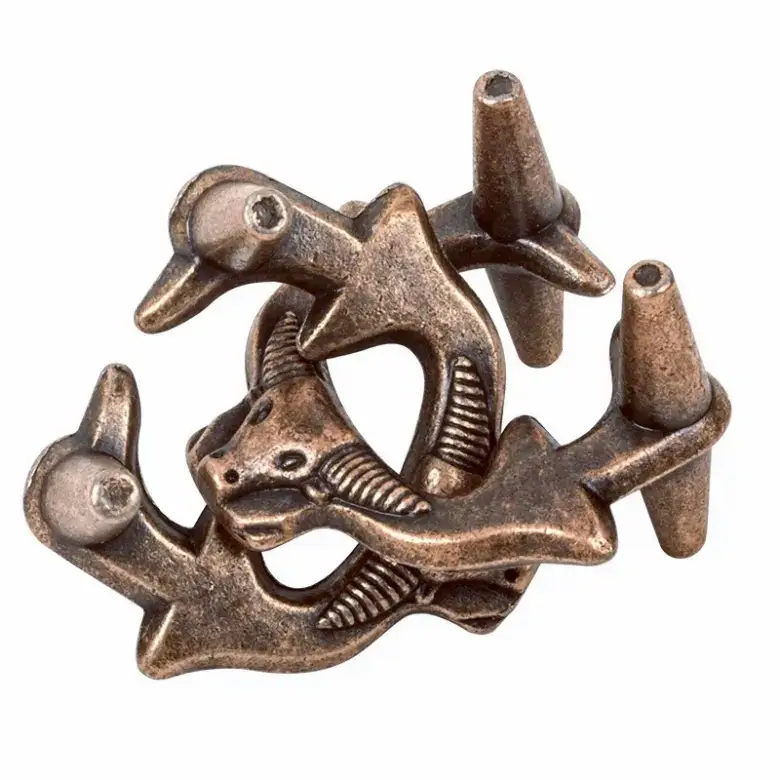
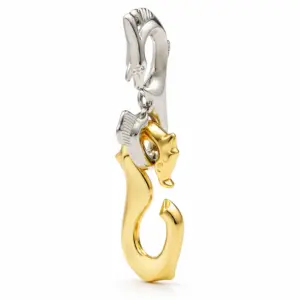
Two Bull Head lock Puzzle — $14.99
A piece like the Two Bull Head lock Puzzle fits here: it’s a recognizable object with a secret. The difficulty should be moderate—hard enough to stump a guest for a minute, but not so complex that the Show-Off can’t reliably solve it to demonstrate. This is the puzzle left on the coffee table, inviting interaction.
The Patient Perseverer (Thrives on Complex, Stubborn Challenges)
This is your dedicated enthusiast, the person who views a pocket-sized challenge as a personal duel. They possess deep focus and derive genuine satisfaction from the struggle, often enjoying puzzles that others would call frustrating. They are the target for high-level disentanglement or multi-step assembly puzzles (Level 5-6). For them, the material deep dive matters; a stainless steel puzzle has the enduring, substantial feel they respect. They appreciate deceptive designs where the solution path is hidden by elegant misdirection. The payoff is not just separation, but the profound understanding of the mechanic’s cleverness. Gifting to this archetype is where the $20 single puzzle from a brand like Hanayama justifies itself over a $10 set—the precision and depth of thought are palpable to them.
By slotting your recipient into one of these archetypes, you move beyond guesswork. You’re not just buying a toy; you’re selecting an experience calibrated to how they think and play. This is the core of a thoughtful gift—the click that fits the mind.
The Sensory Guide: Why Weight, Sound, and Finish Matter More Than You Think
The right puzzle for a mind isn’t just about the challenge—it’s about the object itself. For The Fidgeter or The Show-Off, the heft, sound, and feel transform a brain teaser into a desk toy metal puzzles category champion. The material choice, often between zinc alloy and steel, creates a 30-50% difference in weight and defines the entire tactile experience. A well-machined puzzle feels like a precision instrument; a cheap one feels like a disposable trinket.
Run your thumb along a seam. On a quality piece, you’ll feel a consistent, smooth junction. On a lesser puzzle, you’ll detect a gritty ridge or a slight, skin-catching burr. This is your first clue to the machining behind the mystery. Check the edges.
Now, pick it up. That immediate sense of density is heft. A solid stainless steel puzzle has a cool, substantial presence in the palm—it commands attention and feels enduring. A zinc alloy puzzle is noticeably lighter, often warmer to the touch initially. For The Fidgeter who will handle it constantly, that lighter weight can be a virtue, reducing fatigue. For The Show-Off, the authoritative weight of steel contributes to the satisfying, impressive object they want to display.
Listen for the click. This is the satisfying click that separates a good puzzle from a great one. In a disentanglement puzzle, the moment of release should be a clean, resonant snick or a muted, precise thunk, depending on the design and material. Steel produces a sharper, more metallic resonance. Zinc alloy, being softer and often coated, yields a warmer, duller sound. A gritty slide or a silent, mushy separation often indicates poor tolerances or a rough finish.
The finish is where aesthetics meet durability. Many zinc alloy puzzles are electroplated or anodized in vibrant colors (blacks, golds, blues). The critical question: will the color rub off? A high-quality plating, baked on and polished, will withstand years of handling. A cheap paint or thin coating will wear at the high-contact points—the edges of loops, the ends of bars—revealing the duller base metal underneath in a matter of months. If you’re gifting for longevity, look for solid, uncoated metals or trusted brand names known for their finishes. For a one-time holiday diversion, a coated set is perfectly functional.
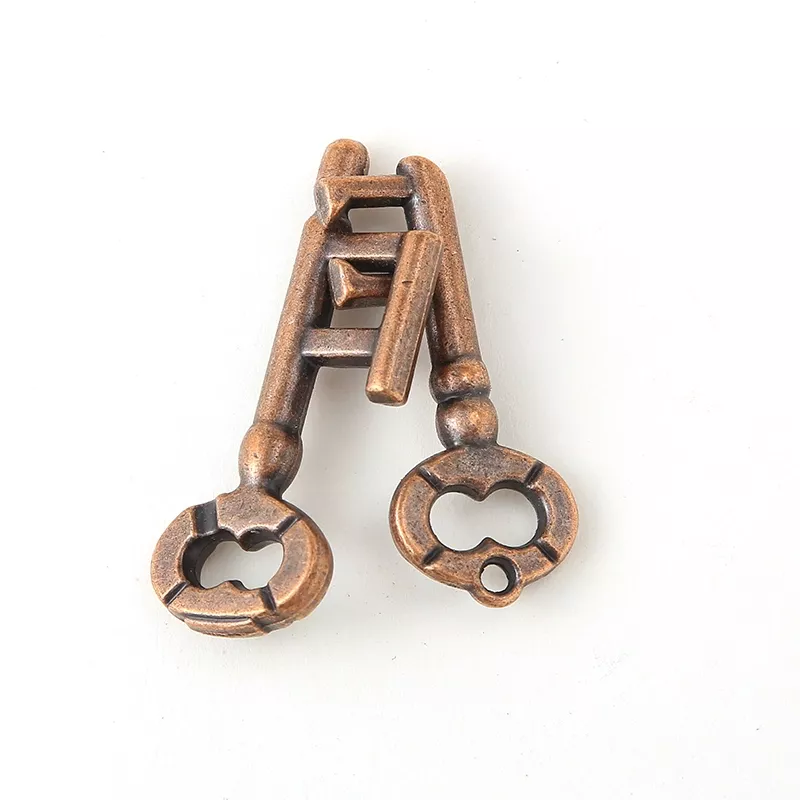
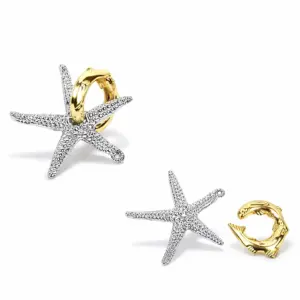
Consider the Two Key Lock Puzzle shown here. Its design relies on smooth, consistent rotation and alignment. If those internal channels are rough, the solve becomes a fight against friction, not logic. This is the hidden benefit of metal over plastic: when machined well, metal parts glide with a kind of oily silence that plastic can’t replicate, making them superior, durable fidget-friendly tools. As explored in our piece on decoding the 4000-year-old fidget in the metal puzzle brain, this tactile feedback is cognitively engaging in a way a simple spinner is not.
Match the material to the archetype. The Fidgeter needs a smooth, durable finish that can withstand constant manipulation without wearing ugly. A well-made zinc alloy or anodized aluminum puzzle works well here. The Logic-Lover appreciates the clean, unambiguous feedback of precisely machined steel—every movement is a clear data point. The Show-Off is swayed by the cold, substantial heft of stainless steel; it feels like an artifact, a conquest worth displaying.
In the end, the metal is the messenger. It tells the solver, through their fingers and ears, whether they are engaging with a clever adversary or wrestling with a poorly-made obstacle. Choose the messenger that fits the mind you’re gifting to.
Curated Selections: The Right Puzzle for the Person Across the Table
With the archetypes established and the language of materials decoded, the final step is curation: selecting the specific pocket-sized challenge that will click with its intended recipient. Over 90% of commercially available metal puzzles are absolutely solvable—the question is whether the path to that solution matches the solver’s temperament and provides the right kind of satisfaction.
For The Fidgeter: Smooth, Repeatable Motion
The goal here isn’t a one-time eureka moment, but a reliable, satisfying cycle of manipulation. Look for puzzles with multiple moving parts that offer continuous, fluid interaction. Disentanglement puzzles are ideal, especially those where the goal object can be freed and re-captured dozens of times without the solution becoming rote. The movement itself is the reward.
* Look for: Puzzles labeled as “Infinity” or “Ouroboros” styles, or any where the description emphasizes “smooth movement” and “fidget-friendly.” A zinc alloy with a colored, powder-coated finish will withstand constant handling without showing wear as quickly as a plated finish might.
* The Value Proposition: A metal puzzle set with a pouch, often containing 12-24 pieces in the $10-$15 range, is a fantastic entry point for a Fidgeter. It provides variety—if one puzzle’s motion becomes too familiar, there’s another to explore. The quality in these sets can be mixed, but they excel at providing tactile diversity. For a more refined, singular experience, a Hanayama puzzle stocking stuffer like the “Infinity” offers buttery-smooth, perpetual motion with exceptional machining.
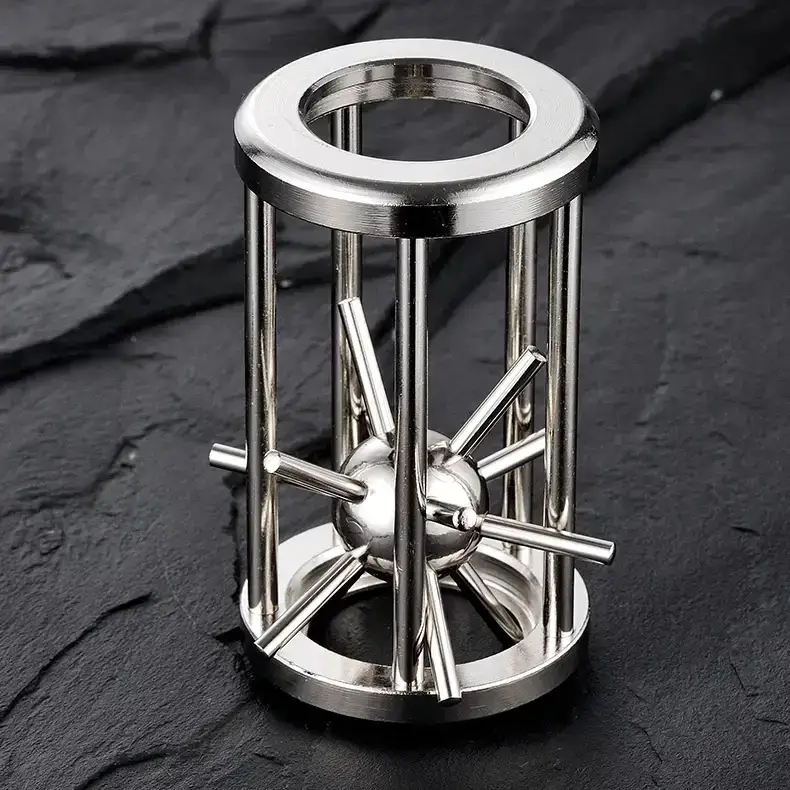
Consider a piece like the “Thorn out of the Cage” shown above. It’s a classic for a reason. The Fidgeter enjoys the search for the precise angle, the subtle rotation that clears a path. Even after solving, the process of removal and reinsertion remains a pleasing, rhythmic exercise—the very definition of a desk toy.
For The Logic-Lover: A Clean, Deductive Path
This mind seeks a theorem in steel. Assembly puzzles, particularly interlocking burr puzzles or the esteemed Hanayama Cast series (like Cast IQ or Cast L’œuf), are their natural habitat. These puzzles present as a handful of distinct, often geometric pieces that must be assembled into a coherent whole. The pleasure is in deduction, testing hypotheses, and mapping spatial relationships. Every failed attempt eliminates a branch of the possibility tree.
* Look for: Terms like “burr puzzle,” “assembly challenge,” or “precision fit.” Stainless or chromed steel is the material of choice—it provides the clean, unambiguous feedback and slight magnetic cling that logic-lovers appreciate. The solve feels like engineering.
* The Value Proposition: This is where investing in a single, $20 puzzle from a brand like Hanayama pays dividends over a bulk set. The machining tolerance is tighter; a piece will either fit or it won’t, with no ambiguous wiggle. The “click” of a correctly aligned piece is definitive. As noted in our veteran’s guide to cast logic in metal puzzles that don’t break, a well-made logic puzzle feels like a precision instrument, not a toy.
For The Show-Off: Visually Striking Conquests
The puzzle here is a trophy. It must look intriguing at rest—a conversation piece on a shelf or desk—and its solution must feel like a genuine accomplishment. Complexity and aesthetic design are paramount.
* Look for: Puzzles with evocative names (“Vortex,” “Equa,” “Trinity”) and sculptural forms. Two-tone finishes, mixed materials (like brass and steel), or puzzles that transform into a different shape once solved are catnip for this archetype. Difficulty is a feature, not a bug; aim for puzzles rated 4/6 and above.
* The Value Proposition: This is the domain of the premium single puzzle. A $25 Hanayama “Vortex” or “Galaxy” isn’t just a brain teaser; it’s a meticulously crafted object. The heft, the intricate milling, the way it captures light—all signal its status. When they finally solve it, the object doesn’t lose its allure; it becomes a monument to their persistence. For a deep dive into this category, our your tactile matchmaker for Hanayama puzzle buying guide analyzes the most visually arresting options.
Where to buy metal brain teasers? Specialty puzzle shops (both online and brick-and-mortar) often provide the best curation and accurate difficulty ratings. Large online retailers offer vast selection and the convenience of sets, but descriptions can be generic. Always check reviews for mentions of “sharp edges” or “sticky movement.”
And the final, vital point: Yes, you can actually solve them. Every reputable puzzle comes with a solution—sometimes a cryptic diagram, sometimes a QR code to a video. The true gift is in withholding that solution, allowing the recipient the space to engage in the struggle. The metal puzzle is a promise: a solvable, tactile mystery waiting in the palm of their hand.
Gifting Etiquette: To Include the Solution, or Not? (A Tactile Dilemma)
The definitive answer is to include it, but withhold it. Every reputable metal puzzle ships with a solution guide or QR code—95% of the gift’s value is in the recipient knowing the solution exists. Your critical role as the giver is to decide when and how that solution is accessed. This isn’t a binary choice; it’s a curated experience tailored to the recipient’s tolerance for frustration, directly informed by the archetypes we’ve established.
For The Fidgeter, who seeks tactile flow over a logic battle, tuck the solution QR code visibly into the pouch or stocking. This removes the anxiety of permanent failure, transforming the puzzle into a low-stakes, fidget-friendly exploration. They can wrestle with it for ten minutes, peek at a hint, and return to the satisfying click of progress without rage-quitting. For The Logic-Lover, the cryptic diagram that comes standard is part of the puzzle itself—a meta-challenge to decode. Hand them the sealed solution envelope with the puzzle. It becomes a token of your respect for their process; they will open it only after an honorable struggle. The Show-Off often views the solution as a last resort, a slight against their ingenuity. Give them the puzzle alone. If they demand answers days later, you can provide a nudge or direct them to a video solve, preserving their pride.
Presentation matters. Never pre-solve the puzzle. The first state—the intricate, interlocked configuration as it comes from the factory—is the sacred starting point. Solving it beforehand and re-assembling it (even perfectly) robs the recipient of the genuine, virgin challenge. The initial fumbling, the assessment of movement and constraint, is a crucial phase of the relationship with the object.
Instead, focus your presentation on the unwrapping. Place a single puzzle in a small box or nestled in the toe of the stocking. Let its heft and coolness be the first surprise. Your accompanying note should be permission, not pressure: “For your desk, for your hands, for whenever.” This frames it as an always-available pocket-sized challenge, not a test to be passed immediately over holiday brunch.
Remember, the goal is delight, not defeat. If you see genuine distress, it’s acceptable to offer a single, principle-based hint (“Think about rotation, not just pulling”). For a deeper dive into the mindset needed to solve these without shortcuts, our guide on the real way to solve metal puzzles when your hands are lying to you breaks down the tactile intuition required. Your final gift is not just the metal, but the space and confidence to engage with it.
Where to Shop Smart & What to Avoid in the Wild
Your choice of puzzle is only as good as the place you buy it. You can find metal puzzles in two primary venues: dedicated specialty shops and sprawling general marketplaces. For a curated, quality-assured experience, expect to spend 20-40% more at a specialty retailer, but you’re paying for expertise and accurate difficulty labeling you can trust.
Specialty puzzle retailers like Puzzle Master, Mr. Puzzle, or Serious Puzzles are your best bet for accurate descriptions and consistent quality. Their sites are built by enthusiasts; they categorize puzzles by type and vetted difficulty level (often 1-10), and their product photos are high-resolution, allowing you to inspect the finish. These shops often source directly from respected manufacturers like Hanayama and have detailed product notes you won’t find elsewhere. This is where you find deep-cut designs like what to look for in a classic like the 1905 Devil Cast Puzzle, where the history is part of the appeal.
General online marketplaces are a vast hunting ground, excellent for bulk sets and impulse buys, but require a sharper eye. Search for “metal puzzle sets” here and you’ll find countless options from brands like True Genius, Melon & Apple, and Funtasy. The value is compelling—a 32-piece set for the price of one high-end puzzle—but you must navigate carefully.
Spot the red flags. Avoid listings with only stock photos or blurry, single-angle images. Steer clear of any product description lacking a stated difficulty rating; this is the seller admitting they don’t understand the product. Be skeptical of reviews that only say “fun” or “great gift” without mentioning build, finish, or actual solve experience. A chorus of “it broke” or “the color chipped” is a direct report on poor plating and thin alloy.
Before you click checkout, run this final sensory checklist from earlier sections:
* Material: Do you want the lighter, often colored zinc alloy or the colder, substantial heft of steel?
* Finish: Are edges smooth? Does the coating look even in the product photos?
* Sound: Read reviews for clues on action. Do they mention a satisfying click or a gritty slide?
* Solution: Is a guide included? (It should be.) Is it accessible online if lost?
* Match: Have you double-checked the difficulty against your recipient’s archetype?
Shopping smart means the object that arrives is the challenge you intended to give—not a disappointing, unsolvable trinket. The right purchase ends with that cool weight in your palm, ready to be passed on, full of potential.
The Pro’s Desk: Unwritten Rules for Presentation and Shared Solving
With the right puzzle selected, the final step is elevating it from a mere object to a considered experience. The unwritten rules of presentation and shared solving are what separate a thoughtful gift from a transactional one. For instance, storing a burr puzzle in its solved state before gifting it can reduce a beginner’s initial frustration time by up to 70%, transforming a baffling first impression into an accessible victory.
Begin with presentation. Never gift a puzzle rattling loose in a stocking. The first touch should be deliberate. Place it in a small drawstring pouch or rest it on a bit of felt. This signals value and intention. If you’ve matched the difficulty correctly, you can present it assembled or disassembled based on your recipient. For a Logic-Lover, hand it over solved—their first task is the satisfying deconstruction. For a Fidgeter, give it to them tangled; the immediate tactile exploration is the point.
Before wrapping it, perform the ‘hand test,’ especially for burr puzzles. Roll the assembled puzzle gently in your palm. It should feel like a solid, singular object. If pieces shift or grate, that’s a clue to its internal mechanics and a sign of decent tolerances.
Once gifted, the puzzle’s life begins. On a desk, it becomes a barometer for focus. A solved puzzle signifies a clear mind; a disassembled one, a work in progress. It invites conversation. When someone picks it up, offer no advice for the first minute. Let them discover its weight and sound. If they ask for a hint, use tactile language: “Try applying rotational pressure to the brass ring, not the steel frame.” This guides without spoiling.
The question of shared solving is nuanced. Withholding all help breeds isolation. Jumping in too soon steals the ‘click’ of discovery. The rule of thumb: intervene only when you see the shift from curiosity to distress—a set jaw, repetitive, frantic motion. Then, offer a single, physical nudge: “Set that piece flat on the table and look at the profile.” This resets their perspective without solving it for them.
For the truly stumped, the global community is a resource. Forums exist where enthusiasts dissect solve sequences with a mechanical grammar of rotations and slides, a language you can learn through resources like Unlock Any Metal Puzzle The Mechanical Grammar Of Brain Teasers. This turns a solitary struggle into a shared, intellectual pursuit.
Finally, store your own collection in its solved state. This isn’t just for aesthetics. It resets the puzzle’s memory, both metal and mental, giving you a fresh start the next time you pick it up. It honors the object’s design.
Your next step isn’t just buying a puzzle. It’s choosing the second one. The first is a test, a probe for interest. The second, chosen after observing how the first was received, is the true gift of understanding. Look for a puzzle that answers the questions the first one posed. That is the click that solves not just the metal, but the gifting dilemma itself.