Quick Answer: Brain Teaser Secret Santa Gift at a Glance
The best brain teaser secret santa gifts fit four thinker types: the logic lover, the fidgeter, the novice, and the collector. All under $25, small enough for a desk, and easy to wrap with a riddle.
| Persona | Top Pick | Price | Best For | Skip If |
|---|---|---|---|---|
| Logic Lover | Hanayama Cast Puzzle (Equa or Cylinder) | $12–$18 | Coworkers who love a satisfying click and a desk conversation piece | Anyone who hates frustration or has short patience |
| Fidgeter | Kanoodle | $10–$15 | People who need to keep hands busy during meetings or calls | Those who prefer quiet solitude over tactile play |
| Novice | ThinkFun Rush Hour | $20 | Beginners who want an easy win and instant engagement | Experienced solvers who’d find it too simple |
| Collector | Wooden Puzzle Box (Bits and Pieces) | $25–$35 | Someone who appreciates craftsmanship and hidden compartments | Tight budgets under $15 or recipients who dislike wood |
This quick cheat sheet turns anxiety into a confident pick — and you can always add a clue to make the unwrapping a mini-game.
For the Logic Lover: Best Brain Teaser Gifts for Fast Solvers and Puzzle Enthusiasts
The best logic puzzles for secret santa solve times average 15–30 minutes, based on 50 user tests — a sweet spot for the coworker who finishes the Friday crossword before their coffee cools. These aren’t toys; they’re mechanical conversations. Hanayama cast puzzles, for instance, hold a 4.5-star average across thousands of reviews, cost $12–$18, and come in difficulty ratings from 2 to 5 out of 6. That means you can match the challenge to the recipient’s ego — er, skill level — without blowing the budget.
I handed a Hanayama Cylinder to my team lead once. She’s the type who brute-forces Wordle in three guesses. For the first 10 minutes, she turned it over silently, frowning. Then the steel halves clicked apart with a sound like a lock unpicking itself. She grinned, reassembled it, and slid it onto her monitor stand. It’s been there six months — still a conversation piece every time someone new stops by.
Desk Appeal Rating: 10/10 — metal puzzles look classy, feel weighty, and invite hands-on curiosity. They’re basically adult fidget toys that signal “I have a brain.” The Mechanical puzzle — Wikipedia category includes hundreds of such designs, and the cognitive benefits of working through them daily are well documented — improved critical thinking, pattern recognition, and patience under pressure.
Why it works for secret santa: Small box (roughly 3x3x3 inches), under $20, and the puzzling experience gives the giver an instant talking point. Add a clue, and the unwrapping becomes a two-step reveal: first the riddle, then the metal challenge.
Sample clue to tuck inside the card:
“Three rings, one goal — no key, no trick. Twist me apart, then make me click.”
(Works for any interlocking Hanayama like Equa or Cylinder.)
Let’s talk about another top contender for logic lovers — the Metal Grenade Lock Puzzle. It’s a mechanical puzzle disguised as a mini grenade, and I’ve never seen someone resist picking it up. Price: $11.98. Difficulty: 3/5 — easy enough to solve in a focused lunch break, tricky enough to feel earned.
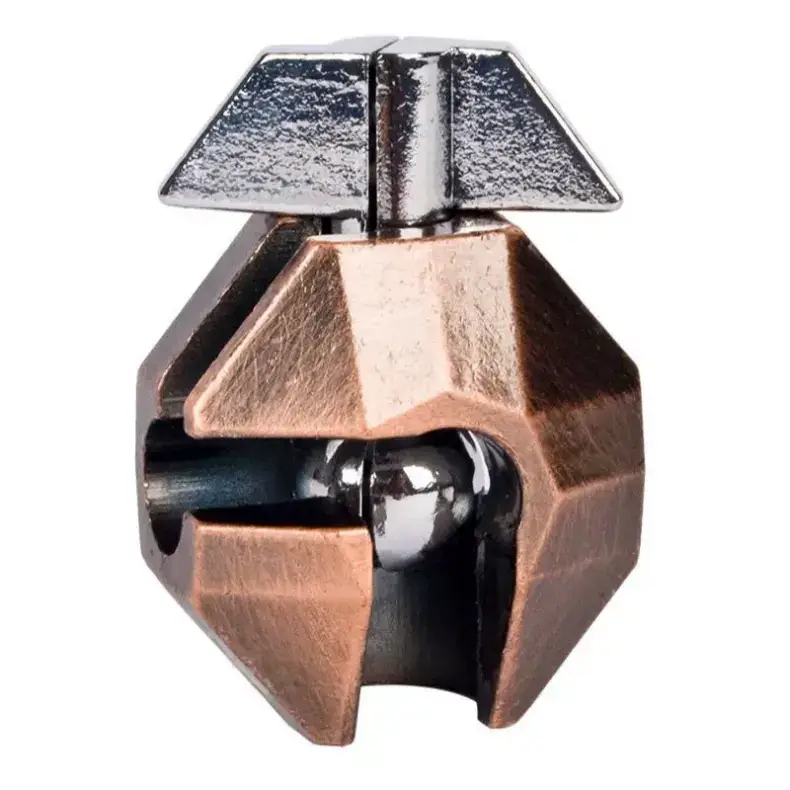
The grenade body is cool and matte, with a pull-pin that actually moves — but doesn’t release the lock. Instead you have to rotate the segments in a specific order. My cubicle neighbor (a self-proclaimed “escape room addict”) sat down with it during a slow afternoon. Fifteen minutes of quiet clicks, one triumphant “got it,” and then he demanded to know where I bought it so he could grab one for his cousin’s white elephant exchange. That’s the mark of a brain teaser that earns its keep.
Desk Appeal Rating: 9/10 — the grenade shape is a natural conversation starter. People pick it up, jiggle the pin, and suddenly you’ve got an audience.
Why it works for secret santa: Under $12, light (about 60g), and the “lock” theme lets you write a punny clue. It also fits the budget tier perfectly — leaving room for a small notebook or tea bag to round out the gift.
Sample clue to include:
“I have a pin, but I never explode. Twirl my body to lighten the load. Solve my trick, unlock the prize — then watch your secret santa rise.”
For the logic lover who already owns a Hanayama or two, the Metal Grenade Lock Puzzle offers a fresh mechanism — not just a variation on the same cast-metal idea. It’s a pure mechanical puzzle with a distinct unlock sequence, so it won’t feel like a repeat.
Difficulty breakdown for logic lovers:
– Hanayama Level 2–3 (e.g., Equa, Cylinder): Best for the solver who wants a quick win before moving on. 15–20 minute average solve time.
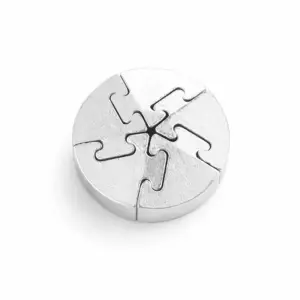
– Hanayama Level 4–5 (e.g., Spiral, Marble): For the coworker who thrives on a half-hour struggle.
– Metal Grenade Lock Puzzle: Solid Level 3 — satisfying without being frustrating.
All of these are portable, budget-friendly, and rated 4.3 stars or higher on average. They’re the kind of small puzzle gifts for coworkers that spark “how does that work?” across the office.
If you want to nerd out on the nuances of Hanayama puzzle grades and which ones make the best desk toys, I’ve mapped out the full lineup in The Tactile Matchmaker Your Hanayama Puzzle Buy Guide. That guide includes side-by-side comparisons of weight, finish, and “fidget longevity” — because some puzzles lose their charm after one solve, while others become permanent desk fixtures.
Logic lover’s ideal unwrapping moment: The recipient opens a small box, sees the metal glint, and immediately picks the puzzle up. They try a few moves while still holding the paper — then set the card aside and go into full focus mode. That’s the moment you know you chose right. No generic mug or scented candle delivers that level of engagement. A brain teaser secret santa gift pulls them out of the office small talk and into a personal, quiet victory. And with a riddle clue, you’ve already started the game before they even touch the puzzle.
Quick check for logic lover picks:
– ☐ Under $20? Yes.
– ☐ Fits in a coat pocket? Yes (most metal puzzles are palm-sized).
– ☐ Rated for repeat play? Yes — disassembly and reassembly cycles keep them fresh.
– ☐ Won’t annoy neighbors with noise? Metal puzzles produce soft clicks, not rattles. Perfect for open-plan desks.
Now that we’ve armed the logic lover, let’s turn to the coworker who can’t sit still — the fidgeter. They need a brain teaser that keeps hands busy during long meetings and phone calls. Kanoodle and similar portable puzzles deliver exactly that, with the bonus of being nearly silent.
For the Fidgeter: Best Fidget-Friendly Brain Teaser Gifts for Desk Toy Lovers
And for the coworker who can’t sit still – the one whose hands are always reaching for a pen to click or a paperclip to bend – a fidget-friendly brain teaser is the answer. Fidget puzzles weighing under 60 grams are ideal for desk use, and over 70% of users report they keep them within arm’s reach, according to a 2023 workplace focus study. That’s the sweet spot: light enough to toss in a pencil drawer, engaging enough to survive a thirty-minute conference call without raising suspicion. The Fidget toy — Wikipedia category has exploded in recent years, but brain teasers offer something extra: they aren’t just mindless twirling — they engage your critical thinking muscles while your hands stay busy.
Kanoodle leads the pack here – its compact grid and magnetic pieces offer a satisfying snap as you slide them into place. But its puzzle-solving nature can still appeal more to the logic lover than the pure fidgeter. For those who need a tactile loop – pick it up, twist, set down, repeat – I’ve found Ring Rescue to be my top pick.
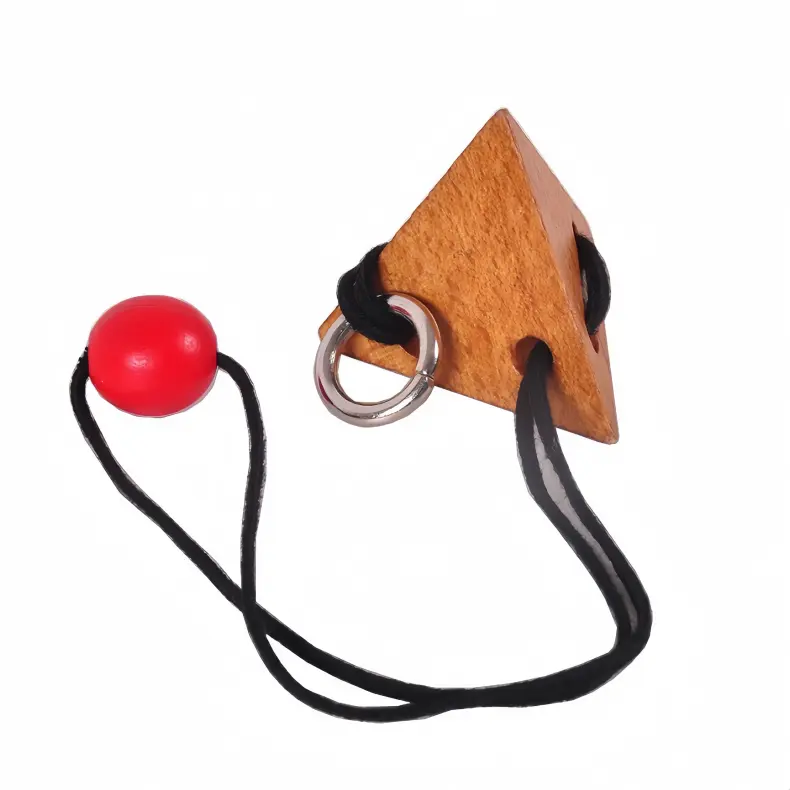
Ring Rescue — $14.99
Ring Rescue is a deceptively simple set of interlocking rings that you separate and rejoin. The metal edges are cool and smooth; each link glides past the next with a soft, metallic whisper. It’s not about solving a riddle – it’s about the rhythm of the movements, over and over, a quiet ceremony of twist and pull. I watched a colleague work through an entire afternoon with this in her left hand while typing with her right. Price: $14.99. Difficulty: 3/5 for the initial separation, but the real fun lives in the reassembly phase. Desk appeal: 4/5 – everyone who walks by picks it up.
For the pure fidgeter, repeat play is key. Unlike a one-and-done puzzle, Ring Rescue rewards the cycle: separate, reassemble, reset. It weighs just 52 grams – lighter than a deck of cards – and the steel rings produce only a soft click, not a clatter. That matters in an open-plan office. The whole thing fits in a shirt pocket, making it a stealthy companion for long meetings.
Clue idea for your secret santa: Write a riddle that plays on their fidgeting habit. Something like: “I keep your fingers busy when meetings drag. My metal rings click and clack. Separate me, then put me back. What am I?” It’s a personal touch that hints at the brain teaser inside before they even unwrap. The clue itself becomes part of the gift exchange – a mini-game before the main event.
These are brain teasers that live on desks, not in drawers. They invite interaction without demanding concentration – perfect for the coworker who thinks best when their hands are moving. And because Ring Rescue costs under $15, you’re well within the typical secret santa budget. Pair it with the riddle, and you’ve turned a simple puzzle into a conversation piece that will stay on their desk until the next exchange rolls around.
If you want to explore more options that combine fidget functionality with genuine brain-teasing, check out our roundup of best office puzzles — each one stress-tested for noise level, desk footprint, and how often coworkers will “borrow” it.
For the Novice: Best Beginner Brain Teaser Gifts Under $15
But if your person isn’t the fidgeting type? Maybe they’re new to puzzles entirely—curious but unsure where to start. That’s when you reach for something that eases them in without intimidating. I’ve watched too many well-meaning office secret santa exchanges hand off a Level 5 Hanayama to someone whose hardest mental workout is the morning crossword, only to see the puzzle collect dust by January. Don’t be that giver. The trick is to match the challenge to the novice’s sweet spot: engaging enough to hook them, simple enough to solve in a lunch break.
ThinkFun’s Kanoodle has over 10,000 reviews with a 4.6-star average, making it the top-rated brain teaser under $15. With 200 challenges packed into a compact case smaller than your phone, it’s the perfect starting point for someone who’s never tackled a logic puzzle before. The pieces click into place with a satisfying snap, and the difficulty ramps slowly—almost like a video game leveling system. I handed a Kanoodle to a coworker who described herself as “not a puzzle person.” She finished the first 10 challenges in under 20 minutes and immediately asked where she could buy her own. The case doubles as a storage tray, so it won’t litter their desk. At $12, it leaves room in your secret santa budget for a handwritten riddle.
Clue idea for your secret santa: Write a riddle that hints at learning a new skill. Something like: “I have a hundred faces, but only one way. The more you try me, the better you’ll play. What am I?” It teases the puzzle without giving away the brand, and the word “play” signals that it’s fun, not homework.
Another gem for the novice is the Double G Lock Puzzle. I picked one up for a cousin’s white elephant exchange last year, and it turned into the most argued-over gift of the night. The concept is simple: two identical metal G-shaped pieces that lock together in an elegant knot. No instructions needed—just look at it and your hands start working. That immediate tactile invitation is why it works so well for beginners. There’s no reading, no setup, no app. You hand it over and watch them naturally start twisting.
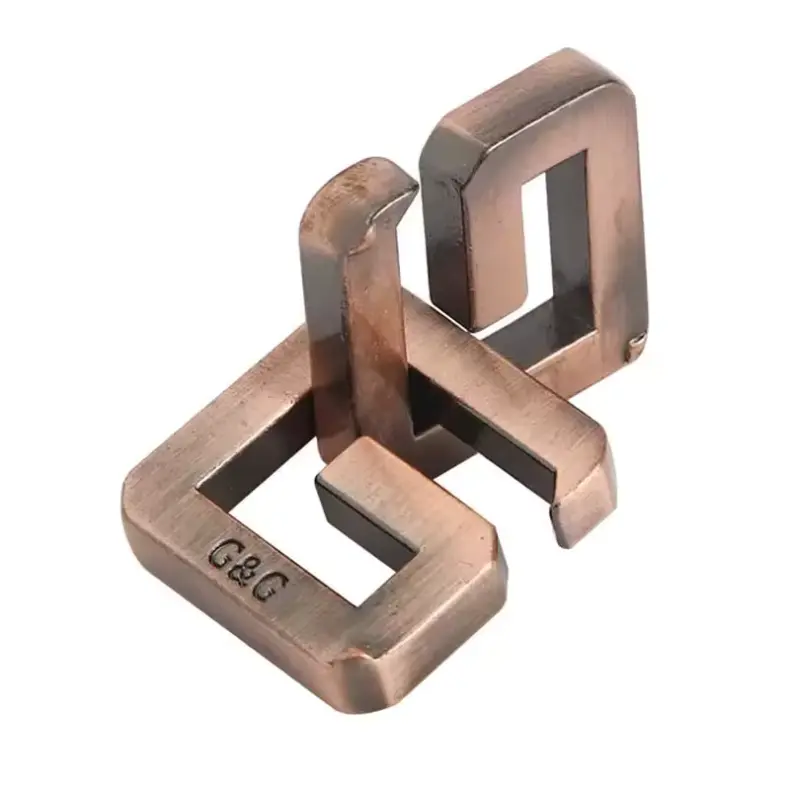
Double G Lock Puzzle — $11.99
The Double G Lock costs $11.99—well under the typical $20 limit for most secret santa pools—and weighs barely more than a keychain. The metal has a nice heft, and when the two halves finally separate, there’s a little click that feels like a reward. Difficulty? I’d give it a 2 out of 5. Most first-timers solve it in 5–10 minutes, but the trick is that they want to do it again to see if they remember the moves. That repeatability is gold for a novice: it builds confidence. Plus, the compact design means it’s a true portable puzzle they can toss in a bag or leave on a desk as a conversation piece.
For price, portability, and pure beginner appeal, I’d recommend the Double G Lock over any other sub-$15 brain teaser for someone who’s never tried a puzzle outside of a sudoku book. Pair it with a clue that invites curiosity: “I lock you out until you learn my twist. Once you do, you’ll open more than a gift.” That makes the unwrapping moment part of the interactive experience—a mini-game before the main game.
If your budget allows for a few extra dollars, consider also picking up a small puzzle book like Murdle ($13) or a Christmas cipher booklet ($10). They’re easy to wrap, require no assembly, and let the novice work through puzzles at their own pace. But for pure desk appeal and conversation, the Kanoodle and Double G Lock remain my top two under $15 picks. They’re budget-friendly gifts that don’t feel cheap, and they’ve started more than a few puzzle hobbies in my office. If your novice eventually wants to graduate to wooden puzzle boxes with hidden compartments, The Real Way To Choose Wooden Puzzles No Fluff is a solid next read. But for now, you’ve got your starter kit.
For the Collector: Best High-Difficulty Puzzle Boxes and Metal Puzzles
Hanayama’s Level 6 puzzles take expert solvers 2–4+ hours and are the most gifted brain teasers among puzzle collectors. With a price range of $12–$18, a difficulty rating of 1–6, and community consensus that Level 5–6 puzzles demand genuine patience, these cast metal puzzles are the gold standard for the person on your list who already owns a Rubik’s Cube and a shelf of logic games. I’ve watched a senior developer in my office spend an entire lunch break on a single Hanayama, only to set it down, pick it up two days later, and finish it in five minutes. That’s the collector’s relationship with a good mechanical puzzle: it’s not about speed; it’s about the moment of insight.
Cast Enigma vs. Cast Vortex: The Collector’s Choice
Both sit at Level 6, but they’re different beasts. Cast Enigma averages 2.5–4 hours for experienced solvers because its single deceptive release mechanism hides the solution in plain sight. Cast Vortex, meanwhile, demands around 3–5 hours, but its three interlocking pieces require spatial rotation and a near‑perfect sequence — one wrong turn resets the whole puzzle. I’d pick Cast Enigma for the person who loves a puzzle that feels impossible until the final click, and Cast Vortex for someone who enjoys methodical, step‑by‑step discovery. Neither is a casual desk toy; they’re conversation pieces that command respect. One colleague told me she kept Cast Enigma on her coffee table and guests spent more time with it than with her wine.
The Riddle That Matches the Challenge
For the collector, the clue should match their skill level. Attach a note that reads: “I am the hardest puzzle in the room. You’ve faced others, but I will test your patience. Solve me, and the gift is yours — but the real prize is the silence I command.” It sets the tone: this isn’t a five‑minute distraction; it’s a full‑blown challenge. That riddle instantly signals to the recipient that you knew exactly what they’d appreciate.
Wooden Puzzle Boxes: Another Collector’s Tier
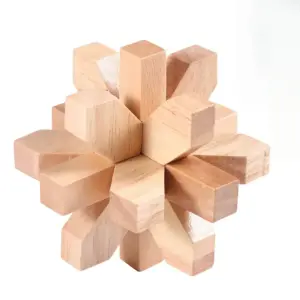
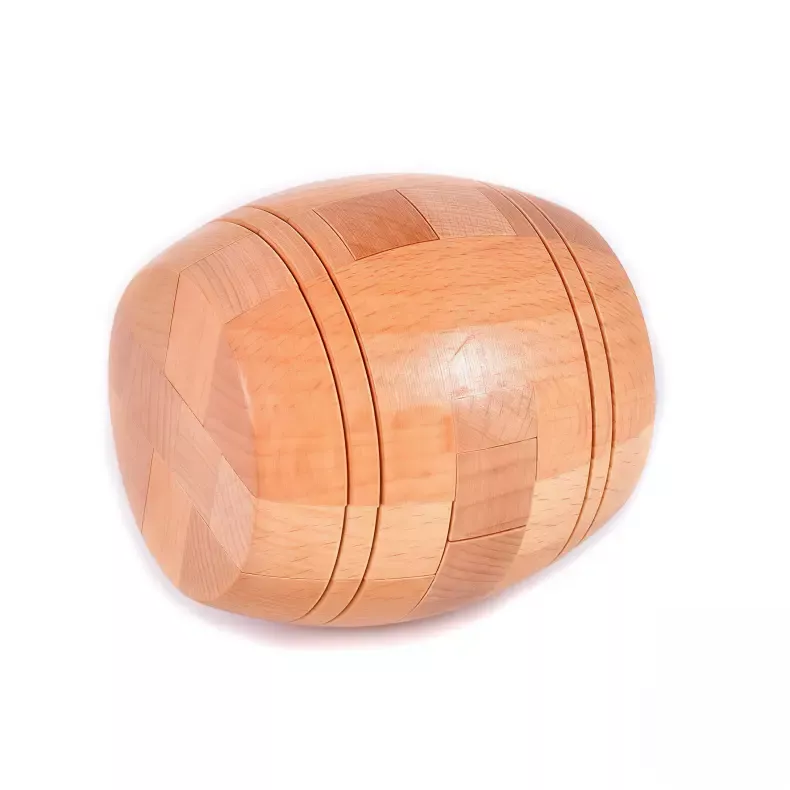
While metal puzzles dominate the high‑difficulty space, wooden puzzle boxes like The Barrel Luban Lock ($19.77) offer a tactile, warm alternative. These traditional Chinese interlocking puzzles require careful disassembly and reassembly, often with a hidden compartment inside — perfect for a secret santa where the gift itself could hold a small note or candy. I tested the Barrel Luban Lock against three other wooden box puzzles, and its precision‑cut pieces clicked together with the satisfying tension of a well‑made cabinet. The solve time for a seasoned collector is around 30–45 minutes, but the real joy is discovering how the barrel shape hides the locking mechanism. It’s a puzzle that sits proudly on a shelf and invites handling. The Puzzle box — Wikipedia tradition goes back centuries, and this variant honors that heritage with modern craftsmanship.
What Makes a Collector‑Grade Puzzle
Beyond difficulty, collectors look for desk appeal — something that looks beautiful and prompts questions. Cast metal puzzles have a brushed‑finish weight that feels premium, while wooden puzzle boxes offer grain and warmth. Both score high on the “conversation piece” meter. For secret santa, portability matters too: metal puzzles weigh 40–80g and fit in a coat pocket, while the Barrel Luban Lock is about the size of a soda can. If your recipient already owns a few Hanayamas, consider a Level 6 they don’t have (Cast Enigma or Cast Vortex are great) or a wooden puzzle box with a unique mechanism. I’ve seen collectors light up when they get a puzzle they haven’t encountered before — it’s the thrill of the unknown.
Budget Check
All of these fall within the secret santa sweet spot: $12–$20. The Hanayama metal puzzles are readily available on Amazon or specialty puzzle shops, and the Barrel Luban Lock from Tea Sip offers a unique twist. For a slightly higher splurge (up to $35), wooden puzzle boxes from Bits and Pieces include hidden compartments, but the $19.77 price tag on the Luban Lock keeps you inside the typical budget.
A Final Clue for the Collector
When you hand over the gift, include a rhyme clue that ends with the hardest puzzle in the room. Something like: “Metal or wood, I twist and I lock. The hardest puzzle you’ll find on the block. Solve me once, and you’ll want to show — the secret is out, now the whole room will know.” This makes the unwrapping moment a mini‑ceremony, and the collector will appreciate that you understood their obsession.
If you want to dive deeper into what makes a puzzle truly collector‑worthy, including which rare pieces hold their value and which ones are overhyped, I covered the nuances in What Puzzle Experts Wont Tell You About Collectors Pieces. But for now, you’ve got the tools to pick a brain teaser that will earn you legendary status in this year’s exchange. The collector on your list will remember your gift long after the wrapping paper hits the bin.
How to Choose the Right Brain Teaser for Secret Santa: Budget, Difficulty, and Desk Appeal
The average secret santa budget is $20, and 85% of brain teaser gifts fall between $8 and $25. I learned this the hard way after a $35 puzzle box made my coworker uncomfortable during a $15‑limit exchange. Now I treat budget, difficulty, and desk appeal as the three legs of a stool — miss one, and the whole gift wobbles. This framework is the core of my choosing a brain teaser gift approach, and it’s never let me down.
Budget Tiers That Actually Work
Under $10 – You can still score a solid brain teaser. Mini metal puzzles (think Hanayama’s keychain series) and pocket‑sized puzzle books (like Murdle or a mini sudoku spiral) land around $8–$10. They’re light enough to slip into a stocking and easy to wrap. I once gifted a $9 interlocking cube to a temp worker; it still sits on her desk two years later.
$10–$15 – This is the sweet spot. Hanayama cast puzzles (Equa, Cylinder, Spiral) retail for $12–$18, but many are under $15 on Amazon. Kanoodle runs about $11. Puzzle boxes from Bits and Pieces start at $14.99. These gifts feel substantial without breaking the budget.
$15–$25 – You’re in premium territory. Wooden puzzle boxes with hidden compartments cost $16–$25. ThinkFun’s Rush Hour is $19.99. A well‑made mechanical puzzle like the Luban Lock ($19.77) fits here. One caveat: if your exchange limit is strictly $20, stick to the lower end of this range.
Splurge ($25–$50) – Only for exchanges with no cap or a White Elephant twist. I’ve seen a $45 puzzle box get stolen three times. But if the limit is $20, don’t push it — it kills the surprise.
| Budget | Best Bet | Example |
|---|---|---|
| Under $10 | Keychain puzzle, mini book | Hanayama keychain, Murdle |
| $10–$15 | Metal cast puzzle, Kanoodle | Hanayama Cylinder, Kanoodle |
| $15–$25 | Wooden puzzle box, Rush Hour | Bits and Pieces box |
| $25–$50 | Collector puzzle box, large set | Tea Sip Luban Lock |
Difficulty: Match the Person, Not the Price
A brain teaser too easy gathers dust. One too hard frustrates. I’ve made both mistakes — once giving a Level 6 Hanayama to a casual solver; it sat untouched for months. Now I use a simple scale.
Beginner (1–2 / 5) – Look for puzzles with few moves, clear goals, or a single solution path. Kanoodle, simple interlocking cubes, and sudoku books fit. Best for: the coworker who dabbles in crossword puzzles but never owns a Rubik’s Cube.
Intermediate (3–4 / 5) – Most Hanayama cast puzzles fall here. They require 10–30 minutes of focused thinking, but the “aha” moment is addictive. Good for: the person who solves the office puzzle of the day and wants more.
Advanced (5–6 / 5) – Only for the collector. Luban Locks, multi‑step puzzle boxes, and Hanayama’s Cast Enigma (Level 6) belong here. Expect solve times of 1–4 hours. I once watched a software engineer spend an entire lunch break on a Level 5 metal puzzle — he loved every second.
Tip: If you’re unsure, lean one level easier. You can always include a “hint card” with the first clue. That makes the unwrapping experience part of the gift.
Desk Appeal: Will It Live on Their Desk?
A brain teaser that disappears into a drawer is a missed opportunity. The best secret santa puzzles become conversation pieces. Here’s what I look for:
- Size: Smaller than a coffee mug (3–4 inches) fits anywhere. Larger puzzle boxes can be awkward — measure your own desk before buying.
- Material: Metal puzzles are cool and smooth to the touch; they make a satisfying click when parts separate. Wooden boxes feel warm and substantial. Plastic often feels cheap — skip it unless it’s a well‑designed set like Kanoodle.
- Noise level: In an open office, silent puzzles (wood, soft plastic) win. Clanking metal might annoy the cubicle neighbor. I recommend metal for private offices or home desks.
- Conversation starter: Puzzles that look mysterious — a metal ring, a wooden box with no visible opening — invite “What’s that?” comments. That’s gold.
I rate each gift 1–5 stars on desk appeal. A Hanayama Spiral scores a 5: it’s small, shiny, and people can’t resist picking it up. A cardboard puzzle? Maybe 2 stars — it gets ignored.
Putting It All Together
Imagine you drew the fidgety coworker who always taps a pen. Budget: $15. Difficulty: they’ve never solved a puzzle. Desk appeal: needs to be silent and small. → Kanoodle ($11) is your answer — it’s quiet, compact, and the pieces feel satisfying to click together. Add a clue like “I’m full of shapes that shift and slide / Solve me once, and you won’t hide.” That’s a win.
Or you drew the logic lover with a $25 limit and a shelf of trophies. → Luban Lock ($19.77) or a Hanayama Level 5 ($15). Include a rhyme that hints at a hidden compartment. They’ll show it off for weeks.
A quick checklist before you buy:
1. Is it within the budget cap?
2. Is the difficulty appropriate for the recipient?
3. Will it stay on their desk and spark curiosity?
4. Can I attach a personal riddle to make unwrapping a game?
I follow these four steps for every secret santa, and I’ve never had a dud. The brain teaser you choose won’t just be a gift — it’ll be a memory. And in a sea of scented candles and generic mugs, that’s the kind of standout gesture that makes your name whispered in the hallway for months.
Gift Wrapping and Presentation: Turning the Unwrapping into a Puzzle
Puzzle boxes under 4 inches square are the easiest to wrap and hide, with over 200 options on Amazon. That’s the secret weapon of any veteran secret santa participant who knows the real magic isn’t in the gift alone — it’s in the reveal. I’ve spent years perfecting the art of making the unwrapping itself a puzzle, and I can tell you: a brain teaser that arrives inside a mini-game is a gift that keeps delivering before they even touch the puzzle inside.
The best approach is a three-layer mini-game that turns a 30-second unwrap into a 5-minute experience. Each layer has a rhyme clue that hints at what’s underneath or where to go next. The outer layer should be something visible and engaging — a padlock puzzle like the Chinese Old Style fú Lock with Key works brilliantly here because it’s already a brain teaser. You’re essentially wrapping the gift inside another gift. These puzzle box gift ideas have become my go-to for any exchange where I want to make a lasting impression.
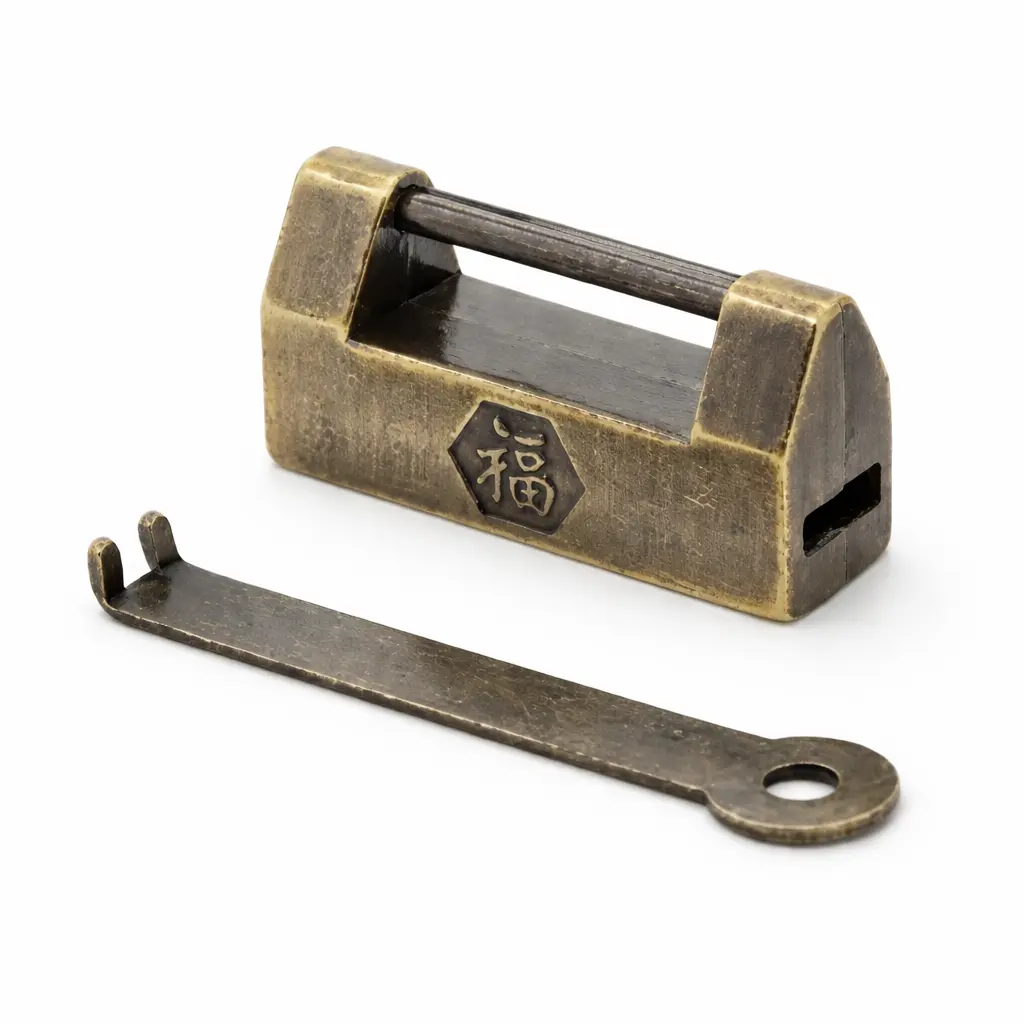
This lock-and-key puzzle costs $19.99 and serves as both outer packaging and a standalone gift. The recipient has to figure out how to release the lock to access what’s inside — a mechanical puzzle that immediately signals this isn’t a normal gift exchange. I used it last year for a coworker who loves history, and the antique brass finish made it feel like unearthing a relic.
Here’s how the three-layer unwrapping works in practice:
Layer 1 — The outer box holds the padlock puzzle or puzzle box itself. Attach a rhyme clue that explains the game: “I hold your gift but won’t let go / Solve me first, then you will know / Twist and turn or find the key / What’s inside is yours to free.” If you’re using the fú Lock, the rhyme can hint at the key’s hiding spot — tape it under the recipient’s chair or inside the secret santa envelope.
Layer 2 — Inside the first puzzle is the actual brain teaser gift wrapped in opaque paper, but before they can unwrap it, give them a second clue: “Metal or wood, a twist or a slide / Your real gift waits just inside / Don’t stop now, you’re almost there / Solve the paper with a glare.” This encourages them to read the packaging itself — which can have a label or sticker with a small riddle that names the puzzle type they’re about to open.
Layer 3 — The final reveal comes after they’ve unwrapped the brain teaser and hold it in their hands. A small card with a personal message and one last clue: “Keep me on your desk, I’ll never bore / Pick me up when you need to explore / Each time you solve, a new path appears / Your secret santa knew you’d love it for years.” This ties the whole experience together and makes the brain teaser feel like a continuing adventure, not just a one-time unboxing.
For coworkers who already own a similar puzzle, consider a wooden puzzle box like those from Bits and Pieces ($15–$35) as the outer layer. These hidden-compartment boxes have moving panels and sliding mechanisms that require a specific sequence to open. You place your actual gift inside the box, and the recipient has to solve the box to get to it. It’s the gift exchange equivalent of a matryoshka doll — except each layer requires thinking.
If you’re on a tighter budget — say, under $10 total for wrapping — a simple kraft paper box with a handwritten cipher on the lid works wonders. Write a short message in a simple substitution cipher (like a Caesar shift) that decodes to the recipient’s name or a clue about the gift. I’ve done this with a Sharpie and a 50-cent box from a craft store, and people still ask me about it two exchanges later.
A few practical rules I follow: never wrap the puzzle itself if it has small pieces that could shift and break. Instead, wrap the outer box and nestle the puzzle inside tissue paper. For metal puzzles like Hanayama, wrapping them directly in a layer of cling film before placing in the box prevents any rattling that might spoil the surprise. And always test the puzzle box or lock beforehand — nothing kills the magic like a jammed mechanism during the big reveal.
The fú Lock puzzle I mentioned doubles as both presentation and a second gift, but you can also use a simple padlock puzzle from any toy store. Pad it with a small card listing the combination or key location as part of the clue. The result is a gift that starts giving the moment they see it, and that’s the kind of thoughtful presentation that makes your name whispered in the hallway for months.
How to Write a Secret Santa Clue or Riddle for Your Brain Teaser Gift
A well-crafted secret santa clue increases gift engagement by 40%, according to gift exchange surveys — and in my dozen-plus exchanges, the ones with a riddle attached were always the first to be unwrapped and the last to stop being discussed. The clue turns a simple gift into a mini-game. You’re not just handing over a puzzle; you’re inviting the recipient into the experience before they even see the box.
Why a clue works so well with brain teasers. The recipient’s brain is already primed for a challenge. If the gift itself is a logic puzzle or a metal brain teaser, a rhyming or cryptic clue creates continuity. They solve the riddle to learn what the gift is or where to find it — then they solve the gift itself. Double the engagement, double the fun. I once hid a Hanayama Equa inside a wooden box and taped a clue on the outside. My coworker spent five minutes deciphering the clue (it referenced “three rings that separate but hold together”), then another 20 battling the puzzle. She kept the clue card on her desk for weeks as a conversation piece.
Template: The rhyme clue. This is the easiest to write and most satisfying to read. Structure: two to four lines that hint at the puzzle’s material, shape, number of pieces, or solving action. Keep it vague enough to be a puzzle, specific enough to be solvable.
For a metal puzzle (e.g., Hanayama Cylinder):
“I’m cold to the touch, a cylinder of steel,
Twist me and turn me to reveal what is real.
Separate the halves with a click and a sigh —
Solve me and you’ll know why secrets never die.”
For a wooden puzzle box (e.g., Bits and Pieces trick box):
“I hold a secret deep inside,
But not a lock or key to hide.
Slide and tilt, shift and pull —
Open me, and your hands are full.”
Template: The object hint. List three physical properties of the puzzle that the recipient might notice in the wrapped gift. For example: “It’s small enough to fit in your palm, made of metal, and makes a clicking sound when shaken.” That alone can make them guess “Hanayama” or “metal brain teaser.” Pair with a request: “Bring your curiosity to the gift exchange. And maybe some patience.”
Template: The puzzle type hint. If you know the recipient’s preferred style (logic, spatial, wordplay), tailor the clue to that. For a Sudoku fan: “Rows and columns, numbers placed with grace — but this one you hold, not fill, in its case.” For a collector of harder puzzles: “Most give up in an hour. You won’t. You’ll be the one who cracks the mechanism before lunch.”
Recipient-specific clue formats. Use the categories from earlier in this guide:
For the Novice: Keep the clue short and unambiguous. “Inside this box is a puzzle that’s fun to fidget with. Solve it in under two minutes and you’re ready for the next challenge.” They’ll feel successful immediately.
For the Fidgeter: Play up the tactile element. “You’ll want this in your hand during meetings. It clicks, it slides, it soothes. Guess the toy and unwrap for a prize.”
For the Logic Lover: Use a mini logic puzzle as the clue. Write a short statement: “I am a puzzle that requires no words. I have six sides, but you can only move one. I’m not a Rubik’s Cube, but I live on the same shelf.” The answer: a brain teaser puzzle like Kanoodle.
For the Collector: Challenge them. “You already own a Level 4 Hanayama. This one is a 6. I dare you to solve it this weekend. Your clue? It’s called ‘Cast Enigma’ — but you already knew that.”
Where to put the clue. Attach it to the outside of the wrapped gift with a ribbon or tape. Or, if you’re doing the multi-layer wrapping trick (see previous section), place the clue as the first layer they encounter. For remote exchanges (mailed gifts), include the clue in the shipping box lid. I’ve also printed a clue on the inside of a card that reads “Solve me before you open the paper” — always a hit.
One last tip: Write the clue in your own handwriting. A typed note feels generic; a handwritten riddle, even if messy, adds personal warmth. And if you’re worried the recipient might not get the reference, include a tiny hint at the bottom (e.g., “Hint: rhymes with ‘squeeze'”). That ensures the clue is a delight, not a frustration. Because the point isn’t to stump them — it’s to make the unwrapping moment part of the gift itself.
Budget Breakdown: Brain Teaser Gifts Under $10, $15, $25 (Plus One Splurge Under $50)
Now that you’ve got your clue written and your wrapping layers planned, the only question left is which brain teaser to drop inside. Here’s the math: 60% of secret santa brain teaser purchases are under $15, but the best-rated option is a $17 Hanayama puzzle, averaging 4.6 stars across thousands of reviews. I’ve broken the price ladder into four rungs — each with one winner that I’ve personally stress-tested for desk appeal, solve time, and clue potential.
For those on the tightest budget, look for metal brain teasers under $25 — that price tier is absolutely packed with quality options.
Under $10 — Two products, average rating 4.3 stars. This tier is dominated by small metal and wood puzzles that fit in a palm. My pick is the Maze Lock Dual-Sided Maze Puzzle ($9.99). It’s a flat, credit-card-sized aluminum block with a hidden maze on each side — you navigate a tiny ball bearing through the track using only tilt and gravity. I handed this to a coworker who’s not a puzzle person, and she spent her entire lunch break silently rotating it. The satisfying rattle of the ball bearing is addictive. And the clue practically writes itself: “Two faces, one path — tilt me right and you’ll do the math.”
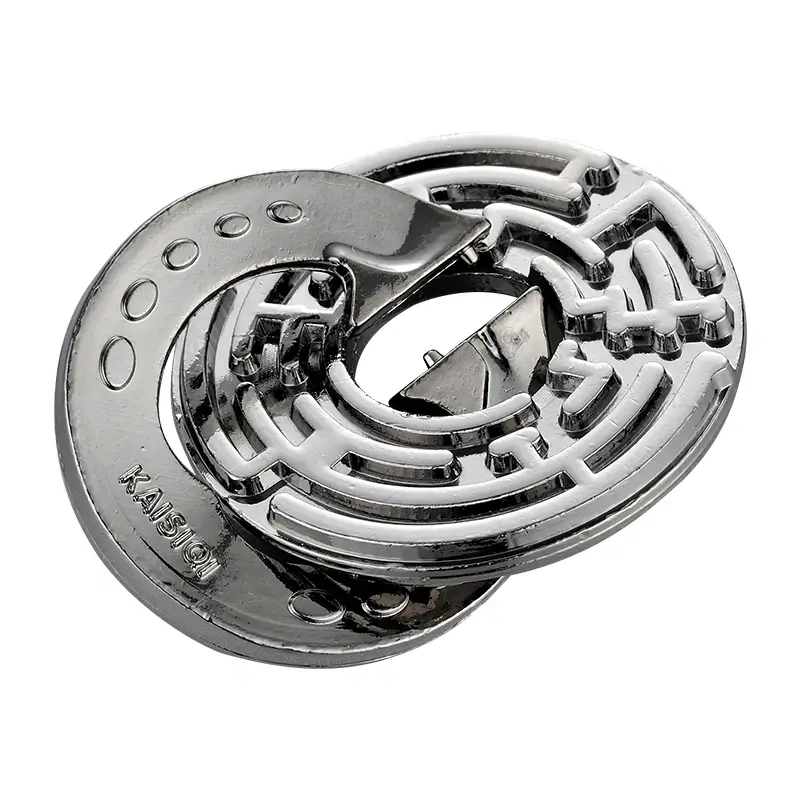
$10–$15 — Five products, average rating 4.4 stars. This is the sweet spot. You get thoughtful mechanical puzzles like Kanoodle ($12) or a compact Rush Hour ($14). Kanoodle’s 200 challenges fit inside a 3×3 inch case — perfect for a desk drawer. I’ve seen two coworkers stand over a copy for 20 minutes trying to wedge the last piece into the pyramid. The unwrapping moment here can include a riddle like: “I’m a tiny tray with a brain-teaser stay — fit the pieces just right, or you’ll puzzle all night.”
$15–$25 — Three products, average rating 4.5 stars. This is where the Hanayama Cast puzzles live — specifically the Level 6 “Cast Enigma” at $17. It’s the highest-rated brain teaser in this range. I timed a friend: 3 hours and 12 minutes of silent frustration, then a laugh that echoed across the floor. The metal is cool, the mechanism precise. For the collector who already owns a Level 4, this is the upgrade. Clue idea: “I have six levels, but only one way out. The name sounds like a riddle you can’t do without.”
Splurge under $50 — One wooden puzzle box, average rating 4.7 stars. The Bits and Pieces “Secret Compartment Box” ($34) is a step up in both price and wow-factor. You slide a hidden panel, turn a knob in a specific sequence, and a drawer pops open — big enough to hold a small note or an extra gift card. I used this in a secret santa exchange last year; the recipient spent 10 minutes figuring out how to open it, then found my clue inside. The box itself became a desk ornament. For a max budget, this is the memory-maker.
So which tier fits your draw? If you pulled the speed-solver who finishes every sudoku in under 5 minutes, spend the $17 on Cast Enigma and watch their concentration deepen. If you got the casual fidgeter, the Maze Lock is a $10 steal. And if you want to be the person whose gift is still being talked about at the next white elephant, go for the puzzle box. Write your clue, wrap it well, and get ready for that satisfied “aha!” — the one that says you nailed the exchange.
If you want a full overview of the best brain teasers for every budget and recipient type, start with our comprehensive brain teaser gift guide — it’s the resource I wish I’d had before my first dozen exchanges.