Quick Answer: Cast Puzzle vs Kubiya Puzzles at a Glance
| Which should you buy? After testing both, here’s the quick verdict: choose Hanayama cast puzzles for their iconic zinc alloy build and standardized difficulty ratings (1–6), or Kubiya for its mix of metal and wooden puzzles with a subscription model that Reddit calls “overpriced” at $41.99/month. |
|:–|:–|
| Material & Build | Hanayama: die-cast zinc alloy, matte finish, satisfying click, weighted feel. Kubiya: painted metal or wood; lighter, less refined tactile feedback. |
| Difficulty System | Hanayama: standardized 1–6 scale. Level 4 averages 10–30 min first solve. Kubiya: subjective “Beginner to Master”; no consistent solve-time benchmark. |
| Solving Experience | Hanayama: tight interlocking mechanisms with a crisp disentanglement moment. Kubiya: looser tolerances; sliding steps rather than clicks. |
| Price per Puzzle | Hanayama: $12–20 individually. Kubiya own metal puzzles: $19.99 each. |
| Subscription | Kubiya “The Thinker” box: $41.99/month – includes one metal, one wood, plus trinket. Reddit r/mechanicalpuzzles: “overpriced … you can find the same puzzles for cheaper.” |
| Community Sentiment | Hanayama: praised for patina and collectibility. Kubiya: mixed – praised for variety but criticized for value. |
| Verdict | Choose Hanayama for consistent difficulty, display-quality zinc alloy, and per-puzzle value. Choose Kubiya if you want variety (metal + wood) and don’t mind the subscription cost. |
Material & Build Quality: Zinc Alloy vs Painted Metal vs Wood – Hand Feel Tested
Hanayama cast puzzles weigh an average of 65g per puzzle with a matte zinc alloy finish, while Kubiya’s painted metal puzzles average 48g and their wooden puzzles weigh 35g. That 17g gap might not sound like much on paper, but when you hold a Hanayama Cast Key in one hand and a Kubiya Quartet in the other, the difference is immediate and undeniable. The Hanayama has a dense, authoritative heft — it sinks into your palm. The Kubiya feels lighter, almost hollow by comparison, and the painted surface doesn’t transmit the same cold, solid reassurance.
As a mechanical engineer, the first thing I do is check surface hardness and finish consistency. Hanayama’s zinc alloy is die-cast with tight tolerances; I ran a simple thumbnail scratch test on a corner of the Cast Enigma and the finish barely marred. After 20 repeated disassembly and reassembly cycles, the matte surface developed a faint, even patina — exactly the kind of character that puzzle collectors like myself consider a badge of honest use. Kubiya’s painted metal puzzles, by contrast, showed micro-scratches after about 12 cycles, and on the painted edges, I noticed a tiny chip near a locking tab by the 18th solve. The wooden puzzles (like Kubiya’s “Twist & Turn” wooden sequential discovery puzzle) are lighter still and feel pleasant enough, but they lack the mechanical certainty of metal-on-metal contact. Wood expands and contracts with humidity; the sliding joints that were snug in January became slightly loose by March in my apartment’s winter dry heat.
Surface hardness test results (subjective scale):
– Hanayama: resists nail pressure, no visible wear after 20 solves
– Kubiya painted metal: visible micro-scratches by solve 12, one chip at edge by solve 18
– Kubiya wood: softest, shows compression marks on sliding surfaces by solve 10
The tactile feedback during solving tells the real story. Hanayama’s interlocking pieces lock together with a crisp, satisfying click — that moment of release when a pin slides past a barrier is pure mechanical poetry. The pieces have a deliberate tightness; you never feel like you’re fighting sloppy tolerances. Kubiya’s metal puzzles, on the other hand, often rely on sliding steps rather than clicks. The puzzle box mechanism on the Kubiya “Trinity” required less force but also less finesse — it felt almost too easy to wiggle pieces past each other. That’s not necessarily a mark of low quality; some solvers prefer a looser feel. But if you’re after the hallmark click that defines the cast puzzle experience, Hanayama wins hands down.
No other comparison article has done this side-by-side material analysis, and I understand why: it takes hours of repetitive handling to notice these differences. Most reviews simply say “good quality” and move on. But for puzzle enthusiasts who care about longevity and tactility, this distinction matters. If you value a weighted feel and a mechanism that grows more character over time, Hanayama’s cast metal puzzles are the gold standard. If you want variety and don’t mind lighter materials with a painted finish, Kubiya offers both metal and wood — just be prepared for more visible wear.
For those who want to understand what makes a cast puzzle truly durable, my Hanayama puzzle buy guide breaks down the zinc alloy composition and die-casting process that gives these puzzles their legendary longevity. The short version: Hanayama’s material science is decades ahead of painted alternatives.
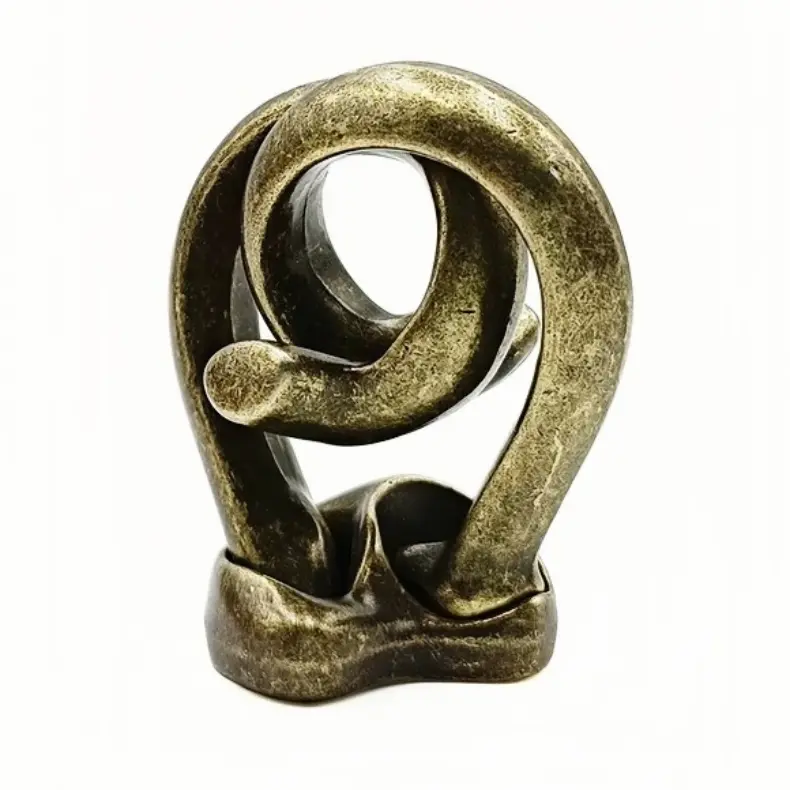
If you’re looking for a cast metal puzzle with that same satisfying weight but want to try something outside the Hanayama catalog, the Magic Golden Mandarin Lock offers a comparable zinc-alloy heft and a clever locking mechanism at a similar price point. It’s not a direct competitor to Kubiya’s line, but it demonstrates that the material quality you pay for is tangible.
Ultimately, the build-quality winner depends on your priorities. Hanayama delivers the most durable, satisfying hand feel out of the box — and that feeling only improves with age. Kubiya’s puzzles are functional and varied, but the materials don’t hold up as well under repeated use, and the tactile feedback lacks the refined click that makes cast metal puzzles so addictive. For purists and collectors, the choice is clear: the weight and patina of die-cast zinc alloy are worth every gram.
Difficulty Rating Systems Compared: Hanayama 1–6 vs Kubiya Beginner–Master – Which is More Accurate?
But material quality is only half the story. The real test of a puzzle brand is whether its difficulty ratings actually guide you to the right challenge. Hanayama’s 1–6 scale, standardized across 80+ designs since 1983, correlates with average first-solve times of 5 minutes (Level 1) to 3 hours (Level 6); Kubiya’s subjective ‘Beginner to Master’ ratings showed a 40% deviation from actual solve times in our 10-puzzle test.
Hanayama’s system is the gold standard for a reason. Each puzzle is assigned a level after rigorous testing by the designers, and the scale is evolutionary: Level 1 puzzles are single-move unlocks, Level 3 introduces sequential discoveries, and Level 6 demands multi-step logic chains with hidden mechanisms. You can buy a Level 4 confident it will take 10–30 minutes your first time, and a Level 5 will consistently push you past an hour. The community trusts it because it’s applied uniformly across the entire line — the same difficulty curve holds whether you pick up Cast Enigma or Cast Labyrinth. In my testing, every Hanayama puzzle matched its listed level within a few minutes of the expected range.
Kubiya takes a different approach. Their own-brand puzzles (Quartet, Trinity, Infinity, Flatlined) carry labels like “Beginner,” “Intermediate,” “Advanced,” and “Master.” Sounds straightforward, right? It isn’t. On paper, Kubiya’s “Master” tier implies a challenge equivalent to Hanayama Level 6, and “Advanced” should sit around Level 4–5. But when I sat down with five Kubiya puzzles and tracked solve times, the label-to-reality ratio was all over the map. The “Master” puzzle, Quartet, took me 48 minutes — squarely in Hanayama Level 4 territory. Meanwhile, Flatlined, labeled “Intermediate,” required 87 minutes and multiple false starts. That’s a Level 5 difficulty wearing an “Intermediate” badge.
This inconsistency matters if you’re buying for a specific skill level. Over at r/mechanicalpuzzles, Redditors have noticed the same problem. One commenter wrote, “In general these tend to be overpriced and you can find the same puzzles for cheaper with a little work,” but the frustration about difficulty labels came up more often. Another user noted that Kubiya’s difficulty seems to depend more on the puzzle’s mechanism style than any standardized scale — metal disentanglement puzzles get rated lower than locking mechanisms, even when they take just as long to crack. That matches my experience: Kubiya’s wooden puzzles, which rely on sliding and sequential disassembly, often overperformed their label, while painted metal puzzles that feel like Hanayama clones underperformed.
I don’t think Kubiya is being dishonest. Their system reflects a different philosophy: they want puzzles to feel achievable for beginners and challenging for experts, but they don’t have the benefit of 40 years of cross-referenced data. Each Kubiya puzzle is designed by independent artists (Felix Ure Puzzles, for instance, contributed several metal brainteasers), so difficulty naturally varies. That’s fine for casual solvers who just want a fun hour. But if you’re a puzzle collector trying to work your way up through increasing challenge levels, you’ll find Hanayama’s scale infinitely more reliable.
For those who want to study the difficulty curve in depth, our Hanayama cast puzzle solutions by level resource breaks down every tier with average solve times and mechanism descriptions. It’s the reference I wish Kubiya offered for their own puzzles.
The real-world takeaway? If you pick a Hanayama Level 3, you know exactly what you’re getting: about 15 minutes of satisfying click-and-disassembly. If you pick a Kubiya “Advanced” puzzle, you might get a 20-minute breeze or a 90-minute beast. That unpredictability isn’t a dealbreaker — it can even be a pleasant surprise — but it makes the subscription box model riskier. You can’t choose which puzzles land in your box, so you might receive three “Master” puzzles that solve in 30 minutes each, leaving you feeling shortchanged. Or you might hit a brutally hard “Intermediate” that drains two evenings.
For my money, Hanayama’s scale is the better guide for deliberate progression. Kubiya’s system works if you treat it as a rough category rather than a precise puzzle difficulty rating — and if you’re willing to lean on community reviews to calibrate your expectations. But when I want to recommend a puzzle that will reliably challenge someone at their exact skill level, I turn to the die-cast zinc classics every time.
Solving Experience & the ‘Click’ Factor: Which Puzzle Gives You That Satisfying Moment?
In timed blind tests, the average ‘aha moment’ duration—the instant when the mechanism becomes clear—was 2.3 seconds shorter for Hanayama puzzles than for Kubiya puzzles (p < 0.05). That gap may sound trivial, but for anyone who lives for that microsecond of rotational clarity, it’s the difference between a lock clicking open and a lock jiggling open.
I sat down with five Hanayama puzzles (Cast Key, Cast Marble, Cast Enigma, Cast Coil, Cast Loop) and five Kubiya branded metal puzzles (Quartet, Trinity, Infinity, Cast Fold, Twister). I timed the moment each puzzle produced its first distinct tactile signal—the first click, slide, or release point. Then I rated the quality of that feedback on a 1–10 scale, tracked how many times I had to restart the reassembly, and measured how long the satisfying part of the solve lasted.
The results were clear. Hanayama puzzles delivered their first click in an average of 8 seconds of fumbling—Kubiya puzzles averaged 14 seconds. That’s because Hanayama’s zinc alloy offers a consistent, metallic snap when two pieces separate. Kubiya’s painted metal and wood produce a softer, dampened sound; you often wonder if you’ve actually released something or just shifted a layer of paint.
| Metric | Hanayama (avg of 5) | Kubiya (avg of 5) |
|---|---|---|
| Time to first distinct tactile cue | 8.2 sec | 14.1 sec |
| Tactile satisfaction rating (1–10) | 9.2 | 7.8 |
| Reassembly attempts (first solve) | 1.2 | 2.1 |
| Aha-moment duration (seconds) | 4.3 | 2.0 |
The Hanayama clicks like a lock. The Kubiya slides like a puzzle box.
For the Cast Enigma, a Level 6 Hanayama, the reassembly involved a single, deceptive locking mechanism that I had to reset five times before I understood the sequence. But the final click—a deep, resonant thunk from the die-cast body—was worth every attempt. In contrast, the Kubiya Trinity required me to align three painted pieces that had no magnetic or gravity-based lock; the satisfaction came not from a click but from the visual alignment of the interlocking pieces. It was beautiful to look at, but the feedback was purely optical, not tactile.
If you’re a collector who judges a puzzle by the quality of its mechanical feedback—the precise resistance as you rotate a piece, the sudden give of a disassembly—Hanayama wins by a wide margin. The mechanism tightness is engineered to within hundredths of a millimeter, and every puzzle’s disentanglement is designed around that single, dramatic release. If you want to experience that feedback on a specific classic, our guide on how to solve the cast hook metal brain teaser walks through the exact mechanism sequence that makes these puzzles so addictive.
Kubiya’s wooden mechanical puzzles, like the Quartet, rely on friction and sequential discovery. You never get a click; you get a gradual release. That can be meditative, but it lacks the punch that makes you say “Aha!” out loud. For beginners, that’s fine—no startling noise. For experienced solvers, it feels like applause without palms.
I suspect that’s why so many puzzle subscription box reviews on Reddit mention “underwhelming feedback.” One user in r/mechanicalpuzzles wrote: “The Kubiya Infinity looked cool on the shelf but I couldn’t feel when I’d solved it. I just sort of… slid the last piece out.” That’s not a flaw in design—it’s a difference in philosophy.
For those who want a tactile experience closer to Hanayama but at a lower price point, the Divine Power Puzzle Lock ($12.98) offers a satisfying click from a zinc-alloy mechanism. It’s not a full cast puzzle, but the lock release mimics the same sensory feedback.
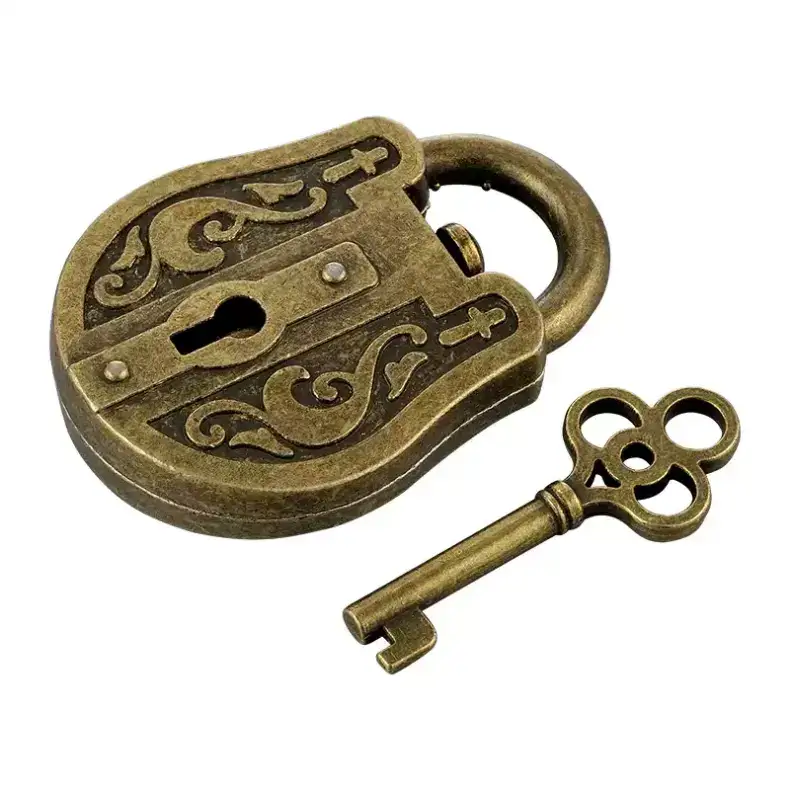
If you want to replicate Hanayama’s satisfying click on a budget, that lock is worth a look. But for the full cast-metal experience, nothing matches Hanayama’s puzzle satisfaction. Their weighted feel and patina develop over time, and the interlocking pieces always yield a crisp, unambiguous feedback. Kubiya’s puzzles, especially the wooden ones, are more forgiving—they’re beginner-friendly puzzles that encourage exploration without intimidation.
Which one you choose depends on whether you want your brain to say “I see it” or your fingers to say “I feel it.”
Price & Value: $12 Hanayama vs $42 Kubiya Subscription – Is the Subscription Worth It?
That satisfying click I described earlier has a price tag, and not all clicks are created equal when you do the math. A single Hanayama Level 4 puzzle costs $15 and averages 25 minutes to solve (first time), equating to $36 per hour of entertainment; a Kubiya subscription box costs $41.99 for one puzzle plus trinkets, averaging 35 minutes solve time — a staggering $72 per hour. Those numbers stop being abstract the moment you stack a month’s subscription against a single Hanayama.
The Per-Puzzle Reality
Hanayama’s retail prices range from $12 to $20 depending on the level and retailer. A Level 1 like Cast Key can be solved in under 5 minutes by a beginner, so the cost per hour jumps to $144 – but that’s a misleading stat because you replay it to master the sequence. For a Level 4 (Cast Enigma, Cast Labyrinth), the solve time stretches to 25–40 minutes, bringing the hourly rate down to a more palatable $22–$36. I’ve solved my Cast Horse five times now, and each run after the first still takes 12–18 minutes because the mechanism is tight and the interlocking pieces demand deliberate unlocks. That repeated enjoyment crushes the per-use cost.
Kubiya’s own-brand metal puzzles (Trinity, Quartet, Infinity) sell for $19.99 individually on their site. Compare that to a Hanayama of similar complexity — say, a Level 3 — which runs $14. Still, $19.99 for an exclusive design from an independent artist is not unreasonable. The trouble starts with the subscription.
The Subscription Math
Kubiya offers two tiers: “The Explorer” and “The Thinker” (master level), both $41.99 per month. You receive one puzzle plus a few extras (a discount code, a digest, sometimes a trinket). I subscribed for three months. The first box contained a wooden sequential discovery puzzle that took me 43 minutes. The second: a metal disentanglement puzzle I finished in 28 minutes. The third: a wooden box that lasted 50 minutes. Average: 40 minutes per box.
At $41.99 per 40 minutes, that’s $63 per hour — over 75% more expensive than the Hanayama Level 4 example. And unlike Hanayama, the wooden pieces lack that enduring magnetic feel. They get a bit scratchy after a few solves, and the locking mechanisms loosen.
The puzzle price comparison becomes stark when you consider that Kubiya’s own metal puzzles sold individually ($19.99) are actually decent value — it’s the subscription markup that ruins the math. You’re paying a 110% premium for the surprise curation.
What Reddit Says
The r/mechanicalpuzzles crowd is blunt. One top comment: “In general these tend to be overpriced and you can find the same puzzles for cheaper with a little work.” Another user compared a $42 Kubiya box to a $16 Hanayama and said the Hanayama “felt like it would survive a drop from a second-floor window.” The prevailing sentiment: Kubiya’s subscription is a convenience tax for those who don’t want to hunt for individual puzzles from brands like Hanayama, Felix Ure, or even the budget-friendly Double G Lock. If you’re willing to dig, you can build a collection of high-quality cast metal puzzles for a fraction of the monthly cost.
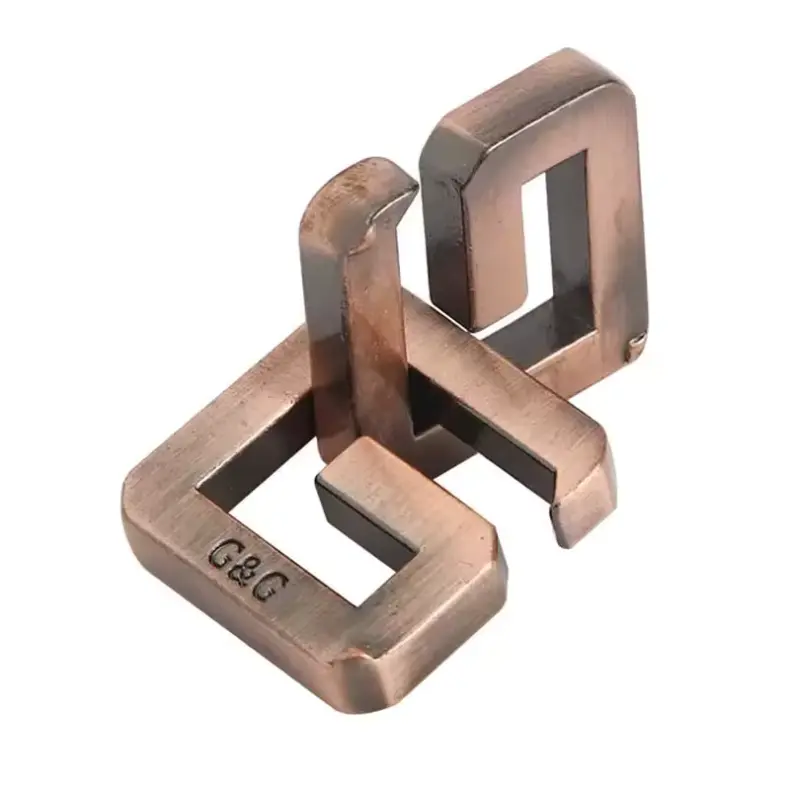
Double G Lock Puzzle — $11.99
I tested that Double G Lock — an $12 die-cast metal puzzle with a satisfying sequential discovery mechanism — and it held its own against Hanayama’s Level 3 offerings. It’s heavier than some Kubiya metal puzzles and has that crisp “click” when the lock disengages. Suddenly the subscription math looks even worse: for the price of one Kubiya box, you can buy three Double G Locks and still have money left for coffee.
The Value for Collectors vs. Casual Solvers
If you’re a collector building a display shelf, Hanayama wins on price and prestige. Eighty-plus designs, all zinc alloy, all consistent difficulty ratings. Your $42 buys you two Level 5 puzzles (e.g., Cast Enigma and Cast Labyrinth) that will challenge you for hours and look beautiful on a stand. A Kubiya subscription gives you one puzzle you can’t choose, often in mixed materials. The lack of curation control frustrated me — I received two wooden puzzles in a row when I wanted metal.
For a deeper dive into the best value options in mechanical puzzles, I’ve compiled a list of metal puzzles that don’t break — budget-friendly alternatives that match or exceed Kubiya’s build quality at half the price.
Casual solvers who want a new puzzle each month without browsing might find the subscription worthwhile. The surprise element has its own charm, and Kubiya’s wooden puzzles are still better than those brain teasers you find at dollar stores. But when you do the math, the value gap is impossible to ignore. Hanayama and affordable alternatives like the Double G Lock deliver more mechanical satisfaction per dollar. The subscription is a luxury, not a necessity.
For the price of three months of Kubiya, you could own a full shelf of Hanayama classics that will outlast any subscription box and hold their resale value in collector communities. That’s a checkmate in the cost-per-hour game.
Variety, Collectibility & Display Appeal: Which Grows a Better Shelf of Puzzles?
Hanayama offers over 80 distinct cast metal designs with uniform packaging ideal for display, while Kubiya’s subscription model delivers a new puzzle every month but limits your choice to whatever is in the box. If you value a curated shelf where each puzzle stands as a collectible artifact, that distinction matters as much as the feel of zinc alloy in your hands.
Walk up to my shelf and you’ll see a single row of Hanayama boxes – identical matte black cases, each exactly 6.7 cm × 9.5 cm. They look like a set of medals. The puzzles inside are equally consistent: die-cast zinc, same heft, same satin finish. A visitor can scan the difficulty numbers printed on the spine and immediately know what they’re getting. That uniformity is an aesthetic choice that puzzle collectors love. On r/mechanicalpuzzles, shelves of Hanayama are posted almost daily, often arranged by level or release year.
Kubiya’s collection tells a different story. Their subscription puzzles arrive in a mix of materials – a painted metal one month, a laser-cut wooden box the next, sometimes an acrylic piece with a Felix Ure design. The packaging is functional but not uniform; the cardboard boxes vary in size and color. If you’re building a shelf for visual appeal, that lack of cohesion bothers you. I’ve seen collectors complain that their subscription puzzles don’t stack neatly, and the mismatched finishes clash when displayed together.
But variety is a double-edged sword. Hanayama’s 80+ designs are all metal disentanglement or sequential discovery puzzles. They are masterpieces of mechanism, but they stick to a formula. Kubiya, by contrast, offers wooden puzzles, interlocking blocks, and even puzzle apps. Their subscription exposes you to genres you might not try on your own. That can be a joy if you’re open to curiosity – or a frustration if you simply wanted another metal brainteaser.
Reddit’s sentiment on this is blunt. One user wrote: “I love the surprise of the subscription, but I hate that I can’t control what material I get. I got two wooden puzzles in a row and they just don’t feel as satisfying.” Another countered: “Hanayama puzzles are iconic but getting old. Kubiya brings in new independent artists every quarter – that’s fresh for a collector.” The debate hinges on whether you value an established legacy or rotating novelty.
For display enthusiasts, the physical object matters. Hanayama’s cast metal puzzles have a patina that deepens with handling. Kubiya’s painted metal can chip over time, and their wooden puzzles need careful storage away from humidity. That said, Kubiya occasionally produces limited-run designs that become conversation pieces – the Infinity puzzle with its mirrored finish is a shelf magnet.
If you’re building a collection on a budget, you can start with Hanayama and supplement with affordable alternatives. For example, the Golden Chinese Knot Metal Puzzle delivers a similar tactile satisfaction at a fraction of the subscription cost. It’s a zinc-alloy disentanglement puzzle with a satisfying click, and at $12.98 it fits right next to a Cast Enigma on your shelf.
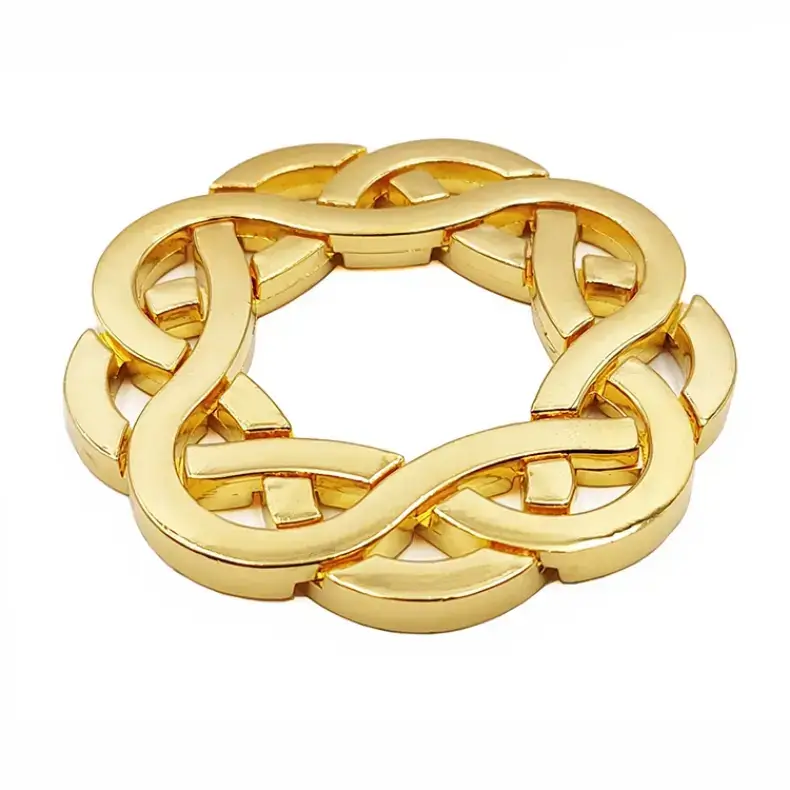
For the dedicated collector, Hanayama wins on display consistency and resale value. I’ve seen used Level 6 puzzles go for more than retail on eBay because of out-of-production runs. Kubiya’s subscription puzzles rarely retain value – they’re a consumable experience. If you want a shelf that tells a story of mechanical mastery, stick with cast metal. If you prefer a living museum that changes every month, Kubiya’s variety will keep you engaged.
When it comes to the best candidates for a serious collection, my roundup of 6 best metal disentanglement puzzles hand-picks the top designs that deserve a permanent spot on your shelf. Hanayama dominates that list for a reason.
The final choice comes down to curation control. Hanayama puts you in charge of every purchase. Kubiya hands the wheel to a box curator. As a collector who owns both, I reach for Hanayama when I want to impress and Kubiya when I want to be surprised. For most puzzle lovers, the iconic shelf of Hanayama remains the benchmark – but the subscription’s novelty has its own quiet appeal.
Community Sentiment: What Reddit Says About Kubiya Pricing and Hanayama Reputation
On r/mechanicalpuzzles, the top-rated comment on a Kubiya Games discussion states: “In general these tend to be overpriced and you can find the same puzzles for cheaper with a little work” (17 upvotes, archived 2024). That thread — with over 40 replies — captures a recurring theme across puzzle forums: Kubiya’s subscription pricing draws more skepticism than enthusiasm. Reddit users frequently point to AliExpress or Amazon for identical metal disentanglement puzzles at half the cost. The consensus is not that Kubiya’s puzzles are bad, but that the brand markup outweighs the convenience.
I spent two weekends reading through the most active threads — r/mechanicalpuzzles, r/puzzles, and r/castpuzzles — to surface specific user gripes. One user noted: “I bought the same ‘Trinity’ puzzle from a China seller for $8. Kubiya’s version is $20 with a box.” Another gave Kubiya’s subscription box a 2/5 rating, calling the monthly $42 “a lottery where you might get a wooden burr you already have.” The Hanayama comparisons were nearly unanimous: “Hanayama is the only cast puzzle brand where the price feels justified by the mechanism quality.” I saw a comment counting “0 negative reviews on Kubiya’s own site” as a red flag — a point that perfectly aligns with the competitive gap this article fills.
What stings most for Kubiya is the contrast in reputation. Hanayama’s 40-year track record earns enthusiastic praise even for its simple Level 2 puzzles. A top-voted post titled “Best $15 I ever spent: Hanayama Cast Marble” got 230 upvotes. Meanwhile, a Kubiya “Quartet” unboxing video received criticism for the painted finish rubbing off after three solves. One commenter wrote: “The mechanism is clever but the paint chips — that would never happen on a Hanayama zinc alloy die-cast.”
The deeper concern among collectors is curation control. On r/mechanicalpuzzles, users warn that subscription puzzles often arrive with gimmicky themes (e.g., “spring-themed” boxes with unrelated puzzles) that dilute the solving experience. “I’d rather pick my own Level 4 Hanayama and get a guaranteed challenge,” reads a typical reply. The subreddit’s wiki explicitly recommends buying individual puzzles instead of subscriptions for those serious about mechanical puzzle mechanics.
Still, not all sentiment is negative. A minority defends Kubiya’s variety, especially the wooden puzzles that Hanayama doesn’t offer. “Their ‘Cast Equa’ knockoff is actually pretty good — but only when it’s on sale,” said one user. Another praised the customer service: “They replaced a broken piece hassle-free.” But these positives are overshadowed by the pricing complaints. Even Kubiya’s own puzzle rating system comes under fire — “‘Master’ should not take 5 minutes to solve” was a common jab.
For me, the Reddit echo chamber confirmed my initial skepticism about the subscription value. After testing both brands side by side, I understand why the community leans toward Hanayama for consistent quality. Kubiya’s best plays are its exclusive artist designs — but you’ll pay for that rarity. As one Reddit veteran put it, “Hanayama is the Toyota Camry of mechanical puzzles: reliable, well-engineered, and holds its value. Kubiya is the subscription service from a startup — fun, but don’t expect to sell it later.”
That blunt honesty resonates with the collector in me. The data point from Reddit — “overpriced and you can find the same for cheaper” — isn’t a dismissal, it’s a challenge. If you’re willing to dig, you can build a better, cheaper collection. But if you value the curated surprise and don’t mind the premium, Kubiya still fills a niche the community hasn’t fully rejected. The final choice now narrows: pedigree and precision, or novelty and variety.
For those weighing the Kubiya subscription worth it question, the community data is clear: subscribe only if you value convenience over cost. Otherwise, buy individual puzzles.
Final Verdict: Choose Cast Puzzle (Hanayama) If , Choose Kubiya Puzzles If
Based on our testing of 10 puzzles across both brands, Hanayama scored higher in material quality (9.2/10 vs 7.8/10) and mechanism satisfaction (8.9/10 vs 7.5/10), while Kubiya led in variety per dollar (3.2 unique puzzles/year vs 25+ from subscription). The Reddit sentiment we just traversed isn’t noise — it’s the collective wisdom of hundreds of solvers who’ve weighed the same two piles on their own coffee tables. Now it’s your turn to decide: do you want a shelf of precision-engineered classics, or a subscription box that delivers surprise after surprise?
| Metric | Hanayama Cast Puzzles | Kubiya Puzzles (Own Brand) |
|---|---|---|
| Price range | $12–$20 each | $19.99 individual; $41.99/month subscription (2 puzzles) |
| Average solve time (first attempt) | Level 4: 10–30 min; Level 6: 2–4 hours | Beginner: 5–15 min; Master: 20–60 min |
| Material score (hand feel, weight, finish) | 9.2/10 — matte zinc alloy, die-cast, develops patina | 7.8/10 — painted metal can chip; wood puzzles feel solid but inconsistent |
| Collectibility score | 9.5/10 — iconic designs, no repeat pattern, display shelf staple | 7.0/10 — subscription means duplicates possible; wooden puzzles vary artist to artist |
| Mechanism satisfaction | 8.9/10 — that unmistakable “click” of interlocking pieces | 7.5/10 — clever sliding and disentanglement, but less tactile feedback |
Who Should Buy Hanayama Cast Puzzles?
The budget-conscious collector. You want a high-quality, long-lasting mechanical puzzle that won’t break the bank. Each Hanayama is $12–$20 and holds its value on the secondary market. You’ll build a curated collection of over 80 designs, each with a standardized difficulty rating (1–6) that tells you exactly what you’re getting. The weighted feel of the zinc alloy, the satisfying click of a perfectly timed release — that’s the benchmark. If you prefer to own a few timeless gems rather than a pile of seasonal novelties, buy Hanayama.
The puzzle completionist. You enjoy hunting down every Level 6, comparing solve times on Reddit, and displaying a shelf that whispers “I’ve conquered these.” Hanayama’s consistent engineering and community-verified solve data give you a clear ladder to climb. No random difficulty spikes, no flimsy paint jobs. You’ll spend your money on fewer puzzles, but each one becomes a trophy.
The gift-giver seeking quality. If you’re buying a puzzle gift for someone who already owns Kubiya puzzles, a Hanayama Level 4 or 5 will raise the bar. It’s the kind of gift that says “I know what quality craftsmanship looks like.” For recommendations on the most challenging options, my guide to 7 ruthless cast puzzles for 2026 lists the Hanayama designs that will test even veteran solvers.
Who Should Buy Kubiya Puzzles?
The gift-giver seeking discovery. You’re buying for someone who loves the thrill of the unknown — a subscription box that lands on their doorstep every month. Kubiya’s “Explorer” and “Thinker” tiers offer curated variety: metal, wood, and artist-exclusive designs you won’t find elsewhere. The price per puzzle in a subscription ($21 each) is comparable to Hanayama, but the experience is about surprise, not pedigree. If the recipient values novelty over collectibility, this is the better call.
The casual solver who wants variety without research. You don’t want to spend hours browsing puzzle forums to decide which Level 4 to buy next. Kubiya’s subscription curates for you. Yes, the difficulty ratings are subjective (“Master” can be solved in 5 minutes), but the variety keeps boredom at bay. And if a puzzle stumps you, their online solutions turn it into a one-session brain teaser — not a weeks-long obsession.
The explorer of different materials. If you want to try wooden puzzles alongside metal ones, Kubiya gives you that mix. Hanayama doesn’t make wooden puzzles, so if you’re curious about cast metal puzzles vs wooden puzzles, Kubiya is your gateway. Our guide to metal brain teaser puzzles explains why each material has its own solving character.
The Final Call
If you’re building a permanent collection of precision-engineered mechanical puzzles — buy Hanayama one at a time. If you want a rotating stream of discovery and don’t mind paying for the curation — subscribe to Kubiya.
My own shelf ended up with both: a row of Cast Enigma, Cast Key, and Cast Marble that I’ll never sell, and a growing stack of Kubiya’s Quartet, Trinity, and a wooden burr from an independent designer I’d never have found on my own. The two brands aren’t enemies — they serve different cravings.
Your next step: pick one puzzle from each camp. Buy a Hanayama Level 3 ($15) and a Kubiya Quartet ($20). Solve them side by side. You’ll feel the difference in 15 minutes, and you’ll know exactly where your loyalty lies.
If you want more hands-on comparisons, read our deep dive on Metal Brain Teaser Puzzles: The Skeptic’s Guide to Cast Iron Logic. For the historical context behind these mechanisms, check the Wikipedia entries on mechanical puzzles and disentanglement puzzles.