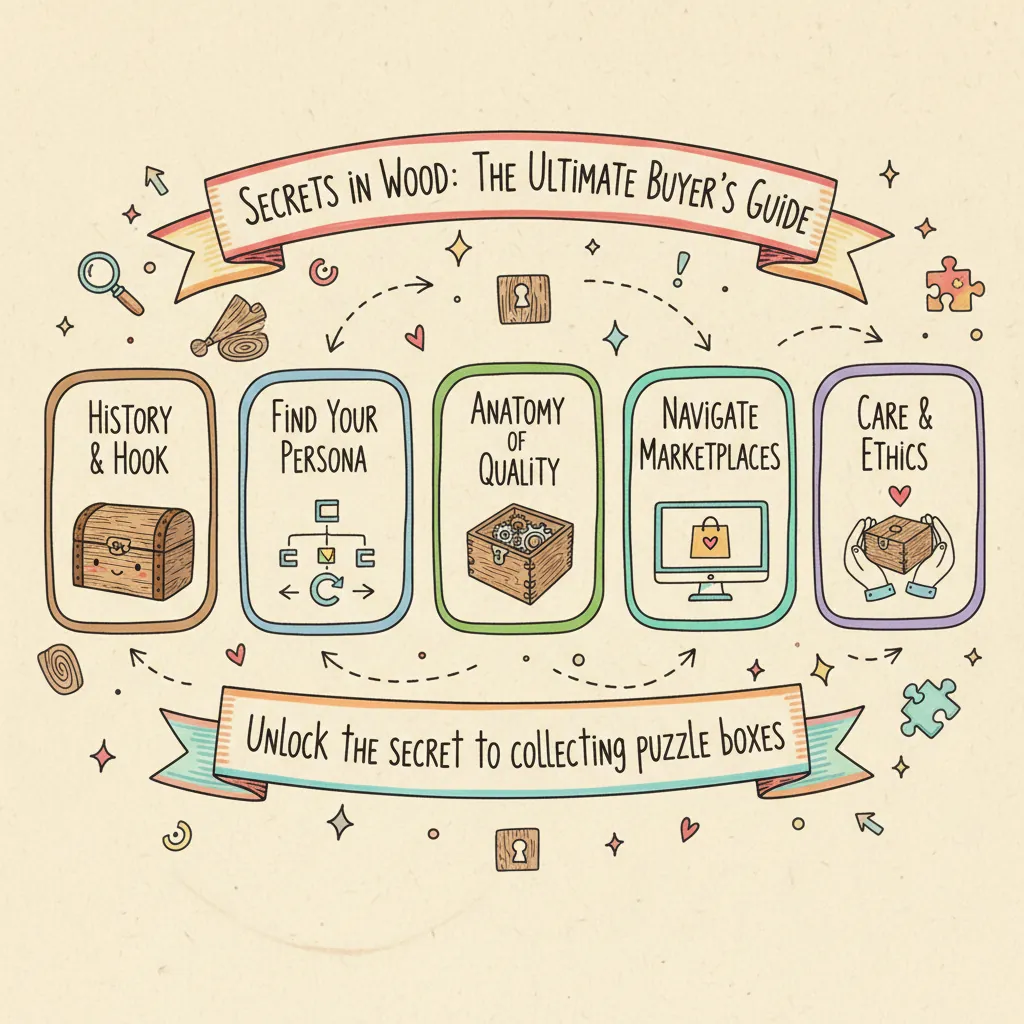
The Click That Hooks You: A Short History of Secrecy in Wood
Your fingers trace the seamless wooden joints, searching for a seam, a catch, a tell. There’s no keyhole, no visible latch. It’s just a box. And yet, you know it holds a secret. This experience, once the domain of master craftsmen and folklore, is now just a click away. But how do you choose a worthy secret from a sea of mass-produced tricks?
The story of the puzzle box is a story of hidden things. Long before they became coveted collectibles, they were born from necessity and artistry. In 19th-century Japan, a region called Hakone became famous for its Himitsu-Bako, or “secret boxes.” Originally designed as portable document caskets for samurai and merchants, their true purpose was misdirection. The mechanisms were—and still are—a lesson in subtlety. Craftsmen exploited the natural grain of local wood, weaving hidden compartments into the very pattern of the box. The joinery itself was the lock; sliding a panel a fraction of an inch here might release a catch you can’t see, but you can feel. Traditional Japanese puzzle boxes can require a meticulously choreographed series of moves, from a modest 4-step sequence to an epic, 100-plus move ritual. It was functional art, where the aesthetic appeal was inseparable from the mechanical secret.
This tradition of concealing meaning in mundane objects traveled. In Victorian England, trick lock boxes and complex desk cabinets became the playthings of an intellectual elite, tangible proof of one’s cleverness. These weren’t just toys; they were social signifiers and prototypes of security. They taught a simple, captivating principle: what you see is an illusion. The truth is in the tactile feedback, in the precise pressure applied to a seemingly decorative inlay. The history and craftsmanship behind these objects is a deep and winding road, much like the history and craftsmanship behind wooden puzzle boxes for adults.
Today, that ancient allure collides with the modern marketplace. You type “wooden puzzle boxes for sale” and are met with an overwhelming bazaar. On one screen, a beautifully documented Japanese secret box from a master artisan. On the next, a suspiciously cheap import with visible screws. The history whispers that these objects have weight, that they are born from patience and skill. The internet, however, presents them all as equal commodities. This is the core dilemma for the modern seeker. How do you distinguish the heirloom from the hollow trinket? How do you find a puzzle with a soul?
Listen for the click. Not just the physical sound that signals a solved step, but the historical echo—the connection between your hands and a lineage of craftsmen who believed a secret was more valuable when it was earned. Your journey starts by understanding that you’re not just buying a box. You’re commissioning a specific experience, a private dialogue between your curiosity and a creator’s ingenuity. The question is no longer if you want a secret, but what kind of secret you are prepared to uncover.
Your Puzzle Persona: A Flowchart to the Right ‘Solve Journey’
So, you’ve decided to engage in that private dialogue. But the marketplace is a cacophony of clicks, not a clear path. Is the right box one that offers a satisfying five-minute fidget, or a month-long siege that becomes a talking point on your shelf? The first step isn’t scrolling—it’s introspection. Ask yourself: What am I really buying here? The answer isn’t a product, but a journey. We can map that journey onto three distinct pillars of experience.
First, the Quick Trick. This is the aperitif of puzzles. Think of a simple trick puzzle box with a single clever mechanism—a magnetic latch, a sliding panel, or a deceptive turn. Its purpose is immediate gratification and repeatable delight. It’s for the person who enjoys the “aha!” more than the arduous hunt, or perhaps the “Show-Off Host” who wants to wow a guest in a single sitting. This category also comfortably houses well-made puzzle boxes for beginners and those suitable for sharp, patient kids. The joy is in the cleverness of the single secret, not the endurance of the series of moves.
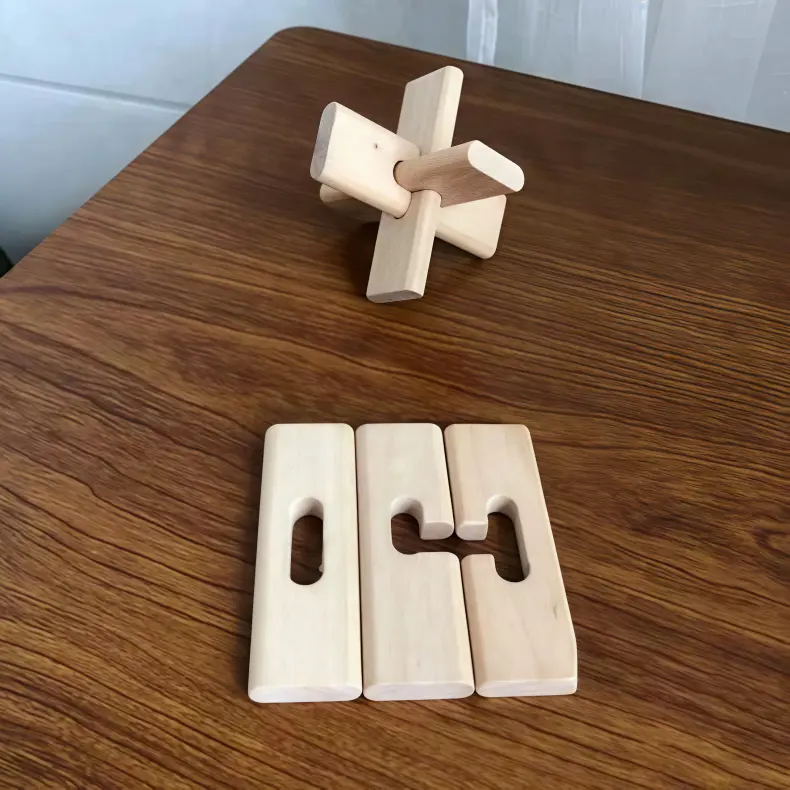
Second, the Epic Challenge. This is the domain of the “Patient Tinkerer.” Here lies the true heart of sequential discovery—a term you must understand. A traditional puzzle box has a set path; a sequential discovery puzzle box makes you earn each step. You might find a tool hidden in one compartment that must be used to unlock the next, creating a nested narrative of cause and effect. This is where you find the infamous hardest wooden puzzle boxes, often from modern artisans or the revered Karakuri small boxes from Japan. The puzzle difficulty levels here are measured not in moves, but in layers of logic. The box isn’t solved; it’s unraveled. Understanding this spectrum is key, and a great starting point is this guide to different puzzle difficulty levels and styles.
Third, the Display Piece. For the “Aesthetic Collector,” the solve is almost secondary to the object’s presence. This is about heirloom quality, woods with a deep chatoyant glow, and joinery so precise it disappears. The puzzle mechanism is the soul, but the polished aesthetic appeal is the body. These boxes are sculptures that dare you to discover they are also machines. They are meant to be admired, then carefully, reverently engaged with.
Your path becomes clearer with a simple, mental flowchart. Start with this question: Is the primary goal the moment of solving, or the prolonged engagement of the struggle? If it’s the moment, lean towards Quick Tricks. If it’s the struggle, you’re an Epic Challenge seeker. Now ask: Once solved, should this object command attention on a shelf as a artifact of your perseverance? A “yes” pushes you towards the Display Piece end of whichever challenge spectrum you chose.
This framework also clarifies the landscape. That intricate Japanese puzzle box on Etsy? It could be a Quick Trick with beautiful lacquer, or a devilish Epic Challenge with 60 moves. The handmade puzzle box labeled “difficult” might be mechanically complex but made of laser-cut plywood—a pure challenge with little display vanity. By defining the journey you want, you instantly filter the noise. You stop looking for a “good puzzle box” and start searching for a specific type of secret keeper, one tailored to the rhythm of your own curiosity.
Anatomy of a Secret: The Three Pillars of a Worthy Puzzle Box
You’ve defined the journey you want—the quick thrill or the epic siege. Now, you must learn to judge the vessel itself. Not all wooden puzzle boxes are created equal, and the marketplace is a mosaic of heirlooms, clever toys, and disappointing husks. To navigate it, you must become fluent in three languages: the language of wood, the language of mechanism, and the language of form. These are your pillars.
Pillar One: Craftsmanship — Heirloom or Toy?
Craftsmanship answers the question of permanence. Is this an object built to be solved once and forgotten, or to be handed down, its secrets rediscovered by generations?
The story begins with the material. High-quality hardwoods like walnut, cherry, or maple aren’t just about aesthetics; they are about structural integrity and tactile feedback. Their density allows for precise, fine joinery and holds subtle mechanisms without warping. They age with character, developing a patina from your hands. In contrast, many mass-produced boxes use thin plywood or softwoods. These are not inherently bad—they enable intricate, laser-cut escape room puzzle box designs at lower cost—but they feel light, sound hollow, and often rely on visible hardware.
Which brings us to the true test: how the pieces marry. Examine every photo for the joints. A hand-cut dovetail joint is the gold standard of cabinetry, a sign of an artisan’s patience. Mitered corners, if perfectly seamless, also speak to care. Now, look for the tells of the assembly line: visible screws, globs of glue seeping from seams, or a coarse, fuzzy laser-cut edge. A handmade puzzle box worthy of the name hides its means of construction as deftly as it hides its compartment.
This is where discerning a puzzle box not made in china from a dropshipped copy becomes critical. Don’t rely on the claim; interrogate the evidence. Zoom in. Is the wood grain consistent and real, or is it a photographed laminate? Are the corners sharp and clean? The commitment to joinery over glue is often the clearest differentiator.
Pillar Two: Mechanism — The Soul of the Secret
If craftsmanship is the body, the mechanism is the nervous system—the hidden logic you feel more than see. This is where you separate a satisfying puzzle from a frustrating toy.
First, consider the ‘fiddle factor.’ A good mechanism provides intelligent resistance, not obstruction. Slides should move with a precise tolerance, not grind or wobble. Listen for the satisfying ‘click’—an auditory confirmation of a correct move. This tactile feedback is the dialogue between you and the puzzle. Its absence turns solving into guesswork.
Then, understand the mechanism’s ambition. A simple trick puzzle box might have one clever sliding panel. A sequential discovery puzzle is a narrative in wood, where each solved step reveals the tool or clue for the next. Complexity isn’t about brute force moves; it’s about elegant, interlocking ideas. When researching, look for descriptions of the “solve path” or number of moves. A traditional Japanese puzzle box (Himitsu-Bako) might require a non-intuitive series of 4 to 100+ slides, a rhythmic dance rather than a forceful attack. For a foundational understanding, the Wikipedia entry on Mechanical puzzles provides a useful overview of the category.
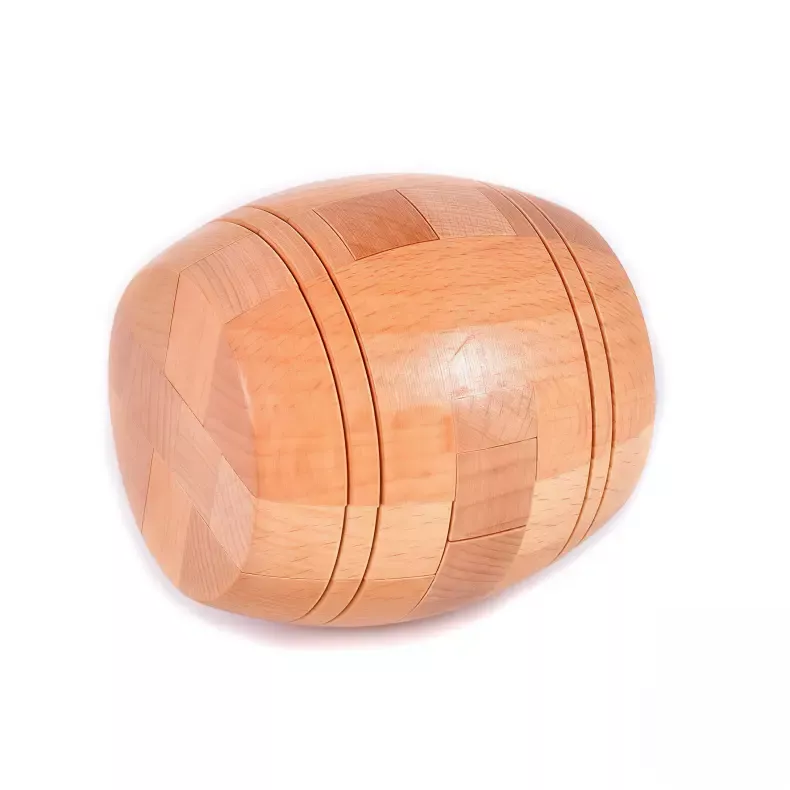
Take the Barrel Luban Lock above. It represents a specific mechanical philosophy: the trick lock box. Its challenge isn’t in a long sequence, but in perceiving a singular, clever interaction. It’s a lesson in perspective, built for that “aha!” moment. This is the essence of mechanical puzzles—diverse schools of thought rendered in wood.
Pillar Three: Aesthetics — Display Piece or Bare Mechanism?
The final pillar asks: What does the secret look like when it’s at rest? Some collectible puzzle boxes are meant to be centerpieces. They feature exotic wood burls, delicate laser engraving, or lacquer finishes that make them glow. Their aesthetic appeal is half their purpose. Others are functionalist sculptures—sleek, geometric forms of unfinished hardwood that celebrate the purity of the mechanism. Neither is superior, but you must know which you’re buying. A box meant for display should have flawless finishes and considered proportions. A box built purely for the solve can be more utilitarian.
The Connoisseur’s Checklist: 10 Details to Examine
So, how do you apply this when staring at an Etsy listing? You conduct a virtual inspection. Here is your checklist:
- Wood Grain: Is it real, continuous, and appealing? Laminate often has repeating patterns.
- Seams: Are they hairline and even, or gapped and filled?
- Corners: Are they tight and sharp, or rounded and fuzzy from laser burn?
- Hardware: Are screws, nails, or magnets visible? In a premium box, they are not.
- Finish: Is it a smooth oil or lacquer, or does it look plasticky?
- Weight: Does the description mention a heft indicative of solid wood? (Ask the seller if not stated.)
- Edges: Are they smooth to the touch, or does the description warn of laser-cut roughness?
- Movement: In video demos, do parts slide smoothly or jerk?
- Sound: If there’s a video, listen for solid ‘clicks’ and ‘thuds,’ not hollow ‘clacks.’
- Signature: Does the artisan sign or brand their work? It’s a mark of accountability.
This checklist moves you beyond marketing adjectives. It allows you to see the box for what it truly is: a conversation between an artisan’s skill and a puzzle designer’s ingenuity. When these three pillars are in harmony, you don’t just find a puzzle box for sale. You commission a keeper of secrets. For a deeper look at what defines an heirloom-grade piece, consider the principles discussed in our hands-on guide to evaluating heirloom-quality wooden puzzles, which dissects similar pillars of quality.
The Marketplace Maze: Decoding Etsy, eBay, and Artisan Sites
Now, with the eye of a connoisseur, you face the bazaar. The digital marketplace can feel like a cabinet of curiosities after an earthquake—treasures and trinkets piled together, origins obscured. Your newfound discernment is your compass. Let’s map the terrain.
Etsy: The Artisan’s Alley (and the Impostor’s Stall)
Etsy promises the handmade. It can deliver it. The platform is a primary source for handcrafted wooden puzzle boxes, but it also hosts mass-produced imports with a “handmade” veneer. Your goal is not just to find a listing, but to uncover the story behind it. Are the expensive ones worth it? Only if the story—and the craftsmanship—checks out.
This requires what I call the “curator’s interview.” Don’t just read the description; message the seller. Your questions are probes:
* “What type of wood did you use, and is it solid or laminated?”
* “Can you describe the primary mechanism? Is it a sliding panel, a magnetic latch, or a sequential discovery puzzle?”
* “Do you have a video showing the movement and sound of the mechanism?”
* “Is this your own design, or are you assembling a kit?”
Red flags for dropshipping include generic photos with Asian text watermarks, stock descriptions void of material specifics, and an inability to answer technical questions about joinery or mechanism. A true artisan will speak about their work with the pride of a keeper of secrets.
eBay: The Secondary Market & The Hunt
eBay is the archaeology site. Here, you sift through layers of the new, the used, and the rare. It’s a primary channel for finding retired or collectible Karakuri small boxes from Japan, or puzzles from sought-after modern craftsmen. The key is evaluating seller reputation with a forensic lens.
Look beyond the percentage. Read the negative and neutral feedback. Specifically, search for words like “broken,” “stuck,” “cheap,” or “not as described.” A seller specializing in mechanical puzzles or collectible puzzle boxes is typically more reliable than one selling “miscellaneous home decor.” For high-value purchases, ask for additional, dated photos of the actual item. The secondary puzzle market thrives here, but it demands a patient, investigative eye.
The Artisan Direct & Reputable Brands: The Known Quantities
When the hunt in the bazaar feels too fraught, turn to the known workshops. These are the brands and artisans repeatedly vetted by the Reddit puzzle community for integrity and ingenuity.
* Karakuri Creation Group (Japan): The gold standard for traditional Japanese puzzle boxes with modern complexity. Buying directly or through authorized resellers ensures authenticity for these premium puzzles.
* IDventure (Craftcuts): Known for intricate, story-driven sequential discovery puzzles that feel like handheld escape rooms.
* Individual Artisans (e.g., Creative Crafthouse, Jesse Born): These creators often sell through their own sites or at puzzle conventions. Their work is defined by unique mechanisms and a willingness to customize with engraving.
These pathways offer less risk and more direct dialogue with the maker, answering the user question of where to buy a puzzle box that isn’t junk. For a curated starting point that applies these filters, our curated list of reputable puzzle boxes for adults highlights vetted examples from across this landscape.
So, is the $300 puzzle box gift for adults on Etsy worth it? It is if it passes your “interview,” showcases true joinery in high-quality hardwoods, and comes from a maker with a documented passion for the craft. Otherwise, you may be paying for a story that was never really there. Your purchase is not just a transaction. It’s the first move in a silent dialogue between you and the maker. Choose your correspondent wisely.
The Collector’s Circuit: Navigating the Secondary (Resale) Market
That silent dialogue between you and the maker? For a growing number of enthusiasts, it’s a conversation that doesn’t end with the first solve. It continues in a vibrant, often opaque network of collectors trading, selling, and chasing after sold-out grails. This is the secondary puzzle market, where a premium puzzle box isn’t just a pastime—it’s a tangible asset.
Why would anyone resell a secret? The reasons are as varied as the mechanisms. Some solvers, once they’ve decoded the final move, feel the journey is complete and release the puzzle back into the wild. Others are chasing the thrill of the hunt for a specific artisan’s limited run. And yes, for a certain tier of collectible puzzle boxes, primarily from renowned Japanese Karakuri small boxes groups or Western masters, value can appreciate. It’s not quite Sotheby’s, but it has its own etiquette and excitement.
So, where does this trade happen? Not primarily on major e-commerce platforms.
- Dedicated Puzzle Forums & Auction Sites: Places like the Puzzle Place or Cubic Dissection’s marketplace are the digital equivalents of a secret speakeasy for mechanical puzzles. Here, reputation is currency. Sellers meticulously note a puzzle’s condition (“solved once, no hints used”), and prices reflect rarity and craft. A signed, complex sequential discovery puzzle from a famed maker can command significantly more than its original price once it’s out of production.
- Reddit Communities: Subreddits like r/mechanicalpuzzles and r/PuzzleBox are part marketplace, part show-and-tell. Scrolling through, you’ll find the definitive answer to a user’s question about value: “Are the expensive ones actually worth the money?” The consensus, echoed in countless threads, is that boxes from certain makers (the names Idventure and Jesse Born appear like mantras) hold their value remarkably well. The reasoning is always tied to the three pillars: superior craftsmanship, ingenious hidden mechanisms, and the sheer durability of high-quality hardwoods.
- Puzzle Conventions: The ultimate tactile marketplace. This is where you can feel the satisfying click of a dovetail joint before you buy, and where the most coveted trades happen in person.
Navigating this circuit requires a new kind of discernment. You’re no longer interviewing a seller about their process, but investigating a puzzle’s provenance and condition. Here is the collector’s checklist:
- Solution State: Has the solution been provided or used? An “unsolved” or “un-opened” box commands a premium. Many sellers proudly state “no hints given.”
- Physical Integrity: Are there wear marks from overt solving attempts? Is the joinery still tight? Photos should show every corner.
- Completeness: For puzzles with multiple compartments or pieces, is everything present? A missing internal latch renders the object inert.
- Original Packaging & Documentation: For modern handcrafted wooden puzzle boxes, the original artisan’s note or solution sheet adds to the authenticity.
The ethics here are clear-cut. Transparency is paramount. Sellers disclose everything; buyers respect the puzzle’s history. There’s an unspoken rule against blatant scalping—the community values passion over profiteering.
What does this mean for you, standing at the edge of this world? It validates the idea of a puzzle box as a legacy object. Purchasing a well-crafted box from a respected artisan isn’t an expense; it’s an acquisition. It can be a personalized gift that one day, if you choose, can be passed along to another curious mind, its value intact or even enriched by its story. The secret it holds isn’t just a hidden compartment—it’s a piece of a very niche, very passionate human history. For a deeper look at some of the most revered (and often resold) designs, our exploration of collectible Japanese puzzle boxes and their value offers a window into this coveted tier.
The collector’s circuit isn’t for everyone. But knowing it exists refines your eye. It tells you that in a world of mass-produced objects, a true trick puzzle box—born from skill and patience—can defy the usual rules of depreciation. Its value is locked not in its wood, but in the ingenuity of its secret. And some secrets, it turns out, are worth hunting for twice.
Curated Pathways: If You Want X, Buy Y (With Real Examples)
You’ve navigated the collector’s circuit and seen that a puzzle box can be a legacy object. Now, let’s translate that into action. The sea of options shrinks to a manageable stream when you ask the right question: What kind of journey do I want to have? Forget difficulty levels for a moment. Think in terms of narrative.
Here are three curated pathways, each a distinct solve journey. Choose your adventure.
Pathway 1: The Five-Minute Parlor Trick (The Satisfying Fidget)
You want the aha! without the agony. This is for the show-off host, the curious beginner, or someone who appreciates clever design as a brief, delightful diversion. Think of it as a kinetic sculpture with a secret. The goal isn’t a grueling test of logic, but a moment of shared surprise and satisfying tactile feedback.
- Look For: Simple trick lock boxes or small Japanese secret boxes with low move counts (4-10 moves). These often rely on a single, elegant hidden mechanism—a sliding panel, a magnetic latch, or a cleverly disguised button.
- Materials: Expect laser-cut plywood or softer woods. The craftsmanship prioritizes function and fun over heirloom durability.
- Best For: A clever office toy, an icebreaker at a party, or a low-stakes introduction to the world of secret mechanisms. They are almost always resettable in seconds, making them perfect for passing to a friend with a smirk.
- Real Examples: Look for small, affordable Karakuri small boxes from Japan or modern takes from brands that specialize in accessible puzzles. These are the wooden puzzle boxes you buy to enjoy, not to endure.
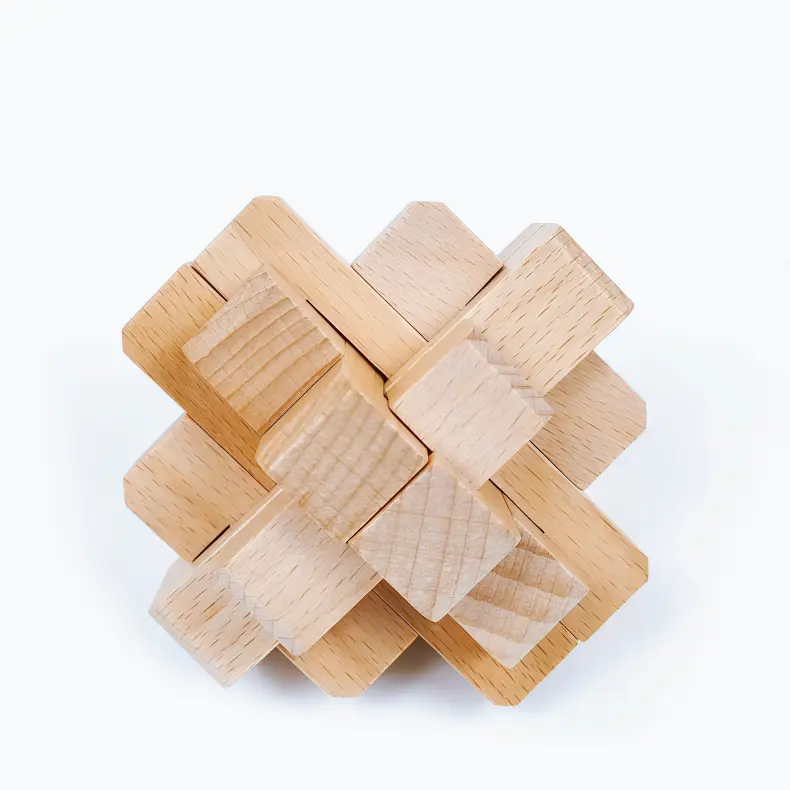
Pathway 2: The Weekend-Long Obsession (The Sequential Discovery Quest)
This is for the patient tinkerer who relishes the process as much as the prize. You don’t just want to find a hidden compartment; you want to unlock the box’s very soul, piece by piece. This is the realm of the modern sequential discovery puzzle box.
Here’s the key distinction: a traditional box uses hidden slides. A sequential discovery puzzle box makes you discover tools within the puzzle itself to progress. It’s a multi-stage adventure where the box metamorphoses in your hands. You’re not just solving; you’re archeologizing a designed story. As explored in our piece on the layered music box as a decorative and functional puzzle, the journey itself becomes the reward.
- Look For: Boxes from modern artisans like Idventure or Jesse Born. They are often described as “escape room in a box.” The construction is precise, often using layered acrylic or laser-cut wood to create intricate internal channels.
- Materials: Mixed media is common. The focus is on mechanical complexity and a logical, often narrative-driven, solve path.
- Best For: The dedicated puzzler who wants to be consumed. They are brilliantly resettable, offering a repeatable escape room experience you can share with fellow enthusiasts. This is where you find the hardest wooden puzzle box experiences that still feel fair.
- Real Examples: Search for “sequential discovery puzzle box” on specialty retailer sites or the secondary market. These are investment-grade puzzles in terms of time and mental engagement.
Pathway 3: The Living Room Heirloom (The Artisan Statement)
You seek an object of beauty and deep tradition. The puzzle is profound, but so is the craft. This box should feel as good closed as it does open, a display piece that whispers of centuries of ingenuity. This is the domain of fine handcrafted wooden puzzle boxes.
- Look For: Traditional Japanese Himitsu-Bako with high move counts (50+), or artist-signed pieces from North American or European makers. The joinery (think dove-tail joints, no glue or screws) is paramount. The wood matters—high-quality hardwoods like walnut, cherry, or maple that age with character.
- Materials & Aesthetics: This is where customize with engraving or laser engraving becomes a meaningful option. It’s about creating a personalized gift that transcends the puzzle. The aesthetic appeal is intrinsic.
- Best For: The collector, the giver of a momentous gift, or anyone who sees a puzzle as a collectible puzzle box. It’s a centerpiece. Solving it is a quiet, respectful ritual. And yes, they are resettable, becoming a true heirloom to pass down. This is the answer to “Are the expensive ones on Etsy actually worth the money?”—if they come from a verifiable artisan.
- Real Examples: Authentic Japanese puzzle boxes from Hakone regions, or work from artisan studios like Creative Crafthouse that offer customization. These pieces answer the question of where to buy karakuri puzzle box with true cultural and craft integrity.
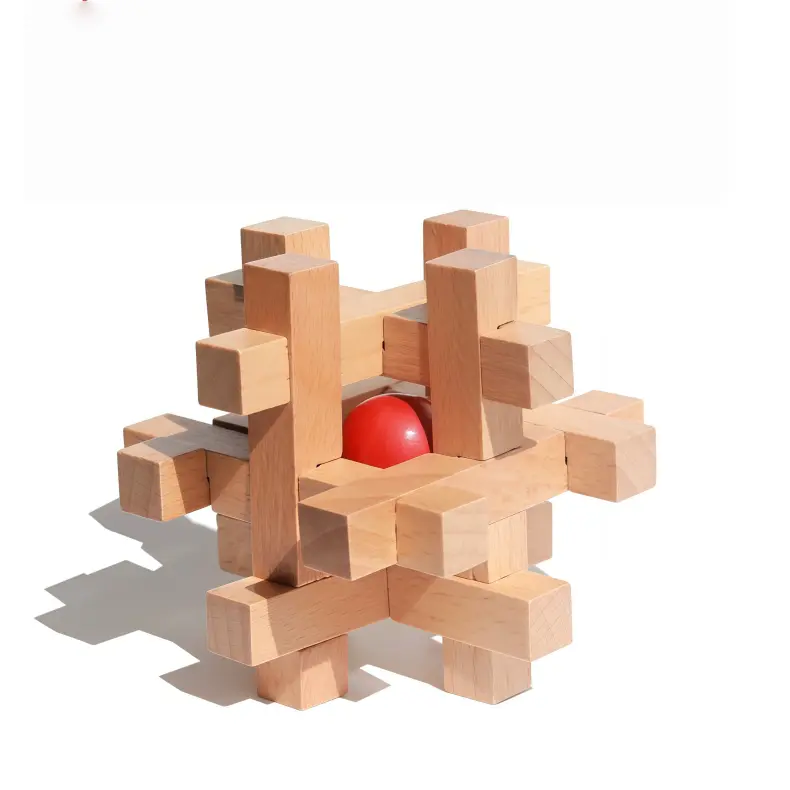
So, which path calls to you? The quick wit, the epic quest, or the timeless artifact? Your answer transforms that sea of options into a single, perfect box. It shifts the question from “Which one?” to “What story do I want to hold in my hands?” For a brilliant example of how deep satisfaction doesn’t require a deep price tag, consider the elegant engineering behind pieces like those discussed in this look at an affordable yet challenging wooden puzzle spheres.
Now, with your target acquired, one final consideration remains: how do you care for your secret once it’s yours?
The Solver’s Covenant: Care, Ethics, and When to Seek the Secret
Your choice is made. A new secret sits on your shelf. Now what? Owning a puzzle box is not a transaction’s end, but a relationship’s beginning. It starts with stewardship. Think of yourself not just as an owner, but as a curator of a tiny, interactive artifact.
First, practicalities. That heirloom-quality box of walnut or cherry isn’t a plastic toy. It’s wood, a living material. Keep it from extreme heat, cold, or damp. Dust it with a soft cloth. Once a year, a microscopic coat of a quality furniture wax (like beeswax) applied with a fingertip can nourish the wood and protect its finish—a ritual as satisfying as the solve itself. This simple care ensures the durability and aesthetic appeal of your handcrafted wooden puzzle boxes for decades.
Now, the true covenant: the ethics of the solve.
You stand before your unopened box. The first itch of frustration appears. Do you force a slide? Shake it? Search online? The community of serious solvers has an unwritten code, born of respect for the craft. It mirrors the principle I followed with ancient locks: minimal intervention.
Brute force is the cardinal sin. A well-made box will not yield to shaking, prying, or undue pressure. If you feel you must apply force, you’ve missed the point—and likely a subtle mechanism. The designer’s intent is the sacred text. Your job is to read it with your fingers. This aligns with the broader philosophy of puzzle-solving, which you can explore in the Wikipedia entry on Puzzles.
This brings us to the great schism: to use a solution or not?
There is no universal law, only a personal philosophy. Some purists believe consulting a guide voids the entire experience, like reading the last page of a mystery novel. Others view a carefully metered hint as a nudge back onto the solve path, preventing abandonment. My curator’s advice? Grant yourself a generous grace period. Sit with the puzzle. Listen. Observe. Let your puzzle solving skills stretch. The breakthrough is less in the opening, and more in the rewiring of your perception that preceded it.
If you must seek aid, do it judiciously. The puzzle forums on Reddit and dedicated sites often have layered hint systems, offering cryptic clues before full revelations. This preserves the sequential discovery joy. For a deeper dive into this mindset, our guide on a step-by-step guide to solving puzzle boxes patiently explores the psychology of productive struggle.
When is it acceptable? When the alternative is the box gathering dust in a drawer, a monument to frustration. A hint that unlocks a new line of thinking is better than permanent defeat. The goal is the journey, not just the destination. And remember, the finest sequential discovery puzzles are designed to be reset and enjoyed again, or passed to a friend with the secret intact—the gift that keeps on giving.
So, the overwhelm you once felt browsing endless listings has now crystallized into something else: anticipation. You’re no longer just buying an object. You’re selecting a journey, committing to its care, and preparing to engage with it on its own terms. You know how to judge its joints, trace its pedigree, and navigate the marketplace. You understand the weight of the wood and the weight of the choice.
Your fingers are about to trace those seamless joints for the first time. Listen for the click. It’s not just a mechanism engaging. It’s the sound of a story beginning—your story, intertwined with centuries of craftsmanship, secrecy, and the timeless human desire to discover what’s hidden.
Reader Friction and Quick Answer
That final moment of anticipation often coincides with a last, practical hesitation. You’re armed with knowledge, but the leap from theory to purchase can still feel like a step into the unknown. You’ve learned to navigate the marketplace and understand the craftsmanship, but a quiet voice might ask: Will this specific box really be worth it for me?
This is the final friction. Let’s dissolve it.
Forget endless scrolling. Your decision can be distilled. Based on everything we’ve explored—from sequential discovery puzzles to the heirloom quality of true handcrafted wooden puzzle boxes—here is your quick-answer matrix. Match your core desire to a definitive action.
| If You Are… | And You Want… | Your Direct Path Is… |
|---|---|---|
| A curious first-timer | A satisfying “aha!” without weeks of struggle | A 4-12 move Japanese puzzle box (Himitsu-Bako) from a reputable Etsy seller with clear “beginner” tags. Expect to pay $30-$60. |
| The patient tinkerer | A deep, multi-stage mechanical narrative | A sequential discovery puzzle box from a brand like Idventure or a custom artisan like Creative Crafthouse. Budget $100+. |
| The aesthetic collector | A display piece that whispers of secrets | Search for Karakuri small boxes or artisan work in walnut or cherry. Prioritize joinery over mechanisms. Budget $150+. |
| The thrill-seeker | The infamous “hardest” challenge | Target the secondary puzzle market on Reddit’s r/mechanicalpuzzles for resold high-difficulty puzzles from designers like Jesse Born. |
Your single most important next step? Go narrow, not broad. Do not return to a generic search for “wooden puzzle boxes for sale.” You are no longer that person. Instead, take one pathway from the table above and search for those exact terms. Visit the recommended Reddit community and lurk for a week. Message that Etsy seller with the three questions about joinery. This focused action transforms overwhelm into a curated hunt.
The journey began with your fingers tracing a seamless surface, searching for a story. It ends—or rather, begins anew—with a confident choice. Select your box. Commit to its secret. The satisfying ‘click’ awaits.
Your immediate action: Bookmark the guide on quick answers on how to open a wooden puzzle box. Your future self, fingertips on wood, will thank you for the patience. Now go. Your puzzle is waiting.