The humidity in my office was at 62% when the Besieged City puzzle arrived. I mention this because, with wooden puzzles, the environment is a silent participant in the challenge. I spent forty minutes that first afternoon simply holding the block, feeling for the microscopic “give” that signals a sliding panel. My thumb was sore from pressing against the grain, and I’d already fallen into the amateur’s trap: I was trying to force a solution rather than listening for one.
The secret to how to open trick wooden puzzle box designs isn’t strength. It is observation. Most people fail because they treat a mechanical enigma like a stubborn jar of pickles. They twist, they pull, and eventually, they snap a delicate internal dowel. After testing over 200 of these objects, I’ve learned that a well-made box is a conversation between the maker’s cleverness and your patience. If you’re fighting the wood, you’ve already lost.
My thesis is simple: The most difficult puzzles aren’t the ones with the most pieces, but the ones that exploit your assumptions about how physical objects should behave. To open a trick box, you must first identify which of the three “physical deceptions” it’s using: gravity-fed pins, sequential slides, or centrifugal locks.
The Anatomy of a Secret: Why Most Attempts Fail
When you pick up a mechanical puzzle, your brain immediately looks for a seam. This is our first mistake. High-quality craftsmen use the natural grain of the wood to hide the joinery. If the box feels like a solid brick, it’s doing its job.
In my experience, 90% of failures happen because the solver ignores the psychological barriers that stop most solvers from seeing the obvious. We assume that if something doesn’t move with a gentle tug, it’s locked. In reality, many boxes require you to move a piece away from the goal before the internal mechanism clears the path. This is “counter-intuitive movement,” and it’s the hallmark of a great trick box.
Before you start poking at the wood, it helps to establish realistic time expectations for mechanical enigmas. A level 4 box isn’t something you solve during a commercial break. It’s a slow-burn experience that requires you to map the internal cavity in your mind, much like a blind person navigating a new room.
The “First Touch” Protocol: Identifying the Mechanism
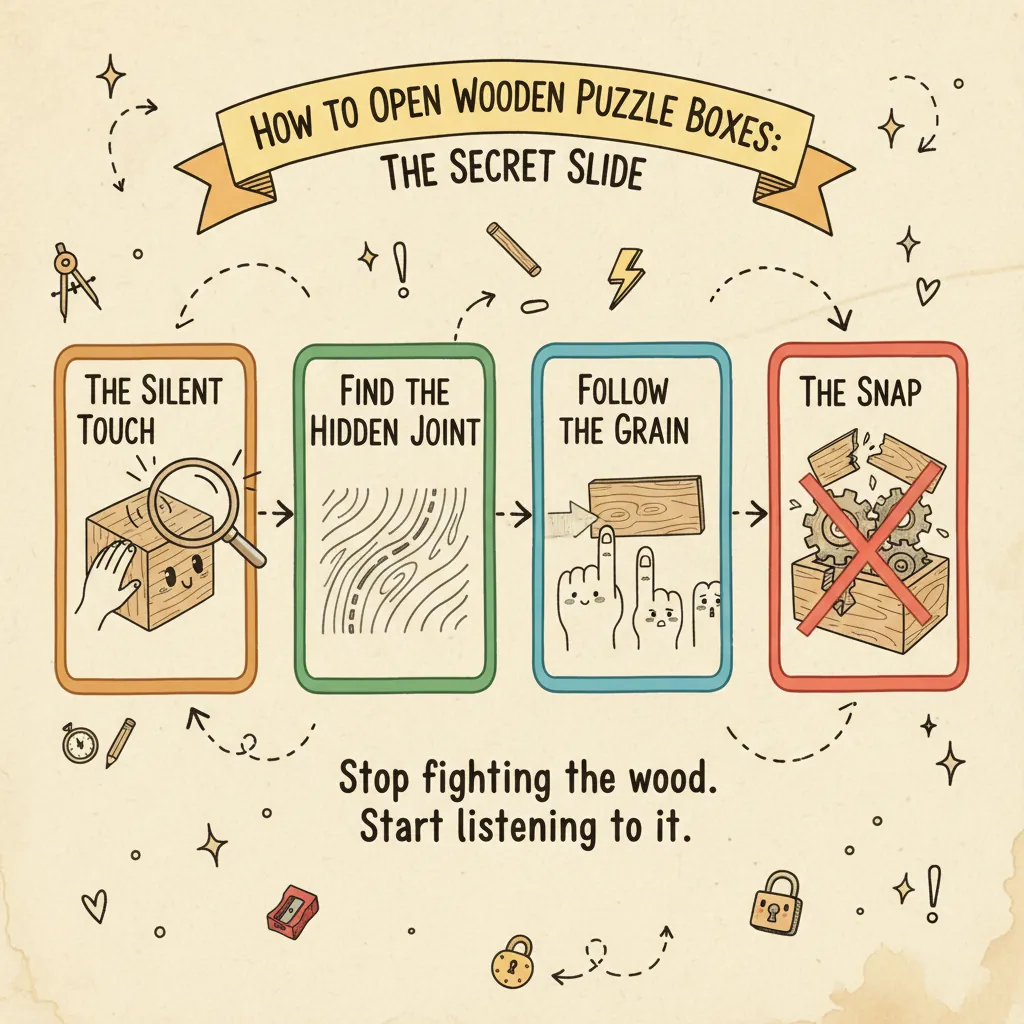
When I sit down with a new acquisition, I follow a specific ritual. I call it the “First Touch.” I place the box on a soft surface—usually a felt mat—and rotate it 360 degrees under a bright light. I’m looking for “witness marks.” These are tiny scratches or slight misalignments in the wood grain that suggest a piece has moved before.
6 Piece Wooden Puzzle Key
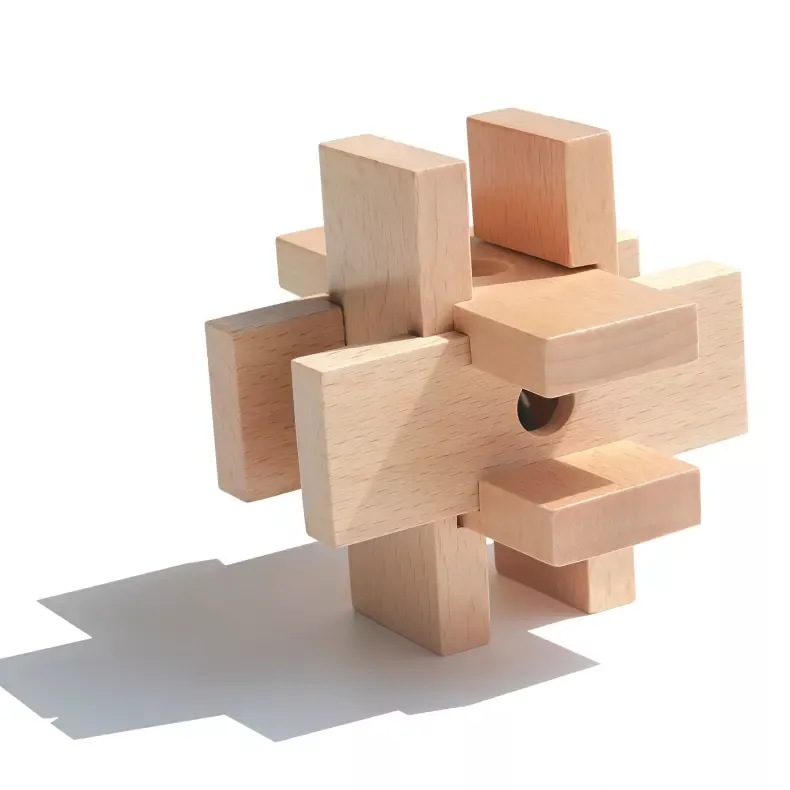
The 6 Piece Wooden Puzzle Key ($12.99) is a perfect example of why observation beats force. When I first handled this, I assumed it was a standard burr. It isn’t. It’s an exercise in “Wu Wei” or effortless action. The pieces are held together by a single “key” piece that looks identical to the others but lacks a specific internal notch.
If you try to pull it apart, the friction of the other five pieces locks the key in place. The trick—which took me embarrassingly long to find—is to find the one piece that has a fraction of a millimeter more “wiggle” than the rest. Once you slide that piece just a hair’s breadth, the entire structure loses its tension. For thirteen dollars, it’s a masterclass in how minimalism can create a deeper engagement than a box with twenty moving parts. It’s quiet, it’s hardwood, and it rewards the solver who stops pushing.
The Three Laws of Puzzle Box Physics
If the “First Touch” doesn’t reveal a sliding panel, you’re likely dealing with one of three mechanical tricks.
1. The Centrifugal Spin
Some boxes have no visible moving parts because they rely on internal pins that only retract when the box is spun. If you hear a “clack” when you tilt the box, but nothing slides, try placing it on a flat surface and spinning it like a top. The outward force pulls the pins into their housings, allowing the lid to lift.
2. The Gravity Drop
This is the most common “trick” in the book. A small wooden or metal pin sits in a hole, bridging the gap between the lid and the base. To solve this, you often have to turn the box upside down or hit it against your palm to “jar” the pin into a neutral position.
3. The Sequential Slide
This is the “Japanese Puzzle Box” style. You move piece A, which allows piece B to slide, which then unlocks piece C. If you miss step one, steps two through ten are impossible.
Circular Lock
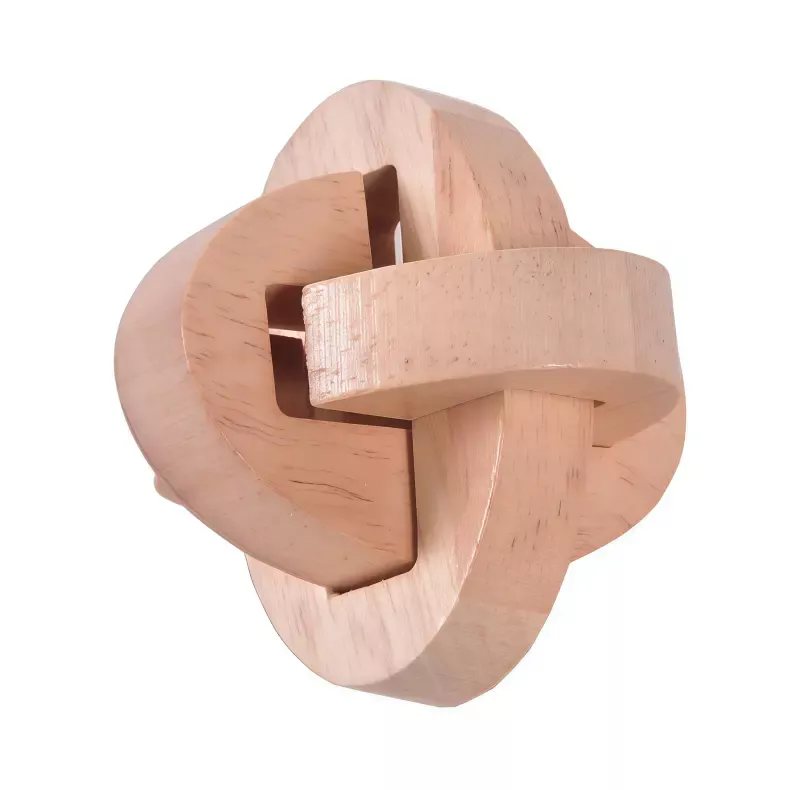
The Circular Lock ($16.99) falls into a category I call “meditation in motion.” It’s a three-piece design that feels like a heavy worry stone in the hand. The challenge here isn’t finding a hidden button; it’s understanding the geometry of the interlock.
I’ve had this on my desk for three weeks, and I still find the motion satisfying. You have to align the arcs of the three pieces perfectly to allow the central void to collapse. It’s a great entry point for someone who wants to understand foundational trick box mechanics without the frustration of hidden pins. The wood is precision-cut, meaning the tolerances are tight. If you’re off by a hair, it won’t move. It teaches you that mastery begins with focus.
Why Wood Behaves Differently Than Metal
I’ve tested plenty of zinc alloy and brass puzzles, but wood is a living medium. It breathes. This is why a box might be easy to open in the dry heat of February but feel completely seized in the humidity of August.
When you’re trying to figure out how to open trick wooden puzzle box mechanisms, you have to account for “stiction.” This is the static friction that makes two smooth wooden surfaces stick together. Sometimes, a box isn’t locked; it’s just “tight.” I’ve found that a gentle tap with the heel of my hand is often enough to break that initial bond.
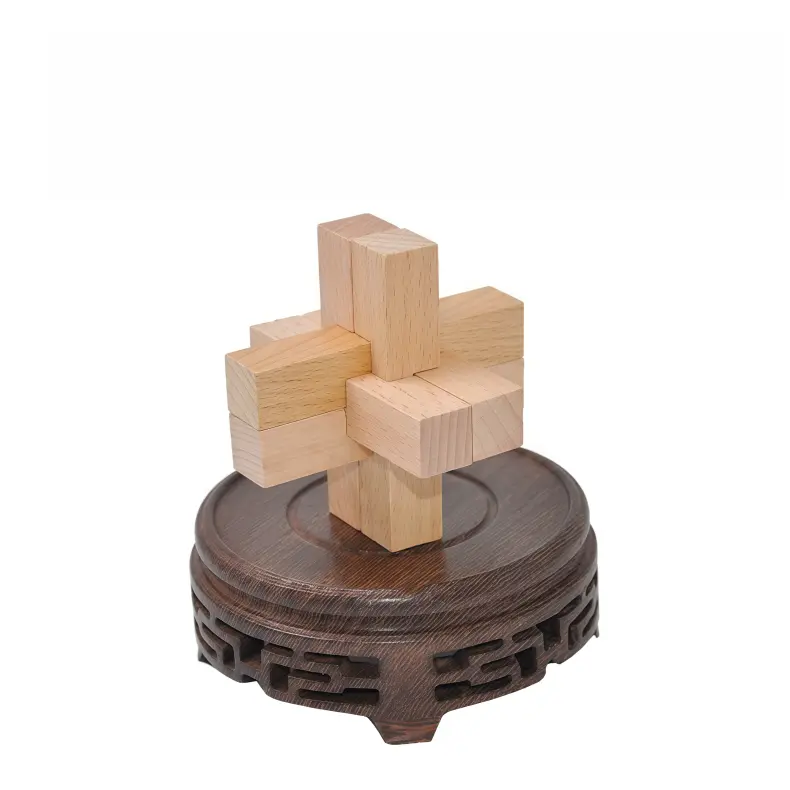
Six-Piece Burr — $17.99
For instance, the Six-Piece Burr ($17.99) is a classic design that relies on these tight tolerances. It’s a “no shortcuts” puzzle. In my collection, I use this as a baseline for quality. If the pieces are too loose, the puzzle falls apart; too tight, and it becomes a frustrating block of wood. This specific version hits the sweet spot. It’s a screen-free way to practice patience, reminding the solver that the most direct path isn’t always the obvious one.
The Cultural Heritage of the Luban Lock
Most of the puzzles we enjoy today, including the ones on my shelf, owe a debt to the Luban Lock (or Kongming Lock). These are named after Lu Ban, a legendary Chinese carpenter from the 5th century BC. The history of the puzzle box is essentially a history of joinery without nails.
The Mystic Orb Lock
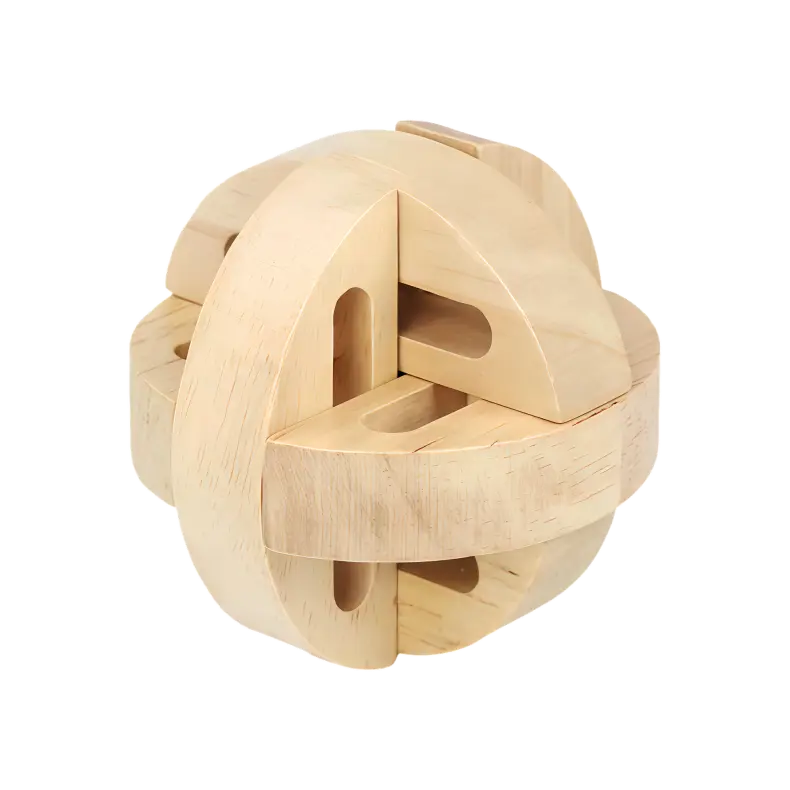
The Mystic Orb Lock ($16.99) is a gorgeous evolution of this ancient engineering. It consists of six semi-circular pieces that form a sphere. The tactile experience here is top-tier; the wood has a slight warmth that metal lacks.
The “trick” here is finding the two special locking pieces. The description calls it “finding the place where death cannot enter,” which is a bit dramatic, but accurate. There is one specific gap that looks like a flaw in the assembly. In reality, that gap is your only way in. I would NOT give this to a child who tends to throw things when frustrated. This is for the adult who enjoys the “yield to succeed” philosophy. You have to push in to make the pieces slide out. It’s counter-intuitive and brilliant.
Advanced Techniques: Beyond the Slide
Once you move past basic sliding panels, you encounter “sequential discovery” puzzles. These are the ones that actually hide tools inside themselves. You might find a small wooden peg in one compartment that acts as a key for a hole you found ten minutes earlier.
If you’re feeling overwhelmed by a physical box, I often suggest shifting your perspective with a quick spatial game to reset your brain. Solving is as much about mental flexibility as it is about finger dexterity.
Besieged City
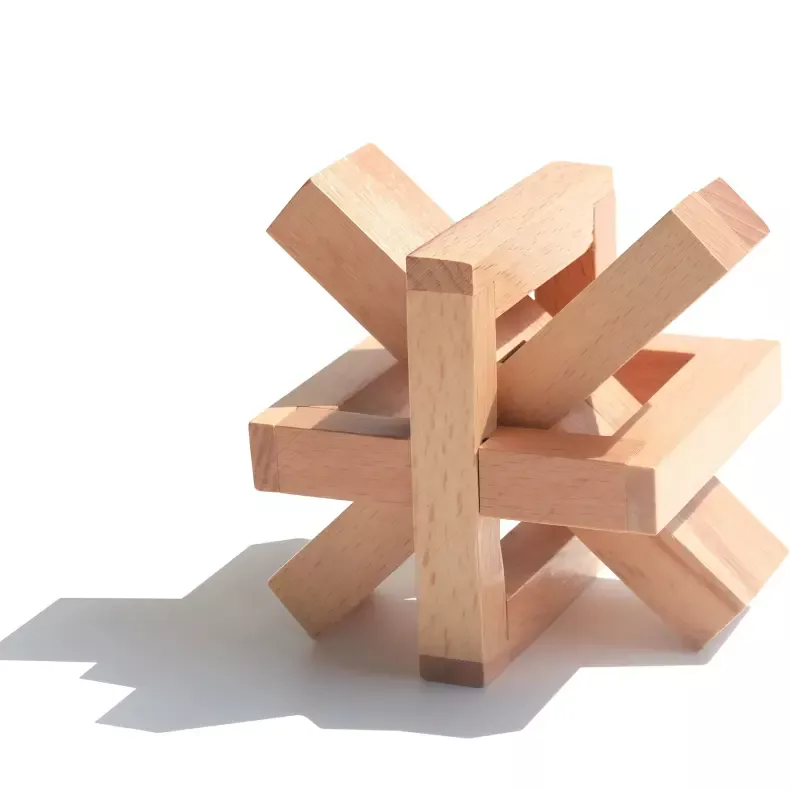
The Besieged City puzzle ($16.99) is the one that really tested my ego. It’s based on a mechanism that supposedly challenged Emperor Taizong. The “trick” is that the solution hides in plain sight.
When I first picked it up, I spent twenty minutes looking for a sliding panel. I was looking for complexity where there was only simplicity. The “great straightness seems bent” philosophy applies here perfectly. It’s a puzzle that punishes over-thinkers. If you’re the type of person who tries to “hack” a problem rather than observe it, this city will remain besieged. At under seventeen dollars, it’s one of the best value-for-money challenges in my cabinet because it forces you to unlearn your bad habits.
The Importance of Reassembly
A puzzle isn’t truly solved until it’s back in its original state. For many, this is the “final boss.” Taking a box apart is an act of discovery; putting it back together is an act of understanding.
I always recommend taking a photo of the pieces once they are laid out. I didn’t do this with the Jiutong Lock ($16.99) the first time, and I spent an hour trying to remember which of the five unique locking blocks went in third. The Jiutong is a skeletal design, meaning you can see the internal “skeleton” of the puzzle as you build it. It’s a different kind of challenge—more about architecture than hidden secrets.
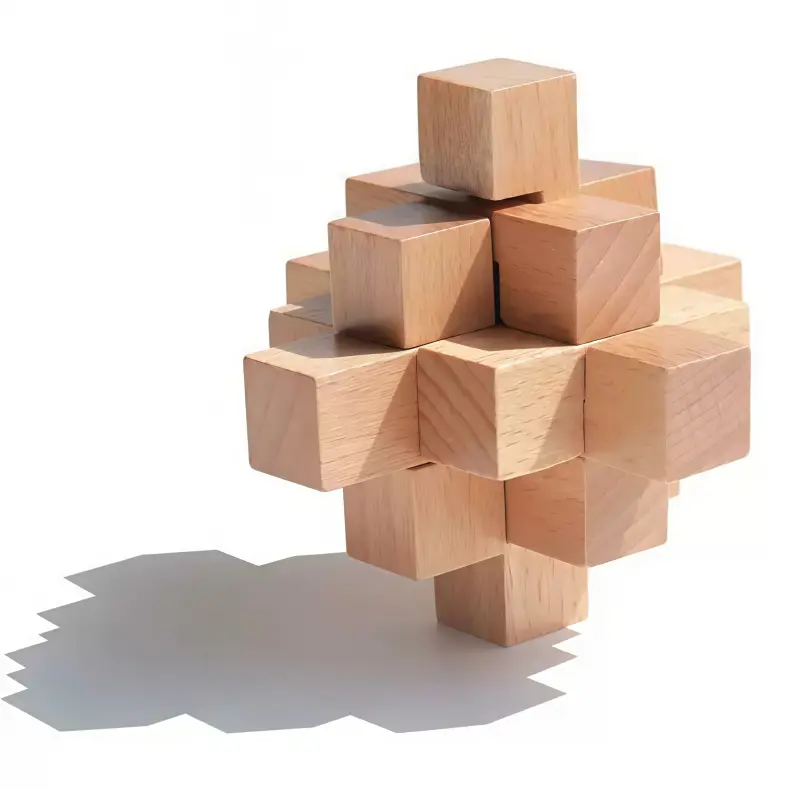
Jiutong Lock — $16.99
The Jiutong Lock ($16.99) is what I call a “desk heirloom.” It’s the kind of thing a visitor picks up, fiddles with for five seconds, and then asks, “Wait, how does this work?” It uses three identical strips and five unique blocks, plus a master key. It’s a reminder that wisdom doesn’t require a journey; sometimes it’s just sitting in your hands, waiting for you to align the blocks.
Why Your First Solve Will Be an Accident
It happens to everyone. You’re sitting on the couch, half-watching a documentary, absentmindedly sliding the pieces of a Plum Blossom Lock ($16.99), and suddenly—click. The box is open. You didn’t mean to do it. You don’t even know what you did.
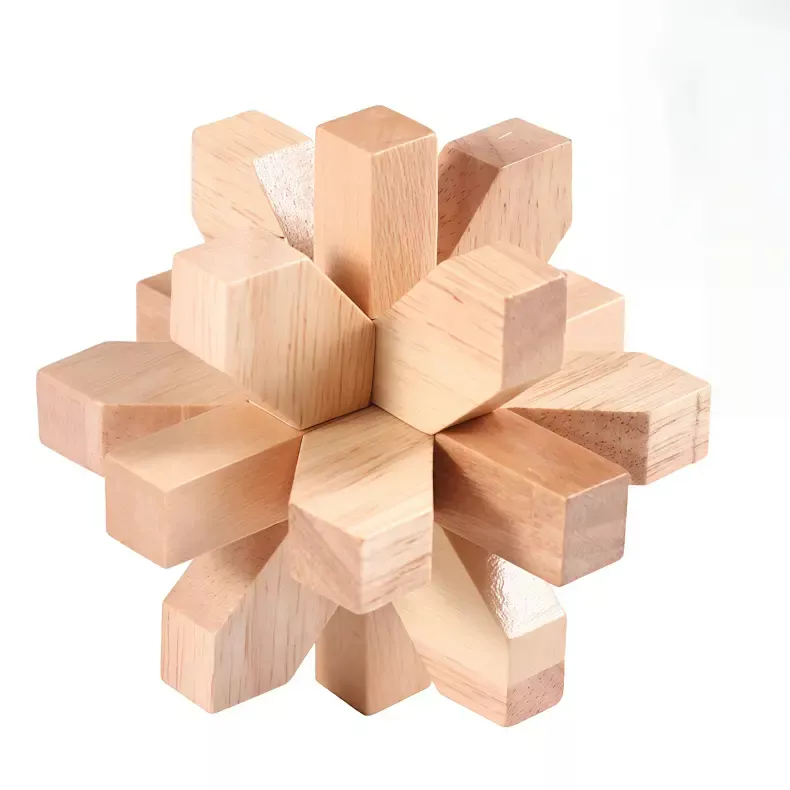
Plum Blossom Lock — $16.99
The Plum Blossom Lock ($16.99) is particularly prone to this because of its harmonious design. With nine pieces (five petals, three pillars, and one key), there’s a lot of “noise” that masks the actual solution. This “accidental solve” is actually a vital part of the learning process. It proves that the mechanism works. Your job now is to reverse-engineer your own success. This is where you move from a “puzzler” to a “solver.”
The “Rattle” Test: Listening to the Internal Void
If a box is truly a “trick” box, it often contains an object. This is the ultimate motivator.
Treasure in a Cage
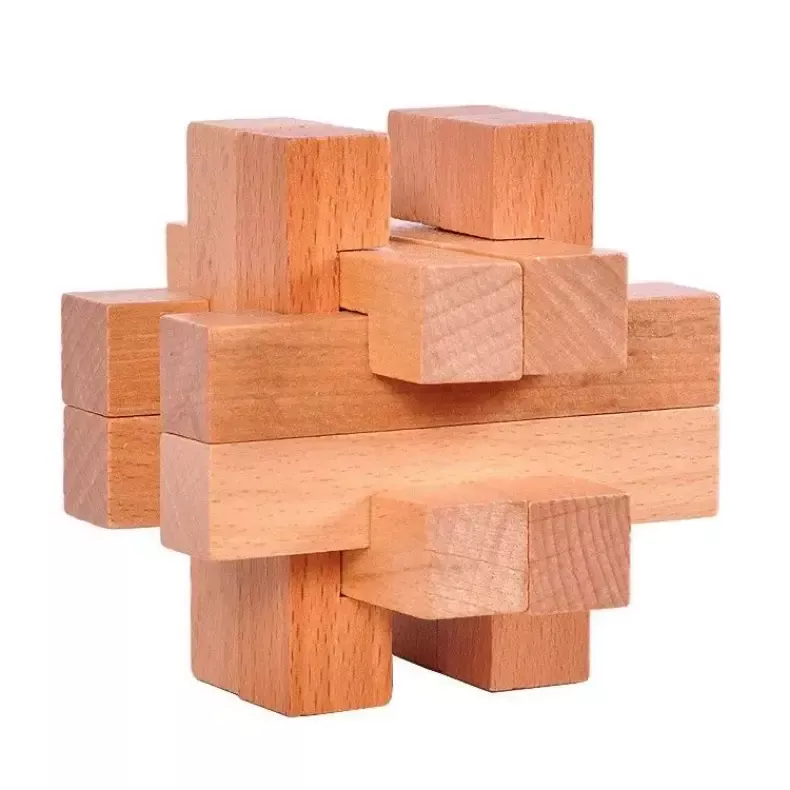
The Treasure in a Cage ($16.99) is a Luban-style teaser that houses a single rattling bead. This is a brilliant piece of design because the bead provides auditory feedback. As you move the twelve interlocking bars, the sound of the bead shifting tells you if you’re creating space or closing it.
I’ve had this on my shelf for months, and I still use it as a fidget toy. The grain of the wood is warm, and the “clack-clack” of the bead is strangely grounding. It rewards “dwelling in the substantial,” as the Taoists say. If you try to use quick tricks, you’ll just jam the bars. You have to dismantle it piece by piece, respecting the order of operations. It’s a great gift because it has that immediate “there’s something inside” hook that appeals to the child in all of us.
Maintenance: Keeping the Trick Smooth
Over time, the oils from your skin can actually help lubricate the wood, but too much can make it tacky. If a puzzle box starts to stick, do NOT use WD-40 or oil. That will swell the wood and ruin the puzzle forever. Instead, use a tiny amount of dry Teflon spray or even just a bit of pencil lead (graphite) on the sliding surfaces.
I’ve noticed that my Kongming Lock Color Match ($16.99) stays much smoother if I keep it in a room with stable temperature.
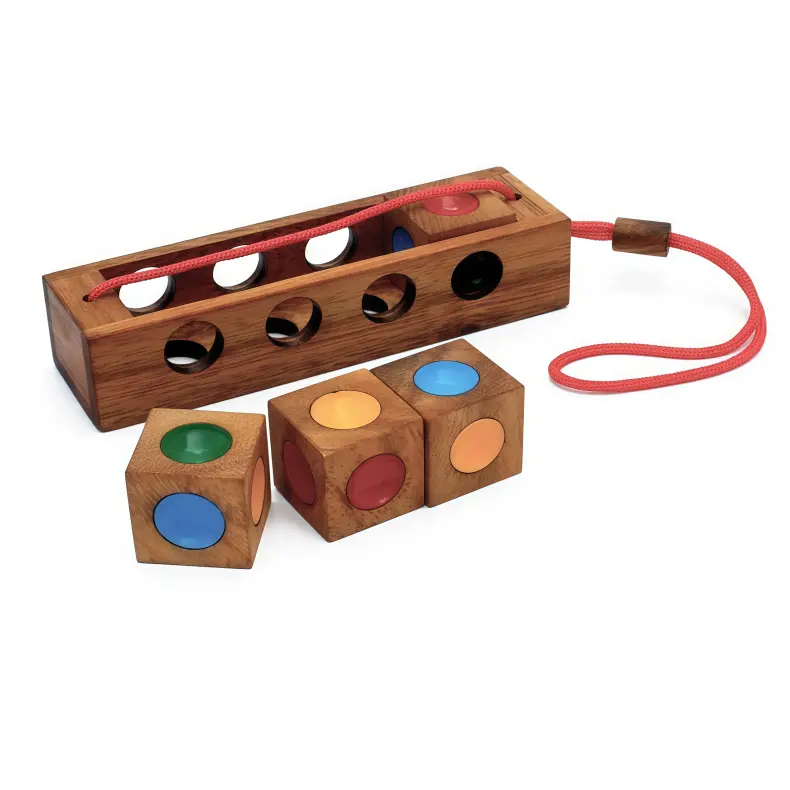
Kongming Lock Color Match — $16.99
The Kongming Lock Color Match ($16.99) is a bit of a departure from the “box” theme, focusing instead on transforming four chaotic blocks into a single whole. It’s a color-matching challenge that uses the same interlocking principles as a trick box. If you’re struggling with the hidden internal locking mechanisms of more complex boxes, this is a great way to train your eyes to see patterns in 3D space.
When to Walk Away (The 20-Minute Rule)
The biggest mistake I see people make is “grinding.” They sit with a box for two hours, getting increasingly frustrated. Their hands get sweaty, the wood swells, and their brain stops being creative.
I have a strict 20-minute rule. If I haven’t made a discovery in 20 minutes, I put the puzzle down. I go for a walk, or I play a quick memory match game to clear the mental cobwebs. Often, the solution hits me when I’m not even looking at the puzzle. This is the “incubation effect,” and it’s a powerful tool in any solver’s arsenal.
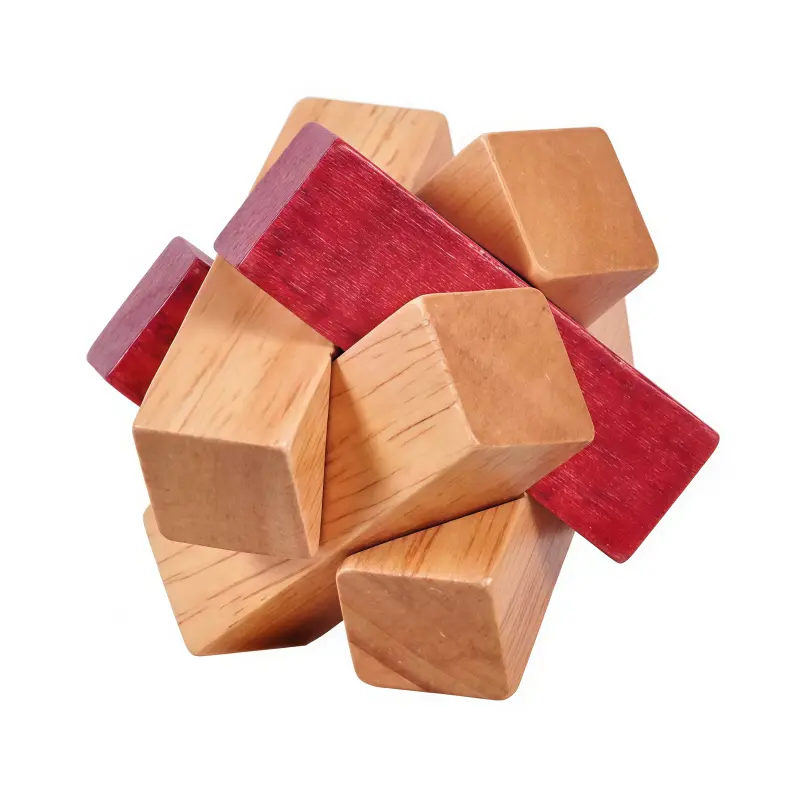
Wood Knot Puzzle — $16.99
Even a seemingly simple Wood Knot Puzzle can benefit from this. This six-piece hardwood challenge is built on geometric harmony—no glue, no screws. It’s “pure” engineering. If you can’t see the “form that has no shape,” you’re just going to keep hitting your head against the wall. Walk away, let your subconscious work on it, and come back when your mind is quiet.
FAQ: Everything You’re Afraid to Ask About Puzzle Boxes
How do I open a wooden puzzle box that is stuck?
First, determine if it’s “stuck” by design or “stuck” due to environmental factors. If it’s the latter, try moving the box to a cooler, drier room for 24 hours. If it’s stuck by design, look for the “loose” piece. Almost every trick box has one piece with slightly more play than the others. Start there. Never use a screwdriver or a knife to pry it open; if it needs that much force, you haven’t found the solution yet.
What is the easiest way to find the secret compartment?
The secret compartment is usually located in the center of the largest volume, but the access to it is often on the smallest face. Look for “dead space.” If the outside of the box is 4 inches tall, but the inside feels like it’s only 2 inches deep, you have 2 inches of hidden space. Check the bottom and the corners. Many “money boxes” use a sliding bottom that only releases when a hidden pin is disengaged by shaking or tilting.
Are there any universal tricks for Japanese puzzle boxes?
Yes. Most traditional Himitsu-Bako (Japanese puzzle boxes) follow a “left-right-up-down” sequence on the end panels. If you’re stuck, try to move the end panels in every possible direction. Sometimes the “move” is only a few millimeters. Also, check if the “key” piece is actually a decorative inlay that looks like part of the pattern but is actually a sliding button.
Can children solve these, or are they for adults only?
While many are marketed for ages 8+, I find that the sweet spot is 12 and up. Younger children often lack the fine motor control to feel the subtle “clicks” of a wooden mechanism and may resort to force. However, something like the Circular Lock is robust enough for a younger enthusiast to explore without much risk of breakage.
Why does my puzzle box rattle? Is it broken?
If it’s a “Treasure in a Cage” or a “Money Box,” the rattle is intentional—it’s the prize! However, in other boxes, a rattle might indicate a “gravity pin” mechanism. If you hear a small, heavy “thud” when you flip the box, that’s a locking pin. You need to manipulate the box (spin, tilt, or tap) to move that pin out of the way.
How do I know if I’m about to break it?
If you see the wood grain start to stress (turning white or splintering) or if you hear a “creak” that sounds like fibers snapping, stop immediately. A mechanical puzzle should move with the resistance of a well-fitted drawer—firm, but smooth. If you have to use your whole hand to move a piece, you’re forcing it.
Do these puzzles come with instructions?
Most quality puzzles do not include a solution in the box. The “Wu Wei” philosophy suggests that the struggle is the point. However, most manufacturers (and sites like Tea Sip) provide digital solutions or video guides if you’re truly at your wit’s end. I always suggest trying for at least three days before looking at a spoiler.
How do I clean a wooden puzzle?
Use a dry, lint-free microfiber cloth. Never use water or household cleaners. If the wood looks dull, a tiny amount of high-quality furniture wax (like Renaissance Wax) can be applied to the outer surfaces only. Avoid getting wax into the internal tracks, as it can gum up the works over time.
What’s the best “first” puzzle box for a beginner?
I always recommend a “sequential slide” box with 4 to 6 moves. It’s complex enough to be rewarding but logical enough that you won’t feel like the solution was a “cheat.” The 6 Piece Wooden Puzzle Key is an excellent starting point because it teaches you to look for the “one different piece” without overwhelming you with 20 sliding panels.
Why are some puzzle boxes so expensive?
You’re paying for tolerances. A $15 box might have a gap of 0.5mm between pieces, which is fine. A $200 collector’s box will have gaps of 0.05mm—so tight that the seams are literally invisible to the naked eye. That level of precision requires hand-finishing and high-grade seasoned hardwoods that won’t warp over time.
Can I build my own trick box?
Absolutely. Many hobbyists start by modifying existing boxes with “secret” false bottoms. However, creating a truly interlocking burr or a sequential discovery box requires a high level of woodworking skill and specialized tools like a table saw with a dado blade or a precision CNC router.
What should I do if I lose a piece?
This is the nightmare scenario. Because these pieces are often custom-fitted to each other, you can’t just “buy a spare.” My advice: have a designated “puzzle zone” (like a tray or a felt mat) where you solve. If a piece goes missing, check the “voids” of the puzzle itself; sometimes a piece slides inside the mechanism and gets stuck.
Is it okay to use a lubricant?
Only dry lubricants. Graphite (from a pencil) is the safest. Rub the lead on the parts of the wood that rub against each other. It will look a bit grey, but it will make the action buttery smooth. Avoid any liquid oils, as they will soak into the wood fibers and cause them to expand, potentially locking the puzzle forever.
Conclusion: The Final Click
The third time the brass pin slipped past my thumb on that Besieged City puzzle, I didn’t get angry. I laughed. I realized I had been holding the box too tightly, causing the wood to compress just enough to pinch the internal mechanism. Once I loosened my grip—literally and figuratively—the city “fell,” and the lid slid open with a whisper.
Opening a trick wooden puzzle box is a lesson in humility. It reminds us that our first instinct (force) is often our worst, and that the most complex problems usually have a solution that is “elegantly simple,” once you stop fighting it.
If you’re ready to start your own collection, don’t go for the most expensive, 50-step box immediately. Start with something that rewards observation, like the 6 Piece Wooden Puzzle Key. It will teach you more about the “art of the solve” than any instruction manual ever could. Just remember to check the humidity, keep your grip light, and for heaven’s sake, don’t lose the key.