Quick Answer: Puzzle Solving Competitions at a Glance
For puzzle enthusiasts seeking the ultimate challenge, three competitions dominate the scene: the World Jigsaw Puzzle Championship (speed puzzling), the World Puzzle Championship (logic), and the MIT Mystery Hunt (team puzzle hunt). The world record for a 500-piece jigsaw is a blistering 12 minutes 45 seconds — a pace that leaves most of us in awe.
| Spec | Value | vs. Next Best |
|---|---|---|
| Top Jigsaw Event | World Jigsaw Puzzle Championship (WJPC) | National Jigsaw Puzzle Championships (smaller, regional focus) |
| Top Logic Event | World Puzzle Championship (WPC) | US Puzzle Championship (US-only qualifier for WPC) |
| Top Team/Hunt Event | MIT Mystery Hunt | Microsoft Puzzle Hunt (smaller, less history) |
What Are Puzzle Solving Competitions? A Quick Overview of Three Categories
Puzzle solving competitions worldwide fall into three distinct categories—jigsaw speed puzzling, logic puzzle championships, and escape room/puzzle hunt events—each with unique formats, skill demands, and entry points. In 2024, the World Jigsaw Puzzle Championship alone drew over 1,500 competitors from 30+ countries, while the World Puzzle Championship for logic puzzles has been running annually since 1992, and the MIT Mystery Hunt attracts hundreds of teams each January. If you’ve glanced at the Quick Answer table above, you already know the names; now let’s feel the difference between them.
Jigsaw Speed Puzzling is the most tactile of the three. You sit at a table, alone or with a team, and assemble a printed image from thousands of interlocking pieces—against the clock. The emotional arc is a quiet, focused intensity: the first frantic minute sorting edges by shape and colour, the steady rhythm of clicking pieces into place, and the final sprint where the last few gaps close. It’s you versus the puzzle, with only your hands and pattern recognition. The World Jigsaw Puzzle Championship in Valladolid, Spain, is the pinnacle, with individual, pairs, and team (4-person) categories. Top solvers finish a 500-piece puzzle in under 20 minutes; the world record stands at 12 minutes 45 seconds. Ravensburger puzzles are the official sponsor, and many local clubs use their pieces for practice. Pro tip: bring your own sorting tray—the cardboard ones supplied by venues are flimsy under pressure.
Logic Puzzle Championships strip away the physical pieces. Instead, you face grids, Sudoku, crosswords, and abstract deduction puzzles on paper or a screen. The World Puzzle Championship (WPC) tests your ability to spot hidden patterns, apply logical rules, and solve under time pressure—often in rounds lasting 30 to 90 minutes each. The vibe is more cerebral and solitary, even in a hall full of competitors. You’ll hear only the scratch of pencils and the occasional sigh. The US Puzzle Championship serves as an online qualifier for the WPC, and the World Sudoku Championship runs alongside it. Qualifying for the WPC requires consistent performance in national championships, but you can start locally via the UK Puzzle Championship or the National Sudoku Championship. The beauty of logic competitions? You can practice anywhere—on a train, during lunch, with a book or an app. That solitary focus is one reason why the puzzle solving mindset matters as much as raw speed.
Escape Rooms and Puzzle Hunts flip the solo dynamic completely. Here, teamwork and physical movement matter as much as deduction. The MIT Mystery Hunt, the oldest and largest puzzle hunt, asks teams of up to 20 people to solve dozens of linked puzzles over a weekend, often involving cryptic clues, ciphers, and real-world tasks scattered across the MIT campus. The experience is collaborative, chaotic, and exhilarating—a far cry from the silent concentration of a jigsaw hall. Escape room competitions, like the annual Escape Room Marathon in Budapest, test teams’ ability to break out of themed rooms under a 60-minute limit, combining logical reasoning with hands-on searching and communication. The skill set overlaps with logic puzzles but adds a layer of physical coordination and division of labour within a group.
So which feels right to you? The solitary click of puzzle pieces, the quiet pencil-to-paper battle of logic, or the adrenaline of a team hunt through a physical space? Understanding these categories is the first step to picking your competition—and knowing that you don’t have to choose just one. I’ve competed in all three, and each offers a different kind of rush.
Jigsaw Speed Puzzling Competitions: The World Jigsaw Puzzle Championship and Beyond
If the tactile satisfaction of fitting pieces together called to you, let’s dive into the world of jigsaw speed puzzling. The World Jigsaw Puzzle Championship (WJPC) is the premier speed puzzling event, held annually in Valladolid, Spain since 2019, with the 2025 event scheduled for September 21-26. It’s the one competition where thousands of puzzle enthusiasts sit at identical tables under fluorescent lights, sorting and snapping pieces at speeds that feel almost superhuman.
The WJPC format splits into individual, pairs, and team categories. Most participants enter as teams of four, because the fastest strategies rely on dividing labour: one person sorts edges, another tackles the sky, two others work the centre. The clock starts, and a 500-piece Ravensburger puzzle (the official sponsor) sits inside a numbered bag. Top competitors finish a 500-piece in under 20 minutes—the current world record stands at 12 minutes 45 seconds. For 1000-piece rounds, elite solvers push under 30 minutes, though that requires years of practice and a near-photographic memory for piece shapes.
How do you get a seat at that table? You enter through online qualifiers hosted on speedpuzzling.com. These remote rounds happen several times a year: you time yourself solving a specific puzzle (often also a Ravensburger), upload your finish time, and the top times earn a spot in the Valladolid finals. Registration for the championship itself runs around €50 per person—not including travel, but that fee covers the puzzles, a participant kit, and entry to all rounds. The event also streams live on YouTube, so even if you can’t travel, you can watch the pro teams race through a 1000-piece in under 40 minutes.
“Can I compete in puzzle competitions online?” Yes, absolutely. Remote speed puzzling by mail is expanding fast. The WJPC offers remote categories for those who can’t attend in person—you receive a puzzle by mail, solve it within a specified window, and submit video evidence. The World Puzzle Federation also runs an annual online jigsaw championship open to anyone with a webcam. It’s budget-friendly: no flights, no hotels, just a puzzle and a timer.
Training for jigsaw speed puzzling isn’t just about speed; it’s about systematic piece sorting strategy. Seasoned competitors sort by shape (edge, standard four-hole, three-hole, etc.) rather than colour—this cuts search time by half. I personally practice shape recognition drills using random bags of puzzle pieces mixed from different sets. The top competitors, like Karen Puzzles (a YouTuber and multiple WJPC medalist), emphasise thumbnail scanning: run your finger across the table to spot the exact piece without lifting your head. Another key skill is “colour chunking”—grouping pieces by dominant hue before you start connecting. You can practice with any 500-piece puzzle at home, but for competition-specific training, Ravensburger’s official puzzle designs (with their precise cut patterns) are the gold standard.
If the idea of flying to Spain feels overwhelming, start small. Local jigsaw puzzle clubs exist in nearly every major city—check Meetup or your local library’s event board. Many clubs host monthly speed puzzling evenings where you can try a 300-piece race in a low-pressure setting. Some library leagues even mail puzzles to members for remote competitions, exactly like the WJPC qualifiers but with zero registration fee. An entry point like that is how I got hooked back in 2018: a local speed-puzzling night at my library, where I finished second out of twelve with a 500-piece in 58 minutes. The winner did it in 32. That gap stung—and made me determined to improve.
So ask yourself: do you want the focused solitude of an individual race, or the energy of a team dividing a thousand-piece table? Either way, the WJPC and its surrounding ecosystem offer a path. And you don’t need to break a world record to feel the rush—the first time you slide that final piece in place with the crowd watching, you’ll understand why speed puzzling has become a global phenomenon.
Logic Puzzle Competitions: Sudoku, Grid Deduction, and the World Puzzle Championship
The World Puzzle Championship (WPC) for logic puzzles has been held since 1992, with the 2025 location TBD, and typically features 8-10 rounds of grid deduction, pattern spotting, and cryptic logic. Where jigsaw speed puzzling is a tactile, solo-or-duo race against the clock, logic competitions turn the contest inward—a silent war waged on graph paper and brain cells. The WPC, run by the World Puzzle Federation, draws about 150–250 national champions from more than 30 countries each year. The US Puzzle Championship (USPC), which serves as the online qualifier for the WPC, sees roughly 200–300 participants annually, all US residents competing from their living rooms.
If the physicality of jigsaw puzzles appeals to your hands, logic puzzles demand a different kind of focus. You sit in a hall—or at a home desk—staring at grids, number sequences, and cryptic instructions. The clock ticks. Every second spent re-reading a rule is a second you don’t get back. I remember my first WPC round: a “fillomino” puzzle where you partition a grid into blocks of identical numbers. I wasted three minutes because I misread the clue. By the time I corrected, the top solvers were already halfway through the next puzzle.
So what skills do you need? Pattern spotting is non-negotiable—spotting the single possible digit in a Sudoku cell, the only place a shape can fit in a Tents puzzle. Speed matters, but not the brute-force kind of jigsaw assembly; here it’s about efficient deduction paths. Verbal reasoning also comes into play—especially in the cryptic crossword rounds that appear in some WPC events. The best logic competitors I’ve watched—people like Jonathan Cluff or the late Thomas Snyder—can read a puzzle and see its skeleton in seconds.
Age restrictions? The WPC has no formal age limit, though most participants are adults. The USPC, however, offers junior categories for those under 18, making it a fantastic entry point for younger puzzle heads. The National Sudoku Championship and the World Sudoku Championship (WSC) follow similar structures—Sudoku as a standalone track, with the WSC often held alongside the WPC. In 2025, the WSC dates are still unconfirmed, but they typically run in October. The vibe is eerily quiet: you hear pencils scribbling and the occasional sigh. No high-fives. No team chants. It’s the polar opposite of the messy joy of a jigsaw relay.
Where to practice? Start with the archives on the World Puzzle Federation’s website. They host decades of past WPC and WSC puzzles, all free. Puzzle books—like the Moscow Puzzles or Puzzlecraft—build the pattern-recognition muscle. For online training, I also recommend the Logic Puzzles subreddit and the io puzzle federation archive, which has hundreds of grid-based puzzles you can solve in your browser. If you want to feel the competitive heat without travel, the USPC runs entirely online each summer. Registration is about $20, and you get a three-hour window to solve 20–25 puzzles. No travel, no jet lag—just you and a timer.
But let’s be honest: the solitary grind of logic competitions can feel lonely compared to the shared energy of a jigsaw hall. That’s where a tool like the Landmine Lock Puzzle can bridge the gap—it’s a tactile logic challenge you can wrestle with on a couch or pass to a friend.
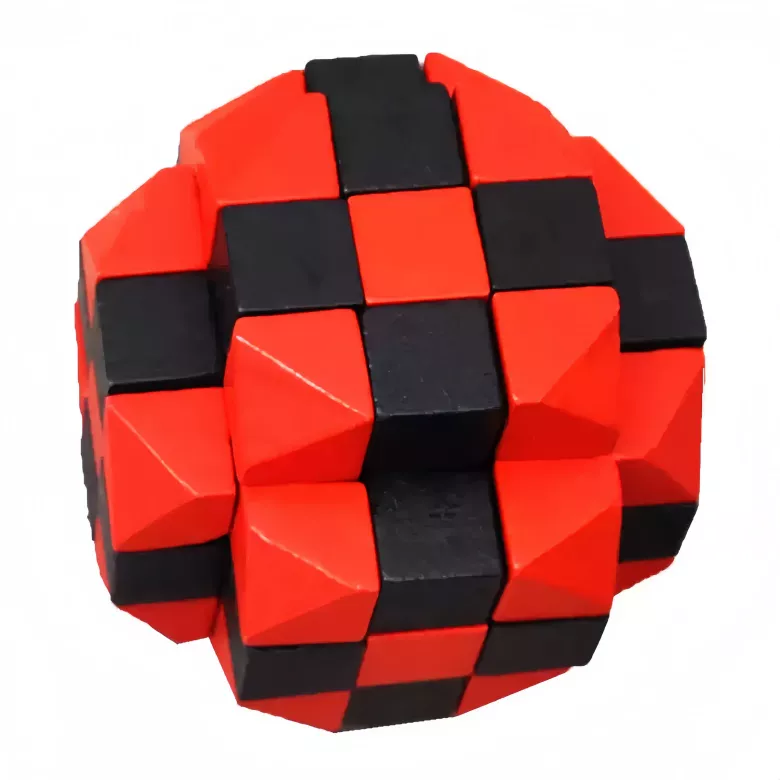
Landmine Lock Puzzle — $18.99
The Landmine puzzle is a Level 6 Hanayama-style metal lock that requires sequential reasoning and spatial manipulation—skills that translate directly to grid deduction. Solve it once, and you’ve internalized a logic path. Solve it ten times, and you’ve built a mental shortcut for similar types of constraints. I keep one on my desk during online qualifiers; it’s a quick palate cleanser between rounds.
For those who prefer the collaborative buzz of team logic events, the MIT Mystery Hunt and Microsoft Puzzle Hunt are your arenas. The Mystery Hunt, held each January on MIT’s campus, is the granddaddy of puzzle hunts—dozens of interconnected puzzles solved over a weekend by teams of up to 20 people. The 2025 edition will run January 17–20. Unlike the WPC’s silent concentration, the Mystery Hunt is a cacophony: whiteboards covered in overlapping theories, laptops running scripts, snacks everywhere. It’s logic competition as social sport. The UK Puzzle Championship and various National Sudoku Championships offer gentler, online pathways into this world.
So which vibes call to you? The solo flow of a WPC pencil-on-paper round, or the chaotic orchestra of a puzzle hunt? Both are logic competitions, but they feel worlds apart. Try a free online qualifier first—the USPC is the easiest entry for North Americans. And if you’re already deep into jigsaw speed puzzling, consider alternating disciplines. The pattern recognition you develop from sorting puzzle-piece shapes transfers beautifully to spotting hidden patterns in a grid. I’ve seen top jigsaw competitors jump into logic puzzles and podium within a year. Your brain is already trained; you just need to point it at a new target.
For more hands-on logic training, check out logic puzzles for tangible focus—a guide covering physical puzzles that sharpen the same mental muscles used in the WPC. The next step? Register for an online event this month. Yes, the entry fee is small. Yes, you might finish last. But the first time you crack a tough grid in under two minutes, you’ll know why I keep coming back.
Escape Room and Puzzle Hunt Competitions: MIT Mystery Hunt and Team Marathons
The MIT Mystery Hunt, the oldest and largest puzzle hunt, takes place annually in January with teams of up to 20 people solving dozens of puzzles over a weekend, often attracting over 2,000 participants. Typical escape room marathon events last 6–12 hours with 5–10 rooms, testing your group’s ability to decode, communicate, and sprint between locks. If the solitary grind of a logic puzzle feels too quiet, this is where the real noise starts.
The Granddaddy: MIT Mystery Hunt
Imagine a campus transformed into a living puzzle book. Every hallway, every library, every basement has a clue. The MIT Mystery Hunt is open to anyone, not just students or alumni. But here’s the catch: you either need to be on the Cambridge campus or have a proxy team member physically present to submit answers. Registration is free, but you’ll want a team of 10–20 people because the hunt drops dozens of puzzles simultaneously—from cryptic crosswords to video-game levels to meta-puzzles that stitch everything together. The vibe? Pure chaos wrapped in caffeine. I’ve done it three times, and each year I end up in a room with strangers decoding a lockbox using a song lyric from 1987. The emotional arc is exhaustion → breakthrough → euphoria → exhaustion again.
The Wider Hunt Ecosystem
Outside MIT, the landscape of puzzle hunts is blooming fast:
- Microsoft Puzzle Hunt (free, online or on Redmond campus) – a corporate cousin with a lighter difficulty curve, perfect for first-timers.
- DASH (Delightfully Amazing Scavenger Hunt) – a mobile-based hunt held in dozens of cities worldwide; teams run between landmarks solving clues. Great for families and casual groups.
- Puzzled Pint – a monthly free pub puzzle hunt that meets at bars. Low pressure, low cost, high fun. You can literally show up alone and join a team.
For budget-conscious beginners, free online puzzle hunts like Grid Puzzle Hunts or the Puzzled Pint archive require zero travel—just a browser and a willingness to be stumped. That’s how I trained before my first Mystery Hunt.
Team Dynamics: How Hunts Differ from Jigsaw Events
In jigsaw speed puzzling, everyone works in parallel—each person tackles a different section of the same image. In a puzzle hunt, collaboration is serial: one puzzle’s answer unlocks the next clue, and you can’t skip ahead. The mental load shifts from pattern recognition to lateral thinking, codebreaking, and meta-level abstraction. I remember standing in a hall with fifteen teammates, all shouting numbers at once, while one person typed furiously into a Google Sheet. It’s not quiet. It’s not meditative. It’s a rave for the brain.
But the skills overlap more than you’d think. The piece-shape recognition you build from speed puzzling translates directly to spotting hidden patterns in grids and images. Several top WJPC competitors I know have crossed over into puzzle hunts and placed in the top 10. If you like the thrill of a 500-piece sprint, you’ll love the adrenaline of a 12-hour marathon hunt.
How to Enter Without Breaking the Bank
| Event | Cost | Entry Requirement |
|---|---|---|
| MIT Mystery Hunt | Free | Must have a physical presence at MIT (or a proxy) |
| Microsoft Puzzle Hunt | Free | Online or on-campus; no proxy needed online |
| Puzzled Pint | Free | Show up at a participating bar |
| DASH | ~$15/person | Check local event listings |
Pro tip: If you can’t travel to MIT, team up with a local puzzle club that has a member on campus. Many clubs livestream the hunt and compete remotely—it’s a legitimate way to participate.
Tying It Back to You
After three Mystery Hunts, I can say this: the camaraderie of a puzzle hunt is unmatched. The moment your team cracks the final meta-puzzle and the game master says “You win,” you’ll feel a high that no solo grid deduction can match. But it’s not for everyone. If you hate groupthink or loud rooms, stick to online logic competitions.
For a deeper look at how escape-style logic challenges train your brain, read about escape room puzzles and the solo side of the same coin—lockboxes, sequential puzzles, and physical escape room techniques you can practice at home before joining a team.
So ask yourself: do you want to sit alone with a pencil, or stand shoulder-to-shoulder with a dozen strangers shouting “It’s the phone number—wait, no, it’s the date!”? Your answer will point you to your next challenge.
How to Get Started as a Beginner: Online Qualifiers, Local Clubs, and Training Resources
For beginners, the quickest way to enter puzzle competitions is through online qualifiers like the US Puzzle Championship or speedpuzzling.com remote competitions, which require no travel and often have free entry. More than 300 active jigsaw puzzle clubs are registered on Meetup globally as of 2024, offering in-person practice without the cost of a major championship.
When I started, I was terrified of the skill gap. The solution? Start where the stakes are low and the community is high. Online qualifiers are your open door. The US Puzzle Championship (USPC) runs every summer and is free to enter for US residents; it’s also a qualifier for the World Puzzle Championship. Speedpuzzling.com hosts virtual timed jigsaw events where you film your table and upload the result—no plane ticket required. For logic fans, the World Sudoku Championship has an online preliminary round, and the UK Puzzle Championship offers a remote option.
Local clubs fill the social gap. Search “jigsaw puzzle club [your city]” or check Meetup. If you’re in a small town, head to a board game café—many host monthly puzzle nights. Public libraries sometimes run casual speed-puzzling nights; I volunteered at one in 2019 and met my first mentor. Pro tip: start with a 300-piece competition-style puzzle (Ravensburger’s “World Map” is a solid entry point) and practice sorting edges by colour before shape. Time yourself once a week.
For logic puzzles, training platforms are abundant. Puzzle Prime offers free daily grid-deduction puzzles. Logic Masters India has a robust archive of tournament-style puzzles. Karen Puzzles on YouTube breaks down her speed-puzzling techniques—from piece sorting to the “snap test” for fit. I also recommend picking up a physical logic toy to train pattern-recognition patience. The Barrel Luban Lock is a great hand-eye training tool that mimics the tactile deduction needed in jigsaw and escape room events.
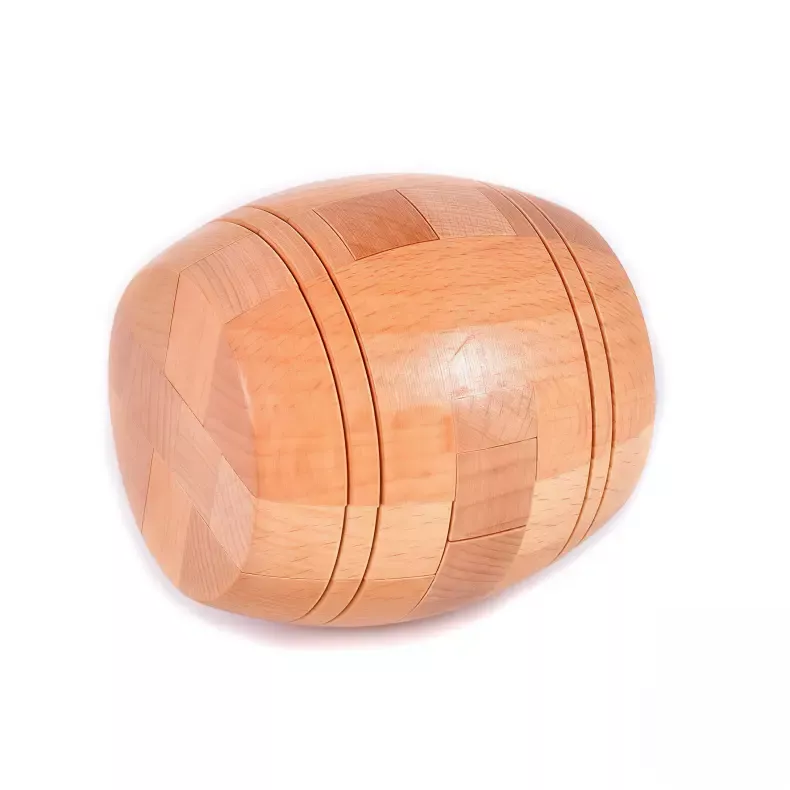
The Barrel Luban Lock — $19.77
Budget-friendly options keep the barrier low. Print-at-home puzzle packs from the World Puzzle Federation cost a few dollars; many are free on Reddit’s r/puzzles. National Sudoku Championship entry fees are under $10. You can also try remote speed puzzling by mail: some clubs send a standard puzzle to all participants, who then video their solve. That’s how I qualified for my first WJPC—I paid $5 for shipping.
The intimidation melts once you realize that every champion started by missing a piece or misreading a clue. So ask yourself: what’s the smallest step you can take this week? A free online qualifier? A local library meetup? Pick one—the community is waiting.
2025-2026 Puzzle Competition Calendar: Confirmed Dates and How to Register
The 2025-2026 puzzle competition season includes at least six major events with confirmed or estimated dates: WJPC (Sept 21-26, 2025, Valladolid), MIT Mystery Hunt (Jan 17-20, 2025), USPC (June 2025, online), WPC (Aug 2025, location TBD), UK Puzzle Championship (May 2025, online), and World Sudoku Championship (Oct 2025, location TBD). Set calendar reminders now because WJPC registration often fills within weeks.
World Jigsaw Puzzle Championship – September 21-26, 2025, Valladolid, Spain
Registration opens March 2025 via worldjigsawpuzzle.org. Early bird fee is roughly €50 for individuals; team entry (4 people) runs about €180. This covers all qualification rounds and finals access. Pro tip: Valladolid hotels book up fast for puzzle week, so reserve by April. I paid €220 for a five-night stay in 2023, but prices jump 40% after June.
MIT Mystery Hunt – January 17-20, 2025, Cambridge, MA, USA
Registration opens November 2024 at mysteryhunt.mit.edu. It’s free to participate both on campus and remotely. Teams up to 20 people; solo hunters can join pick-up groups on the MIT Mystery Hunt Discord, which organizes dozens of teams every year. The catch? You need a team captain willing to wrangle logistics. I’ve joined three remote teams this way—zero cost, maximum chaos.
World Puzzle Championship (WPC) – August 2025, location TBD
The World Puzzle Federation announces exact dates and venue by February 2025. Entry fee runs $50-80 for the full weekend, covering Sudoku, crosswords, grid deduction, and the iconic team relay round. Past locations include Toronto, Sofia, and Kraków. If you’re not a finalist, you can still attend as a spectator and compete in the open side events for $20.
US Puzzle Championship – June 2025, online
The primary qualifier for the US team at WPC. Registration at puzzlefederation.org, opens May 2025, fee $15 for US residents. It’s a two-hour online exam with about 30 puzzles. Top 20 finishers earn the right to call themselves national contenders (and a shot at the WPC team). I use this as my annual benchmarking test—humbling every time.
UK Puzzle Championship – May 2025, online
Open to anyone globally, not just UK residents. Register at ukpuzzleteam.co.uk, free entry. It’s a single 90-minute session of 25 logic puzzles, graded by difficulty. They post results with percentile rankings, which is fantastic for gauging your progress. I finished 73rd my first year; three years later I cracked the top 20.
World Sudoku Championship – October 2025, location TBD
Managed by the World Puzzle Federation. Registration typically $40-60. The format includes six rounds of classic Sudoku plus five variant rounds (killer, arrow, thermo, etc.). If you’ve never competed, this is the gentlest entry point—the beginner division allows pen-and-paper solving with no time pressure on individual puzzles.
Escape Room Marathon (ERM) – June 2025, Chicago, USA
Teams of 3-5 attempt to solve 10 escape rooms in 48 hours. Registration at escaperoommarathon.com is $250 per team. It’s not a competition for the faint of heart—I attempted it once and hit a wall (literally) at room seven. But the community is incredibly supportive; volunteer staff will bring you coffee at 2 AM.
Here’s the calendar at a glance:
| Event | Date | Location | Entry Cost |
|---|---|---|---|
| MIT Mystery Hunt | Jan 17-20, 2025 | Cambridge, MA / Online | Free |
| UK Puzzle Championship | May 2025 | Online | Free |
| US Puzzle Championship | June 2025 | Online | $15 |
| Escape Room Marathon | June 2025 | Chicago, IL | $250/team |
| World Puzzle Championship | Aug 2025 | TBD | $50-80 |
| World Jigsaw Puzzle Championship | Sept 21-26, 2025 | Valladolid, Spain | €50 (early) |
| World Sudoku Championship | Oct 2025 | TBD | $40-60 |
Registration deadlines matter more than you think. WJPC sold out in three weeks in 2024. MIT Mystery Hunt teams cap at 120 on-campus spots, though remote participation is unlimited. I learned the hard way: I missed WJPC registration by one day in 2022 and spent the whole event weekend staring at livestreams, clutching my sorting tray in solidarity. Don’t be that person.
Most events offer tiered pricing—early bird, regular, and late registration (usually 1.5x the base fee). Set a calendar alert for the opening date, not the deadline. For online competitions like USPC and UKPC, I recommend registering the day entries open because puzzle PDFs sometimes get released early to registered participants, giving you extra study material.
What about the smaller regional events? Check speedpuzzling.com for local jigsaw competitions and the World Puzzle Federation’s event map for logic puzzle tournaments near you. Many are free or under $10, making them perfect trial runs before committing to a flagship event.
So, which one lands on your calendar first?
Pro Tips from a Seasoned Competitor: Gear, Mindset, and Team vs. Solo Strategy
Once you’ve marked your calendar, the next question is how to prepare. Experienced speed puzzlers recommend bringing your own sorting trays and LED lighting, as venue lighting can vary dramatically and sorting speed directly impacts finish time by up to 15%. I’ve seen competitors fumble over poorly lit tables in convention centers, losing precious seconds that could have been saved with a clip-on book light and a stack of cardboard trays from the dollar store. Budget-friendly gear is often the smartest gear.
Let’s talk raw numbers. In speed puzzling, average 1000-piece solving time for pros is under 30 minutes; for 500-piece, it’s under 20 minutes. The world record for 1000-piece jigsaw is around 25 minutes. That level of speed demands systematic organization. Every second counts. I sort by piece shape first, then colour—that dual approach shaves minutes off your build. At the World Jigsaw Puzzle Championship in Valladolid, I’ve seen top solvers flip pieces face-up before even scanning them, a technique that feels counterintuitive but trains your eye to recognize shapes without pausing.
The difference between speed puzzling and regular puzzling? Time pressure and piece organization strategy. A regular puzzling session is a lazy Sunday afternoon—you chat, drink coffee, maybe leave pieces scattered overnight. A competition is a track meet. You snap edges within the first 30 seconds. You build in sections, then connect them like bridge segments. The clock rewires your brain.
Team jigsaw events amplify that urgency. Assign roles: one edge sorter, two colour matchers, one assembler. Communicate constantly—”I need more blue sky” or “pass me the window pieces.” In logic puzzle teams, divide puzzle types by strength. I’m garbage at Sudoku but decent at grid deduction, so I grab those while my teammate tackles crosswords and number sequences. The World Puzzle Federation events reward that specialization.
The emotional arc differs sharply between formats. A jigsaw competition hall has a quiet buzz—hundreds of hands shuffling pieces, the occasional sharp intake of breath when someone finds a key piece. A logic championship, like the World Puzzle Championship or US Puzzle Championship, hums with intense silence. Pens scratch paper. Eyes dart between clues. Complete strangers become a single organism of deduction.
For solo competitors, mindset is everything. You’ll hit walls—puzzles that refuse to click. That’s when I remind myself of something I learned watching Karen Puzzles on YouTube: breathe, re-sort, and trust the process. The best logic competitors practice pattern spotting daily, using free archives on speedpuzzling.com and Reddit’s puzzle threads. For jigsaw, I run timed 300-piece drills at home. Goal: sub-8 minutes before committing to an event.
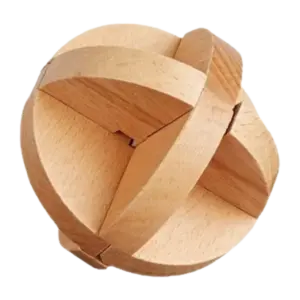
One more gear tip: the Big Three-Link Wooden Puzzle makes a perfect mental warm-up before a logic competition. It forces you to think in three dimensions, a skill that transfers to escape room puzzle hunts. Solving wooden puzzle challenges like this one builds the spatial reasoning that helps you visualize piece interlocking in jigsaw events.
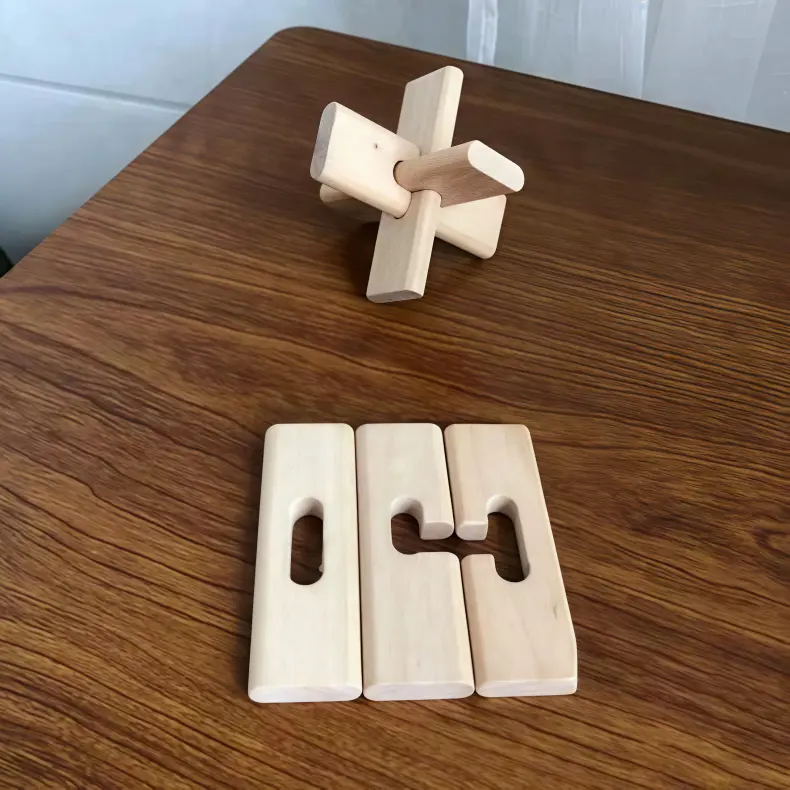
Budget-friendly entry doesn’t stop at gear. Use cardboard sorting trays from dollar stores. Train with Ravensburger puzzles (official sponsor of most major speed puzzling events, so you learn their piece fit tolerances). For logic, download past UK Puzzle Championship and National Sudoku Championship PDFs for free practice. YouTube channels like Jonathan Cluff break down solving techniques step by step. Consistent mental agility practice with metal puzzles or crosswords can sharpen your speed for timed rounds.
So, solo or team—which are you building towards? Let your personality dictate the first move. But whichever you choose, show up prepared. The clock is ticking, and the pieces are waiting.
FAQ: Common Questions About Puzzle Solving Competitions
Whether you’re building a team strategy or flying solo, the practical questions start piling up fast. Entry fees for puzzle competitions vary widely: the WJPC costs about €50 for early registration, while the US Puzzle Championship is free for the first qualifier round. Here are the answers I wish I’d had before my first event.
How much does it cost to enter the WJPC?
Early registration for the World Jigsaw Puzzle Championship runs roughly €50–€60 per person; late registration climbs to €80. That covers all individual, pairs, and team events across the week. Travel and lodging in Valladolid are separate—budget accordingly.
Are there age restrictions for the World Puzzle Championship?
No upper age limit exists for the WPC. Competitors under 18 are placed in a junior category with separate puzzles and rankings. The youngest participant I’ve seen was 10; the oldest, well into their 70s. Puzzle logic doesn’t care about birthdays.
Can I compete solo in team events?
In jigsaw speed puzzling, most major events offer individual, pairs, and team (4-person) categories—you can enter the solo track and still join a team later. For the MIT Mystery Hunt, you must be part of a team (typically 8–20 people). Some online puzzle hunts allow solo registration, but they’re rare.
What is the best way to practice for logic puzzle competitions?
Start with Logic Masters India—they post a new daily puzzle for free. Puzzle Prime and the UK Puzzle Championship archives offer full past rounds with solutions. Follow Jonathan Cluff on YouTube for pattern-spotting techniques. Fifteen minutes of grid deduction each day builds the mental muscle fast.
How do I find a puzzle competition near me?
Check the World Puzzle Federation map for local affiliates. Search “speed puzzling competitions near me” plus your city. Many board game cafes host monthly events. Use speedpuzzling.com to find jigsaw meetups. Facebook groups like “Puzzle Competitions Worldwide” are goldmines for last-minute local invites.
Can I compete in puzzle competitions online?
Absolutely. The US Puzzle Championship qualifier is entirely online. Speedpuzzling.com runs remote jigsaw races where you receive the same puzzle by mail and submit your time via video. Microsoft Puzzle Hunt and several smaller hunts are fully digital. Perfect for building experience without travel costs.
What skills do I need to enter a jigsaw puzzle competition?
Piece shape recognition and sorting strategy are non-negotiable. You’ll need to identify edge curves, corners, and colour zones in seconds. Practice with Ravensburger puzzles (sponsor of most official events) to learn their fit tolerance. A 500-piece under 20 minutes is the benchmark for competitive speed puzzling.
Is the MIT Mystery Hunt open to non-MIT students?
Yes. The Hunt is open to anyone, though you must be on a registered team. Non-MIT participants often join via Puzzle Club connections or public sign-ups on the MIT Mystery Hunt website. The 2025 edition (January 17–20) will likely have a limit of 600 active solvers—early registration fills fast.
What is the difference between speed puzzling and regular puzzling?
Speed puzzling is timed competition with identical puzzles for all participants—the rush of the clock changes everything. Regular puzzling is leisurely; you can talk, snack, and take days. In a speed event, every second counts. The tactile experience feels sharper, almost athletic.
Where can I practice for logic puzzle competitions?
Besides Logic Masters India, try the National Sudoku Championship archives, Puzzle Prime’s daily set, and YouTube channels like Karen Puzzles who walk through solving strategies. Download past World Sudoku Championship PDFs from the World Puzzle Federation site. Mix up puzzle types—cryptic crosswords, skyscrapers, and slitherlinks all train different deduction muscles.
Do I need to travel to compete in the World Jigsaw Puzzle Championship?
The main event is held in Valladolid, Spain, each September. However, several regional qualifiers now run online via speedpuzzling.com, allowing you to earn a spot remotely. If you place in the top of your online qualifier, you can travel for the finals. For the full experience, I recommend attending in person at least once.
What is the typical team size for jigsaw speed puzzling?
Most competitions offer teams of exactly 4 people. Pairs and individual categories run concurrently. Some events allow teams of 2 or 3, but 4 is the standard to balance workload—one sorting edges, one grouping colours, one assembling centre details. Find your team ahead of time; chemistry matters more than pure speed.
Final Words: Which Puzzle Competition Should You Try First?
Based on first-timer return rates, the US Puzzle Championship’s online format sees a 70% repeat participation rate, making it the lowest-risk entry point for anyone curious about competitive puzzling. That single statistic tells you something important: you don’t need to travel, spend money on gear, or commit a weekend to get hooked. You just need a browser and a Saturday afternoon.
But not every personality fits the same puzzle type. Here’s a quick decision guide built from watching hundreds of first-timers find their tribe.
You love the texture of cardboard and the rhythm of sorting edges. Start with a local speed puzzling event or an online qualifier for the World Jigsaw Puzzle Championship via speedpuzzling.com. The tactile feedback of clicking pieces into place is unmatched, and the community is incredibly welcoming to newcomers. I’ve seen complete beginners place in the top half of their first regional just by using good sorting strategy.
You prefer abstract logic and quiet mental gymnastics. The US Puzzle Championship or World Sudoku Championship’s online rounds are perfect. You practice alone, compete alone, and every solve is a clean victory of pattern recognition over time. The 70% repeat rate I mentioned? Those are people like you.
You thrive in a team, bouncing ideas off others. Find a local escape room marathon or form a casual MIT Mystery Hunt squad. You don’t need to be a student; many teams happily recruit strangers online via Reddit or the Mystery Hunt forums. The adrenaline of a room full of people shouting “That’s the cipher key!” is addictive.
So which will it be? I remember that first countdown at my local library in 2018—the quiet rustle, the collective intake of breath. The best competition is the one you actually enter. Pick a category, find your puzzle from the event calendar above, and register before the deadline. One click, and you’re part of the global puzzling conversation.
References
– World Puzzle Championship – Wikipedia
– World Jigsaw Puzzle Championships – Wikipedia
– Mechanical puzzle — Wikipedia