Mistake: Pushing through resistance
Correction: Stop immediately, reverse one move, and check alignment again.

This page explains how to choose, practice, and improve with gear ball style puzzles. You get a clear buying framework, practical progression levels, common mistake fixes, and 20 verified products from Tea-Sip that fit beginner to advanced goals.
A gear ball puzzle is a mechanical logic toy where turns are linked, so one move changes multiple pieces together. Compared with a standard speed cube, a gear ball usually rewards deliberate planning over fast finger speed. Compared with static brain teasers, it provides visible state changes that make progress easier to track.
Gear ball products are a strong fit for beginners who want structured focus, hobby solvers who enjoy mechanical systems, and gift buyers who want an object that stays interesting after the first unboxing.
Use budget, difficulty, and usage scenario together before buying any gear ball style puzzle.
| Tier | Typical Budget | Best Use Case | What to Look For | Examples in This Guide |
|---|---|---|---|---|
| Entry | $11 - $15 | Daily 10-15 minute practice | Low force movement, easy reset path, clear grip points | 4 Band Puzzle Ring, Ring Rescue, Metal Starfish Puzzle Ring |
| Mid | $16 - $20 | Consistent skill growth | Multi-state behavior, repeatable reassembly, stronger feedback | Mystic Orb Lock, Interlock Puzzle Sphere, Plum Blossom Lock |
| Advanced | $20+ | Long-form challenge and display value | Layered mechanisms, precise parts, sequence depth | Puzzle Safe, Mechanical Treasure Box, Magic Scroll Puzzle |
Correction: Stop immediately, reverse one move, and check alignment again.
Correction: Test one branch at a time and note exactly what changed.
Correction: Always run one clean repeat solve before ending practice.
Correction: Master one beginner and one intermediate model first.
Every card below uses a real Tea-Sip product URL. Descriptions are written for practical decision-making, with clear notes on difficulty, use case, and how each model supports gear ball skill development.
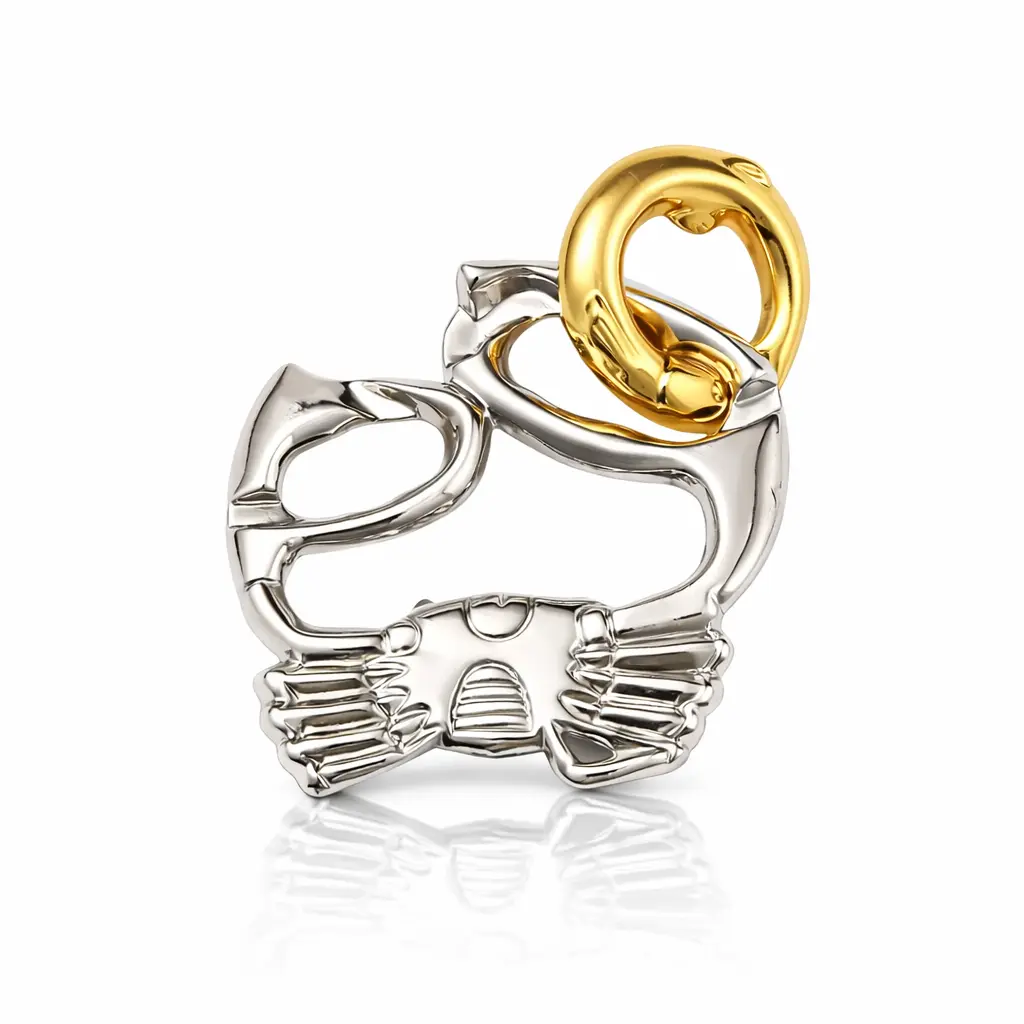
Metal Crab Puzzle Cast Brain Teaser with Gold Ring is a compact disentanglement challenge that teaches careful sequencing. Use it as your first gear ball warm-up: rotate, pause, and map each state before moving again. The medium resistance gives clear tactile feedback without forcing. Two short runs per day improve hand control and help you build reliable, repeatable solve habits.
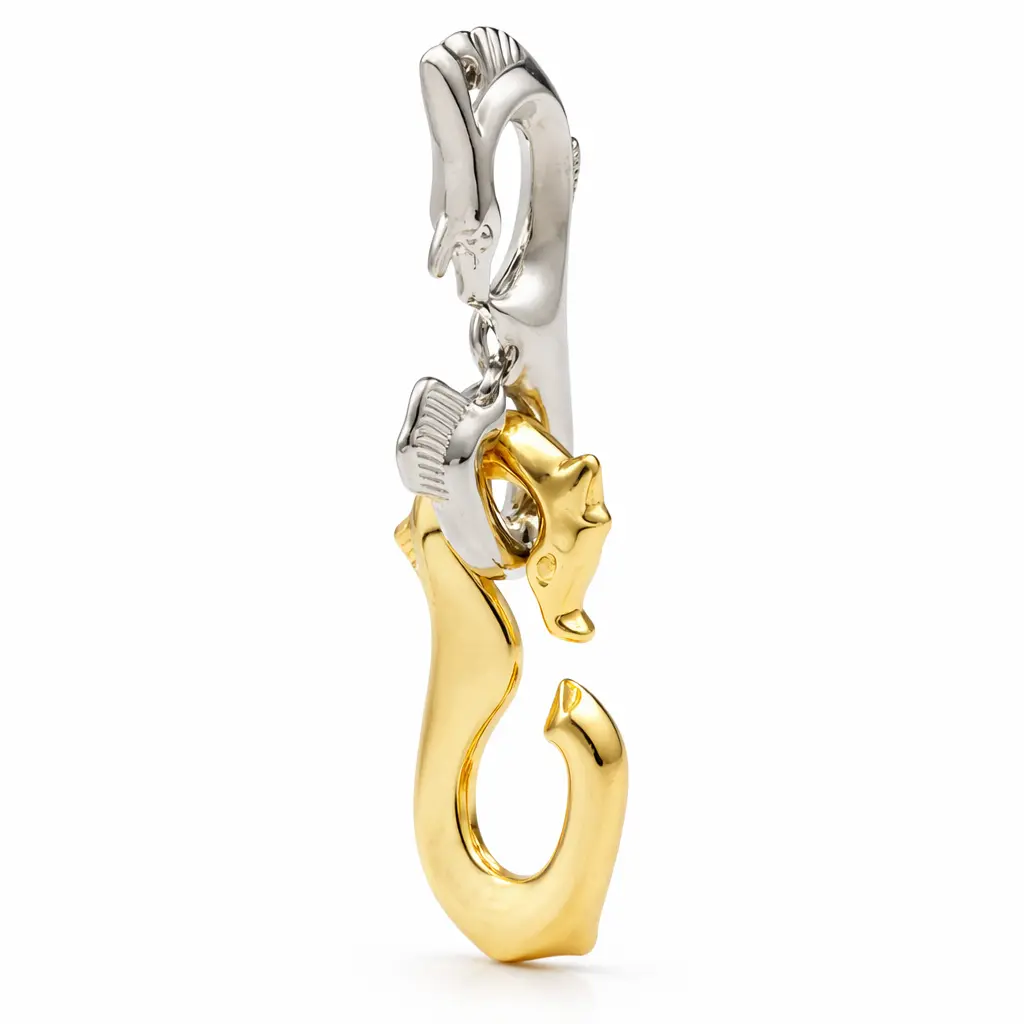
This two-piece puzzle is ideal for clean fundamentals. It rewards patience, light pressure, and deliberate branch testing, which are the same behaviors needed for better geared-sphere consistency. Use a timer for one controlled attempt, then repeat with fewer moves. The structure is simple enough for new solvers but still meaningful for daily focus practice.
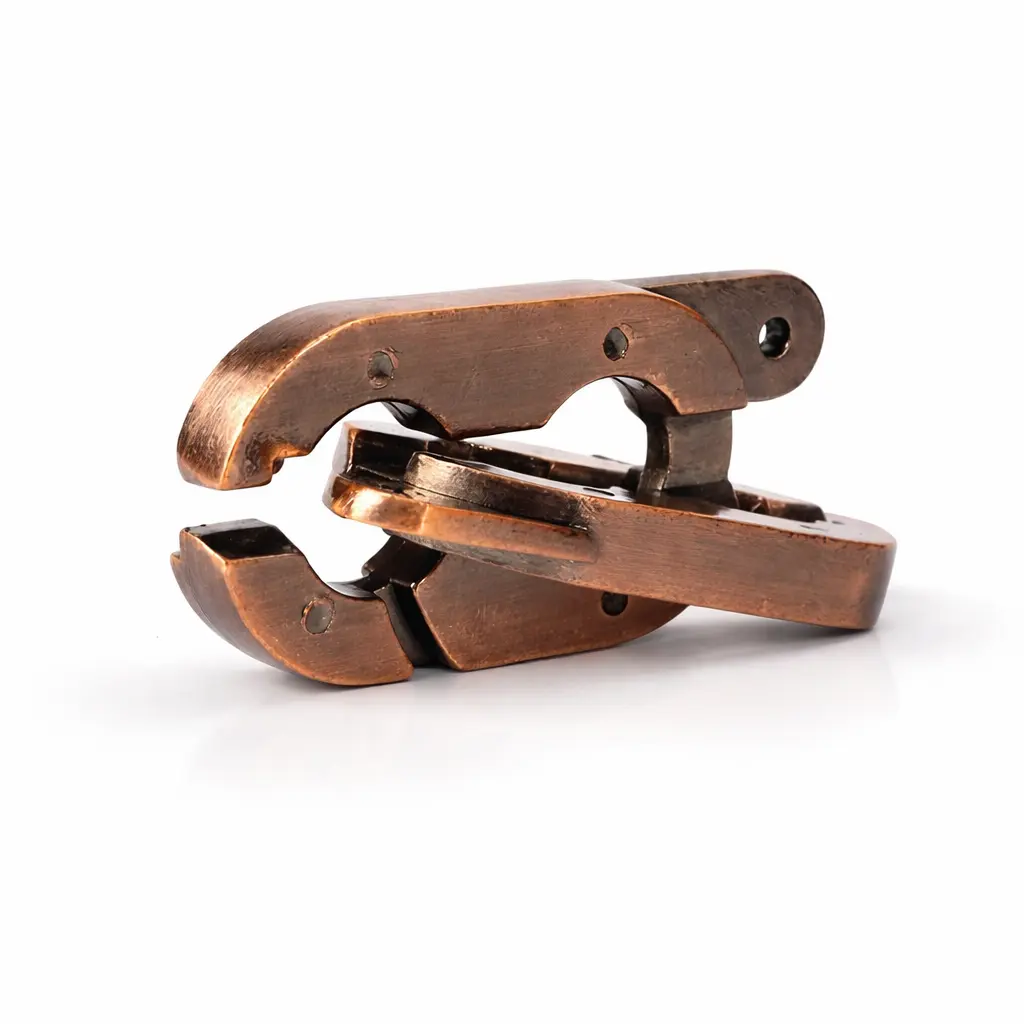
If you want a portable model, this one fits in a pocket and still teaches disciplined movement. The antique keyring form is excellent for quick geared-sphere micro-sessions during breaks. Focus on reversible turns and stop at the first resistance spike. That simple habit prevents damage and speeds up long-term improvement more than random retries.
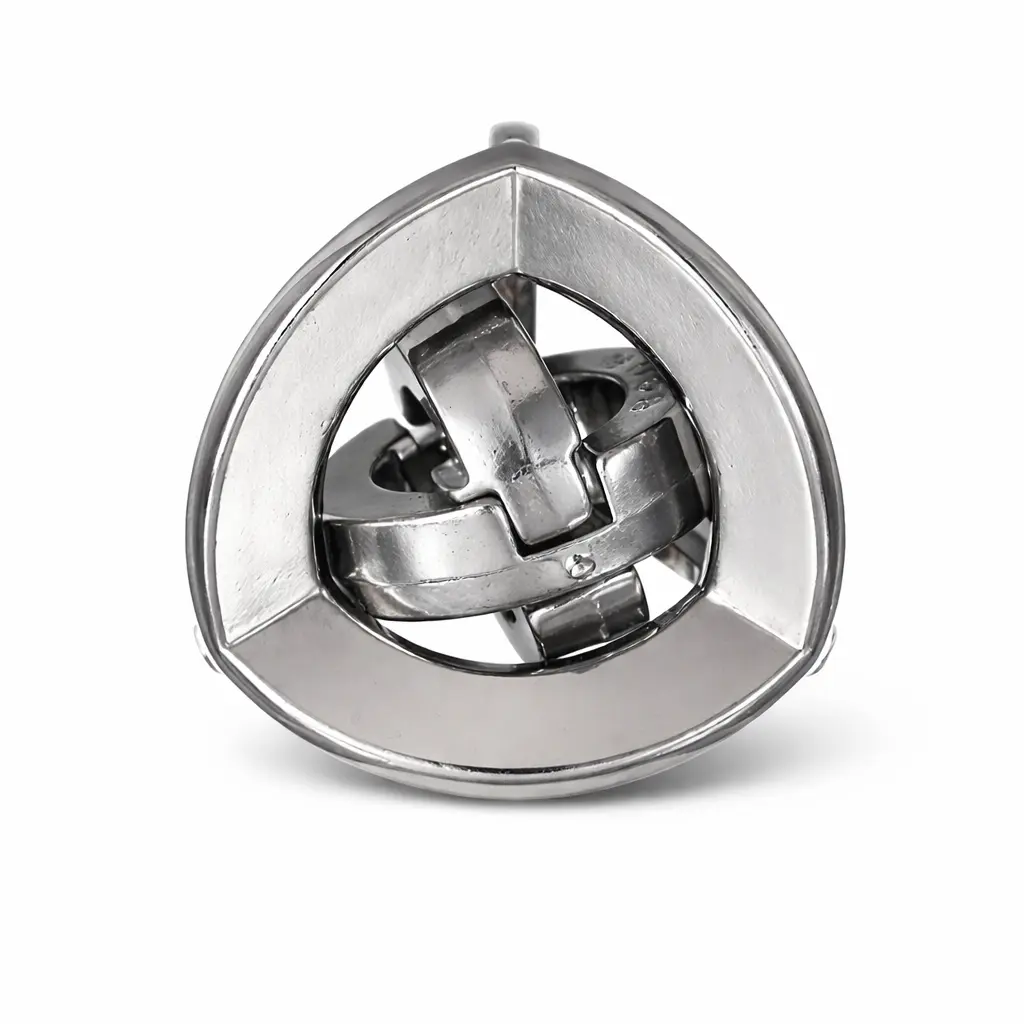
Metal Orbit Ring Cast Puzzle has orbital geometry that naturally trains state awareness. That makes it one of the closest non-sphere options for gear ball transition work. Use structured attempts: inspect, choose one path, reverse, and repeat. As soon as your moves become smoother, you can step into longer and more complex mechanism chains with confidence.
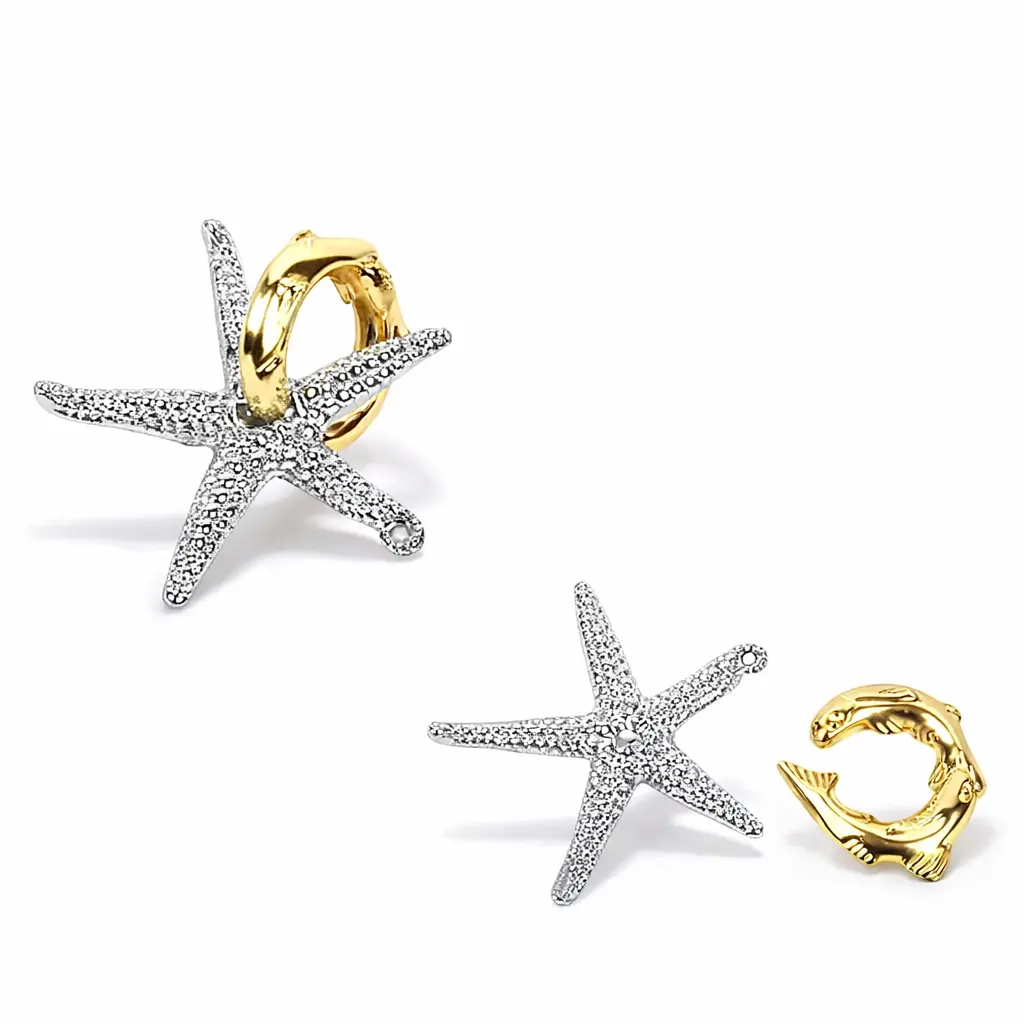
This model looks decorative but solves like a serious logic tool. The movement path is compact, so it is perfect for short linked-gear training sessions where you prioritize precision over speed. Run two complete cycles back to back, then pause. That repetition pattern builds stronger procedural memory than one long, inconsistent attempt.
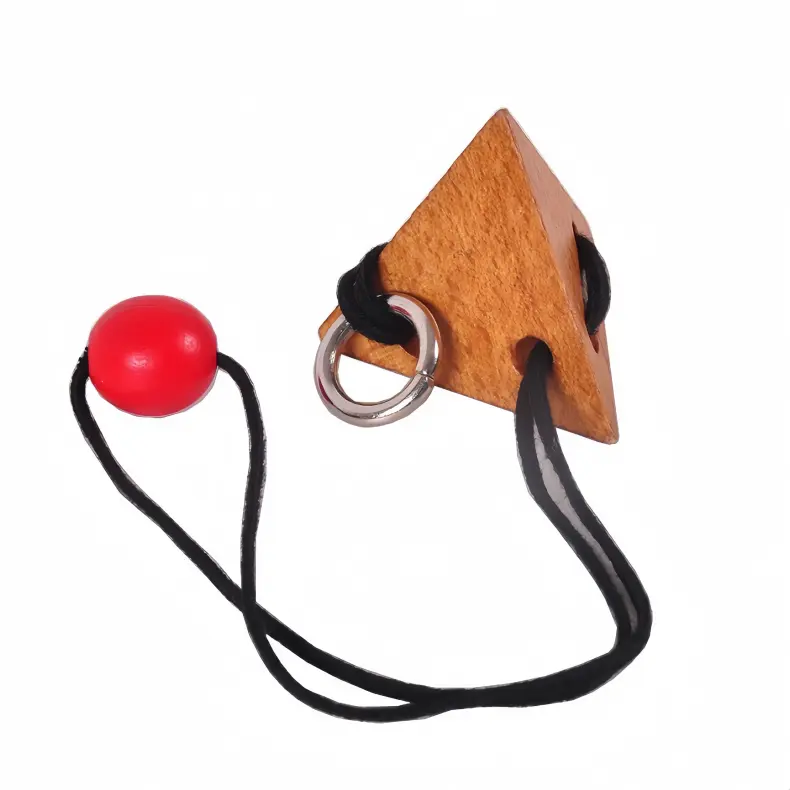
Ring Rescue is a reliable baseline puzzle when you want measurable progress. The move set is clean enough for newcomers and still deep enough for experienced users practicing fundamentals. Treat it as a geared puzzle technique trainer: maintain light pressure, verify orientation before each move, and complete a full reset every time you solve.
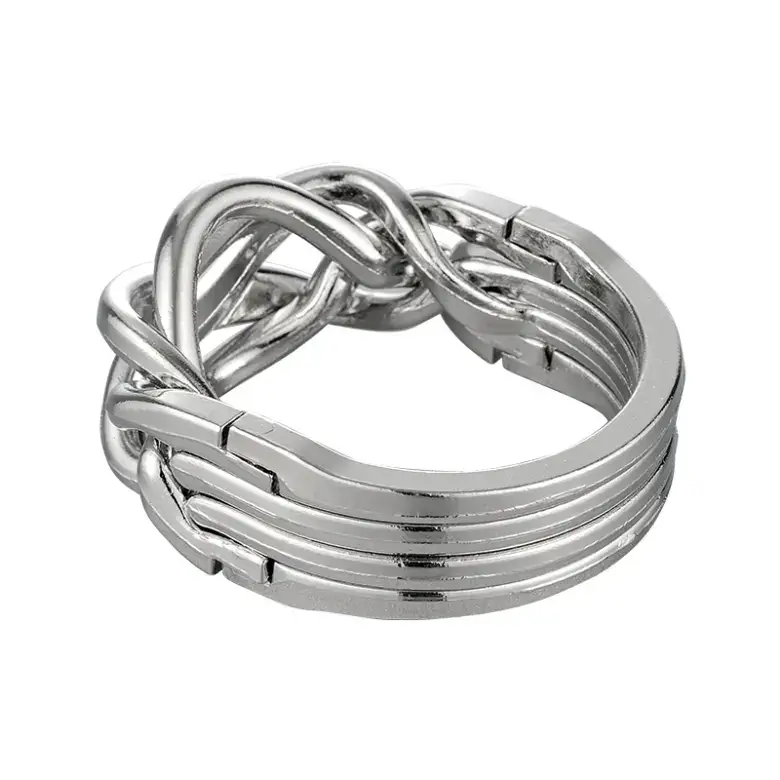
4 Band Puzzle Ring offers low-cost entry with high training value. Because the structure is easy to inspect, you can map states quickly and focus on movement quality. Use this as a first-week gear ball drill: run slow, keep notes minimal, and prioritize one clean solve path. The confidence you build here transfers well to harder models.
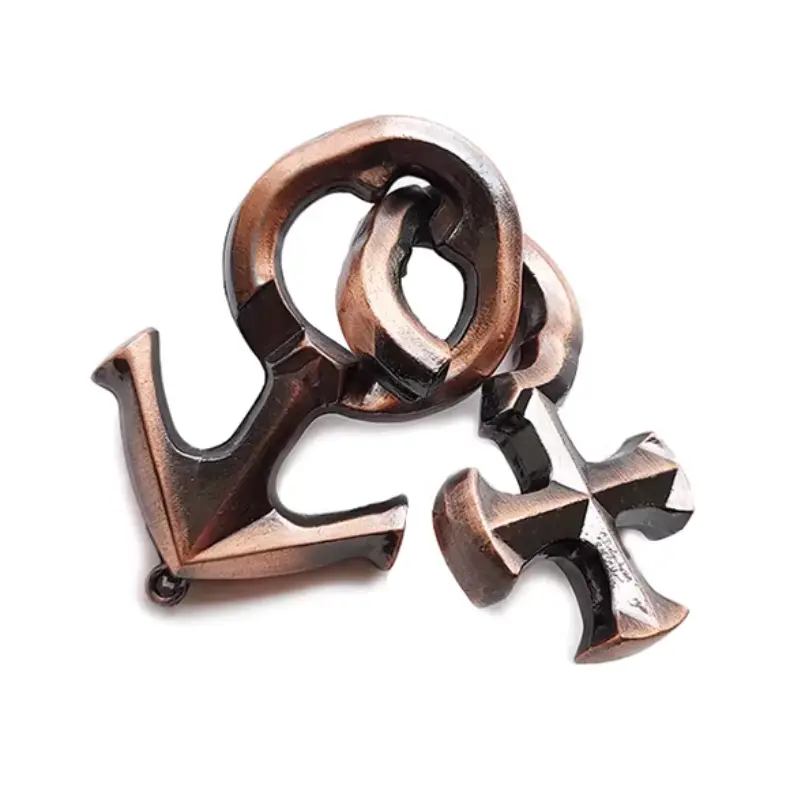
This puzzle gives clear visual landmarks, which helps beginners learn sequence memory without confusion. It is a practical bridge between simple ring models and full linked-gear logic. Practice short rounds and aim for consistency, not speed. Once you can solve twice with identical steps, move to an intermediate item and keep the same routine.
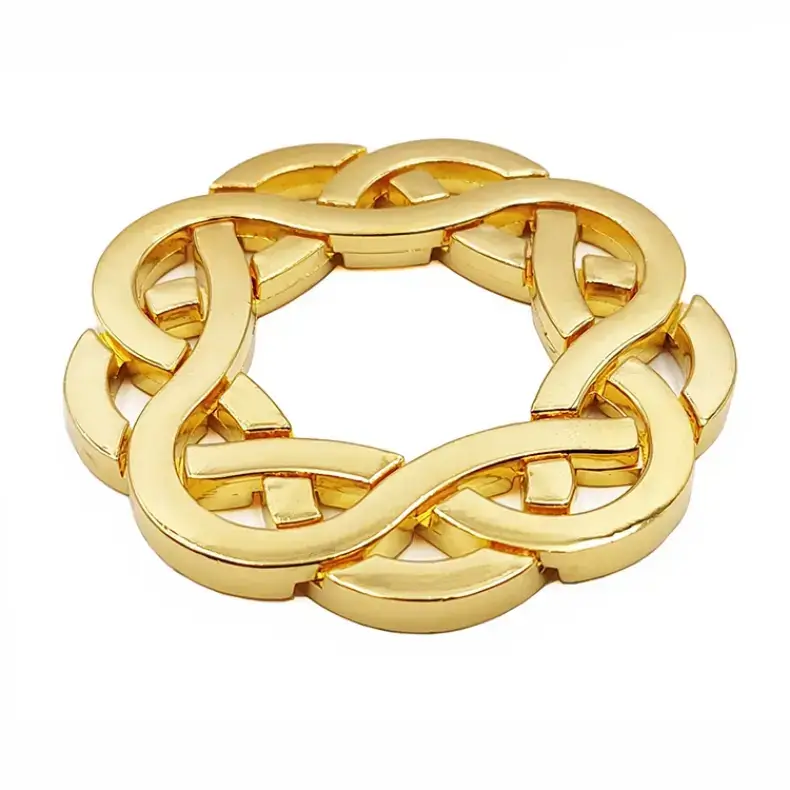
Golden Chinese Knot Metal Puzzle adds more directional nuance, so careless force fails fast. That is useful for geared-sphere development because it rewards controlled rollback and branch discipline. Keep your sessions structured: one path, one correction, one repeat. The puzzle feels compact in hand yet still delivers a meaningful intermediate learning curve.
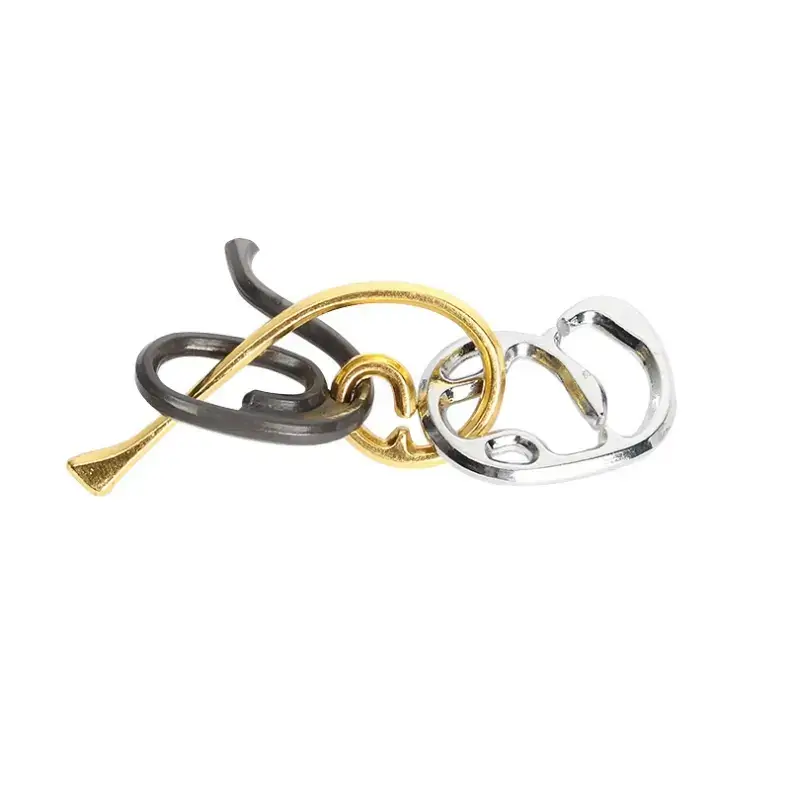
This advanced model is for solvers who already control basic orientation and reset flow. It introduces layered dependencies that resemble harder linked-gear decision trees, especially when one move changes your future options. Use written checkpoints every few steps. That habit prevents drift and helps you finish long sessions with cleaner, more repeatable outcomes.
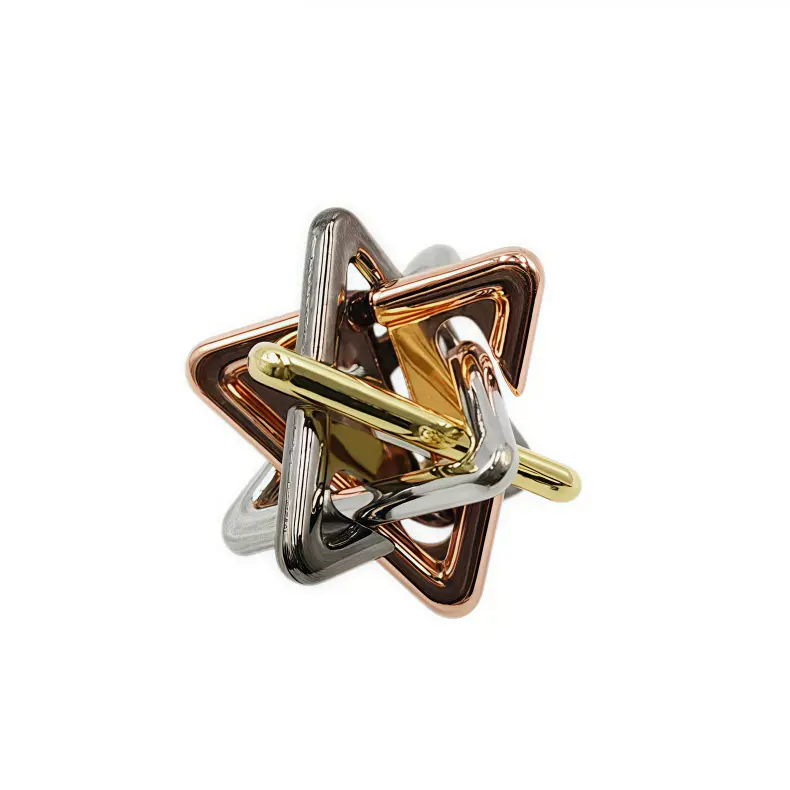
Four-Dimensional Triangle Puzzle demands precise orientation tracking and strong rollback discipline. Those same skills determine success on advanced geared-sphere patterns. Keep your grip stable, rotate slowly, and verify position after each critical move. If you get stuck, step back one state and test alternatives methodically. The puzzle rewards control more than brute persistence.
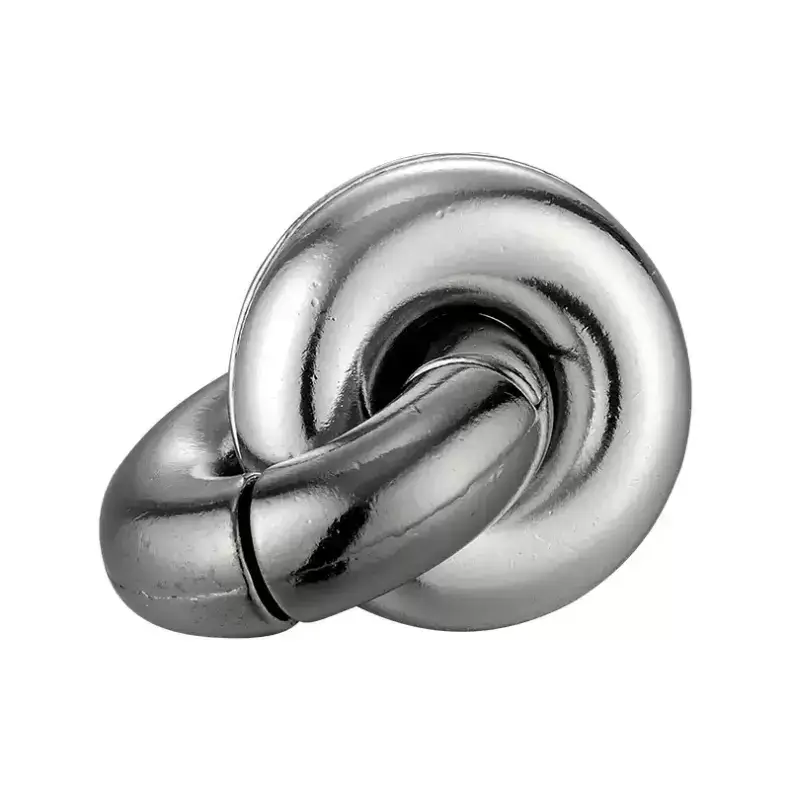
Interlocking Double-Ring Lian Puzzle is a strong intermediate checkpoint between simple rings and dense mechanisms. It trains turn order awareness and teaches you to avoid unnecessary retries. In a linked-gear program, this product works well as your weekly consistency test. Aim for two full solves with matching move patterns and a clean reverse path.
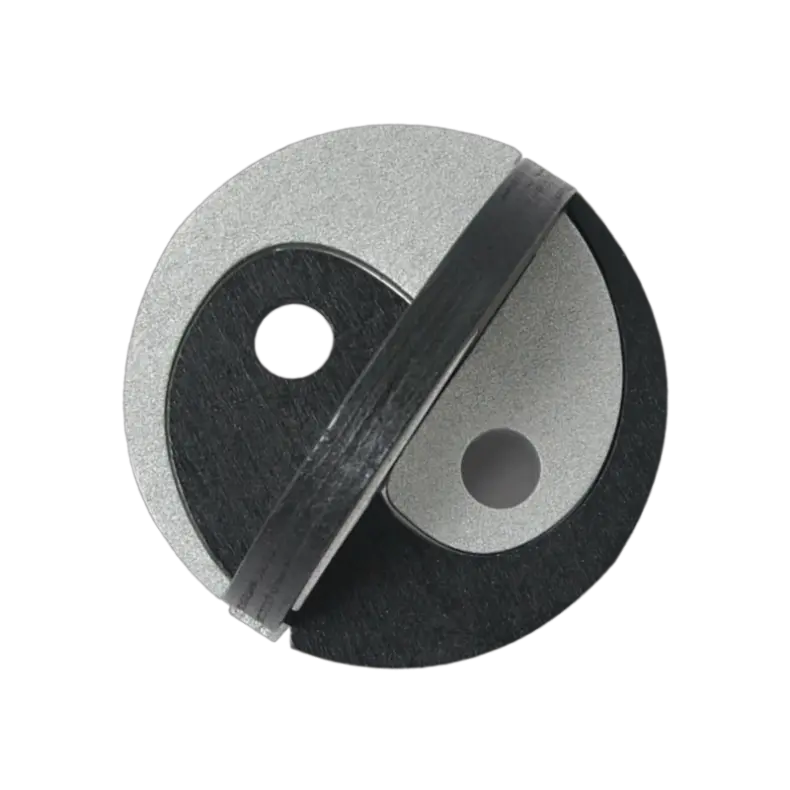
Yin-Yang Taiji Lock combines circular design with clear tactile landmarks, making it useful for stable progression. It is especially effective when you practice gear ball sequencing with deliberate pace and minimal force. Work in short, focused rounds and finish with one verified reset. That simple discipline improves confidence before moving into higher-complexity puzzle systems.
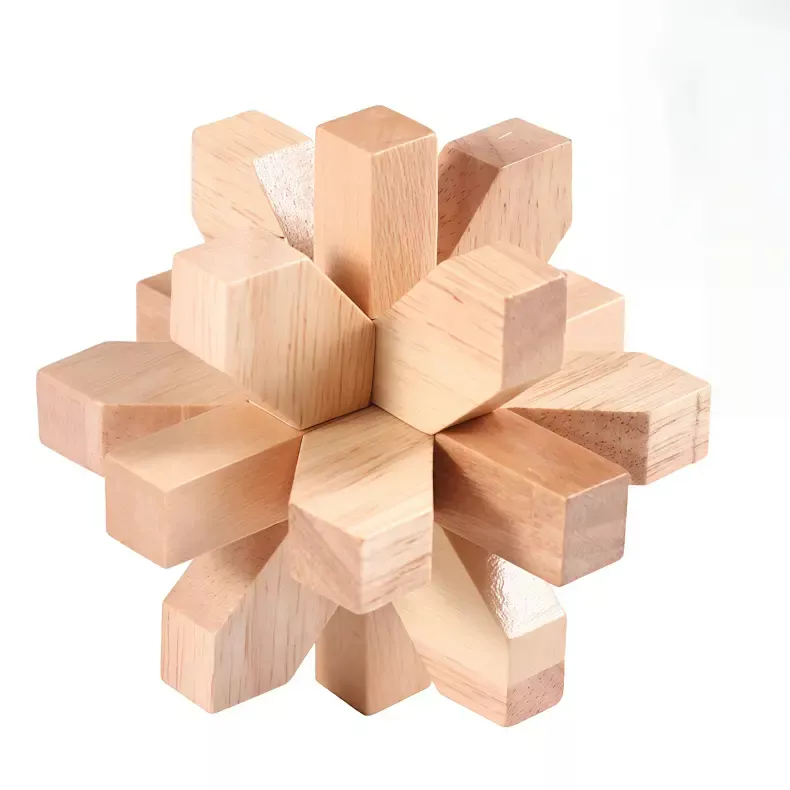
Plum Blossom Lock is a practical middle-tier challenge for solvers who want steady improvement. The movement cadence encourages patience and state verification, both essential in geared-puzzle routines. Use a simple rule: never chain turns without confirming orientation. That one constraint keeps errors small and helps you finish with a predictable, repeatable solve flow.
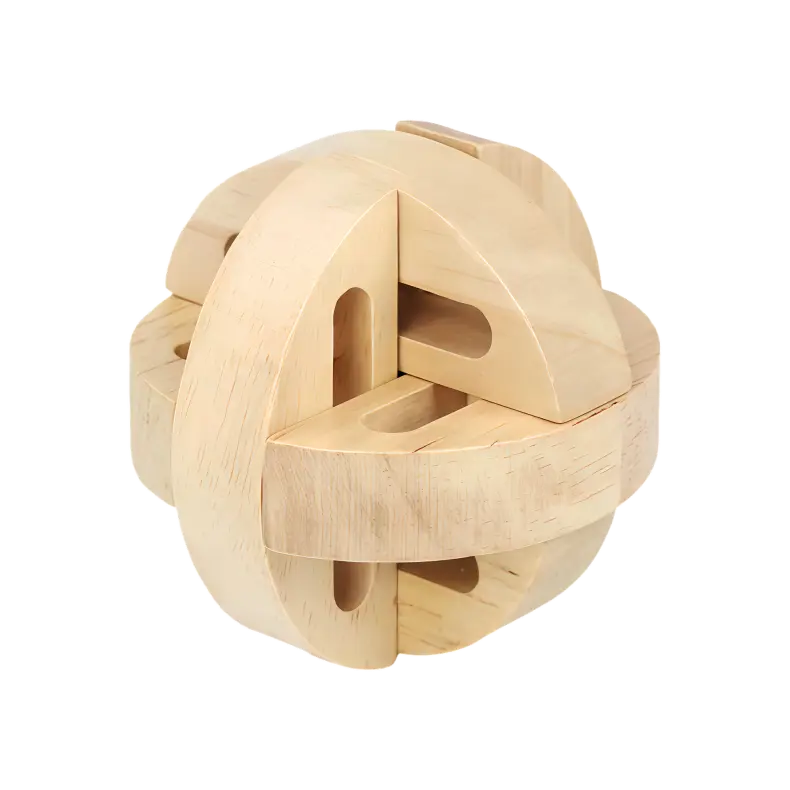
The Mystic Orb Lock is one of the most direct sphere-format options in this guide. Its shape makes it a natural companion for anyone practicing gear ball orientation and hand positioning. Keep attempts calm and reversible, and avoid rushing the final unlock path. Once your moves become smooth, this model can anchor your entire intermediate routine.
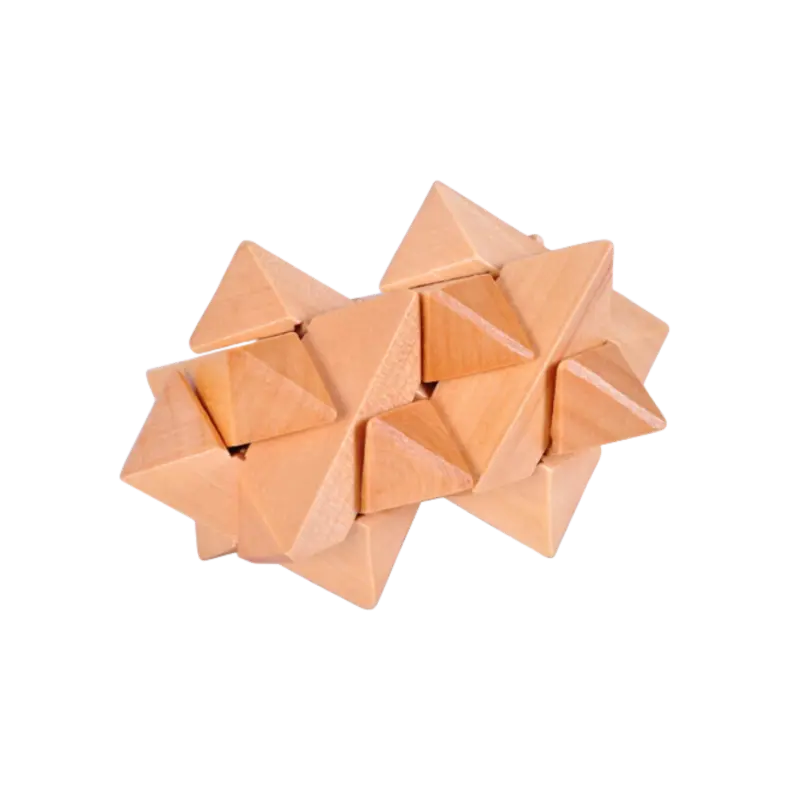
The Twin Star Puzzle is useful when you want to improve sequence memory without jumping straight to extreme complexity. It rewards careful observation and consistent reset behavior, which align with strong geared-sphere habits. Keep your workflow simple: inspect, test one branch, verify, and repeat. With regular practice, your solve confidence increases week by week.
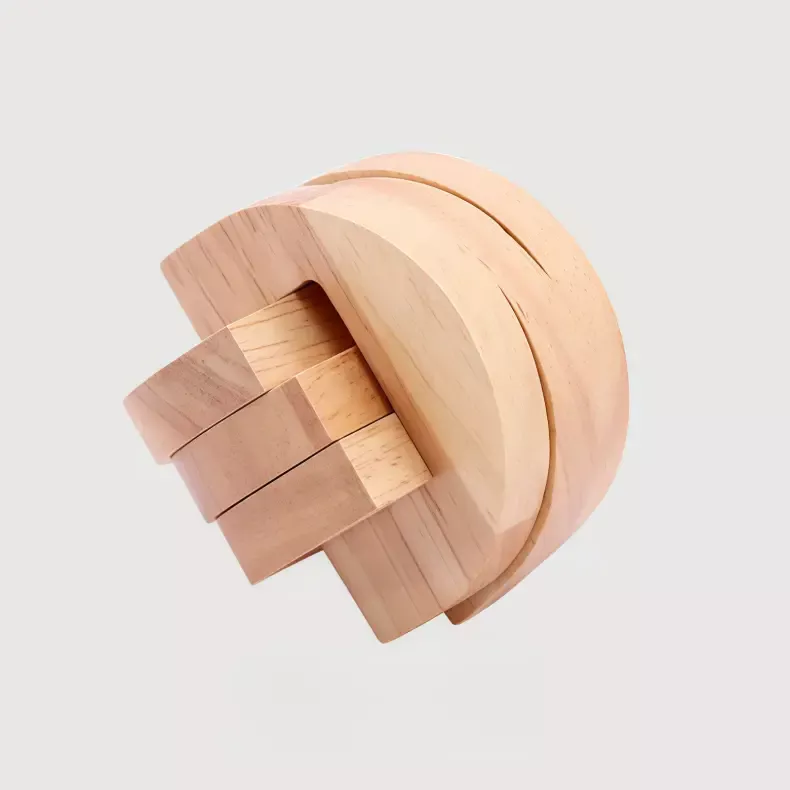
Interlock Puzzle Sphere is highly relevant for this list because it mirrors the rounded hand feel many people expect from a gear ball product. Use it to build controlled, low-force turns and stronger rollback discipline. If a move feels wrong, reverse immediately and retest. This method saves time and keeps your puzzle in better condition.

Wooden Bead Pyramid Puzzle emphasizes piece relationship awareness, which translates well to stronger linked-gear planning. Each attempt teaches you to predict how one movement influences the next state. Keep notes concise and focus on repeatability instead of speed. Over time, this style of deliberate practice builds faster recognition and cleaner execution under pressure.
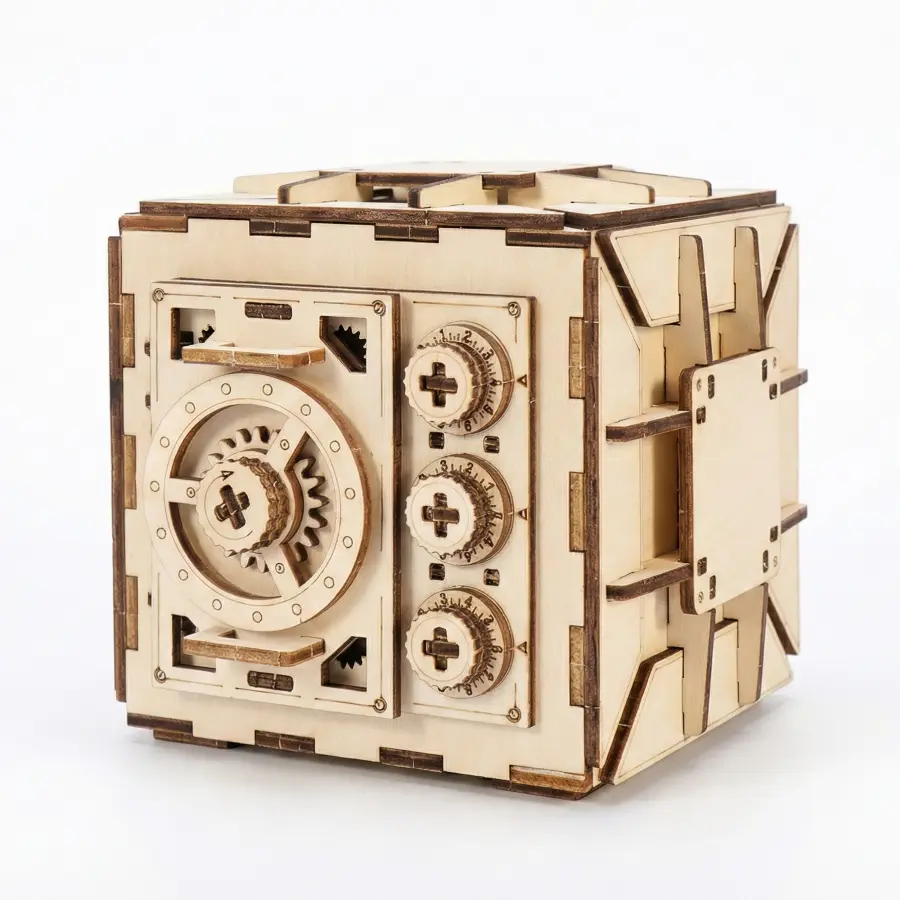
This build combines assembly with mechanism logic, making it ideal for advanced users who enjoy system-level thinking. For geared-sphere learners, it strengthens planning discipline and teaches how small setup errors cascade into later steps. Work slowly, verify alignment often, and keep part handling gentle. The final result is both a challenging project and a useful display piece.
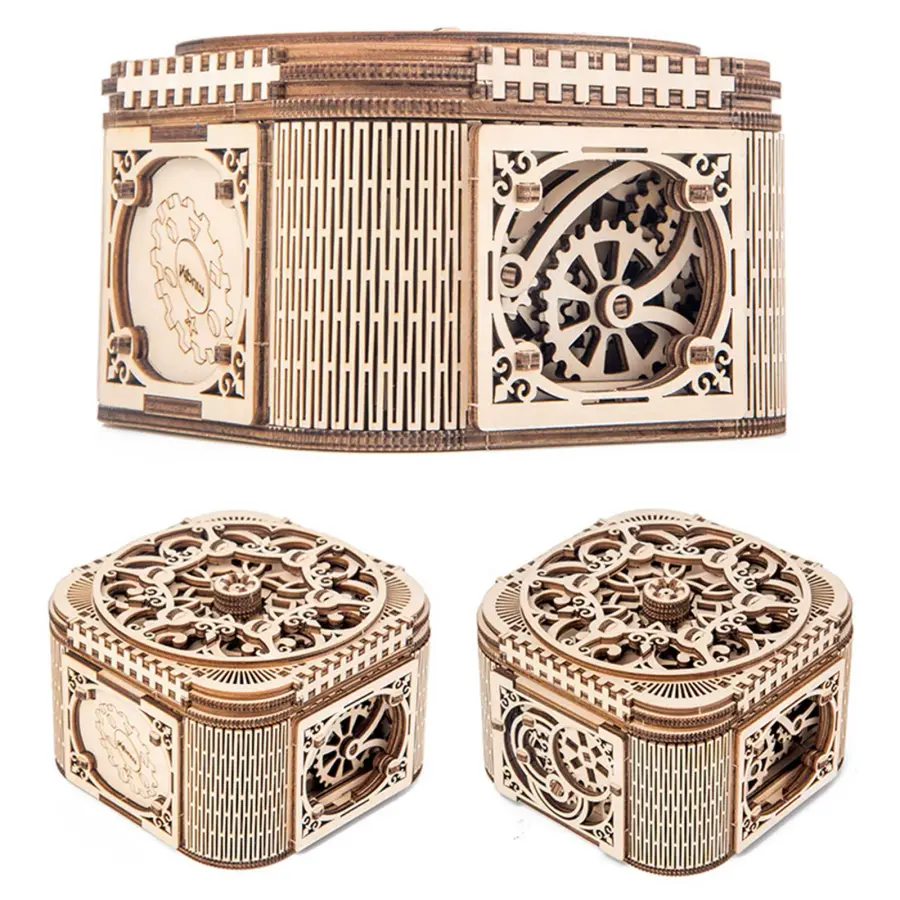
3D Wooden Puzzle Treasure Box is a high-engagement mechanical project with visible motion and layered dependencies. It is a strong advanced partner for gear ball enthusiasts who want longer sessions and richer mechanism feedback. Build in calm stages, confirm each connection, and avoid rushing through uncertain steps. Finished correctly, it offers both solving depth and long-term display value.
These references support product evaluation, expectation setting, and better long-term practice behavior.
A gear ball links adjacent movement, so one turn influences multiple surfaces at once. It rewards planning and state awareness more than speed.
Start with low-cost ring or sphere models, practice reset consistency, and move up only after you can solve and reverse cleanly.
Fifteen to twenty minutes works well when structured: inspect, test one path, reverse, and complete one full repeat.
Over-force is the main issue. If resistance spikes, pause and reverse one move before trying a different branch.
Neither is always better. Metal often gives dense precision, while wood can provide slower, easier-to-read movement cues.
Many users report that short, single-task puzzle sessions help them reset attention and reduce screen fatigue.
Ring Rescue, The Mystic Orb Lock, and 3D Wooden Puzzle Treasure Box combine strong presentation with meaningful challenge.
Write key state changes, run the reverse path immediately, and repeat one complete solve in the same session.