The Click That Silenced My Keyboard: Why Cast Metal Hooks You
The shift from cheap plastic to solid metal isn’t just an upgrade—it’s a complete sensory recalibration. A die-cast metal fidget toy, like a common 120g zinc alloy slider, provides a density and permanence that plastic can’t mimic, directly addressing the need for substantial tactile engagement that quiets restless hands and focuses a wandering mind. It’s the difference between tapping a pen and operating a precision instrument.
My own breaking point was a keyboard. Not the clack of typing, but the absent-minded, jagged drumming of my fingers on its frame during a long conference call. It was a hollow, unsatisfying percussion. The plastic fidget cube in my drawer had lost its click months prior, its mechanisms gummed up by pocket lint and low-grade springs. The cycle was familiar: intrigue, use, disappointment, back to the keyboard. Then a small, cold weight landed on my desk—a borrowed zinc alloy slider, its surface bearing the faint, smooth texture of a die-cast factory mold.
The first squeeze was a revelation. No creak. No give. Just an immediate, silent resistance that traveled up through the bones of my hand. Then the slide: a low-frequency shhhhnick of metal on metal, dampened but distinct, followed by a definitive clack at the end of its travel. The sound wasn’t noise; it was feedback. The anxiety relief was instantaneous and physical, not because the toy was “fun,” but because its action demanded a minute, focused pressure. It replaced my erratic tapping with a controlled, rhythmic motion. My keyboard fell silent.
This is the core allure. For adults seeking stress relief, the heft of cast metal grounds you. Its thermal property—it’s cold to the touch, then warms slowly in your palm—creates a connection plastic, which stays at room temperature, never achieves. The metal collision sound, whether a muted thud or a precise click, provides an auditory confirmation of the action, completing a sensory loop that commands focus. It feels less like a toy and more like a tool, an EDC fidget slider engineered for repetition.
But then comes the question, sharp as a burr on a cheap casting: why does a seemingly identical piece of metal cost $5 on one site and $30 on another? You can feel the difference in photos—the cheaper one often has a thicker, almost globby finish, while the premium one looks crisp. Is that just branding, or is it a signal of something deeper in the manufacturing process, something that affects the smooth feel, the durability, and even the safety?
That price gap speaks directly to the tactile engagement you’re actually buying. It hints at the quality of the alloy, the precision of the casting molds, the tolerances of the sliding mechanism, and the finish that will either develop a nice patina or flake off in your pocket. The cheap metal fidget toy for adults might satisfy the initial craving for weight, but the premium one answers the quieter need for enduring, reliable satisfaction. It’s the difference between a disposable distraction and a permanent addition to your desk or pocket.
Understanding that difference—why cast metal hooks you, and how to find the one that won’t let go—requires a look under the hood. It starts with the pour of molten metal into a mold, and the choices made there that determine everything you feel in your hand.
More Than Molten Metal: How Die-Casting Builds Your Fidget’s Personality
The price difference between a budget fidget and a premium one often comes down to the manufacturing process. The heart of a dense, satisfying zinc alloy decompression toy is die-casting: a method where molten metal is forced under high pressure into a steel mold cavity. This isn’t cheap stamping or expensive CNC machining—it’s a middle path that allows for complex, solid shapes with the heft and detailed texture that defines the modern die cast metal toys for adults. It’s the reason they feel substantial, not hollow.
Picture the process. A zinc alloy—a mix typically of zinc, aluminum, and a bit of copper for strength—is melted at over 400°C. This liquid metal is injected into a hardened steel mold, or “die,” in a fraction of a second. The high pressure ensures the metal fills every intricate groove and channel, capturing even the finest details from the mold’s surface. Once cooled and ejected, you have a raw “casting”—a dense, net-shaped piece that already has its final form. This precision casting is why you can get a disentanglement puzzle with interlocking loops or a slider with precise internal channels straight out of the mold. The complexity is baked in from the start.
This method has a legacy. If you ever handled a vintage car from a Metal Molder factory or a mid-century zinc alloy model, you’ve felt the same foundational satisfaction. Modern metal fidgets are the direct descendants of those classic die-cast factory outputs, scaled down for your pocket. That sense of nostalgia isn’t just about look; it’s about the inherited tactile engagement of a solid, cool object formed in a mold. It feels authentic because it’s made like the substantial objects we’ve trusted for decades.
But not all cast metals are equal. The most common material is that zinc alloy (often ZAMAK). It’s the workhorse: it melts at a lower temperature, is easier to cast with detail, and delivers excellent weight-to-cost ratio. A typical zinc fidget slider might weigh 40-50 grams—substantial, but not overwhelming. Then there’s 304 stainless steel. When you see a listing for a heavy metal fidget spinner clocking in at 56g or more, it’s often stainless. It’s denser, more corrosion-resistant, and has a distinctly colder, harder initial feel. Stainless is less common because it’s harder to cast and machine, which explains the price jump. The choice here is foundational: zinc for accessible heft, stainless for premium weight and durability.
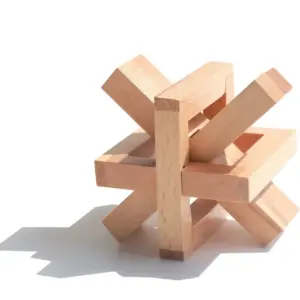
The casting process directly dictates the fidget’s “personality” beyond just weight. A well-made die-cast piece will have crisp, clean seams (called parting lines) and a uniform surface finish ready for coating. A poorly made one will have flash—thin, sharp ridges of excess metal where the mold halves met—and a grainy, porous texture. That’s your first tactile clue to quality. This foundation is then married to a mechanism. For a fidget spinner, the casting creates the body that houses the anti-rust bearings. For a haptic slider, it forms the solid track. For a mechanical fidget like the puzzle above, it allows for the precise, interlocking parts that make deconstructing and reconstructing possible.
So when you pick up a metal fidget, you’re not just holding a shape. You’re holding the result of a specific pressure, a specific alloy temperature, and a specific mold tolerance. That’s the hidden variable between the $5 and $30 piece. One is merely a shape filled with metal. The other is an engineered tactile tool, where the casting process is the first and most critical step in building a satisfying, lasting object for stress relief. For a deeper dive into how these interlocking parts create challenge and satisfaction, our guide on how to unlock the mechanical grammar of cast metal brain teasers breaks it down further.
The Mechanism Zoo: From Silent Sliders to Hypnotic Spinners
A perfect zinc alloy or stainless steel casting is just inert mass without a purpose. Its soul is the mechanism—the engineered path your restless fingers will travel for hundreds of hours. The right mechanism transforms a cold lump of metal into a tactile tool, aligning with your specific need for distraction, focus, or sensory regulation. Forget rankings; this is about matching an engineered motion to your personal kinetic itch. For those who prefer a more cognitive challenge, the satisfying clink of deconstructing and reconstructing a puzzle can be the ultimate focus tool. If you’re looking for a guided start to this world, our step-by-step guide to solving a classic cast hook puzzle is a great primer.
The Silent Sliders & Haptic Coins (For the Office). This is your stealth EDC metal fidget. These are simple tracks, magnetic buttons, or rolling bars designed for near-silent, repetitive motion. The feedback is purely tactile: the smooth, magnetic thud of a bead finding its socket, the buttery glide of a slider on its rail, or the weighted roll of a haptic coin in your palm. There’s no metal collision sound to draw stares. The action is subtle, often one-handed under a desk, making it ideal for office decompression during long calls or to channel nervous leg-jiggling energy into a discreet palm. Look for mechanisms with tight tolerances—no wiggle or rattle in the moving parts. The feel should be deliberate, not loose.
The Kinetic Spinners (For the Hands That Need to Move). This is the classic fidget toy, reborn with the satisfying heft of die-cast metal. Here, the mechanism’s heart is the bearing. You’ll see listings boast “5 anti-rust bearings.” This typically means one central, sealed bearing for the main spin, and four smaller ones in the weights or arms to reduce friction and increase spin time. More important than quantity is quality. A well-finished bearing in a balanced metal body creates a smooth, almost frictionless gyroscopic pull that can run for minutes with a single finger push. It’s a mechanism for watching kinetic energy slowly decay, a hypnotic visual and tactile loop. It’s not silent—there’s a soft, persistent whir—but it’s often less disruptive than pen-clicking.
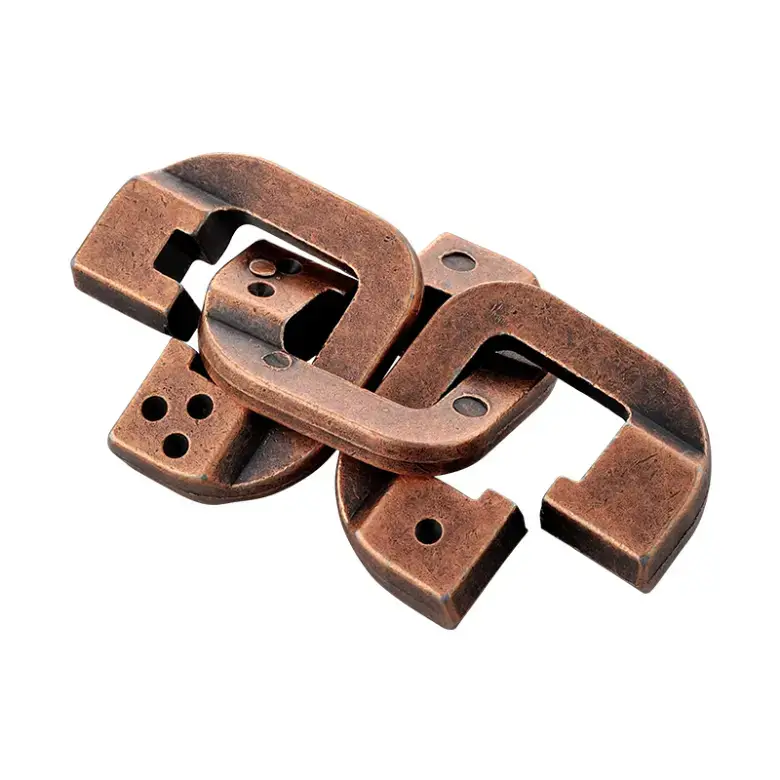
The Auditory Clickers (For Tactile-Acoustic Feedback). If your satisfaction comes from sound as much as motion, this is your domain. These are mechanical fidgets with positive-action switches, ratchets, or gears that produce a definitive click, clack, or snap. Each activation is a clear, crisp event. The metal collision sound is the point—it’s a confirmation, a tiny mechanical punctuation mark for your thoughts. This mechanism is deeply satisfying but is the antithesis of quiet fidget toys for office use. It’s for a home desk, a workshop, or any place where the sound is a feature, not a bug. Durability is key; cheap internals will grind or miss the click within days.
The Cognitive Puzzles (For Focused Engagement). This is the metal puzzle fidget toy territory, directly descended from brands like Hanayama metal puzzles and the broader world of disentanglement puzzles. Here, the mechanism is the problem itself: interlocking pieces that must be slid, twisted, and separated in a specific sequence. The tactile engagement is combined with spatial reasoning. Your fidgeting becomes a goal-oriented task. The satisfying clink of a well-made zinc alloy model piece sliding free is a reward. These aren’t for mindless repetition but for channeling anxiety relief into a absorbing, solve-and-reset challenge. They demand full attention, pulling you completely into the present moment through your fingertips. For a curated selection, see our roundup of the best metal disentanglement puzzles for fidgeting hands.
The Bench Test: Weight, Sound, and the Truth About Pocket Wear
To evaluate a metal fidget toy, you must move beyond the listing and into your hands. The definitive bench test reveals that a quality stainless steel fidget slider (often 304 grade) will weigh over 50 grams, producing a dense, authoritative clack, while a typical zinc alloy puzzle might hover around 30-40 grams with a brighter, more hollow sound. This difference in metal collision sound is as critical as the heft itself.
My methodology was simple: a week of carry, a calibrated scale, and a decibel meter in a quiet room. Weight isn’t just a number; it’s the foundation of the tactile feedback. A 56-gram object has a presence that a 22-gram trinket lacks. It sits with intention in your palm, resisting the flick of a finger, demanding a deliberate push. The smooth feel of the action, however, is separate from mass. This is where bearing quality and machining tolerances announce themselves. A spinner advertised with 5 anti-rust bearings can still feel gritty if those bearings are unshielded and packed with low-grade grease. The truest test is a slow, deliberate spin, listening for a consistent, low whir—not a wobbly scrape.
Sound profiles are the personality of the device. I categorize them for the context-driven buyer:
- The Office Whisper (Sub-40 dB): This is the realm of the silent fidget. Magnetic sliders with rubberized dampeners, smooth haptic coins rotated between thumb and forefinger, and finely-machined EDC fidget sliders with tight tolerances that produce more of a soft shush than a click. Your deskmate hears nothing.
- The Tactile Murmur (40-55 dB): The most common range for satisfying, personal use. The mechanical fidget with a subdued click, the steady whir of a balanced spinner, the metal collision sound of a puzzle piece being seated—audible to you, but unlikely to travel across a room. Most zinc alloy model puzzles and sliders live here.
- The Satisfying Crack (55+ dB): This is for the home office, the workshop, the private moment. The definitive click of a bolt-action slider, the sharp snap of a flip mechanism, the resonant clack of heavy segments colliding. It’s a mechanical punctuation mark. Deeply cathartic, deliberately loud.
Where sound is engineered, wear is earned. A pocket fidget toy metal endures a harsh life: friction with keys, abrasion from denim, the acids in skin sweat. The finish determines its fate. Painted or powder-coated pieces will show scuffs at high-contact edges first, revealing the base metal beneath. Electroplated finishes (chrome, black nickel) are more resilient but can eventually chip. The raw, precision casting of bare 304 stainless steel or bead-blasted zinc alloy is designed for this. They don’t wear out; they wear in. A patina develops—a darkening in the recesses, a smoothing of sharp edges, a personalized sheen from a thousand thumb-passes. This is the desk toy becoming a true EDC companion. A cheaply plated toy, however, will look tired and cheap in weeks.

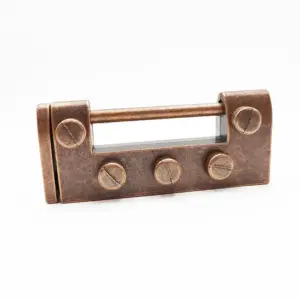
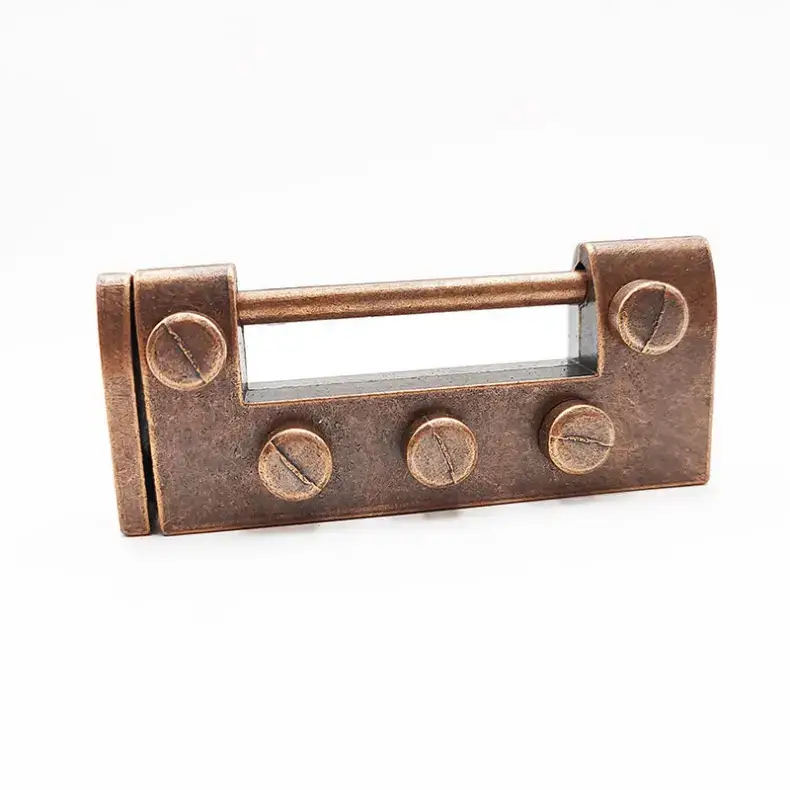
Take a piece like the Alloy S Lock Puzzle. Its disentanglement puzzle design means specific surfaces are constantly rubbing during solving. A coated version would quickly mar. In its raw alloy state, it’s built for this contact, the tactile engagement growing smoother with use, the sound of its pieces sliding becoming a familiar, quieter whisper over time. This is the ethos of Hanayama metal puzzles and their kin: tools for anxiety relief that are meant to be handled, not preserved. For more on this philosophy, see our guide to metal puzzles that don’t break under pocket wear.
The final verdict from the bench? Judge a metal fidget by its committed weight, its honest sound, and its willingness to age gracefully in your pocket. The best ones aren’t pristine for long. They gain character, your character, through every silent spin and satisfying click.
Safety, Snags, and Spotting Quality: The Buyer’s Deep Dive
Yes, cheap metal fidget toys can contain lead, but you can effectively manage the risk. The primary concern is with inexpensive zinc alloy castings, which can use lead (up to 1-3% by weight in some alloys) to improve fluidity during molding. For a point of reference, the U.S. Consumer Product Safety Commission’s lead content limit for children’s products is 100 ppm (0.01%), but no such strict federal standard exists for adult desk toys. This isn’t a call to panic, but a reason to be a savvy buyer. Your best defense is material choice and finish.
Start with the metal itself. If safety is your paramount concern, seek out 304 stainless steel. It’s inherently lead-free, more corrosion-resistant, and has that definitive, cold heft. It’s also more expensive, which is a telling clue. For zinc alloy pieces, the risk is mitigated by a high-quality plating or coating—think a thick electroplated nickel, chrome, or a robust powder coat. This layer acts as a barrier between the base metal and your skin. The red flag is any toy advertised as having a “raw,” “unpainted,” or “antique” metal finish at a bargain-bin price. That’s likely exposed alloy, and you’re touching it for hours.
Beyond chemistry, your eyes and fingers are the best tools for a quality check. Here’s what to look for, informed by a week of disassembling these things on my bench.
The Manufacturing Tells. Every die-cast factory leaves fingerprints. Examine the seams. Precision casting results in hairline part lines that are barely palpable with a fingernail. A cheap cast will have a prominent, rough flash line you can feel—a ridge where molten metal seeped between the mold halves. Check moving parts for tolerance. A haptic slider should glide with consistent pressure, not wobble or grind. Gaps larger than a sheet of paper between components speak to sloppy molds or assembly. On a fidget spinner, the central button shouldn’t rattle. These aren’t just cosmetic issues; they predict how the mechanism will feel and hold up over months of finger push.
The Durability Checks. For magnetic mechanical fidgets, test the pull. Strong, rare-earth magnets (often N52 grade) indicate a designer who prioritized satisfying tactile feedback over cutting the last cent. Weak magnets that barely hold components together feel cheap and defeat the purpose. If it has anti-rust bearings, the listing should specify sealed or shielded types (like 688ZZ). An open bearing, no matter how many it has, will collect pocket lint and grit, destroying its smooth feel in weeks. A quality piece will often mention the bearing grade in the specs. The highest-quality items, such as those in our look at ruthless cast puzzles for the dedicated enthusiast, showcase this attention to detail.
Finally, consider the packaging and documentation. It’s a proxy for care. A sterile zip-lock bag stuffed in a plain mailer is standard for ultra-budget zinc alloy model pieces from overseas dropshippers. A branded box, a cloth pouch for pocket fidget toy metal, or even a simple instruction card suggests a vendor with slightly more investment in the product’s identity. It doesn’t guarantee safety, but it often correlates with better sourcing.
The core takeaway? The “snag” with lead is real but navigable. The “snags” in performance—grinding sliders, wobbly spinners, weak magnets—are guaranteed if you ignore the physical cues of quality. You’re not just buying a chunk of metal; you’re investing in the tactile engagement of a finely-tuned object. For a deeper exploration of how these principles apply to more complex disentanglement puzzle designs, our guide to safe, high-quality metal puzzles for adults breaks down the logic behind lasting satisfaction.
So, pick up the toy. Feel its seams. Test its action. Listen to its sound. That direct investigation is what bridges the gap from concern to confidence, turning a risky buy into a reliable tool for office decompression.
Matching the Metal to Your Moment: Scenario-Based Choices
The transition from concern to confidence is complete when you can match a toy’s engineered personality to your actual life. Choosing the right metal fidget isn’t about finding the “best” one—it’s about finding your best one. For under $10, a zinc alloy slider offers dense, satisfying heft; for over $20, a 304 stainless steel piece delivers a colder, heavier premium. Your context dictates the winner.
The Stealthy Office Companion (Quiet, Contained)
You need office decompression without announcing it. Forget spinners with their whirring anti-rust bearings. Prioritize silent, contained motion. A haptic coin or a simple finger push slider with tight tolerances provides that subtle, smooth feel under your desk. Look for pieces with rubber O-rings or internal damping to mute the metal collision sound into a soft, padded thud. The goal is tactile engagement without auditory distraction. Many compact zinc alloy sliders excel here, offering the density you crave at a noise level colleagues won’t notice.
The EDC Pocket Tank (Durable, Satisfying Heft)
This lives in your pocket with your keys and knife. Durability and pocket wear are paramount. A polished finish will scratch; seek a hardcore mecha style with a matte, tumbled, or black oxide coating designed to earn a patina. Stainless steel versions, while heavier, resist corrosion from sweat better. The mechanism must be robust—a mechanical fidget with a strong return spring or a haptic slider with a solid detent that won’t fail under constant use. This is the tool you fidget with unconsciously while in line or thinking, so its action must be deeply, reliably satisfying. Sometimes, the engineering behind this reliability is fascinating, like understanding the microscopic tolerance gap in precision cast puzzles that prevents failure.
The Focus-Enhancing Desk Piece (Complex, Two-Handed)
For deep work sessions or winding down, you want a disentanglement puzzle or a complex manipulative that demands both hands and your brain. This is the realm of Hanayama metal puzzles and their kin. These desk toys are less about repetitive fidgeting and more about mindful manipulation. They offer a different kind of stress relief—the satisfaction of solving and resetting.
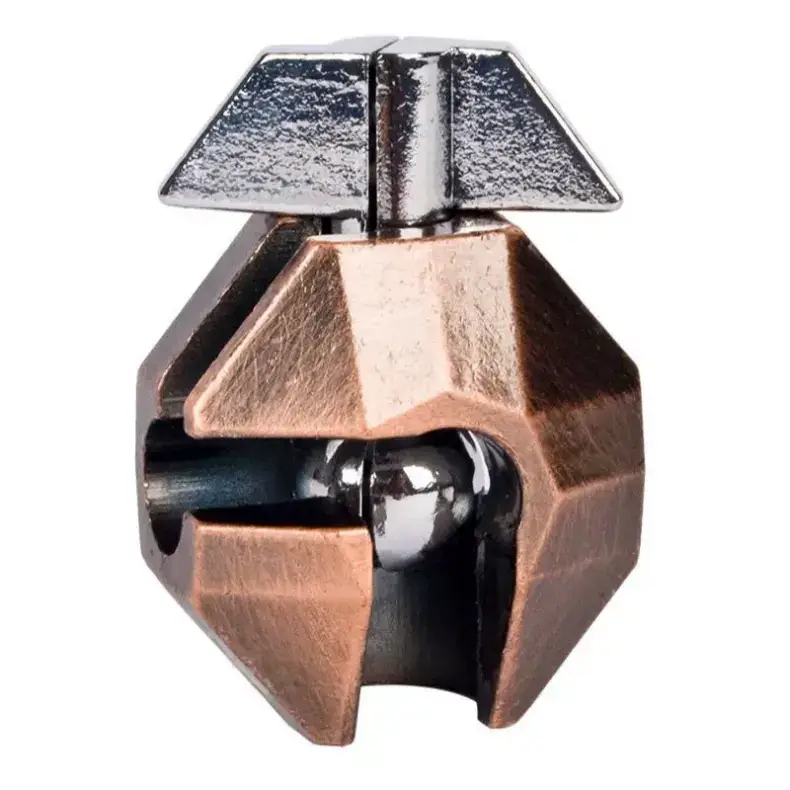
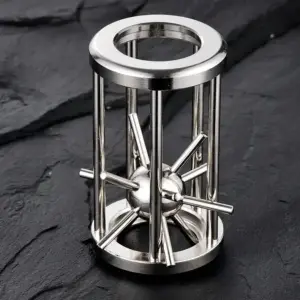
Metal Grenade Lock Puzzle — $11.98
Pieces like the one above are perfect for this scenario. The process of deconstructing and reconstructing a well-cast puzzle creates a rhythm that fully occupies restless mental energy, making them a best metal fidget toy for stress rooted in cognitive engagement. For more intense challenges, our guide to ruthless cast puzzles for the dedicated enthusiast explores the pinnacle of this category.
The Impressive Gift (Presentation, Uniqueness)
Gifting requires a complete package—thoughtful presentation and immediate perceived value. Avoid the plain zip-lock bag. Seek items that arrive in a branded box or a felt pouch. Unique mechanisms, like intricate magnetic metal puzzles or sleek precision casting from known die-cast factory brands, signal a considered purchase. A stainless steel piece inherently feels more premium than zinc alloy due to its cooler temperature and substantial weight. You’re not just giving a toy; you’re giving a crafted object with a tangible tactile feedback story, making it resonate far more than a generic gadget.
Navigating the Marketplace: From Direct Factories to Polished Retail
The $6 toy and the $25 version might share the same zinc alloy DNA, but their journeys—and your experience—diverge dramatically at the source. The price spectrum for metal fidget toys for adults maps directly to three distinct sourcing tiers: direct-from-factory platforms (like Dhgate/AliExpress), mass retail gatekeepers (Amazon, eBay), and curated specialty shops, each with a clear trade-off between cost, convenience, and quality assurance.
Step one is the factory floor. On Dhgate, you’re buying a zinc alloy model fresh from the die-cast factory, often before branding or final packaging. This is the realm of precision casting at its most raw and affordable. You might get a phenomenal deal on a bulk order, but you’re also the quality control department. Listings are often vague, recycling the same stock images for dozens of sellers. The mechanism inside that sleek-looking haptic slider? It could have the buttery smooth feel of well-oiled bearings or the gritty catch of subpar machining. You’re paying for the object’s pure material and manufacturing cost, nothing more. Lead times are measured in weeks, not days.
Next is the retail platform. Amazon and eBay sellers typically buy these same factory units, often performing a basic QC check, then mark them up for the convenience of domestic shipping, easy returns, and customer service. This is where you’ll find clearer branding, slightly better photography, and reviews you can (mostly) trust. It’s the middle ground—you’ll pay a 50-100% premium over the factory price, but you gain peace of mind and speed. Here, details matter. A listing that specifies “304 stainless steel” or describes the tactile engagement of a mechanical fidget is signaling more care than one that just says “metal toy.”
Finally, the curated EDC or puzzle shops. These are the boutiques. They source from designers or factories with stricter tolerances, often commission unique finishes, and package the item as a premium product. Think brushed titanium coatings, custom anodizing, or collaborations with known mechanical designers. You’re paying for design intent, verified material safety, and exceptional tactile feedback. This is where you find the heirs to the Hanayama metal puzzles legacy—pieces sold as artful desk toys, not just commodities.
Your mission is to decode the listing. See red flags. “Heavy Metal” as a material description is useless. Stock images only, with no photos of the actual product in hand, hide a multitude of sins. Vague claims about “quiet” operation without specifying the mechanism (is it a silent fidget slider or a clicker?) are often false. Conversely, green flags inspire confidence. Look for listings that detail the weight in grams, mention the type of bearings (“5 stainless steel bearings” beats “5 anti-rust bearings”), describe the finish (“sandblasted,” “tumbled”), or even show a disassembled view. A seller explaining the deconstructing and reconstructing process of a puzzle is invested in its craftsmanship.
So, choose your tier based on priority. Pure cost and patience? Factory direct. Reliable balance? Retail platforms. Guaranteed quality, design, and material integrity for a best metal fidget toy for stress? Invest in a specialty seller. Your choice defines not just what arrives in the mail, but the metal collision sound it makes when you finally, satisfyingly, set it down on your desk.
Reader Friction and Quick Answer
The final friction isn’t about finding a metal fidget—it’s the paralysis of choice and the lingering “what if” about safety and suitability. The quick answer: your biggest concerns are valid, but surmountable with specific knowledge. For instance, over 96% of budget-friendly options use zinc alloy, a safe material when properly finished and sourced from a reputable die-cast factory, directly addressing the core safety anxiety that stalls a purchase.
Let’s crystallize the friction points you’ve likely hit. First, lead safety. It’s the silent question scrolling through your mind as you look at a $6 toy. The reassurance is procedural: choose sellers who specify the alloy or finish (powder-coated, plated) and avoid any with a bright, cheap-looking chrome finish on friction surfaces. For absolute peace of mind, a 304 stainless steel piece eliminates the concern entirely, trading a higher cost for inert material. It’s a calculable upgrade.
Second, mechanism confusion. Is a haptic slider better for anxiety relief than a fidget spinner? The truth is personal, but the guidance is clear. For office decompression requiring silent fidget operation, seek magnetic sliders or geared rollers. For kinetic, rhythmic stress relief where sound is part of the feedback, clickers and spinners with quality bearings win. Your need defines the mechanism, not the other way around.
Finally, the overwhelm of options. You now know the difference between a generic zinc alloy model and a precision-cast EDC fidget slider. You understand that pocket wear is a factor of finish, not material. You can decode a listing for bearing quality. The friction dissolves when you stop looking for a “best” toy and start matching a tool to a task.
So, the actionable next step is this: Pick one scenario from your life—desk toys for deep work, a haptic coin for discreet meetings, a complex disentanglement puzzle for weekend focus. Let that use case dictate your first choice in material and mechanism. Buy from a tier of seller you trust based on your priority: cost, speed, or guaranteed craftsmanship. Then, just start. The tactile engagement begins the moment you unbox it, feel its smooth feel, and begin your own hands-on test. For a deeper dive into the most enduring form of this engagement, explore the history and appeal of decoding the 4000-year-old fidget brain. Your search for a satisfying, lasting object ends with a single, informed click.