The red acrylic petal of the rose sat on my desk, taunting me. I could see the internal locking pin—a clear, notched rod that held the entire structure together—but for the life of me, I couldn’t align the three central layers to let it slide home. It was 11:30 PM on a Tuesday, and I had been at this for forty minutes. Most puzzles hide their secrets behind opaque walls or complex brass housings, but crystal puzzles are different. They are transparent. They show you everything, yet explain nothing.
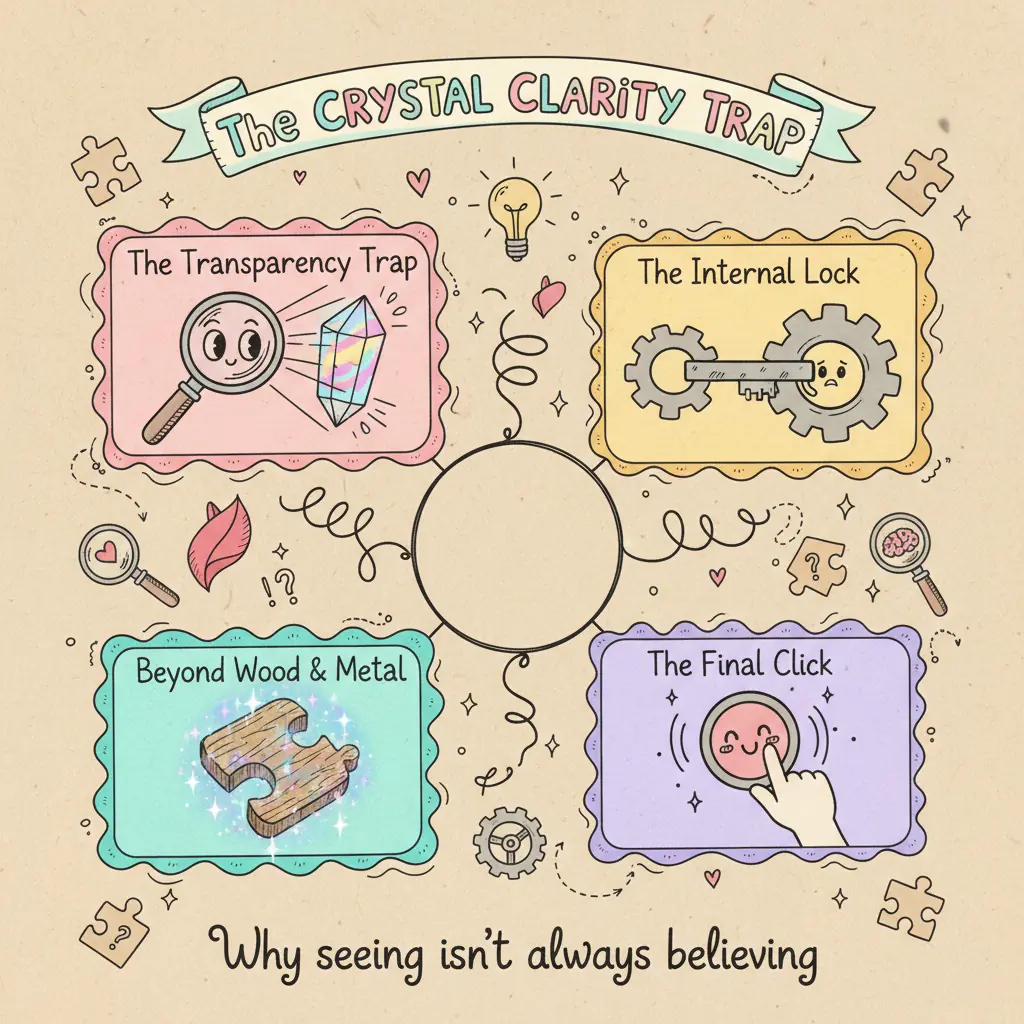
After testing over 200 mechanical challenges ranging from Victorian-era secret boxes to modern titanium interlocking cubes, I’ve realized that 3D crystal puzzles represent a specific kind of psychological warfare. We are visual creatures. We assume that if we can see the mechanism, we can master it. These translucent riddles prove that assumption wrong. They rely on the “Transparency Trap,” where the refraction of light through the plastic actually obscures the very alignment you’re looking for.
This isn’t just about building a plastic model; it’s about unlearning the habit of trusting your eyes more than your hands.
The Evolution of the Three-Dimensional Challenge
The concept of the three-dimensional jigsaw puzzle isn’t exactly new, but its modern iteration in crystal-clear acrylic is a relatively recent phenomenon. In the 1990s, the market was dominated by foam-backed 3D puzzles, most notably the Puzz 3D series, which allowed users to build landmarks like the Eiffel Tower or the Taj Mahal. While impressive in scale, those were essentially 2D puzzles that folded into 3D shapes.
Crystal puzzles, however, belong more to the lineage of the mechanical puzzle. They don’t just sit there; they interlock using complex, internal geometry. The pieces are often injection-molded with tight tolerances, requiring a specific sequence of moves to assemble. If you miss step four, step twelve will be physically impossible.
I remember my first encounter with a high-quality acrylic set. I thought it would be a “fidget toy” level of difficulty. Two hours later, I was scouring my carpet for a clear plastic shim that had popped out with the force of a coiled spring. That’s the thing about these—they require a delicate touch. Force them, and you’ll snap a tab. Coax them, and they reward you with a click that resonates through your fingertips.
The Psychology of the Translucent Riddle
Why do we find these so difficult? It’s a matter of spatial reasoning. When you work with a wooden puzzle, your brain categorizes the pieces by grain, color, and shape. With crystal puzzles, the “color” is uniform and the “shape” is often distorted by the way light passes through the material. You aren’t just looking at a piece; you’re looking through it at the pieces behind it.
Many enthusiasts find that reasons these clear shapes defy logic often come down to the lack of tactile landmarks. You can’t feel the “rightness” of a fit as easily as you can with wood or metal. You have to rely on the geometry. This is why many people who excel at traditional jigsaws find themselves humbled by a 44-piece apple.
If you find yourself hitting a wall, it’s often helpful to take a break. I usually pivot to something digital, like a quick round of the classic snake game, just to reset my visual processing before diving back into the acrylic depths.
3D Crystal Rose Puzzle
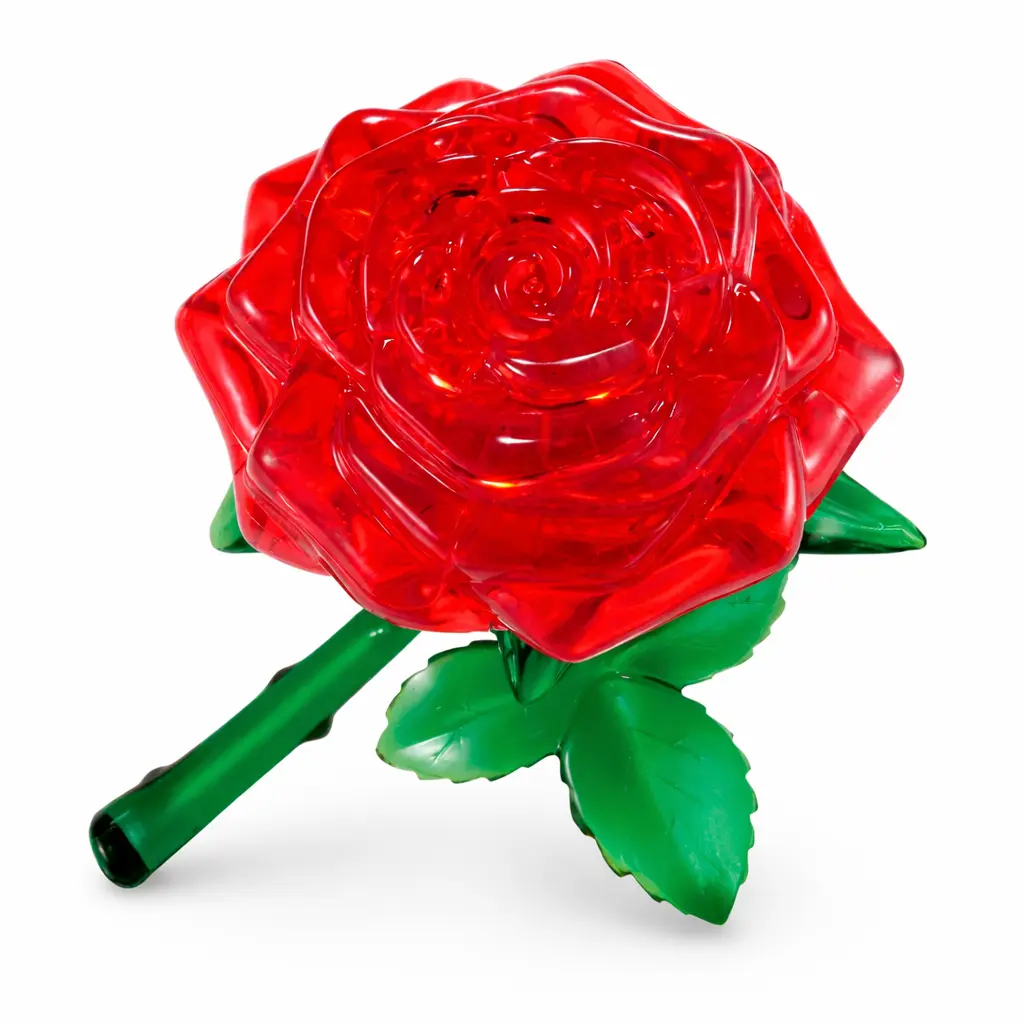
The 3D Crystal Rose Puzzle ($19.99) is perhaps the most deceptive “beginner” piece in the category. It consists of 44 translucent red pieces that, when finished, look like something you’d find in a high-end gift shop. But don’t let the aesthetics fool you. The “petals” are remarkably similar, and because they are curved, they tend to slide around until the central locking rod is inserted.
When I built this last year, I made the mistake of trying to assemble it from the top down. Wrong move. You have to build the core first. The satisfaction of finally sliding the green stem through the base to lock the petals in place is immense. It’s a literal “click” moment. For anyone looking for a gift that lasts longer than a week, this is a solid choice, provided the recipient has the patience of a saint. You can read more about the specific assembly process for this floral enigma if you want to avoid the pitfalls I fell into.
3D Crystal Apple Puzzle
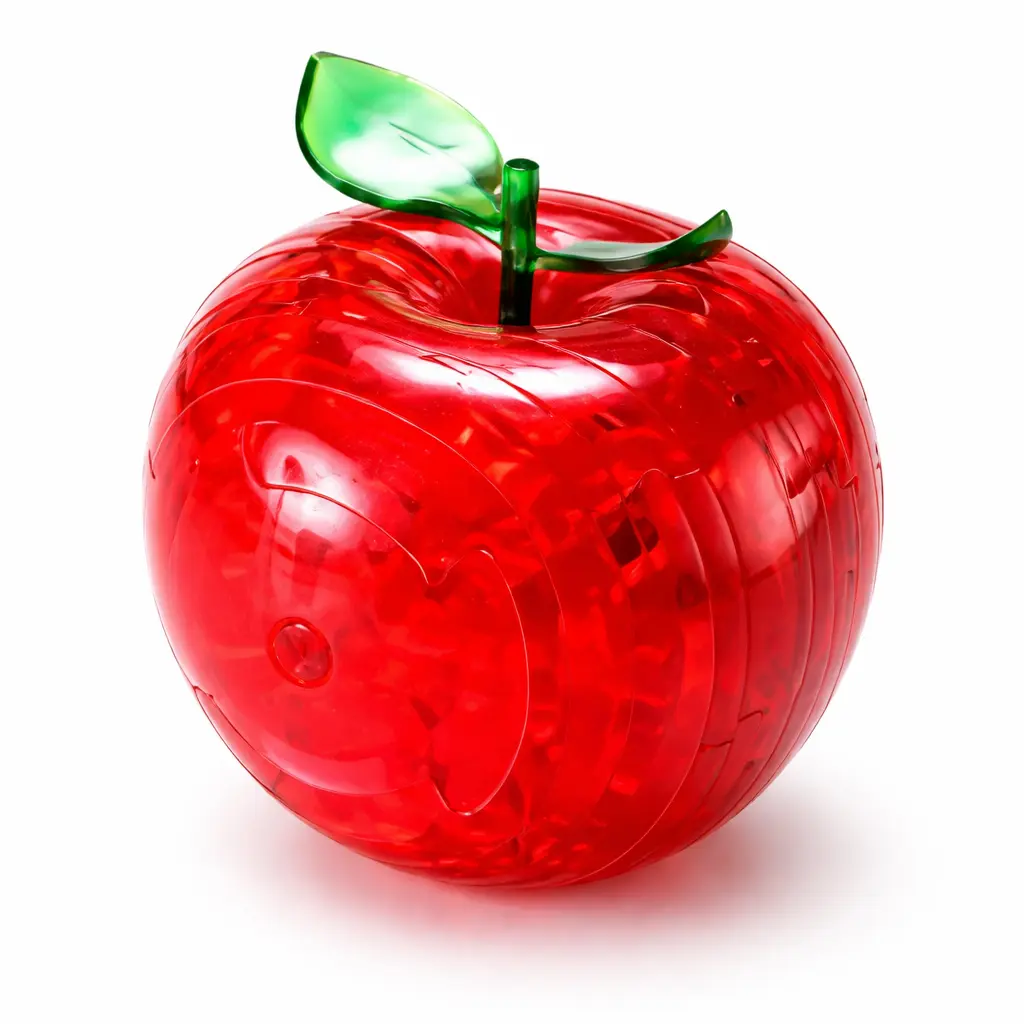
If the rose is about delicate layers, the 3D Crystal Apple Puzzle ($18.88) is about solid geometry. This 44-piece set creates a life-sized translucent apple that feels surprisingly heavy in the hand once completed. The challenge here is the internal core. Unlike the rose, which has some “give,” the apple requires every piece to be perfectly flush before the next one can even be considered.
I keep one of these on my desk as a conversation starter. People always try to pick it up and “solve” it, not realizing it’s already locked. The translucent green stem acts as the final key. One honest negative: the pieces are slippery. If you have any oil or lotion on your hands, you’ll be chasing these across the floor. I’ve found that wiping the pieces down with a microfiber cloth during assembly helps with the grip. It’s a great alternative for navigating the specific quirks of acrylic assembly without the complexity of the more floral designs.
12 Piece Crystal Luban Lock Set
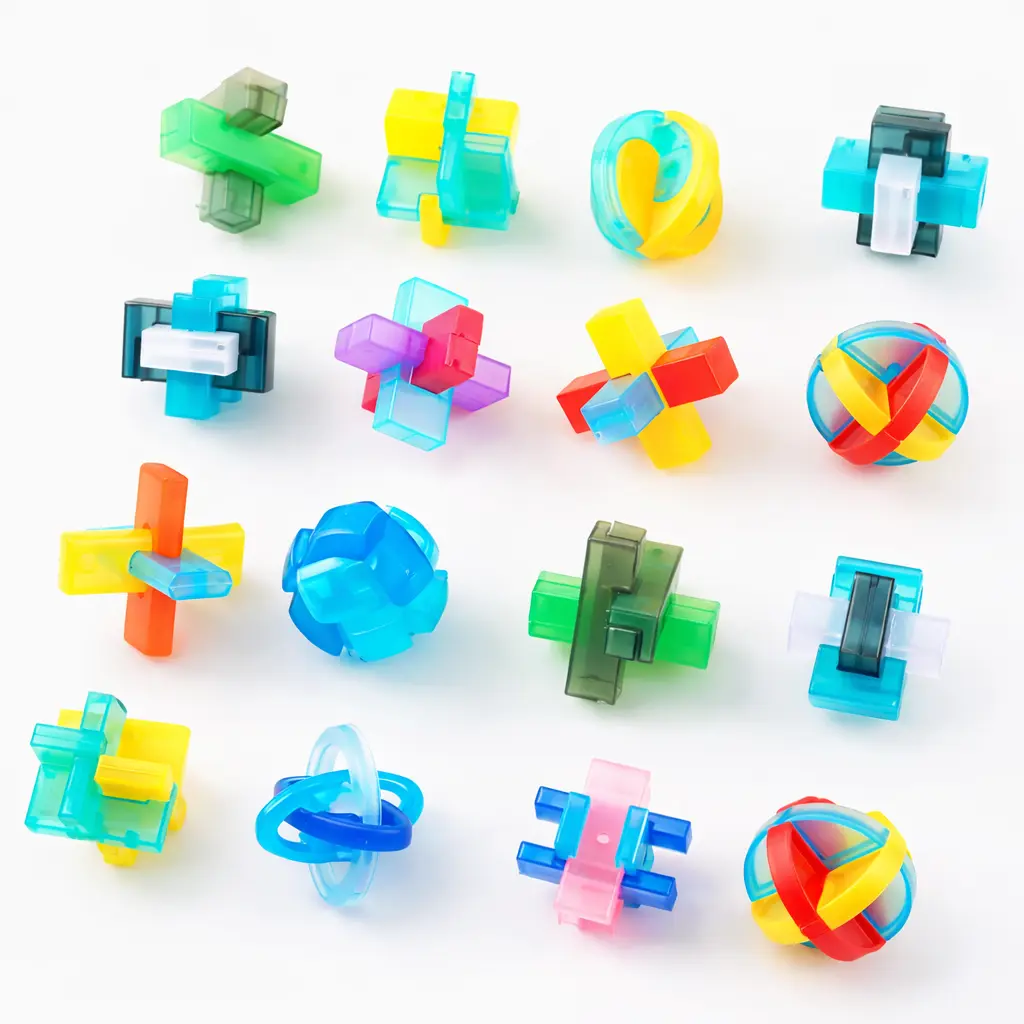
For those who prefer quantity and variety over a single large sculpture, the 12 Piece Crystal Luban Lock Set ($28.88) is the gold standard. These are based on ancient Chinese joinery techniques—traditionally called “Kongming locks.” Each of the 12 puzzles uses a different interlocking principle. Some are “burr” puzzles, while others are more like cage puzzles.
The transparency here is a double-edged sword. It allows you to see the “notches” in the acrylic, which should make the solution obvious. However, because you’re looking at the visual deception of clear puzzles, your brain often misinterprets which notch is in the foreground and which is in the background. I spent twenty minutes on the “Ball in Cage” variant before realizing I was trying to slide the wrong axis. These are perfect “desk fidgets” because they are small (3.7–5.5cm) and can be solved and reset in a few minutes once you know the trick.
Beyond the Crystal: When Wood and Mechanics Meet
While crystal puzzles test your visual patience, wooden mechanical kits test your engineering intuition. There is a different kind of satisfaction in the “snap-fit” of plywood compared to the “click” of acrylic. If crystal puzzles are the “ghosts” of the puzzle world—transparent and ethereal—then wooden kits are the “skeletons,” showing you exactly how the gears and levers work.
I often find that after a heavy session with acrylic, the warmth and smell of laser-cut wood is a welcome change. The tolerances are different; wood has a bit of “give,” whereas acrylic is brittle. If you’re coming from a background of traditional wooden brain teasers, the transition to crystal can be jarring because you have to be so much more precise.
Galleon Ship 3D Wooden Puzzle Model Kit
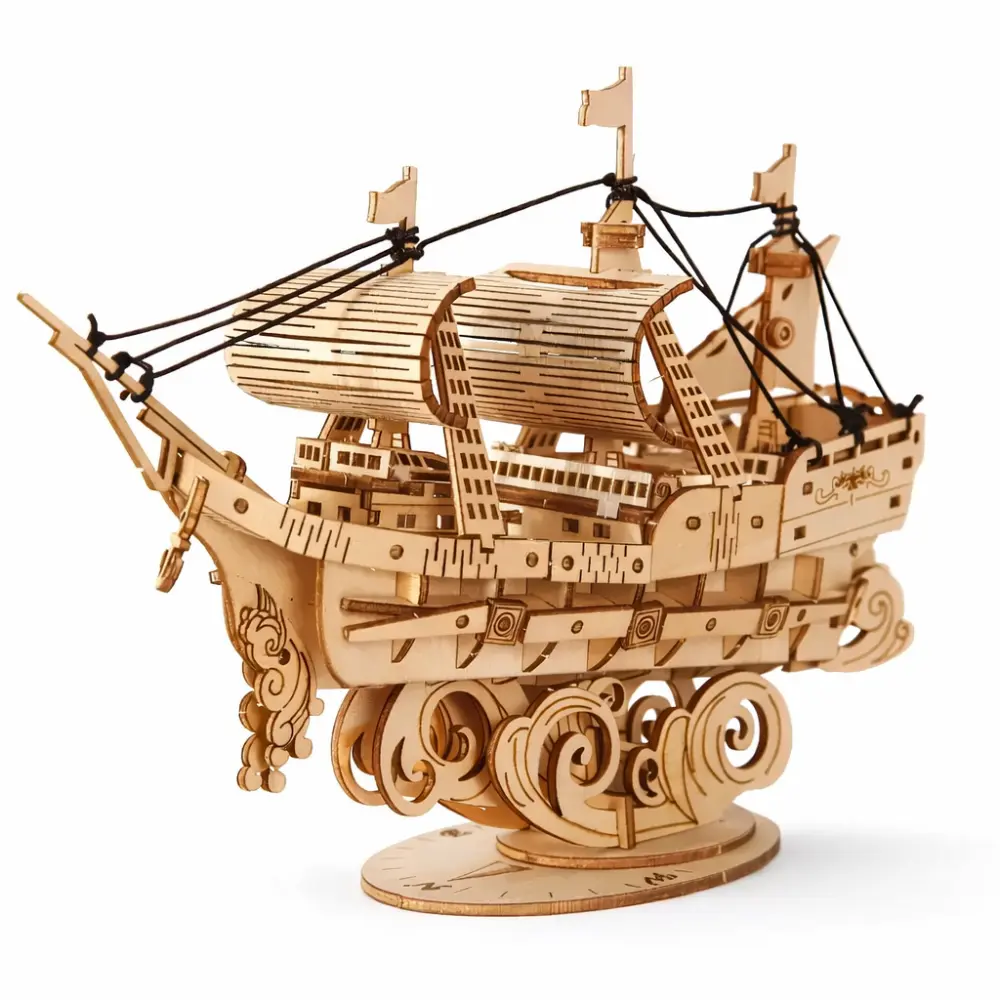
The Galleon Ship 3D Wooden Puzzle Model Kit (check current pricing) is a masterclass in laser-cut detail. Unlike the crystal pieces, which are largely decorative, this is a miniature engineering project. You aren’t just interlocking shapes; you’re building a hull, masts, and rigging. The laser-cut waves at the base are a particularly nice touch that adds a sense of motion to the finished piece.
I spent about four hours on this one. The highlight for me was the rigging. It’s not just for show; it actually provides structural tension to the masts. If you’ve ever felt that seeing the solution is a trap in itself, this galleon will ground you. There are no tricks here—just honest-to-god assembly. It’s a great step up for someone who has mastered the basic crystal shapes and wants something with more “meat” on its bones.
3D Wooden Mechanical Pistol Kit

For those who want functionality, the 3D Wooden Mechanical Pistol Kit ($29.99) is a standout. This isn’t a weapon—it’s a 68-piece fidget toy. The internal mechanism uses rubber bands to provide a “recoil” feel when you pull the trigger. It’s remarkably satisfying to rack the slide and hear that wooden “clack.”
I’ve had this on my shelf for six months, and the mechanism hasn’t loosened up yet. It’s a great example of how mechanical challenges vary by material. If this were made of the same acrylic as the crystal puzzles, it would likely be too brittle to handle the spring tension. The wood provides the necessary durability for a moving toy.
Integrating Different Styles into Your Collection
A well-rounded puzzle collection should have a mix of materials. I tend to group mine by “mood.” If I want something meditative and beautiful to look at under my desk lamp, I go for the crystal. If I want to feel like an engineer, I grab a mechanical kit.
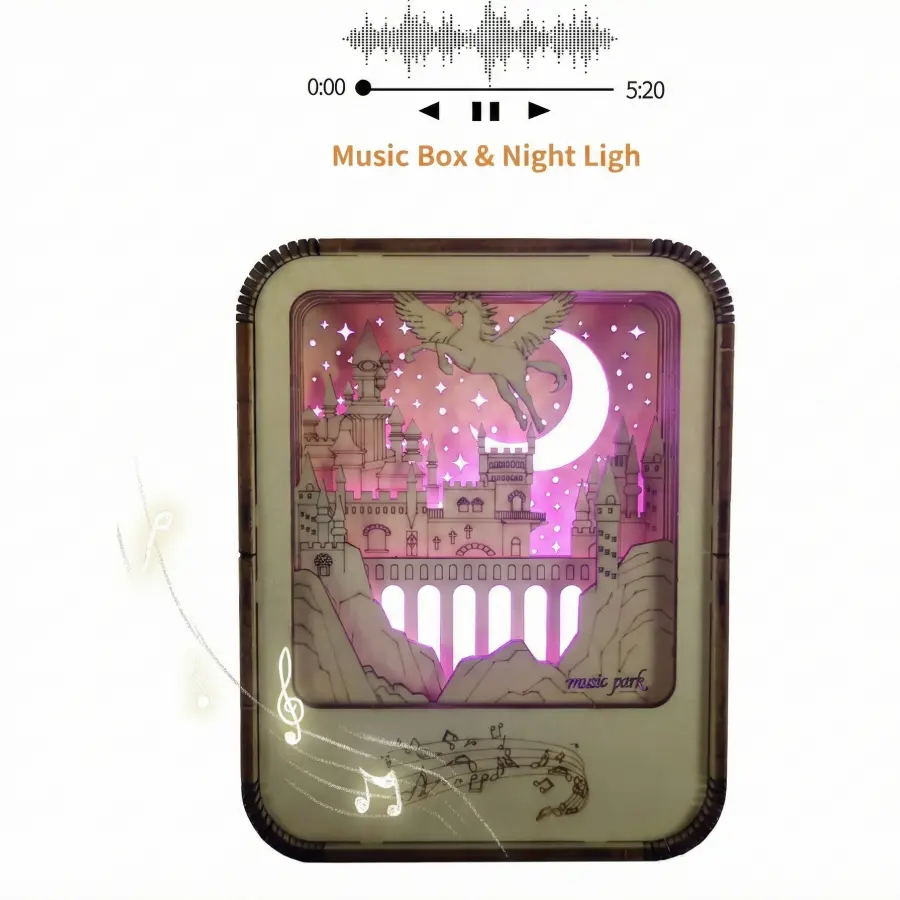
For instance, the DIY Castle Music Box Night Light ($33.99) bridges the gap between a puzzle and a piece of home decor. It uses layered panels to create a 3D effect that is very similar to the way crystal puzzles use depth, but it adds light and sound to the mix. It’s a “lifestyle” puzzle that doesn’t just sit on a shelf—it actually does something.
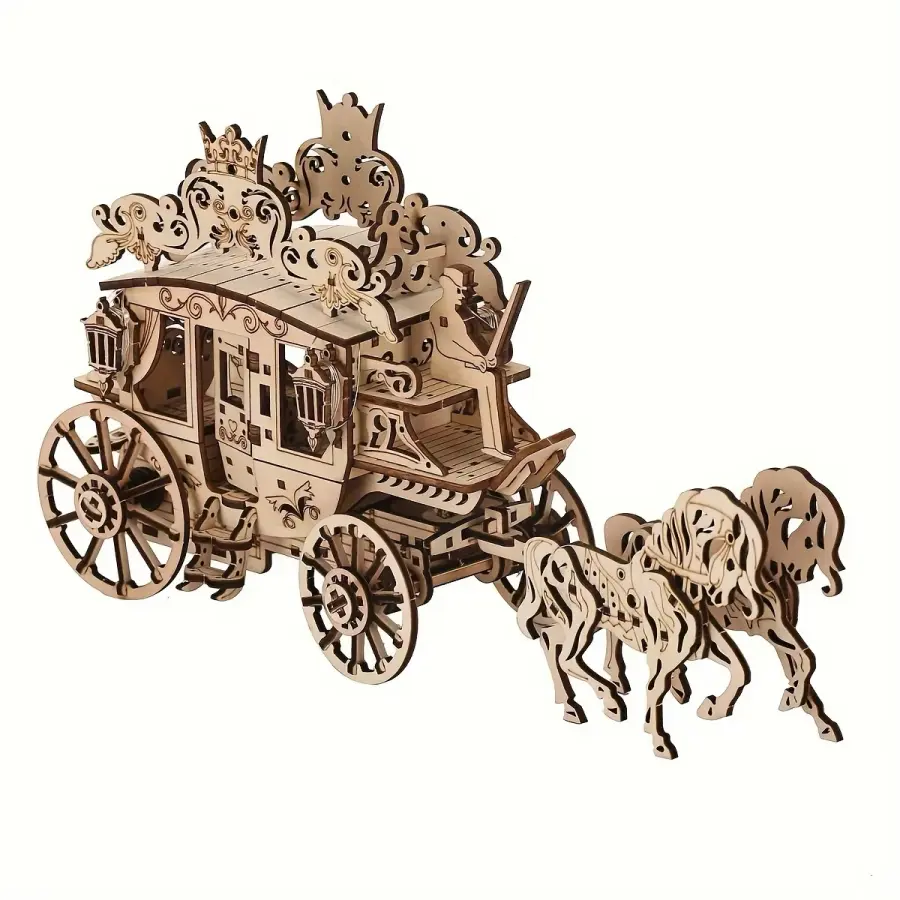
Similarly, the Royal Carriage 3D Wooden Puzzle ($25.99) offers a level of elegance that rivals the crystal rose. The two galloping horses are surprisingly intricate for laser-cut wood. It takes about 3-5 hours to build, which is a significant time investment compared to the one-hour build of a crystal apple.
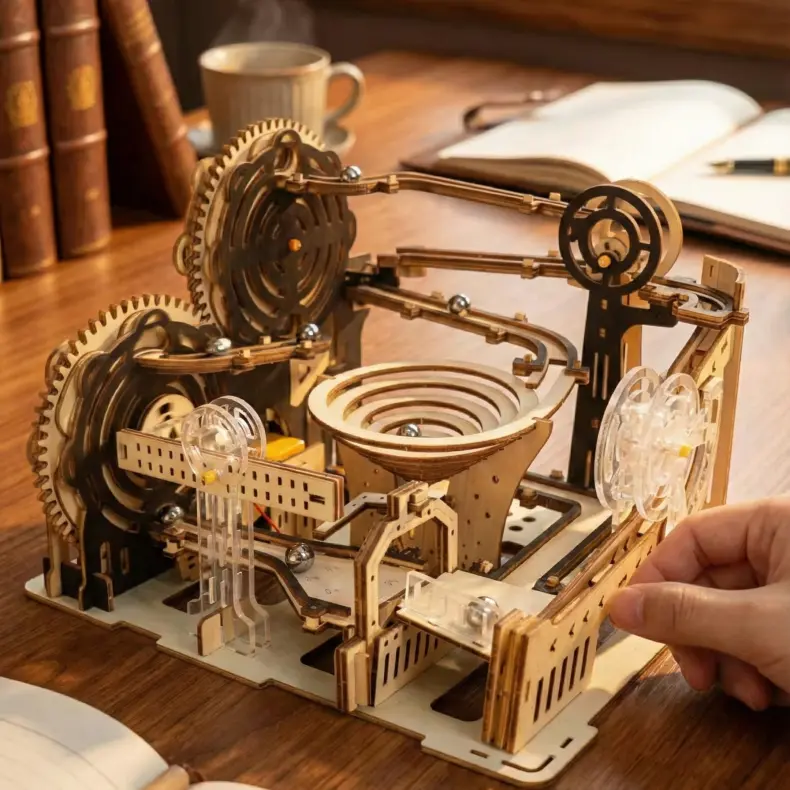
If you really want to see gears in motion, the Electric Wooden Marble Run Kit ($51.99) is the peak of the mechanical category. It’s a 168-piece build that uses an electric motor to keep the marbles in perpetual motion. It’s essentially a desk-sized kinetic sculpture.
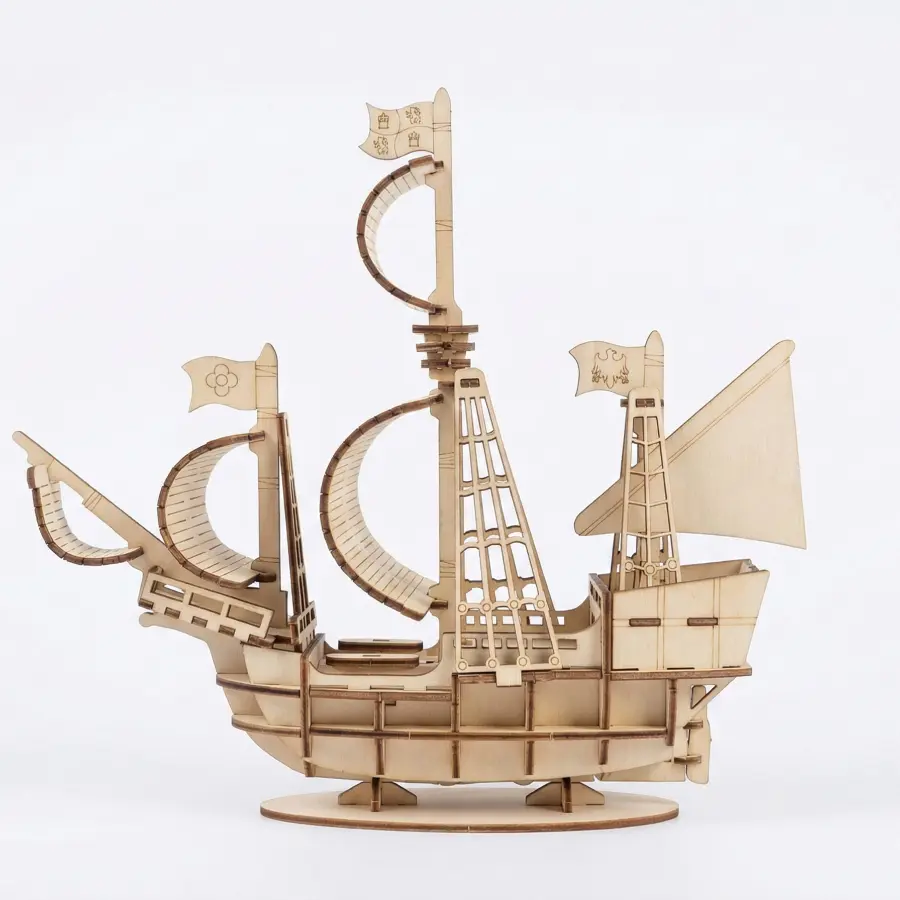
For a quicker win, the Wooden Sailboat 3D Puzzle Kit ($25.55) is a 57-piece project that captures the same “nautical” vibe as the Galleon but in a much more accessible format. It’s the kind of thing you can finish in a single afternoon while listening to a podcast.
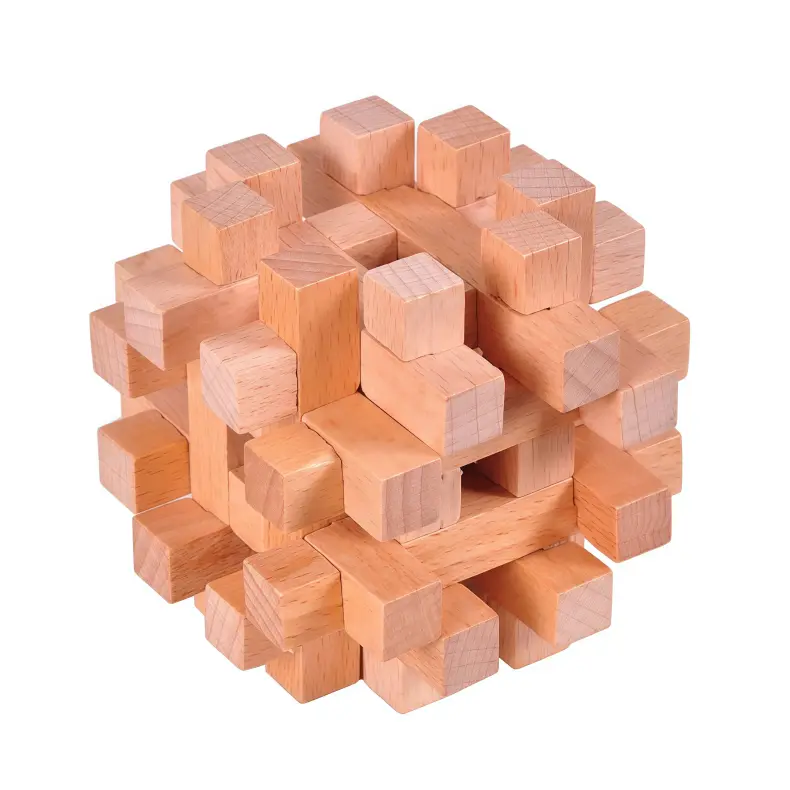
Double Cross Cage Puzzle — $18.88
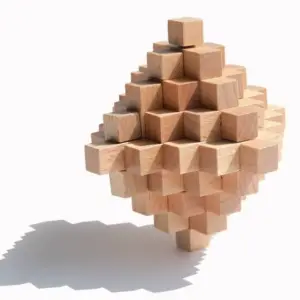
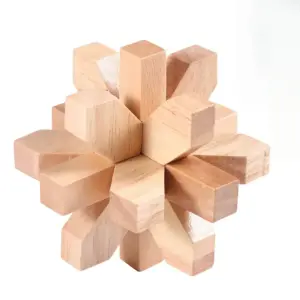
And if you want to go back to the roots of the hobby, the Double Cross Cage Puzzle ($18.88) is a classic wooden brain teaser. It doesn’t look like much—just a series of interlocking bars—but it requires the same kind of spatial “unlocking” that makes the crystal Luban locks so addictive.
The Maintenance of the Modern Puzzle
One thing the marketing copy never tells you: acrylic is a fingerprint magnet. If you’re going to display your 3D crystal puzzles, you need to handle them with care. I keep a pair of cotton “jeweler’s gloves” in my puzzle drawer specifically for when I’m finishing a crystal piece. Once that final locking pin is in, I give the whole thing a wipe-down with a microfiber cloth and a tiny bit of plastic cleaner.
Wood, on the other hand, ages differently. Over time, the oils from your hands will actually darken the wood, giving it a “patina” that many collectors (myself included) actually prefer. However, you have to be careful with humidity. A wooden puzzle like the Galleon can swell in a damp basement, making the pieces impossible to fit. I keep my wooden kits in a climate-controlled room.
If you ever find yourself frustrated with a physical build, I highly recommend taking a 15-minute break to play a spatial reasoning game like Balance Chess2. It uses the same part of the brain as 3D assembly but without the risk of snapping a plastic tab.
FAQ: Everything You Wanted to Know About 3D Crystal Puzzles
Are crystal puzzles harder than wooden ones?
Generally, yes. While a wooden kit might have more pieces, the “transparency trap” of crystal puzzles makes the assembly process much more mentally taxing. You can’t rely on visual landmarks as easily, and the pieces often have very subtle differences that are hard to see through the clear material.
What do I do if I lose the final “locking pin”?
This is the nightmare scenario. Because the pin is clear, it’s incredibly hard to find if it drops onto a patterned rug. If you lose it, the puzzle will eventually fall apart. I always recommend building crystal puzzles on a large, flat, solid-colored tray. If you do lose a piece, some manufacturers offer replacements, but for a sub-$20 puzzle, it’s often cheaper to just buy a new set and keep the old pieces for spares.
How do I clean fingerprints off the internal surfaces?
You have to clean them as you build. Once the puzzle is locked, you can’t reach the internal faces. I keep a microfiber cloth handy and wipe each piece before I click it into place. This is one of those essential tips for acrylic puzzle assembly that separates the amateurs from the veterans.
Are these suitable for children?
The boxes usually say 14+, and I agree with that. It’s not just a “choking hazard” issue; it’s a frustration issue. A 10-year-old might have the fine motor skills to put the pieces together, but they likely won’t have the patience to handle the visual distortion of the clear plastic. These are “adult” puzzles in the sense that they require a level of persistence that most kids haven’t developed yet.
Do they require glue?
Absolutely not. A well-designed 3D crystal puzzle relies entirely on mechanical interlocking and a final “key” piece (like the stem of the apple or the center of the rose). If you feel like you need glue, you’ve likely put a piece in the wrong spot. The tolerances are tight, but they should never require adhesive.
Why is my crystal puzzle “wobbly”?
This usually means the central locking rod isn’t tightened all the way. Most sets come with a small plastic “key” tool to help you turn the internal screw or rod. If it’s still wobbly, check to see if one of the middle layers is upside down. Even a fraction of a millimeter of misalignment will prevent the whole structure from seating properly.
Can I take them apart and rebuild them?
Yes, but be careful. Acrylic is more brittle than the ABS plastic used in LEGO. If you take it apart too many times, the tiny tabs that hold the pieces together can start to show “stress marks” (white lines in the plastic) or even snap off. I usually build mine once, display them for a few months, and then maybe gift them to a friend to solve.
How do I know if I have a “knock-off” or an original?
The “original” 3D crystal puzzles were popularized by companies like Jeruel and BePuzzled. You can usually tell a high-quality set by the clarity of the plastic. Cheaper versions often have a yellowish tint or “flash” (excess plastic) on the edges of the pieces from poor molding. The sets I’ve mentioned here, like the 12-piece Luban set, have the clarity you want for a display piece.
What is the “Luban Lock” mentioned in the crystal set?
The Luban Lock (or Kongming Lock) is a traditional Chinese puzzle named after Lu Ban, a legendary carpenter from the 5th century BC. The legend says he created these to test his son’s intelligence. They are the grandfathers of all interlocking mechanical puzzles. Seeing them rendered in modern crystal is a beautiful bridge between ancient wisdom and modern manufacturing.
Do these puzzles help with brain health?
There is significant research suggesting that spatial reasoning tasks—like 3D puzzles—help maintain cognitive flexibility. It forces your brain to “rotate” objects in a mental 3D space, which is a different skill set than the verbal reasoning used in crosswords. I find that the cognitive load of clear puzzles is particularly effective at “waking up” my brain after a long day of repetitive work.
Which is a better gift: the Rose or the Apple?
If it’s for a romantic partner, the Rose is the obvious choice (especially on Valentine’s Day!). However, the Apple is actually a slightly more “satisfying” build because it feels more substantial when finished. The Apple is also a great gift for teachers or coworkers.
How long does a typical 44-piece crystal puzzle take?
For a first-timer, expect about 60 to 90 minutes. Once you understand the “logic” of how the pieces stack, you can probably do it in 30. But the first time is always a journey of discovery (and occasionally, mild swearing).
Are the instructions helpful?
In my experience? Barely. Most crystal puzzles come with a “numbering” system on the instructions, but the pieces themselves aren’t numbered. You have to match the shape on the paper to the piece in your hand, which—given the transparency—is harder than it sounds. I usually toss the instructions and try to solve it “blind” first. It’s much more rewarding.
Can I paint my crystal puzzles?
You can, but why would you? The whole point is the translucency. If you want a colored puzzle, buy a wooden one and paint that. Painting acrylic usually results in a sticky mess unless you use specific model paints and a primer, which would ruin the “crystal” effect anyway.
What’s the best way to display these?
Light is your best friend. I have a small LED base that I use to under-light my Crystal Rose. The light catches the internal facets and makes the whole thing glow. It transforms a “plastic toy” into a genuine piece of art.
The Final Click: Why We Keep Coming Back
I started this article by talking about that Tuesday night with the rose. I did eventually get that locking pin to slide home. It didn’t happen because I “figured out” a secret; it happened because I stopped trying to force the pieces to look like a rose and started paying attention to the way the notches aligned. I stopped trusting my eyes and started trusting the physics of the object.
That is the true appeal of the 3D crystal puzzle. In a world that is increasingly digital and opaque, these objects offer a rare opportunity to engage with something that is completely transparent yet deeply mysterious. They remind us that “seeing” isn’t always “understanding.”
If you’re looking to start your own collection, I’d suggest starting with the 3D Crystal Apple. It’s a fair introduction to the material’s quirks without being quite as finicky as the floral designs. And if you find yourself getting stuck, just remember: it’s not a malfunction. It’s the transparency trap. Take a breath, wipe the fingerprints off the pieces, and try again. The click is worth the wait.