The third time the brass pin slipped past my thumb, I set the box down and made coffee. It was a rainy Tuesday morning, and I was being outsmarted by a piece of wood no larger than a deck of cards. This is the inherent frustration—and eventual glory—of the puzzle trick box. Most people approach these objects with a “brute force” mindset, assuming that if a lid won’t budge, they simply aren’t pulling hard enough. In reality, the best trick boxes punish impatience and reward quiet observation.
My thesis after testing over 200 mechanical enigmas is simple: the most rewarding puzzles are those that hide their complexity in plain sight. We often look for high-tech solutions or hidden buttons, yet we overlook the basic laws of physics—gravity, centrifugal force, or simple friction. A well-designed trick box doesn’t just hide an object; it hides the designer’s intent. By the time you find the solution, you haven’t just opened a container. You have successfully decoded another person’s logic.
The Psychology of the “Click”: Why We Obsess Over Hidden Latches
There is a specific neurological reward that occurs when a mechanical mechanism finally yields. It’s a tactile “thrum” that travels from the object, through your fingertips, and straight to the dopamine centers of your brain. Collectors often talk about the neurological reward of mechanical success because it represents a moment of pure clarity. For a few seconds, the chaos of the outside world disappears, replaced by the perfect alignment of gears or pins.
I’ve spent thousands of hours fiddling with various locking mechanisms. Some are “sequential discovery” puzzles, where one move reveals a tool needed for the next. Others are “trick” boxes, which require a single, often counter-intuitive movement to open. The latter are frequently more difficult because they defy our standard expectations of how a box should function. You might spend forty minutes sliding panels only to realize the solution requires you to spin the box like a top.
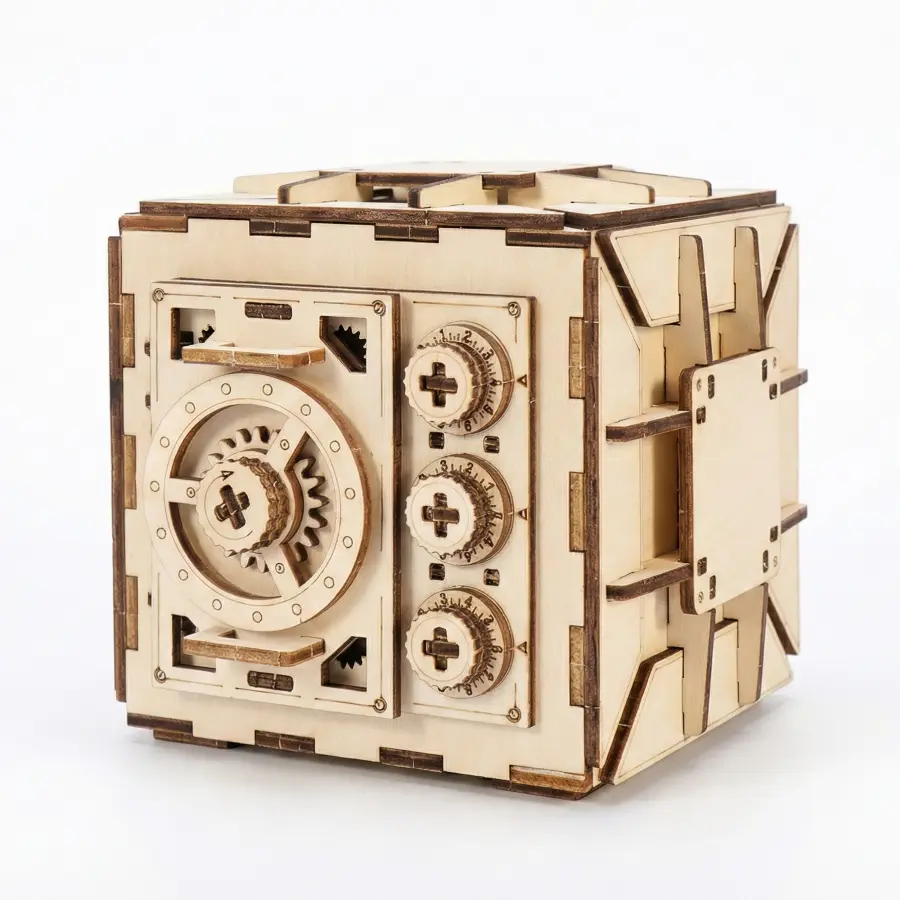
3D Wooden Puzzle Safe with Combination Lock
If you want to understand the “why” behind mechanical puzzles, you have to build one. This 111-piece kit, priced at $30.99, is less of a “trick” and more of a masterclass in horology and locksmithing. While most trick boxes arrive assembled, this safe forces you to earn the solution through construction.
The smell of the laser-cut plywood hit me as soon as I opened the box. It’s a clean, burnt-sugar scent that reminds me of high-end woodworking shops. It took me roughly 90 minutes to assemble, and I’ll be honest: if you rush the gear alignment in step 12, the 3-digit combination lock will feel “crunchy” rather than smooth. Precision is the only way forward here. Once finished, the satisfaction of watching the internal gears rotate as you dial in your code is unmatched by any pre-assembled box. It’s a functional piece of art that teaches you exactly how a vault works. For anyone interested in current benchmarks for secret storage designs, this is the gold standard for entry-level mechanical kits.
Metal vs. Wood: Choosing Your First Mechanical Antagonist
New collectors often ask if they should start with timber or alloy. In my experience, wood offers a warmth and “give” that makes it feel organic, but metal offers tolerances that wood simply cannot match. A wooden puzzle might swell slightly on a humid February day, changing the difficulty. A metal puzzle, however, is cold, calculated, and unforgiving.
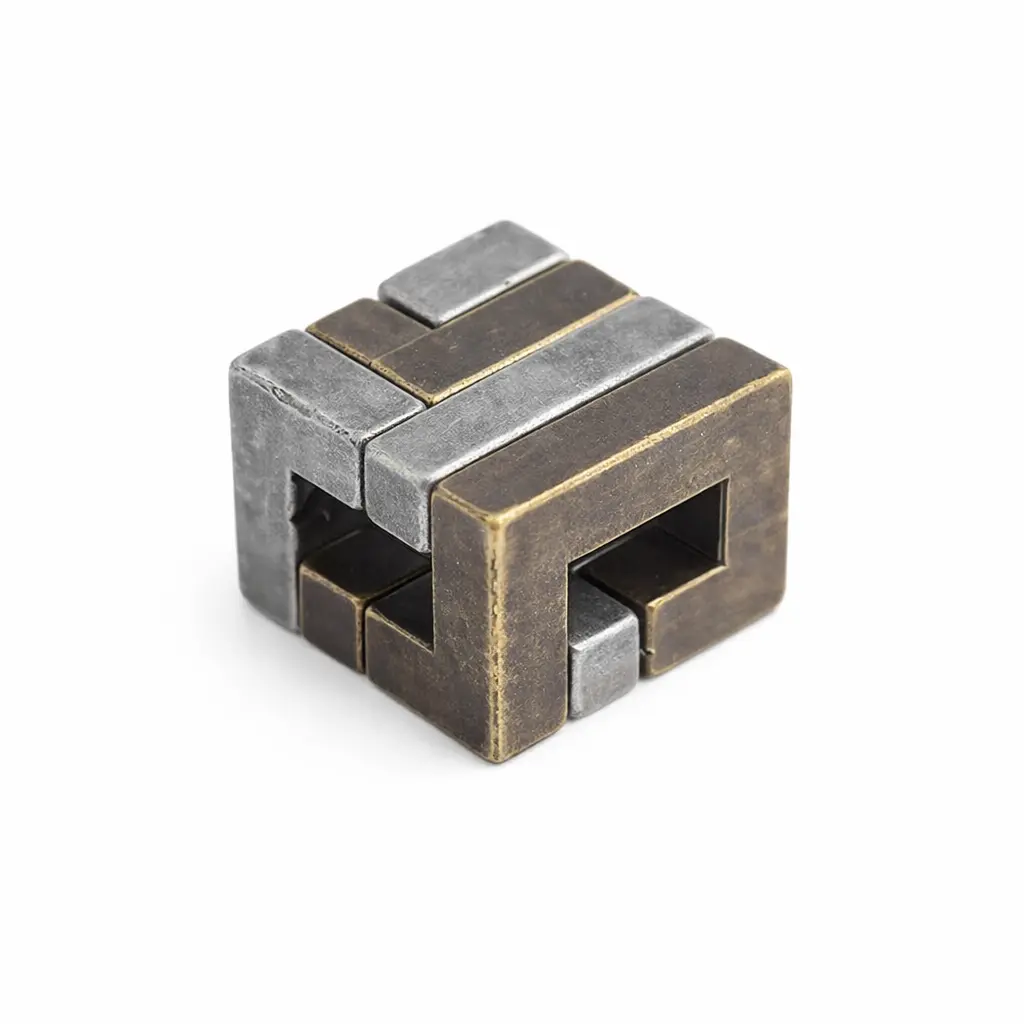
Cast Coil Pocket Puzzle
This is the puzzle I carry when I know I’ll be stuck in a waiting room. Priced at $18.99, the Cast Coil feels like a heavy industrial artifact. It’s a two-piece disentanglement puzzle that looks like a solid hunk of silver and bronze. There are no “moving parts” in the traditional sense—no buttons or sliding trays. Instead, you have to find the exact, microscopic angle where the two coils can slide past each other.
I’ve had this on my desk for three weeks, and even after solving it, I find myself fiddling with it during Zoom calls. The weight is substantial enough to act as a worry stone. The “trick” here is that the human eye wants to see these as interlocking rings, but they are actually a complex set of spirals. If you try to force them, you’ll feel the metal bite back. It requires a light touch, almost like you’re trying to unscrew a lightbulb that’s already loose.
The “One-Step” Deception: Why Simple Doesn’t Mean Easy
There is a category of trick boxes known as “fake boxes” or “one-step” puzzles. These are the most devious. Because there is only one move required to open them, the designer can afford to make that move incredibly obscure. You might find yourself preventing structural damage to your collection because you’re convinced a panel must slide, when in reality, the box might be held shut by a simple internal magnet that requires a sharp “tap” to disengage.
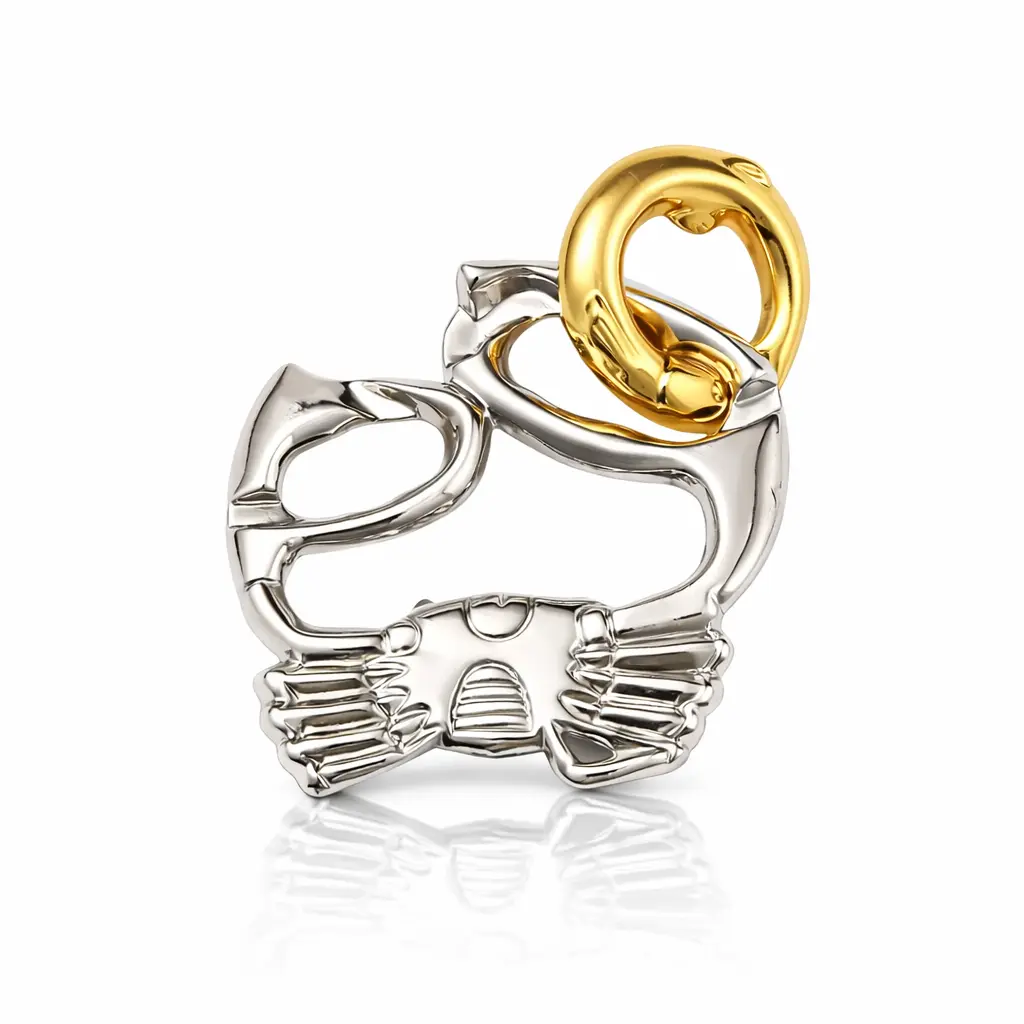
Metal Crab Puzzle Cast Brain Teaser with Gold Ring
This $13.99 cast metal crab is a perfect example of the “single-trick” enigma. It’s palm-sized and weighs exactly 56 grams, giving it a premium feel that belies its low price point. The goal is to remove the gold ring from the crab’s claws.
I handed this to my brother-in-law last weekend. He spent twenty minutes trying to pull the claws apart, convinced that strength was the answer. It isn’t. The solution is a sequence of rotations that feels more like a dance than a puzzle. The dual-tone finish (silver crab, gold ring) makes it easy to track your progress, but the curved geometry of the claws is designed to lead your brain into a dead end. It’s a medium-difficulty piece that I’d recommend for anyone who enjoys “fidget” toys but wants something with an actual goal.
Engineering Secrets: From Lu Ban to Modern CNC Machining
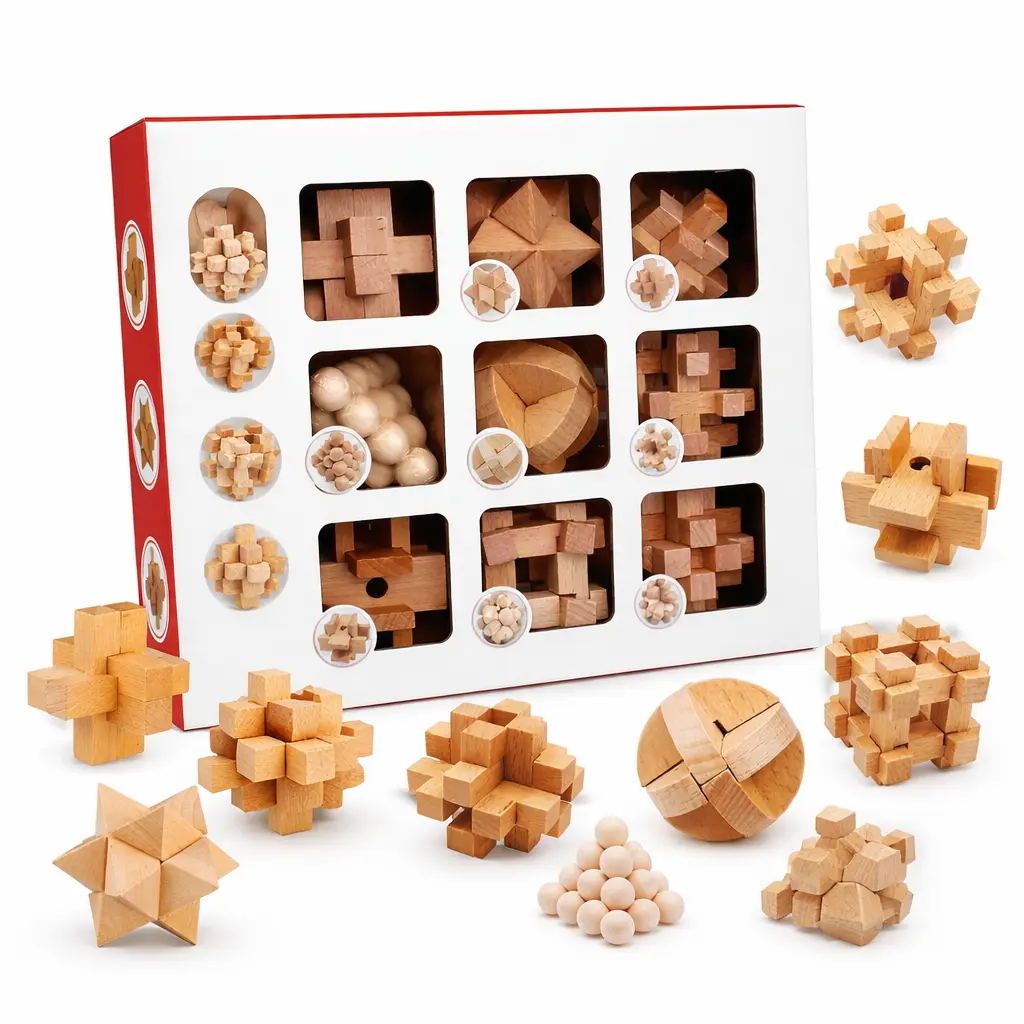
To truly appreciate a puzzle box, you have to look back at the history of joinery. Long before we had screws and glue, master carpenters used mortise-and-tenon joints to hold massive temples together. This is the origin of the “Luban Lock,” named after the legendary Chinese architect Lu Ban. These puzzles aren’t just toys; they are architectural models.
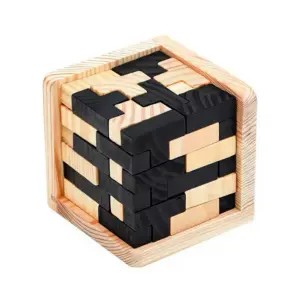
Luban Lock Set 9 Piece
If you want to dive deep into the history of spatial reasoning, this $39.99 set is the best investment you can make. It includes nine different wooden puzzles based on 2,500-year-old engineering principles. Each one uses geometry alone to stay together.
I’ve spent hours with these, and I still find the “Ball in a Cage” variation particularly challenging. There is no “trick” here other than understanding how three-dimensional axes intersect. If you remove the “key” piece, the whole structure collapses. The real challenge, however, isn’t taking them apart—it’s putting them back together. If you find your brain getting fried by the spatial requirements, I often suggest sharpening your visual recall between builds with a quick digital exercise to reset your focus. These puzzles are a testament to the fact that ancient engineers were just as clever (and perhaps more patient) than we are today.
The Aesthetic of the Antique: When Puzzles Become Decor
Not every puzzle needs to look like a gadget. Some of the most satisfying “trick” objects are those that masquerade as antique hardware. Traditional Chinese “puzzle locks” were often used to secure jewelry boxes or merchant chests. To the uninitiated, they look like standard padlocks. To the owner, they are a secret handshake.
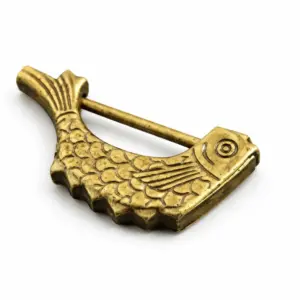
Chinese Koi Puzzle lock
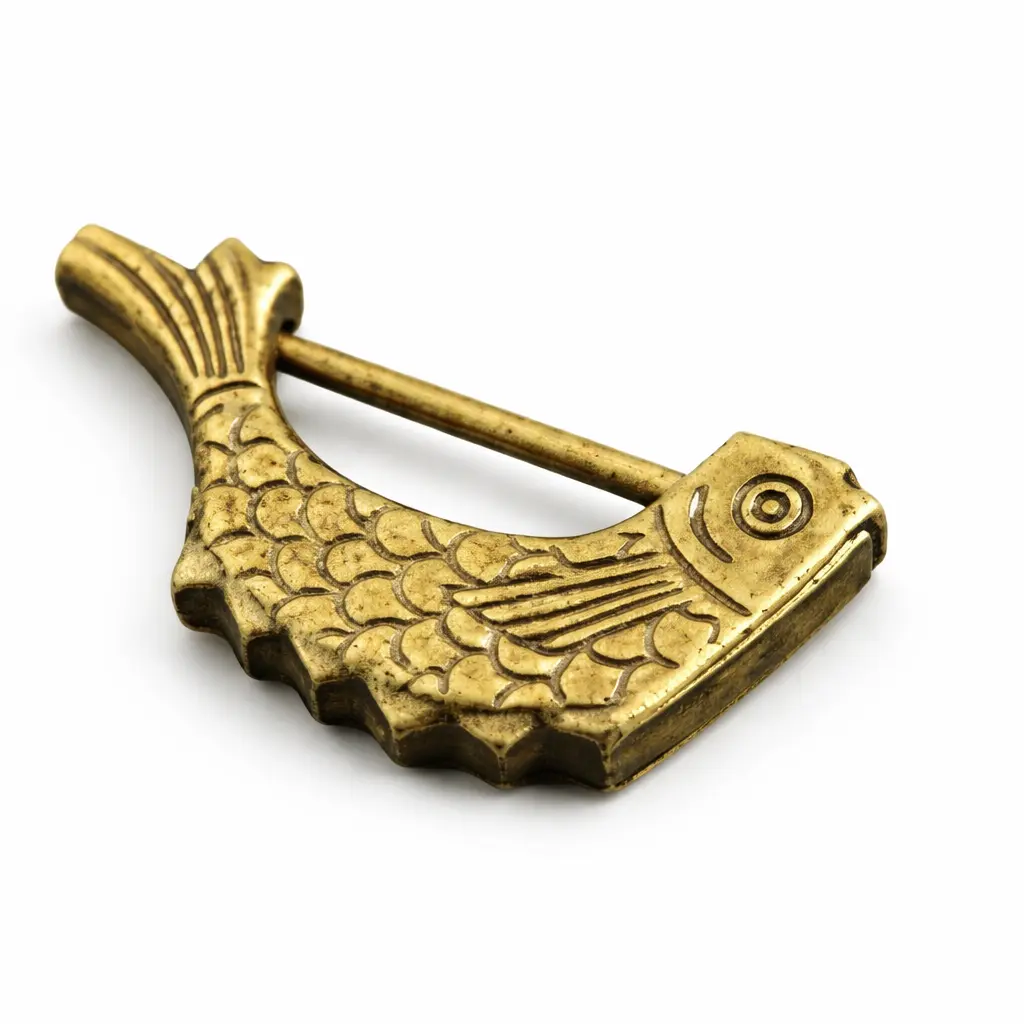
This $16.99 fish-shaped lock is one of my favorite “desk toys.” It’s modeled after the traditional Yosegi-zaiku aesthetic of functional art. At 59mm, it’s small enough to fit in your palm, but the weathered bronze finish gives it the weight of history.
The “trick” is finding the keyhole. It’s not where you think it is. I’ve watched friends poke and prod at the scales for ten minutes before realizing that a specific part of the fish’s fin slides away to reveal the mechanism. The key itself is a flat, traditional rod. Sliding it in and feeling the shackle release with a heavy “clack” is incredibly satisfying. It’s not the most difficult puzzle in my collection, but it’s certainly one of the most beautiful. It’s the kind of object that invites conversation without looking like a “toy.”
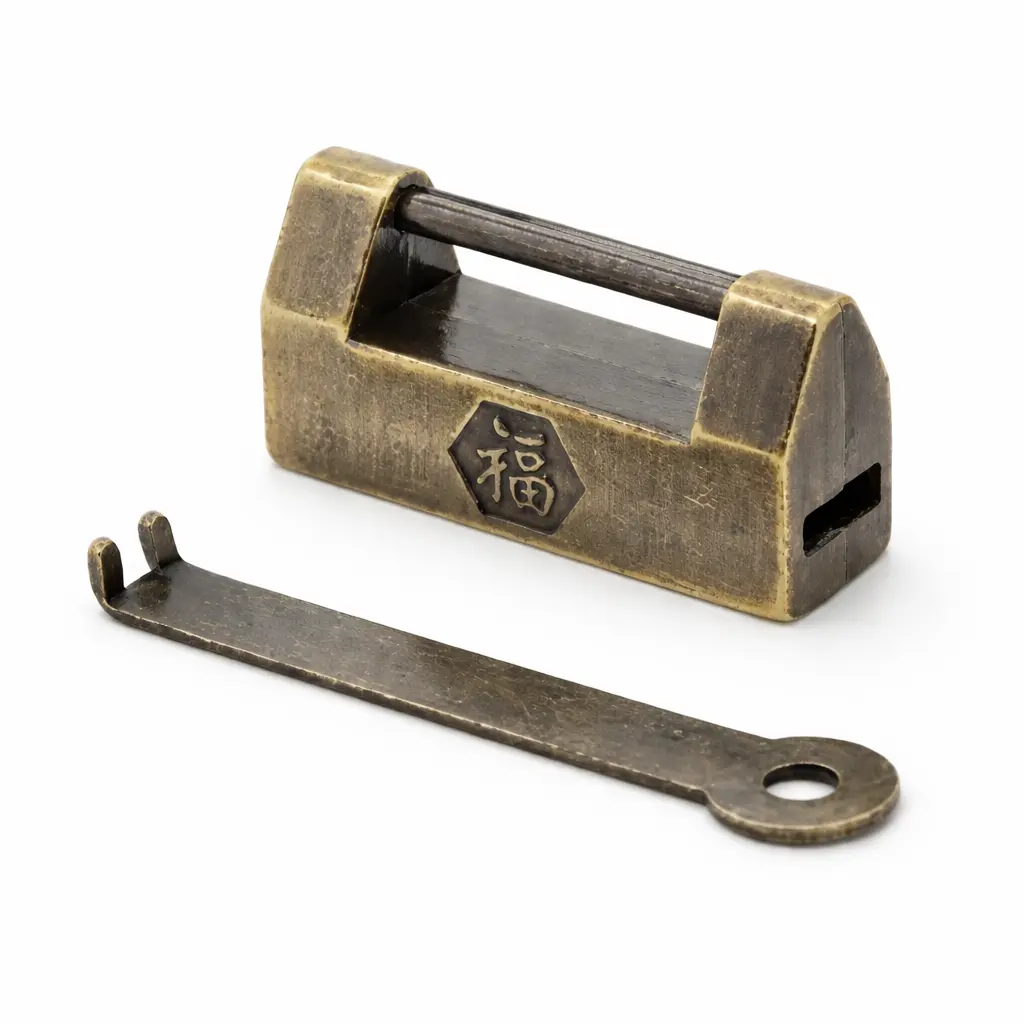
For those who want something even more discreet, the Chinese Old Style fú Lock with Key is a miniature version that actually works. It’s only 30mm across, but the embossed “fortune” character is crisp. I use mine to “lock” a leather journal—it doesn’t provide high-level security, but it provides a wonderful barrier of entry for anyone curious enough to snoop.
The Gifting Dilemma: How to Torture Your Friends Gracefully
We’ve all been there: you want to give someone a gift card, but handing over a plastic rectangle in a paper envelope feels lazy. This is where the trick box becomes a social tool. By turning a boring voucher into a physical challenge, you turn the act of receiving a gift into an event.
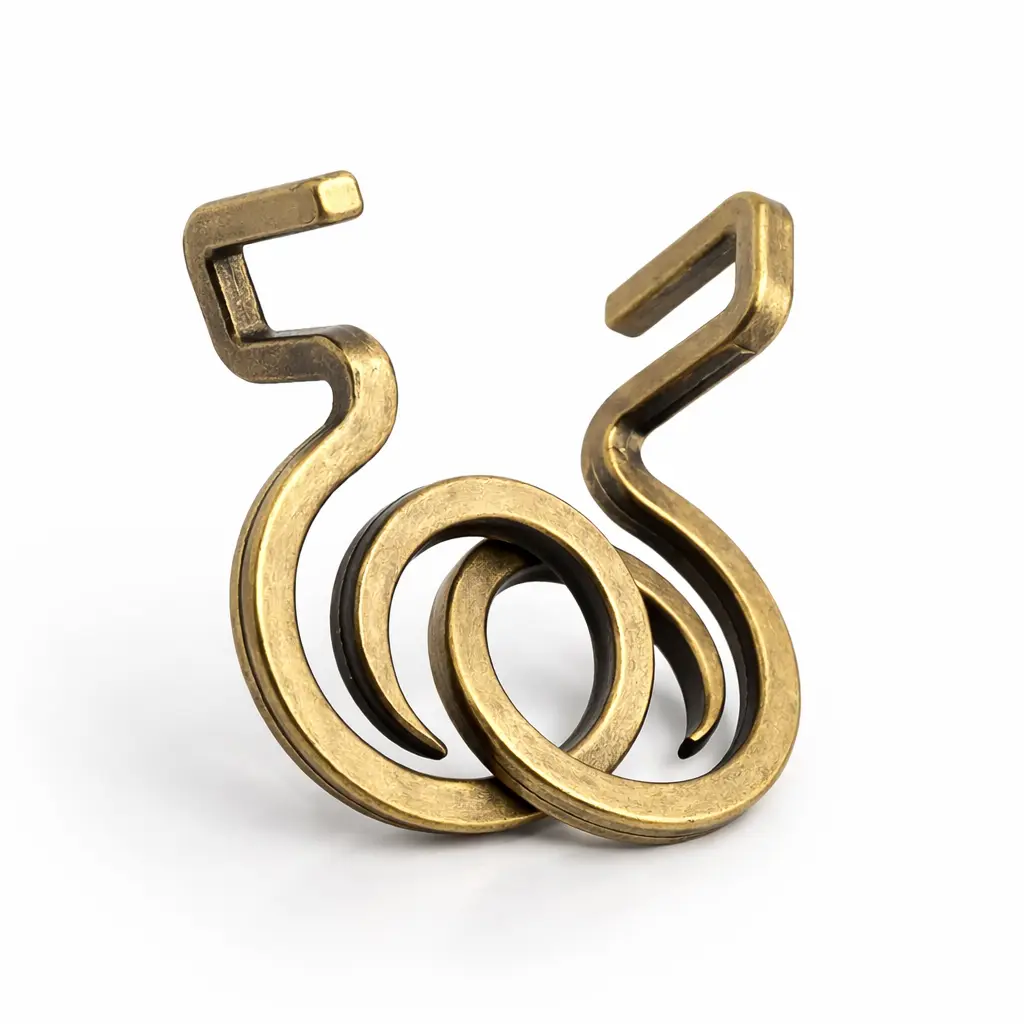
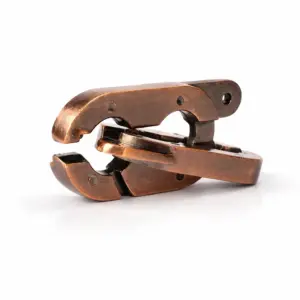
The Cast Hook Metal Brain Teaser is an excellent “add-on” for a gift. It consists of two identical hooks that are seemingly fused together. The “trick” is a precise sequence of rotations. I’ve found that if you hand this to someone while they are opening other gifts, they will inevitably ignore the rest of the pile until they’ve separated the hooks. It’s a low-cost way to add fifteen minutes of engagement to any celebration.
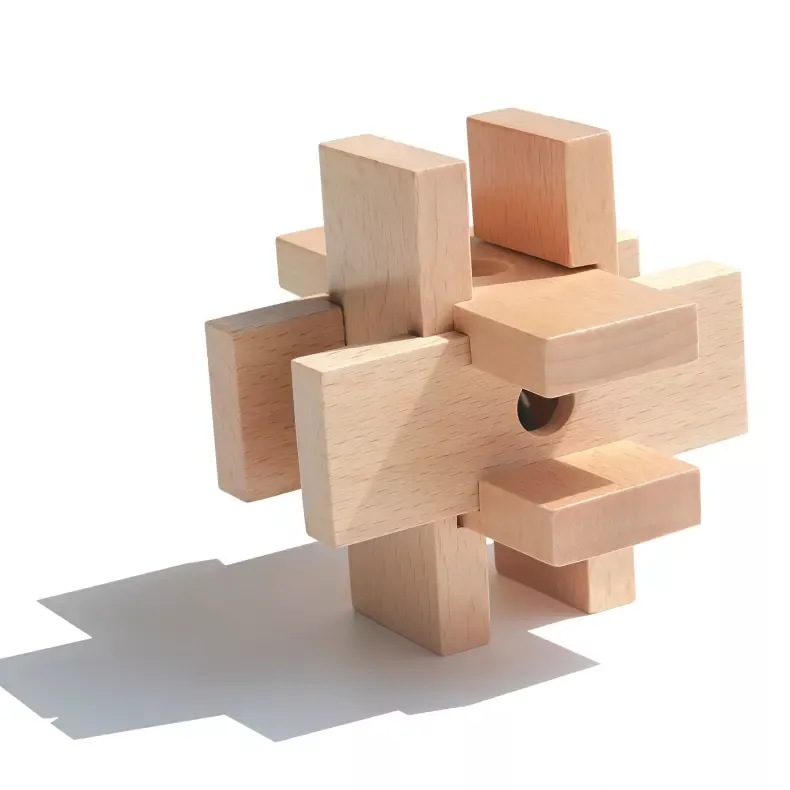
6 Piece Wooden Puzzle Key — $12.99
If you prefer wood, the 6 Piece Wooden Puzzle Key operates on a similar principle. It’s a classic burr puzzle that looks like a large, oversized key. I accidentally solved this one while watching a movie—my hands found the “key” piece through tactile exploration rather than visual logic. This is a common phenomenon in the hobby; sometimes your eyes lie to you, but your fingers feel the truth of the mechanism.
Maintenance and Care: Keeping the Mechanism Smooth for Decades
A common mistake new collectors make is using WD-40 or oil on their wooden puzzles. Don’t do it. Wood is a living material that breathes. If a wooden trick box is sticking, it usually needs a light sanding with high-grit paper or a tiny bit of dry graphite. For metal puzzles, a simple microfiber cloth is usually enough to remove the oils from your skin, which can cause tarnishing over time.
Regarding the foundational principles of trick box design, the most important thing to remember is that you should never use force. If you feel like you’re about to break it, you’re doing it wrong. These objects are designed to be solved with elegance, not muscle.
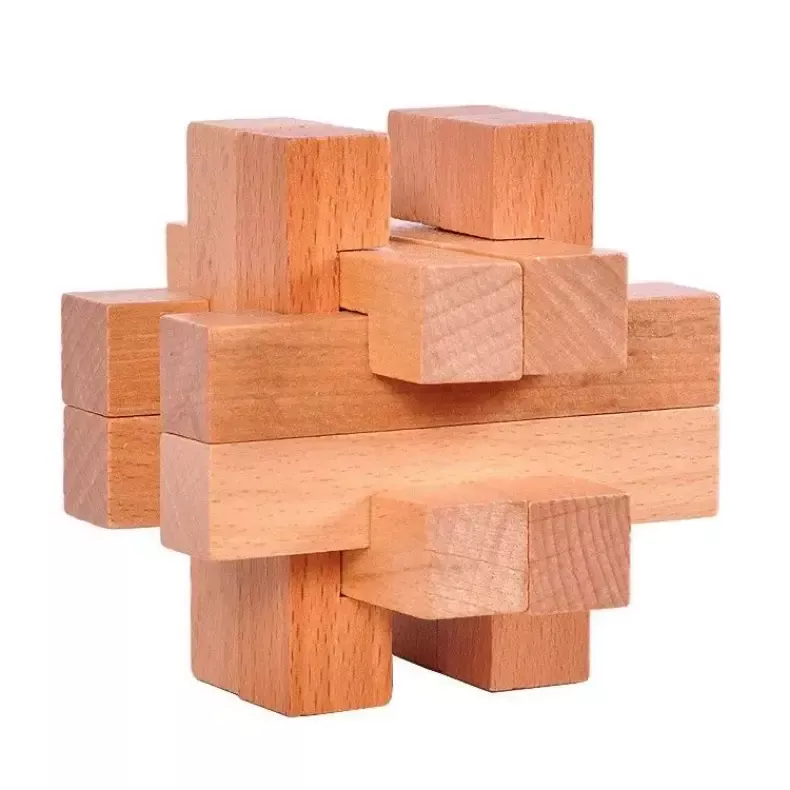
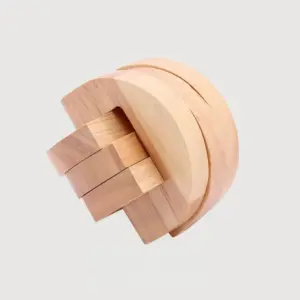
Treasure in a Cage — $16.99
The Treasure in a Cage is a great example of a puzzle that requires a “soft touch.” It’s a twelve-bar Luban-style puzzle with a rattling bead inside. Because it’s made of natural wood, the fit is snug. If you try to yank the bars apart, the friction will hold them tighter. You have to gently “wiggle” the pieces to find the one with the most play. This teaches you the “Wu Wei” of puzzling—effortless action.
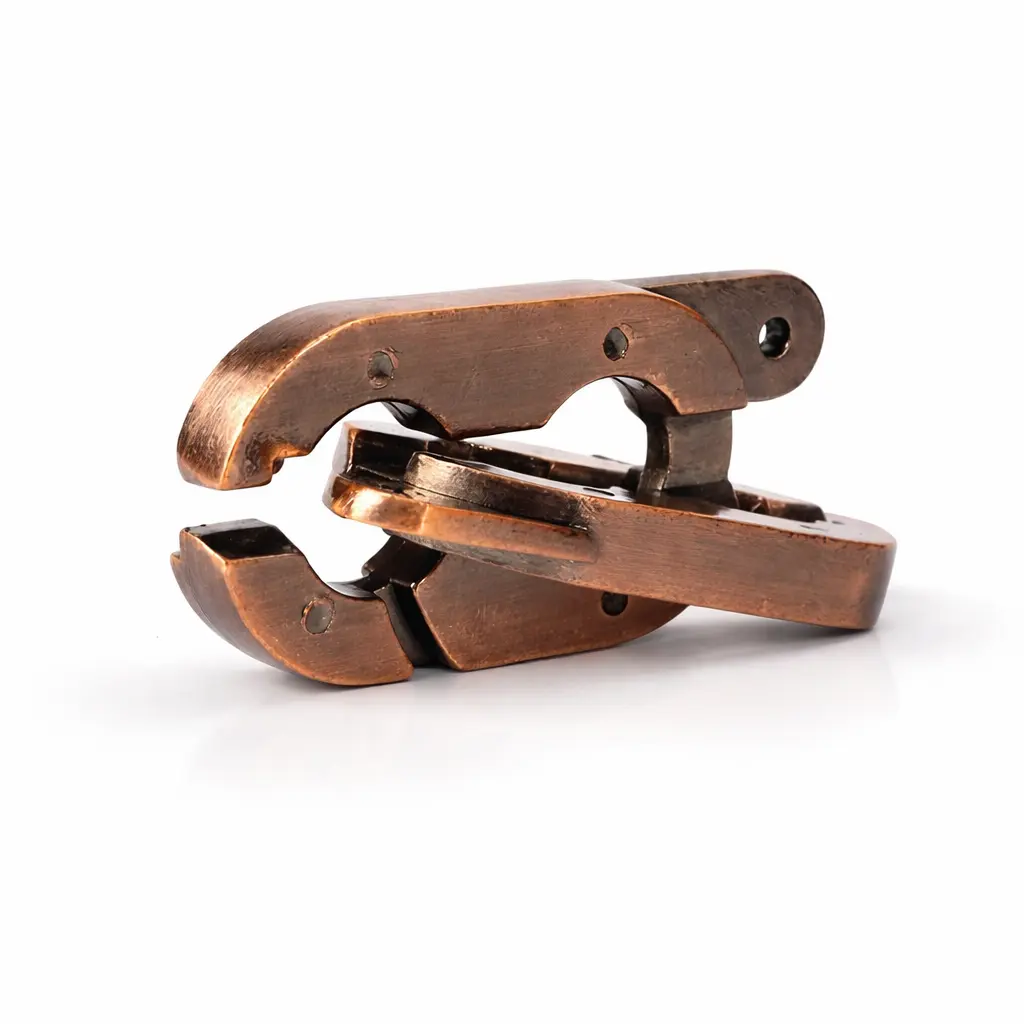
For daily carry, I recommend the Antique Bronze Metal Keyring Puzzle. The bronze patina actually gets better after a month of pocket wear. It’s a two-piece disentanglement that serves as a great quick digital palate cleanser when you’ve been staring at a screen for too long. I’ve dropped mine on the pavement multiple times, and the antique finish hides the scratches perfectly.
FAQ: Everything You’re Afraid to Ask About Trick Boxes
How do you open a puzzle box if you’re completely stuck?
First, stop pulling. Most people get stuck because they are applying pressure to a part of the box that needs to move freely. Set the box down on a flat surface and try to “listen” to it. Shake it gently—do you hear something sliding? Does a specific side feel heavier? If you’re truly desperate, most reputable sellers provide a solution link, but I recommend waiting at least 48 hours. The “aha!” moment is worth the wait. You can also look into evolving trends in the trick box hobby to see if your box uses a common modern “trick” like a hidden magnet or a centrifugal lock.
Are wooden puzzle boxes durable enough for kids?
It depends on the age. I wouldn’t give a high-end Japanese Himitsu-Bako to a six-year-old. However, something like the Luban Lock Set 9 Piece is remarkably sturdy. The pieces are thick, and because there are no delicate hinges, they can handle being dropped. The main risk with kids isn’t breakage; it’s losing one piece of a six-piece burr, which effectively “kills” the puzzle.
What is the difference between a “Trick Box” and a “Secret Opening Box”?
In the industry, we often use these interchangeably, but purists will tell you that a “Trick Box” usually requires one clever, non-obvious move (like a hidden button or a specific physical orientation). A “Secret Opening Box” (or Himitsu-Bako) usually requires a long sequence of sliding panels—sometimes up to 72 moves. If you’re a beginner, start with a trick box. They provide a faster “win” and help you build the lateral thinking skills needed for the longer sequences found in extreme variations of traditional wooden mechanisms.
Why are some puzzle boxes so expensive?
You aren’t just paying for the wood; you’re paying for the tolerances. A cheap puzzle box will have gaps between the panels, making it obvious where the “secret” is. A high-end box is machined or hand-cut so precisely that the seams are invisible to the naked eye. This requires a level of craftsmanship that borders on the miraculous. Some collectors spend thousands on “Sequential Discovery” boxes that are essentially mechanical computers made of wood and brass.
Can I store valuables in these boxes?
Most trick boxes are “security through obscurity.” They won’t stop a thief with a hammer, but they will stop a curious roommate or a nosy sibling. The 3D Wooden Puzzle Safe with Combination Lock is actually quite good for this because it requires both the combination and the physical knowledge of the handle mechanism to open.
Do I need to lubricate my metal puzzles?
Generally, no. Modern cast metal puzzles, like the Cast Coil Pocket Puzzle, are designed with enough clearance that they shouldn’t bind. If you find a metal puzzle is sticking, a tiny drop of “dry” lubricant (like PTFE or graphite) is better than oil, which will just attract dust and turn into a sticky paste over time.
What’s the best “first puzzle” for an adult?
I always point people toward the Metal Crab Puzzle. It’s inexpensive, feels great in the hand, and the solution is logical but not “easy.” It’s the perfect “gateway drug” into the hobby.
How do I know if a puzzle is too hard for me?
Puzzles are usually rated on a scale of 1 to 6 or 1 to 10. Don’t start at the top. A Level 10 puzzle can stay unsolved on your shelf for years, which is more demoralizing than fun. Start with a “Medium” or “Level 3” and work your way up. The joy of puzzling is the progression of your own brain’s ability to spot patterns.
Why do some wooden puzzles smell like burnt wood?
That’s the result of laser cutting. The high-powered laser literally vaporizes the wood as it cuts. This allows for the incredibly tight tolerances seen in kits like the 3D Wooden Puzzle Safe. The smell usually fades after a few days, but some hobbyists (myself included) actually enjoy it.
Is there a “right” way to solve these?
The only “wrong” way is using a screwdriver or a hammer. Beyond that, anything goes. Some people like to use flashlights to peer into the cracks; others prefer to solve entirely by feel. I personally enjoy “blind” solving, where I keep the puzzle under a desk or in my pocket so I can’t see what I’m doing. It forces your brain to build a 3D map of the internal mechanism.
Are these good for people with ADHD?
As someone who can’t sit still, I find mechanical puzzles to be the ultimate “fidget” tool. They provide the tactile input my brain craves while giving it a problem to chew on. A simple disentanglement puzzle can turn a stressful afternoon into a focused, meditative experience.
Can puzzle boxes be “reset”?
Yes. Any well-designed puzzle should be just as challenging to put back together as it was to take apart. In fact, for many burr puzzles, the reassembly is the “real” puzzle. I always tell people: don’t just celebrate when the box opens. The job isn’t done until it’s back in its original state.
What is a “Burr” puzzle?
A burr puzzle consists of interlocking notched sticks. The name comes from the fact that the finished product often looks like a seed burr. The Luban Lock Set is primarily made of burr variations. They are the foundation of mechanical puzzling.
The Final Click
As I finish my coffee and look at the safe sitting on my desk, I’m reminded that these objects are more than just toys. They are physical reminders that most problems have a solution if you’re willing to change your perspective. Whether it’s the cold, heavy logic of the Cast Coil Pocket Puzzle or the ancient architectural wisdom of the Luban Lock Set, each piece offers a moment of quiet triumph.
If you’re looking to start your own collection, don’t overthink it. Pick an object that appeals to your eyes and your hands. Start with the Metal Crab Puzzle if you want a quick win, or commit to a rainy afternoon with the 3D Wooden Puzzle Safe if you want to see the gears of the world turn. Just remember: when the lid won’t move, don’t pull harder. Breathe, look closer, and wait for the click.