The third time the brass pin slipped past my thumb, I set the box down and made coffee. My fingertips were actually sore—a telltale sign that I was committing the cardinal sin of the mechanical puzzle world: I was trying to force the solution. In my twenty years of collecting, I’ve seen more $100 Japanese Himitsubako ruined by impatient thumbs than by actual age. We want the “click” so badly that we try to manufacture it through sheer pressure, forgetting that a well-made wood puzzle box is a conversation, not a conquest.
If you’re here, you’re likely looking for that specific hit of dopamine that comes when a hidden seam finally yields. But the market in 2026 is flooded with laser-cut “kits” that are more model than mystery, and “trick boxes” that are just poorly glued plywood. I’ve spent the last few months hands-on with the current crop of inventory at Tea Sip, separating the genuine enigmas from the desk ornaments.
The thesis of this review is simple: The best wood puzzle boxes punish impatience and reward observation. If you find yourself pushing hard enough to leave a dent in the grain, you’ve already lost the game. Whether you are looking for a hidden compartment for a gift or a mechanical kit that doubles as a stress-reliever, the goal is the same—finding the logic the designer hid in the wood.
The Psychology of the Hidden Chamber
Why do we care about a box that won’t open? It’s a primal itch. Historically, the puzzle box served a dual purpose: security and entertainment. In 19th-century Japan, they were used by workers to keep their tools safe from theft on the road. Today, we use them to keep our brains from rotting in front of a flickering OLED screen.
There is a specific neurological reward when you finally hear that internal mechanism engage. It’s a tactile “aha!” moment that a digital game simply cannot replicate. When you hold a physical object, your brain is processing weight, friction, and sound. You are listening for the “tumble” of a wooden pin or the sliding friction of a panel that has been precision-cut to a fraction of a millimeter.
I’ve noticed that people who excel at these aren’t necessarily the “smartest” in the room—they are the most observant. They notice that one side of the box has a grain pattern that doesn’t quite line up with the rest. They realize that the weight of the box shifts slightly when they tilt it. This is the essence of understanding trick box mechanics. It’s about becoming a detective of the mundane.
The Mechanical Kit vs. The Traditional Trick Box
Before we get into the reviews, we need to draw a line in the sawdust. There are two main types of wood puzzle boxes dominating the shelves this year.
- The Assembly Kit: These come as flat sheets of laser-cut plywood. You build the mystery yourself. The challenge here is the construction—if you misalign a gear by a hair, the final box won’t open.
- The Pre-Built Trick Box: These arrive finished. Your only job is to get inside.
Both have their merits. The kits, like the Galleon Ship 3D Wooden Puzzle Model Kit (check current pricing), teach you the “how” of the machine. Building the Galleon Ship took me about four hours, and while it isn’t a “trick box” in the sense of having a hidden compartment, the structural logic required to snap-fit those masts without breaking the plywood is a brain teaser in its own right.
However, if you want the mystery of the unknown, you want a finished box or a kit specifically designed with a locking mechanism.
3D Wooden Puzzle Treasure Box – Mechanical Jewelry Storage Gift
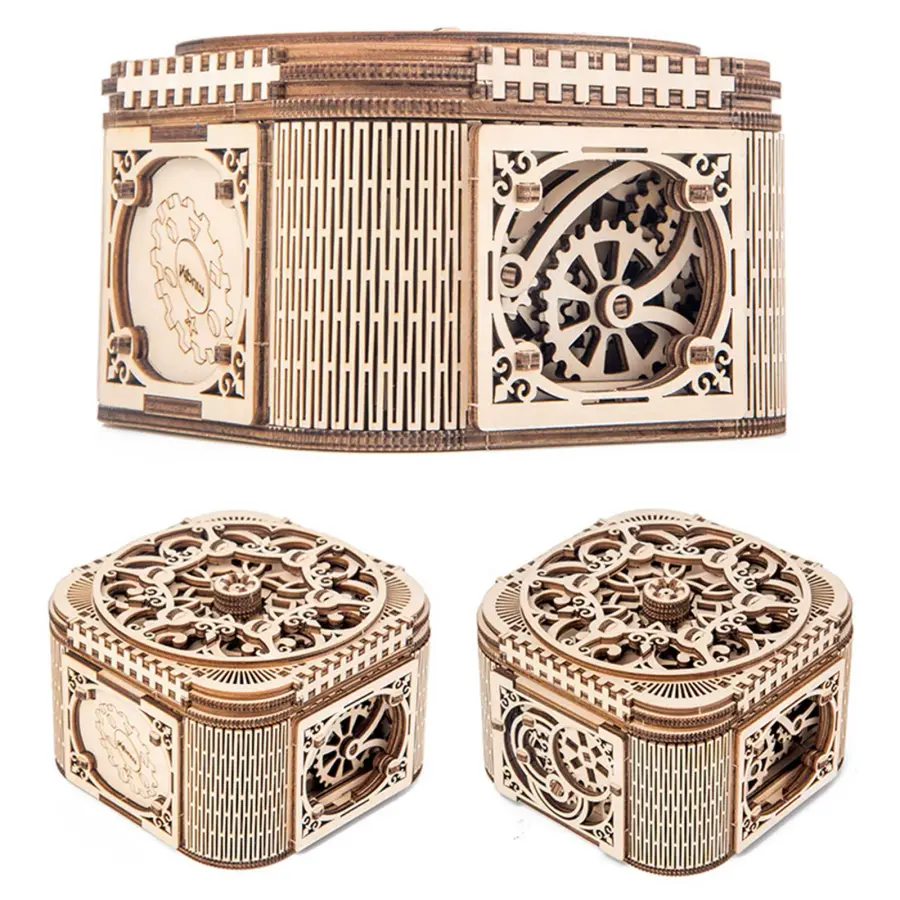
This is the heavy hitter of the mechanical kit world right now. Priced at $29.99, the 3D Wooden Puzzle Treasure Box is a 150-200 piece project that results in a functional, gear-driven container.
I’ve built dozens of these, and this specific model is a standout because the mechanism is visible. Most traditional boxes hide the “trick” inside solid walls. Here, you see the gears turn as the lid lifts. It’s mesmerizing. However, an honest negative: the laser-cut tolerances are tight. If you have “sausage fingers” or lack patience, you will snap a piece. I highly recommend having a bit of sandpaper and some candle wax nearby to lubricate the gears during assembly.
Once finished, the “solve” is a sequence of turns. It’s less of a “trick” and more of a combination lock. It’s the perfect desk toy for someone who likes to fidget while thinking. If you’re buying this for a child, make sure they’re at least 14, or you’ll be the one doing 90% of the work while they lose interest.
DIY Castle Music Box Night Light Shadow Box Kit
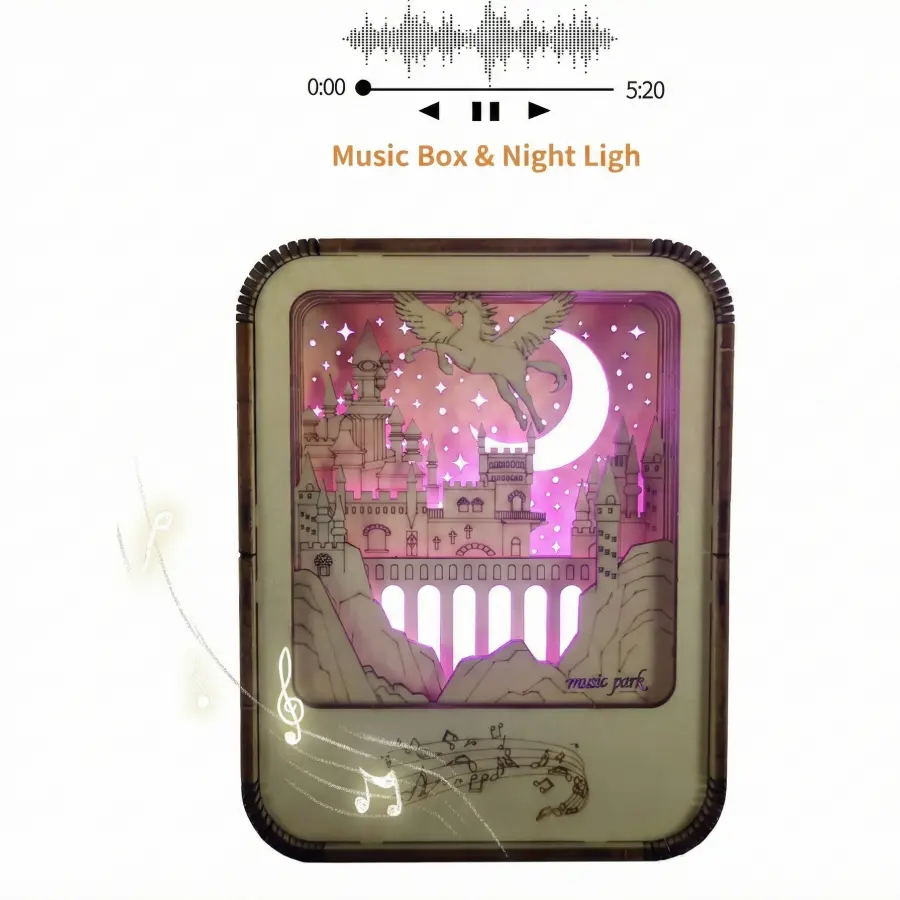
At $33.99, the DIY Castle Music Box Night Light Shadow Box Kit sits at the intersection of “craft” and “puzzle.” It’s only 28 pieces, making it significantly more accessible than the Treasure Box, but it adds layers of sensory payoff.
When I first held the finished castle, I was struck by the depth created by the layered laser-cut panels. It’s not just a box; it’s a diorama. The “puzzle” here is the assembly of the delicate layers and the integration of the LED lighting. It’s a great choice for engaging the whole family because the barrier to entry is lower.
The six LED modes are a nice touch, but let’s be real: you’re buying this for the mechanical music box. There’s something hauntingly beautiful about a wooden structure playing a melody while glowing teal. It’s a “soft” puzzle—one that rewards you with aesthetics rather than just the satisfaction of opening a lock.
Steampunk Airship 3D Wooden Puzzle
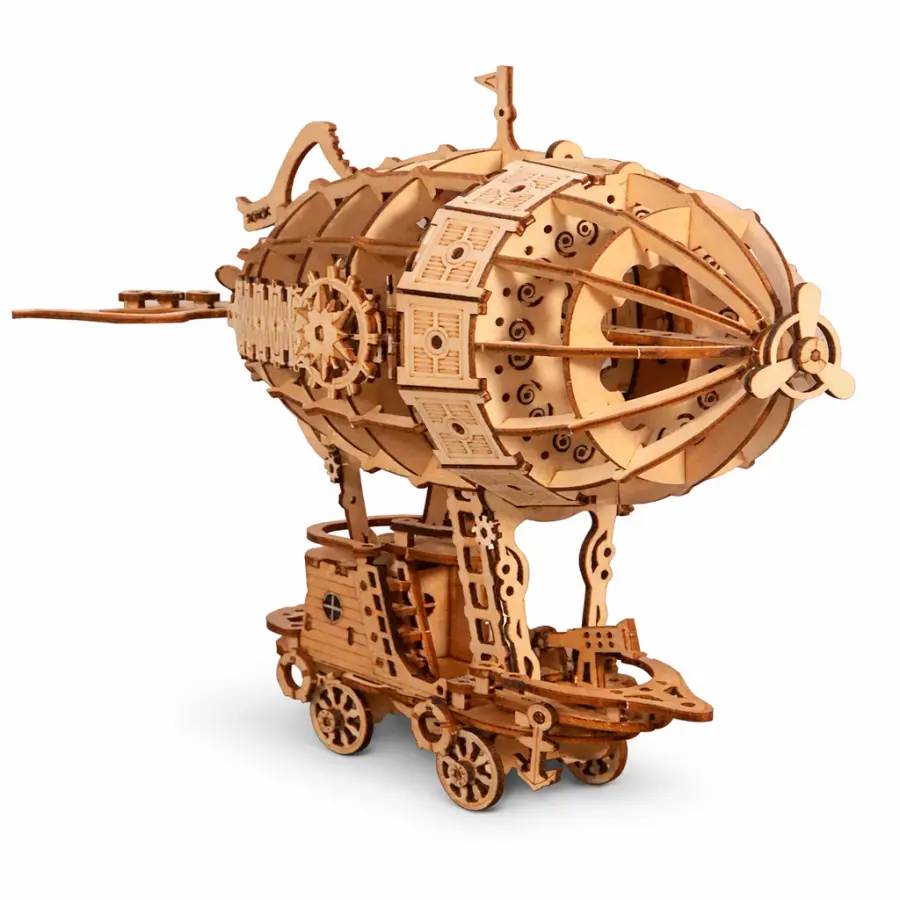
If you have an hour to kill and want something that looks incredible on a bookshelf, the Steampunk Airship ($26.66) is my top recommendation. It’s 160 pieces, which sounds daunting, but the logic is very linear.
The propeller spins, the wheels roll, and the Victorian aesthetic is spot on. I’ve found that this particular model is a great “gateway” puzzle. It’s complex enough to feel like an achievement but organized enough that you won’t end up with a pile of “leftover” parts and a sinking feeling in your stomach.
One thing to watch out for: the captain’s cabin area has some very small structural supports. I accidentally crimped one of mine during the “one hour” assembly window. Take your time. The Steampunk Airship is about the journey, not just having a cool boat on your desk.
3D Wooden Cello Puzzle Model Kit


The 3D Wooden Cello Puzzle ($29.99) is less about “opening” and more about “becoming.” It’s a tribute to the history of the mechanical puzzle as an art form.
This is the one I keep on my piano. The engravings are Victorian-inspired, and the gear work on the body of the cello gives it a “clockwork” vibe that I haven’t seen in other instrument models. It’s a high-level assembly challenge. I’ve seen reviews claiming it helps with “visuospatial cognition,” and while I’m no doctor, I can tell you that figuring out how the curved panels lock together without glue certainly makes your brain work in ways a smartphone doesn’t.
The Peak Moment: Why Your First Solve Will Be an Accident
After testing over 200 puzzles, I’ve noticed a pattern that nobody talks about: The first time you open a high-quality puzzle box, you will probably have no idea how you did it.
I call this “The Accidental Discovery.” You’re fiddling with a box, tilting it, sliding your fingers across the panels, and suddenly—snick—the lid moves. Your heart jumps. You’re excited. But then, the panic sets in. You realize you have to close the box and repeat the steps to actually “solve” it.
This is the peak of the puzzle experience. It’s the moment you move from “fiddler” to “master.” I once handed a guest a trick box and they opened it in thirty seconds by pure luck. They thought they were a genius. I told them to close it and do it again. It took them twenty minutes.
The real magic isn’t the opening; it’s the understanding of the internal gravity or the friction locks. If you’re looking for extreme challenges, you have to embrace the fact that your hands will often find the solution before your brain does.
The Metal Alternative: Precision over Grain
While this guide focuses on the “wood puzzle box,” any serious collector knows that metal puzzles offer a different kind of satisfaction. Wood is organic; it breathes, it swells with humidity, it has “give.” Metal is cold, unforgiving, and precise.
Sometimes, when I’m frustrated with the slight flex of a wooden kit, I’ll pick up something like the Cast Keyhole Gold & Silver ($13.99).

Cast Keyhole Gold & Silver — $13.99
The Cast Keyhole is a masterclass in 3D maze design. It looks like two flat pieces of metal, but once they slide together, you’re lost in a notched labyrinth. There is zero “give” here. You either have the right move, or you don’t. It’s a great way to reset your brain after a long assembly session.
If you enjoy the aesthetic of the Cast Keyhole, you might also like the Gold Silver Double Fish Metal Puzzle ($13.99).
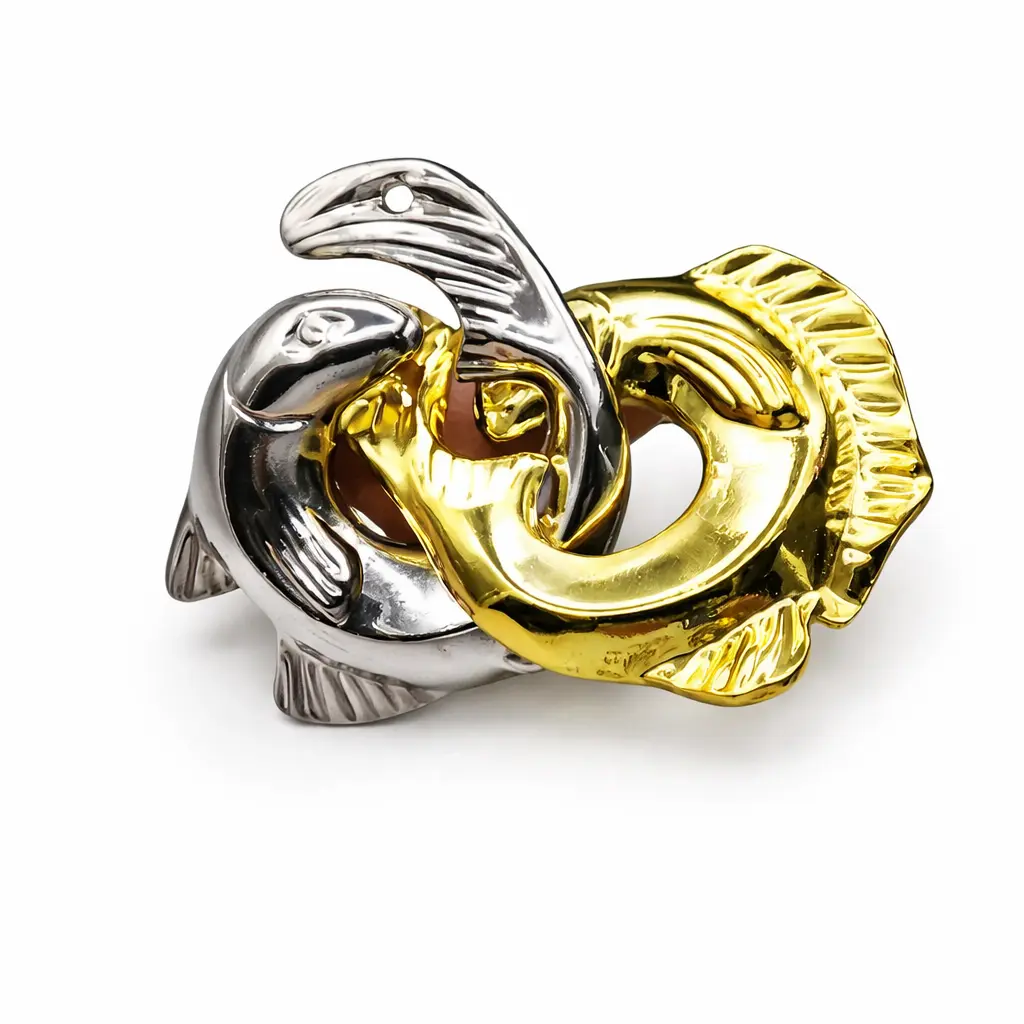
The Double Fish is much more palm-friendly and serves as a fantastic “fidget” puzzle. It doesn’t have the complexity of a 200-piece wooden kit, but it has a weight and a “clink” that is incredibly satisfying. I often keep it in my pocket during long meetings.
For those who want something that looks like jewelry but acts like a headache, the Metal Starfish Puzzle Ring ($13.99) is a clever little object.

Metal Starfish Puzzle Ring — $13.99
I’ve had the Metal Starfish on my desk for three weeks, and it’s the one thing every visitor picks up. It’s a simple separation puzzle, but the “twist” required is counter-intuitive. It’s the metal equivalent of a trick box—the solution is right in front of you, but your brain refuses to see it.
Similarly, the Dual Seahorse Gold & Silver Brain Teaser ($14.99) uses a hidden threaded mechanism.
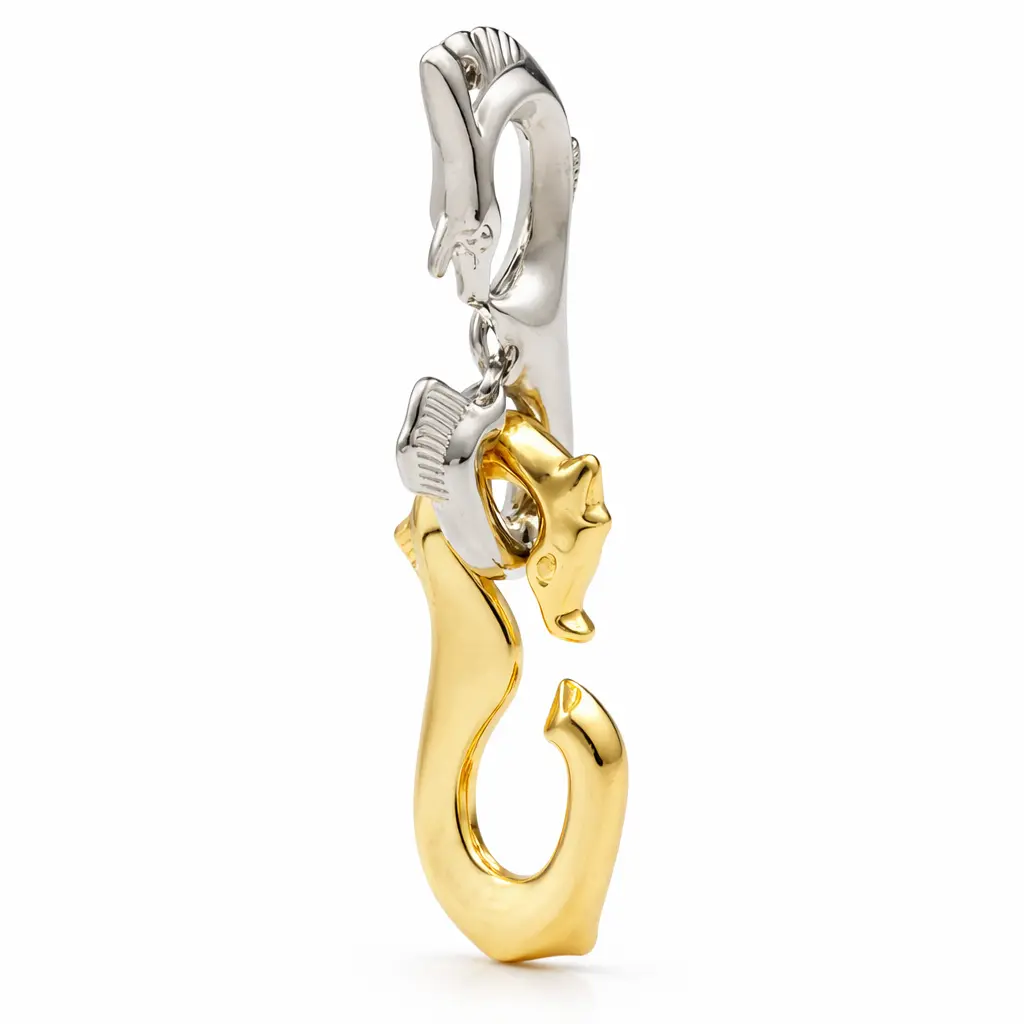
The Dual Seahorse is a “twist-based” solve. It’s a great example of how metal can hide secrets just as well as wood. If you’re the type who likes to take a break from physical puzzles with visual balance games, these two-tone metal pieces provide a similar aesthetic satisfaction.
Finally, for the pure geometry lovers, there’s the 5 Piece Cast Spiral Metal Puzzle.
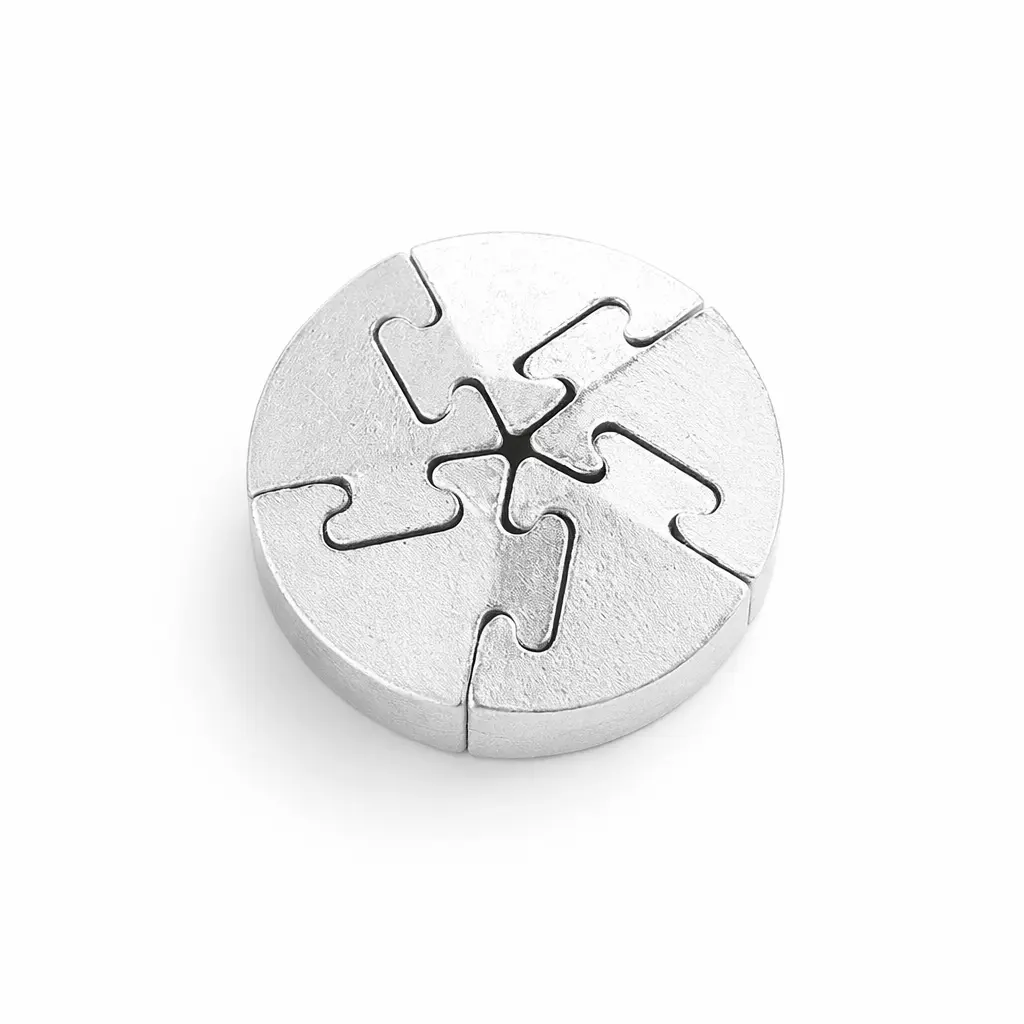
The Cast Spiral is a nightmare to reassemble. Taking it apart is easy; putting it back together requires a level of spatial awareness that most people simply don’t use in their daily lives. It’s a “palate cleanser” for when you’ve finished a big wooden project and want something that fits in a pocket.
Gifting the Frustration: Why the Envelope is the Enemy
We’ve all done it. We buy a gift card, stick it in a paper envelope, and feel like we’ve failed at being creative. The gift card puzzle box is the solution to the “boring gift” syndrome.
When you put a gift card or cash inside a wood puzzle box, you aren’t just giving money; you’re giving an experience. You’re giving the recipient ten minutes of confusion followed by a “eureka” moment. I once gave my nephew his birthday money inside a 3D Wooden Puzzle Treasure Box. He spent more time talking about the gears than the money.
The key to a good gift box is that it shouldn’t be too hard. You want them to open it before the cake gets cold. A box that requires 50 moves is a chore; a box that requires 3 clever moves is a delight.
Maintenance and the “Stickiness” Factor
One thing the marketing copy never tells you: wood is alive. If you live in a humid climate, your wood puzzle box might get “sticky.” The panels won’t slide as smoothly as they did when they left the factory.
This is why knowing how to open a box without breaking it is a vital skill. Never, ever use WD-40 or oil on a wooden puzzle. It will soak into the grain, swell the wood, and ruin the puzzle forever. Instead, use a dry lubricant like a graphite pencil or a bit of unscented candle wax on the friction points.
If a piece is stuck, don’t pull harder. Set it in a dry room for 24 hours. Often, the wood just needs to “shrink” a tiny bit to release the lock. This is the patience the hobby demands. If you find yourself getting too stressed, take a break and play a quick retro arcade game to clear your head. The puzzle will still be there when you get back.
Quick-Reference Comparison Table
Frequently Asked Questions
How do I open a wood puzzle box without the instructions?
The first step is always tactile exploration. Run your fingers along every edge to feel for a seam that is slightly wider than the others. Tilt the box and listen for “shifting” weights—this indicates a gravity pin. Many boxes require you to slide a panel in a direction that seems “wrong” before the main lid will release. If you’re stuck, remember that patience is your most important tool. Don’t force it; observe the grain.
Are wooden puzzle boxes better than metal ones?
“Better” is subjective. Wooden boxes offer a warmth and an organic feel that metal can’t match. They also allow for hidden compartments, which metal puzzles rarely feature. However, metal puzzles offer higher precision and durability. If you want a desk toy that lasts a lifetime, metal is great. If you want a mystery to solve and a place to hide a ring, wood is the winner.
What is the most common trick used in these boxes?
Most beginner-to-intermediate boxes use the “sliding panel” trick. One piece of the decorative trim or a side panel is actually a key that must be moved to unlock the rest of the mechanism. More advanced boxes use “sequential discovery,” where you find a tool (like a small wooden peg) hidden in one part of the box that you must then use to unlock another part.
Can I build these kits with my kids?
Absolutely, but manage your expectations. A kit like the Castle Music Box is great for ages 10+. However, the Treasure Box has very small, fragile gears. I’ve seen many parents end up finishing the puzzle themselves while the child watches. It’s a great bonding activity, but the adult needs to handle the delicate “snap-fitting” parts.
Do I need glue for the 3D wooden puzzle kits?
Most modern kits, including the ones at Tea Sip, are designed to be “snap-fit.” They use the tension of the wood to stay together. That said, I always keep a bottle of wood glue nearby. Sometimes a laser-cut tab is a little too loose, or you might accidentally snap a decorative piece. A tiny dot of glue won’t hurt the mechanism as long as you keep it away from the moving gears.
How do I know if a puzzle box is high quality?
Look at the seams. In a high-quality box, the seams are almost invisible when the box is closed. If you see large gaps or mismatched wood grain, it’s a lower-tier product. Also, check the material. Birch plywood is standard for kits, but solid woods like walnut or teak are preferred for finished trick boxes.
Why are Japanese puzzle boxes so expensive?
Traditional Japanese boxes, or Himitsubako, are handcrafted using a technique called Zougan or Yosegi (marquetry). Each pattern is made from different types of wood, not painted on. They are works of art that can take weeks to complete. The “price per solve” might seem high, but you’re paying for centuries of craftsmanship and history.
Can I put jewelry in these boxes?
Yes, but be careful with the 3D Wooden Puzzle Treasure Box. Because the gears are exposed, small chains or earrings could potentially get caught in the mechanism. I recommend putting the jewelry inside a small cloth pouch before placing it in the gear-driven boxes.
What should I do if a piece of my kit breaks during assembly?
Don’t panic. Most kits include a few “spare” parts for the most fragile components. If you break a unique piece, wood glue and a toothpick are your best friends. Apply the glue sparingly and let it cure for at least two hours before continuing the build.
Are these puzzles good for seniors?
They are excellent. Research often suggests that keeping the brain active with spatial puzzles can help maintain cognitive health. However, for seniors with arthritis, the metal puzzles or the simpler wooden kits are better, as the high-piece-count mechanical kits can be taxing on the joints.
How do I store my puzzle collection?
Keep them out of direct sunlight, which can fade the wood and make it brittle. Avoid areas with high humidity fluctuations (like a bathroom or a basement). A simple bookshelf in a climate-controlled room is perfect.
What is the hardest wood puzzle box ever made?
Difficulty is relative, but some “sequential discovery” boxes from designers like Robert Yarger or the Karakuri Creation Group can require over 100 moves to open. These are usually limited-edition collector’s items that sell for thousands of dollars. For the average enthusiast, a 12-to-20 move box is plenty of challenge.
Why does my puzzle box have a “smell”?
Laser-cut wood often has a “burnt” or “smoky” smell because the laser literally burns through the plywood. This usually fades within a week of opening the box. Some people actually enjoy the campfire-like scent!
Is it “cheating” to look up the solution?
In my book, yes. But I’m a purist. If you’ve been stuck for a week and the puzzle is no longer fun, go ahead and look for a hint. The goal is enjoyment, not self-torture. Just try to find a “hint” rather than a full step-by-step walkthrough.
The Final Word on the Wood Puzzle Box
I’m looking at the Treasure Box on my shelf as I write this. It’s not just a container; it’s a physical manifestation of a problem waiting to be solved. Whether you’re a veteran collector or someone looking for their first trick box challenge, the lesson remains the same: the wood will tell you what it wants to do if you listen closely enough.
Stop pushing. Start observing. The best wood puzzle boxes don’t require strength; they require a willingness to see the world as a series of interlocking parts. If you want to start your journey with a project that is as beautiful as it is challenging, I’d suggest the 3D Wooden Puzzle Treasure Box ($29.99). It taught me more about mechanical logic than any textbook ever could.
Next, explore how sequential discovery boxes take this logic to the extreme by hiding the very tools you need to solve them inside their own walls.
The click is coming—you just have to stop trying so hard to hear it.