Quick Wins: Easy Puzzles the Whole Family Can Try First
These take 5–15 minutes and build confidence fast. Perfect for warming up before dinner or passing around during a road trip. Price range: $10–$14.
 Save 31%
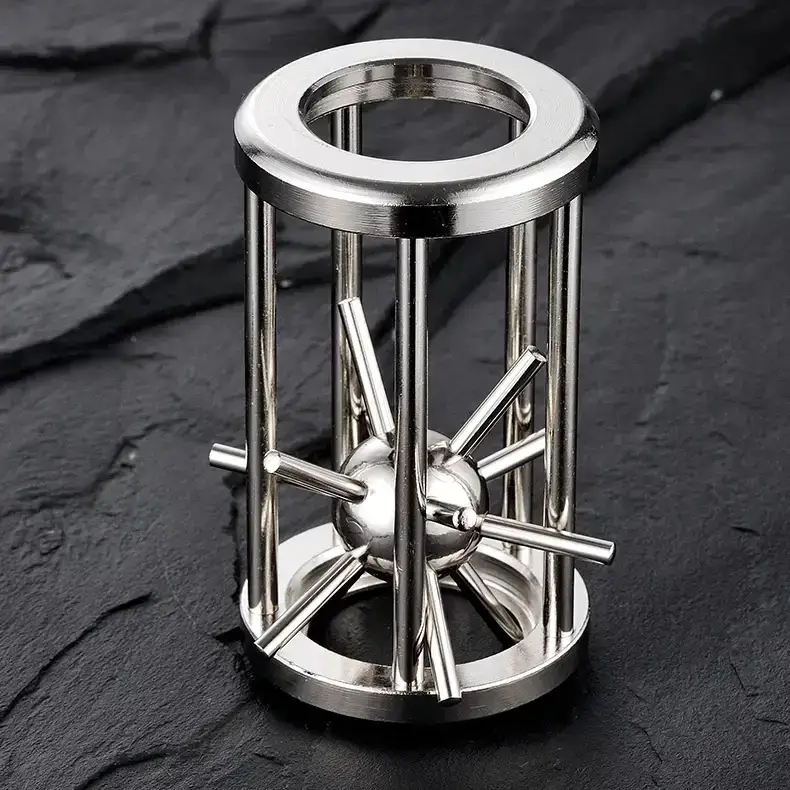
Take the Thorn Out of the Cage Puzzle
A trapped pin inside a tiny metal cage — looks impossible until a 9-year-old figures it out in under five minutes. This one sparks the best family arguments about whether flipping it upside down actually counts as cheating. Great icebreaker for puzzle newcomers of all ages. The metal has a satisfying weight and the cage is sturdy enough to survive being tossed around the dinner table.
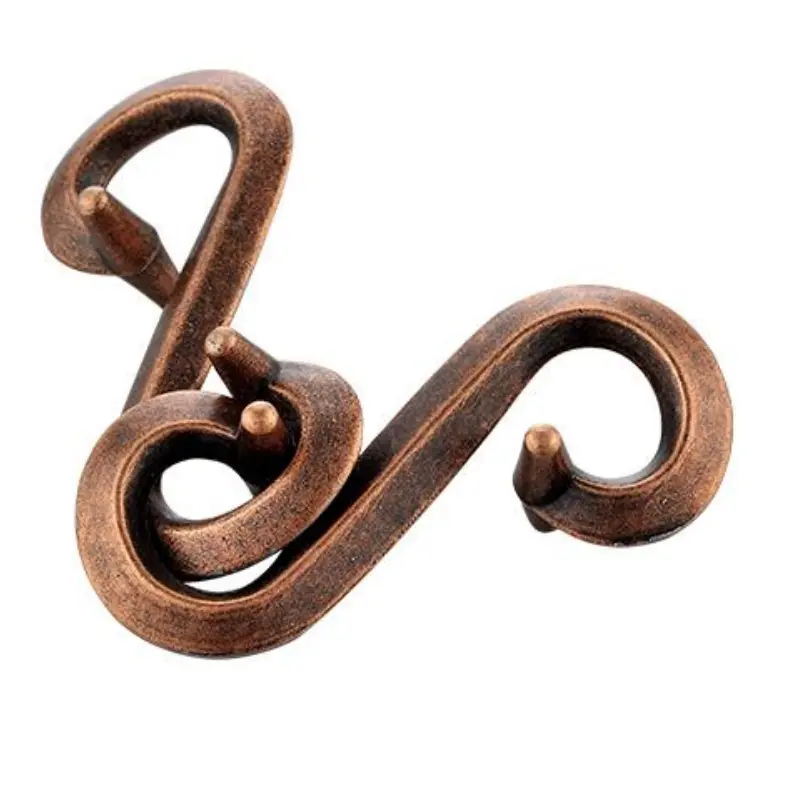
Alloy S Lock Puzzle
An S-shaped lock that separates into two pieces — if you find the right angle. Compact enough to slip into a pocket or purse and pull out whenever the family needs a quick distraction. The satisfying click when it comes apart makes everyone want to try it next. Weighs almost nothing, so it's a natural travel companion for road trips and flights.
 Save 29%
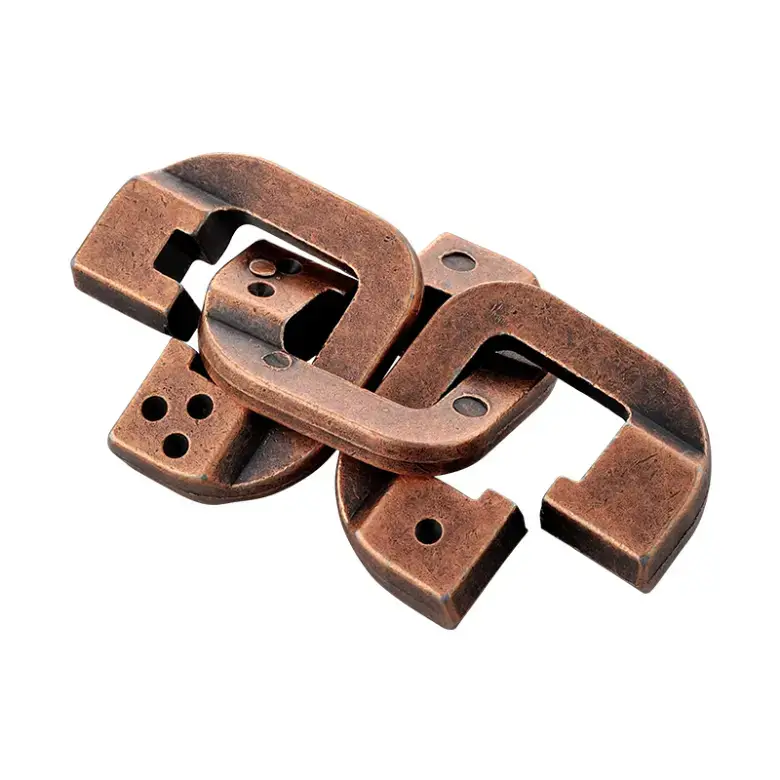
Three Brothers Lock Puzzle
Three interlocking metal pieces that need to separate simultaneously — named for a legend about siblings who could only succeed together. Hand this to three family members and watch the teamwork (or the bickering) unfold. A natural fit for households with competitive siblings. The puzzle resets in seconds, so rounds happen fast and everyone gets multiple attempts.
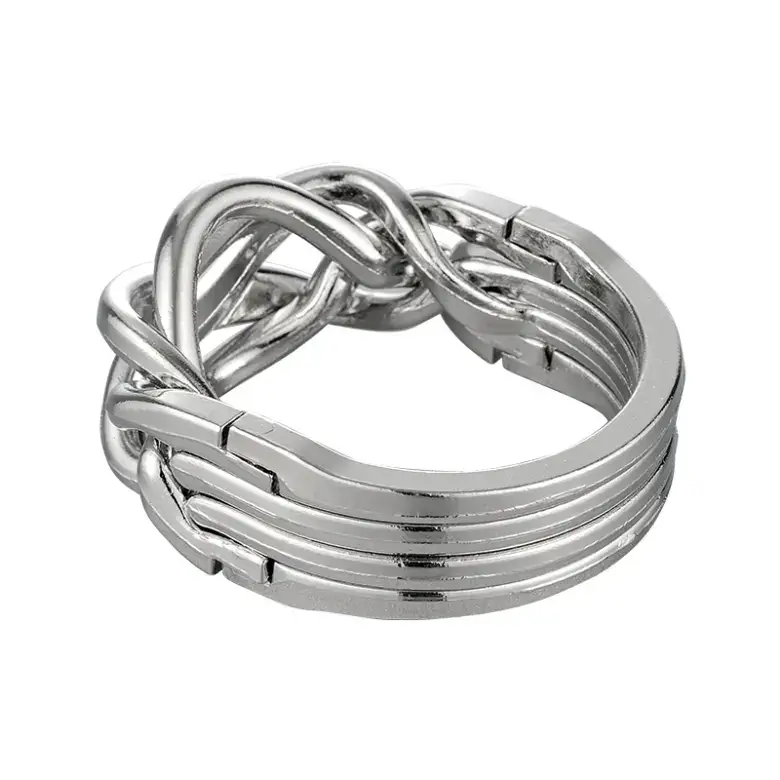
4 Band Puzzle Ring
Four interlocking bands that collapse into a single wearable ring — or fall apart into a tangled mess the moment you take it off. Kids love the "magic trick" element of reassembling it in front of friends. Adults love the fidget factor during conference calls. The bands are smooth stainless steel, comfortable on the finger, and sized to fit most adults and older children.
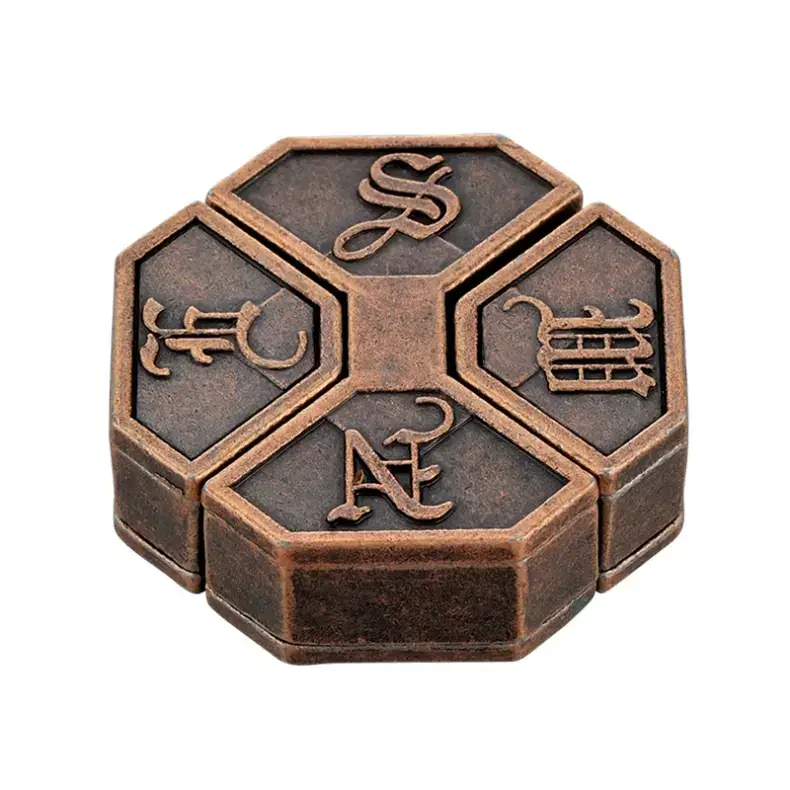
Bagua Lock Puzzle
An octagonal brass lock inspired by ancient cosmological diagrams. The opening sequence involves rotating sections in a specific order — patient thinkers crack it faster than brute-force shakers. A good conversation starter about symmetry and pattern recognition for curious kids. The solid brass construction gives it a premium hand feel that's noticeably different from lighter zinc alloy puzzles.
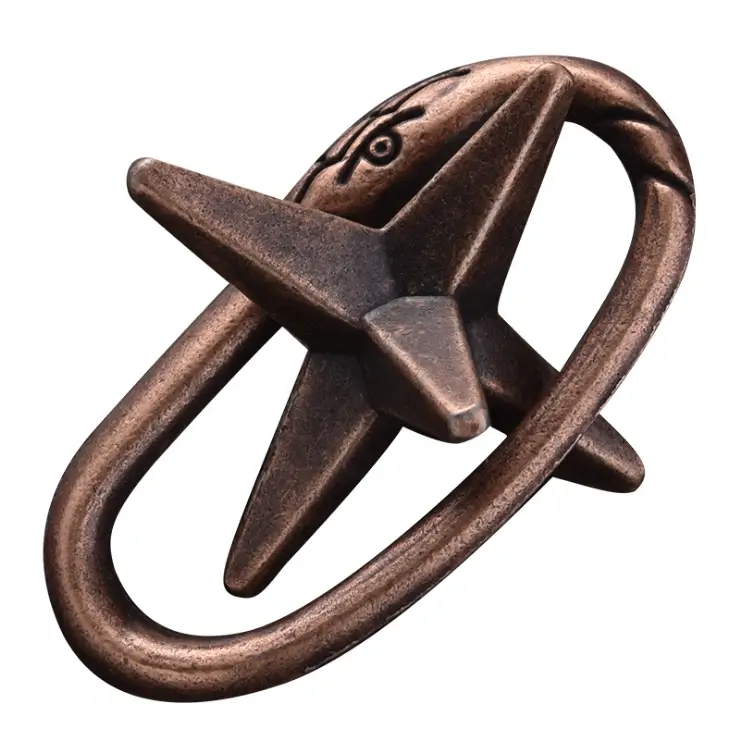
Snake Mouth Escape Puzzle
A ring trapped in a snake's jaws. The visual drama is half the fun — kids immediately understand the goal without any instruction. Solving it requires a calm, deliberate twist rather than force, which makes it a sneaky lesson in patience for the whole family. The cast metal snake has detailed scales and a weighty feel that makes it enjoyable just to hold and examine.
The Main Event: Puzzles That Keep the Table Busy
Medium difficulty, longer solve times. These are the ones that end up in the center of the table after dinner. Price range: $16–$22.
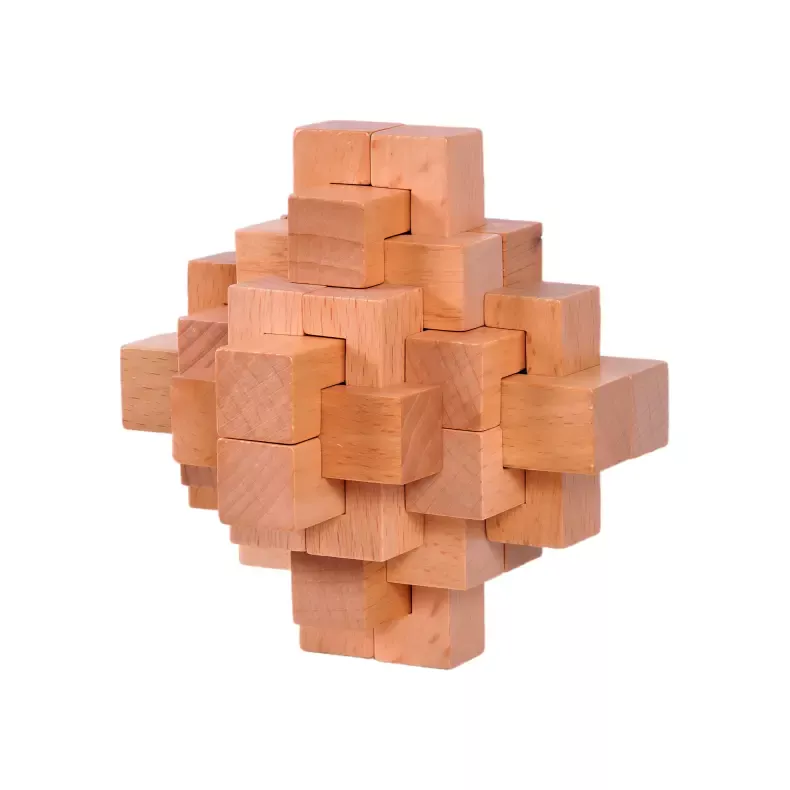
24 Lock Puzzle
A wooden box that requires exactly 24 sequential moves to open. Every move reveals the next step — it teaches logical sequencing without saying a word. Families report spending entire evenings mapping out the move order on paper together. A quiet puzzle that builds loud satisfaction. The natural wood finish and smooth sliding panels give it a premium, tactile quality that feels good in the hands.
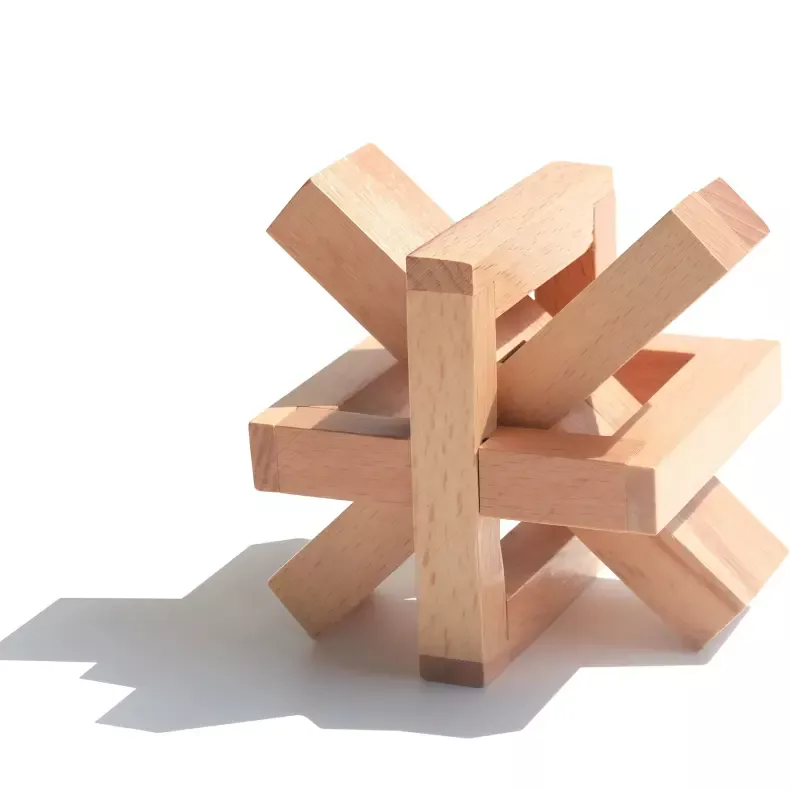
Besieged City
Twelve wooden pieces interlock into a fortress shape. Disassembly is straightforward — reassembly is where the real challenge lives. The geometric shapes make it a natural spatial reasoning exercise for kids, and the warm wood grain makes it look good on a shelf between solving sessions. Each piece is precisely cut, so the fit is tight and satisfying when everything clicks into place.
 Save 39%
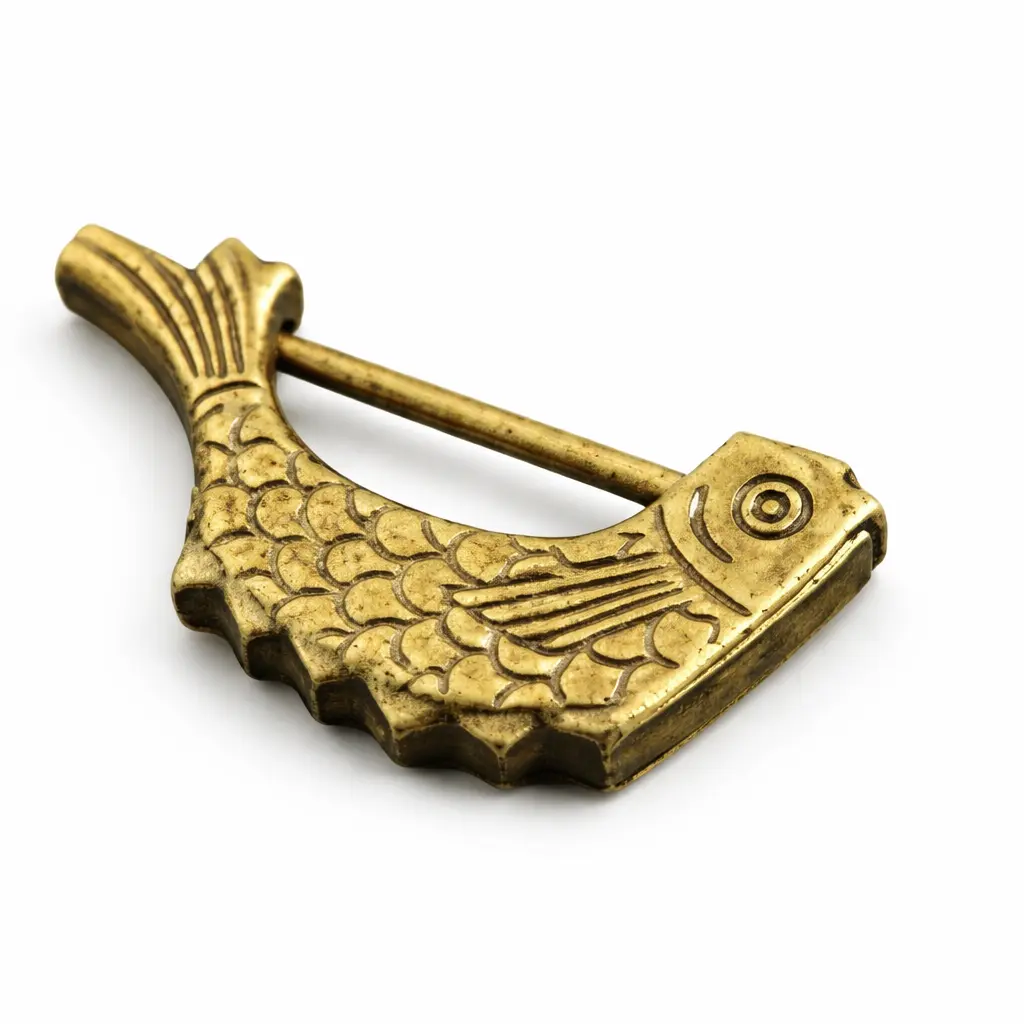
Chinese Koi Puzzle Lock
A brass padlock shaped like a koi fish — and it actually locks. The opening mechanism is hidden in the fish's body and requires a specific sequence to discover. Doubles as a decorative piece when not being passed around the table. A great gift for anyone who appreciates functional art.
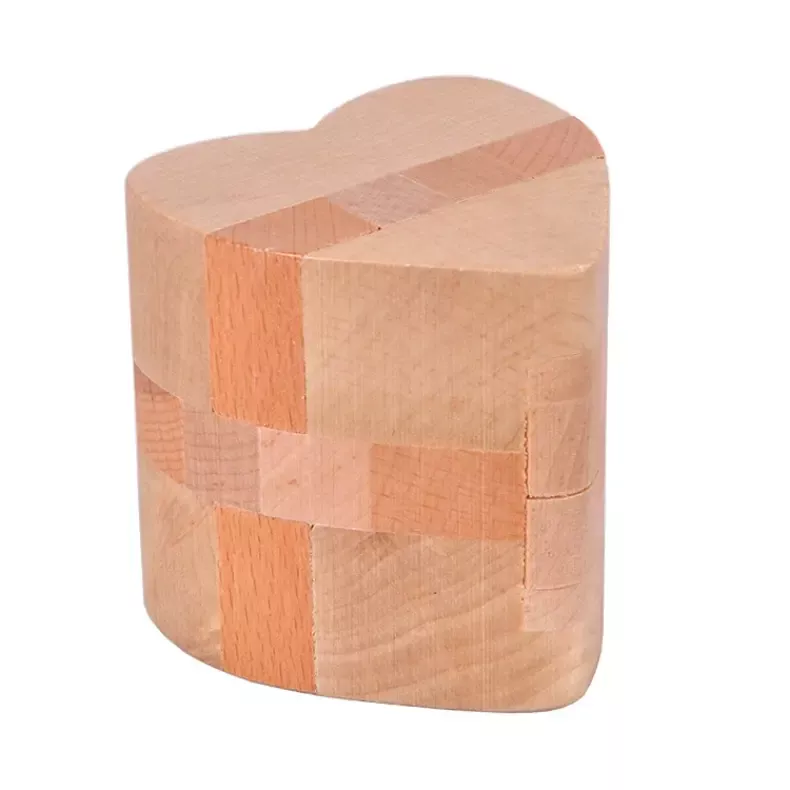
King Wen of Zhou Heart-Lock Puzzle
A heart-shaped wooden lock with hidden internal slides. The organic shape makes it hard to guess where the mechanism hides — your fingers have to explore every curve. An unexpectedly tactile experience that works well for family members who prefer touch-based problem solving over visual logic. The warm rosewood-toned finish and compact size make it a pleasure to hold and examine from every angle.
 Save 21%
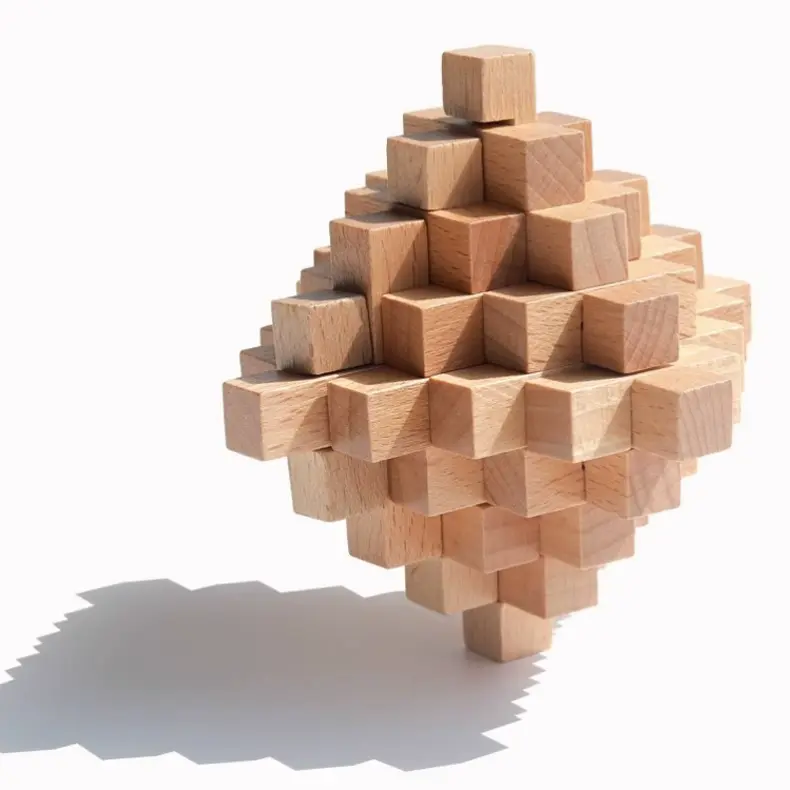
Big Pineapple Yellow Emperor Puzzle Lock
A hefty wooden puzzle lock shaped like a pineapple — larger than most locks on this page, giving younger hands an easier grip. The oversized form factor and playful shape make it the most approachable mid-range option here. Solvers need to find and manipulate hidden sliding panels to release the shackle.
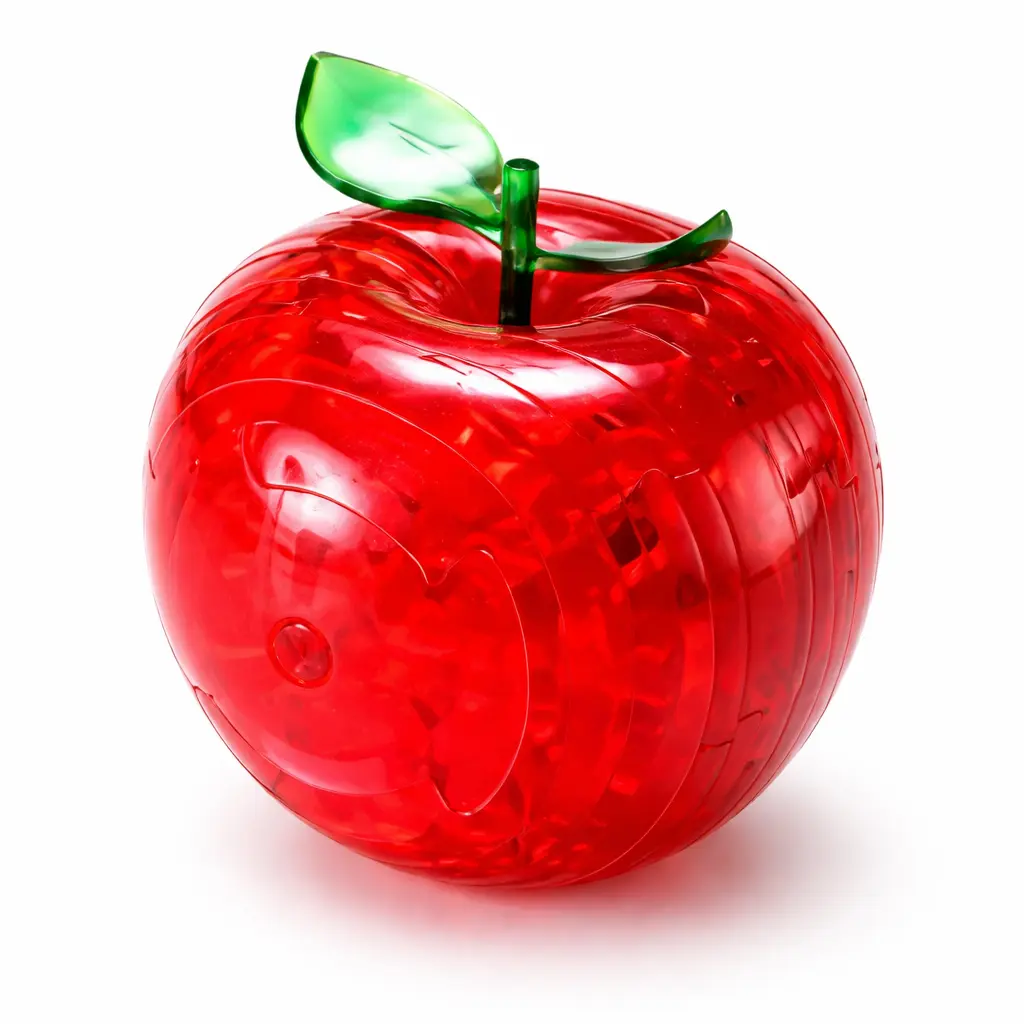
3D Crystal Apple Puzzle
Snap together translucent crystal pieces to build a gleaming apple. Unlike trick boxes, this is a cooperative build — parents and kids can work on different sections simultaneously. The finished piece catches light beautifully, so it doubles as desk decor. No glue required; pieces friction-fit together. A calm, meditative assembly experience that even younger family members find rewarding and relaxing.
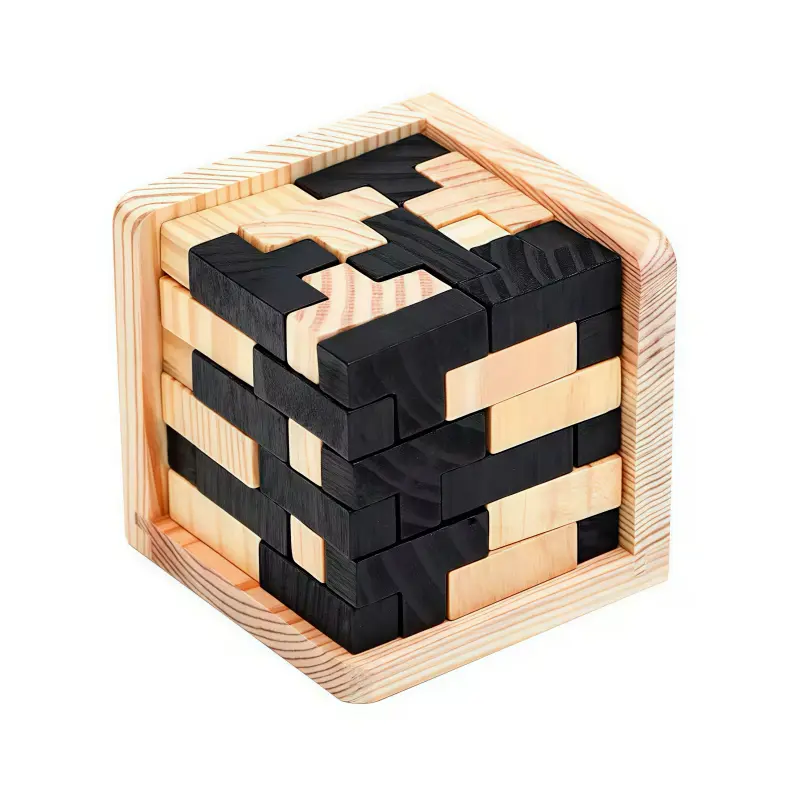
54‑T Cube Puzzle
Fifty-four T-shaped wooden pieces that assemble into a perfect cube. Sounds simple until you realize there are over 100 possible arrangements — but only a handful actually complete the cube. A quiet, absorbing challenge that keeps competitive family members occupied for surprisingly long stretches. The color-coded pieces make it easier to track progress and share strategies with other solvers at the table.
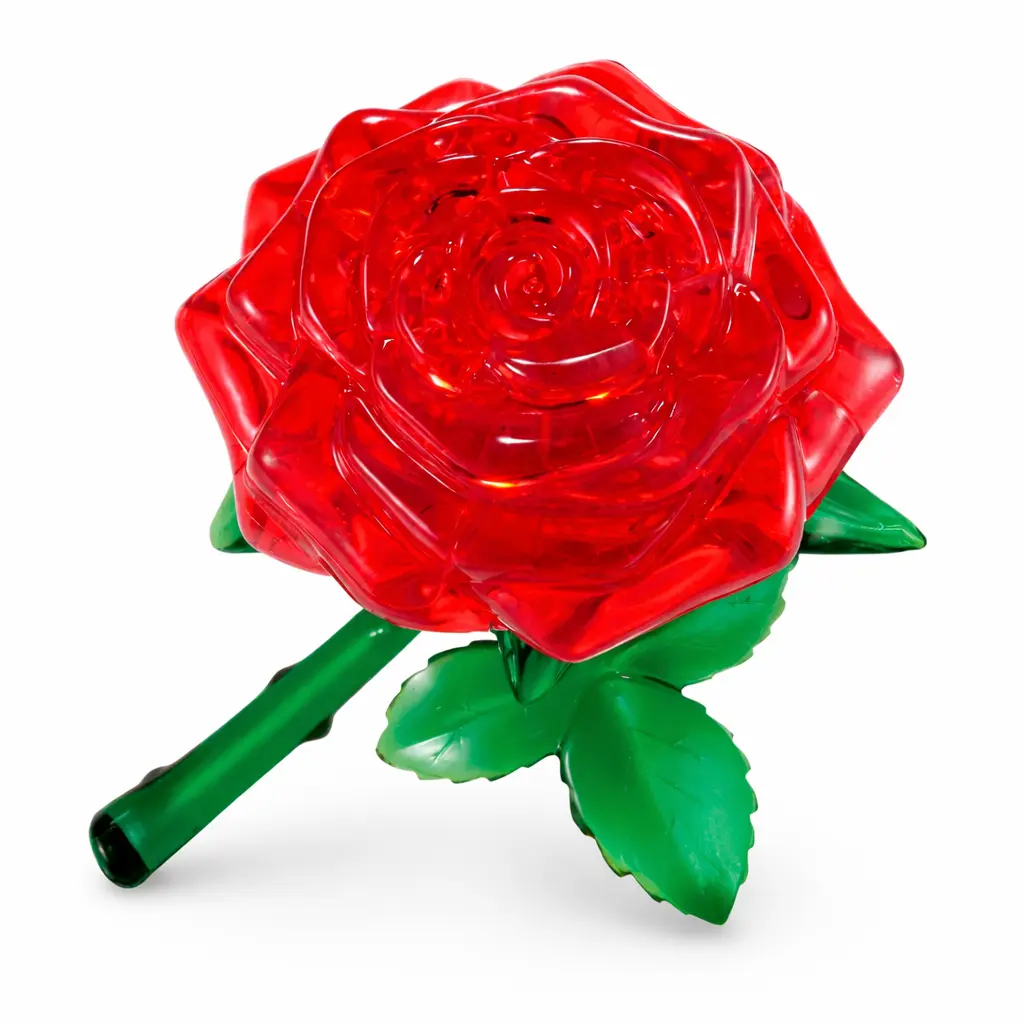
3D Crystal Rose Puzzle
A rose built from interlocking crystal-clear pieces — more detailed than the apple version, with petals that require careful alignment. Families with older kids (10+) find this a satisfying collaborative build. The completed rose looks delicate but holds together firmly once all pieces lock in place. Makes an elegant display piece for a bedroom shelf or windowsill where it catches natural light.
 Save 23%
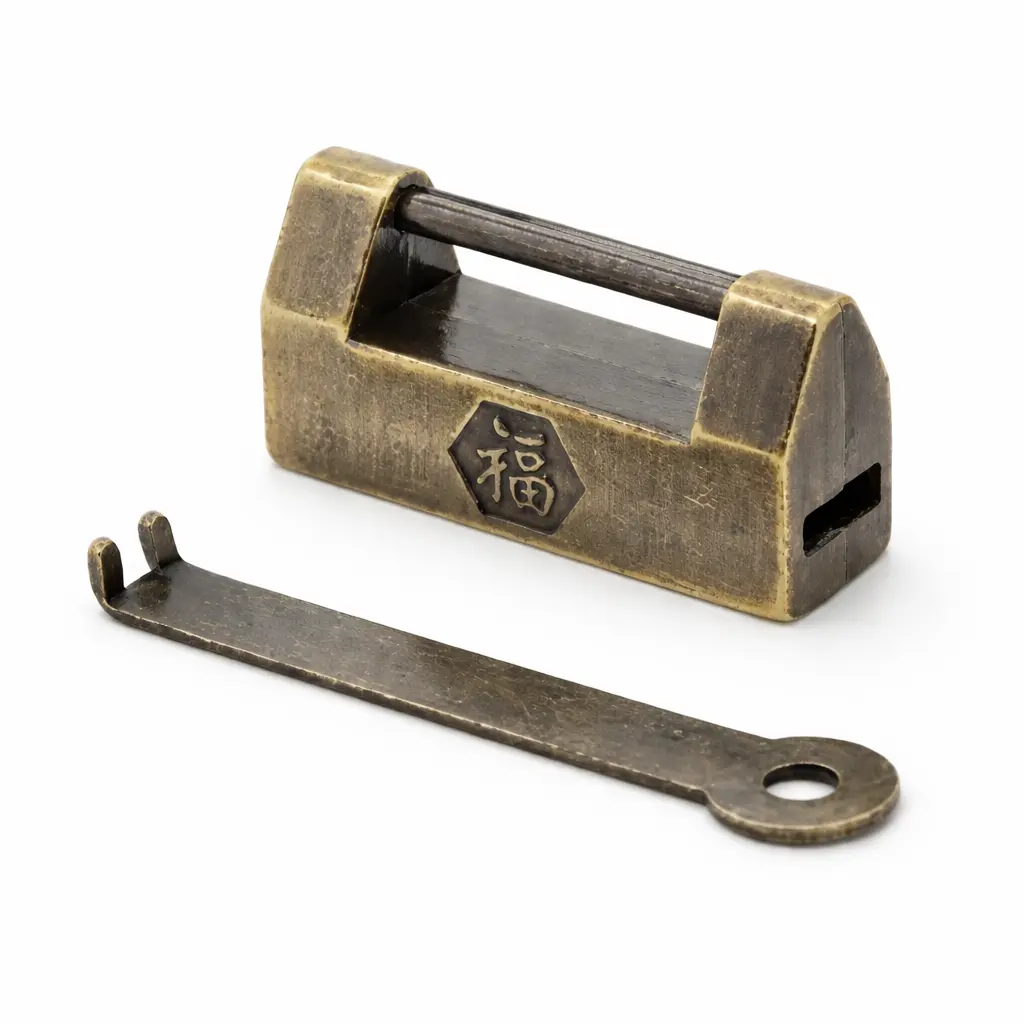
Chinese Old Style Fú Lock with Key
A substantial brass lock bearing the character for "fortune" — but the included key alone won't open it. You need to discover the hidden sequence first. The weight and patina give it an antique feel that adults appreciate, while kids enjoy the treasure-hunt vibe of cracking a "real" lock. Works equally well as a desk display piece between family puzzle sessions.
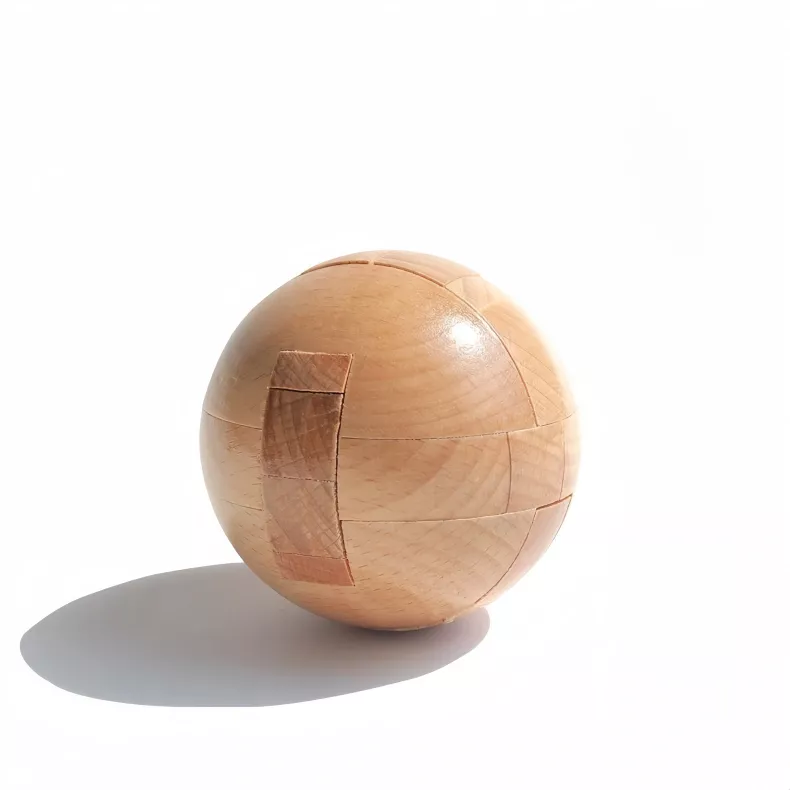
Kongming Ball Lock
A perfectly spherical wooden puzzle made from interlocking strips. Finding the key piece that releases the whole structure is the challenge — after that, reassembly becomes the real puzzle. The round shape rolls if you set it on a table, adding a physical comedy element that younger family members find hilarious.
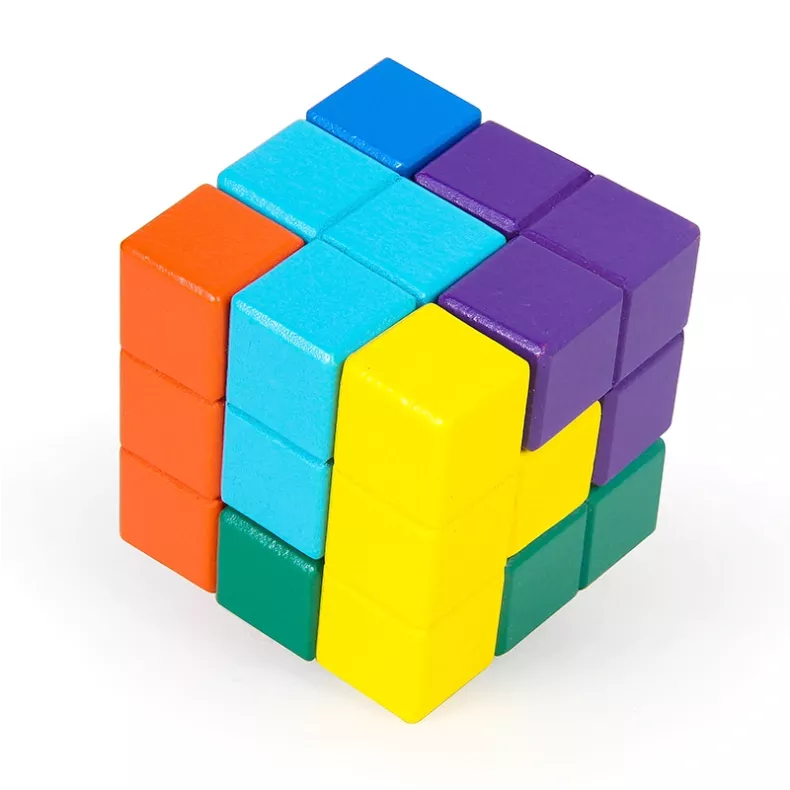
7 Color Soma Cube Puzzle
Seven differently colored wooden pieces that form a cube — plus hundreds of other shapes if you get creative. The color coding helps younger players identify and track individual pieces, turning this into a surprisingly effective spatial learning tool. Families often challenge each other to build non-cube shapes from the pieces.
Weekend Projects: Build Something Together
Bigger kits, longer solve times, higher wow factor. These are the puzzles families come back to over multiple sessions. Price range: $28–$44.
 Best Value
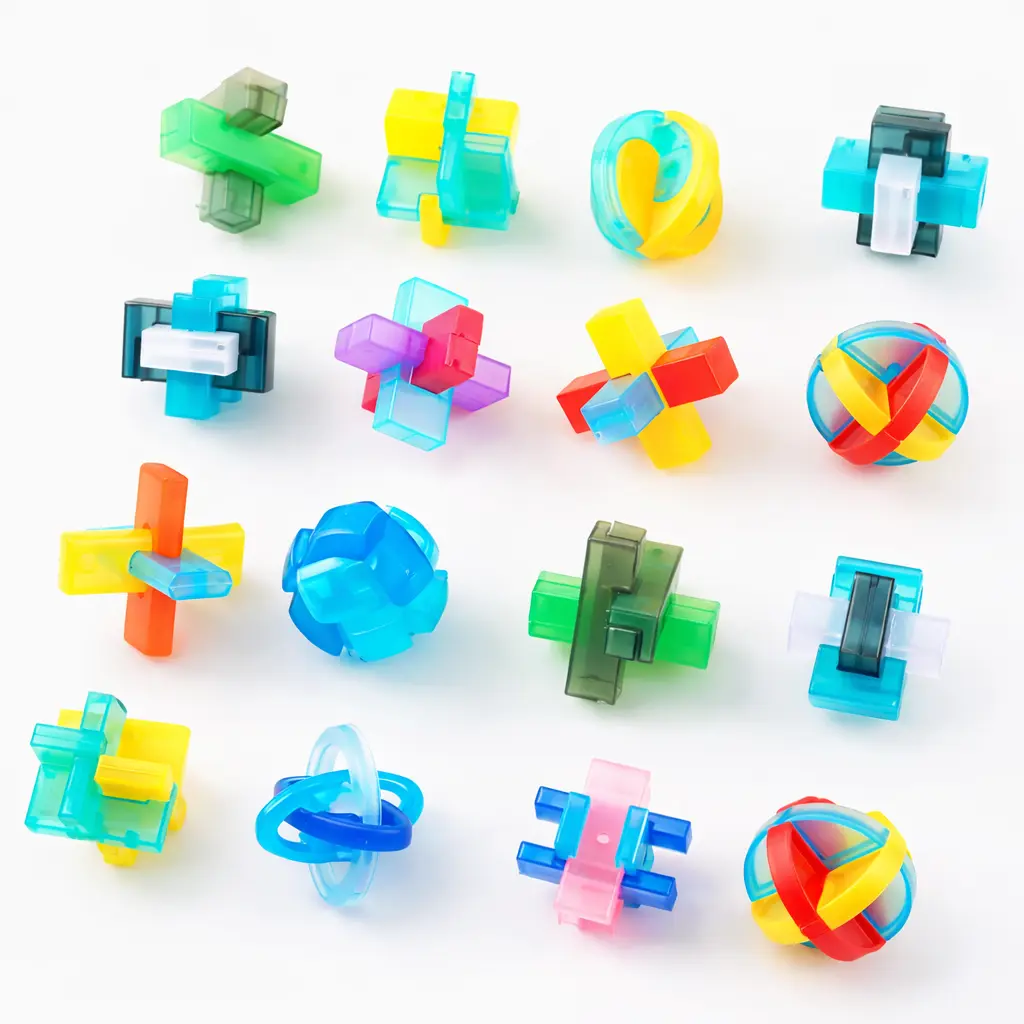
12 Piece Crystal Luban Lock Set
Twelve individual interlocking puzzles in one box — each a different shape, each a different challenge. The translucent crystal material lets solvers see the internal geometry, which turns frustration into fascination. At roughly $2.40 per puzzle, this is the best value set for families who want variety without buying twelve separate items.
 Featured
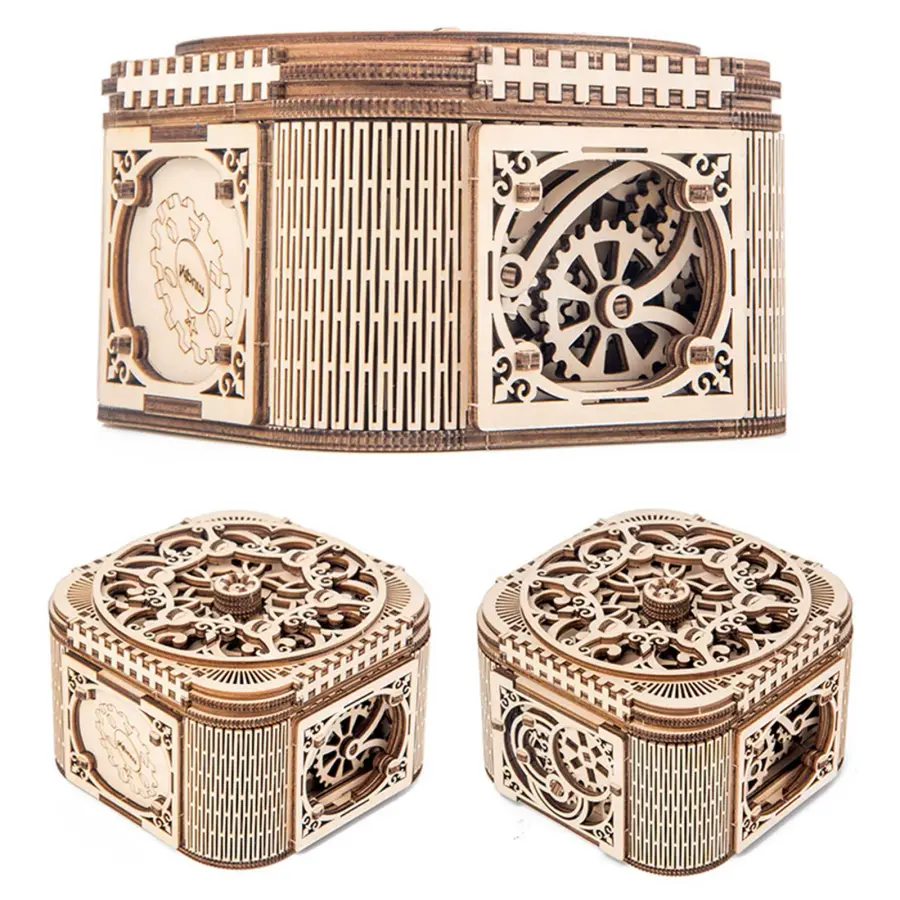
3D Wooden Puzzle Treasure Box
A mechanical jewelry box you assemble from laser-cut wooden pieces — then actually use to store small items. The build itself takes 2–4 hours with family members handling different sub-assemblies. Gears, hinges, and a latch all come together into a functional box. This is the centerpiece puzzle box on this entire page.
 New
New
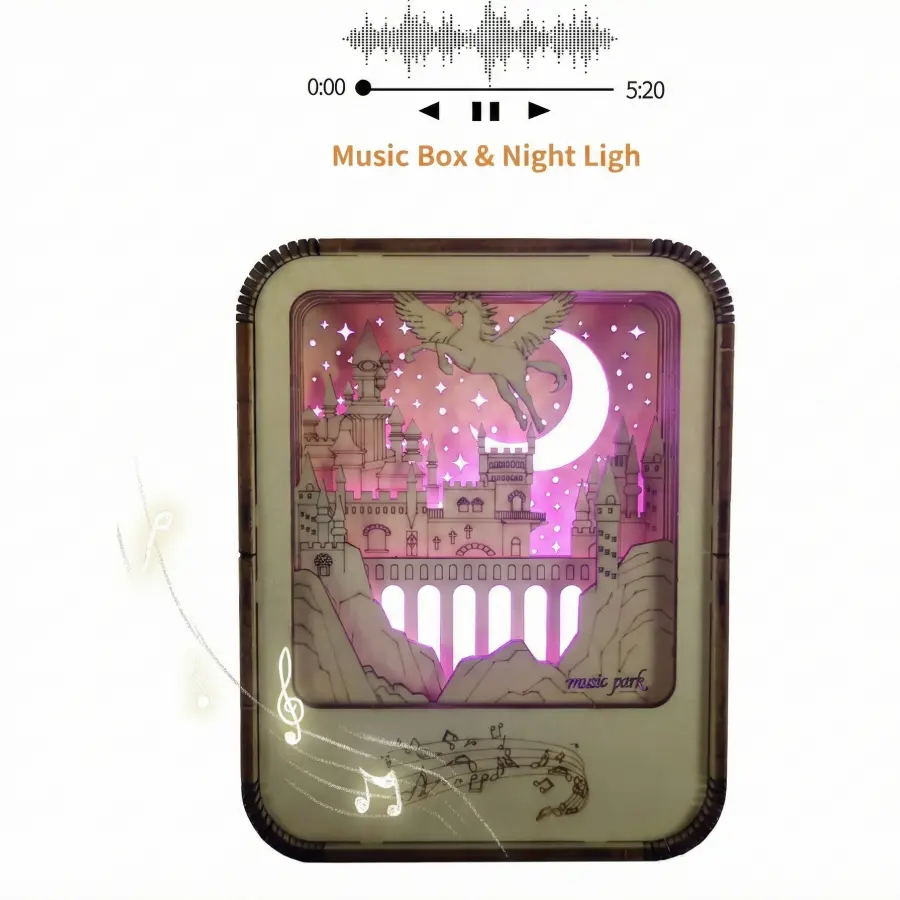
DIY Castle Music Box Night Light
Part puzzle, part art project — build a miniature castle that plays music and lights up. The assembly mixes wooden puzzle construction with a bit of creative decoration. Families with younger kids especially enjoy this one because the finished product serves as a night light. Expect 3–5 hours of focused building time.
 Top Pick
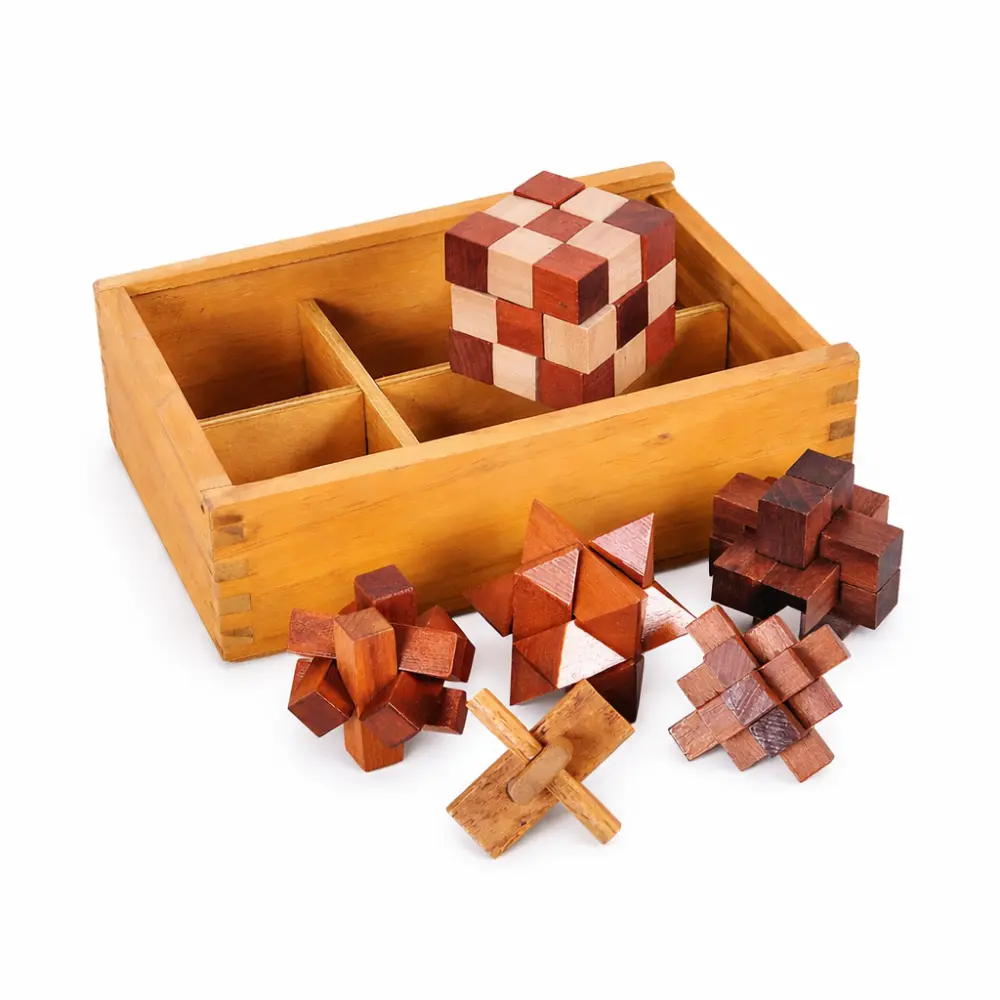
6-in-1 Wooden Brain Teaser Set
Six classic wooden puzzles in a single presentation box — from simple locks to multi-step disassembly challenges. Each puzzle targets a different type of spatial reasoning, so different family members will find different ones easy (or maddening). If you're buying one thing from this page for family game night, this set covers the widest range of difficulty and style.
Why Puzzle Boxes Beat Board Games for Family Bonding
Board games have rules, turns, and winners. Puzzle boxes have none of those things — and that's exactly why they work better for mixed-age groups. A 7-year-old and a 70-year-old can both hold the same metal lock puzzle and approach it on their own terms. There's no reading required, no strategy to memorize, no one waiting for their turn.
Research on tactile learning consistently shows that hands-on manipulation strengthens spatial reasoning and working memory across all age groups. Puzzle boxes tap into this directly: every twist, slide, and rotation builds neural pathways that flat screens simply cannot replicate. For a closer look at how classic wooden puzzles develop these skills, the wooden brain teaser puzzles guide covers the science in more detail.
The other advantage is pacing. A board game demands 30–90 minutes of committed attention. A puzzle box can be picked up for two minutes, set down, and returned to later. It fits into the gaps of family life — waiting for food, riding in the car, sitting on the porch after dinner. No setup, no cleanup, no one flipping the board when they lose.
How to Choose the Right Difficulty for Your Family
The most common mistake is starting too hard. A frustrated 10-year-old will never pick up a puzzle box again if their first experience lasts 45 minutes with zero progress. Start with the easy picks above — the Thorn Cage or the Alloy S Lock — and let confidence build before moving up.
A good rule of thumb: if the youngest family member can solve it within 15 minutes (with or without hints), the difficulty is right for a warm-up. The medium puzzles on this page — like the Besieged City or the 24 Lock Puzzle — are where most families settle for regular use. They're challenging enough to stay interesting but not so hard that anyone gives up.
For families who already have experience with brain teasers, the puzzle locks collection offers a broader range of mechanical lock puzzles sorted by difficulty level. And if anyone in your family enjoys the competitive side of puzzling, try timing each other on the same puzzle — the memory match game on Tea Sip works as a good digital warm-up before the physical puzzles come out.
Who Should Skip This Page
Not every family will love puzzle boxes. If your household strongly prefers competitive games with clear winners and losers, these may feel too open-ended. Puzzle boxes are cooperative or solo by nature — there is no scoreboard and no trophy at the end.
If your kids are under 6, most puzzles here have small parts that pose a choking hazard. The 3D wooden build kits (Treasure Box, Castle Music Box) require fine motor skills that most children develop around age 8–10. For very young families, the larger wooden puzzles like the Big Pineapple are the safest starting point, but even those need supervision.
If you're looking for something that fills an entire evening on its own, individual metal puzzles won't do it — they're solved in minutes. You'd need either a set (the 12 Piece Crystal Luban Lock Set or the 6-in-1 Wooden Brain Teaser Set) or one of the larger build kits to fill 2+ hours.
Puzzle Boxes as Screen-Free Alternatives
The average American family spends over 7 hours per day on screens. Puzzle boxes offer exactly the kind of tactile, focused engagement that researchers say is disappearing from childhood. When a screen-free gift also happens to make adults pause their scrolling to try a few twists, you know it's doing something right.
What makes puzzle boxes particularly effective as screen replacements is their portability. Unlike board games or craft kits, a metal brain teaser fits in a pocket. You can bring it to a restaurant, a waiting room, a long drive — anywhere a phone would normally fill the silence. The puzzles that don't feel like puzzles article explores this idea further — sometimes the best brain training is the kind that doesn't feel like exercise.
Caring for Your Puzzle Collection
Metal puzzles are virtually indestructible — wipe them with a dry cloth if they get grimy. Wooden puzzles need a bit more care: keep them away from prolonged moisture or direct sunlight, which can warp the wood and make tight-fitting pieces stick. A light coating of beeswax once a year keeps wooden puzzle locks operating smoothly.
Crystal assembly puzzles are the most fragile in this collection. The pieces snap apart cleanly, but dropping the assembled piece onto a hard floor can crack individual segments. Store assembled crystal puzzles on a shelf rather than tossing them in a drawer. If you're curious about the engineering behind how these different materials interact in puzzle design, the puzzle design through mechanical engineering deep-dive covers the topic thoroughly.