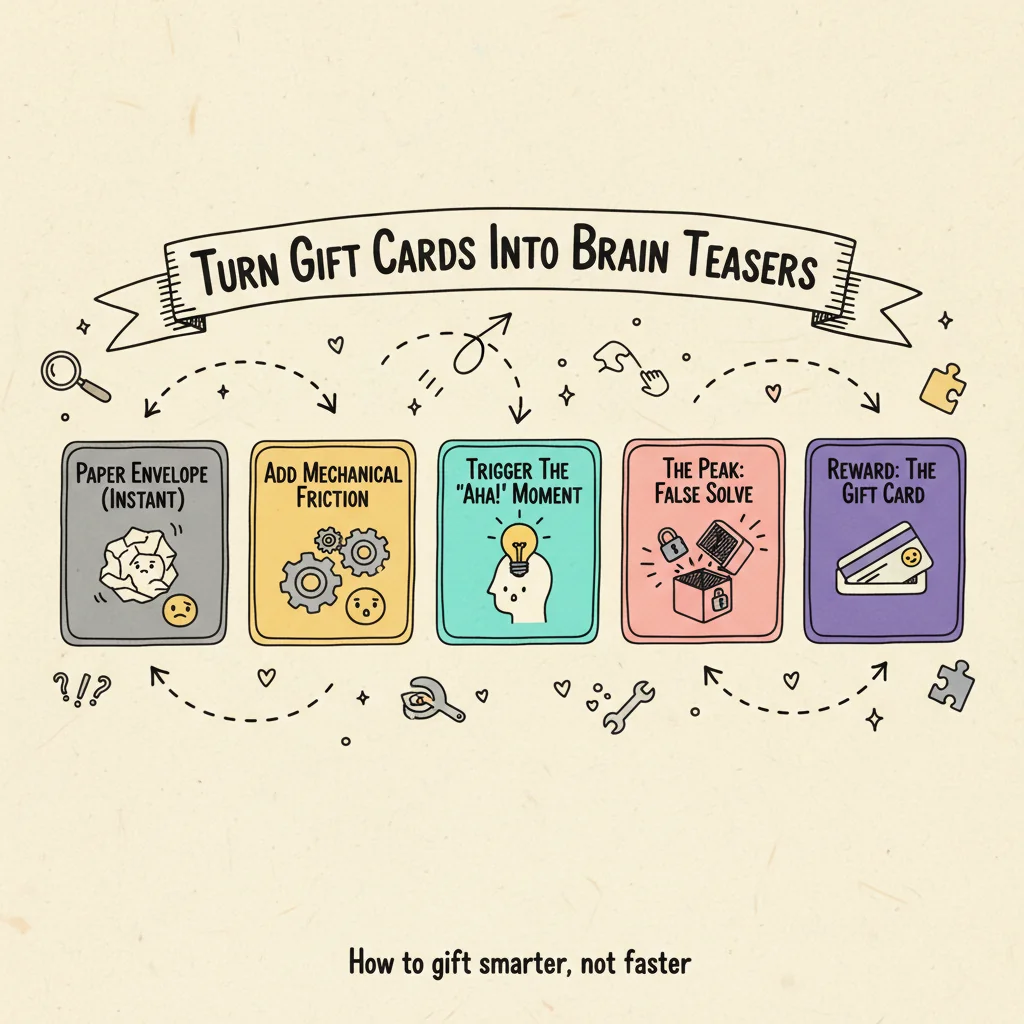
Last Christmas, I watched my nephew tear through a standard paper envelope in roughly 0.4 seconds. Inside was a $50 gift card. He grunted a thanks, shoved the plastic in his pocket, and immediately returned to his phone. The “gift” was over before the wrapping paper hit the floor. That was the moment I realized we’ve stripped the soul out of gifting. We’ve traded the mystery of the box for the efficiency of the balance transfer.
If you are reading this, you are likely looking for a way to put the friction back into the experience. You want to see someone actually work for their reward. After testing over 200 mechanical puzzles and trick boxes, I can tell you that a well-chosen puzzle box for gift cards is more than just a “wrapper.” It is a psychological contract. It says, “I think you’re smart enough to solve this, and I want you to remember the ten minutes you spent frustrated and the one second you felt like a genius.”
My thesis is simple: the best gift card puzzles punish impatience and reward observation. They turn a transactional moment into a tactile memory. Whether you’re looking for a one-time “trap” or a permanent mechanical heirloom, the following choices represent the best of what’s currently sitting on my workshop desk this February.
Why Gift Cards Need “Mechanical Friction”
There is a concept in psychology often called the “IKEA effect”—we value things more when we have a hand in creating or obtaining them. A gift card tucked into a greeting card has zero friction. It has zero story. When you place that same card inside a mechanical enclosure, you are forcing the recipient to engage with the object.
I’ve found that the most successful gifting moments happen when the puzzle matches the recipient’s personality. If you give a high-difficulty sequential discovery box to someone who hates puzzles, they’ll eventually reach for a hammer. But if you give a 3D wooden puzzle safe to someone who loves tinkering, the “solve” becomes part of the gift itself.
Most cheap plastic maze boxes you find in big-box stores are, frankly, garbage. They feel flimsy, the ball bearings get stuck, and they look like landfill fodder. Real mechanical puzzles should be made of materials that feel good in the hand—birch plywood, precision-cast zinc, or heavy hardwoods. These materials provide auditory and tactile feedback that plastic simply cannot replicate.
The Engineering of the “Aha!” Moment
When you hold a puzzle box, your brain immediately starts a “search and rescue” mission for logic. You look for seams. You shake it to hear if there are loose pins. You try to slide panels that look stationary. This is the “Aha!” moment in embryo.
I recently spent an afternoon with the 3D Wooden Puzzle Treasure Box – Mechanical Jewelry Storage Gift. It’s priced at $29.99, and what struck me wasn’t just the final solve, but the visible gear movement. Unlike traditional “trick boxes” where the mechanism is hidden, these mechanical kits allow the recipient to see the logic of their success. It’s a different kind of satisfaction—one rooted in technical mechanics of trick boxes rather than just blind luck.
If you’re looking for something that feels more like an ancient artifact, you might look toward Luban locks or Kongming puzzles. These rely on the “mortise and tenon” principle—the same joinery used to build temples that have stood for a thousand years. There is something deeply grounding about solving a puzzle that hasn’t changed its fundamental logic since the Zhou Dynasty.
3D Wooden Puzzle Safe with Combination Lock
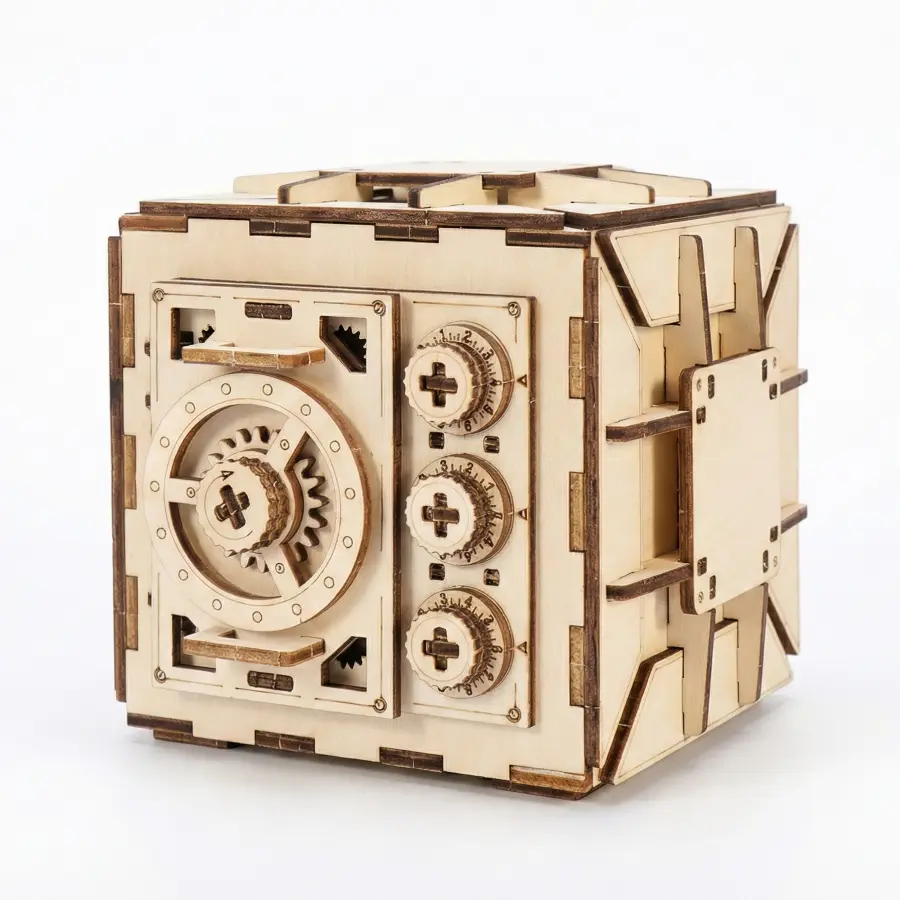
If you want the recipient to feel like a high-stakes safecracker, this is the gold standard. Priced at $30.99, this isn’t just a box you buy; it’s an afternoon of engineering. You get 111 laser-cut pieces that assemble into a fully functional safe with a 3-digit combination.
I built this one on a rainy Tuesday, and it took me just under two hours. The precision of the plywood is impressive—no glue, just friction and physics. The internal gear system is visible through the side panels, which is a brilliant design choice. It allows you to see how the tumblers align as you rotate the dial. For a gift card, it’s perfect. You can set the combination to something meaningful—a birthday or an anniversary—and hide the card inside. The recipient gets the satisfaction of the “click” when the door finally swings open. It’s sturdy enough to live on a desk for years as a piggy bank or a secret stash.
3D Wooden Puzzle Treasure Box – Mechanical Jewelry Storage Gift
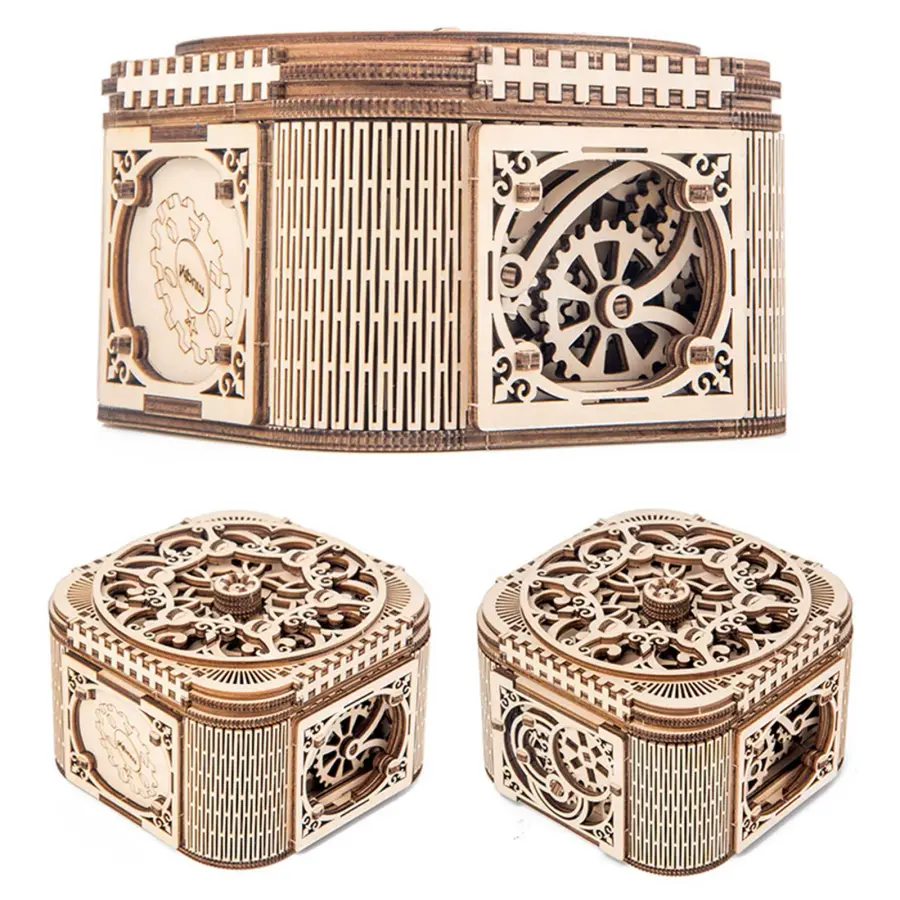
This is the most “elegant” option in the lineup. At $29.99, it feels like a bargain once you see the complexity of the 150+ pieces. While many boxes are just six sides and a lid, this is a legitimate piece of mechanical art. The lid doesn’t just “open”; it unfolds through a series of interlocking gears.
I’ve used this specifically for wedding gifts where a gift card felt too impersonal. The assembly takes about three hours, so I usually give it pre-assembled if the person isn’t a “builder,” or as a kit if they are. The visuospatial challenge of watching the gears mesh is genuinely mesmerizing. It turns the act of retrieving a gift card into a 30-second mechanical performance. One honest negative: the laser-cut edges can be a bit “sooty” out of the box, so I recommend a quick wipe with a dry cloth before you start assembly to keep your fingers clean.
Luban Cube Puzzle
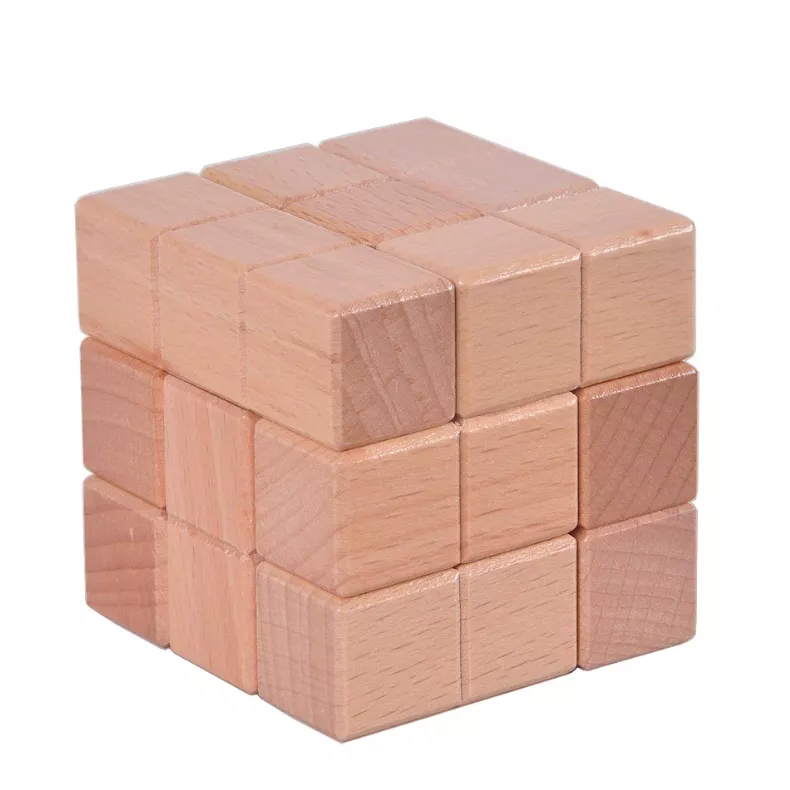
For the person who appreciates history over “gadgetry,” the Luban Cube is a masterclass in ancient Chinese craftsmanship. Priced at $21.99, it doesn’t look like a box at all—it looks like a solid block of wood. That is the trick. It uses the traditional mortise-and-tenon design where every piece supports the others without a single nail or drop of glue.
I’ve had one of these on my coffee table for months, and it’s the ultimate “fidget” object. It’s a 3x3x3 challenge that requires you to find the “key” piece that unlocks the entire structure. While it’s not a “box” in the traditional sense, you can easily tape a gift card to the center block before the final assembly. The recipient has to literally deconstruct the cube to get to the prize. It’s a great way to introduce someone to tactile magnetic blocks for those just starting out or other geometry-based challenges.
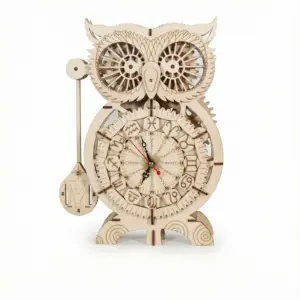
3D Wooden Puzzle Clock DIY Kit
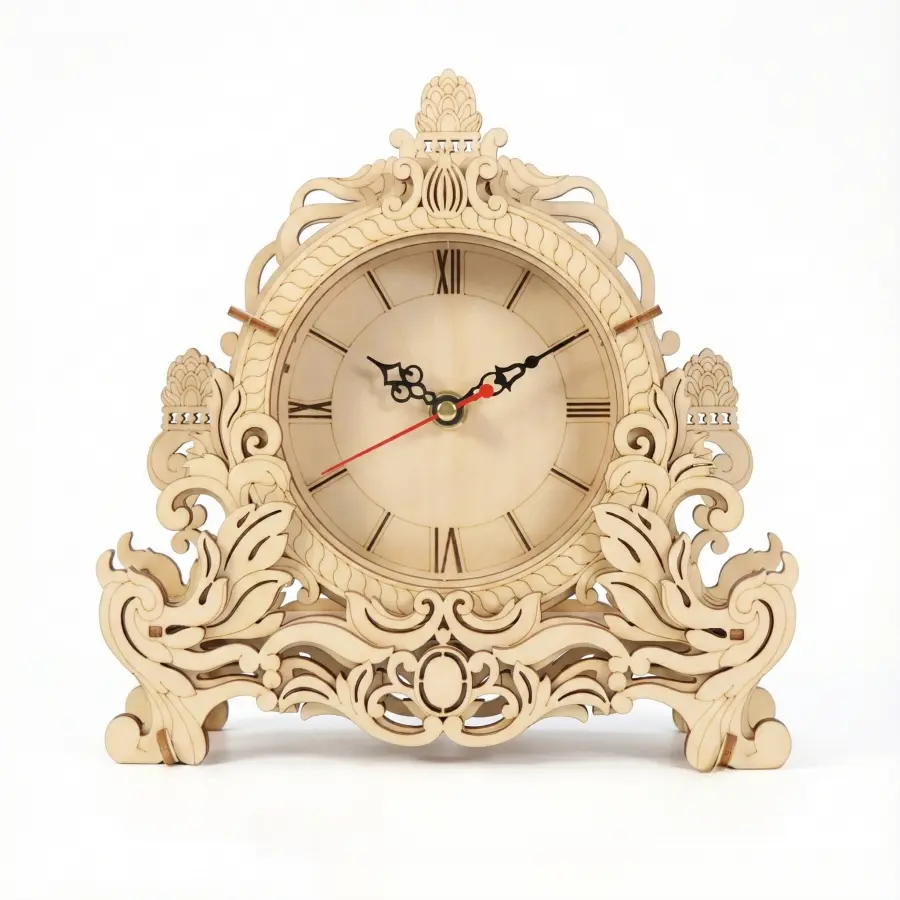
This is a bit of a “curveball” for a gift card holder, but hear me out. At $26.99, this 28-piece kit creates a baroque-style clock with a working movement. It’s a relatively quick build—about 30 minutes—which makes it a fantastic “companion” gift.
I once taped a gift card for a local coffee shop to the back of the clock face and told the recipient, “The time for your gift is now.” It’s a bit cheesy, sure, but it turned a boring card into a functional piece of home decor. The build is straightforward enough for teenagers, but the final aesthetic is sophisticated enough for an office desk. If you’re looking for a way to getting the whole family involved in a solve, this is a low-stress entry point.
The Peak: The Psychology of the “False Solve”
The most interesting thing I’ve noticed after years of watching people solve puzzles is that the “Aha!” moment isn’t the most memorable part. It’s the “false solve.” This is the moment where you think you’ve figured it out—you’ve moved a slider or clicked a button—only to find that the box is still locked, but now a new part of the mechanism has been revealed.
This “sequential discovery” is what separates a $10 plastic maze from a real mechanical enigma. When I tested the Plum Blossom Lock ($16.99), I was struck by how it forces you to slow down. You can’t muscle your way through it. The wood will tell you when you’re wrong. You can feel the tension in the pillars.
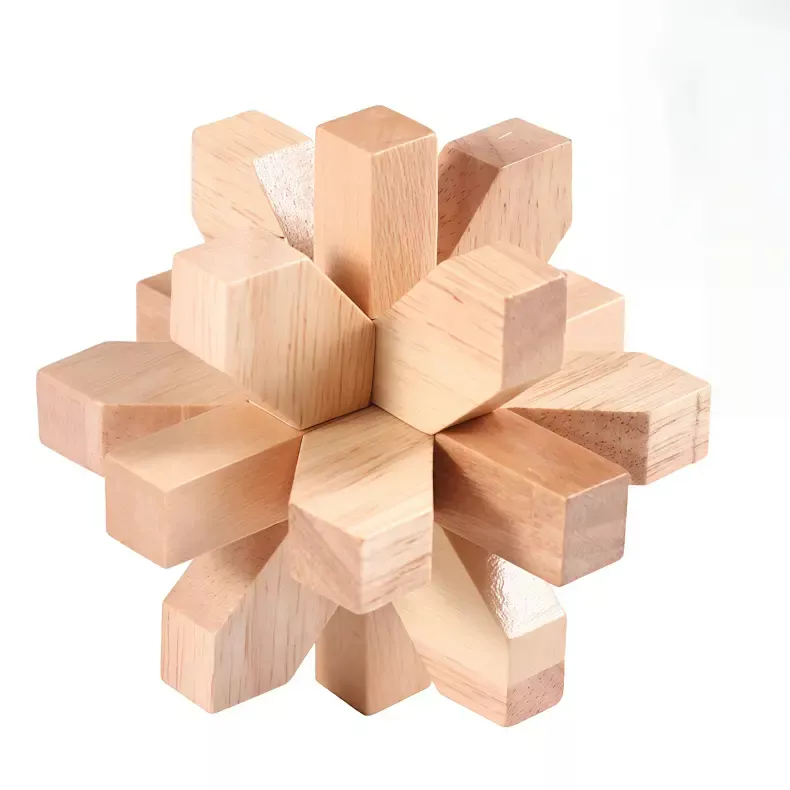
Plum Blossom Lock — $16.99
The Plum Blossom Lock is a nine-piece interlocking marvel that really highlights this. It’s not a box, but a “lock” puzzle. I’ve seen people use these to “tether” a gift card. You loop the card’s lanyard through the puzzle and make them solve the lock to free the card. It’s a brilliant way to use digital balance games or other mental training concepts in a physical space.
Metal vs. Wood: Choosing Your “Trap”
When selecting a puzzle box for gift cards, the material dictates the “vibe.”
- Wood (The Warmth): Plywood and hardwood puzzles like the 6 Piece Wooden Puzzle Key ($12.99) or the Circular Lock ($16.99) feel organic. They have a specific smell—usually a hint of burnt birch from the laser cutter—and they offer a soft, “thunk” sound when pieces align. They are generally better for larger gift cards because wood is easier to manufacture with internal cavities.
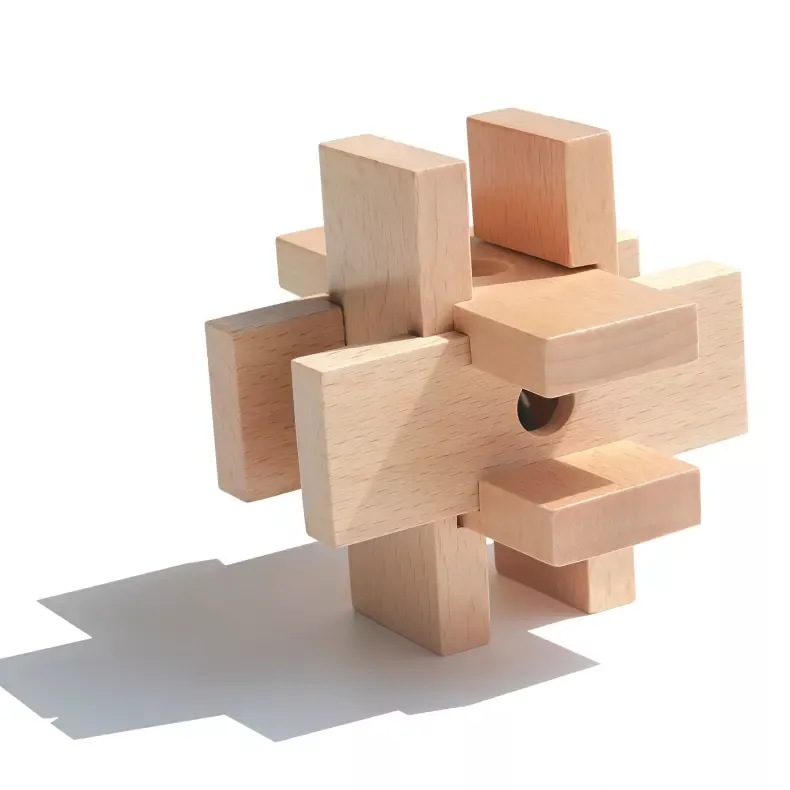
6 Piece Wooden Puzzle Key — $12.99
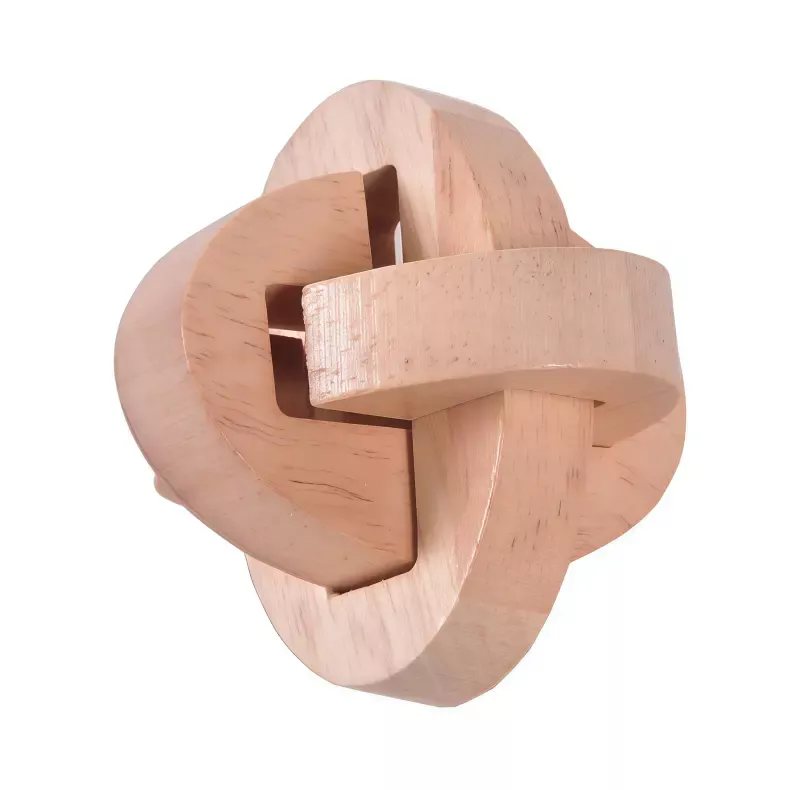
Circular Lock — $16.99
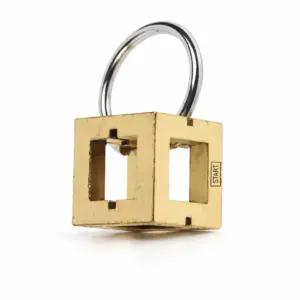
- Metal (The Precision): Metal puzzles feel like “serious” objects. They have weight. They are cold to the touch. The Silver Heart Lock Puzzle ($18.89) is a perfect example. It’s silver-plated and uses a clever interlocking mechanism. While it won’t “hold” a gift card inside it, it’s the perfect “key” to a larger gift. You give the heart first; once they solve it, they get the envelope.
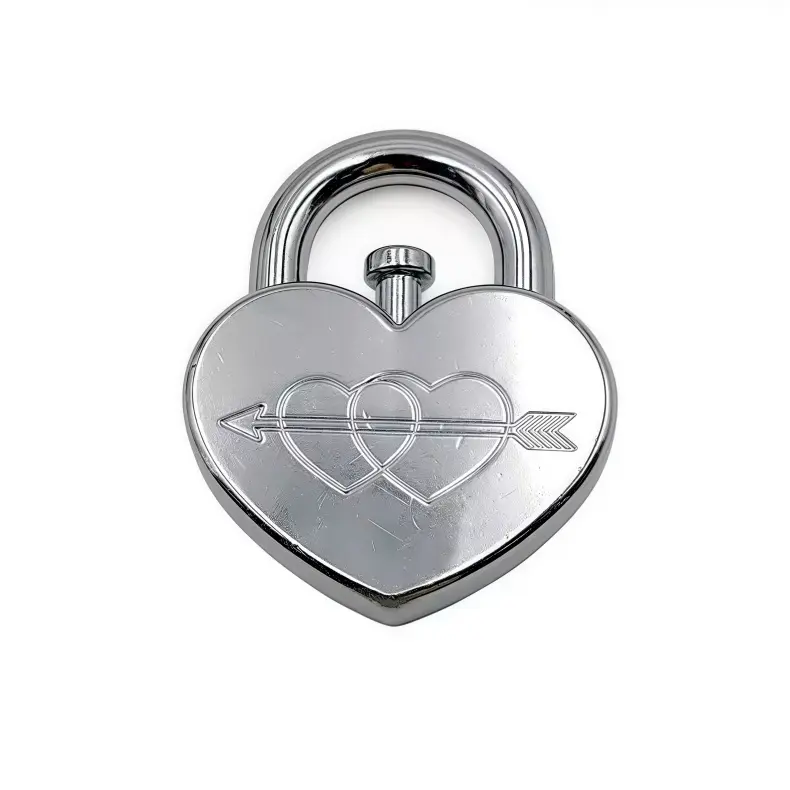
Silver Heart Lock Puzzle — $18.89
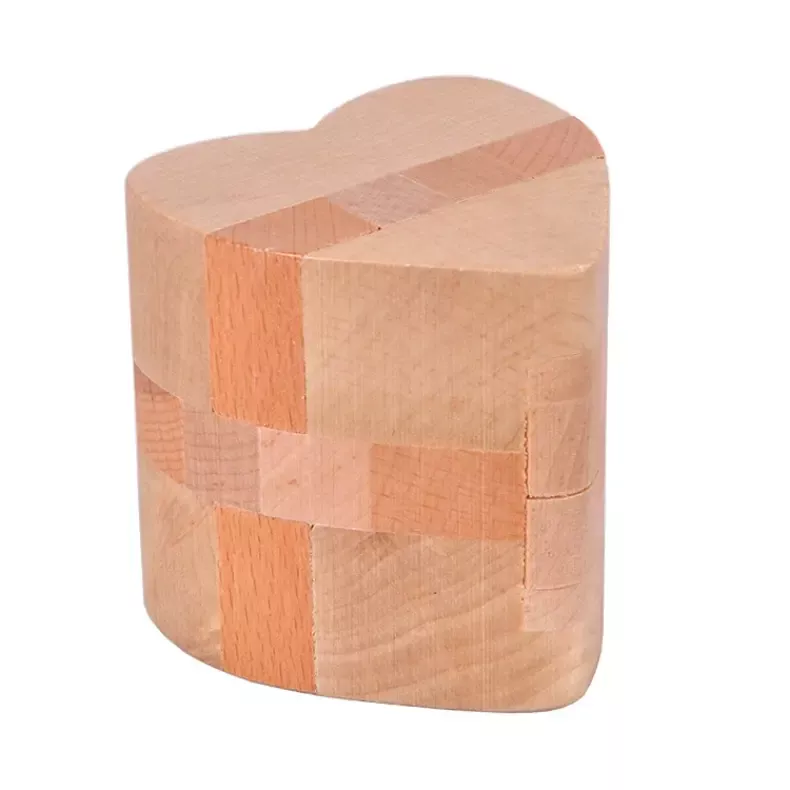
If you’re looking for something that bridges the gap, the King Wen of Zhou heart-lock puzzle ($17.99) uses wooden grooves to tell a story. It’s a tactile fable. I’ve found that metal puzzles are great for “desk toys,” while wooden kits are better for the “event” of gifting.
Will It Actually Fit? (The Practicality Check)
This is the question that kills most gift card puzzle purchases. A standard gift card (CR80) is 3.375 inches by 2.125 inches.
- The 3D Safe: Plenty of room. You could fit five cards in there and a stack of cash.
- The Treasure Box: Fits standard cards easily in the main compartment.
- The Luban Cube: You have to be creative. Tape the card to the inner-most block.
- The Kongming Lock: The Kongming Lock Color Match ($16.99) is more of a standalone challenge. If you want to use it for a gift card, I recommend placing the card in a small envelope and using the lock as the “weight” on top of the gift.
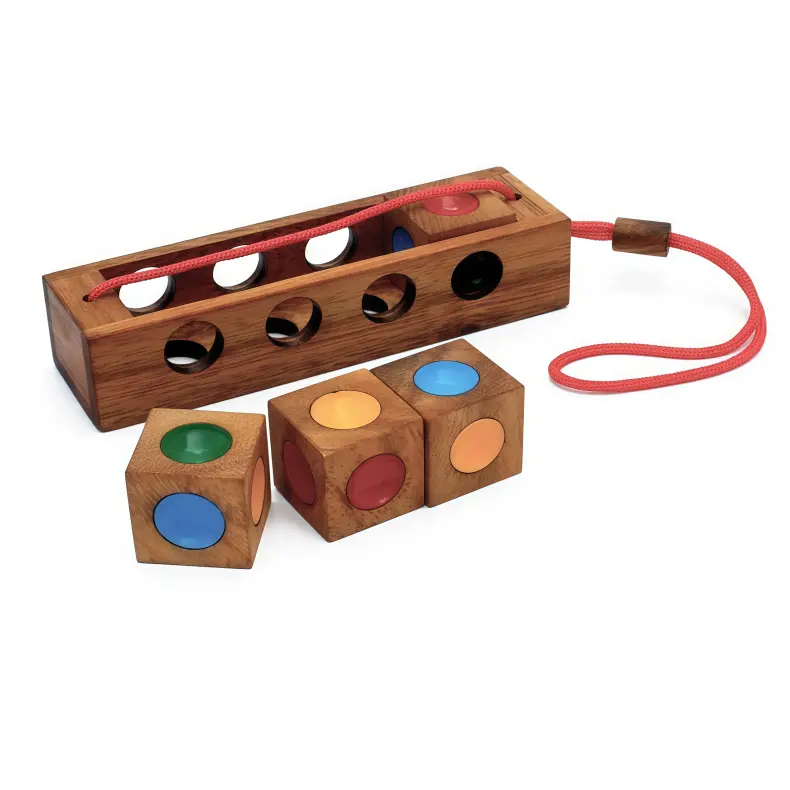
Kongming Lock Color Match — $16.99
I’ve seen people get frustrated because they bought a beautiful puzzle only to realize the internal cavity was designed for a ring, not a card. Always check the internal dimensions. If you’re in doubt, the 3D Wooden Puzzle Safe is your safest bet (pun intended).
Comparison of Top Gift Card Puzzle Boxes
FAQ: Everything You’re Afraid to Ask About Puzzle Boxes
Can I reset the combination on the 3D Safe?
Yes, but you have to do it during the assembly phase. Once the 3D Wooden Puzzle Safe is fully built, the combination is “locked in” by the physical orientation of the gears. If you want to change it later, you’d essentially have to perform surgery on the box. I recommend picking a number that has long-term significance.
Are these boxes reusable, or do they break after one solve?
Unlike those “escape room in a box” games that require you to tear or cut components, all the puzzles mentioned here are infinitely reusable. In fact, many people find that sharpening your short-term recall by re-solving them months later is a great way to keep the mind sharp. The wood is durable birch plywood, and the metal puzzles are zinc or silver-plated, designed to last for years.
What happens if the recipient gets frustrated and can’t open it?
This is a real concern. I always keep the “solution key” or the assembly manual nearby. If I see someone starting to look for a screwdriver or a hammer, I’ll offer a “hint” in exchange for a chore or a joke. It keeps the mood light. You can also find most solutions on YouTube, but where’s the fun in that?
Is the wood safe for kids?
Most of these kits, like the Luban Cube Puzzle, are rated for ages 14 and up. This isn’t because of toxicity—the wood is high-quality and usually laser-cut—but because of the complexity and the small parts. For younger kids, you might want to look into engaging the whole family in a solve where an adult handles the tricky gear alignments.
Do these puzzles require glue or tools?
One of the best things about modern laser-cut puzzles is that they are “press-fit.” You don’t need glue, though I sometimes keep a bit of sandpaper (usually included in the kit) to smooth out a stubborn joint. The 3D Wooden Puzzle Treasure Box relies entirely on the tension of the wood.
How do I know if a specific gift card will fit?
If the card is a standard credit-card size, it will fit in the Safe and the Treasure Box. For the smaller “lock” puzzles like the Silver Heart Lock Puzzle, the card won’t fit inside. In those cases, the puzzle acts as the “key” to the gift. You can also find more advice on sizing in our deeper dive into trick box mechanics.
Why shouldn’t I just buy a $5 plastic maze box from Amazon?
You can, but you’ll regret it. Those boxes often have “flash” (excess plastic) on the internal tracks that makes the ball bearing get stuck through no fault of the solver. It turns a fun challenge into a frustrating mechanical failure. High-quality wood or metal puzzles offer a “fair” challenge.
Can these puzzles help with cognitive aging?
Actually, yes. There is research suggesting that mechanical puzzles and visuospatial tasks act as a protective factor against cognitive decline. By giving a puzzle box, you’re not just giving a gift card; you’re giving a mini-workout for the brain.
Are the instructions easy to follow?
The 3D kits come with visual, step-by-step manuals. They are mostly wordless, similar to IKEA instructions. If you’ve ever built a LEGO set, you’ll be fine. The “lock” puzzles usually don’t come with instructions—because the instructions are the puzzle!
What’s the best way to present a puzzle gift?
Don’t just hand it to them. Place it on the table and wait for them to ask what it is. Let the curiosity build. I once spent an entire Thanksgiving dinner watching my brother-in-law fiddle with a Circular Lock while everyone else ate pie. It was the highlight of the day.
Can I paint or stain the wooden puzzles?
You can, but be careful. Paint adds thickness to the wood, which can gunk up the precision-engineered gears. If you want to customize a 3D Wooden Puzzle Safe, I recommend using a thin wood stain or markers after assembly, or very sparingly on non-moving parts.
What’s the most “impressive” looking one?
The 3D Wooden Puzzle Treasure Box is the clear winner for “wow” factor. When those gears start turning and the lid blossoms open, it looks like something out of a high-end clockmaker’s shop.
The One Puzzle That Teaches You How All the Others Work
If you take away one thing from my years of testing, it’s this: a puzzle is a conversation between the maker and the solver. When you give a puzzle box for gift cards, you are inviting someone into that conversation. You are telling them that their time and their focus are valuable.
After opening hundreds of these, I still find myself returning to the 3D Wooden Puzzle Safe ($30.99) as the perfect starting point. It taught me more about mechanical empathy—understanding how parts fit together to create a whole—than any textbook ever could. It’s the perfect “trap” for a gift card because it’s a gift that keeps on giving every time the recipient looks at it on their shelf and remembers the “click” of the final tumbler.
If this sparked a curiosity in you, don’t stop here. The world of mechanical challenges is vast, and moving from boxes to tactile magnetic blocks for those just starting out is a natural next step for anyone who finds they enjoy the “fidget” factor of a good solve. Stop giving boring envelopes; start giving enigmas. The look of genuine triumph on a friend’s face when they finally crack the code is worth ten times the value of the card inside.
- Metal (The Precision): Metal puzzles feel like “serious” objects. They have weight. They are cold to the touch. The Silver Heart Lock Puzzle ($18.89) is a perfect example. It’s silver-plated and uses a clever interlocking mechanism. While it won’t “hold” a gift card inside it, it’s the perfect “key” to a larger gift. You give the heart first; once they solve it, they get the envelope.