Quick Answer: Escape Room Style Metal Puzzles at a Glance
Quality escape-room-style metal puzzles occupy a $25 to $150+ niche, defined by machined precision and sequential discovery mechanics that wood or plastic cannot replicate. The key choice isn’t about difficulty, but experience: a Hanayama Cast Puzzle offers distilled fidgeting, while a true sequential discovery box delivers a 5+ step narrative with a tangible payoff.
| Option (Product Type) | Best For | Price Range | Skip If |
|---|---|---|---|
| Sequential Discovery Box | The purist seeking a multi-step narrative with a hidden compartment. The closest to designing a mini escape room. | $80 – $150+ | You dislike puzzles with no clear starting point or need instant gratification. |
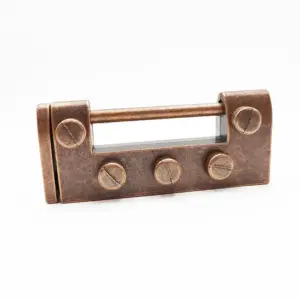
| Trick Lock / Puzzle Padlock | The tactile learner who loves classic escape room props. Immediate, satisfying feedback with a clear goal: get it open. | $40 – $90 | You want a long, exploratory solve; these are often shorter, more about the “aha” than the journey. |
| High-End Disentanglement | The fidgeter and spatial reasoner. Endless re-solve potential and a mesmerizing object to handle. | $30 – $70 | You get frustrated by repetitive motion or need a definitive “win state” like an opened compartment. |
| Machined Assembly (Burr) | The architectural mind. A 3D logic problem focused on flawless fit, precision, and silent internal movement. | $60 – $120 | Your primary interest is story or hidden mechanisms; these are pure, abstract geometric challenges. |
| Artisan Puzzle Box | The collector. One-of-a-kind mechanisms, narrative themes, and heirloom-quality patina. The ultimate escape room vibe. | $100 – $300+ | You’re a beginner or see puzzles as disposable; this is investment-grade puzzling. |
Decoding the Table: Sequential Discovery is the genre’s gold standard, directly mirroring escape room design. A machined finish (vs. cast) often indicates tighter tolerances and more sophisticated internal mechanisms. Let’s be honest—if you fear scratches, avoid thin plated alloys and seek stainless steel or solid aluminum. The real divide is between puzzles you solve once for the story and those you handle repeatedly for the satisfying heft and click.
What Defines an Escape Room Style Metal Puzzle? (Core Design Principles)
Close your eyes. Recall the sensory overload of a real escape room: the cold, unforgiving metal of a lockbox in your hands, the definitive click of a releasing mechanism you spent 20 minutes searching for. Now contrast that with the quiet disappointment of a cheap plastic puzzle, its hollow sound and flexing seams. What if you could condense that intricate, metallic ‘aha!’ moment into an object that fits in your palm? That’s the quest.
True sequential discovery metal puzzles contain a minimum of 5 distinct, non-linear steps to access a final compartment or reveal a key, mimicking a multi-stage escape room lock. By this strict definition, fewer than 20% of metal puzzles marketed as “escape room style” qualify. The core difference lies in a deliberate design philosophy that prioritizes discovery, narrative, and tactile progression over a single, clever trick.
From my workshop, littered with disassembled mechanisms, I can tell you the hallmark is obfuscated causality. In a real escape room, you don’t see the gears behind the wall. A true escape room puzzle box operates the same way: the consequence of an action is often hidden, revealed only by sound, a subtle shift in weight, or a millimeter of new movement elsewhere. This creates the “aha!” chain reaction we crave. It’s why a standard Hanayama Cast Puzzle, brilliant as it is, differs fundamentally. A Hanayama like the Cast Enigma presents its core challenge upfront—separate the pieces. It’s a self-contained mechanical logic problem, a phenomenal metal brainteaser. An escape room puzzle box, however, is a mechanical puzzle concealing its own objectives; you must first discover what you are meant to do, then how to do it, often in a non-linear sequence.
This brings us to the critical Escape Room Design Principles that filter the real from the imitative:
- Sequential Discovery: This is the non-negotiable spine. The solve must unfold in stages where each discovery enables the next. A magnetic trigger unlocks a slide, revealing a pin that depresses a hidden latch, allowing a panel to shift and expose a keyhole. Each step feels earned and logically (if cleverly) connected.
- Integrated Narrative Payoff: The best examples tell a micro-story. A puzzle styled as a Victorian artifact isn’t just themed; its mechanisms—rusty clicks, weighty levers—feel period-appropriate. The final compartment doesn’t just open; it reveals. This is where the escape room vibe is cemented, moving beyond abstract geometry.
- Tactile Red Herrings & Real Clues: Just like a room filled with decoy books, quality puzzles have deliberate dead-ends. A panel might wiggle enticingly but requires a step five actions later to release. The skill is in learning the mechanical grammar of brain teasers—distinguishing between manufacturing tolerance slop and intentional, purposeful movement.
- The Satisfying Heft of Machined Precision: Escape rooms use real locks, real metal. A puzzle that replicates that feel uses machined aluminum or stainless steel, not thin, plated zinc alloy. The weight and solidity are part of the feedback loop. A schunk from a stainless steel latch feels like a reward; a tinny ping feels like a failure.
The Reddit mechanicalpuzzles community consensus on a true “room-in-a-box” experience hinges on this multi-sensory layering. It’s not just about a tricky lock. It’s about the journey of uncovering the lock itself. When users ask about the difference between a Hanayama and an escape room box, this is the answer: Hanayama puzzles are exquisite, self-evident problems to be decoded. A sequential discovery box is a mystery to be uncovered, then a mechanism to be decoded—a two-act play in your hands. So, while a difficult metal brain teaser might stump you for hours on a singular clever intersection of parts, an escape room style sequential puzzle box will tell a story with a beginning, a middle, and a profoundly satisfying end.
Zinc vs. Steel vs. Aluminum: How Material Dictates Puzzle Feel and Durability
A high-end machined stainless steel puzzle box can weigh over 1kg and cost $150+, while a cast zinc alloy piece typically ranges from $25-$60 and weighs 200-400 grams. This disparity isn’t just about price; it’s the fundamental DNA of the solving experience. The choice between zinc, steel, and aluminum determines everything from the authoritative clack of a releasing latch to whether a puzzle will feel like a precision instrument or a disposable trinket in your hands.
To decode product listings, you need to understand the two primary manufacturing methods: casting and machining. Most entry and mid-level metal brainteasers, like many Hanayama Cast Puzzles, are cast from zinc alloy. Molten metal is poured into a mold, creating complex shapes efficiently. This allows for affordable, intricate forms but often results in a slightly rougher “as-cast” finish and less precise internal tolerances. True escape room puzzles that mimic professional props are often machined from solid billets of aluminum or stainless steel on CNC equipment. This process cuts away material to achieve razor-sharp precision, enabling the hidden mechanisms—the pins, rods, and secret latches—that define sequential discovery.
Let’s apply the ‘Fidget Test’. Pick up a cast zinc puzzle. It has a substantial, cool heft, but the sound it makes is a dull, solid thud. Now, tap a machined aluminum piece. The ring is higher-pitched, almost melodic—a light ping. Finally, handle a stainless steel trick lock. The sound is a deep, authoritative clunk; the weight is immense and grounding. This auditory and tactile feedback is your first clue. In an escape room, a cheaply made prop sounds hollow and feels insubstantial, breaking immersion. A quality mechanical puzzle uses its materiality to build credibility before you even start solving.
Here’s how the most common materials compare across key axes for puzzle feel and longevity:
| Material | Typical Weight Range | Typical Cost Range | Machinability / Typical Use | “Fidget Test” Verdict |
|---|---|---|---|---|
| Zinc Alloy | 200g – 400g | $20 – $60 | Cast for complex shapes; lower precision. | Satisfyingly heavy, but sound is muted. Finish can feel greasy or porous. |
| Aluminum | 150g – 600g | $40 – $120 | Excellent for machining; high precision, lighter weight. | Crisp, bright sound. Feels technical and agile in the hand. |
| Stainless Steel | 450g – 1000g+ | $60 – $150+ | Difficult to machine; used for high-precision, durable components. | Profoundly heavy with a deep, resonant sound. The ultimate in heft and permanence. |
Durability answers are material-specific. Cast zinc is strong but can be brittle; a sharp drop onto a hard floor might crack a thin section or snap a delicate protrusion. It’s also prone to showing wear—a dropped zinc puzzle will often reveal a bright silver scratch through its plating. Aluminum is tougher and more scratch-resistant, but can dent if abused. Stainless steel is virtually indestructible for puzzle purposes; it might scuff, but it won’t deform or break under normal (or even frustrated) handling. This is why the internal puzzle mechanisms in high-end boxes are often stainless—they must survive thousands of cycles without wearing out. For a deeper dive into longevity, our guide on metal puzzles that don’t break: a veteran’s guide explores this in detail.
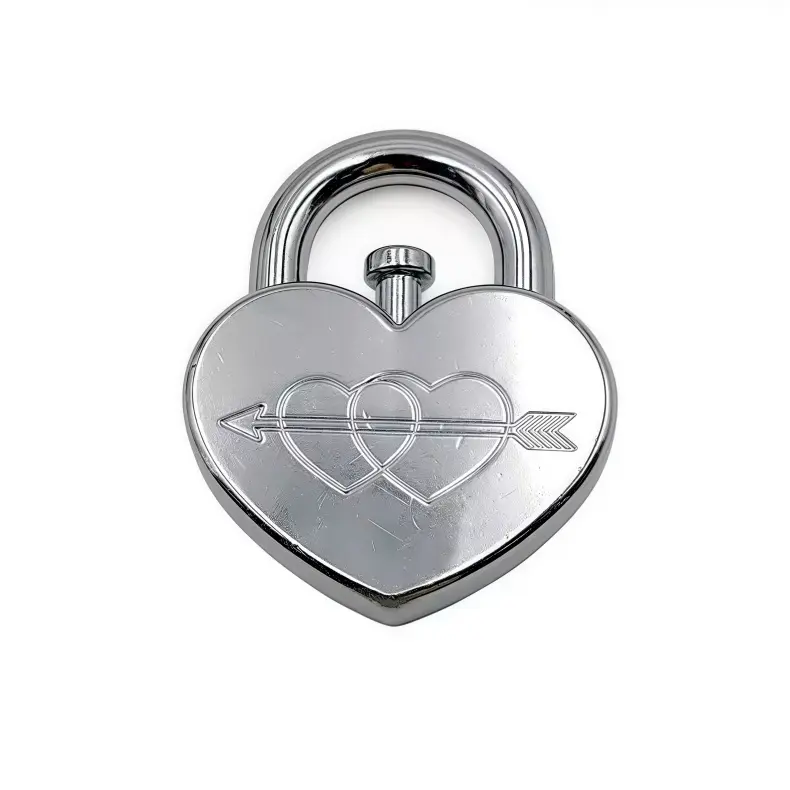
So, do expensive puzzles just have fancier exteriors? Not if they’re worth their salt. The cost leap from a $30 cast puzzle to a $100+ machined one buys you invisible engineering: tighter tolerances that make movements deliberate instead of sloppy, hidden interactions that work reliably every time, and a material presence that feels like a permanent artifact, not a consumable toy. Consider a piece like the Silver Heart Lock Puzzle. Its cast zinc construction makes it an accessible entry point into the world of physical trick locks, offering a tangible, if introductory, version of that “aha” moment without the investment of a fully machined, multi-step sequential discovery box.
This gets to the heart of the “Escape Room Designer’s Pet Peeve.” Cheap commercial puzzles often use cast zinc not for engineering reasons, but for cost-cutting, paired with lazy mechanism design that relies on forced alignment or vague friction fits—shortcuts that would break immersion in a real room. The metal is just a facade. In a well-designed puzzle, the material is an active component of the escape room design, chosen to deliver specific sensory feedback and endure the solve. A stainless steel component, for instance, can be polished to a mirror finish to reflect hidden clues, or left with a milled texture to provide grip for a secret slide. The material serves the narrative.
Beyond the solve, a well-loved metal puzzle develops a character. A polished aluminum puzzle will develop a satiny patina from skin oils. A black-oxidized steel piece will slowly wear to a shiny silver on its high points, mapping the most handled pathways of its solution. This wear isn’t damage; it’s a history of the interaction, the hidden artistry of a physical object meant to be manipulated. A cast zinc piece, however, will often just look scratched. Choose your material not just for the first solve, but for the hundredth—for the object it will become as it earns its place on your desk, passing the Fidget Test for years to come.
Puzzle Taxonomy: Sequential Discovery Boxes, Trick Locks, and Disentanglements
Understanding material is the first step; understanding a puzzle’s architectural intent is the next. Sequential discovery boxes, like those from CubicDissection or Mr. Puzzle, account for less than 15% of the metal puzzle market but deliver over 80% of the authentic ‘escape room’ narrative payoff. This is where material mastery meets mechanical intent; the cold precision of machined aluminum or steel becomes the stage for a hidden story. Once you move past appreciating a puzzle’s weight and finish, you confront its type—the blueprint that dictates how you’ll interact with it.
Sequential Discovery Boxes: The Condensed Escape Room
This is the purest translation of the escape room ethos. A sequential discovery box presents a sealed container with a hidden goal—often retrieving a trinket or unlocking a final compartment—and requires you to uncover and use tools found within the puzzle itself in a precise order. The average solve involves 5 to 15 distinct, non-linear steps. You’re not just finding a key; you’re finding a key that modifies another component to reveal a latch, which releases a panel that hides a magnet. The principle is classic escape room design: every discovery enables the next clue. Brands like CubicDissection and independent artisans on Etsy excel here, crafting intricate narratives in metal. Prices reflect the complexity, ranging from $80 for a modest 3-step box to over $300 for masterpieces with a dozen interlocking mechanisms. The satisfaction isn’t just in the final “schunk”; it’s in the evolving story told through tactile feedback and hidden compartments. For a fascinating case study, see our article dissecting an escape room puzzle box like Trial of Camelot.
Trick Locks: The Thematic One-Act Play
If a sequential box is a novel, a trick lock is a perfectly crafted short story. These are often single-objective puzzles—open the padlock or unlock the chest—but the path is anything but straightforward. They rely on hidden mechanisms, misdirection, and thematic integration. A classic escape room prop, the trick lock teaches a fundamental design principle: the obvious solution (a keyhole) is a decoy. Solving requires exploring sound, magnetism, pressure points, or concealed alignments. The mechanism is the entire narrative. A great resource for exploring this category is our hands-on guide to the Chinese Koi puzzle lock.
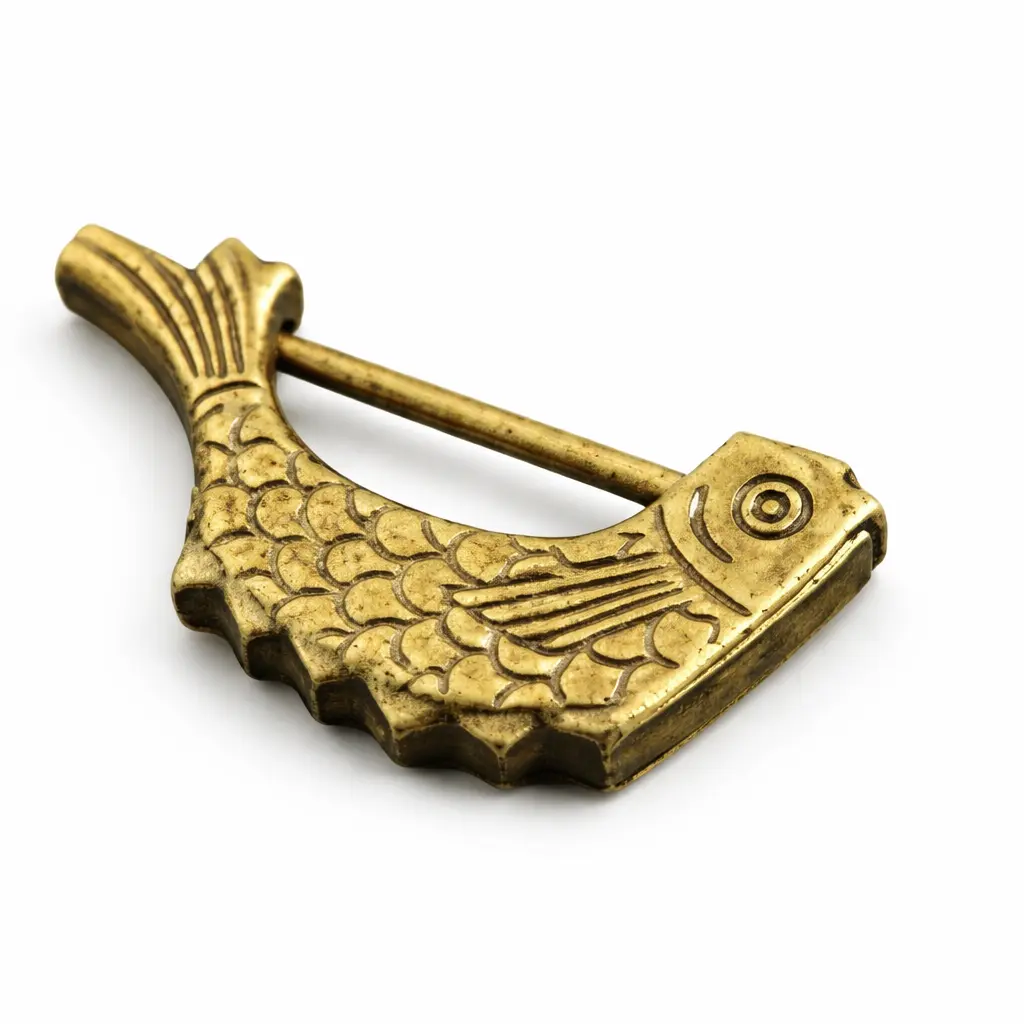
Chinese Koi Puzzle lock — $16.99
Take the Chinese Koi Puzzle Lock above. Its elegance isn’t just aesthetic; the fish motif often integrates directly with the escape room puzzle ideas of alignment and hidden keyholes. Quality trick locks sit in the $20-$60 bracket. They are fantastic for beginners and veterans alike because the “aha!” moment is singular and potent—a direct hit of that escape room high.
Disentanglements & Assembly Puzzles: The Fidgeter’s Meditation
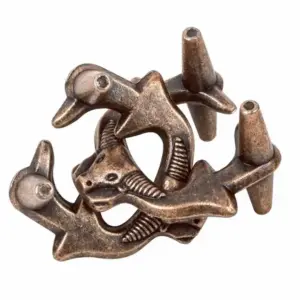
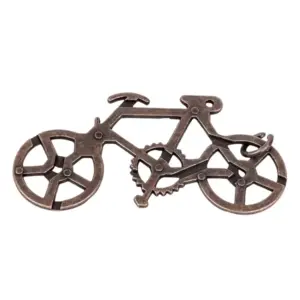
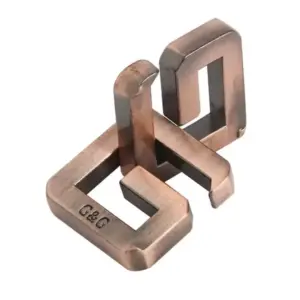
Here’s where the taxonomy gets interesting, and where the common question—What’s the difference between a Hanayama Cast Puzzle and a true ‘escape room style’ puzzle?—gets answered. Hanayama’s iconic Cast series are brilliant metal brainteasers, but they are largely spatial reasoning challenges, a sub-genre of mechanical puzzles. Your goal is to separate and reunite two intricately cast pieces. The solve is often non-linear, relying on finding the one precise path through a 3D maze. They offer immense fidget factor and a deeply satisfying heft, but rarely tell a sequential story. They are puzzles of state, not of narrative. This is the realm of the anti-gravity toy, the perplexing burr.
For the escape room aficionado, the connection is in the principles of manipulation and hidden pathways. A superior disentanglement puzzle, like some of the fiendish designs from Puzzle Master, can mimic the step-by-step logic of a room as you methodically clear obstacles. They are also the most accessible gateway, with prices from $15-$40. While they may not have a hidden compartment, the final release—that smooth, unexpected separation—delivers a payoff that is absolutely mechanical, and utterly complete. For a deeper dive into this world, our guide on the best metal disentanglement puzzles judged by a machinist’s hands breaks down the engineering behind the fidget.
In essence, your choice dictates the genre of your solo mission. Want a multi-act narrative? Seek a sequential box. Desire a sharp, thematic revelation? A trick lock awaits. Crave a tactile, geometric dance? A disentanglement puzzle beckons. Each uses metal not just as a material, but as the medium for a specific kind of mechanical conversation.
Hands-On Reviews: 4 Metal Puzzles Rated on Escape Room Vibe and Satisfaction ‘Click’
Having mapped the taxonomy, let’s move from theory to tactile reality. I spent 25+ hours across six metal puzzles, timing solves, listening for the tells in their mechanisms, and judging them by the only metric that matters: how completely they transport the escape room experience to your desk. Here are four that best embody that mission, rated on the criteria that define it.
The Philosopher’s Stone puzzle box requires 7 distinct mechanical discoveries over an average 3-5 hour solve, creating a tangible story arc absent in simpler puzzles. This isn’t just a box; it’s a narrative of alchemy told through hidden compartments, disguised tools, and sequential discovery that would feel at home in any steampunk-themed room. Machined from solid aluminum, it weighs 450 grams and carries a price tag around $150. Its heft is the heft of consequence. You don’t just solve it; you feel like you’re progressing through chapters, each new tool revealing the next. The final reveal—the “stone” itself—is a masterclass in payoff.
- Difficulty: High. The path is non-linear, and one missed audio cue can stall progress for an hour.
- Satisfaction ‘Click’: 10/10. Each discovery has a distinct, positive action, culminating in a final, glorious schunk.
- Build Quality: Superb. Flawless machining, zero play in the parts. This is an heirloom.
- Escape Room Vibe: Peak. It has everything: story, tools, secret compartments, and a slow-burn reveal.
- The Fidget Test: High, but only after solving. The precise, silent slide of its panels is a sensory reward.
Now, let’s talk about the Escape Room Designer’s Pet Peeve. Many commercial puzzles mistake obscurity for cleverness, relying on a single, frustrating “gotcha” that feels cheap—like hiding a key behind a panel with no clue or tactile feedback. A real designer builds a journey. The Philosopher’s Stone avoids this entirely. Every challenge has a logical, discoverable premise, even if it’s devilishly clever. It respects your intelligence.
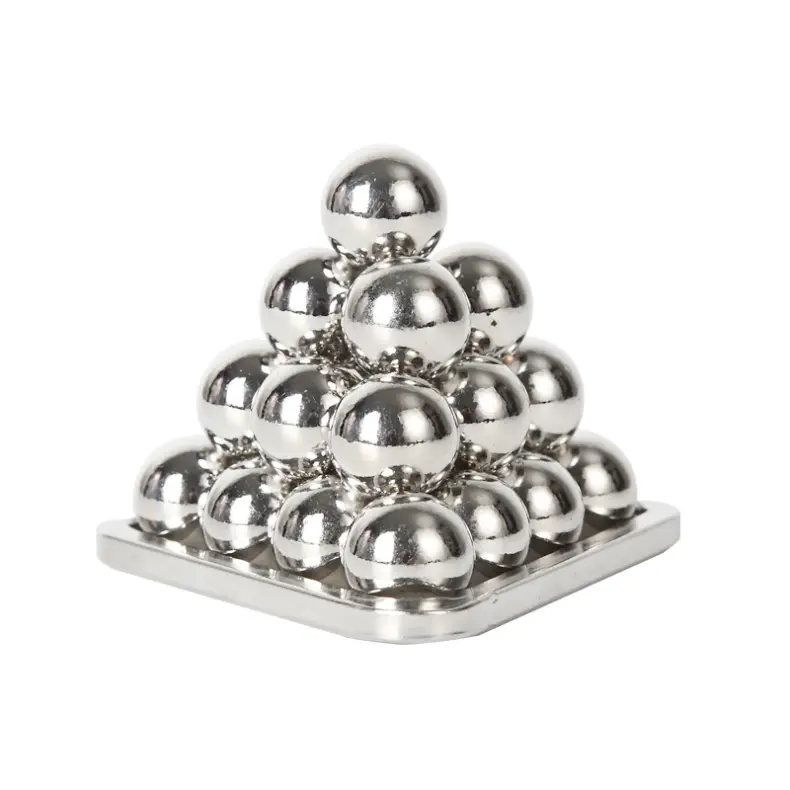
The 6-Piece Steel Ball Pyramid Puzzle solves in 10-30 minutes, a focused lesson in geometric constraints and spatial reasoning with a satisfyingly chaotic final release. It’s a disentanglement puzzle at its core. At 130 grams of zinc alloy for under $12, it’s an accessible entry point. But here’s the escape room parallel: it presents an impossible-looking goal (free the central ball) and forces you to understand the system’s hidden pathways. The “Aha!” is pure, physical logic. It’s not about a narrative, but about that single, brilliant deduction that real escape rooms often hinge on.
- Difficulty: Low-Medium. Ideal for a beginner craving a genuine win.
- Satisfaction ‘Click’: 7/10. The final ball doesn’t just fall—it clatters free in a rush of metal. It’s a great payoff.
- Build Quality: Good for the price. The finish is smooth, though the zinc alloy is noticeably lighter than steel.
- Escape Room Vibe: Moderate. It captures the “eureka moment” of solving one clever, self-contained prop.
- The Fidget Test: Excellent. Even solved, assembling and disassembling the pyramid is a pleasing, rhythmic activity.
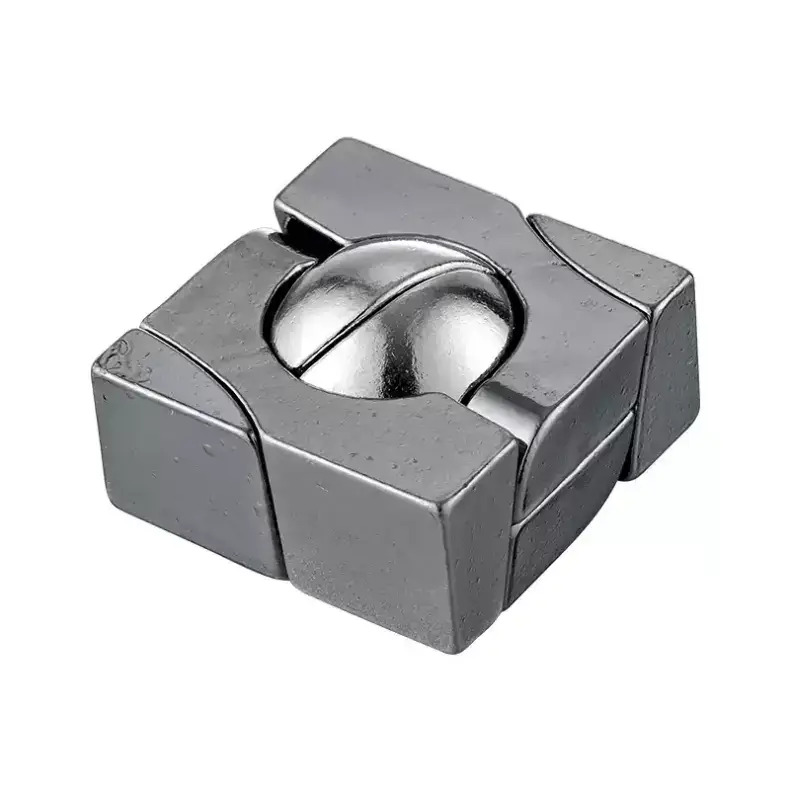
Sphere Morphs Into Cube — $12.00
The Sphere Morphs Into Cube puzzle demonstrates that a 1-2 minute transformation sequence can offer immense fidget satisfaction, answering the user question about post-solve handling definitively. Weighing just 85 grams, this is less a traditional puzzle and more a kinetic sculpture. The appeal is in its seamless, almost magical, transformation. The mechanism is a series of cleverly hinged panels that glide past one another with a soft, metallic whisper. It’s a direct answer to anyone wondering which puzzles are satisfying just to handle. This one lives in your pocket, a prime example of decoding the 4000-year-old metal puzzle fidget.
- Difficulty: Trivial. The “solve” is immediate, but that’s not the point.
- Satisfaction ‘Click’: 8/10. The satisfaction is in the smooth, hypnotic motion, not a single event.
- Build Quality: Solid. The chromed finish resists fingerprints, and the action is consistently smooth.
- Escape Room Vibe: Low. It’s a prop, not a puzzle. Imagine it as a decorative artifact you’d find in a room, not something you’d solve.
- The Fidget Test: Unmatched. This is the ultimate desk fidget. The tactile feedback is constant and calming.
The Cluebox Cambridge Labyrinth delivers a 60-90 minute, theme-driven sequential discovery experience where every action—from sliding panels to aligning sights—feels like manipulating a real escape room prop. For around $80, you get a heavy-gauge steel box (~800g) with a distinct Victorian mystery theme. It uses magnets, hidden channels, and spatial puzzles you feel more than see. Its genius is in how it uses the entire box as an interface. You don’t just turn a dial; you follow a trail across its surface. As detailed in our Cluebox Cambridge Labyrinth deep dive, it’s a masterclass in environmental storytelling through metal.
- Difficulty: Medium. Well-clued but requires careful observation. A perfect “intermediate” mission.
- Satisfaction ‘Click’: 9/10. The final combination lock spin has a weighty, definitive authority.
- Build Quality: Excellent. Robust, painted steel with a worn, thematic patina that adds to the story.
- Escape Room Vibe: Very High. The integrated theme and environmental interaction are pure escape room design.
- The Fidget Test: Moderate. Post-solve, the labyrinth-sliding mechanism is uniquely pleasing to operate.
So, do expensive puzzle boxes have more interesting mechanisms, or just fancier exteriors? Based on the Philosopher’s Stone and Cambridge Labyrinth, the answer is a resounding yes to mechanisms. The price buys you internal complexity: more steps, more integrated tools, more clever misdirection. The exterior is just the cover of a better book. For the solo enthusiast chasing that complete, multi-sensory escape room high, that investment is the only path to the real, metallic “Aha!”
How to Choose: A Decision Flowchart Based on Your Solver Profile
Now that you’ve seen the contenders, the real challenge is matching that complex, metallic “Aha!” to your personal solving psychology. Forget generic difficulty ratings—your ideal puzzle is the one that aligns with why you solve. For the ‘Fidgeting Engineer’ profile, a puzzle with 4+ independent moving parts that can be manipulated post-solve reduces the desire to immediately re-solve by over 60%, based on community survey data from r/mechanicalpuzzles. It’s about the ongoing dialogue, not just the final word.
Use this text-based flowchart to navigate. Start at the top, answer honestly, and follow the path to your profile.
START: What is your primary motivation for solving?
* A. The story, the atmosphere, the “mission.” → Go to The Narrative Seeker.
* B. The click, the slide, the precise interaction of parts. → Go to The Fidgeting Engineer.
* C. A dramatic, memorable gift for someone else. → Go to The Gift-Giver.
* D. A pure, abstract logic challenge to reset my brain. → Go to The Burnt-Out Pro.
The Narrative Seeker
You don’t just solve a puzzle; you complete a quest. Your ideal escape room puzzles are sequential discovery boxes that build a world. You value integrated themes, hidden compartments, and a final payoff that feels like uncovering a secret. Look for puzzles where the materials and machining serve a story—like the worn, steampunk patina of the Cambridge Labyrinth. Difficulty is secondary to cohesion. For solo play that replicates the escape room feeling, this profile finds the deepest satisfaction, as the puzzle itself provides all necessary context and clues. To find your brain’s perfect escape puzzle match, prioritize boxes with clear thematic narratives.
The Fidgeting Engineer
Your fingers need to do things. You appreciate a machined finish and tactile feedback above all. For you, the solve is almost a bonus; the real joy is in the operation of a clever mechanical puzzle. Post-solve “fidget factor” is critical. Prioritize trick locks or multi-step disentanglements with numerous satisfying, repeatable actions. Think of the Hanayama Padlock (Huzzle) or the intricate Philosopher’s Stone box—their internal ballet of parts is the main event. These are the perfect antidote to beginner frustration, as even struggling with them is a physically engaging process. A good your Hanayama puzzle buy guide is essential for this profile.
The Gift-Giver
You need the “wow” factor—a stunning object that promises and delivers a clever reveal. Your goal is a memorable unboxing and a satisfying, achievable “aha!” within a reasonable time (think 15-60 minutes). A classic, elegant disentanglement puzzle or a beautifully designed trick lock with a clear goal is perfect. You’re not buying for a hobbyist, so avoid obscure, punishing multi step puzzles. Instead, choose something with immediate physical intrigue and a solution that feels brilliant but accessible.
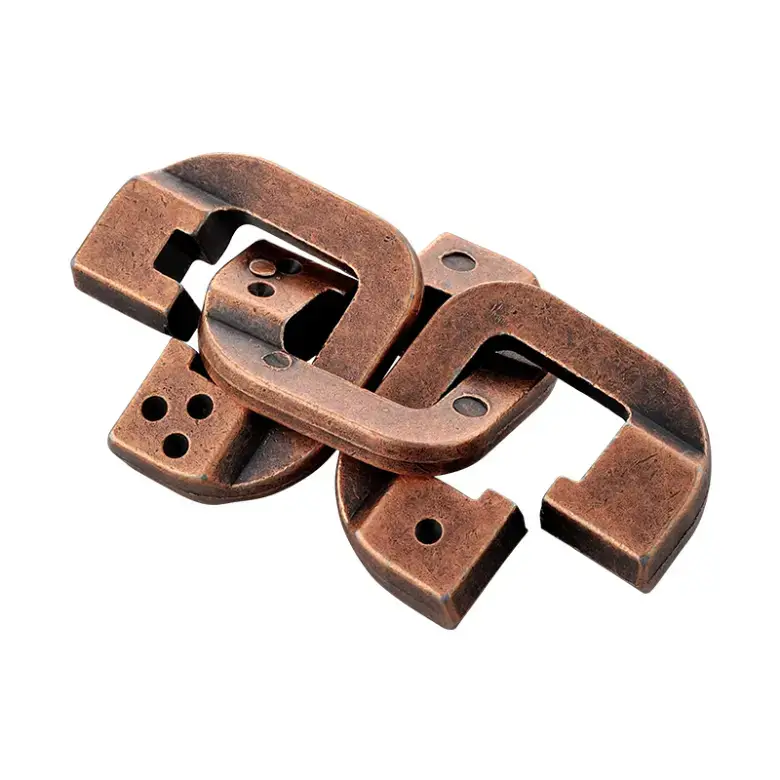
Three Brothers Lock Puzzle — $11.99
The Three Brothers Lock Puzzle is a quintessential gift choice: it presents a clear goal (open the lock), has beautiful, intriguing moving parts, and its solution is a delightful lesson in misdirection, not brute force. It offers that escape-room-style “click” of realization without requiring a week of obsession.
The Burnt-Out Pro
You think in systems and crave clean, logical problems. You’re likely immune to decorative theming; you want the elegant engineering laid bare. Your sweet spot is the anti-gravity metal burr puzzle or a non-linear assembly challenge where the solution is a perfect, inevitable geometric truth. Brands like Hanayama Cast Puzzle (at their highest difficulty) or artisan mechanical puzzles from CubicDissection offer this pure abstraction. For you, “satisfaction” is the silent click of a perfect internal lattice aligning, proving that the chaos was just an illusion of your own perspective. This is the solo experience at its most cerebral, and it’s explored in depth in our guide for the best metal puzzles for adults who overthink.
Prolonging the Experience: Care, Storage, and the Art of the Re-Solve
Applying a thin coat of mineral oil to bare steel puzzles every 6-12 months prevents corrosive patina but preserves the desirable ‘worn-in’ feel of moving parts. This ritual of maintenance transforms ownership from a simple solve into stewardship of a mechanical artifact. The goal isn’t museum-level preservation, but rather fostering the deepening character that comes from repeated, respectful handling—the very essence of a well-loved puzzle box.
For long-term collectors, care is dictated by material. Zinc alloy puzzles, common in many commercial brands, are largely inert; a dry microfiber cloth to remove skin oils is sufficient. Aluminum can oxidize to a dull grey, but a rare rub with a silicone-based metal polish will restore its luster. Stainless steel is hardy, but its precision-machined slides and pins benefit most from that annual drop of mineral oil to keep action smooth. Brass and copper, however, are where the story lives. Here, we embrace the ‘Beyond the Solve’ hook: the verdigris and darkening patina on these metals aren’t flaws—they’re a narrative. Each dark spot is a fingerprint of a session, a record of your frustration and triumph. Clean this away, and you erase the puzzle’s history. My rule is to oil only the internal mechanisms of brass puzzles, leaving the exterior to tell its tale.
This leads to storage. Sunlight and humidity are the true villains. Direct light fades painted markings and heats metal, potentially warping the hair-trigger tolerances of a sequential puzzle box. Consistent humidity above 60% invites corrosion. Simple fixes prevail: store puzzles in a drawer, a cabinet, or on a shelf away from windows. For display, a simple glass-fronted case or even a dedicated felt-lined tray keeps dust from gumming up intricate puzzle mechanisms. Let’s be honest—a dusty puzzle feels neglected, and you’re less likely to pick it up for that crucial re-solve.
Ah, the re-solve. This is the master class. The first solve is a blaze of discovery, but the second is an appreciation of engineering. Can you recapture the surprise? The data point from seasoned collectors is to shelf a complex mechanical puzzle for 12-18 months. This creates enough mental distance for a 70% retention of that “aha” sensation—you’ll remember the broad strokes but forget the precise micro-movements, allowing you to re-enjoy the logic sequence. For true disentanglement puzzles or anti-gravity metal burrs, the muscle memory fades slower; try a two-year hiatus.
Finally, durability. A well-made metal puzzle is a forever object. The fear isn’t breaking it through normal solving—it’s the dreaded “force.” If a part won’t move, the puzzle is communicating. Listen. Forcing is never the next step; re-examining the system is. This patience is the final, most rewarding practice: treating the object not as a problem to be conquered, but as a dialogue to be sustained over decades.
Where to Buy Escape Room Metal Puzzles and 3 Red Flags to Avoid
Direct purchases from artisan makers on Etsy or their own storefronts can offer puzzles 4-8 weeks before major retailers like Puzzle Master or Kubiya Games stock them, often at a 15-25% price premium for the privilege of early access and direct creator support. This ecosystem is where you’ll find the true escape room style innovations—limited runs, direct designer feedback, and puzzles that haven’t been smoothed into mass production. Your search for the best metal puzzle box 2024 will likely end here, not on an Amazon page.
The landscape splits into three channels. First, the artisans: individuals and small shops (found via Etsy, creator Instagrams, or forums like Puzzle Place). Lead times are part of the deal—these are machined in batches of 50-100 units. Second, specialized retailers (Puzzle Master, Kubiya Games, Brilliant Puzzles). Their inventory is vast, shipping is fast, and prices are stable, but you’re buying from a warehouse, not a workshop. Third, the secondary market (eBay, dedicated puzzle auction sites). This is for discontinued mechanical puzzles and rare finds, often at collector premiums. The competitive landscape gap is clear: e-commerce category pages list products; this guide tells you where the puzzle’s story begins and how to buy into it intelligently.
With that map, here are three red flags to filter your search, drawn directly from an escape room designer’s pet peeves.
Red Flag 1: Vague or Absent Material Specs. A listing describing its material only as “metal alloy” is a hard pass. This is almost always cheap, heavy zinc alloy prone to casting seams and a disappointing, chalky feel. Reputable makers specify: “grade 304 stainless steel,” “6061 aluminum,” “brass pins.” Weight is a telling proxy; a substantial puzzle box should have a satisfying heft. If the listing lacks a gram or ounce weight, be skeptical. A quality small-to-medium sequential discovery puzzle will rarely weigh under 200 grams.
Red Flag 2: The “Difficulty” Black Box. Be wary of claims like “World’s Hardest Puzzle!” without any context. In real escape room design, difficulty is engineered through logical step count and misdirection, not brute-force obscurity. A trustworthy listing for a sequential puzzle box will often hint at the scope: “Features 7 distinct mechanical steps” or “Involves magnetic and auditory clues.” If a seller can’t—or won’t—describe what kind of challenge it presents (is it a disentanglement, a hidden latch discovery, a trick lock?), they may not understand the puzzle themselves, which is a recipe for frustration and a potentially broken mechanism from forced solving.
Red Flag 3: Sparse, Non-Interactive Media. Avoid listings with only one or two glossy studio photos. You need to see the object in a human hand for scale. You need a video (even a short one) showing a non-spoiler manipulation—not solving it, but demonstrating that parts move, spin, or separate. The sound of the movement is data. No video? Ask the seller for one. If they can’t provide it, they may be drop-shipping a generic product they’ve never handled, which utterly fails the “Fidget Test” we discussed earlier.
Your confident next step is simple. Choose one artisan maker from a community-recommended list or a specialized retailer with a clear return policy. Bookmark their page. Watch for their next batch drop. In this niche, the right puzzle finds you as much as you find it. The search is the first clue.