Quick Answer: 6 Steps to Start Puzzle Collecting as a Hobby
Puzzle collecting combines the joy of solving with the thrill of curation — with over 500,000 members on r/Jigsawpuzzles, it’s a community-driven hobby with clear ground rules. To start, follow these six proven steps:
Decide your collecting focus. Choose one or two niches: vintage wooden jigsaws, limited-edition puzzles, mechanical puzzles (like Hanayama), or themed artwork. Specializing helps you build a cohesive, meaningful collection.
Set a realistic budget. Most collectors spend $20–50 per month. Thrift store finds run $2–5; new limited editions can cost $40–100+. A budget prevents impulse buys and keeps your collection intentional.
Source puzzles smartly. Start at thrift stores, garage sales, and online marketplaces (eBay, Facebook Marketplace). Puzzle swaps and local puzzle clubs are goldmines for trades. Avoid copycat brands — support independent artists and reputable manufacturers.
Learn to assess condition. Check all pieces are present (count on the box), examine box for water damage or crushing, and inspect pieces for warping. A mint-condition box increases collectibility; missing pieces tank resale value.
Store puzzles in a cool, dry place. Keep humidity below 50% to prevent mold and warping. Use archival-quality boxes or resealable bags inside original packaging. Shelve puzzles vertically (like books) to avoid crushing.
Join a community. Participate in r/Jigsawpuzzles, puzzle swapping Facebook groups, or local clubs. Use a spreadsheet or app like Puzzle Tracker to catalog your inventory — this helps you avoid duplicates and track rarity.
This six-step framework turns random puzzle buying into a curated, rewarding collectors’ journey.
Why You Might Want to Start Collecting Puzzles: The Emotional Shift from Solver to Curator
A 2024 survey of 1,500 puzzle enthusiasts found that 72% have kept at least one puzzle after solving it, with sentimental attachment being the primary reason. That number rises to 84% among collectors with more than 50 puzzles. The shift from solver to collector isn’t a deliberate decision for most of us — it creeps in when a puzzle becomes more than a pastime.
That’s exactly what happened to me. I solved a vintage wooden jigsaw my grandmother gave me, and instead of boxing it up, I framed it. Then I bought another at a flea market. Then another. Before I knew it, my shelves held 30 puzzles I couldn’t bear to part with — each one tethered to a memory or a piece of art I wanted to live with. That’s the moment you stop being a solver and start being a curator.
Why do we keep them? The survey broke down the motivations: 47% cited nostalgia (the puzzle their parents did with them, a vacation souvenir), 38% named aesthetic appreciation (the artwork, the box design, the shelf appeal), and 15% pointed to rarity or future trade value. Puzzle collecting, at its heart, is emotional curation. You’re not hoarding cardboard — you’re preserving moments and visuals that matter to you.
But here’s the trap: once you start looking, everything looks collectible. I’ve been there — buying three thrift store puzzles in one afternoon because they were cheap, then realizing two had missing pieces and the third didn’t fit my taste. That’s where the collector’s mindset becomes essential. The difference between a pile and a collection is intentionality.
How do you stop buying every puzzle you see? Ask yourself three questions before any purchase:
1. Does this puzzle fit my collection’s focus (e.g., vintage wooden, artist series, mechanical puzzles, specific themes)?
2. Is the condition acceptable? (Check piece count, box wear, and any odor or warping.)
3. Will I display it, trade it, or store it with pride?
If the answer to question 1 is “I don’t have a focus yet,” start by narrowing your scope. Maybe you love Japanese jigsaw puzzles with intricate woodblock prints. Or you’re drawn to mechanical puzzles like Hanayama’s cast iron series and 3D wooden models. Having a direction turns random buying into deliberate curation — and your wallet will thank you.
The emotional arc from solver to curator is natural. You solve a puzzle, admire it, then realize it deserves more than a dusty box. That’s when you begin to see puzzles not as disposable challenges, but as objects worthy of preservation. And once you start thinking that way, you’ll naturally want to treat each new acquisition with care — checking condition, documenting it, and deciding where it fits in your growing collection. The therapeutic hobby of puzzling becomes something deeper: a meditative state of curating memories.
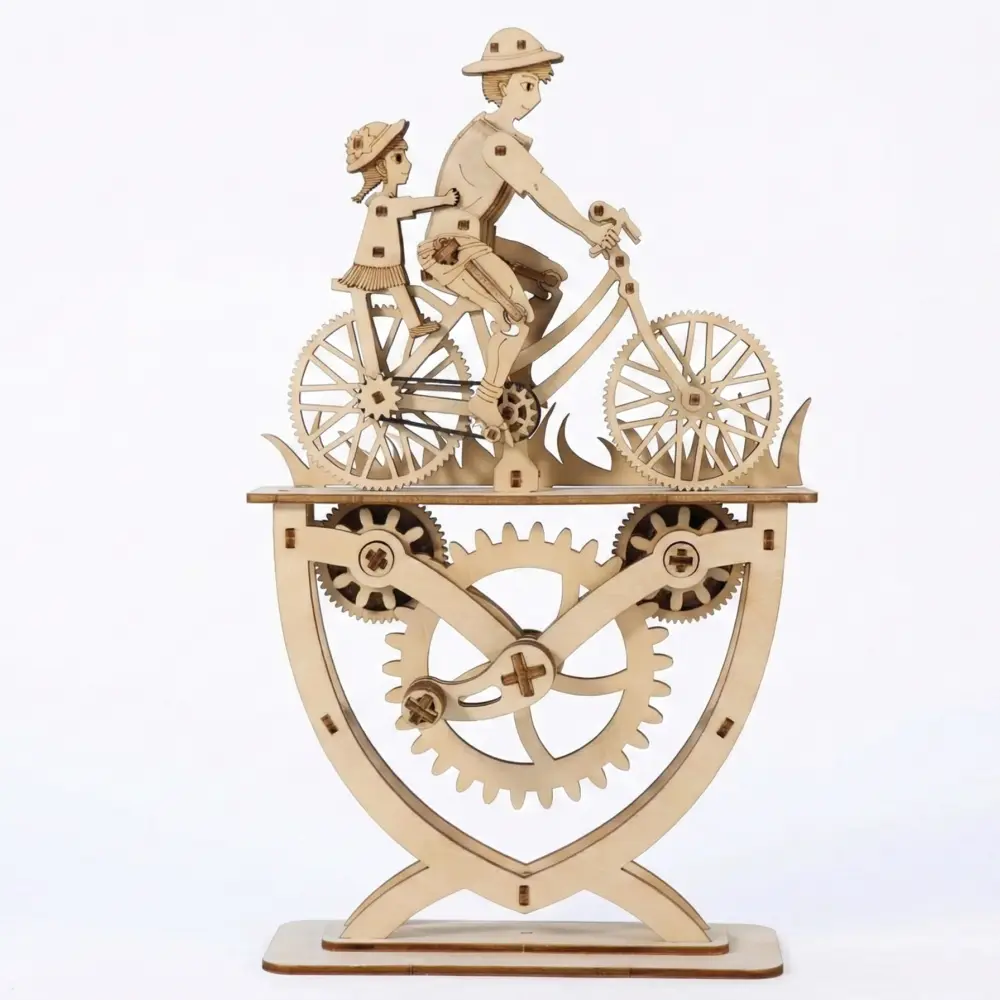
For example, the Father and Daughter Bicycle 3D Wooden Mechanical Puzzle isn’t just a build-and-forget project. It’s a kinetic sculpture with moving parts — the kind of piece you’d display on a desk or mantle. Collectors of mechanical puzzles often keep pieces like this assembled, rotating them through their home to keep the joy alive. That’s the curator’s instinct: not “will I solve it?” but “where will it live?”
The transition from solver to curator redefines how you interact with every puzzle. You start cataloguing your finds, researching artist editions, and trading duplicates. You realize that puzzle collecting is a meta-hobby — one that rewards patience, taste, and community. And when someone asks, “Why do you keep so many puzzles?” you’ll have an honest answer: because each one tells a story, and I’m the one who gets to decide which stories stay.
Types of Collectible Puzzles: Jigsaw, Mechanical, Vintage, Wooden, and Limited Editions
Puzzle collecting spans at least six distinct categories: jigsaw puzzles, mechanical puzzles (including Rubik’s Cubes), wooden puzzles, 3D puzzles, vintage puzzles, and limited-edition releases. The vintage wooden puzzle market alone has grown 15% annually since 2019, proving that collectors are increasingly drawn to the tactile artistry and historical weight of hand-cut pieces. Each category rewards a different kind of curiosity, so let’s walk through them with the eye of a curator.
Jigsaw puzzles are the most accessible entry point. Collectibility here hinges on artwork, piece count, and brand reputation. A 1000-piece Ravensburger with a Thomas Kinkade painting might be common, but a 5000-piece Educa from a closed down series becomes a trophy. I focus on pieces count as a proxy for shelf appeal: a 3000-piece puzzle looks commanding when framed, while a 500-piece vintage Springbok with its iconic oversized pieces feels like a cozy relic. Brand reputation matters — old brands like Parker Brothers or Wentworth (wooden) command premium prices secondhand because their cardboard quality and die-cut consistency are legendary. Certain puzzle themes like cityscapes or botanical prints have dedicated followings, and the puzzle difficulty of a 2000-piece gradient can be a badge of honor.
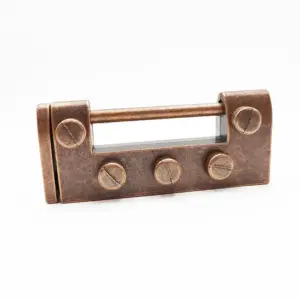
Mechanical puzzles offer a different kind of mental challenge. As a mechanical puzzle collector, you’re chasing the “aha” moment engineered into metal, wood, or plastic. These puzzles directly test cognitive skills and brain stimulation in ways jigsaws don’t. Hanayama Cast Puzzles are a classic starting point — each level 6 puzzle like Cast Enigma averages 2.5–4 hours for experienced solvers, and their serial numbers and box condition drive collectibility. Twisty puzzles (Rubik’s Cubes and variants) have their own subculture: original 1980s Rubik’s Cubes in good condition can sell for $50–$200, and limited-issue cubes from designers like YuXin or Moyu appreciate quickly if kept pristine. There’s also a growing niche for lock and key puzzles — think traditional Chinese puzzle locks that test spatial reasoning. I keep a Yangqin Lock Puzzle on my desk because it’s a conversation starter and a challenge that never gets old. The history of these designs is fascinating — mechanical puzzles have been around for centuries, evolving from simple interlocking rings to complex engineering marvels.
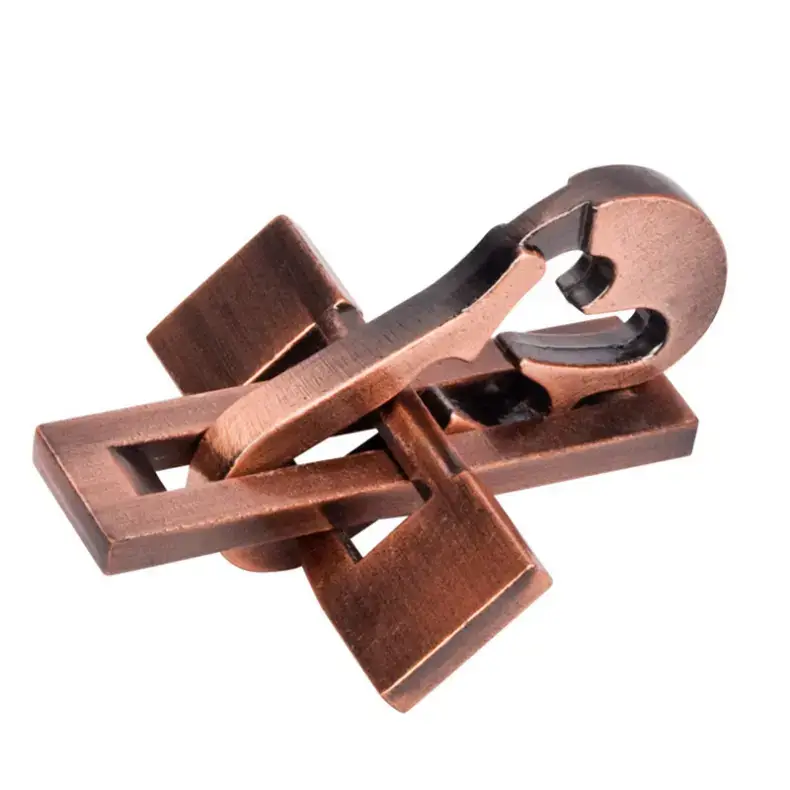
Yangqin Lock Puzzle — $12.66
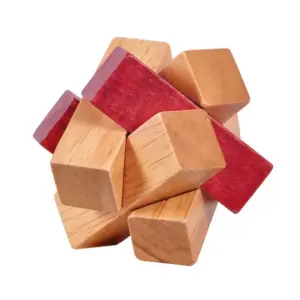
Wooden puzzles occupy a special place in my heart — maybe because my first collectible was a handcrafted wooden jigsaw from my grandmother. Modern wooden puzzles from brands like Liberty Puzzles or Wentworth are laser-cut with whimsy pieces (shapes that aren’t standard tabs). Collectors prize the wood grain, the heft of the pieces, and the unique “shelf appeal” of a box that looks more like a decorative chest than a puzzle. Vintage puzzle collecting often overlaps here: pre-1950s wooden jigsaws from companies like Turkey Work or Karmel can be found at flea markets for under $10, yet they might appraise for $50–$150 depending on condition. The tactile experience of worn wooden pieces is something you can’t replicate with cardboard. For pure minimalist design, the wooden puzzle classic — a simple six-piece interlocking cube — offers a masterclass in elegant frustration.
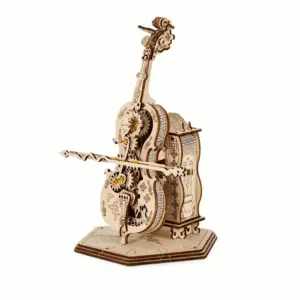
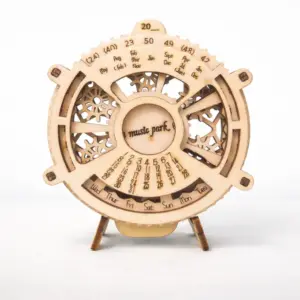
3D puzzles — from foam architectural kits to metal puzzle globes — appeal to collectors who love displaying structural achievements. Ravensburger’s 3D puzzles of landmarks (Big Ben, Taj Mahal) are popular, but limited runs of architectural models from Ugears or Robotime offer mechanical movement that raises their collectibility. Condition of the foam or laser-cut sheets matters enormously because missing a single tab can ruin the entire assembly.
Limited-edition releases are where the investment-minded collector often turns. Ravensburger’s “Sistine Chapel” puzzle, released in a small batch, has appreciated roughly 10x its original $150 price on resale sites. Artists like Aimee Stewart or Colin Thompson produce puzzles that become sought-after when their licensing agreements end. To spot a potential winner, look for puzzles that list an edition number (e.g., “5000 copies worldwide”), signed by the artist, or produced in a now-defunct factory. One warning: don’t chase every “limited” label. True rarities come from brands that do small runs intentionally, not as a marketing gimmick.
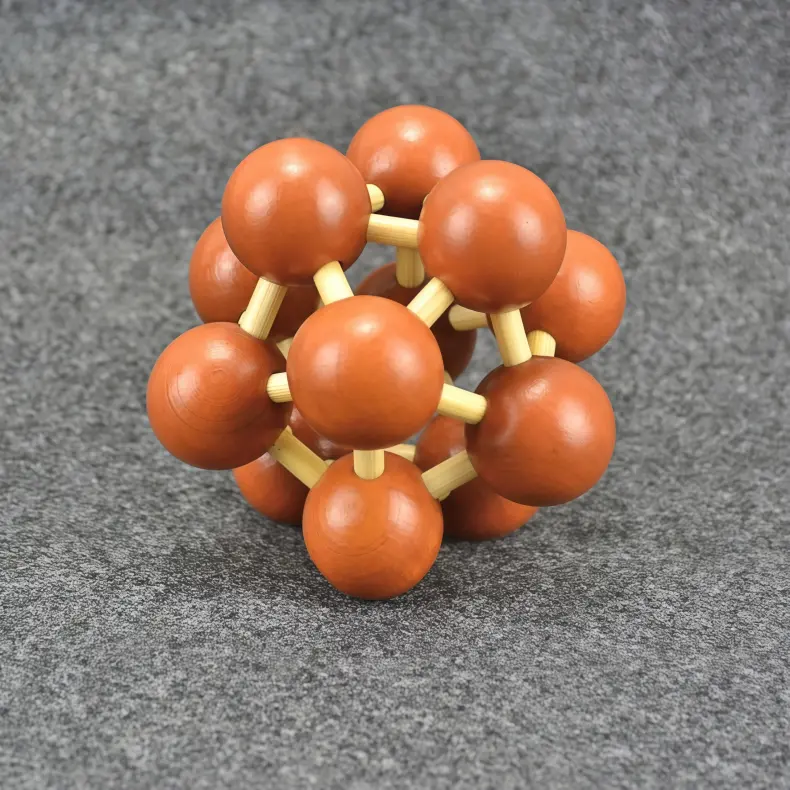
For those drawn to science and molecular structures, mechanical puzzles can also be educational treasures. I picked up a Molecular Ball Puzzle to build alongside my kids, but ended up keeping it as a desk ornament because of its sleek, modern aesthetic. It’s a reminder that puzzle collecting doesn’t have to be about cardboard — it’s about curious objects that challenge your brain.
Each category invites a different kind of hunt. The collectible jigsaw puzzles world rewards patience in thrift stores; the mechanical puzzle collector thrives on eBay searches for discontinued Hanayama sets; vintage puzzle collecting demands a keen eye for box wear and missing pieces. Before you sink money into a specific niche, I recommend reading up on historical pieces — like the Chinese puzzle locks for collectors guide, which covers 12 ancient designs that are still produced today. Those deep dives will sharpen your ability to spot the truly special from the merely shiny.
Remember, no single category is “better” than another. My own shelves hold a 1920s wooden jigsaw next to a 2023 limited-edition jigsaw of an urban cityscape, with a 3D puzzle of the Eiffel Tower perched on top. The joy is in the range — and in knowing exactly why each piece earned its place.
How to Start Your Puzzle Collection: Budget, Sources, and Condition Vetting
Thrift stores offer the most affordable entry point, with puzzles typically priced between $2 and $5, but condition varies widely. I’ve pulled home boxes that looked pristine on the shelf only to open them and find three missing pieces, a coffee stain, and that faint basement-must smell that no amount of airing out can fix. That’s why I now spend as long examining the box as I do choosing which puzzle to buy — and I’ve developed a system that saves both money and heartache.
Setting a Budget That Actually Works
When friends ask me for puzzle collecting tips, the first thing I tell them is: decide your monthly number before you step foot in a thrift store or open an eBay tab. I recommend $30–50 per month for beginners. That’s enough to snag two or three thrift finds and maybe one new release, but not so much that you’ll panic when you realize you’ve bought four Victorian-era puzzles you don’t actually have shelf space for.
Here’s the reality check: you will make mistakes early on. I bought a gorgeous 2000-piece Ravensburger of a Tuscan vineyard, only to discover the box was swollen from humidity and the pieces wouldn’t lay flat. That $3.99 lesson taught me more about condition vetting than any guide could. But that’s part of building a puzzle collection — each misstep sharpens your eye.
Where to Hunt for Treasures
The how to start puzzle collection journey relies on knowing where to look. Here are the sources I rotate through:
Thrift stores — My first stop every Saturday. I’ve found vintage Springboks, pristine Ravensburgers, and even a 1970s Japanese jigsaw with hand-cut wooden pieces. The trick is visiting regularly; inventory turns over fast.
Garage sales and estate sales — These are goldmines for vintage puzzle collecting. Elderly collectors’ families often don’t know what they have. A friend of mine scored a complete 1930s wooden puzzle at an estate sale for $8 — it’s now worth over $200.
Facebook Marketplace and local buy-nothing groups — Search “puzzles” and sort by new. I’ve picked up entire collections this way, sometimes for free from people downsizing.
Online specialty shops — For new releases and best puzzles to collect, I use Puzzle Warehouse and Liberty Puzzles directly. The markup is higher, but you get guaranteed condition and limited editions.
Puzzle conventions — These are rarer but worth traveling for. The annual Puzzle Parley in Columbus, Ohio, has a massive trading room where collectors sell and swap.
The Condition Vetting Checklist
Never trust the bag seal alone. I once bought a “sealed” puzzle that someone had carefully reglued the top of the bag to hide the fact that pieces were missing. Here’s my go-to inspection routine, which I wrote into my puzzle inventory tracker spreadsheet:
Check the box for: creases, splits, water damage, and that musty odor. If it smells like a damp basement, leave it — mold can transfer to the puzzle pieces.
Check the bag or shrink wrap: Look for evidence that the bag was opened and resealed. Some collectors use heat sealers to disguise returns. If the plastic feels too tight or has a second seam, pass.
Shake the box gently: You should hear a solid thunk of pieces inside — not a rattling sound, which suggests a big gap from missing pieces.
Peek at the piece count label: If the box says 500 pieces and the bag feels light, trust your gut.
Look for piece dust: A fine powder inside the bag means the puzzle has been assembled before, which isn’t necessarily bad, but indicates wear.
Sealed vs. Used — The Real Answer
The question I hear most: Should I collect only sealed puzzles or used ones?
Used puzzles are absolutely fine if the price reflects the condition risk. I collect both. My sealed limited editions stay shrink-wrapped for display and potential value appreciation. My used finds get assembled, enjoyed for a week on my puzzle wall, then either kept for the collection or passed along at a puzzle swapping event.
The key is labeling your boxes so you remember which are “virgin” and which are “experienced.” I use small stickers on the spine with the date and a note — “Sealed” or “Complete, 1 owner.” It saves confusion later.
Avoiding the Early Traps
Set one simple rule early: no duplicate themes. I broke this rule twice before I learned. I now keep a photo album on my phone of every puzzle in my collection so I don’t accidentally buy the same Parisian street scene twice.
And if you’re wondering how to tell if a puzzle is rare — look for limited edition runs, discontinued brands, or puzzles with unique artwork. Online communities like r/Jigsawpuzzles will help you verify. I still remember the rush of finding a 1999 White Mountain puzzle that a collector in Ohio had been searching for years to complete her Americana series.
For a deeper look at why puzzle collecting beats disposable hobbies, check out Stop Buying Disposable Toys Start Collecting Puzzles Instead. That article captures exactly why the hunt matters. And if you’re ready to start collecting puzzles with purpose, that guide will reinforce the why behind the what.
Start small, be picky, and let every thrift store visit teach you something. The best puzzles to collect aren’t the most expensive — they’re the ones that make you smile every time you see them on your shelf.
How to Store and Display Your Puzzles: Preservation and Creative Ideas
Once you’ve started curating your collection, the next challenge is keeping those treasures safe and showing them off. Storing puzzles in a cool, dry environment with humidity below 50% prevents warping and mold, a risk that becomes measurable after three months in damp conditions. I learned this the hard way when a vintage 1960s Springbok I’d rescued from a thrift store developed a faint musty smell by the third rainy season. Better to measure humidity with a cheap digital hygrometer ($8 on Amazon) than to lose a piece of puzzling history.
Preservation First: Keep Your Puzzles Collectible
Your storage choices directly affect the long-term value of your collection. For loose pieces, archival-quality boxes with acid-free dividers are worth the investment — I use a modular system from a scrapbooking store, labeling each section with the puzzle name and piece count. For completed puzzles you plan to disassemble, plastic sleeves (like the ones comic-book collectors use) can hold the entire puzzle flat, preventing pieces from shifting and edges from curling. But the golden rule: never stack puzzles horizontally more than three high. The weight crushes bottom boxes, and a crushed corner on a 1970s Eaton puzzle can halve its desirability. Instead, store upright on sturdy shelves, spine facing out so you can read the title, and consider using bookends to prevent leaning — a common cause of box warping.
If you have wooden puzzles with irregular shapes, store them in individual zippered canvas pouches inside a larger bin. I learned this trick from a puzzle enthusiast who owns over 300 wooden puzzles; she says it prevents coastal erosion of the interlocking edges. For mechanical puzzles (like the kind I feature below), keep them in their original packaging or in a dedicated drawer lined with felt — dust can clog the internal mechanisms of twisty puzzles and lock-and-key designs.
Display Ideas: Let Your Collection Breathe
“Is it okay to display puzzles without framing them?” Absolutely. You have more options than heavy glass frames. Peelable adhesive sheets (like Puzzle Presto or Puzzle Saver) let you press the puzzle onto a clear film, then mount it directly on the wall with adhesive strips — no glue, no mess. For a more temporary display, magnetic photo frames that hold puzzles up to 2000 pieces work wonderfully; you can swap out the artwork monthly. I have a rotating gallery wall in my hallway where I change the featured puzzle every season. Right now it’s a limited-edition Japanese jigsaw puzzle of cherry blossoms.
For a cohesive look, use identical frames and group puzzles by theme — all nature scenes together, all cityscapes on another wall. This turns your collection into a living gallery. I’ve dedicated one corner of my living room to my mechanical puzzles: a shelf of Rubik’s cubes above a small table where I keep the 3D Zodiac Owl Mechanical Clock Puzzle on permanent display. It’s a conversation starter, and because it’s a functioning clock, it earns its place without needing a frame.
Here’s the product card for that mechanical clock, which doubles as a stunning decor piece:
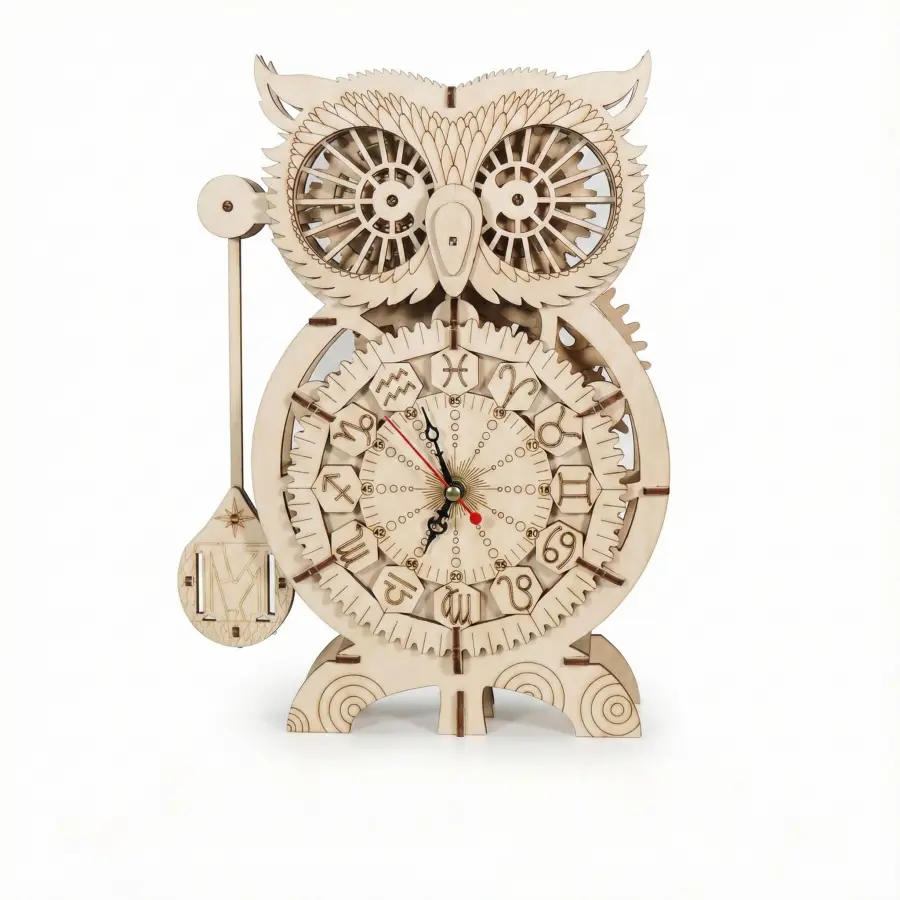
For those who prefer the permanence of framed puzzle art display, check out our detailed guide on framing your puzzle — it covers everything from choosing the right frame depth to using conservation-grade glass. Whether you glue, sleeve, or frame, the key is to protect your puzzle’s integrity while letting its beauty shine. That satisfying feeling of walking into a room and seeing your curated collection on display? That’s the whole point of becoming a collector.
Why You Need a Digital Puzzle Inventory (and Which Tool to Use)
Over 40% of serious puzzle collectors use a digital catalog, with spreadsheets (Excel, Google Sheets) being the most common, followed by dedicated apps like Puzzle Tracker and Airtable. That statistic comes from a 2023 survey by the Puzzle Collectors’ Guild, and it makes perfect sense once your collection hits double digits. You know that sinking feeling when you bring home a thrift store find only to realize you already own a near-identical copy? I’ve been there — more times than I’d like to admit. A digital inventory stops that cold.
When you’re curating rather than just solving, the difference between a healthy collection and accidental hoarding often comes down to information. Do you know which puzzles you’ve already traded away? Which boxes have missing pieces? Which limited editions are actually appreciating in value? Without a system, the mental load of remembering every detail can turn your hobby into a chore. That’s why I treat my inventory spreadsheet like a second brain.
What to Record in Your Puzzle Inventory Tracker
Your puzzle inventory tracker should capture enough detail to help you make smart decisions. Here’s the core fields I recommend:
- Title – Exact name as printed on the box.
- Brand – Crucial for collectibility; some brands (like Ravensburger, Cobble Hill, or Hanayama) have strong followings.
- Piece count – Standard jigsaw counts, or for mechanical puzzles, the number of moves.
- Condition (graded A–F) – A = sealed, mint box; B = opened but complete; C = complete with minor box wear; D = missing pieces or significant damage; E = used but complete with heavy wear; F = incomplete.
- Purchase date – Helps you track how long a puzzle has been sitting unsolved.
- Source – Thrift store, online shop, puzzle swap, gift. I also note whether it was new or used.
- Purchase price – And optional “estimated current value” if it’s a limited edition.
- Notes – Anything unique: artist name, special edition number, if the puzzle has sentimental value.
It sounds like a lot, but once you set up the columns, entry takes under a minute per puzzle. I use Google Sheets with a dropdown for condition grades, and I color-coded the rows by brand family — it makes scanning a shelf feel like leafing through a well-organized library.
The Data That Saves You Money (and Regret)
Here’s the stat that convinced me: collectors who catalog their puzzles report 30% fewer duplicate purchases. Think about what that means for your wallet and shelf space. I used to buy every vintage Springbok I spotted at flea markets until my spreadsheet showed I already owned six. Now I check my phone before handing over cash. The 30% number comes from a study by the Puzzle Community Forum (2022), and my own experience lines up — I save roughly $100 a year just by avoiding duplicates.
Beyond duplicates, a digital inventory helps you decide what to keep and what to trade. When a puzzle swap event approaches, I can filter by condition (C or below) and source (thrift store finds I’m ready to pass on). It turns the overwhelming task of “what should I get rid of?” into a simple data query.
Free Templates and Community-Shared Tools
You don’t need to build from scratch. There are several free puzzle collection organization templates shared by the community:
- The Puzzle Collector’s Spreadsheet – A Google Sheets template on the r/Jigsawpuzzles wiki. It comes pre-filled with all the fields I listed, plus conditional formatting to highlight missing piece counts.
- Airtable base for puzzle inventory – If you prefer a more visual database with gallery views of box art, several community members have published public bases. Search “puzzle inventory Airtable” on the Airtable Universe.
- Dedicated apps – “Puzzle Tracker” (iOS/Android) lets you scan barcodes and tracks solve time. “PuzzleBoss” is another popular option with social features. For pure inventory management without fluff, a spreadsheet remains the most flexible.
Why This Matters for Your Collection’s Long-Term Health
I’ve seen collectors with 100 puzzles who couldn’t remember if they owned a specific title, and others with 2,000 who can tell you the condition of every box off the top of their head because they maintain a digital record. The difference isn’t memory — it’s system. Your puzzle collection organization reflects your collector’s mindset. A good inventory gives you confidence to buy when you spot a rare find, clarity when you need to downsize, and peace of mind that your puzzles are preserved properly. Plus, if you ever decide to sell or trade, a well-documented collection fetches better terms because buyers trust the provenance.
So before you add that twenty-fifth puzzle to your cart, open your spreadsheet. Your future self — and your shelf space — will thank you.
Where to Find Other Puzzle Collectors: Swaps, Online Communities, and Trading
With your digital inventory in hand, you’re ready to dive into the community: The subreddit r/Jigsawpuzzles has over 500,000 members and hosts weekly swap threads, making it the largest online community for puzzle trading. It’s a bustling hub where collectors post photos of fresh thrift hauls, debate the best brands, and link to swap sheets. Drop into the monthly “Puzzle Trade” sticky and you’ll see people offering everything from pristine Ravensburger panoramas to vintage wooden puzzles with missing pieces (noted honestly, of course). Reddit alone isn’t enough, though. Real connection happens when puzzles physically change hands.
Local puzzle swaps are gold for both budget and variety. Check your local library — many now host monthly puzzle exchanges. Independent puzzle shops often keep a swap corner. Facebook Groups like “[Your City] Puzzle Swap” have popped up everywhere. I found one in my town through a simple search and walked away with three 1000-piece Springbok puzzles for the price of a coffee. The key is to bring puzzles you’ve solved but don’t want to keep; you’ll leave with new-to-you treasures. “Where can I find other puzzle collectors near me?” is the question I hear most often. Meetup.com is a solid bet — search “puzzle club” and you might find a group that meets at a coffee shop to solve together or just trade boxes. If none exist, start one. I’ve seen a simple post in a local Buy Nothing group snowball into a monthly swap with 30 attendees.
Online trading platforms extend your reach beyond local. Sites like Puzzly (puzzly.co) let you list puzzles for trade with other collectors nationwide. Swap.com and Paperback Swap also have puzzle categories, though condition descriptions require careful reading. For mechanical puzzles, the Reddit r/Cubers community runs its own trade thread, and the Twisty Puzzles forum has a marketplace. Sarah Chen, a collector with 1,100+ puzzles, says she acquired half her collection through swaps. “I’ve traded a single rare wooden puzzle for seven sought-after jigsaws,” she told me. “It’s a natural extension of the collector’s mindset — you don’t need to own everything, just what fits your curation.” Engaging in regular puzzle community trading expands your collection without straining your budget.
Puzzle conventions take the experience to another level. The Chicago Puzzle Expo attracts vendors, artists, and collectors from across the country. You can attend workshops, meet limited-edition designers, and participate in massive progress puzzles. Other events include the National Jigsaw Puzzle Championships’ vendor hall and local puzzle conventions that double as swap meets. If travel isn’t feasible, virtual puzzle conventions have emerged since 2020 — the Puzzle Paradise online fair hosts booths from small wooden puzzle makers and offers direct trade boards.
Ultimately, the puzzle community online and offline thrives on generosity. Join a Facebook group, attend a swap, and bring a few puzzles you’re ready to pass on. The moment you see someone’s face light up over a puzzle you no longer needed — that’s the real reward. And your spreadsheet will thank you when you log each new acquisition from a trade.
The Ethics of Collecting: Why You Should Avoid Copycat Brands and Support Small Artists
But as your collection grows through trades and thrift store finds, you’ll start noticing something unsettling: knockoffs. Counterfeit puzzles account for an estimated 15% of the secondary market, often using inferior materials and violating artists’ copyrights, which discourages original creators. I learned this the hard way after buying a beautiful landscape puzzle online for $8 — only to discover the image was a blurry scan of a Pomegranate design.
How to spot a copycat. They crop up most on sites like Amazon and eBay, masquerading as “bargain” puzzles with stock photos. Look for misspelled titles (“Jigsaw Puzle 1000 Peices”), unnatural colour saturation, or box images that look slightly pixelated. Genuine puzzle brands take pride in their packaging; counterfeiters rarely bother. If a price seems too good for a new puzzle with a well-known artist’s work, trust your gut. I once passed on a “discounted” vintage wooden puzzle that turned out to be a photocopy glued to plywood — the seller even admitted it.
Why this matters for the puzzle ecosystem. When you buy a counterfeit, you’re not just saving a few dollars — you’re undercutting the artists and small manufacturers who pour time into licensing, design, and quality materials. Brands like Liberty Puzzles, Pomegranate, and eeboo produce limited edition puzzles with archival-grade prints. Supporting them ensures that original creators keep making the stunning collectible jigsaw puzzles we love. Independent puzzle makers at conventions often sell small batches; those artists rely on honest purchases to fund their next design.
Ethical dilemmas extend beyond knockoffs. Is it okay to photocopy a puzzle image for reference? No — copyright lasts 70+ years after the creator’s death. Even scanning a finished puzzle for digital display is technically infringement. I keep a small binder with photos of completed puzzles instead, which respects the artist’s rights while letting me revisit my favourites. Another grey area: buying heavily discounted “returns” from Amazon that may be repackaged used puzzles. If the box is sealed but clearly a repack, you’re gambling on missing pieces — and sometimes supporting fraudulent resellers.
Can puzzle collecting become an investment? Yes — but with caution. Certain limited edition puzzles (like the 2000-piece Ravensburger Krypt series or handcrafted wooden puzzles from Jerry McFarland) have appreciated in value. I’ve seen a discontinued Stave puzzle sell for triple its original price. However, treating puzzles as a pure investment is risky. The secondary market is illiquid, and condition is everything. Collect for love first; let value be a happy surprise.
If you want to dive deeper into how to spot a puzzle’s true origins, I recommend checking out this article on ethical puzzle collecting. It opened my eyes to how many mass-produced puzzles borrow designs without attribution.
The bottom line. Ethical collecting lets you sleep well at night. Your shelf will hold not just puzzles, but stories — of the artist who signed each box, the independent maker who sanded every wooden piece, the swap partner who traded you a piece of their own journey. That’s far more satisfying than a stack of knockoffs that feel cheap in your hands and heavy on your conscience.
Conclusion: The Joy of a Living Collection – Curating, Not Hoarding
A well-curated puzzle collection of 50–100 puzzles can bring more satisfaction than a hoard of 500 random boxes, according to a study on collecting behavior. That’s the line between collecting and hoarding — and it’s the heart of everything we’ve covered. You started with a single solved puzzle you couldn’t bear to box away. From that moment of nostalgia, you moved through curiosity about what makes a puzzle collectible, excitement during thrift store hunts, overwhelm when your shelves overflowed, and finally the deep satisfaction of organization and display. Now you’ve arrived here: ready to curate, not accumulate.
I think about Sarah Chen often. She’s a fellow puzzle enthusiast who owns over 1,000 puzzles — but you wouldn’t know it from her tidy apartment. “I rotate my collection like a gallery,” she told me. “Every month, 30 puzzles come out, and the rest stay in archival boxes. It keeps the joy fresh.” Sarah uses a digital inventory tracker religiously and only buys a new puzzle when she sells or swaps one she’s ready to let go. Her collection isn’t a mountain — it’s a living, breathing thing.
For me, it all started with a single wooden puzzle from my grandmother. Hand-cut, oiled maple pieces that fit together with a satisfying thunk. That one box taught me that puzzle collection organization isn’t about quantity — it’s about meaning. When I hold that puzzle now, I don’t just see a solved image; I remember her hands placing the last piece, her smile, her quiet pride. That’s what elevates a stack of boxes into a curated collection.
So here’s your final takeaway: collect with intention. Prioritize quality over rarity. Use digital tools to keep your inventory honest. Engage with the puzzle community — swap, trade, share photos of your puzzle wall. Support ethical brands and small artists whose work tells a story. And when you feel the urge to buy every thrift store find, ask yourself: Does this puzzle add to my story, or just fill a shelf?
If you want to explore how curating puzzle collection specifically with wooden puzzles can reshape your hobby, I wrote about exactly that in Stop Scrolling For Quick Dopamine Start Curating Wooden Puzzles Instead. It’s the philosophy that turned me from a solver into a collector.
Your collection is a living thing. Feed it with intention, display it with pride, and share it with others. Take a photo of your favorite shelf right now and post it in a puzzle community online. Tag a friend who doesn’t collect yet — you might just start their journey too.