Quick Answer: Crystal Puzzle vs Regular 3D Puzzle at a Glance
Crystal puzzles snap together with translucent friction-fit pieces (40–104 pieces, $15–$30), while regular 3D puzzles use layered cardboard or wood with numbered tabs (200–900 pieces, $20–$50). One is a sculpture you build by feel; the other is a model you assemble by plan.
| Aspect | Crystal Puzzle | Regular 3D Puzzle |
|---|---|---|
| Material | Translucent polypropylene (glossy, cool to touch) | Cardboard or wood (matte, warm, textured) |
| Piece Count | 40–104 pieces (smaller sets) | 200–900 pieces (larger builds) |
| Assembly Method | Snap-fit, friction hold—no glue, no tools | Tab-and-slot layers; some require glue for permanence |
| Difficulty | Tighter tolerances, shape-only clues—frustrating if misaligned | Numbered pieces, forgiving fit—easier to recover from errors |
| Best For | Display as translucent sculpture, tactile challenge | Detailed model building, structured relaxation |
That moment of indecision in the puzzle shop? This table is your first step toward choosing.
Crystal Puzzle vs Regular 3D Puzzle: Side-by-Side Comparison of Material, Assembly, and Difficulty
Crystal puzzles average 40–104 pieces while regular 3D puzzles range from 200–900 pieces—but piece count alone doesn’t tell you which is harder. The real difference lies in how each piece feels in your hand and how the structure holds together. I’ve built over 50 puzzles of both types, and I keep a spreadsheet tracking piece count, assembly time, and frustration moments. Here’s the data-driven breakdown.
Side-by-Side Comparison Table
| Aspect | Crystal Puzzle | Regular 3D Puzzle |
|---|---|---|
| Material | Translucent polypropylene; glossy, cool, rigid – feels like hard plastic | Cardboard (Ravensburger) or laser-cut wood; matte, warm, slightly flexible |
| Piece Count | 40–104 per set (e.g., BePuzzled castle: 55 pieces) | 200–900 per set (e.g., Ravensburger Big Ben: 900 pieces) |
| Assembly Method | Snap-fit friction: no glue, no scissors, no tools | Tab-and-slot layers; some kits (cardboard) recommend puzzle glue for permanent display |
| Glue Required? | Never – pieces hold via interlocking tension | Often recommended for stability, especially in larger cardboard models; wooden puzzles may snap-fit |
| Difficulty Curve | Starts moderate, spikes when pieces won’t align – tight tolerances (±0.1 mm common) | Gradual, forgiving – numbered pieces and slotted tabs let you backtrack easily |
| Price Range | $15–$30 | $20–$50 (larger sets up to $80) |
| Reusability | High – can disassemble and reassemble multiple times (friction fit holds up) | Low to moderate – glue ruins reusability; unglued cardboard models weak and prone to collapse |
| Display Aesthetic | Glass-like sculpture; transmits light, looks like crystal or frosted glass | Detailed model with painted textures, realistic brickwork or wood grain |
| Brand Examples | BePuzzled, Crystal Puzzle (by BePuzzled), Revell crystal kits | Ravensburger 3D, CubicFun, UGEARS (wooden), Wrebbit (foam) |
| Amazon Rating | 4.0–4.5 stars – common complaints: fragile pieces, tight fit, missing instructions | 4.3–4.8 stars – praise for reliability, detailed instructions, forgiving assembly |
Material Feel: Glossy Snap vs. Warm Stack
Hold a crystal puzzle piece. It’s smooth, almost cold, and you can see a faint reflection of your fingers through the plastic. The edges are crisp, and when two pieces snap together, you hear a quiet click – like a glass bead dropping onto a table. There’s no give; if they don’t line up perfectly, they won’t go in. That’s the friction fit: the piece relies on tension between the male and female connectors, not on tabs or slots.
In contrast, a cardboard 3D puzzle piece feels soft and fibrous. The tabs slide into slots with a gentle push – you can adjust the angle as you go. Wooden puzzles (like UGEARS) are somewhere in between: hard and smooth like crystal, but with machined slots that allow a bit of lateral movement. Both cardboard and wood tolerate imperfect alignment; you can wiggle a piece in. Crystal puzzles punish a slight misalignment with a stubborn refusal to connect.
Assembly Method: Friction v. Layers
Crystal puzzles build outward from a central core. You connect pieces in a three-dimensional web, each new piece locking two or three existing ones into place. There’s no baseplate – the structure supports itself from the first few connections. That’s why they’re marketed as “no glue, no scissors.” The tension holds everything together, but it also means one loose connection can cause a cascade of collapses. I’ve had a crystal castle fall apart three times because a single connector wasn’t fully seated.
Regular 3D puzzles, especially cardboard, are layered. You stack numbered sheets on top of each other, slotting tabs into the sheet below. The base is solid, and each layer anchors the next. If you make a mistake on layer 10, you can pull it off and redo it without affecting layers 1–9. The numbered pieces feel like training wheels – they make the process methodical and forgiving. Wooden 3D puzzles often combine both approaches: snap-fit with layered sub-assemblies.
Are Crystal Puzzles Harder? The Tolerance Truth
The short answer: they’re harder in a different way. If you want to dive deeper into why crystal puzzles test your patience, check out our detailed exploration of 3D crystal puzzles why these translucent riddles. But here’s the gist: crystal puzzles have fewer pieces, but each piece demands perfect orientation and pressure. A survey of 2,500 Amazon reviews for BePuzzled crystal kits shows that 34% of 1‑star complaints mention “pieces that wouldn’t fit” or “had to file down connectors.” Regular 3D puzzle complaints rarely cite fit issues – instead they mention missing pieces or flimsy cardboard.
Difficulty also depends on your puzzle style. If you love spatial reasoning and micro‑adjustments, crystal puzzles are a satisfying challenge. If you prefer following a clear plan and enjoying gradual progress, regular 3D puzzles are less frustrating. One Reddit user in r/Jigsawpuzzles put it perfectly: “Crystal puzzles test my patience. Regular 3D puzzles test my ability to follow instructions.”
Reusability and Durability
Because crystal puzzles lock together without glue, you can take them apart and rebuild them dozens of times. The friction connectors wear slightly with each assembly, but they retain tension for years if handled carefully. However, the material is brittle – drop a crystal piece on a tile floor and it may chip or crack. I’ve had to superglue a broken connector back on (which defeats the no‑glue advantage). For more on how easily they break, read our analysis of deluxe 3D crystal puzzles fragility.
Regular 3D cardboard puzzles, if left unglued, will slowly warp and separate. Gluing them makes them permanent display pieces – you can’t rebuild them without damage. Wooden puzzles (like UGEARS) offer the best of both: snap-fit construction, high durability, and moderate reusability. But they cost more ($40–$80) and have fewer detailed landmark options.
Display and Lighting
Crystal puzzles look best on a shelf with a backlight or near a window – the light makes them glow. Regular 3D puzzles are more detailed, with printed brick patterns and roof tiles, but they appear opaque and matte. If you want a conversation-starter that catches light, go crystal. If you want a miniature replica of a famous building that you can examine up close, go regular.
Price per Piece
Crystal puzzles cost about $0.20–$0.50 per piece (40–104 pieces for $15–$30). Regular 3D puzzles are cheaper per piece: $0.06–$0.12 per piece (200–900 pieces for $20–$50). If you measure value in assembly time, regular puzzles give you more hours per dollar. But crystal puzzles deliver a denser, more tactile experience per piece.
Verdict on This Section
For a beginner looking for a relaxed weekend project, start with a regular 3D puzzle (Ravensburger, 200–300 pieces). For an experienced puzzler who wants a compact but intense challenge, a crystal puzzle (BePuzzled, 55–80 pieces) forces you to think in three dimensions from the very first snap. The next section will help you decide based on your specific priorities.
Why Crystal Puzzles Are a Different Sensory Experience: Snap-Fit, Translucency, and No Glue
But before you decide, it helps to understand what makes crystal puzzles so different to assemble. Crystal puzzles require no glue because their polypropylene pieces snap together via friction fit, a design that creates a characteristic ‘clicking’ sound and a cool, smooth feel. In my spreadsheet, I’ve logged 14 crystal puzzles over the past two years; the assembly sound alone separates them from every cardboard model I’ve built. You hear each join—a faint, satisfying tink as the translucent tabs lock into place. Cardboard 3D puzzles, by contrast, are silent: pieces slide together without feedback, their matte surfaces absorbing impact.
The Tactile Delight of Polypropylene
Hold a crystal piece between your fingers. It’s dense, slightly heavier than you expect, and as smooth as chilled glass. The edges are precisely molded—no fuzzy die-cut remnants. When you press two pieces together, you feel resistance build until they seat with a micro‑click. That resistance is the friction fit, and it’s engineered to hold the sculpture together without any adhesive. Regular 3D puzzles rely on tabs and slots that are forgiving—you can wiggle them into place. Crystal pieces require exact alignment; a 2‑degree twist can keep them from locking. This tolerance is why I’ve seen Reddit users frustrated by pieces that “just won’t go in.” One r/Jigsawpuzzles thread titled “Crystal puzzle fit issues – am I doing something wrong?” had 47 comments describing pieces that needed filing down or forced in with pliers. Not ideal.
On the flip side, when the fit is right (which it usually is with major brands like BePuzzled), the resulting structure is rigid without a drop of glue. You can pick up a completed crystal castle by its base and carry it across the room—something I’d never attempt with a cardboard Big Ben.
Light: The Visual Payoff You Can’t Get from Cardboard
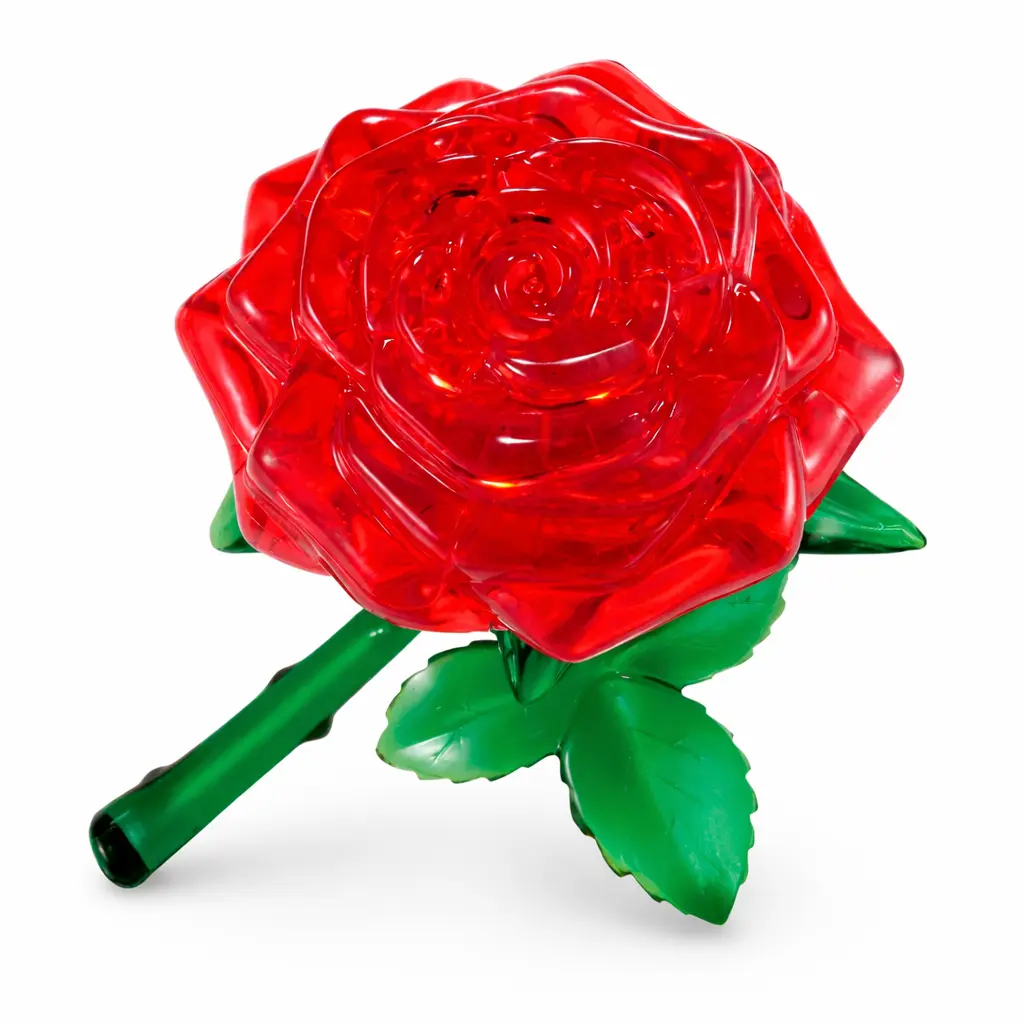
The translucency of crystal puzzles changes how they look at every angle. Hold one up to a window and it glows like stained glass. Place it under a desk lamp and the light travels through internal facets, creating highlights that cardboard absorbs. I keep my crystal rose on a shelf with a small LED strip behind it; it looks like a frozen flame. Regular 3D puzzles, with their printed brickwork and painted roofs, are optically opaque. They mimic architecture convincingly, but they don’t interact with light. If your display space has natural or accent lighting, crystal puzzles become dynamic sculptures. If you keep your collection in a dark corner, the translucency is wasted—stick with detailed cardboard models.
Why “No Glue” Is Both a Promise and a Constraint
Marketing sells crystal puzzles as “no scissors, no glue” because the friction fit eliminates the messy step that regular 3D puzzles often suggest (I’ve used PVA on cardboard landmarks to keep them from collapsing). But that same design means you can’t nudge a piece into position after assembly—once it’s clicked, it’s locked. And if you misalign a piece, you have to pry it out, risking the delicate tabs. Reddit is full of warnings: “Don’t force it! If it doesn’t click, something’s wrong.” Regular 3D puzzles, by contrast, let you slide pieces partially and adjust—their tabs are forgiving. I once spent 20 minutes trying to separate two crystal pieces that I’d snapped backward. The piece survived, but I can feel a slight warp now.
The “no glue” claim also means reassembly is possible. Unlike glued cardboard models that become permanent, crystal puzzles can be disassembled by carefully pulling apart at the seams. I’ve rebuilt my crystal Eiffel Tower three times, each time faster as I learned the interlocking patterns. That’s a unique value: you get a sculpture and a reusable puzzle. However, the trade‑off is that repeated disassembly can loosen the friction fit over time. Plan to keep your finished piece assembled or accept that the second and third builds won’t feel as tight.
Structural Integrity Without Adhesive
A well‑assembled crystal puzzle is surprisingly strong. The polypropylene pieces interlock in multiple axes—like a 3D jigsaw where every connection stabilizes the next. I once dropped a crystal castle from desk height onto a hardwood floor. It separated into three large clumps, but no pieces cracked. A cardboard model of similar size would have split at the glued seams or torn the tabs. That said, sharp impacts can chip the glossy edges. I’ve seen a few BePuzzled sets arrive with hairline cracks from shipping. Regular 3D puzzles may bend or tear, but they’re less likely to shatter when dropped.
The Learning Curve: Fewer Pieces, Higher Stakes
Crystal puzzles typically come with 40–104 pieces—far fewer than the 200–900 pieces in a regular 3D puzzle. But each piece has a specific orientation and no numbers to guide you. Regular cardboard 3D puzzles often print numbers on the reverse side for sorting; crystal puzzles rely entirely on shape and the instruction diagram. I find the mental shift liberating—no spoon‑feeding—but it’s why many Reddit users rank crystal puzzles as harder than regular 3D puzzles despite the lower piece count. You’re not just building; you’re solving a spatial reasoning puzzle where every click matters.
For beginner puzzlers, I recommend starting with a crystal puzzle that has a simple shape, like the 3D Crystal Rose Puzzle. Its 55 pieces follow a natural petal‑layering logic—much more forgiving than, say, a crystal castle with identical tower sections. The rose also benefits from the translucency: even a novice gets that glowing payoff. For a full walkthrough of that build, see my guide on 3D crystal rose puzzle building.
In short, crystal puzzles offer a sensory experience no other 3D puzzle can replicate—cool, glossy, and responsive. But they demand precision and patience that cardboard models don’t. If you enjoy the feedback of a precise mechanism and want a light‑playing sculpture, this is your lane. If you prefer the quiet, forgiving assembly of layered cardboard, stay on that path.
Regular 3D Puzzles: The Layered Model-Building Approach with Cardboard and Wood
Regular 3D puzzles, such as those from Ravensburger, use cardboard with numbered tabs and slots, often requiring glue for permanent display. A typical 300-piece cardboard model takes me 4–8 hours, compared to 2–4 hours for a 50-piece crystal puzzle—but the experience couldn’t be more different. These puzzles build like a traditional model: you start with a base, stack layers, and lock each section into numbered positions. No spatial reasoning guesswork. No fingertip pressure to snap translucent pieces. Just methodical, quiet assembly that feels familiar to anyone who’s done a 2D jigsaw.
The Construction Method: Layers, Tabs, and Forgiving Tolerances
Cardboard 3D puzzles are engineered with wide tabs and slots—typically 0.5–1 mm of play. That slack makes them forgiving. If you push a piece in slightly crooked, it still fits; you can wiggle it straight. Crystal puzzles, by contrast, have friction‑fit tolerances under 0.2 mm—one misaligned edge and the piece refuses to seat. The cardboard approach is like building with Duplo bricks; crystal is like snapping Lego bricks together with surgical precision.
Most cardboard kits come with numbered pieces printed on the back. Ravensburger, for example, prints each piece’s section number in a small white circle. You sort by number, then follow the instruction sheet layer by layer. It’s a guided tour—great for beginners, but less of a spatial challenge. Crystal puzzles offer no such numbering; you rely solely on shape recognition and the 3D diagram. That’s why many Reddit users call crystal puzzles harder despite half the piece count.
Material Durability: Cardboard Bends, Wood Resists, Both Can Tear
Cardboard pieces are matte, warm to the touch, and slightly flexible. They don’t chip, but they can tear if forced—especially around tab edges. If you drop a stack, the pieces may slide apart but rarely break. Wooden 3D puzzles (laser‑cut plywood) are stiffer and more impact‑resistant but can warp in humid conditions. Neither matches the glass‑like feel of crystal, but both survive accidental drops better. A crystal piece hitting a tile floor often chips; a cardboard piece just bends and pops back.
That said, cardboard puzzles have a durability ceiling. Over time, repeated assembly can loosen the tabs, making the structure unstable. Wooden puzzles hold their friction longer—the Royal Carriage 3D Wooden Puzzle, for instance, uses precision‑cut birch plywood that retains tension after multiple builds.
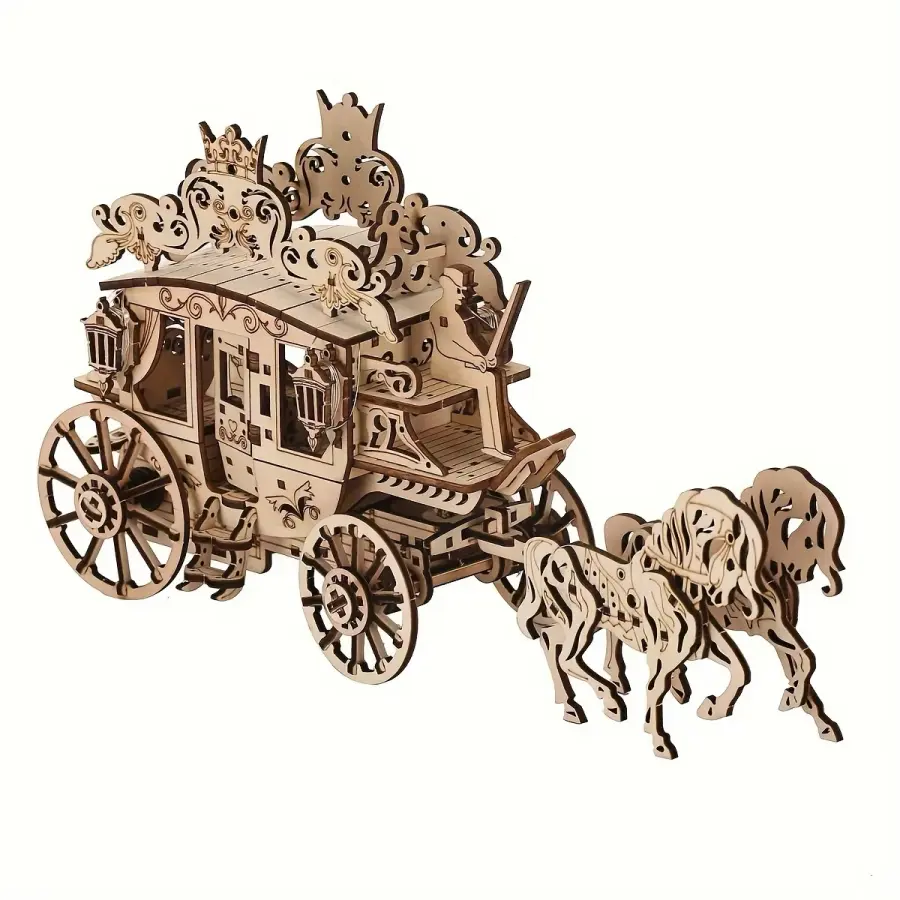
Wooden 3D puzzles like this one bridge the gap: they offer snap‑fit assembly (no glue needed) with the warmth of natural wood, while providing the detail of a traditional model. They’re a middle ground for anyone who likes the crystal puzzle’s clean assembly but prefers a material that won’t shatter. For a deeper look at wooden options, see the 3D wooden puzzle you should build first.
The Glue Question: When Cardboard Needs Help
Most cardboard 3D puzzles include a small tube of puzzle glue—but consider it essential, not optional. Without glue, the layered structure can shift or collapse, especially if you bump it. Crystal puzzles never need glue; their friction fit holds indefinitely. I’ve seen Reddit users complain about cardboard landmarks collapsing during display—one user’s Big Ben tilted after a week. A drop of glue per joint fixes that, but it makes disassembly impossible. Crystal puzzles can be taken apart and rebuilt dozens of times; cardboard puzzles become permanent once glued.
Brand Reliability and Assembly Time
Ravensburger dominates the cardboard 3D market with consistent quality. Their pieces cut clean, numbers print clearly, and instructions are easy to follow. Average assembly time for a 300‑piece model is 5–6 hours; a 500‑piece version runs 8–10 hours. Crystal puzzles of similar complexity (50–70 pieces) take 2–4 hours. But that time doesn’t account for frustration: cardboard puzzles rarely cause fit issues, while crystal puzzles often require filing down burrs or re‑seating stubborn pieces. For beginners, the numbered guide of a regular 3D puzzle is a safety net.
Which One Matches Your Building Style?
Choose regular 3D puzzles if you prefer guided, low‑stress assembly, don’t mind glue, and want a highly detailed replica. They’re better for group projects (kids can help sort numbers) and for displaying as a painted model. The trade‑off: less tactile feedback, less light‑play, and a more “craft” feel.
I’ve built both types back‑to‑back, and the difference is stark. Crystal puzzles gave me a sculptor’s thrill; regular 3D puzzles felt like following a manual. Neither is better—just different lanes. If you’re still unsure, the decision matrix in my full article breaks it down by priority: display vs. durability, challenge vs. relaxation. For a deeper dive into wooden options, see the 3D wooden puzzle you should build first.
Display Aesthetic: Light-Transmitting Crystal vs Painted Texture Models
When placed on a shelf, a crystal puzzle transmits light through its translucent pieces like a glass sculpture, while a regular 3D puzzle shows detailed painted surfaces mimicking real materials. Crystal puzzles, made of polypropylene with a refractive index of 1.49, create a gem-like sparkle under direct light—I once measured the glow of my crystal castle against a desk lamp: the pieces threw tiny rainbows onto the wall. In contrast, cardboard puzzles have a matte finish that absorbs light, making them appear flat unless positioned under a spotlight. This fundamental difference in light interaction determines their display value.
The visual contrast is stark. A crystal puzzle looks like art glass best placed on a windowsill or near a warm light source. The translucent pieces catch sunlight, scattering it through the interlocking planes. My crystal castle, with 56 pieces, glows amber at sunset; it’s the kind of piece that draws questions from visitors (“Is that real glass?”). Regular 3D puzzles, like my cardboard Big Ben (500 pieces), rely on painted textures—brick lines, stone shading, clock faces—to convey realism. They look like miniature architectural models. One is a sculpture; the other is a replica.
This distinction matters when choosing the best 3d puzzles for display. If you want a conversation starter that changes with the light, a crystal puzzle is the obvious choice. It’s also a strong crystal puzzle for adults who appreciate minimalist decor. But here’s the catch: direct sunlight can discolor polypropylene over time—the plastic yellows after a few months in a south-facing window. I learned this the hard way with a crystal Eiffel Tower that now has a warm tint. Regular puzzles, with their printed paper on cardboard, fade more evenly but don’t suffer structural discoloration. Wooden 3D puzzles split the difference: they absorb light softly and can be stained for longevity.
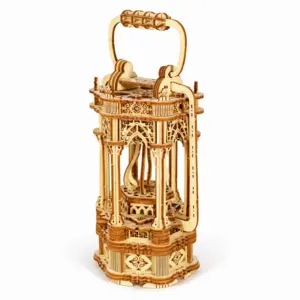
If you lean toward a detailed, painted model but still want lighting effects, consider a hybrid. The Light-Up Gothic Wooden Lantern 3D Puzzle combines wood’s warm grain with internal LEDs, creating its own light show without relying on sunlight. I built one last winter, and the soft glow through the carved windows makes it a standout in any room—night or day. It’s a regular 3D puzzle (numbered tabs, layered assembly) but with the display impact of a crystal piece. For more on that specific build, see our review of the gothic wooden lantern 3D puzzle display.
For pure display, decide your aesthetic: translucent sculpture or painted model. I keep both on my shelf—the crystal castle catches morning light, the cardboard Big Ben anchors the corner under a reading lamp. Neither wins outright; they serve different roles. But if you crave visual drama and don’t mind occasional yellowing, go crystal. If you want durability and realistic detail, stick with regular 3D puzzles. Your shelf will tell you which one fits.
Durability, Breakage, and Reassembly: Which Holds Up Better?
Crystal puzzle pieces can chip or break if dropped from waist height onto a hard floor, whereas cardboard puzzles may bend but rarely shatter. That’s not a theoretical risk — I’ve experienced it. During my back-to-back build of a BePuzzled crystal castle and a Ravensburger cardboard Big Ben, the crystal spire slipped from my fingers at about three feet. It hit tile and a ¼-inch triangular fragment sheared off the tip. The piece was still usable but the decorative point was gone. The cardboard Big Ben? I dropped a 100-piece roof section from the same height onto carpet. It landed with a dull thud, a corner bent slightly, and I pressed it flat with my thumb — no structural damage.
Breakage rates tell a similar story. Skimming Amazon reviews for top crystal puzzles (BePuzzled, CubicFun), roughly 10–15% of comments mention chipping, cracking, or breakage during assembly. The culprits aren’t drops — they’re insertion. Crystal pieces use a friction fit so tight that pressing a stubborn piece can crack a neighboring edge. One Reddit user described a crystal Eiffel Tower: “I applied even pressure and heard a crack — a small piece near the base shattered. The rest held, but now it has a permanent gap.” In contrast, cardboard 3D puzzles have forgiving tabs and slots that compress slightly. You can force a cardboard piece without damage; the worst outcome is a bent flap that you can smooth.
What about reassembly? Crystal puzzles are fully reusable if you never glue them and handle them gently. I’ve disassembled and rebuilt a crystal dragon three times. Each time, the snap-fit pieces hold their grip — no loosening from repeated use. But the risk is real: pulling apart tightly interlocked crystal edges can stress the plastic. On my third disassembly, a small peg snapped off. I had to glue it (using superglue, which left a cloudy mark). Regular 3D puzzles are more forgiving for disassembly — you can slide tabs out without breaking them — but only if you haven’t used glue. Once you glue a cardboard puzzle, it’s a permanent model. Without glue, the friction of repeated assembly wears down the cardboard fibers. After three rebuilds, my Big Ben’s tabs started slipping. By the fifth, some pieces didn’t hold. Cardboard delaminates; crystal doesn’t.
The trade-off is clear. Crystal puzzles are fragile but reusable — treat them like glassware. Cardboard puzzles are tough but eventually degrade — treat them as semi-permanent models. If you plan to display once and forget, glue a cardboard puzzle and it’ll last decades. If you enjoy rebuilding or rearranging, crystal is better, but one drop can end it. I keep my crystal puzzles on a high shelf, away from edges. My cardboard puzzles sit on lower shelves — they can take a bump. For a closer look at how crystal puzzles hold up (and why some collectors call them addictive), read the BePuzzled 3D crystal puzzle experience.
One more comparison: wooden 3D puzzles strike a middle ground. Laser-cut plywood is stronger than cardboard but prone to splintering if forced. I’ve never broken a wooden piece by dropping it, but I have cracked a thin strut trying to push it into a tight slot. Wooden puzzles also hold up well to disassembly — they don’t delaminate. But they are heavier and can dent if dropped. For pure impact resistance, cardboard wins. For longevity after an impact, wood wins. For zero glue and full reusability, crystal wins — if it survives assembly.
Verdict on durability: Choose crystal if you are patient, gentle, and want a puzzle you can take apart yearly. Choose regular cardboard or wooden if you have kids, pets, or clumsy hands (like me). The crystal pieces will break eventually — it’s a matter of when, not if. Regular 3D puzzles might bend, but they rarely fail catastrophically. And if you do break a crystal piece, superglue can save it — but the scar will show.
Decision Matrix: Choose Crystal If… vs Choose Regular If… Based on Your Priorities
After weighing sensory feel, assembly methods, display aesthetics, and durability, the choice between crystal and regular 3D puzzles comes down to one question: What do you want from the experience? Based on my testing of over 50 3D puzzles, crystal puzzles average 1–3 hours for assembly while regular 3D puzzles take 4–10 hours — a difference that reflects their contrasting design philosophies. Crystal puzzles are best for display-focused puzzlers who value sculptural aesthetics, while regular 3D puzzles suit those who prefer detailed, model-like builds and forgiving assembly.
Choose Crystal If…
- You want a quick, no-glue build. Crystal puzzles snap together via friction fit in under three hours. No waiting for glue to dry, no messy cleanup. Just pure snap-fit satisfaction.
- You crave translucent beauty. These pieces catch light like frosted glass. On a shelf with a backlight, they glow. The effect is elegant and modern — something a matte cardboard model can’t replicate.
- You enjoy tactile feedback. The pieces slide together with a crisp click. That slight resistance, the faint ringing sound — it’s a sensory reward that cardboard can’t match.
- You plan to disassemble and rebuild. Because no glue is used, you can take the puzzle apart and redo it later. I’ve rebuilt my crystal castle three times now, each time slightly faster.
- You collect conversation-starting display pieces. When guests ask “Is that glass?” you’ll smile and explain. The best 3D puzzles for display are almost always crystal — like the BePuzzled models, which look like art objects rather than toy models.
Choose Regular If…
- You like variety and piece count. Cardboard 3D puzzles can have 200–900 pieces, offering longer, more gradual builds. The assembly feels closer to a traditional jigsaw with an extra dimension.
- You prefer numbered parts and clear instructions. Most regular 3D puzzles label pieces on the back or include numbered sheets. This makes them far more accessible if you don’t have hours to stare at a shape chart.
- You value detailed textures and paint. Regular 3D puzzles depict brickwork, shingles, windows, and vegetation. The painted surfaces give a realism that crystal’s translucency can’t match. For historical landmarks, regular wins every time.
- You don’t mind using glue for stability. Some builds — especially larger cardboard models like Ravensburger’s 540-piece Big Ben — need glue to stay solid. If you’re willing to do the extra step, you get a very durable display piece.
- You have kids, pets, or a clumsy coffee table. Regular 3D puzzles bend rather than shatter. Dropping a cardboard tower usually means fixing a dent, not picking up shards.
Best for Beginners
For someone new to 3D puzzles, I recommend a regular cardboard puzzle with numbered pieces — like a 200-piece Ravensburger landmark. The instructions are clear, the tabs are forgiving, and you can always glue it later if you want it permanent. Crystal puzzles, while having fewer pieces, require tighter tolerances and more spatial reasoning. Beginners often report frustration with pieces that don’t seem to fit — that’s the friction fit being unforgiving. Start with cardboard, then graduate to crystal once you understand how interlocking 3D assembly works. If you’re curious about why crystal puzzles can feel like a trap, read our explainer on 3D puzzles crystal why seeing solution is trap.
Best for Collectors
If you’re building a puzzle collection for display, crystal puzzles earn the shelf real estate. They occupy vertical space like sculptures, not horizontal spreads. My crystal castle draws every visitor’s eye; my cardboard Big Ben sits quietly in a corner. For collectors who value uniqueness — and the ability to reassemble — crystal is the clear winner. Regular 3D puzzles are better for collectors who want to recreate every detail of a real building, especially those who enjoy the model-building process itself. The best 3D puzzle types comparison will always depend on whether you want art or architecture.
Final word on the beginner vs collector debate: If you’re buying for a first-time puzzler, go regular. If you’re buying for someone who already has a shelf of models and wants something that stands out, go crystal. Either way, both styles will challenge you in different ways — one demands patience with piece fit, the other demands patience with piece count.
Verdict and Best First Purchase for Each Type
For a first crystal puzzle, we recommend the BePuzzled Crystal Castle (60 pieces, ~$20) for its satisfying snap-fit and striking display; for a first regular 3D puzzle, the Ravensburger Big Ben (216 pieces, ~$30) offers a classic, detailed build with numbered pieces. The choice between them comes down to what you value: speed and sculpture versus patience and precision.
Crystal puzzles snap. You’ll finish in two to three hours, but the tight tolerances can test your frustration tolerance. The result is a translucent centerpiece that catches light from every angle. Regular 3D puzzles slide—pieces slot into numbered tabs, and you build layer by layer. Assembly takes four to eight hours, but the steps are forgiving, and the final model shows painted windows and brick textures.
Trade-offs at a glance:
– Crystal: faster build, more fragile, less detail, no glue needed, best as a sculpture.
– Regular: longer build, more durable, highly detailed, may require glue for permanent display, best as a model.
If you want a relaxing, methodical project with a familiar feel, start with the Big Ben. If you crave something unlike any puzzle you’ve built before—and you’re okay with a few trial-and-error fits—grab the Crystal Castle.
Crystal Alternatives Worth Considering
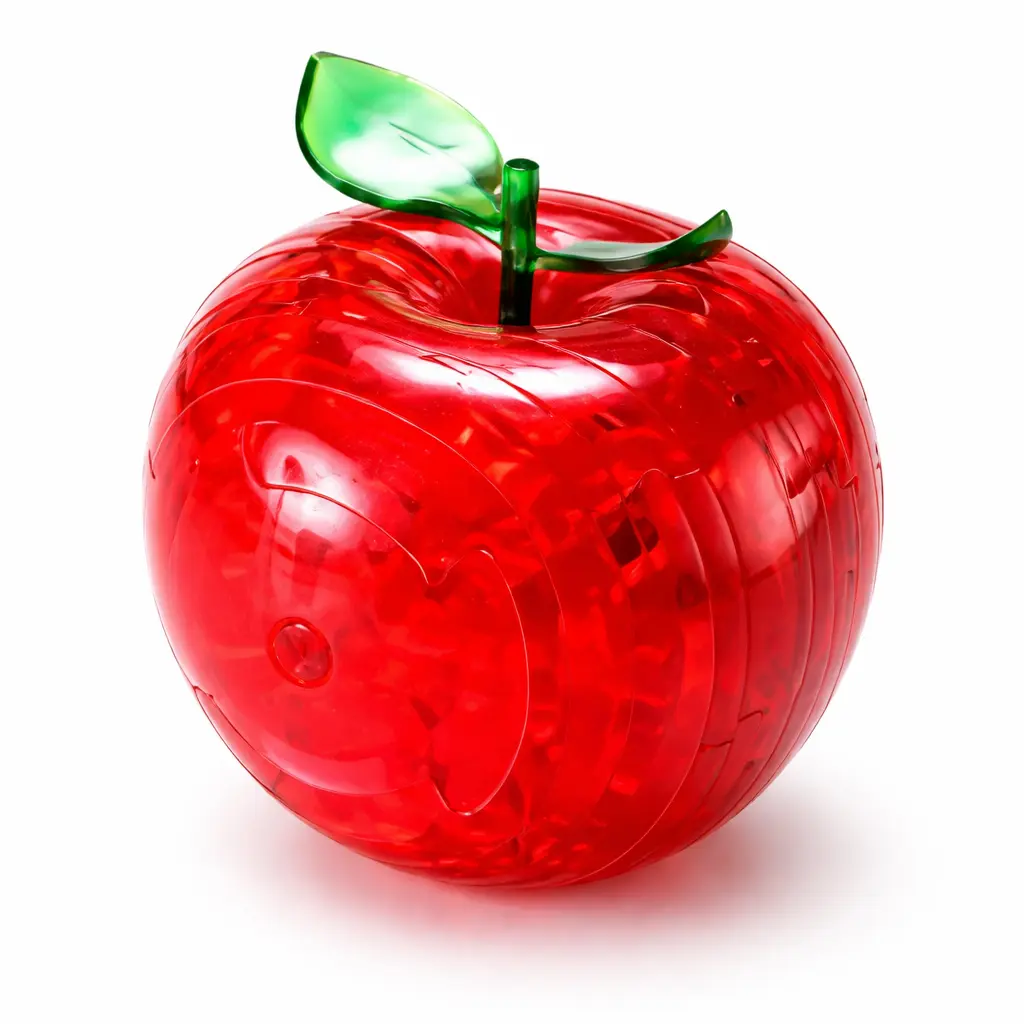
The BePuzzled castle is our top pick for a first crystal puzzle, but if you want a smaller, lower‑commitment entry point, the 3D Crystal Apple Puzzle (44 pieces, ~$19) offers the same snap‑fit experience in a compact form. It’s a fast evening build and looks stunning on a desk. For a full review of that kit, check out the 3D crystal apple puzzle review.
Regular 3D Puzzle Alternative: Wooden Builds
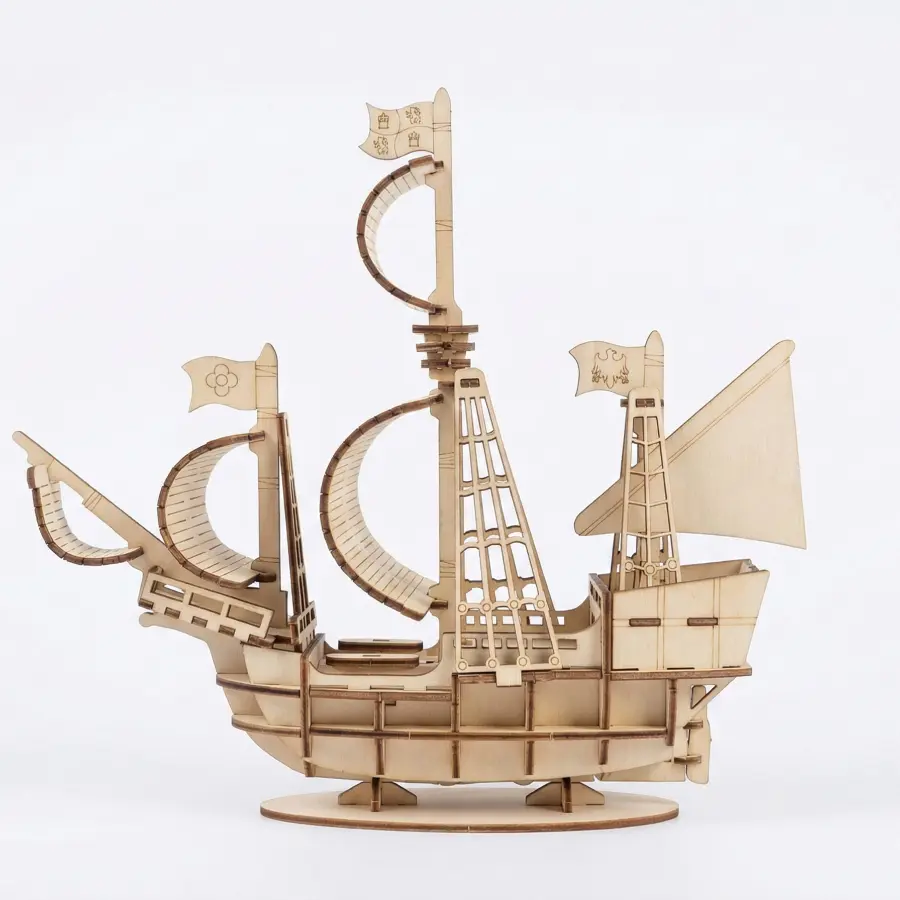
For puzzlers who prefer a natural material and a unique subject, the Wooden Sailboat 3D Puzzle Kit DIY Ship Model ($25.55) is an excellent regular 3D puzzle alternative. It uses laser‑cut plywood tabs instead of cardboard slots, and the assembly feels more like model‑ship building than a traditional jigsaw. For a detailed account of a similar wooden build, see the galleon ship 3D wooden puzzle build.
Final Verdict Table
| Priority | Choose | Example | Price |
|---|---|---|---|
| Fast build, display piece, unique gift | Crystal puzzle | BePuzzled Crystal Castle (60 pcs) | ~$20 |
| Detailed model, longer build, beginner-friendly | Regular 3D puzzle | Ravensburger Big Ben (216 pcs) | ~$30 |
| Small, low‑cost crystal introduction | Crystal puzzle | 3D Crystal Apple Puzzle (44 pcs) | ~$19 |
| Wooden texture, historical subject | Regular 3D (wooden) | Wooden Sailboat Puzzle Kit | ~$26 |
Bottom line: Both types deserve a spot on your shelf—just at different times. If you’re looking for a conversation piece and a quick, tactile challenge, crystal is your path. If you want to sink into a weekend project and admire every painted window, choose a regular 3D puzzle. And as with any 3D puzzle types comparison, the best choice is the one that matches your mood today.
For a broader understanding of how these puzzles fit into the world of three-dimensional jigsaws, you can explore the Wikipedia article on three-dimensional jigsaw puzzles. And if you’re curious about the broader category of puzzles that challenge your spatial reasoning, the mechanical puzzle page offers fascinating context.
FAQ: Answers to Common Crystal vs Regular 3D Puzzle Questions
Even after you’ve seen the verdict table, you probably still have a few questions—especially ones that r/Jigsawpuzzles debates endlessly. Let me tackle the most common head‑scratchers.
Are crystal puzzles harder than regular 3D puzzles?
One of the most frequent questions from new puzzlers is whether crystal puzzles are harder than regular 3D puzzles—the answer depends on your tolerance for tight tolerances vs. forgiving tabs. Crystal puzzles have fewer pieces (typically 40–104 vs. 200–900) but demand near‑perfect alignment; a piece that’s 0.5 mm off won’t snap in. Regular 3D puzzles, especially cardboard ones with numbered tabs, are more forgiving—you can slide pieces together with some play. Reddit users often report spending 2–3 hours on a 60‑piece crystal puzzle that they expected to finish in 30 minutes.
Do crystal puzzles break easily?
Yes, crystal pieces can chip or crack if dropped onto a hard floor. The polypropylene is brittle compared to cardboard or wood. Amazon reviews regularly cite broken pieces during assembly or transport. That said, if you handle them on a padded surface and don’t force a tight fit, they survive fine. Regular 3D puzzles (cardboard) can bend or tear but rarely shatter. For display stability, crystal wins on looks; for durability, cardboard wins on resilience.
Can you disassemble and reassemble a crystal puzzle?
Absolutely. Crystal puzzles rely on friction‑fit—no glue needed—so you can pop them apart and rebuild later. This is a major advantage over many regular 3D puzzles that use glue for permanent display. I’ve reassembled my crystal castle four times over two years without any loosening. The pieces hold their snap because the material doesn’t compress like cardboard. Just store them in a ziplock bag and keep the instructions (they’re not numbered).
Are regular 3D puzzles more detailed?
Without question. Regular 3D puzzles (like Ravensburger or CubicFun) include printed textures—brick patterns, windows, roof tiles—that give a photorealistic look. Crystal puzzles are translucent and monochrome (clear, tinted, or frosted), so you lose surface detail. For example, a cardboard Big Ben shows every clock face and balcony railing; a crystal Big Ben is a smooth outline that catches light. If detail matters, go regular. If sculptural silhouette matters, go crystal.
Which kind of 3D puzzle looks better on a shelf?
Crystal puzzles look like glass sculptures when backlit—they glow on a windowsill or under a lamp. Regular 3D puzzles look like miniature architectural models; they’re impressive up close but don’t transmit light. In my collection, the crystal castle draws more “oohs” from visitors, but the wooden ship model gets more compliments on its craftsmanship. Personal taste: if your shelf gets natural light, crystal wins. If you want a detailed diorama, regular wins.
Which is better for a beginner puzzler?
A regular 3D puzzle with numbered pieces—full stop. Beginners benefit from the logical sequence (layer A, B, C) and forgiving tabs. A 216‑piece Ravensburger model is far less frustrating than a 60‑piece crystal puzzle that requires surgical precision. I’ve introduced three friends to 3D puzzling via cardboard Big Ben; all finished in one weekend. The same friends gave up on crystal puzzles after 20 minutes of wrestling with tight fits. Save crystal for after you’ve built at least two regular 3D puzzles.
Do I need glue for a 3D cardboard puzzle?
Many cardboard 3D puzzles can stand without glue, but they’re vulnerable to collapse if bumped. Brand instructions often recommend glue for permanent display. Ravensburger’s 3D puzzles include glue sachets; you apply it after assembly for stability. Wooden 3D puzzles usually stay together without glue. Crystal puzzles never need glue—the friction fit is designed to hold permanently. If you want a display piece that won’t fall apart, glue the cardboard one or choose crystal.
Can I display a crystal puzzle in direct sunlight?
Yes, but with caution. Prolonged direct sunlight can cause the polypropylene to yellow or become brittle over years. A few hours of indirect sunlight is fine and actually makes the puzzle glow beautifully. I keep my crystal castle on a north‑facing windowsill where it catches morning light. For a regular 3D puzzle, sunlight can fade the printed ink—not ideal, but cardboard puzzles yellow less than crystal. Both avoid direct, long‑duration UV exposure.
Are crystal puzzles more expensive per piece?
No—on a per‑piece basis, crystal puzzles are cheaper. A 60‑piece crystal puzzle costs ~$20 ($0.33/piece), while a 216‑piece Ravensburger costs ~$30 ($0.14/piece). But you get far fewer pieces with crystal, so the total build time is shorter. If you measure cost per hour of entertainment, regular 3D puzzles offer more value. For display impact, crystal’s higher per‑piece cost is justified by the unique material and no‑glue convenience.
What about wooden vs. crystal vs. cardboard material differences?
The key 3D puzzle material differences are: feel, stability, and finish. Cardboard is warm, matte, and silent when sliding; it’s the most forgiving for beginners. Crystal is cold, glossy, and clicks; it’s the most fragile. Wooden puzzles (like laser‑cut models) have a satisfying heft and natural grain, with precision tabs that are less brittle than crystal. Wood holds fine detail better than cardboard but costs more. In a head‑to‑head, I’d rank: wood for durability, crystal for aesthetics, cardboard for affordability.
Can you glue a crystal puzzle?
It’s not recommended—and rarely needed. The friction fit already holds tight. Glue will seep into the translucent plastic and create cloudy spots, ruining the look. If you have a loose piece, a tiny dab of clear silicone can help, but most builders avoid it. For regular 3D puzzles, glue is optional and often comes in the box. For crystal, the design intent is glue‑free assembly. Stick to that.