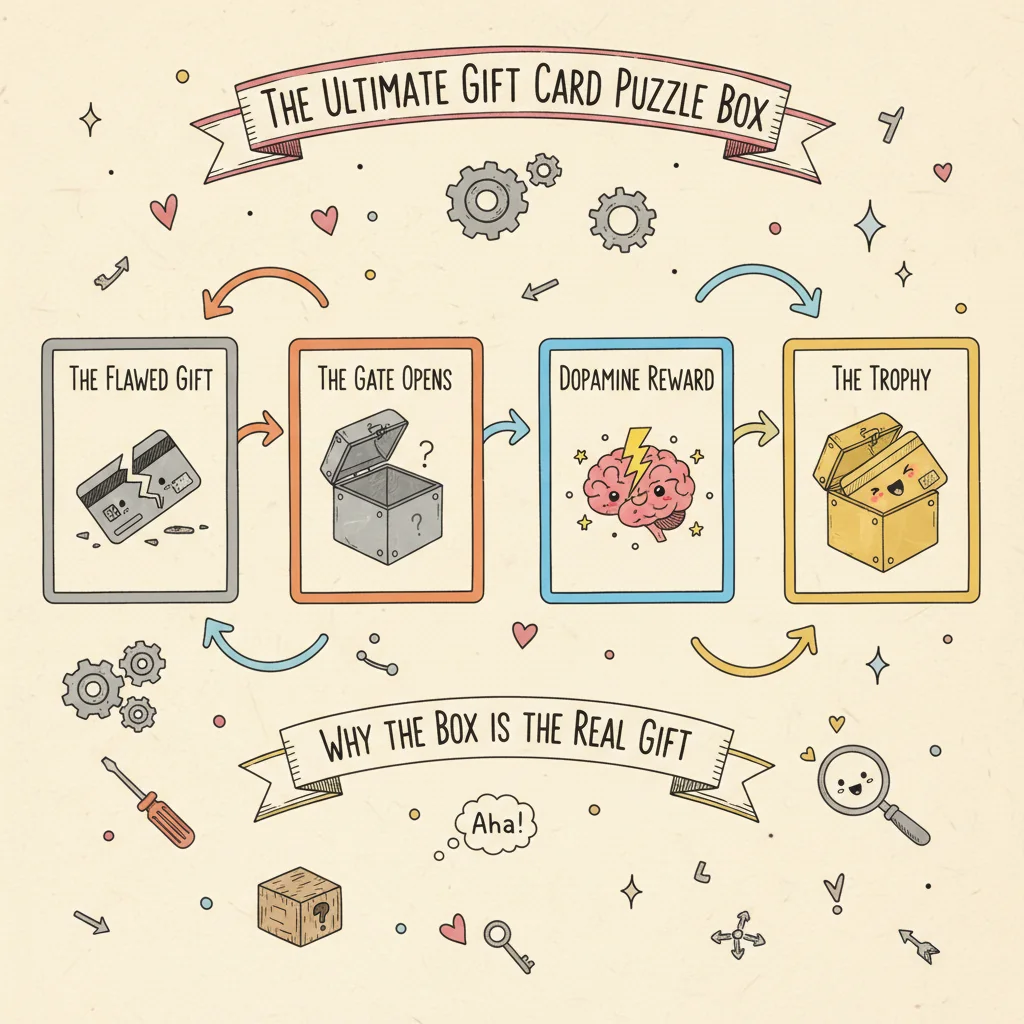
The plastic card hit the hardwood floor with a pathetic, hollow clack. My nephew looked at it, looked at me, and offered the kind of polite “thanks” usually reserved for receiving new socks. That was the moment I realized I had failed. I’d handed him fifty dollars of potential, but I’d wrapped it in zero effort. The gift card was fine; the delivery was a disaster.
Since that afternoon, I’ve tested over 200 mechanical challenges, filling my shelves with everything from Victorian-era secret compartments to modern, laser-cut enigmas. I’ve learned one immutable truth: the best gift card puzzle box doesn’t just hold a reward; it punishes impatience and rewards observation. It turns a ten-second transaction into a twenty-minute memory.
My thesis is simple: the box is the real gift. The card inside is merely the trophy for a brain well-used. Most people treat these as disposable novelties, but a well-chosen mechanical puzzle acts as a permanent desk companion, a fidget toy, and a reminder that the most satisfying solutions are never found by forcing things.
The Psychology of the Gated Gift
There is a specific tension that occurs when a human being can see what they want but cannot touch it. In the puzzle world, we call this “the gate.” When you put a gift card inside a puzzle trick box, you are intentionally creating a barrier to entry. This isn’t about being mean; it’s about dopamine.
The “Aha!” moment—that sudden, electrifying realization of how a mechanism works—is a biological event. When you finally slide the hidden panel or align the internal tumblers, your brain releases a flood of neurochemicals. By the time the recipient actually gets the card, they’ve already won. They feel smart. They feel capable. And they’ll remember who gave them that feeling long after the gift card balance is zeroed out.
Why Your First Solve Will Be an Accident
If you’ve ever handed a puzzle to a “skeptical consumer” (the type of person who thinks they’re too logical for games), you’ll notice they usually start by pulling. They pull the ends, they pry the seams, and they get frustrated. Then, inevitably, they’ll set it down, flip it over, and—click—something moves.
This accidental discovery is the hook. It’s what separates a boring maze from a genuine brain teaser that actually gets solved.
Cast Galaxy 4-Piece Silver
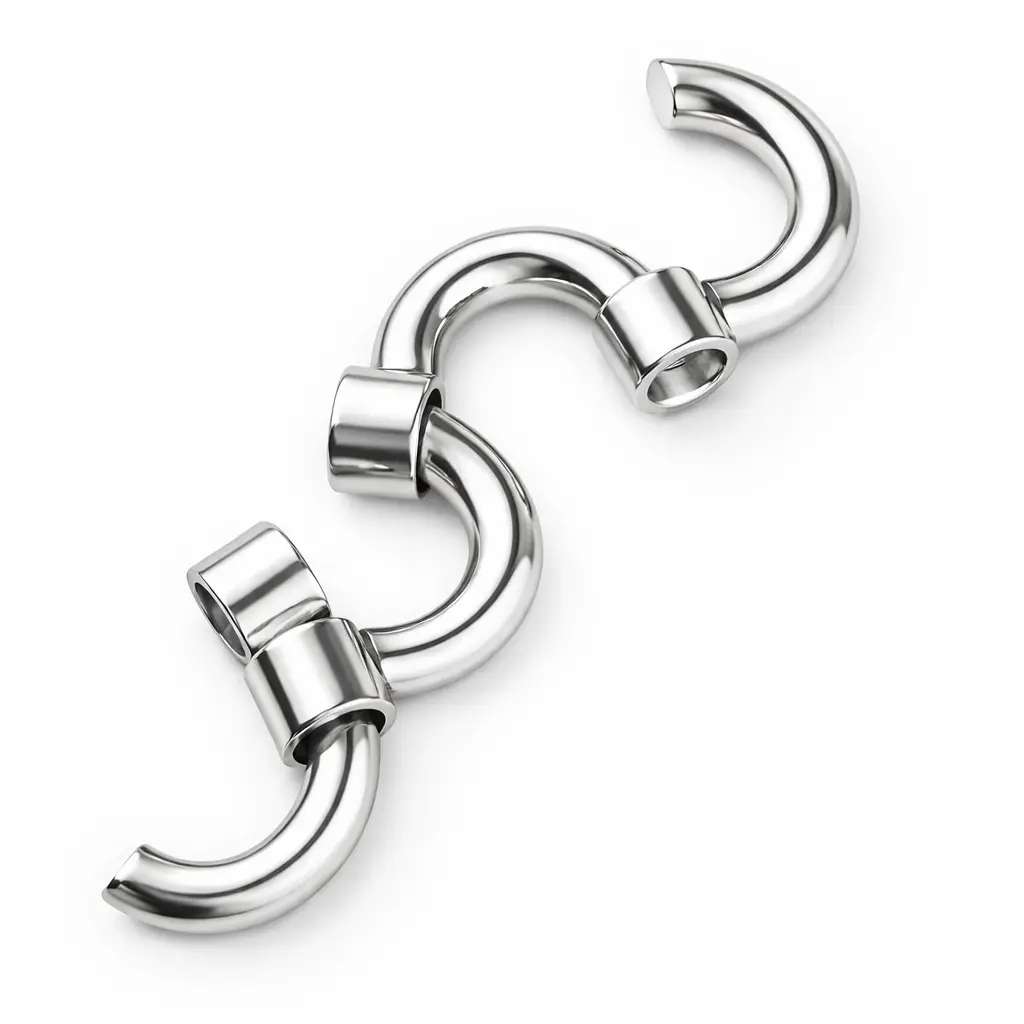
The Cast Galaxy ($14.88) is a masterclass in this “accidental” discovery. At first glance, it looks like a solid piece of silver-toned art. It’s heavy, cold to the touch, and feels like it was forged in one piece. But as you fiddle with it, the four interlocking arms begin to swirl. Disassembly is almost suspiciously easy—the pieces just seem to melt away from each other.
The real challenge, and the reason I keep this on my coffee table, is the reassembly. It demands a level of spatial memory that most people don’t realize they lack. You have to track how each curved arm nests into the sleeve of its partner. One wrong rotation and you’re staring at a pile of metal that refuses to become a galaxy again. It’s a brilliant way to match a puzzle to a person’s patience level, specifically someone who thinks they’re “good with their hands.”
The Tactile Truth: Why Metal Beats Plastic Every Time
I’ve seen those plastic “money maze” boxes in big-box stores. They’re fine for ten-year-olds, but for an adult audience, they feel like trash. If you’re giving a gift to someone aged 25 to 55, the weight matters. The material should have a “thunk” when it hits the table.
Metal puzzles provide a sensory feedback that wood and plastic can’t replicate. There’s a specific temperature change as the alloy absorbs your body heat. There’s a sound—a metallic snick—that tells you you’ve found the right path.
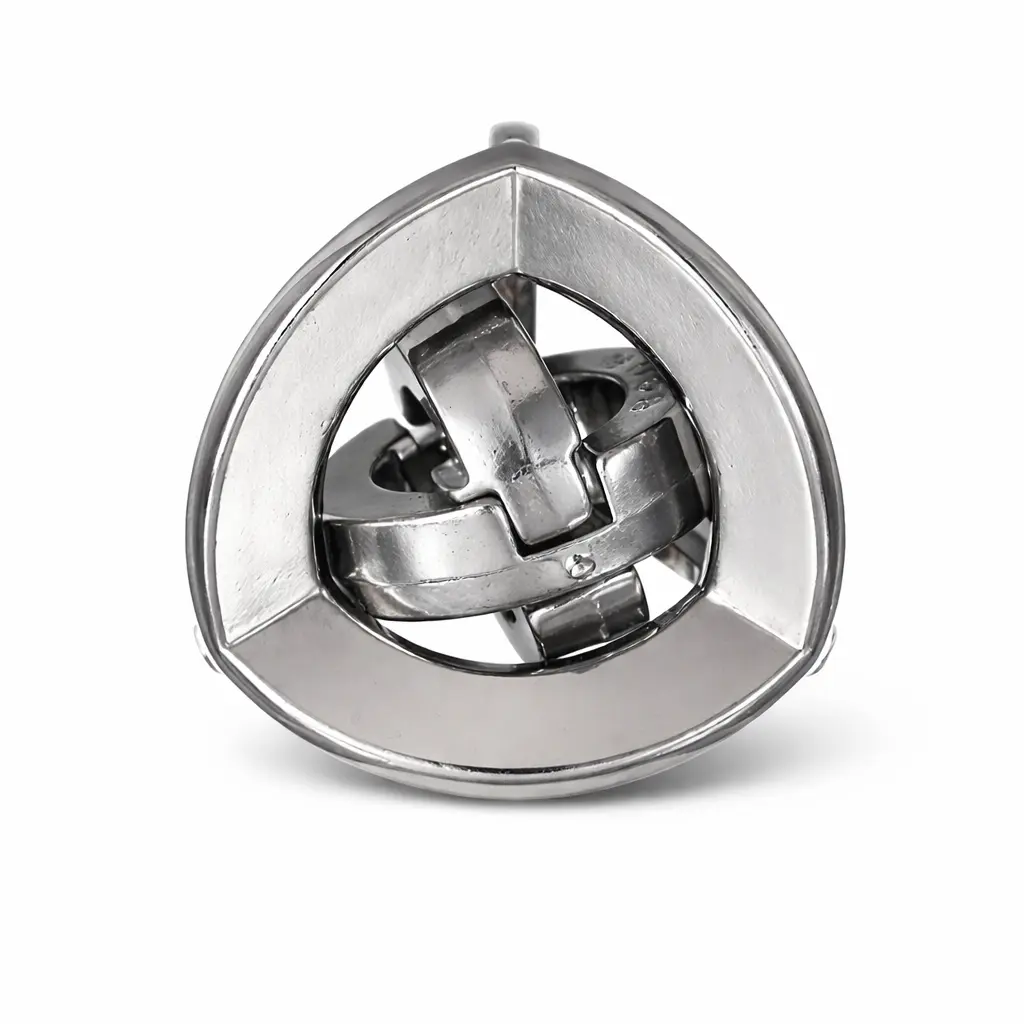
Take the Metal Orbit Ring Cast Puzzle ($14.99). It’s tiny, only 44mm across, but it’s dense. It consists of a triangular frame and two interlocking C-rings. It looks like a piece of orbital debris or a futuristic jewelry component. Because it’s a compact geometric puzzle, it doesn’t scream “toy.” It screams “engineering problem.” I’ve watched people spend forty minutes at a bar trying to separate these rings without using force. It’s proof that you don’t need a massive box to hide a big challenge.
The Engineering of Anticipation: 3D Wooden Kits
Sometimes, the gift isn’t just the solve; it’s the build. If you’re gifting to someone who enjoys the process of creation, a pre-assembled box is a missed opportunity. This is where the 3D wooden puzzle movement has changed the game.
3D Wooden Puzzle Treasure Box
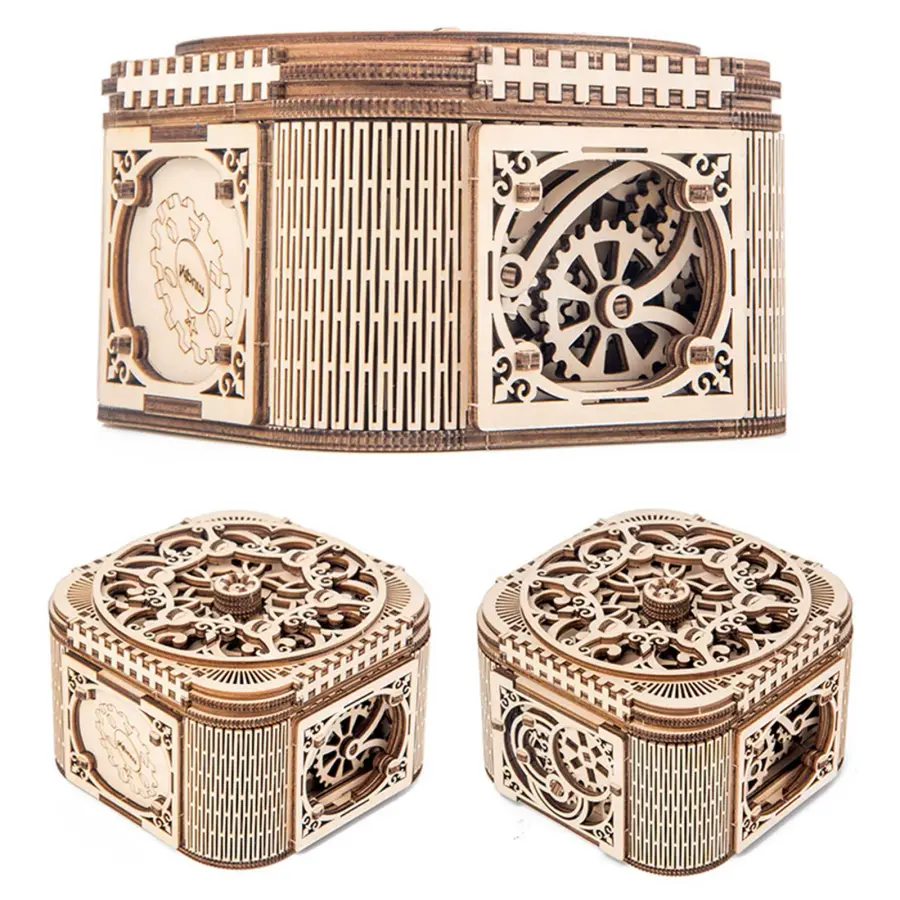
The 3D Wooden Puzzle Treasure Box ($29.99) is the one I recommend most for people who want to understand how puzzles boost cognitive health. You aren’t just handing someone a box; you’re handing them 150-200 laser-cut pieces and a three-hour afternoon project.
The mechanism is entirely visible. You can see the gears turn as the lid opens. It uses no glue, which is a point of pride for veteran builders—everything stays together through friction and precise joinery. I’ve built three of these over the years, and the smell of the burnt birch wood never gets old. Once finished, it’s a functional jewelry box with a secret gear-driven lock. If you want to hide a gift card in here, you have to build the “safe” first. That’s a powerful metaphor for earning your reward.
3D Wooden Puzzle Safe with Combination Lock
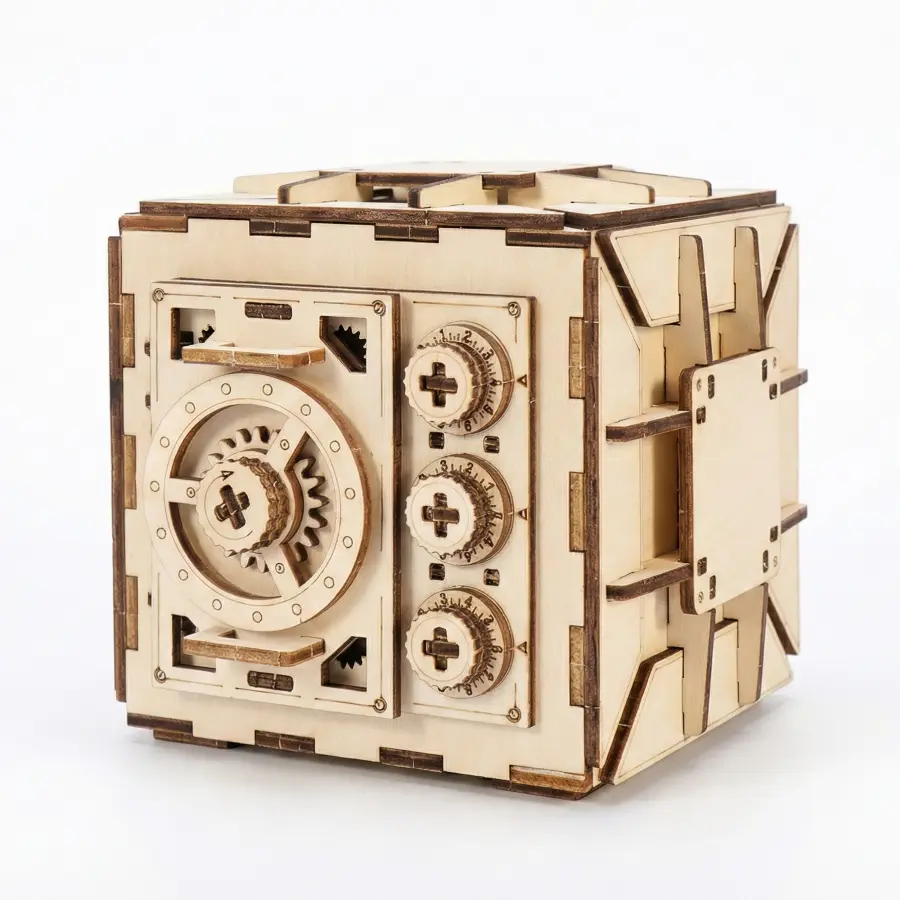
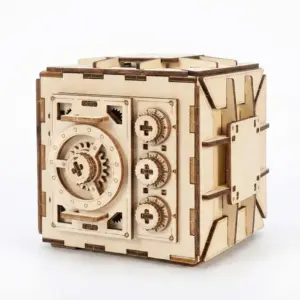
If the Treasure Box is about elegance, the 3D Wooden Puzzle Safe ($30.99) is about pure mechanical satisfaction. It uses a 111-piece assembly to create a functional 3-digit combination lock. I’ve had this on my shelf for two years, and the lock still turns with a rhythmic clicking that rivals high-end luggage.
The “aha” moment here comes during the build, as you realize how a simple series of notched discs can create a secure gate. It’s one of those family-friendly puzzle projects that actually teaches the basics of locksmithing. For a gift card, it’s the ultimate “vault.” You can even set the combination to something meaningful, like the recipient’s birthday, adding a layer of personalization that an envelope could never offer.
The Aesthetic of the Antique: Traditional Locks
Not every puzzle needs to be a “box” in the literal sense. Sometimes, the most effective way to gate a gift is with a lock that looks like it was stolen from a 17th-century merchant ship.
Chinese Koi Puzzle lock
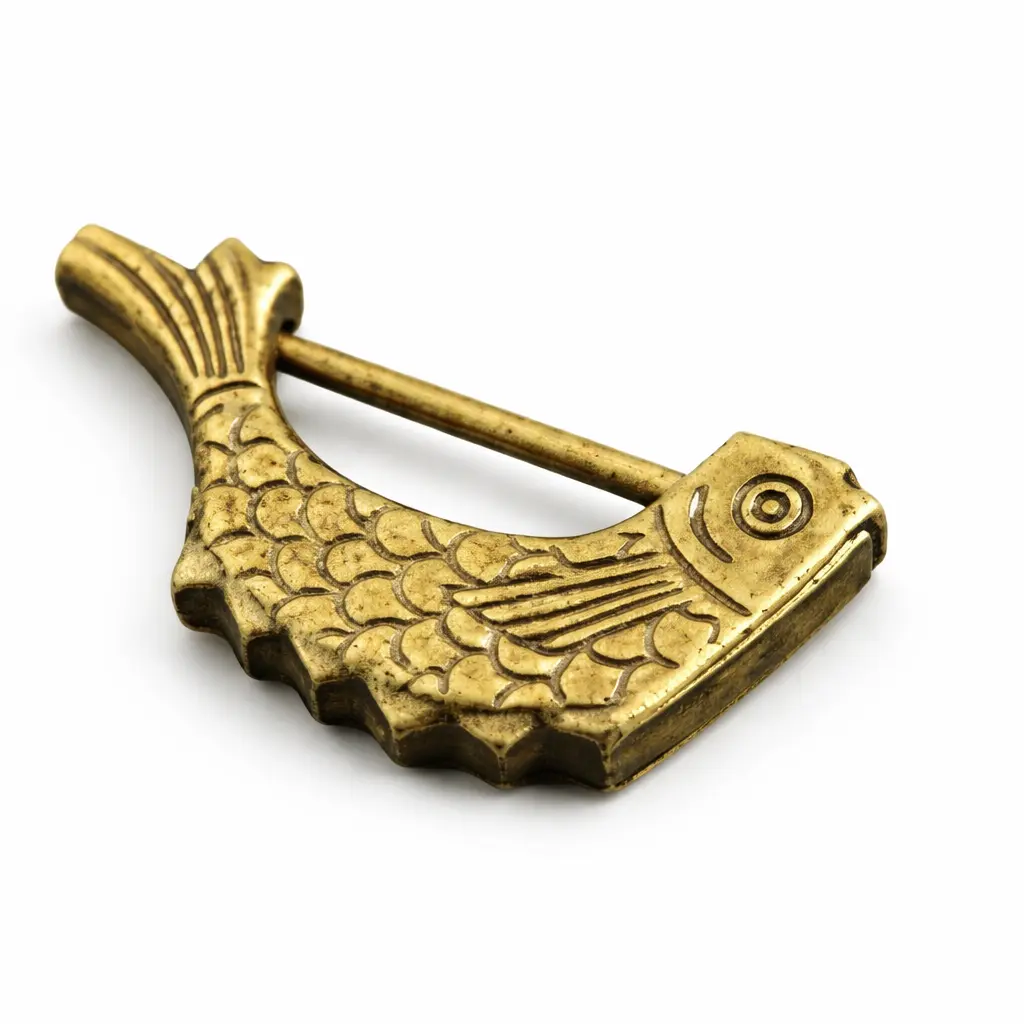
The Chinese Koi Puzzle lock ($16.99) is a piece of “shelf candy.” It’s modeled after the traditional locks found on antique jewelry chests. At 59mm, it’s palm-sized and surprisingly heavy. The bronze finish is weathered, and the scales are hand-detailed.
What I love about this is the “trick” aspect. It comes with a flat key, but simply inserting the key isn’t always the answer. These types of historical puzzle boxes often require a secondary movement—sliding a fin, pressing an eye, or shaking it in a specific orientation. It’s a beautiful oddity. I’ve used this to “lock” a small pouch containing a gift card, and it turned a simple gift into a conversation piece that now sits on my friend’s mantle.
Wood vs. Metal: Choosing the Right “Feel”
When you’re selecting a gift card puzzle box, you have to consider the recipient’s “solve style.”
- The Fiddler: This person needs something they can do while watching TV. They like repetitive motions and tactile feedback.
- The Architect: This person wants to see how things work. They love gears, joinery, and assembly.
- The Minimalist: This person wants an elegant object that doesn’t look like a puzzle until you touch it.
For the Fiddler, I usually suggest something like the Monster Mouth Fish Escape Puzzle ($11.89).
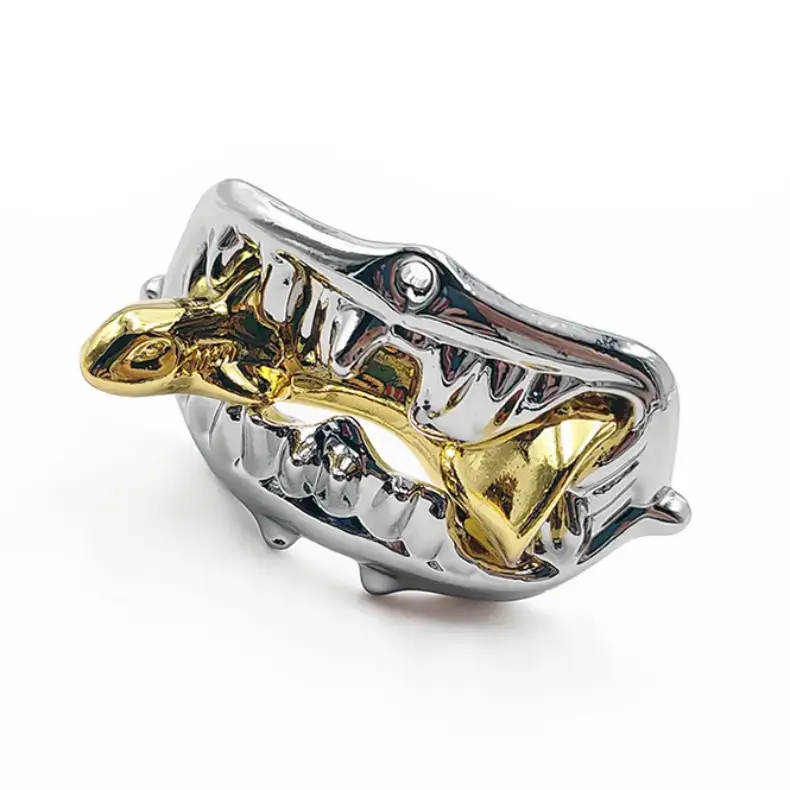
It’s a small alloy piece where you have to navigate a tiny fish through a “monster mouth” of metal bars. It’s less about deep logic and more about spatial navigation and hand-eye coordination. It’s the kind of thing you can’t put down once you start.
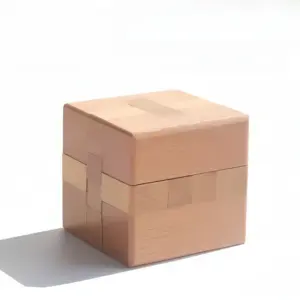
For the Minimalist, the 6 Piece Wooden Puzzle Key ($12.99) is the gold standard.
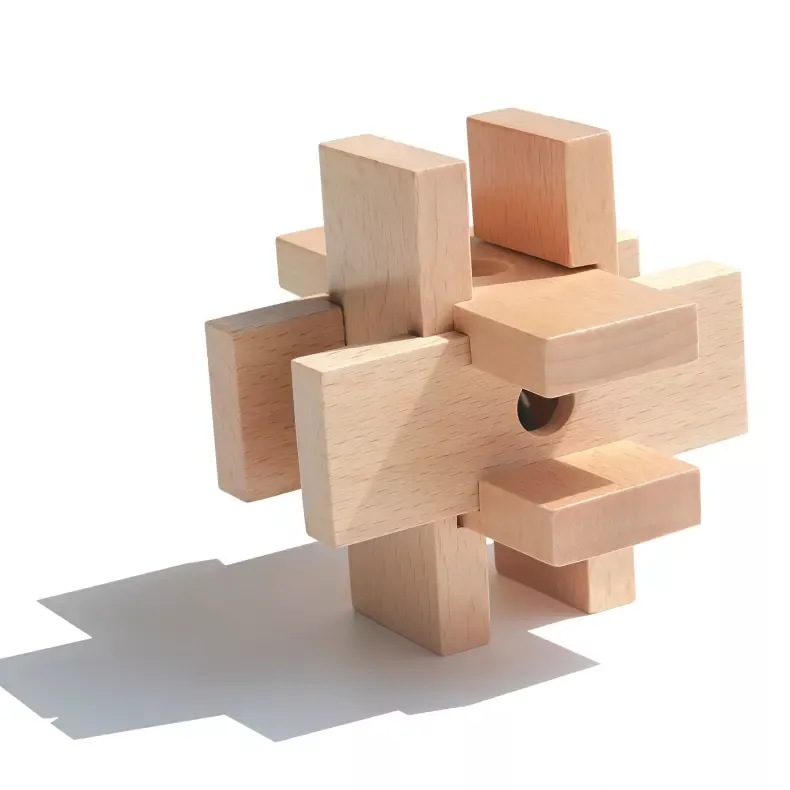
6 Piece Wooden Puzzle Key — $12.99
It’s six pieces of hardwood that look like a simple block. There are no flashing lights, no instructions, and zero electronics. It’s a study in “Wu Wei”—the art of effortless action. If you try to force it, the wood will bind. If you relax and look for the “key” piece, the whole thing dissolves in your hands. It’s a quiet, sophisticated challenge.
The “Grandparent Test”: Who Can Actually Solve These?
One of the most common questions I get is, “Is this too hard for my [Insert Relative]?”
The truth is, most puzzles aren’t “hard” in the way a math problem is hard. They are hard because we have forgotten how to play. We’ve been trained to look for a “Submit” button or a “Search” bar. A good puzzle box forces you to return to a state of curiosity.
If you’re worried about someone getting stuck, look for “sequential discovery” puzzles. These are puzzles where solving one step gives you a tool or a clue for the next.
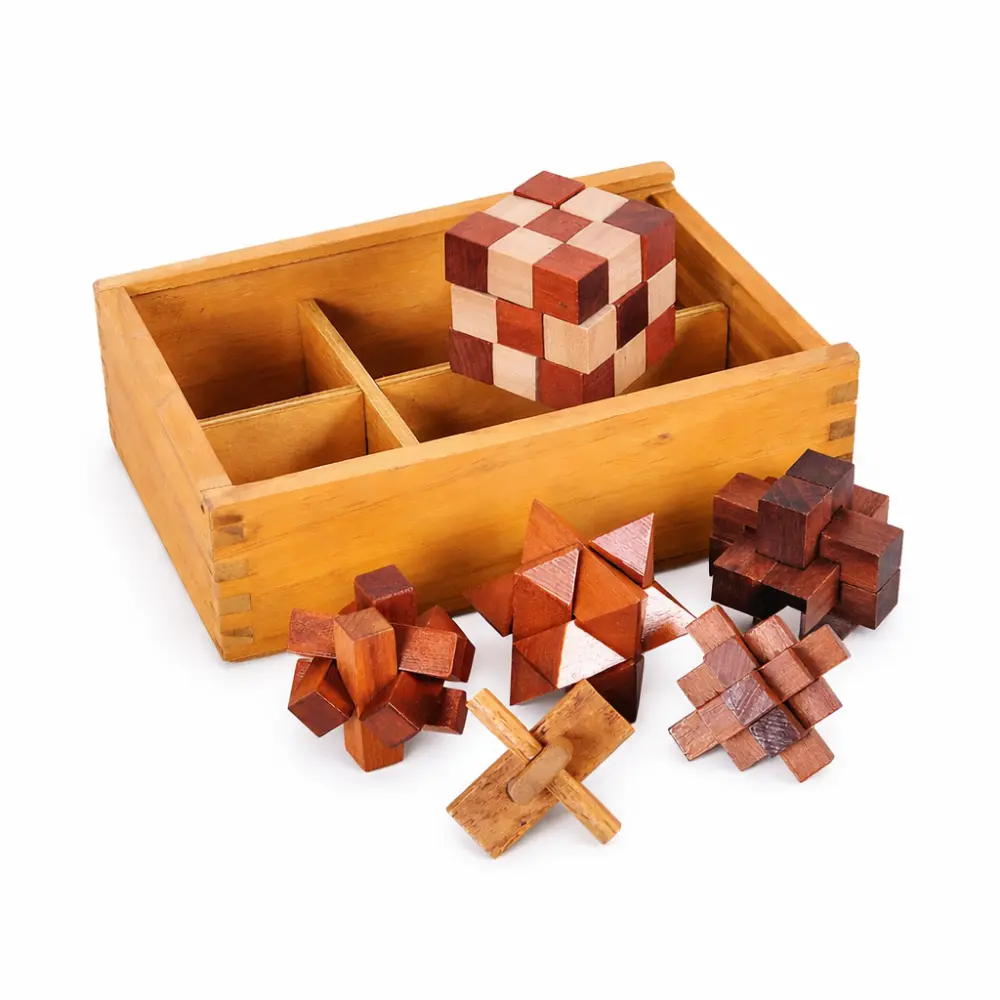
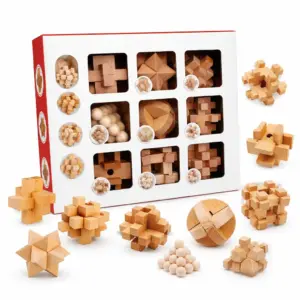
The 6-in-1 Wooden Brain Teaser Set ($38.88) is perfect for this. It’s a collection of beechwood puzzles that use the same mortise-tenon joinery found in ancient Chinese architecture. Because there are six different puzzles, the recipient can start with the easier ones to build their confidence. It’s like a training camp for the brain. I’ve seen people who “hate puzzles” get sucked into this set because the first solve felt so rewarding they had to try the second.
The Object Lesson: What Puzzles Teach Us
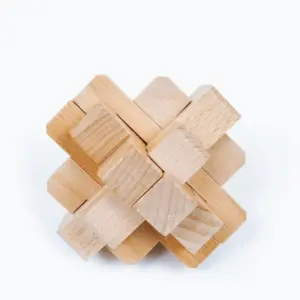
I’ve spent thousands of hours with these objects, and they’ve changed how I approach real-world problems. When I’m stuck on a work project, I often pick up the Tricky Wooden Ring Puzzle ($12.89) from my desk.
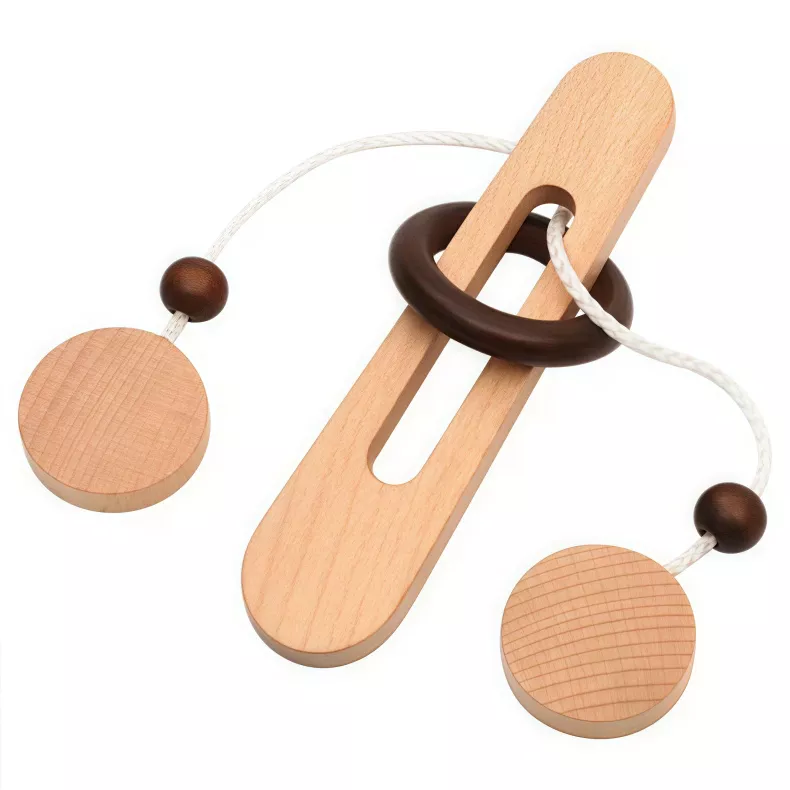
Tricky Wooden Ring Puzzle — $12.89
The goal is simple: free the ring from the wooden frame. But the pathways are hidden, and the solution requires you to fold and rotate the pieces in ways that seem counterintuitive.
It teaches you that when you’re stuck, the answer isn’t usually to “push harder.” The answer is to change your perspective. Sometimes you have to move backward to go forward. Sometimes you have to let go of the ring to find the path that frees it. That’s a lesson that applies to more than just pieces of wood.
Why Most Gift Card Boxes Fail (and How to Avoid It)
If you go to a dollar store and buy a plastic maze box, you are telling the recipient that the gift is a chore. The box is just a hurdle. A real gift card puzzle box is a piece of craftsmanship.
When you’re shopping, look for these three red flags:
1. Visible Seams: If you can see exactly how it opens just by looking at it, it’s not a puzzle; it’s just a weirdly shaped box.
2. Cheap Materials: If it feels like it will break if you drop it, the recipient will be too afraid to actually solve it.
3. One-and-Done Design: The best puzzles are those you can put back together and hand to someone else. They should have “replay value,” even if you already know the secret.
For those who want to take a break from mechanical challenges but still want to keep the “brain-boosting” vibe alive, I sometimes suggest pivoting to something like balance-based strategy games or spatial logic games. They use different parts of the brain but provide that same “Aha!” satisfaction.
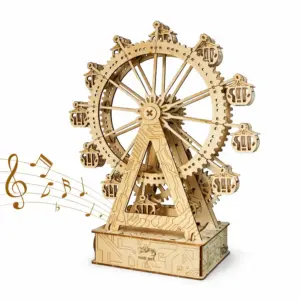
Wooden Ferris Wheel Music Box Kit
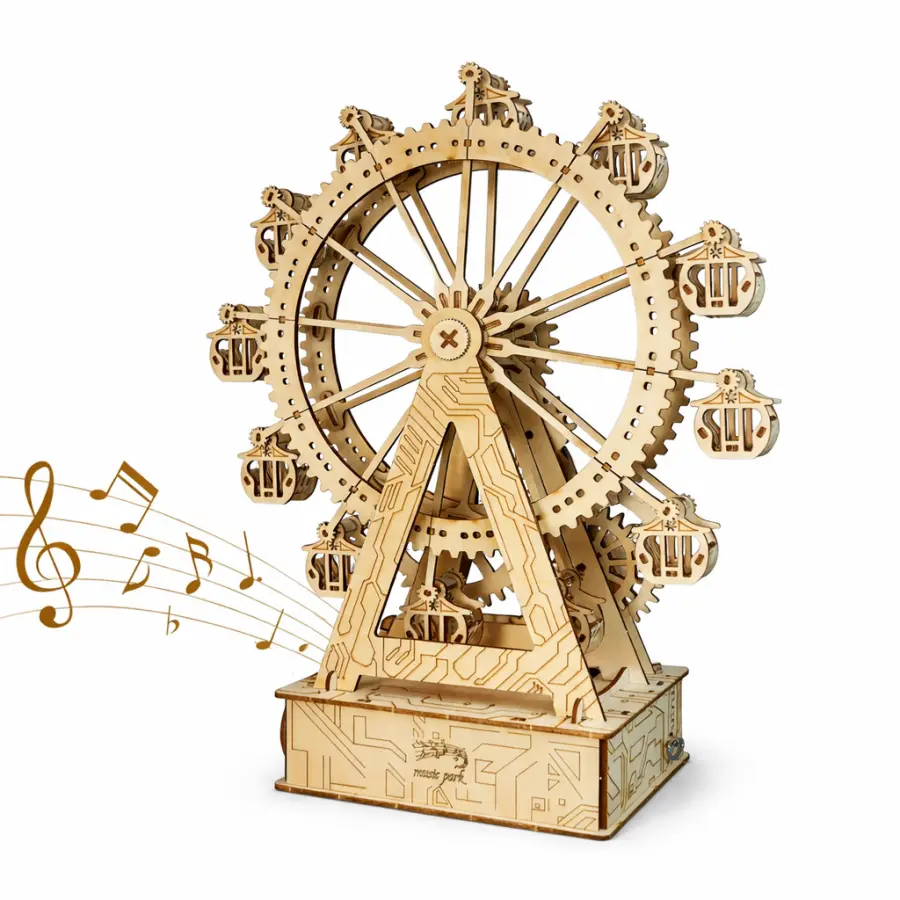
If you want the absolute “wow” factor, look at the Wooden Ferris Wheel Music Box Kit ($59.99). This is the “final boss” of gift boxes. It’s a miniature tribute to George Ferris’s 1893 masterpiece. It features two music movements—which is rare, as most only have one—creating a layered melody as the wheel rotates.
There’s a hidden drawer in the base. That’s where the gift card goes. Imagine the scene: the recipient spends four hours building this intricate, mechanical marvel. They wind it up, the music starts, the wheel turns, and only then do they discover the secret compartment in the foundation. That isn’t just a gift; that’s an event.
FAQ: Everything You’re Afraid to Ask About Puzzle Boxes
How do I put the gift card inside without solving the puzzle first?
Most high-quality boxes, especially the 3D kits like the mechanical treasure box, allow you to place the item inside during the final stages of assembly. For cast metal puzzles, you’ll usually have to solve them once to open them. Think of it as a quality control check—if you can’t get it open, they probably can’t either!
What if the recipient gets frustrated and breaks it?
This is why material choice is vital. Metal puzzles like the Cast Galaxy are virtually indestructible. For wooden puzzles, I always tell people: “If you have to force it, you’re doing it wrong.” Mechanical puzzles are about finesse, not strength. If they’re the “Hulk Smash” type, maybe stick to a sturdy metal lock.
Are these suitable for children?
Most of the products I’ve mentioned are rated for ages 14 and up, mainly due to the complexity and small parts. However, a bright 10-year-old can usually handle the 3D wooden safe with a bit of adult supervision. It’s a great way to introduce kids to engineering concepts.
Do they come with instructions?
Most do, but I always recommend “accidentally” losing them before you give the gift. The whole point is the discovery! If they get truly stuck, most of these have “spoiler” videos on YouTube. But try to encourage them to solve it the real way first.
How long does a typical solve take?
It varies wildly. A 6-piece wooden key might take 10 minutes or two hours, depending on how the person’s brain works. The 3D kits are more about the build time (2-5 hours) than the “unlock” time.
Can I reuse the box?
Absolutely. That’s the beauty of a well-made trick box. They become “legacy gifts” that get passed around the family. My brother-in-law and I have been passing the same secret box back and forth for five years, each time hiding a more ridiculous “prize” inside.
Is there a way to make it easier for beginners?
Start with puzzles that have fewer pieces. A 3-piece metal puzzle is less intimidating than a 200-piece wooden kit. You can also give them a “hint” written on the outside of the wrapping paper.
What’s the best way to clean metal puzzles?
A simple microfiber cloth is all you need. Avoid harsh chemicals, especially on “weathered” finishes like the Koi Lock, as you might strip away the patina that gives it character.
Do wooden puzzles warp over time?
If you live in a very humid environment, wood can swell slightly. I always recommend keeping wooden kits in a dry place. If a piece gets stuck, a tiny bit of candle wax on the joints usually fixes the friction.
What if the gift card doesn’t fit?
Standard gift cards are 3.375″ x 2.125″. Most “gift card” specific boxes are designed for this. However, for smaller puzzles like the Monster Mouth, you might need to fold a cash bill or hide a “claim check” that leads them to the card.
Are these puzzles good for seniors?
Yes! In fact, there is significant research (some even cited in NIH databases) suggesting that tactile puzzles help maintain visuospatial cognitive abilities. They are excellent for keeping hands and minds nimble.
Why are some puzzles so much more expensive than others?
You’re paying for two things: tolerances and licensing. A puzzle with “tight” tolerances (where the pieces fit together perfectly with no gaps) requires more expensive machining.
Can I personalize these?
While the products themselves are finished, the 3D wooden kits are easy to customize with a small wood-burning tool or even just a permanent marker on the internal pieces before you assemble them.
What’s the “Ghost Xtreme” I keep hearing about?
That refers to a specific category of high-difficulty sequential discovery puzzles. They are generally for advanced solvers who have already mastered the basics.
How do I know which puzzle fits which person?
I always tell people to look at the 9% of gift-givers who actually get it right. They match the puzzle’s “theme” to the person’s hobby. Engineer? Give them the Safe. Artist? Give them the Galaxy.
The Final Solve
The next time you’re tempted to slide a gift card into a paper envelope, stop. Listen for that pathetic clack on the floor.
Instead, imagine handing over a weathered Chinese Koi Lock. Watch as your friend turns it over in their hands, their thumb tracing the scales, their mind already working through the possibilities. Watch the frustration turn into a smirk, and the smirk turn into a triumphant “I got it!”
The gift card will be spent in a week. The feeling of being the person who solved the “unsolvable” box? That lasts a lot longer.
If you’re looking for a place to start, I’d grab the Cast Galaxy. It’s affordable, it’s beautiful, and it’s the only puzzle that has ever made me feel like an idiot and a genius in the same ten-minute span. Just remember: don’t force it. The secret is always hiding in plain sight, waiting for you to stop pulling and start looking.