People search for 'how to make a puzzle box' for different reasons. Your goal changes what you should look for. Let's map four common intents to the perfect puzzle experience.
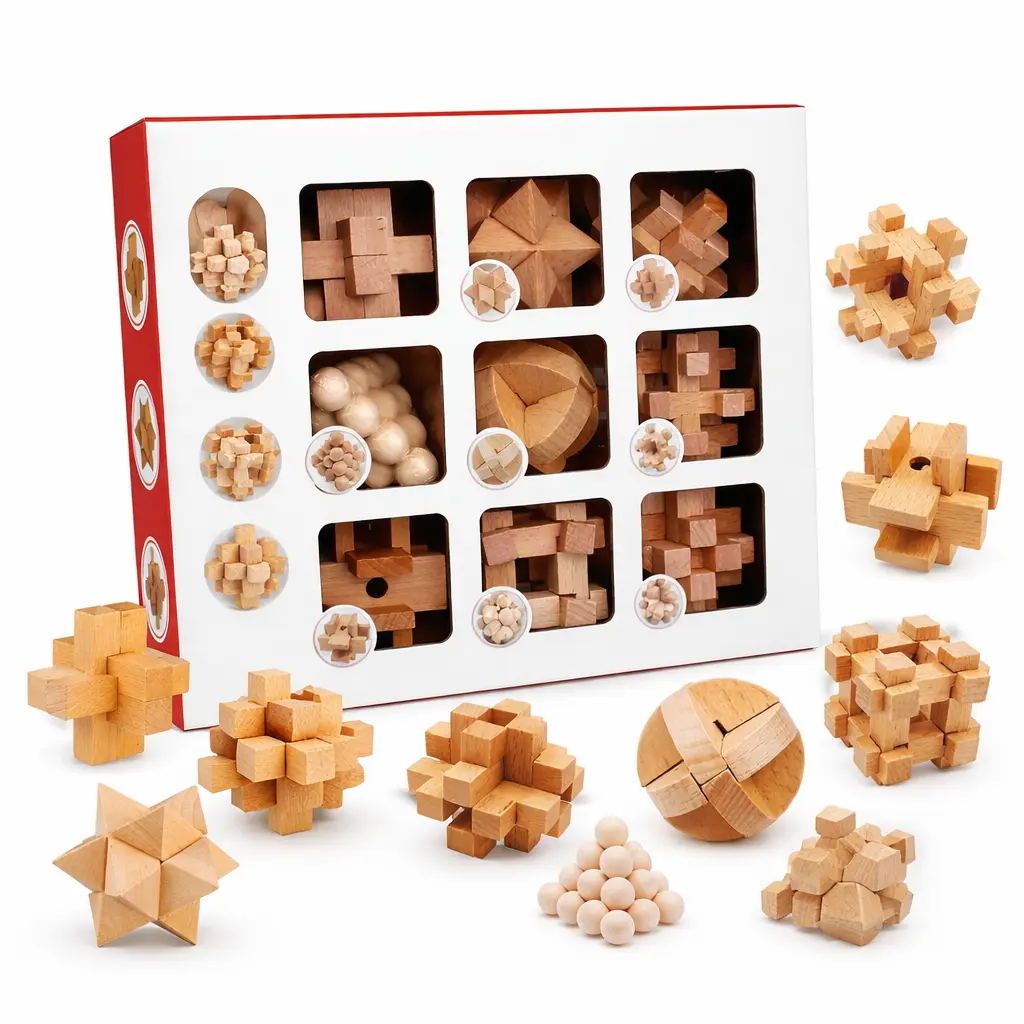
1. The Maker / DIYer: You want to understand the mechanics. Your best start isn't a saw, it's a deconstructible puzzle. You need to feel how interlocking parts create a secure seal. The 9-Piece Luban Lock Set is essentially a masterclass in ancient joinery. Taking it apart and reassembling it teaches you more about hidden mechanisms than any blog post. The limitation? It's not a functional box for storing things—it's the mechanism in its purest form.
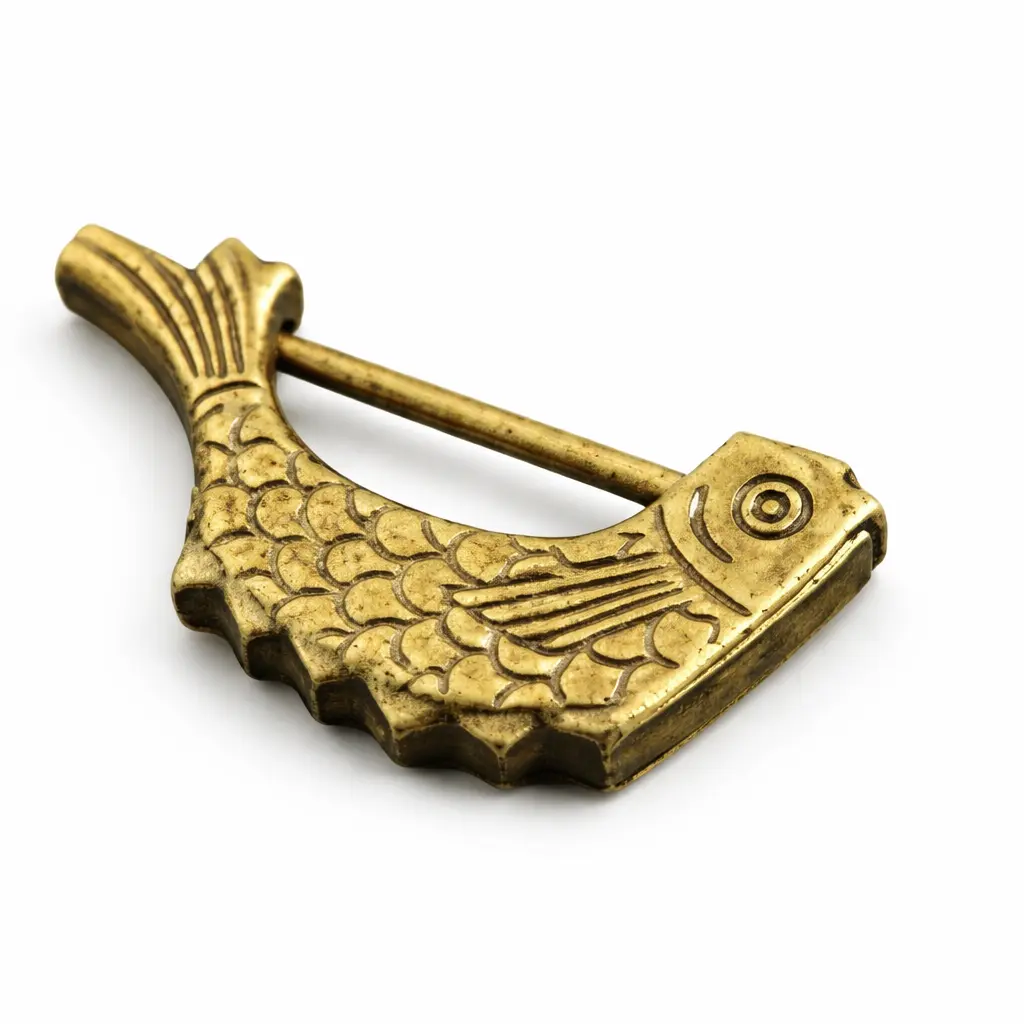
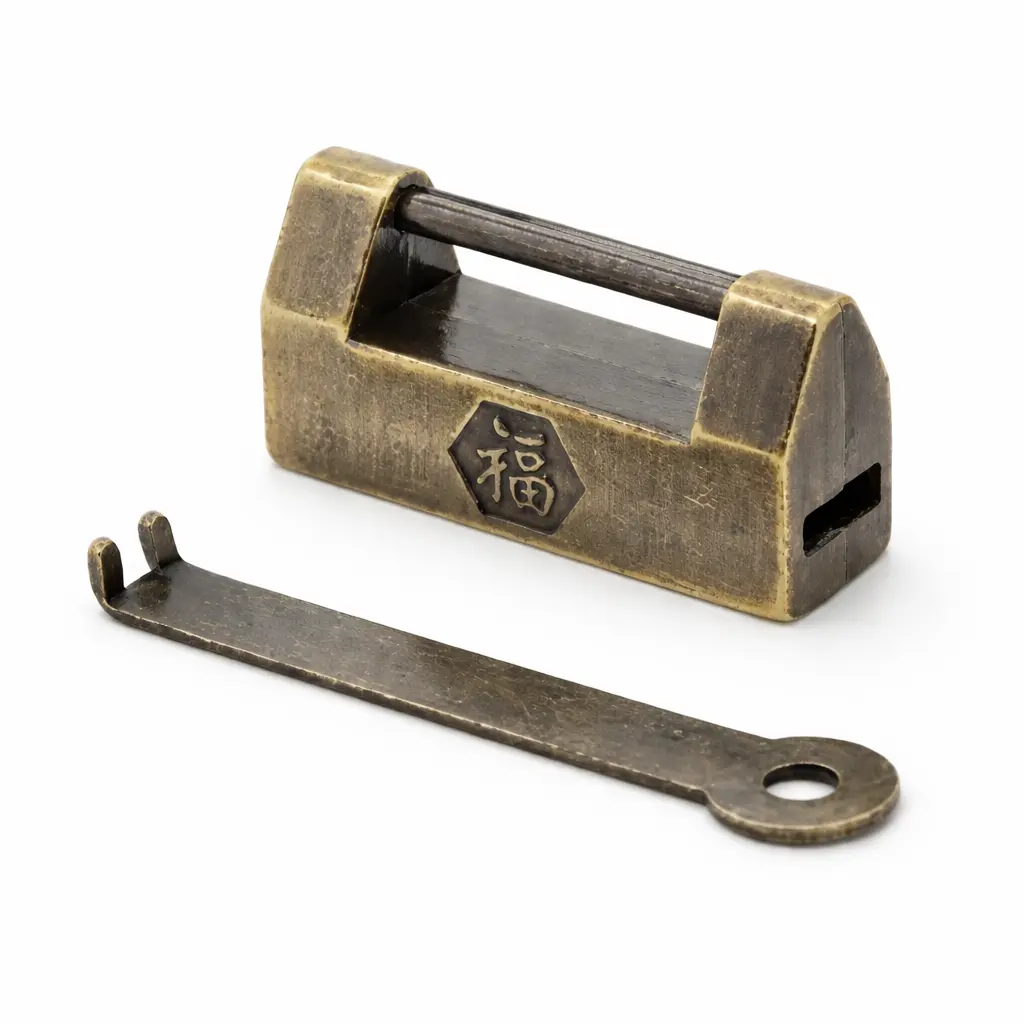
2. The Gift Giver: You need a beautiful, solvable container. The puzzle is the wrapping paper. You want something that looks elegant on a shelf but reveals a secret compartment for a ring, note, or gift card. The Chinese Old Style Fú Lock is perfect. It feels substantial, has a lovely symbolic meaning (good fortune), and the solution with the key is intuitive enough not to baffle a recipient. The tradeoff? It's more about the ceremony than a deeply complex logic challenge.
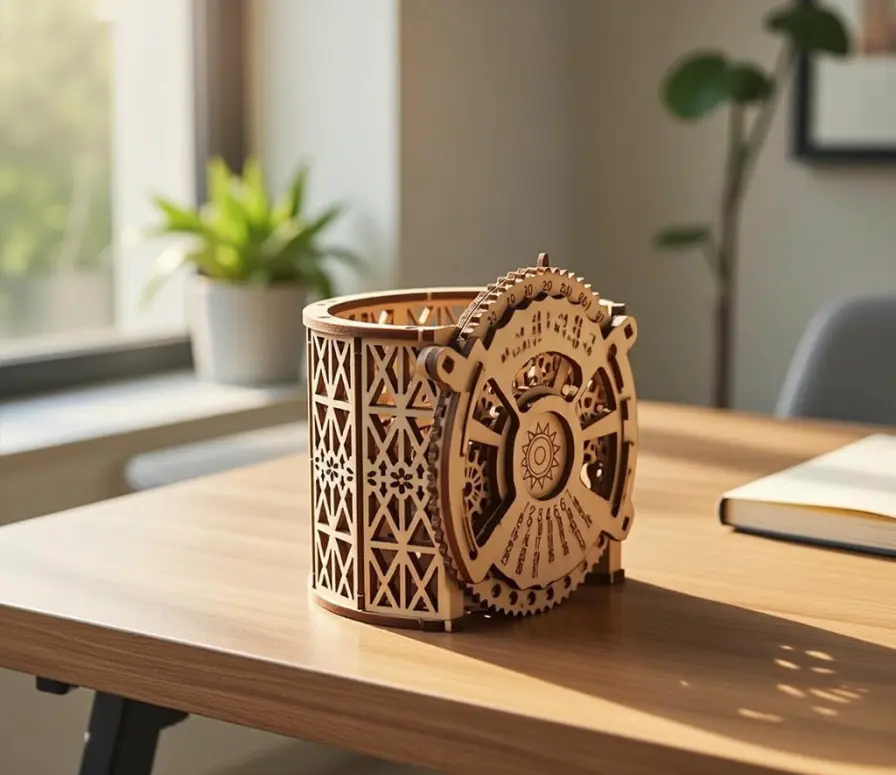
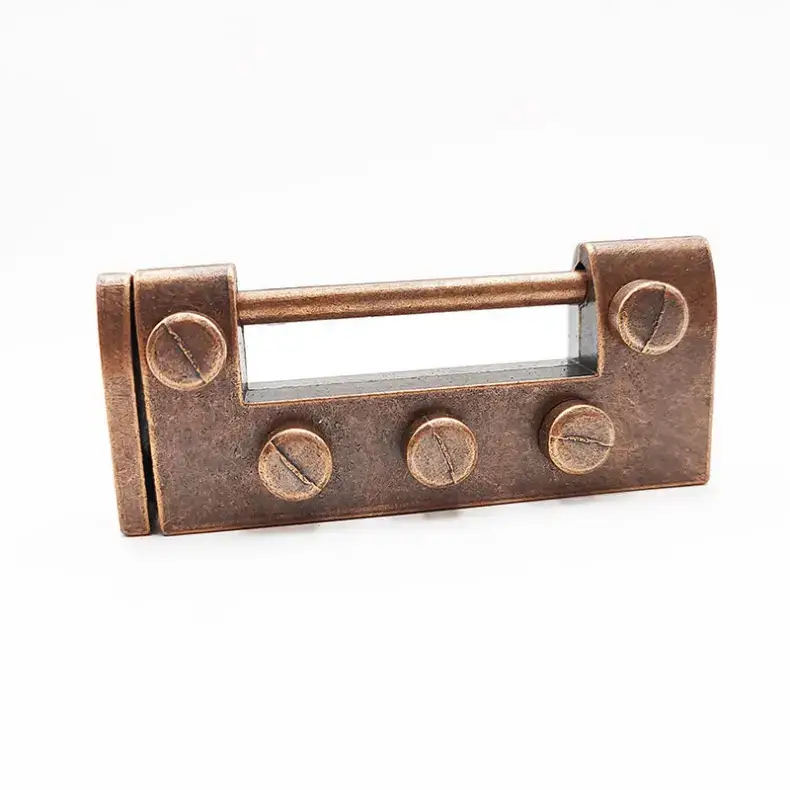
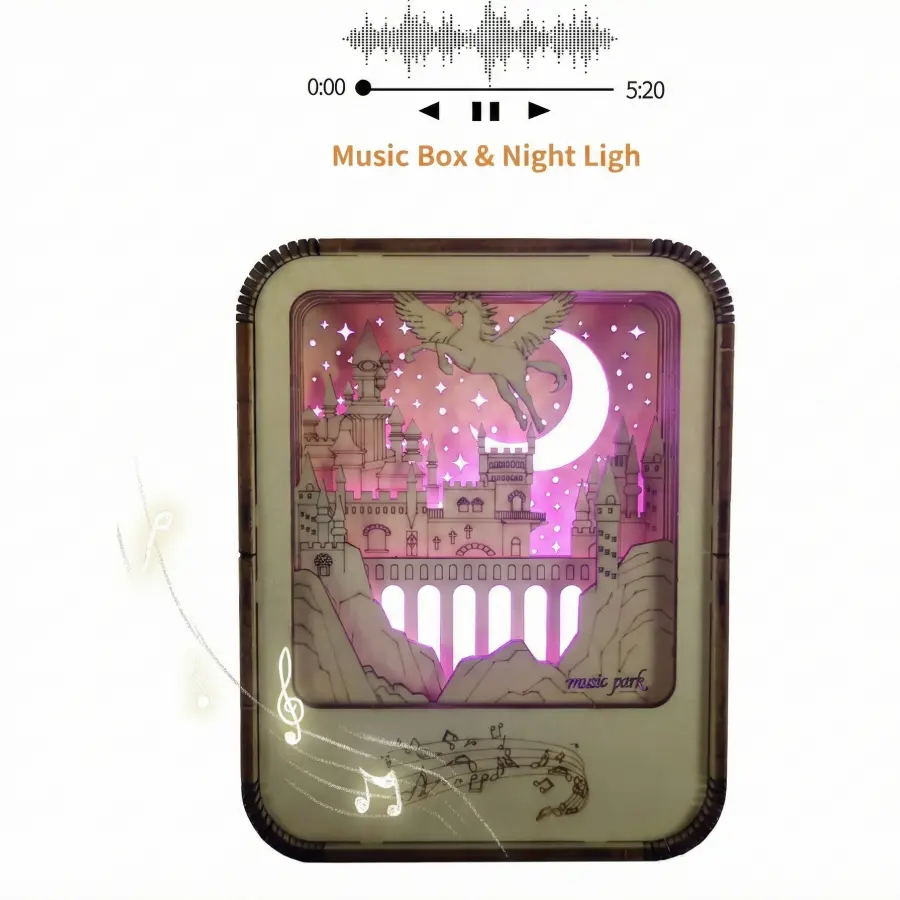
3. The Collector: You seek historical or artistic puzzle objects. You appreciate story and craft. The Antique Lock Puzzle, with its vintage design, feels like a museum piece. The DIY Castle Music Box offers the joy of building a complex, artistic scene that also functions. The focus is on the aesthetic and the journey of assembly. If you're a pure logic-speedrunner, this might feel too decorative.
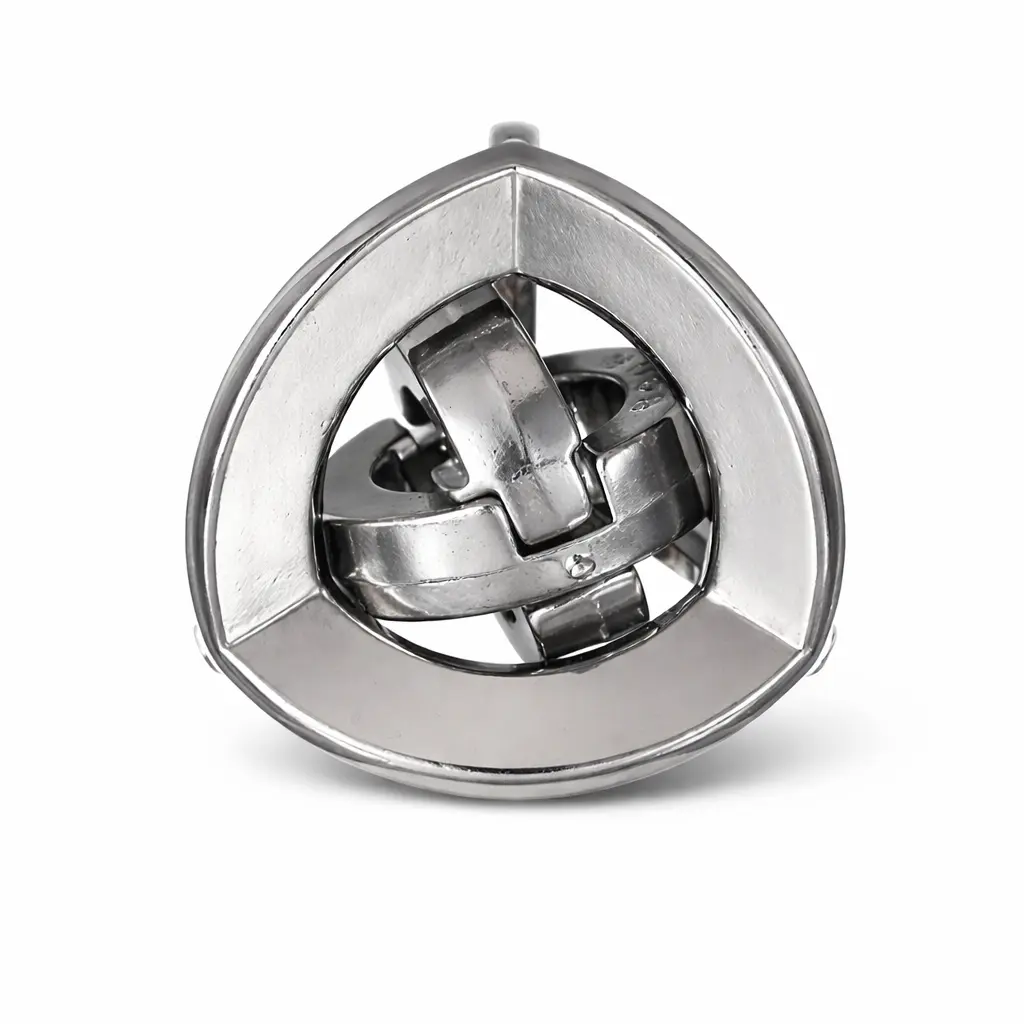
4. The Logic Purist: You care only about the solving mechanism, not the shell. A 'box' is just a shape for the problem. You'll love disentanglement puzzles like the Metal Orbit Ring or sequential discovery toys. The goal is the mental breakthrough. For you, the definitive resource is our locking puzzle box guide, which dives deep into mechanism taxonomy.
Ready to diagnose your own puzzle-solving style? Test your puzzle logic with our free games first.