Mistake: Using too much force on the joints.
Correction: Most keychain puzzles are designed to slide smoothly; if it sticks, you likely need a different angle rather than more pressure. Forcing it can bend the metal or snap the wood.

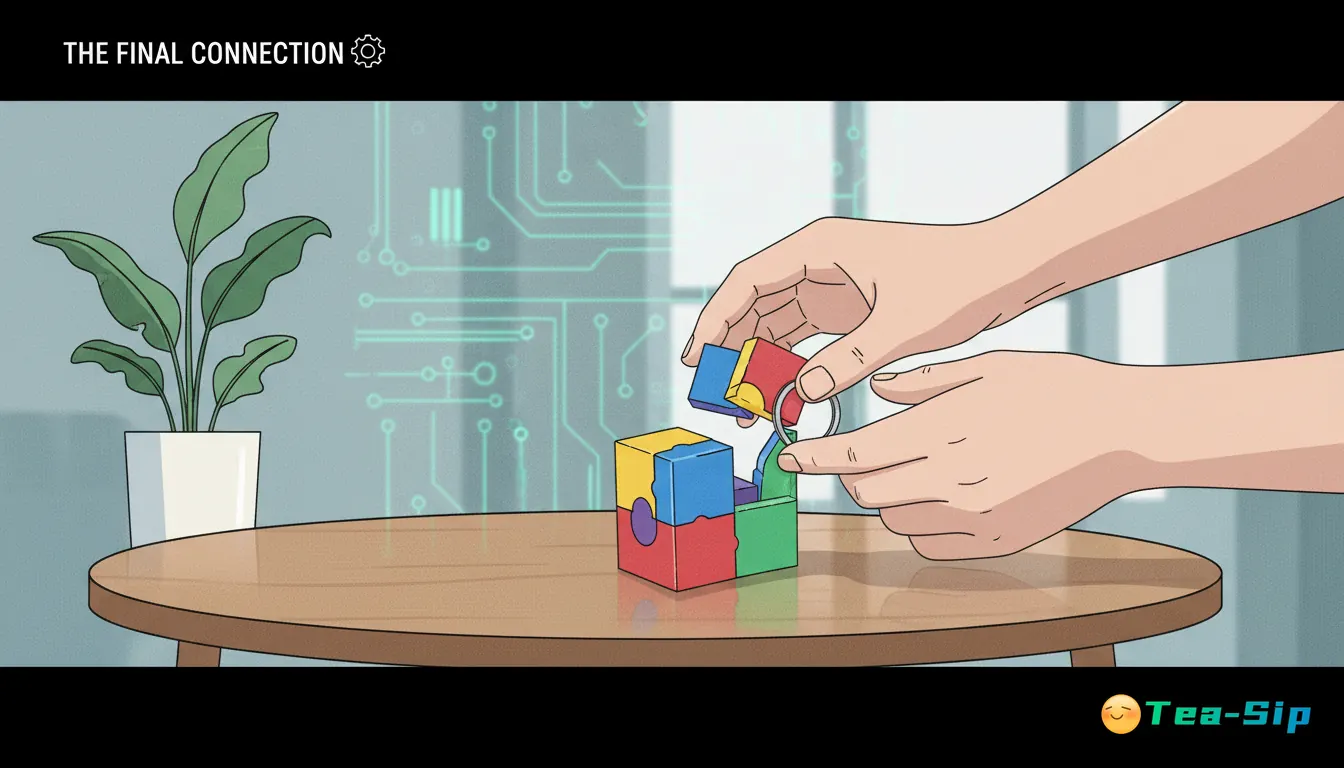
You found a tiny cube at the bottom of a stocking or on a friend's desk, gave it a pull, and now it is a pile of pieces you cannot fix. Most people give up and hide the evidence in a drawer, but you just need a friendly nudge to get it back together. This guide shows you exactly how to solve a keychain puzzle cube so you can enjoy that rewarding click of success every time.
When you are looking for an easy start, the material and complexity of the puzzle matter just as much as the size. Metal puzzles offer a sleek, modern feel, while wooden options provide a classic, tactile experience. Use this table to find your perfect first challenge.
| Category | Best For | Feel | Example |
|---|---|---|---|
| Metal Minis | On-the-go fidgeting | Cool and heavy | Cast Keyhole Gold & Silver |
| Wooden Classics | Home or office desks | Warm and organic | 6 Piece Wooden Puzzle Key |
| Interlocking Spheres | Visual learners | Smooth and rolling | Luban Sphere Puzzle |
| 3D Model Kits | Patient hobbyists | Intricate and detailed | Steampunk Airship |
Think of a keychain puzzle as a bite-sized brain snack. Unlike massive 1,000-piece jigsaws that take over your dining table, these are designed to be played with anywhere. They are the "gateway drug" of the puzzle world because they offer a quick, rewarding win that builds your confidence.
A keychain puzzle is essentially a simplified version of complex engineering. When you learn the mechanics of a small item like the Circular Lock, you are actually training your brain to recognize patterns and spatial relationships. It is a low-stakes way to learn how to solve a keychain puzzle cube while keeping your hands busy during a commute or a long meeting.
Correction: Most keychain puzzles are designed to slide smoothly; if it sticks, you likely need a different angle rather than more pressure. Forcing it can bend the metal or snap the wood.
Correction: Always keep your pieces in a small tray or on a flat surface. These puzzles rely on one specific locking component to stay together, and losing it makes the puzzle unsolvable.
Correction: Before you pull everything apart, take a moment to look at how the pieces interlock. Visualizing the 'solved' state is the biggest secret to success.
Correction: Mini puzzles are meant to be fiddled with. If you get stuck, set it down for five minutes. Often, your fingers will find the solution once you stop overthinking it.
Don't let the size fool you; some of these tiny treasures can be surprisingly tricky! Here is what you can expect when you first sit down to learn:
The most important thing to remember when learning how to solve a keychain puzzle cube is that there is always a sequence. You cannot move piece C until piece A and B are in the right spot. Start by gently wiggling each part of the puzzle to see which one has the most "give." This is usually your starting point.
Once you find the sliding piece, follow its path. Does it move left, or does it rotate? Most beginner puzzles, like the Wood Knot Puzzle, use a simple interlocking cross-pattern. If you find yourself stuck, try rotating the entire puzzle in your hand—sometimes a change in perspective is all it takes to see the path forward.
Once you have mastered the basics and feel confident in your ability to solve mini challenges, it is time to level up! You have already learned the core principles of spatial reasoning, so why not try something a bit more substantial? Moving from a keychain to a full-sized desktop puzzle is a natural progression.
If you enjoyed the mechanical feel of the metal puzzles, you might want to explore our Magnetic Cube Puzzle Guide. If the wooden textures were more your style, our Adult Puzzles 3D Guide offers larger, more complex builds that make incredible display pieces for your home.
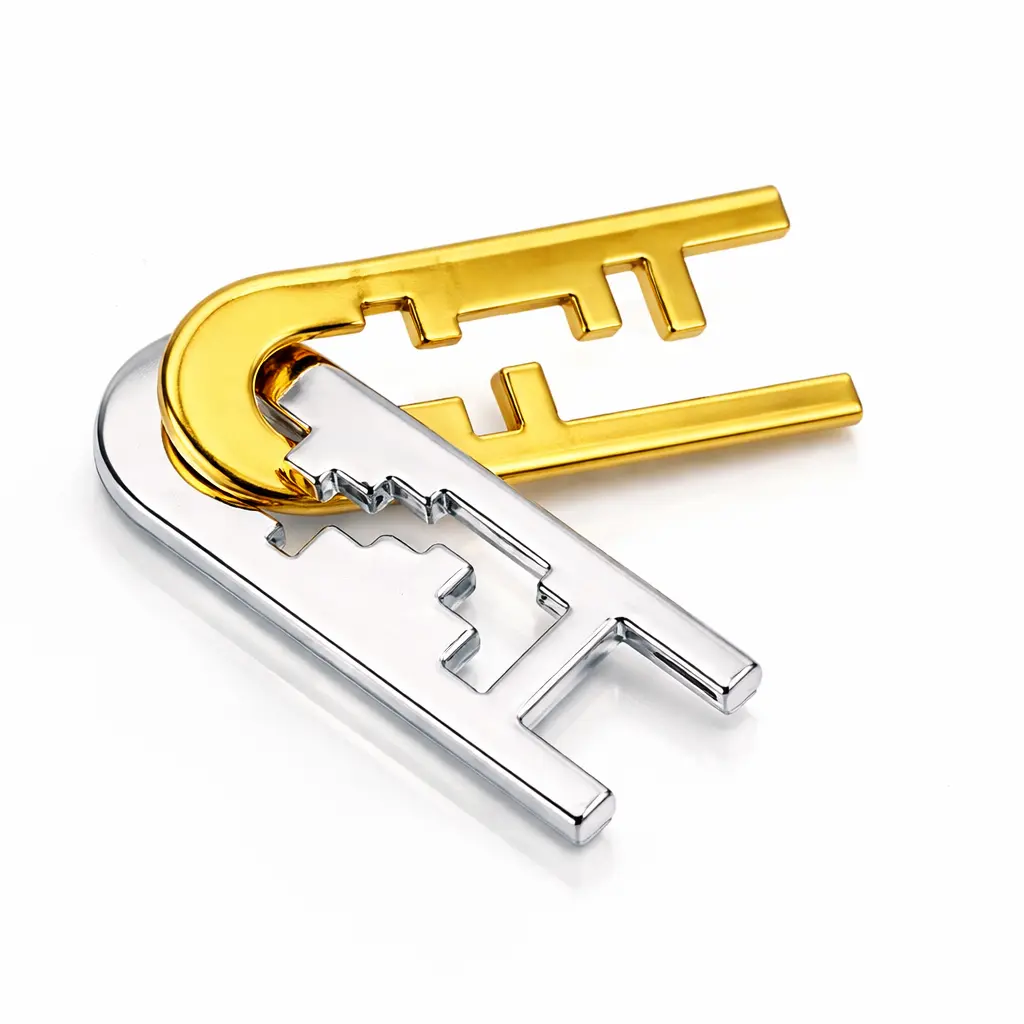
Not for those who hate metallic clinking or very small parts. Ideal for anyone wanting a rewarding first puzzle that feels like high-end jewelry. This elegant piece is a great intro to how to solve a keychain puzzle cube because the logic is tactile and easy to follow. It fits right on your ring without adding bulk. Once you master the sliding motion, you will feel that satisfying click of success. It is a stylish way to keep your hands busy during a long commute. Pair it with the Metal Starfish Puzzle Ring.
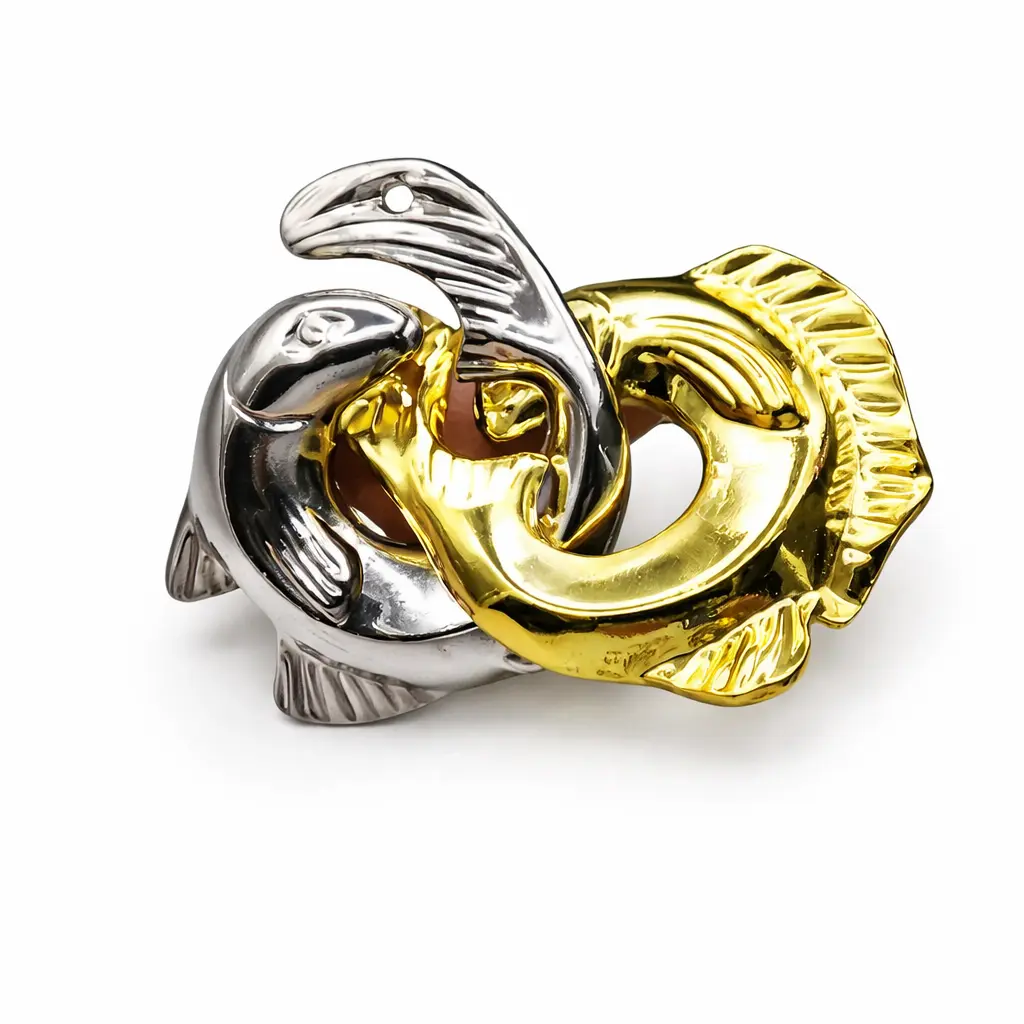
The cool, smooth finish of the interlocking fish feels substantial in your palm, offering a rhythmic sliding sensation as you navigate the loops. It is a tactile delight that helps you learn the spatial awareness needed for various small-scale challenges. The weight is balanced, making it a perfect desk toy for restless fingers. It provides a quick win that boosts your confidence for tougher builds. The metallic shine makes it easy to find in your bag. Graduate to the Dual Seahorse Gold & Silver Brain Teaser.
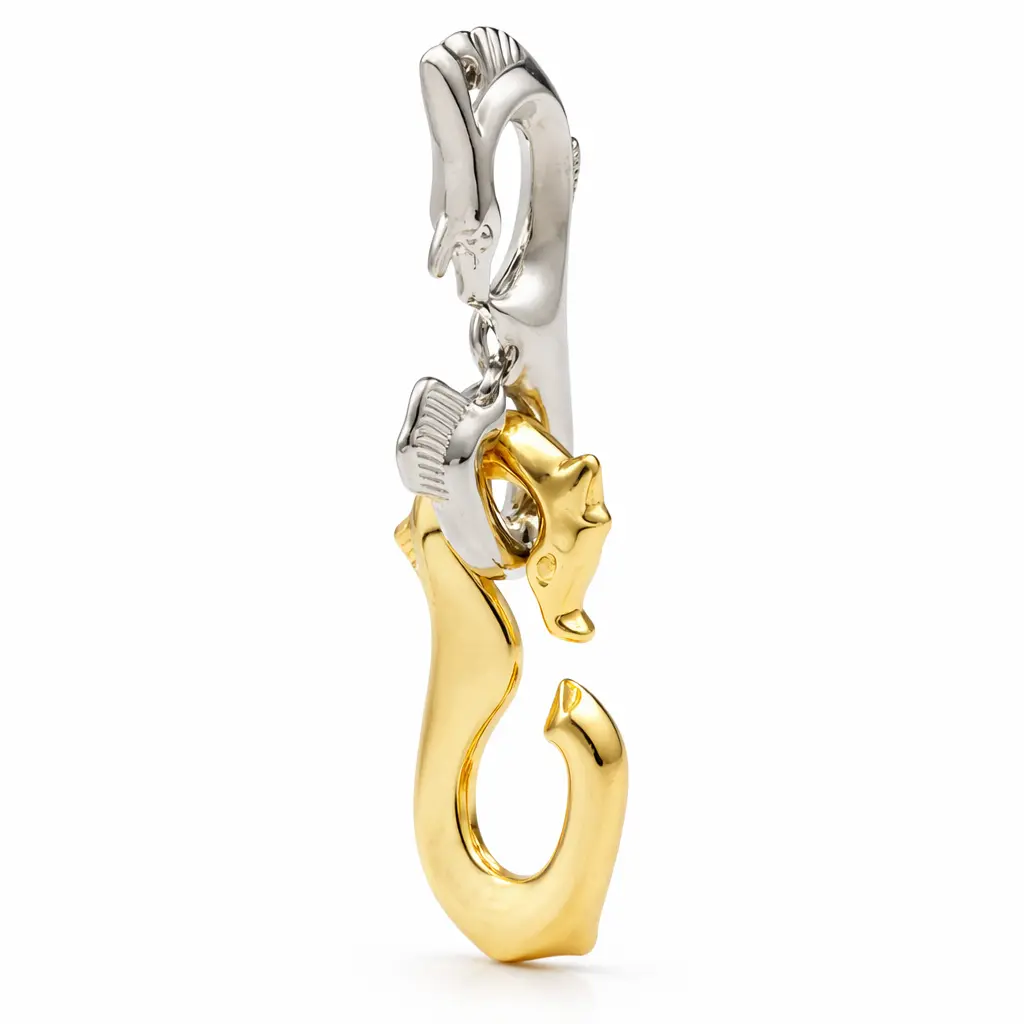
Not for the impatient who want an instant answer without any effort. Perfect for the collector who appreciates a beautiful, sea-themed challenge that doubles as art. This seahorse duo teaches you the patience required for how to solve a keychain puzzle cube while offering a much more graceful aesthetic. The way the pieces nestle together is incredibly satisfying once you find the right angle. It is a lovely gift for someone starting their journey. Pair it with the Metal Starfish Puzzle Ring.
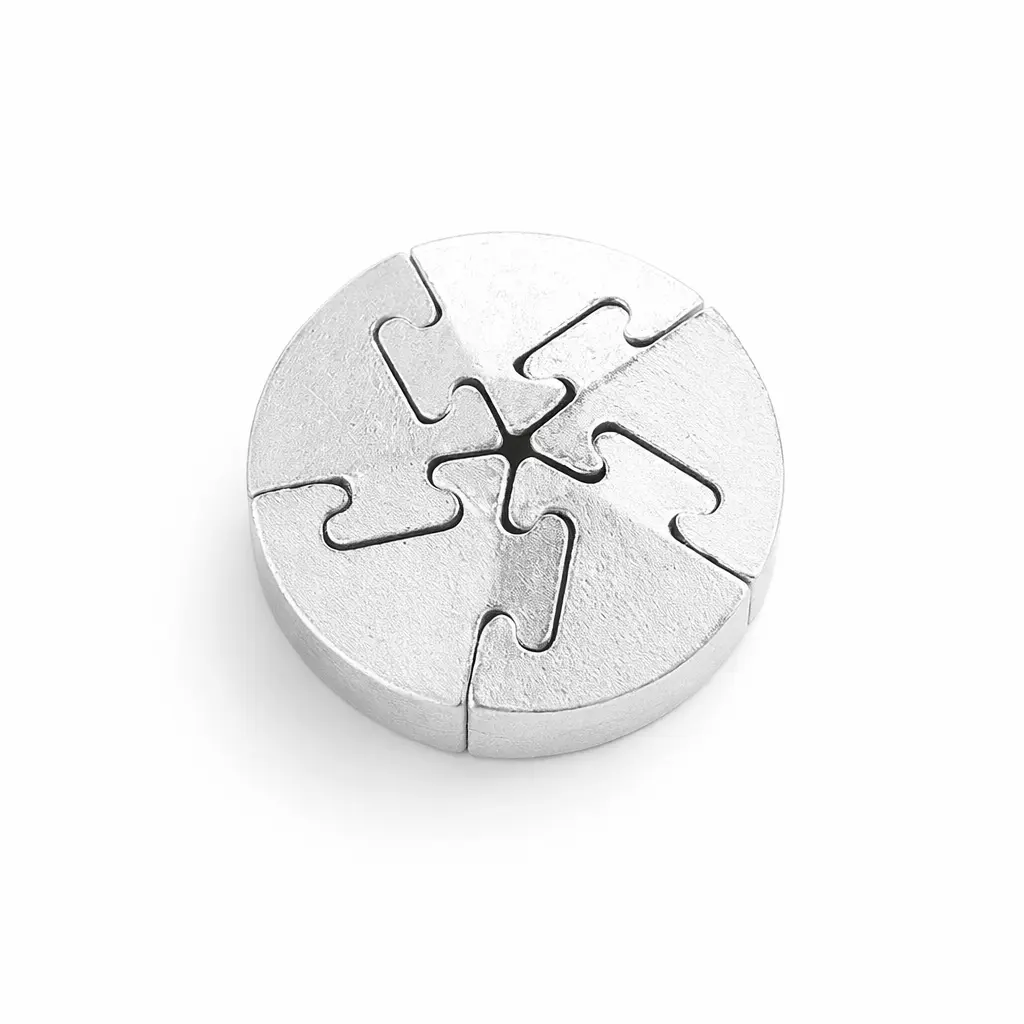
This puzzle features five identical, winding metal arms that weave together into a dense, heavy sphere that feels incredibly sturdy. As you twist the pieces, you will notice how the weight shifts, giving you clues on how to solve a keychain puzzle cube or other interlocking metal shapes. It is a challenging but fair experience that rewards persistent fiddling. The metallic sheen makes it look great on any set of keys. It is a great conversation starter. Graduate to the Cast Keyhole Gold & Silver.
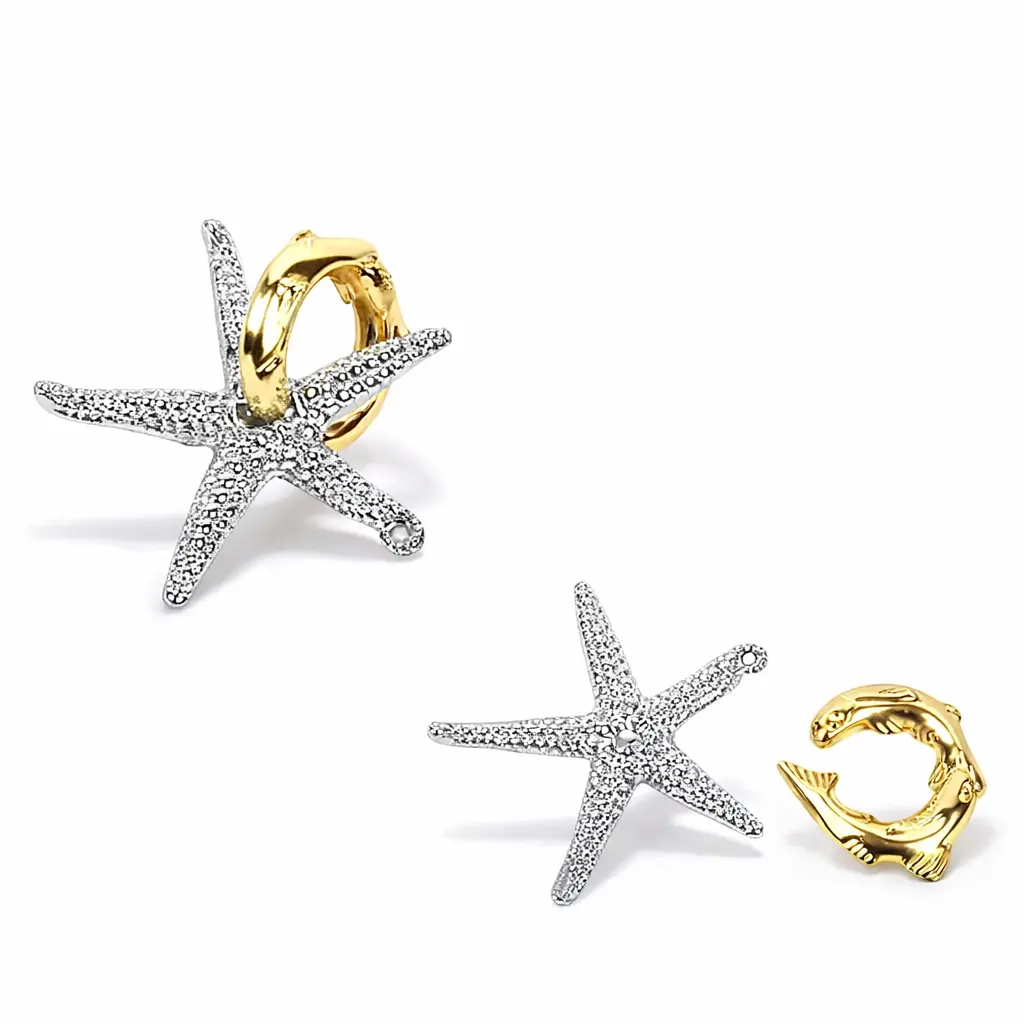
Not for those looking for a large, complex construction that takes hours. This is for the minimalist who wants a wearable challenge that is easy to start anywhere. Understanding the movement of this ring is a great primer for learning how to solve a keychain puzzle cube later on. It is lightweight and discreet, making it the perfect fidget for meetings or long flights. You will love the rewarding feeling of it sliding back into place. Pair it with the Gold Silver Double Fish Metal Puzzle.
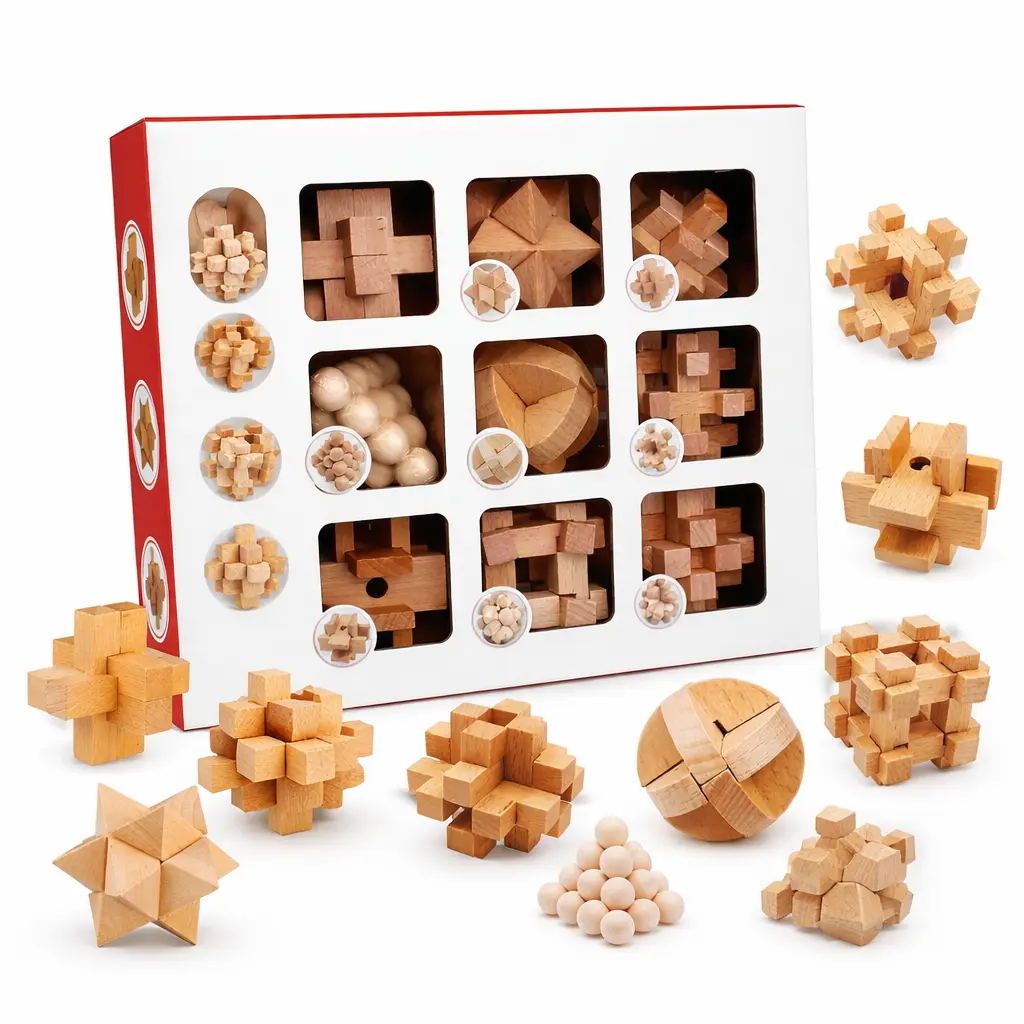
The scent of natural wood and the smooth, sanded edges of these nine distinct locks make for a warm, organic experience. Each piece fits together with a snug precision that mimics the logic used when you learn how to solve a keychain puzzle cube in a larger format. It is a comprehensive kit that takes you from beginner to intermediate levels of spatial reasoning. The variety keeps the experience fresh and exciting. It is a great family activity. Graduate to the Six-Piece Burr.
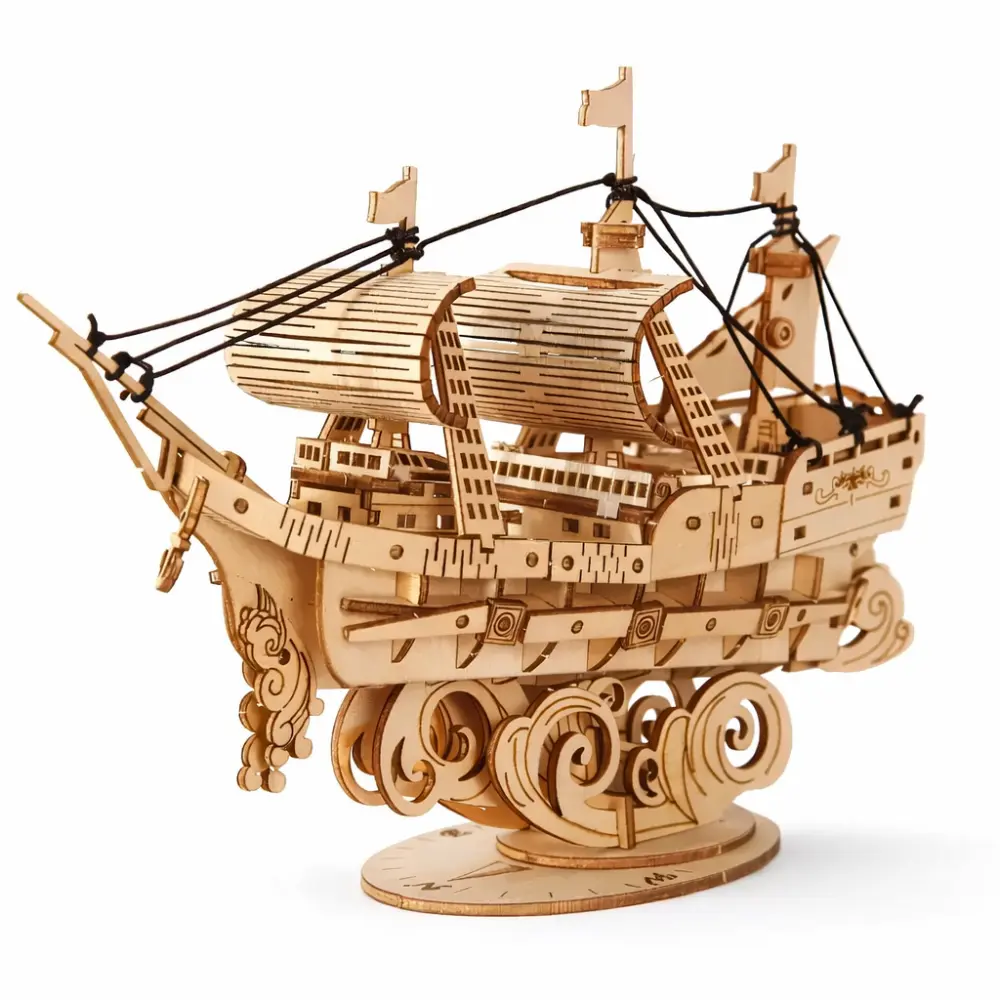
Not for someone who wants a five-minute distraction while waiting for the bus. This is for the hobbyist who enjoys a slow, rewarding build that results in a stunning display piece. While it is more complex than learning how to solve a keychain puzzle cube, the step-by-step assembly teaches you how individual parts create a whole. The laser-cut wood is precise and snaps together with a delightful pop. It is a fantastic weekend project. Pair it with the Steampunk Airship 3D Wooden Puzzle.
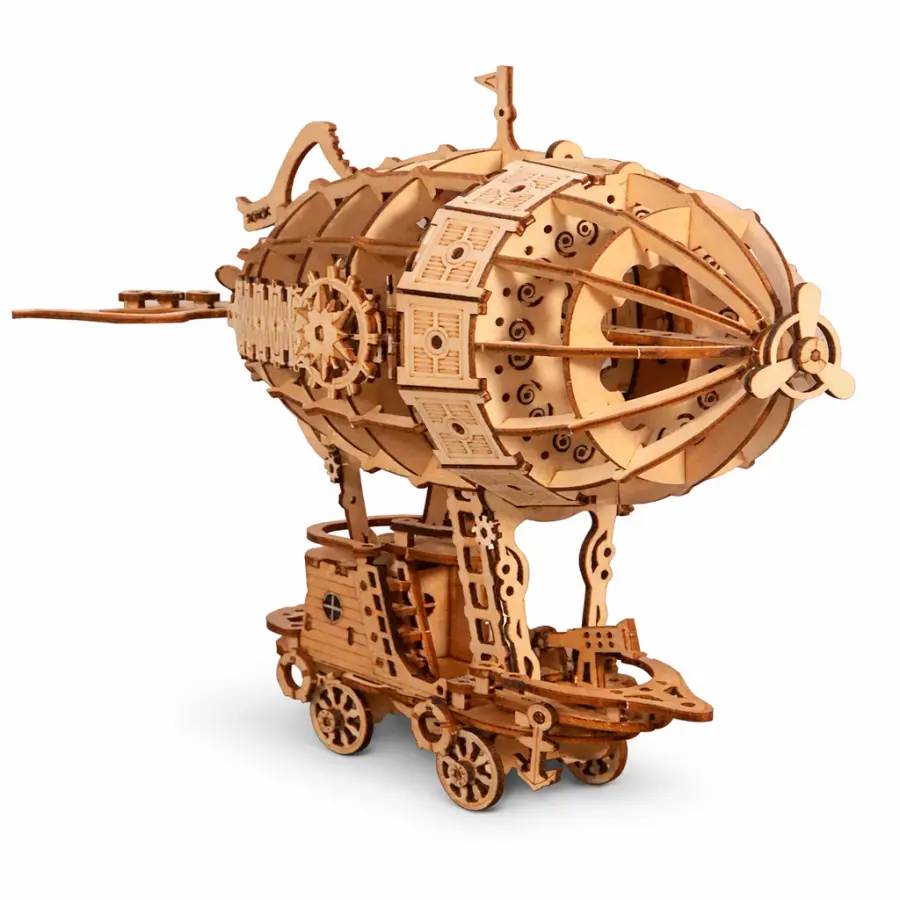
You will love the intricate gear details and the way the thin plywood feels both delicate and surprisingly strong once assembled. Rotating the propellers provides a mechanical satisfaction that is just as addictive as figuring out how to solve a keychain puzzle cube on the go. This kit is a conversation starter that looks fantastic on a bookshelf or office desk. It is an approachable entry into the world of 3D modeling. It makes a great gift. Graduate to the Galleon Ship 3D Wooden Puzzle Model Kit.
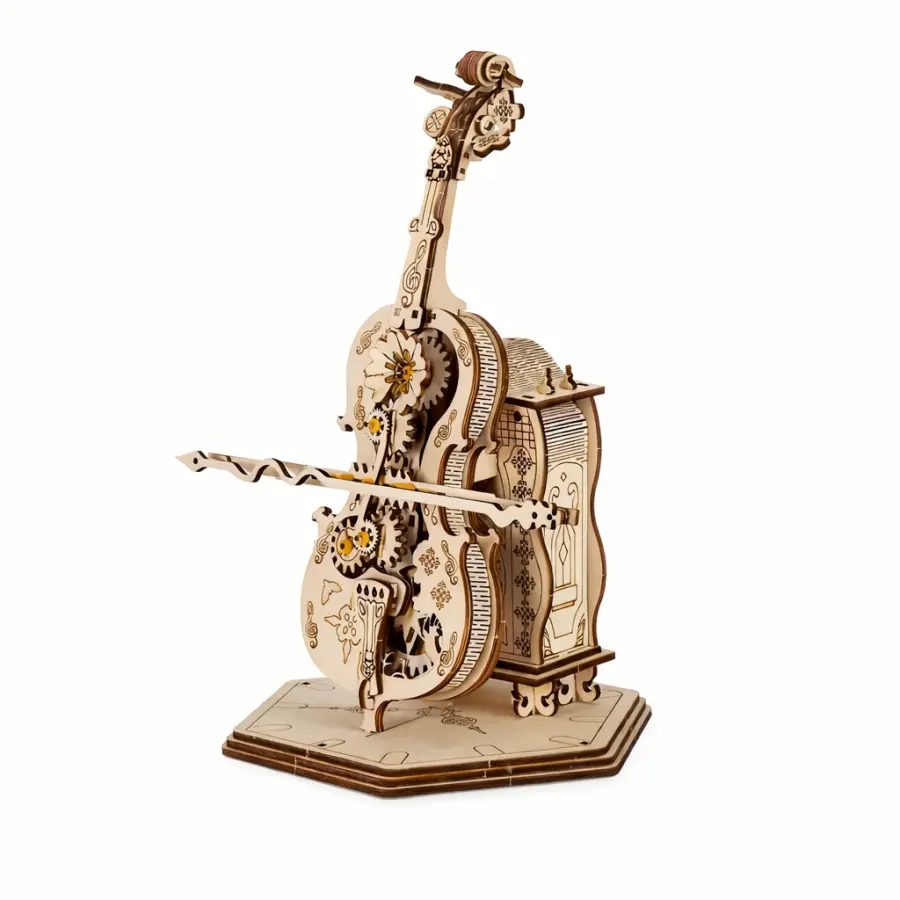
Not for those who prefer abstract shapes over representational art. This is for the music lover who wants a first puzzle that feels personal and artistic. The assembly process is a gentle way to learn the mechanics of interlocking tabs, which is a core skill for how to solve a keychain puzzle cube. The finished model is elegant enough to be a permanent fixture in your home decor. It is a calming, focused activity for a quiet evening. Pair it with the DIY Castle Music Box.
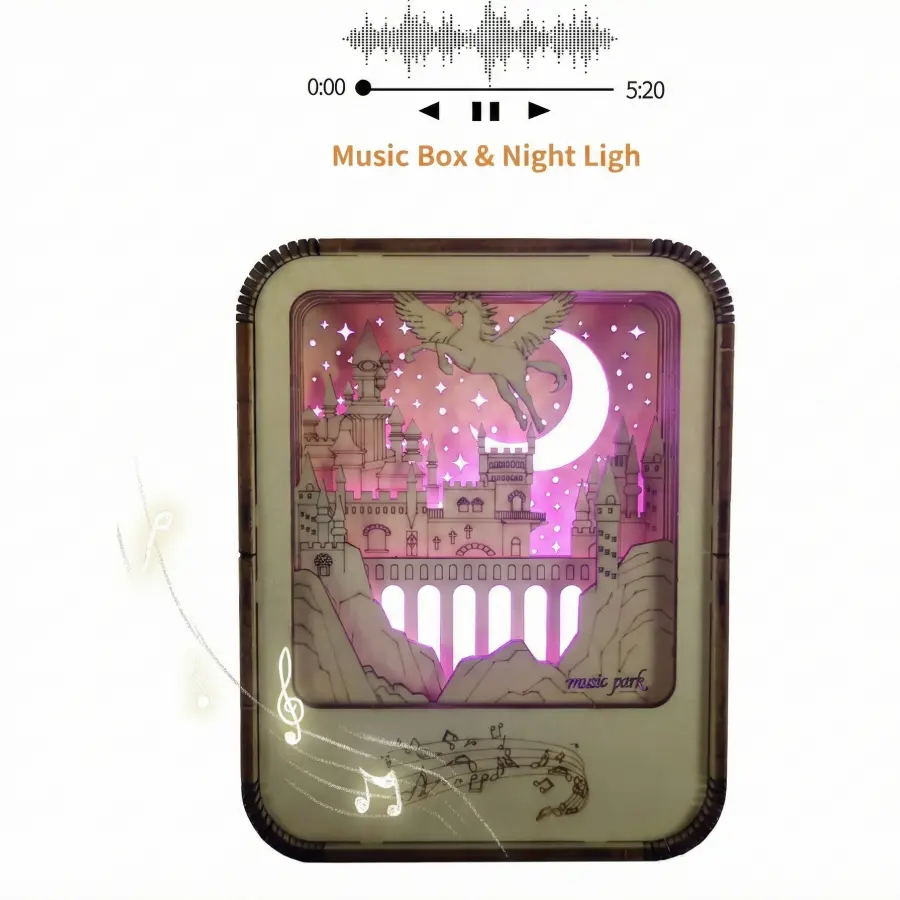
The soft glow of the internal light and the tinkling melody create a multi-sensory reward that goes far beyond a simple click. Building this shadow box helps you understand internal structures, much like visualizing the core when you want to know how to solve a keychain puzzle cube. It is a magical project that combines engineering with storytelling. The layers of wood create a beautiful depth. Graduate to the 3D Wooden Cello Puzzle Model Kit.
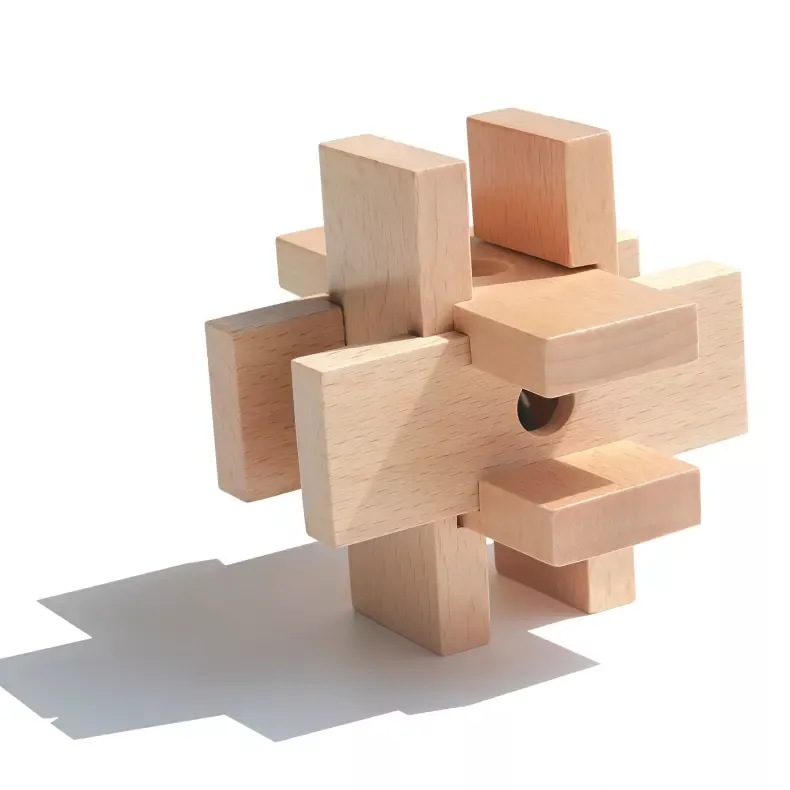
Not for experts looking for a multi-hour ordeal that tests their sanity. This is the perfect easy start for kids or adults who want a quick, rewarding win they can carry in their pocket. This key is a direct relative of the classic 3D cross, making it a great way to learn how to solve a keychain puzzle cube through similar interlocking logic. It is durable enough to survive being tossed in a bag. Pair it with the Circular Lock.
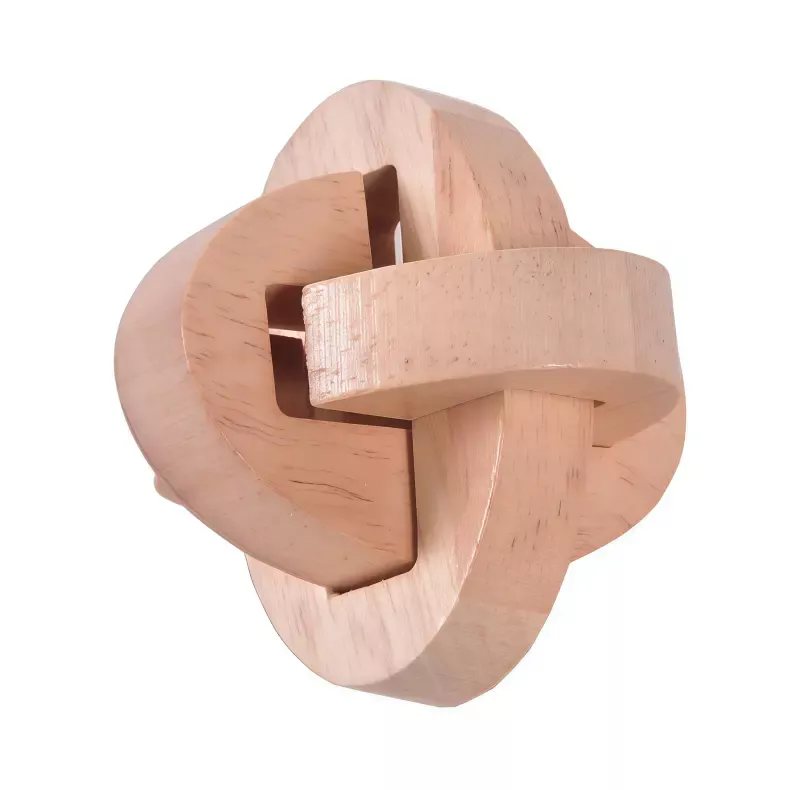
The rounded edges of this wooden lock feel smooth against your fingertips, making it a comfortable fidget toy for long waits. Its circular design offers a unique twist on traditional burr puzzles, helping you expand your knowledge of how to solve a keychain puzzle cube by thinking in curves rather than corners. The pieces slide with a gentle friction that feels very high-quality. It is a great gift for a curious mind. Graduate to the Six-Piece Burr.
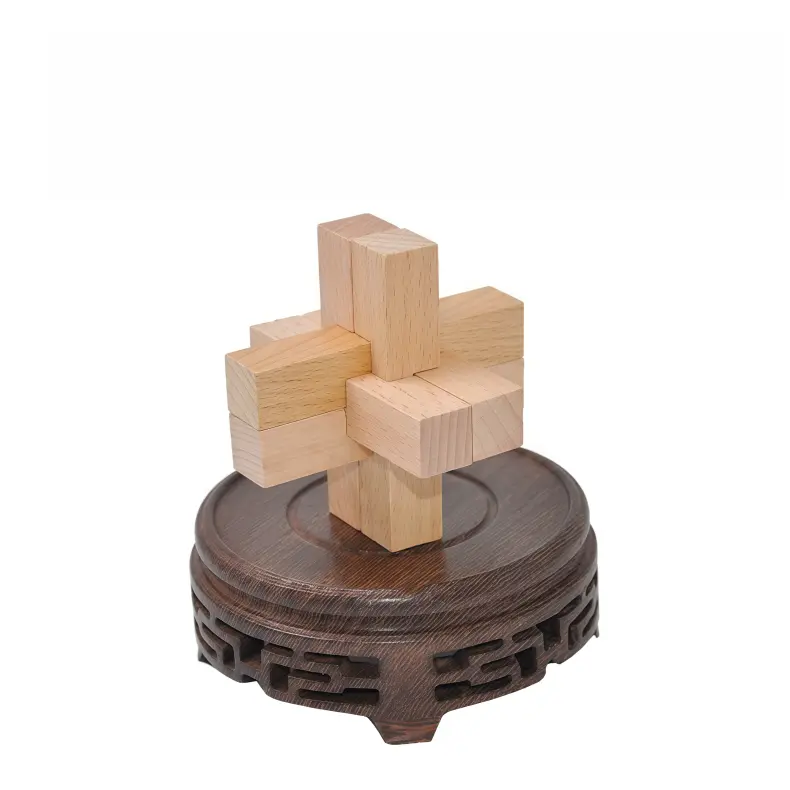
Not for the easily frustrated who give up after one wrong move. This is for the persistent problem-solver who loves the 'aha!' moment of a perfect fit. Mastering this classic shape is a rite of passage that will definitely help you understand how to solve a keychain puzzle cube more efficiently. It is a foundational piece for any collection and offers a very rewarding sense of accomplishment. The solid wood construction is built to last. Pair it with the Twelve Sisters Puzzle.
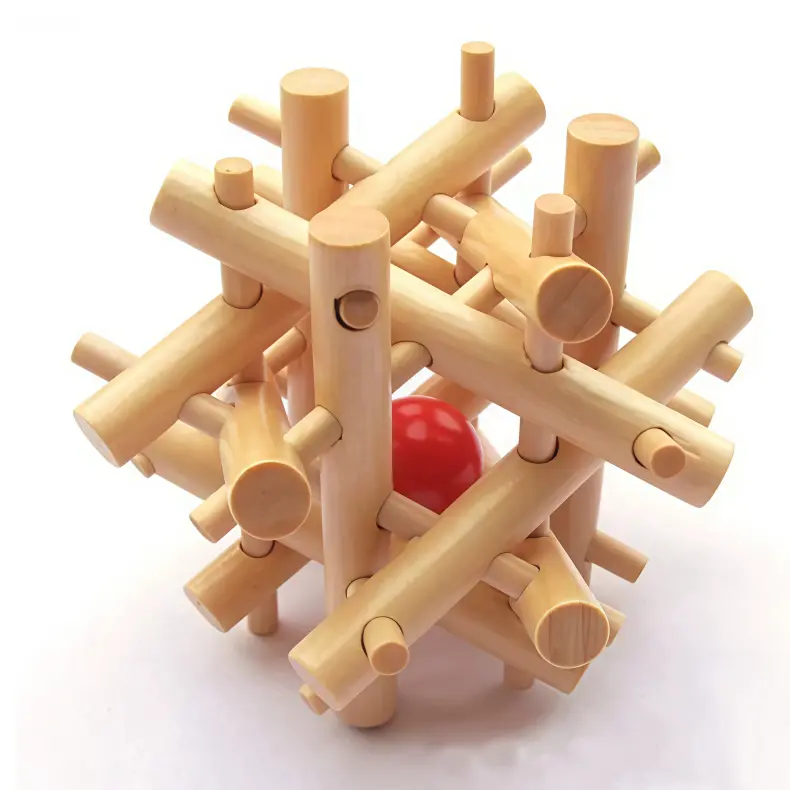
The complexity of these twelve interlocking bars creates a dense, heavy wooden block that feels like a real accomplishment to hold. Navigating the sequence of moves is a great exercise for your brain, teaching you the same sequential logic needed for various 3D puzzles. It is a beautiful example of traditional craftsmanship that looks like a modern sculpture when solved. The fit is tight and precise. Graduate to the Six-Piece Burr.
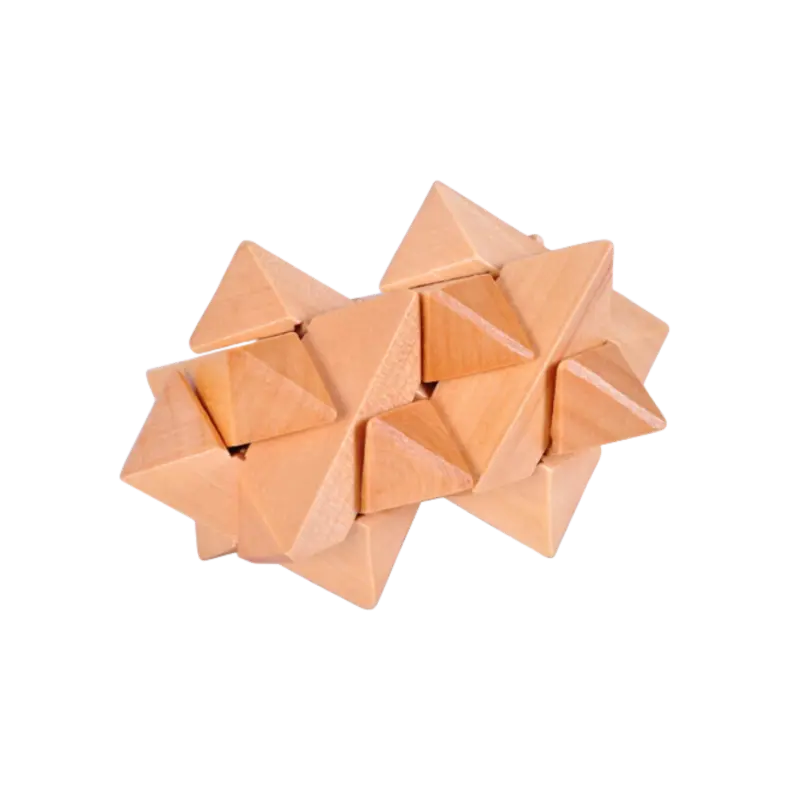
Not for those who prefer loose, easy-to-move parts that require no precision. This is for the user who likes a snug, challenging fit that requires precise alignment to unlock. Solving this star is a great way to learn the spatial relationships that are vital when you figure out how to solve a keychain puzzle cube. It is a small but mighty challenge that fits perfectly in a stocking. The geometry is truly fascinating to explore. Pair it with the The Mystic Orb Lock.
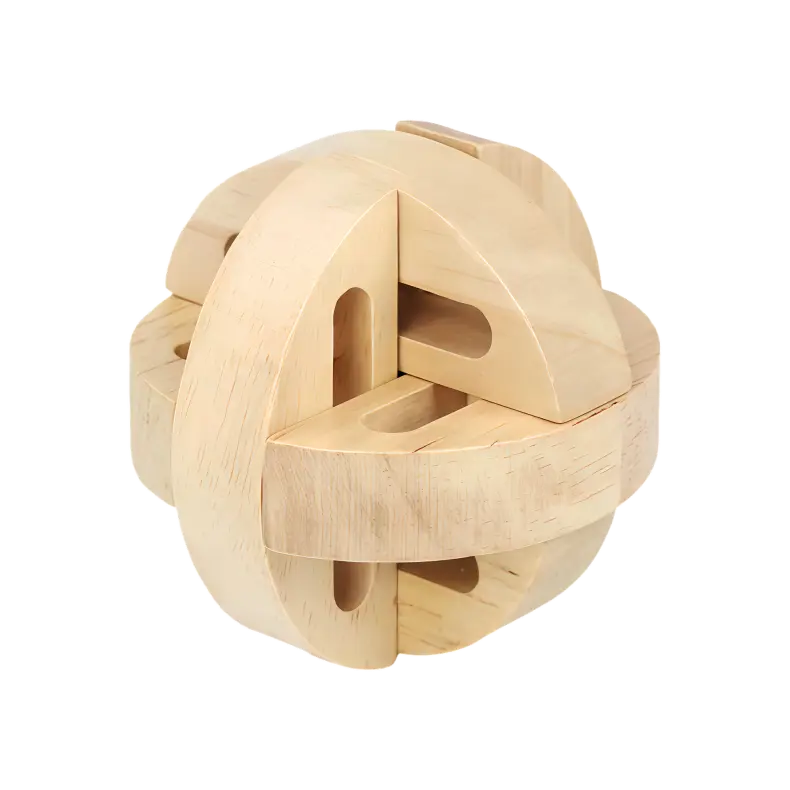
The spherical shape of this puzzle nestles perfectly in the palm of your hand, offering a rolling, tactile experience as you search for the key piece. It is a smooth, satisfying journey that mimics the rotational thinking required for many mini puzzles. The dark wood finish gives it an air of mystery and sophistication. It is a great desk toy for breaking up a long workday. Graduate to the Interlock Puzzle Sphere.
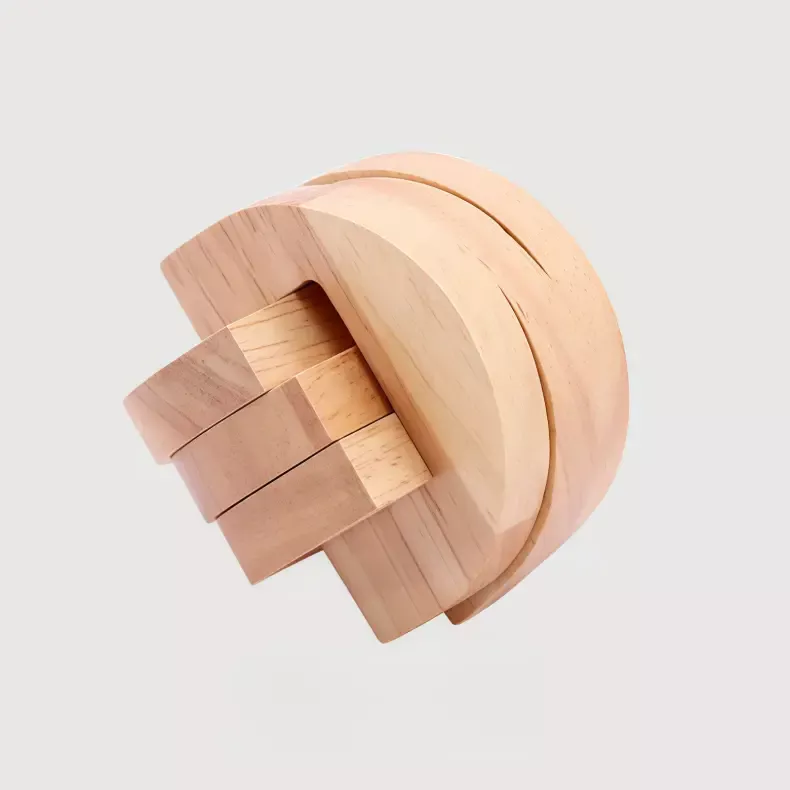
Not for people who lose small pieces easily or have very large hands. This is for the organized puzzler who enjoys a methodical deconstruction and reconstruction process. Understanding how these curved segments lock together is a brilliant way to learn the advanced mechanics of how to solve a keychain puzzle cube. It is a visually striking piece that people will constantly want to pick up. The internal logic is consistent. Pair it with the Luban Sphere Puzzle.
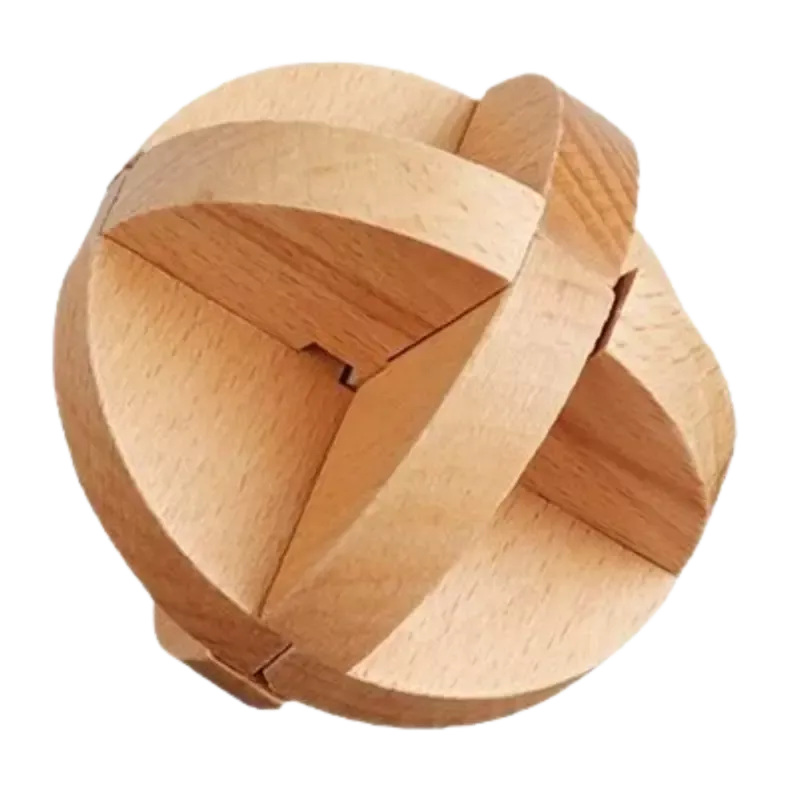
The interlocking wooden slats create a hollow but sturdy globe that feels light and airy in your hands. This traditional design is a fantastic easy start for those who want to appreciate ancient engineering while they explore new challenges. The way the pieces support each other without glue is a marvel of design. It is a peaceful, meditative puzzle to work on during your downtime. Graduate to the Kongming Lock Color Match.
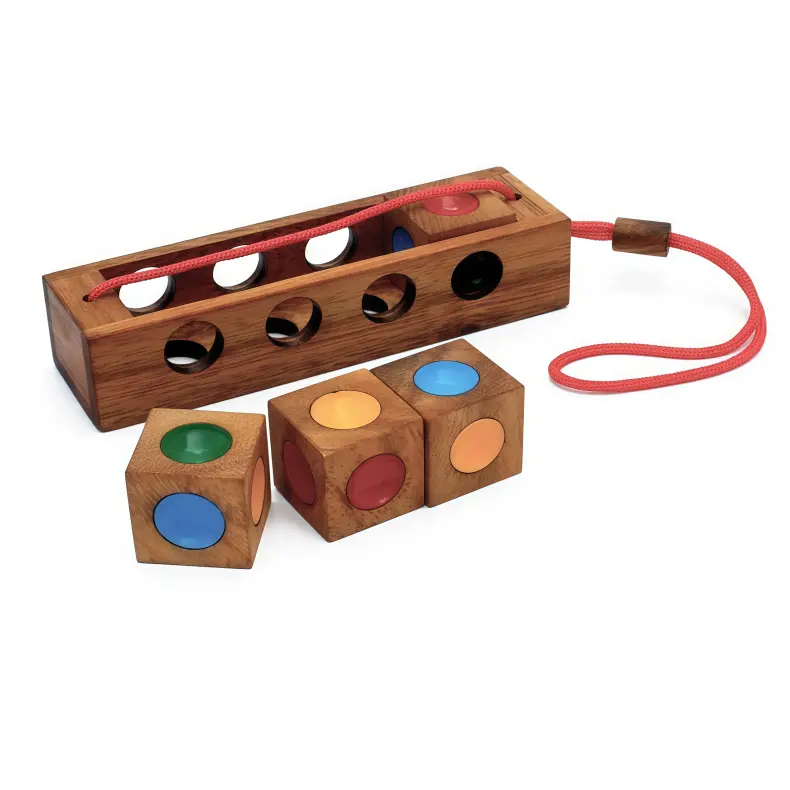
Not for the color-blind or those who prefer monochrome aesthetics. This is for the visual learner who uses color cues to navigate complex structures. The added dimension of color makes it a fun way to learn the basics of how to solve a keychain puzzle cube by matching patterns. It is bright, cheerful, and very approachable for younger puzzlers. The wooden finish is vibrant and smooth. Pair it with the Wood Knot Puzzle.
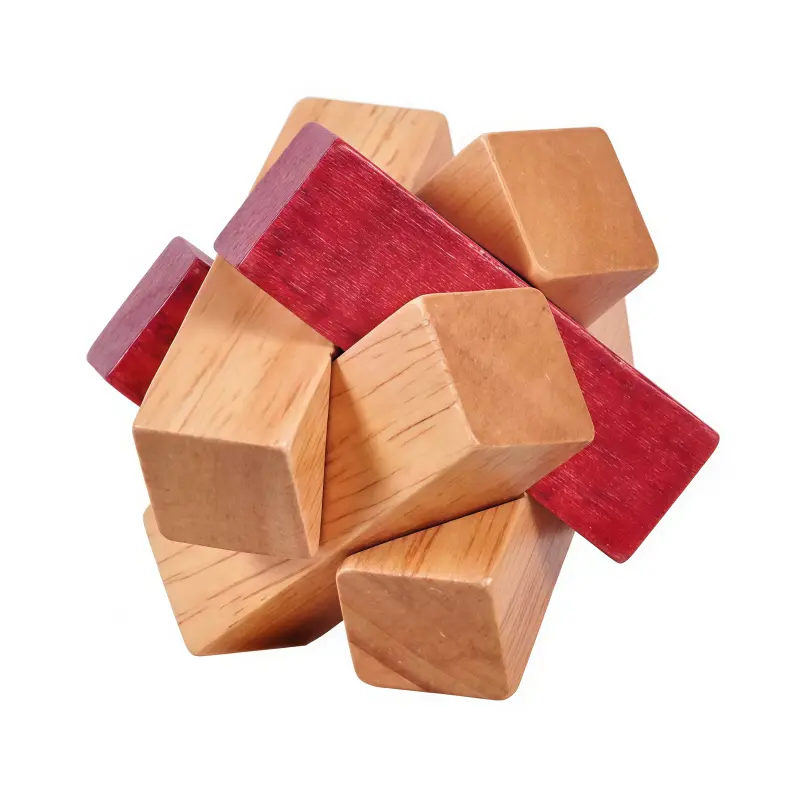
The chunky, interlocking pieces of this knot have a rustic, hand-carved feel that is very grounding to play with. It is a simple but clever design that serves as an excellent primer for anyone wanting to build their spatial skills. The pieces are thick and easy to grip, making it a great choice for seniors or children. It is a timeless classic that never gets old. Graduate to the Twelve Sisters Puzzle.
Start by identifying the key piece, which is usually the only one that slides out without resistance. Once that is removed, the rest of the structure will loosen. This is the first step in learning how to solve a keychain puzzle cube effectively.
These are designed to be interlocking. If it fell apart, the locking piece likely slid out. Don't worry, it is a great chance to learn the internal logic as you put it back together. It is a common part of the learning process.
They can be trickier because of their small scale, but the logic is often simpler. They are a rewarding first puzzle for anyone looking to build their spatial skills without committing to a massive project.
Unfortunately, most of these require every piece to create the tension needed to stay together. Keep your pieces safe in a dedicated tray while you are working on the solution.
The best method is the fiddle and figure approach. Spend time moving pieces back and forth to see how they affect the rest of the cube before you pull it completely apart.
Yes, they usually follow a linear disassembly path. You must move piece A to release piece B, and so on, until the core is exposed. Reversing this process is how you solve it.
Absolutely! They are an easy start for children to develop fine motor skills and patience. Just ensure they are old enough not to lose the small parts, as every piece is vital.
Try rotating the pieces rather than pulling. Often, a tiny shift in angle is all you need to find the path to the next step. Never use force, as these are precision-engineered to move smoothly.