Mistake: Forcing a turn when the elastic cord is tight.
Correction: If a piece won't rotate easily, it’s likely blocked by another block. Back up one step and check your alignment.

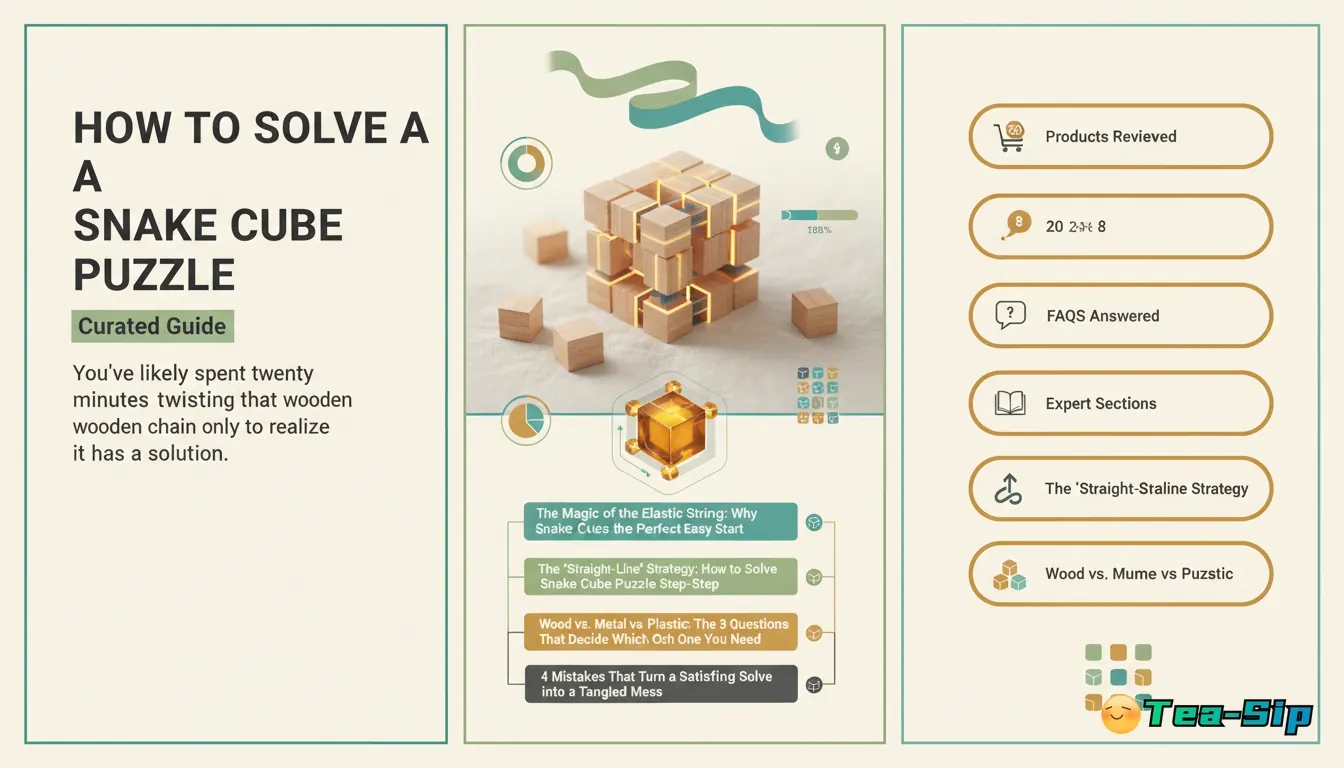
You’ve likely spent twenty minutes twisting that wooden chain only to realize it looks less like a cube than when you started. Finding a clear guide on how to solve a snake cube puzzle shouldn't be more frustrating than the toy itself. This guide simplifies the process, ensuring your first puzzle experience is rewarding rather than confusing.
Think of the snake cube not as a math problem, but as a flexible dance. Unlike a traditional Rubik's style toy where pieces move on fixed axes, the snake cube is a single, continuous chain of 27 wooden or plastic blocks held together by an internal elastic cord. This makes it a fantastic easy start for anyone new to the world of 3D brain teasers.
Because the pieces are physically connected, you can't lose a part, making it an ideal desk toy or travel companion. The goal is simple: fold the 'snake' back into a perfect 3x3x3 cube. It’s all about visualizing how those straight lines and corners nestle into one another to create a solid shape. Learning how to solve a snake cube puzzle is often the first step toward mastering more complex items like the Magnetic Cube Puzzle Guide.
When you first unfold the snake, it looks chaotic. To begin, lay the puzzle out flat and identify the 'straight' sections (where the cord goes straight through) and the 'corner' sections (where the cord turns at a 90-degree angle). Most successful solvers start from one end and look for the longest straight sections to form the base layer.
By focusing on filling one 3x3 layer at a time, the process becomes much more manageable. If you find yourself stuck, try starting from the opposite end of the chain. This simple shift is often the key to how to solve a snake cube puzzle without getting overwhelmed.
Choosing your first puzzle depends on how you plan to use it. Are you looking for a tactile, sensory experience, or a sleek display piece? Use the table below to compare the different materials available at tea-sip.com.
| Material | Best For... | Tactile Feel | Difficulty Range |
|---|---|---|---|
| Wooden (e.g., Six-Piece Burr) | Classic desk aesthetic | Warm, organic, friction-heavy | Beginner to Advanced |
| Metal (e.g., Metal Orbit Ring) | Durability and weight | Cool, smooth, high-precision | Intermediate |
| Plastic (e.g., 3D Crystal Apple) | Visual flair and light | Clicky, translucent, modern | Beginner |
If you are just beginning your journey and learning how to solve a snake cube puzzle, we recommend starting with a wooden model for that classic, grippy feel that helps pieces stay in place while you think.
Correction: If a piece won't rotate easily, it’s likely blocked by another block. Back up one step and check your alignment.
Correction: Always start from one of the two ends. The ends are the only pieces with only one connection point, making them the logical anchor.
Correction: Lay the puzzle on a flat surface like a table. This allows you to see the layers forming and prevents the chain from flopping around.
Correction: Straight segments are your best clues. They can only fit along the edges or through the center of the cube's faces.
Don't be discouraged if you don't get it immediately. For most beginners, the first successful solve takes between 15 and 30 minutes. The beauty of this toy is that it is highly rewarding once you find that specific sequence of folds. Unlike harder logic games like Kurodoko, the snake cube provides immediate physical feedback.
Once you understand how to solve a snake cube puzzle, your time will drop significantly. Many enthusiasts find they can re-assemble the cube in under 60 seconds after just a few days of practice. It becomes a form of 'fidget' meditation that keeps your hands busy during meetings or while watching TV.
Mastering the snake cube is a gateway to the broader world of mechanical puzzles. If you enjoyed the interlocking nature of the blocks, you might want to explore a Six-Piece Burr or the Luban Sphere Puzzle. These offer a similar 'disassemble and reassemble' challenge but with different geometric logic.
For those who want to move away from wood, the Metal Orbit Ring Cast Puzzle offers a sleek, high-end alternative that tests your spatial reasoning in a completely different way. You can also check out our Adult Puzzles 3D Guide for even more complex builds that result in beautiful display pieces for your home.
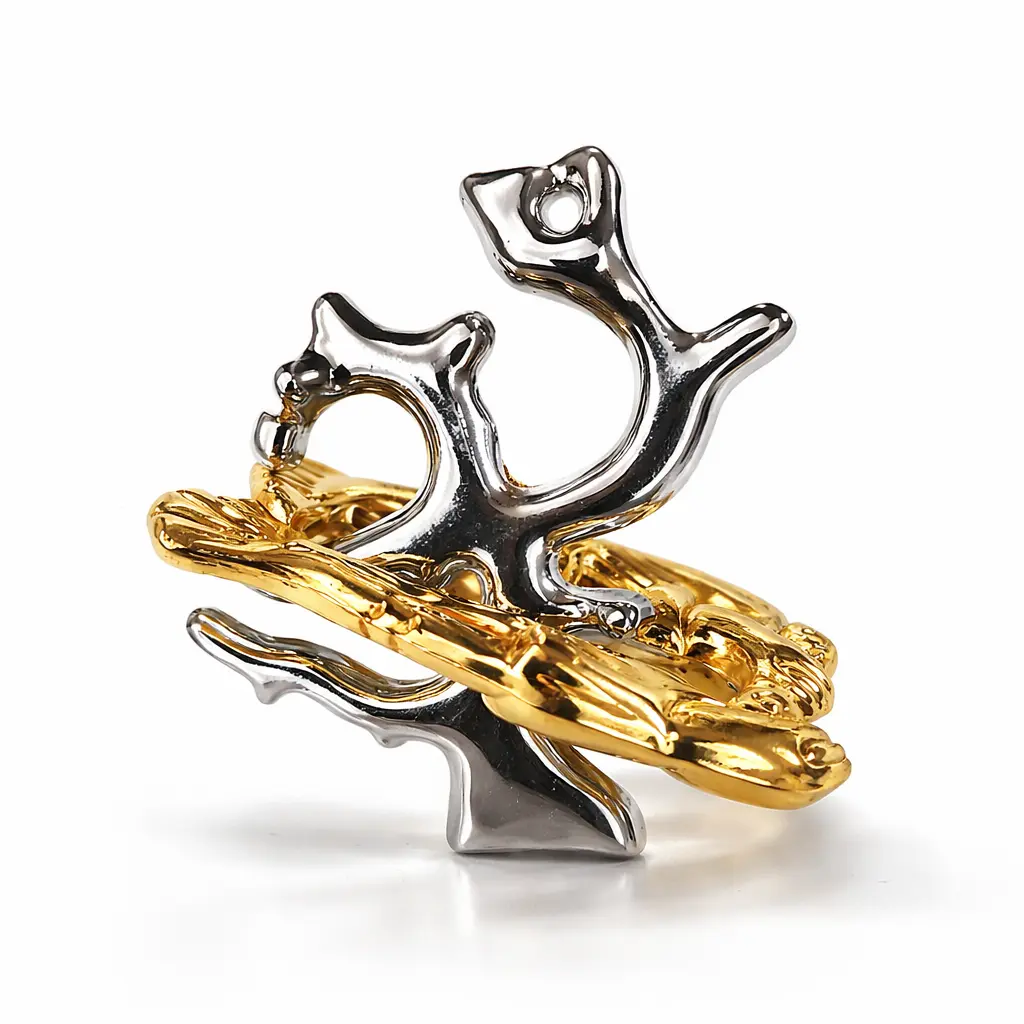
You should NOT buy this if you prefer the warm, soft touch of organic wood. You SHOULD buy this if you crave the high-contrast shine of gold and silver finishes on your desk. This metal challenge requires you to separate the fish from the reef, offering a different tactile sensation than learning how to solve a snake cube puzzle. It feels heavy and premium in the hand, making every movement feel intentional. Once you free the fish, pair it with the Metal Orbit Ring for a complete maritime collection.
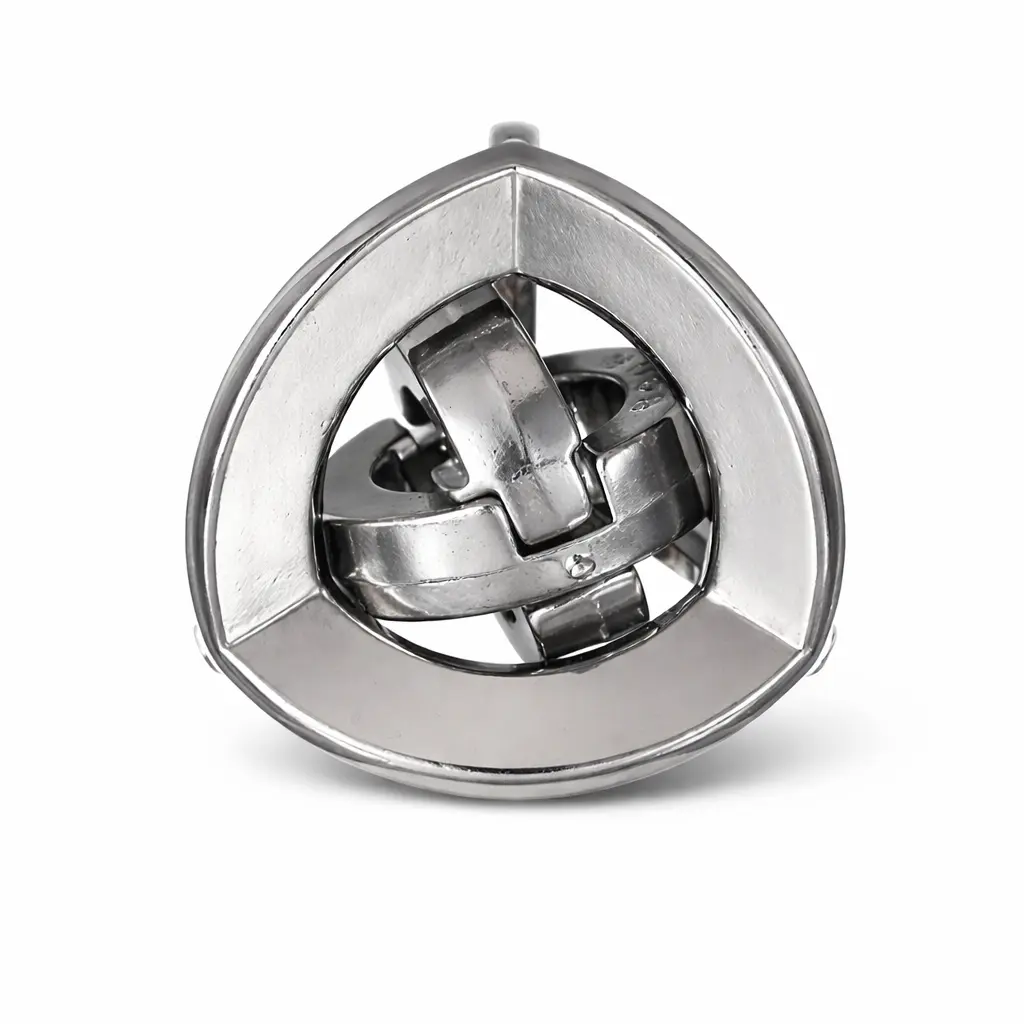
The cool, polished surface of these interlocking rings provides a soothing sensory experience as they glide against one another. It feels like a piece of modern jewelry that just happens to be a brain teaser. While you focus on how to solve a snake cube puzzle, this ring puzzle offers a more fluid, circular challenge that fits perfectly in a pocket. It moves with a silent, high-precision click that is incredibly satisfying. Graduate to the Cast Coil Triangle for a more angular metal test.
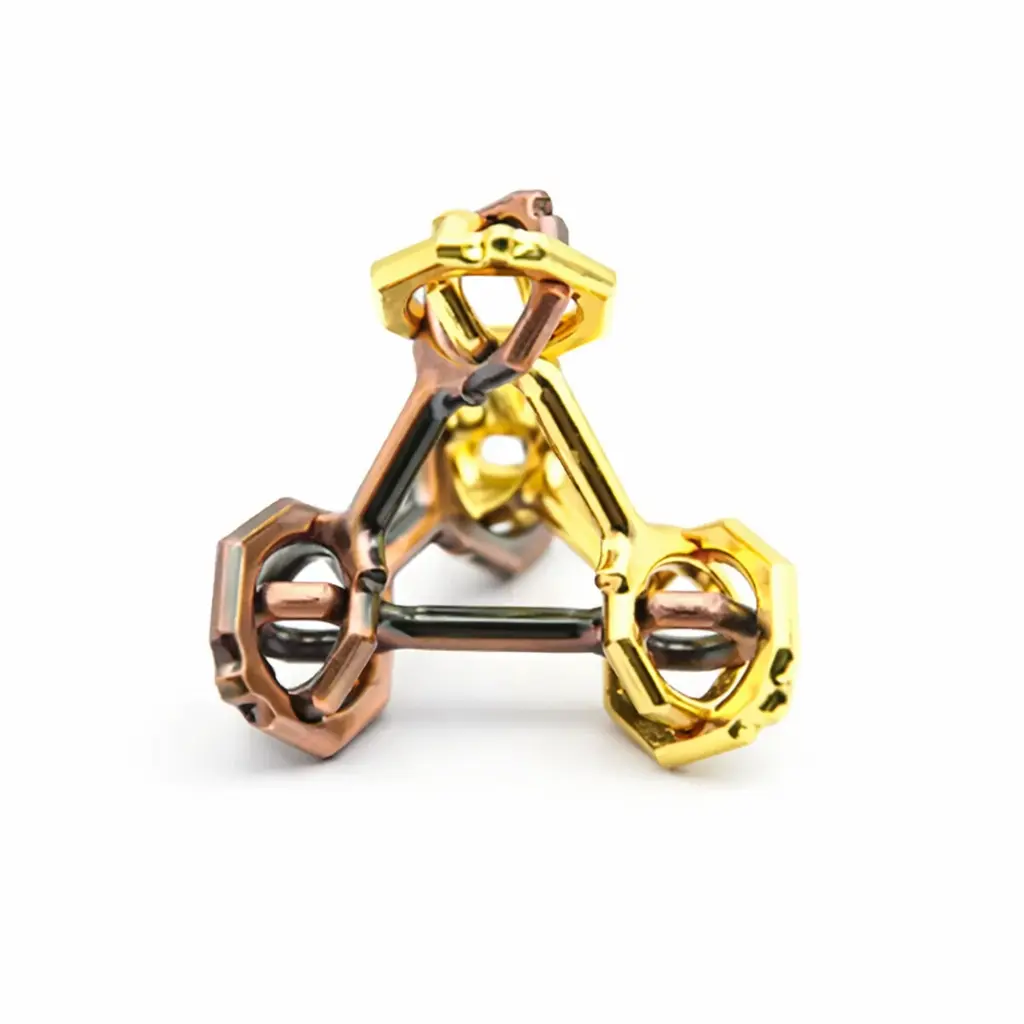
This is NOT for the faint of heart or those who give up when a piece doesn't move immediately. You SHOULD buy this if you love the 'impossible object' aesthetic and want a puzzle that doubles as a paperweight. It is significantly more dense than a standard wooden toy, providing a grounding weight during a long workday. Understanding how to solve a snake cube puzzle will help you visualize the internal paths here. Pair it with the Cast Coil Pocket for a matched set.
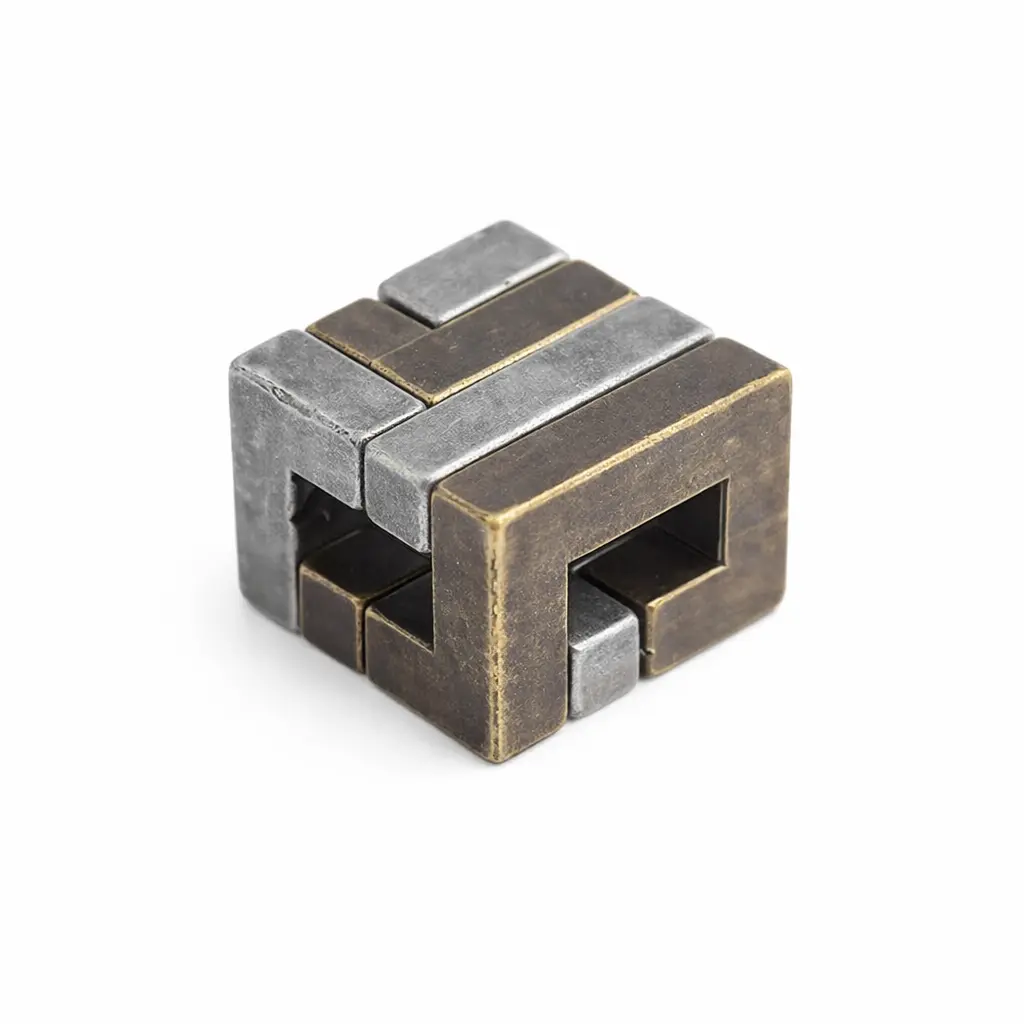
Running your thumb over the deep ridges of this cast metal coil is a tactile delight for any fidgeter. It feels like a heavy-duty industrial component that has been turned into a game. The solution involves a series of rhythmic rotations that are just as rewarding as figuring out how to solve a snake cube puzzle for the first time. Its compact size makes it the ultimate travel companion for long flights. After mastering this, try the Mystic Orb Lock for a different mechanical vibe.
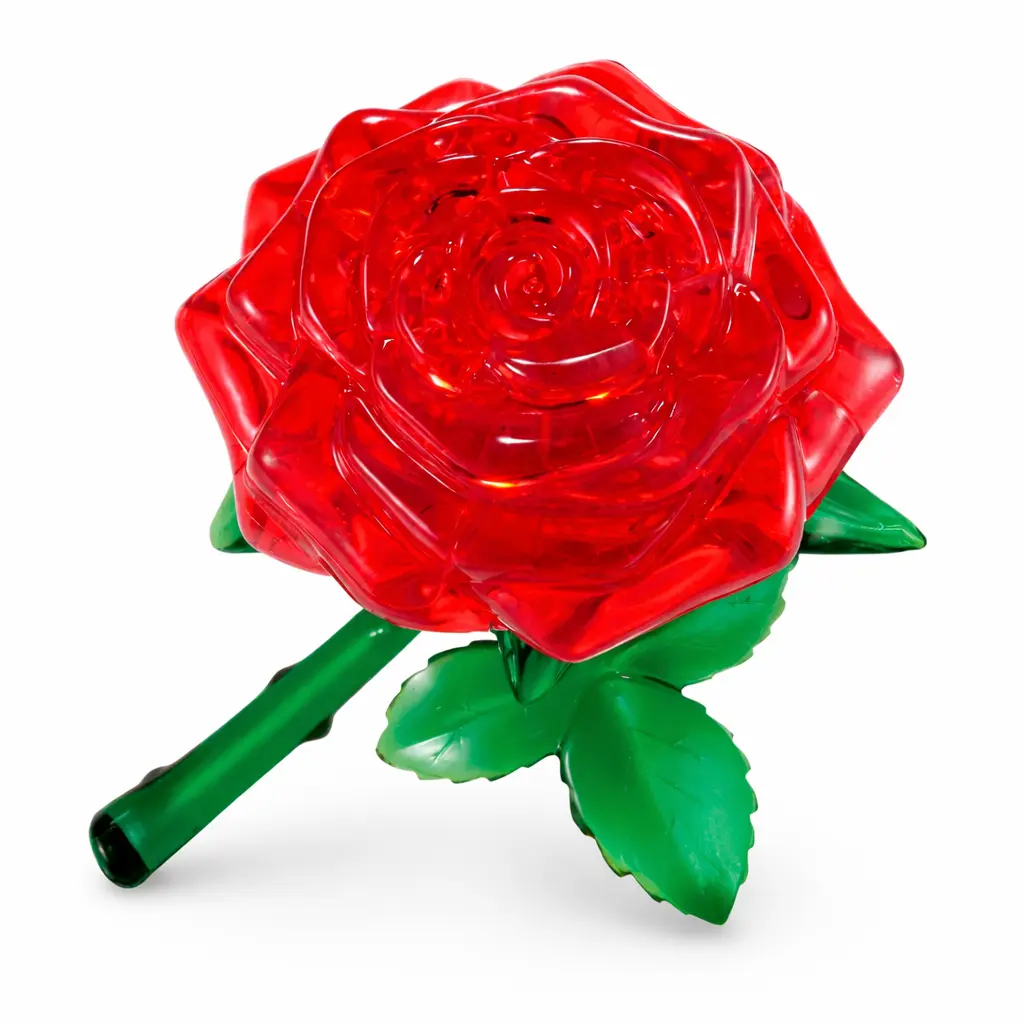
You should NOT buy this if you are looking for a puzzle to toss around or handle roughly. You SHOULD buy this if you want a beautiful, translucent decorative piece that you can be proud to display. The interlocking plastic petals require a gentle touch, much like the precision needed when learning how to solve a snake cube puzzle. The way the light catches the red facets makes the final assembly feel like a true achievement. Graduate to the 3D Crystal Apple for more fruit-themed fun.
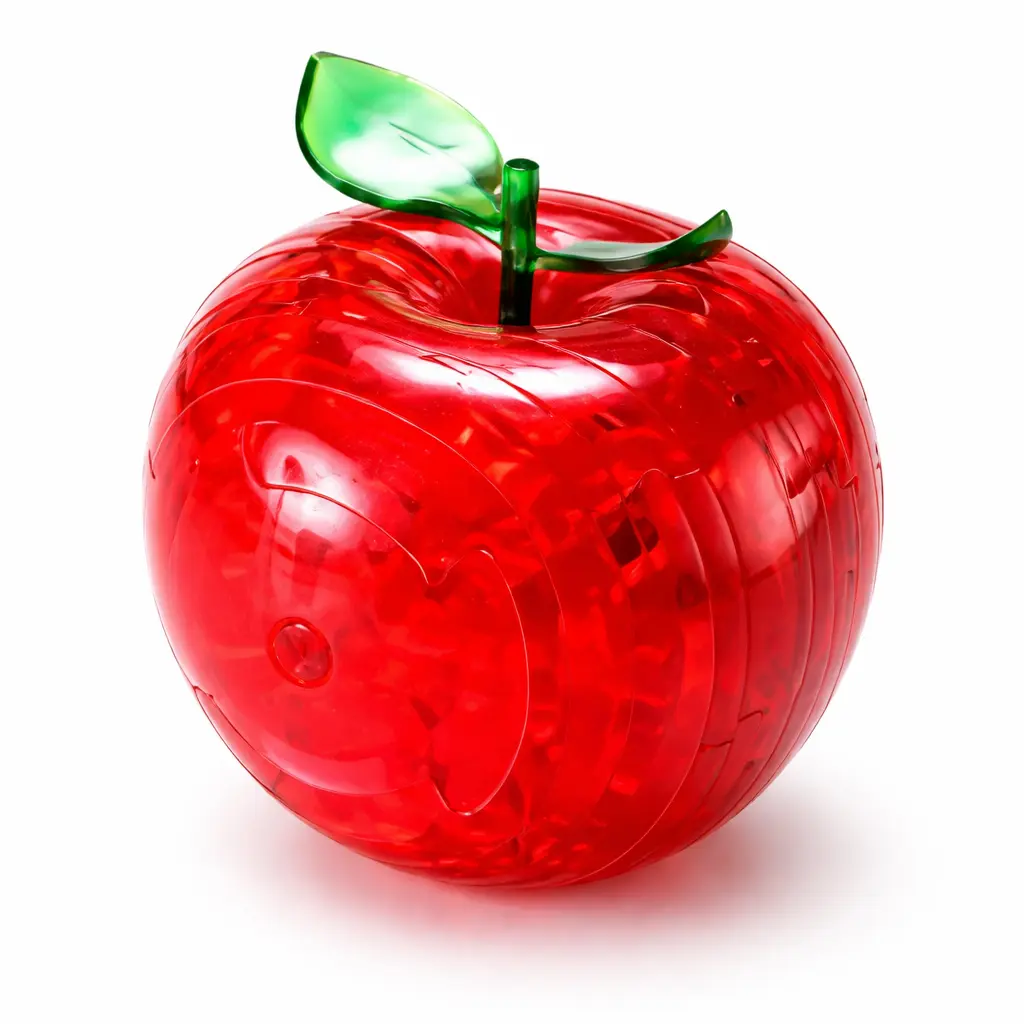
The smooth, glassy texture of the red crystal pieces feels surprisingly substantial as you lock each segment into place. It has a bright, cheery presence on a windowsill where the sun can shine through its core. While simpler than figuring out how to solve a snake cube puzzle, the vertical stacking logic is a great way to build spatial confidence. The final 'leaf' piece acts as a key that holds the entire structure together. Pair it with the Crystal Rose for a floral display.
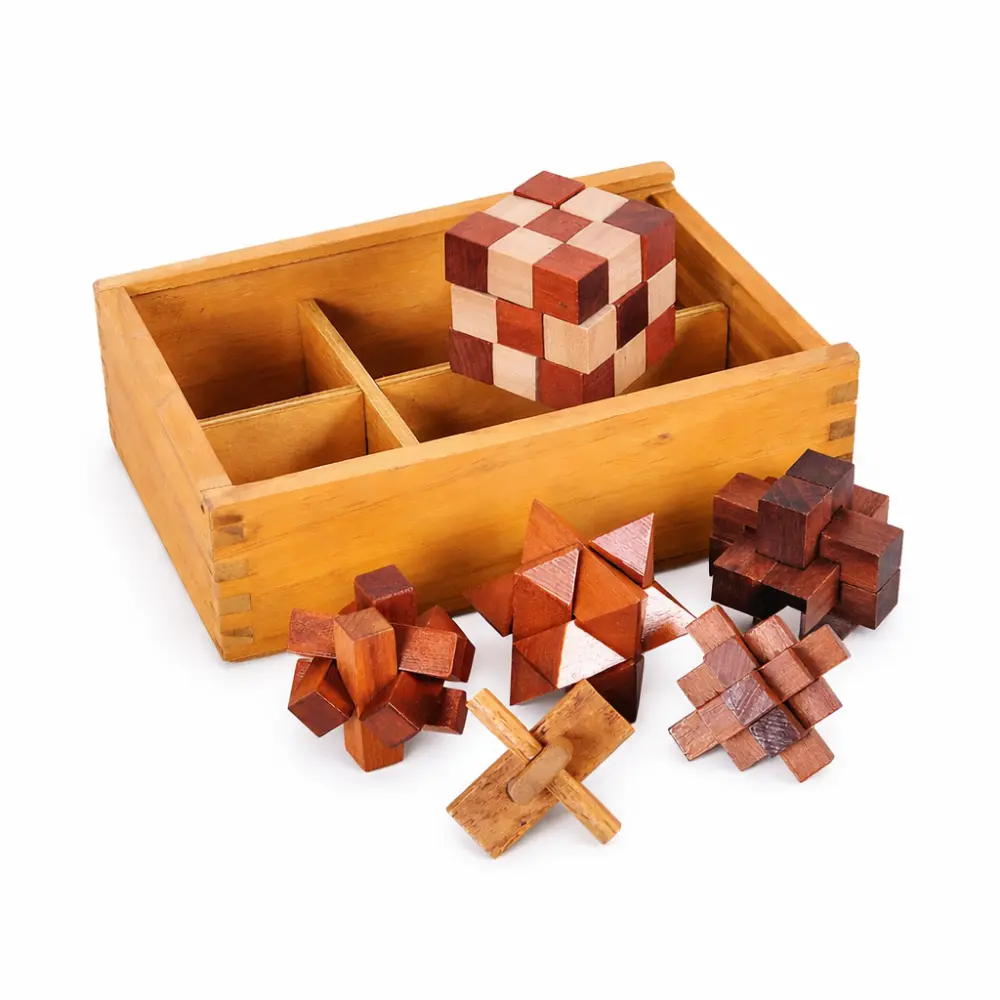
This set is NOT for someone who wants to master just one single mechanism and be done. You SHOULD buy this if you want an easy start to your puzzle collection with six distinct challenges in one box. Each piece features the natural grain of real wood, providing a classic look and feel. It even includes a variant that will teach you the basics of how to solve a snake cube puzzle. This set is the ultimate value for families. Graduate to the 3D Wooden Puzzle Safe for a bigger project.
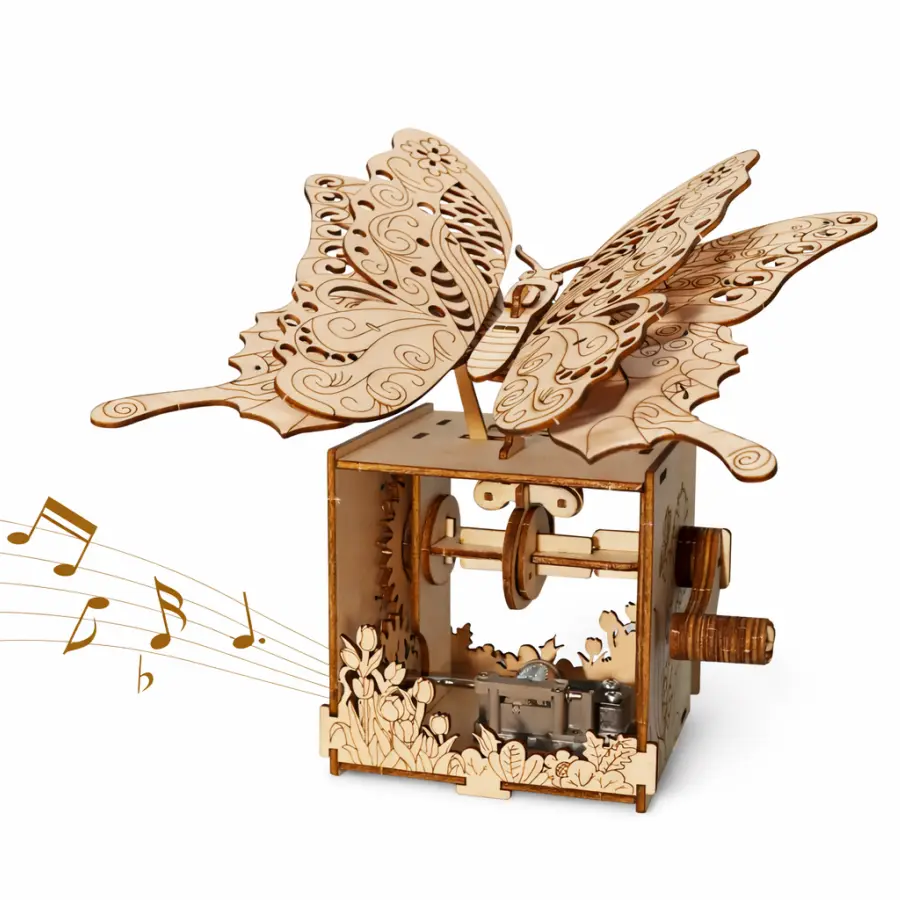
The faint scent of burnt wood from the laser-cutting process greets you as you open this box of intricate parts. It feels like a delicate engineering project, where every gear must align perfectly to produce a melody. While the logic is different from how to solve a snake cube puzzle, the patience required is exactly the same. The mechanical movement of the wings is a visual treat. Pair it with the 3D Wooden Puzzle Clock for a mechanical room theme.
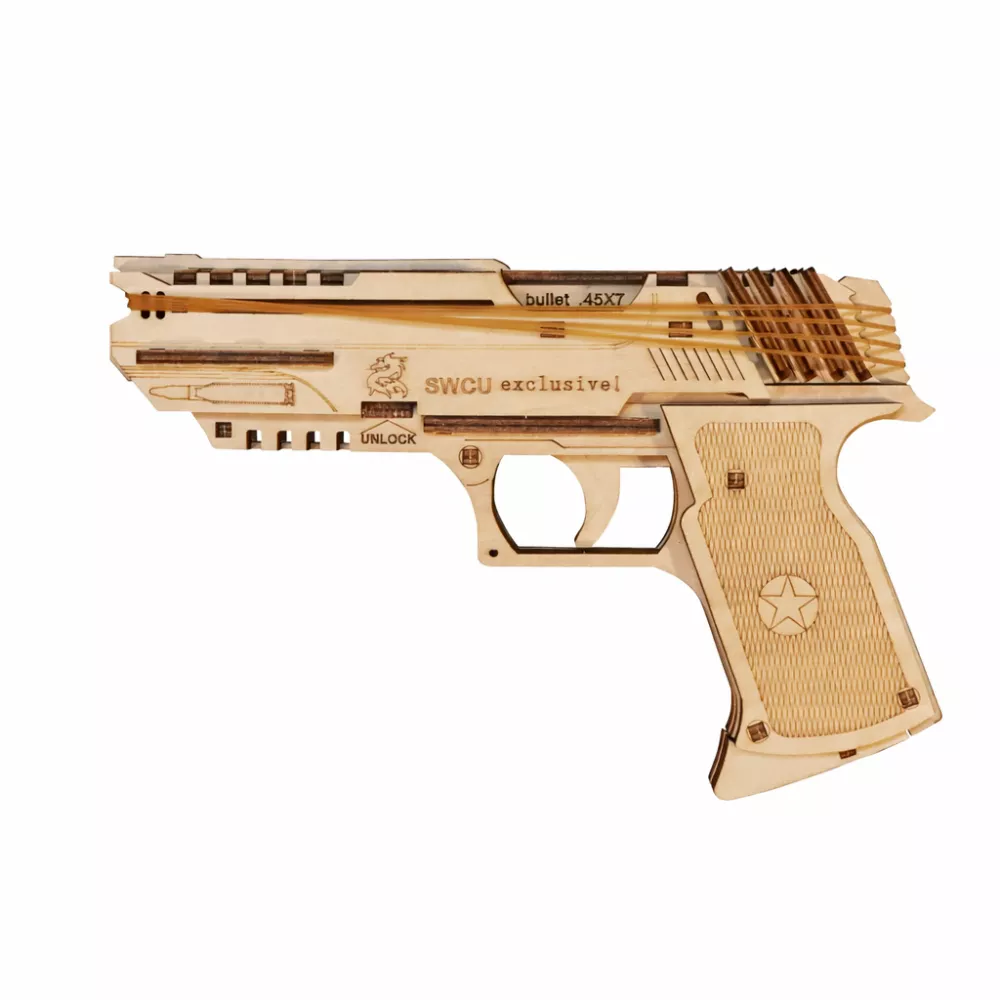
You should NOT buy this if you prefer abstract shapes over functional models. You SHOULD buy this if you enjoy the 'build and play' aspect of wooden kits. The assembly involves snapping together flat-packed sheets into a 3D object that actually functions with rubber bands. It’s a great step up after you learn how to solve a snake cube puzzle and want something more complex. The mechanical trigger mechanism is incredibly satisfying to test. Graduate to the Treasure Box for hidden storage.
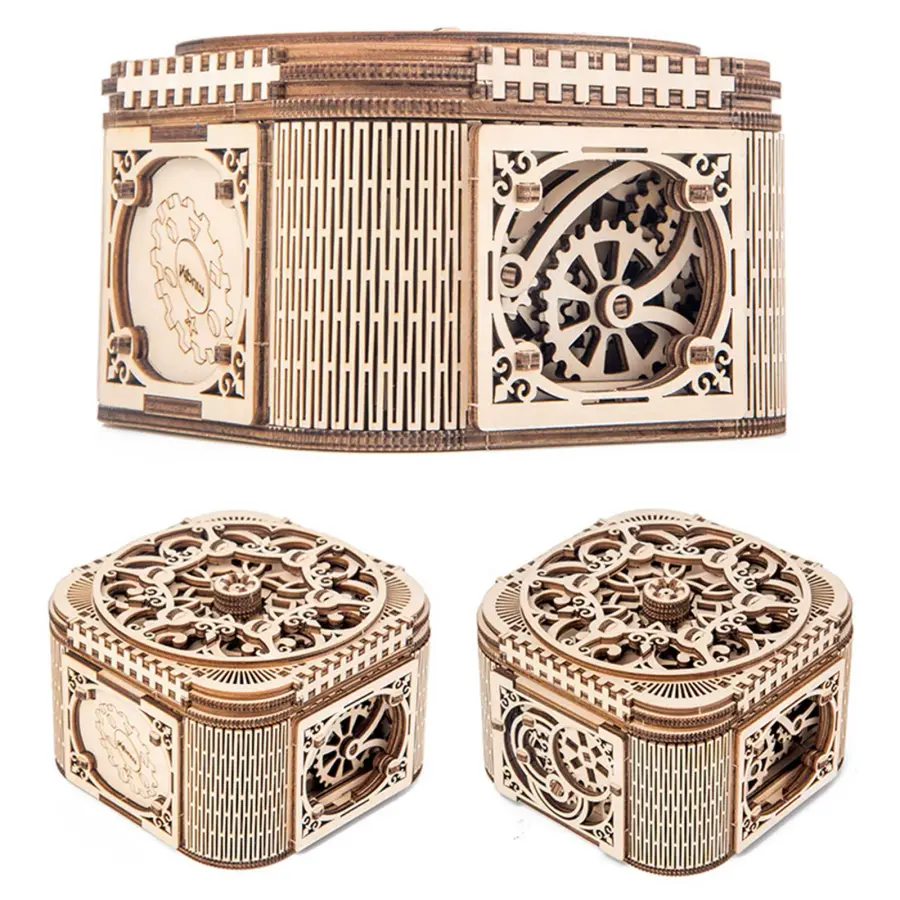
The smooth, laser-cut edges of the plywood pieces fit together with a precision that feels like high-end cabinetry. As you turn the gears, the lid opens in a synchronized floral pattern that never fails to impress. It’s a much more involved process than learning how to solve a snake cube puzzle, but the functional result is worth every minute. The box even has a secret locking mechanism. Pair it with the Wooden Puzzle Safe to create a secure desk setup.
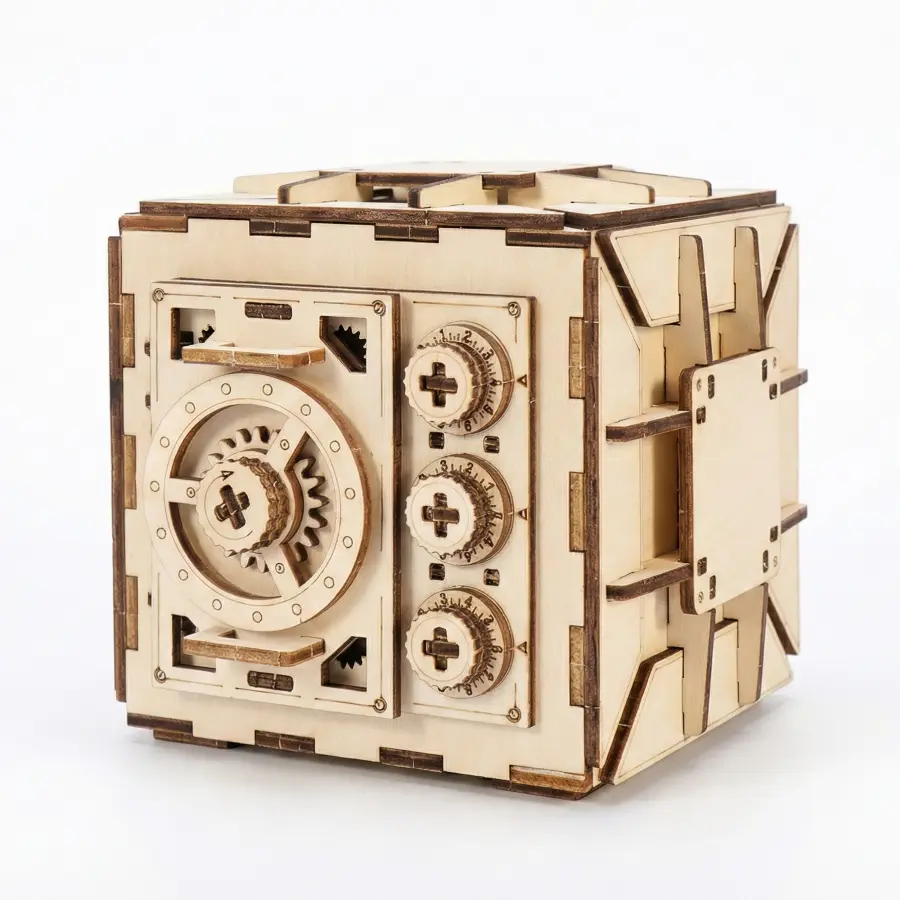
This is NOT for the impatient solver who wants a quick ten-minute win. You SHOULD buy this if you love the idea of a working combination lock made entirely of wood. The internal tumblers click into place with a resonance that feels like a real bank vault. It uses similar spatial logic to how to solve a snake cube puzzle but applies it to a functional security device. It’s a rewarding project for a rainy afternoon. Graduate to the Mechanical Pistol for more kinetic fun.
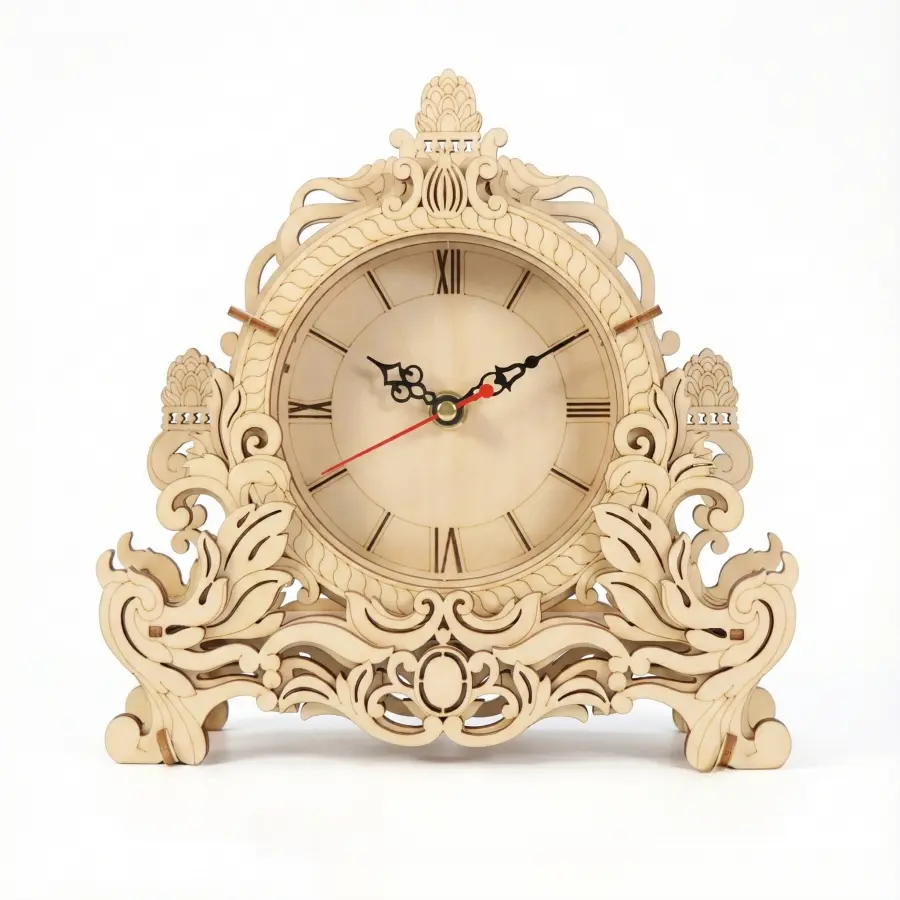
The rhythmic tick-tock of the wooden gears provides a constant, comforting sound once this masterpiece is fully assembled. It feels like bringing a piece of 18th-century horology into your modern home. While the assembly is more linear than learning how to solve a snake cube puzzle, the complexity of the escapement will keep your brain engaged for hours. The natural wood finish looks stunning on any bookshelf. Pair it with the Layered Butterfly for a mechanical gallery.
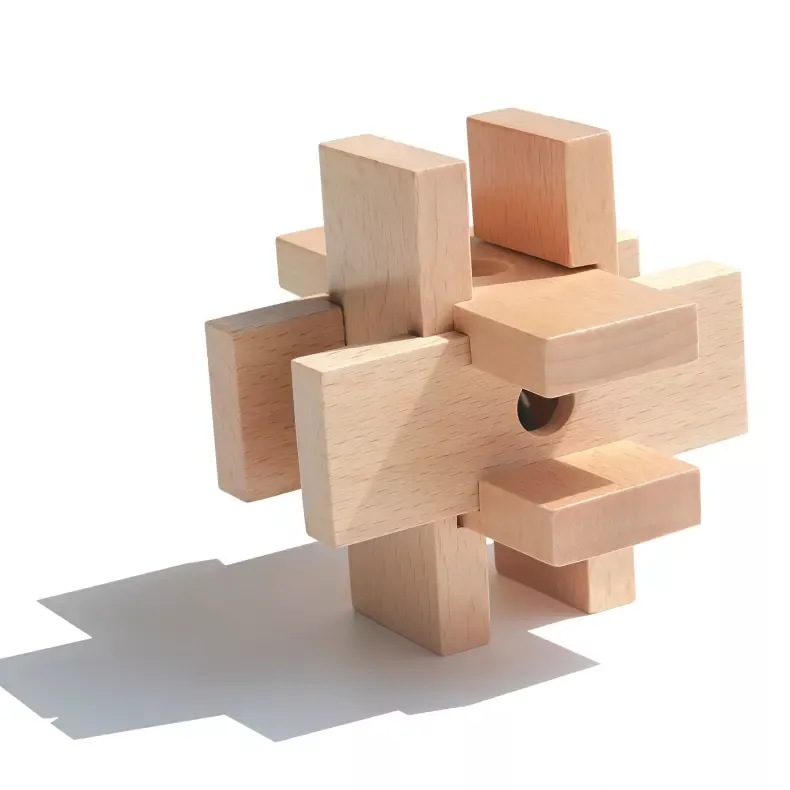
You should NOT buy this if you are looking for a complex, multi-hour build. You SHOULD buy this if you want a classic, pocket-sized brain teaser that challenges your ability to find the 'locking' piece. The smooth wooden bars slide against each other with just the right amount of friction. It’s a perfect warm-up before you tackle how to solve a snake cube puzzle. The simplicity of the design belies the cleverness of the solution. Graduate to the Six-Piece Burr for a harder version.
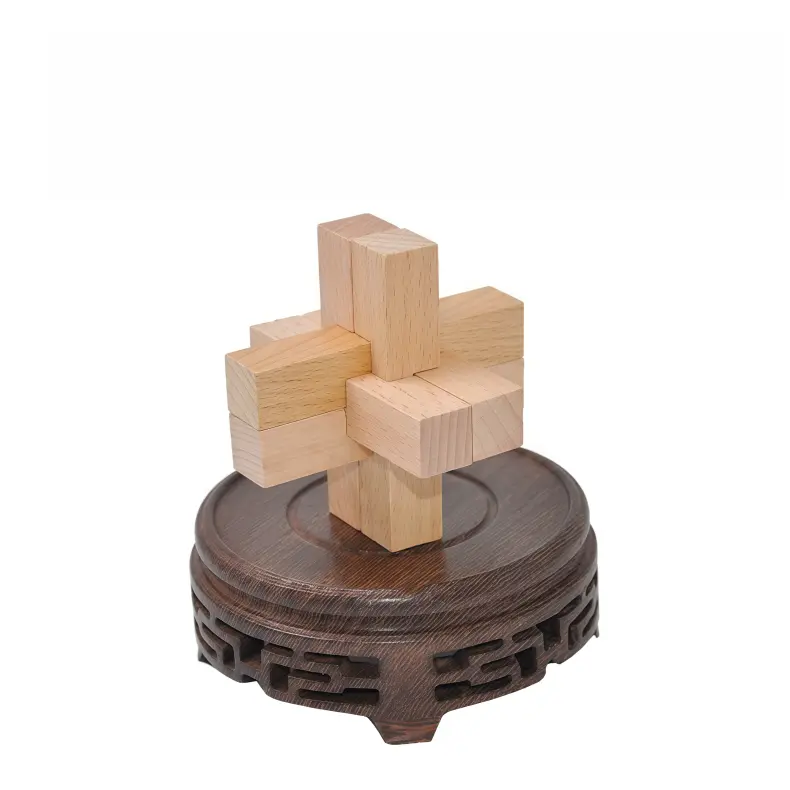
The interlocking notches of these six wooden bars create a solid cross shape that feels incredibly sturdy once solved. It has a classic 'old world' feel, like something you would find in a grandfather's study. The way the pieces slide into one another is very similar to the nesting logic used in how to solve a snake cube puzzle. It requires precise finger movements to keep the structure from collapsing during assembly. Pair it with the Kongming Ball for a spherical challenge.
This is NOT for those who get frustrated by hidden mechanisms you can't see. You SHOULD buy this if you love the 'aha!' moment of discovering a secret latch. The round, polished wood fits comfortably in the palm of your hand, inviting you to poke, prod, and slide its components. It’s a great companion piece while you learn how to solve a snake cube puzzle. The mystery of the internal lock is truly captivating. Graduate to the Jiutong Lock for more ancient secrets.
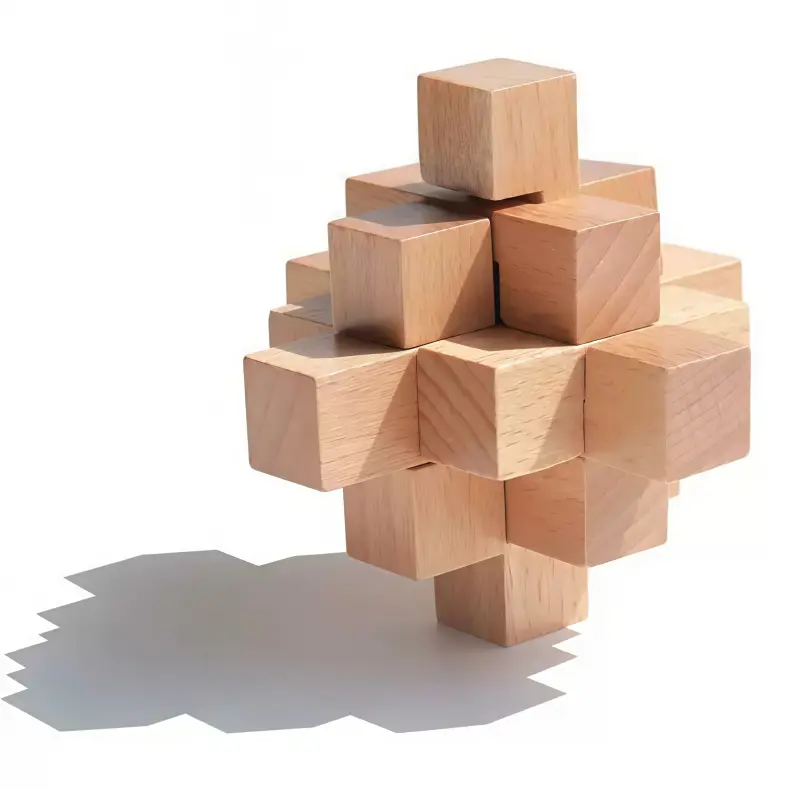
The intricate lattice of wooden bars in this traditional lock feels like a piece of history in your hands. Each bar must be moved in a specific sequence, requiring the same kind of step-by-step thinking as how to solve a snake cube puzzle. The wood is finished to a high sheen, making it a beautiful object even when unsolved. It’s a quiet, contemplative puzzle that rewards slow, steady progress. Pair it with the Luban Sphere for a complete collection.
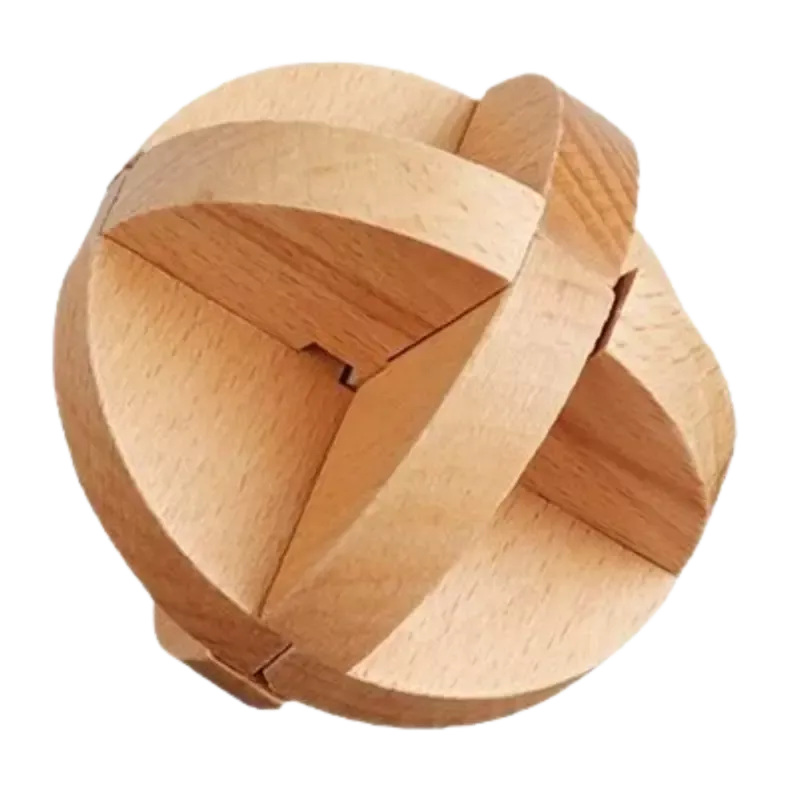
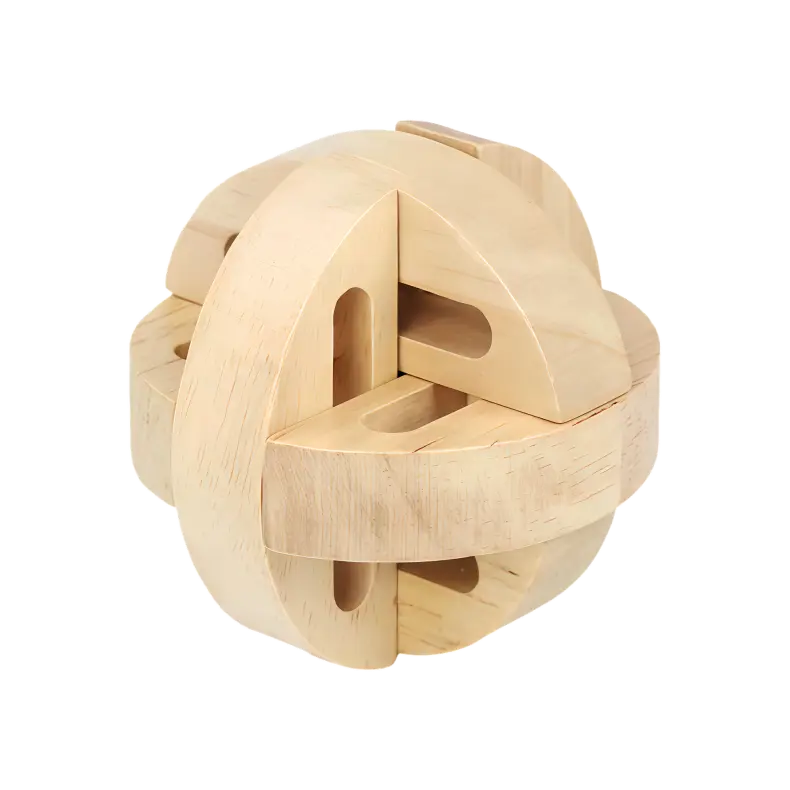
You should NOT buy this if you prefer flat, two-dimensional challenges. You SHOULD buy this if you want to test your 3D visualization skills with a spherical object. The curved wooden segments fit together to form a perfectly smooth ball that is very satisfying to roll between your hands. The interlocking logic is a direct cousin to how to solve a snake cube puzzle. It looks like a piece of modern art once it’s back together. Graduate to the Kongming Ball for more round fun.
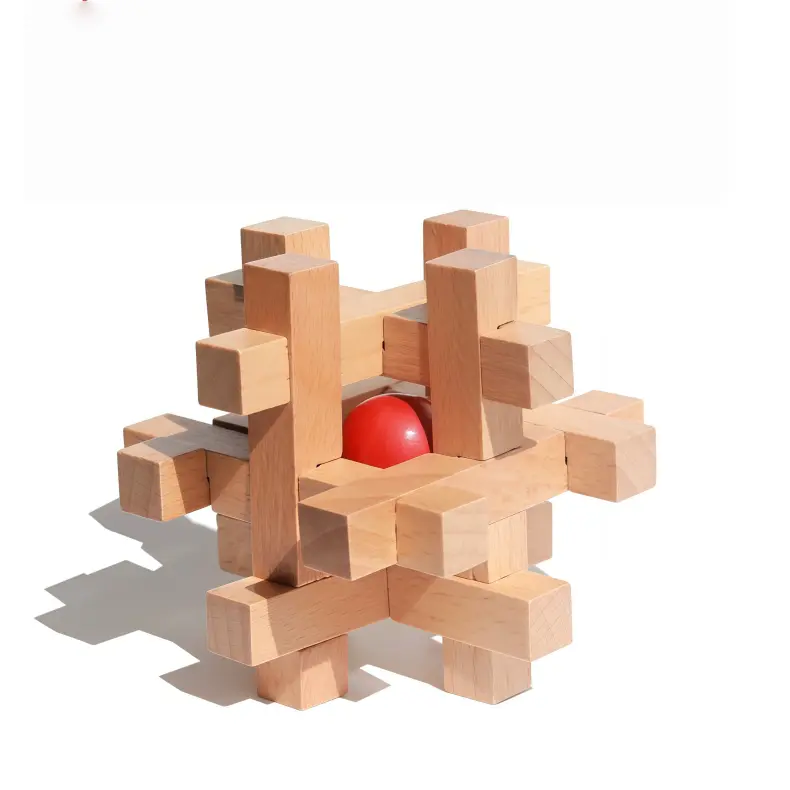
The rattling sound of the trapped piece inside the wooden bars provides a constant auditory challenge as you work. It feels like a rescue mission, where you must navigate the internal obstacles to free the prisoner. While less linear than how to solve a snake cube puzzle, it requires the same level of focus and spatial awareness. The sturdy construction ensures it can survive many attempts. Pair it with the Ring Rescue for a 'prison break' theme.
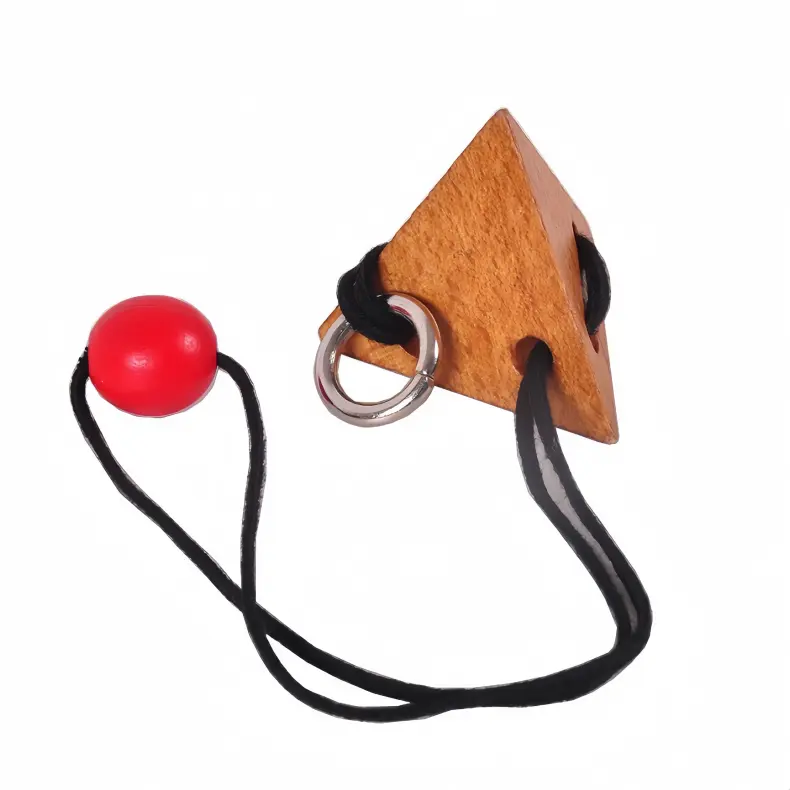
This is NOT for people who want a heavy, bulky toy. You SHOULD buy this if you love the logic of string and ring puzzles. The combination of flexible cord and rigid wood creates a unique tactile experience that is different from learning how to solve a snake cube puzzle. It’s lightweight and fits easily into a bag for on-the-go brain training. The solution is elegant and surprisingly simple once you see it. Graduate to the Mystic Orb Lock for a 3D test.
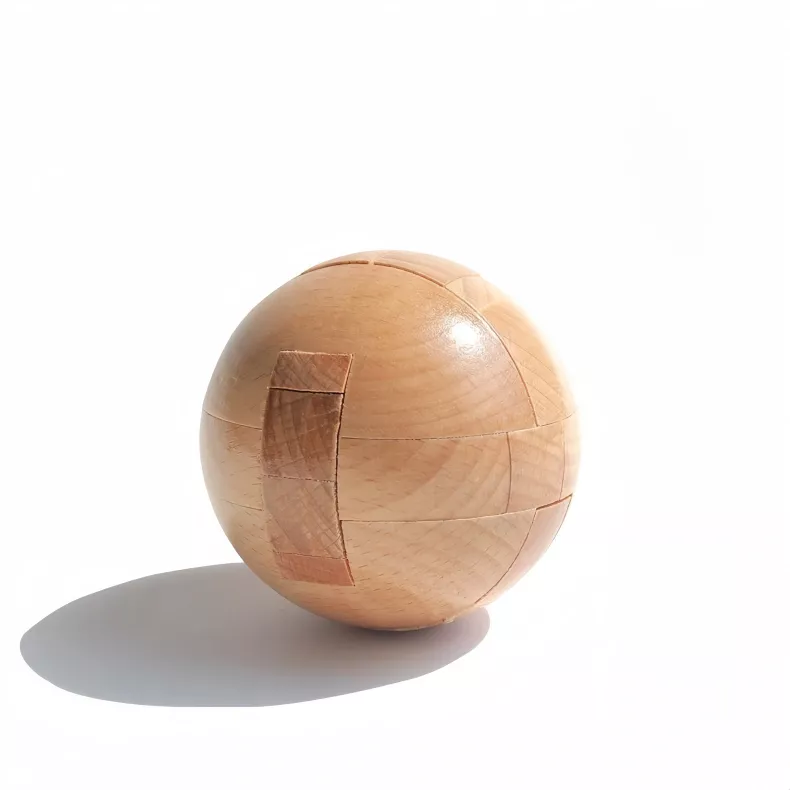
The many-faceted surface of this wooden sphere feels complex and high-tech despite being made of traditional materials. It is a dense, solid puzzle that requires you to find the one 'key' piece that starts the disassembly. This 'key piece' logic is a great next step after you understand how to solve a snake cube puzzle. The final assembly is incredibly rewarding and solid. Pair it with the Luban Sphere to master all things round.
The secret lies in identifying the 'straight' versus 'corner' pieces. A 3x3x3 snake cube always consists of 27 blocks. Because it is a 3x3 grid, you can never have more than three blocks in a straight line. If you see a section of the chain that has three blocks in a row, those must form an entire edge or the center line of a face. Starting from an end and focusing on filling one 3x3 layer at a time is the most rewarding way to learn.
While there are trillions of ways to twist the chain, there is typically only one specific sequence that results in a perfect 3x3x3 cube for standard models. However, some people enjoy using the snake to create other shapes like swans, dogs, or towers. If your goal is specifically how to solve a snake cube puzzle into its original form, you must follow the specific interlocking path dictated by the internal cord's exit points.
The internal elastic cord is designed to have some 'give' so you can rotate the pieces without snapping the string. If it feels exceptionally loose, it may be an older model or one designed for speed-solving. A slightly loose cord actually makes it an easy start for beginners because it allows for more forgiveness when you are testing different folds while learning how to solve a snake cube puzzle.
The core logic is the same—identifying corners and straights—but a 4x4 cube is significantly more difficult. A 3x3 cube has 27 parts, while a 4x4 has 64. If you are just learning how to solve a snake cube puzzle, we highly recommend starting with the 3x3 version to get a feel for the spatial patterns before moving up to the larger, more complex versions.
It is possible but unlikely with normal use. The elastic cord is quite durable, but you should never force a turn. If a block won't rotate 90 degrees easily, it's usually because it's hitting another block in the chain. Part of learning how to solve a snake cube puzzle is developing a 'light touch' to feel when a move is correct.
Absolutely! It is a fantastic first puzzle for children because the pieces are connected and cannot be lost. It helps develop fine motor skills and spatial reasoning. The 'auto' persona of this toy makes it very approachable, and kids often find the process of 'making the snake go home' very engaging.
Most snake cubes follow a standard pattern of twists, but some rare versions have different sequences of straight and corner pieces. If you follow a guide on how to solve a snake cube puzzle and it doesn't seem to match your toy, look at the sequence of blocks. If your 'straights' are in different positions, you may have a unique variant that requires a custom solution!
The best advice is to completely unfold the snake and start over from the opposite end. Often, our brains get stuck in a pattern of thinking that is 'almost' right but fundamentally flawed. Starting fresh from the other end of the chain is a great way to reset your perspective on how to solve a snake cube puzzle.