Mistake: Using excessive force when a panel doesn't slide immediately.
Correction: A well-made puzzle box should move smoothly; if it sticks, you likely haven't found the right trigger yet.

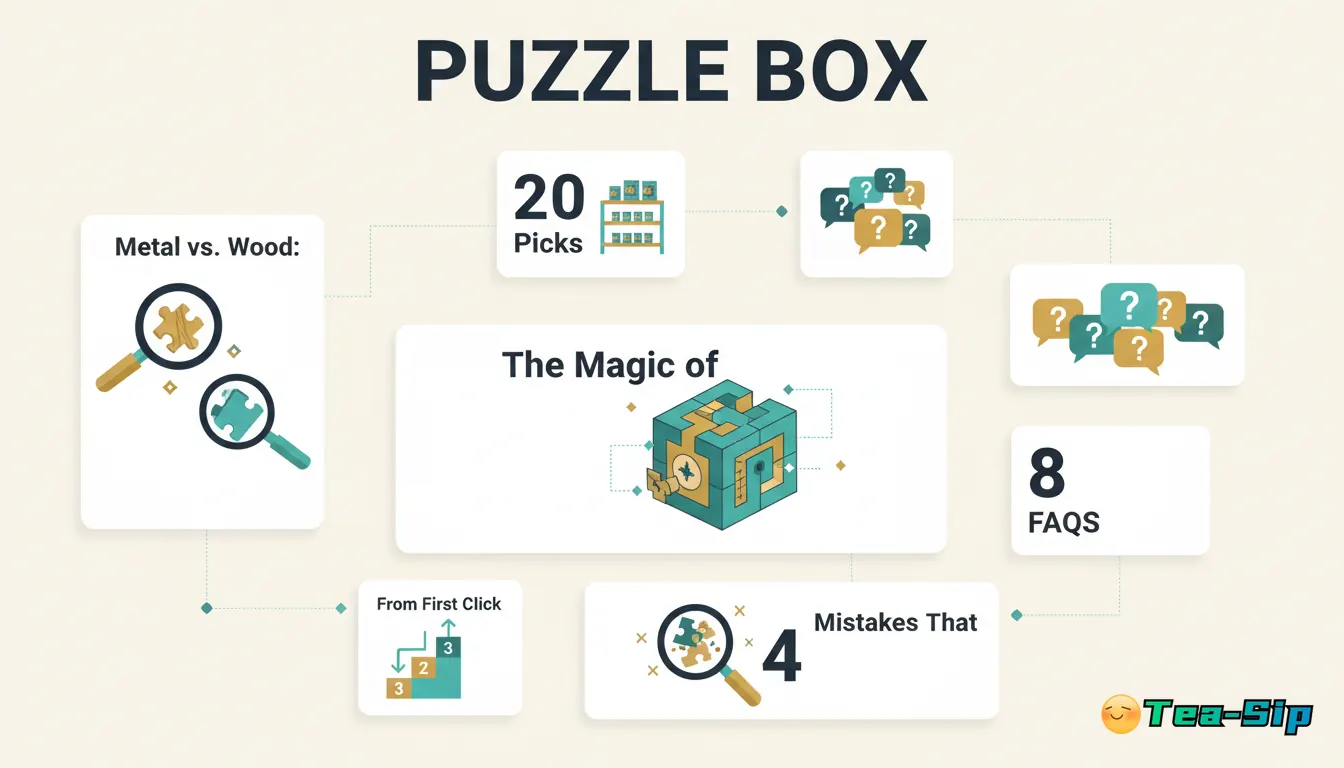
You have likely seen those intricate wooden chests online and wondered if you would ever actually figure one out. Choosing your first puzzle box shouldn't feel like a test you are destined to fail before you even begin. This guide helps you find an encouraging entry point so your first solve feels like a victory, not a chore.
A puzzle box is essentially a physical secret. Unlike a standard jigsaw that lays everything out in front of you, these objects hide their intentions behind sliding panels, hidden pins, and gravity-fed locks. Think of it like a polite conversation where you have to find the right 'topic' to make the box open up to you.
For a newcomer, the appeal isn't just in the struggle; it is in the rewarding 'click' when a mechanism finally gives way. Whether it is a small metal trinket or a large wooden chest, the goal is to learn the inner language of the object. It turns a simple desk toy into a tiny, private mystery that only you know how to solve.
Deciding between materials is your first step toward a successful hobby. Metal options often focus on dexterity and internal mazes, while wooden versions usually involve sequential steps and hidden drawers. Use the table below to see which path offers the easy start you are looking for.
| Feature | Metal Brain Teasers | Wooden Mechanical Boxes | 3D Crystal Puzzles |
|---|---|---|---|
| Best For | Fidgeting at a desk | Gifting and storage | Display and decor |
| Learning Curve | Fast and tactile | Step-by-step logic | Visual assembly |
| Reward Type | Satisfying 'pop' | Hidden compartment | Beautiful sculpture |
| Durability | Very High (Drop-proof) | Moderate (Moving parts) | Delicate (Plastic) |
Correction: A well-made puzzle box should move smoothly; if it sticks, you likely haven't found the right trigger yet.
Correction: Begin with an entry-level box to learn common mechanisms like sliding pins and gravity locks first.
Correction: Wood expands in humidity; keep your boxes in a dry, cool place to ensure the secret panels don't jam.
Correction:
When you start your first puzzle, the initial five minutes are usually spent just 'feeling' the object. You'll shake it gently, slide your thumbs over every surface, and look for tiny gaps. This is the 'exploration phase,' and it is the most important part of the process. Don't rush it!
An entry-level puzzle box typically takes between 10 to 30 minutes to solve the first time. The feeling of the final panel sliding away to reveal the interior is incredibly rewarding. Once you learn the trick, you can usually reset it in seconds, making it a great piece to share with friends to see if they can catch on as quickly as you did.
Who are these puzzles for? We find they fall into two main camps. The first is the 'Desk Fidgeter.' This person needs something like the Cast Keyhole Gold & Silver to fiddle with during long calls. These metal puzzles are small, durable, and offer a quick mental reset without requiring a huge time commitment.
The second camp is the 'Secret Keeper.' This person loves the 3D Wooden Puzzle Treasure Box. They want a project they can build themselves and then use to store something meaningful, like jewelry or a gift card. It’s a more involved process that ends with a functional piece of art for their shelf.
Once you have mastered the basics of sliding panels and hidden pins, you might find yourself craving more complexity. The transition from a simple puzzle box to a full mechanical kit is a natural progression. You’ll move from simply 'opening' things to 'understanding' how gears and levers work in harmony.
Try moving toward items like the Wooden Ferris Wheel Music Box Kit. While it isn't a box you 'crack' open, it uses the same mechanical principles you learned. Mastering these will give you the confidence to tackle high-level trick boxes that require 20 or 30 moves to open. Your journey is just beginning!
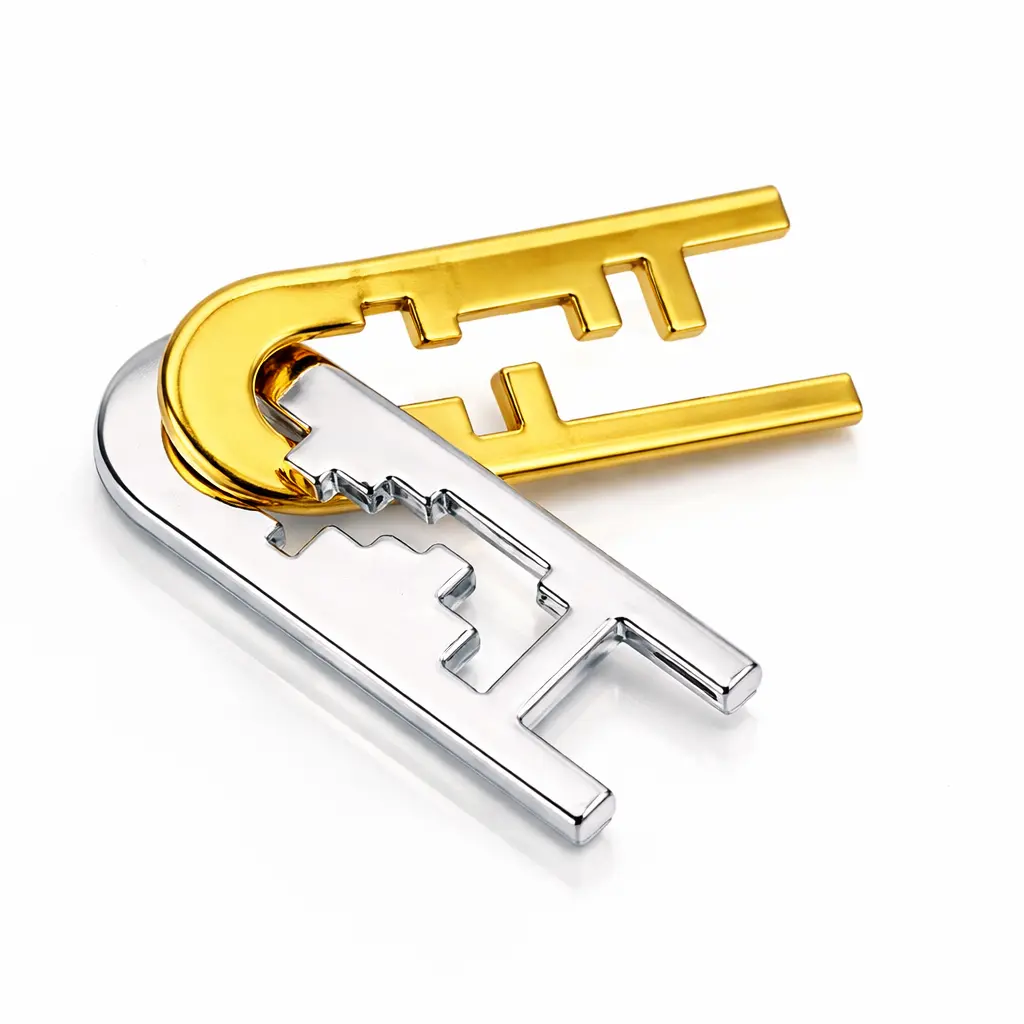
Do not buy this if you are looking for a large chest to hide family heirlooms. However, if you want to learn the fundamental logic of a puzzle box in a pocket-sized metal format, this is a brilliant first step. You will feel the weight of the gold and silver pieces as they slide against each other. It provides a very easy start for those who enjoy tactile feedback and mechanical secrets. Pair it with the Cast Hook for a complete metal-themed collection.
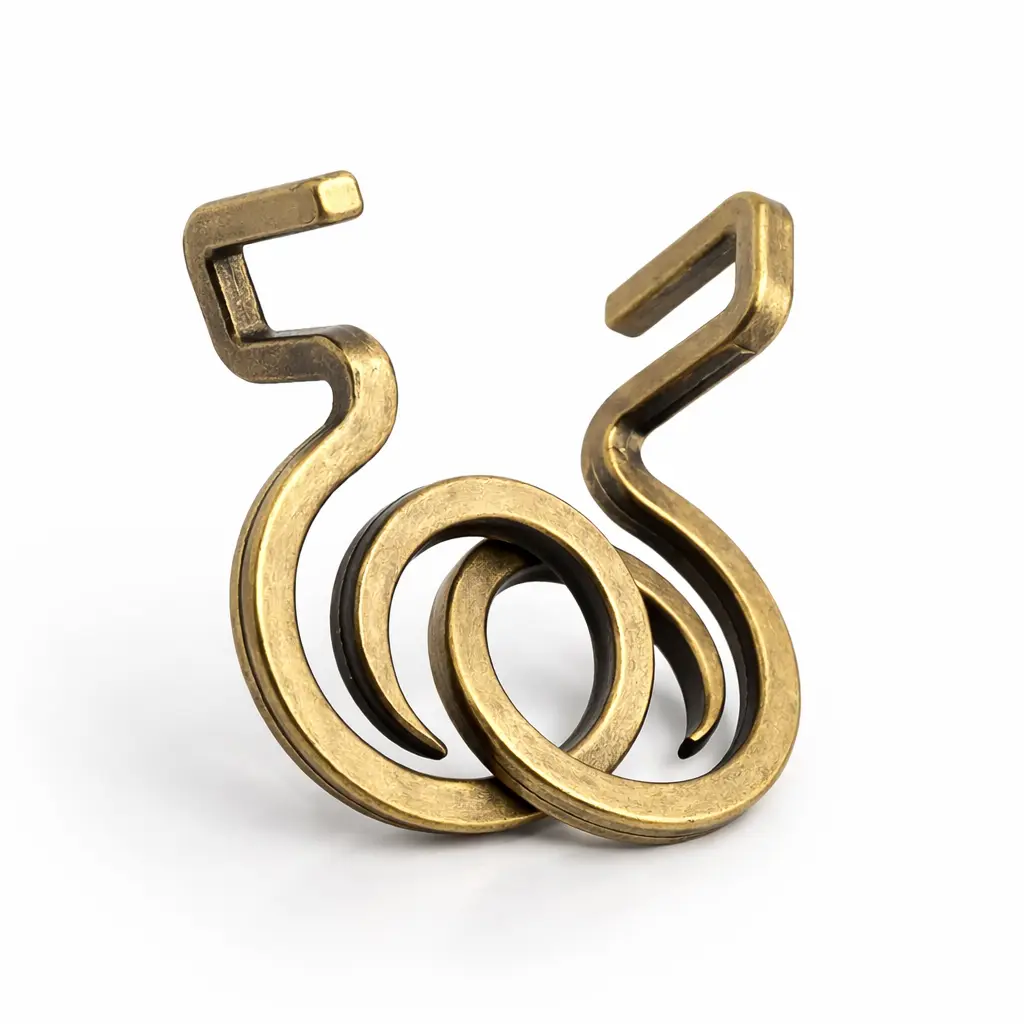
You will feel the cool, smooth finish of the interlocking hooks as they snag against each other, creating a satisfying metallic clink. It feels like a miniature mechanical dance in your palms. Solving this provides a rewarding sense of accomplishment as you navigate the curves. While it isn't a traditional wooden puzzle box, it teaches you the same patience required for secret compartments. It is a great way to learn spatial reasoning. Graduate to the Galaxy puzzle next.
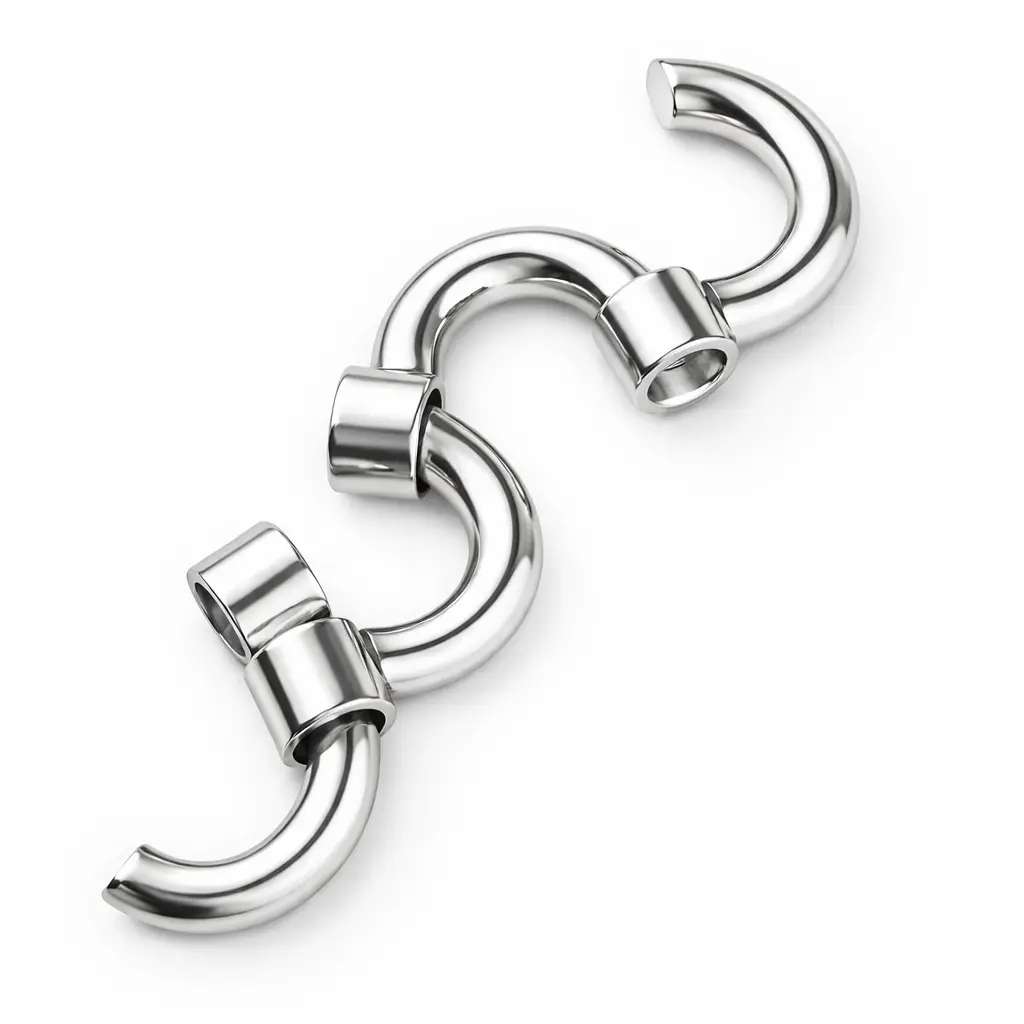
Avoid this item if you prefer linear, logical steps with clear instructions. This is for the person who wants to learn through experimentation and touch. The four silver pieces swirl together like a celestial body, and finding the one movement that releases them is incredibly rewarding. It serves as a great alternative to a puzzle box for those who love symmetrical design. You'll find yourself fidgeting with it for hours. Pair it with the Metal Orbit Ring.
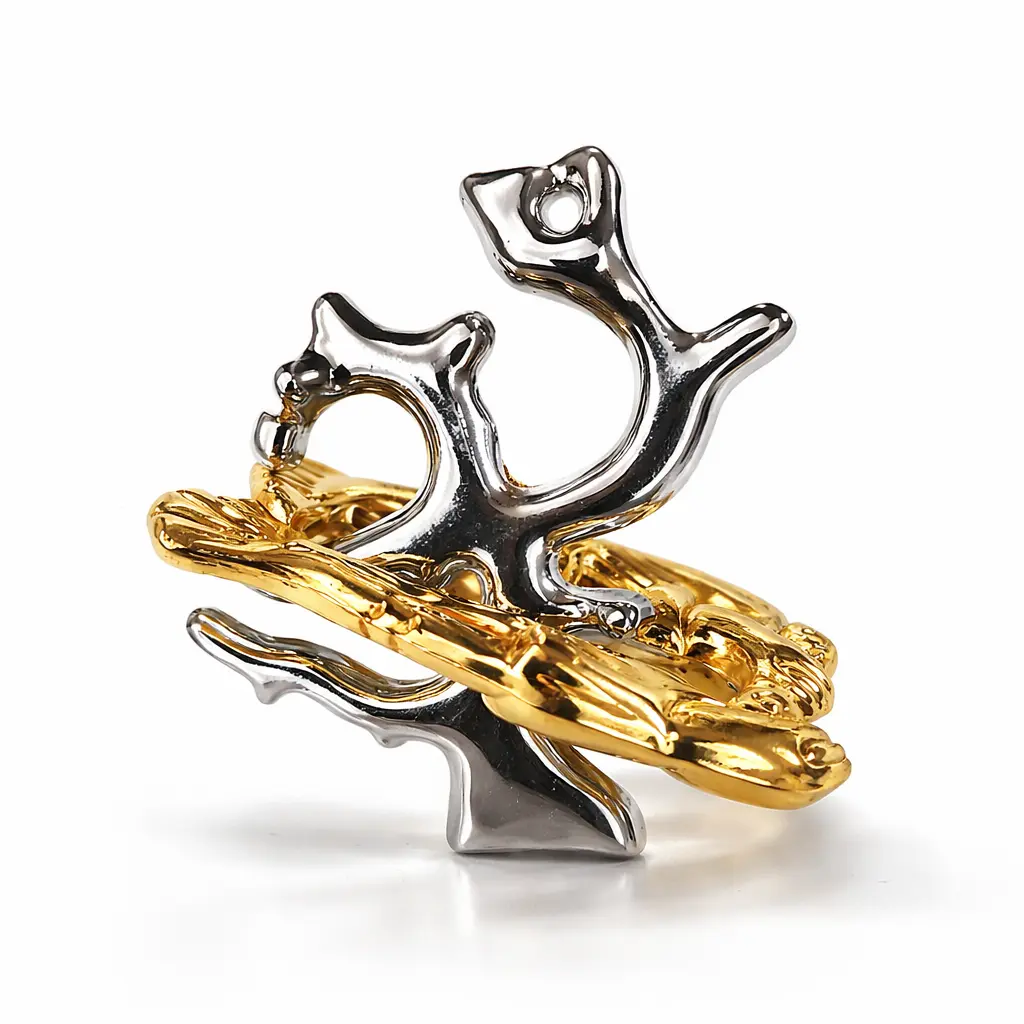
The gold and silver plating offers a premium aesthetic that feels substantial and high-quality in your hands. As you manipulate the fish through the reef, you'll experience a smooth, gliding sensation that is synonymous with well-engineered metal toys. It is an easy start for children and adults alike who want to see how two shapes can be deceptively locked. It brings the mystery of a puzzle box into a beautiful, aquatic theme. Pair it with the Metal Crab.
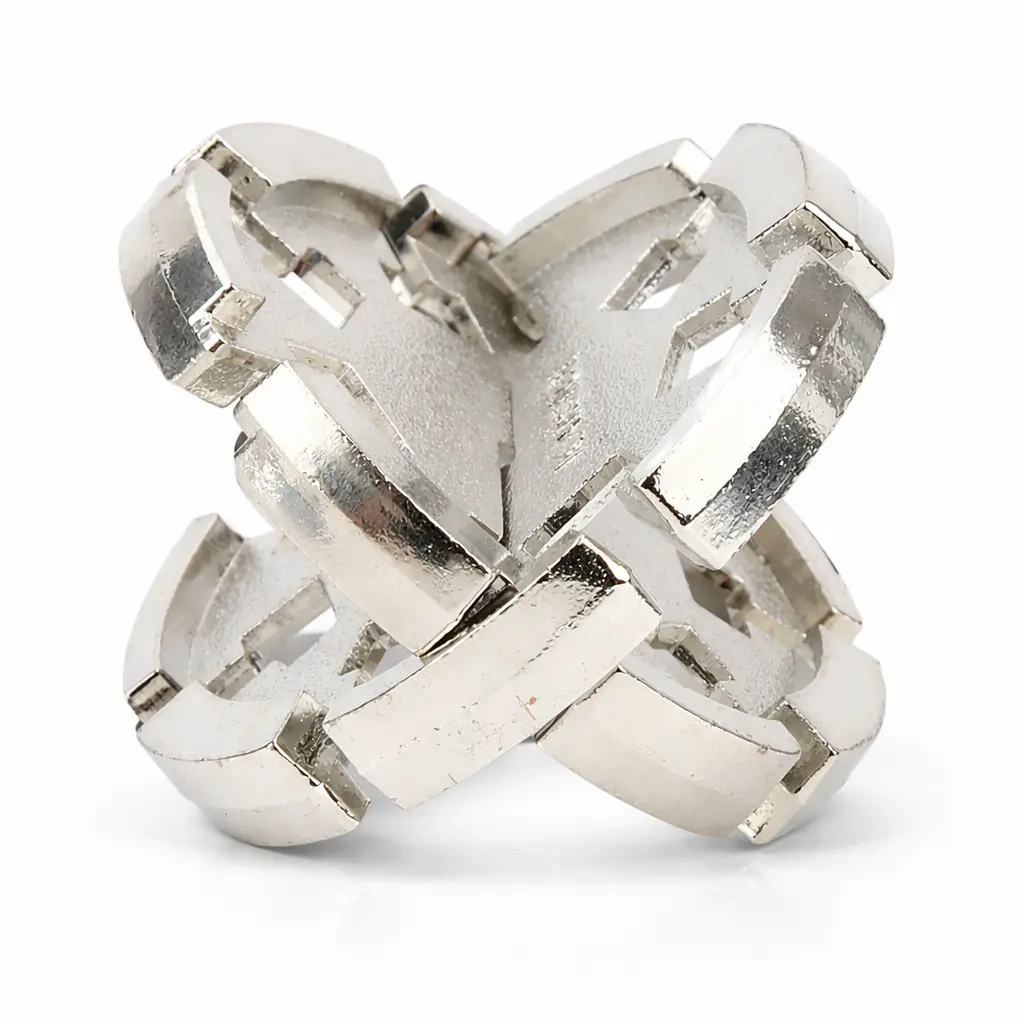
If you want a puzzle that doubles as a storage container, look elsewhere, as this is a pure disassembly challenge. But if you want to learn how hidden grooves can lock solid metal together, this disk is a must-have. It mimics the internal 'maze' logic found in many a high-end puzzle box. The sliding motion is crisp and intentional. It offers a very rewarding 'aha!' moment when the disks finally separate. Graduate to the Brass Cube Maze next.
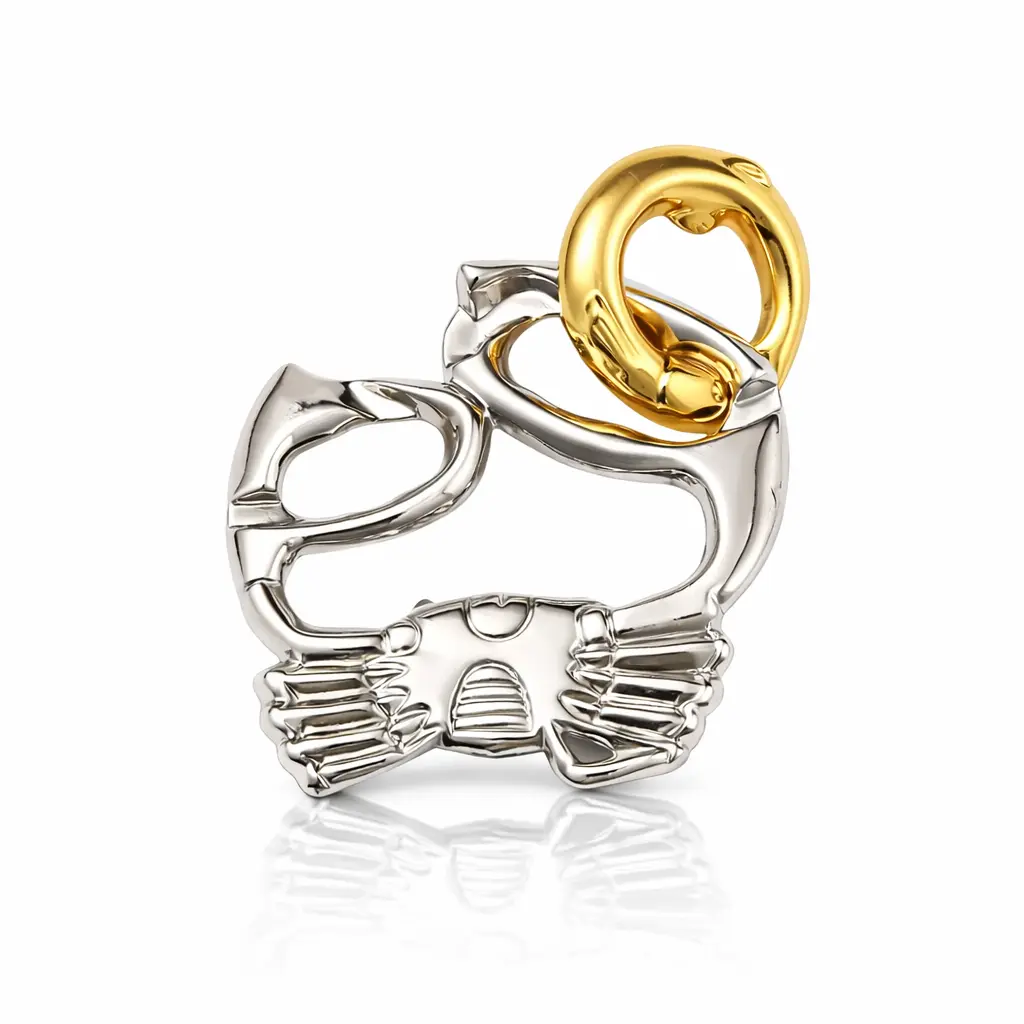
The textured surface of the crab's shell provides a unique sensory experience compared to smoother metal puzzles. You will feel the tension as you try to navigate the gold ring through the crab's claws, requiring a mix of logic and dexterity. It is a rewarding little desk toy that doesn't take up much space. It teaches the 'loop and path' logic often used in a complex puzzle box. Pair it with the Gold Fish reef puzzle.
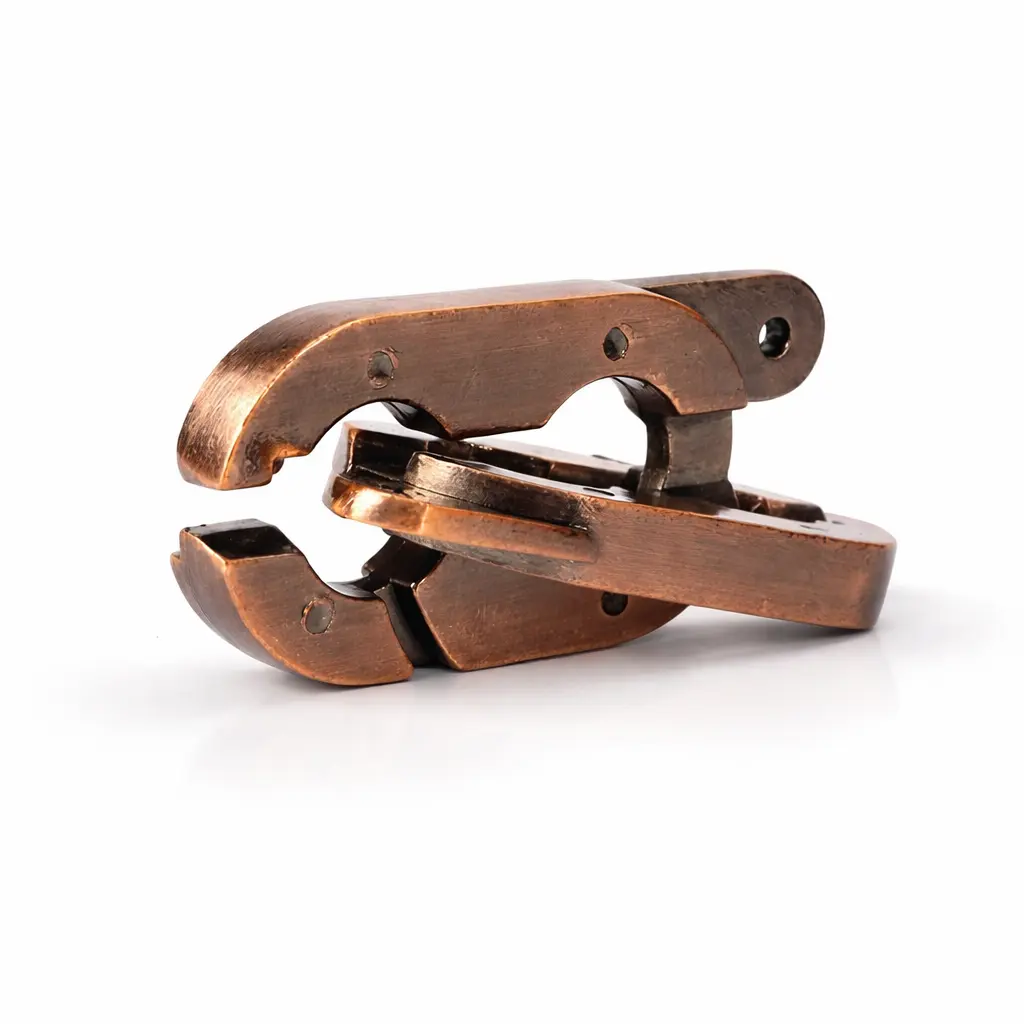
Do not buy this if you lose your keys easily, as it is designed to be a functional part of your everyday carry. However, if you want a puzzle box style challenge that goes everywhere with you, this antique bronze keyring is perfect. It is an easy start for beginners who want a quick mental distraction. The weathered finish feels great against your palm. It is a rewarding way to pass the time while waiting in line. Pair it with the Brass Cube Maze.
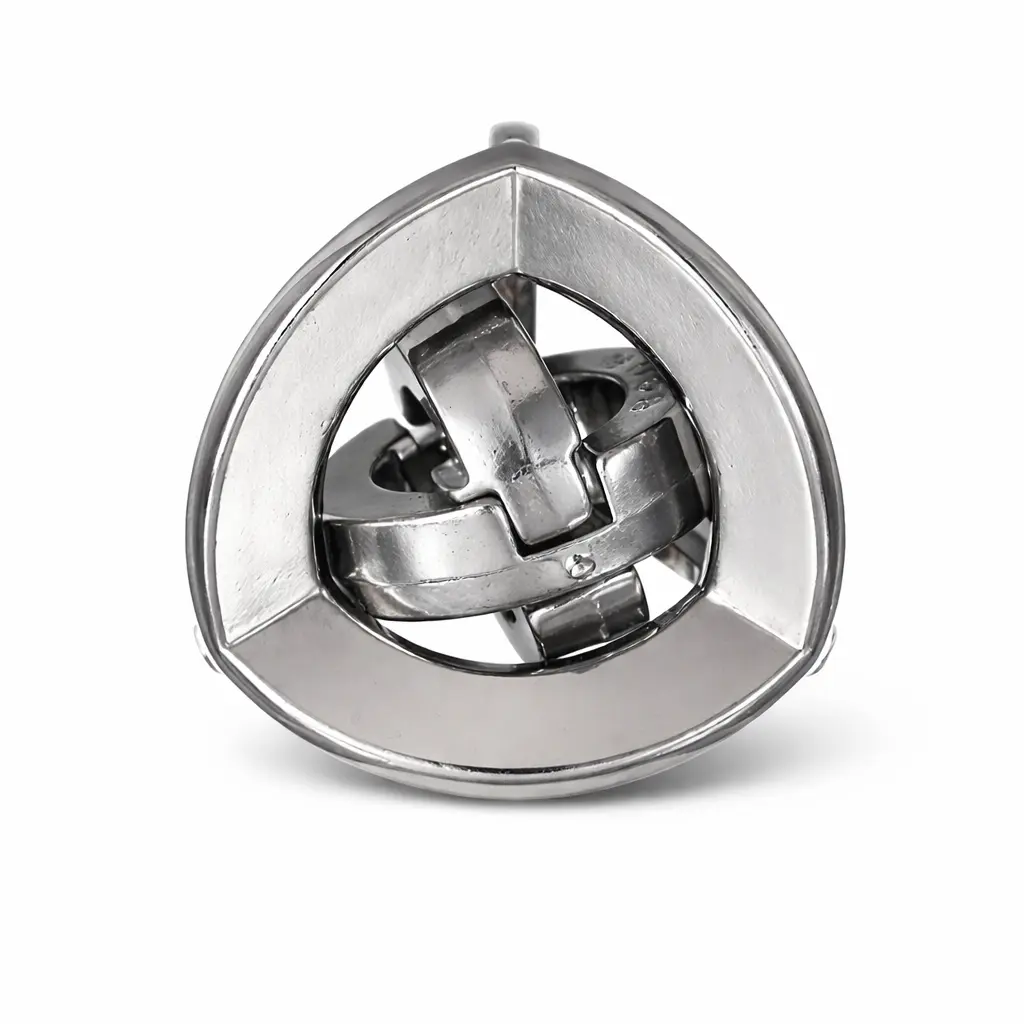
The rings glide over one another with a rhythmic, almost hypnotic motion that makes this a perfect stress-relief tool. You will feel the subtle shifts in weight as the orbit pieces align and misalign during your solve. It offers a rewarding tactile experience that is less about 'cracking' and more about 'flowing.' It captures the spirit of a puzzle box in a sleek, circular form. It is a great way to learn patience. Pair it with the Galaxy puzzle.
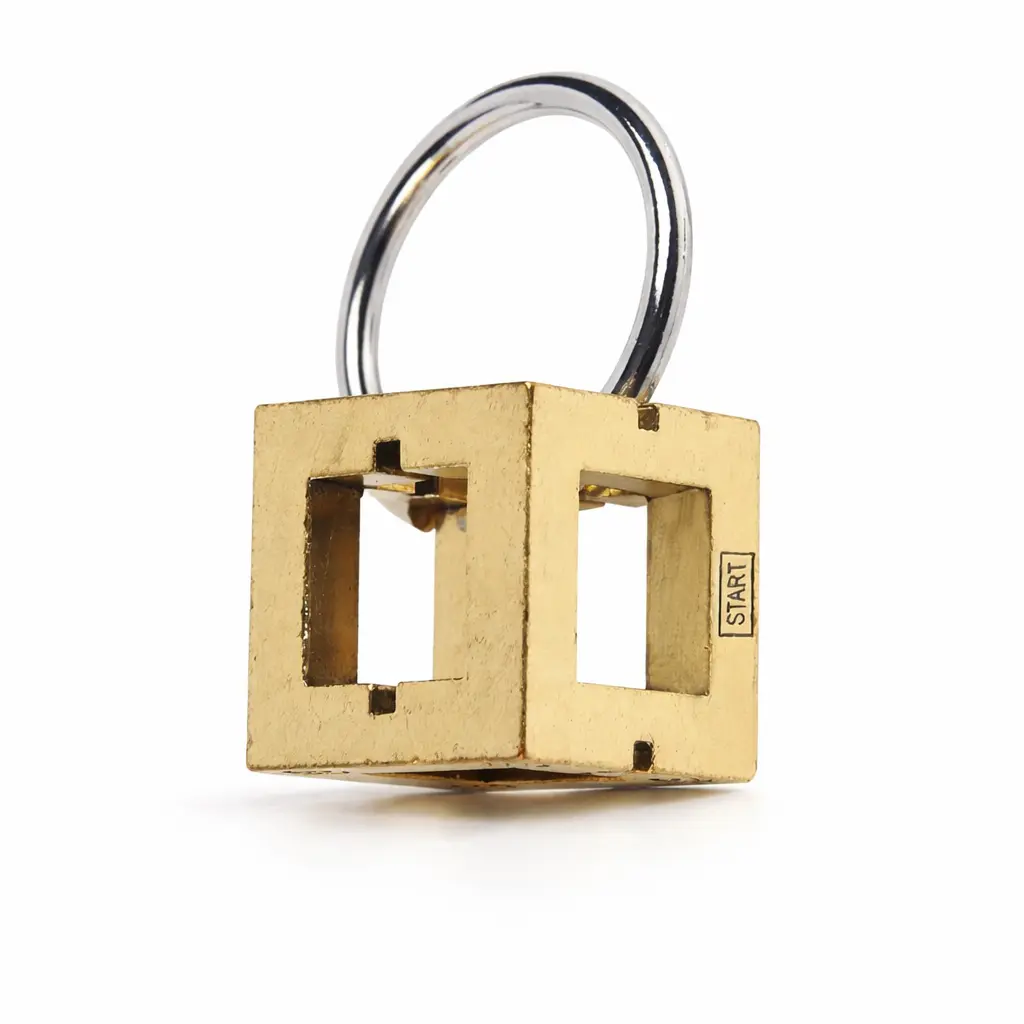
Avoid this if you have very poor eyesight, as navigating the tiny internal maze requires a bit of focus. For everyone else, this is a rewarding mechanical journey that you can keep in your pocket. It uses a hidden pin-and-track system, which is the exact same technology used in many a secret puzzle box. The brass has a wonderful weight and will patina beautifully over time. It is an easy start for aspiring escape room fans. Pair it with the Antique Bronze Keyring.
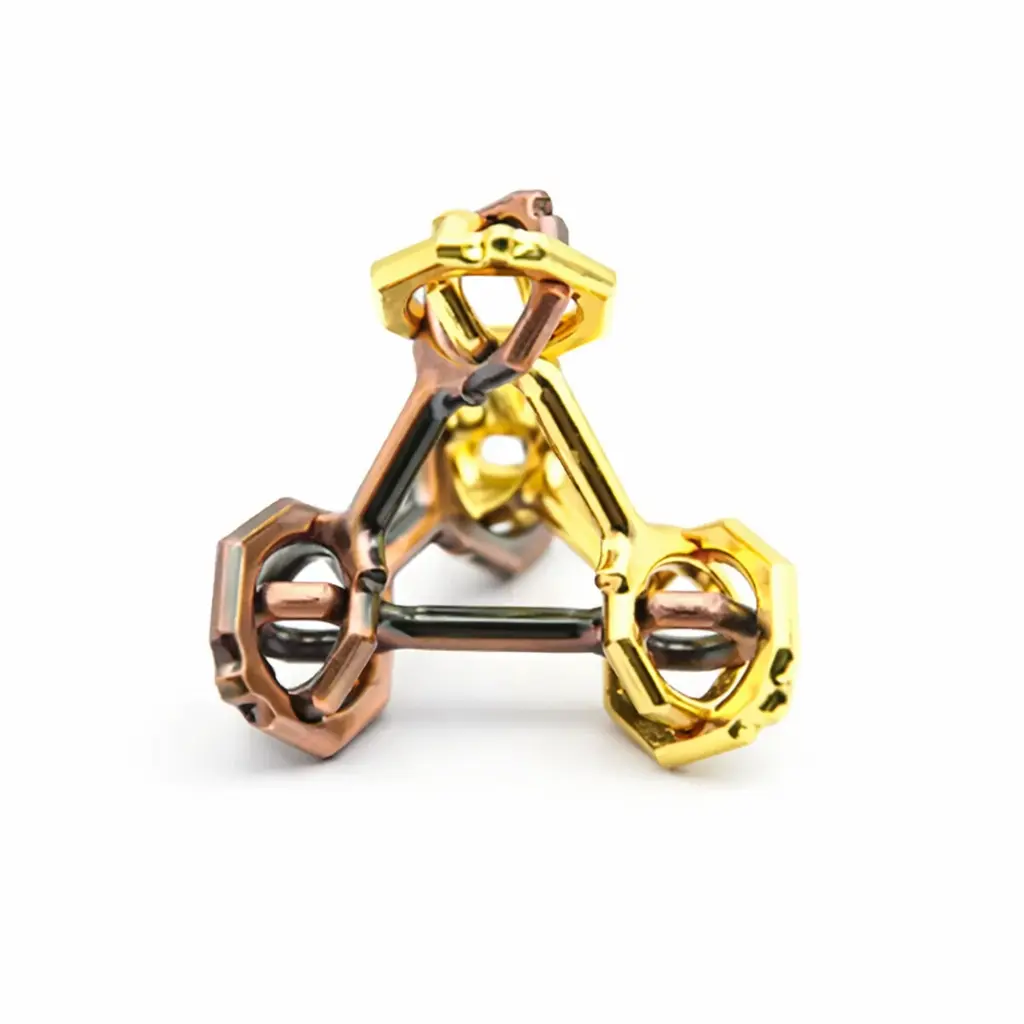
The three intertwined coils create a complex visual knot that looks impossible to solve at first glance. You will feel the springy resistance of the metal as you search for the exit path, providing a very active solving experience. It is immensely rewarding once the pieces finally drop free from their triangular cage. This teaches the 'interlocking' logic found in the most advanced puzzle box designs. It is a great gift for engineers. Pair it with the Coil Pocket puzzle.
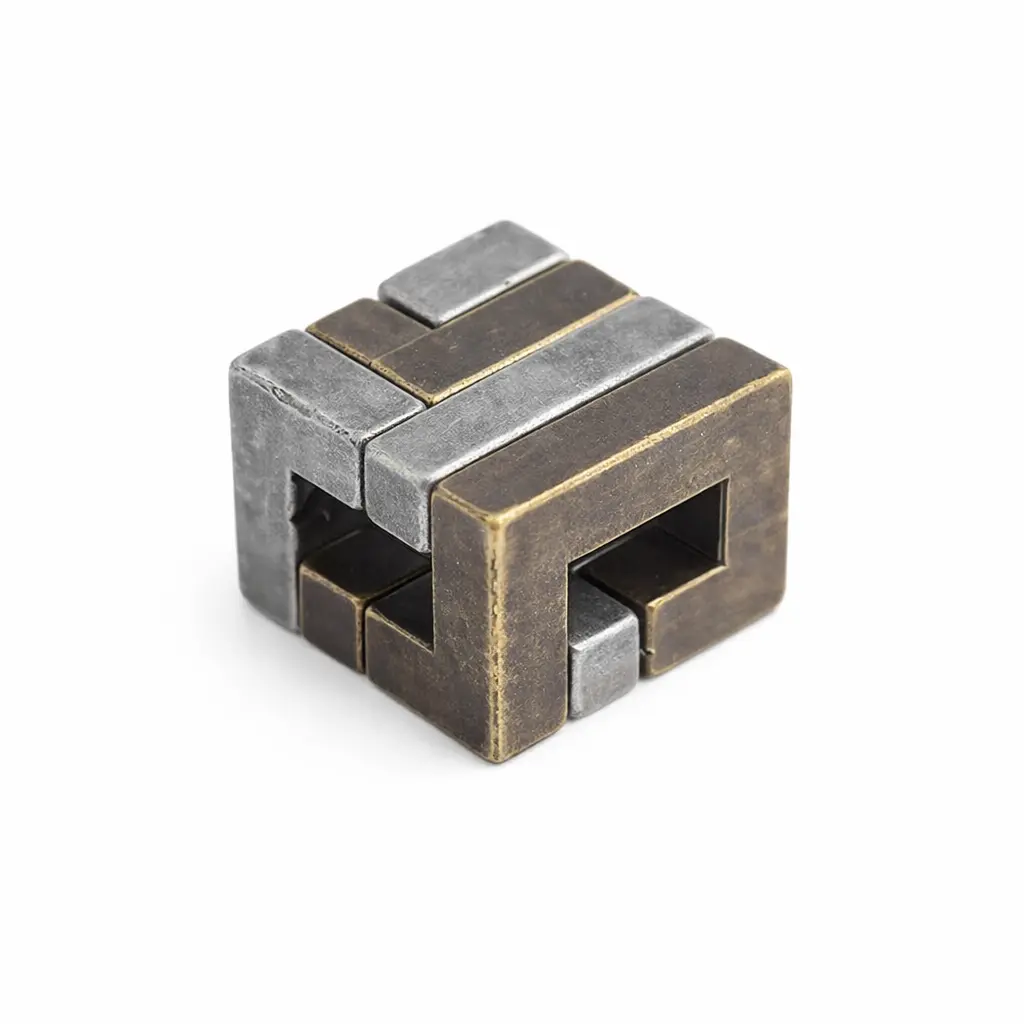
Do not buy this if you are easily frustrated by 'twisty' logic that requires multiple rotations. However, if you want to learn how to visualize internal paths, this pocket-sized coil is a fantastic teacher. It offers a more compact, easy start compared to its triangular cousin. The silver finish is bright and easy to track as you move through the solve. It captures the 'hidden path' essence of a puzzle box perfectly. Pair it with the Cast Keyhole.
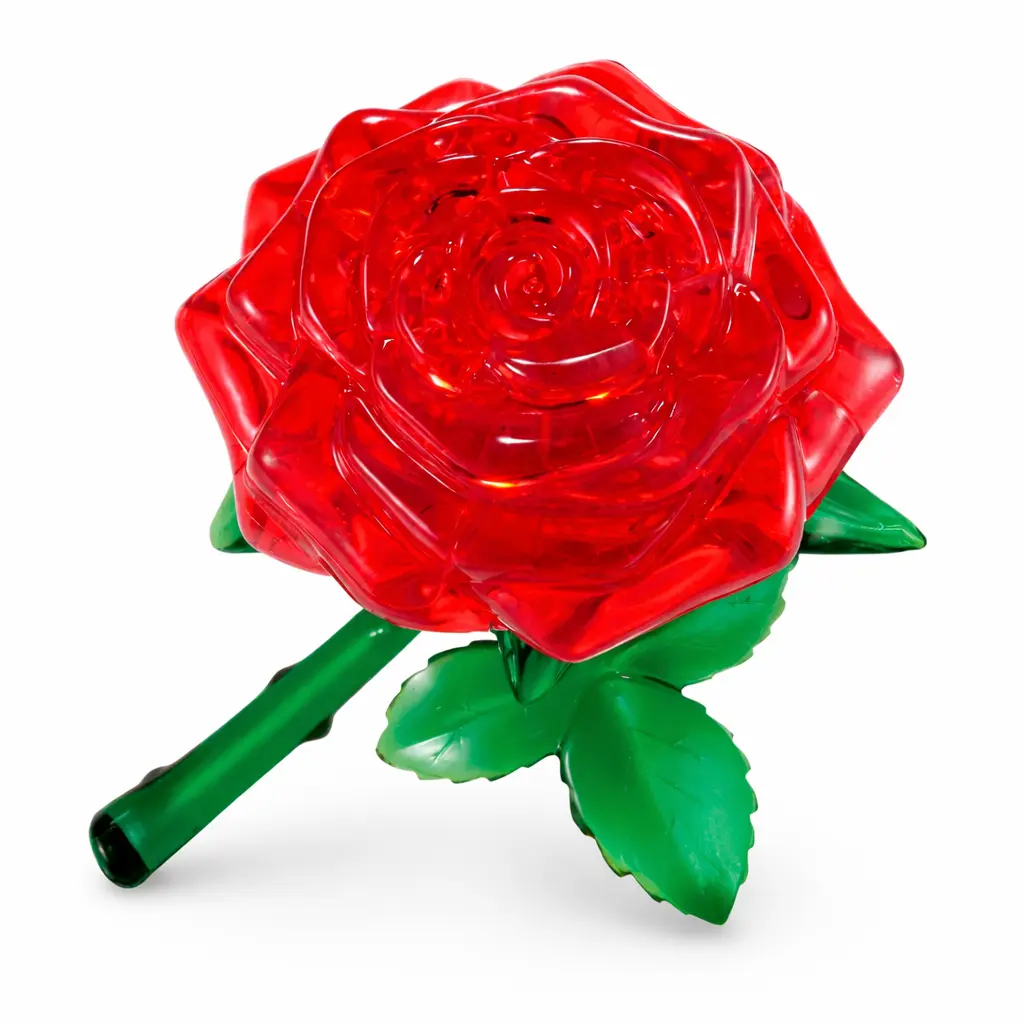
You will feel the snap of the translucent plastic pieces as they lock into place, slowly forming a three-dimensional flower. It feels like building a sculpture from the inside out. While not a traditional puzzle box, the way the final 'locking' piece secures the entire structure is a great lesson in mechanical integrity. It is a rewarding project for those who value the final display as much as the solve. Graduate to the Crystal Apple next.
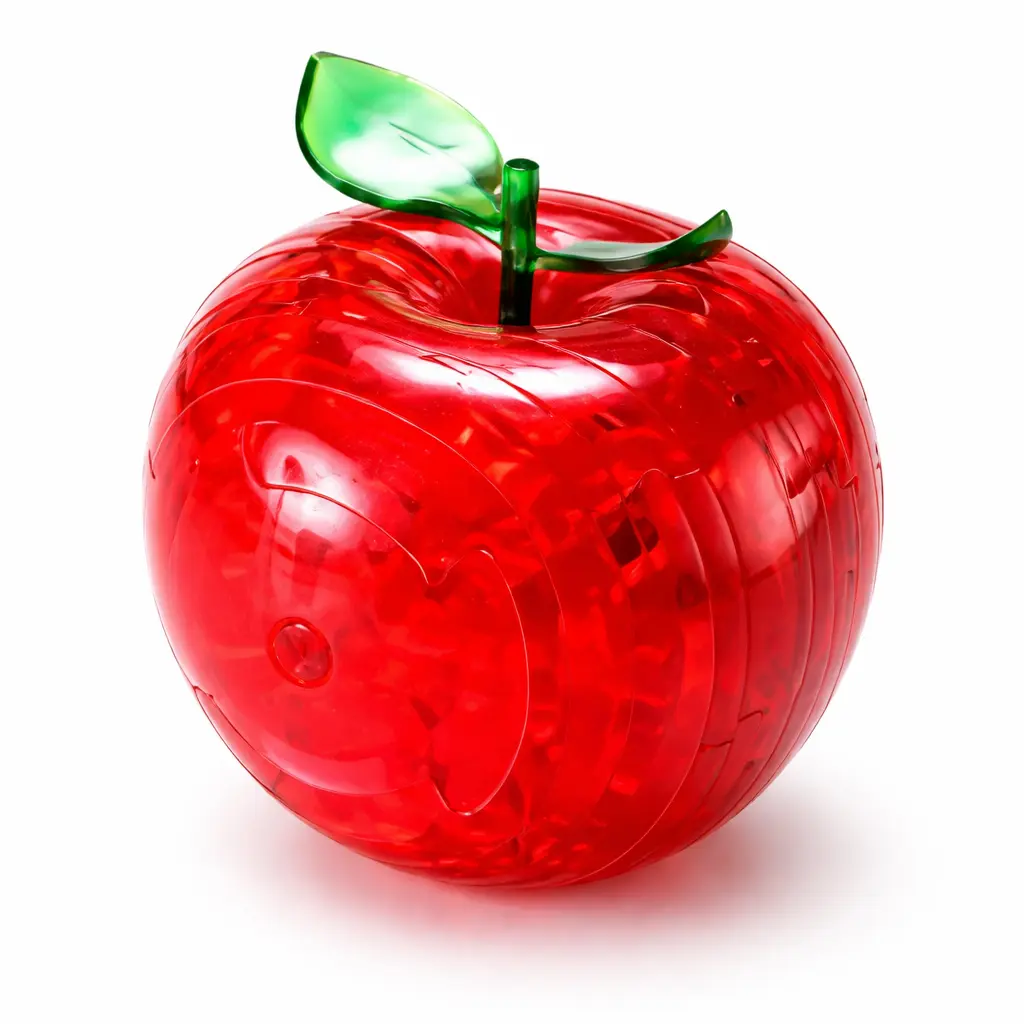
Avoid this if you prefer puzzles that can be solved and reset in under a minute; this assembly takes time and focus. It is a rewarding experience to see the 'core' of the apple come together through layered logic. It teaches you how multiple parts can hide a central locking mechanism, much like a puzzle box. The glossy finish makes it a beautiful desk accessory once completed. It is an easy start for fans of 3D jigsaws. Pair it with the Crystal Rose.
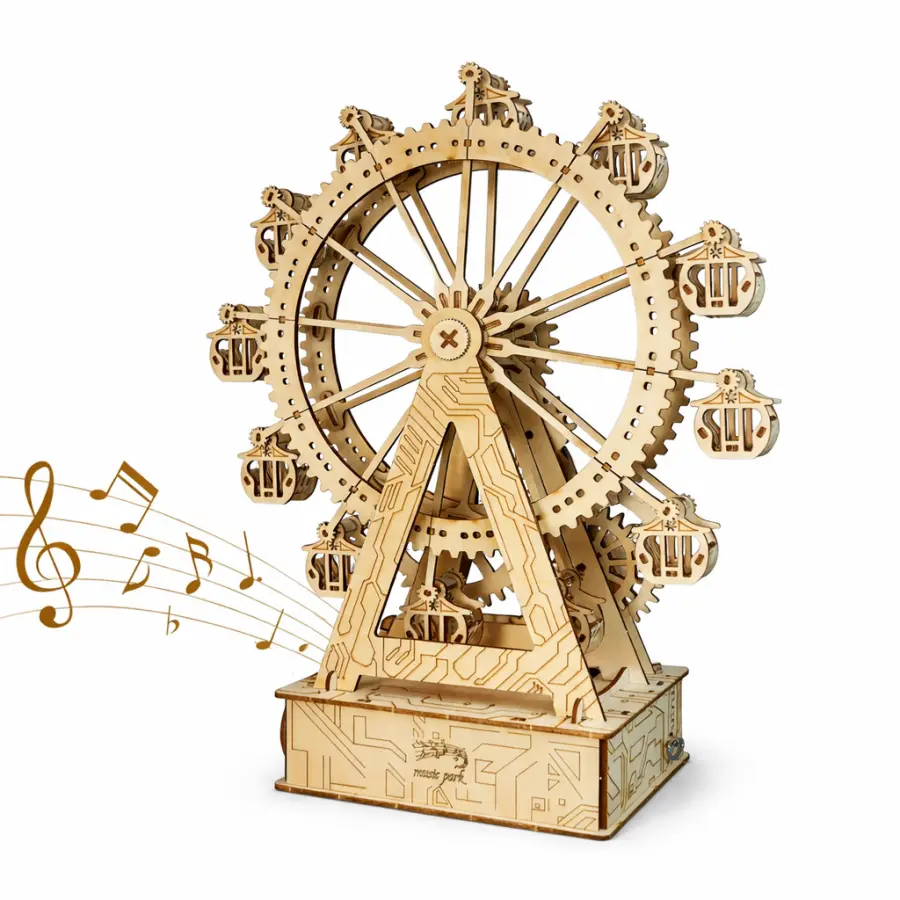
The smell of laser-cut wood and the feel of the delicate gears between your fingers makes this a high-end sensory experience. As you assemble the wheel, you'll learn the physics of motion and sound. It is incredibly rewarding to turn the crank for the first time and hear the music play. This kit takes the 'secret' of a puzzle box and turns it into a functional mechanical wonder. It is a great weekend project. Pair it with the Butterfly Music Box.
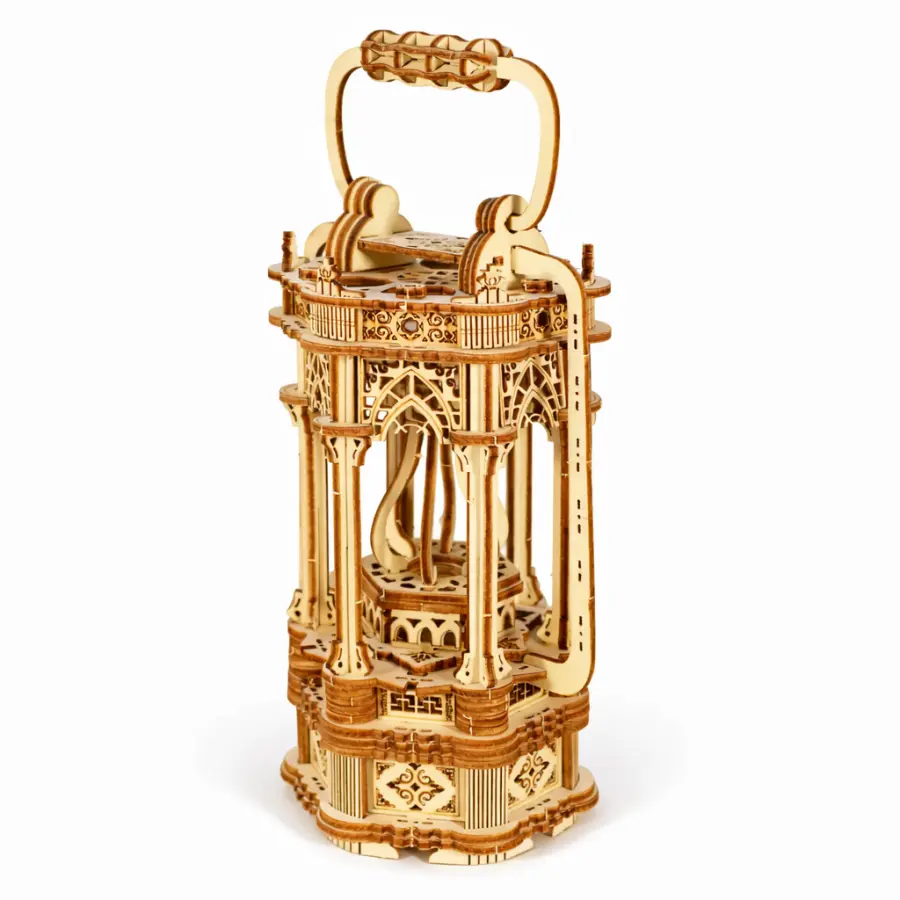
Do not buy this if you are looking for a quick 5-minute distraction; this is a centerpiece project that requires steady hands. If you want to learn how to integrate electronics with traditional woodcraft, this lantern is an easy start. The rewarding glow of the LED through the gothic patterns makes the effort worthwhile. It uses the same 'tab and slot' construction found in many a large puzzle box. Pair it with the Perpetual Calendar.
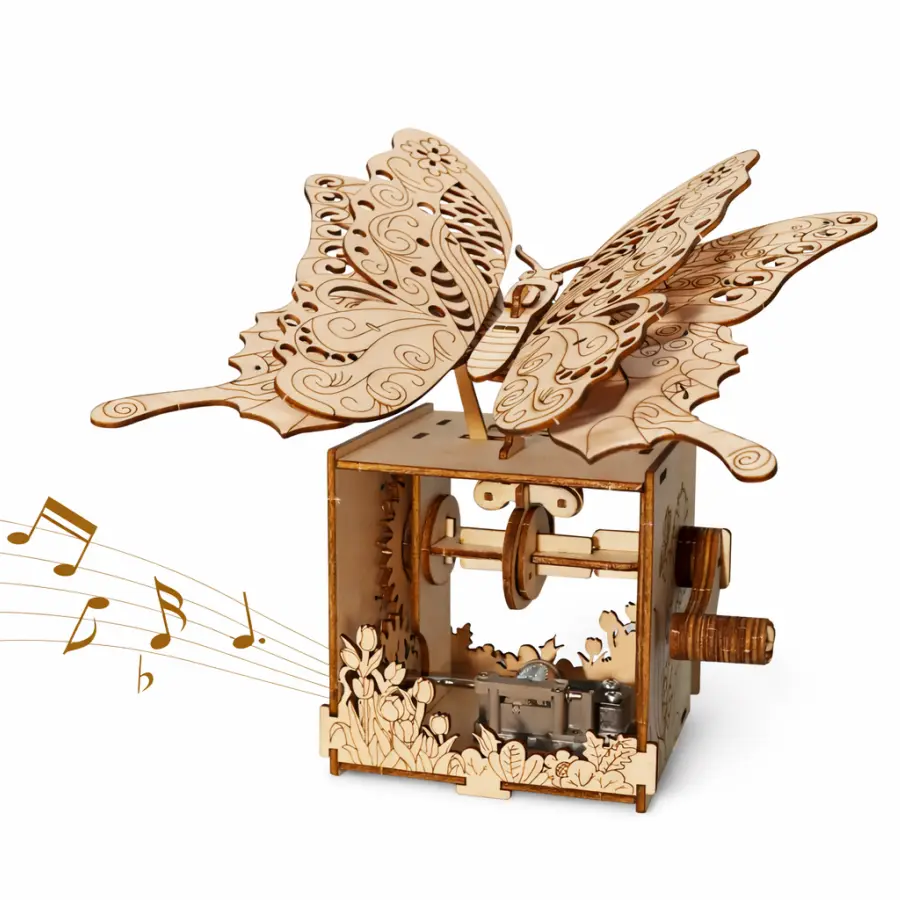
You will feel the precision of the wooden layers as they stack to create a fluttering wing effect. The mechanical movement is smooth and provides a rewarding visual treat every time the music plays. It is a beautiful way to learn about cams and levers in a non-intimidating way. While it isn't a puzzle box you hide things in, it shares the same 'hidden magic' appeal. It makes a wonderful gift for makers. Pair it with the Ferris Wheel.
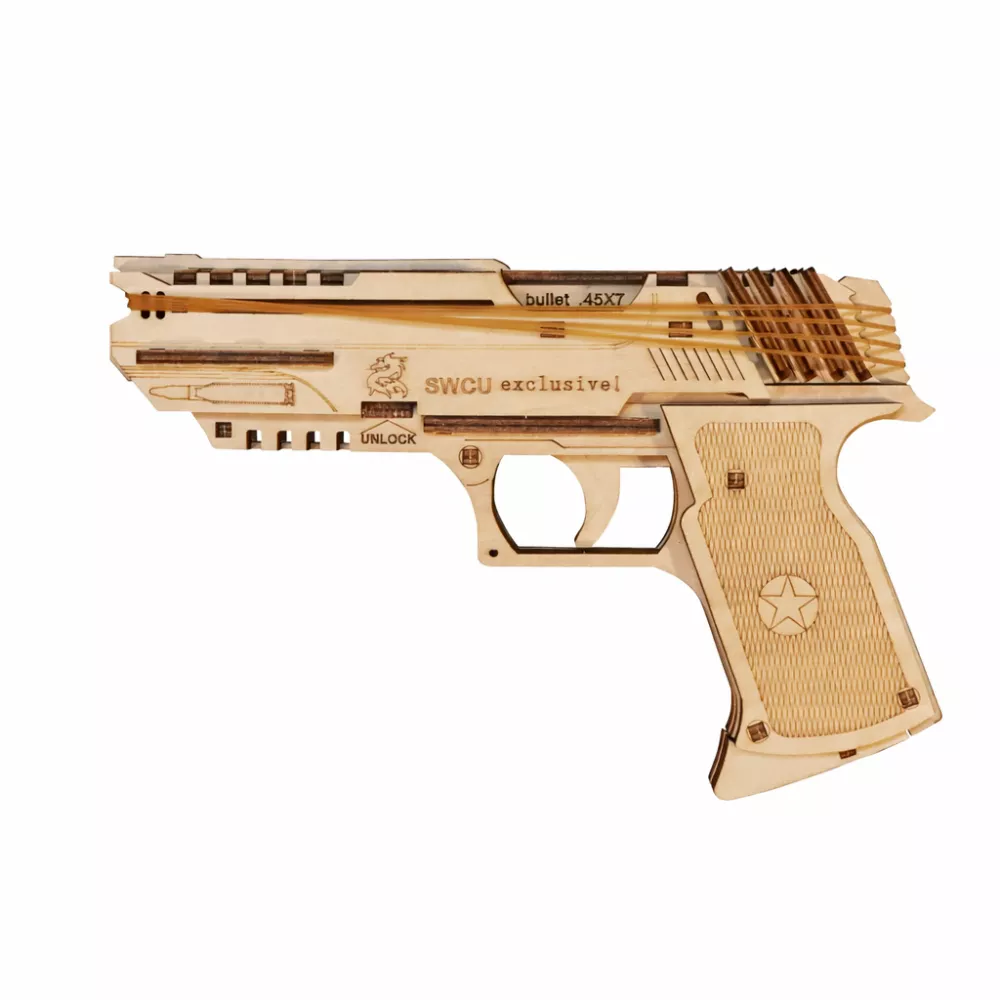
Avoid this if you are uncomfortable with realistic mechanical replicas; this is for the hobbyist who loves functional engineering. You will feel the tension of the rubber bands as you prime the mechanism, offering a very tactile reward. It teaches the 'trigger and release' logic that is often hidden inside a complex puzzle box. It is an easy start for those interested in wooden weaponry and kinetics. Pair it with the Treasure Box.
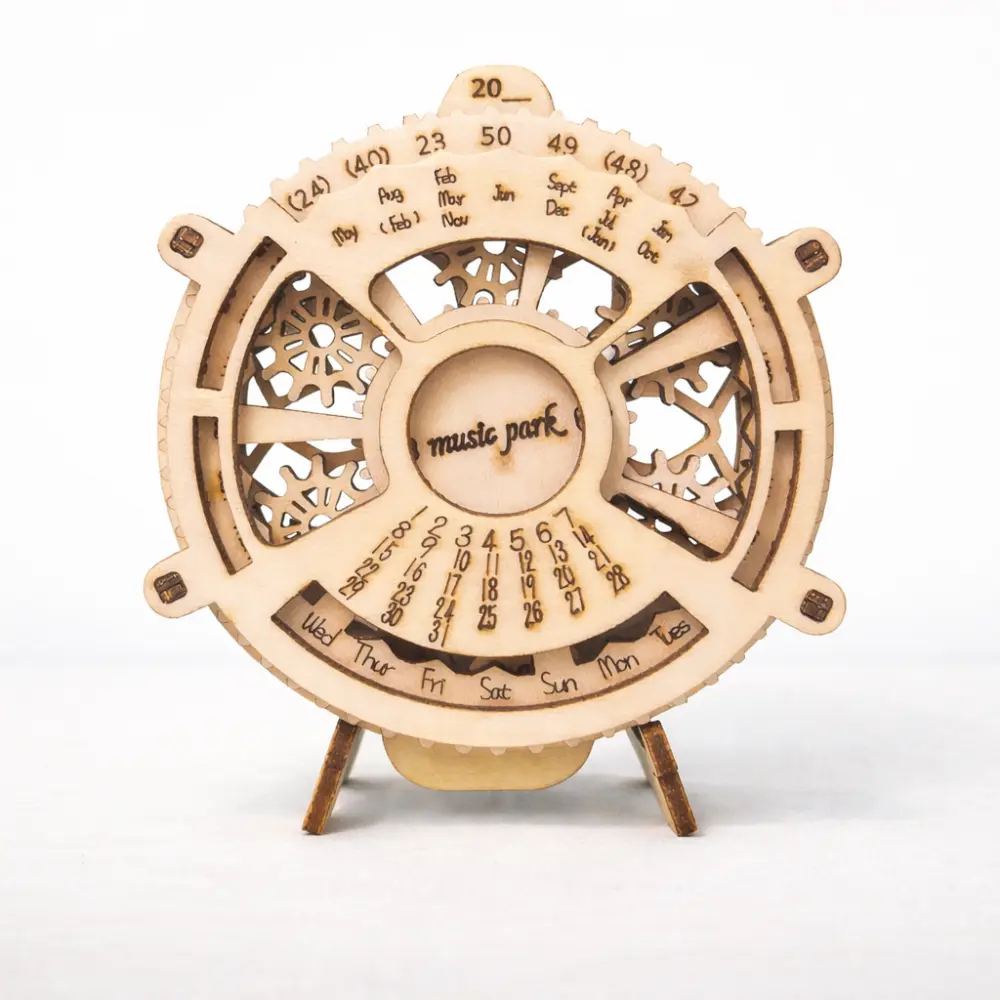
The interlocking gears click together with a satisfying wooden thud, creating a tool that will stay on your desk for years. You will feel like a clockmaker as you align the dates and months. It is a rewarding solve because the end result is a functional, interactive calendar. This puzzle teaches the 'sequential movement' logic that defines the puzzle box category. It is an easy start for office-decor enthusiasts. Pair it with the Desk Organizer.
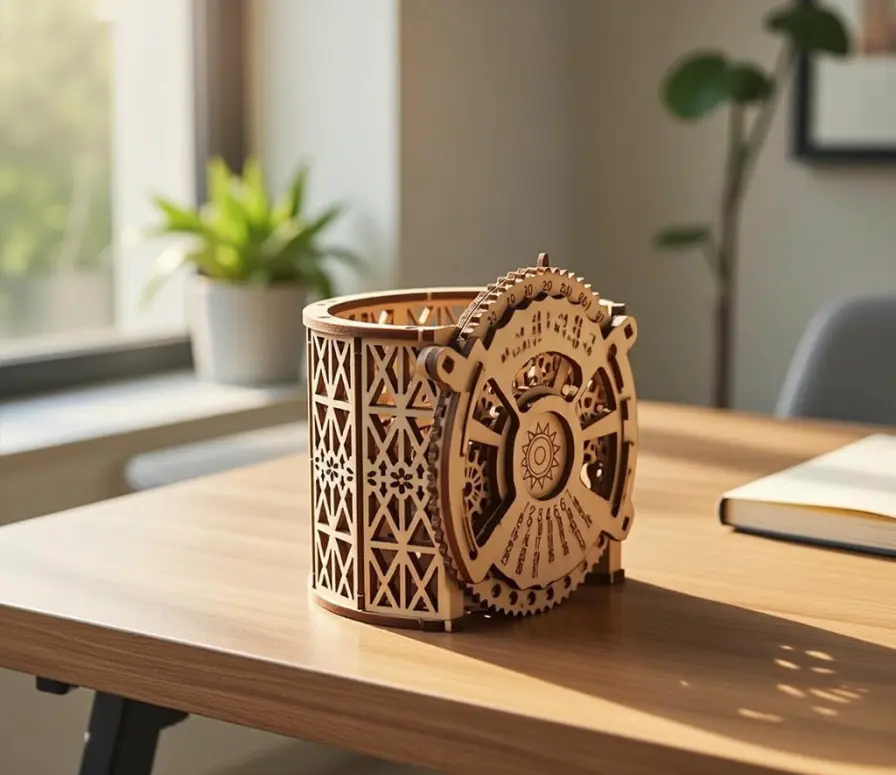
Do not buy this if you have a tiny desk with no room for storage; this is a substantial piece of functional art. However, if you want to learn how to build your own secret stash for pens and notes, this is a rewarding choice. It combines the utility of an organizer with the fun of a puzzle box mechanism. The natural wood grain feels warm and inviting. It is an easy start for students and professionals. Pair it with the Perpetual Calendar.
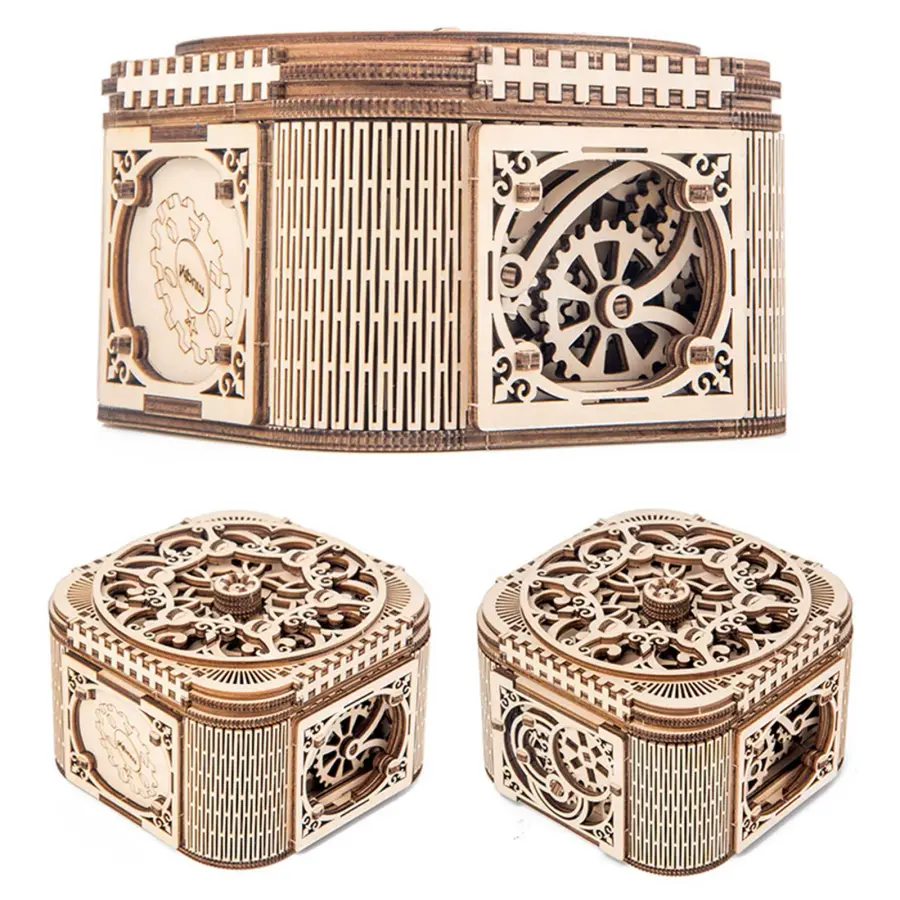
You will feel the secret gears engage as you turn the dial to reveal the hidden compartment inside. It feels like cracking a safe in an old mystery movie. This is the ultimate 'first' puzzle box because it is rewarding both to build and to use for actual storage. It is an easy start for anyone who wants a functional piece of mechanical art. It teaches the core principles of secret openings. Pair it with the Mechanical Pistol.
To open a traditional Japanese puzzle box, you must look for sliding panels on the ends or sides. Most require a specific sequence of movements—often between 4 and 21 steps. Start by gently pressing on the corners or side panels to see which one moves first. If it slides easily, that is your first step. Follow the 'path of least resistance' until the lid is released. It is a very rewarding way to learn about hidden joinery.
Not at all! Many designs are created specifically for an easy start. Beginner boxes usually involve 1 to 5 steps and focus on one main 'trick' rather than a long sequence. Starting with a simpler box allows you to learn the common types of mechanisms—like sliding pins, gravity weights, or hidden magnets—without getting overwhelmed. Once you understand these 'puzzle box' basics, you can move on to more complex challenges.
If a wooden puzzle box feels stuck, never force it. Wood can expand slightly due to humidity, or a small internal pin might be misaligned. Try tapping the box gently against your palm or changing its orientation to see if gravity helps. Most boxes are designed to move with very little pressure. If you are truly stuck, many enthusiasts suggest looking for a 'spoiler-free' hint online to help you learn the next step without ruining the whole mystery.
Yes! Many people use a puzzle box to hide jewelry, cash, or gift cards. The 3D Wooden Puzzle Treasure Box is specifically designed for this purpose. However, always check the internal dimensions before buying, as some boxes (especially metal ones) are solid or have very tiny compartments. Using a puzzle as 'wrapping' for a gift makes the reveal much more rewarding for the recipient.
Resetting a puzzle box is usually just the reverse of the opening sequence. However, some boxes have 'one-way' mechanisms that require a different set of moves to close. It is a good idea to keep track of your steps as you open it. Learning to reset the box is just as important as opening it, as it ensures the secret remains safe for the next person who tries to solve it.
The price usually reflects the complexity of the mechanism and the materials used. Handcrafted wooden boxes from specialty artisans use exotic woods and precision joinery that can take weeks to produce. On the other hand, mass-produced metal or plastic puzzles offer an easy start at a much lower price point. A high-end puzzle box is often considered a piece of 'mechanical art' rather than just a toy.
Wooden boxes are durable but do have moving parts that can break if forced. For younger children, a metal 'take-apart' puzzle or a sturdy 3D crystal puzzle might be a better choice. For older kids and adults, a wooden puzzle box is a great way to learn patience and fine motor skills. As long as they understand the rule of 'no forcing,' these puzzles can last for generations.
Most modern puzzles come with a solution link or a QR code on the packaging. If you've lost the original box, you can search for the product name on sites like YouTube or specialized puzzle forums. Many creators provide step-by-step videos that help you learn the logic behind the solve. Remember, the goal is to have fun, so don't feel bad about taking a small hint to get your rewarding finish!