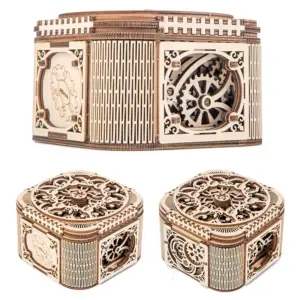
The third time the brass pin slipped past my thumb, I set the box down and made coffee. My hands were shaking slightly—not from caffeine, but from the specific, low-grade fever that comes with being outsmarted by a three-inch cube of walnut. I’ve spent the better part of a decade reviewing mechanical puzzles, and if there is one thing I’ve learned, it’s that a japanese puzzle box doesn’t care about your graduate degree or your high-speed internet connection. It cares about your ability to be still.
The true value of a Japanese puzzle box isn’t the secret compartment hiding inside; it’s the forced slowing of your own pulse. We live in a world of “instant,” but these objects are the antithesis of the scroll-and-tap dopamine loop. They are physical manifestations of patience. Whether you are holding a traditional Himitsu-Bako from the Hakone region or a modern metal reimagining, the thesis remains the same: the best solutions hide in plain sight, usually behind a door you’ve tried to kick down instead of gently sliding.
The Geometry of Frustration: Why We Can’t Stop Fiddling
There is a specific sound a well-made puzzle makes when it finally yields. It isn’t a loud “click” like a modern plastic toy. It’s a soft, woody shuck—the sound of two perfectly machined surfaces finally aligning. I first experienced this with a 12-step Yosegi box I bought in a dusty shop in Kyoto. I spent four hours trying to find the first slide. I felt like an idiot. Then, I realized I was holding it too tightly. The wood had expanded slightly from the heat of my palms, locking the mechanism.
This is the “Object Lesson” of the hobby. These puzzles teach you that force is the enemy of progress. In my collection of over 200 pieces, the ones that stay on my desk aren’t the most expensive ones, but the ones that remind me to breathe. There are cognitive benefits most puzzle sellers won’t mention, specifically how tactile problem-solving forces the brain into a “flow state” that digital games simply can’t replicate.
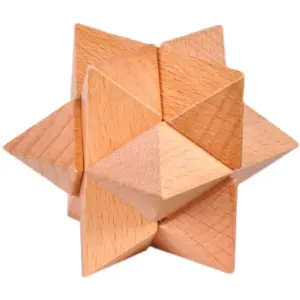
Luban Lock Set 9 Piece
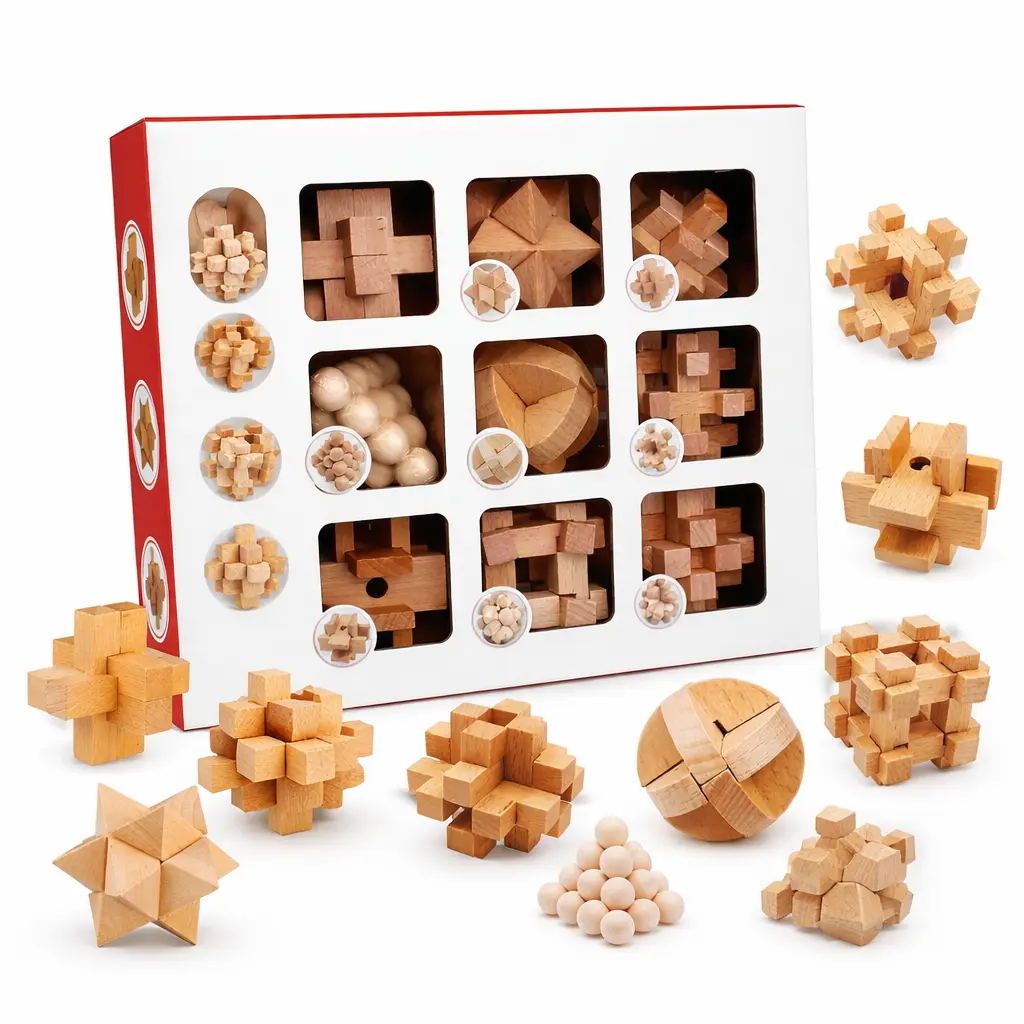
If you want to understand why Chinese and Japanese joinery has lasted for millennia without a single nail, you start here. This $39.99 set is essentially a history lesson you can hold. Each of the nine puzzles uses mortise-and-tenon logic—the same engineering that keeps ancient temples standing.
When I first opened this set, I thought the “Ball in a Cage” would be the easy win. I was wrong. The tolerances are tight enough that you can’t just wiggle your way out. You have to understand the sequence. It’s a brutal reminder that 2,500 years ago, people were already smarter than us. The wood feels raw and honest in the hand, and while it lacks the flashy polish of a $200 collector’s piece, it provides ten times the “aha!” moments per dollar. It’s the perfect kit for someone who wants to understand the foundational DNA of the japanese puzzle box without the steep entry price.
Heavy Metal: Why Zinc and Brass Are the New Wood
While traditionalists swear by the Hakone mountains and their varied timber, there is a rising movement in the puzzle community toward cast metal. I’ve found that metal puzzles offer a different kind of satisfaction. They have weight. They have “cold-start” friction. When you pick up a piece like the Cast Coil Triangle Puzzle, you aren’t just solving a riddle; you’re manipulating a miniature industrial sculpture.
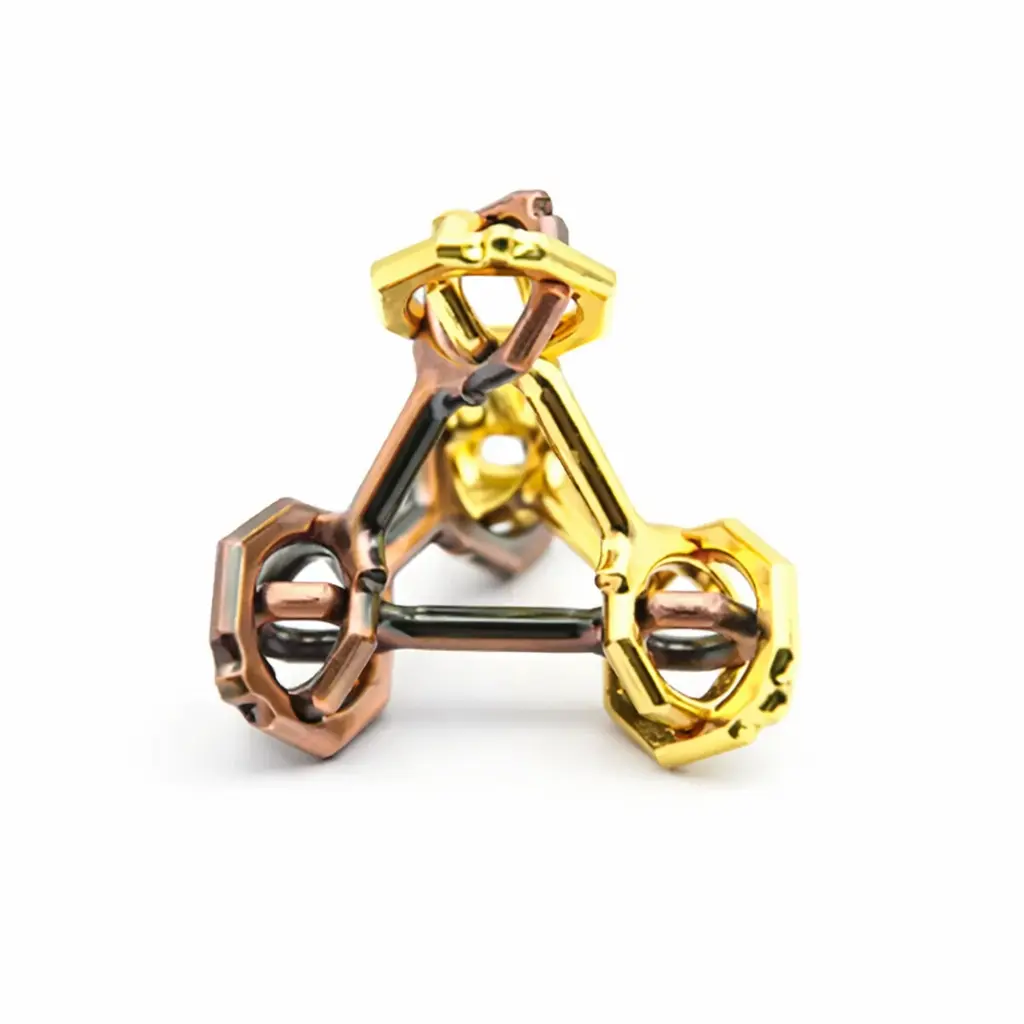
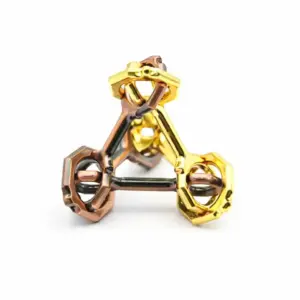
Cast Coil Triangle Puzzle
The Coil Triangle is what I call a “stand-up meeting puzzle.” It’s priced at $25.99, and it sits on my desk for those moments when a Zoom call goes ten minutes too long. It consists of three interlocking rings that form a stereoscopic triangle. The dual-tone brass and bronze finish is genuinely handsome—it doesn’t look like a toy.
The solve is about rotation and finding the “gate” where the pieces can slide past one another. It’s a tactile secret that rewards the fidgeter. I’ve noticed that the finish on mine has actually improved over the last six months; the oils from my hands have given the bronze a darker, more “lived-in” patina. It’s one of those rare objects that feels better the more you fail at it.
The ‘Shelf Queen’ Problem: Display vs. Play
Every collector has a “Shelf Queen”—a puzzle so beautiful and expensive that you’re afraid to let anyone touch it. In the world of the japanese puzzle box, this is usually a high-step Himitsu-Bako with intricate Yosegi (wood mosaic) work. But I’ve always been a proponent of puzzles that actually get played with.
I’ve had friends over who see a $300 box and won’t touch it. But if I leave something like the Double Cross Cage Puzzle on the coffee table, they can’t help themselves. This is why I often steer beginners toward different types of trick opening mechanisms that aren’t quite so precious.
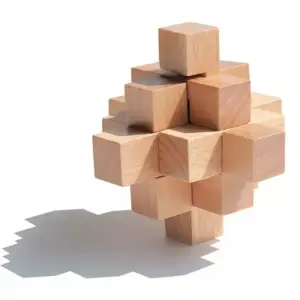
The Double Cross Cage Puzzle ($18.88) is a masterclass in “Harmony Over Force.” It’s a wooden brain teaser that uses 24 identical pieces. It looks impossible, like a solid mass of timber. The trick is that it relies on geometric balance. If you try to pull it apart, it only grips tighter. You have to find the one piece that yields. It’s a great way of engaging the whole family in logic games during a rainy afternoon.
The Secret Language of the Hakone Mountains
To truly appreciate a japanese puzzle box, you have to understand its origins. According to Wikipedia’s entry on puzzle boxes, these secret containers first appeared in the late Edo period. They were originally called Himitsu-Bako (Secret Box) and were used by workers to hide their tools or by travelers to protect their money from highwaymen.
The Hakone region was the epicenter because of its incredible biodiversity. Craftsmen had access to dozens of wood species, allowing them to create the Yosegi-Zaiku—that iconic geometric veneer. When you hold a real box, you aren’t just holding a toy; you’re holding a piece of a forest that was engineered to keep a secret.
For those who find the traditional boxes a bit too fragile, I often suggest looking into metal challenges that humbled me for an afternoon. Metal doesn’t warp with humidity, which makes it a more reliable (if less traditional) desk companion.
Yin-Yang Taiji Lock
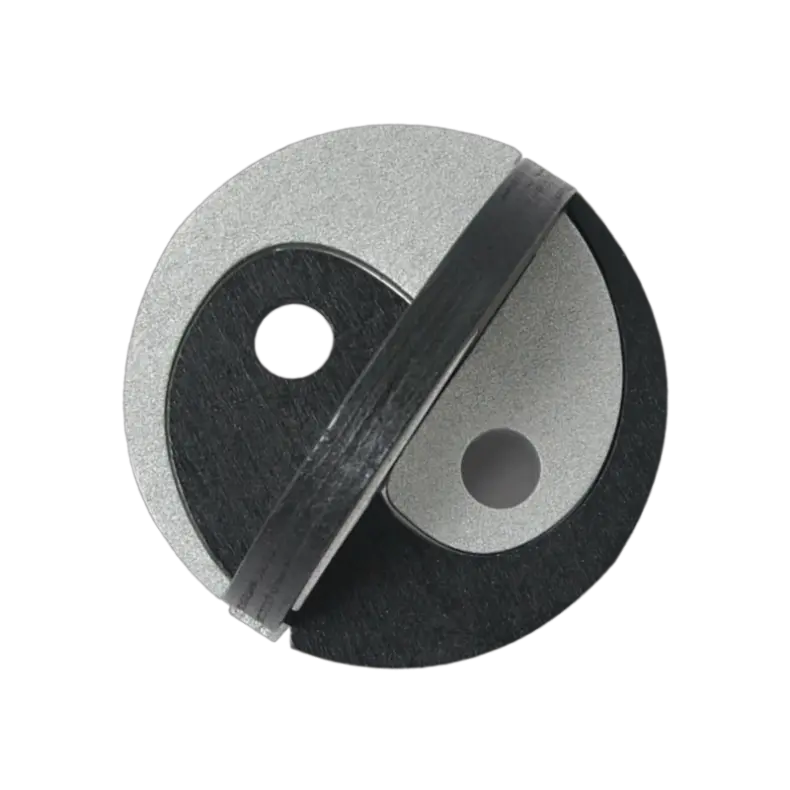
Yin-Yang Taiji Lock
Speaking of balance, the Yin-Yang Taiji Lock ($15.88) is perhaps the most “Zen” puzzle in my current rotation. It’s four interlocking pieces of aged hardwood. It’s small, fits in the palm, and is based on Taoist philosophy.
This isn’t a puzzle you solve by thinking hard. You solve it by feeling for the imbalance. When I first got this, I spent thirty minutes trying to visualize the internal structure. I failed. It wasn’t until I closed my eyes and just felt where the wood wanted to move that it came apart. For under sixteen dollars, it’s a meditative practice disguised as a desk toy. If you’re stressed, this is better than a fidget spinner.
Beyond the Box: Locks and Keyrings
Sometimes the “box” isn’t a box at all. In the broader world of mechanical puzzles, the “trick lock” is a close cousin to the Japanese puzzle box. The goal is the same: find the hidden sequence to achieve the opening.
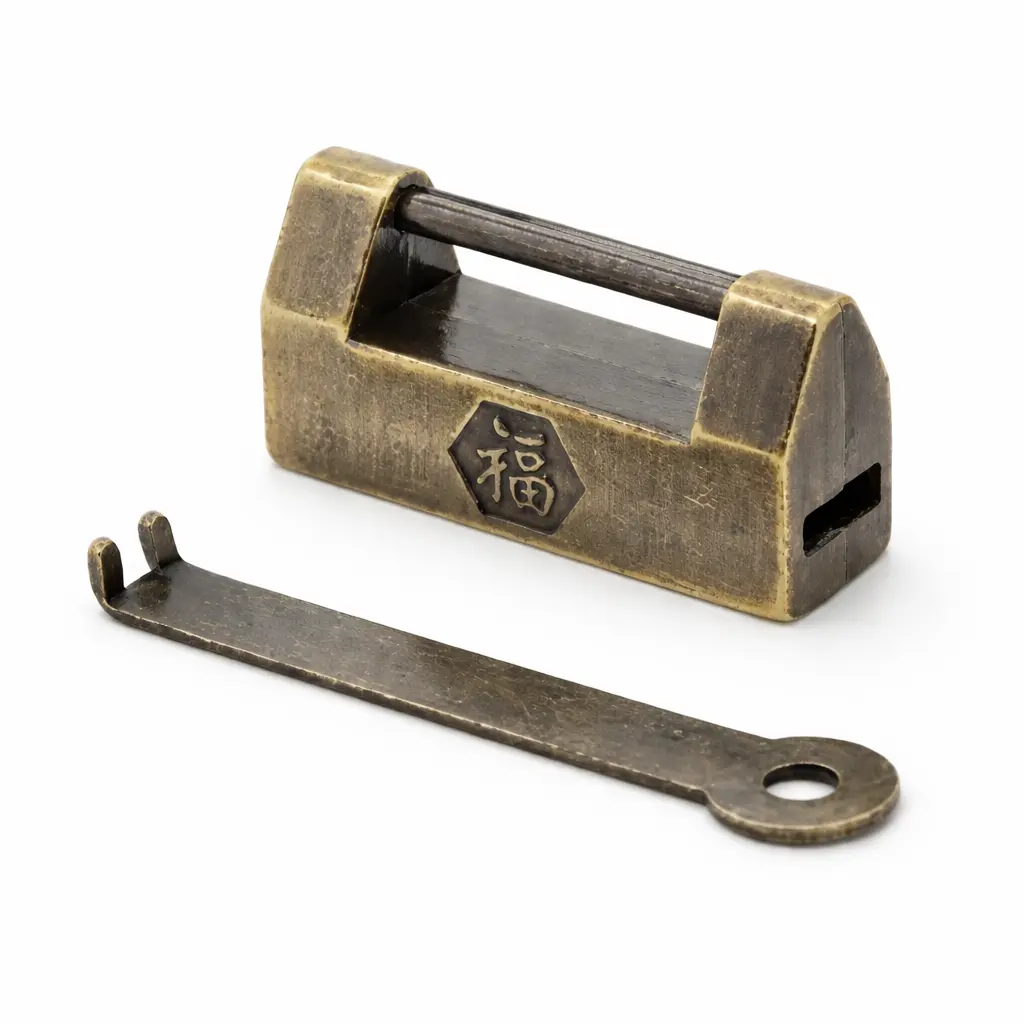
Chinese Old Style fú Lock with Key
The Chinese Old Style fú Lock with Key ($19.99) is a miniature marvel. It’s only 30mm across—roughly the size of a thumb. Most “puzzle locks” are massive, heavy things, but this one is delicate. It features the “福” (fortune) character and actually works with a traditional rod-key.
I use mine to lock a small leather journal. It’s not going to stop a thief with a pair of bolt cutters, but it stops the “casually curious.” The “shackle” releases with a very distinct, metallic click that I find incredibly satisfying. It’s a great entry point for someone who likes the aesthetic of ancient artifacts but wants something functional.
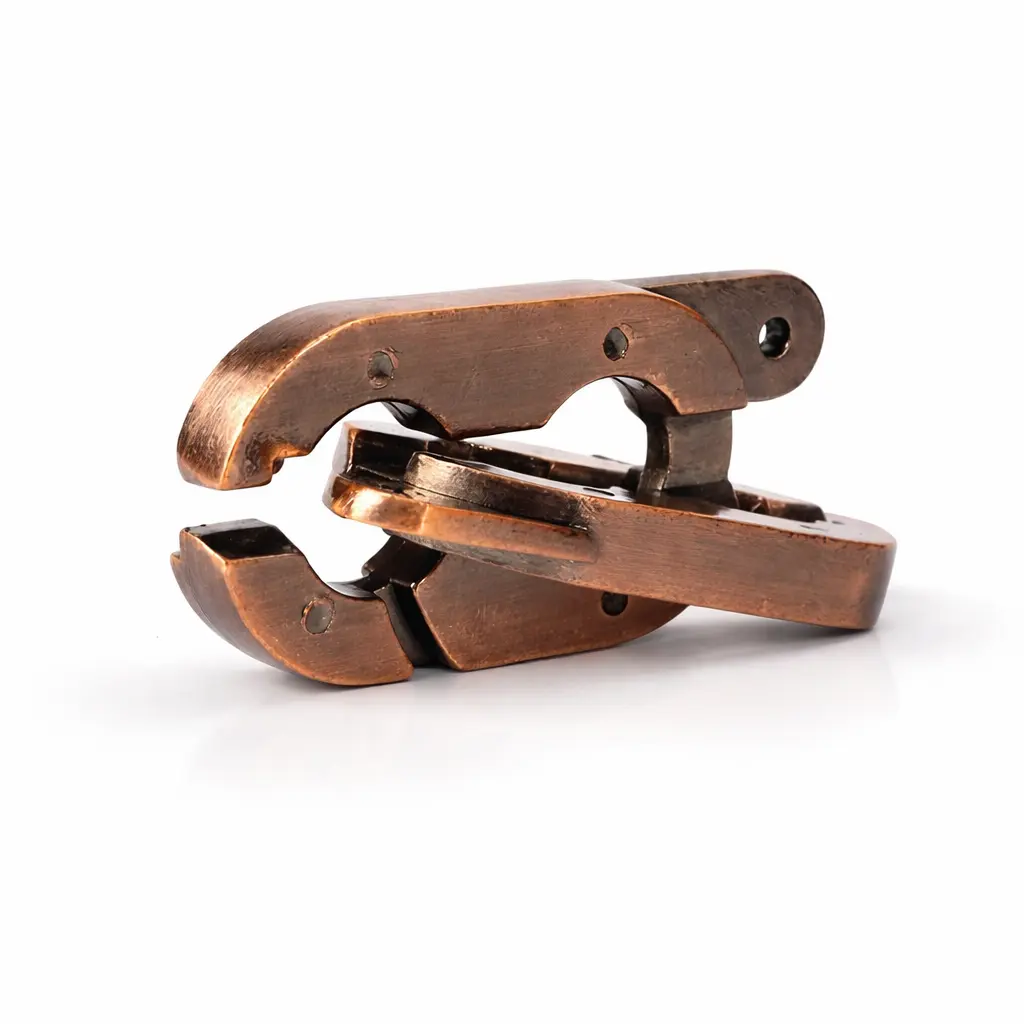
If you need something even more portable, the Antique Bronze Metal Keyring Puzzle ($14.99) is my go-to “waiting room” solution. It’s two interlocking pieces of cast metal with a hand-finished patina. I’ve had mine clipped to my laptop bag for three months. It’s survived being dropped, stepped on, and tossed into TSA bins. The patina has actually held up remarkably well, developing a darker luster in the recessed areas. It’s a deep dive into interlocking metal disks on a micro scale.
Spiritual Solving: When Puzzles Become Meditative
There is a subset of puzzles that I call “Philosophical Objects.” These are pieces that use a mechanism to illustrate a concept.
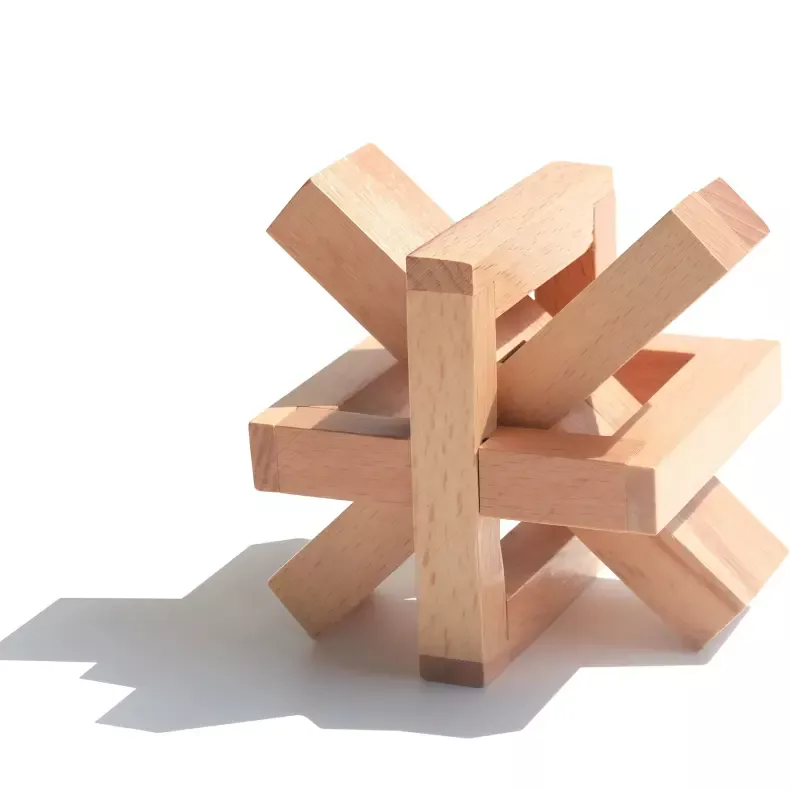
Besieged City — $16.99
The Besieged City Puzzle ($16.99) is one of these. It’s a wooden challenge based on a mechanism that supposedly challenged Emperor Taizong. The name comes from the idea that a city under siege is hard to enter but even harder to leave. It teaches the principle that “the most direct path isn’t always the most obvious.”
When I first tried to solve this, I kept looking for a sliding panel. I was looking for a “box” solution. But the Besieged City requires a different kind of spatial reasoning. It’s a reminder that we often overcomplicate our problems. Sometimes, you just need to turn the problem upside down—literally.
Why Modern Cast Puzzles are the ‘Gateway Drug’
If you find the wooden boxes a bit intimidating, the “Cast” series is where you should start. These are often inspired by classic designs but rendered in high-quality zinc alloy. They are virtually indestructible, which is a plus if you have kids or a particularly clumsy roommate.
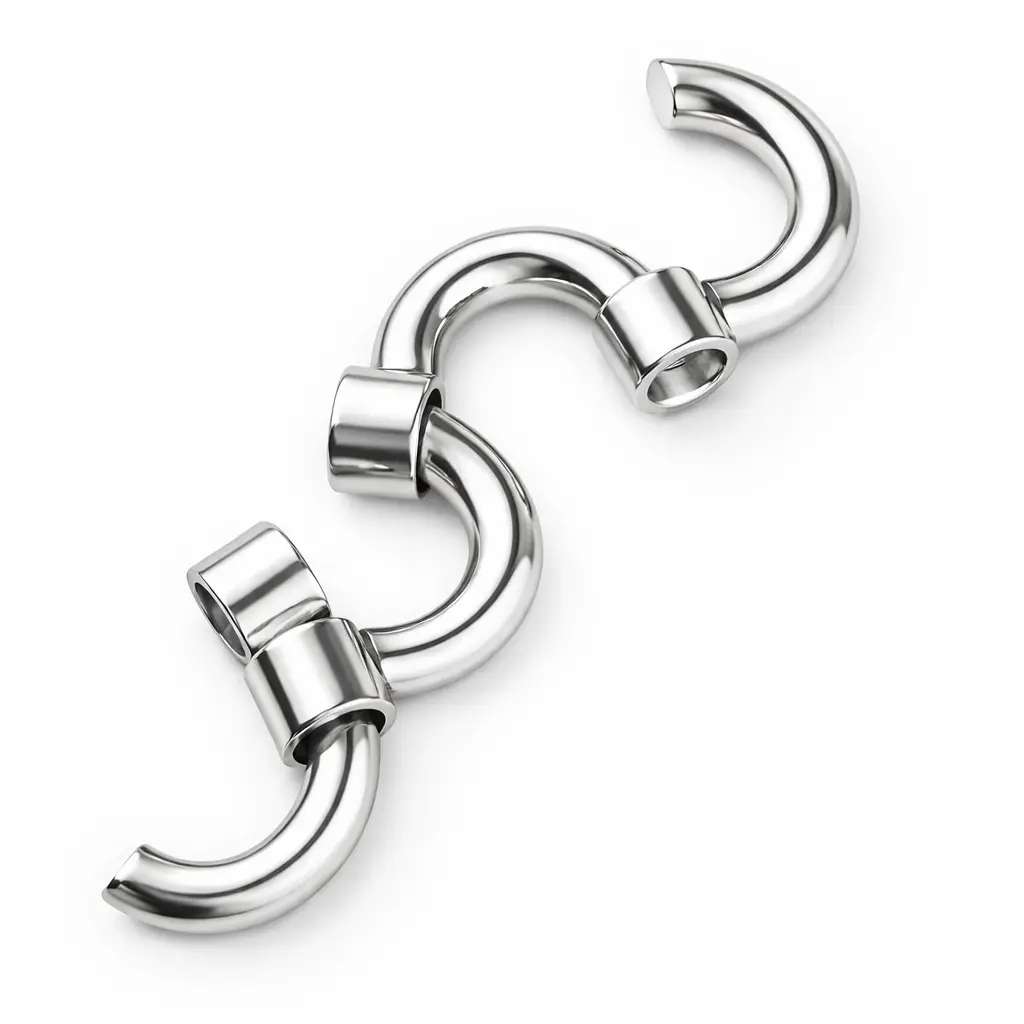
Cast Galaxy 4-Piece Silver — $14.88
The Cast Galaxy 4-Piece Silver ($14.88) is a perfect example. It looks like a piece of jewelry. Taking it apart is deceptively easy—the pieces seem to just melt away from each other. But reassembly? That’s where the Galaxy earns its name. You have to remember exactly how those four curved arms nested. I once spent an entire flight from Denver to Chicago trying to put this back together. A flight attendant actually asked if I was okay because I was staring at it so intensely.
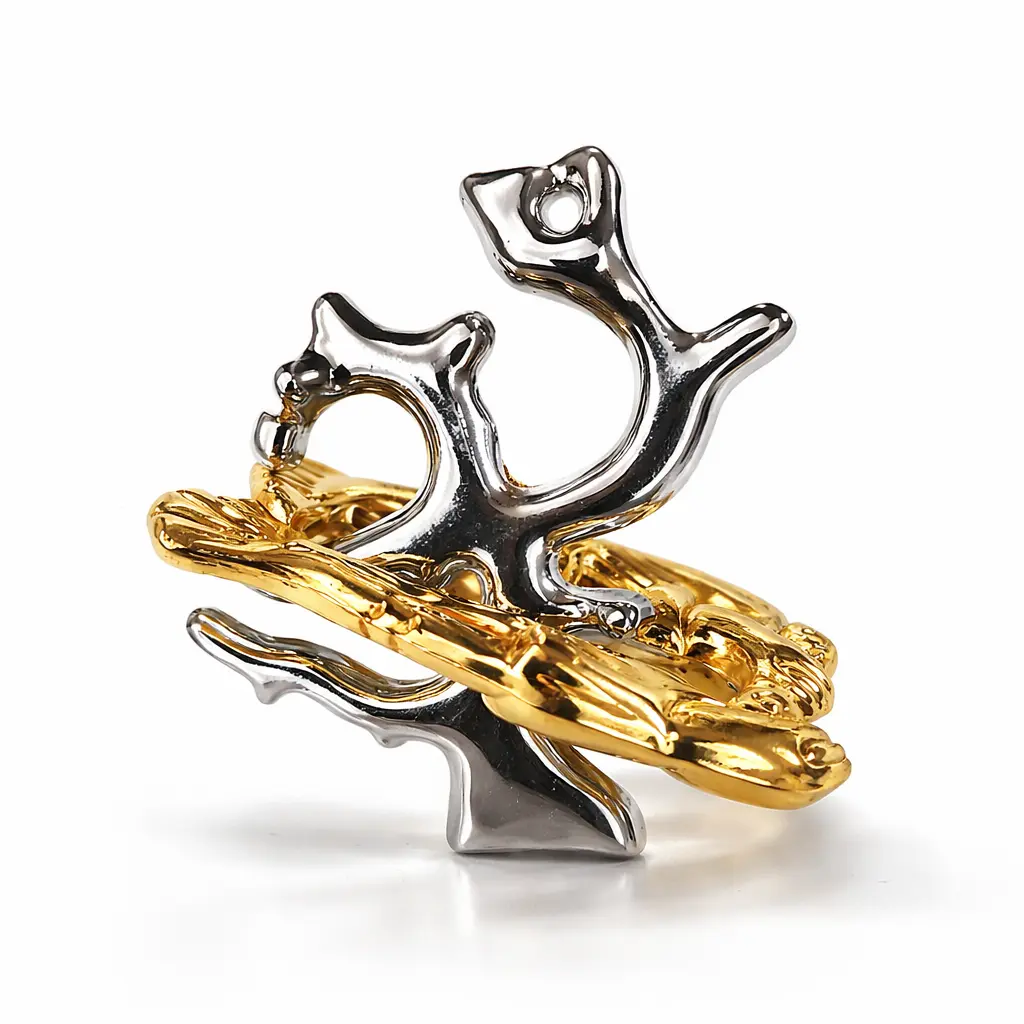
Similarly, the Gold Fish & Silver Coral Reef Cast ($13.99) is a beautiful visual puzzle. The goal is simple: free the gold fish. It’s palm-sized and rewards patience. I’ve written a visual guide to aquatic-themed brain teasers before, and this remains a top recommendation. It’s the kind of object that looks great on a bookshelf even if you never solve it. If you want to see how I fared with it, you can read my review of metal challenges that humbled me for an afternoon.
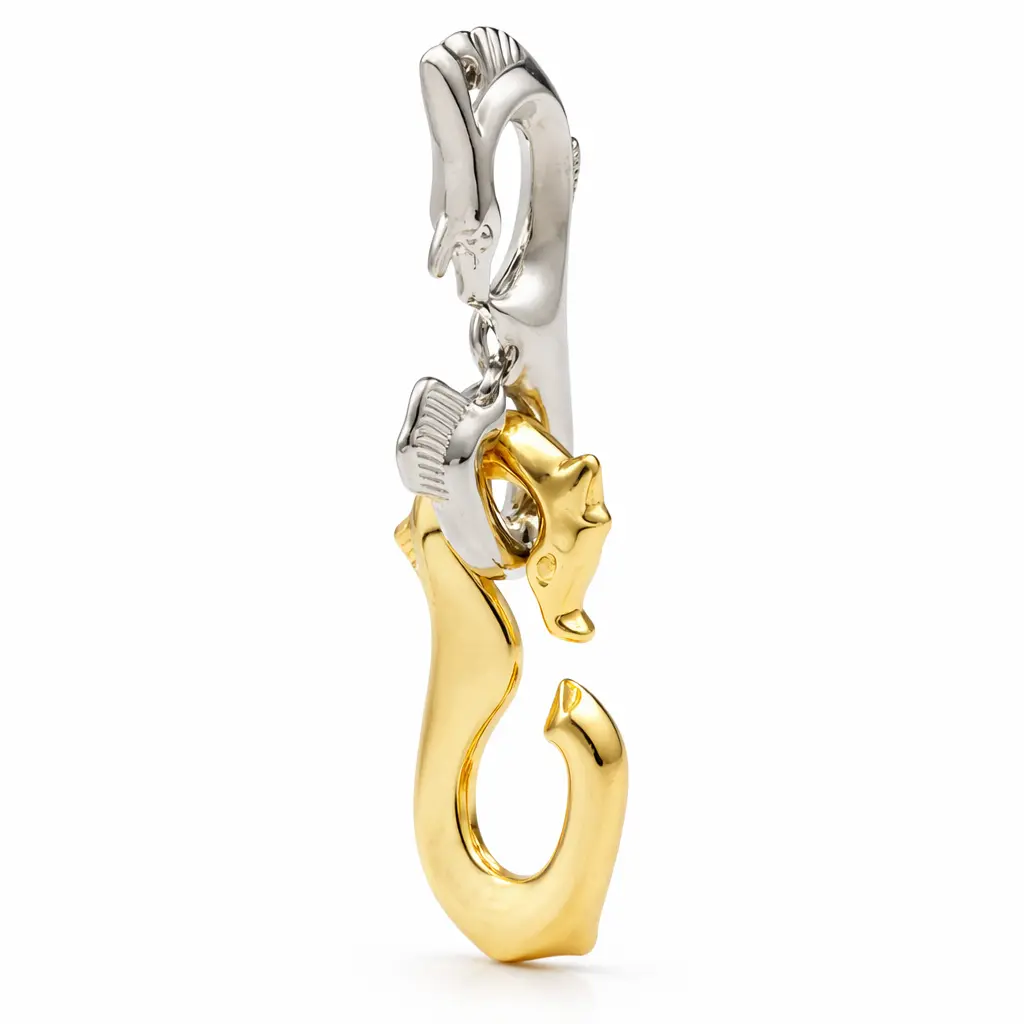
Finally, for those who like a bit of a twist, the Dual Seahorse Gold & Silver Brain Teaser ($14.99) uses a hidden threaded mechanism. It’s not just about sliding; it’s about unscrewing something you can’t see. It’s a clever variation on the “disentanglement” genre.
FAQ: Everything You Wanted to Ask While Frustrated
How do I open a Japanese puzzle box if I lost the instructions?
First, don’t panic. Most boxes follow a “slide and shift” logic. Start by gently pressing on every side and corner with your thumb. Look for a panel that moves even a fraction of a millimeter. Once one panel moves, it usually “unlocks” the next one. If you’re truly stuck, there are extreme wooden boxes for seasoned collectors that require 72+ steps, but most beginner boxes are in the 4-12 step range.
What does ‘Sun’ mean in the context of these boxes?
“Sun” (pronounced soon) is a traditional Japanese unit of measurement. One Sun is roughly 3 centimeters (1.2 inches). A “5 Sun” box is about 15 centimeters long. It’s the standard way to size a japanese puzzle box. The larger the box, the more room the craftsman has for complex internal mechanisms.
Are these puzzles durable?
Wooden puzzles are sensitive to humidity. If you live in a very dry climate, the wood can shrink; if it’s too humid, it can swell and jam. Metal puzzles, like the Cast Galaxy, are much more durable but can be scratched. I recommend keeping wooden boxes away from direct sunlight and heaters.
Are they a good gift for someone with ADHD or anxiety?
Actually, yes. Many people in the community find that the tactile engagement helps ground them. It’s a form of “productive fidgeting.” If the person gets easily frustrated, start with something like the Cast Coil Triangle rather than a complex 21-step wooden box.
Can I store a wedding ring or money inside?
Most traditional boxes have a hollow center once opened. However, “Mame” (mini) boxes are often too small for anything but a folded bill. Always check the internal dimensions before buying if you intend to use it as a gift box.
Why are some boxes so much more expensive than others?
You’re paying for the “steps” and the “veneer.” A box with 72 steps requires incredible precision in the internal tracks. Additionally, hand-cut Yosegi veneer is a dying art form. You’re buying a piece of functional folk art, not just a toy.
Do I need to lubricate the mechanism?
Generally, no. For wooden boxes, a tiny bit of paraffin wax on the sliding tracks can help if it’s sticking, but never use oil or WD-40, which will ruin the wood. For metal puzzles, they are designed to be “dry.”
What is the difference between a ‘Secret Box’ and a ‘Trick Box’?
A “Secret Box” (Himitsu-Bako) usually requires a specific sequence of sliding panels. A “Trick Box” might involve magnets, gravity, or hidden buttons. The terms are often used interchangeably, but “Secret Box” usually refers to the traditional Hakone style.
Are these too hard for kids?
Most are rated for ages 14+, but a bright 10-year-old can handle a 4-step box. The main issue isn’t the logic—it’s the patience. Kids tend to want to “force” the opening, which can snap the delicate wooden tracks.
How do I reset a puzzle after I’ve solved it?
This is often harder than opening it! You have to perform the steps in exact reverse order. If you get lost, search for the product name on YouTube; there is a massive community of “solvers” who document every move.
What if a piece falls out?
In a well-made puzzle, pieces shouldn’t just fall out unless it’s part of the solve. If a piece of veneer peels off, a tiny dot of wood glue will fix it. If an internal track breaks, it’s usually game over.
Is it cheating to look up the solution?
In the puzzle world, we call it “research.” But honestly, the “aha!” moment is the whole point. If you look it up, you’ve essentially paid $20 for a 5-second video. Try taking a break and coming back to it the next day. Sometimes you need a digital puzzles to reset your brain before you can tackle the physical ones again.
Can I make my own?
Yes, but it’s incredibly difficult. It requires a high level of woodworking precision. If you’re interested in the mechanics, I suggest starting with a physics-based game to understand how weight and balance affect movement.
What is the best ‘first’ puzzle box?
I always recommend a 10-step or 12-step box. It’s enough steps to feel like a real challenge, but not so many that you’ll want to throw it out a window.
Where can I find more advanced challenges?
Once you’ve mastered the basics, look for “Sequential Discovery” puzzles. These are boxes where you find a tool (like a small pin) inside the box, which you then use to unlock the next stage.
The Final Click: Why We Keep Coming Back
I still remember the first time I handed the Cast Galaxy to my father-in-law. He’s a retired machinist, a man who understands tolerances better than most people understand their own kids. He spent twenty minutes in silence before muttering, “It shouldn’t move that way.”
That’s the magic of the japanese puzzle box and its metal cousins. They defy our expectations of how the physical world should behave. They are a quiet rebellion against a world that is increasingly flat, digital, and predictable.
If you’re looking to start your own collection, don’t feel like you need to spend hundreds of dollars on a museum-grade Hakone box right away. Start with something tactile and “desk-friendly” like the Luban Lock Set or the Cast Coil Triangle. Learn to feel the wood and the metal. Learn to listen for that “shuck” sound.
And remember: if it won’t move, stop pushing. You’re probably just holding it too tight.
My Top Recommendation for Today: If you want a mix of history and genuine challenge, the Luban Lock Set 9 Piece ($39.99) is the best value on this list. It gives you nine different ways to feel humble, and it looks great on a shelf when you’re done. Just don’t lose the “key” piece of the ball-in-a-cage, or you’ll be staring at a pile of sticks until next Tuesday.