The first time I felt a neodymium magnet snap a cube layer into perfect alignment, I realized the era of the “crunchy” plastic puzzle was over. I was sitting at my desk, distracted by a conference call, mindlessly twisting a prototype magnetic 3×3. Unlike the friction-heavy puzzles of my childhood, this felt like it had its own internal heartbeat. Every turn was rewarded with a tactile “thwack” that resonated through my fingertips. It wasn’t just a toy; it was a mechanical conversation.
In my twenty years of collecting, testing over 200 mechanical enigmas, I’ve found that the obsession with the “magnetic cube puzzle” stems from this specific sensory feedback. We live in a world of glass screens and haptic vibrations that feel hollow. A magnetic puzzle, however, offers a physical certainty. Whether you are manipulating a shape-shifting geometry or navigating a hidden maze, the magnets act as a guide, a stabilizer, and a reward system all in one.
My thesis is simple: The best puzzles don’t just challenge your brain; they satisfy a primal need for tactile order. While modern speed-cubing has pushed magnetic technology to its limit, the principles of magnetism have trickled down into everything from desk toys to complex wooden assemblies. If you’ve ever felt the frustration of a puzzle piece that almost fits but won’t stay put, you understand why magnets changed the game.
The Magnet Revolution: From Friction to Fluidity
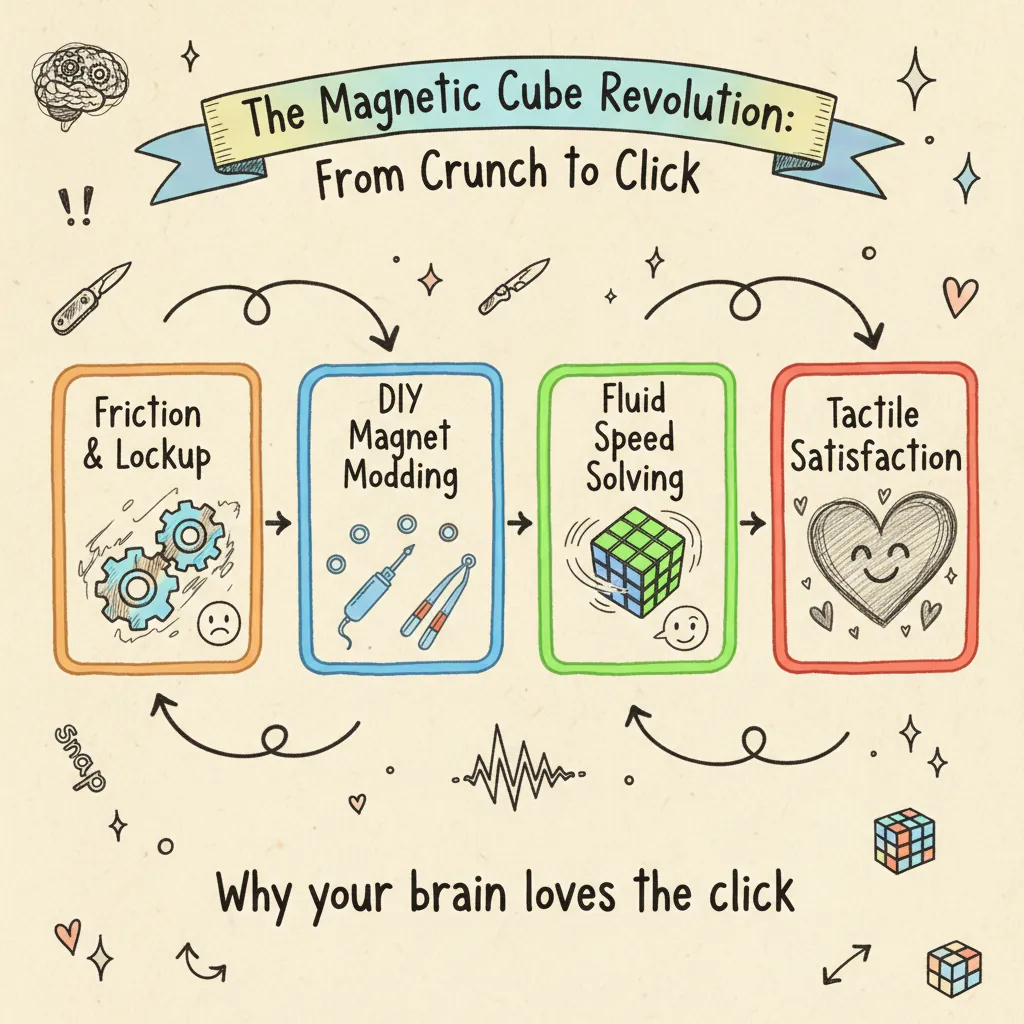
To understand why everyone is suddenly hunting for magnetic cubes, you have to look at the history of the Rubik’s Cube. For decades, the limit of a puzzle’s speed was dictated by the friction of plastic against plastic. You had to align the layers perfectly with your own strength, or the whole thing would lock up.
Everything changed when enthusiasts started DIY-ing magnets into their cubes. By placing tiny magnets inside the corner and edge pieces, they created a self-aligning mechanism. This wasn’t just about speed; it was about stability. When you approach a new challenge with ancient pattern-based intuition, you want the object to cooperate with your hands, not fight them.
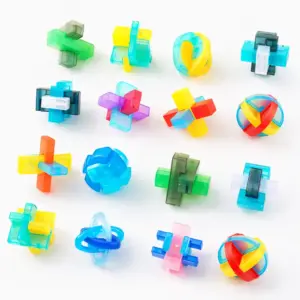
This evolution shifted the “magnetic cube puzzle” from a niche speed-solving tool to a broader category of tactile art. It led to the rise of shape-shifting cubes—those plastic geometric wonders that fold and unfold into dozens of shapes. But for those of us who prefer the weight of metal or the warmth of wood, the “magnetic” feel is often replicated through precision machining and clever interlocking geometry.
The Geometry of Frustration: Why the Cube Persists
There is something psychologically grounding about a cube. It represents order, symmetry, and completeness. When a cube is “broken” or scrambled, our brains have an almost visceral reaction to fix it. This is why the Soma cube and its descendants remain so popular. They take a perfect 3x3x3 space and shatter it into irregular fragments.
One of the most satisfying examples of this “reconstruction” philosophy is the Luban lock. It’s a design that dates back centuries, yet it feels entirely modern in its execution.
Luban Cube Puzzle
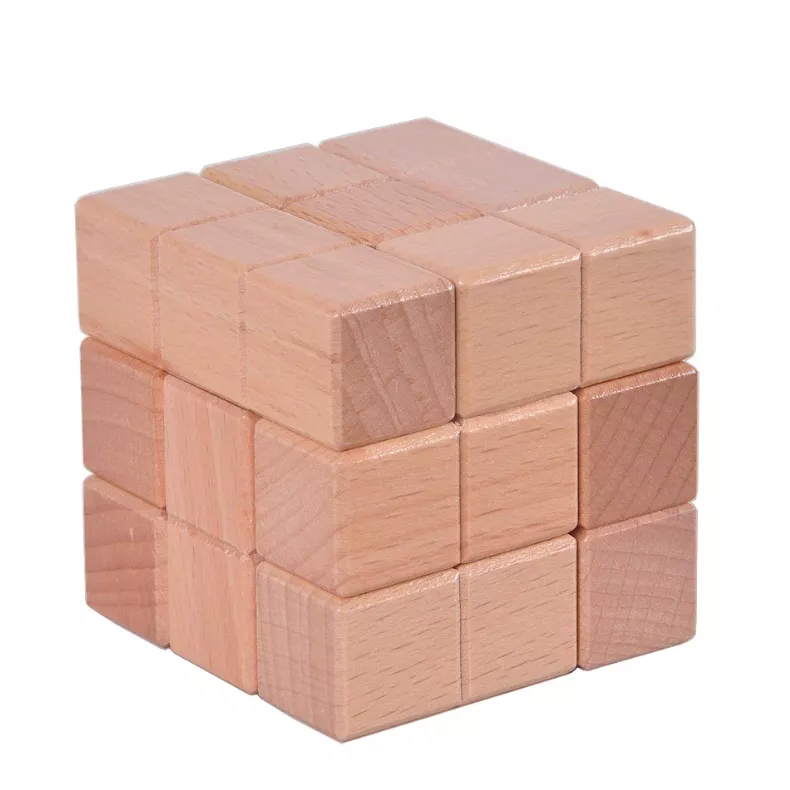
The Luban Cube Puzzle ($21.99) is a masterclass in what I call “passive magnetism.” While it doesn’t use actual magnets, the precision of the mortise-and-tenon joints creates a fit so snug it feels magnetized. I spent an afternoon with this one last month, and I was struck by how much it demands you slow down. Unlike a plastic speed cube that you can flick with a finger, this wooden enigma requires a deliberate “push and slide” motion. It’s inspired by ancient Chinese craftsmanship, using six or seven notched blocks that only fit together in one specific sequence. If you’ve been mastering the tactile feedback of a wooden assembly, this is the logical next step. It’s not about how fast you can do it; it’s about the quiet satisfaction of the final block sliding into place to create a solid, seamless object.
Why Your Hands Solve Puzzles Before Your Brain Does
There is a phenomenon in the hobby known as “look-ahead,” but there’s a deeper, more tactile version I call the “Tactile Mirage.” It’s that moment when your fingers recognize a pattern before your conscious mind has processed it. Magnets facilitate this. They provide “waypoints” in the solve.
When I’m testing a new metal puzzle, I often close my eyes. I want to feel where the resistance is. A well-designed puzzle, like some of the pocket-sized metal challenges, uses its weight to tell a story. If a puzzle is too light, it feels like a toy. If it has the right heft, it feels like an instrument.
Cast Keyhole Gold & Silver
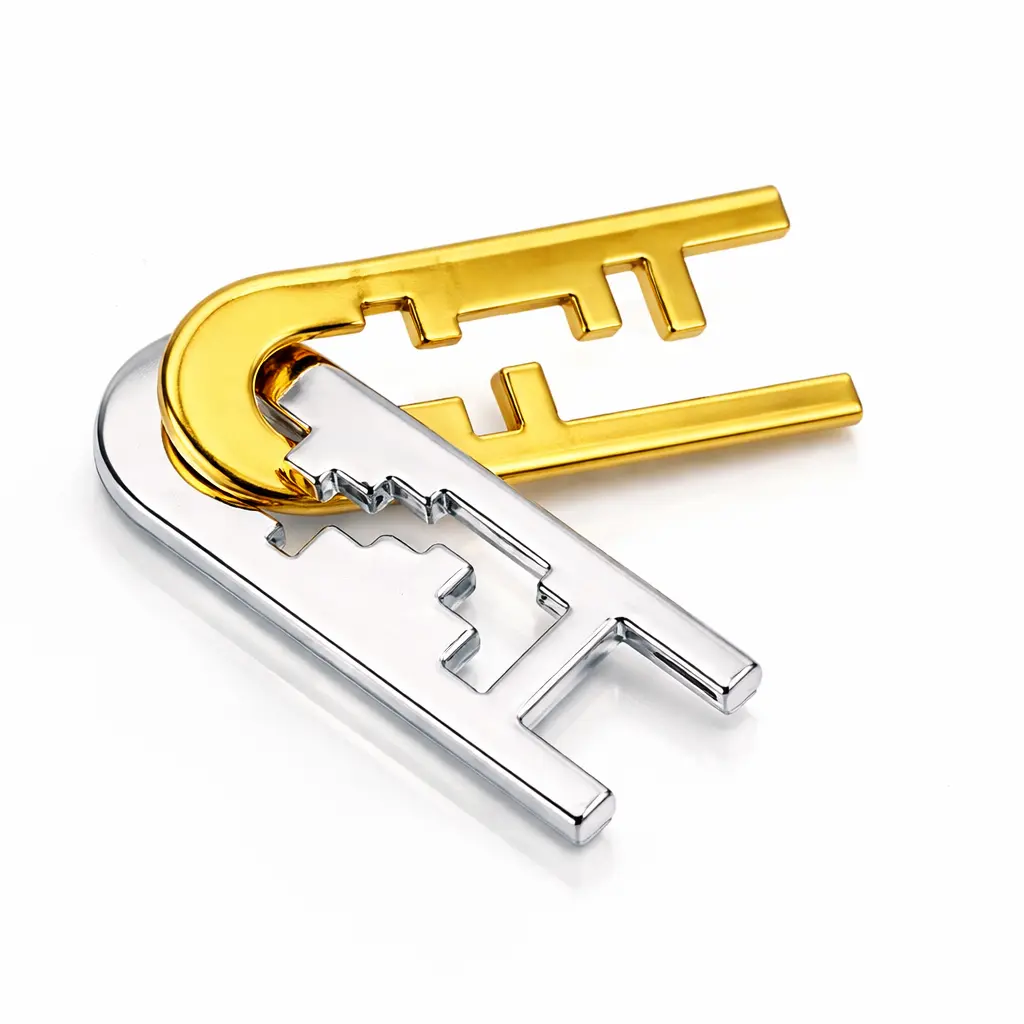
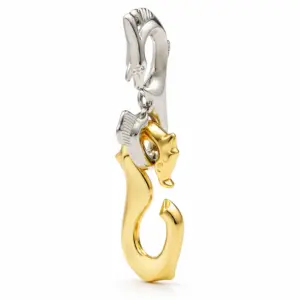
Take the Cast Keyhole Gold & Silver ($13.99). At first glance, it’s just two interlocking pieces of metal. But once you start sliding them, you realize you are navigating a 3D maze hidden within the flat surfaces. I’ve had this on my desk for three weeks, and I still pick it up just to feel the “click” of the notches passing each other. It’s pocket-sized, but the chrome and gold-tone finish give it a premium weight. The real challenge isn’t just taking it apart—it’s the reassembly. That’s where your spatial logic really gets tested. For a deeper look at the mechanics, I’ve put together a detailed breakdown of the keyhole’s internal geometry that highlights the specific “pinch points” where most people get stuck.
The EDC Factor: Puzzles That Live in Your Pocket
The best “magnetic cube puzzle” experience is often the one you have with you. This is the “Everyday Carry” (EDC) side of the hobby. I’ve found that a puzzle which can live on a keychain or in a pocket is worth ten times more than a beautiful one that sits on a shelf gathering dust.
The tactile feedback of a small metal object is a great way to ground yourself during a stressful day. It’s the adult version of a fidget spinner, but with a goal. You aren’t just spinning; you are solving.
Brass Cube Maze Puzzle Keychain
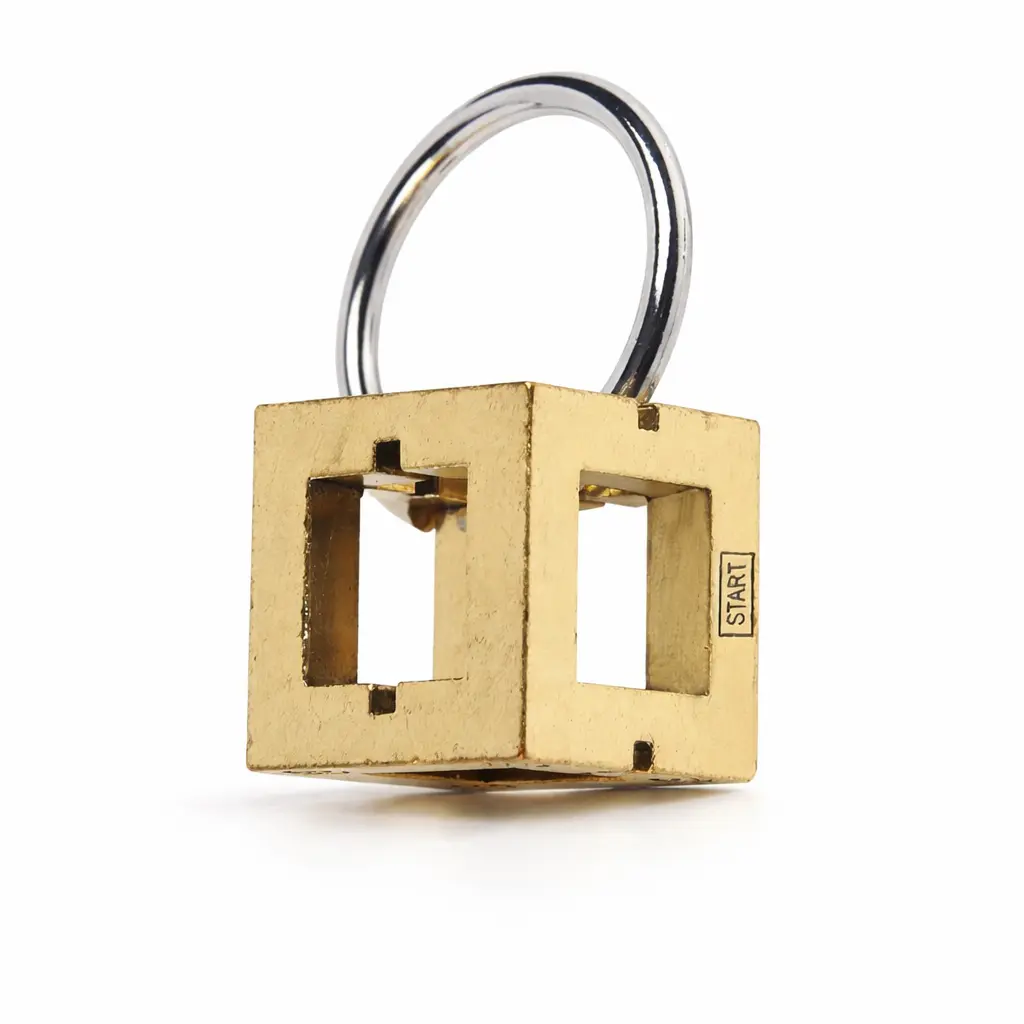
The Brass Cube Maze Puzzle Keychain ($16.99) is exactly what I’m talking about. It’s a 31mm polished brass cube with a chrome ring that you have to navigate through a series of hidden notches. The brass has a slight warmth to it after you’ve been fiddling with it for a few minutes, which is a detail you just don’t get with plastic. I’ll be honest: the first time I tried this, I got the ring halfway through and then spent ten minutes accidentally backtracking. It rewards patience over force. If you find yourself navigating the internal tracks of a pocket-sized brass maze, you’ll quickly learn that “no force required” is a rule, not a suggestion.
The PEAK: The “Aha!” Moment vs. The “Click”
Most people assume the best part of a puzzle is the moment it’s solved. I disagree. After opening dozens of trick boxes and solving hundreds of cubes, I’ve realized the “Peak” is actually the moment of mechanical realization.
It’s that split second when you stop trying to solve the puzzle and start trying to understand the intent of the designer. You realize that the magnet isn’t there to stop you; it’s there to show you the path. You realize the notch isn’t a mistake; it’s a doorway.
I once handed a magnetic shape-shifting cube to a mechanical engineer and a 10-year-old. The engineer spent twenty minutes trying to calculate the number of possible permutations (it’s in the thousands). The 10-year-old just followed the “click.” Within three minutes, the kid had transformed the cube into a star. The lesson? Sometimes, your brain is the biggest obstacle to a solve. The tactile feedback of a magnetic mechanism is designed to bypass your over-analytical mind and speak directly to your intuition.
When Puzzles Become Architecture
Sometimes, the “cube” is just the starting point. Some of the most rewarding challenges I’ve tested are those that require you to build the mechanism yourself. This moves the experience from “solving” to “engineering.” When you build a puzzle, you understand every gear, every latch, and every magnet.
3D Wooden Puzzle Safe with Combination Lock
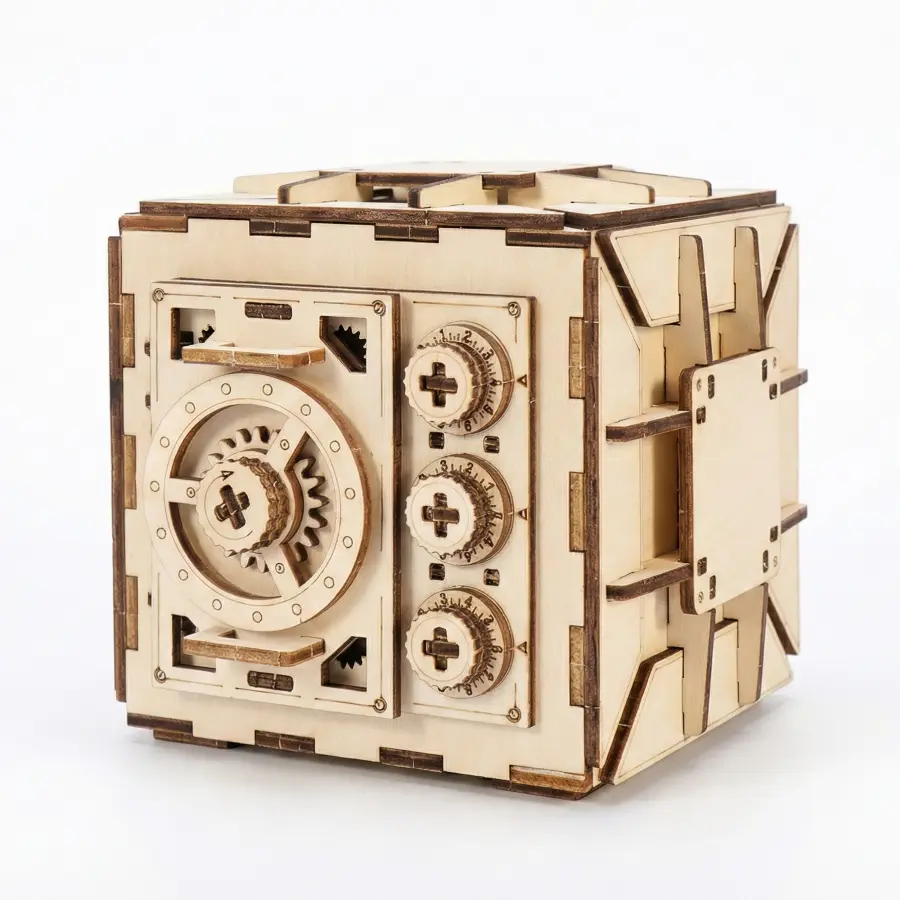
The 3D Wooden Puzzle Safe with Combination Lock ($30.99) is a beast of a project, but it’s incredibly rewarding. It’s 111 pieces of precision-cut plywood. You aren’t just fitting shapes together; you are building a functional 3-digit combination lock. I found that the assembly took me just about an hour and a half. The best part is the “click” of the gears once it’s finished. It’s a larger, more complex version of the locking puzzle brain teasers that many collectors start with. It’s a great piece for anyone who wants to see the “why” behind the “how.”
The Supporting Cast: Diversifying Your Tactile Diet
While the cube is the king of the puzzle world, a well-rounded collection needs variety. If you only solve cubes, you develop a very specific type of spatial “tunnel vision.” I like to throw in things that challenge different parts of the brain—like rotational puzzles, disentanglement challenges, or even aesthetic builds.
For instance, if you’re taking a break from a difficult solve, you might try quick digital pattern recognition exercises or even shifting focus to a physics-based spatial game. But for the physical collection, I always keep a few “palate cleansers” on hand.
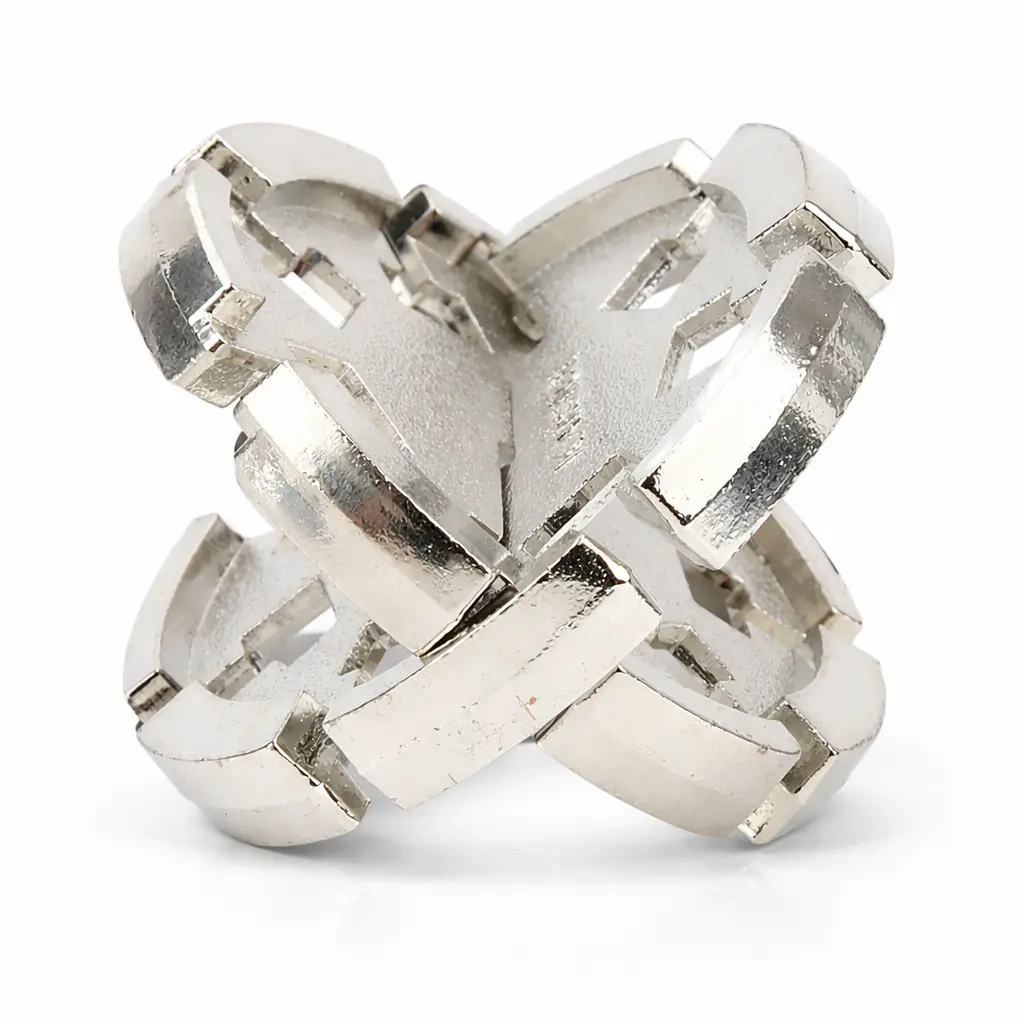
The Interlocking Metal Disk Puzzle ($14.99) is a perfect example. It’s a two-piece rotational sequence that fits in the palm of your hand. It’s less about a “big solve” and more about a rhythmic, tactile reset.
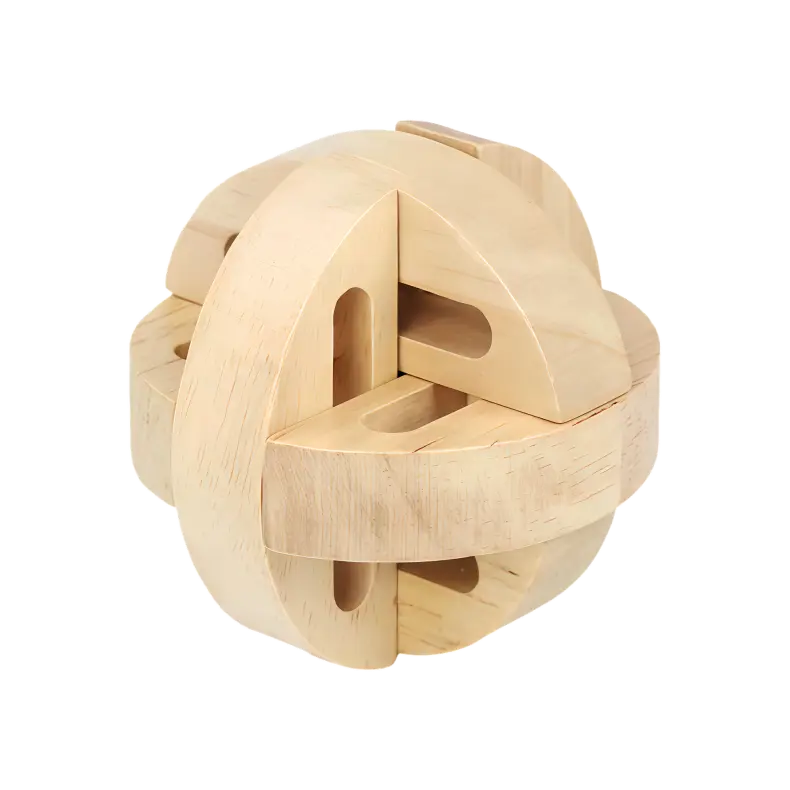
The Mystic Orb Lock — $16.99
If you prefer wood, The Mystic Orb Lock ($16.99) uses six semi-circular interlocking pieces. It’s a beautiful object that teaches you the “Taoist art of yielding.” You can’t force it; you have to find the one hidden vulnerability that unlocks the whole structure.
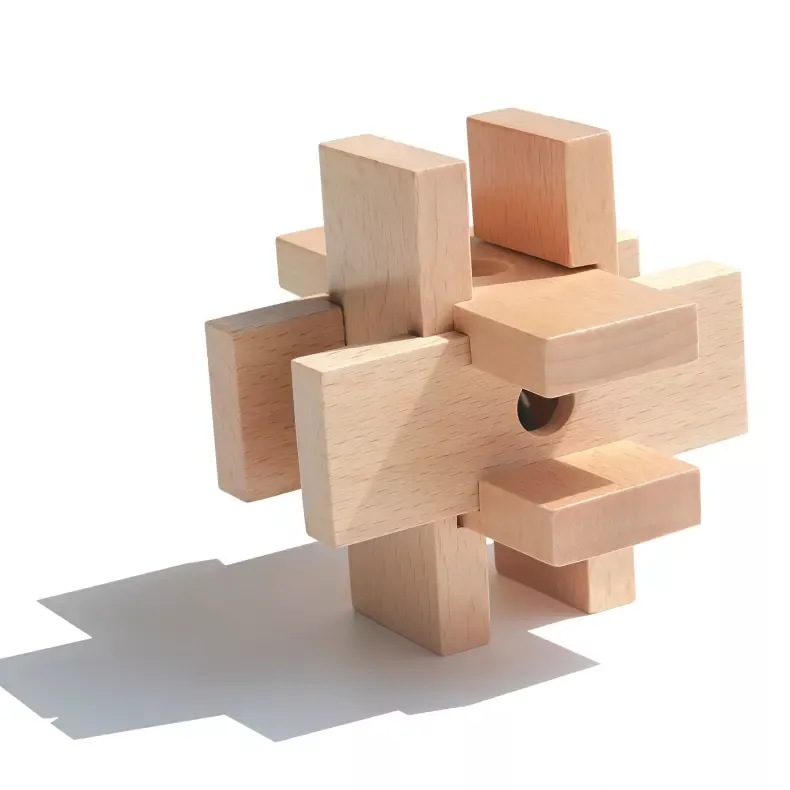
6 Piece Wooden Puzzle Key — $12.99
Similarly, the 6 Piece Wooden Puzzle Key ($12.99) is a minimalist challenge. It’s six pieces of hardwood that look simple but require a very specific sequence to disassemble. It’s a great introduction to building a cohesive collection of mechanical enigmas.
Aesthetic Challenges: When the Solve Is a Sculpture
Not every puzzle needs to be a rugged EDC item. Some of the most difficult ones I’ve encountered are those that use translucency or intricate designs to hide their secrets.
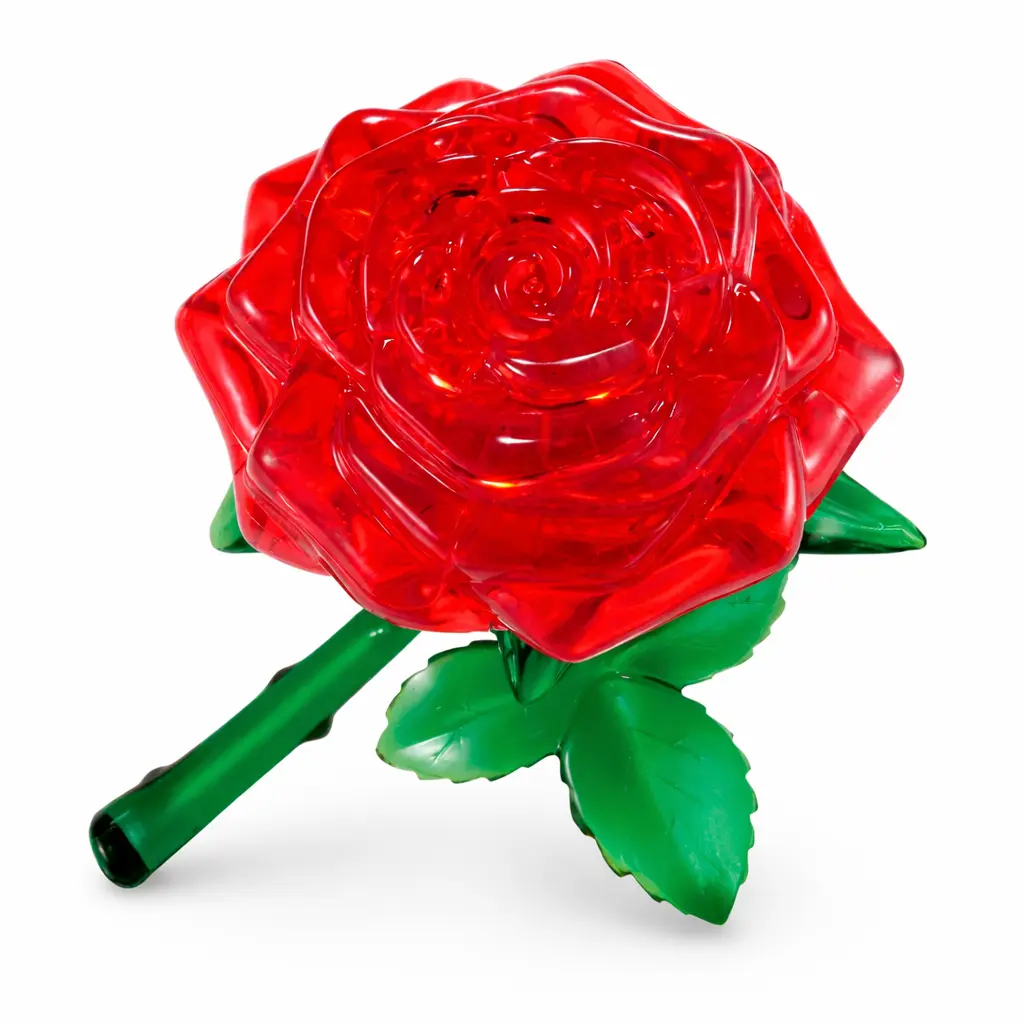
3D Crystal Rose Puzzle — $19.99
The 3D Crystal Rose Puzzle ($19.99) is a 44-piece challenge that results in a stunning translucent sculpture. Don’t let the looks fool you; the unique assembly challenges of translucent materials can be surprisingly frustrating because you can’t always see where the internal tabs align.
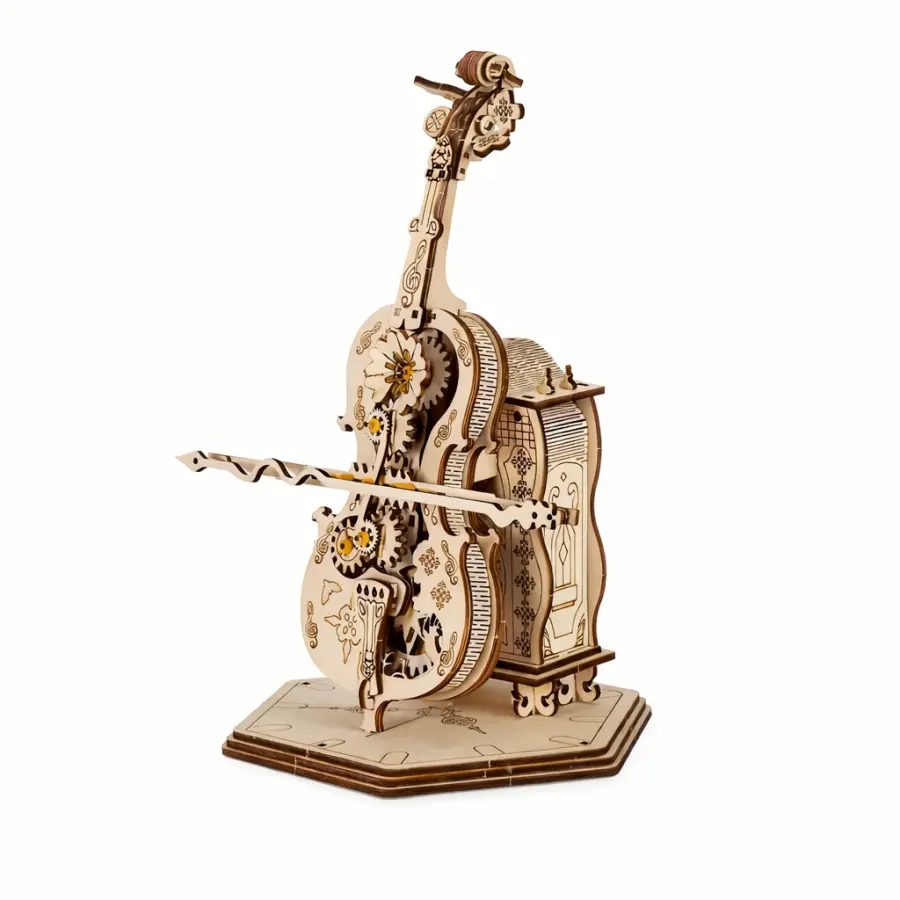
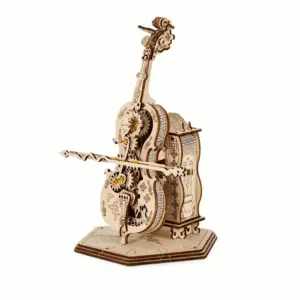
For those who love steampunk aesthetics, the 3D Wooden Cello Puzzle Model Kit ($29.99) is a gorgeous desk piece. It’s more of a model than a traditional “puzzle,” but the intricacy of the Victorian engravings makes the assembly a high-level cognitive exercise.
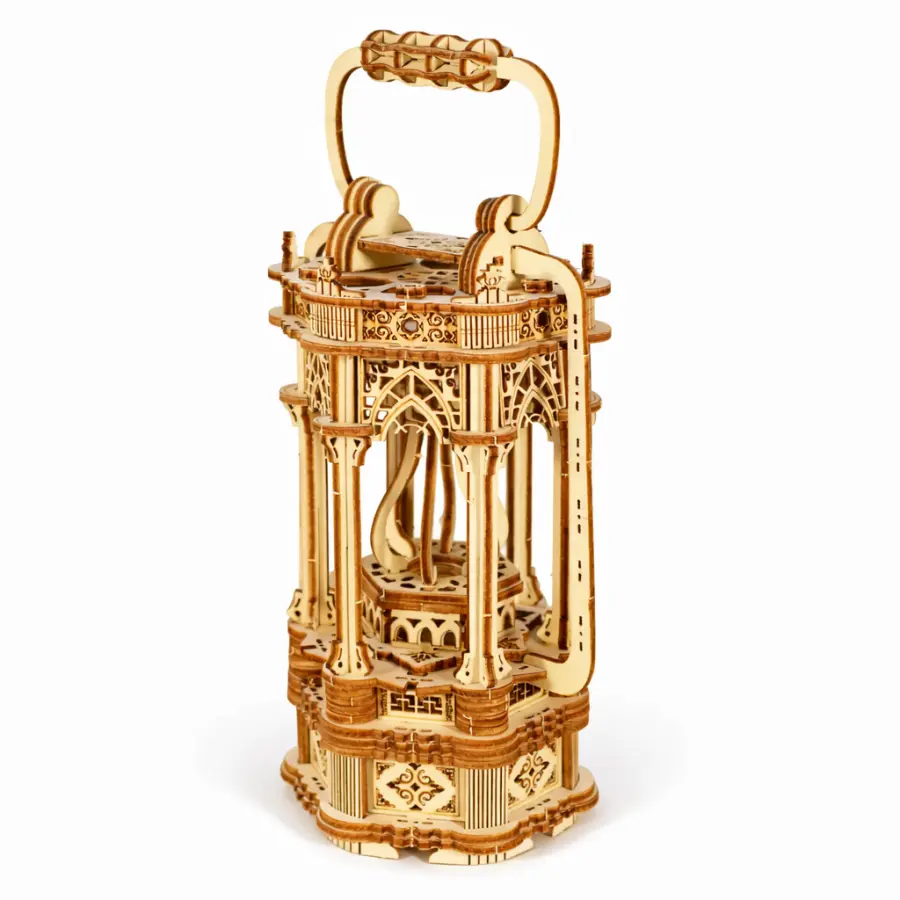
Finally, there’s the Light-Up Gothic Wooden Lantern 3D Puzzle (check current pricing). With 154 pieces, this is for the person who wants to get lost in a build for an evening. The way the arches throw shadows once you click the light on is a “peak moment” in itself.
Quick-Reference Comparison Table
FAQ: Everything You Need to Know About Magnetic Puzzles
How do I assemble a 7-piece magnetic cube into a perfect square?
Most 7-piece magnetic cubes are based on the Soma cube geometry. The key is to start with the largest, most awkward piece—usually the “V” or “L” shaped blocks—and build the base first. Magnets will help guide the pieces into place, but they can also be deceptive; just because two pieces “click” doesn’t mean they are in the right orientation. Focus on filling the corners of the 3x3x3 grid first.
What is the best way to solve a magnetic cube puzzle?
If you’re talking about a traditional 3×3 speed cube, the most common method is the CFOP (Cross, F2L, OLL, PLL) method. However, for “shape-shifting” magnetic cubes like the ones seen on TikTok, the best approach is to learn the “basic fold” patterns. These cubes are more about exploring geometric possibilities than finding a single “solved” state.
Are magnetic cubes worth the extra price?
In my experience, yes. While you can find non-magnetic versions of almost any puzzle for a few dollars less, the stability magnets provide is invaluable. They prevent “lock-ups” where layers get stuck halfway through a turn. It’s the difference between driving a car with a loose steering wheel and one with precision handling.
How do I solve the magnetic cube puzzle in Wuthering Waves?
This is a frequent question from gamers. In the “Fabled Magnetic Cube Mechanics” quest, the trick is to use the “Push” and “Pull” mechanics to move the cubes onto the pressure plates. Don’t just spam the moves; look at the tracks on the floor. They usually dictate a specific sequence where you have to move one cube out of the way to let another pass.
Do the magnets in these puzzles wear out over time?
Neodymium magnets (the kind used in high-quality puzzles) are incredibly durable. They lose less than 1% of their magnetic strength over a decade. Unless you are exposing your puzzle to extreme heat (over 175°F) or heavy moisture that causes the magnets to rust, they will likely outlast the plastic or wood they are embedded in.
Are magnetic puzzles safe for kids?
Most magnetic cube puzzles are rated for ages 8 or 14 and up. The primary concern isn’t the magnetism itself, but the risk of small magnets becoming detached if the puzzle breaks. Always choose puzzles from reputable brands with “enclosed” magnet designs. For younger children, I recommend solid wooden puzzles like the Luban Cube Puzzle ($21.99).
How do I clean and maintain a magnetic metal puzzle?
For metal puzzles like the Cast Keyhole Gold & Silver ($13.99), a simple microfiber cloth is usually enough. If it feels “gritty,” a tiny drop of silicone-based lubricant can help, but avoid WD-40 or oil-based products as they can attract dust and eventually gunk up the mechanism.
What is the difference between a Luban lock and a Rubik’s Cube?
A Rubik’s Cube is a “twisty” puzzle where the pieces stay connected to a central core. A Luban lock is an “interlocking” puzzle where the pieces completely separate. The Luban lock is much older, rooted in traditional Chinese mortise-and-tenon joinery, and it challenges your understanding of how solid objects occupy space.
Can magnetic puzzles actually help with stress?
There is significant evidence that tactile fidgeting can help reduce cortisol levels. The repetitive motion of “clicking” a magnetic puzzle provides a grounding sensory input that can help quiet a racing mind. It’s a form of “active meditation.”
Which puzzle should I buy for a beginner?
I always suggest starting with something tactile but not overwhelming. The Brass Cube Maze Puzzle Keychain ($16.99) is great because it’s portable and the goal is clear. If they prefer a longer project, the 3D Crystal Rose Puzzle ($19.99) is a very satisfying first build.
Why do some speed cubes feel “heavy” even if they are light?
This is usually due to the “magnetic pull strength.” Some cubes have very strong magnets that require more force to break the initial attraction. This makes the cube feel “heavy” or “tactile.” Others have light magnets that just provide a subtle nudge toward alignment. It’s a matter of personal preference.
Are wooden puzzles harder than metal ones?
Not necessarily harder, but different. Wooden puzzles often have more “give,” which can make it harder to tell if you’re doing something right. Metal puzzles have tighter tolerances; if it doesn’t move, it’s not supposed to move. Wood requires a more delicate touch.
The End: The Lasting Power of the Cube
The third time the brass pin slipped past my thumb on the maze cube, I didn’t get frustrated. I smiled. I realized I had finally stopped trying to force the ring and started listening to the metal. That is the ultimate goal of any “magnetic cube puzzle”—to reach a state where your hands and the object are in total sync.
Whether you are looking for a way to kill time during a commute or a deep, analytical challenge to tackle on a Sunday afternoon, the cube remains the gold standard. It is a perfect shape that hides infinite complexity. If you want to start your own collection, skip the cheap plastic knockoffs. Start with the Luban Cube Puzzle ($21.99). It taught me more about the relationship between space and logic than any book ever could. It’s a physical reminder that even the most complex problems can be solved if you just find the right sequence.
Next, explore how modern materials are redefining the classic logic puzzle to see where the hobby is headed in the coming years. The “click” is just the beginning.