Quick Answer
Buy the authentic Metal Grenade Lock Puzzle for a Level 4 cast-metal solve with a clean tactile payoff; skip a budget replica unless you want a disposable desk fidget. The genuine cast piece delivers a 5–15 minute challenge ending in a satisfying click. Amazon and Temu copies use thinner alloy and rougher castings that often solve by accident.
The mechanism is simple in principle: a single pin must be released from the grenade body through a precise tilt-and-slide angle, producing a satisfying click at the end. The shape is purely thematic — the puzzle mimics a grenade pin release but has no connection to explosives, which clears up the most common buyer confusion before unboxing.
Quick profile
| Factor | Verified detail | What to check |
|---|---|---|
| Difficulty | Level 4 of 6 on Hanayama’s scale | Your own experience can vary substantially |
| Typical solve time | 5–15 minutes | If solved in under 60 seconds, the mechanism may be too loose |
| Age recommendation | 12+ | Small parts; not suitable for young children |
| Primary buyer risk | Counterfeit castings with sharp edges | Inspect edge finish and pin fit on arrival |
| The differentiator | The final click | If the click is muddy or the pin rattles, return it |
Who should buy it: hobbyists who already own at least one Hanayama puzzle and want a compact desk fidget with a clear reward moment. Who should skip it: absolute beginners seeking a long mental workout, or anyone expecting a sub-$15 item to feel like a $50 boutique puzzle. Below: the four visual checks that separate a good buy from a frustrating one.
01. What the Metal Grenade Lock Puzzle Is and How the Pin-Release Mechanism Works
The Metal Grenade Lock Puzzle is a theming choice over a standard pin-and-shell disentanglement mechanism, not a functional grenade. The “pin” releases from the “body” through a tilt-and-slide motion, and the thematic shape exists purely to make the solve feel tactile. For a compact, repeatable hand challenge under $15, this sits in the right category. Buyers looking for a long mental workout or a puzzle box reveal should look elsewhere.
The lineage matters because it sets the quality baseline. The original design belongs to Hanayama’s Cast Metal series, more than 55 cast-metal brain teasers that set the reference point for the category. The Hanayama version carries a Level 4 difficulty rating on the manufacturer’s 1–6 scale (6 being hardest), sitting in the middle of the cast-puzzle spectrum — harder than quick-fidget keyhole designs, below the long-haul interlocks that demand sustained spatial reasoning. Buyers comparing across the lineup can reference the Hanayama cast puzzle buyer’s guide.
The “grenade” label is theming, nothing more. There is no explosive component, no safety lever, and no connection to any military device — the silhouette is a visual metaphor for a pin-release lock. The internal mechanism is a pin seated inside a hollow shell, held in place by gravity and an internal shoulder that prevents straight extraction. To solve it, the solver must find the precise tilt-and-slide angle that lets the pin clear that shoulder, which is why solution guides describe the solve as finding the “precise tilt-and-slide angle to release the pin from the grenade body.” Once the angle is right, the pin slides free with a single satisfying click, and the puzzle comes apart.
Level 4 means something specific on Hanayama’s scale. Below Level 4, most cast puzzles yield their secret in under a minute — quick-fidget entries that feel clever on first try but lose replay value fast. Above Level 4, the multi-step interlocks can run 10–20 minutes to crack on a single move. The grenade lock sits in the engage zone: complex enough that a beginner will not stumble onto the solve by accident, but shallow enough that a hobbyist with one or two Hanayama puzzles can crack it in a single sitting. Verified customer feedback on the Tea-sip product page calls it “engaging” and “not suitable for beginners,” which lines up with the Level 4 placement.
The target buyer is narrower than the listing copy suggests. Tea-sip markets the puzzle to “anyone who enjoys a mental challenge,” and generic marketplace versions list it for ages 12+ and 14+ alike. In practice, the right buyer is a hobbyist who already owns at least one cast-metal disentanglement and wants a compact desk fidget with a clear reward moment — the solver who keeps a small dish of cast puzzles by the monitor and rotates through them between calls. That buyer will value the weight in the hand, the clean finish, and the click that confirms a clean release. A first-time cast-puzzle buyer may get stuck, look up the solution, and never touch the puzzle again, which is the failure mode one Reddit user described after solving a similar lock puzzle “in the car (just the lock, not even looking at it)” — a tell that the mechanism on that unit was too loose to register as a real challenge.
For anyone in the target window, the puzzle is straightforward to evaluate on arrival. Run the four checks: edge sharpness (the grenade body should feel smooth where the pin slides free), pin fit (no rattle when the puzzle is shaken), weight (cast metal should feel substantial in the palm), and packaging (a proper box, not a loose poly bag). If all four pass, the solve window is real and the click will land.
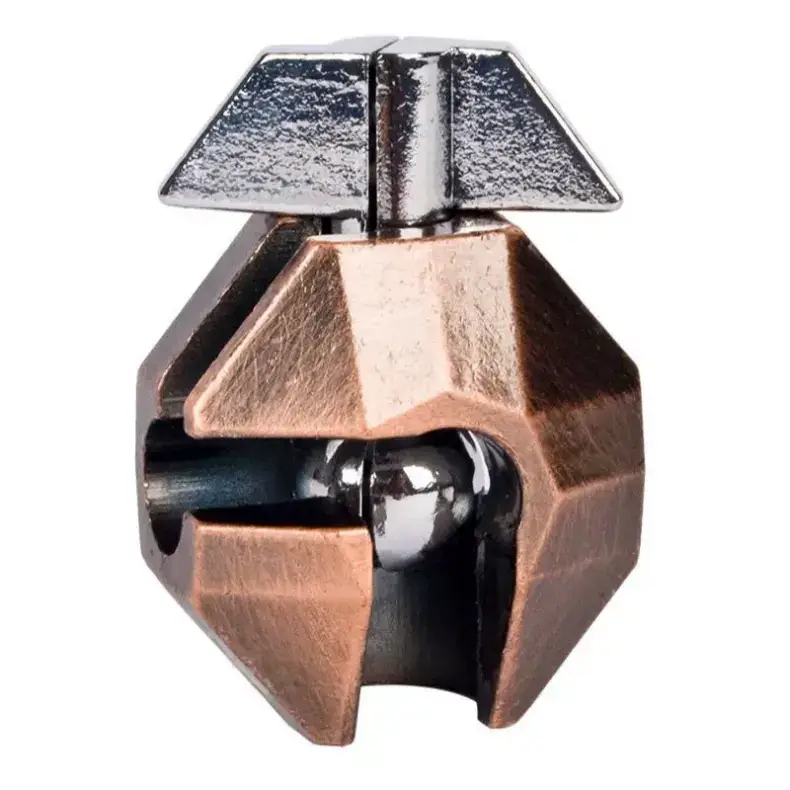
02. Authentic Hanayama vs Cheap Replica: 4 Checks to Spot a Knockoff Before You Order
Now that the mechanism’s reliance on precise internal tolerances is clear, the replica problem becomes a buying decision rather than a curiosity. Assume any grenade lock puzzle sold for under $10 is a replica until proven otherwise. The genuine Hanayama Cast Grenade sits in a higher price tier on hobby retailers; anything priced at $3–6 on Amazon, Temu, or AliExpress is almost certainly a budget copy using thinner alloy and a rougher cast finish. The risk is not that the copy is unsolvable — it is that loose pin fit and unfinished edges turn a 5–15 minute tactile reward into a frustrating 45-minute struggle against the tool itself.
Here is the 4-point visual check buyers can run from product photos alone, before the package ships.
Check 1: Edge sharpness. The authentic Hanayama version has softened, slightly rounded edges where the grenade body meets the top cap. Budget replicas show visible casting flash — thin metal whiskers or sharp seams along the parting line. Zoom into product photos at 200% and look at the seam where the pin exits the body. Flash present? It is a replica.
Check 2: Pin fit. On a genuine unit, the pin sits snugly with minimal wobble when the body is tilted. On a replica, the pin often shifts or clicks loosely in its channel. This is the single biggest functional difference, because the tilt-and-slide release depends on exact pin-to-shell contact. Customer feedback on the Tea-sip product page includes one verified buyer noting “metal parts can be a bit rough” — that same observation on a $4 Temu listing is a much stronger red flag than on a $15 authentic one.
Check 3: Weight feel. The authentic version uses a denser cast alloy that gives it a palm-filling heft. Replicas feel lighter and tinnier. A Mytoysforever spec sheet for a comparable grenade-shaped alloy puzzle lists the material generically as “alloy” with no weight figure — a tell that the seller is hiding the spec.
Check 4: Packaging. Hanayama ships in a printed cardboard box with a difficulty rating (Level 4 on a 1–6 scale). Budget copies arrive in a plain poly bag or a generic white box. No printed difficulty number usually means no quality control either.
Decision Table: Authentic Hanayama vs Budget Replica
| Feature | Authentic Hanayama (higher price tier) | Budget Replica ($3–6) | What to check |
|---|---|---|---|
| Edge finish | Softened, rounded | Casting flash, sharp seams | Zoom product photos 200% at the pin exit seam |
| Pin fit | Snug, minimal wobble | Loose, audible rattle | Look for video reviews showing the tilt motion |
| Weight | Dense cast alloy, palm-filling | Light, tinny | Compare feel against a known genuine unit if possible |
| Packaging | Printed box, Level 4 rating | Poly bag or plain box | If no printed difficulty number appears, assume replica |
| Plating wear | Even patina over time | Uneven discoloration or flaking | Search “[brand] + wear” in customer photo reviews |
| Solve experience | 5–15 min, satisfying click at the end | Often shorter, sometimes by accident | Reddit’s r/mechanicalpuzzles has at least one user who reported solving a similar lock puzzle by accident while fidgeting in the car without looking — a hallmark of loose tolerances |
How to read the “rough metal parts” complaint. When a verified buyer complains about rough metal parts, context matters. On a $15 product, it usually means a minor cosmetic blemish on an otherwise functional mechanism. On a $4 product, the same complaint usually means the casting is rough enough to interfere with the tilt-and-slide release. Use the price as the interpreter: the complaint is a defect signal on a replica, and a cosmetic note on an authentic.
What to do if you already ordered a replica. Do not return it immediately. Fidget with it for a few days first. Budget copies often teach the mechanism shape — the feel of the pin shifting in its channel — even when they solve too easily. Once the motion is understood, a future authentic purchase will feel like a precision upgrade rather than a duplicate buy.
For a deeper side-by-side comparison of five specific in-hand checks, see Tea-sip’s separate 5 in-hand tests to spot a Hanayama knockoff guide. The four checks above cover what you can verify from a product page; the in-hand guide covers what you can only judge after the box arrives.
03. Who Should Buy the Metal Grenade Lock Puzzle and Who Should Skip It
The replica checks above confirm whether the box is worth opening, but the real buying decision turns on experience level. The Metal Grenade Lock Puzzle fits adult cast-metal puzzle collectors and experienced Hanayama solvers who want a 5–15 minute desk fidget with a theming twist. It is a poor match for first-time puzzle buyers, casual gift-givers, or anyone expecting a quiet display object. The Level 4 rating is the filter that decides almost every buying decision.
Fit first: who this puzzle is built for. A buyer who has already worked through a few Level 2–3 cast puzzles and wants the next step up — without a multi-day frustration wall — sits squarely in the target audience. The 5–15 minute solve window that Tea-sip’s solving guide places at the “engaging” end of its taxonomy is the same window most desk fidgeters actually use: a coffee-break reset, a between-meetings pause, a hands-busy-while-listening companion. For that specific use case, the grenade shape, the metal weight, and the click at the end all line up.
Verified details that affect the fit. The product is rated for ages 12+ in its CE-certified listings, with cast alloy construction that gives it enough heft to feel like a precision object rather than a trinket. Verified buyers on Tea-sip’s product page note that the “metal parts can be a bit rough” — a useful signal covered in the previous section, not a deal-breaker. The grenade shape is a theming choice, not a weapons reference, and explaining that distinction to a gift recipient before they open the box prevents confusion.
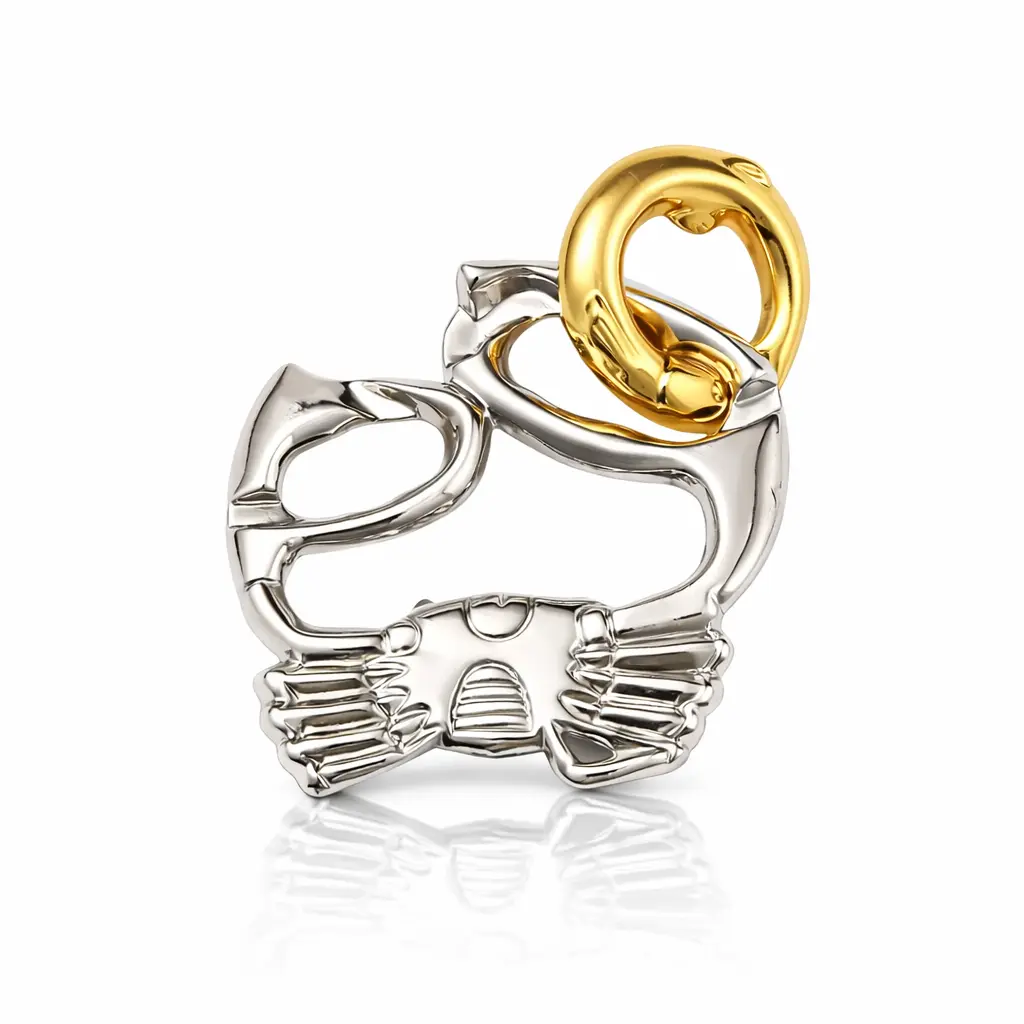
Match your experience to Level 4 honestly. A buyer with no prior cast-metal puzzle experience will likely brute-force this puzzle by accident the way one Reddit user described solving a similar lock while fidgeting in the car without looking — and then feel disappointed. For a true first-puzzle in the same price band, the Metal Crab Puzzle above is a lighter entry, and graduating to the Grenade Lock once the mechanism shape feels familiar is a cleaner path.
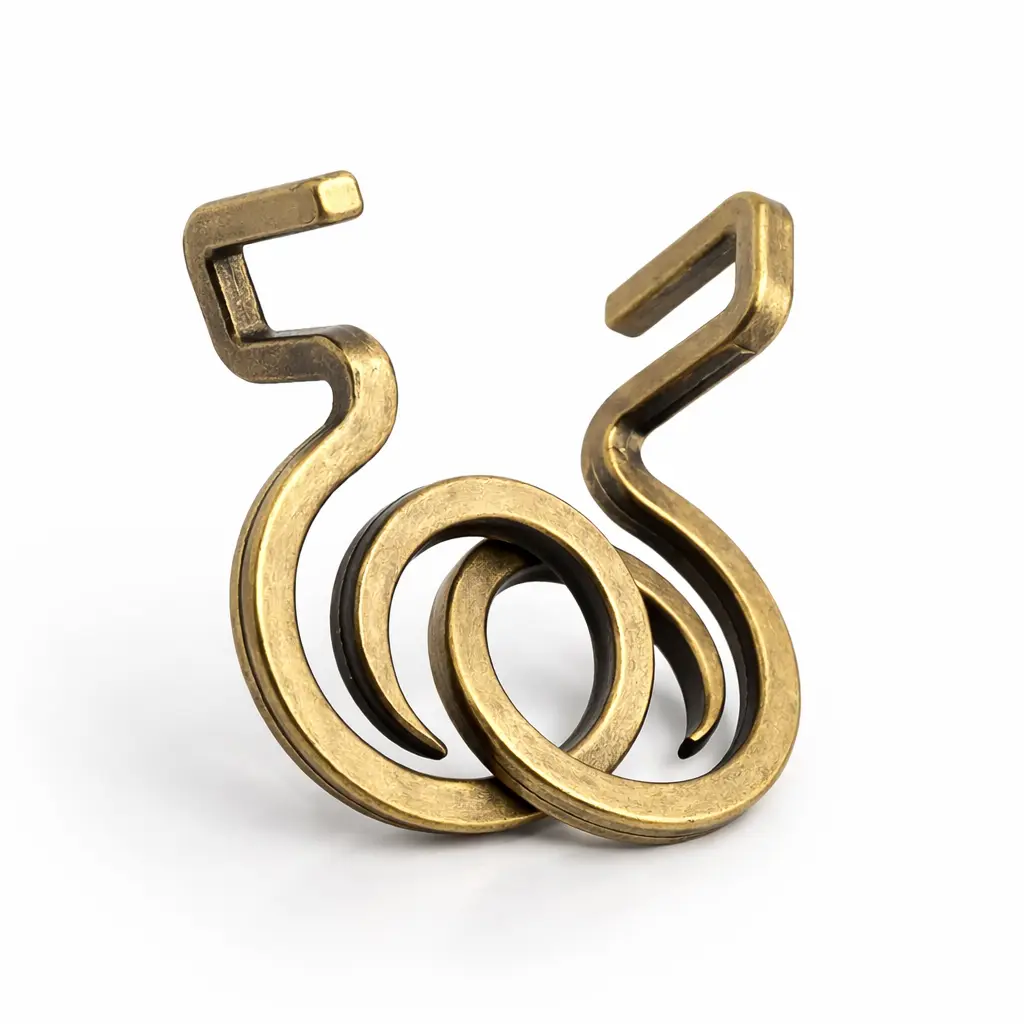
Who should skip it. Skip the Metal Grenade Lock if you’re buying for a first-time solver, if you want a long-term fidget rather than a short solve, if the grenade shape reads as aggressive on your desk, or if you want a display object with no solve attached. For collectors building a cast-metal set, the Cast Hook Metal Brain Teaser above pairs naturally with the Grenade Lock in weight, scale, and solve time.
Next step. Check the Metal Grenade Lock Puzzle product page for the current price, and apply the four replica checks from the previous section before ordering. For a broader beginner-friendly shortlist in the same metal-puzzle category, see Tea-sip’s best metal puzzles for beginners guide.
04. Solve Time, the Final Click, and How Level 4 Actually Feels
With the buying case made — or ruled out — the next decision is whether the solve experience justifies the price. Most first-time solvers land in the 5–15 minute window, but the purchase should center on the tactile ‘click’ rather than the difficulty rating alone.
The mechanism is a pin-and-shell disentanglement: a small pin sits inside the grenade-shaped body, and the solve hinges on finding the precise tilt-and-slide angle that releases it. The Tea-sip solution guide describes this as the core step — align the internal track, tilt the body to clear the pin’s catch, and slide the pin free. There is no sequence to memorize and no tools required. The puzzle lives in the hands.
The click is the whole point. When the pin finally clears, the release is short, sharp, and satisfying — the kind of feedback that makes you want to put it back together and do it again. Verified customer feedback describes that moment as the actual payoff, with the 5–15 minute build-up justified by the tactile resolution. A buyer who enjoys the click will reach for this puzzle repeatedly. A buyer who treats it as a one-time challenge may find $11.98 steep for a single solve.
Level 4 on Hanayama’s 1–6 scale places the puzzle in the middle of the company’s cast-metal lineup — not an entry puzzle, not a stumper. The metalpartmaker.com listing notes that “your own experience could vary substantially,” which is honest: the difficulty is real, but the solve is more about feel than about logic. This is why some buyers find it harder than expected, and why others solve it by accident.
That last point is worth pausing on. In a Reddit thread on r/mechanicalpuzzles, one user reports solving a similar lock puzzle accidentally while fidgeting in the car — keys still in the box, no focused effort. The mechanism is more tactile than cerebral, which means experienced puzzlers may find it lighter than the Level 4 rating implies, while first-timers can still get stuck on the alignment. The honest read: difficulty is a feel-based estimate, not a guaranteed solve time.
For the buyer, the practical takeaway is simple. If the click matters more than the challenge, this is a fair $11.98 buy. If you want a longer solve, look up to Hanayama Level 5 or 6 puzzles in the same family. Check the Metal Grenade Lock Puzzle product page for current pricing, and reference Tea-sip’s honest review of Hanayama difficulty ratings to calibrate Level 4 against your own experience with other cast-metal puzzles.
05. Plating Wear, Packaging, and the Gifting Question
A cast alloy finish on any handling-grade piece will develop marks over time, and buyers who want a display-grade object should treat the packaging as a quality signal rather than a disposable wrapper. For an $11.98 desk puzzle, the upfront decision is whether this is a hands-on fidget or a shelf piece — and the inspection of both the box and the metal should happen before gifting.
The “premium cast metal construction” line is doing real work here. On a genuine cast puzzle, it means a smooth pour, clean parting lines, and a plating that sits evenly across the curves. On a thin knockoff, the same words describe a lighter alloy with visible seams and a finish that rubs off a thumb after a week of handling. The plating is the tell. Run a finger across a high spot on the grenade body before wrapping it. If color comes away, that is a soft coating on a soft alloy — and no box will save it.
Age recommendations are another useful read. Overseas marketplace listings mark the puzzle for ages 12+ and 14+ alongside categories for younger children — not a contradiction, but a hint: the parts are small, the alloy is hard, and the mechanism rewards patience rather than force. CE certification appears on the same listings. For a gift, that combination points to a recipient who can sit with a 5–15 minute tactile challenge without twisting the pin.
Inspect on arrival. Four checks take under a minute. Look for sharp casting flash around the grenade segments. Twist the pin — play should be snug, not loose. Weigh it in the palm; a genuine cast piece has a satisfying density a hollow knockoff cannot fake. Read the packaging. A printed sleeve rather than a fitted case means budget-tier, not display piece.
For gifting, the rule is simple. If the recipient wants a tactile desk ritual, the Metal Grenade Lock Puzzle is a fair $11.98 pick. If they want a display piece, a collector’s box, or a longer solve, step up to the 4 Band Puzzle Ring or the 5 Piece Cast Spiral Metal Puzzle — both come in a presentable format and reward a longer look. For a deeper read on what separates a quality box from a generic sleeve, how cast puzzle packaging signals collectible quality walks through the visual cues worth checking.
Frequently Asked Questions
The price gap between authentic Hanayama and budget replicas decides most of these answers, and the four-point check on arrival is the verification step for any quality concern.
Is the Metal Grenade Lock Puzzle the same as the Hanayama one?
The Hanayama Cast Grenade Lock is rated Level 4 on a 1–6 scale, part of a 55-plus cast metal series. Budget replicas use the same shape and pin-release but thinner alloy and rougher castings. The mechanism is identical; build quality is the variable.
How hard is it for a beginner?
A Tea-sip customer review calls the puzzle “not suitable for beginners.” With Level 4 difficulty, expect multiple attempts if you have never held a cast metal disentanglement. Try a simpler burr or wire puzzle first.
How long does it take to solve?
Most solvers report 5–15 minutes. The real reward is the final click — aligning the mechanism produces a tactile payoff. One Reddit user solved a similar lock accidentally while fidgeting in the car, which is the risk at Level 4.
Is the cheap version as good as the real Hanayama?
No verified evidence confirms budget copies match Hanayama build quality. The “rough metal parts” complaint is a useful signal — genuine cast pieces have smoother edges and tighter pin fit. Run the four checks before keeping a discount order.
What age is it appropriate for?
Marketplace listings list 12+ and 14+. The small pin and required dexterity rule out children under 12.
Does it come with a solution?
The Tea-sip product page does not explicitly confirm a solution insert. To verify, check the current product listing under “What’s in the box.” Public solution guides walk through the tilt-and-slide angle that releases the pin.
Are there better puzzles under $20?
Within the Tea-Sip roster, the 4 Band Puzzle Ring and the 5 Piece Cast Spiral Metal Puzzle both sit under $20. The band ring offers a presentable mechanism; the spiral rewards a longer solve.
Does the metal finish wear off with use?
No verified data exists for plating wear on this product. To check, scan recent customer photos for “tarnish” or “patina” mentions. Cast alloy typically develops a patina rather than flaking, though results vary.
Final step: Open the box on arrival. Run the four checks in under a minute. If the pin wiggles or the casting shows flash lines, return it. The grenade lock is worth buying once — worth skipping twice.
Where to Start
If the difficulty, mechanism, and use-case checks above match, start with Metal Grenade Lock Puzzle. Check the current product page for the specifications that matter to your choice.
Sources and verification
- Product details and current specifications: Tea-Sip product page
Last updated: July 31, 2026