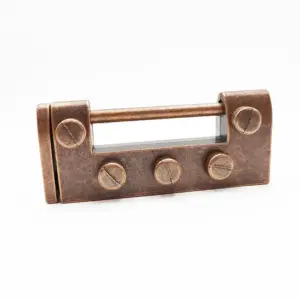
Quick Answer
Choose a compact single-piece cast metal disentanglement puzzle when the recipient wants a repeatable hand challenge under $20. Move up to a multi-piece interlocking set when the gift doubles as desk art. The three checks that change the pick: experience level, age and dexterity, and whether the unwrapping moment is the point or the solve is.
The three recipient checks:
- Experience level. A first-timer needs a single-piece disentanglement that solves in minutes. A hobbyist already familiar with metal brainteasers wants a multi-piece set.
- Age and dexterity. Small cast metal pieces have tight tolerances; anyone with limited grip strength or very young children should get a larger or wooden alternative instead.
- Solve vs. display. A flat piece is something to fidget and solve. A multi-part set earns a permanent spot on a shelf.
Decision table: Match the recipient to a cast puzzle
| Recipient profile | Pick | Listed price | What to check |
|---|---|---|---|
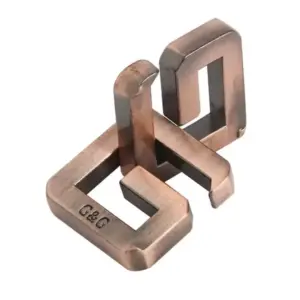
| First-time puzzler, desk worker | Cast Hook Metal Brain Teaser | $13.99 | Mechanism type and dimensions on the product page |
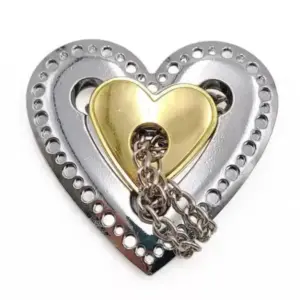
| Partner who likes jewelry-like objects | Cast Keyhole Gold & Silver | $13.99 | Finish and packaging details on the product page |
| Someone who collects displayed objects | Cast Galaxy 4-Piece Silver | $14.88 | Piece count and assembled size on the product page |
| Recipient who likes decorative two-tone finishes | Dual Seahorse Gold & Silver Brain Teaser | $14.99 | Finish and mechanism type on the product page |
| Collector who values a sculptural desk display | Gold Fish & Silver Coral Reef Cast | $13.99 | Assembled size and display footprint on the product page |
| Beginner who prefers a wearable format | 4 Band Puzzle Ring | $11.99 | Ring sizing and mechanism type on the product page |
The Cast Hook Metal Brain Teaser sits at the top of the table for one reason: it is the most forgiving entry point under $15, and the listed price leaves room to pair it with a card or wrapping upgrade.
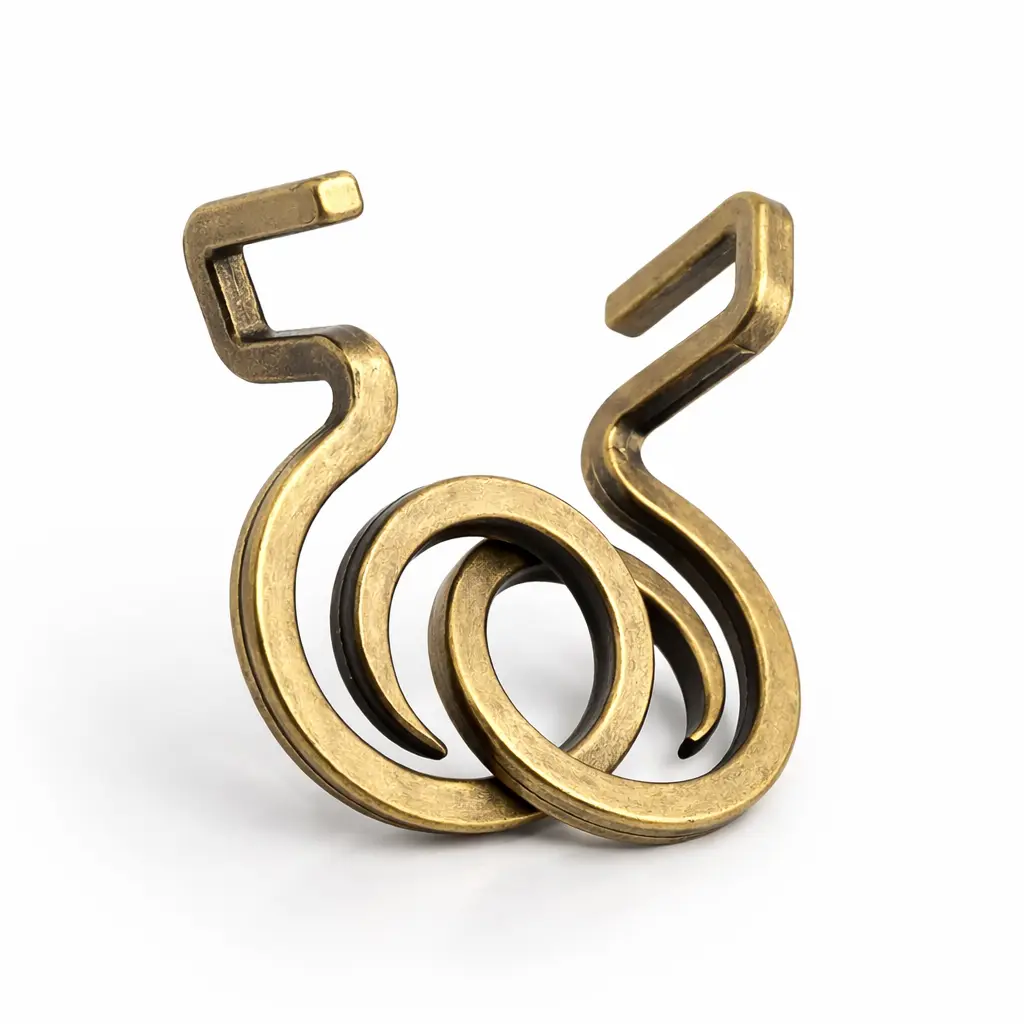
The default starting route is below $15, single-piece, metal, and hand-sized. Move up the table only when the recipient has already solved at least one cast puzzle before, and step up the budget only when the gift also has to look right on a shelf.
For a deeper look at mechanism types and the published 1–6 difficulty scale, see our Hanayama cast puzzle buyers guide.
01. Match the Cast Puzzle to the Recipient’s Experience and Hands
Match a cast puzzle to the recipient using three checks before you look at any model: prior puzzle experience, age and hand dexterity, and whether the gift is meant to be solved once or kept on display. Each check maps to a difficulty band printed on the back of the box, so a Level 1–2 fits a first-timer, Level 3 fits a curious adult, and a Level 4–6 fits someone who already collects brainteasers.
That budget-friendly starting route from the Quick Answer—under $15, single-piece, hand-sized cast metal—works because these three checks already narrow the field. Start with experience: a recipient who has never solved a disentanglement puzzle needs a Level 1 or 2 to avoid giving up inside ten minutes. The Cast Hook Metal Brain Teaser sits in that band at $13.99, which is why it is the default birthday pick. A recipient who already owns a few metal puzzles will read a Level 1 as a stocking stuffer; aim for Level 3 or 4 instead, and expect a longer solve.
The second check is age and hand dexterity. Most cast puzzles are adult objects because the pieces are small, the tolerances are tight, and a slipped piece can scratch furniture or pinch fingers. As a working rule, anyone under 12 will struggle with the precision required, while a teenager or adult with average grip strength is fine. If the recipient has arthritis, tremor, or reduced finger control, default to a larger, smoother mechanism—such as a four-piece interlocking set—rather than a tight two-piece disentanglement. For a closer reading of “14+” on cast metal packaging, see decoding age labels for metal puzzles.
The third check is solve versus display. A disentanglement puzzle is built to be taken apart and reassembled repeatedly, so it is a “solve again” object. An interlocking piece puzzle is usually a one-shot assembly that becomes a desk ornament afterward. A puzzle box is a sequential-discovery object where the unwrapping moment is the gift itself. If the recipient tends to leave solved puzzles on a shelf, pick a design with visual weight: two-tone alloy, a sculptural form, or a recognizable shape.
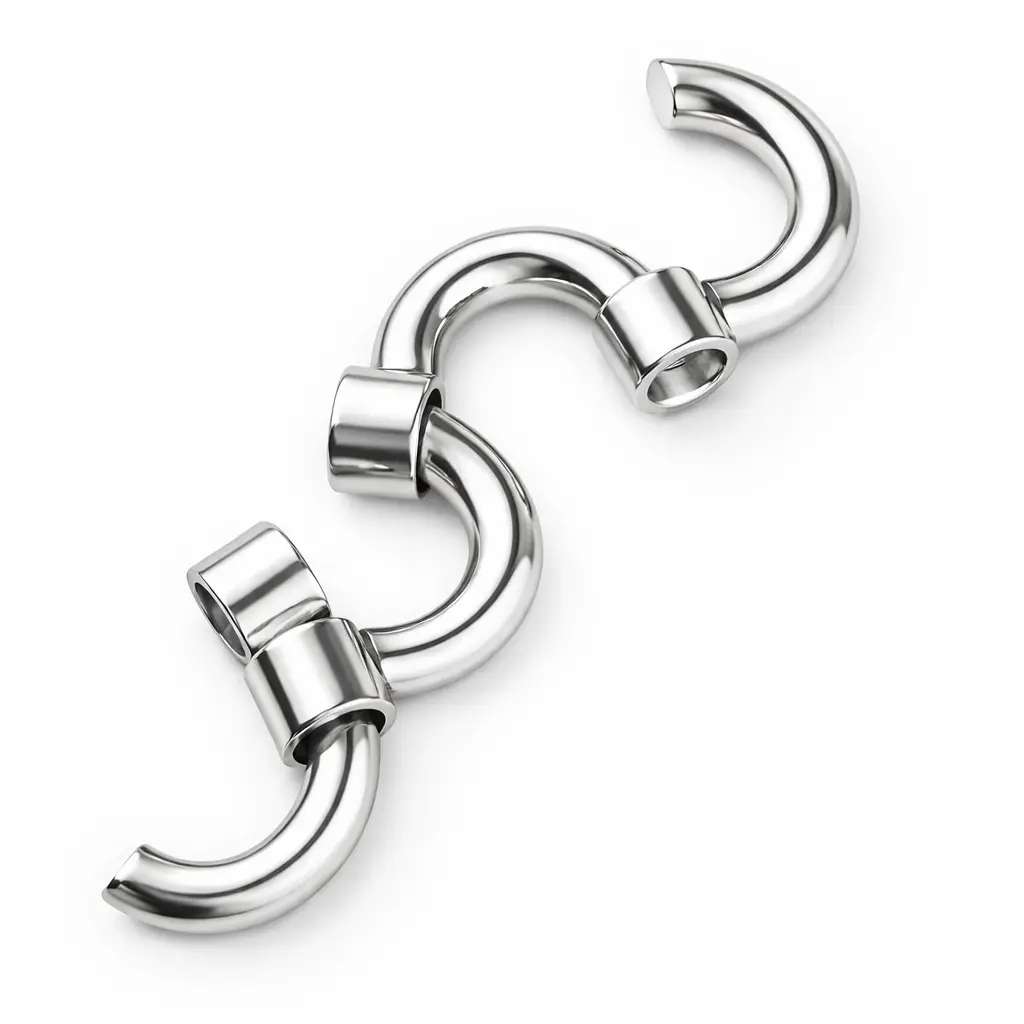
Cast Galaxy 4-Piece Silver — $14.88
The four-piece format is a natural “solve then display” choice. A recipient who solves it once has a small sculpture for a desk, and the silver alloy finish reads as a keepsake rather than a toy.
Don’t buy a cast puzzle if the recipient wants a long project (a 1000-piece jigsaw fits that), wants a screen-free activity for a child under 10 (a wooden tangram is safer), or treats frustration as a personal failing rather than a puzzle feature. For a recipient who would rather skip the solve entirely, a display-only cast piece—something shaped like a fish, a keyhole, or a galaxy—still works as a birthday gift because the object itself carries the meaning.

Cast Keyhole Gold & Silver — $13.99
The two-tone gold-and-silver finish makes this a display-friendly shape, and the two-piece format keeps the solve short enough to be unwrapped and cracked open at the party itself.
What to check before you commit: the level number printed on the back of the box (1–6), the piece count, and whether the mechanism is “separate” (disentanglement) or “assemble” (interlocking). These three data points on the product page are enough to place any cast puzzle in the right recipient slot without reading a single review.
02. Pick the Right Mechanism Type for the Birthday Moment
Now that the three data points on the box (level, piece count, mechanism) can place any cast puzzle in the right recipient slot, the next decision is which mechanism type matches the birthday moment. Choose a disentanglement cast puzzle when the recipient wants a repeatable hand challenge, an interlocking cast puzzle when the visual deception is the appeal, and a sequential-discovery puzzle box when the unwrapping itself is the main event.
Disentanglement: two cast metal pieces that must come apart. This is the mechanism most buyers picture when they hear “cast puzzle.” The product page will describe two pieces that must be separated, and the solve is short enough (often minutes to under an hour for a Level 1–3) to be cracked open at the party itself. It’s also the most giftable format: the goal is obvious, the failure state is harmless, and the solve can be repeated indefinitely. The Cast Hook Metal Brain Teaser is the lead disentanglement pick in this category — a compact two-piece cast form that fits in a pocket and solves in minutes, well suited to a first-time cast-puzzle recipient.
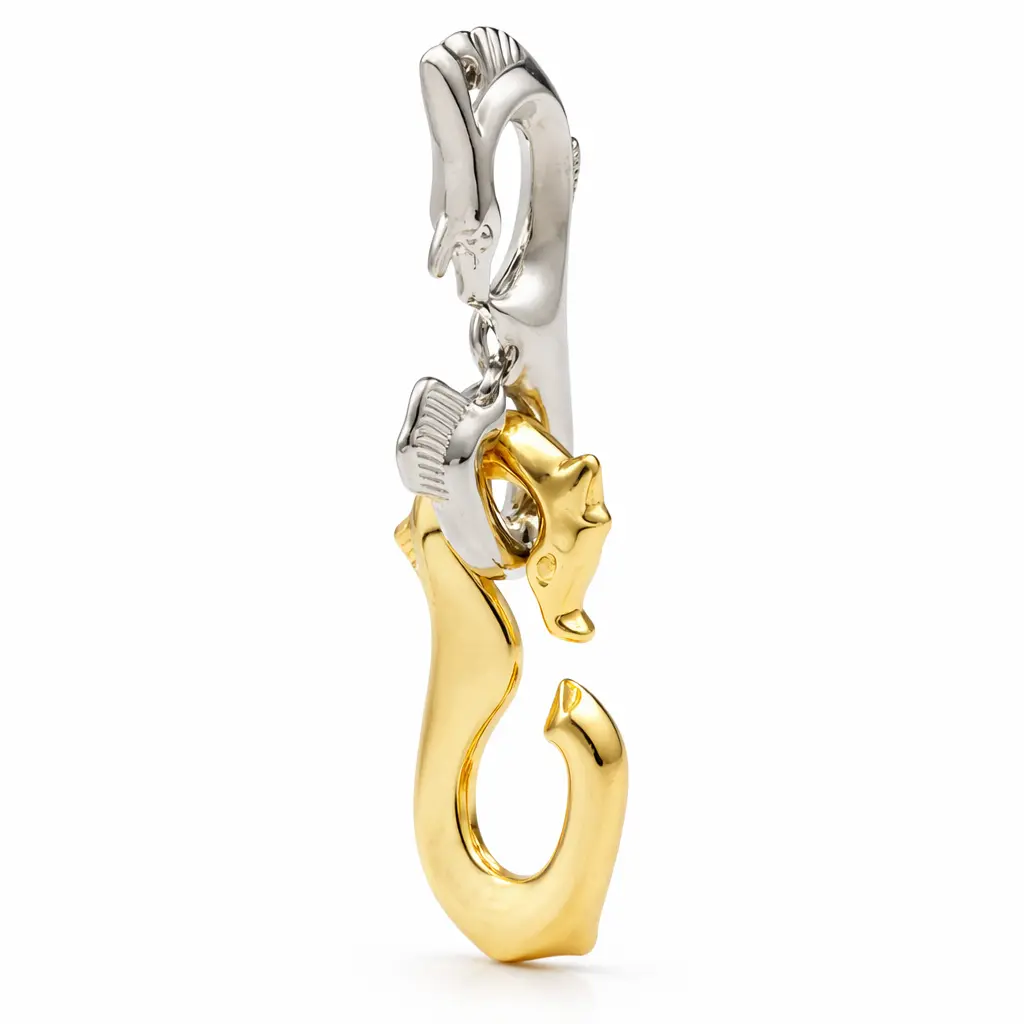
The Dual Seahorse Gold & Silver Brain Teaser is a slightly more decorative take on the same mechanism, with a two-tone finish that earns shelf space after the solve.
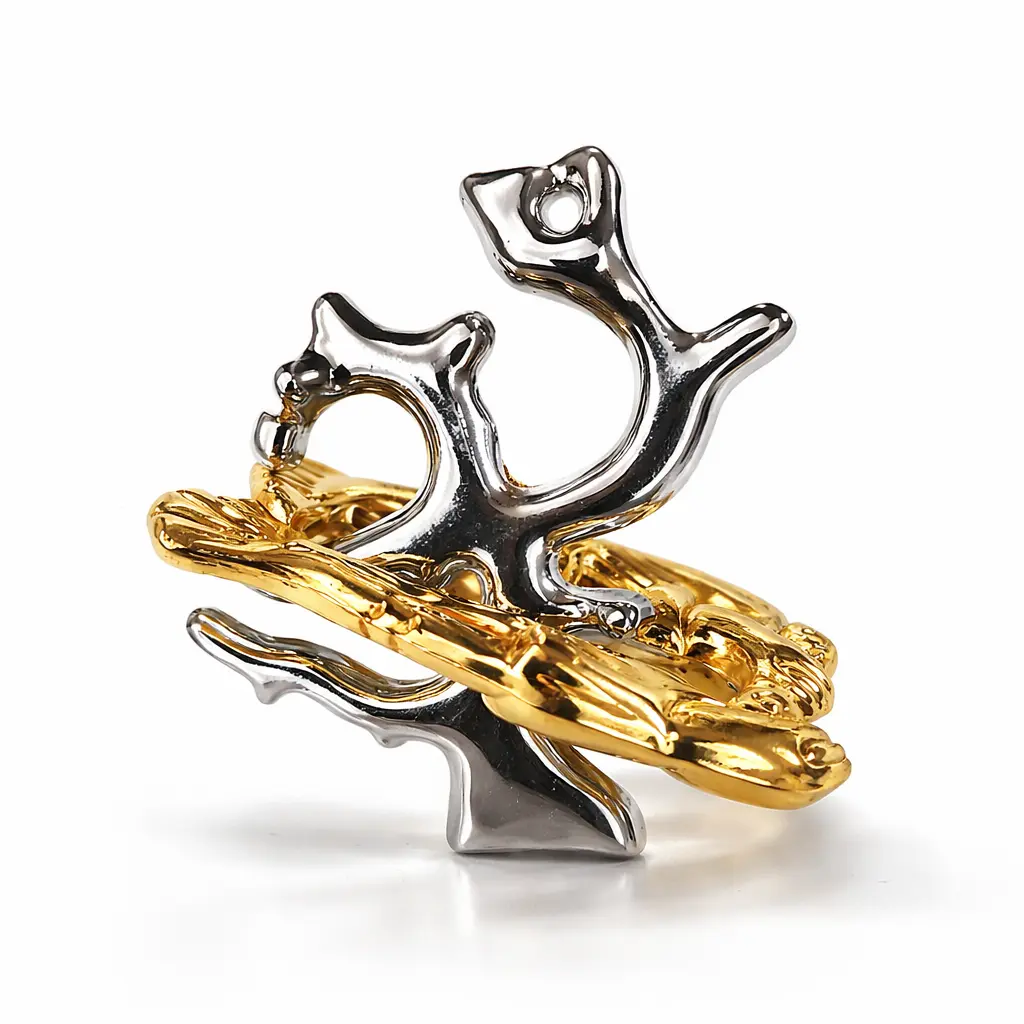
The Gold Fish & Silver Coral Reef Cast leans further into the display angle — a sculptural pair that works as desk art once the solve is done. If you want the deeper mechanical explanation of why these pieces move the way they do, how cast metal puzzles actually work is a useful primer.
Interlocking: cast shapes that look like they shouldn’t come apart. Here the puzzle looks like a single fused object — a knot, a spiral, a multi-piece assembly — and the goal is to figure out how the geometry allows separation at all. Solve times run longer (commonly 30 minutes to several hours depending on level), and the appeal is the “how is that even possible?” reaction. This is the right pick for someone who already collects brainteasers or has solved a metal puzzle before and wants the next step up. Check the product page for the word “interlock” or “assemble” rather than “separate” — that single word tells you which mechanism you’re holding.
Sequential-discovery puzzle box: multiple steps before the box opens. This is a different gift category entirely, and the one most birthday shoppers miss. The box itself is the puzzle, and the recipient must work through several mechanisms — sliders, hidden panels, sequenced locks — before the lid lifts. The named industry examples are the Gift Puzzle Box — Happy Birthday, which releases a cascade of confetti when solved, and the Birthday Cake Gift Puzzle Box, which requires three sequential puzzles before opening and supports inserting the recipient’s age on the upper side. If the unwrapping moment is the main event and you want the gift itself to be the show, this is the mechanism to seek out — though cast-metal specialists like Tea-Sip don’t currently stock a sequential-discovery box, so a dedicated puzzle-box retailer is the right channel.
The one decision rule. If the recipient wants a hand piece they can solve, leave on a desk, and pick up again later for a focus break, a disentanglement cast puzzle wins on price, repeatability, and shelf appeal. If the recipient already owns a few puzzles and wants the visual deception of a one-shot assembly, go interlocking — and budget extra time for the solve. If the unwrapping is the event itself and you want the gift to do the entertaining, go sequential-discovery puzzle box — and accept that you’ll be shopping outside the cast-metal category for it.
03. Read the Hanayama 1–6 Scale So the Level on the Box Matches the Person
Once the mechanism type is settled — disentanglement, interlocking, or puzzle box — the next gate is the printed difficulty number on the package. Match that number to the person, not the wish. A casual recipient will be turned off by a Level 5; a seasoned collector will feel patronized by a Level 1. The published 1–6 scale ranks cast puzzles from a first-time-solver warmup to a multi-hour challenge, and reading it well is what separates a present solved on the spot from one that quietly migrates to a drawer.
The scale works like a temperature dial, not a math test. Level 1 sits in the “minutes, not hours” zone — a single move often unlocks it, and the recipient feels clever without working for it. Level 2 adds one twist or rotation; still solved in a single sitting, often alongside a cup of coffee. Level 3 is the first real puzzle: an adult non-puzzler can still get there with patience, but expect a quiet evening rather than a five-minute laugh. Level 4 is where experienced puzzlers start paying attention — mechanisms with hidden moves, apparent dead ends, and a “walk away and come back” solve. Level 5 demands a clear desk and a long evening. Level 6 is the hardest published rating, reserved for someone who actively seeks out mechanical challenges.
A useful wrinkle the printed number alone won’t tell you: a Level 4 can genuinely be harder than a Level 6. The rating reflects a general design feel rather than a fixed solve time, and the number doesn’t always track the frustration curve. Tea-Sip has a longer breakdown of why a Level 4 can be harder than a Level 6 — worth reading before you commit.
For a non-puzzler birthday, Levels 1–2 are the safe default. For an adult who already owns a brain teaser or two, step up to Levels 3–4. For someone with a visible puzzle collection on the shelf, Levels 5–6 match the standard of what they already own. The compact cast-alloy 4 Band Puzzle Ring below is a wearable starting point — a low-risk entry for someone new to the format who might otherwise be intimidated by a chunkier hand-piece.
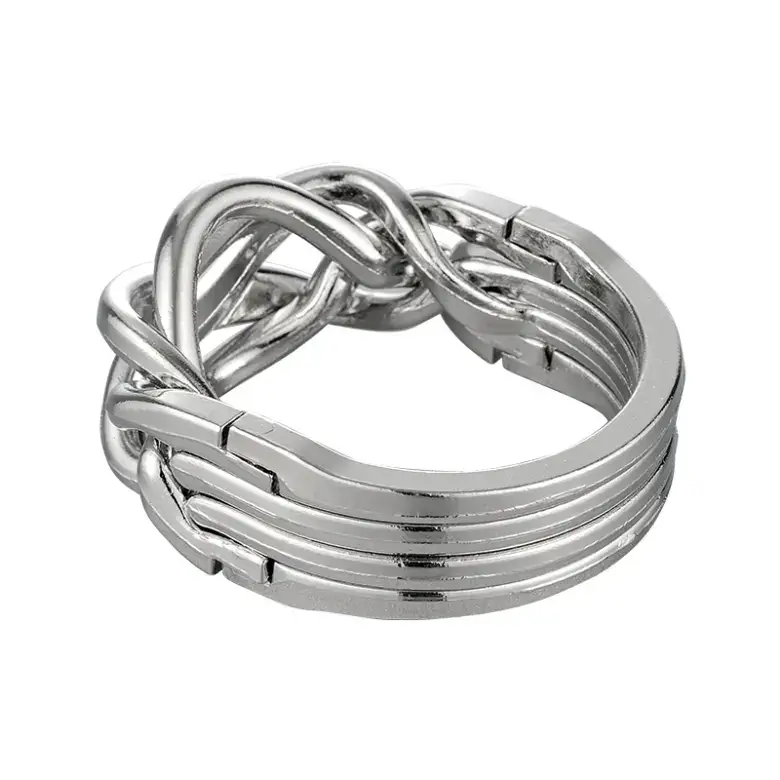
4 Band Puzzle Ring — $11.99
One practical next step. Check the printed level on the specific product page before you order. Not every cast-metal puzzle carries a 1–6 stamp, and solve time varies by individual. The product page is the only place to confirm what the recipient is actually getting — so the level on the box, not the listing photo, is the spec to trust.
04. Wrap the Cast Puzzle So the Reveal Feels Like a Birthday, Not a Hobby-Store Buy
After you’ve matched the right difficulty band to the recipient’s experience, the next decision is whether the gift is the solve or the reveal. A cast disentanglement or interlocking puzzle lives in a small retail box that disappears inside standard wrapping paper, so the unwrapping moment needs a deliberate plan. The puzzle should stay sealed in its original packaging until the recipient is ready to focus.
Keep the cast puzzle in its printed retail box for the unwrap. Cast metal puzzles ship in compact cardstock packaging printed with the level rating, the mechanism type, and a brief solve hint — information the recipient needs once they start. Wrap that box inside a second layer (a small gift box, fabric pouch, or kraft envelope) so the printed packaging survives as both a reference card and a display shelf for the solved puzzle.
Add a handwritten reveal card that names the puzzle, states the published level, and gives one practical instruction: “Sit with this before you look up the solution.” That single line reframes the gift as an experience, not a problem to rush. For a recipient new to cast metal puzzles, the card can also note that higher levels (4–6) generally need more sessions than Level 1–2 pieces — a detail the recipient can verify by timing their own attempt.
Pair the puzzle with one add-on that doesn’t compete with the solve. A second, easier cast piece gives the recipient a confidence run before the main event. A small pocket notebook lets them sketch the steps they tried — a habit serious mechanical puzzlers use. Skip candles, balloons, or anything that competes for the table space the recipient needs to work the piece.
If the gift is a sequential-discovery puzzle box, the wrapping moves change. The box itself is the experience: a cascade reveal, a hidden compartment, or a multi-step lock that releases the gift inside. In that case, no extra wrapping is needed — place the sealed puzzle box on the table and let the recipient solve before they open it. Confirm the dimensions on the product page first; some sequential-discovery boxes are large enough to be the entire present.
For shoppers who want to understand why cast puzzle packaging has become a collectible category on its own, the cast puzzle packaging and presentation guide covers the box art, materials, and shelf-presence logic in more depth.
One practical next step. Order the puzzle at least five days before the birthday so the wrapping, the reveal card, and any paired add-on arrive together. Check the product page for the exact box dimensions, then buy a presentation container that fits the retail box with room for the card on top.
05. Five Cast Puzzles Worth Buying, With a What-to-Check Column and a Don’t-Buy-If List
With the wrapping planned, the last decision is the piece itself. Match a Tea-Sip cast puzzle to the recipient by mechanism and difficulty, then verify any rating or solve-time claim on the product page before you commit.
The table below covers five cast metal puzzles from the Tea-Sip roster, each tied to a different recipient profile. Hanayama Cast News, The Ripple Puzzle, and the sequential-discovery puzzle boxes (The Gift Puzzle Box — Happy Birthday and the Birthday Cake Gift Puzzle Box) appear in hobby press for reference; they’re named here as benchmarks, not as purchase picks.
| # | Cast puzzle | Recipient | Mechanism | Level | Price | What to check |
|---|---|---|---|---|---|---|
| 1 | Cast Hook Metal Brain Teaser | First-time cast-puzzle solver, adult or teen | Disentanglement (hook + ring) | Beginner | $13.99 | Confirm the listed difficulty rating on the product page |
| 2 | Cast Keyhole Gold & Silver | Design-led recipient who keeps a desk display | Interlocking keyhole form | Easy–moderate | $13.99 | Confirm dimensions if pairing with a stand or shadow box |
| 3 | Cast Galaxy 4-Piece Silver | Intermediate solver who likes 4-piece assembly | Sequential 4-piece assembly | Moderate | $14.88 | Confirm solve-time range from the product description |
| 4 | Dual Seahorse Gold & Silver Brain Teaser | Decorative-minded solver who wants a two-tone finish | Disentanglement (seahorse form) | Easy–moderate | $14.99 | Confirm the finish and mechanism type on the product page |
| 5 | Gold Fish & Silver Coral Reef Cast | Collector who wants a sculptural desk display | Interlocking fish and reef forms | Moderate | $13.99 | Confirm the assembled size and packaging on the product page |
The Cast Hook is the safe default. It’s the listed pick for anyone who has never solved a cast puzzle — light enough in the hand, short enough on solve time to deliver a birthday win without frustration.
The Cast Keyhole and the Cast Galaxy work when the gift is meant to live on a desk after the solve. Both hold a visual silhouette that justifies display value, so the unwrapping is only half the gift.
The Dual Seahorse and the Gold Fish & Silver Coral Reef suit a recipient who already owns one or two cast pieces. They’re the step-up choices in the roster, where the unwrapping still matters but the solve is the headline.
For context only: Hanayama Cast News sits in the same bracket as a step-up disentanglement pick. The Ripple Puzzle and the Logica Birthday Cake Gift Puzzle Box, which requires three sequential solves before the cake opens, are cited in hobby press but aren’t Tea-Sip products, so no purchase path is included here.
For buyers choosing a cast puzzle for a partner, the matchmakers guide to skipping the bottle of wine covers paired gifting in more depth.
Don’t buy a cast puzzle if…
- The recipient is under 10. Small cast metal pieces pose a choking risk and aren’t built for small hands; choose a wooden brain teaser or a jigsaw instead.
- The recipient wants a multi-day project. Most cast puzzles solve in minutes to a few hours, not evenings; pair with a book, a longer jigsaw, or a second gift if scale matters.
- The recipient has a history of frustration with riddles. A moderate-plus piece can sour the birthday mood in under an hour; drop to the easiest rung or choose a different category.
- The recipient has already solved the named model. Check their collection or ask a family member before you buy; spoiling a known cast puzzle removes the gift’s only payoff.
One practical next step. Pick the row that matches the recipient, then open the product page to confirm the listed level and the box dimensions before you order. The Cast Hook Metal Brain Teaser product page is the starting point for first-time solvers.
Frequently Asked Questions
A compact metal cast puzzle at a beginner level (1–2) is the safe birthday default for a first-time solver; a harder piece (4–6) suits a collector. For recipients who value the unwrapping moment over the solve, a sequential-discovery puzzle box outshines a hand-held cast piece.
What level should I get for a first-time solver?
Level 1–2 is the widely recommended starting band for adults new to cast puzzles. The Cast Hook Metal Brain Teaser at $13.99 gives 10–60 minutes of focused challenge without crossing into frustration. Step up to level 4–5 for puzzlers who already own the easier bands; reserve level 6 for collectors who have asked for it.
Is a cast puzzle a good birthday gift for an adult who isn’t a puzzler?
Yes, if the level is calibrated down. A compact cast metal piece doubles as a desk object and a conversation starter, even for someone who never buys puzzles. Keep the solve time short, skip anything rated level 5 or 6, and present it with a one-line card explaining the goal.
How is a cast puzzle different from a puzzle box for gifting?
A cast puzzle is a metal object the recipient manipulates until it separates or transforms. A sequential-discovery puzzle box hides the unwrapping inside the box itself; the Birthday Cake Gift Puzzle Box by Logica, for example, requires three sequential solves before the lid opens. Pick a cast piece for a repeat challenge; a puzzle box for a memorable reveal.
How long does a cast puzzle take to solve?
Solve time depends on level and solver. Level 1–2 pieces take a few minutes for an attentive adult; level 3–4 run 20 minutes to a few hours; level 5–6 can stretch across multiple sittings. No manufacturer chart exists, so check the product page or a community thread for the specific model.
Can you give a cast puzzle without spoiling the solution?
Yes, and it’s the only safe way. Leave the box sealed (the manufacturer ships cast pieces unsolved), skip any printed walkthrough, and write the goal in one sentence on the card. If you’re worried the recipient will give up, mention that video walkthroughs exist — but suggest they try blind first.
What cast puzzle birthday gift works under $30?
Several Tea-Sip cast metal pieces sit in that band: the Cast Hook Metal Brain Teaser ($13.99), the Cast Keyhole Gold & Silver ($13.99), the Cast Galaxy 4-Piece Silver ($14.88), the Dual Seahorse Gold & Silver Brain Teaser ($14.99), and the Gold Fish & Silver Coral Reef Cast ($13.99). Pick by mechanism preference rather than chasing the lowest price.
Which cast puzzle is best for a kid or teenager?
Cast metal pieces aren’t built for small hands or impatient solvers under 10–12. For a teenager, a level 1–2 piece like the Cast Hook Metal Brain Teaser offers a fair challenge at a small price; pair it with a backup activity in case the solve stalls. For younger children, choose a wooden brain teaser or a jigsaw instead.
Which cast puzzle is the most popular to give?
Community threads point to beginner-level cast pieces as the most gifted. The r/mechanicalpuzzles recommendation thread names Cast Marble and Cast News as popular starter picks, and the Hanayama Cast News product page notes that experienced puzzlers find the solution more layered than a casual solve suggests. As a next step, confirm the listed level and box dimensions on the Cast Hook Metal Brain Teaser product page before you order.
Where to Start
If the recipient and occasion checks above match, start with Cast Hook Metal Brain Teaser. Check the current product page for the specifications that matter to your choice.
Sources and verification
- Product details and current specifications: Tea-Sip product page
Last updated: August 7, 2026