Quick Answer: 3D Wooden Carousel Music Box Gift for Adults: How to Choose
For most adults buying a 3D wooden carousel music box, choose a kit with an 18-note mechanical movement and laser-cut birch plywood if you want a display piece you’ll actually finish; choose a simpler snap-fit model with a pre-installed light if the gift is for a casual hobbyist. The four checks that change the pick are mechanism type, wood ply and cut precision, assembly time, and display footprint.
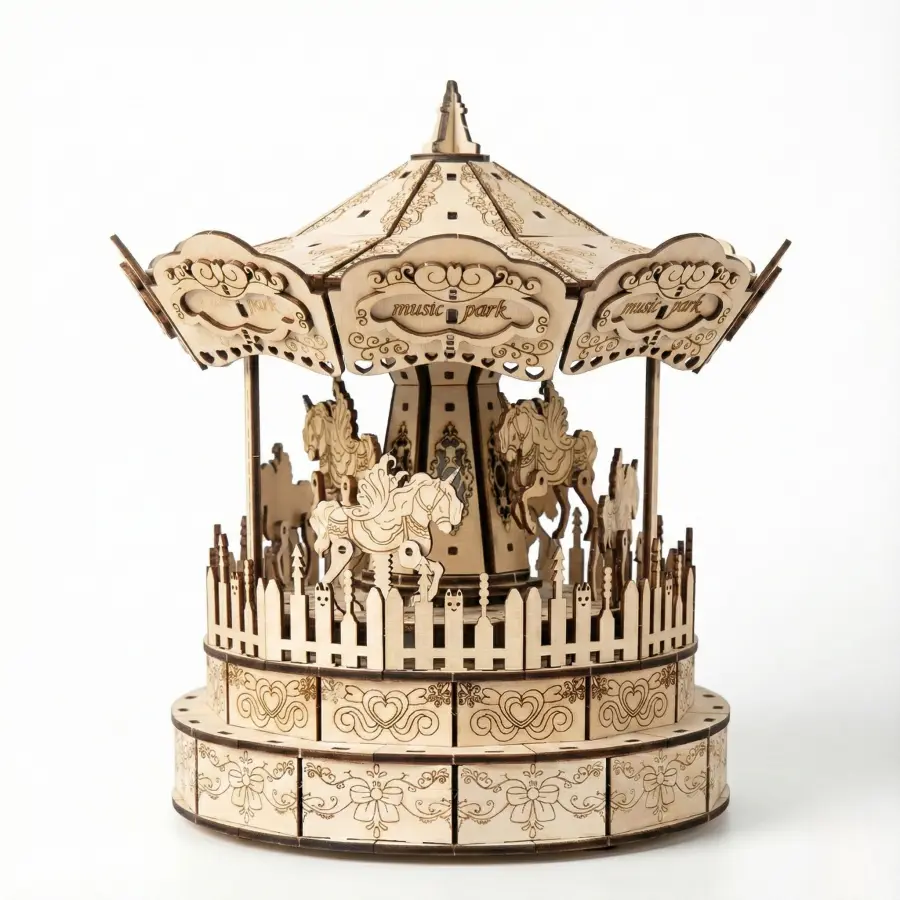
Before you commit, run a 60-second finish-test: press a few snap-fit tabs to feel their slop, set the base on a flat surface to check for wobble, and hold a laser-cut sheet to the light to see clean slot edges. A kit that passes almost always becomes a shelf piece; one that fails goes into a drawer.
| Recipient profile | Movement | Wood | Lighting | What to check |
|---|---|---|---|---|
| Self-builder keepsake | 18-note mechanical | Laser-cut birch plywood | Optional add-on | Tab slop, base wobble, listed assembly hours |
| Casual hobbyist gift | Snap-fit with pre-installed movement | Plywood or composite | Pre-installed warm LED | Battery access, LED replacement |
| Display-first nostalgia / home décor | 18- or 30-note mechanical | Birch ply preferred | Chaser lights | Music selection, base stability |
| Anniversary or couple’s gift | 18-note mechanical | Refined ply finish | Soft backlight | Music note quality, finished dimensions |
The rest of this guide walks through each of the four checks so you can read any carousel listing — Rolife, Wood Trick, or a direct-from-maker option — and decide in minutes rather than scroll bullet features.
01. How to Read a Carousel Music Box Spec Sheet Without Getting Misled
The finish-test tells you whether a built kit will sit proudly on a shelf, but the spec sheet tells you whether the build itself is worth the hours. Choose a kit whose listing clearly names the movement type, the wood ply, the lighting circuit, and the finished dimensions; if any of those four are missing, assume the weakest version was used.
That’s the shortest rule, and the rest of this section explains each of those four terms so the next carousel listing you open — whether it’s a wooden music box kit compared from beginner to pro or any Rolife, Wood Trick, or direct-from-maker alternative — reads in a way that actually predicts the experience.
The movement is the soul of the box.
Three mechanisms dominate the carousel market, and only one of them is genuinely mechanical. The 18-note wind-up cylinder movement is a brass comb with hand-tuned teeth struck by pins on a rotating drum — a long-established mechanical design. It plays a single melody whose length the listing should name, and the tone is warm, slightly metallic, and unmistakably analogue. A 30-note movement, when a kit offers it, adds harmonic complexity; some kits advertise 30-note as a premium tier, but for a single carousel melody the audible difference over 18-note is subtle. The third type — a quartz electronic module — uses a small speaker, a digital chip, and often a battery compartment. The sound is cleaner and louder, but it lacks the acoustic resonance that gives a wooden carousel its keepsake quality.
When a listing says only “music box” without naming the movement, treat that as a flag. Quartz modules are cheaper to manufacture, and some sellers substitute them silently between production runs without updating the marketing copy.
The wood ply determines how it ages.
A genuinely adult-grade kit uses laser-cut birch plywood at the ply thickness the listing names, with parts that drop cleanly out of the frame and slots that align without forcing. Birch ply is dimensionally stable, sands to a smooth edge, and accepts stain if you want to customize the finish later. MDF — medium-density fiberboard — cuts cleanly but absorbs moisture, chips at the edges when parts are pried out, and tends to yellow over time. The phrase “premium wood” in a carousel listing often means a thin decorative ply laminated over an MDF core, which sounds more substantial than it actually is.
The reader can verify ply quality without opening the box. Hold an uncut frame sheet up to a light source: laser-cut birch produces a faint, clean burn line along the slot edges; MDF cuts produce a powdery, lighter edge. The difference is visible in a second and predicts how cleanly every tab will fit during the build.
Three design signals separate a genuinely adult kit from a toy with a grown-up label.
First, the color palette. Adult-targeted carousels lean muted — warm woods, brass-toned hardware, ivory horses — rather than the saturated primary colors of a children’s puzzle. Second, the base footprint. A heavy, wide base signals that the finished piece is meant to sit on a console or bookshelf long-term; a narrow plastic-style base signals that the maker optimized for shipping weight instead of shelf presence. Third, the music selection. Kits built around canonical carousel music — a waltz, a classical excerpt, a waltzing standard — feel deliberate; kits that ship with an unnamed generic chime feel interchangeable with anything else on the market.
Verify before you finish the first tab.
The 60-second finish-test catches a bad batch, but a pre-build spec check catches a bad kit. Look for the movement type spelled out, the ply material named, the lighting circuit described (chaser lights, static warm light, or backlight), and the finished dimensions in inches. A listing that names all four almost always produces a finished carousel that earns its place on a shelf rather than a week in a drawer before being recycled.
02. Match the Kit to the Recipient: Self-Builder, Display-Lover, Nostalgic Giver, or Couple
Now that the spec sheet reads like familiar territory, match those decoded specs to the person who will actually live with the finished carousel. The recipient profile — not the brand on the box — decides which mechanism, base footprint, and lighting circuit earns its keep beyond one season on a shelf.
The self-builder. This adult keeps a hobby knife, a bottle of wood glue, and a small parts tray on a dedicated desk corner. For them the build is the gift; the finished carousel is the receipt. Weight the spec sheet toward assembly hours (budget the evenings the listing’s part count and your own pace suggest, then add a buffer), the ply count (laser-cut birch plywood at the thickness the listing names sands cleanly without splintering, while an MDF core will fuzz at the tab edges), and whether the movement housing is accessible after build — an 18-note wind-up mechanism that lifts out for occasional oiling will outlast one sealed behind decorative panels. A self-builder who finishes the carousel on a Sunday and immediately wants the next mechanical project is a strong candidate for a companion challenge like the 54-T Cube Puzzle, which keeps the same tactile-decoding satisfaction alive in a smaller, desk-drawer form factor.
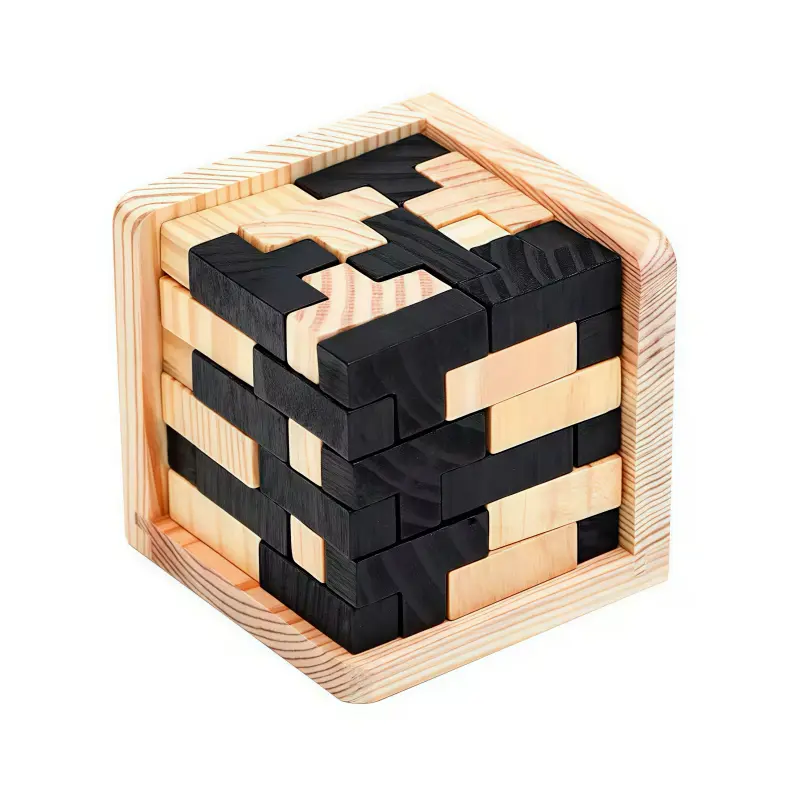
54‑T Cube Puzzle — $18.99
The display-lover. This adult wants the carousel to sit on a bookshelf between a vase and a stack of design books. The build is a means, the finished object is the point. Weight the spec sheet toward base footprint (a base wider than the canopy diameter prevents the wobble that pulls finished pieces into a drawer), the lighting circuit (chaser lights around the canopy read as “display object” while a backlight behind the horses reads as “nightlight”), and the finished dimensions. A display-lover should also verify that the listing names the music selection — a canonical waltz or a classical excerpt signals deliberate adult design; a generic “musical movement” line signals a toy SKU with grown-up packaging.
The nostalgic giver. This adult buys for a parent, an old friend, or a partner who mentioned a carousel once in passing. The risk is overshooting on difficulty and turning a warm gesture into a frustrating weekend. Choose a kit that ships with a pre-installed light (no soldering), numbered instruction steps rather than a single foldout diagram, and snap-fit tabs instead of friction-only joins. The giver’s best verification is the recipient’s model-building history: someone who has assembled an IKEA desk shelf without tears can handle a mid-complexity kit; someone who hasn’t held a hobby knife in a decade should be steered toward a simpler build or a pre-assembled version.
The couple. For an anniversary, a wedding-adjacent keepsake, or a shared analog-hobby project, the carousel reads as a shared-build gift with a long display payoff. Weight the spec sheet toward assembly hours that allow for two evenings of joint work rather than one long weekend of solo frustration, and consider pairing the carousel with a second puzzle one partner can take to a coffee shop while the other finishes the mechanism at home. The 6-in-1 Wooden Brain Teaser Set fits that role — six compact wooden mechanisms that can be opened one at a time over months, extending the gift well past the build itself.
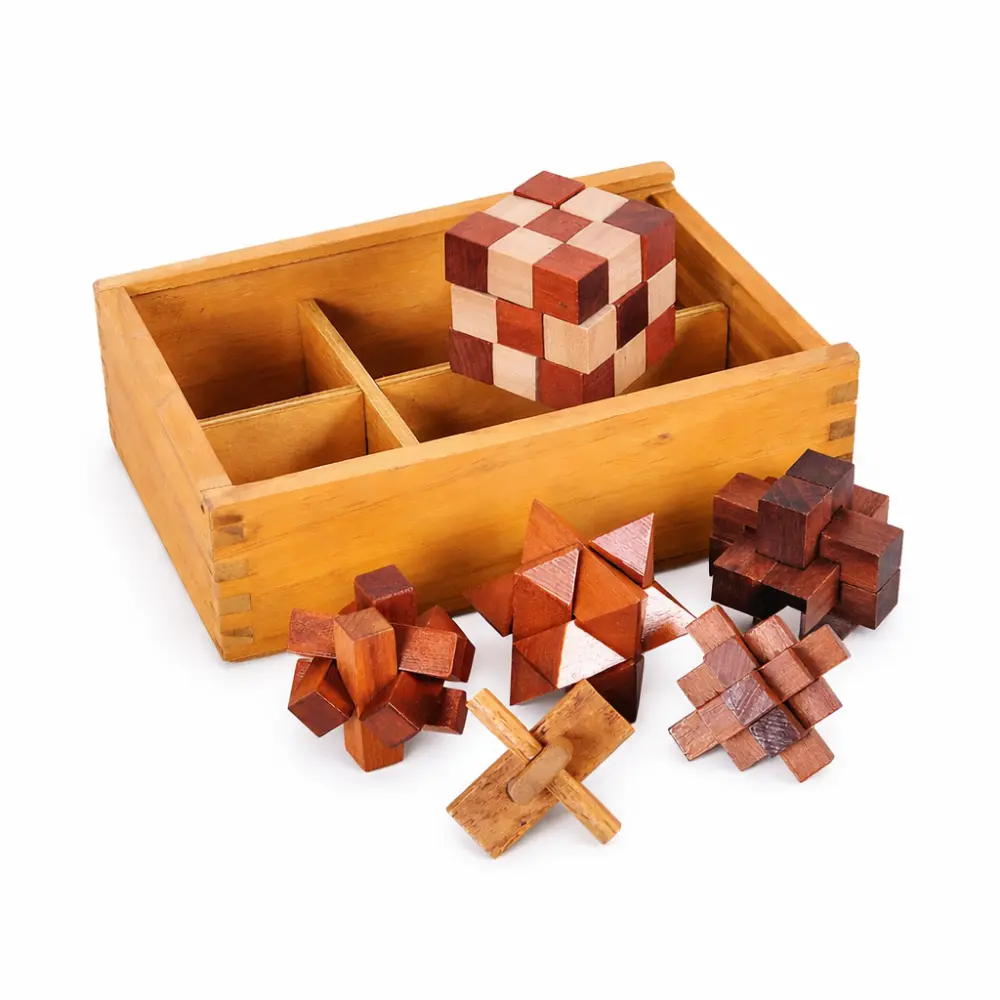
The adult-appropriateness test, applied. All four profiles share one final check before checkout. Look at the product photos for three signals: a muted color palette (warm woods and brass-toned hardware, not primary colors), a base that looks heavier than the canopy, and a music selection named in the listing rather than described as a generic “musical movement.” Kits that pass all three almost always pass the finish-test at the door. Kits that fail one or more should be re-read with the same skepticism the spec sheet taught.
The carousel sits at the ambitious end of the family, but the same adult-targeted criteria apply across formats — our survey of wooden 3D puzzles built for adult recipients walks the same muted-palette, weighted-base, named-music checks against smaller builds, which is a useful reference if the carousel feels like too much for the recipient on your list.
03. The Four Checks That Separate an Heirloom Kit From a Dust Collector
A carousel music box earns shelf space for years or joins the drawer within a month, and the difference almost always comes down to four checks the spec sheet lets you run before you cut the first tab: mechanism type, wood ply and cut precision, realistic assembly hours, and lighting type. Run all four and you can predict, with reasonable confidence, whether the finished build will read as a keepsake or as a toy that aged out of the living room by spring.
Check 1 — Mechanism type. The movement is the soul of the box. A mechanical 18-note wind-up cylinder produces a single, repeating melody with the warm decay of a comb struck by a pinned drum, and it is the standard most adult-targeted kits are built around because it needs no batteries, no speaker, and no sealed compartment you cannot open. A 30-note movement, when present, plays a longer excerpt and is a genuine step up for a recipient who already owns a music box. A quartz electronic module — a small PCB with a speaker, often running on AA cells — is the quietly substituted option in cheaper kits: the listing will say “music box” without naming the mechanism, and the giveaway is any phrase like “plays multiple songs” or “USB powered.” For an adult display piece, mechanical wins on sound quality, serviceability, and the tactile ritual of winding.
Check 2 — Wood ply and cut precision. Laser-cut birch plywood at the thickness the listing names cuts clean, sands lightly, and ages with a warm patina; it is what most serious kits actually use. MDF core, by contrast, is a fiberboard that cuts fuzzy at the edges, chips on snap-fit tabs, and shows a flat brown interior when a piece is nicked — the “premium wood” claim in many listings is a thin birch ply laminated over MDF. The spec sheet rarely says which, so verify by looking for a published ply count and a photo of the cut edges: birch ply shows visible grain layers, MDF does not.
Check 3 — Realistic assembly hours. No published number is trustworthy because every builder’s pace differs, so verify the time estimate yourself: read the part count from the listing, estimate your own pace, and budget evenings generously. A kit with a low part count and no electrical wiring usually takes fewer sittings; a kit with a high part count and an LED harness usually takes more. The exact number depends on your pace, so add a buffer.
Check 4 — Lighting type. Chaser lights animate in sequence and suit a display piece you watch; static warm light reads as ambient and ages better in a living room; backlight floods the base and is the most forgiving for a first build. Verify whether the battery case is integrated or external, because an external box on a 10-foot wire compromises the wood aesthetic.
| Feature | What to look for | What to verify |
|---|---|---|
| Mechanism | 18-note or 30-note mechanical wind-up; avoid unnamed “music module” | Listing names the note count and mechanism type explicitly |
| Wood ply | Laser-cut birch plywood at the thickness the listing names; visible grain on cut edges | Edge photos show ply layers, not a uniform brown fiber |
| Assembly time | Part count and your own pace | Calculate evenings from the published part count and your pace |
| Lighting | Chaser, static warm, or backlight; integrated battery case | Battery case sits inside the base, not on a trailing wire |
The 60-second finish-test at the door. Before you commit, dry-fit three pieces from the same sheet. Press a tab into its slot: it should slide in with a soft click and no slop, the slot edges should align flush, and the assembled base should sit flat on a table without rocking. A kit that fails any of these three will wobble on a shelf, and a wobbly carousel becomes a drawer piece within a season. Apply the same test to a representative small part: laser-cut birch leaves a faint wood-smell char on the cut edge; MDF leaves a powdery residue on your thumb. That single minute predicts more about long-term satisfaction than any spec sheet claim, and it is the final check before the carousel earns its place on the mantel.
For an adult recipient who wants a display piece they will actually finish, the 3D Wooden Carousel Music Box pairs a mechanical movement with a manageable part count and an integrated light, which is the combination the four checks above converge on.
04. Where Top Retailer Listings Fall Short and What to Read Instead
If the carousel listing reads like a bullet stack and skips mechanism literacy, treat the page as a product photo, not a buying guide. A spec sheet tells you what is in the box; it rarely tells you whether the finished build will sit on a mantel for a decade or migrate to a drawer by spring. The gap between “for adults” marketing and adult-appropriate design is where most disappointed gifts come from, and the rest of this section teaches you how to spot it before you spend.
The diagnostic question most retailer pages fail to answer. Every carousel listing claims some version of “for adults” or “for all ages,” but a wooden Parisian carousel marketed as “DIY 3D puzzle for all ages” and a model explicitly labeled for “adult hobby and home decor” are not the same audience promise, even when the photos look identical. The first is a toy repackaged with broad-appeal language; the second is a kit engineered around a heavier ply, a mechanical rather than electronic movement, and a base wide enough to sit flat on a bookshelf. Read the audience framing as a design signal, not as marketing fluff. If “for all ages” leads the listing, the ply is usually thinner, the tabs are looser, and the part count is padded with decorative pieces that exist to lengthen assembly time rather than to add craft value.
The lighting-honesty mini-check. Listings that say “with light” hide three different things under one phrase. A chaser-light kit runs a sequence around the canopy — bright, kinetic, and the kind of detail that reads as playful rather than refined. A static-warm-light kit sits behind the canopy panels and glows evenly, which is closer to the mood-lamp register an adult shelf usually wants. A backlight kit illuminates the base from below, which looks dramatic in product photos but only works if the base is opaque and the light source sits inside the wood. The detail most listings bury: some “with light” kits ship the battery case on a trailing wire that exits through the base, because the manufacturer did not design a cavity for it. That wire compromises the wood aesthetic the moment the gift is opened. Verify whether the battery case is integrated into the base before you commit, not after.
What to read instead. A serious listing names the movement type, the ply count, the finished dimensions, and the lighting mode in the first three lines. If you have to scroll past feature bullets to find the music mechanism, the seller is hiding the part of the spec that determines whether the gift feels heirloom or disposable. Apply the four checks from the previous section, then read any listing the way you would read a recipe: the ingredient list matters more than the photo.
If the carousel is the headline gift but you want a smaller companion present for the same recipient, a compact wooden puzzle in the same craft family fills the slot without competing for shelf space. The Kongming Lock Color Match is a desk-sized challenge that a curious adult can finish in an evening, and the wood tone sits comfortably next to a finished carousel.
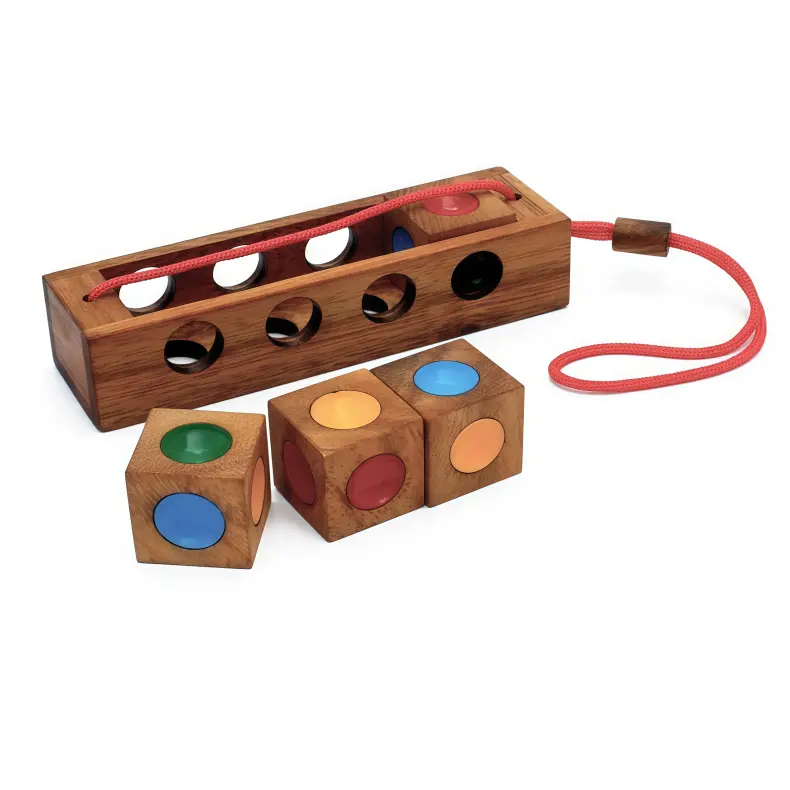
Kongming Lock Color Match — $16.99
For a recipient who prefers the spatial-reasoning register over a mechanical lock, the 7 Color Soma Cube Puzzle offers the same wood-aesthetic, screen-free focus in a form factor that fits inside a stocking or a desk drawer.
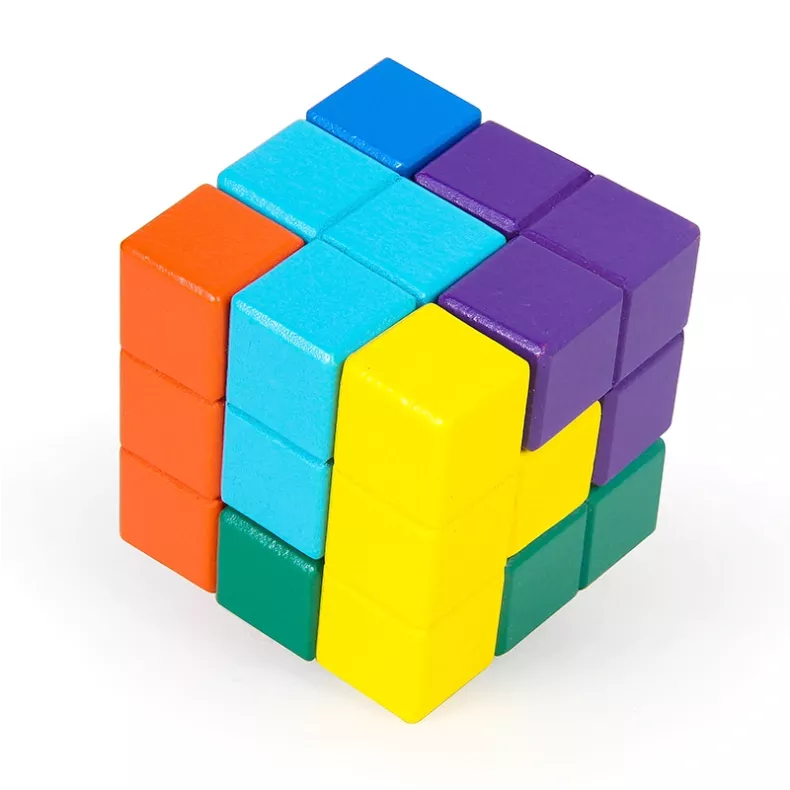
7 Color Soma Cube Puzzle — $21.88
The one practical next step. Before you buy, run the finish-test on the listing’s own photos: zoom on a tab-and-slot joint, look for the wood-smell char that signals laser-cut birch, and confirm the battery case is integrated rather than trailing. If those three checks pass, the carousel earns the shelf. If any fails, the listing is selling you a photo, not a keepsake.
Frequently Asked Questions
Three checks at the listing — tab-and-slot joint, laser-cut char, integrated battery case — predict whether the finished carousel sits on a shelf for a decade or wobbles into a drawer by spring. Those checks rest on the same threshold the guide opened with: an 18-note mechanical movement and genuine birch plywood are the minimum adult standard. The questions below turn those thresholds into practical decisions.
How long does it actually take an adult to assemble one of these kits?
Plan on the time the listing estimates, spread across two or three evenings, then add a buffer. Snap-fit kits without glue finish faster; kits with a 30-note movement, chaser lights, and tight tolerances run longer. The listing’s “estimated time” is almost always optimistic, so budget for the higher figure. For a structured walkthrough of the build itself, see the universal 6-step method for solving 3D wooden puzzles.
Are these kits too childish for an adult to keep on display?
Not if you filter for three adult signals: a muted wood palette rather than primary colors, a weighted or wide base that resists wobble, and a classical or jazz music selection rather than a nursery tune. A 3D Wooden Carousel Music Box that hits those three earns shelf space in a living room or study, not a toy bin.
What is the difference between an 18-note and a 30-note music box movement?
An 18-note movement plays one melody on a small cylinder whose playback length the listing should name, and fits compact kits. A 30-note movement uses a longer cylinder and handles more complex arrangements, with playback duration the listing should describe. The trade-off is bulk: 30-note movements add height and cost, which is why most desktop carousels ship with 18-note. If the listing does not name the movement, assume 18-note and check the product page before buying.
Do the LED lights need batteries, and are they easy to replace?
Most kits run on the battery type the listing names, in a case either built into the base or clipped to the rear. Built-in cases preserve the wood aesthetic; trailing clip-on cases interrupt it. Confirm the compartment is reachable without disassembly — a sealed case means the lights die with the batteries, and the whole base comes apart to revive them.
Is birch plywood actually better than MDF for a music box that will sit on a shelf?
Laser-cut birch plywood holds its shape, takes a stain or oil finish, and patinas with age. MDF swells if it ever sees humidity and shows fiber tear at the edges, visible on close inspection. A “premium wood” claim in many listings actually means a thin birch ply laminated to an MDF core — verify by reading the ply count, not the marketing prose.
Are wooden carousel music boxes a good anniversary or wedding gift?
They work when the couple enjoys shared craft projects, because the build itself becomes the memory. A finished carousel on a console or bookshelf carries more meaning than another bottle of wine. Skip it for couples who already have a shelf crowded with mementos or who prefer experiences over objects.
Start at the finish-test and work backward. If the tab joints, the birch ply, and the battery case all check out, the carousel becomes the kind of object a recipient points to when guests ask where it came from. For a smaller companion gift to open on the same occasion, the 12 Piece Crystal Luban Lock Set keeps the craft theme alive without crowding the shelf.
Where to Start
If the recipient and occasion checks above match, start with 3d Wooden Carousel Music Box. Check the current product page for the specifications that matter to your choice.
Sources and verification
- Product details and current specifications: Tea-Sip product page
Last updated: August 26, 2026