Quick Answer
Pick a multi-puzzle brain-teaser set with 12+ individual challenges and a visible “ages 8+” label for a 10-year-old beginner who likes tactile, repeatable wins. For a jigsaw-loving child, choose 60–200 pieces instead. Skip any “beginner” set with fewer than 30 included challenges or no piece count on the box — that’s the false-beginner trap.
Four checks decide the rest of the gift:
- Challenge or piece count — Is it inside the beginner band for age 10?
- Age label on the box — Is “ages 8+” or “ages 9+” printed, not implied?
- Packaging and case — Does the box look gift-worthy on its own, with storage included?
- “False beginner” signal — Does the box skip challenge count, or show only the finished image?
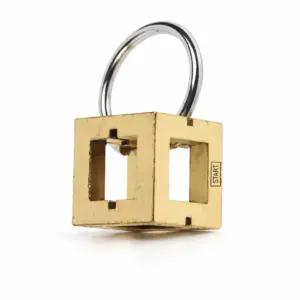
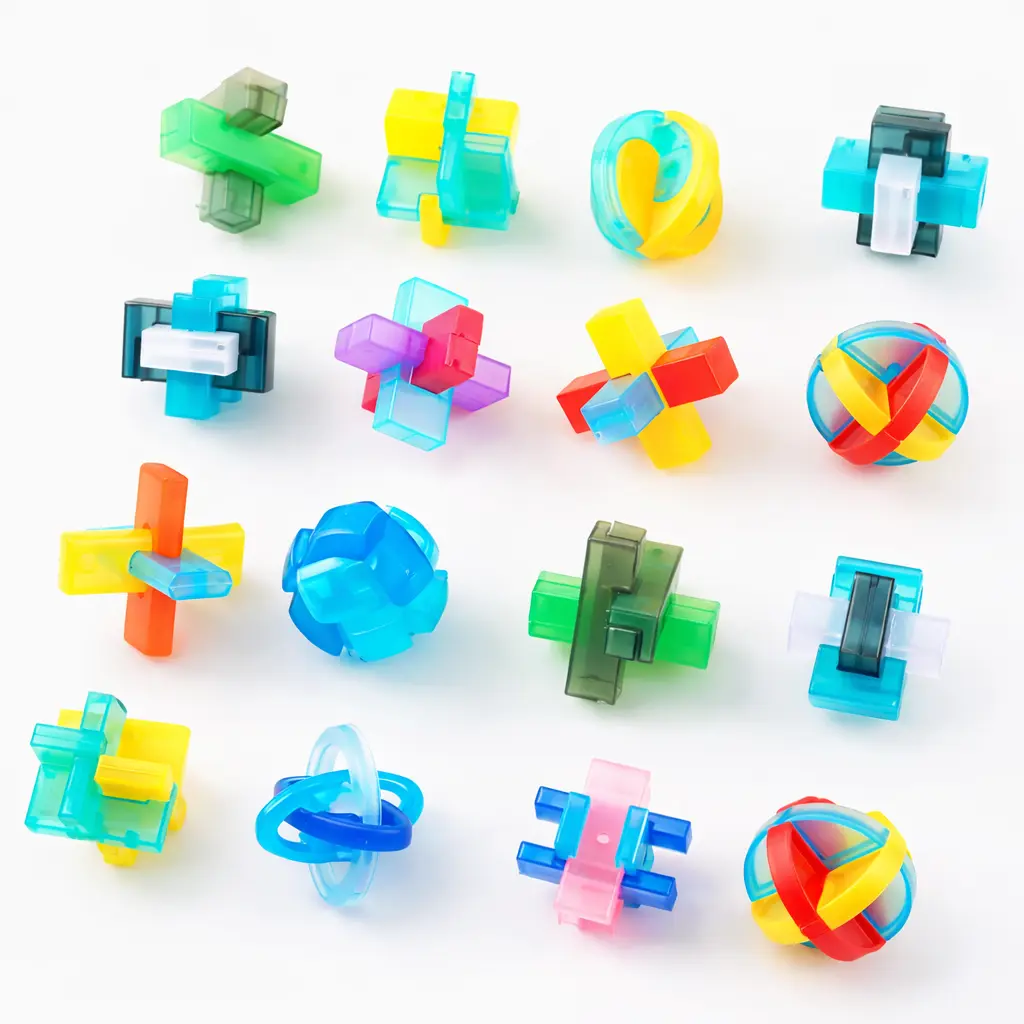
A short decision table narrows the field in 30 seconds. For the brain-teaser route, the 12 Piece Crystal Luban Lock Set ($28.88) is the top pick — 12 individual locks, an explicit age range on the package, and a compact footprint that feels approachable on day one.
| If your 10-year-old is… | Look for… | Skip if… |
|---|---|---|
| New to puzzles, short attention span | 12+ individual challenges, “ages 8+” label, included case | Single 500+ piece jigsaw with no storage |
| A visual builder who likes jigsaws | 60–200 piece jigsaw, themed artwork, reference poster | Dense image with no color-cue breakdown |
| Already owns a puzzle collection | Brain-teaser variety pack (locks, metal, logic) in display-worthy box | Another standard jigsaw with no novelty |
| A cooperative family builder | At least one puzzle in the set designed for 2+ builders | Solo-only builds with no help cues |
The next section unpacks why “beginner” is a skill question, not a marketing word — and how to verify it on the box in under a minute.
01. What ‘Beginner’ Actually Means at Age 10 (Piece Count and Time)
A 10-year-old beginner does best with a set whose piece count, build time, and challenge count all sit inside a measurable beginner band, and the Luban Lock set works as an entry gift because it fits that band by design, not by marketing label. A genuine beginner puzzle for this age isn’t defined by the word on the box. It’s defined by three observable numbers a parent can verify in under a minute before checkout.
For a flat jigsaw, a beginner set for a 10-year-old should sit between 60 and 200 pieces. The lower bound, 60 pieces, gives a child enough shape variety to feel like a real puzzle is being solved without crossing into toddler territory where every piece snaps into a single visible slot. The upper bound, 200 pieces, is the stretch challenge: enough to feel like progress, still small enough to finish in one sitting. A 10-year-old who completes a 150-piece puzzle in 35 minutes walks away feeling capable. The same child handed a 500-piece set will often stall at the halfway mark, lose the edge pieces, and quietly abandon the project in a drawer. That’s the trap.
Build time is the second measurable check, and it matters more than most gift-givers expect. A genuine beginner set should take 15 to 45 minutes to complete in a single session. Under 15 minutes and the puzzle reads as trivial; over 45 minutes and most 10-year-olds start scanning the room for a screen. The 15–45 minute window is the sweet spot for focus without fatigue, and it’s the same window that separates a beginner set from an intermediate one. Any box that omits an estimated build time, or any set whose piece count implies more than an hour of work, should raise a flag.
This is where the false beginner trap appears. A set can carry the word “beginner” on the front of the box and still ship with 500 or more pieces, a dense photo-real image with no clear color zones, or a brain-teaser booklet that contains fewer than 30 starter challenges. All three are common. The first looks beginner because the word is printed there. The second is hard because photo-real images hide piece shapes behind tiny gradient details. The third is hard because the child runs out of solvable puzzles before the set runs out of pieces. A set advertised as beginner should always be cross-checked against the piece count, the image style, and — for brain-teaser formats — the number of included challenges before checkout.
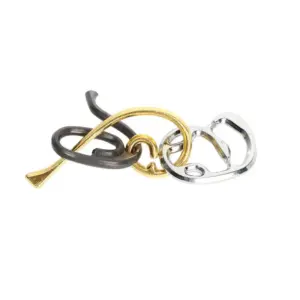
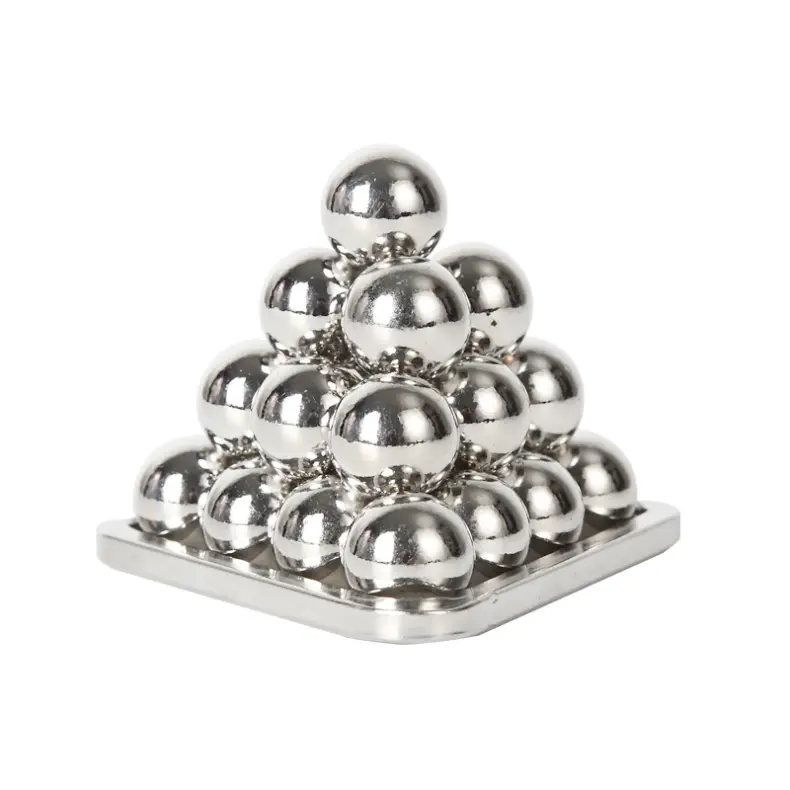
For a brain-teaser beginner, piece count is replaced by challenge count, and the rule is the same: at least 30 starter challenges, with difficulty that visibly climbs rather than repeating. Metal disentanglement puzzles — a class of mechanical puzzles — are a good fit here because each one resets on its own, so the “challenge count” is effectively unlimited inside a single object. The 6 Piece Steel Ball Pyramid Puzzle is a small example of this format: six separate metal brain teasers in one box, each one a discrete beginner-friendly solve that takes a few minutes rather than an afternoon. The variety matters because a 10-year-old beginner who finishes one puzzle in 12 minutes will reach for the next one in the box on their own, a pattern What 8 to 12 year olds actually keep picking up tracks across this age band. That repetition is what lowers the difficulty ceiling — once a child has solved a dozen short puzzles, a 200-piece jigsaw starts to feel manageable.
The box check is the simplest way to verify a beginner set in 30 seconds. Read the piece count or challenge count on the back or side panel, look at the finished image to confirm it has clear color zones or distinct shapes, scan for a printed age band (ages 8+ or ages 9+ is the right floor for a true beginner 10-year-old), and check whether the box itself contains multiple puzzles or a single build. If any of those four details are missing or vague, the set is asking the buyer to trust the marketing rather than the math. The beginner decision is a numbers decision. Treat it like one.
02. Set vs. Single Puzzle: When the Multi-Pack Is the Right Gift
The beginner-fit math is settled. Now answer the format question, because “puzzle set” and “single puzzle” are genuinely different gifts. Choose a multi-puzzle set when the recipient is a first-timer who benefits from variety, or when the gift has to feel substantial under the wrapping paper. Choose a single themed puzzle when the child already owns a few puzzles and you want one showpiece build, or when the recipient might feel overwhelmed by a dozen challenges on day one. The format choice is the gift choice.
A multi-puzzle set wins on four observable signals. First, variety. A genuine beginner set bundles several challenge types — 3D brain teasers, rope disentanglements, logic grid puzzles, slide puzzles, and small jigsaws can all live in one box, and that mix matters because a 10-year-old who doesn’t yet know what kind of puzzle clicks for them gets to try several at once. Verify the piece count or challenge count is printed clearly on the packaging. Second, gift weight. A 12-challenge set reads as a real present; a single flat jigsaw in a thin box can feel like a stocking stuffer by comparison. Third, replay value. A set that resets after each solve — locks reopen, balls unscramble, sliders return to start — gives the child a reason to come back next week instead of finishing the gift in one sitting. Fourth, value-per-puzzle. A set in the twenty-to-forty-dollar range typically costs less per build than buying two or three single puzzles at retail.
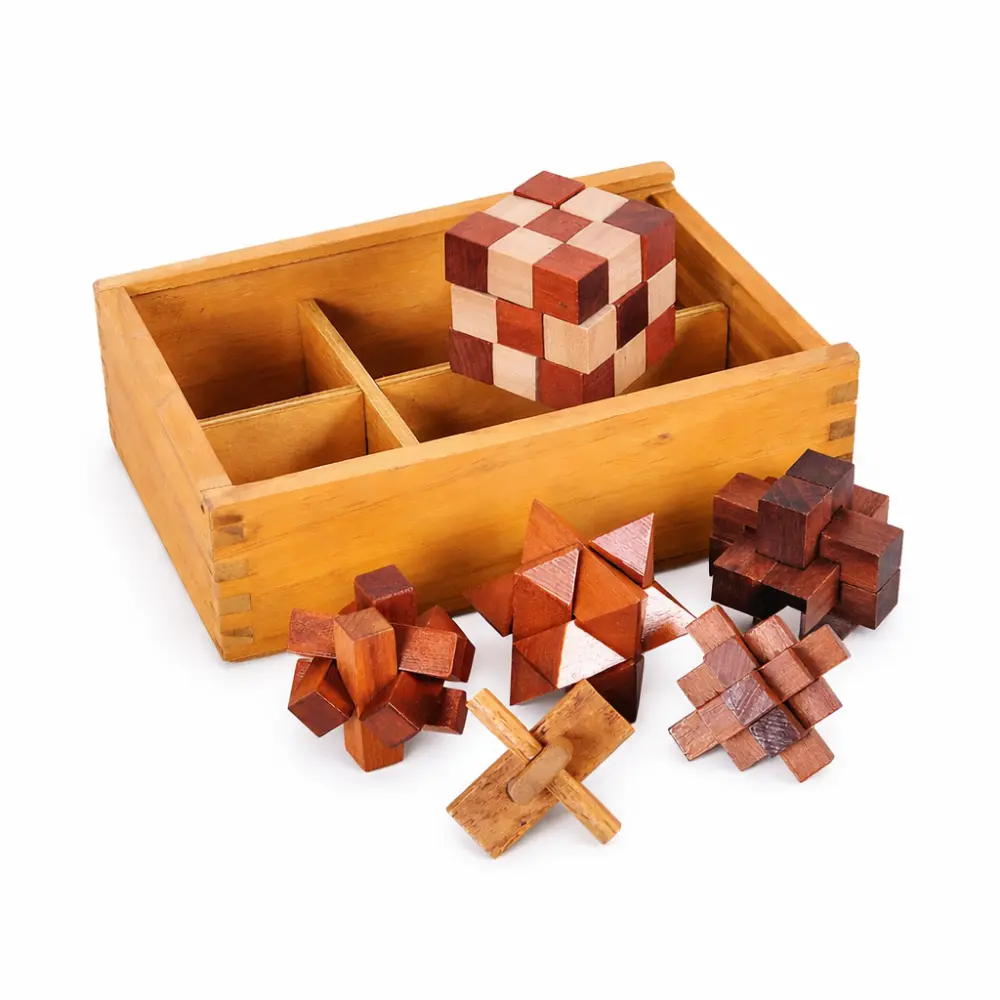
A single themed puzzle wins in three situations. Pick one when the recipient already owns a shelf of puzzles and the gift-giver wants something they don’t have — typically a more complex or larger build that pushes the difficulty ceiling. Pick one when the box itself is the wow — a panorama jigsaw or a wooden 3D build with a striking cover image beats a generic multi-pack the moment the wrapping comes off. Pick one when the child is genuinely anxious about a new hobby; a single build is a contained promise (“finish this one”) rather than an open-ended assignment (“figure out which of these twelve you even like”). For a confirmed puzzler with a known interest, a single high-piece-count jigsaw or a 3D wooden model can serve as a satisfying stretch challenge — but it is a stretch, not a starting point.
The cooperative-build cue matters more than most gift-givers realize. A 10-year-old beginner often does better with a set that includes at least one puzzle designed for two or more builders, because the giver is rarely sure of the child’s solo attention span. Cooperative builds turn a possible frustration moment into a shared table activity, and they let a parent, sibling, or friend step in without taking over. A 12-challenge set with mixed difficulty gives the same child a solo build for quiet evenings and a cooperative build for weekends. If the recipient has a higher ceiling and a confirmed interest, a single themed 3D build or a 200-piece panorama can stretch them, but that’s a different gift for a different kid. That’s the format flexibility a single puzzle can’t offer.
For a true 10-year-old beginner who has never done a puzzle before, the 12 Piece Crystal Luban Lock Set checks both halves of this decision. It’s a set — 12 separate lock challenges in one box, each one resetting after a solve — and each individual lock is designed to be a short, self-contained build that a beginner can finish in one sitting (check the product page for the listed solve time per lock). The variety inside mirrors the multi-puzzle format without overwhelming a first-timer. The box reads as a real present, the challenges reset for replay, and one or two of the locks can be tackled cooperatively. The listed price is $28.88; check the product page for the current price.
03. How to Read the Beginner Puzzle Decision Table (5 Box Checks)
The decision table earns its place only if you know what each column tells you — and which gaps require a “What to check” lookup before you buy. A table full of confident numbers can still lead a gift-giver into the false beginner trap unless the reader reads past the marketing language. Here’s how to read each column, and the five box checks that catch what a typical product listing leaves out.
Check 1: Piece count band. The piece-count column is the single most important verification on any beginner puzzle set listing. For solo jigsaws, look for 60–200 pieces, with 100 pieces as the most common starting point for a true 10-year-old beginner. A 500-piece count on a box labeled “beginner” is a red flag — most 10-year-olds without prior puzzle experience will hit frustration around 300 pieces, and a 500-piece build is a stretch challenge, not a beginner build. If the product page doesn’t list a piece count, that’s a “What to check” signal: message the seller or move on.
Check 2: Age band label. Look for “ages 8+” or “ages 9+” printed on the box, not just in the listing title. A “beginner” label without a specific age band is incomplete — the manufacturer is leaning on the word to do the work the age rating should be doing. Decoding the age label on metal and mechanical puzzles shows why “ages 6+” on a brain teaser doesn’t always mean a 10-year-old beginner will find it accessible.
Check 3: Included storage or case. Confirm the set ships with something to keep the pieces together between builds — a tray, a pouch, or a carry case. The “Included components” column should name it. If the column reads only “puzzle pieces,” treat that as a “What to check” gap; a 10-year-old will lose pieces between sessions without storage, and a gift that loses its first piece on day one feels cheap by day three.
Check 4: Instructions and reset cue. Verify the set includes a printed solution sheet or step-by-step reset guide for each puzzle in the box. Brain-teaser sets that ship with only a single folded sheet — or worse, a QR code to a PDF — signal that the manufacturer cut the corner gift-givers notice. The “What to check” here is whether the listed image shows a manual or just the finished build.
Check 5: Spare-piece or replacement policy. Look for a missing-piece guarantee or stated spare-piece count — a gift-readiness signal that almost never appears in a comparison table. For brain-teaser sets, the equivalent is a stated reset-to-start-position cue. When the table doesn’t list either, mark it as “What to check” and read the product FAQ before checkout.
Run all five checks on any listing before adding it to cart. The table is a shortcut, not a substitute — the box checks are what make the shortcut safe.
04. Gift-Ready Extras That Matter: Case, Box, and Spare Pieces
Those five box checks confirm a set is beginner-fit. Now the question shifts from “will they be able to do it” to “will the gift feel substantial when opened” — and that decision lives in the extras most listings bury in bullet four. A 10-year-old beginner notices whether the box feels special, whether there is somewhere to put the pieces between sessions, and whether the included instructions match what the cover image promises.
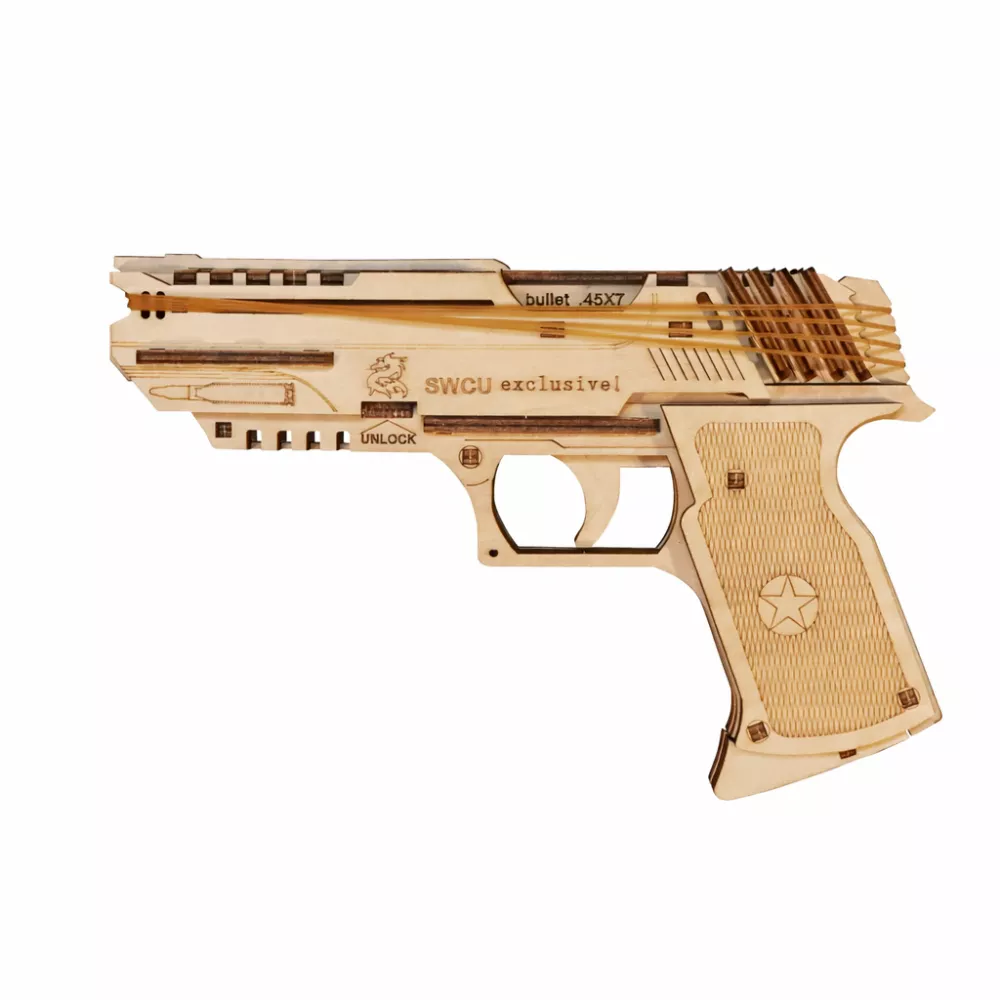
The wow-image check is the first one most gift-givers skip. Look at the front of the box: is the finished image striking enough that a 10-year-old would want to build it without being told? Themed covers — space, wildlife, geography, vehicles — convert a brain-teaser set into something that reads as a present, not a workbook. If the box only shows puzzle pieces disassembled or a flat catalog photo, the packaging is doing no gift work.
Storage is the second extra that separates a set from a single puzzle. A multi-puzzle set without any included tray, case, or sturdy box is a set the family will have to organize themselves — and “themselves” usually means the parent, after the first lost piece. The “Included components” column in the product listing should name a case, tray, or box explicitly. If it reads only “puzzle pieces,” treat that as a “What to check” gap. Why the case is half the puzzle makes the same point: when a case ships in the box, storage is no longer an accessory, it is a presentation feature.
Instructions come next, and the cue is simple: printed or not? A set that ships with a printed solution sheet or step-by-step reset guide for each puzzle respects the recipient. A set that ships with a single folded sheet, or only a QR code to a PDF, signals the manufacturer cut a corner a 10-year-old beginner will hit on day one. The “What to check” here is whether the listed image shows a manual, not just the finished build.
Spare-piece or replacement policy is the extra almost no comparison table lists. For jigsaw sets, look for a missing-piece guarantee or a stated spare count. For brain-teaser sets, the equivalent is a stated reset-to-start-position cue — something the child can do alone after a stuck attempt. When neither appears in the listing, read the product FAQ before checkout.
Sealed-vs-open is the final check: factory-sealed sets travel better, arrive intact, and feel more like a gift. Refurbished or “open box” listings cut the presentation value in half for a tween-age recipient, who will notice.
One final cue worth naming. A 10-year-old beginner often does better with a set that includes at least one puzzle designed for two or more builders — a cooperative build that lets a sibling, parent, or friend sit in. This matters most when the gift-giver is unsure of the child’s solo attention span, and it pairs naturally with the focus/fidget angle: some beginner puzzle sets, including small brain-teaser and disentanglement sets in this category, double as a screen-free focus tool for kids who sit still for short stretches. The broader category is covered in the Wikipedia entry on fidget toys. Run the gift-extras checklist in 30 seconds, and the set is either ready to gift or back in the search results.
05. Closing Checklist: Verify Before You Checkout
Before checkout, run this seven-item checklist against the product page or box. It takes about 30 seconds and turns a hopeful guess into a verified gift decision for a 10-year-old beginner — the cooperative-build and screen-free focus cues from the extras section fold in as the seventh item.
- Piece count in the 60–200 band for solo jigsaws, or at least one challenge in that range inside the set. Below 30 is too thin. Above 500 without a stretch helper is the false beginner trap.
- Age label clearly reads “ages 8+” or “ages 9+”. Anything pitched at “ages 12+” is built for a different skill level.
- Box front carries one themed “wow” image — a finished puzzle, a 3D model, or a clear subject like space, wildlife, or a mechanical object.
- Included storage or carry case. A box alone works; a sealed case or tray is a gift-readiness win.
- Printed instructions. A printed manual beats a QR-only guide for a recipient who doesn’t want to pause for a phone mid-build.
- Spare-piece or replacement policy. For jigsaws, a missing-piece guarantee; for brain-teaser or mechanical sets, equivalent parts or a stated guarantee.
- At least one cooperative or second-puzzle option inside the set, covering the solo attention-span risk.
Pick one set from the table that matches four of seven and verify the remaining three on the product page. That’s how a candidate becomes a gift rather than a return.
Frequently Asked Questions
Now that the seven checks are set, the last loose ends before checkout usually come down to the same handful of practical questions. Here are direct answers built on the piece-count band, age label, and packaging cues the rest of this guide already used — no filler, just the next step.
How many pieces should a beginner 10-year-old start with?
Start in the 60–200 piece band for a solo jigsaw build. Below 60, a 10-year-old finishes in under ten minutes and feels talked-down-to. Above 200, the same builder is staring at a 500-piece ceiling without a helper. The 100-piece jigsaw sits in the middle of that band, which is why it is the most common “first real puzzle” choice at this age.
Is a 500-piece puzzle too hard for a 10-year-old beginner?
Usually, yes — at least as a first solo build. A 500-piece jigsaw assumes edge sorting, pattern recognition, and 45–90 minutes of seated focus, which is a real stretch for a child who has never done one. If the gift-giver still wants that scale, treat it as a stretch challenge inside a multi-puzzle set rather than the only puzzle in the box.
What age is a 100-piece puzzle good for?
A 100-piece jigsaw is widely used in the ages 8–10 band, and 10 is the upper end where it still feels like a real challenge rather than a warm-up. By ages 11–12, most kids graduate to 200 or 300 pieces. The easier check is the age label on the box: any set that clearly reads “ages 8+” or “ages 9+” will usually land the right difficulty for a 10-year-old beginner.
Are puzzle sets better than one good puzzle as a gift?
A set wins when the gift has to feel substantial and the child’s interests are not yet clear. A single high-quality themed puzzle wins when the gift-giver already knows the recipient loves one subject — space, wildlife, mechanics — and wants the wow of a larger finished image. When in doubt, a set with one themed showpiece and three or four smaller challenges is the safer call.
What’s a good puzzle gift for a 10-year-old who already has a lot of puzzles?
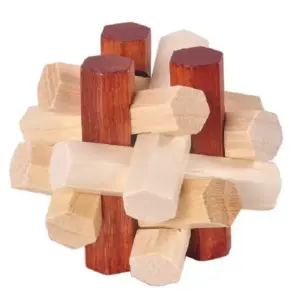
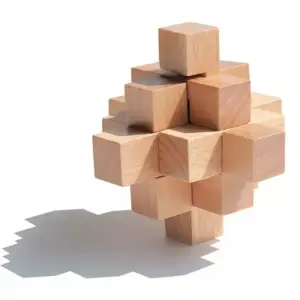
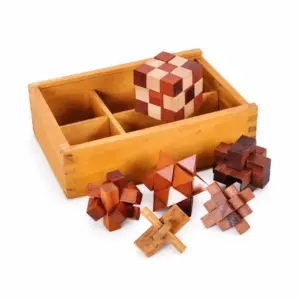
Move off the flat jigsaw shelf entirely. A compact mechanical or brain-teaser set is the right shift when the standard puzzle bin is already full. A 54‑T Cube Puzzle, for example, trades a single finished image for a small object that lives on a desk, rewards repeat solving, and skips the storage problem flat jigsaws always create.
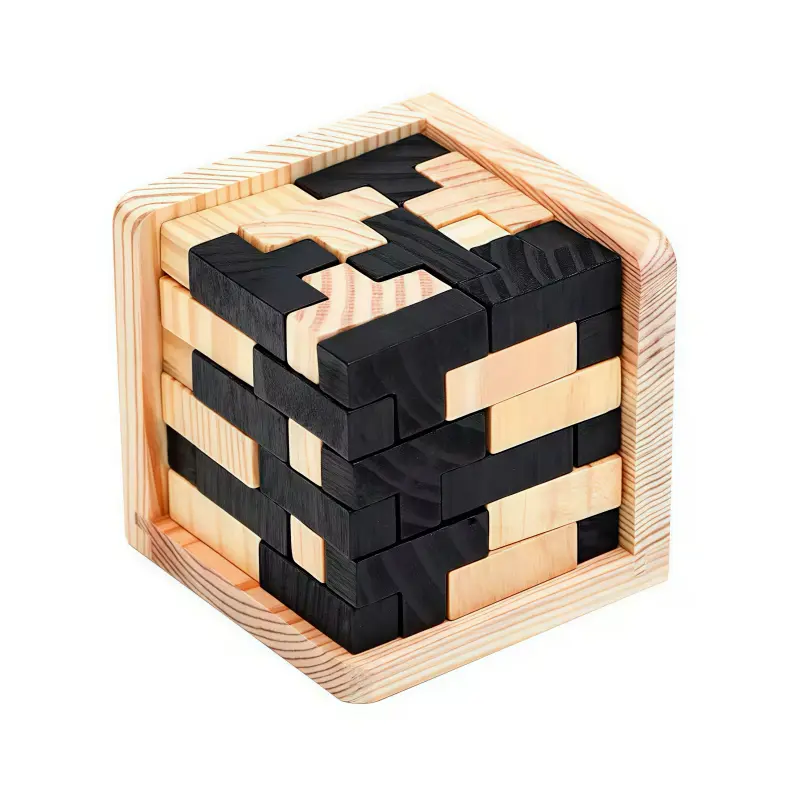
54‑T Cube Puzzle — $18.99
Do puzzle sets come with a case, or do I need to buy storage separately?
It depends on the set type. A flat jigsaw set almost never includes a case; the box is the storage. A brain-teaser or mechanical set sometimes includes a felt pouch, a tray, or a small case, but not always. Treat “included storage” as a gift-readiness win, not a default — verify it on the product page or box photo before checkout.
What should I look for on the box before buying?
Five things, in order: a piece count in the 60–200 band, a clearly printed age label of 8+ or 9+, one themed “wow” image on the front, printed instructions rather than a QR-only guide, and some form of spare-piece or replacement signal. If a box fails two of those five, move on to the next candidate.
What if the child has a short attention span?
Pick a set that includes at least one cooperative or partnered puzzle, so a parent, sibling, or friend can join the build. Cooperative and two-player puzzles cut the solo focus time in half, which is the single most reliable guard against the “I got bored halfway through” return. That is also why this cooperative-build cue sits as check seven in the closing checklist above.
Your next step: pick one set from the decision table that matches four of the seven checks and verify the remaining three on the product page. A ten-year-old beginner is easier to buy for than the marketing makes it sound.
Where to Start
If the recipient and occasion checks above match, start with 12 Piece Crystal Luban Lock Set. Check the current product page for the specifications that matter to your choice.
Sources and verification
- Product details and current specifications: Tea-Sip product page
Last updated: August 24, 2026