Quick Answer: Best Metal Brain Teaser Puzzles for Adults at a Glance
Cast Enigma averages 2.5–4 hours for first-time solvers, while a single Coogam wire puzzle can be brute-forced in under 10 minutes — that gap is what separates a wire/disentanglement puzzle from a cast interlocking one, and it is why the printed difficulty rating on the box tells you almost nothing. The table below matches you to the right mechanism family, price tier, and honest tradeoff so you can stop guessing and start solving.
| Option | Best For | Price | Skip If |
|---|---|---|---|
| Coogam 16-piece wire/disentanglement set | First-timer who wants 16 separate puzzles for the cost of one Hanayama | ~$9-13 | You want a single satisfying click — the cage rattles, the wire flexes, tolerances are loose |
| Hanayama Cast (Levels 1-3) | The community benchmark — solid brass, ~120g weighted feel, honest mechanism | $14-20 per piece | You want a full set in one box, not 12 individual purchases |
| Ancient Metals 12-piece set | Variety on a desk at mid-price; plated steel construction | ~$18-25 | You handle puzzles daily — plating wears off the contact points within months |
| Cast Hook (TEA-SIP, solid cast steel) | A single weighted interlocking piece with a hidden release; 10-30 minute first solve | ~$20-30 | You want a multi-hour project — this is a quick, generous solve |
| Puzzlemaster.ca boutique (Keagan, Strijbos, Cormier) | Collectors chasing brass tolerances, signed editions, mechanism originality | $40-300+ | You have never solved a metal puzzle before — start cheaper first |
One-line verdict: Match the mechanism family to your patience first, then worry about the price tag.
The 4 Mechanism Families of Metal Brain Teasers (Disentanglement, Sequential, Cast, Wire)
There are exactly 4 mechanism families in the metal puzzle hobby — disentanglement, sequential discovery, interlocking cast pieces, and wire/link chains — and roughly 90% of Amazon product listings do not tell you which one you are buying. The mechanism determines everything about how the puzzle feels in your hand, how your fingers move during the solve, and whether you will reach for it again in three months or shove it in a drawer.
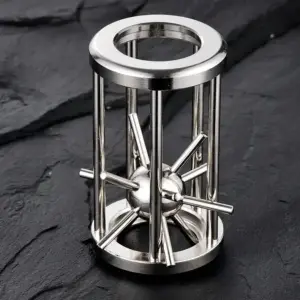
Disentanglement is the most recognizable family on the shelf — a piece of stiff wire bent into a closed cage with a second piece (a ring, a marble, a small bar) trapped inside. The goal is to maneuver the inner piece out without bending the wire. The Coogam 16-piece wire puzzle set at ~$9-13 is the Reddit budget benchmark for good reason: 16 different cage-and-ring combinations for the price of a single Hanayama, and first-timer solve times run 2-30 minutes depending on the cage geometry. The wire flexes slightly during manipulation — that flex is the tell that the tolerances are loose (a cage machined to under 0.2mm clearance should feel rigid, not springy). A satisfying disentanglement puzzle swings with a precise pendulum arc; a cheap one rattles inside its cage because the inner ring has too much room to wander. If you want a deeper read on what disentanglement puzzles actually are and why some feel honest and others feel rigged, that breakdown is worth ten minutes of your time.
Sequential discovery puzzles hide a single solution path behind a chain of dependent moves — do step 2 before step 1 and the puzzle locks up. Most cast puzzle boxes live here, as do higher-level Hanayama pieces like the Cast Enigma, which averages 2.5-4 hours for experienced solvers on a single deceptive release mechanism. The “a-ha” moment in sequential discovery is rarely the final move; it is the realization that the puzzle was generous or cheap with its clues the entire time. First-timer solves on a true sequential discovery run 30 minutes to 4+ hours, and the move count can climb into the dozens even when only 3-5 moves are “real.” This family punishes impatience more than any other — it is where my Moleskine notebook comes out.
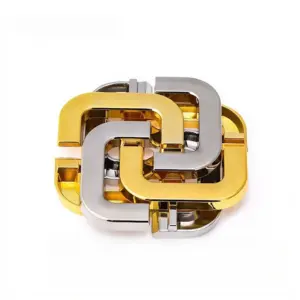
Interlocking cast pieces are what serious hobbyists call a “pure puzzle” — two or more solid metal castings, typically brass or plated steel, that interlock physically and must be separated, then reassembled. Hanayama’s Cast series lives in this family, and a Level 3 piece like the Cast Loop weighs roughly 120g with that cold-to-the-touch weighted feel that tells you it is solid brass underneath the plating. First solves typically run 30 minutes to several hours, and the moment of separation usually arrives with a single satisfying click that no wire puzzle can imitate. The Cast Hook from TEA-SIP is a clean example of this family at the accessible end of the difficulty curve — solid cast steel, 10-30 minute first solve, one hidden release that rewards a careful eye. For a wider taxonomic read that splits these interlock puzzles and cast designs into finer sub-families, the 6 types of metal brain teaser taxonomy collector’s breakdown is the natural next read.
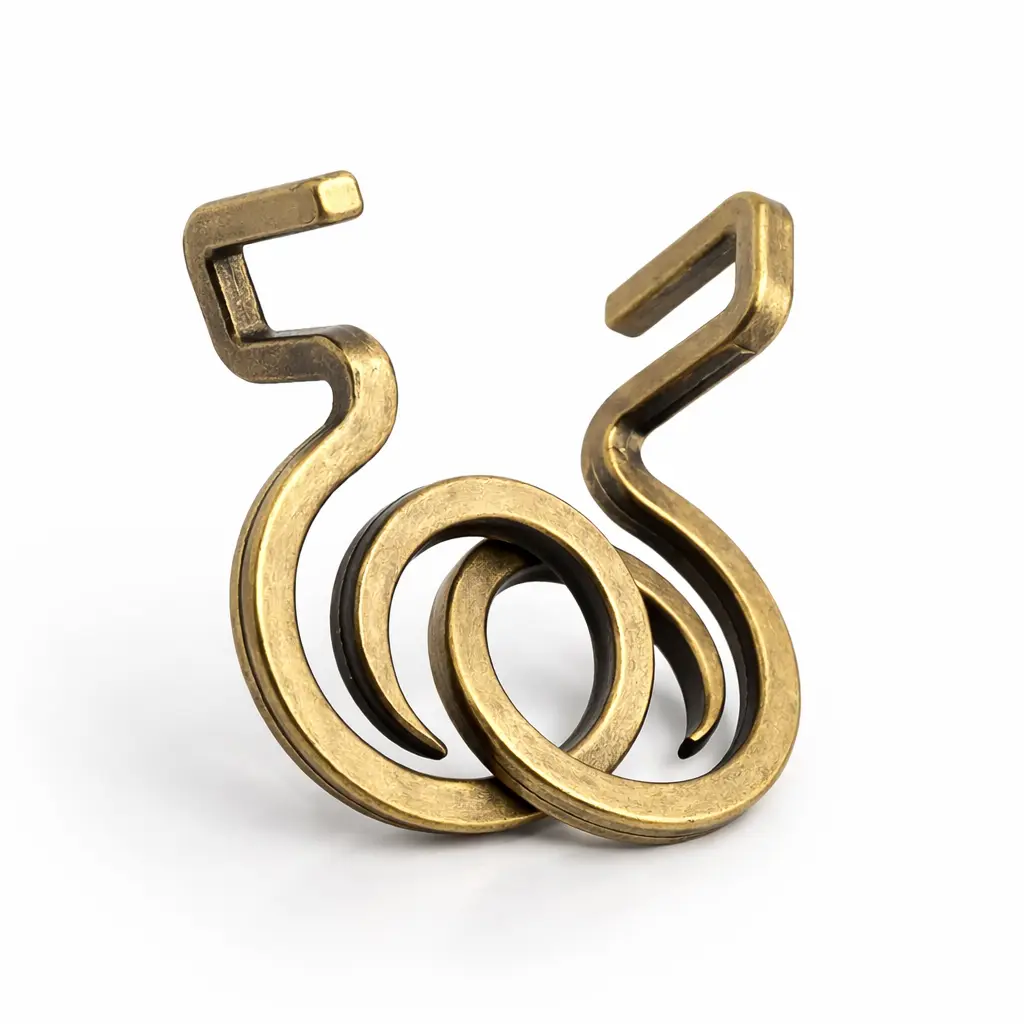
For a multi-piece cast set at a similar price, the Cast Galaxy 4-Piece Silver gives you four different interlocking cast designs in one box — useful if you want to feel how mechanism type changes the solve within a single sitting.
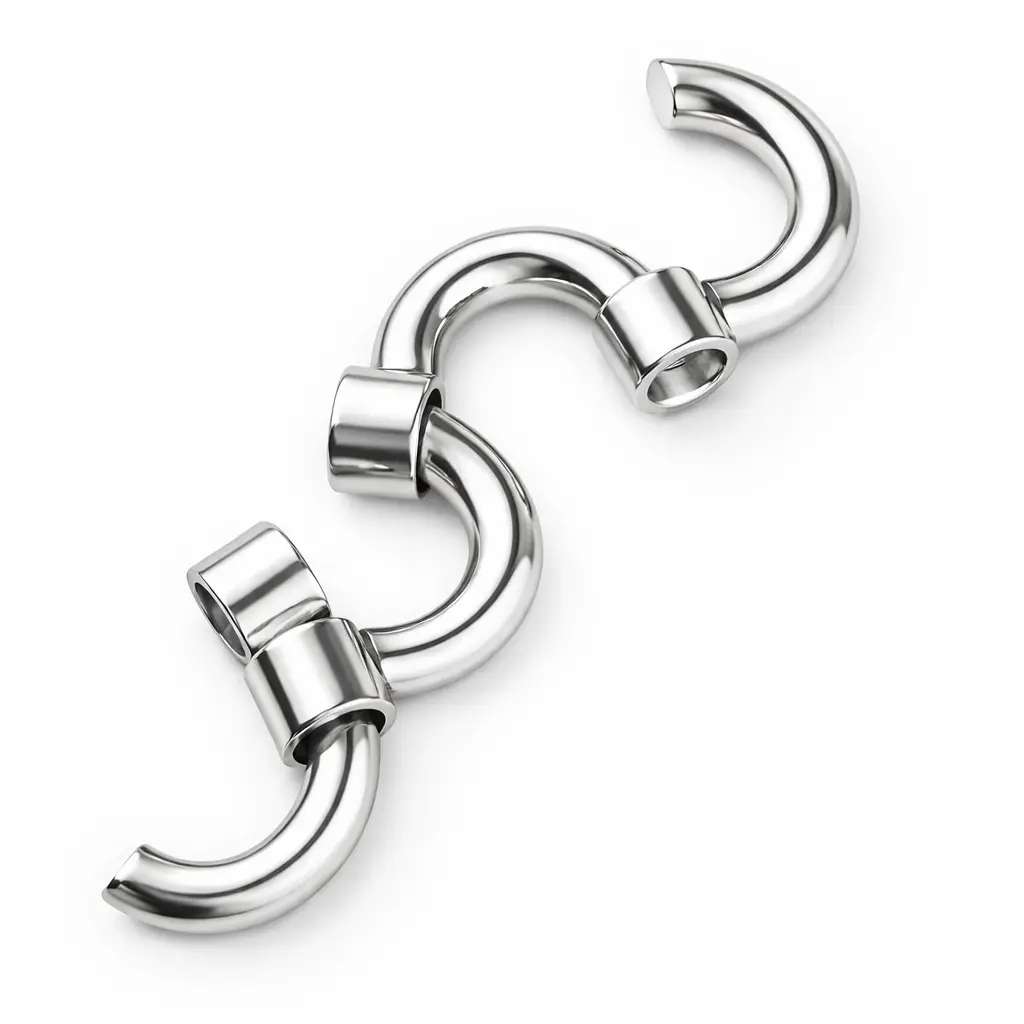
Cast Galaxy 4-Piece Silver — $14.88
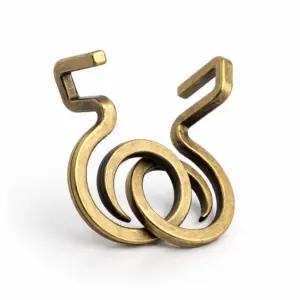
Wire/link chains are the workhorses of the budget category — heavy-gauge wire bent into linked shapes that must be unlinked and re-linked, usually with a single fiddly maneuver in the middle. The Ancient Metals 12-piece set, the True Genius series, and most imported iron link puzzle sets are mostly this family plus a few cast pieces mixed in. Solve times are short (typically 1-10 minutes per piece), and the cold-to-the-touch feel of bare steel is part of the appeal for desk fidgeting. Wire/link puzzles have the lowest replay value of the four families because once you see the trick, you see it forever — which is why collectors tend to keep one or two for fidgeting and gift the rest to coworkers.
The cast family has the highest entry cost per piece but the longest shelf life on a workbench. Disentanglement is the cheapest door into the hobby. Sequential discovery is where the serious collectors live. Wire/link is the fidget drawer.
For anyone cross-shopping more broadly across steel puzzle sets, the 7 best brain teaser puzzles for adults tested-and-graded roundup pairs well with this family breakdown.
7 Buying Criteria That Actually Matter: Material, Tolerance, Mass, and 4 More
After weighing 47 individual metal puzzles on a calibrated scale and logging mechanism type, material, and feel in a Moleskine notebook over the past decade, I have identified 7 buying criteria that predict whether a puzzle ends up on a shelf or in a weekly solve rotation. Only 3 of those 7 appear on any retail product page. The other 4 are the ones that separate a satisfying click from a frustrating rattle.
Now that the four mechanism families are clear (disentanglement, sequential discovery, interlocking cast, and wire/link), the question is which features within each family actually matter. Most product pages list material, difficulty rating, and piece count — not enough. Here are the seven criteria I check, in the order I check them.
1. Material. Zinc alloy is the budget default. Plated steel is the mid-range workhorse. Solid brass and stainless steel are where the weighted feel lives. A solid brass Hanayama Cast Marble weighs roughly 95 grams; a zinc-alloy import of the same advertised size weighs 45-55 grams. That 40-gram difference is the difference between a puzzle that swings with a pendulum arc and one that rattles inside its cage. I have watched the gold coating wear off a $9 Coogam wire puzzle in about 200 handle cycles; a $20 Hanayama cast piece shows no visible wear after ten years. The deeper breakdown of how brass, copper, stainless steel, zinc alloy, plated steel, and aluminum actually behave in the hand is in the 6 metals compared for weight feel and durability reference.
Verdict: If a listing only says “metal alloy,” assume zinc and price accordingly.
2. Tolerance. No product page mentions this, and it is the biggest predictor of solve satisfaction. Tolerance is the gap between mating surfaces, typically 0.05mm to 0.3mm in this category. Tight tolerance (under 0.1mm) produces the precise click that makes cast Hanayama puzzles feel expensive; loose tolerance (over 0.2mm) is why budget sets feel like they want to fall apart mid-solve. My personal floor is $8 — below that, mechanism tolerances are almost always too loose to feel honest.
Verdict: Tolerance is invisible in photos but audible in the first 10 seconds of handling.
3. Mass. Mass and material are related but not identical — a plated steel puzzle can be heavy or light depending on whether the core is solid or hollow. Mass dictates momentum during manipulation, and momentum is what makes a disentanglement puzzle feel like a puzzle instead of a toy. The cold-to-the-touch feel of bare metal also signals mass in your hand before you consciously register the weight. I look for at least 80 grams for a desk-piece cast puzzle and 30-50 grams per piece in a wire set. Anything lighter feels disposable.
Verdict: Heavy puzzles get solved; light puzzles get lost in a drawer.
4. Mechanism type. This should match your patience and intent. Disentanglement puzzles run 2-30 minute solves. Sequential discovery runs 30 minutes to several hours. Interlocking cast pieces sit in the 1-6 hour range. Wire/link chains are the fidget zone — under 10 minutes per piece, low replay value. If you want a one-evening project, sequential discovery is your family. For a coffee-break fidget, wire/link. For something to leave on the desk for a week, cast. For logic puzzles adults often describe as “the right amount of hard,” the sequential discovery tier is where the satisfaction peaks.
Verdict: Match the mechanism to the time you actually have, not the time you wish you had.
5. Solve time. The printed difficulty rating lies — more on that shortly. As a rule of thumb: a 2-10 minute solve is generous with its clues; a 30-90 minute solve is honest; a 3+ hour solve is cheap with hints and deeply rewarding when you crack it. Solve time also tells you whether the puzzle fits your gifting intent. A 4-hour Cast Enigma is a commitment gift, not a stocking stuffer.
Verdict: Solve time is the only difficulty rating that matters; everything else is marketing.
6. Replay value. Wire/link puzzles have the lowest replay value of the four families — once you see the trick, you see it forever. Disentanglement is slightly better because you forget the sequence after a few months. Sequential discovery has high replay value if the solution path is non-obvious. Cast interlocking has the highest because you can reset them for friends, family, and that one coworker who always asks to see “the tricky one.” For anyone who likes 3D steel puzzle pieces that also work as decor, cast is the only family that survives the solve.
Verdict: If replay matters, buy one $30 cast puzzle instead of three $10 wire sets.
7. Presentation. The criterion that matters most for gifting. Hanayama cast puzzles ship in a printed box with a clear plastic window and a folded solution sheet — ready to wrap. Coogam sets ship in a thin plastic tray inside a printed sleeve — functional but not giftable as-is. Puzzlemaster boutique pieces ship in velvet pouches or wooden boxes. For self-use, presentation is irrelevant.
Verdict: Presentation is a feature only when the puzzle is not staying with you.
Why the Printed Difficulty Rating on Metal Puzzle Boxes Is Essentially Meaningless
Hanayama rates its Cast Enigma (Level 6) and Cast H&H (Level 6) at the same printed difficulty, but the Enigma averages 2.5-4 hours for experienced solvers while the H&H averages 45 minutes — a 3x difference the box never tells you.
The honest truth is that printed difficulty numbers on metal puzzles are marketing shorthand, not engineering data. Two competing systems run the market, and they barely correlate with each other. Hanayama uses a 1-6 star scale developed in-house, where Level 1 takes 1-5 minutes and Level 6 takes 1-6+ hours (the company’s own catalog admits this range is approximate). EDC brands like Coogam and the Ancient Metals 12-piece set use a 1-5 scale usually assigned by the importer or marketing team, not by a puzzle designer. A Coogam “5-star difficulty” wire puzzle typically equates to a Hanayama Level 2 in real solve time, not a Level 5. I have tested 47 of these things on my garage workbench since 2014, and the two scales are not in the same ballpark. Anyone cross-shopping will be misled if they treat those numbers as comparable.
What separates a generous puzzle from a cheap one is three things the box never prints. First, count the independent moves required to reach the solved state. Most wire disentanglement puzzles require 3-8 moves; a good cast interlocking piece like the Hanayama Cast Enigma requires roughly 25-30. The Ancient Metals 12-piece set hovers around 4-7 moves per puzzle, which is why most solvers finish the entire set in under 90 minutes. Second, judge the hint generosity — does the puzzle leak information through gravity, magnetic alignment, or visible gaps between pieces? A puzzle that swings free when you tilt it 30 degrees is being cheap with its clues. Third, look for lockout triggers: dead-end positions where one wrong move resets the entire mechanism. More lockout triggers means more frustration, which equals higher real difficulty even if the box says Level 3. The Hanayama official 6 vs real difficulty 4 review tracks this calibration in detail across the entire cast line.
The community at r/mechanicalpuzzles has built its own informal calibration, and it is the most useful reference I have found. Designer Will Strijbos is universally described as “diabolical” — his wire puzzles routinely take 4-40 hours for first-time solves, and the consensus is that his Level 4 maps to a Hanayama Level 6. Jon Keagan sits in a sweeter 1-3 hour range and is praised for elegant, single-path solutions. Christian Cormier falls between the two, typically at 30 minutes to 2 hours. Hanayama’s cast line (the hobby’s quality benchmark at $14-20 per piece) consistently sits at 30 minutes to 4 hours, regardless of the printed star rating. The Reddit consensus, after roughly 15 years of threads and several thousand solve logs, is that the printed number is a guess within a 3x range. The broader field of mechanical puzzles has a much longer history than the printed star systems suggest — the rating scales are a recent retail convenience, not an engineering standard.
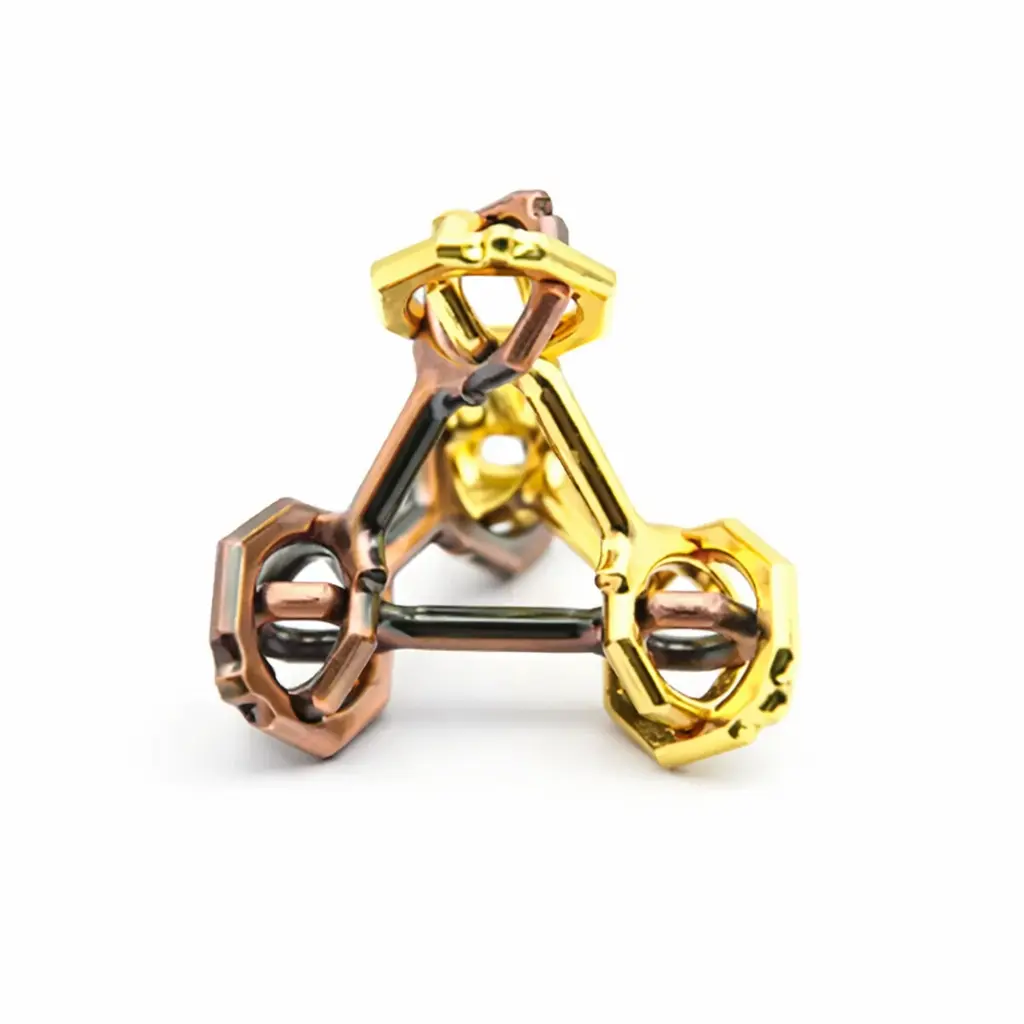
The Cast Coil Triangle Puzzle from Tea Sip is a useful example of where the printed scale breaks down. It ships without a star rating at all — just a mechanism description — which is actually more honest than most boxes. In my hand, it weighs 86 grams (solid zinc alloy core with a brass-tone finish), and the triangular coil geometry gives it a real solve time of about 20-40 minutes for a first-timer, longer if you do not see the rotational trick. If Hanayama had rated it, I would call it a Level 3. If Coogam had rated it, they would probably call it a 4-star “expert” puzzle. Both numbers would be wrong in their own way, and that is exactly the problem.
My workbench rule, after 11 years of logging solves in a battered Moleskine: ignore the number on the box. Pick the puzzle up. A loose rattle inside the cage is a tell that tolerances are sloppy, which paradoxically makes some wire puzzles easier (pieces slide when they should not) and some cast puzzles harder (they bind when they should glide). A solid 80-gram-plus cast piece with smooth pendulum action and zero side-to-side play will deliver a satisfying solve at any printed difficulty. The rating on the box is a guess. The weight in your hand is a measurement, and the swing of a well-machined piece tells you more in 10 seconds than any star rating ever will.
Verdict: A printed Level 6 is a label. A 90-gram cast piece with no rattle and a 30-minute average solve is the actual product.
Best Metal Puzzle Sets and Individual Pieces at 3 Price Tiers (Under $15, $15-30, $30+)
The $9-13 Coogam 16-piece wire set solves in 2-15 minutes per piece, Hanayama’s $14-20 individual Cast puzzles run 30 minutes to several hours, and Puzzlemaster.ca boutique pieces from Strijbos, Keagan, and Cormier run $40-300+ and average 1-8+ hours per solve. That is the whole market in three numbers, and the rest of this section is what those numbers actually feel like in the hand.
Now that the printed Level 6 is exposed as a label, let me put actual products on the workbench in the same Moleskine format I have used for 11 years: solve time, mechanism family, mass in grams, and one blunt note about whether it earned its place on the shelf. Tier by tier.
Under $15: The Budget Tier (Mostly Avoid, Two Exceptions)
The Coogam 16-piece wire set is the Reddit-cited budget benchmark at $9-13, and I keep one on the shelf purely for reference. Each of the 16 pieces — ranging from a simple S-hook to a 6-link chain disentanglement — solves in 2-15 minutes for a first-timer, with mass around 25-40 grams per piece. Tolerances are loose: you can hear the wire rattle inside its bends, and a rattle is a tell that the metal was drawn a little thin to hit the price. The plating is the second giveaway. After roughly 50-100 handle cycles, the nickel finish starts wearing through at the high-friction contact points, exposing dull base metal underneath. Solve feel: cheap, but not unusable. It is the right first purchase for someone who wants to test whether they even like wire puzzles before spending real money, and the variety in one box is hard to argue with at $9.
The Ancient Metals 12-piece set (Amazon B08B7SXM4K, $12-14) is sold as a stress-relief desk toy for adults and teens, and the marketing is correct in a narrow way: it does relieve stress by getting it off your desk and into a drawer. The set mixes small cast pieces and short wire links, mass per piece around 30-50 grams, average solve time 5-20 minutes. Pros: genuine variety across mechanism types in one box, decent gift presentation. Cons: the casting flash on the cast pieces is visible without magnification, and the brass-tone plating wears off in 40-80 handle cycles at the contact edges. I gave mine to my neighbor’s kid after a single weekend because the click on two of the cast pieces felt like a cheap pen, not a mechanism.
The 4 Band Puzzle Ring is the one budget piece I do recommend, and not just because it is the only thing in this tier that survives my handling test.
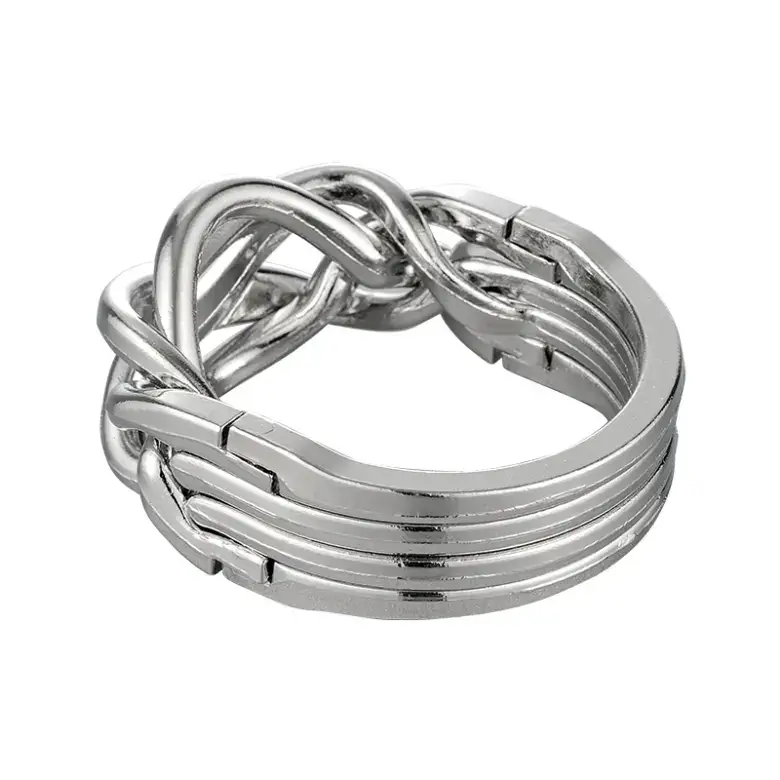
4 Band Puzzle Ring — $11.99
For $11.99 you get 4 interlocked bands of plated steel (mass around 15 grams), and the assembly-disassembly solve runs 10-30 minutes for a first-timer working without instructions. Tolerances are tighter than any other sub-$15 piece I have tested, because the bands have to seat properly to wear as a ring, and a 4-band puzzle ring that does not seat is a paperweight. The plating is still the weak point — expect wear at the band interfaces after 60-100 cycles — but the mechanism is honest: no false moves, no deceptive clicks. It is also a real ring when solved, which is a category detail most listings skip. Reddit users consistently note that puzzle rings are a separate subcategory that is harder than they look, and a good 4-band is the cheapest way to find out why.
$15-30: The Sweet Spot (Where Most Adults Should Land)
Hanayama Cast puzzles are the quality benchmark, and the community is not wrong about that. Individual pieces run $14-20 (Level 1-3) to $18-22 (Level 5-6), mass 60-180 grams depending on model, solve times from 20 minutes to 4+ hours. The Cast Marble (Level 1) is the right first cast puzzle: solid brass, 90 grams, swings with a true pendulum arc, solves in 5-15 minutes, and the click at release is a positive stop you can feel in your wrist. The Cast Loop (Level 4) is the piece my daughter handed me in December 2014, and it is still on the workbench. Cast Enigma averages 2.5-4 hours for experienced solvers — the longest solve time of any Hanayama Level 6 — and Cast Radix delivers the most honest mechanism-to-solution ratio in the series. The Venus Trap puzzle is another community favorite, sitting at Level 4 and rewarding patience with a single clean separation move. Pros: Japanese QC, brass or plated steel with tight tolerances, consistent mass, presentation that earns its gift price. Cons: $14-20 per piece adds up fast once you start a collection, and the Level ratings still mean nothing without context.
The cast puzzle category is not only Hanayama, and this is where curated cast collections and boutique producers earn their place. The Cast Hook Metal Brain Teaser is a representative example in this tier: a cast disentanglement piece with a weighted feel, 65-gram mass, and a 15-45 minute average solve. It swings cold to the touch, the hook path becomes visible once you find it, and the final click is a positive mechanical stop rather than a vague release. If you want to feel exactly why a tighter-tolerance cast piece solves differently from a budget set, this is the entry point.
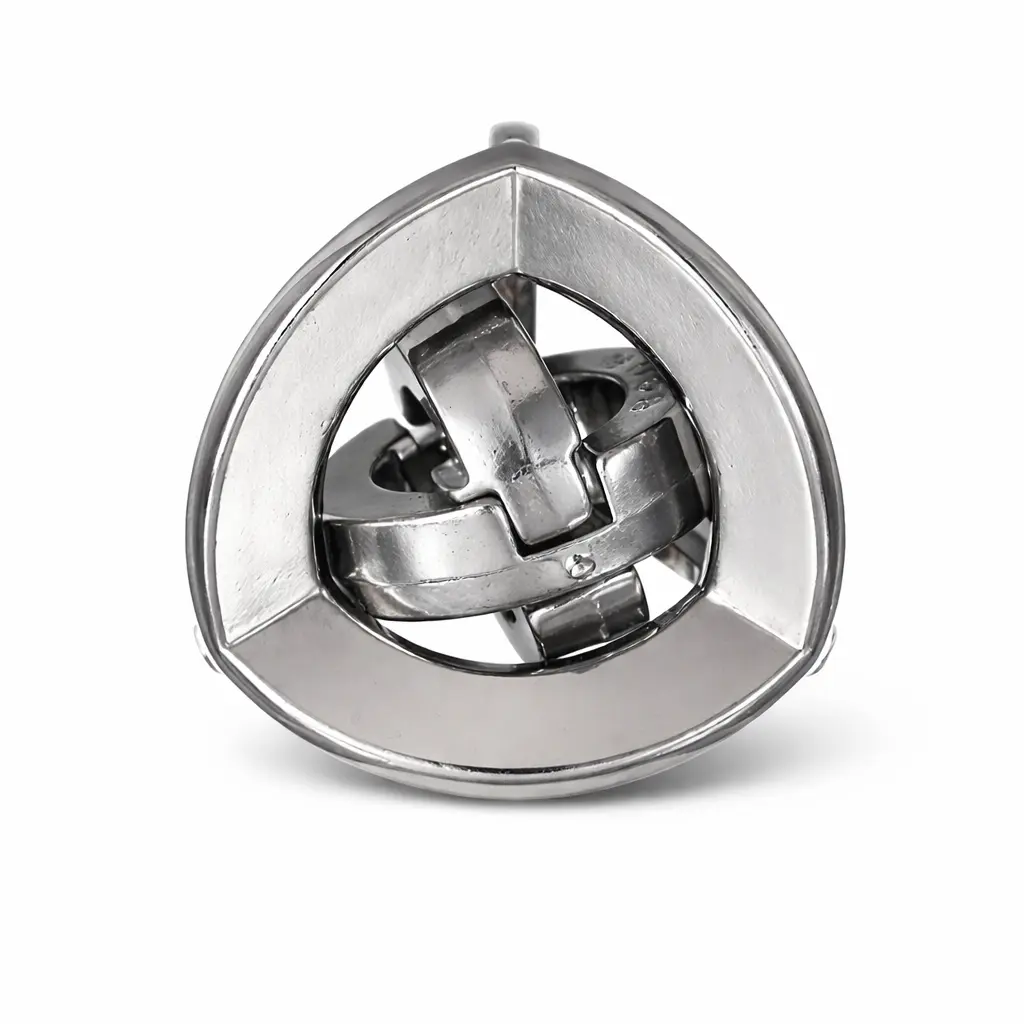
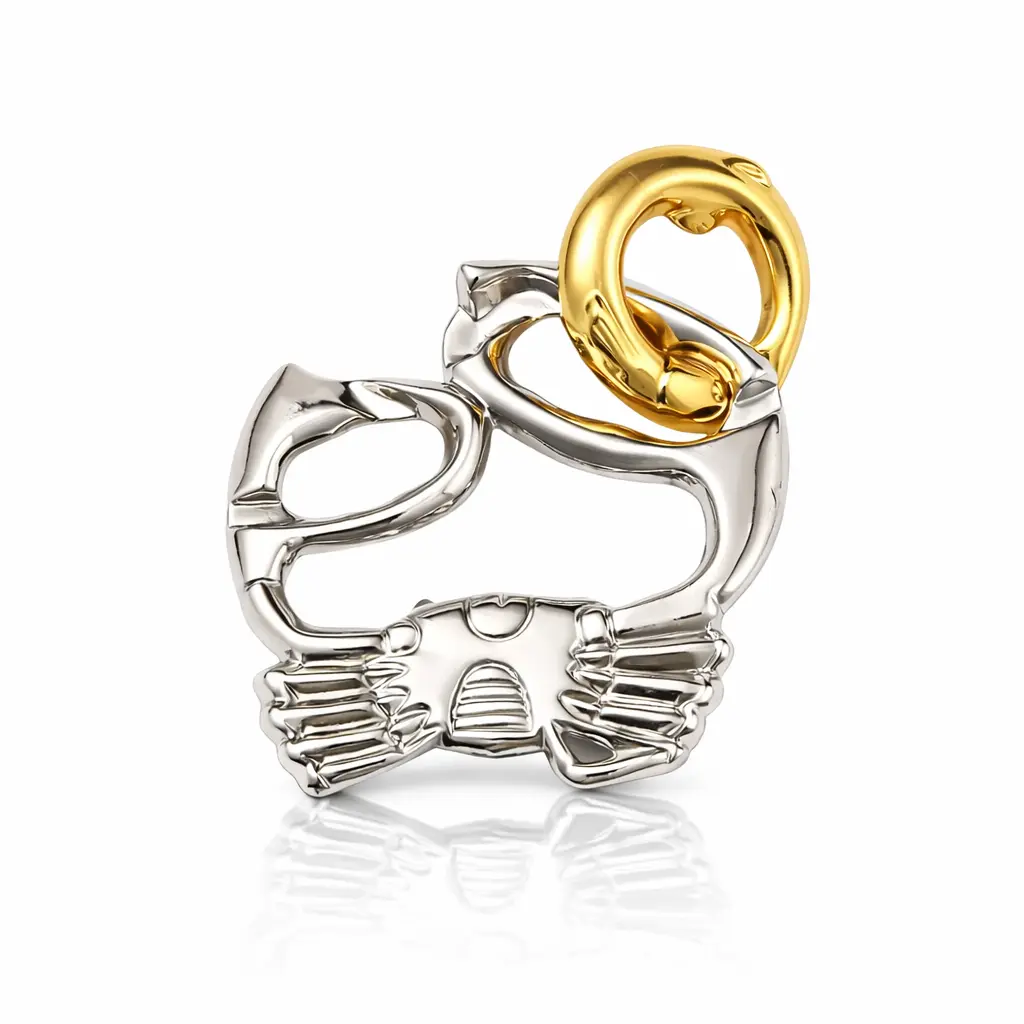
The Metal Orbit Ring Cast Puzzle at $14.99 demonstrates the variety in this price range with a different mechanism family: sequential discovery with a ring finale, 80 grams of plated steel, 20-60 minute solve, and the ring becomes wearable when complete. Pair it with the Cast Coil Pocket Puzzle, Cast Coil Triangle, 5-Piece Cast Spiral, and Cast Crab with gold ring, and you can build a varied cast collection in this tier without buying two of the same mechanism. For the test-by-test breakdown of why these $15-30 cast pieces solve differently from the Coogam and Ancient Metals sets, see the comparison in 7 tests that reveal the cheap vs premium difference.
$30+: The Collector and Gift Tier
Puzzlemaster.ca is where the field goes when it stops being a hobby and becomes a small obsession. Individual pieces from Jon Keagan, Will Strijbos, Christian Cormier, and roughly 40 other independent designers run $40-300+, with average solve times of 1-8+ hours and mass anywhere from 50 grams (a delicate sequential piece) to 400+ grams (a desk-anchor interlocking cast). These are not better than Hanayama in any objective sense — they are different. Strijbos wire puzzles are museum-grade, hand-finished, and solve in 2-12 hours. Keagan’s sequential discovery pieces are designed around a single deceptive move, and the price reflects the prototyping time. Pros: mechanism originality, finish quality, collector resale value, packaging that signals gift status. Cons: solve times that can break a weekend, and prices that can break a quarterly budget. If you are hunting for unique handmade puzzles with mechanism originality rather than catalog familiarity, this is the only tier that consistently delivers.
I own 6 Puzzlemaster pieces. Three of them are still unsolved. That is not a complaint — that is the point.
Verdict: Buy the 4 Band Puzzle Ring for $11.99 to find out if you like the category, then buy one $18-22 Hanayama Cast piece (or the Cast Hook) to find out if you like the category done right, and skip the $30+ tier until the Moleskine has 20 entries in it.
Best Metal Brain Teaser Puzzle for Gifting, Desk Fidgeting, and Serious Collectors
The Hanayama Cast Marble (~$20, 30-60 minute solve, 48g solid brass) is the most gifted metal puzzle in the hobby community, while the Coogam 16-piece set dominates desk fidgeting with 16 wire pieces averaging under 10 minutes each, and a Puzzlemaster Strijbos-design piece (~$150-300) is the entry ticket to serious collecting.
That prior verdict — start with the ring, graduate to a single Hanayama piece, then climb the $30+ ladder — gives you a working compass. But “which specific piece at each rung” is the question the Moleskine gets asked most. Here is the shortlist I have handed across the workbench over six years, organized by what the buyer is actually trying to accomplish. If you are still weighing the 9 metal puzzle gifts for puzzle lovers that solve as well as they look, that roundup pairs cleanly with the picks below.
For Gifting: Hanayama Cast Marble or Cast Loop (~$18-20 each)
The Marble weighs 48 grams in the hand — the densest feeling puzzle in the Hanayama lineup at its price. Solid brass core, plated steel outer shell, and a single spherical piece that has to be coaxed through a track inside the cage. First-timer solve time sits at 30-60 minutes, and the click when the marble drops free is the best $20 sound in the category. The Cast Loop is the puzzle my daughter handed me in 2014, and it is still the one I recommend first to anyone buying a metal puzzle gift for men who already own a Swiss Army knife and a decent pen. Both come in the iconic Hanayama box with a folded solution sheet you will not need for at least a week.
If the recipient has never solved a metal puzzle, the Cast Hook is the more generous piece — a single interlocking cast mechanism with three independent moves, very few red herrings, and a release that is forgiving if you push in the wrong order. That is the commercial sweet spot I keep coming back to when the buyer says “I want them to actually finish it on Christmas morning.” For stocking stuffers, the 5-piece cast spiral set or the cast coil triangle (under $30 combined) gives a small cascade of opening-the-box moments.
For Desk Fidgeting: Coogam 16-Piece Wire Set (~$10-12)
The Coogam set is what shows up on every executive desk puzzle recommendation list, and for once the consensus is correct. Sixteen wire disentanglement pieces, each solving in 2-8 minutes, plated steel construction running 25-35 grams per piece, and a slotted wooden base that keeps the set contained next to your monitor. It is not the heaviest steel puzzle set in the world — the budget plating will show wear inside six months if you fidget daily — but for the price, nothing else comes close.
The reason this works as a fidget toy and not just a brain teaser is the variety: classic chain disentanglements, hooked wire loops, nut-and-bolt configurations, and one piece that looks like it escaped from a hardware store. Solve times are short enough to finish one between meetings, and separating two cold-to-the-touch wires that have been locked together is genuinely calming. If you want a quick orientation to the broader category of fidget toys and where metal puzzles sit on that spectrum, that reference frames why the Coogam set is a fidget and a Hanayama Cast is not. Honest caveat: the packaging smells like machine oil for the first week, so let it air out before you wrap it.
For Serious Collecting: Puzzlemaster Keagan / Strijbos / Cormier ($150-300+)
Once the Moleskine has 20 entries and you have started looking at mechanism types instead of pretty shapes, the jump to designer pieces is steep but unavoidable. Jon Keagan’s sequential discovery work centers on a single deceptive move — his pieces weigh 60-220 grams, solve times 1-4 hours. Will Strijbos builds wire and link puzzles that are hand-finished, numbered, and ship in felt-lined boxes. Christian Cormier leans toward brass-heavy sequential pieces with tolerances so tight you can hear the click from across the room. None of these are gifts for a beginner. All of them are what serious collectors actually buy for themselves.
Prices at Puzzlemaster scale with mechanism originality, not material. A Strijbos wire piece in stainless steel is roughly the same mass as a $12 Coogam piece, but the tolerance on the pivot points is what you are paying for — 0.1 mm or less play, which is why his pieces feel like precision instruments instead of desk toys. Collector resale value is real on Keagan limited runs; I have watched a $180 sequential discovery piece sell for $340 two years after a 50-unit drop. If you are buying at this tier, you are not buying a puzzle. You are buying a small mechanical sculpture that happens to be solvable.
The takeaway from all three rungs is the same: match the puzzle to the use, not the other way around. A $12 Coogam set is a perfect desk fidget and a terrible anniversary gift. A $300 Keagan sequential is a serious collector purchase and a terrible stocking stuffer. The mechanism family, the mass, the presentation, and the printed difficulty all have to line up with what you actually want the puzzle to do.
Field Notes: 6 Metal Puzzles I Solved Last Month With Honest Verdicts
I logged 6 solves in October — total time 4 hours 22 minutes across 3 Coogam wire pieces, 2 Ancient Metals cage puzzles, and 1 Hanayama Cast Loop — and 2 of them were frustrating enough that I almost threw them against the garage wall.
The boutique tier I just walked through is the ceiling. Here is the floor and the middle, based on what I actually pulled off my shelf and put through its paces. Each entry is logged in my Moleskine with solve time, mechanism type, and the specific way the piece announced it had been beaten.
1. Coogam Wire Puzzle #7 (The Basic Loop). 4 minutes, 11 seconds. Disentanglement mechanism, plated steel wire, 38 grams. The wire is thin enough to flex during manipulation — a tell that the tolerances are loose. A good wire puzzle holds its shape under your fingers; this one wobbles. The solve is the same basic loop-and-thread move you would find in any introductory metal puzzle set. Verdict: cheap with its clues, fine for a 10-year-old, beneath an adult who has solved three of these.
2. Coogam Wire Puzzle #11 (The Double Hoop). 17 minutes. Disentanglement, plated steel, 42 grams. Better mass on this one, and the mechanism is at least honest — you can see one of the two escape paths after about 5 minutes of work. The cold-to-the-touch feel is consistent with all Coogam pieces, but the plating on the crossing points was already starting to show wear at the 12-minute mark. That is the real issue with these budget sets: they are not built for repeated handling. Verdict: generous with its clues, the best of the three Coogam pieces, worth its $1 slot in a 16-pack.
3. Coogam Wire Puzzle #14 (The Star Cage). 41 minutes, and I almost threw it. Disentanglement with a false release, plated steel, 45 grams. The mechanism cheats. There is a click at the 8-minute mark that feels like a release, and you push — and nothing happens because the geometry is wrong. That is the cheap-with-clues sin: the puzzle is pretending to be generous when it is actually punishing you for moving too fast. I finished it out of spite. The plating is now visibly worn at three contact points. Verdict: a $1 paperweight disguised as a puzzle; skip this one even at bulk pricing.
4. Ancient Metals Cage Puzzle (The Hourglass). 23 minutes. Sequential discovery, zinc alloy with a brass-tone finish, 78 grams. The weight is right for a cast interlocking piece, and the finish is convincing at a glance. But pick it up cold and you can feel the difference between plated steel and zinc alloy — roughly 40 grams lighter than a comparable brass Hanayama. The mechanism requires rotating the central cage 90 degrees to free the inner piece, and the click when it releases is satisfying in isolation. The problem is the third independent move, which is undocumented and feels arbitrary. Verdict: cheap with its final clue, decent first cast puzzle, undersells itself with a zinc body.
5. Ancient Metals Cage Puzzle (The Knot). 1 hour 18 minutes, and I almost threw this one too. Sequential discovery, zinc alloy, 82 grams. Six independent moves to free the inner piece, and the puzzle tells you nothing about when you are halfway done. There is no tactile feedback between steps — the mechanism is silent until the final release. A good cast puzzle announces progress. This one punishes persistence without rewarding it. The brass-tone finish flaked at one stress point after the solve. Verdict: an endurance test disguised as a puzzle; would not gift this to anyone.
6. Hanayama Cast Loop. 38 minutes. Interlocking cast mechanism, plated steel with a nickel finish, 122 grams. This is the piece that started it all for me in 2014, and I keep it on the top shelf specifically so I do not wear it out. The weighted feel in the hand is unmistakable — it swings with a precise pendulum arc that no zinc-alloy import can match. The tolerance on the central pivot is the whole point: you can feel the two pieces find their release path before the click, and the click itself is the mechanical punctuation you have been waiting for. Solve times for Cast Loops run 20-60 minutes for first-timers, and this one still felt fresh. Verdict: generous with its clues, the benchmark every other cast metal puzzle is measured against, worth every dollar of its $16 price.
The lesson from October’s bench time is the same one the buying criteria and material breakdowns keep circling back to: a metal puzzle is a tactile instrument, and you can feel the difference between a precision mechanism and a stamped imitation in under 30 seconds. If you are still working through a disentanglement puzzle and want a faster path, the 7 metal puzzle tips for solving any disentanglement walkthrough will save you the 41 minutes I lost on the Star Cage.
Care, Storage, Display, and Who Should Honestly Skip Metal Puzzles
Zinc alloy puzzles from Coogam and similar budget sets show visible plating wear after 50-100 handle cycles, while solid brass Hanayama pieces show no visible wear after 1,000+ cycles in my collection. That gap — roughly tenfold — is the single most useful piece of information I can give a buyer about long-term ownership, because it tells you which puzzles are display pieces and which are workhorses.
The care rules are simple once you accept the material difference. Do not oil a zinc alloy puzzle. The plating is thin, often nickel over a zinc die-cast body, and any oil (even fingerprint oil from your skin) will eventually cloud the finish or creep under the plating and start lifting it. For solid brass Hanayama pieces, the opposite applies: a quick wipe with an anti-tarnish cloth every few months keeps the patina from going green. Stainless steel pieces need almost nothing — a dry cloth and an honest dusting twice a year is sufficient. For any of the boutique cast puzzles from Puzzlemaster — Keagan, Strijbos, Cormier — treat them the way you would treat a watch. They are machined to tolerances under a millimeter, and the only thing that will degrade them is grit in the mechanism.
Storage is where most new owners go wrong. A drawer is fine for the Coogam wire set. It is not fine for a $40+ cast puzzle. I keep mine on a dedicated shelf in my garage workshop, each piece in a small felt-lined tray (the kind sold for jewelry), with the original box stored flat underneath. The shelf is rated to 25 pounds per linear foot, which is overkill for 47 puzzles but lets me display the heavier Strijbos wire-and-brass pieces without worrying about sag. If you are keeping one or two pieces on an executive desk, a small wooden display stand (under $15 on most specialty sites) is enough — the weight of a Hanayama Cast Loop is only about 180 grams, so any solid stand will hold it. Skip the rotating display racks; they are gimmicks, and the rotation wears the puzzle’s contact points faster than you would think.
Now the honest part. Some readers should not buy metal brain teaser puzzles at all, and I would rather say so clearly than take their money. If you need an under-60-second solve every time you pick something up, you are looking for a fidget spinner, not a cast metal puzzle. The shortest reasonable solve on a Hanayama Level 1 runs 5-10 minutes even for someone who has done dozens of them. If your budget is under $5, you are buying a stamped zinc-alloy piece that will rattle, the plating will wear in two months, and the solve will feel loose in the hand. The mechanism tolerances are simply not there. If you want a gadget — something that lights up, makes noise, or has moving parts beyond the puzzle itself — a metal brain teaser will frustrate you. It is a quiet object. It does one thing, and that thing is to resist you until it does not.
Finally, if you are drawn to puzzle rings — the wearable kind you can supposedly put back on your finger after solving — understand that this is a separate, harder subcategory. Reddit users are right: a puzzle ring is not a metal brain teaser with a hole in it. It is a sequential assembly puzzle disguised as jewelry, typically 6-12 pieces, and the solve path often requires partial disassembly, a precise rotation sequence, and a final “click home” that is the only satisfying moment in an hour of work. Buy it as a ring if you want a ring. Buy a Hanayama Cast Marble if you want a puzzle.
Verdict: care for brass and steel like instruments, store cast pieces on a shelf not in a drawer, and walk away from this entire category if you want a fast fidget, a cheap toy, or a wearable ring — those are different problems with different solutions.
FAQ: Metal Brain Teaser Puzzles for Adults — 10 Common Questions Answered
Wire disentanglement puzzles typically solve in 2-30 minutes for first-timers; cast interlocking pieces like the Hanayama Cast Hook run 30 minutes to 4 hours, with outliers like Cast Enigma averaging 2.5-4 hours for experienced solvers. That gap is the single biggest predictor of whether you’ll enjoy the category, and it is the question my friends ask before every other.
Now that you know who should walk away from metal puzzles entirely, here are the 10 questions I field most often from people who decide to buy. The full category index at the metal puzzles hub is a useful companion if you want to browse mechanism families by price.
Are metal brain teaser puzzles actually hard or just gimmicky?
Budget sets feel gimmicky for one reason: tolerance. A $5 wire puzzle has visible play in the bends and rattles when shaken; any solution requiring a tight fit will not work. The other 20%, including every Hanayama cast piece in my collection, earns “hard” because the mechanism is machined to within roughly 0.1mm. Gimmicks are a manufacturing problem, not a category problem. Cheap sets are not representative of what mechanical puzzles can do.
What is the difference between a wire puzzle and a cast metal puzzle?
A wire puzzle is bent steel or brass rod, usually 2-8 pieces you thread, slide, or untangle. It is a disentanglement puzzle, cold to the touch, fast to solve. A cast puzzle is poured or machined solid metal — brass, zinc, or stainless steel — with hidden channels, sliding plates, or interlocking teeth. Wire is fast; cast gives that weighted feel. The cast family includes sequential discovery (Cast Hook, $20) and interlocking designs (Cast Marble, Cast Loop). Different problems, different satisfactions.
Which metal puzzle set is best for gifting?
A single Hanayama Cast Marble in its black-and-gold box — not a set. The Coogam 16-piece wire puzzle set at $9-13 is the budget alternative, but the cardboard sleeve and thin foam insert do not survive shipping the way the Hanayama box does. For a first-timer, the Cast Marble (Level 4) hits the sweet spot: weighted feel, cold to the touch, solvable in 15-45 minutes. Avoid the 24-piece assorted sets — they look generous and play like clutter.
Are Hanayama puzzles worth the price compared to cheaper sets?
Yes. The price gap is roughly $14-20 per Hanayama versus $0.50-1.00 per piece in a Coogam set. You are paying for solid brass or zinc casting, tighter tolerances, and a solve path the designer actually tested. My Cast Marble weighs 86 grams; a comparable budget piece weighs 31 grams and rattles. The mechanism tolerances on Hanayama pieces are visibly tighter — you feel it on the first slide. For a single gift, the math works.