

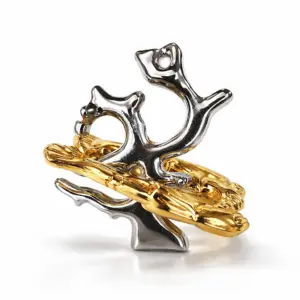
Double Fish Metal Puzzle, 60mm Gold-Silver Cast Brain Teaser for Adults
A compact challenge that resets your focus
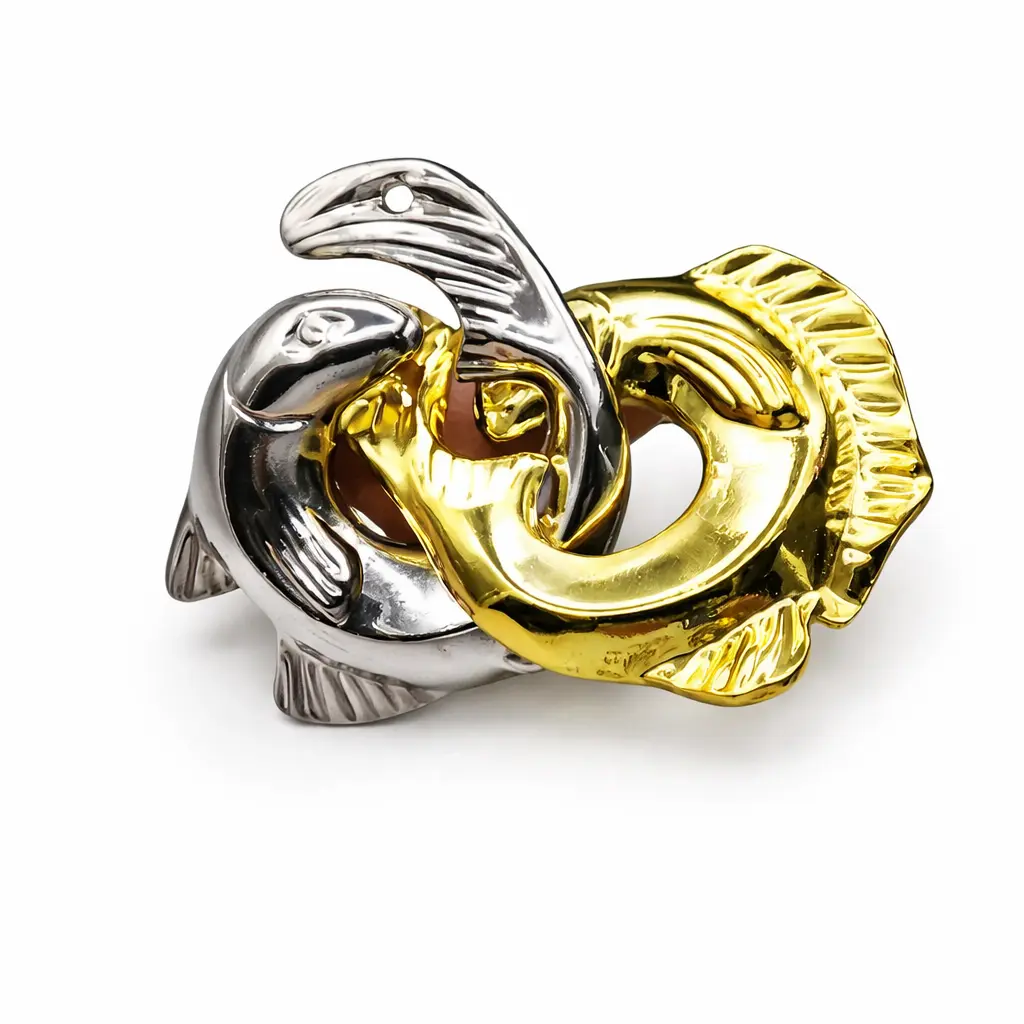
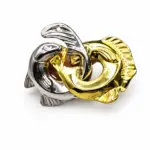
If you want a desk puzzle that looks clean, feels solid, and still gives you a real challenge, this is a strong fit. The Double Fish Metal Puzzle combines a sculptural two-fish form with an interlocking mechanism that rewards patience and controlled movement. It is small enough to carry, but engaging enough to keep your attention.
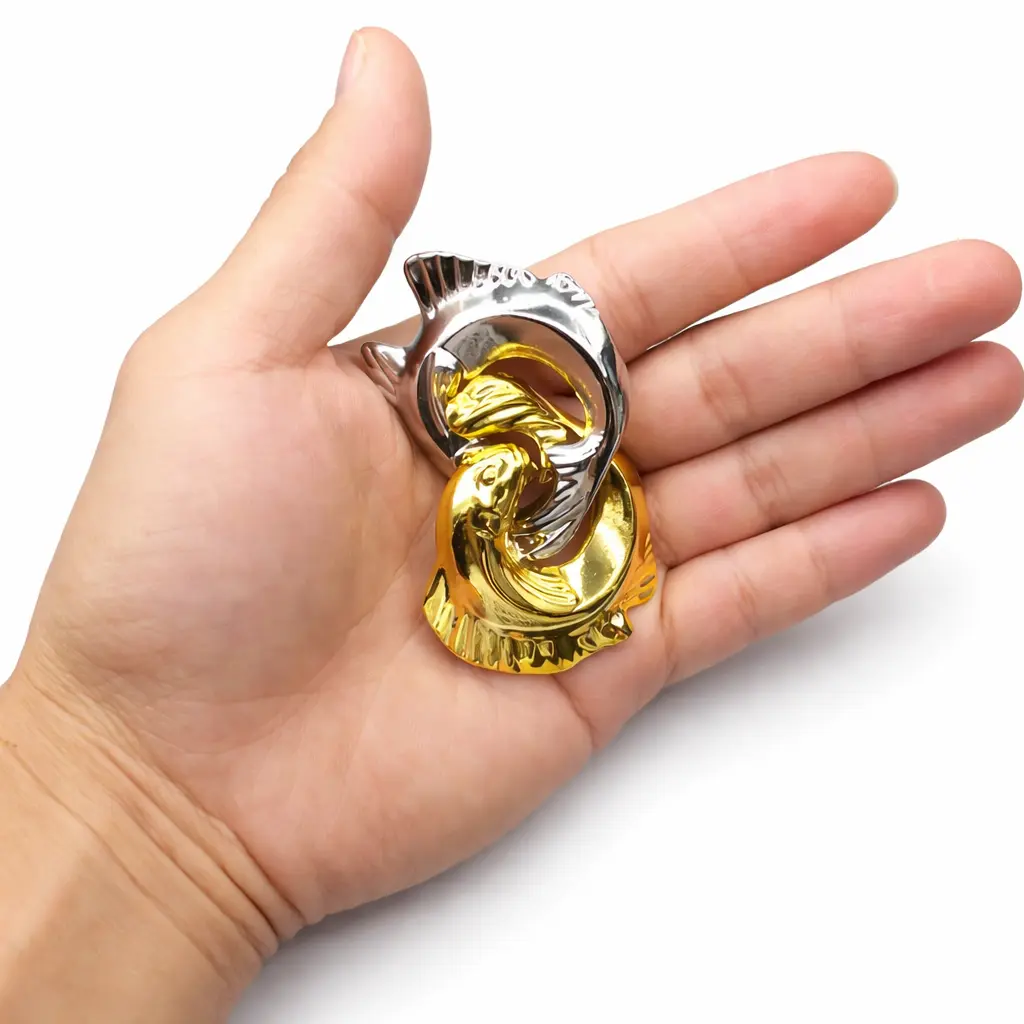
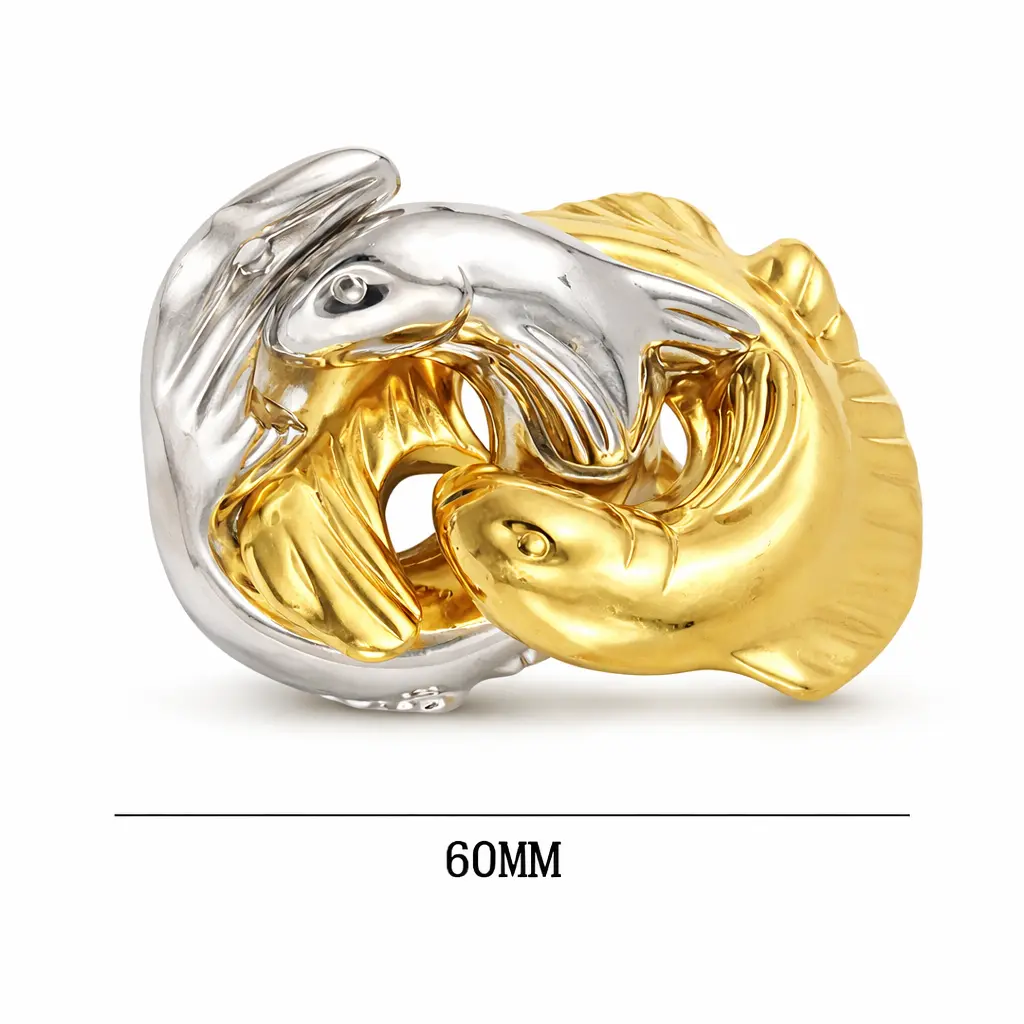
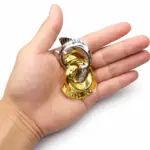
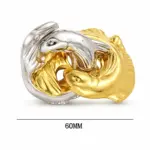
At around 60mm, it sits naturally in your palm and works well in short sessions. You can pick it up between tasks, during calls, or while waiting for a train. It does not need batteries, apps, or setup time. You just start where your hands are.
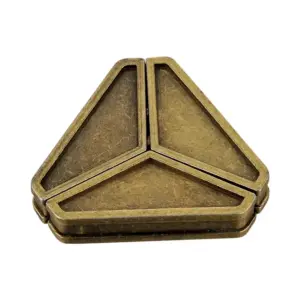
The visual appeal also matters. The two-tone gold-silver look gives it a premium feel on a desk or shelf, even when it is not in use. It reads as both object and challenge: useful when you need a mental reset, decorative when you do not.
What fits in your hand can still reset your mind.
If you are exploring similar items, you can browse all metal brain teasers first, then return here to decide whether this fish profile is the right fit.
At a glance
- Fish-themed interlocking cast form
- Approximate 60mm palm-size footprint
- Two-tone metallic presentation
- No batteries or screens
- Built for patient, repeatable solving
What it feels like to use
This puzzle works best as a short ritual, not a marathon. Most buyers use it in 5-15 minute blocks, then return later with fresh eyes. That pattern keeps frustration low and satisfaction high.
In hand, the body appears smooth and rounded, so the grip feels secure without sharp pressure points. The mechanism encourages careful rotation and angle testing. If you slow down, you notice subtle movement windows. If you force it, progress usually stops.
Common feedback patterns on this style are consistent:
- Buyers usually appreciate the tactile “cold metal” feel.
- Common feedback is that challenge feels fair once force is removed.
- Most people enjoy the “small object, big concentration” contrast.
- Many users keep it visible because the fish shape looks good on a desk.
Six practical use scenes
1) Midday desk reset
You finish one dense task and need a clean transition before the next. Two or three thoughtful attempts can clear cognitive noise without opening another app.
2) Commute decompression
It travels easily and starts instantly. No charging, no pairing, no notifications. Just a physical challenge that pulls attention into the present.
3) Study break between sessions
Students often want a break that does not become a distraction loop. A compact mechanical puzzle gives a hard stop and a natural restart point.
4) Coffee table interaction
Guests notice the shape quickly. People pick it up, test one move, then ask questions. It becomes conversation without requiring rules explanation.
5) Gift with utility
For puzzle-minded friends, this avoids generic gifting. It feels thoughtful because it gives both a tactile object and a repeatable challenge.
6) End-of-day unwind
If your brain is active but screens feel heavy, a short hands-on puzzle session can help close the day with calmer focus.
To find more formats with the same desk-friendly behavior, open the Tea Sip puzzle catalog.
Deep Dive: mechanism and craft (no spoilers)
This section explains what to expect without giving away the solve path.
Interlocking logic, not brute force
The core challenge is not speed. It is alignment. The fish forms are built to appear tightly integrated, which creates the illusion that there is no route. The route exists, but timing and angle matter. That is why people often feel “stuck” before they feel “close.”
A useful mindset is to treat every movement as information. If a path blocks early, you still learned a boundary. Over a few cycles, those boundaries map the valid lane.
If you want a broader framework for this solving style, the buyer’s deep dive on disk mechanics and this cast puzzle handling guide are helpful reads.
Why this shape performs well
Many pocket puzzles are abstract rings or bars. This one keeps the mechanism in a recognizable fish silhouette, which improves emotional engagement. People are more likely to keep using objects they enjoy seeing.
The two-tone finish also supports usability. You can track orientation changes faster when each side reflects light differently. That small visual difference can reduce repeated trial loops.
Challenge curve and session rhythm
For first-time users, this puzzle can feel deceptively hard. The opening attempts are often exploratory and slow. Then one movement pattern “clicks,” and progress accelerates.
A practical session pattern:
- First 3 minutes: map allowed movement.
- Next 5 minutes: repeat partial sequences.
- Final minutes: test one variable at a time.
This keeps effort structured and prevents random force-based cycling.
For another two-piece marine-style challenge, the two-piece seahorse challenge article explains similar friction points and how people break through them.
Craft feel in daily handling
From the supplied images, the surface appears polished and rounded. That usually means comfortable repeated handling, but also visible fingerprints over time. A soft cloth wipe after use is enough for routine care.
You may also notice minor resistance differences at different angles. That is normal in interlocking metal puzzles and part of what makes progress feel earned.
Who this is for
This puzzle is a strong fit for specific buyer profiles.
Focused professionals
People who work in bursts and need short reset tools between meetings.
Logic-first hobbyists
Buyers who like mechanical reasoning more than random guessing.
Thoughtful gift shoppers
Anyone who wants a compact, practical gift that feels personal.
Screen-fatigued users
People looking for a physical micro-break instead of infinite scrolling.
Collectors building variety
Users who want shape diversity across marine, ring, and cast forms.
The mechanical puzzle collection guide is useful for planning a balanced set.
What to expect before you buy
Clarity reduces returns and improves satisfaction, so this section is direct.
Honest limits (important)
Limit 1: It can feel hard at first
If you want immediate success in under one minute, this may feel slow initially.
Limit 2: Polished surfaces can show marks
Fingerprints and light handling traces are normal on reflective metal finishes.
Limit 3: Small size means small movement windows
At 60mm, precision matters. Users who prefer large-grip puzzles may want a bigger format.
Limit 4: It rewards patience, not force
Aggressive twisting rarely helps and can reduce enjoyment.
Progress gets easier when every move is deliberate.
If you tend to get blocked on puzzles, this article on why many attempts stall pairs well with practical desk stress reset ideas.
Who should NOT buy this
- Buyers who want instant, no-learning entertainment.
- Young children who are not ready for careful mechanical handling.
- Users who strongly dislike trial-and-error solving.
- Anyone expecting a large-format display piece.
Tips to enjoy it more from day one
- Run short sessions and stop before frustration spikes.
- Keep one hand position consistent while testing angles.
- Change one variable at a time.
- Use a soft cloth after sessions to keep the finish clean.
- Revisit later rather than forcing completion in one sitting.
FAQ
1) Is this mainly decoration or a real challenge?
It is both. The fish profile and two-tone finish make it display-friendly, while the interlock mechanism provides a genuine mechanical challenge. Most users treat it as a playable desk object they also keep visible.
2) How difficult is it for first-time solvers?
Difficulty is likely medium to hard for beginners. People familiar with interlocking metal forms usually adapt faster. First sessions are often exploratory, then progress improves after pattern recognition.
3) How long does it take to solve?
There is no universal time. Some users get partial progress quickly, while full separation and reassembly can take multiple short sessions. If you prefer predictable solve times, this style may feel open-ended.
4) Is 60mm too small for adults?
For most adults, 60mm works as a pocket-friendly size. If you prefer larger grip surfaces, you may want to rotate with slower movements and lighter pressure for control.
5) Will the finish wear?
Normal handling can leave fingerprints and minor visual traces over time. Basic care is simple: dry storage and soft-cloth wiping. Avoid forceful motion to reduce unnecessary surface contact.
6) Where can I learn solving method without spoilers?
Start with process-focused guides instead of direct solution drops. Tea Sip’s cast puzzle handling guide and buyer’s deep dive on disk mechanics teach approach, not shortcuts.
7) Is this a good gift for adults?
Yes, especially for puzzle fans, engineers, designers, and office workers who value practical desk tools. It is compact, screen-free, and reusable, which makes it more useful than novelty-only gifts.
8) Where can I find similar styles?
If you want adjacent difficulty and form factors, check Tea Sip’s locking brain teaser roundup and mechanical puzzle collection guide. Those pages help you compare shape styles before adding a second piece.
9) Is it suitable for kids?
This style is generally better for older kids, teens, and adults who can handle precise movement and patient trial-and-error. For younger users, supervised use is the safer option.
10) What if I need help after purchase?
Tea Sip provides post-purchase routes through the Customer Help page. For policy details, review the Refund and Returns Policy. If you need direct assistance, you can contact support directly.
Trust, service, and clear next step
Tea Sip positions this as a practical challenge object: compact, repeatable, and useful in real routines. Support and policy pages are public and easy to reach, so buyers can decide with clear expectations.
- Service support: Customer Help page
- Returns information: Refund and Returns Policy
- Direct contact route: contact support directly
If this is the challenge style you want, add it to your desk setup now.
If you are building a small set, use the related picks below and choose one contrasting mechanism next.

Ava Jones –
I gave this double fish metal puzzle as a gift and they loved it, the interlocking design is really clever. It’s a great value and looks nice on a desk, though it can get a bit noisy when you’re figuring it out.