Not sure where to begin? Don't just look at pictures—think about the situation. Are you buying for yourself on a quiet Tuesday, or for a teen who needs a screen-free challenge? Your scenario is the best compass.
Scenario 1: "This is my first 3D crystal puzzle ever."
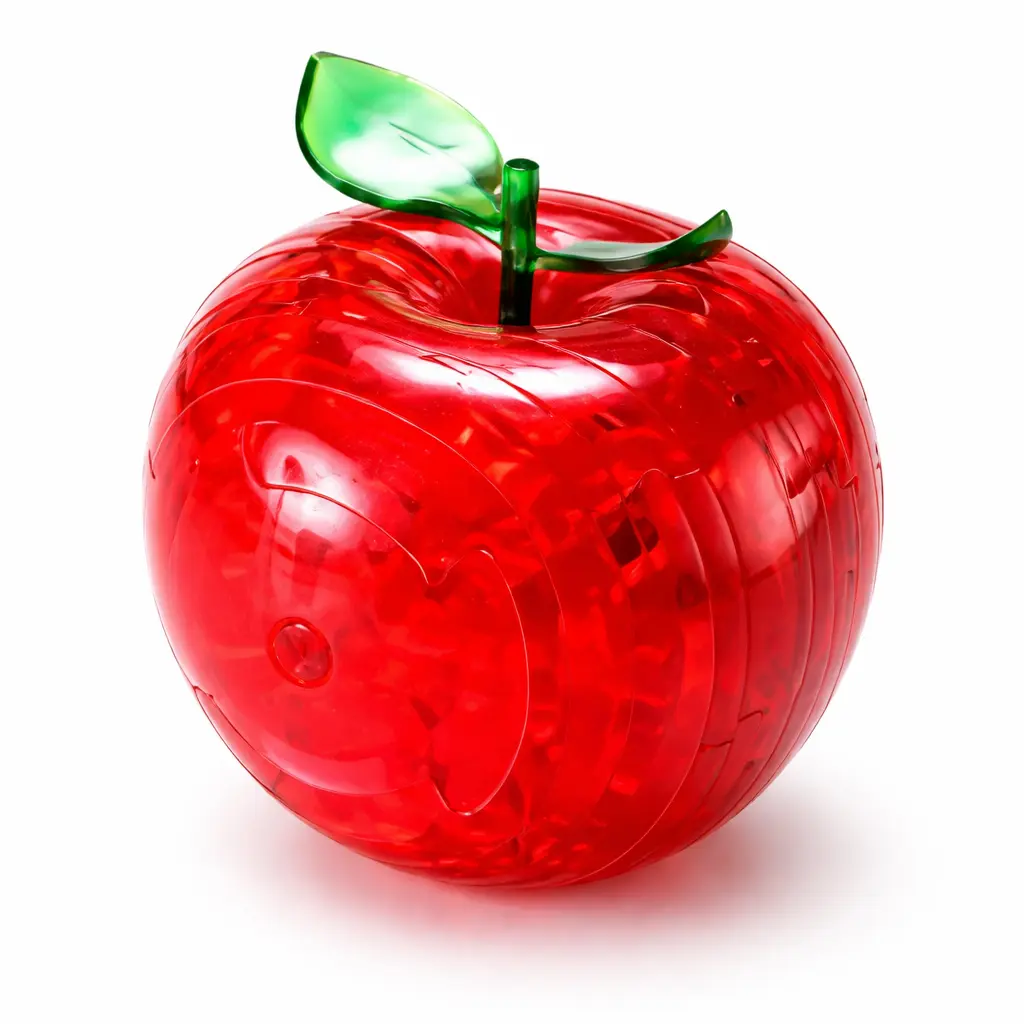
Start simple and iconic. You want clear instructions, a manageable piece count (under 50), and a shape that's forgiving to build. The goal is to learn the unique language of transparent interlocking pieces without overwhelm. The 3D Crystal Apple Puzzle is perfect—its rounded shape is intuitive, and completing it gives you the confidence to tackle more. For a visual guide, our step-by-step crystal apple assembly blog can be a helpful companion.
Scenario 2: "A gift for a patient teen or adult."
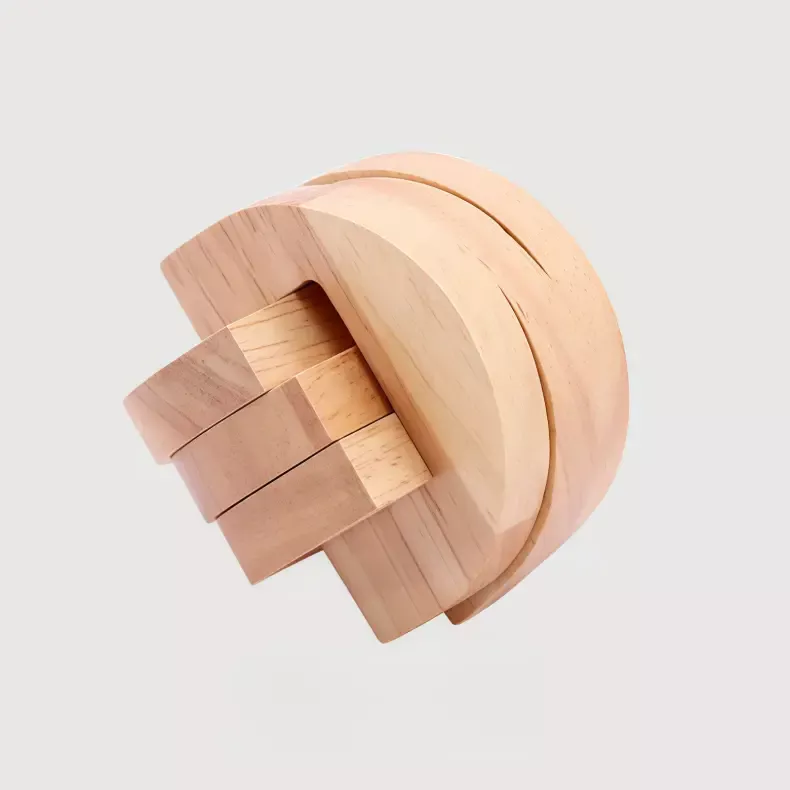
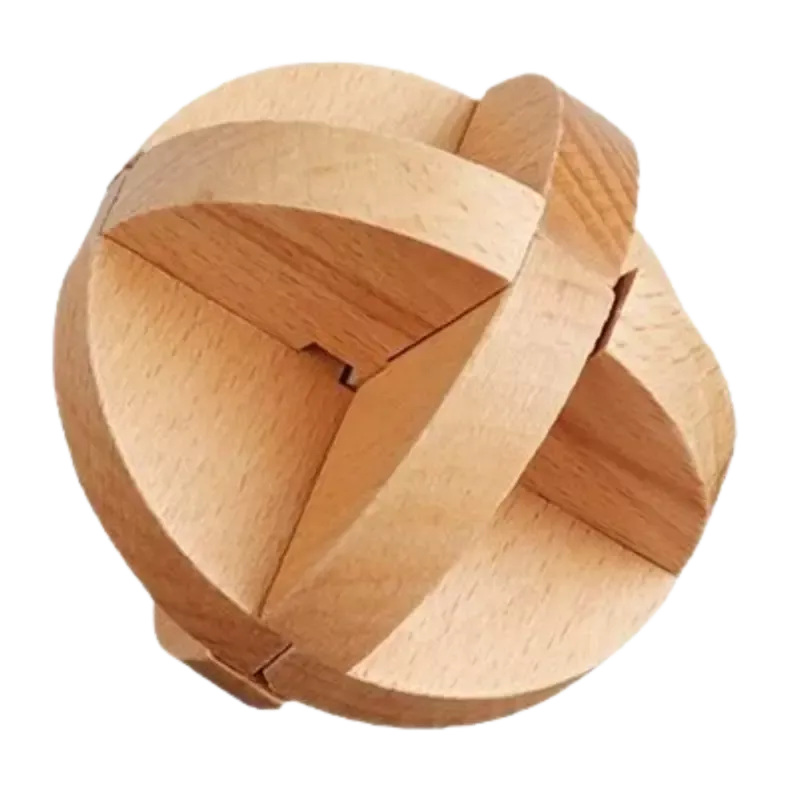
You need something that looks impressive, offers a substantial challenge (2+ hours), and results in a display-worthy piece. Avoid anything too childish or frustratingly obscure. A classic crystal puzzle fits the bill, or for something different, the Interlock Puzzle Sphere in wood. It's a beautiful object that says, "I think you're clever."
Scenario 3: "I've done a few puzzles and want to upgrade the complexity."
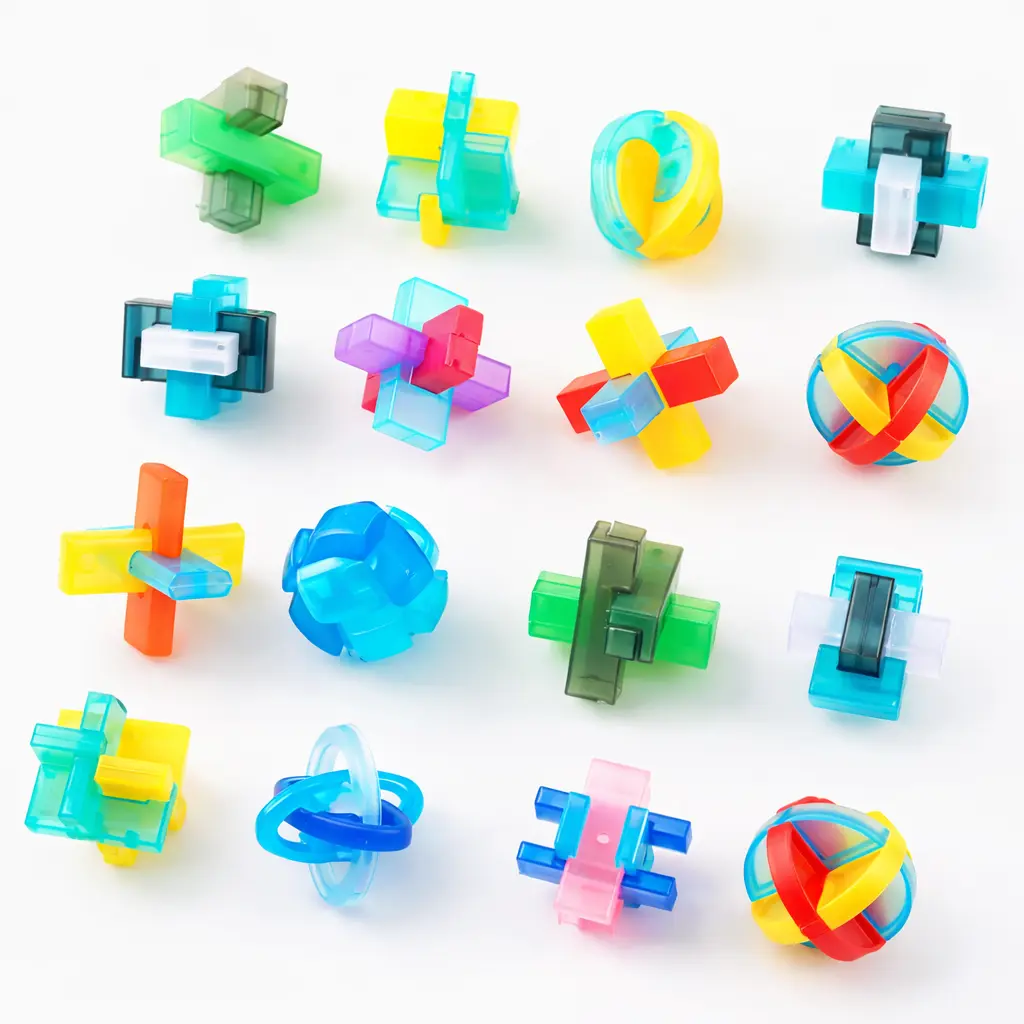
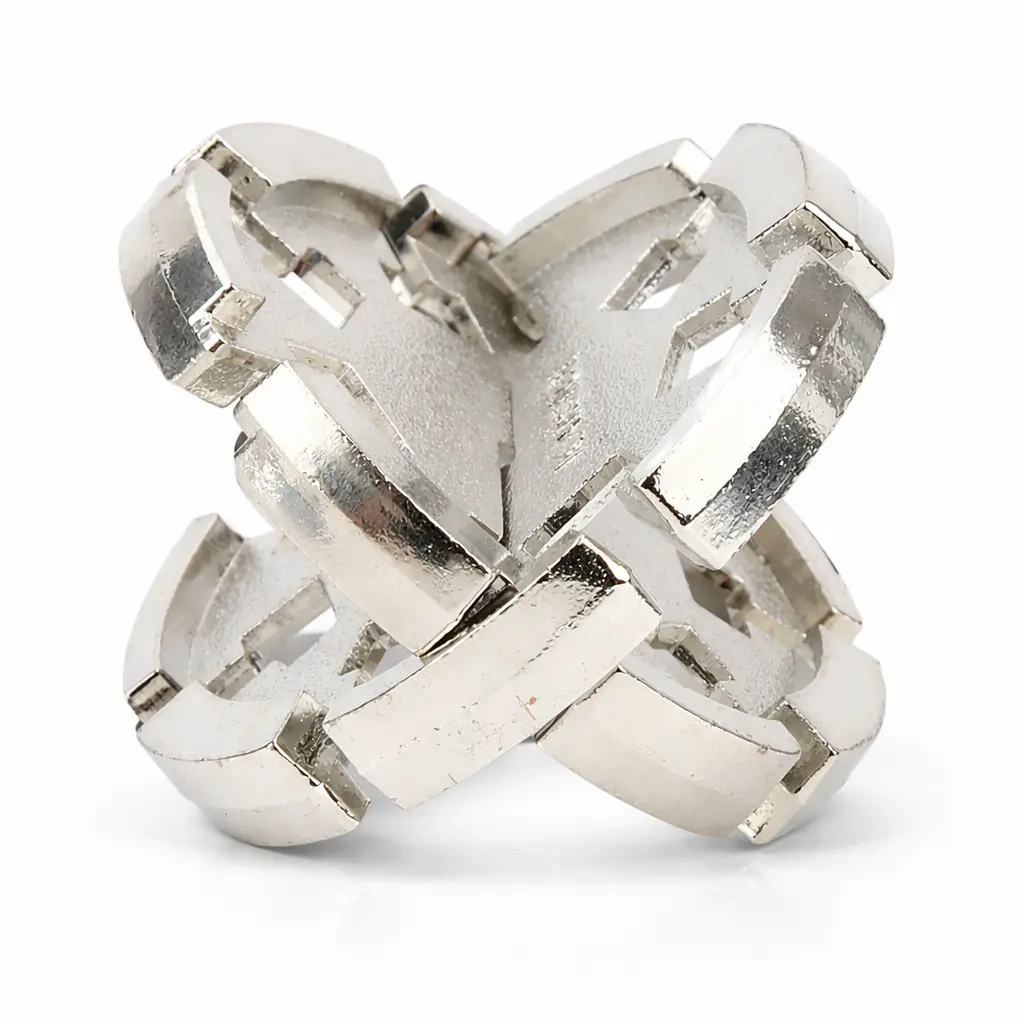
You're ready for multi-step logic and perhaps even a set of puzzles that work together. This is where mechanical thinking shines. The 12 Piece Crystal Luban Lock Set is a brilliant jump. It's a crystal puzzle that acts like a ancient Chinese mechanical puzzle, requiring you to solve how the 12 pieces interlock in a specific sequence.
Scenario 4: "I want a 3D challenge, but I don't want plastic."
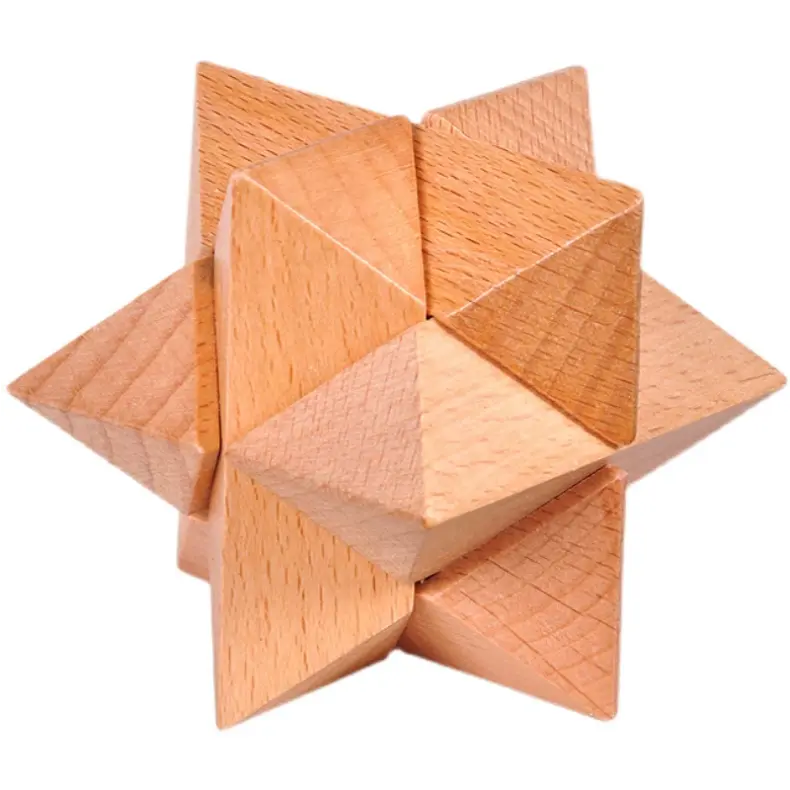
You crave the organic feel and timeless appeal of natural materials. Your path leads to wooden spheres and burr puzzles. The Fuxi Eight-Corner Puzzle Ball is a stunning example—it looks like an intricate carved ornament but hides a satisfying disassembly and reassembly sequence within.
Your Next Action: Lock in your scenario. Then, look at the products recommended there. You've already done the hard part of narrowing it down.