That first satisfying click opens a door. The world of mechanical puzzles is vast and deeply rewarding. Here’s a natural progression path to guide your exploration from your first solved box to designing your own.
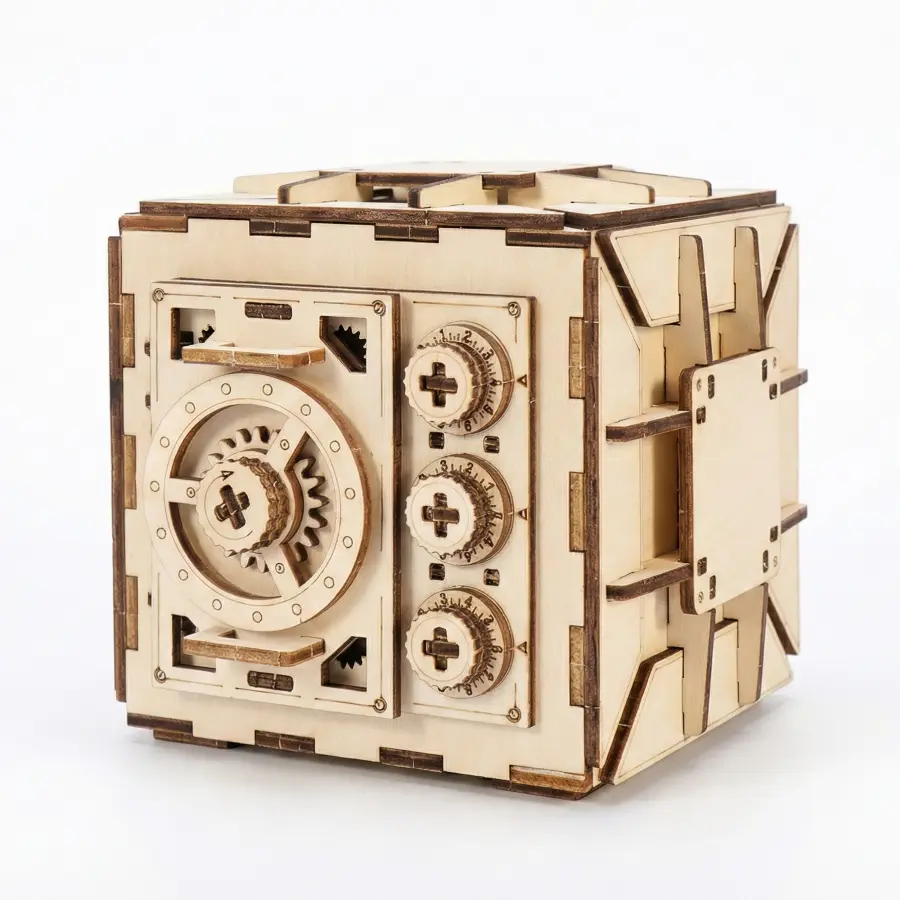
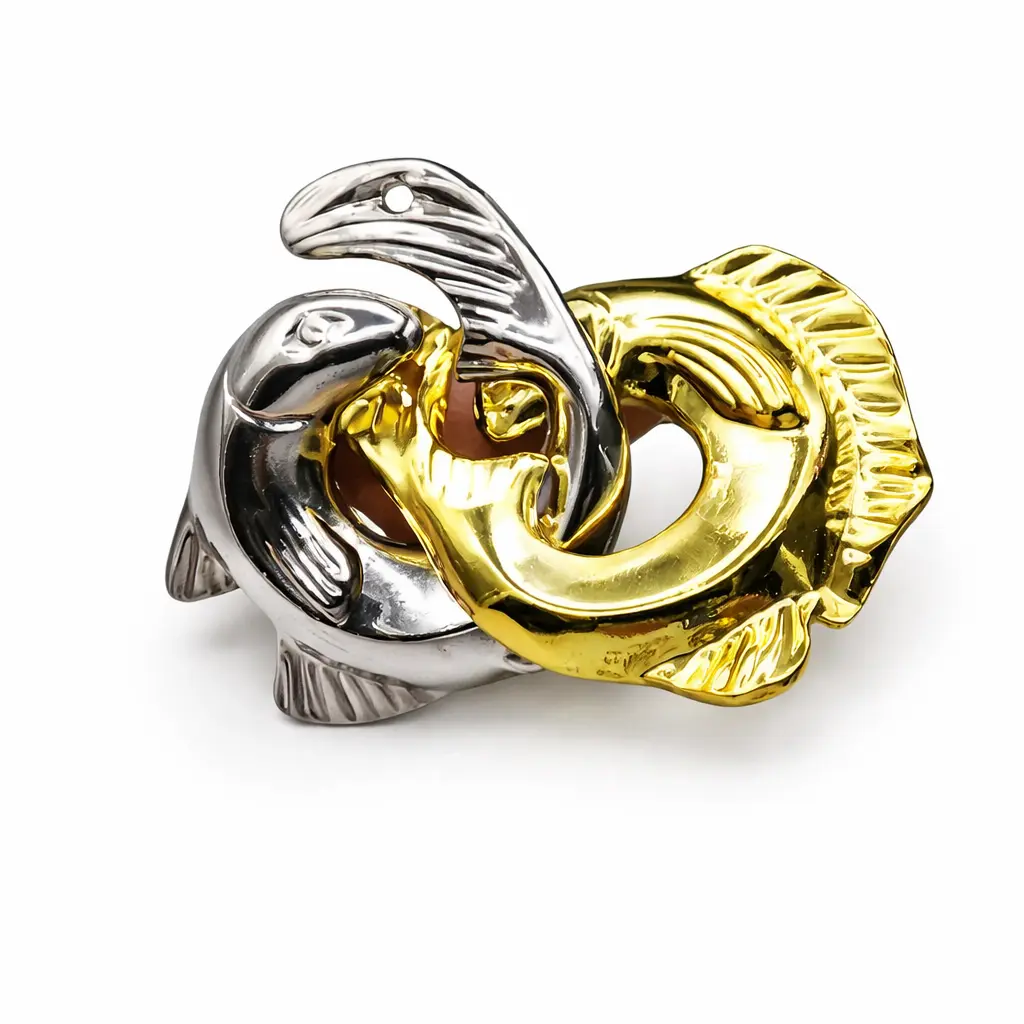
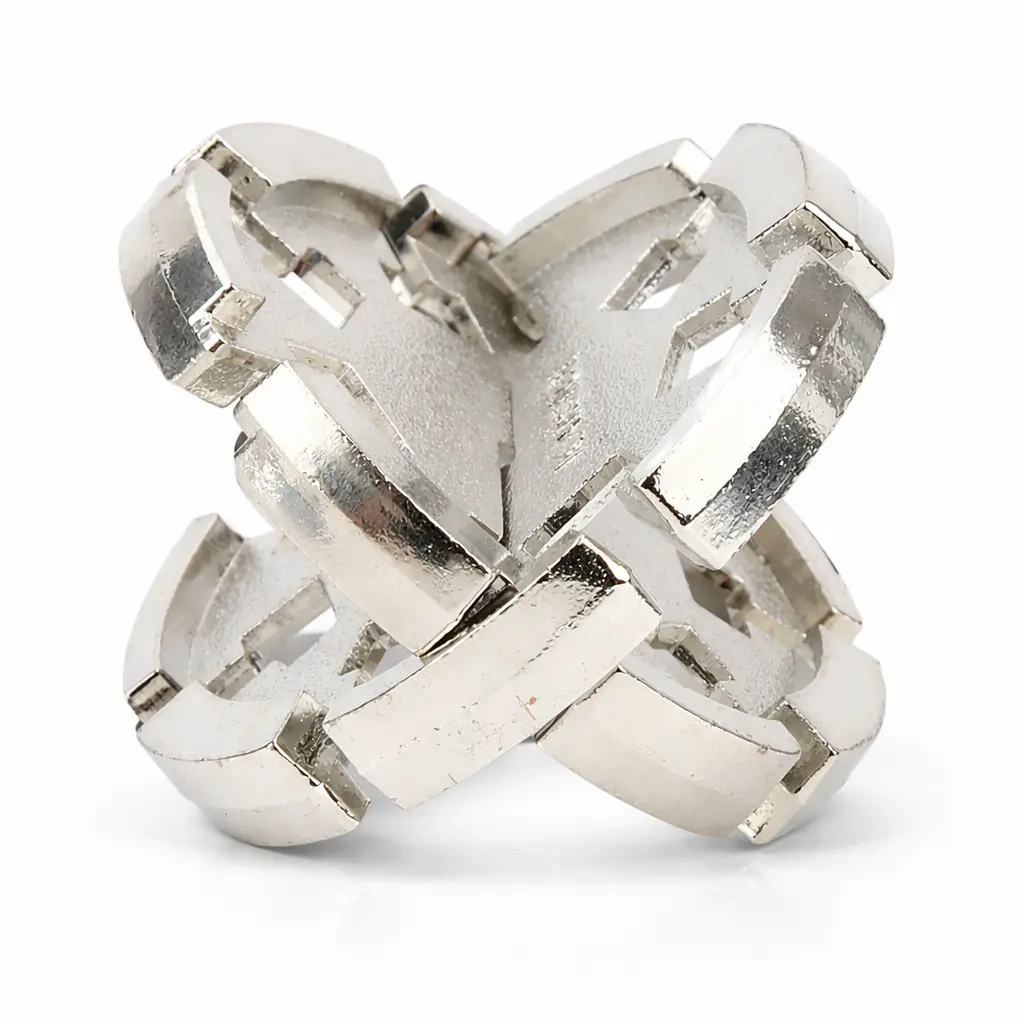
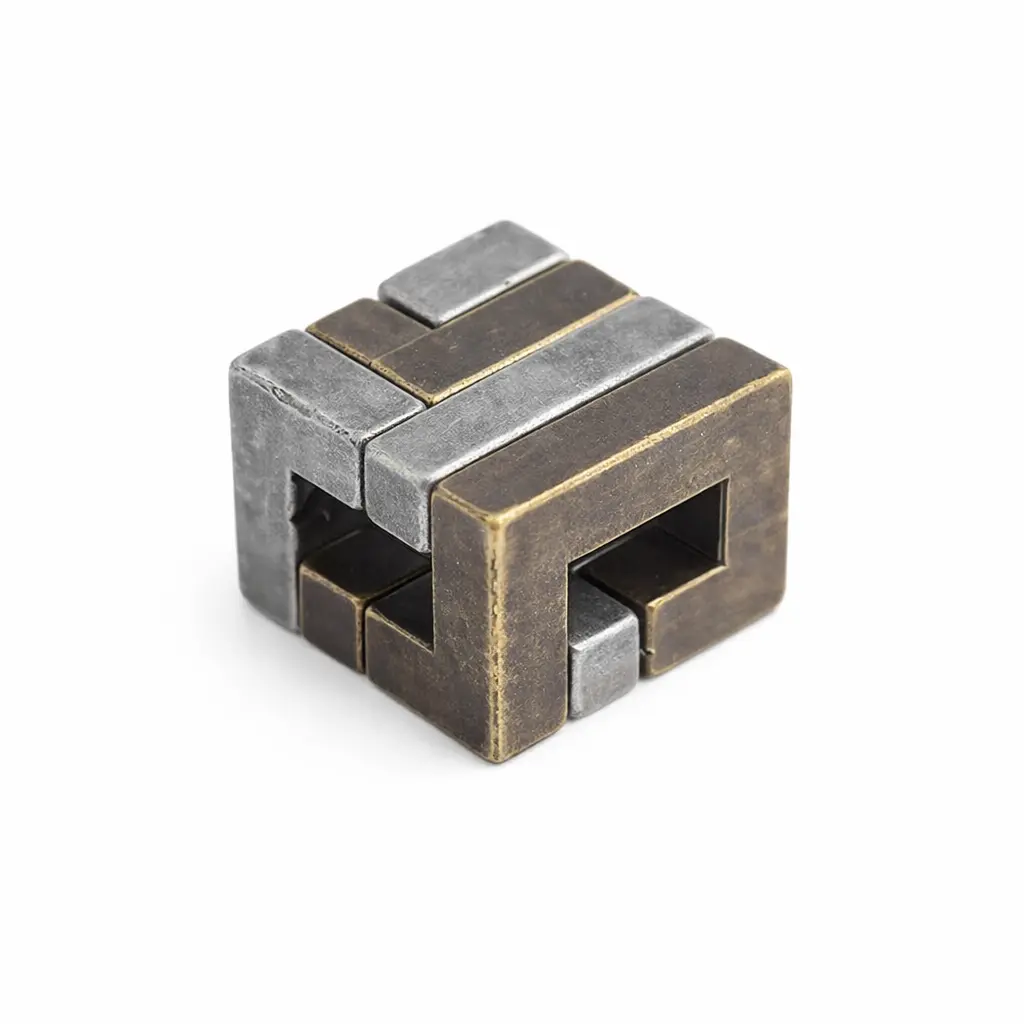
Level 1: Assembled Puzzle Boxes & Straightforward Solves. You've started here. The goal is understanding basic mechanisms—sliders, simple locks, hidden compartments. Products like the 3D Wooden Puzzle Safe are perfect. Next, try a classic Disentanglement Puzzle. These are 3D spatial reasoning tests, like the Interlocking Metal Disk Puzzle. They teach you to think about movement and clearance in a new way.
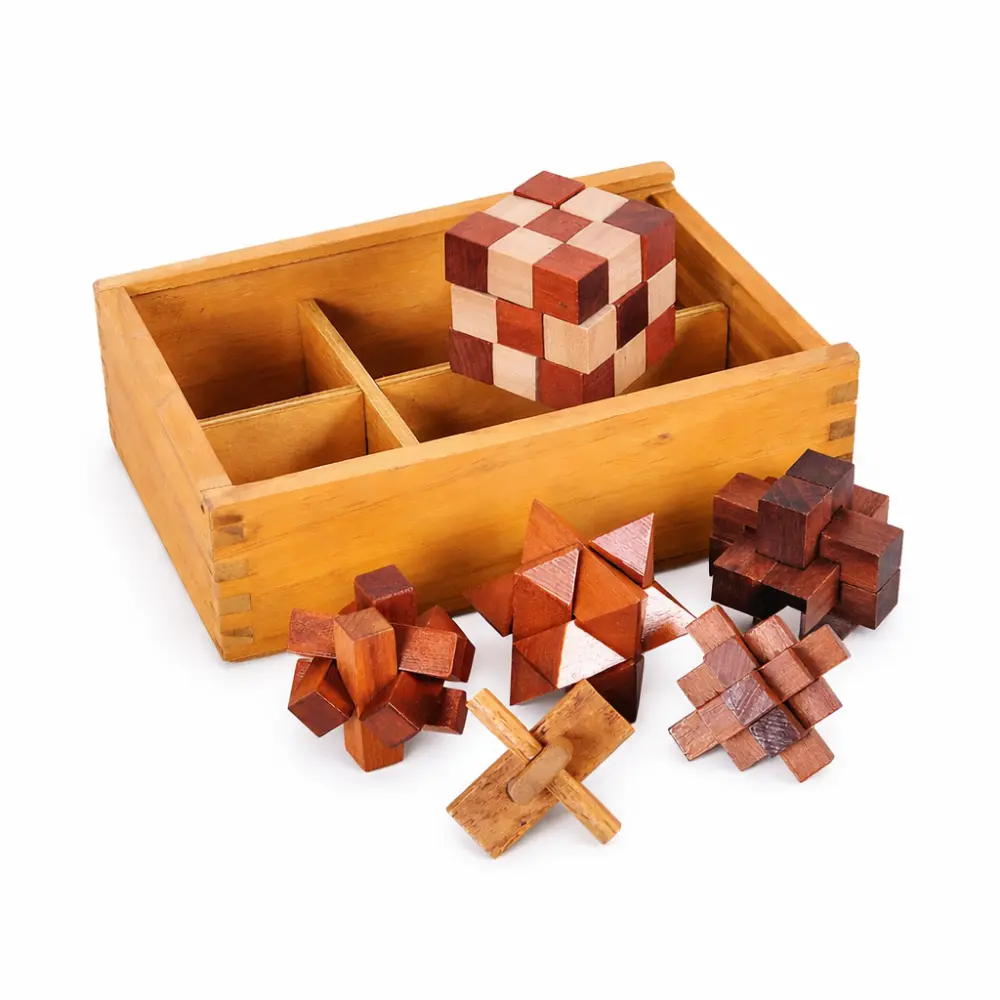
Level 2: Interlocking & Sequential Discovery Puzzles. Now, complexity deepens. Interlocking Burr Puzzles (wooden 3D crosses) require you to find the exact sequence to dismantle them. The 6-in-1 Wooden Set is a masterclass in this category. Parallel to this are Combination Lock Puzzles, where the solution isn't force but deduction, often involving codes, symbols, or hidden clues.
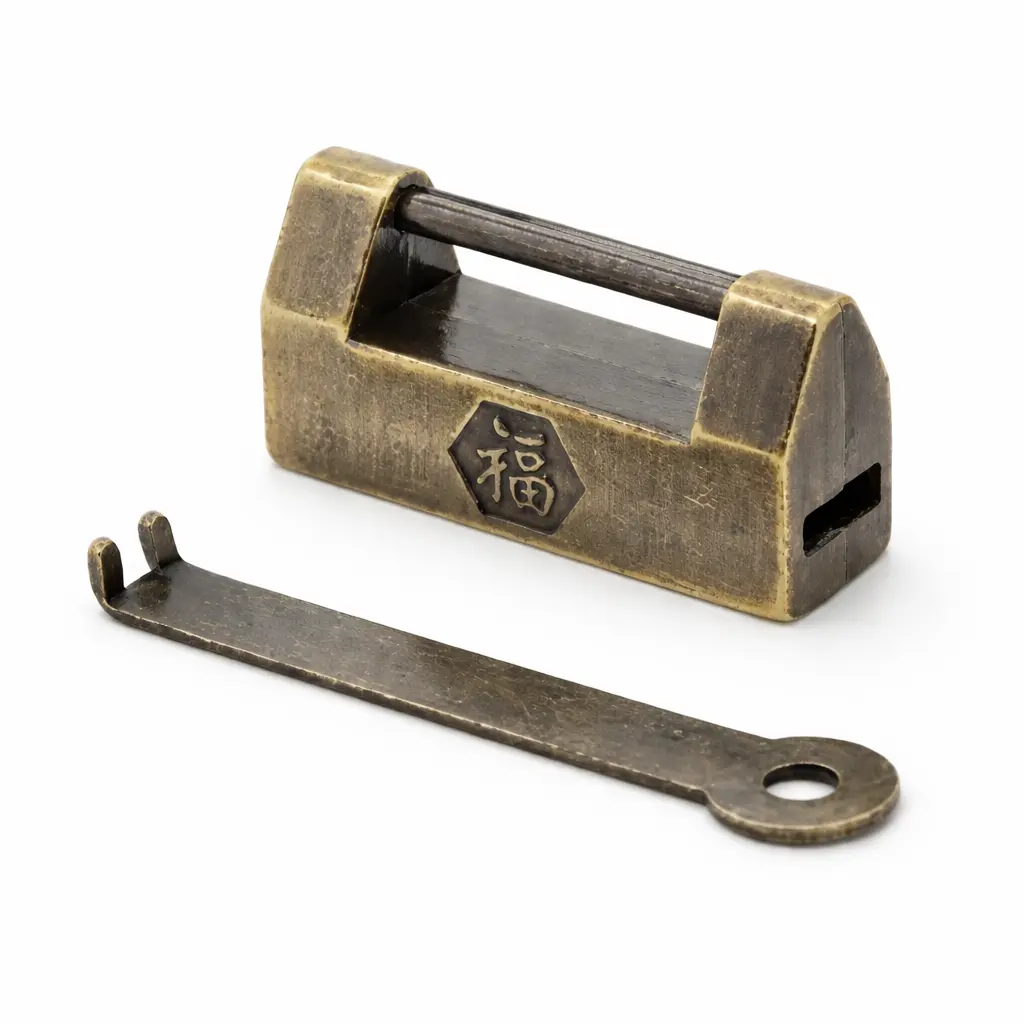
Level 3: Trick Openings & Thematic Designs. This is where puzzle boxes become art and theater. The opening mechanism is completely concealed or based on a clever physical trick (magnets, gravity, centrifugal force). These are the pieces that amaze onlookers. While we don't have extreme trick boxes here, the Chinese Old Style Fú Lock embodies this thematic, historical elegance.
Level 4: The Designer's Mindset. After solving many puzzles, you'll start seeing patterns, mechanisms, and ideas. This is when you might start sketching your own. Studying a range of puzzles is the best education. For a digital break that trains the same logic muscles, try our digital brain teaser games.
Your journey is unique. The key is to keep challenging yourself just enough to stay engaged and excited. What will your next step be?