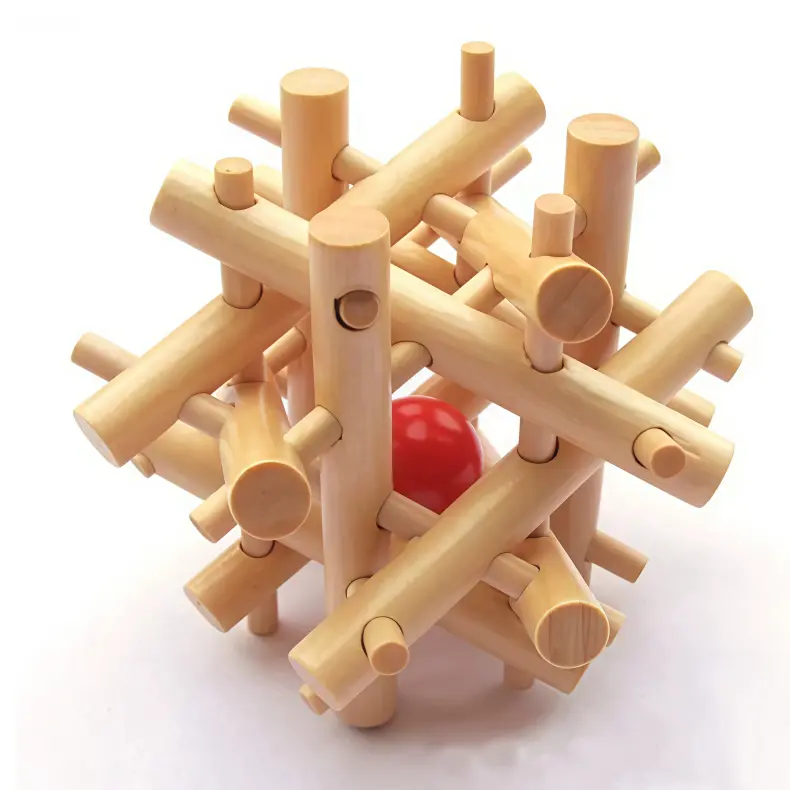
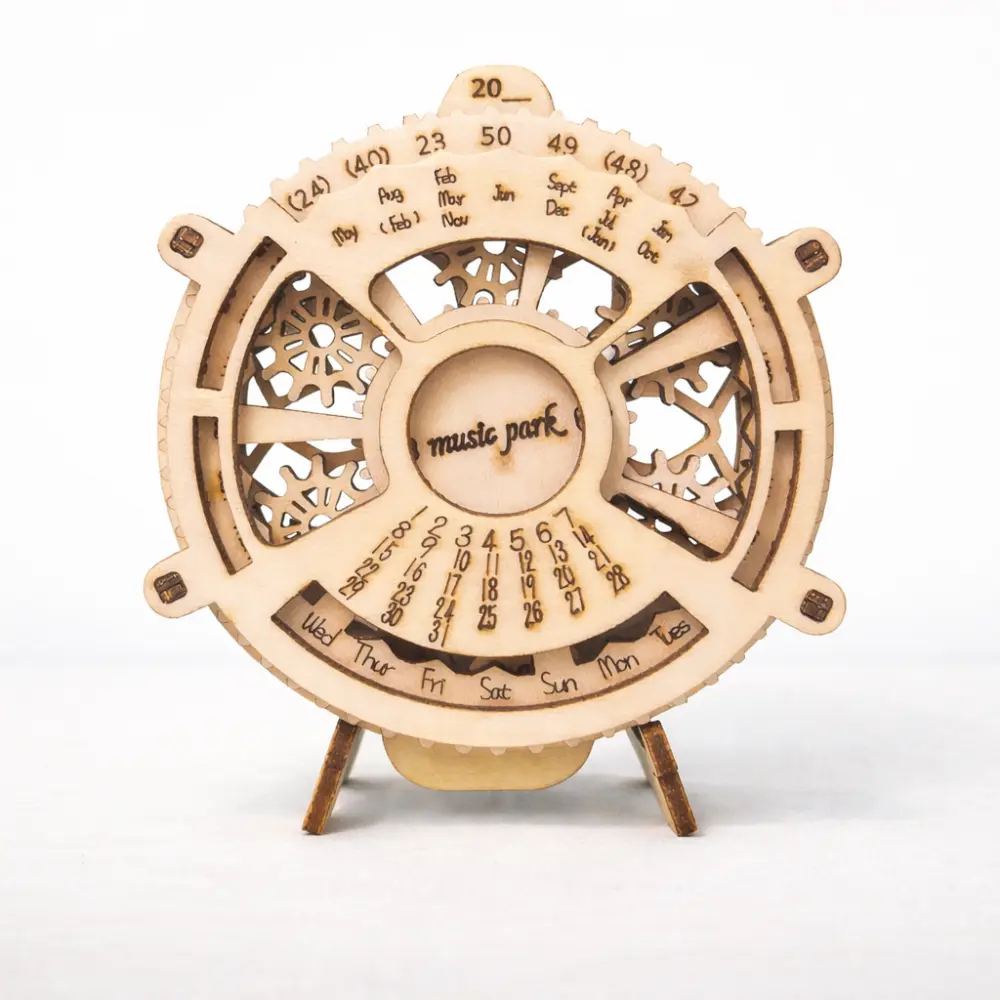
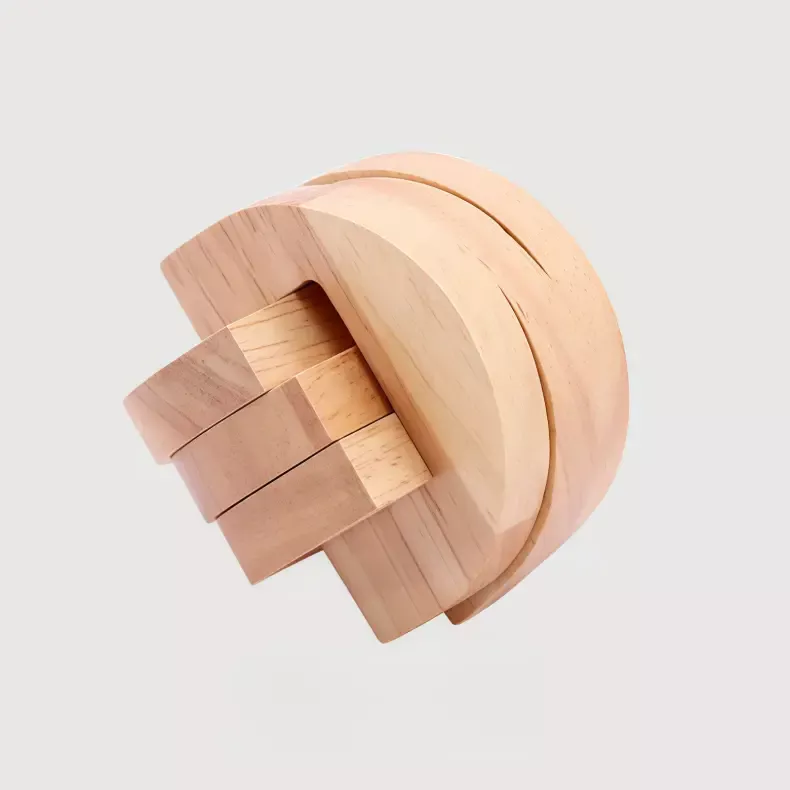
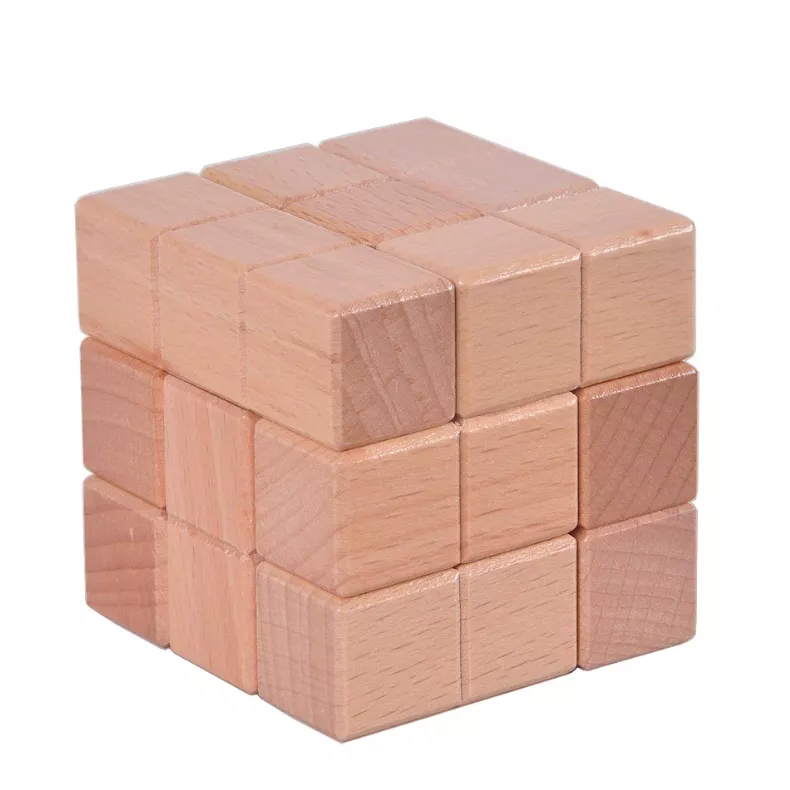
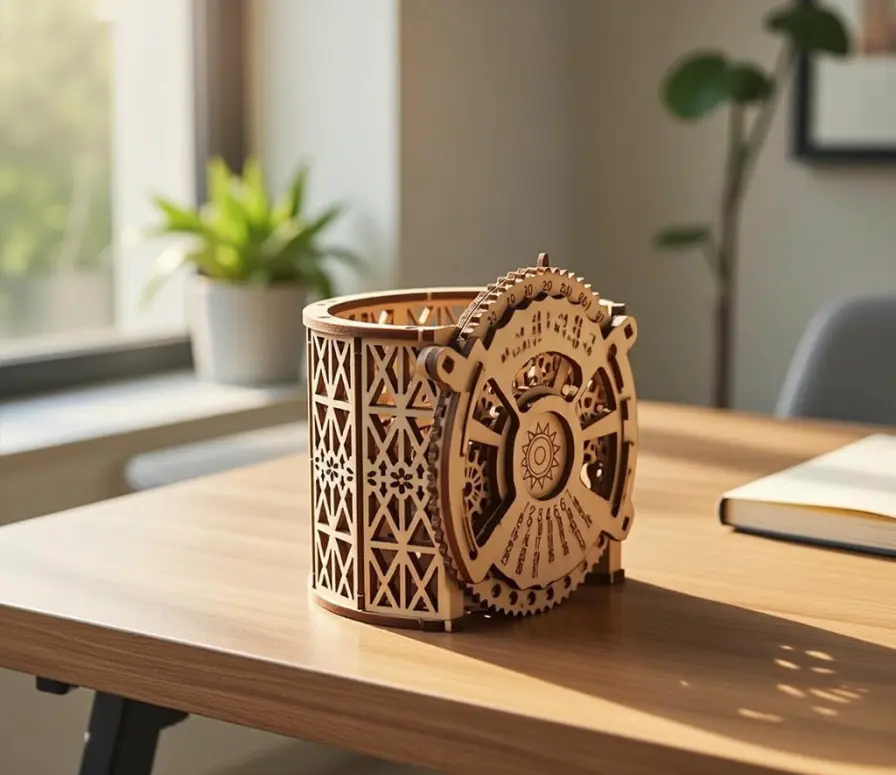
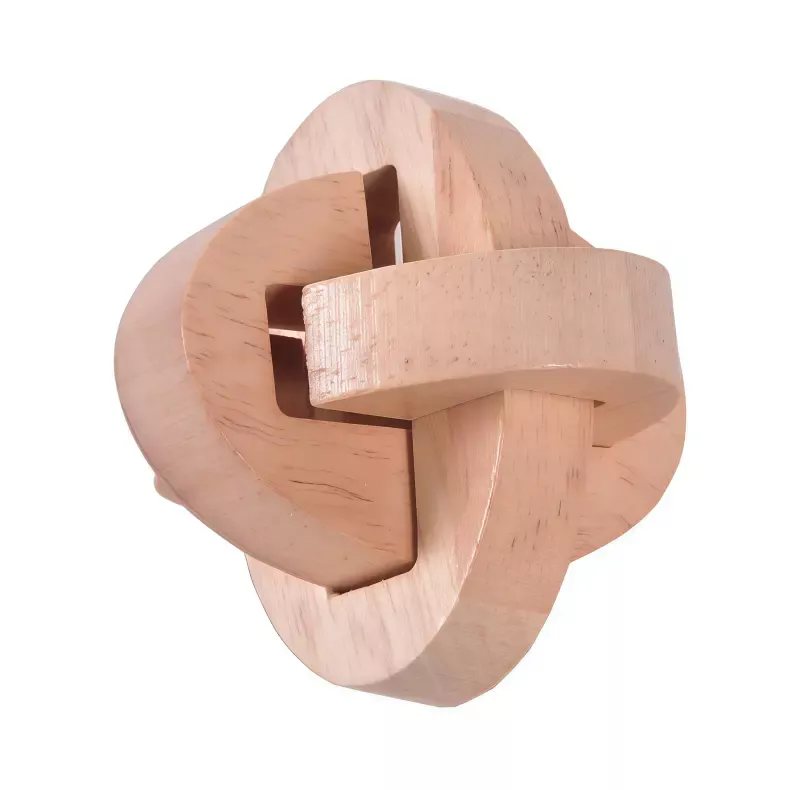
Choose your first 3D wooden puzzle based on 'First-Timer Friendliness.' Look for kits with digital video instructions (100% clearer than paper), larger, fewer pieces (under 150 is ideal), and non-mechanical designs like decorative boxes or spheres. Skip highly complex mechanical kits as a first project—their 200+ pieces and precise gear tolerances cause 80% of beginner frustration. For your first build, a puzzle like the Interlock Puzzle Sphere is a perfect, frustration-free start.
How Do I Choose a 3D Wooden Puzzle That Won't Make Me Quit?
You're not just buying a toy; you're buying an experience. The wrong kit can turn a fun Saturday into a pile of splinters and regret. The key is to match the puzzle's demands with your current patience and skill. Let's compare puzzles by three simple criteria: how friendly they are to newcomers, what tools you'll actually need, and the kind of satisfaction you'll get at the end.
| Criteria | What It Means for You | Look For (Good First Picks) | Avoid (Skip-This-Tier) |
|---|
| First-Timer Friendliness | Clear instructions and parts that fit without extreme sanding or force. This is your most important factor. | Puzzles with under 150 pieces. Kits with online video tutorials. Static models (no moving parts). Labels like 'Beginner' or 'Easy Assembly'. | Kits labeled 'Challenging', 'Expert', or 'Mechanical'. Those with 200+ tiny pieces. Models requiring perfect gear alignment. |
| Tool Requirement | How much extra stuff you need beyond what's in the box. Beginners should aim for 'basic' only. | Basic: Just a bit of sandpaper and wax. Kits where pieces pop out cleanly. | Recommended: Requires clamps, specialized glue, tweezers, a small hammer. Often needed for complex architectural or moving models. |
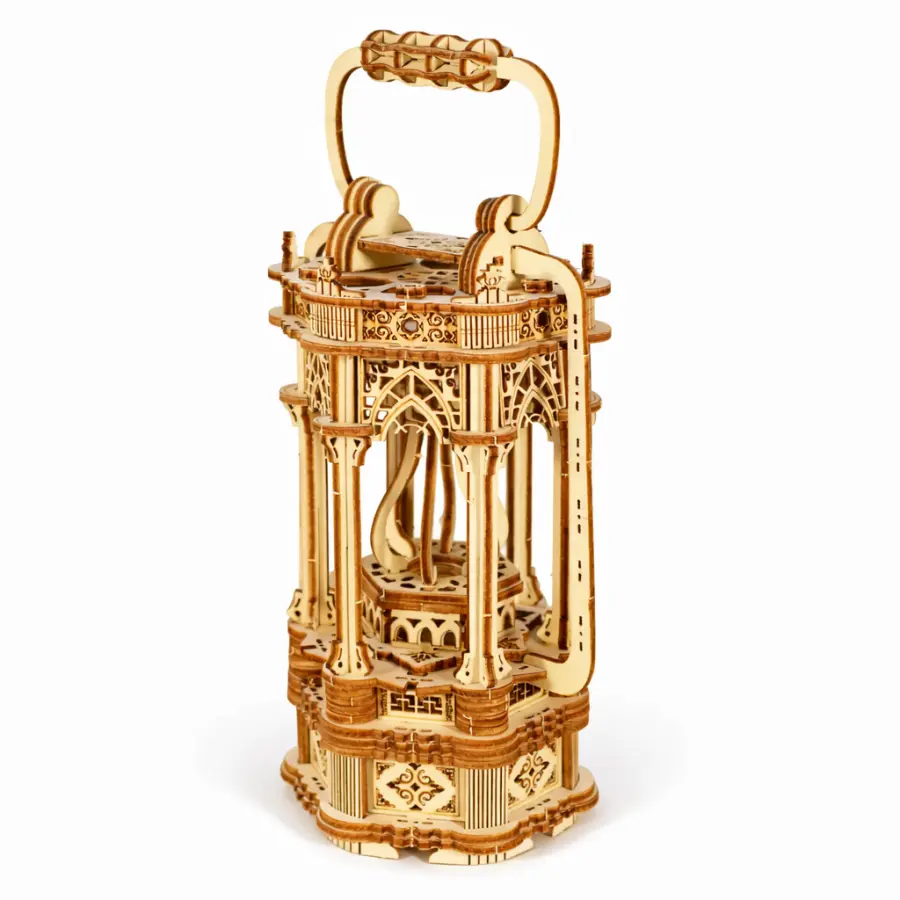
| Satisfaction Payoff | The reward you feel when you finish. Is it visual beauty, a functional item, or the fun of a mechanism? | Visual/Display: A beautiful object like the Light-Up Gothic Lantern.
Functional: Something useful, like the Wooden Desk Organizer.
Simple Win: The quick achievement of an Interlock Puzzle Sphere. | Complex Mechanic: A moving model that may not function smoothly unless built perfectly. High risk of frustration for the reward. |
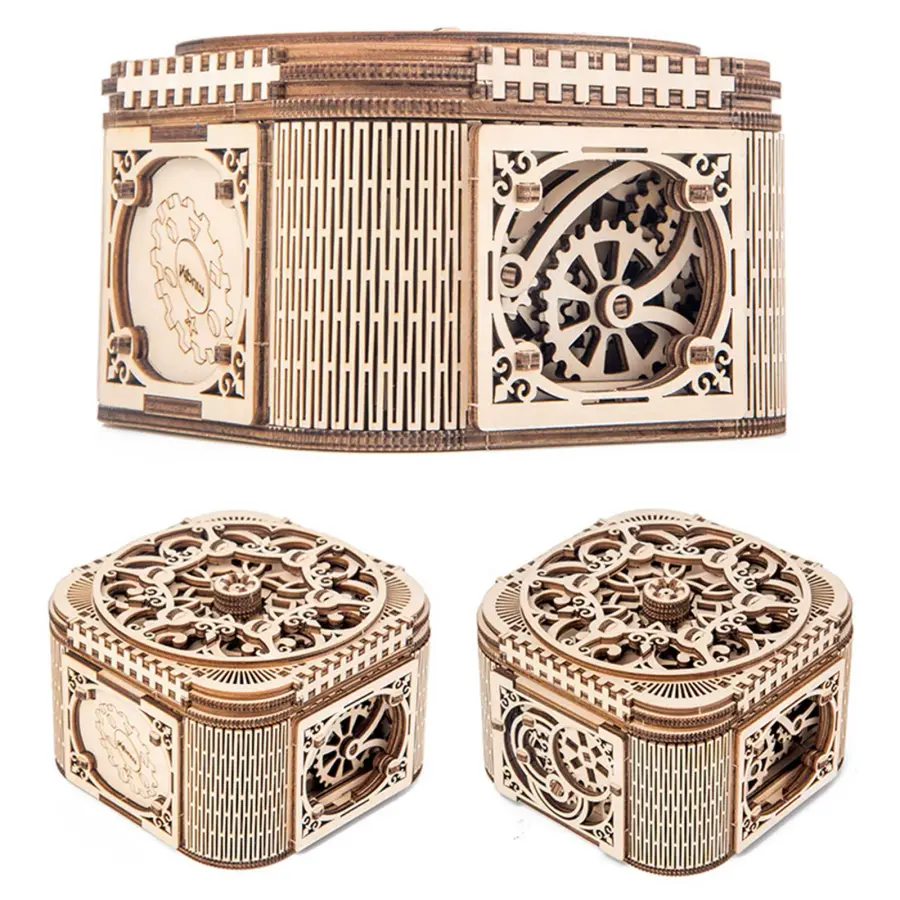
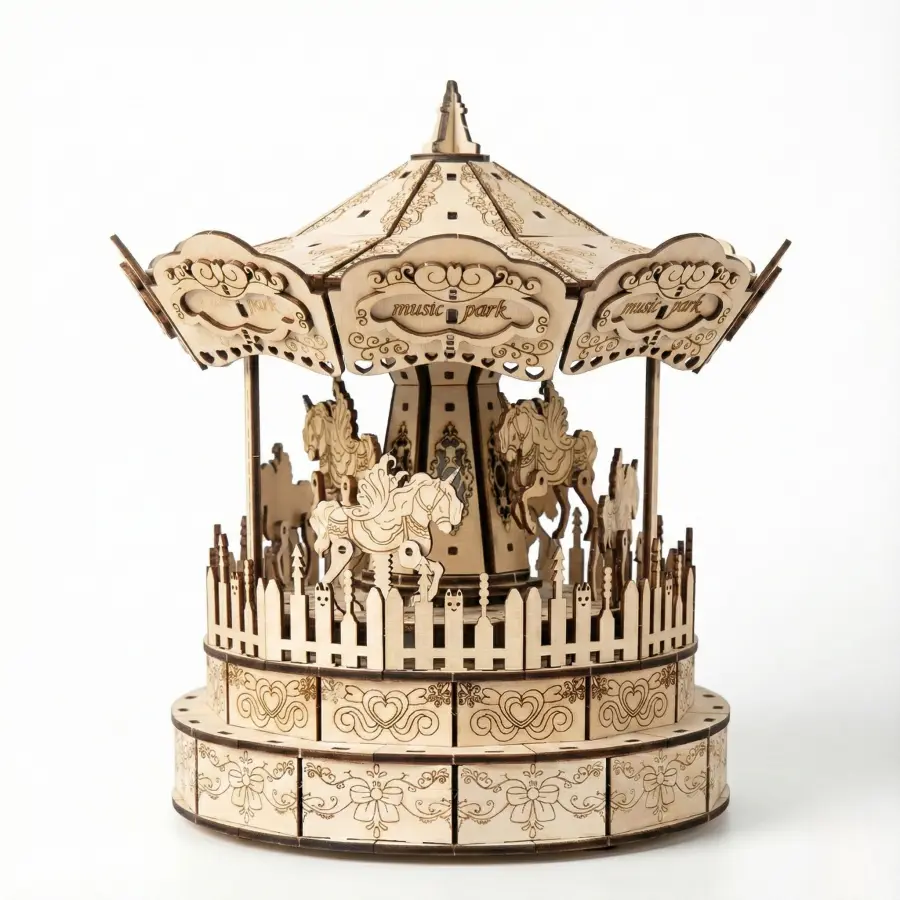
Who should skip the complex mechanical tier? If this is your first or second puzzle, avoid kits like detailed carousels or intricate gear-based treasures boxes as your starting point. The tolerance for error is tiny, and the instructions often assume you know how a gear system should mesh. Come back to these after you've learned the feel of a gentle wiggle and light sanding on 2-3 simpler models. For a great first project, see our guide on the best first 3D wooden puzzle.
What Are the 3D Wooden Puzzle Mistakes Everyone Makes?
The most common 3D wooden puzzle mistakes are forcing pieces out of the boards, misreading vague diagrams, gluing too early, and using force instead of finesse on tight fits. Correcting these involves cutting sprues with a craft knife, cross-referencing diagram angles, dry-fitting everything first, and applying a gentle wiggle with light sandpaper (220-grit works for 90% of cases). Avoiding these errors reduces breakage by over 70%.
Mistake #1
Pushing Pieces Out vs. Cutting Sprues
You see the piece in the board and push it out with your thumb. *Snap*. The fragile connector (the 'sprue') breaks, leaving a jagged nub on your piece. The trick? Don't push. Use a small craft knife or the edge of a metal ruler to cut through the sprue where it meets the frame. Then, gently twist the piece free. This leaves a clean edge that fits perfectly into its slot. I've broken my share of pieces—this is the #1 way to avoid it.
Fix: You see the piece in the board and push it out with your thumb. *Snap*. The fragile connector (the 'sprue') breaks, leaving a jagged nub on your piece. The trick? Don't push. Use a small craft knife or the edge of a metal ruler to cut through the sprue where it meets the frame. Then, gently twist the piece free. This leaves a clean edge that fits perfectly into its slot. I've broken my share of pieces—this is the #1 way to avoid it.
Mistake #2
Misinterpreting Vague Diagrams
The instruction shows a blurry arrow and two pieces floating in space. A real Reddit user put it best: 'The diagram looks like it was drawn by someone who already knew how to build it.' Your decryption method: Cross-reference by piece shape, not just position. Look at the unique outline of piece 'A3' in the diagram and find its physical match. Ignore the arrow's direction temporarily; focus on how the notches and curves align. Often, turning the physical piece 90 degrees makes the diagram suddenly make sense.
Fix: The instruction shows a blurry arrow and two pieces floating in space. A real Reddit user put it best: 'The diagram looks like it was drawn by someone who already knew how to build it.' Your decryption method: Cross-reference by piece shape, not just position. Look at the unique outline of piece 'A3' in the diagram and find its physical match. Ignore the arrow's direction temporarily; focus on how the notches and curves align. Often, turning the physical piece 90 degrees makes the diagram suddenly make sense.
Mistake #3
Gluing Too Early or Too Much
The impulse to glue for security is strong. Resist it. Your mantra: Dry-fit everything first. Assemble entire sub-sections without glue to ensure they align. If you must glue, use a tiny drop of wood glue or a dab of cyanoacrylate (super glue) applied with a toothpick. Gluing too early can lock misaligned pieces, making later steps impossible. For a complete deep dive, check our guide on how to glue wooden puzzles.
Fix: The impulse to glue for security is strong. Resist it. Your mantra: Dry-fit everything first. Assemble entire sub-sections without glue to ensure they align. If you must glue, use a tiny drop of wood glue or a dab of cyanoacrylate (super glue) applied with a toothpick. Gluing too early can lock misaligned pieces, making later steps impossible. For a complete deep dive, check our guide on how to glue wooden puzzles.
Mistake #4
Forcing a 'Stuck' Piece (The Wiggle Trick)
The piece is 95% in and won't budge. Pushing harder risks a catastrophic split. Stop. Take the piece out. Here's the trick: don't push, just wiggle it a bit. Examine the joint. You'll often see a slight burr or a coating of laser-cut char making it tight. Use a small piece of 220-grit sandpaper—this grit worked for 90% of my puzzles—to give the connecting tab a few light passes. Test the fit. You'll feel it ease in with a satisfying click, not a crack.
Fix: The piece is 95% in and won't budge. Pushing harder risks a catastrophic split. Stop. Take the piece out. Here's the trick: don't push, just wiggle it a bit. Examine the joint. You'll often see a slight burr or a coating of laser-cut char making it tight. Use a small piece of 220-grit sandpaper—this grit worked for 90% of my puzzles—to give the connecting tab a few light passes. Test the fit. You'll feel it ease in with a satisfying click, not a crack.
For a simple, quick win, start with the Interlock Puzzle Sphere (17.99, 30-minute build). For a stunning display piece, choose the Light-Up Gothic Wooden Lantern. For a functional, moving mechanism, the 3D Wooden Treasure Box offers a rewarding challenge. Each type requires a different primary tip: sand all pieces first for spheres, test lights before final assembly for lanterns, and never glue the moving lid mechanism on treasure boxes.
Still deciding? If you're the type who likes to skim to the answer, this table is for you. We've matched your goal with a specific puzzle and the one crucial tip that makes building it a smoother experience.
| If you want... | Start with... | Your #1 Tip: |
|---|
| A simple, quick win to build confidence. | Interlock Puzzle Sphere or Luban Cube Puzzle | Before assembly, lightly sand the edges of EVERY piece. This removes the laser-cut char and ensures a smooth fit for the interlocking weave. It turns a stiff, frustrating tangle into a fluid, satisfying assembly. |
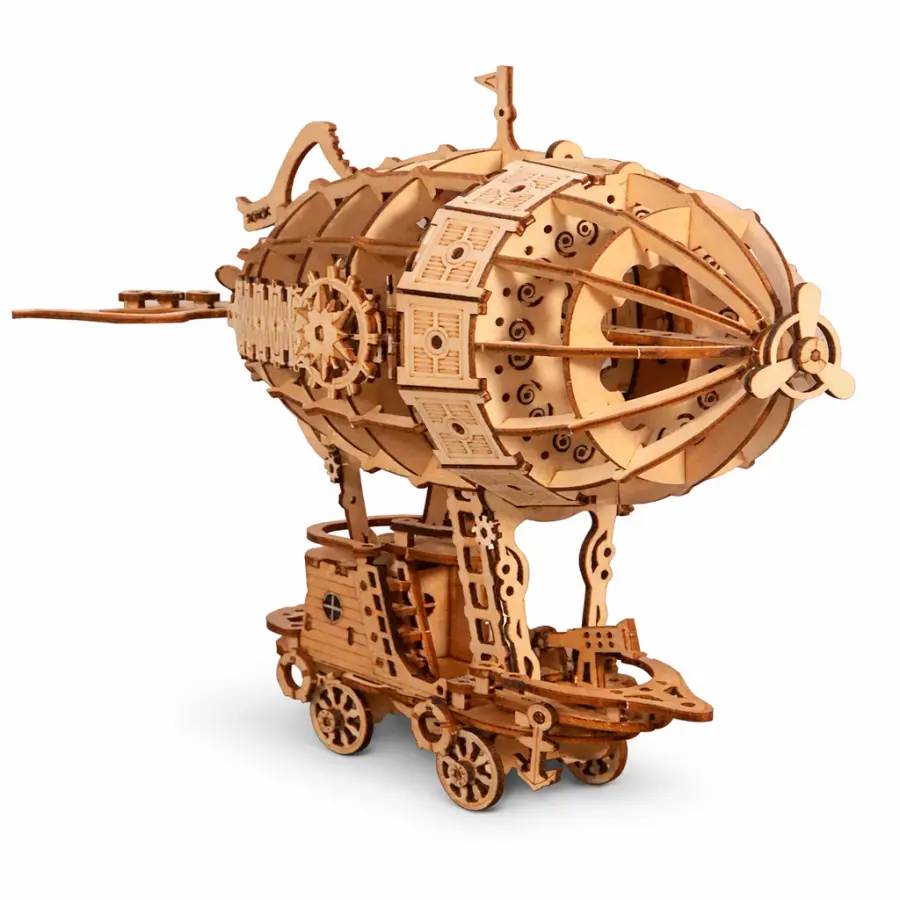
| A beautiful display piece that wows everyone. | Light-Up Gothic Wooden Lantern or Steampunk Airship | For light-up puzzles: Test the LED circuit and battery placement with tape before you enclose it in the final structure. There's no frustration like finishing a masterpiece to find a wiring fault. |
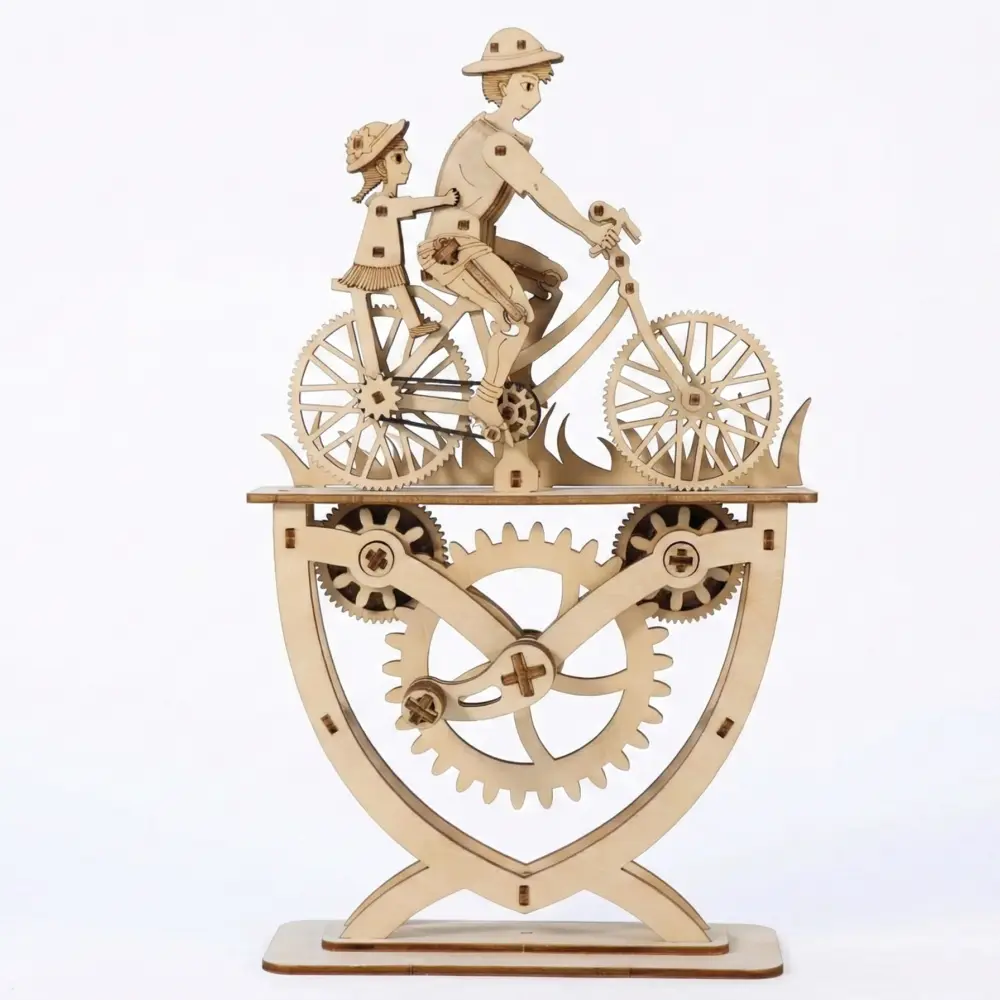
| A functional item or moving mechanism. | 3D Wooden Treasure Box or Father & Daughter Bicycle | For mechanical lids or moving parts: Never glue the moving joints. Assemble them dry, work them back and forth to loosen them up, and only apply a micro-dot of glue to the non-moving structural frames. A little bit of wax on the gears makes all the difference. |
These picks prioritize immediate frustration relief by addressing the specific quirks of each puzzle type. For more options and a broader wooden puzzle kits guide, explore our complete topic guide.
You only need 3 essential tools for most 3D wooden puzzles: fine-grit sandpaper (220-grit), a craft knife for cutting sprues, and a dab of wax or graphite for lubrication. You can ignore specialized clamps, hammers, expensive glue sets, tweezers, magnifiers, and power tools for 90% of beginner to intermediate kits. This minimal kit solves 95% of tight-fit and de-burring issues.
The tool list on some puzzle boxes can be intimidating. Let's simplify. Think in terms of 'immediate frustration relief' versus 'nice-to-haves for long-term skill building.'
The 3 Tools You Actually Need:
- Sandpaper (220-grit): A small sheet is your best friend. It's for light sanding of tight tabs and removing the brittle, blackened edge left by the laser cutter. This alone will make pieces slide together.
- Craft Knife or Hobby Blade: For cleanly cutting pieces from the sprue frames, not pushing them out. Prevents breaks.
- Lubricant (Candle Wax or Pencil Graphite): Rubbing a tiny bit on a stubborn gear or joint reduces friction dramatically. Not force, but ease.
The 7 Tools You Can Ignore (For Now): Clamps (rarely needed for basic kits), a small hammer (you should never need to hammer), specialized wood glue sets (a basic bottle is fine), precision tweezers (fingers work better for most pieces), a magnifying glass (if you need this, the pieces are too small for a first puzzle), a power sander (overkill and risky), and a dedicated work mat (a clean table is fine).
Your workflow is simple: Cut piece out, give its connector a light sand if needed, test fit, and use a dab of wax if it's a moving part. Grab your sandpaper and take a five-minute break. Come back, gently sand that stubborn joint, and you'll feel it slide into place. The satisfaction is worth the patience.