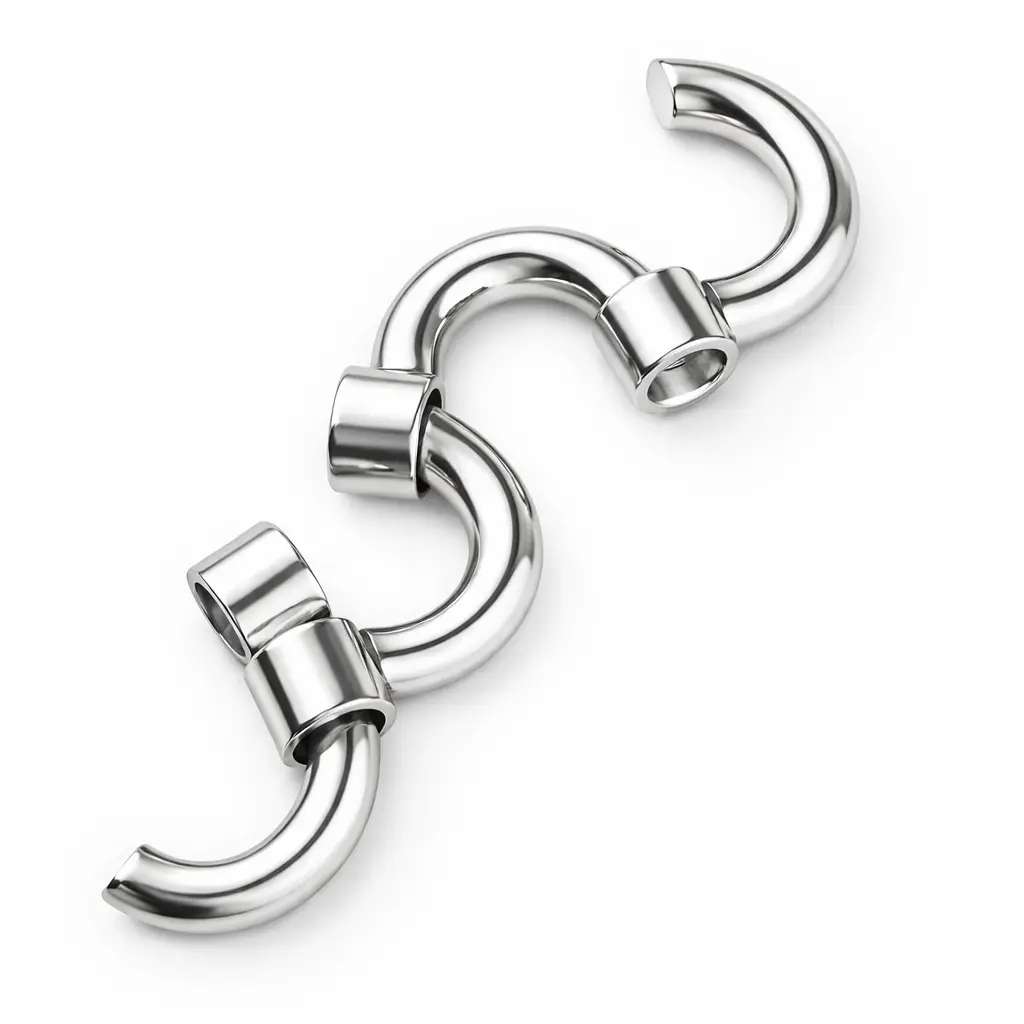
Choose based on your primary goal. For low-frustration focus, start with puzzles like the Cast Coil (Frustration Factor 2). A 2018 NIH study found regular puzzle engagement was linked to better visuospatial cognition, which is exactly what these puzzles train. Skip complex disentanglements if you want to avoid immediate, 'no-progress' frustration.
Which metal puzzle is right for your brain's workout?
Your goal isn't just to buy a puzzle; it's to start a hobby that sticks. The key is matching the puzzle's challenge to what you want from the experience. A puzzle that's too simple feels like a trinket; one that's too complex becomes a paperweight. We've tried them all and rated them on a Frustration Factor (FF) scale of 1-5, where 1 is a satisfying fidget and 5 is a multi-day logical marathon.
| Puzzle Type |
Frustration Factor (1-5) |
Primary Brain Skill |
Best For |
Skip this if... |
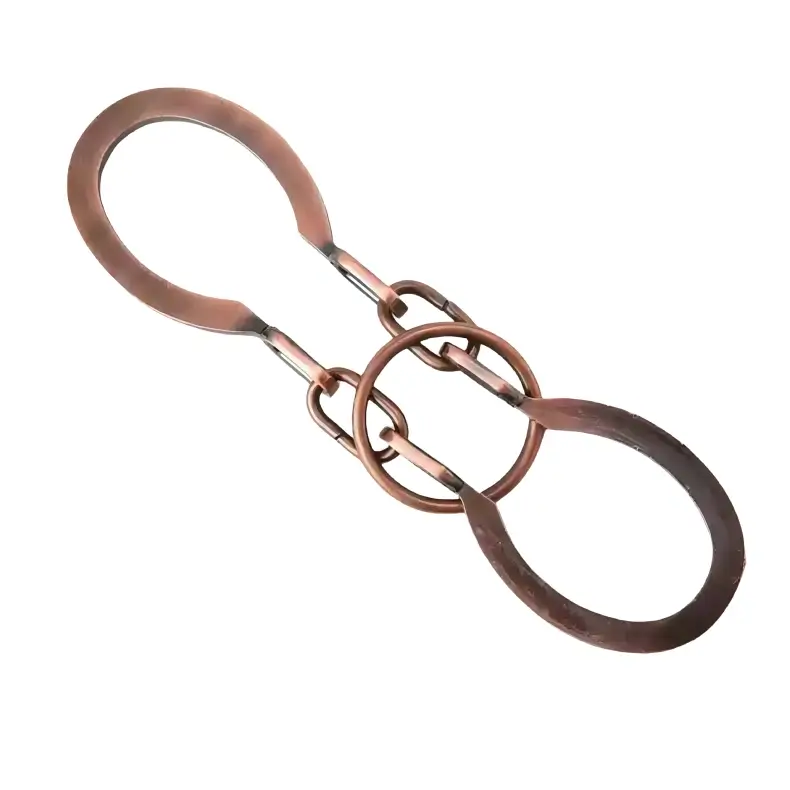
| Trick Opening / Simple Disentanglement (e.g., Horseshoe Lock, Grenade Lock) |
2-3 |
Problem-Scoping & Spatial Reasoning |
First-timers who want a clear "I did it!" win in 15-30 minutes. |
You want a long, meditative challenge. These are quick solves but highly re-playable for the satisfying feel. |
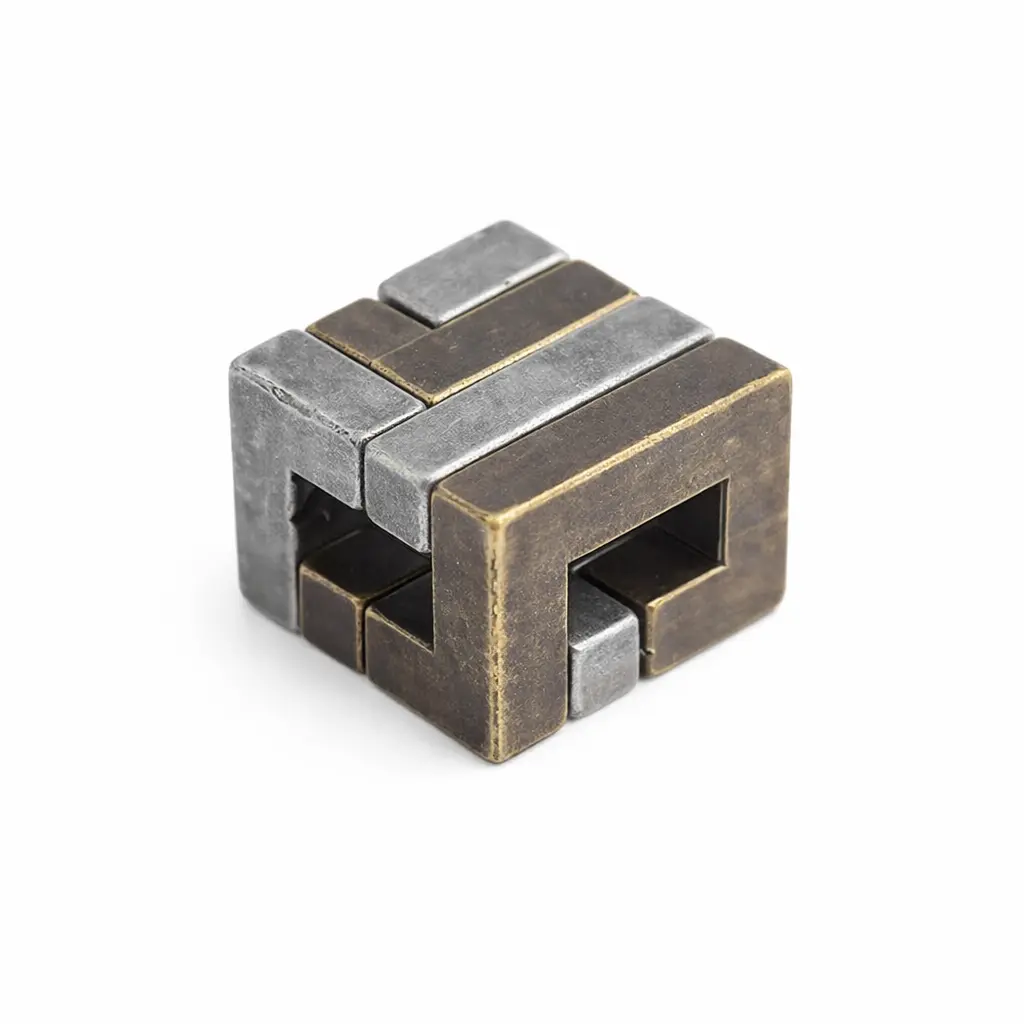
| Sequential Movement / Cast Puzzles (e.g., Cast Coil, Crab Cast) |
2-4 |
Working Memory & Procedural Logic |
Those seeking a tactile, multi-step logic workout. The movement is half the fun. |
You dislike puzzles with repeated steps. Solving often requires backtracking and remembering sequences. |
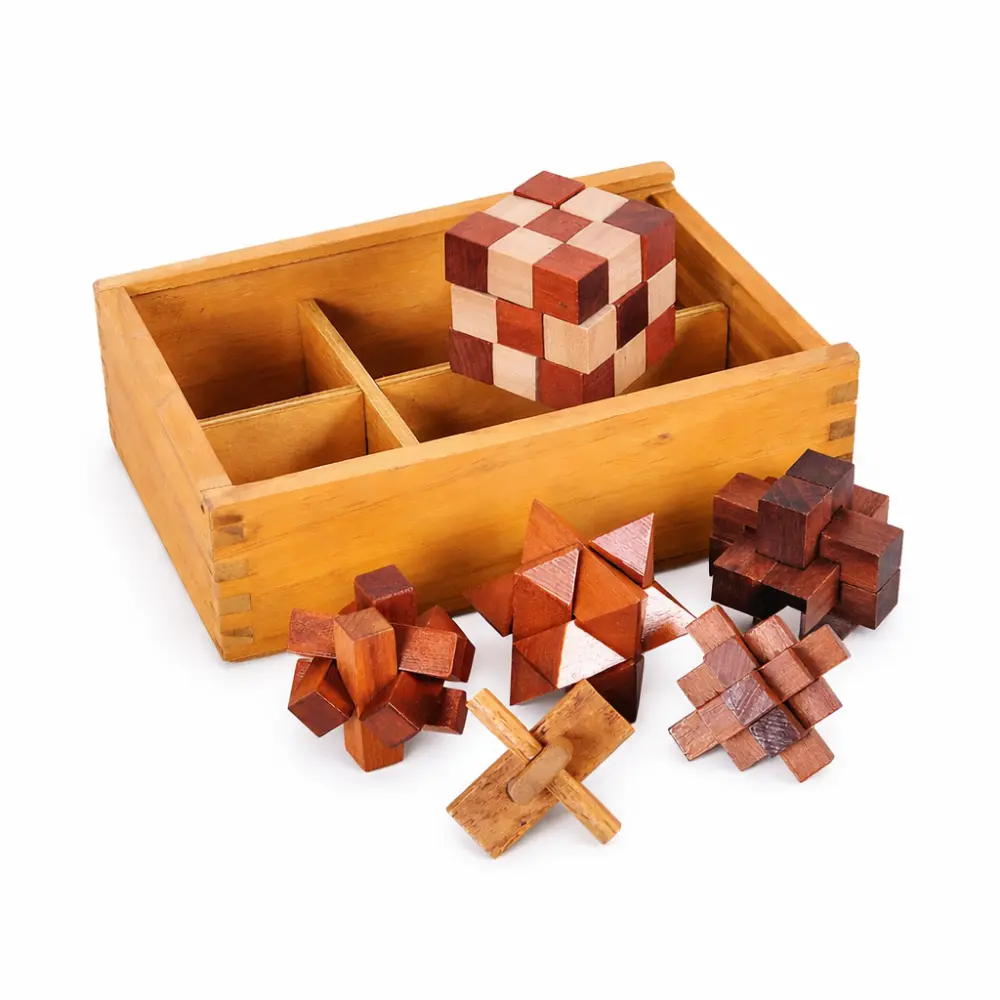
| Complex Disentanglement / Interlocking (e.g., Cast Galaxy, 6-in-1 Wooden Set) |
4-5 |
3D Visualization & Patience |
The seasoned solver craving a deep, gripping challenge that can last hours or days. |
This is your first metal puzzle. The lack of obvious starting points is the #1 reason beginners quit. |
Next Action: If you're new, focus on the 'Trick Opening' or 'Sequential Movement' types with an FF of 2-3. Read the product details below for our Good for First-Timers badges.
Match the puzzle to your moment. A 2022 analysis in Frontiers in Aging Neuroscience emphasized that cognitively stimulating activities are most beneficial when they are enjoyed and sustained. The right puzzle for your scenario makes it a hobby, not a chore.
Think about when and why you'll pick up the puzzle. This isn't one-size-fits-all. A perfect desk fidget would be a nightmare for family game night. Here’s how to map our puzzles to real life.
1. The Desk Fidget Seeker
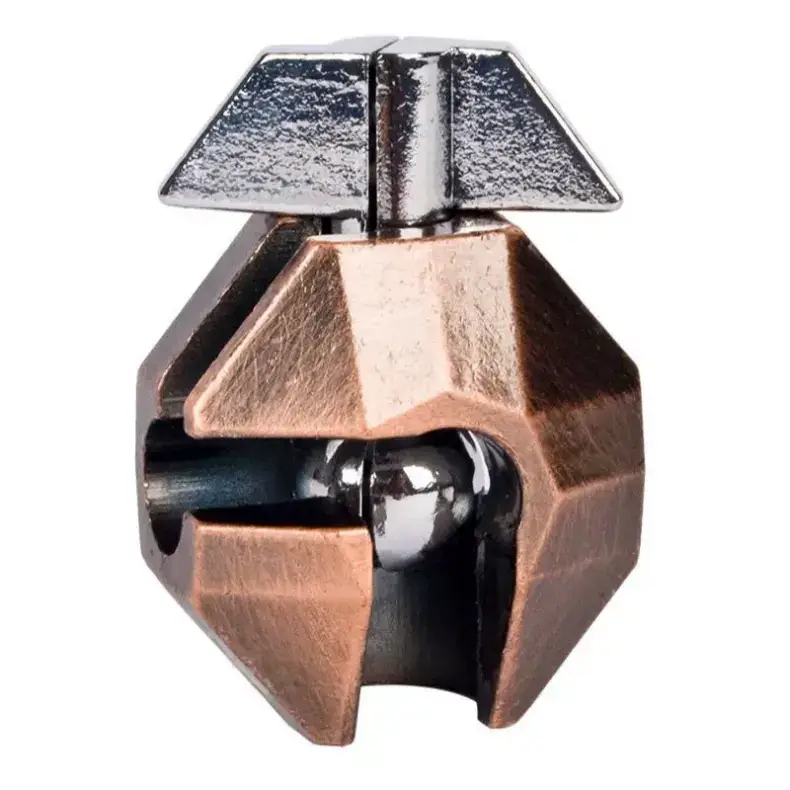
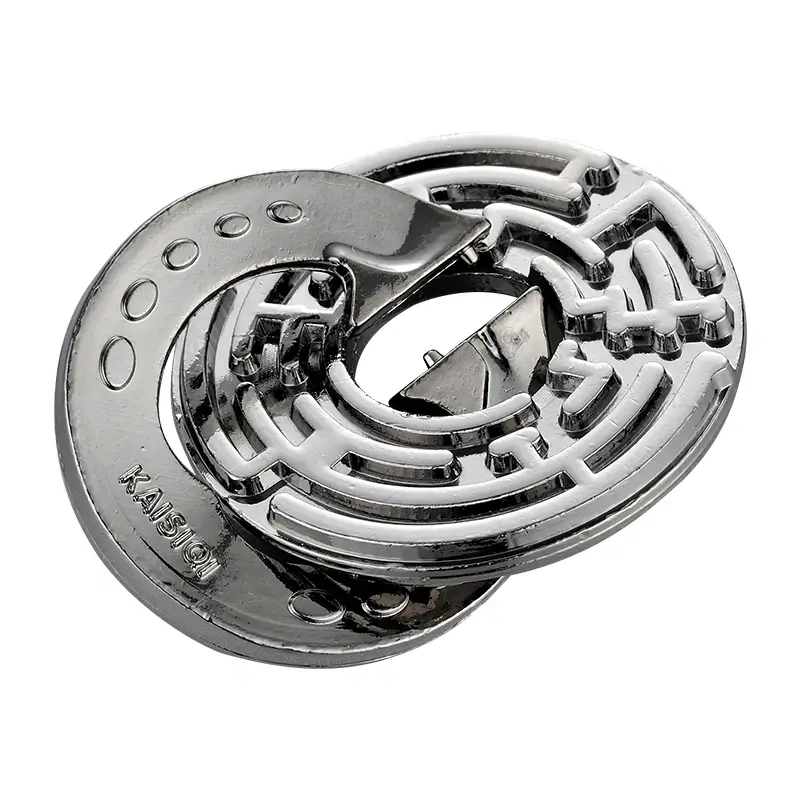
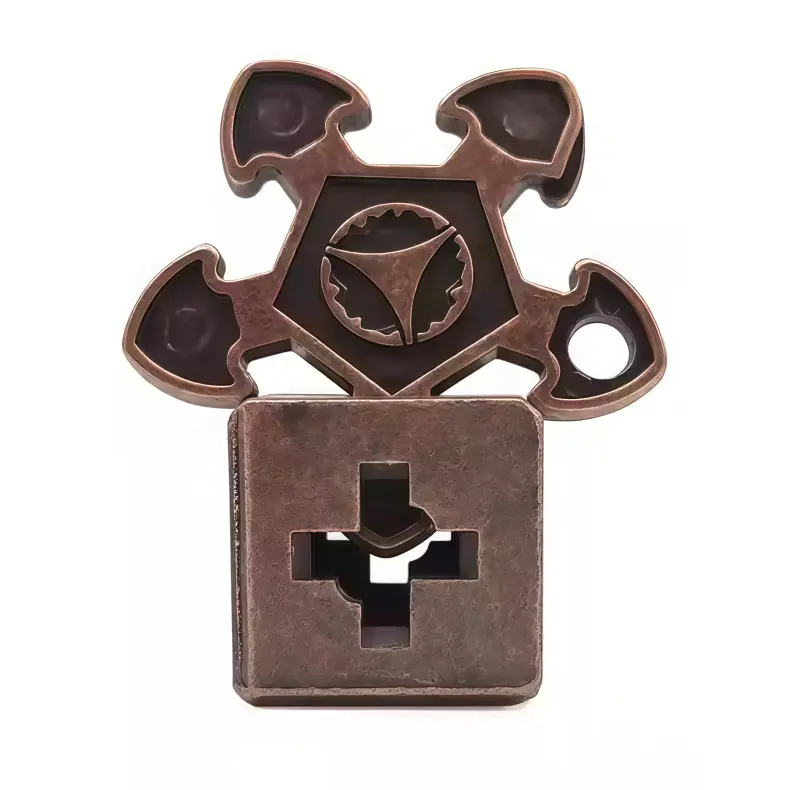
You need a break from the screen that isn't your phone. You want something heavy, tactile, and satisfying to manipulate while you think. Look for: Weighty metal, smooth movement, high replayability. The Cast Coil is perfect—its rotating, clicking movement is a pure satisfying fidget. The Maze Lock offers a different, silent visual-tactile focus.
2. The Gift Giver (for a curious friend)
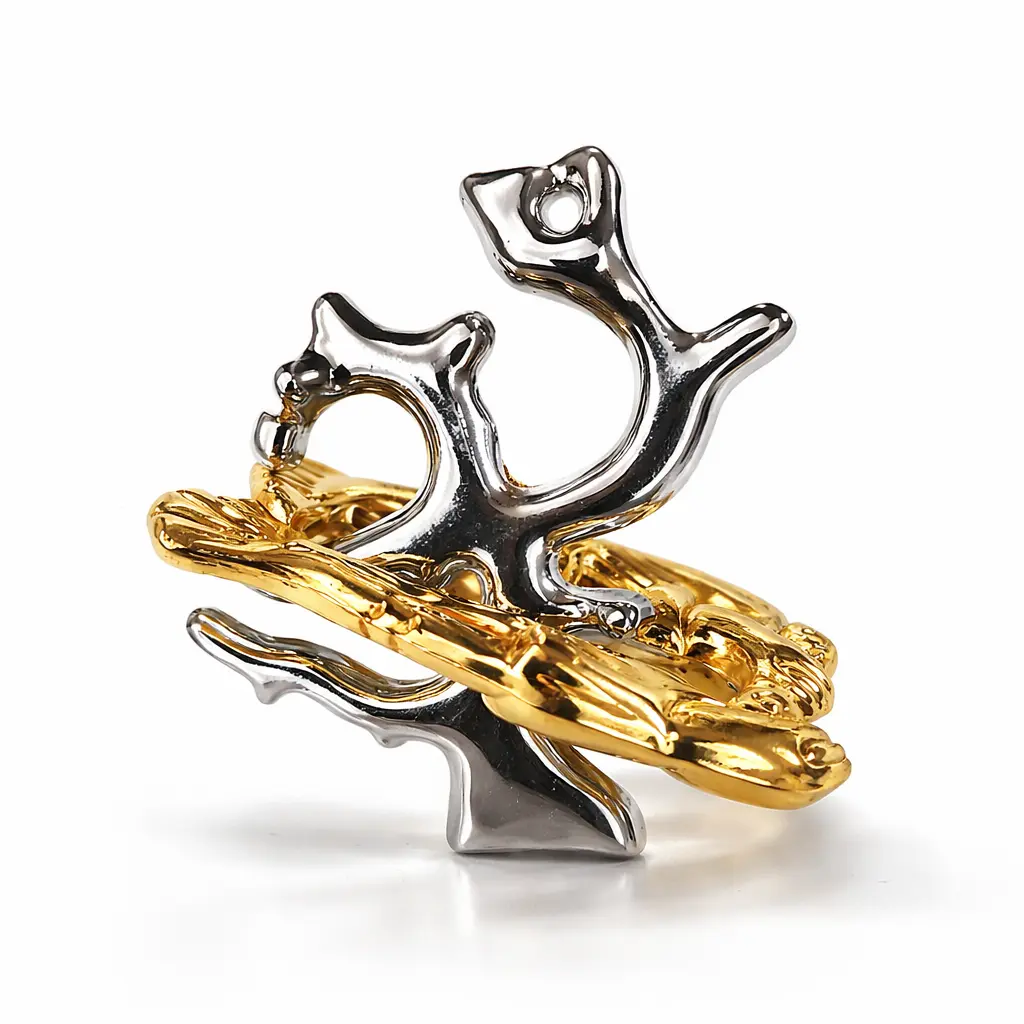
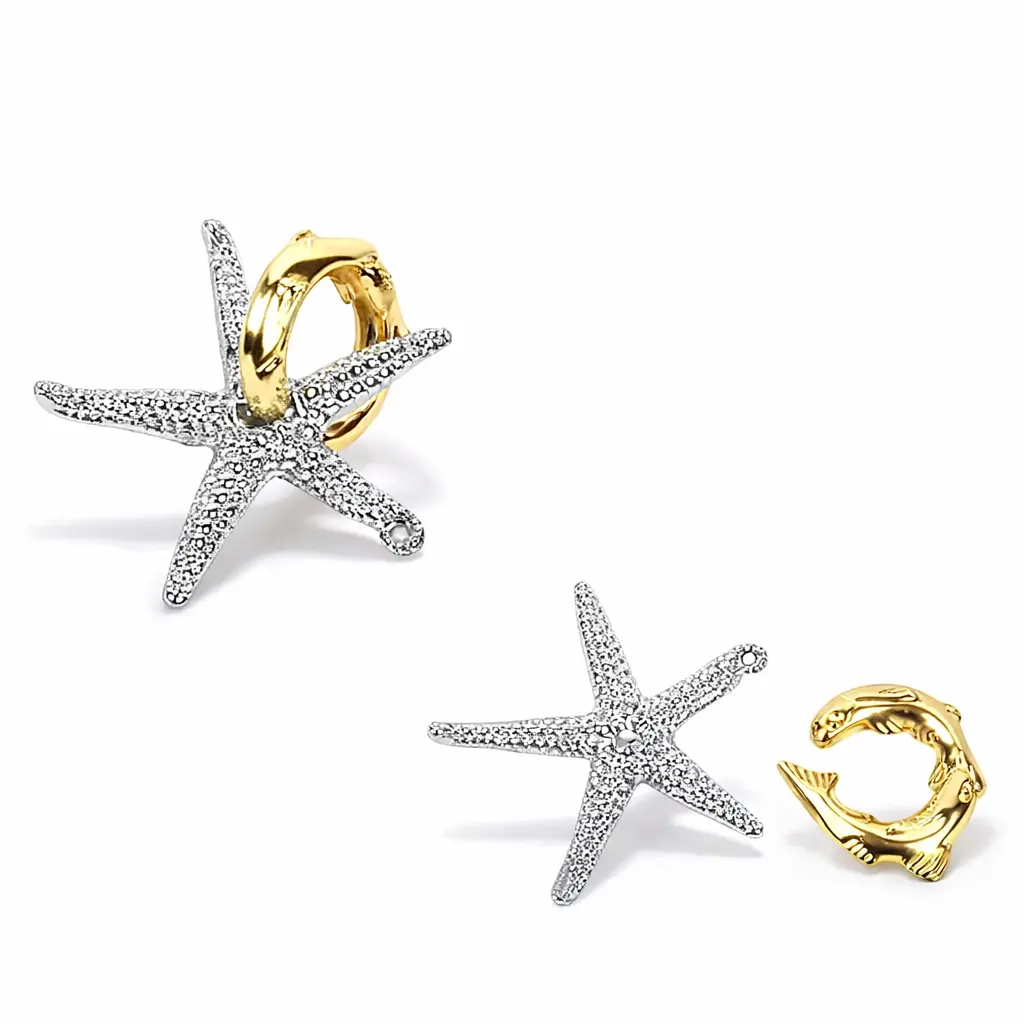
You want something that looks beautiful, feels substantial, and isn't so hard it becomes an insult. Look for: Aesthetic design, medium difficulty, clear goal. The Gold Fish & Silver Coral Reef is a stunning, conversation-starting piece. The Four-Leaf Clover Puzzle is charming and has a clever, not cruel, solution.
3. The Sunday Morning Challenger
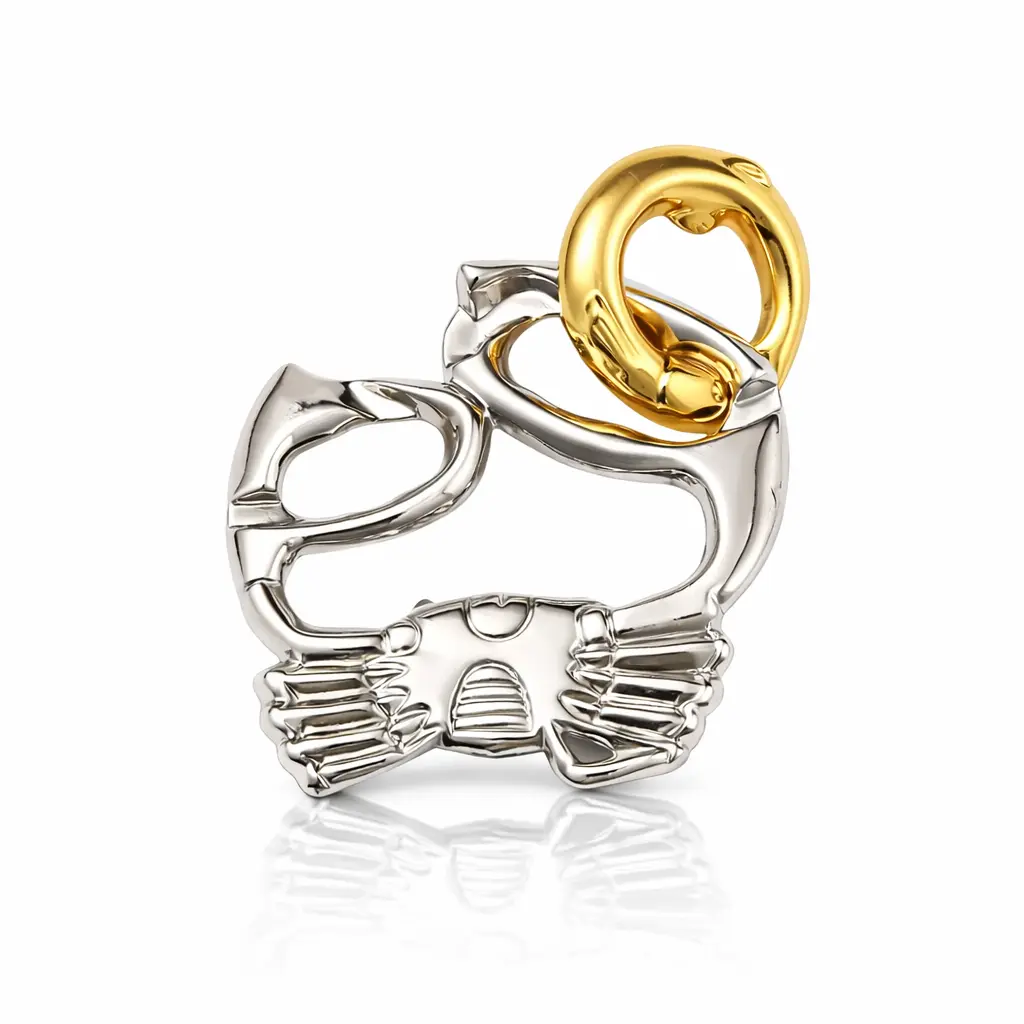
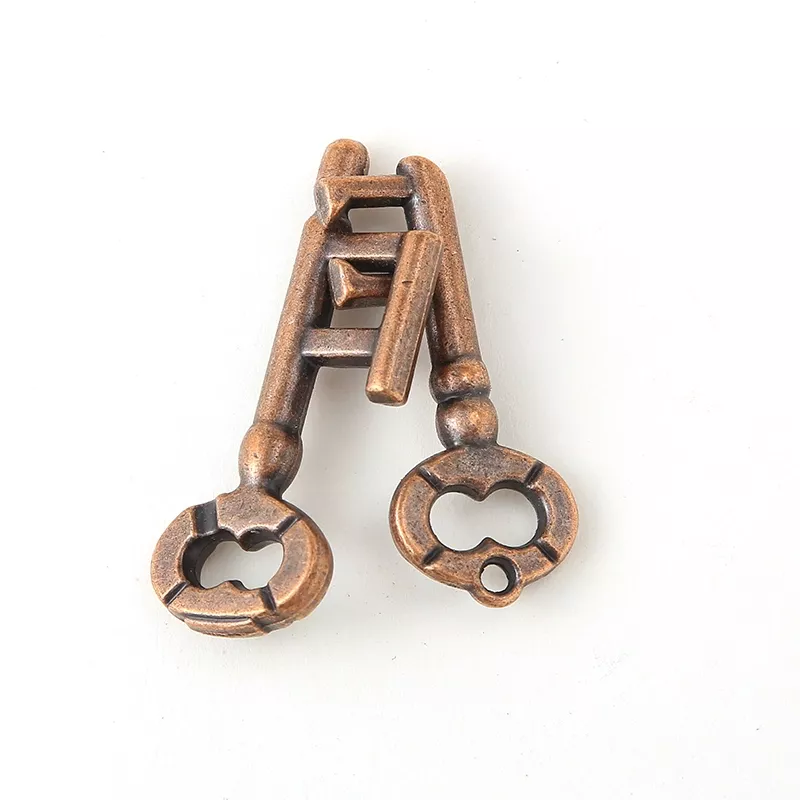
This is your crossword replacement. You want a dedicated 30-60 minute logic workout with your coffee. Look for: Sequential puzzles with clear progression. The Crab Cast is ideal—it tells a little story as you solve. The Two Key Lock offers a classic, mechanical challenge.
4. The Family Game Night Adventurer
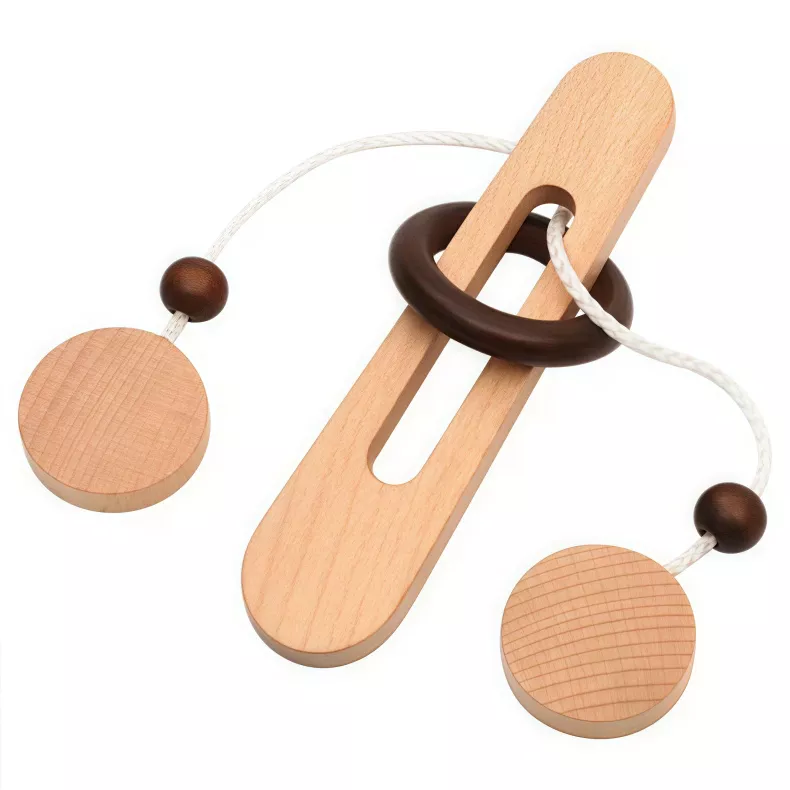
You need a puzzle that's fun to pass around, with clues you can talk through together. Look for: Larger pieces, observable mechanics, cooperative solving. The 6-in-1 Wooden Set is fantastic here—multiple puzzles for different hands and minds. The Tricky Wooden Ring is also great for group deduction.
Next Action: Pinpoint your main scenario. Your perfect puzzle is likely in that category. For more on using puzzles for focus, see our guide to puzzles for stress and focus.
All difficulty levels provide cognitive benefit. The key is engagement, not struggle. Beginners should aim for the 'Engaging' tier (FF 2-3) where the challenge is logical but surmountable, promoting the sustained focus linked to cognitive health in aging studies.
Think of difficulty not as "easy vs. hard," but as "gentle vs. gripping." Every level works your brain—they just demand different amounts of time and tolerance for uncertainty.
Gentle (Frustration Factor 1-2)
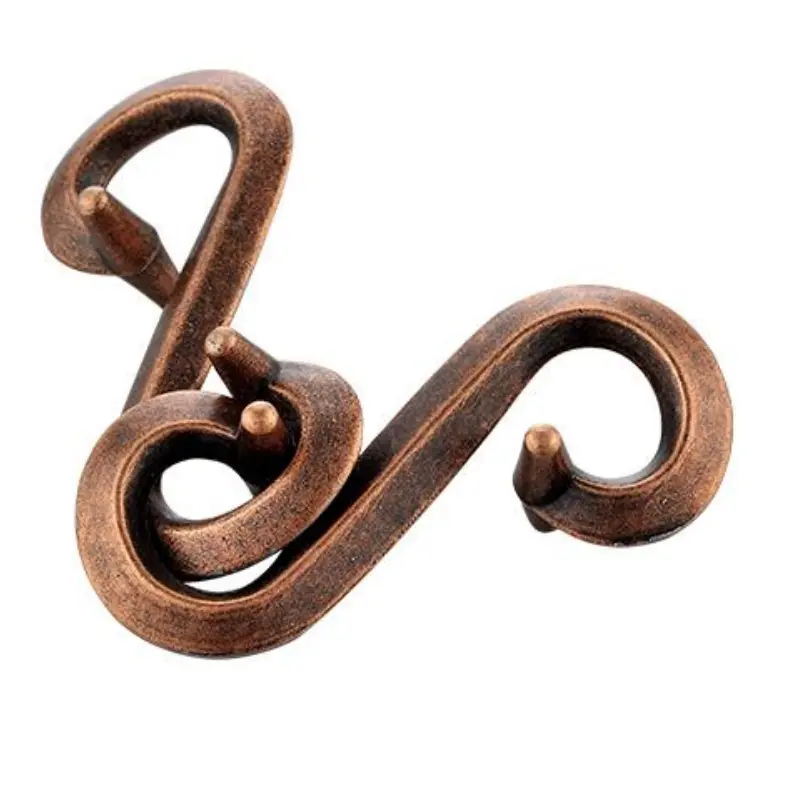
Feels like: A satisfying mechanical toy with a clever secret. Solve time is often under 10 minutes, but the fun is in the repeating the smooth, clever solution. Brain Skill: Focus initiation, tactile-spatial connection. Perfect For: Your first ever puzzle, a desk fidget, or a calming wind-down. Examples: Maze Lock, Alloy S Lock.
Engaging (Frustration Factor 2-3)
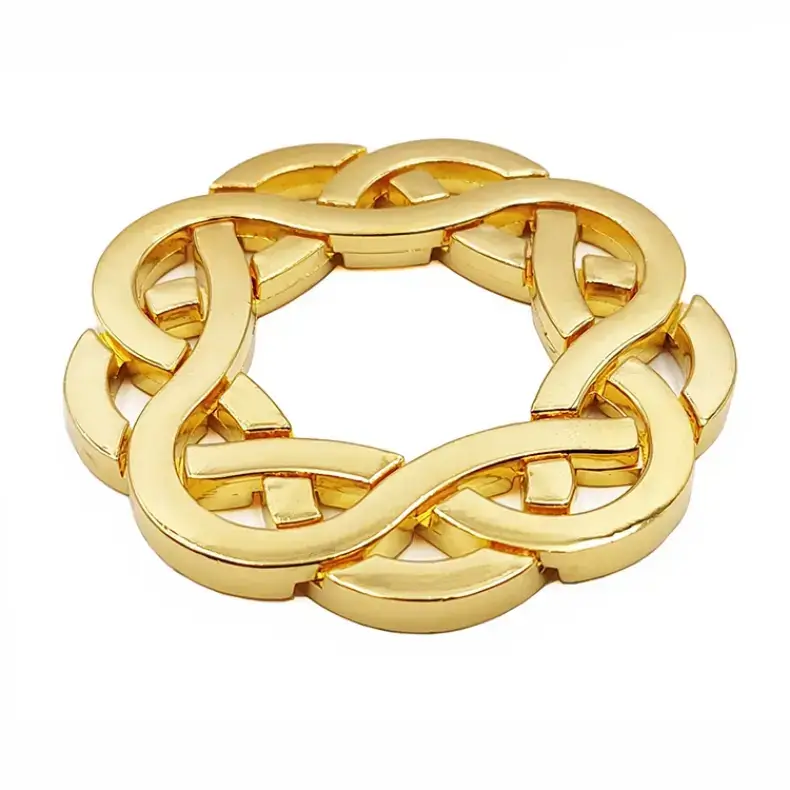
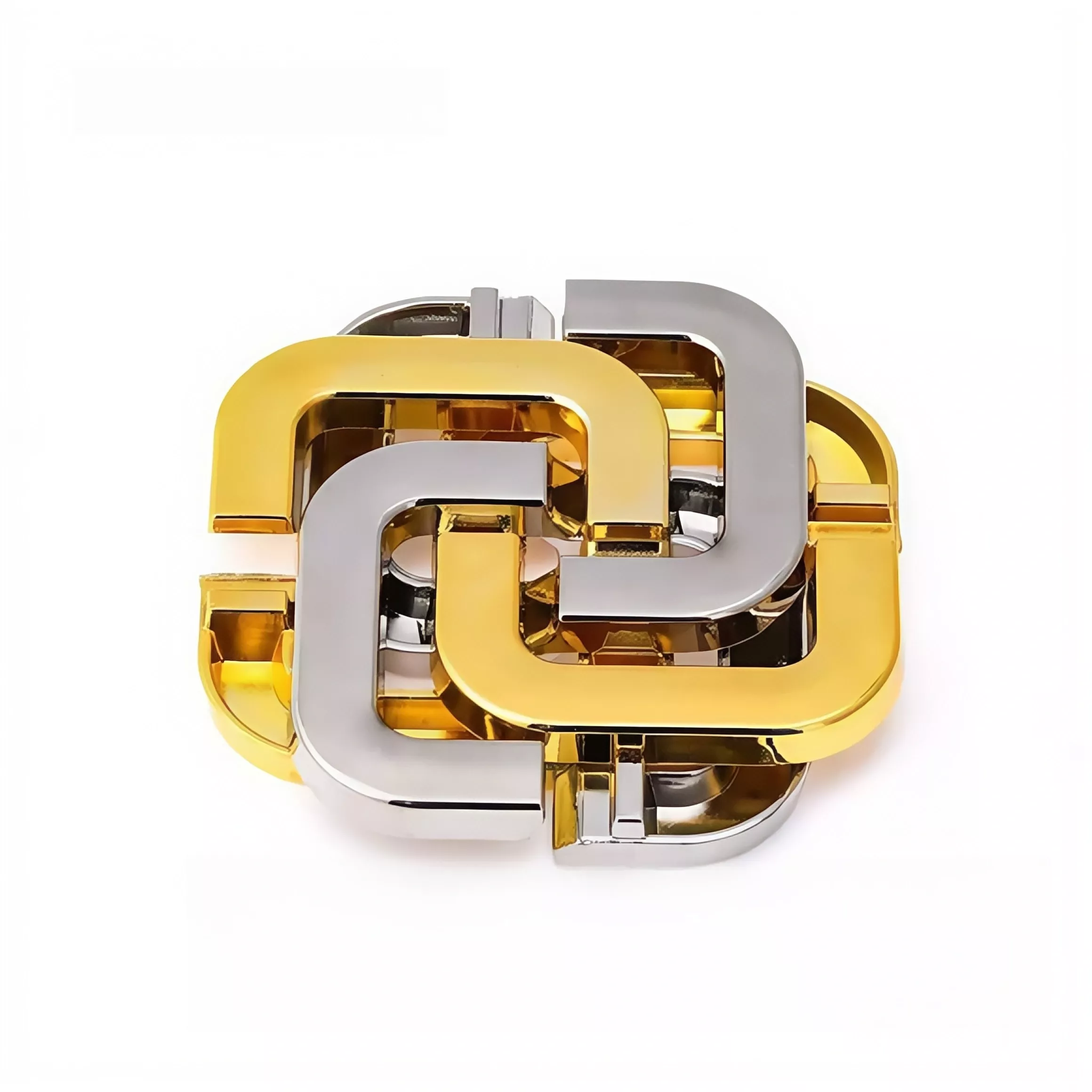
Feels like: A proper logic workout. You'll have moments of pause, testing hypotheses, and a genuine, earned "aha!" moment. Solve time: 15-45 minutes. Brain Skill: Working memory, sequential logic, patience. Perfect For: That Sunday morning challenge. This is the sweet spot for beginners who want to feel accomplished. Examples: Cast Coil (Spotlight), Grenade Lock, Golden Chinese Knot.
Gripping (Frustration Factor 4-5)
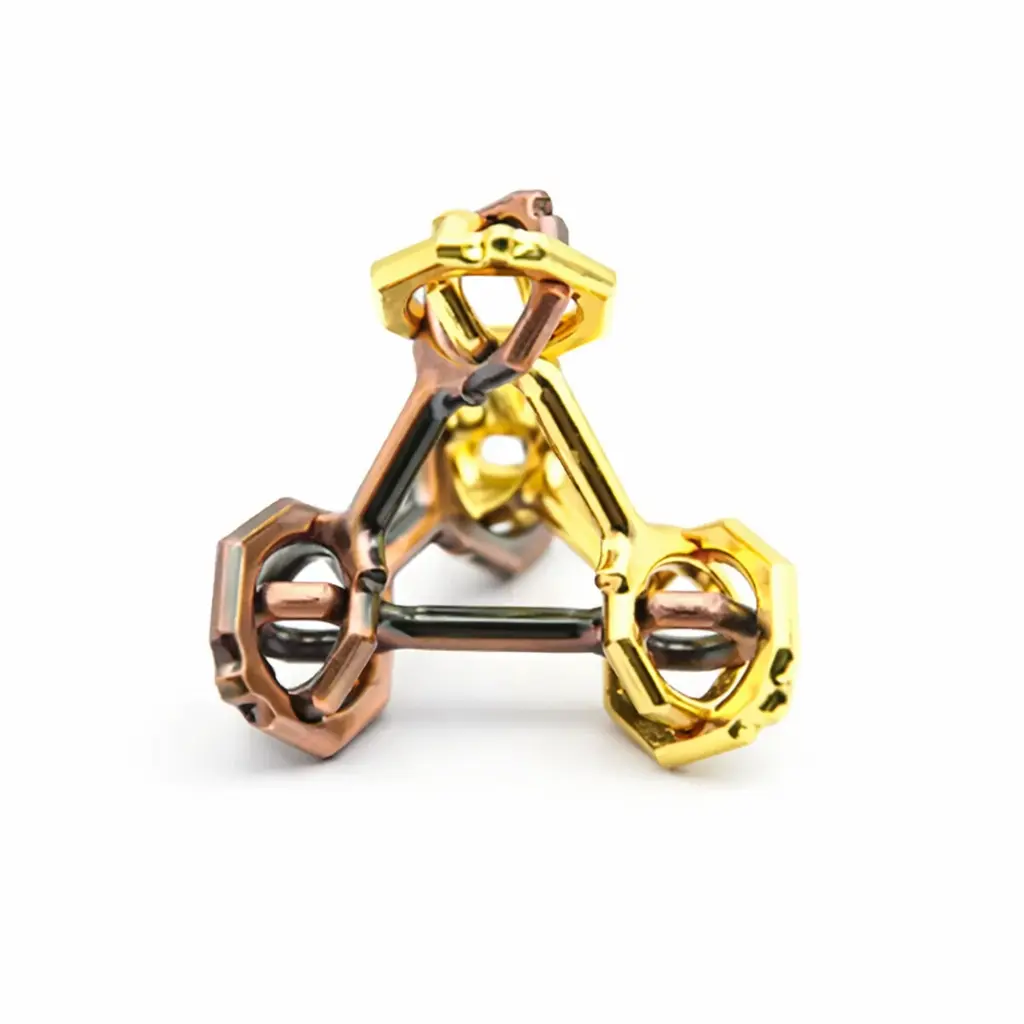
Feels like: A deep, multi-session project. These puzzles teach persistence. You might put it down and come back tomorrow with fresh eyes. Brain Skill: Advanced 3D visualization, extreme patience, systematic trial-and-error. Perfect For: The puzzle enthusiast ready for a true test. Examples: Cast Galaxy, Cast Coil Triangle.
Next Action: Be honest with yourself. If you're new, choose 'Engaging.' Prove to yourself you enjoy the process before investing in a 'Gripping' level challenge. For a deeper dive, explore our full guide to metal puzzles and the brain.