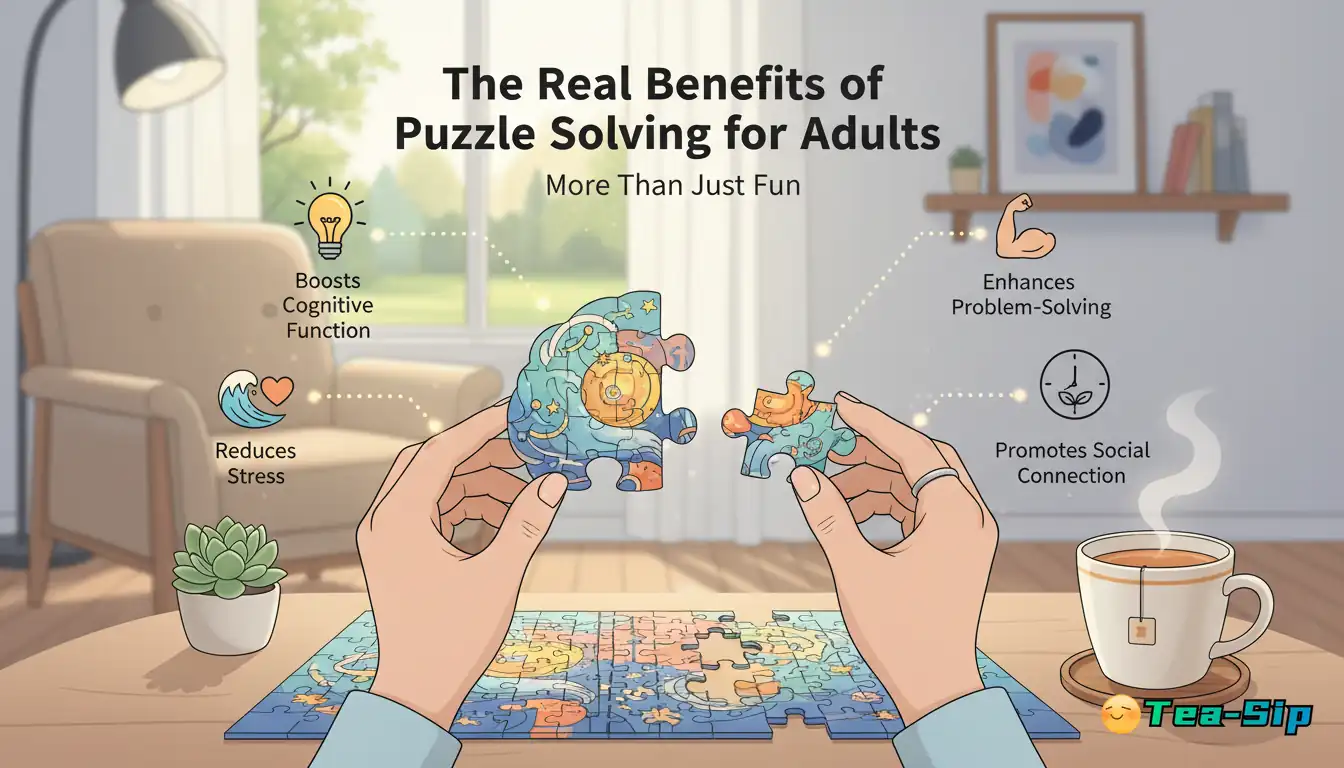
The key is to match the puzzle to your desired mental outcome, not just its difficulty. For a mental reset, choose short, tactile brain teasers; for deep flow, opt for multi-session 3D kits. A landmark NCBI study linked regular puzzle-solving with significantly slower cognitive decline—it's a legitimate tool for mental upkeep. Start by asking what you want to feel: focused, calmed, or accomplished?
How do I choose the right puzzle for my mental needs?
Forget picking by piece count or the prettiest picture. The most effective way to choose is to treat a puzzle like a tool for a specific mental state. Are you trying to power down after a stressful meeting, or dive into a deeply absorbing weekend project? The right fit makes all the difference between frustration and that perfect state of screen-free focus.
Here’s a comparison by mental outcome, time, and satisfaction type to cut through the noise:
| Mental Outcome Sought | Time Commitment | Type of Satisfaction | Ideal Puzzle Examples | Who Should Skip This |
|---|
For a Quick Reset & Focus
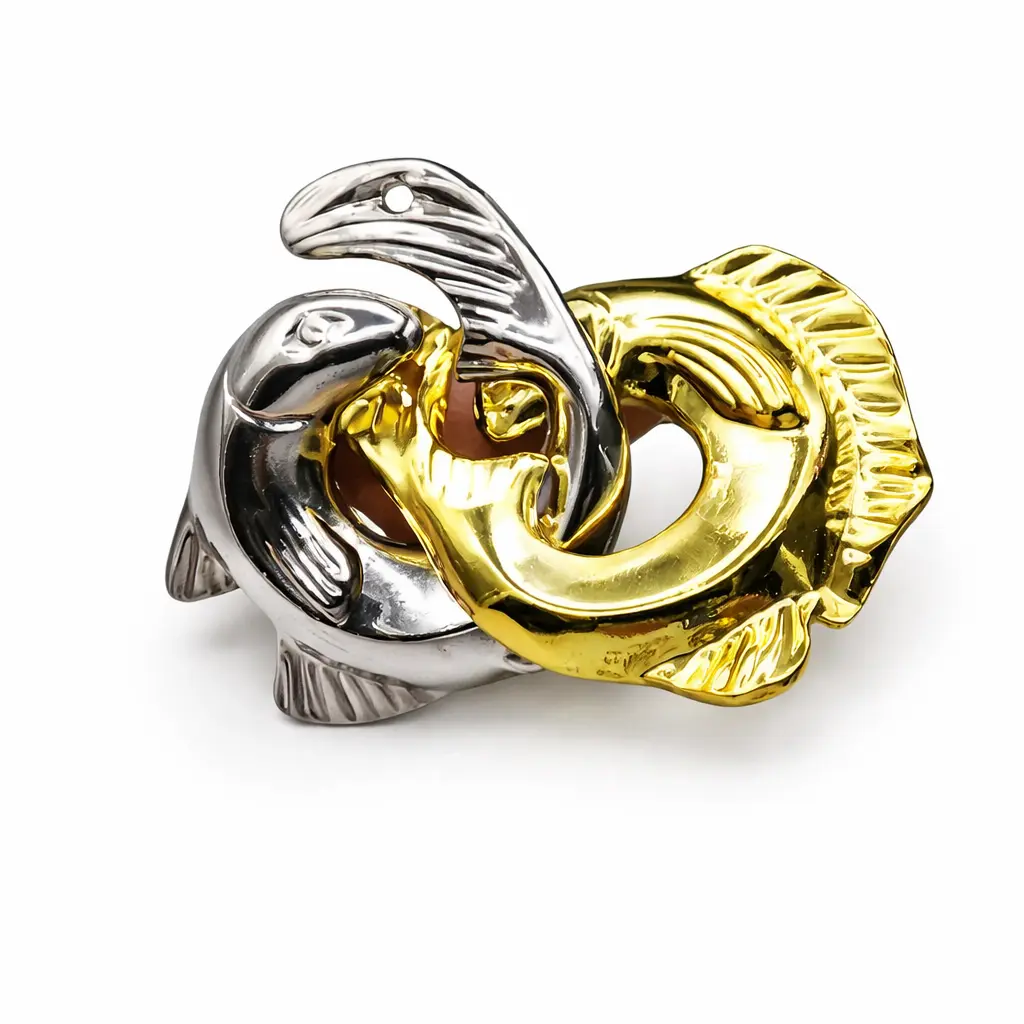
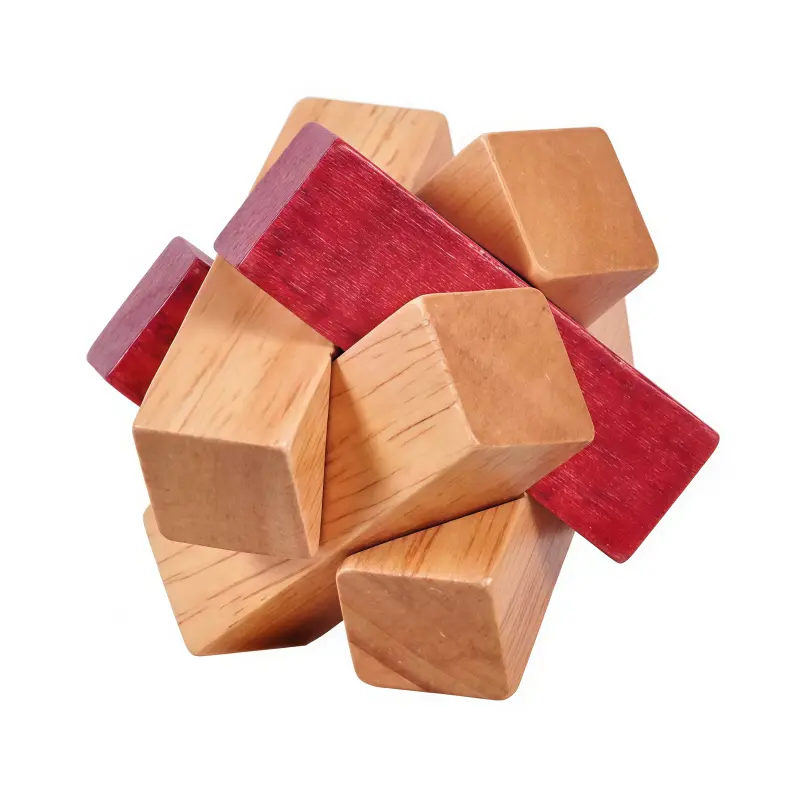
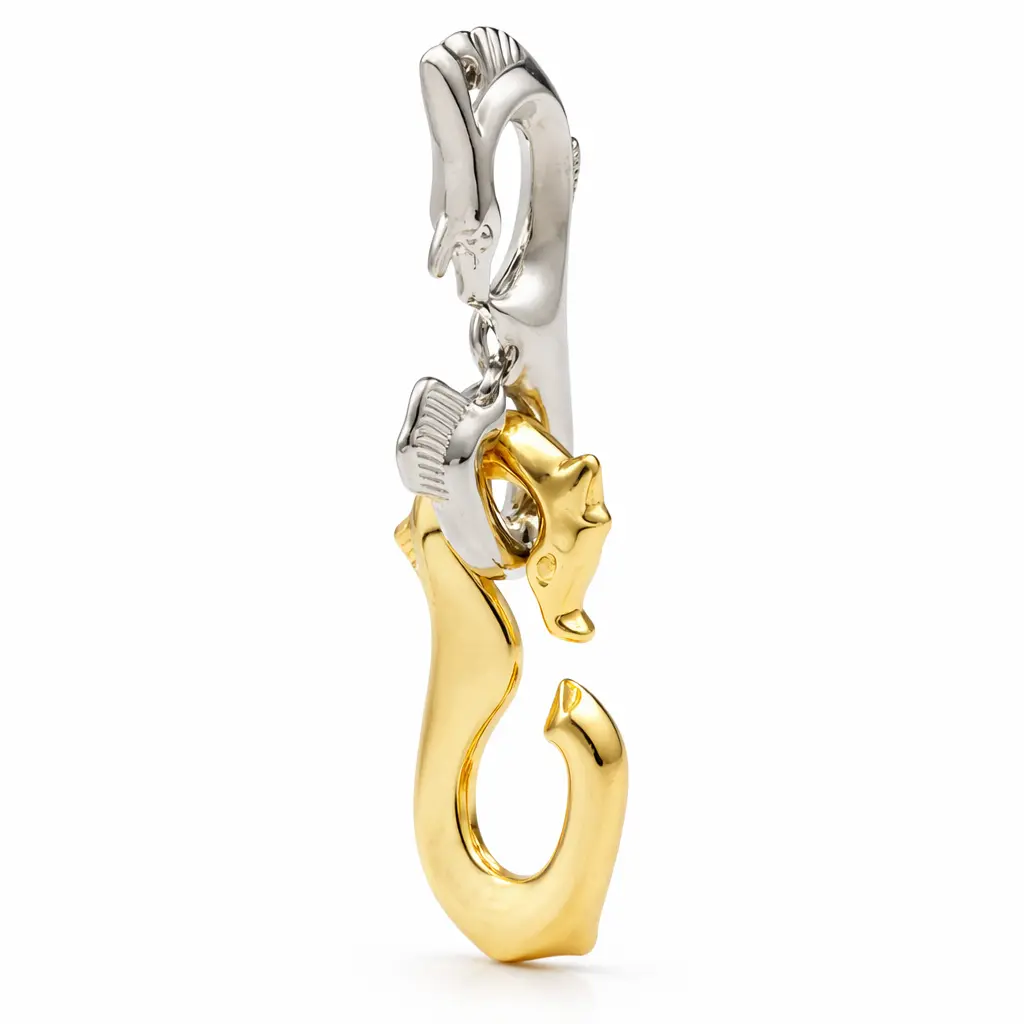
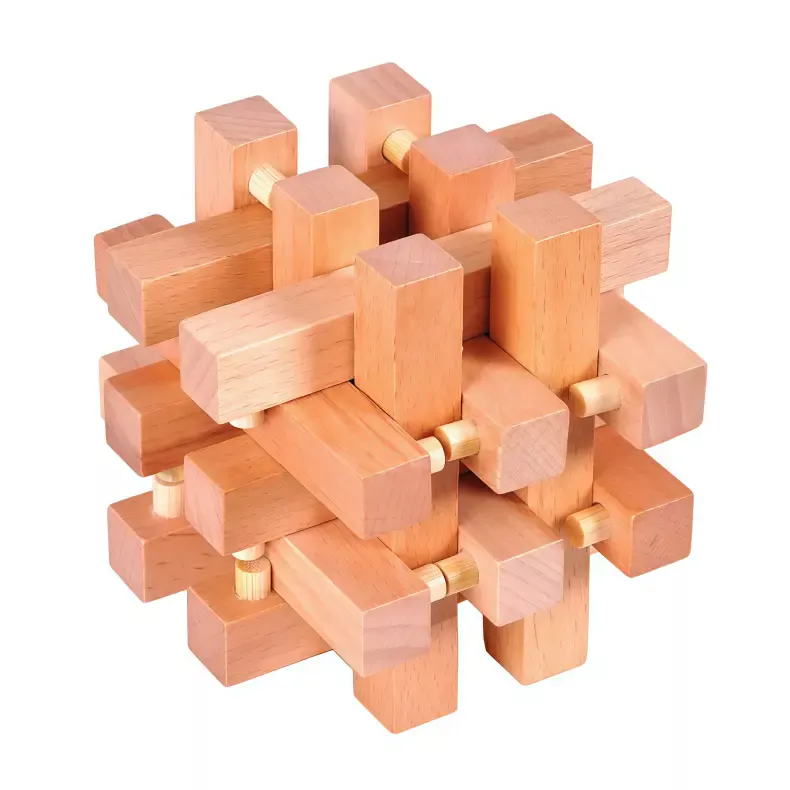
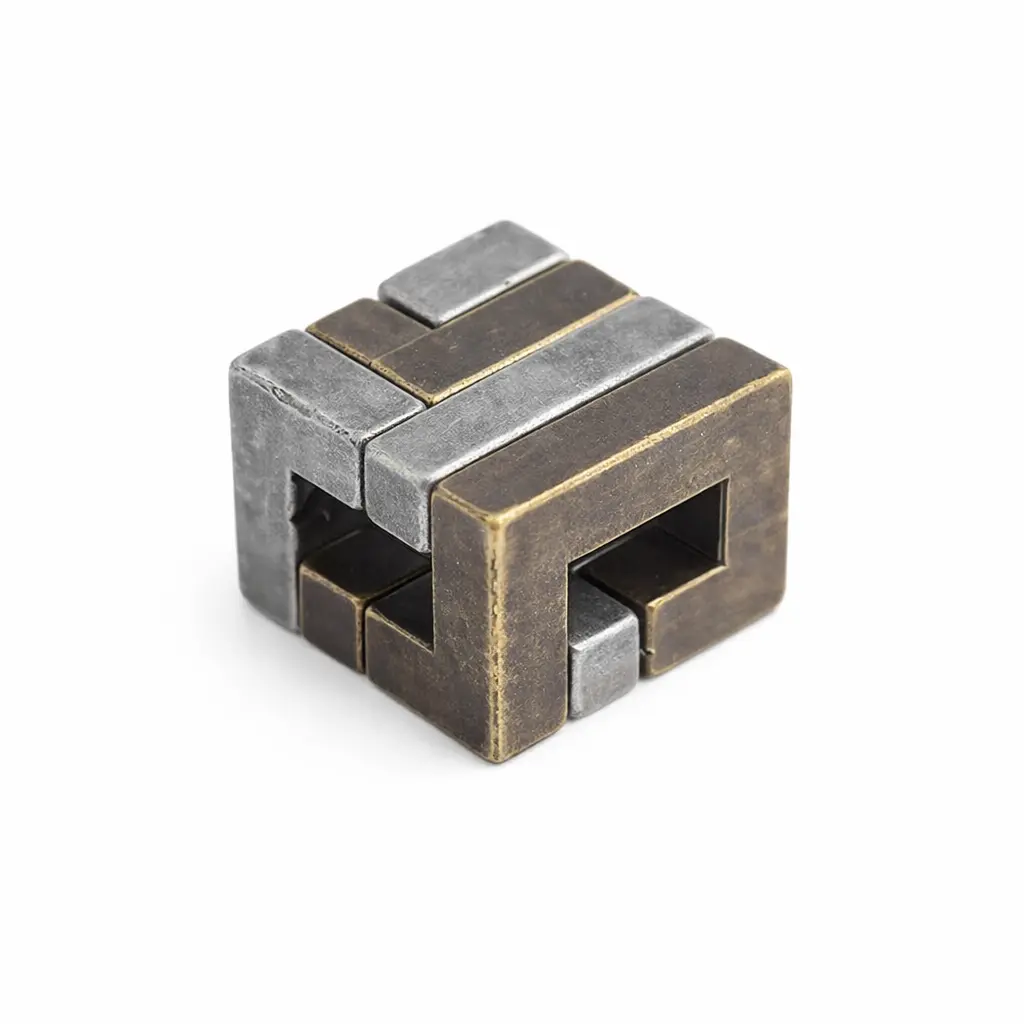
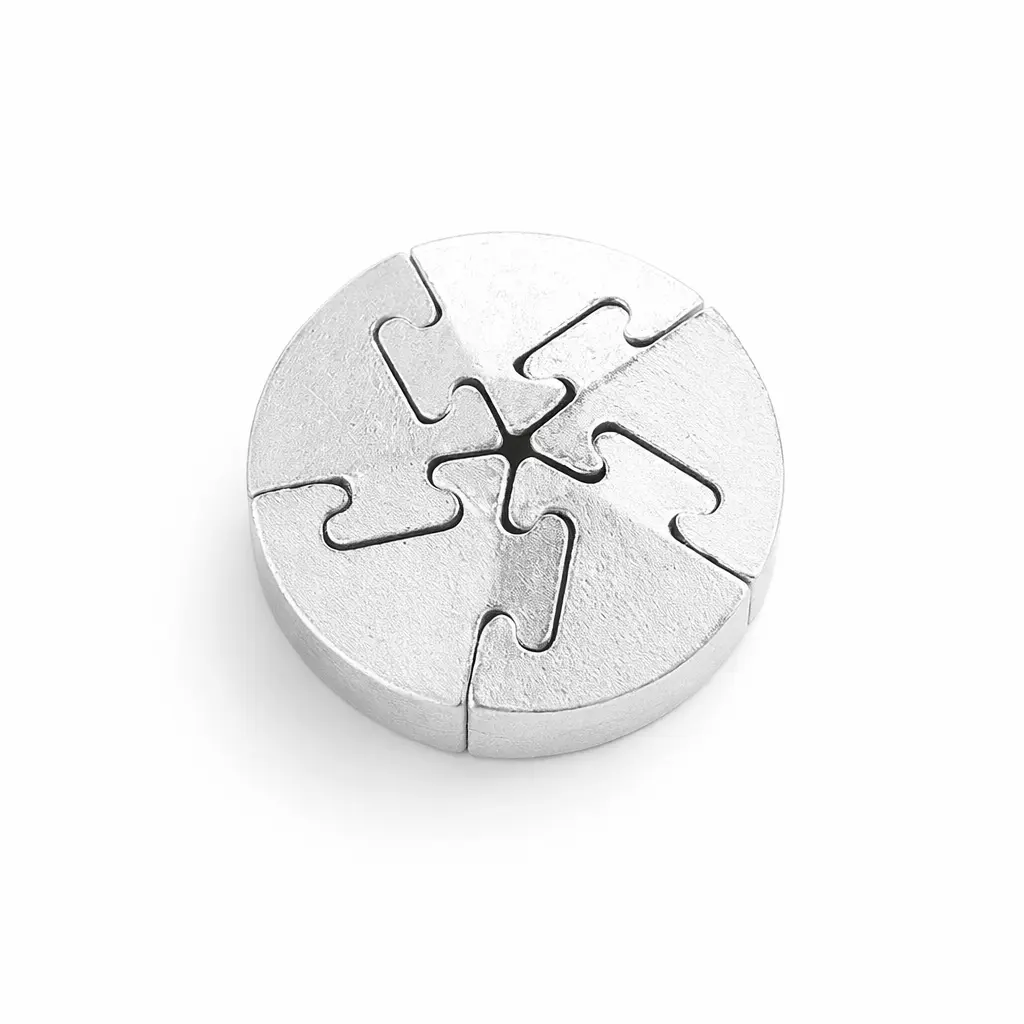
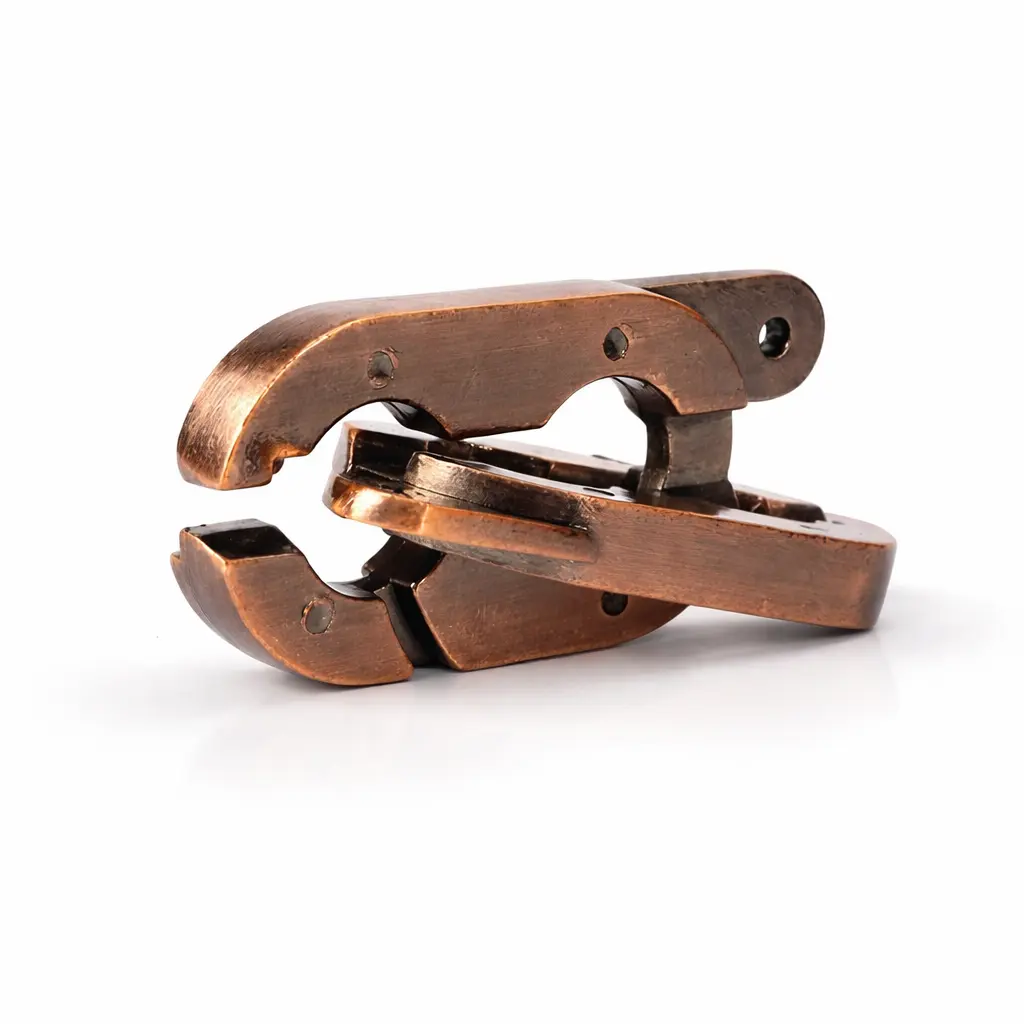
To interrupt anxiety spirals, transition between tasks, or find 5 minutes of pure concentration. | 1-10 minutes | Instant logical 'aha!' moment. A quick win that proves you can solve things. | Metal disentanglement puzzles (like the Cast Coil Pocket Puzzle), small wooden burrs. | If you crave long-term, tangible results you can display. |
For Deep Unwinding & Flow
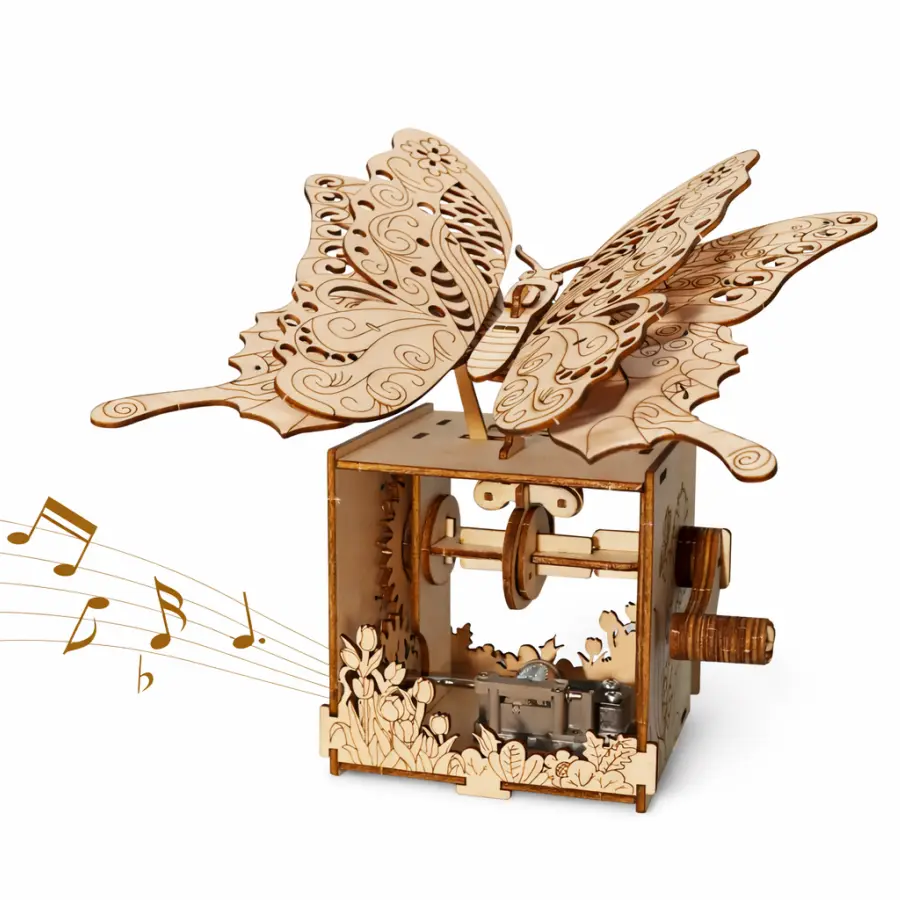
To fully detach from screens, quiet the mind, and enter a state of mindful hands-on work. | 30 mins - 2+ hours | Long-term visual achievement. The satisfaction of seeing a complex, beautiful object take shape. | 3D wooden model kits (like the Layered Butterfly Music Box), intricate jigsaw alternatives. | If your free time is fragmented in 10-minute chunks. |
For Tactile Fidgeting & Processing
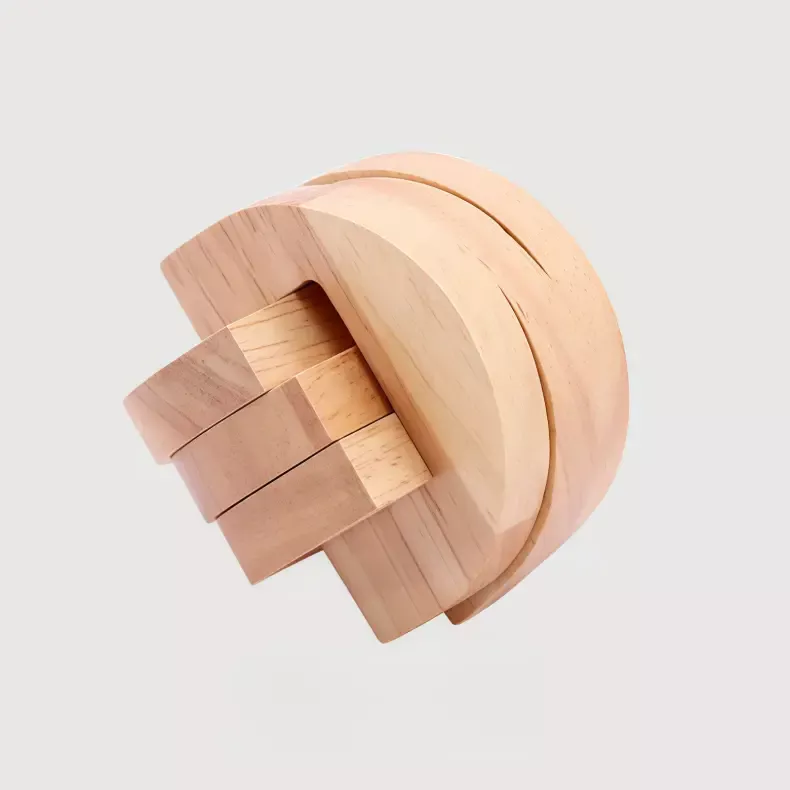
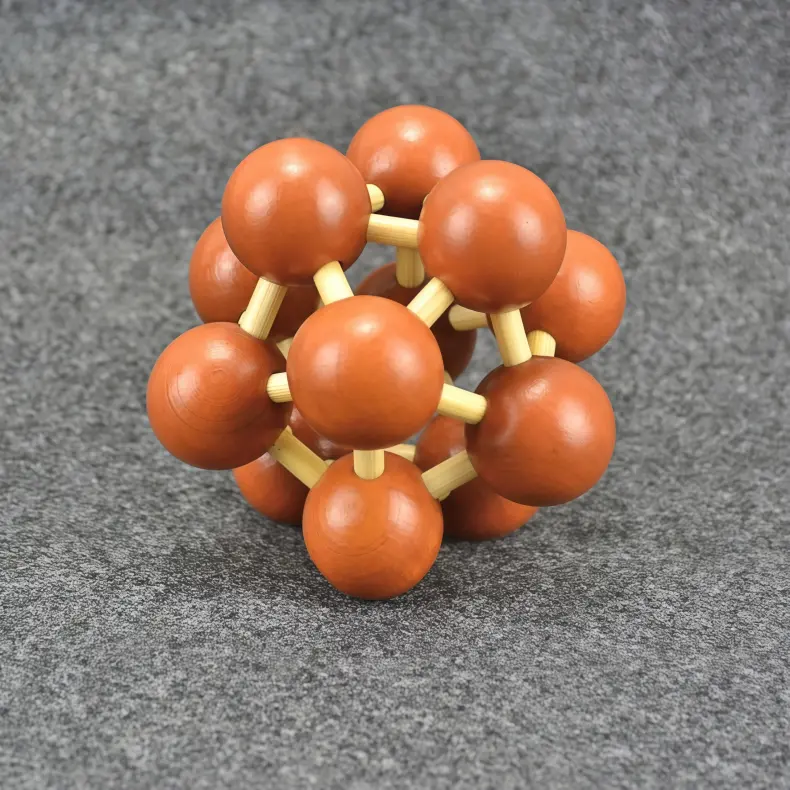
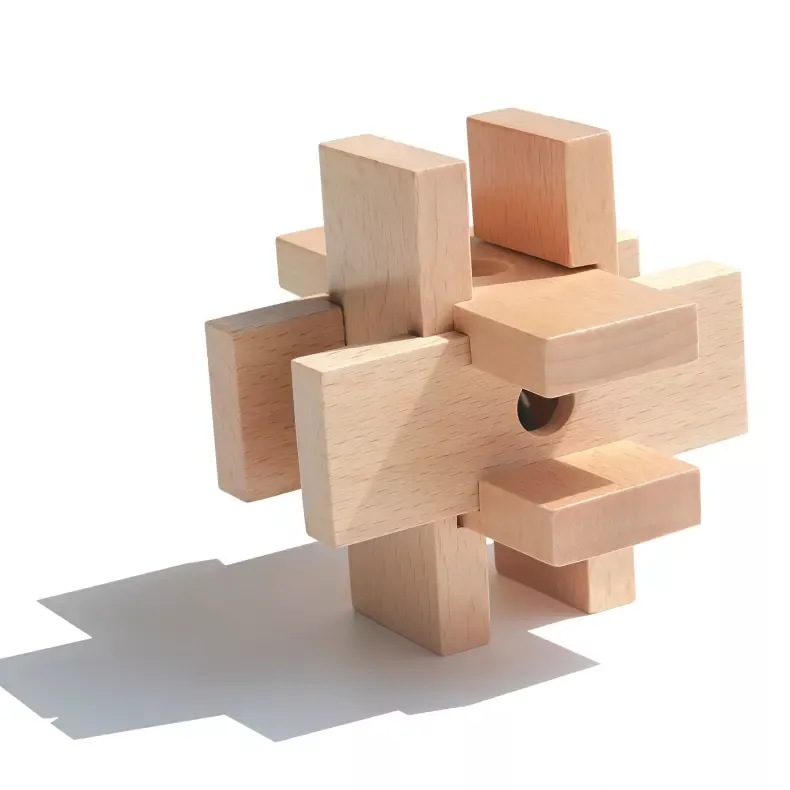
To keep restless hands busy while thinking, on calls, or processing difficult emotions. | On-and-off, indefinite | Kinetic, rhythmic satisfaction. The physical motion itself is the benefit, not just the solution. | Interlocking sphere puzzles, smooth wooden knots (like the Wood Knot Puzzle). | If you need a clear, definitive 'end point' to feel productive. |
A crucial note: The benefits of puzzle solving for adults aren't tied to price. A $13 metal brain teaser can provide the same cognitive 'reset' as a more expensive set. It's about the engagement, not the cost. As one Reddit user shared, using a simple puzzle to work through emotions felt 'like untangling my thoughts with my hands.' For more focused ideas, see our list of desk puzzles designed for decompression. Your next step? Identify the one mental state you'd most like to cultivate this week and pick a puzzle from that category.
It's not about finding 'extra' time; it's about reclaiming the micro-moments already lost to scrolling. Here’s how to weave the benefits of puzzle solving for adults into your real routine.
The 5-Minute Desk Reset: That post-lunch slump or pre-meeting jitters? Keep a keyring puzzle in your desk drawer. The goal isn't to solve it immediately, but to let your fingers and logical mind work on a single, contained problem. This creates a 'cognitive airlock,' pulling you out of work stress and into a brief, restorative state of flow. I keep a Dual Seahorse puzzle on my desk for this—its cool, smooth metal is a tangible cue to shift mental gears.
The Weekend Deep-Dive Project: This is for reclaiming a Sunday afternoon. Choose a puzzle with a stunning final form, like the Wooden Sailboat 3D Kit. The 2-4 hour commitment is the point—it's a digital detox that results in a display-worthy piece. The satisfaction isn't just in finishing, but in the hours spent fully immersed in mindful hands-on creation.
The Anxious-Hands Fidget Solution: For those who think better when their hands are moving. A puzzle like the Interlock Puzzle Sphere is perfect. It's designed to be taken apart and reassembled rhythmically. The repetitive motion is meditative, helping to process sub-conscious stress or listen more attentively on calls, offering a far healthier outlet than nail-biting or skin-picking.
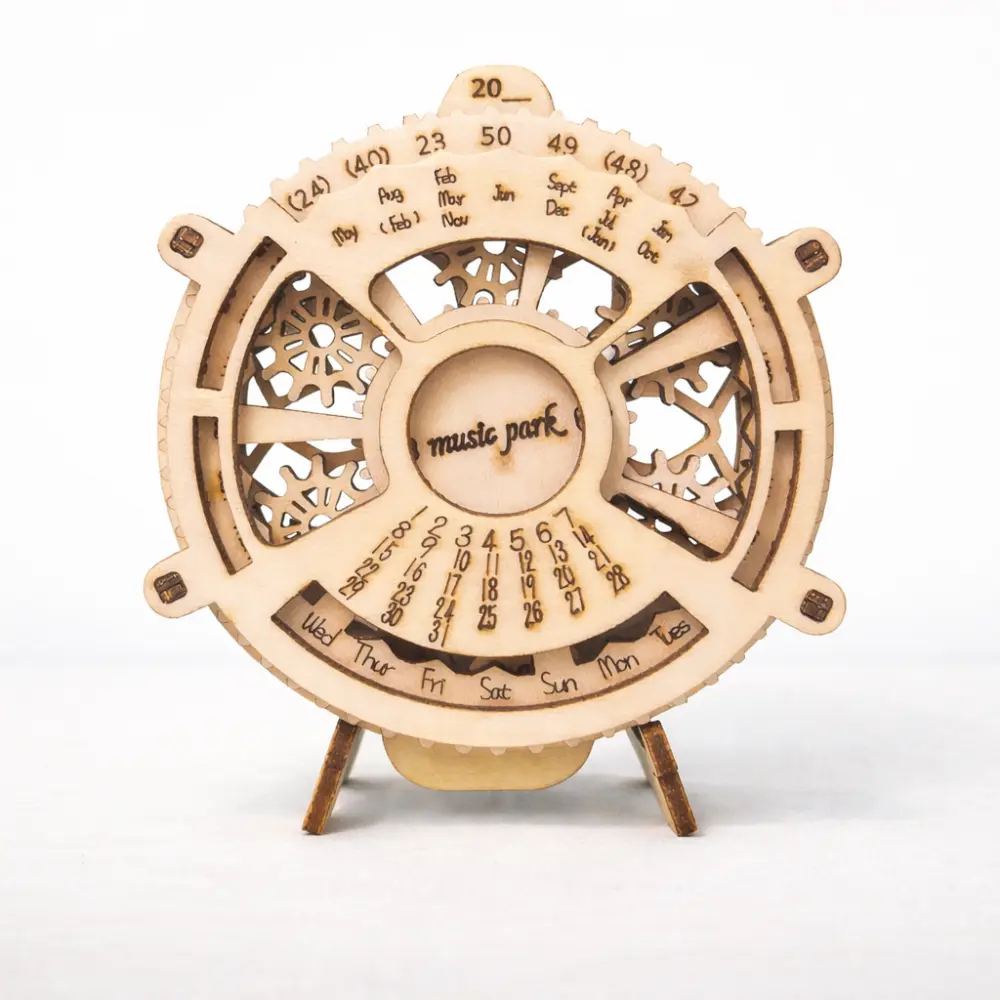
The Mindful Gift to Yourself: This is intentional self-care. Set the mood: quiet music, good light, your phone in another room. A puzzle with a beautiful functional payoff, like the 3D Wooden Perpetual Calendar, transforms the activity. Once built, it becomes a daily reminder of the calm and capability you cultivated while making it.
The first 'click' of a perfectly fitting piece can unlock more than just the puzzle. Once you've experienced that flow state, you might find yourself looking for new ways to engage that part of your brain. This isn't about getting 'better' at puzzles, but about discovering new avenues for mindful challenge.
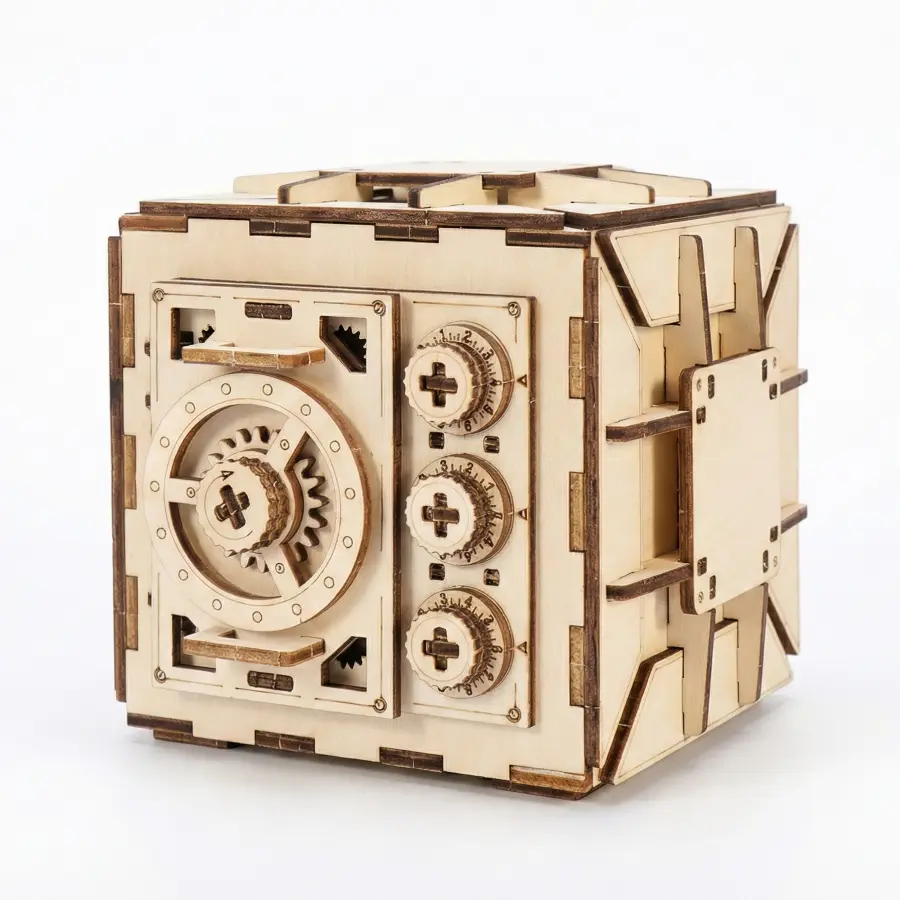
Your path might evolve from simple disentanglement puzzles to complex mechanical models with gears and moving parts, like the Mechanical 3D Wooden Globe. You could explore puzzle boxes with secret compartments or trick openings, such as the Wooden Puzzle Safe, which blend problem-solving with a delightful reveal.
You can also deepen your practice with your existing puzzles: try solving a familiar brain teaser with your non-dominant hand, or attempt a timed solve. There are entire communities, both online and locally, dedicated to sharing solutions, designing puzzles, and trading rare finds. The hobby connects you to a history of human ingenuity, from ancient Chinese puzzle locks to modern designer brain teasers.
The core benefit remains: a guaranteed way to step away from the digital noise and engage in purposeful play. Ready to explore a wider world? Check out our complete guide to adult brain teasers for a deep dive into types, mechanisms, and hidden gems. Your next step is simply to begin with one puzzle that calls to you.