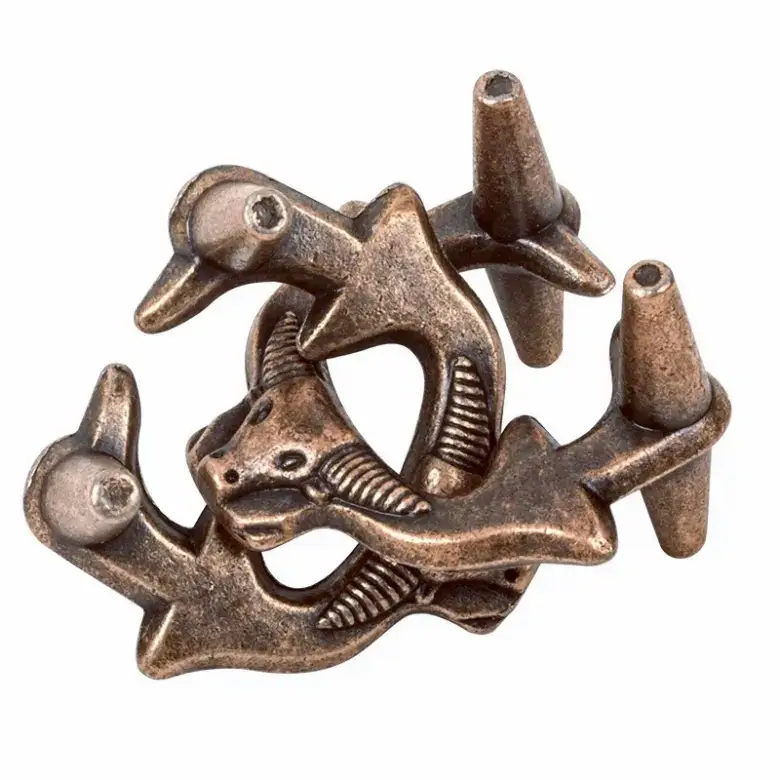
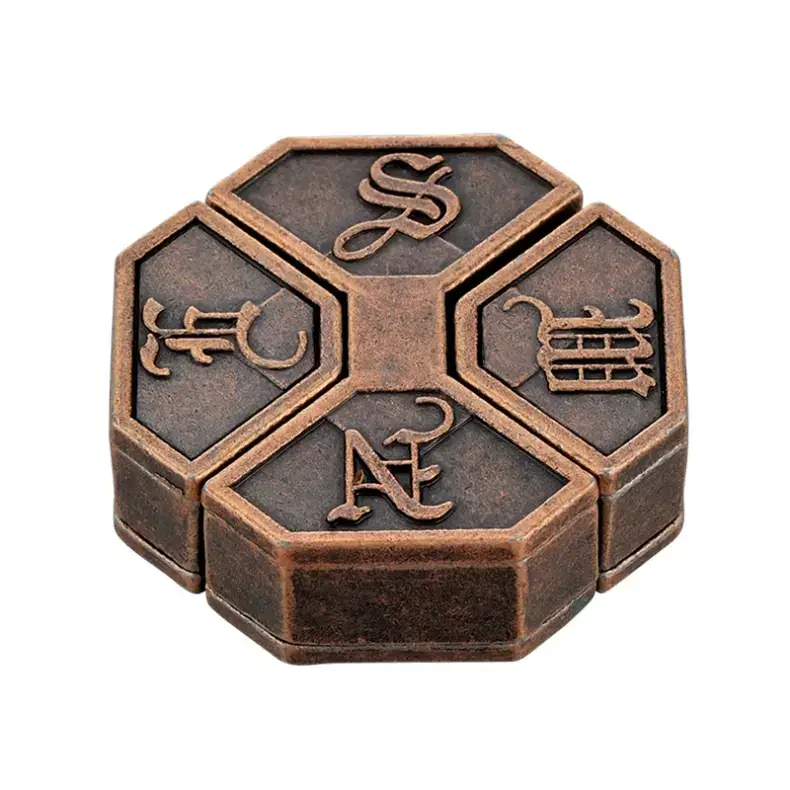
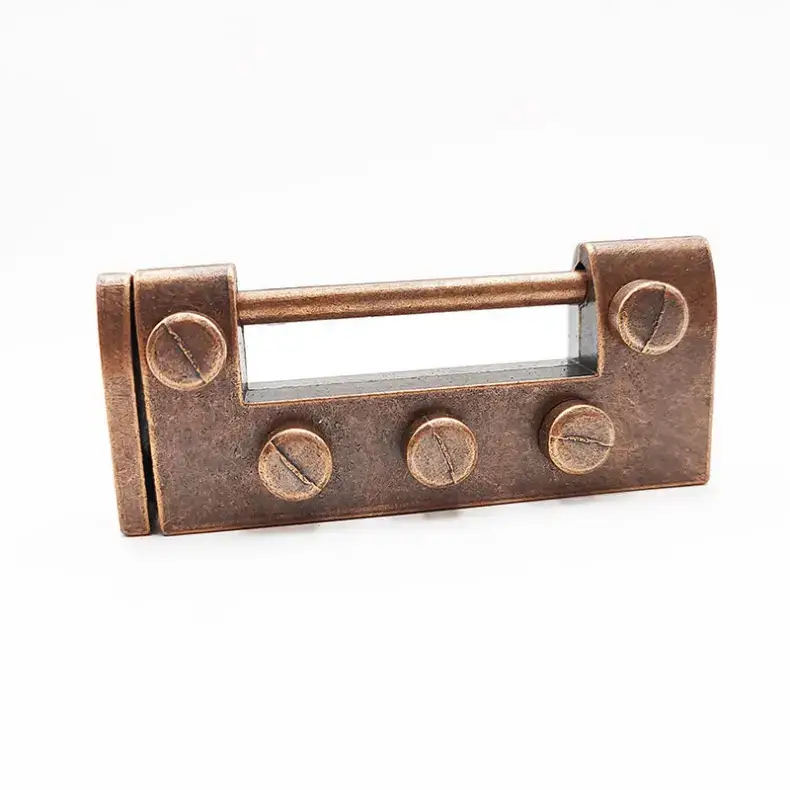
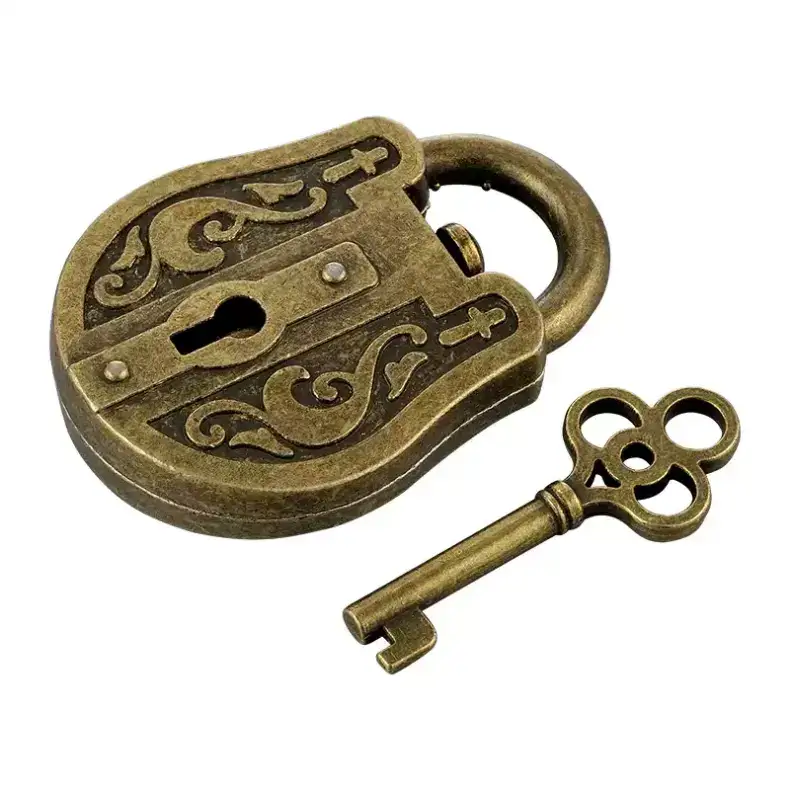
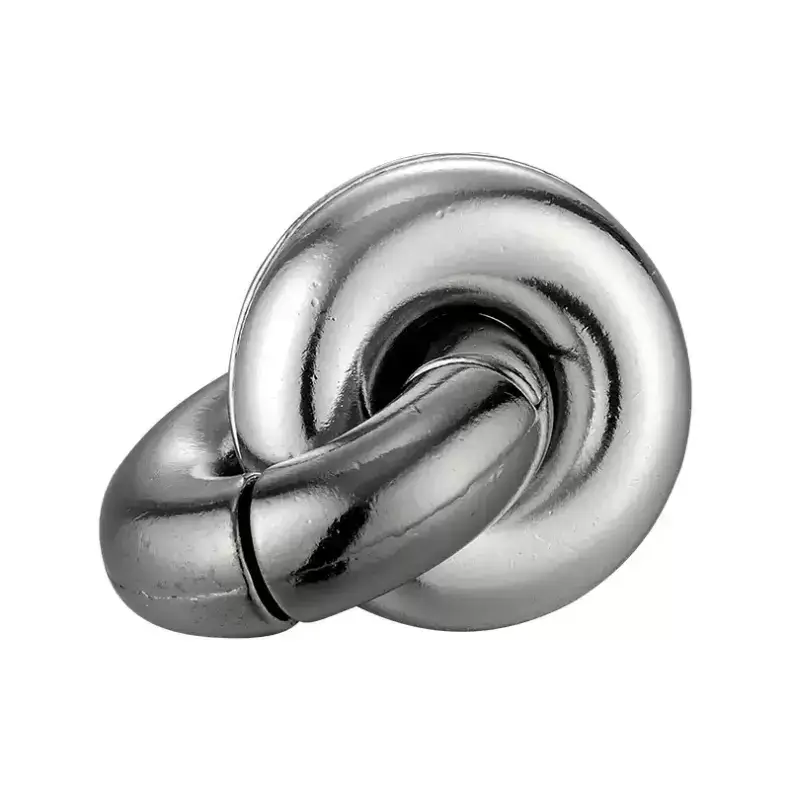
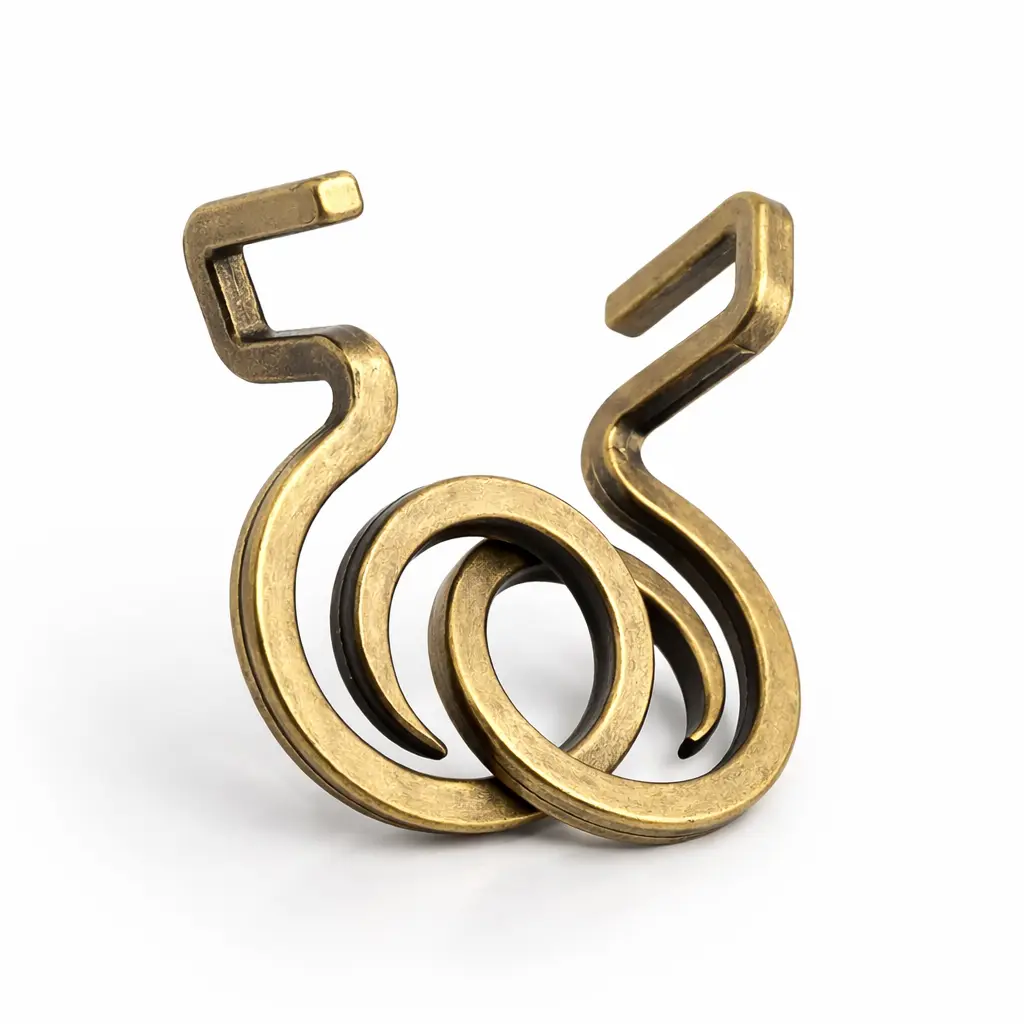
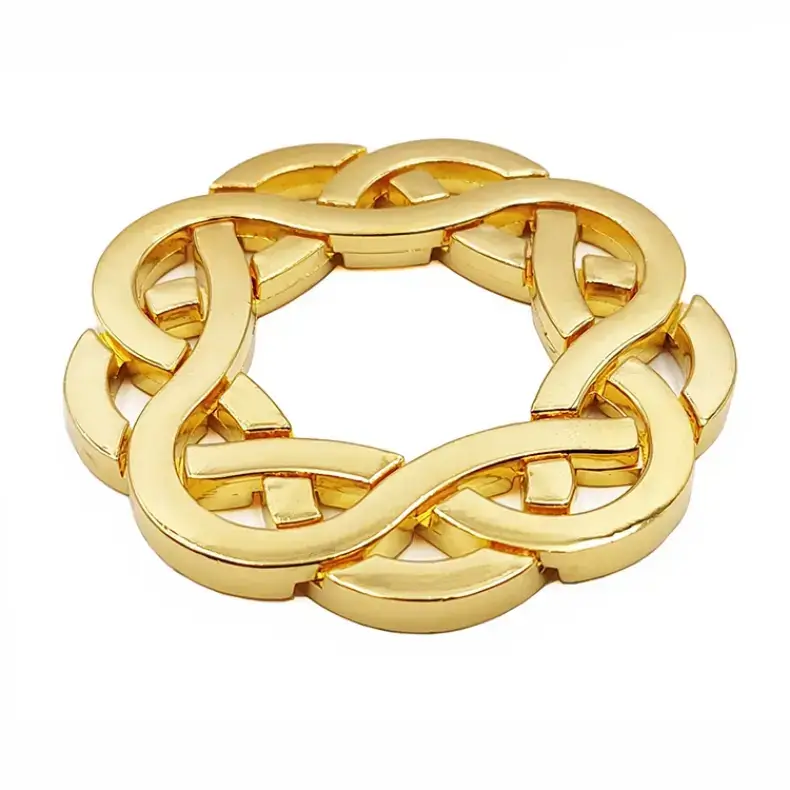
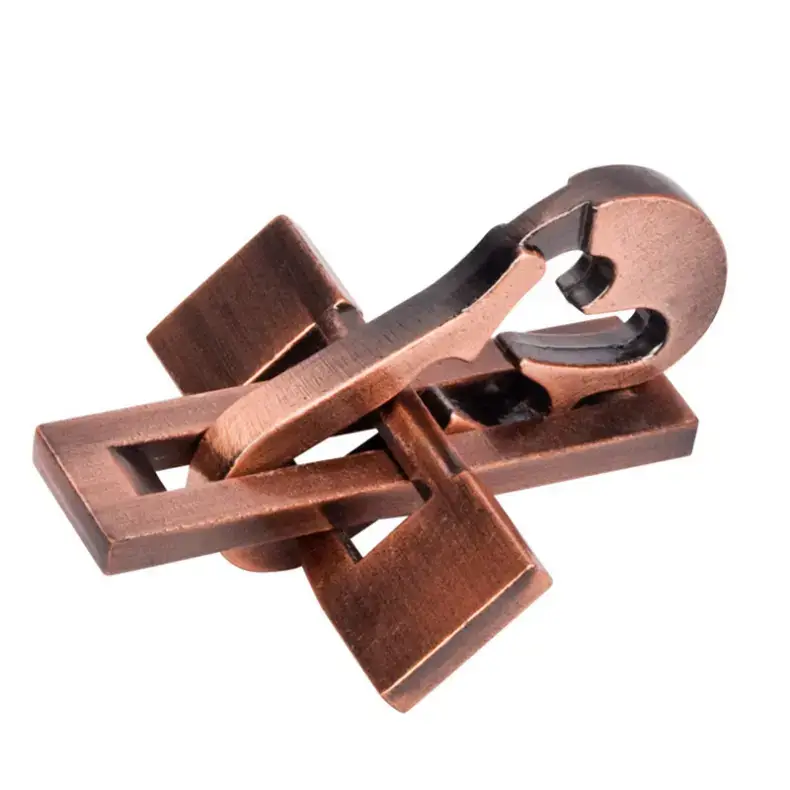
Authentic quality is defined by material density and machining precision, not just appearance. Genuine puzzles use a zinc alloy (typically ZAMAK-3) for a dense, non-bending feel, while cheap versions use brittle, porous pot metal that can snap under 4 lbs of pressure. The real test is the hand feel: a quality 3-inch puzzle will weigh 3-5 ounces, not 1-2.
How Do You Spot an Authentically Made Chinese Metal Puzzle?
You're looking at a shelf of puzzles online, and every one says "high quality." The photos are the same. The price range is suspiciously wide. This is the core of the hobbyist's dilemma. The difference isn't in the photo—it's in the physics of the object. When we talk about authentic quality in Chinese metal puzzles, we're talking about three non-negotiable pillars: material density, machining precision, and value-per-solve. A puzzle that deforms on its third solve is a waste of money, no matter how low the initial cost.
Here’s a side-by-side breakdown of what separates a shelf-worthy piece from a soon-to-be-snapped disappointment:
| Criteria | Authentic Quality (What You Want) | Generic / Low-Tier (What to Avoid) |
|---|
| Material & Heft | Zinc Alloy (ZAMAK-3/5): High-density, substantial feel (3-5 oz for a standard size). Won't bend or warp with normal pressure. Has a cool, smooth, authoritative weight. | Mystery Pot Metal: Lightweight, often porous. Can feel "hollow." Prone to snapping under lateral pressure or developing stress cracks at weak joins. Often under 2 oz. |
| Machining & Finish | Clean Joins & Deburring: Seams are tight and smooth. Moving parts interact with a precise, satisfying click or slide. No sharp edges to catch skin. A consistent, even plating or coating. | Rough Casting & Burrs: Visible mold lines, flashing, and sharp, unfinished edges. Parts may grind, stick, or feel "gritty." Plating is often thin and may flake, revealing a dull base metal underneath. |
| Historical Fidelity | Benchmark Design: Based on documented, traditional Chinese puzzle mechanisms (like the classic "Lian" or "Bagua" locks). The solve is a reflection of historical logic and craftsmanship. | Generic "Chinese-Style": Aesthetically mimics cultural symbols (koi, knots) but uses a simplified, often flawed mechanism not found in traditional puzzles. Prioritizes looks over functional elegance. |
| Value-Per-Solve | Long-Term Companion: Can be solved, reset, and shelved hundreds of times without degradation. The tactile satisfaction and mental challenge remain constant for years. | Disposable Novelty: Solvable a handful of times before mechanism loosens, pieces bend, or frustration with poor tolerances outweighs enjoyment. Becomes shelf clutter. |
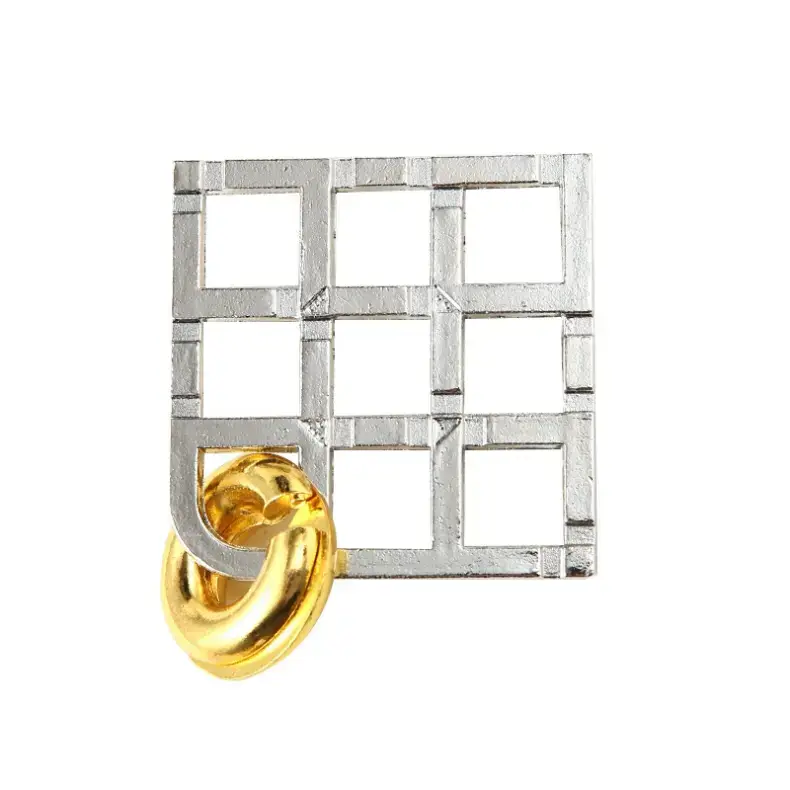
Who Should Skip This Entire Tier: If you're buying for a one-time party trick or for young children, authentic metal puzzles are overkill. Their value is lost in those scenarios. Save your money. But if you're a collector, a daily fidgeter, or someone who appreciates tools that last, the jump from generic to authentic is the only move that makes sense. The satisfying click of the Tian Zi Grid Lock is a perfect example of that precision.
Your next action: Pick up a puzzle you own. Does it feel insubstantial? Do the seams look rough? That’s your baseline. Now, seek the opposite.
Not every quality puzzle serves the same purpose. Your reason for buying dictates the best choice. Let's match the puzzle to the person.
The Collector Seeking Historical Authenticity: You appreciate puzzles with a story, rooted in centuries of Chinese craftsmanship. You want mechanisms that have stood the test of time. Your focus is on traditional designs and elegant, logical solutions. The Pick: The Bagua Lock Puzzle. Its design is deeply symbolic, based on the eight trigrams of Taoist philosophy. Solving it isn't just a challenge; it's an interaction with history. For a deeper dive into this lineage, our guide on the rich history of Chinese puzzles is essential reading.
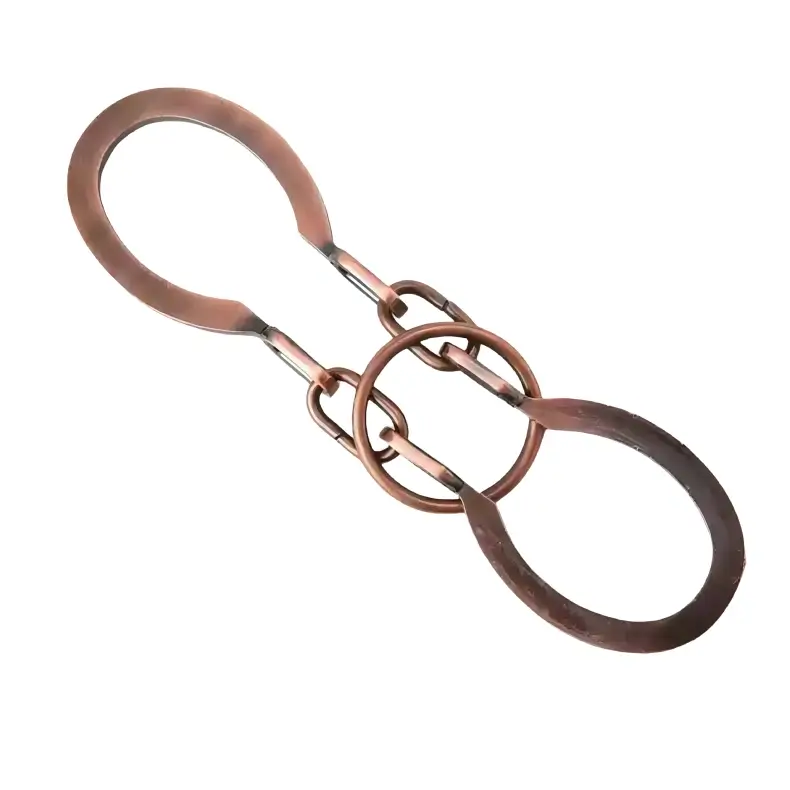
The Daily Fidgeter Craving Tactile Satisfaction: You need something for your hands while you think. The puzzle must feel amazing—smooth movements, precise clicks, a pleasing weight. Durability is key because it will be handled constantly. The Pick: The Interlocking Double-Ring Lian Puzzle. The rhythmic, clockwork-like motion of the rings sliding past each other is immensely satisfying. Its seamless construction ensures there are no rough spots to interrupt your flow.
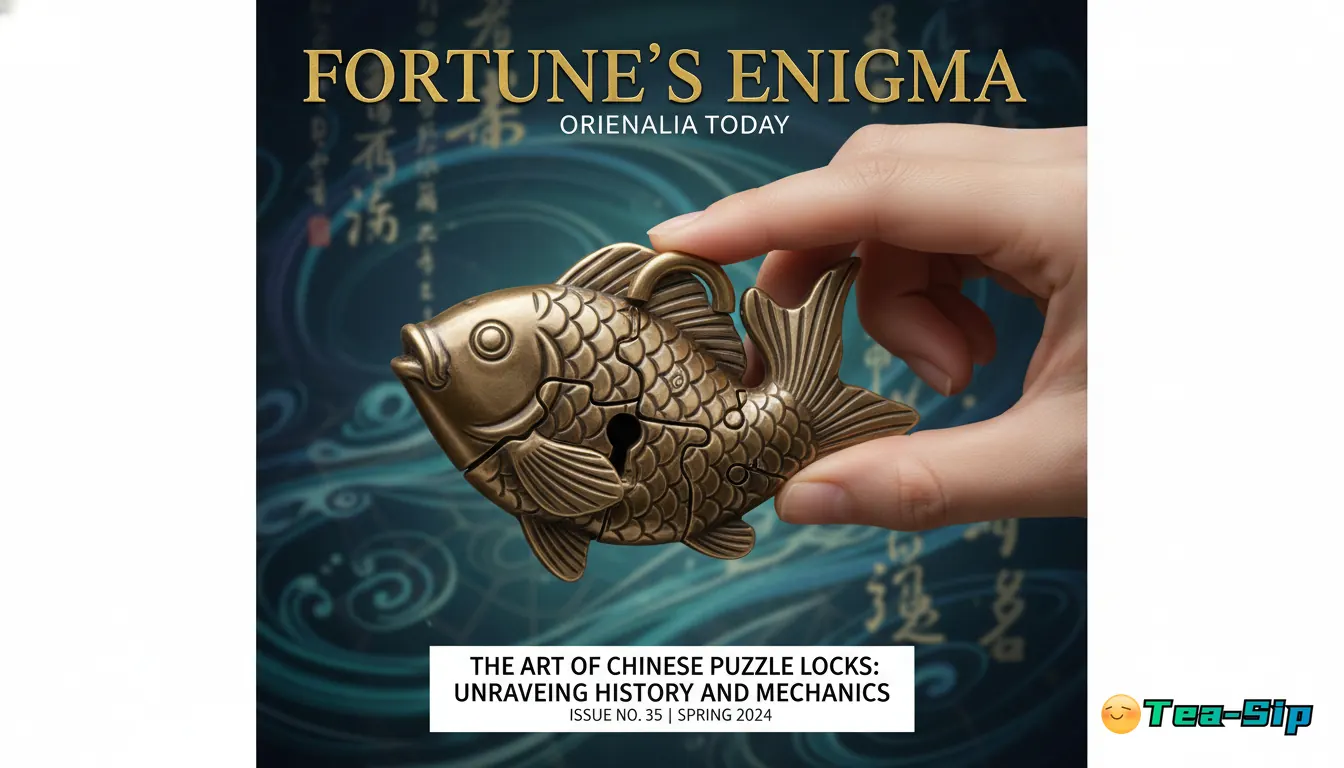
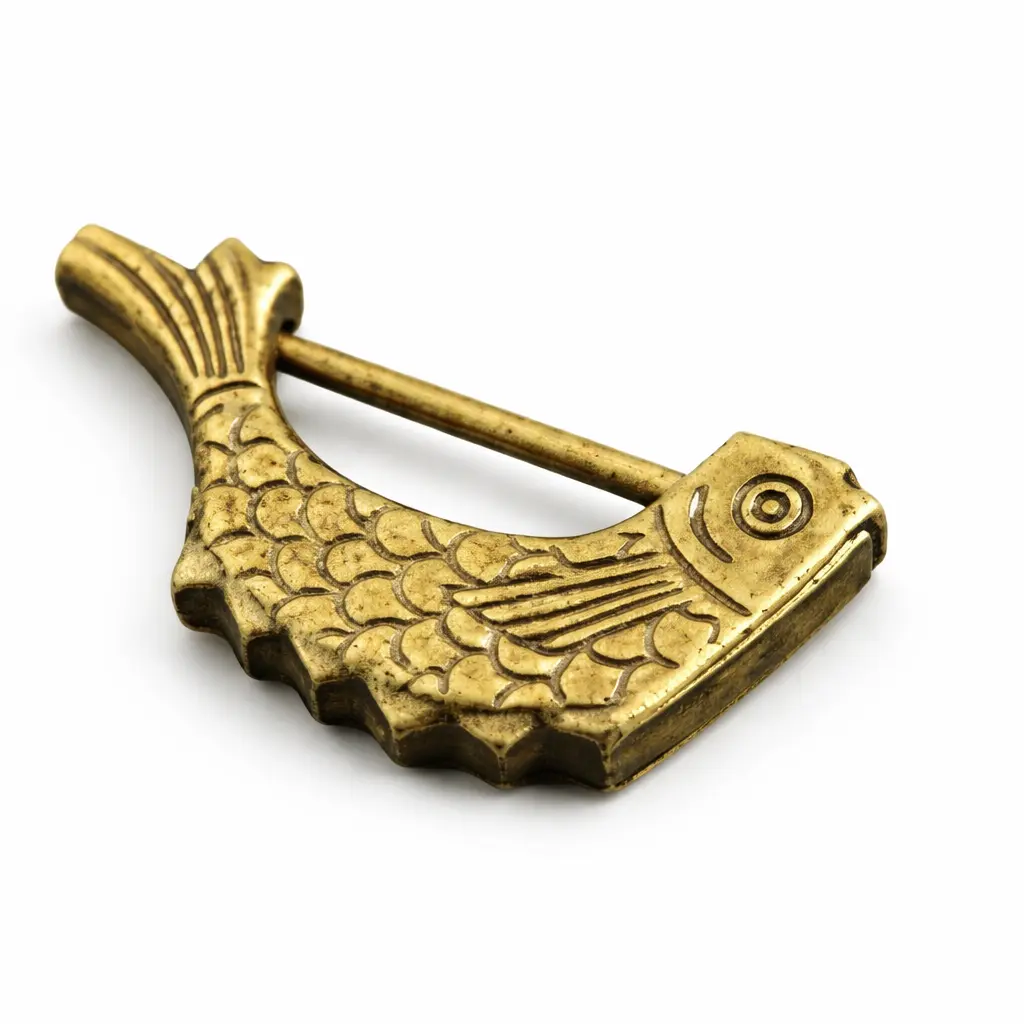
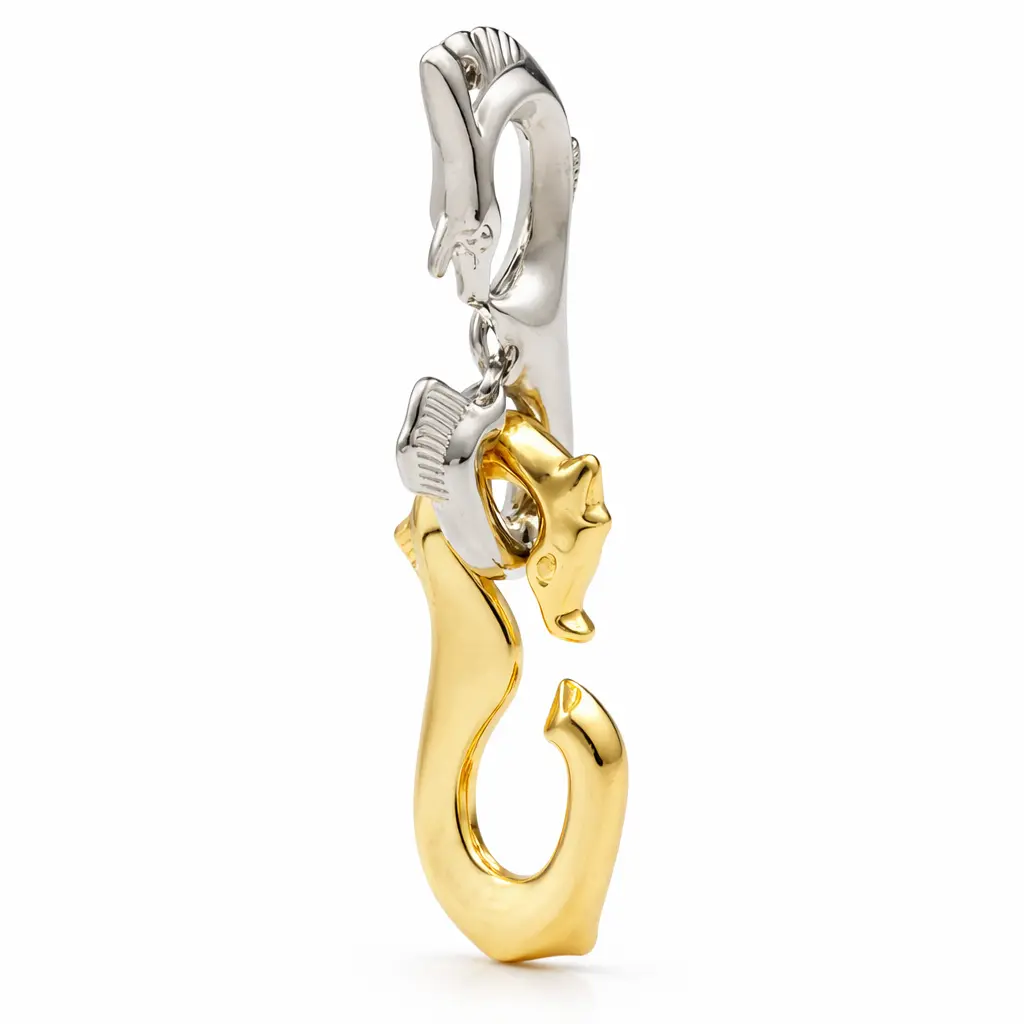
The Gift-Giver for a Discerning Connoisseur: You need a gift that says "I know you appreciate fine things." It must look beautiful at rest, feel premium in the hand, and offer a dignified challenge. Presentation matters. The Pick: The Chinese Koi Puzzle Lock. It's visually stunning, symbolizing prosperity and perseverance. The gold and silver plating is rich and even, making it a striking display piece that also offers a clever, multi-stage disentanglement challenge. See our deep dive into the Koi lock's history for the perfect gifting anecdote.
The Hobbyist Executing a Shelf Upgrade: You're replacing broken, bendy puzzles with pieces that deserve a permanent spot. Your goal is to build a durable, respectable collection. You prioritize proven designs and robust construction. The Pick: The Divine Power Puzzle Lock. It's a benchmark—a complex, sturdy sequential discovery puzzle. Its multiple independent pieces are all machined to tight tolerances, so it will never develop the "wiggle" or slop that plagues cheap imitations. It’s a cornerstone piece.
You might think a puzzle's difficulty is purely in its design. But with metal puzzles, poor construction artificially alters—and often ruins—the intended challenge. A puzzle that bends can accidentally solve itself or become impossibly jammed. Rough tolerances can make a smooth move feel stuck, adding false complexity.
With authentically made puzzles, the difficulty is intentional and consistent. A well-machined puzzle retains its original solve path forever. Here’s how our collection ranges:
- Beginner (Logical, 5-15 minutes): Puzzles like the Horseshoe Lock offer a clear, A-to-B challenge. The pieces move freely as designed, allowing you to focus on the basic logic of disentanglement without fighting the material. Perfect for building confidence with that first satisfying "click" of separation.
- Intermediate (Strategic, 15-60 minutes): This is the sweet spot for regular solvers. The Antique Lock Puzzle requires sequential steps and spatial reasoning. Because the parts are precisely cast, you can experiment with rotations and alignments knowing that any "stuck" feeling is your clue, not a manufacturing defect.
- Advanced/Expert (Complex, 1+ hours to multiple sessions): For the dedicated. Puzzles like the Yangqin Lock involve hidden mechanisms, trick moves, and counter-intuitive steps. The substantial heft and machined precision are critical here; you need to apply careful pressure and feel for subtle internal movements without fear of deforming the puzzle. The integrity of the metal is part of the challenge.
The Honest Trade-Off: A truly well-made advanced puzzle will not hold your hand. It will be unforgiving and require patience. That's its purpose. The flip side is that a poorly made advanced puzzle is just frustrating, not challenging. It breaks the contract between designer and solver. Our advice? Start with an intermediate, authentic puzzle to recalibrate your expectations for what a good challenge feels like. Learn more about this in our veteran's guide to durable cast puzzles.