Rating a puzzle's challenge is an art. A 6-piece puzzle can stump a genius, while a 24-piece puzzle might have a repetitive, logical solve. True difficulty comes from the subtlety of movements and the presence of 'false solutions'—paths that feel right but lead to a dead end, forcing you to backtrack.
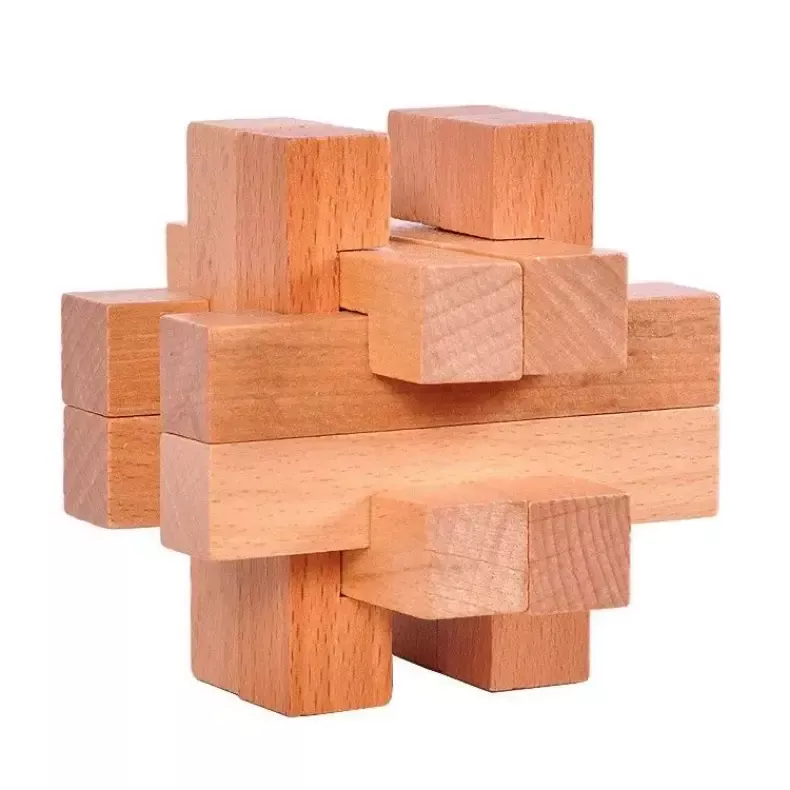
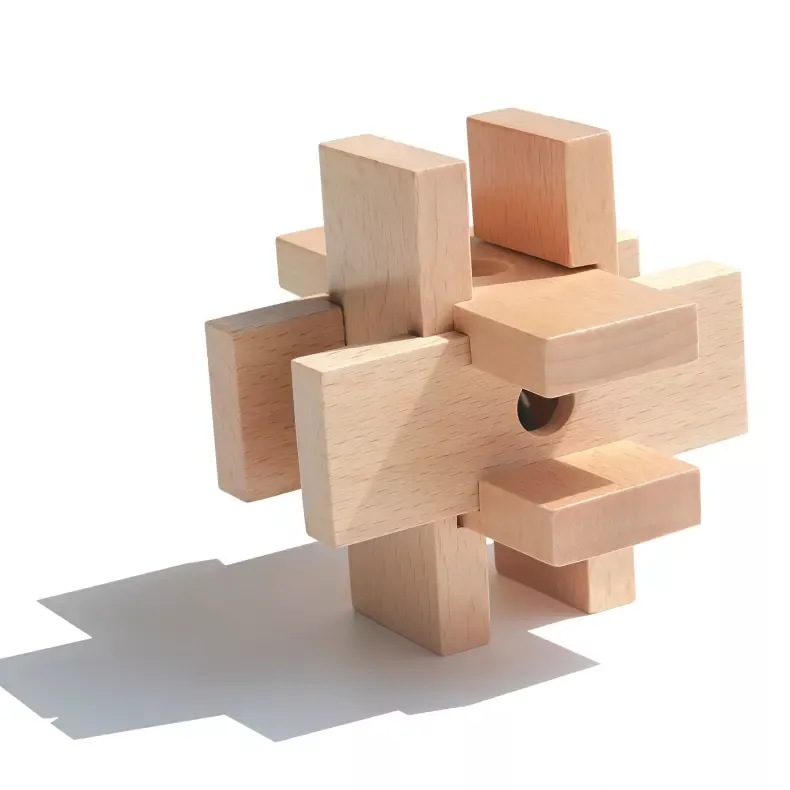
Introductory (Patient Beginner): This is your ideal starting point. Puzzles have clear visual clues and forgiving mechanisms. The goal is to learn the 'feel.' The 6 Piece Wooden Puzzle Key is a classic here. It's about seeing how three simple notches can create an impossible-looking lock. Expect to solve it in one sitting with focused patience.
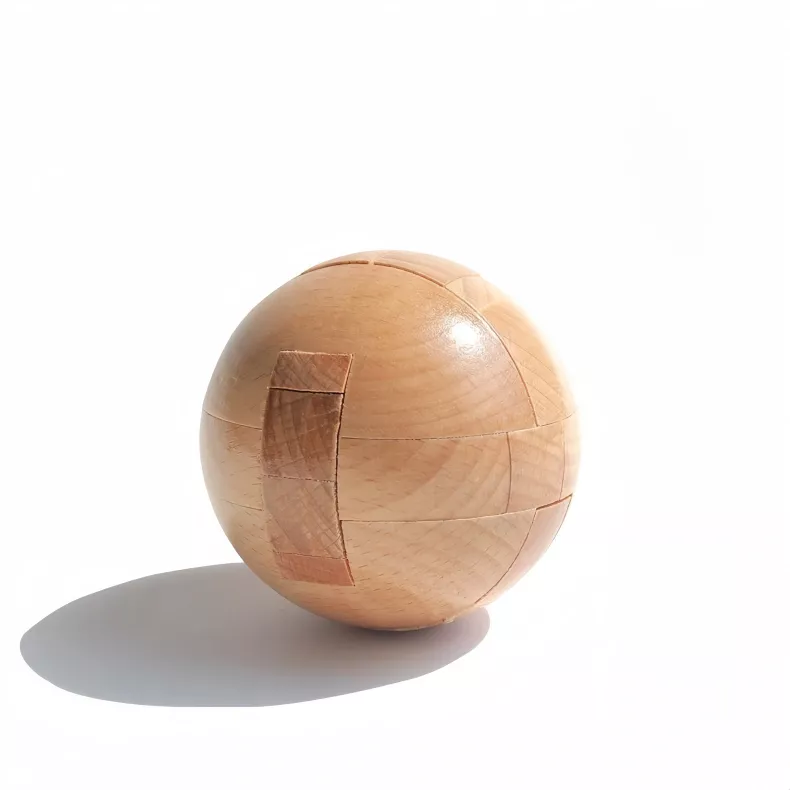
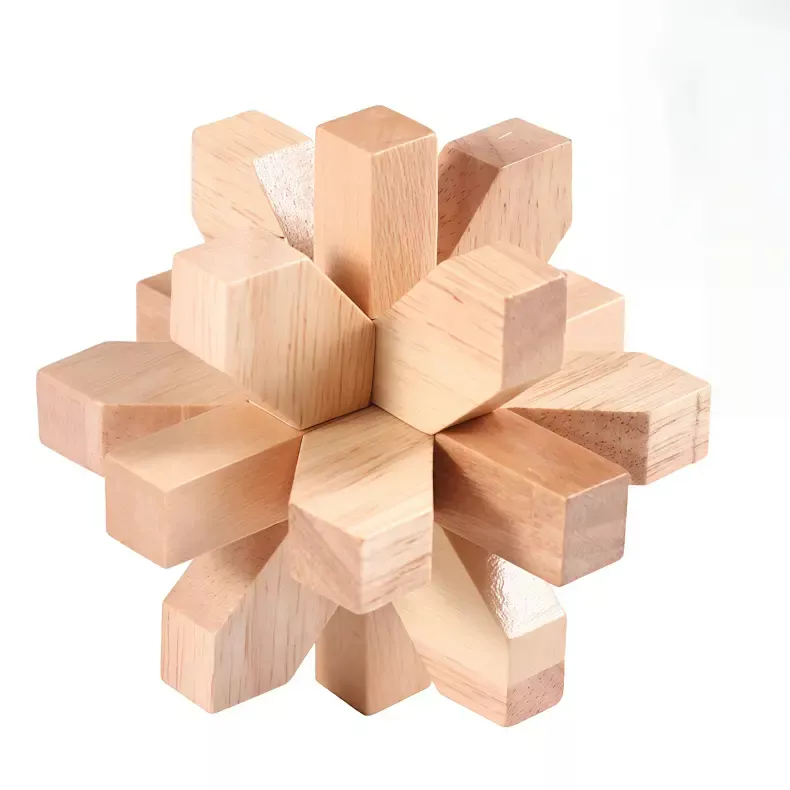
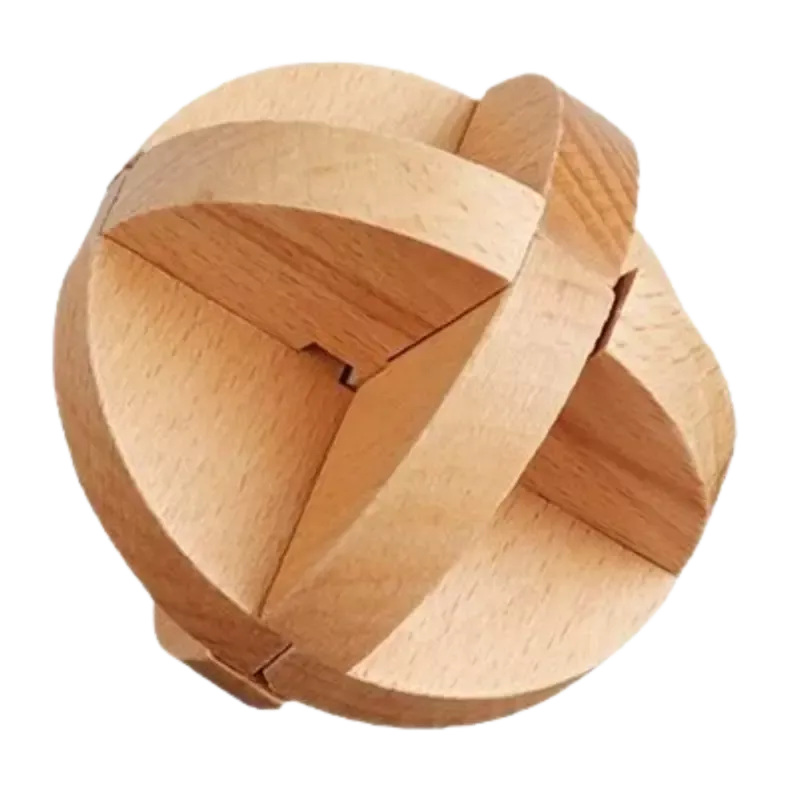
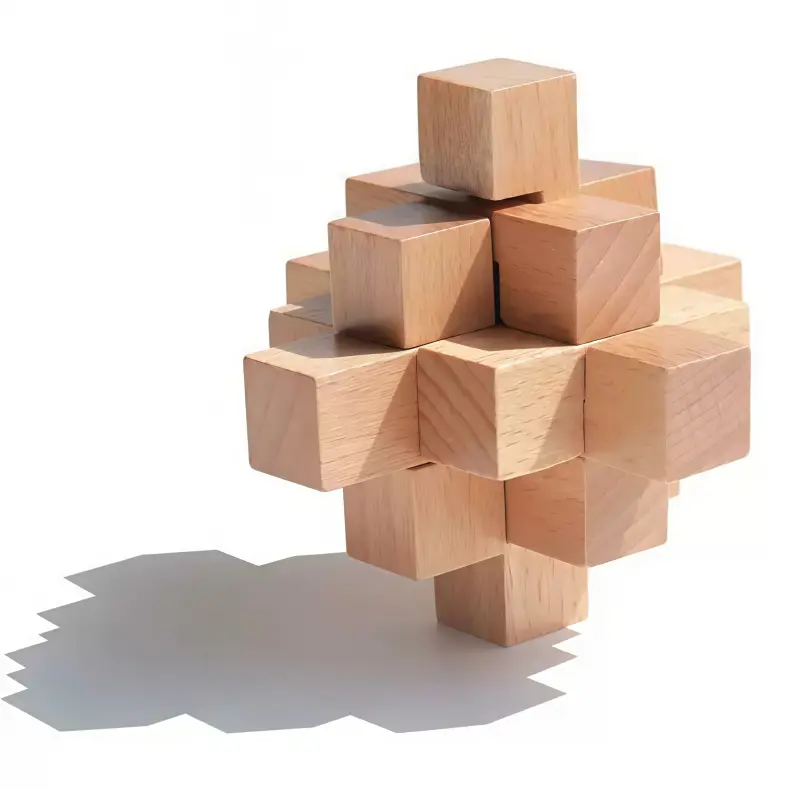
Intermediate (Engaged Solver): You understand the basics. Now, puzzles introduce hidden sequences or more complex spatial relationships. The Plum Blossom Lock or the Luban Sphere Puzzle fit here. You'll need to rotate, slide, and experiment without obvious guidance. Solving may take a few hours over several days.
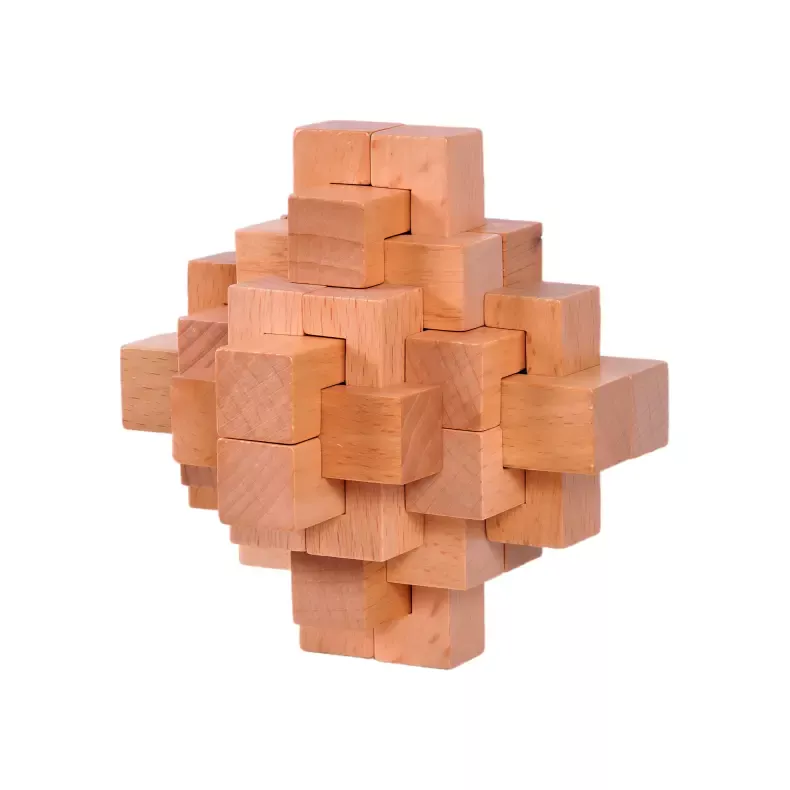
Advanced (Dedicated Puzzler): These are serious commitments with multi-stage solutions. The famous 24 Lock Puzzle is a prime example. It requires systematic exploration, memory of sequences, and resilience against frustration. It's a project, not a pastime. For those attempting it, we have a guide on tackling a complex 24-piece lock.
Expert Commitment (The Ultimate Test): This tier is for collectors and masters. Think of complex Luban sets or rare, antique-inspired designs with dozens of pieces and deceptive symmetry. The puzzle may spend weeks on your desk as you map its secrets. The reward is immense, but it demands a purist's mindset.
Your Next Step: Be honest with your available patience and time. A win on an introductory puzzle is far more rewarding than a permanent stalemate on an expert one. Start small, learn the language, and level up.