Choose based on the primary cognitive skill you want to engage: spatial reasoning, logical deduction, or fine motor planning. A 2021 NIH review linked regular puzzle-solving with better visuospatial cognition in adults. Prioritize the tactile quality—a solid, weighty cast puzzle made of brass or zinc alloy provides a more satisfying, focused experience than hollow or plastic alternatives, directly impacting your engagement and mental flow.
How do you choose the right cognitive development puzzle as an adult?
The wrong choice here leads to a disappointing trinket in a drawer. The right one becomes a cherished, deskworthy companion for your mind. The key is to look beyond price and piece count to the core experience and what it does for your brain. We tested these puzzles with adult enthusiasts, rating them on the cognitive skills they primarily challenge and the quality of the 'solve feel'.
| Primary Cognitive Skill | What It Feels Like | Look For (Tactile Quality) | Typical Time/Session | Who Should Skip This Tier |
|---|
Spatial Reasoning
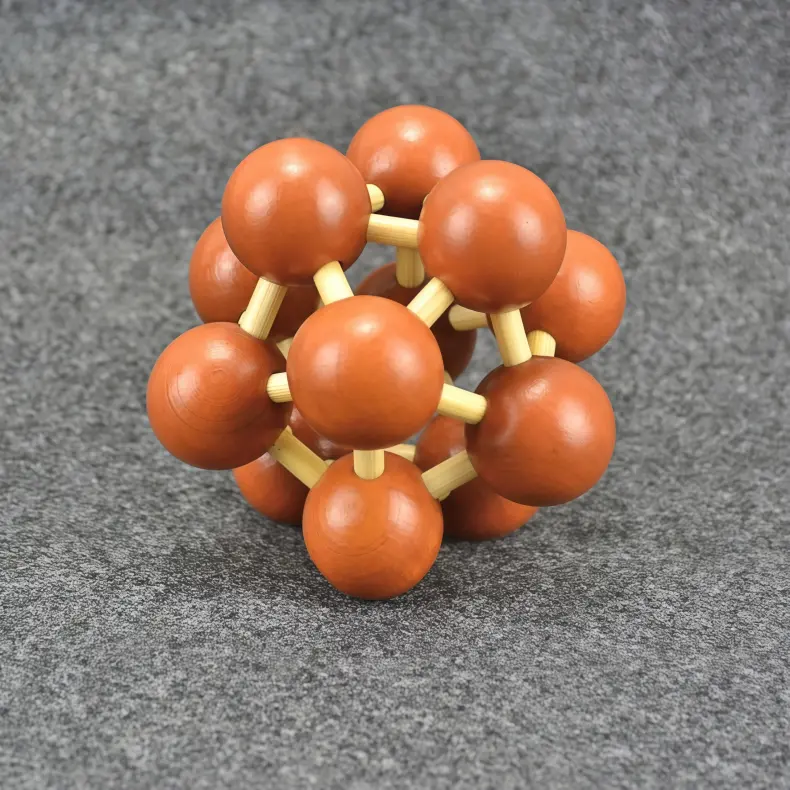
Mentally rotating & fitting 3D shapes. | A silent, visual chess game in your mind's eye. Deeply absorbing. | Precise, interlocking parts with clean machining (e.g., the Molecular Ball). A smooth, solid heft is non-negotiable. | 15–45 min for focused attempts. | If you dislike abstract, non-linear thinking and prefer clear, step-by-step instructions. |
Logical Deduction
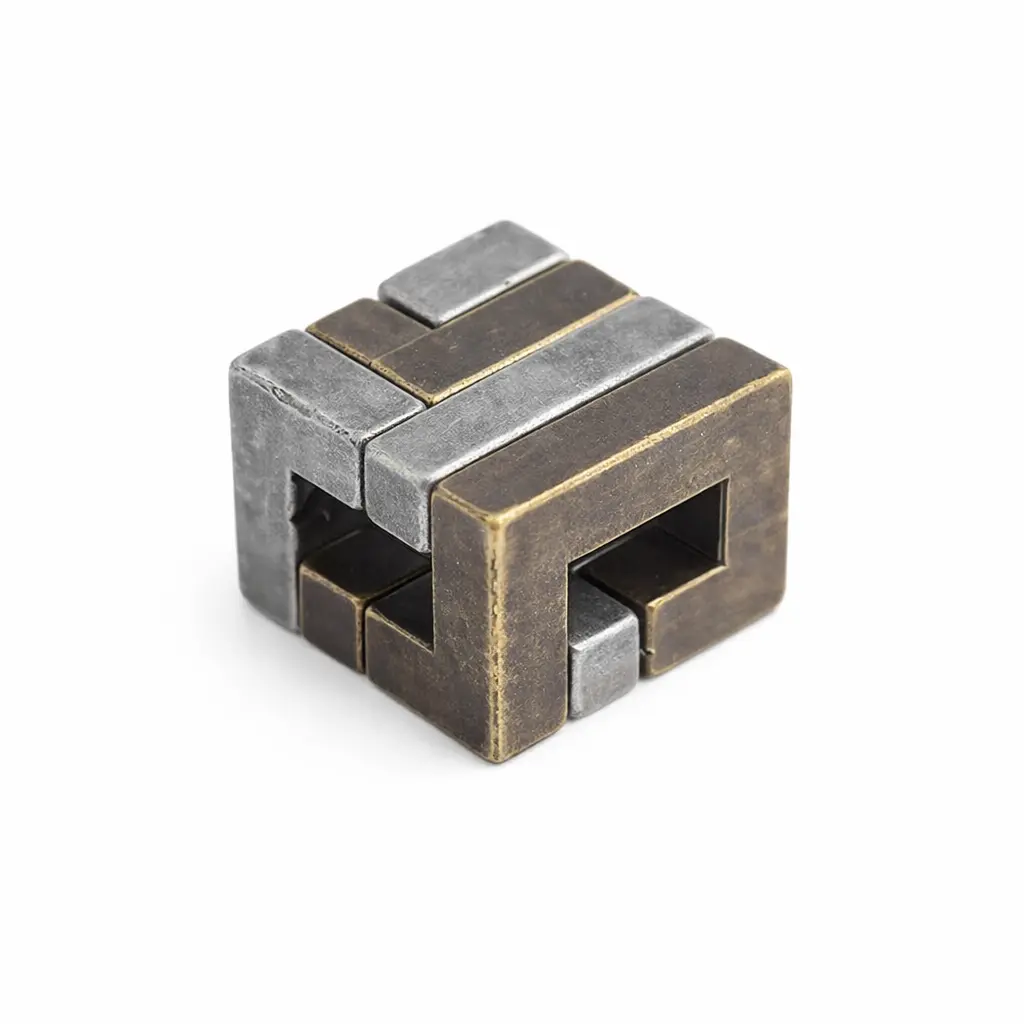
Sequential problem-solving & rule-testing. | The satisfying 'aha!' of uncovering a hidden sequence or trick mechanism. | Intricate, multi-part metal castings with subtle moving parts. Finish should be uniform with no rough seams. | 10–30 min of methodical testing. | If you get frustrated by 'trick' solutions or prefer a tangible, buildable result. |
Fine Motor & Planning
Precise manipulation and multi-step assembly. | The mindful, almost meditative flow of constructing a complex object with your hands. | Laser-cut wooden pieces that fit snugly without forcing. Clean, splinter-free edges are essential for adult hands. | 1–3 hours for a complete build. | If your goal is pure logic deconstruction, not creation. Also, skip wooden kits with flimsy plywood or unclear diagrams. |
Our biggest warning: Skip the cheap, lightweight metal puzzles. They feel tinny, have poor finishes that can snag, and their mechanisms are often sloppy—undermining the very 'engineered challenge' you're seeking. The satisfying 'clink' of a well-made cast metal piece is part of the cognitive reward, a tactile confirmation of quality that signals a worthy challenge for your mind. For a deeper dive into what makes a cast puzzle durable and satisfying, see our veteran's guide to cast logic.
Your Next Step: Decide which cognitive 'muscle' you want to flex first, then look for the heft and finish that promises a serious challenge. Let’s match that to your daily life.
The ideal cognitive puzzle integrates seamlessly into your existing routines. For focus, choose a compact, fidget-friendly cast puzzle. For stress relief, pick a wooden model kit for a screen-free, immersive build. For deep challenge, select a multi-stage cast or complex 3D puzzle requiring sustained mental effort over hours or days.
A great puzzle isn't just a thing you do; it's a tool for a state of mind. Mapping the right product to your real-life moments is the secret to making cognitive development a natural, rewarding habit, not a chore. Here’s how our selection breaks down for adult scenarios.
The Desk Fidget (For Deep Focus)
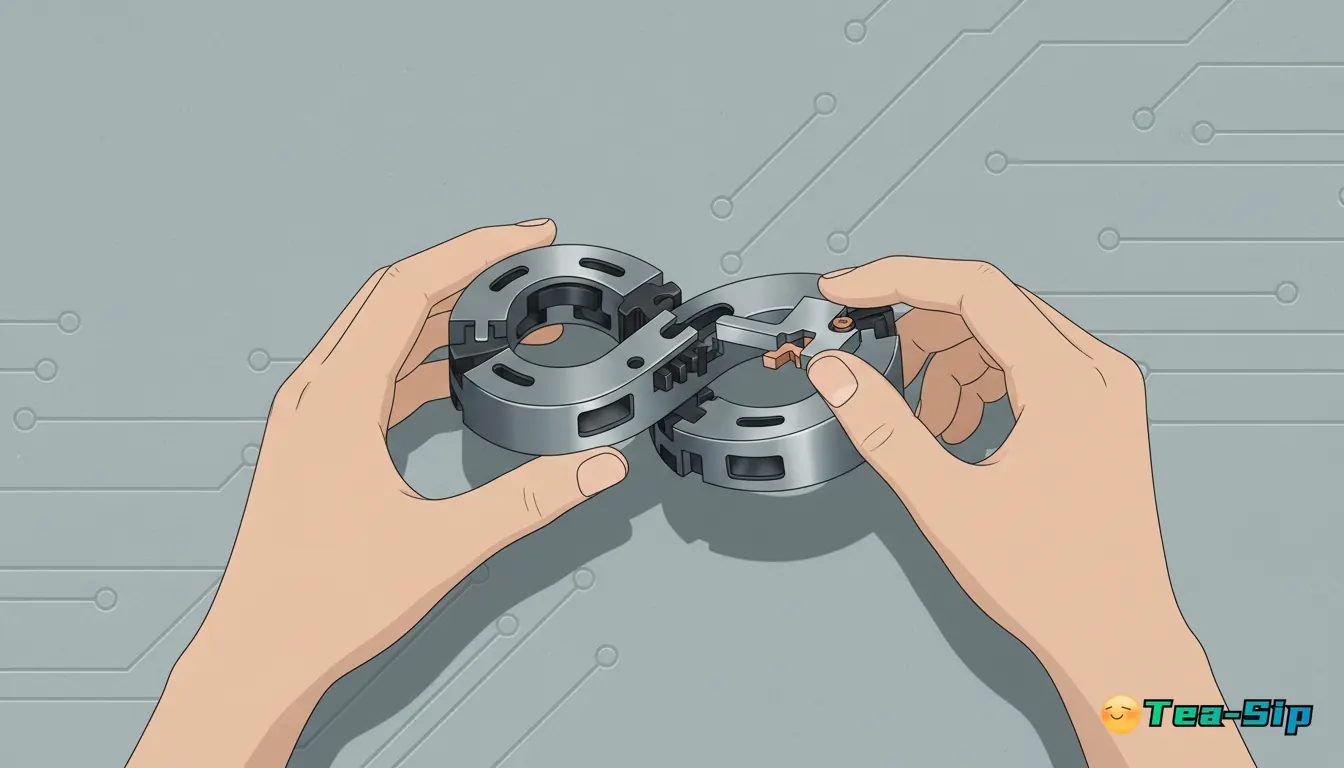
You need to break the screen-gaze cycle and reset your attention. The goal is a 5-10 minute tactile reset. This calls for a compact, endlessly re-solvable cast puzzle you can manipulate with one hand. The Cast Coil Pocket Puzzle is perfect—its coiled, interconnected loops offer a satisfying, silent fidget that engages fine motor planning and spatial logic without overwhelming you. The heft feels substantial, a clear signal to your brain that this is a purposeful break.
The Evening Unwind (For Stress Relief)
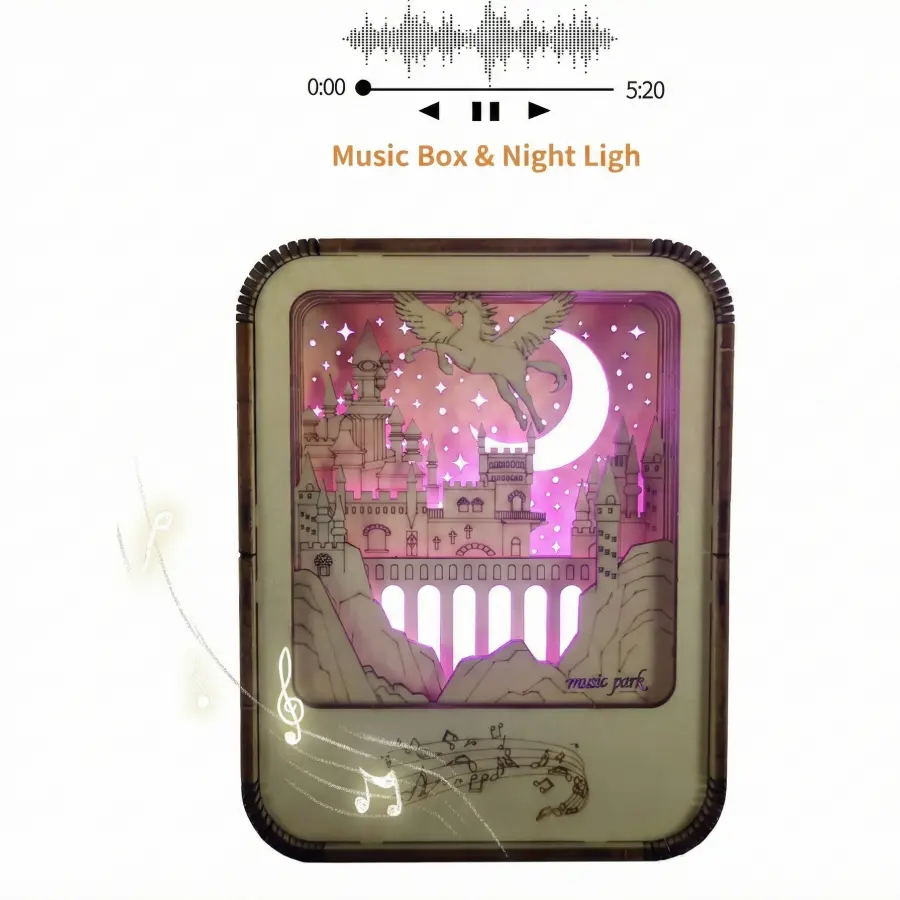
You want to replace doomscrolling with something that absorbs your hands and mind. This scenario demands immersion. A wooden model kit like the DIY Castle Music Box Night Light is ideal. The process of fitting laser-cut pieces together to create a functional, beautiful object is inherently calming. It requires just enough focused attention to quiet mental chatter, culminating in a tangible reward—a working music box and soft light. It’s the antithesis of passive consumption.
The Weekend Deep Dive (For Extended Challenge)
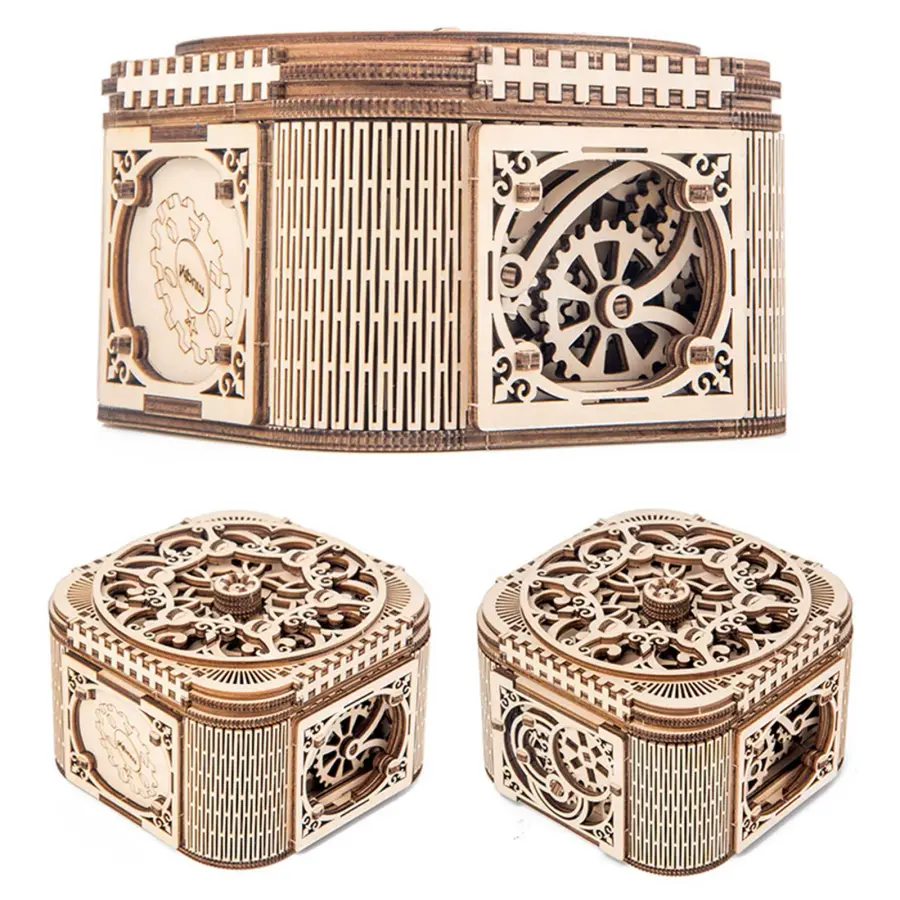
This is for when you have a few hours to truly disappear into a problem. You want layers of complexity. The Mechanical 3D Wooden Treasure Box delivers. It combines spatial assembly with a final 'trick'—figuring out the mechanical opening mechanism. It’s a multi-stage project that engages planning, dexterity, and logical deduction, resulting in a stunning, functional keepsake that represents a significant mental accomplishment.
The Social Brain Game (For Shared Solving)
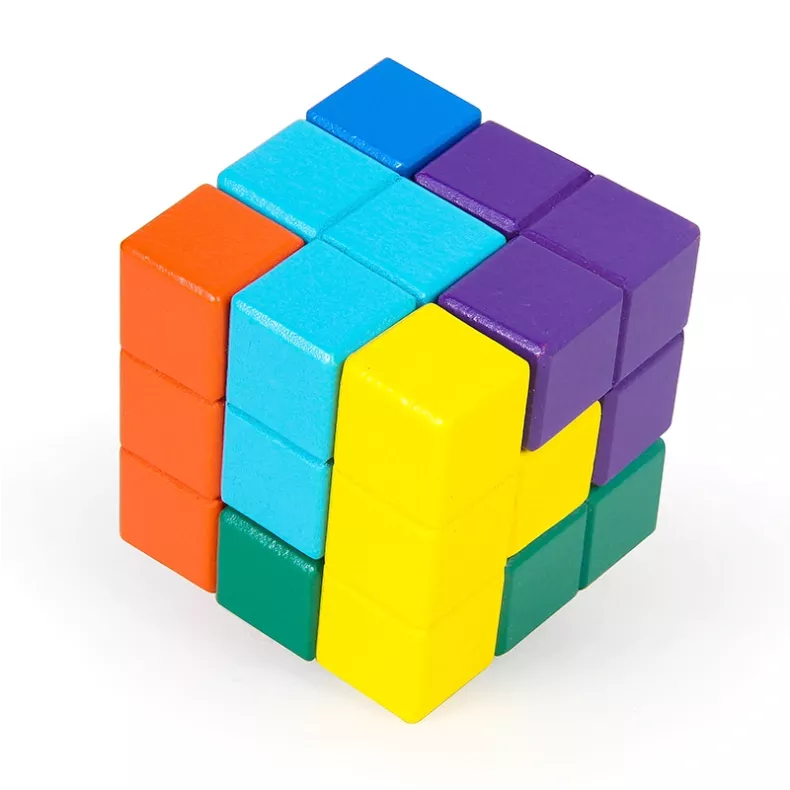
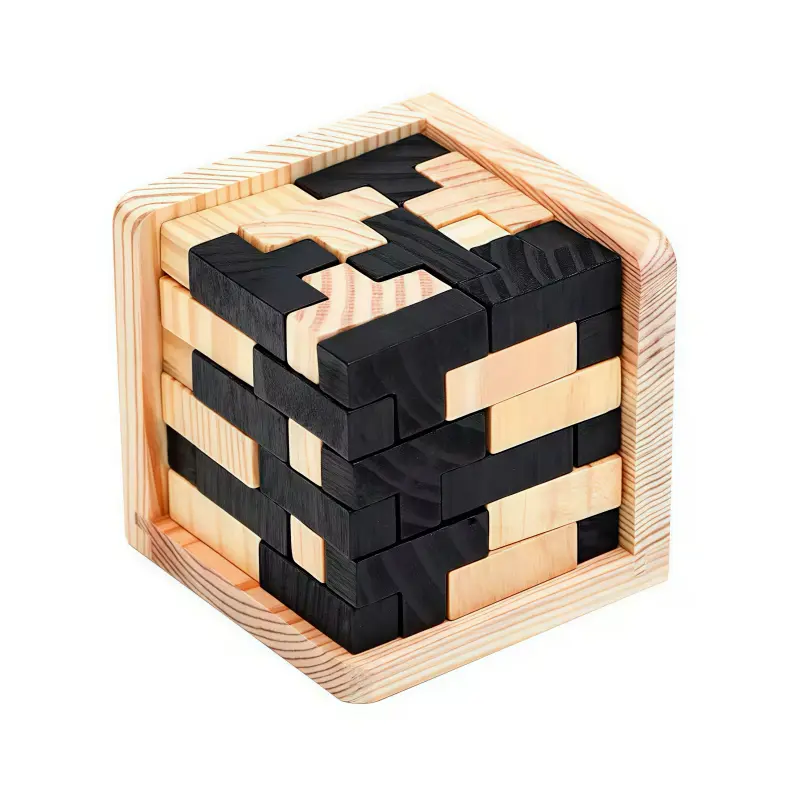
Two minds are better than one. Choose a puzzle that encourages collaboration and conversation. The 7 Color Soma Cube is fantastic here. With seven unique wooden pieces, you and a partner can race to build the cube, or work together to construct the dozens of other shapes in the included guidebook. It sparks spatial reasoning and friendly competition, making cognitive play a connecting experience. Discover more unique options in our list of uncommon puzzles for cognitive health.
Your Next Step: Visualize where and when you'll use this most. Is it on your desk, your coffee table, or with friends? Let that image guide your choice.
True cognitive development occurs in a 'flow state'—challenged but not frustrated. Based on solver feedback, we rate on a 1-5 scale where 3 is the ideal 'sweet spot' for engagement. Beginners should start with a Level 2-3 puzzle targeting a single clear skill, like a straightforward disentanglement or simple 3D assembly, to build confidence and avoid the paralysis of overly complex mechanics.
Marketing terms like 'challenging' or 'mind-bending' are useless. What matters is the satisfaction-to-frustration ratio. A puzzle that's too easy is forgettable; one that's impenetrably hard becomes a paperweight. The sweet spot is the 'flow state,' where the challenge slightly exceeds your skill, pulling you into deep focus. We’ve calibrated this scale based on adult solver feedback, not hype.
Level 1-2: The Confident Start
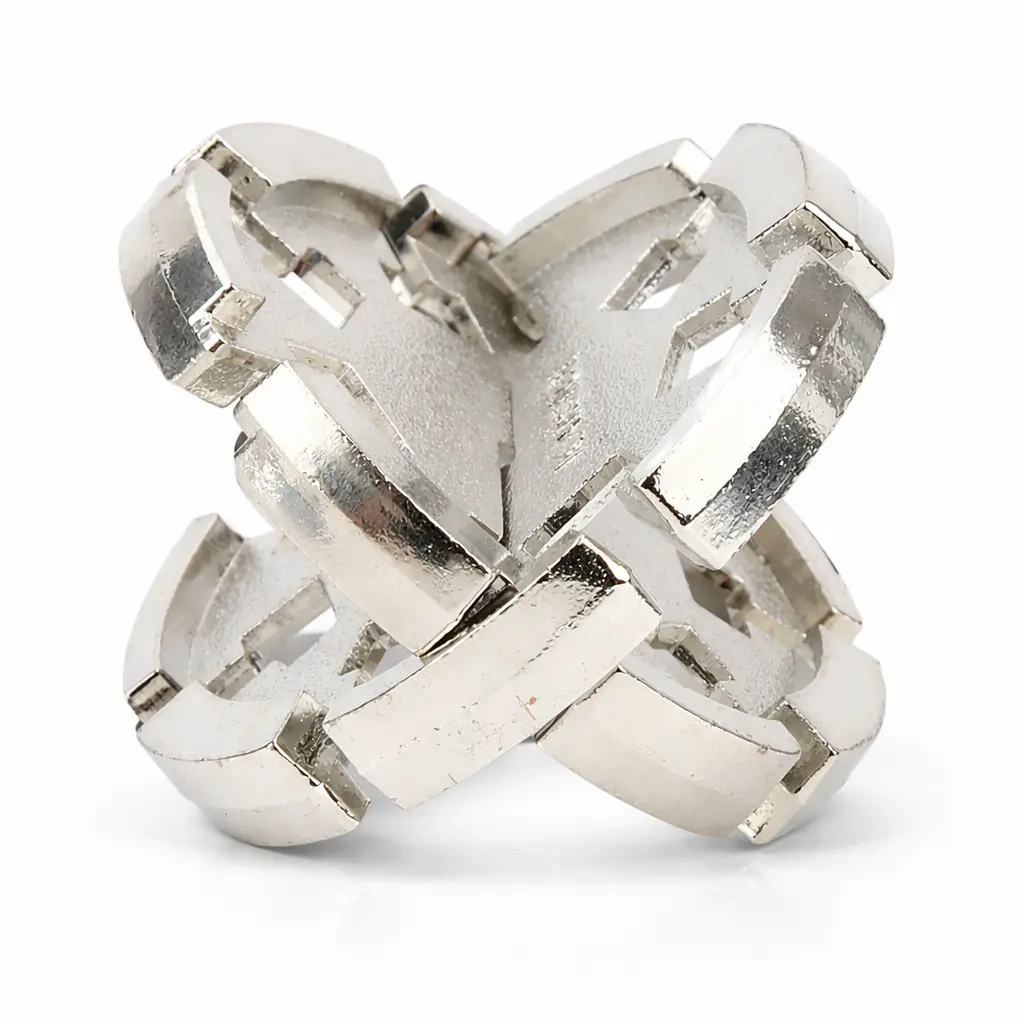
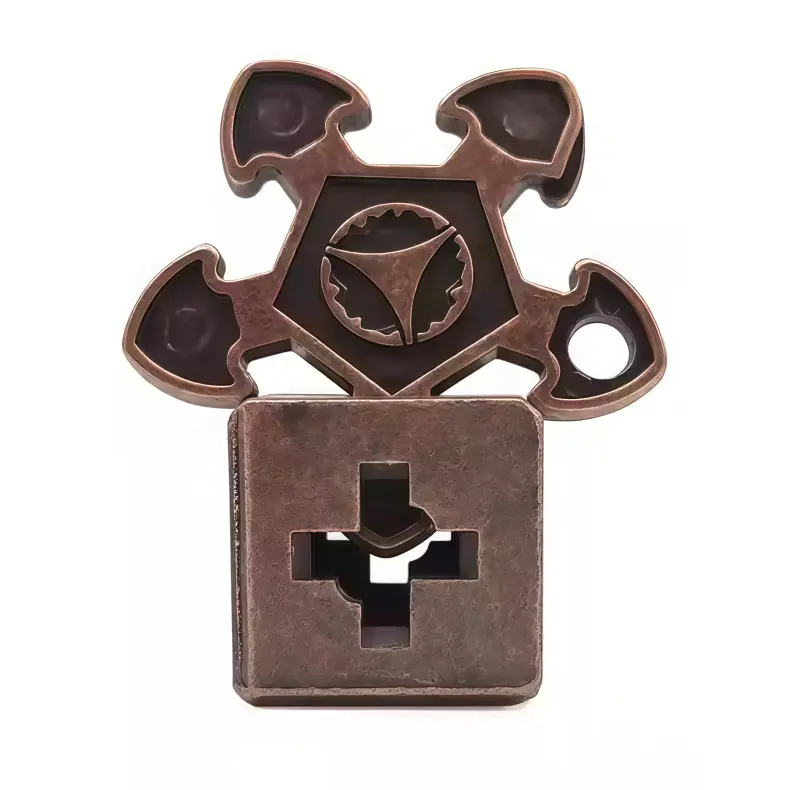
You’re new to tactile puzzles or want a guaranteed win. These have a clear, discoverable logic and can often be solved in under 15 minutes on the first try. They build the foundational 'feel' for how quality puzzles operate. Think: The Interlocking Metal Disk Puzzle. Its solution is elegant but accessible, offering that crucial first dopamine hit of success without hand-holding.
Level 3: The Flow State Sweet Spot (Our Recommendation for Most)
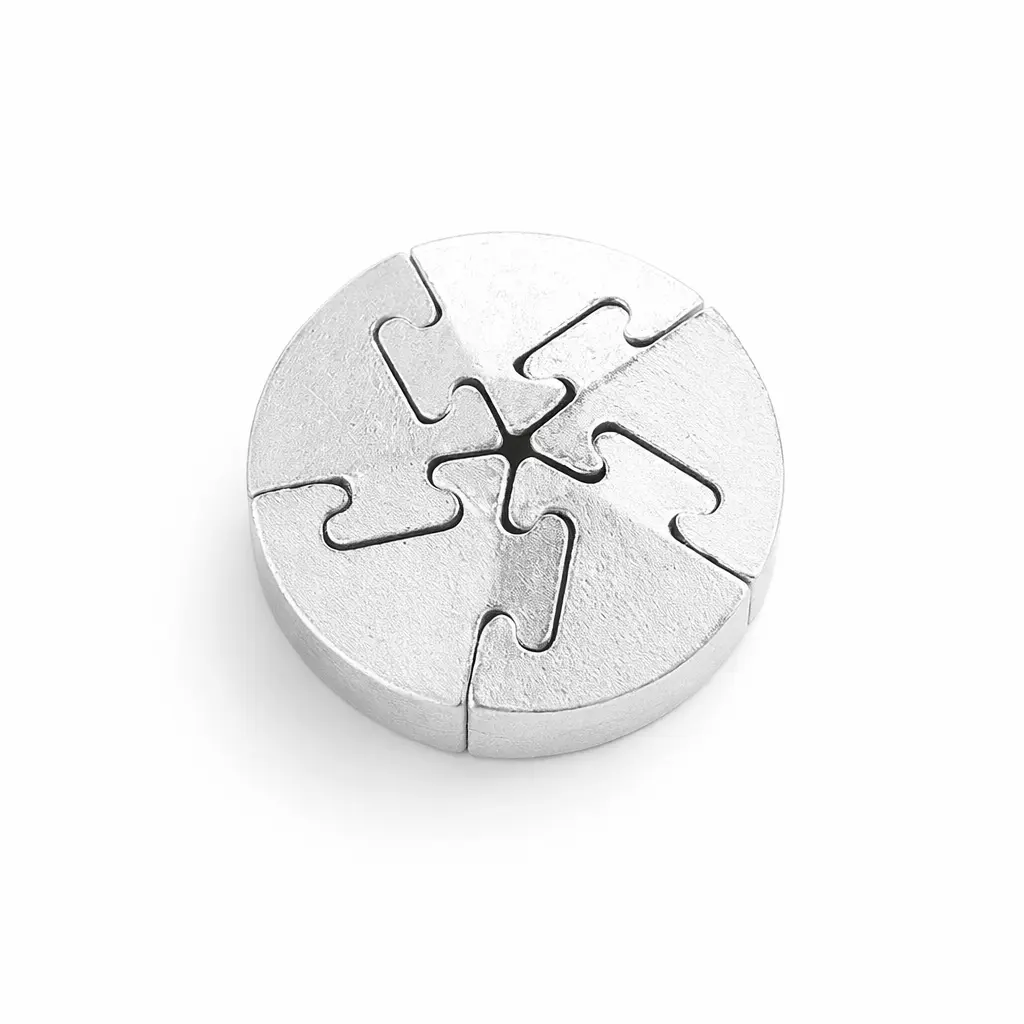
This is the goldilocks zone for cognitive development. Puzzles here require sustained attention, testing of hypotheses, and often a subtle 'aha' moment that feels earned. You might put it down and come back later, but the solution feels within reach. The 5 Piece Cast Spiral Metal Puzzle is a quintessential Level 3. Its pieces interlock in a non-obvious way, demanding spatial visualization and patience, but the solution is logical and immensely satisfying.
Level 4-5: The Expert Deep Dive
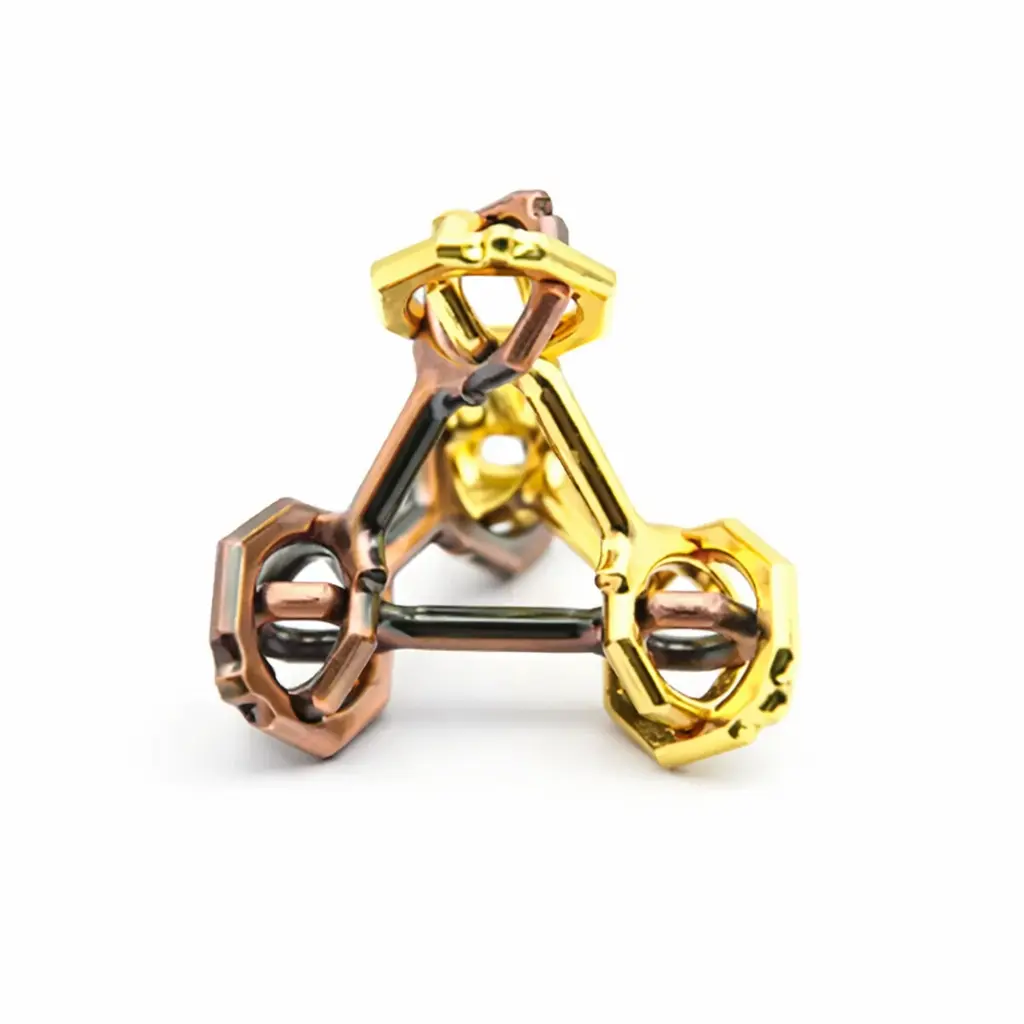
For seasoned solvers who relish multi-day or multi-week challenges. These often involve obscure mechanical principles, false paths, or extreme precision. The Cast Coil Triangle Puzzle is a solid Level 4. Its three identical, interwoven coils create a deceptive symmetry that’s incredibly tough to deconstruct. It’s for when you want a formidable opponent that lives on your desk, reminding you of a complex problem waiting to be understood.
Your Next Step: Be honest with your experience. If you’re unsure, start at Level 3—it’s designed to be engaging, not defeating. The goal is progress, not perfection. For a broader look at starting points, explore our full guide to the best puzzles for adult cognitive development.