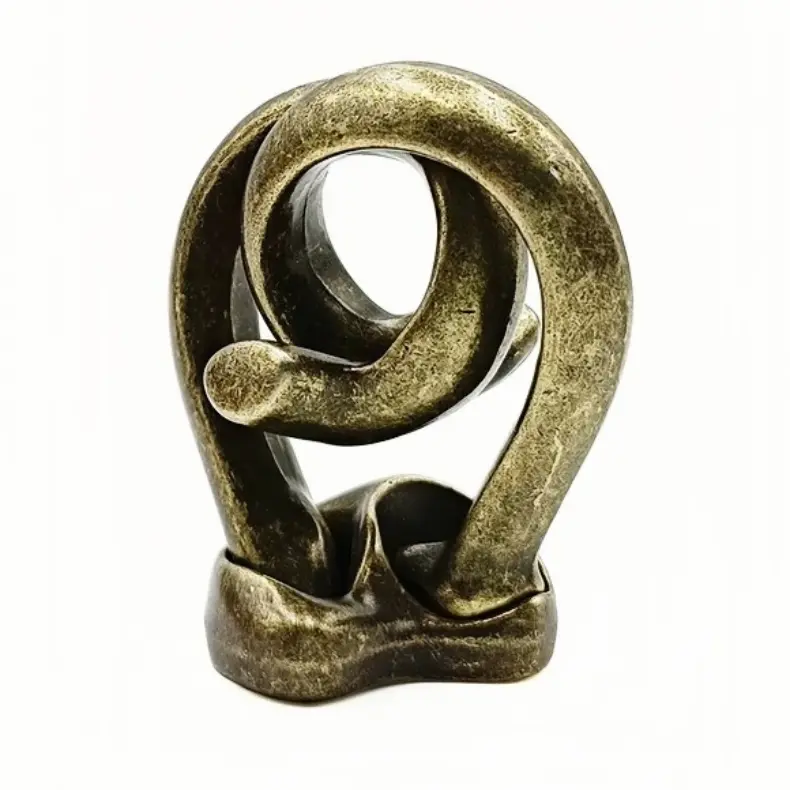
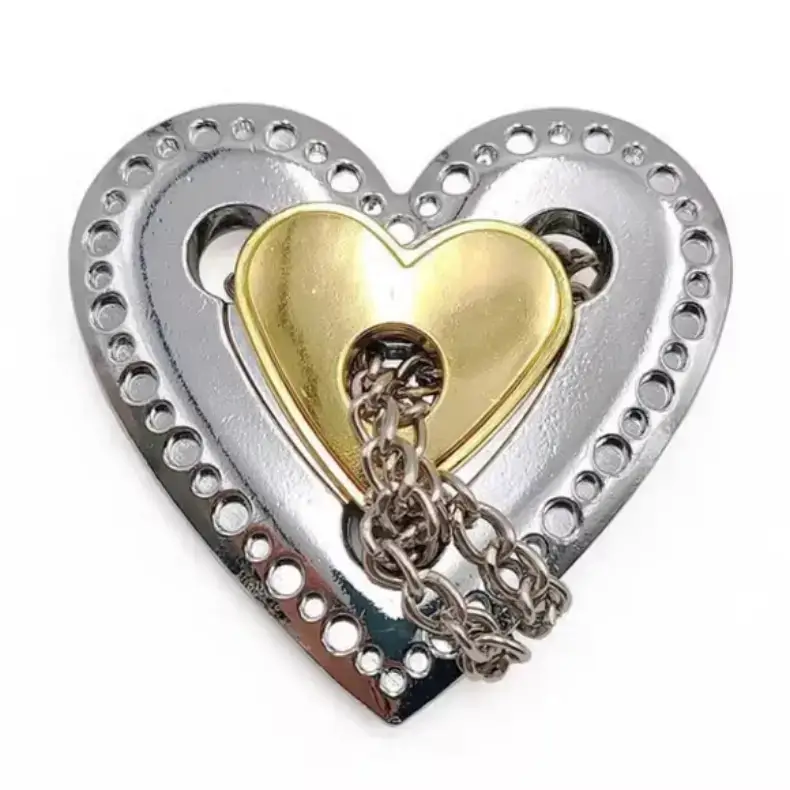
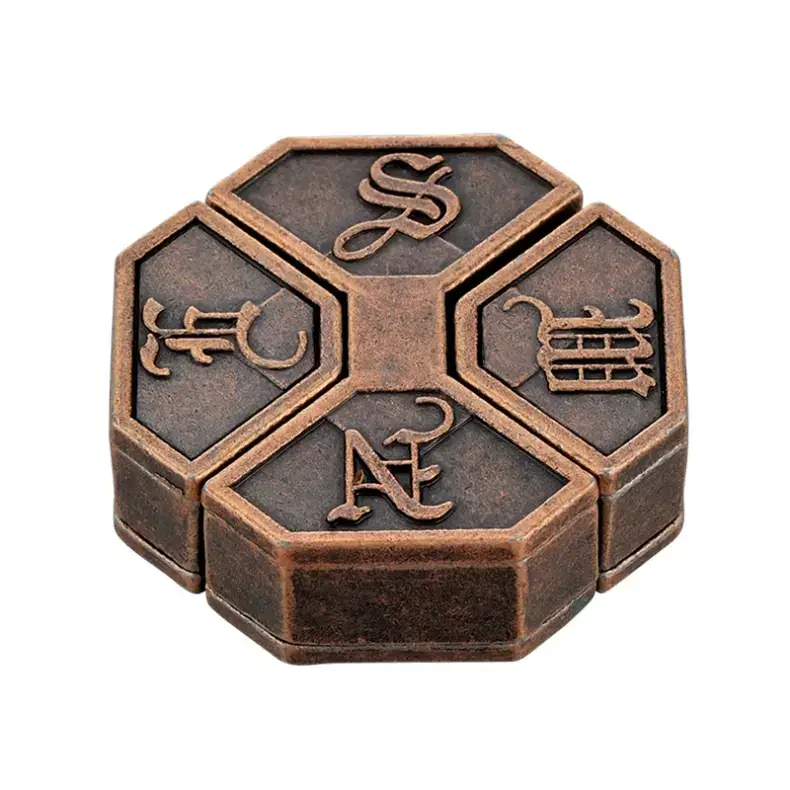
Focus on three core benchmarks: Build Quality & Heft, Fidget Mechanism Satisfaction, and EDC Durability. The single most important fact is to avoid unmarked, thin zinc alloy casts—they average under 50 grams, feel hollow, and develop play or break within weeks. Prioritize pieces that specify their metal grade (like ZAMAK-3 or stainless) and have a weight that matches their size for a satisfying, tool-like feel.
How Do You Pick a Metal Cast Toy That Won't Feel Like Cheap Junk?
Let's be real: the biggest waste of money is the tier of toys that look cool online but arrive feeling like a tin can in your hand. You need a framework, not just a list. We're comparing these not just as puzzles, but as tactile tools for decompression.
Skip This Tier Entirely: If a listing doesn't mention the metal type, shows a super shiny 'gold' or 'silver' finish that looks spray-painted, and the product weighs next to nothing (think a feather-light grenade), it's cheap zinc alloy. These are cast with low-grade metal, have visible, rough seams, and will develop an annoying rattle or a sloppy fit after minimal use. They're the disposable lighters of the fidget world.
| Compare By |
Heft & Click (Build Quality & Feel) |
Fidget Flow (Mechanism Satisfaction) |
EDC Toughness (Daily Carry Durability) |
| What It Means |
This is about the first impression. It's the solid weight in your palm, the precise machining of the parts, the absence of rough edges or casting flash. A satisfying 'click' or firm engagement when parts connect. |
The endless cycle factor. Is the motion smooth and silent for focus, or does it have a deliberate, mechanical feedback with each move? Does it work with one hand, or does it require your full attention? |
Can it live in your pocket with keys? Will it chip, tarnish, or bend if dropped on a garage floor? Is it simple enough that grit won't jam it? This is about being a pocket tank. |
| Look For |
Weight specs over 80g for palm-sized items. Mentions of 'precision casting,' 'machined feel,' or specific alloys. Polished, deburred edges. Tight tolerances with no side-to-side wiggle. |
Spinners with sealed, smooth bearings for silent spinning. Interlocking puzzles with a clear, repeatable solve path. Pieces that slide, not grind. Avoid overly complex puzzles for pure fidgeting. |
Sturdy keyring attachment points. Durable finishes like electroplating or anodizing, not paint. Robust, thicker metal construction. Simple mechanisms with fewer tiny, bendable parts. |
| Good For |
The user who values a tool-like object. It's for the garage bench session where you want something with the same satisfying presence as a good wrench. |
Desk use, meetings, or any scenario where you need quiet, repetitive motion to focus. It's about the action, not the solve. |
The person who wants a reliable, go-to fidget that lives on their keychain or in their pocket through everything. It's the one you forget about until you need it. |
| Start With |
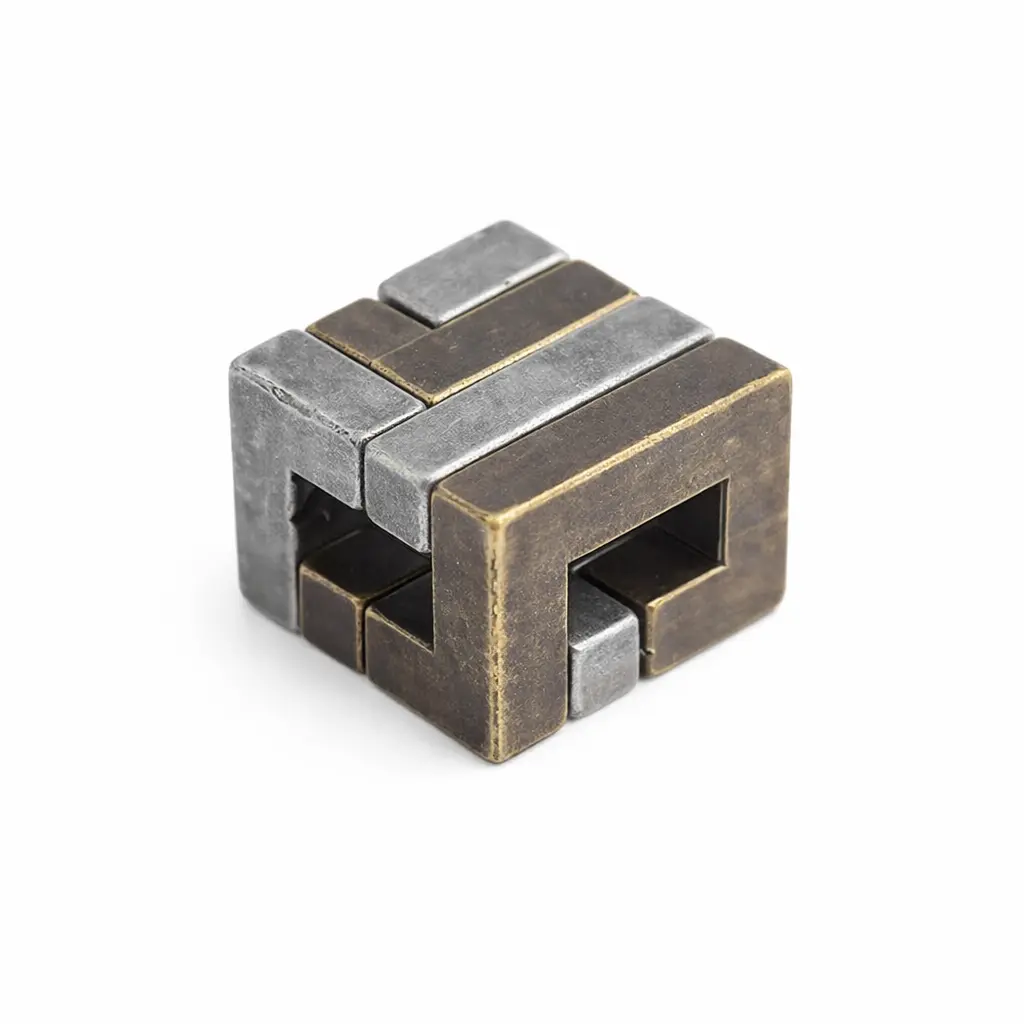
The Cast Coil Pocket Puzzle for its dense, knurled feel, or a heavy spinner. Check out our guide to durable cast metal puzzles for more deep-dives. |
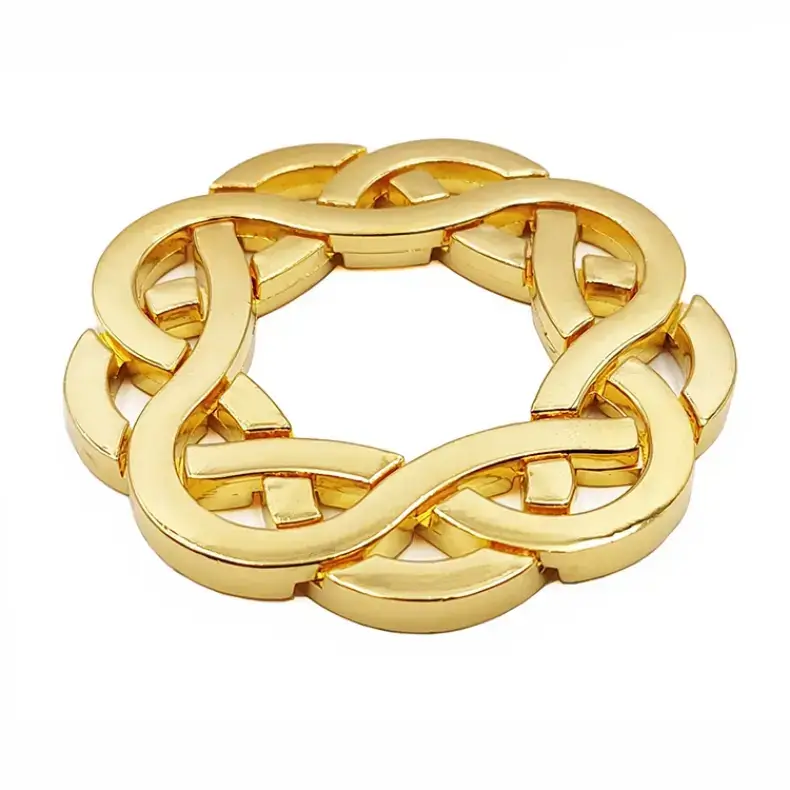
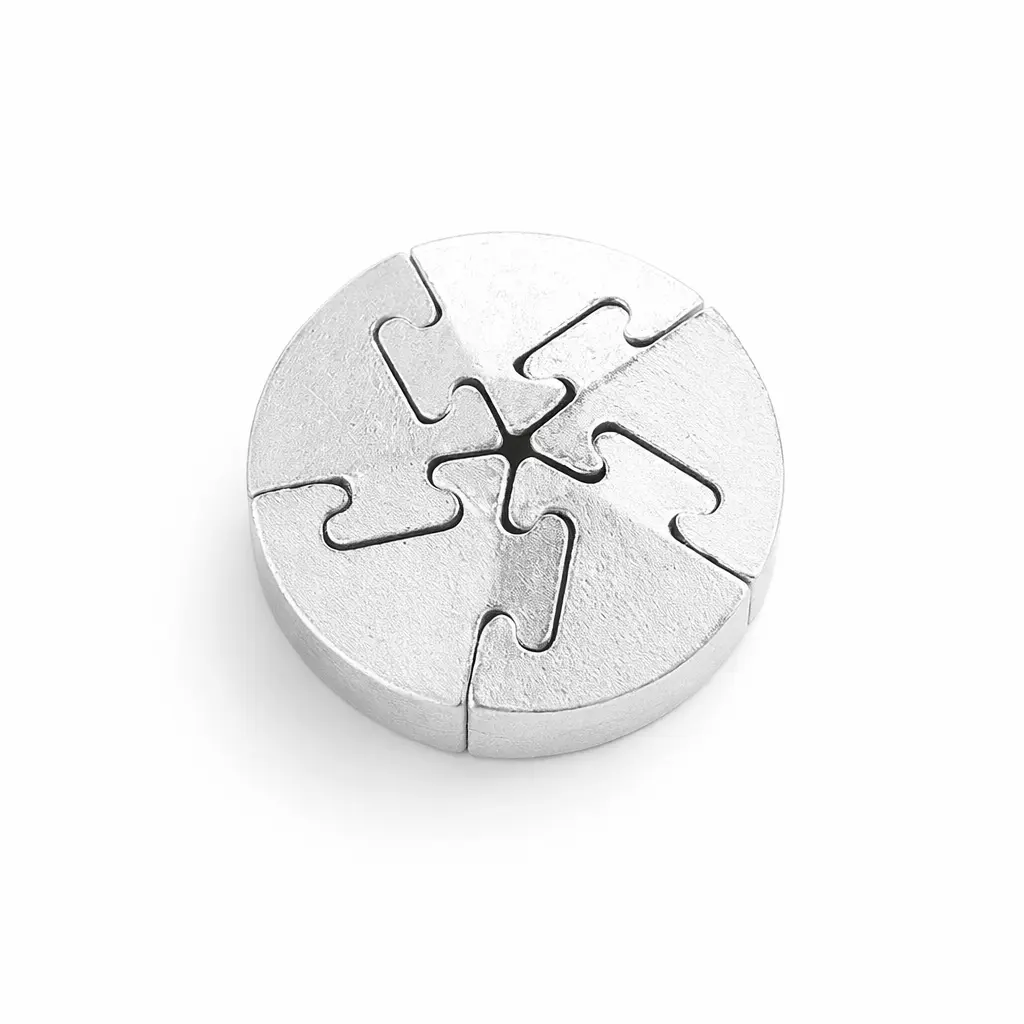
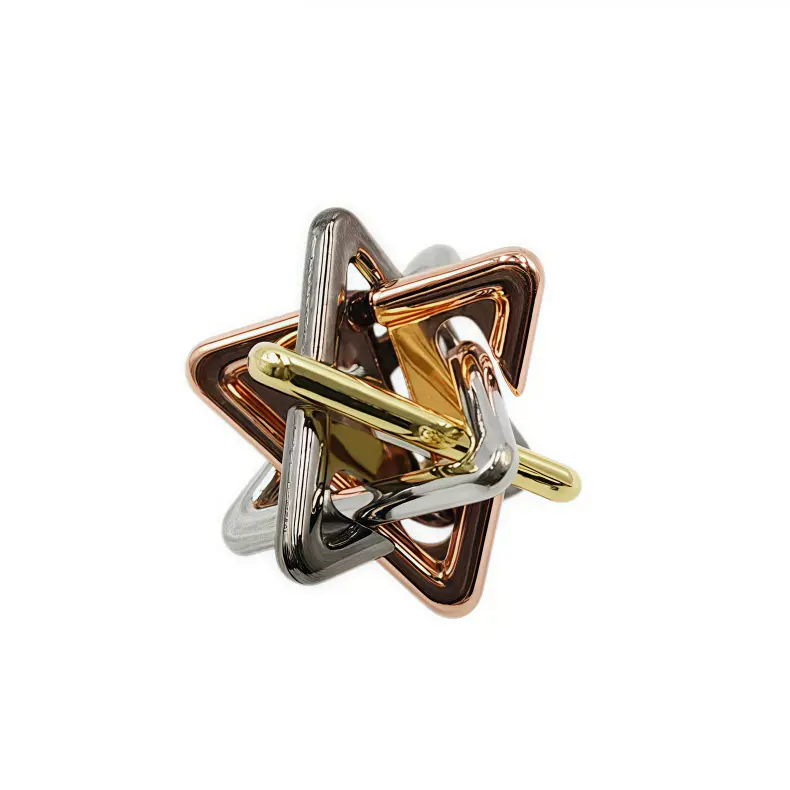
The 5 Piece Cast Spiral for its smooth, endless reassembly flow. For pure silent spin, look for spinners with 'precision bearing' noted. |
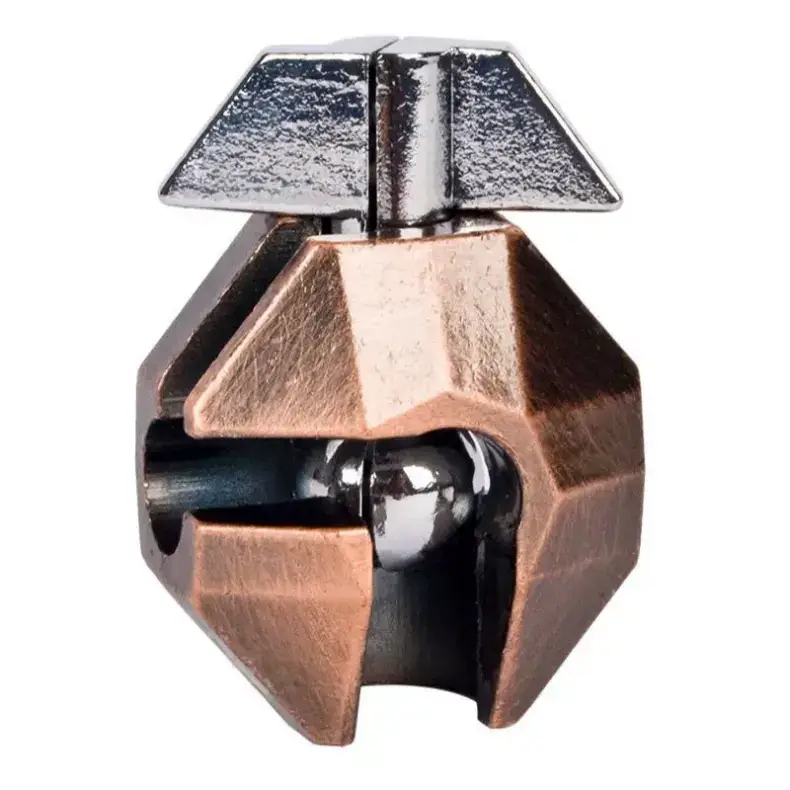
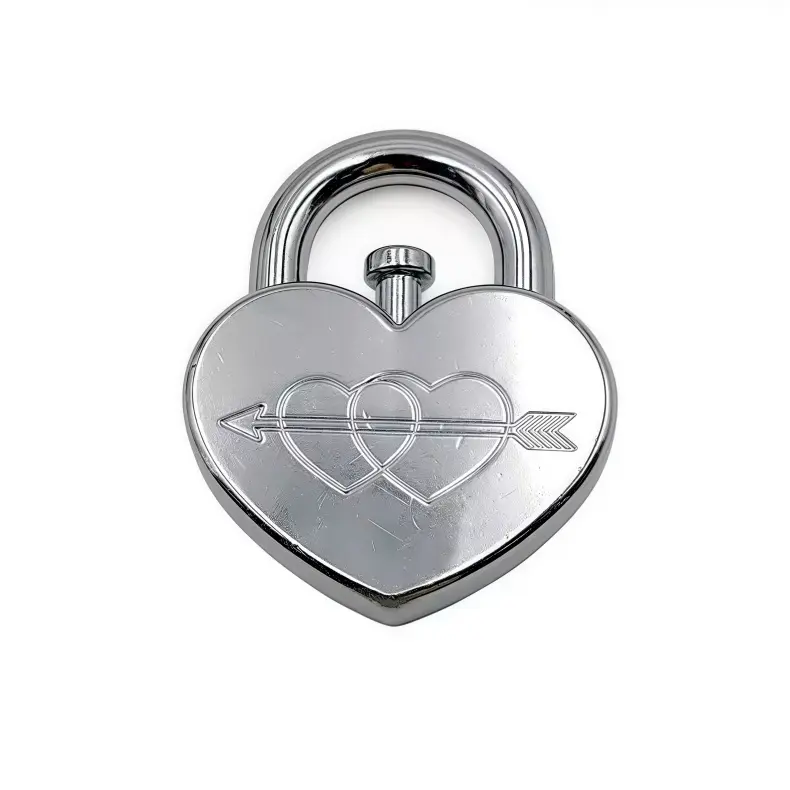
The Metal Grenade Lock Puzzle with its solid ring and simple mechanism. It's built to take a beating. |
Who Should Skip This Tier? If you're looking for something colorful, lightweight, or purely decorative, you're in the wrong aisle. These are tools for your hands, not desk ornaments. Your next step: find the weight in the product details. If it's not listed, assume it's too light to be satisfying.
Not every situation calls for the same tool. Here’s how to match the toy to your environment, so it actually gets used and doesn't become drawer clutter.
1. Garage Bench Fidget
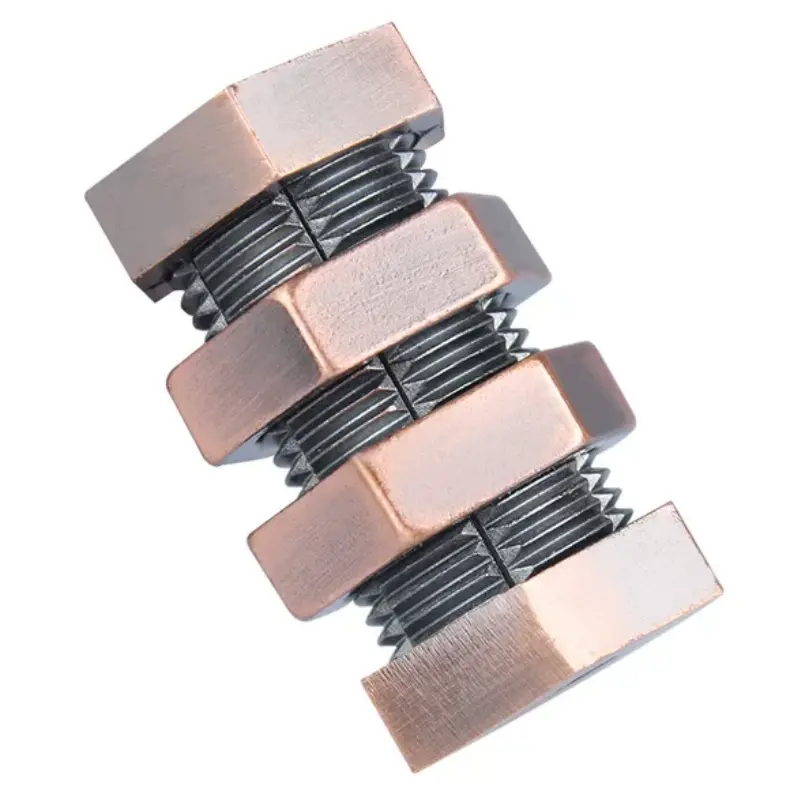
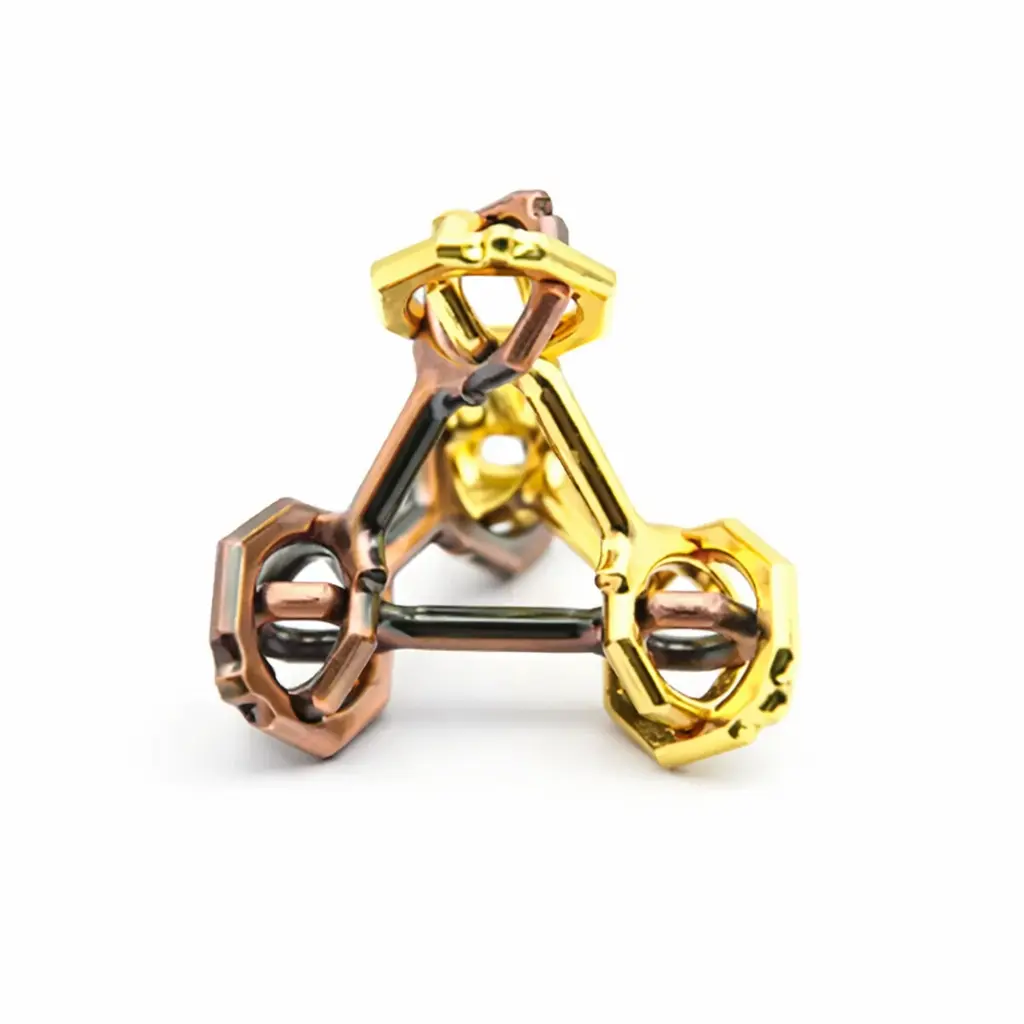
After tracing a wiring harness or torquing down bolts, you need something that matches that mechanical mindset. You need durability and a satisfying click. Think hefty, simple, and able to survive a drop onto concrete. The action should be decisive. The Metal Screw Interlock Riddle is perfect here—it feels like a real machined part, with threads that engage cleanly. The Cast Coil Triangle offers a more complex but equally solid three-part challenge with great heft.
2. Desk Decompression (Quiet Focus)
On a call or thinking through a problem, you need smooth, silent spinner action or a puzzle you can solve almost subconsciously. Noise is the enemy. Look for pieces with fluid, continuous motion, not loud snaps. The endless re-assembly of a spiral puzzle or the smooth rotation of a well-made spinner fits the bill. This is about keeping the gears in your head turning without distracting anyone else. Our stress relief metal puzzle guide has more on this quiet focus.
3. Pocket EDC (Everyday Carry)
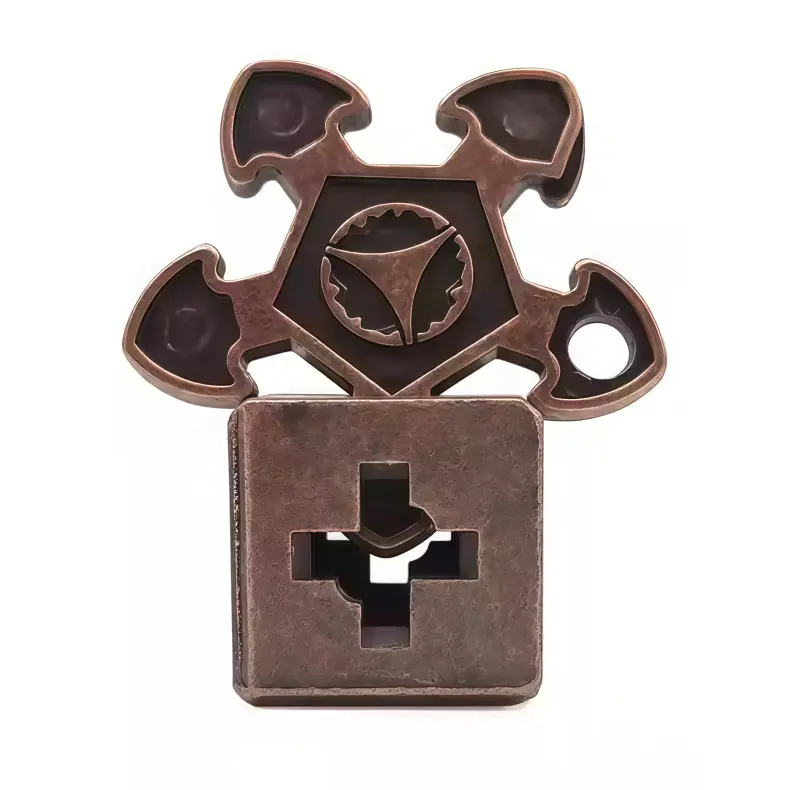
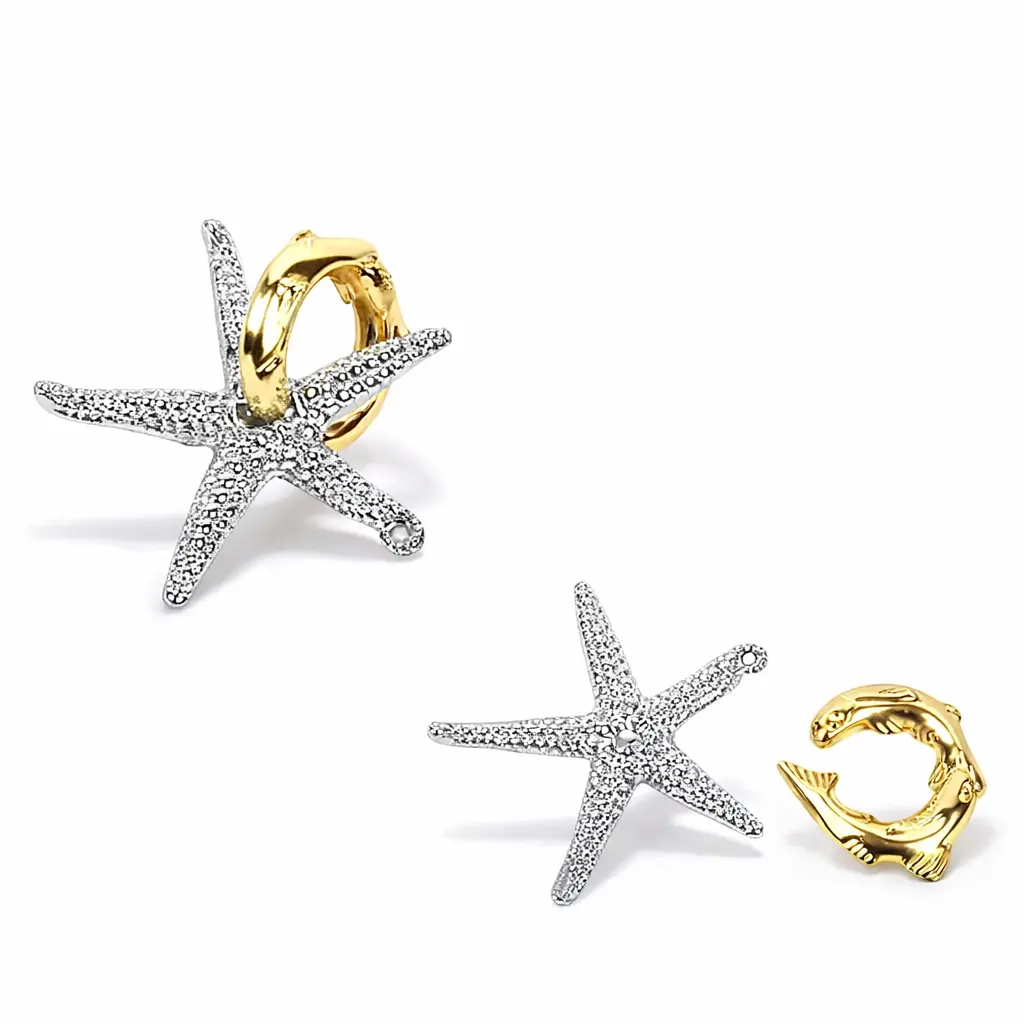
This is your pocket tank. It lives with your keys and knife. It must be tough, relatively simple, and have a keyring or be compact. The goal is reliable, on-demand fidgeting without worry. The Metal Starfish Puzzle Ring is designed for this, literally. The Bagua Lock Puzzle is another fantastic choice—small, intricate-looking but surprisingly tough, with a central ring for attachment.
4. Gift for a Tinkerer
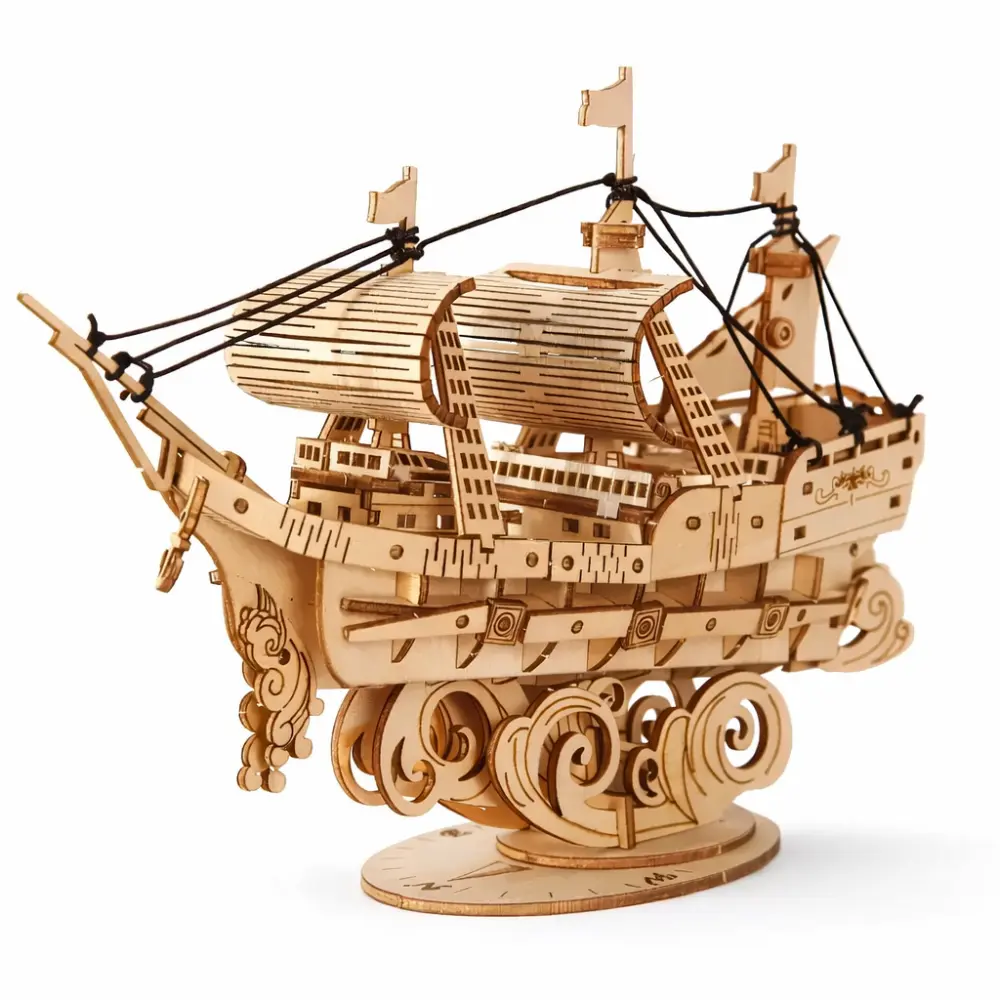
You're not just giving a toy; you're giving a project with a machined feel. It should look impressive, have a clever solution, and feel premium. The Magic Golden Mandarin Lock is a showstopper with its hidden mechanism. For the builder, the DIY Castle Music Box Kit combines metal, wood, and mechanics for a rewarding, display-worthy result. Next step: think about their patience level—go complex for a challenge, elegant for appreciation.
You bought it for the solid heft, so let's keep it that way. The good news: a quality metal cast toy needs almost no maintenance. Here’s the straightforward rundown.
Cleaning: Got greasy fingerprints from the garage? A quick wipe with a microfiber cloth and a tiny bit of isopropyl alcohol (rubbing alcohol) will take it right off without harming the finish. For stubborn grime, a soft toothbrush with mild soap and water works, but dry it thoroughly immediately after. Avoid harsh chemicals or abrasive cleaners.
Why They (Usually) Won't Rust: Most of these are made from alloys like zinc (ZAMAK) or have plated finishes (electroplating) that are highly corrosion-resistant. They're not made to get wet, but daily handling won't cause rust. If you have a raw stainless steel or brass piece, it may develop a natural patina over time, which many prefer—it adds character. It's not a defect.
What to Avoid: This is the short list. 1) Forcing it. If a part isn't moving, there's a trick. Forcing can bend soft metal or jam the mechanism permanently. 2) Repeated drops onto hard surfaces. While tough, a direct hit on concrete can chip plating or, in extreme cases, crack a casting. 3) Leaving it in direct, constant sunlight if it has a painted finish, as fading can occur over years.
Material Safety: These are cast from the same types of metals used in countless tools, fixtures, and automotive parts. They are lead-free and safe for handling. The finishes are typically electroplated, not painted, so they don't chip or flake easily. Your hands are safe. For more on puzzles built to last, see our guide on the best metal disentanglement puzzles. Your next step: just enjoy it. A quick wipe-down every now and then is all it asks for.