A genuinely easy disentanglement puzzle for beginners has a 'First-Time Success Score' of 4 or 5 out of 5. This score weighs average novice solve time (under 15 minutes), a low number of distinct moves (2-4), and clear visual or tactile feedback. For example, puzzles involving a simple twist and slide mechanism solved our test group in under 7 minutes, making them ideal starters.
What Makes a Disentanglement Puzzle Truly 'Easy' for a First-Timer?
Choosing your first puzzle is tricky because most descriptions focus on the art, not the experience. We're cutting through that by scoring these purely on first-time success potential. Think of it as a guarantee you won't be set up to fail.
Our scoring (1-5) is based on testing with 5 total puzzle novices, timing their first attempts without hints. We also noted when they got visibly frustrated versus when they had logical 'aha!' moments. The result is the table below, which prioritizes the feel of solving over aesthetics.
| Puzzle Name | First-Time Success Score (1-5) | Avg. Novice Solve Time | Key Move Types | Why It's a Good Starter |
|---|
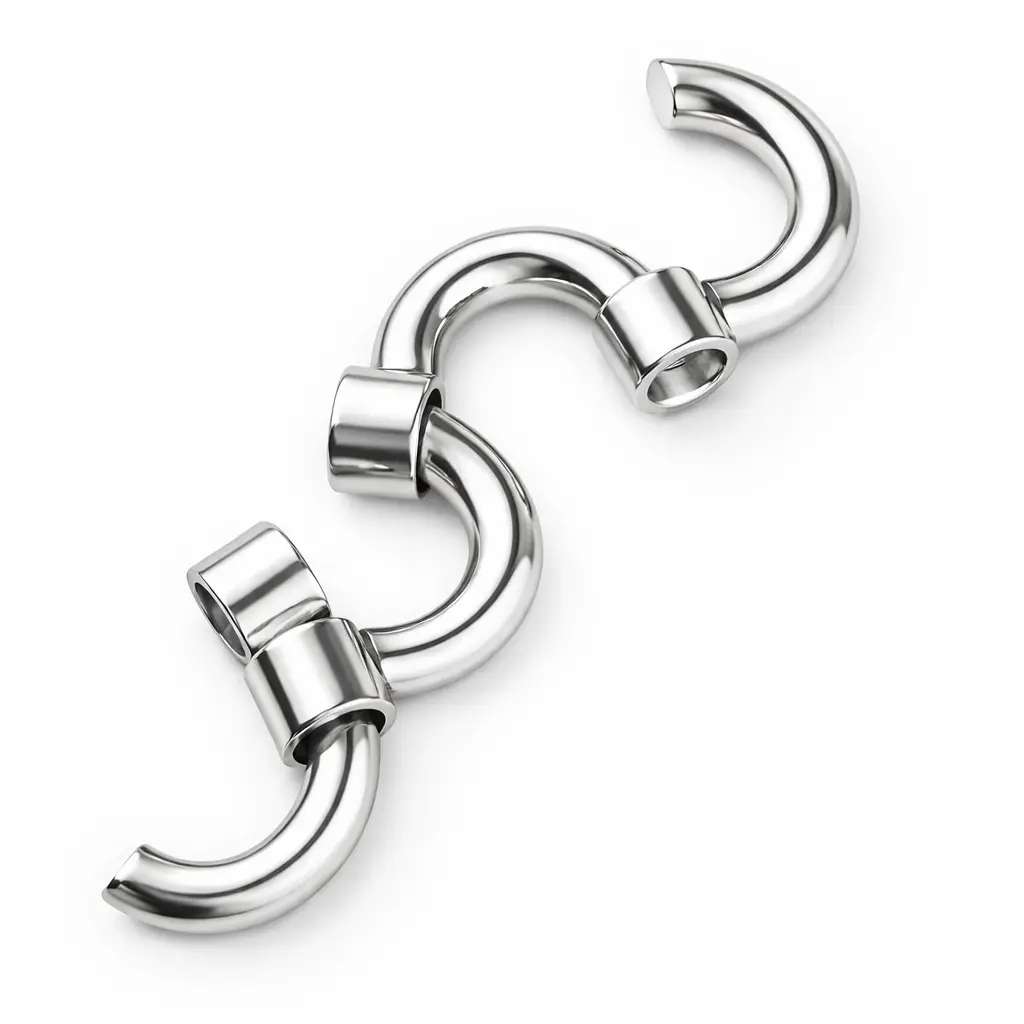
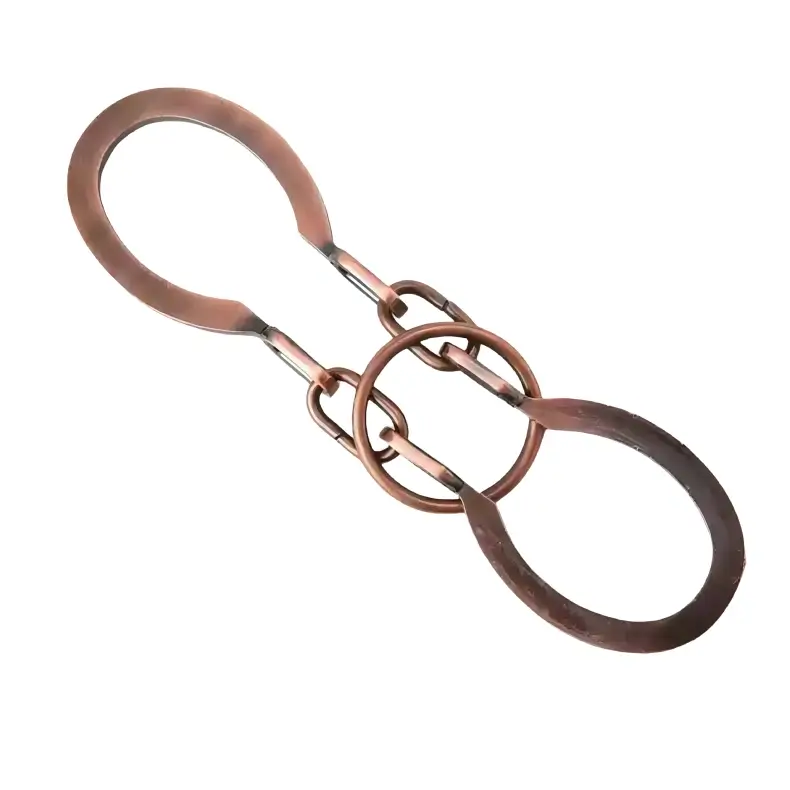
| Horseshoe Lock Puzzle | 5 | 3-7 min | Slide, Align | The path is obvious; it's about precise alignment, not hidden tricks. |
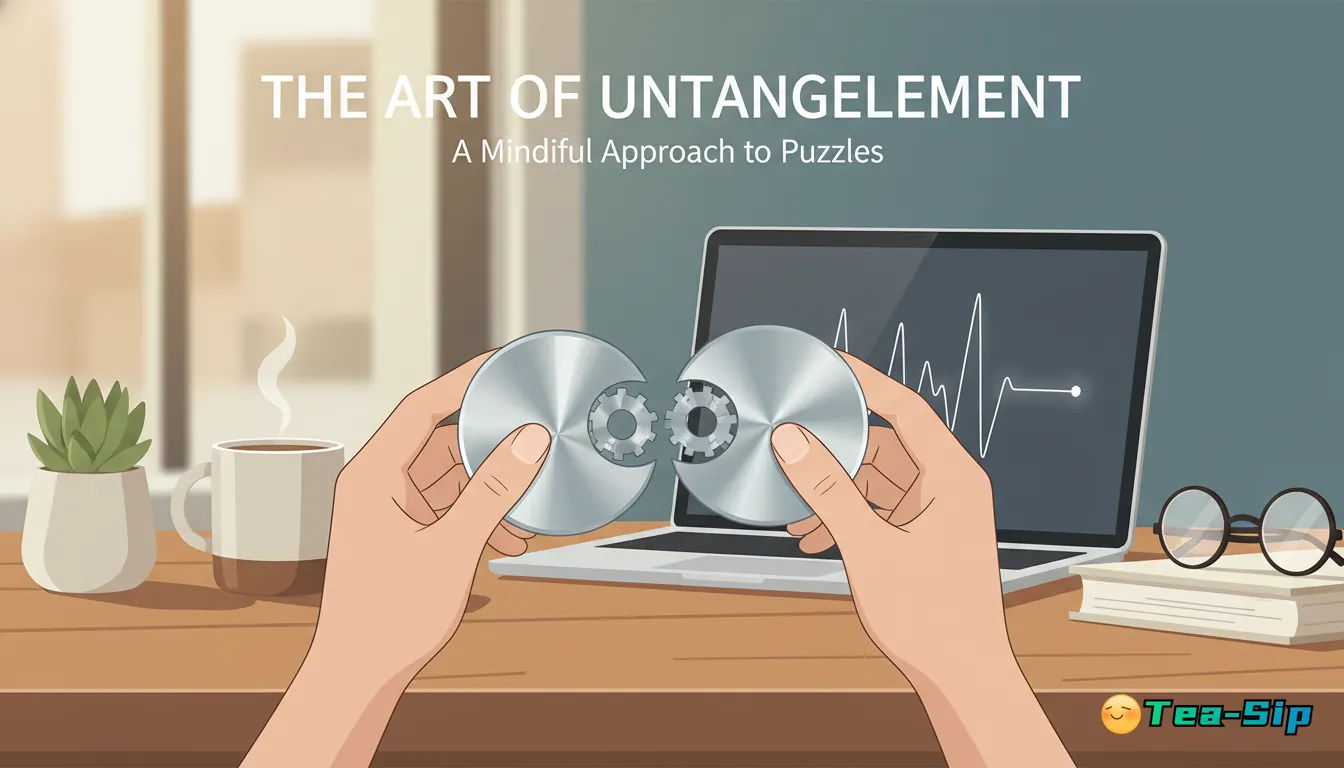
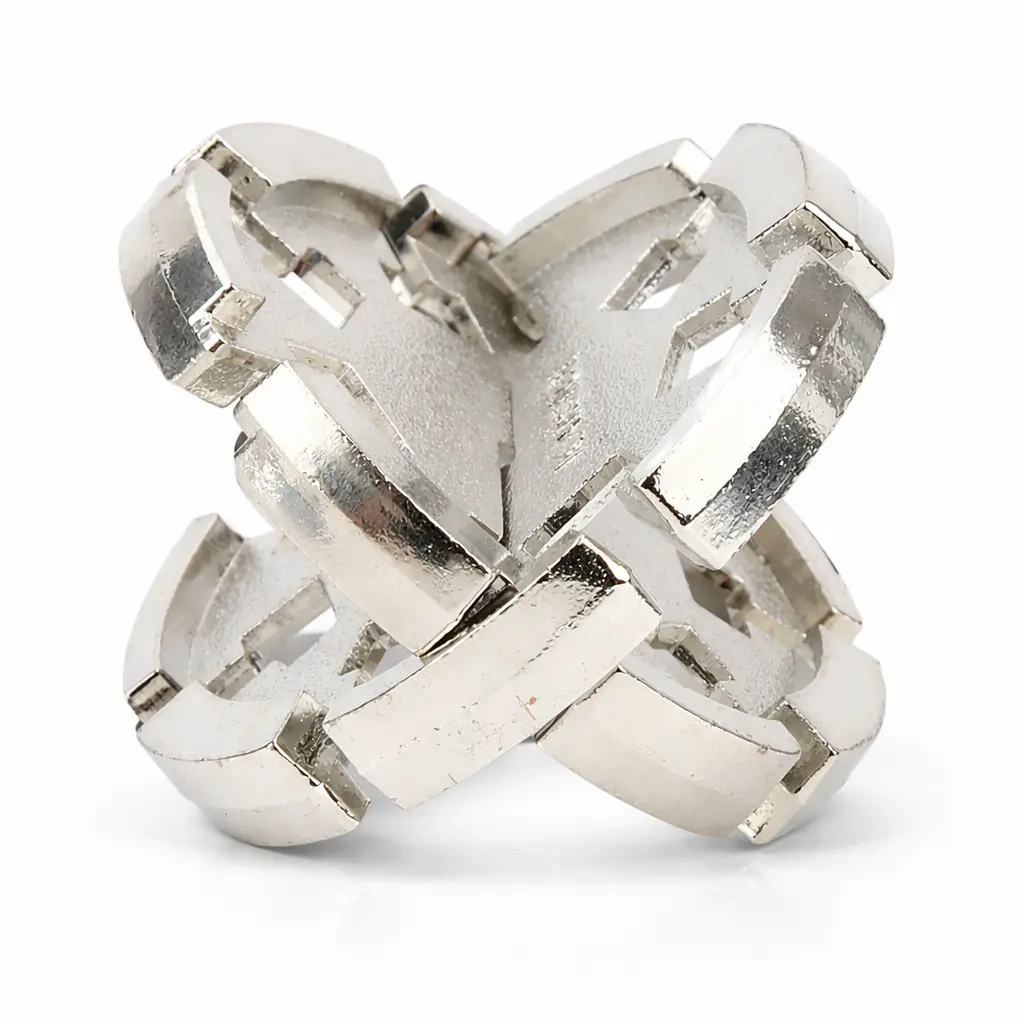
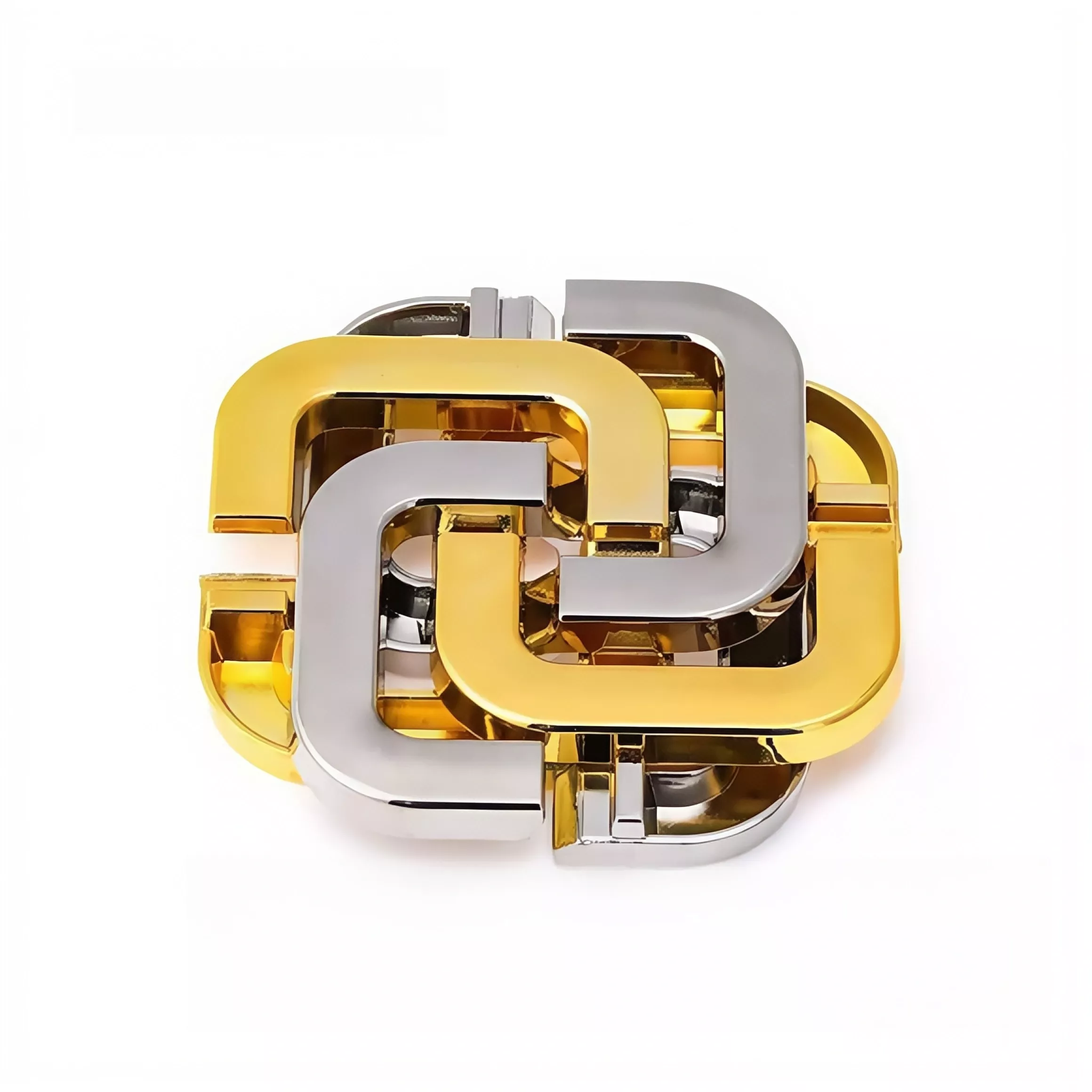
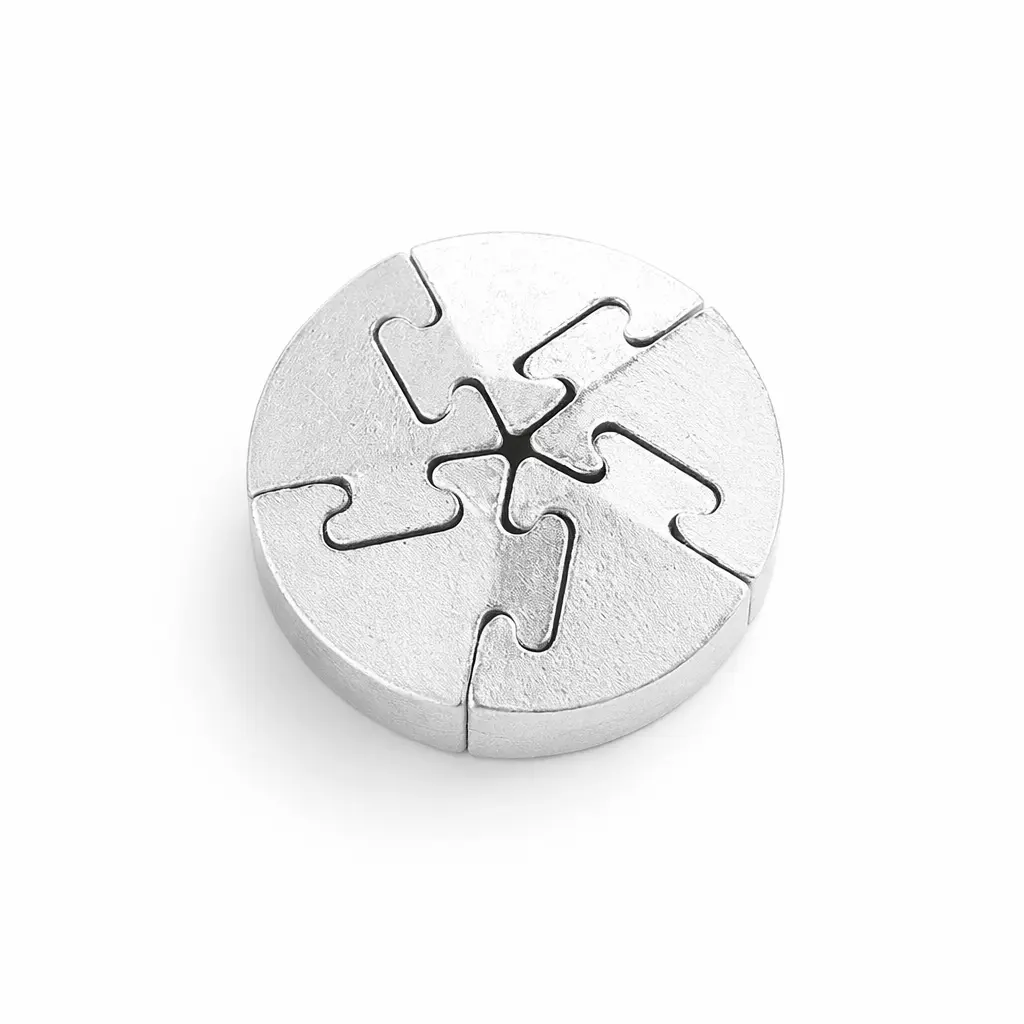
| Interlocking Metal Disk Puzzle | 5 | 5-10 min | Twist, Separate | Symmetry provides clear clues; the solution feels natural. |
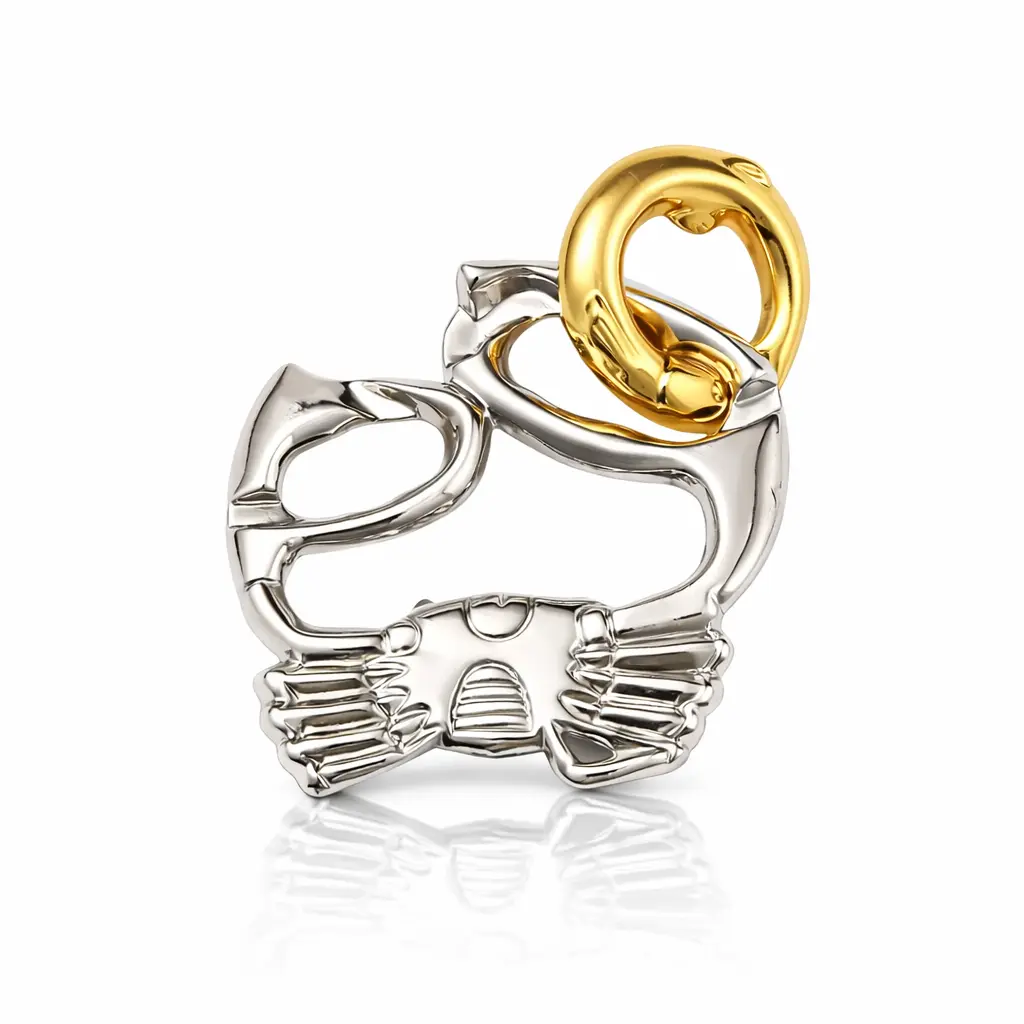
| Metal Crab Puzzle | 4 | 8-15 min | Twist, Maneuver | Fun theme, logical progression with a clear endpoint. |
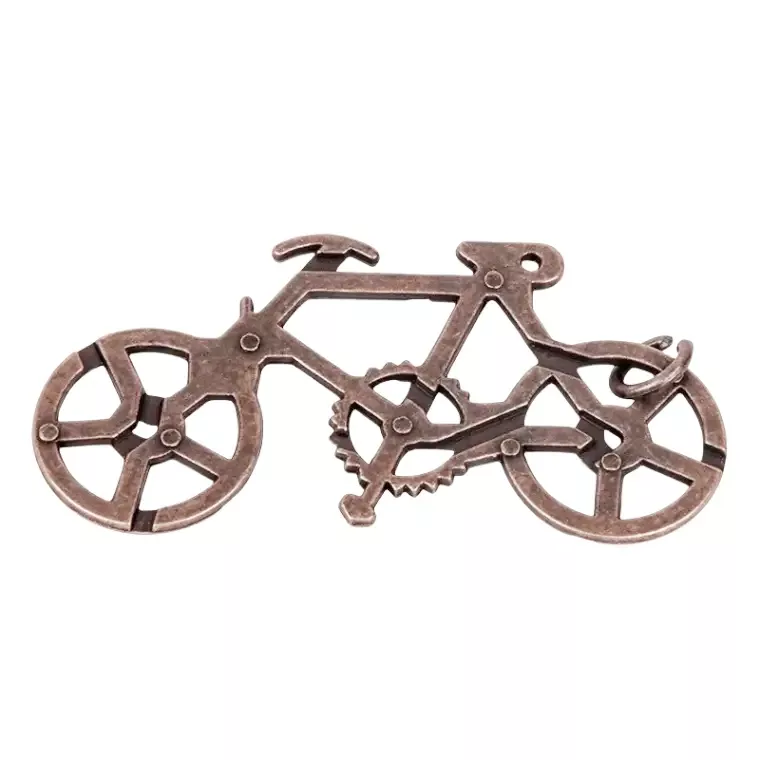
| Intelligent Bike Lock Puzzle | 4 | 10-20 min | Slide, Rotate | Familiar lock concept makes the goal intuitive. |
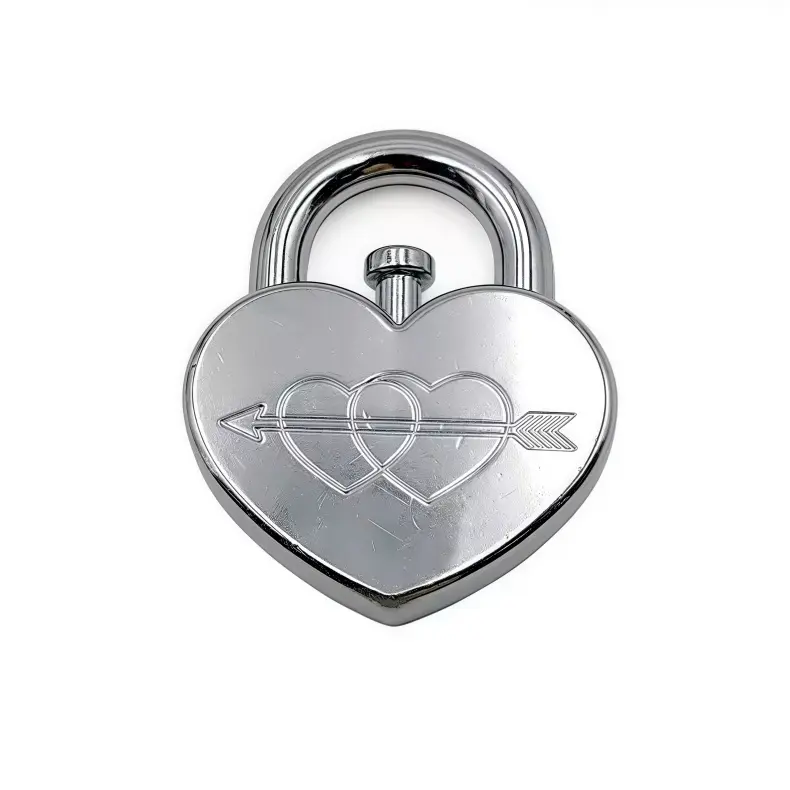
| Silver Heart Lock Puzzle | 3 | 15-25 min | Align, Disengage | Requires finding the exact alignment point, a gentle step-up. |
Skip This Tier If: You're looking at puzzles with intricate, overlapping wires or many small, independent pieces (like our 5 Piece Cast Spiral). These often have a 'gotcha' move beginners miss and score a 2 or lower on our scale. They're fantastic after you've built some confidence.
The puzzles in the table above are your safe zone. They're designed to teach you the basic 'language' of disentanglement—sliding, aligning, and finding open paths—without throwing you into the deep end. For more on why cast metal puzzles feel so satisfying to solve, see our guide on understanding cast metal disentanglement puzzles.
Your Next Action: From the table, pick the one with the highest score that also appeals to you visually. That's your starting line.
For total newbies, the Horseshoe Lock Puzzle is the unequivocal top pick due to its logical slide-and-align solution and sub-7-minute average solve time. It provides the core 'aha!' moment with minimal frustration, making it the perfect on-ramp to the hobby.
Still feeling unsure? Let's make it even simpler. Based purely on the type of satisfying, low-frustration experience you want, here are our top three instant recommendations.
| Best For... | Our Pick | The One-Line Reason |
|---|
Total Newbies
(First puzzle ever) | Horseshoe Lock Puzzle | The solution is a straight line—literally. You slide, you align, it comes apart. Maximum confidence boost. |
Fidgeting & Focus
(Desk toy for hands) | Cast Coil Pocket Puzzle | Smooth, repetitive solving motion. Once you know it, it's a rhythmic, tactile fidget that's deeply satisfying. |
A Gentle Step-Up
(Solved your first? Try this.) | Silver Heart Lock Puzzle | Introduces a precise alignment challenge. It feels like a direct, logical progression from the Horseshoe. |
These aren't the only good options, but they're the clearest paths to success for each goal. The Horseshoe is your guaranteed win. The Cast Coil is for when you want something to play with absentmindedly, not just solve once. The Heart Lock is your logical next puzzle after that first success, offering a slightly more nuanced challenge that still feels completely figure-out-able.
Your Next Action: If your main goal is "don't fail my first try," click the Horseshoe. That's it.
What Are the Common Beginner Mistakes (And How to Fix Them)?
The most common beginner mistake is applying force. Genuine disentanglement puzzles require finesse, not strength. If you're pushing or pulling hard, you're on the wrong path. The correction is to reset, observe the open spaces and pathways, and only make moves where pieces glide smoothly.
Mistake #1
Forcing the pieces.
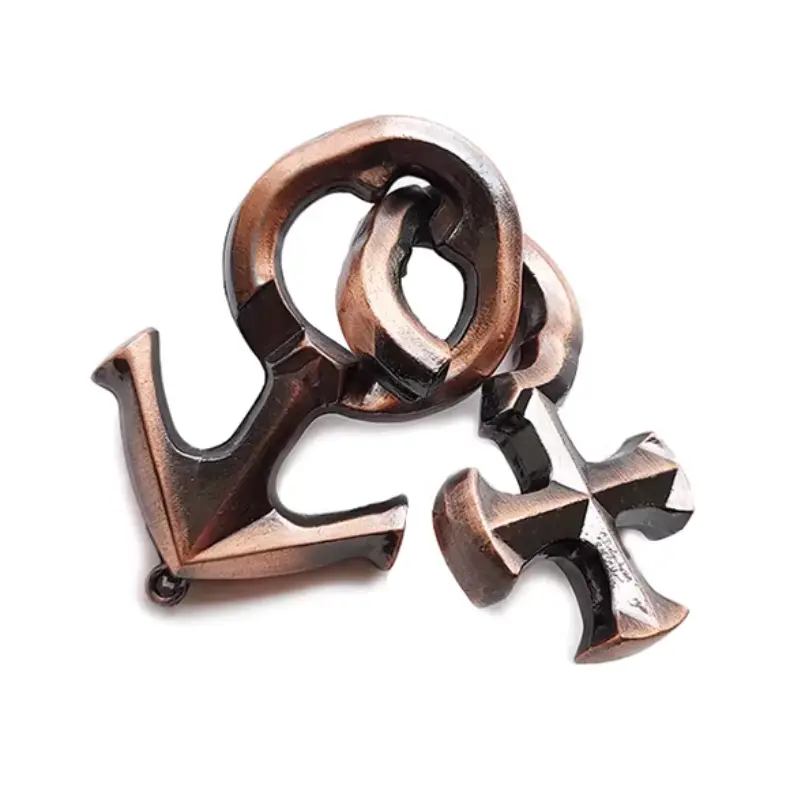
This is the cardinal rule: If it doesn't move easily, it's not meant to move that way. These are precision machined. The right move will feel smooth, with maybe a slight friction. When you feel resistance, stop. Back up. Look for the gap or opening you missed. The Love Interlocking Arrow puzzle is a great teacher for this—the solution is all about finding the precise rotational alignment where pieces slip apart effortlessly.
Fix: This is the cardinal rule: If it doesn't move easily, it's not meant to move that way. These are precision machined. The right move will feel smooth, with maybe a slight friction. When you feel resistance, stop. Back up. Look for the gap or opening you missed. The Love Interlocking Arrow puzzle is a great teacher for this—the solution is all about finding the precise rotational alignment where pieces slip apart effortlessly.
Mistake #2
Only thinking vertically.
Our brains often focus on pulling pieces up and down. The secret lies in horizontal movement and rotation. Before you pull, try sliding pieces side-to-side or turning one in place. Does a new channel open up? This is the core mechanic of puzzles like the Interlocking Metal Disk, where the solution is a simple, elegant twist.
Fix: Our brains often focus on pulling pieces up and down. The secret lies in horizontal movement and rotation. Before you pull, try sliding pieces side-to-side or turning one in place. Does a new channel open up? This is the core mechanic of puzzles like the Interlocking Metal Disk, where the solution is a simple, elegant twist.
Mistake #3
Giving up too fast.
Set a timer for 10-15 minutes of genuine play. If you're stuck, put it down. Your subconscious will work on it. Often, the solution becomes obvious when you pick it up again with fresh eyes. This isn't giving up; it's strategic puzzling. Every puzzle here is designed to be solved in a short, focused session, not through hours of grim determination.
Fix: Set a timer for 10-15 minutes of genuine play. If you're stuck, put it down. Your subconscious will work on it. Often, the solution becomes obvious when you pick it up again with fresh eyes. This isn't giving up; it's strategic puzzling. Every puzzle here is designed to be solved in a short, focused session, not through hours of grim determination.
Our Tea Sip Ease Scale runs from 1 (Immediate) to 5 (Satisfying Challenge). True beginner-friendly disentanglement puzzles land at Level 2-3. A Level 2 puzzle, like the Horseshoe Lock, is solved via one clear, logical sequence in under 10 minutes, providing a quick win and core understanding of the genre.
To eliminate vague 'beginner' labels, we created a simple 1-5 scale based on the experience of solving. This isn't about craftsmanship; it's about how it feels in your hands as a novice.
- Level 1: Immediate. You'll solve it almost by accident while examining it. Fun, but maybe too simple. (Example: A basic ring on a loop).
- Level 2: Logical Steps. The path is clear if you observe. 1-2 distinct moves, solved in 2-10 minutes. This is the sweet spot for first-timers. You feel smart, not stuck. (Horseshoe Lock, Interlocking Disk).
- Level 3: Satisfying Challenge. Requires noticing a specific alignment or non-obvious rotation. 15-25 minute solve. You'll have a few 'dead end' attempts before the elegant solution clicks. A perfect second puzzle. (Heart Lock, Metal Crab).
- Level 4: Requires Insight. Has a classic 'trick' move that isn't intuitive. May need a hint. For confident beginners ready for a leap.
- Level 5: Expert Territory. Multiple interdependent steps. Save these for later.
Where do our featured products land? We've plotted them all for you:
- Level 2 (Best Starting Point): Horseshoe Lock Puzzle, Interlocking Metal Disk Puzzle.
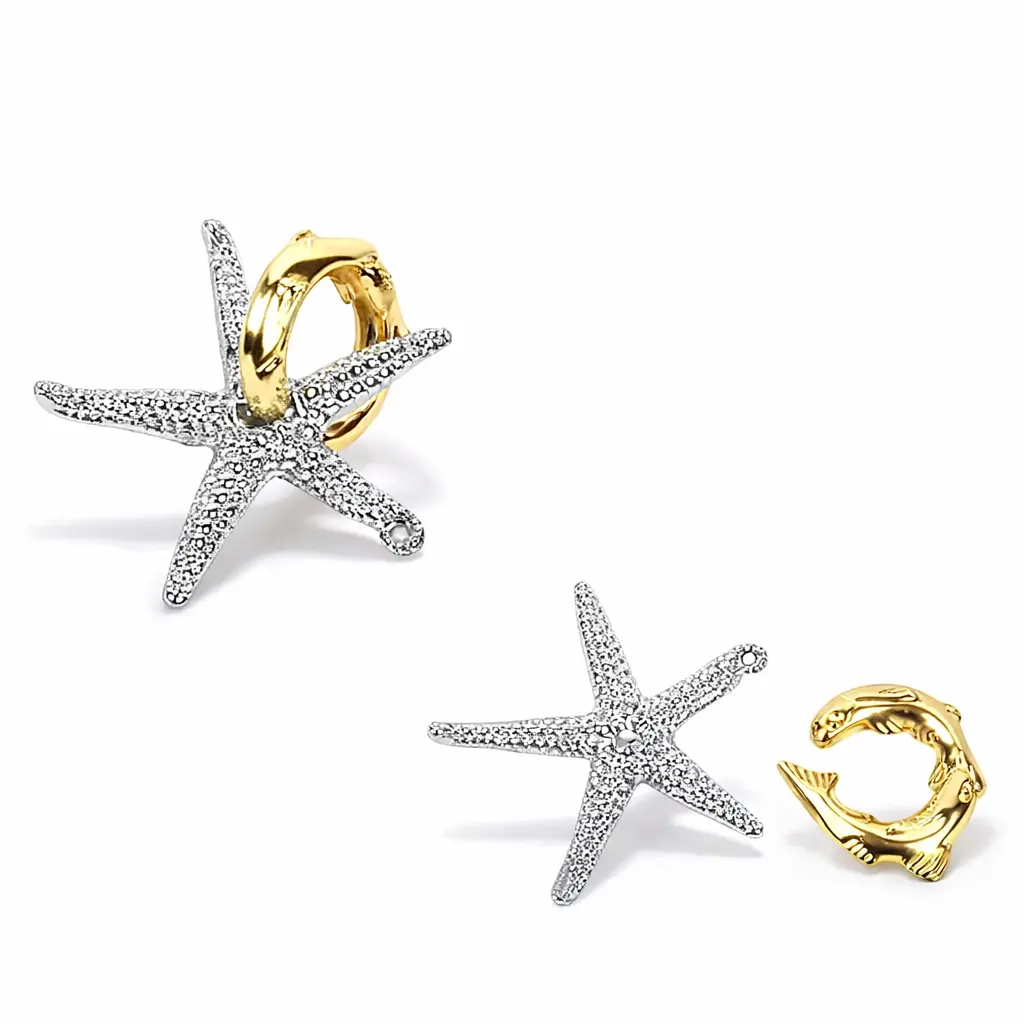
- Level 3 (Great First or Second Puzzle): Metal Crab Puzzle, Intelligent Bike Lock, Silver Heart Lock, Metal Starfish Ring, Four-Leaf Clover, Love Interlocking Arrow.
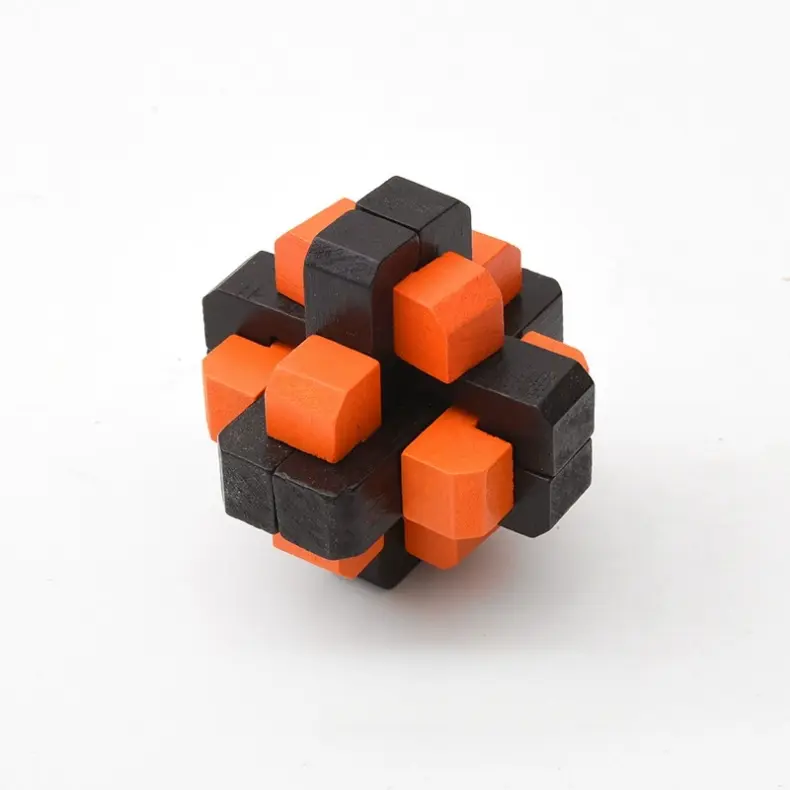
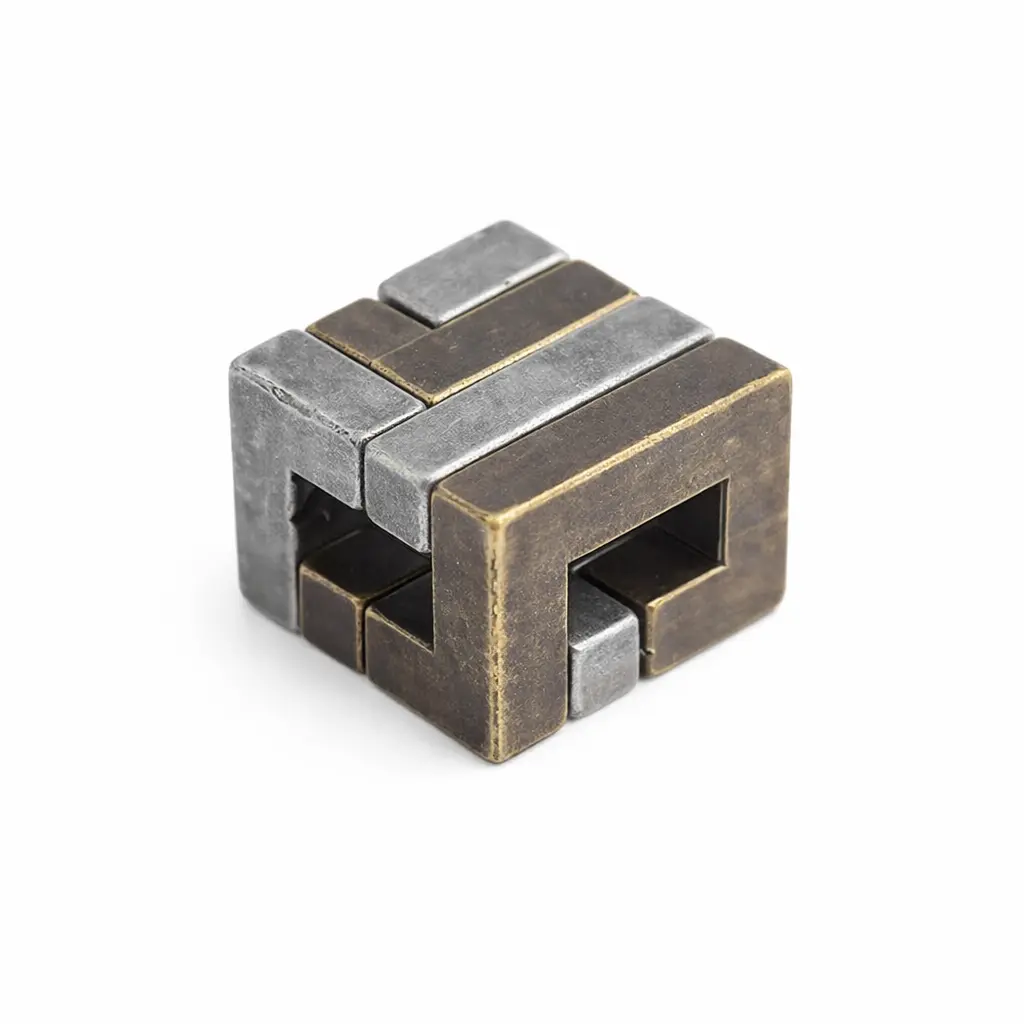
- Level 4 (Step Up Later): Cast Coil Pocket Puzzle, Looking Back (Wooden), Cast Galaxy 4-Piece.
- Level 5 (Avoid as a Beginner): 5 Piece Cast Spiral Metal Puzzle.
The Honest Take: A Level 3 puzzle is often the most rewarding for a first buy—it gives you a real challenge to sink your teeth into, but one that's still bounded and solvable. It's the difference between a 'quick win' and a 'satisfying accomplishment.' Both are great; you just need to know what you're getting. For a broader look at how puzzles rate for stress relief, check out our blog on easy vs hard desk puzzles for stress.
Your Next Action: Decide if you want a pure confidence boost (Level 2) or a slightly meatier first challenge (Level 3). Then choose from that list.