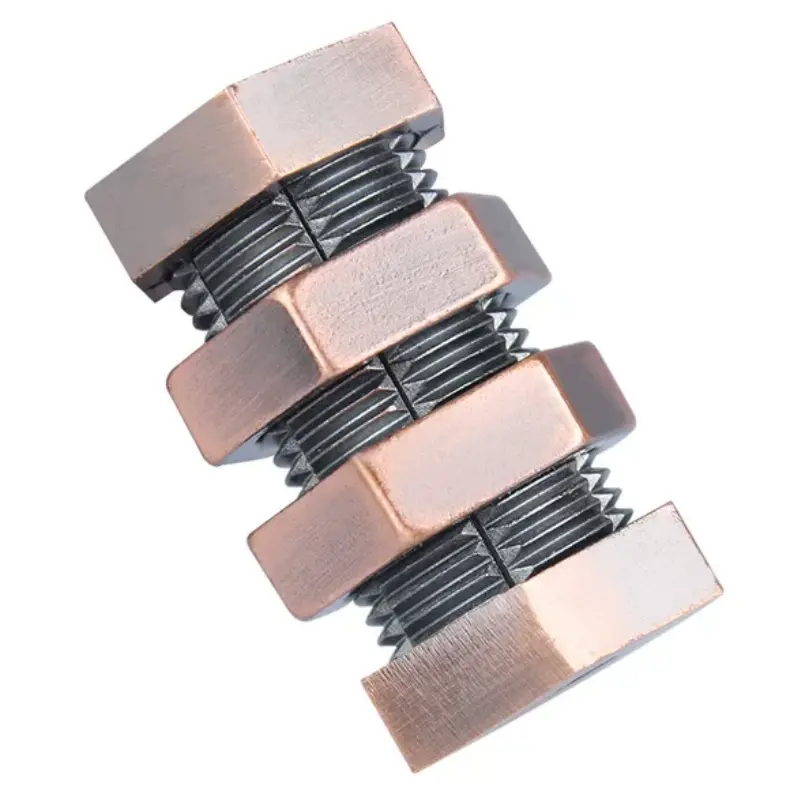
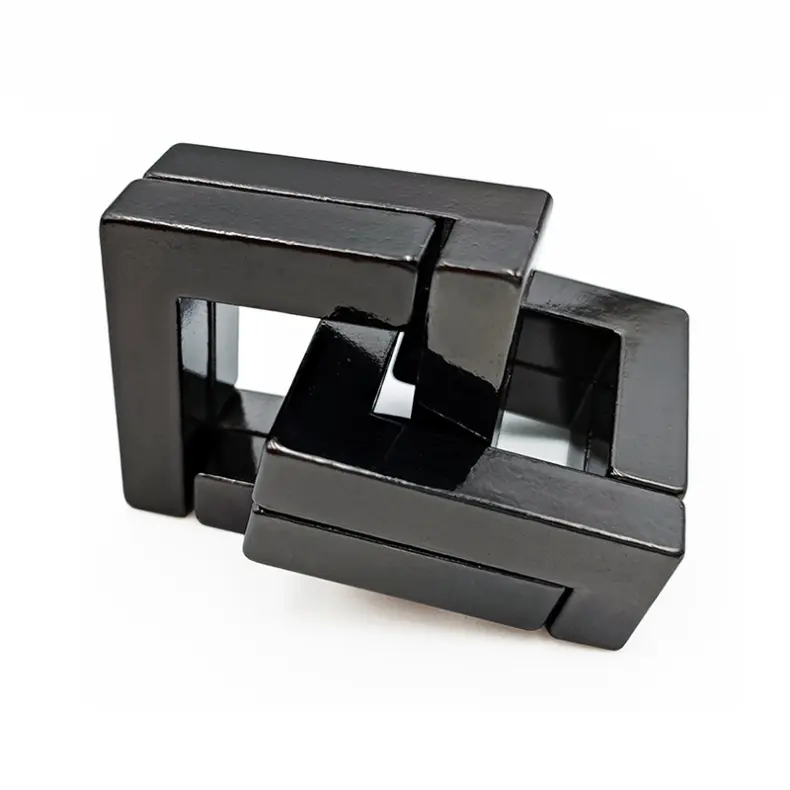
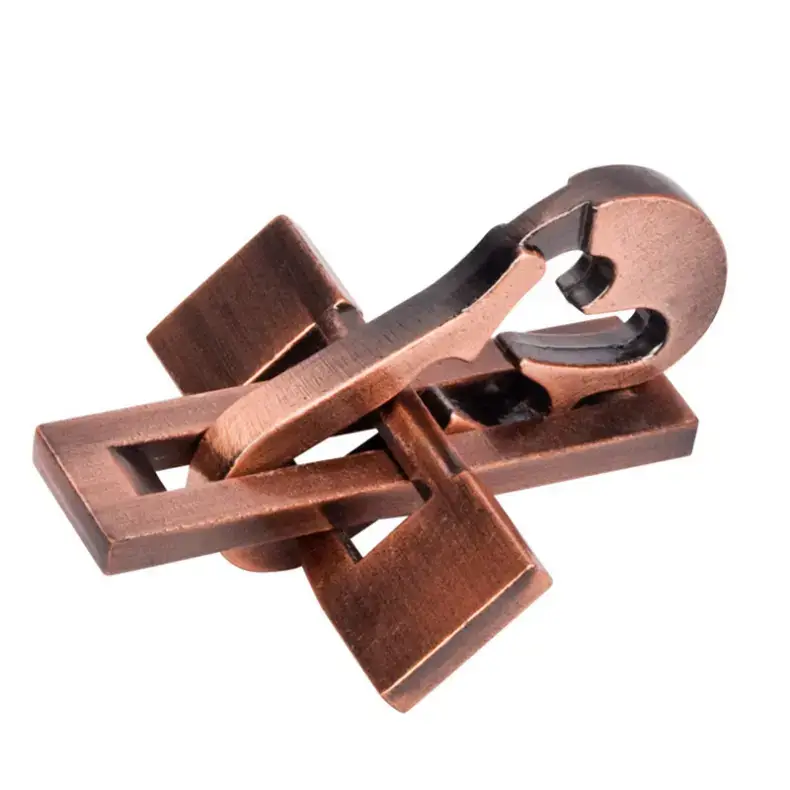
Focus on the frustration-to-satisfaction ratio. For first-timers, aim for 2-4 pieces with a 'First-Timer Friendliness' score of 4 or 5. Avoid anything with more than 5 pieces initially. The ideal puzzle delivers a clever 'aha' moment within 20-60 minutes, not days. Research in puzzle design confirms that immediate positive reinforcement is key to sustained engagement.
How Do You Pick a Disk Puzzle That's Fun, Not Frustrating?
You're not trying to prove you're a genius. You're trying to have a good time. The biggest mistake you can make is buying something that looks cool but is secretly a multi-day project. The key metric here isn't IQ—it's the frustration-to-satisfaction ratio.
A great first puzzle feels like a solvable mystery. You fidget, rotate, test theories, and then—*click*—it comes apart in your hands. That's the win. A bad one just leaves you staring at identical pieces, feeling stuck.
The table below cuts through the marketing. We're comparing by what actually matters for your first attempt: how easy it is to get into, how good it feels to handle, and how cool it looks after you've conquered it.
| Tier Name | # of Pieces | First-Timer Friendliness (1-5) | Tactile Satisfaction | Shelf Appeal (Solved) | Skip This Tier If... |
|---|
| The Perfect Start | 2-3 | 4-5 | High. Simple, clean movements with a clear 'click'. | Good. Often a nice geometric or symbolic shape. | You're already bored thinking about it. This is for learning the 'feel'. |
| The Sweet Spot | 4-5 | 3-4 | Excellent. More moving parts mean more satisfying sequential clicks. | High. These often look like intricate sculptures. | You get frustrated easily without hints. These require a bit more patience. |
| The 'Ready for More' | 6+ | 1-2 | Variable. The solve is complex, but the final moment is epic. | Very High. True collector's pieces. | This is your first metal puzzle. Seriously. Build up to these. |
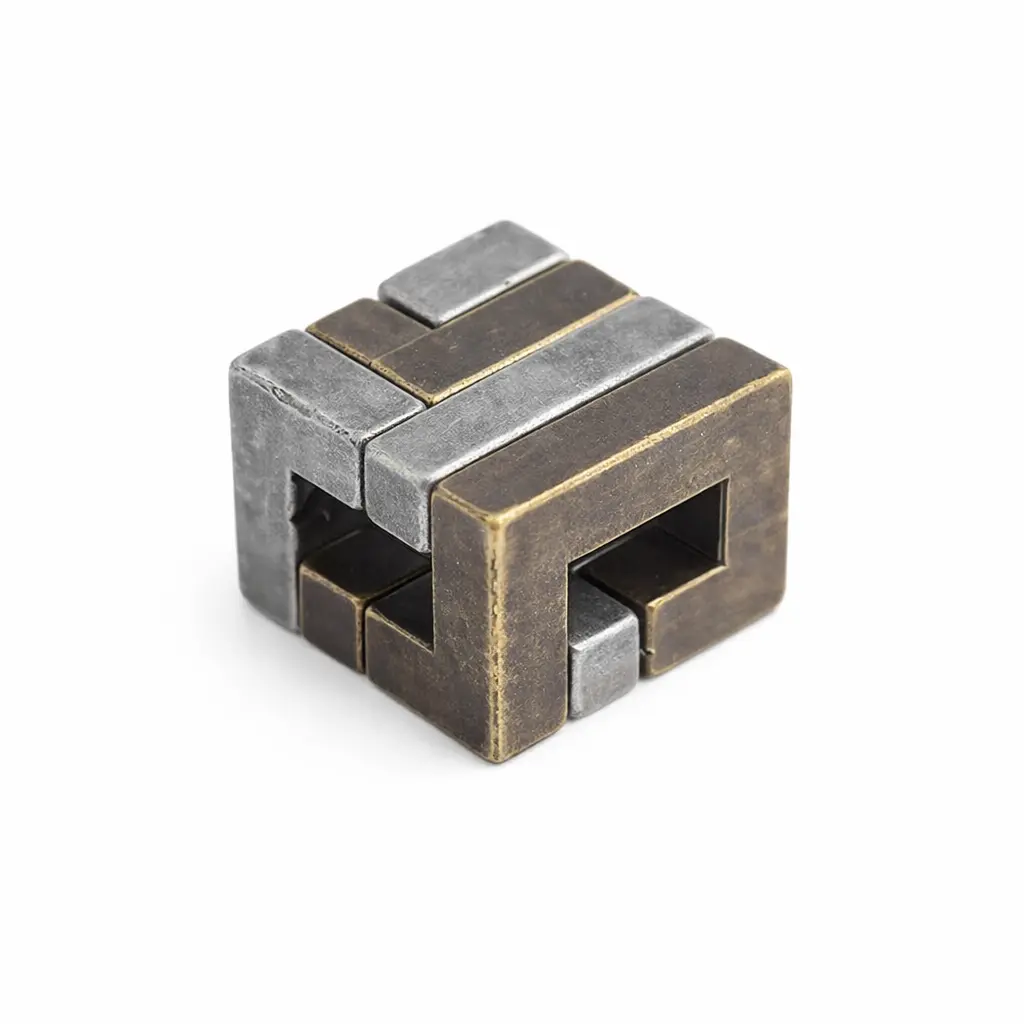
Here's the no-BS take: Start in the 'Sweet Spot' with 4-5 pieces. It's the Goldilocks zone. You get the full, satisfying process of exploring multiple pieces without the overwhelming complexity. The Cast Coil Pocket Puzzle is a masterclass in this—it looks complex but guides your hands to the solution.
Who should skip the high-piece-count tier? Everyone reading this page for the first time. Jumping into a 10-piece interlocking monster is like trying to run a marathon before you can jog a mile. It turns a fun impulse buy into a desk ornament that mocks you. Get a win under your belt first.
Your next action: Look at the 'First-Timer Friendliness' column. Pick a 4 or 5. That's your puzzle.
For disk puzzles, 'Beginner' means the solution is based on a single, non-obvious alignment or rotation you can find through gentle experimentation in under an hour. 'Advanced' puzzles involve multiple sequential discoveries and false paths. Our selected puzzles cover a clear progression: Starters (2-3 pieces), Core Challenges (4-5 pieces), and Intricate Sequences (6+).
Let's demystify 'difficulty.' It doesn't mean 'smarter people solve this.' It means 'this takes more steps.' A beginner puzzle has one secret. An advanced puzzle has five secrets, and you need to find them in order.
Tier 1: Getting Started (The 'Oh, I See!' Moment)
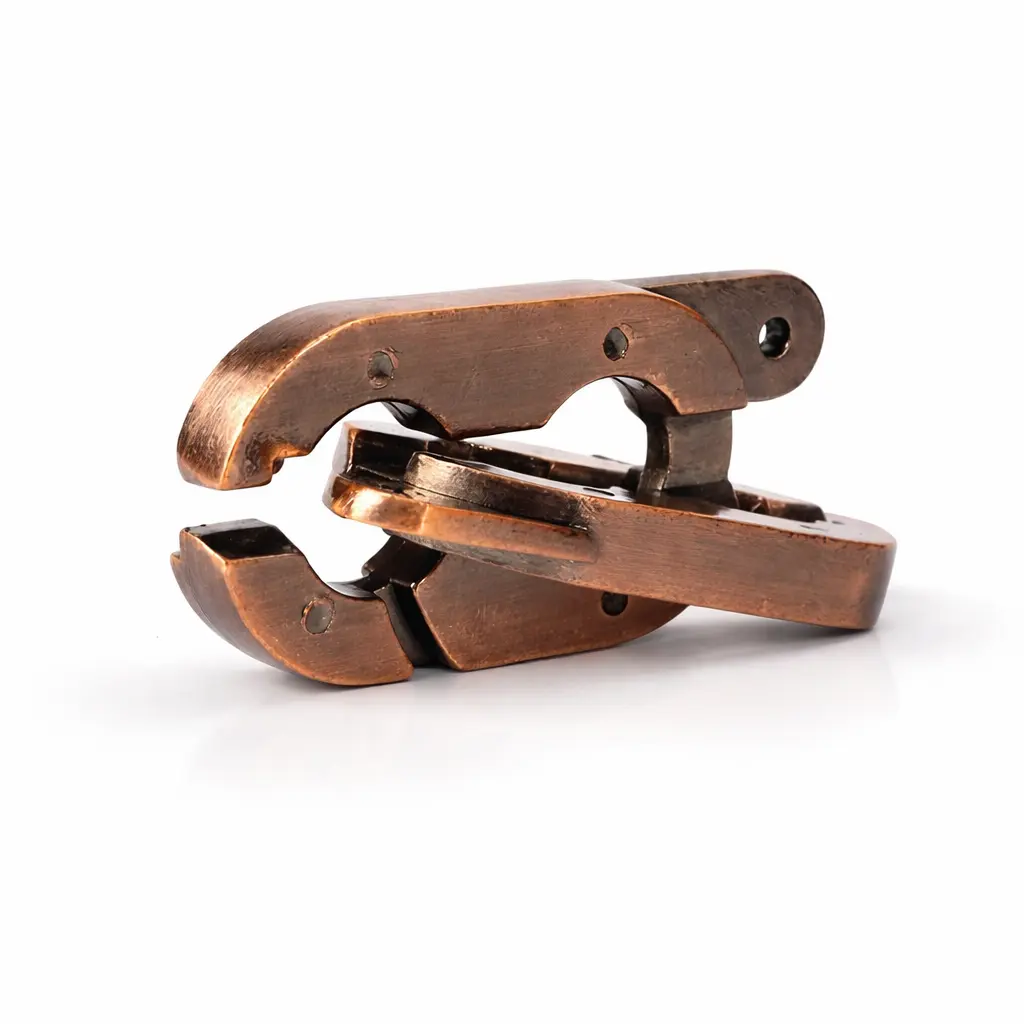
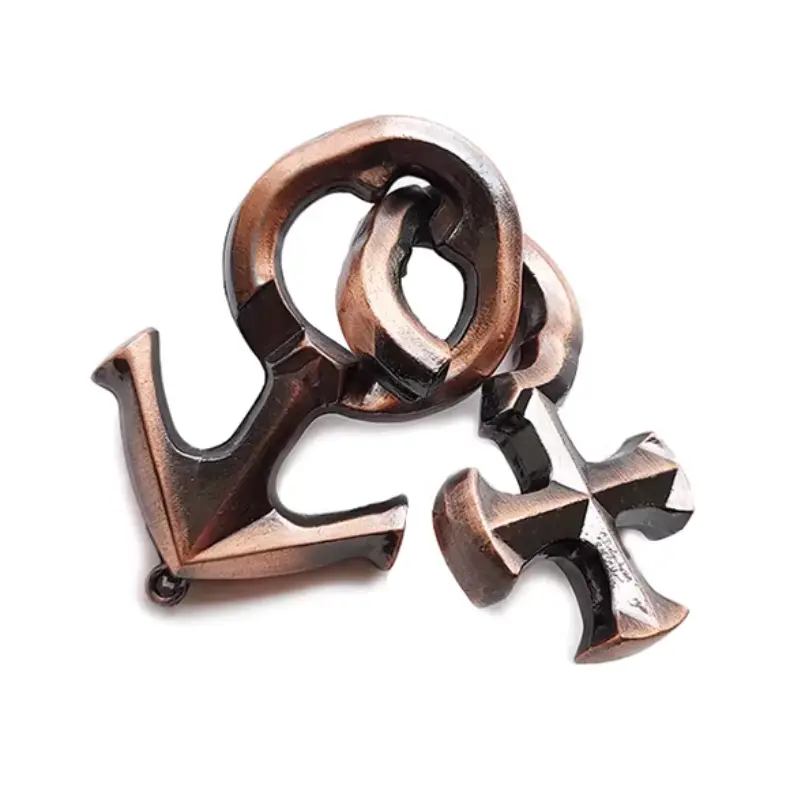
These are your 2-3 piece puzzles, like the Antique Bronze Keyring or Love Interlocking Arrow Rings. The goal is to learn the language of metal puzzles: that solutions come from precise alignment and rotation, not force. The 'aha' moment comes quickly (often in 10-30 minutes), which is the perfect confidence boost. The tradeoff: The solve is short. Once you know the trick, you know it. They're fantastic for fidgeting or gifting, though.
Tier 2: Got the Hang of It (The Satisfying Journey)
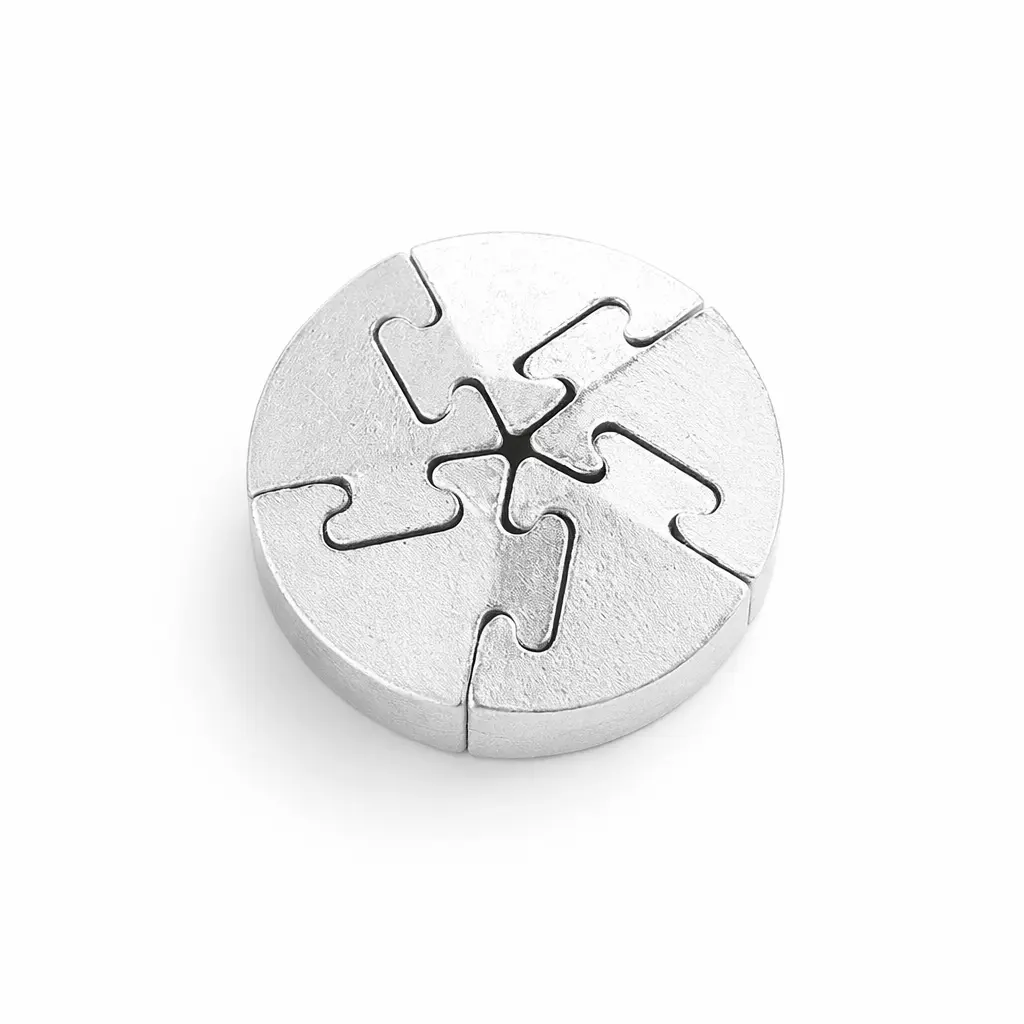
This is where you want to live. 4-5 piece puzzles, like our spotlight 5 Piece Cast Spiral, offer a complete narrative. You'll find a move, hit a dead end, backtrack, and discover the correct sequence. The solve feels like a real accomplishment (think 45-90 minutes), and the object is beautiful when displayed. This tier best matches the 'impulse treat' desire for a fulfilling Sunday afternoon challenge.
Tier 3: Ready for More (The Deep Dive)
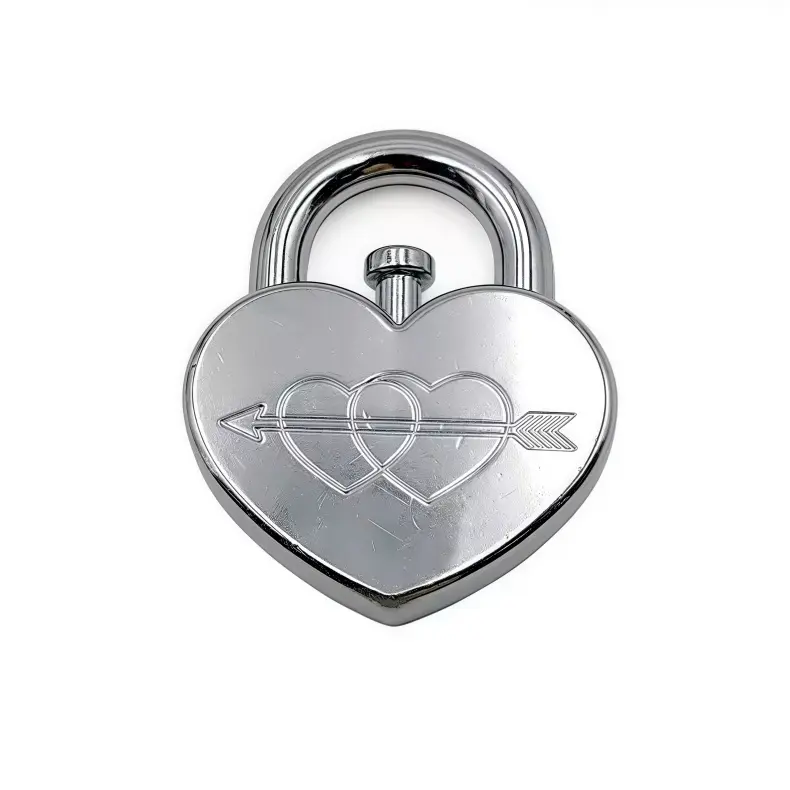
Puzzles with 6+ interlocking pieces, or those with extremely subtle mechanisms, fall here. They're for when the process of being stuck is part of the fun for you. You'll put it down and come back over days. We've included a couple like the Yangqin Lock for when you've caught the bug. The honest negative: Starting here can kill your interest. It's like choosing 'Hard Mode' before you know the controls.
The best way to understand this progression is to see it. For a deep dive review of a quintessential disk puzzle that sits perfectly in Tier 2, check out our blog.
Your next action: Choose Tier 2. Trust me. It's the perfect balance of challenge and reward for that post-dinner brain itch.
Let's get real. My first one sat on my desk for two days. I'd pick it up, fiddle angrily for five minutes, and put it down. I felt silly. Then, during a boring conference call, I was just mindlessly rotating it—not trying to solve it, just feeling the weight and the smoothness of the cast metal—and I felt a tiny, internal shift. A piece I hadn't even considered as the 'key' lined up perfectly. The satisfying click was both audible and physical. That was it. The 'aha' moment.
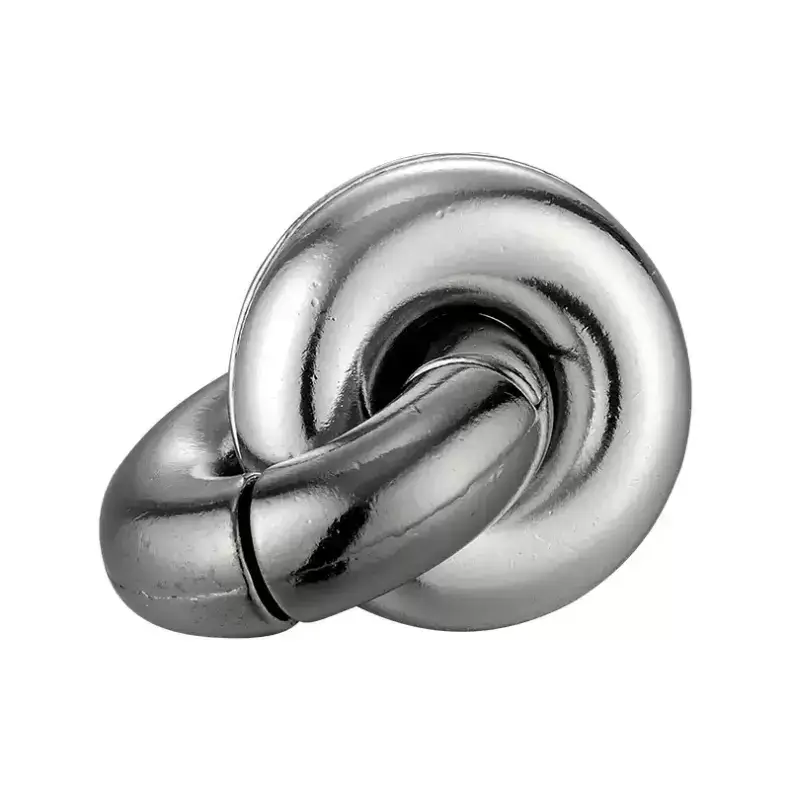
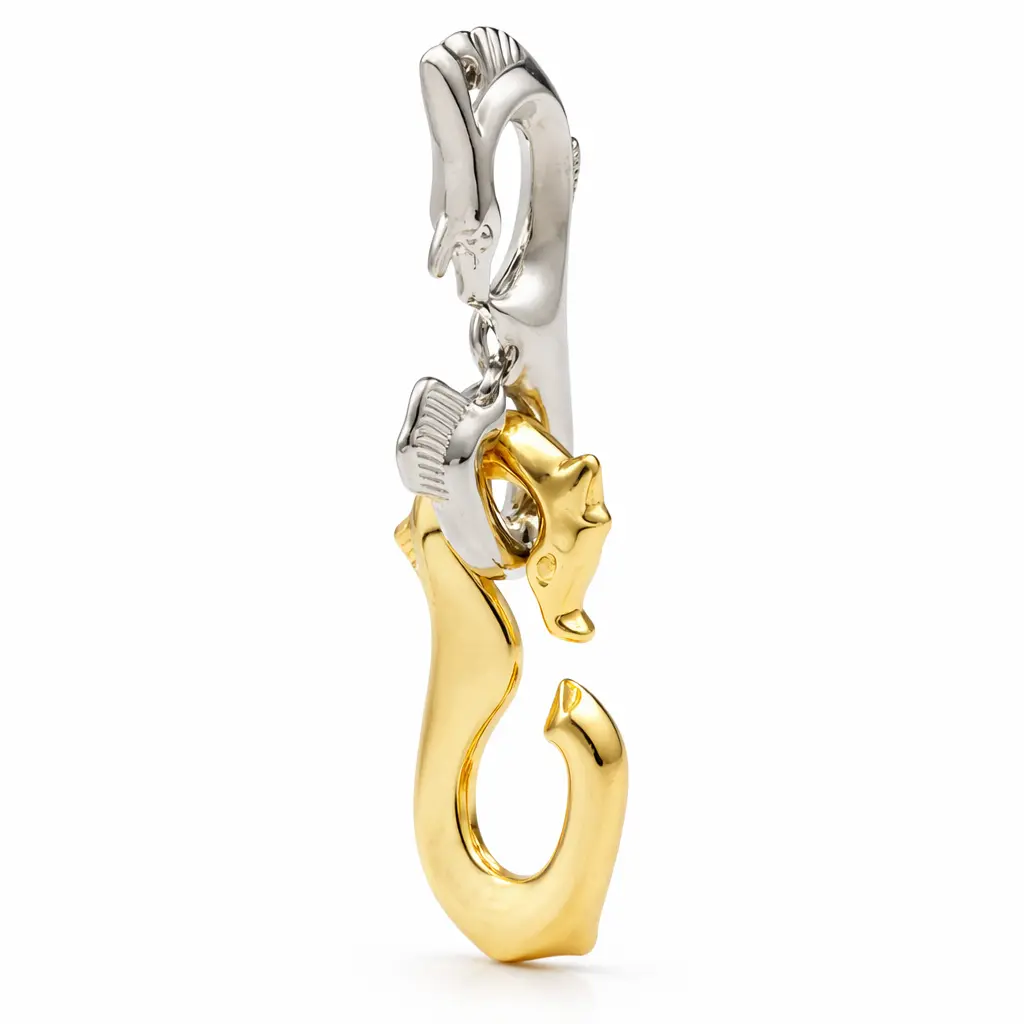
Sounds silly, but... that 'click' is everything. It's the tangible, auditory proof you figured it out. Cheap puzzles grind or don't align cleanly. A good one, like the Interlocking Double-Ring Lian, has a precise, muffled metal snap that's deeply rewarding.
The photo I'd show you isn't of the puzzle in a box. It's of the solved pieces fanned out on my wooden coffee table next to a cold mug of tea. It's a desk toy that actually gave me a story. That's what you're buying: 30-60 minutes of focused, fidget-friendly engagement that ends with a small, personal victory you can hold in your hand.
If you want to see this mindset in action, we've broken down the 3-step mindset for solving any ring puzzle without losing your cool.
Your next action: Imagine that puzzle on your own coffee table tonight. Which one looks best there?